

Table of Contents
If you close your eyes and stand at the entrance of Van Phuc silk village, you won’t just hear the wind. You’ll hear a rhythmic, metallic heartbeat – the clack-clack, clack-clack of hundreds of looms weaving stories into fabric. This is the silk village where the air smells faintly of mulberry leaves and the streets are paved with a thousand years of tradition.
Located just 10 kilometers southwest of Hanoi’s center, Van Phuc Silk Village remains one of Vietnam’s most authentic craft villages. Unlike the touristy markets downtown, this place breathes tradition. Here, you’ll find families who’ve perfected their craft across generations, creating silk products that range from affordable scarves to museum-quality ao dai. Whether you’re hunting for genuine Vietnamese silk or simply curious about traditional craftsmanship, I’ll show you the Van Phuc I know – the one locals cherish and visitors often miss.
What Makes Van Phuc Silk Village Special
Over a Millennium of Silk Weaving History
Van Phuc Silk Village, nestled along the banks of the Nhue River in Ha Dong District, carries a heritage spanning over 1,200 years. The village’s history begins in the 11th century during the Ly Dynasty, when silk weaving first took root in this carefully chosen location. Our ancestors selected this site not by chance, but for the Nhue River’s unique water properties, which proved ideal for silk dyeing – a tradition some workshops maintain today, albeit with modern filtration methods.

Originally known as Van Bao, the village later changed its name to Van Phuc to avoid offending the emperor, reflecting the deep respect and close ties the community maintained with Vietnamese royalty. This connection grew stronger when Van Phuc artisans began supplying exquisite silk to emperors and mandarins, earning coveted royal recognition.
The village’s silk weaving excellence traces back to Mrs. A La Thi Nuong from Cao Bang, who brought advanced techniques from China. Her innovative methods transformed Van Phuc into a center of craftsmanship, known for producing smooth, lightweight silks adorned with exquisite patterns that became the preferred choice of Vietnamese nobility.
Today, walking through Van Phuc means treading the same streets where silk traders have conducted business for centuries. The village’s recognition as a National Intangible Cultural Heritage represents both a great honor and a source of immense pride. This distinction serves as powerful inspiration for skilled artisans and younger generations alike, motivating them to preserve and promote this precious traditional craft for future centuries to come.
Living Craft Traditions
What strikes most visitors about Van Phuc Silk Village is that it’s not a reconstructed heritage site. This is a working village. You’ll see children playing between drying silk threads and elderly craftspeople teaching youngsters the trade.

The village produces everything from raw silk thread to finished products. Some families specialize in raising silkworms, others in spinning thread, and still others in weaving or dyeing. This specialization creates a community where everyone’s skills interconnect – exactly how Van Phuc Silk Village has operated for centuries.
How to Get to Van Phuc Silk Village
From Hanoi City Center
Getting to Van Phuc Silk Village is surprisingly straightforward. I usually recommend three main options based on your comfort level and budget:
- By Taxi or Grab: The easiest route takes about 30-40 minutes from Hoan Kiem District, costing roughly 150,000-200,000 VND ($6-8 USD). Just tell the driver “Van Phuc Silk Village, Ha Dong” or show them the Vietnamese: “Làng lụa Vạn Phúc, Hà Đông”.
- By Bus: Take bus number 50 from Hanoi’s Long Bien Bus Station. It costs only 7,000 VND ($0.27 USD) and drops you right at the village entrance. The journey takes about 50 minutes, depending on traffic. Alternatively, you can take bus lines 19, 21A, 22, 27, 39, 57, or 103A, all of which stop near the village.
- By Motorbike: If you’re comfortable riding, rent a motorbike and follow Quang Trung Street southwest toward Ha Dong. Van Phuc Silk Village is well-signposted. The ride gives you a genuine feel for how Hanoi transitions from urban chaos to village life. Just remember – Hanoi traffic can be intense if you’re not used to it.
- By Bicycle: For the active traveler, it’s a flat, interesting ride through the changing landscape of Hanoi. If you’re interested in exploring more of the city on two wheels, check out our A guide to explore Hanoi on bikes – Cycling in Hanoi for the best routes and tips for cycling in Hanoi.
Best Time to Visit

I always tell friends to visit the village on weekday mornings, between 8 AM and 11 AM. This is when the village truly comes alive. Looms are clicking, dyers are working their vats, and you can watch the entire silk-making process unfold naturally. Weekend afternoons get crowded with domestic tourists, and many workshops close during lunch (typically 11:30 AM to 1:30 PM).
Avoid major Vietnamese holidays like Tet (Lunar New Year) when most workshops close for family celebrations. The best months are September through November and March through May – pleasant weather and full production schedules.
What to See and Do in Van Phuc Silk Village
1. Watch Master Weavers at Work
The heart of Van Phuc Silk Village beats in its workshops. Unlike museums where you watch through glass, here you can step inside and observe weavers up close. My aunt runs a small workshop where she welcomes visitors. She’ll explain how silk thread transforms into fabric, show you different weaving patterns, and might even let you try your hand at the loom (spoiler: it’s harder than it looks).
The sound of looms is hypnotic – a rhythmic pattern that’s been Van Phuc Silk Village’s soundtrack for centuries. Watch how weavers’ hands move in perfect coordination, how they can detect a single broken thread among hundreds, how patterns emerge from seemingly random movements.
Some workshops specialize in traditional patterns – flowers, dragons, phoenixes that decorated imperial robes. Others create contemporary designs for modern fashion. The craftsmanship is identical; only the aesthetics have evolved.
2. The Silk-Making Process

Most tourists don’t realize silk production involves multiple stages. At Van Phuc Silk Village, you can witness the entire journey:
- Silkworm Cultivation: Some families still raise silkworms, though many now purchase cocoons from specialized farms. If you’re lucky, you might see the feeding process – silkworms munching on fresh mulberry leaves.
- Thread Extraction: Workers boil cocoons to soften the sericin (natural gum) binding silk fibers. They then carefully unwind each cocoon, which can produce 600-900 meters of continuous thread. It takes about 2,500 cocoons to make one pound of raw silk.
- Dyeing: This is where Van Phuc Silk Village’s artistry truly shines. Traditional dyers use natural materials – indigo for blue, turmeric for yellow, lac insects for red. Modern workshops use synthetic dyes for consistency, but some traditionalists maintain old methods. The dyeing houses are visually stunning – vats of vibrant colors, silk threads hanging like rainbow curtains.
- Weaving: Finally, dyed threads meet the loom. Complex patterns require incredible skill and patience. A single ao dai fabric can take weeks to complete.
3. Shopping for Authentic Silk

This is where I need to be honest with you: not everything sold in Van Phuc Silk Village is genuine silk. Tourism has brought prosperity but also some less scrupulous vendors selling synthetic blends at silk prices. Here’s how to shop smart:
- The Burn Test: Ask vendors if you can burn a small thread. Real silk burns slowly, smells like burnt hair, and crumbles to ash. Synthetic materials melt into plastic beads. Reputable vendors won’t refuse this test.
- The Touch Test: Genuine silk feels cool to touch and warms against your skin. It has a subtle, irregular texture – too-perfect smoothness often indicates synthetic material.
- Price Reality: In Van Phuc Silk Village, genuine silk scarves start around 200,000 VND ($8-10 USD). Larger pieces like tablecloths or ao dai fabric range from 800,000 to several million VND. If prices seem too good to be true, they probably are.
- Shop with Families: I recommend buying from family-run workshops rather than large showrooms near the entrance. Walk deeper into Van Phuc Silk Village’s residential areas. The families who actually weave the silk offer better prices and authentic products.
4. Traditional Architecture and Village Life
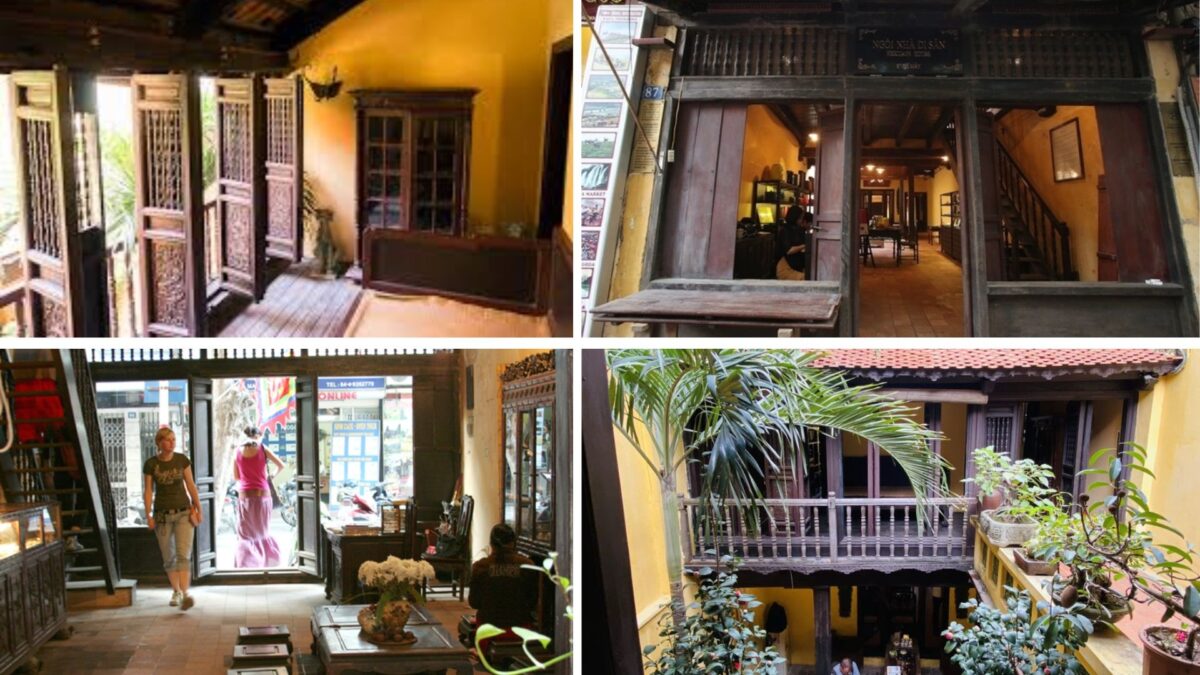
Between shopping and workshop visits, take time to wander Van Phuc Silk Village’s lanes. The architecture tells its own story – ancient wooden houses with tile roofs standing alongside modern concrete structures. Some families have converted front rooms into showrooms while keeping traditional living spaces in back.
Notice the village’s communal house (đình làng), a beautiful example of Vietnamese traditional architecture. It’s not always open to tourists, but during festivals, you might witness ceremonies honoring the village’s craft traditions.
The small cafes scattered throughout Van Phuc Silk Village offer perfect rest stops. Grab a Vietnamese iced coffee and watch daily life unfold – children cycling home from school, elderly residents chatting on doorsteps, delivery trucks collecting finished silk products.
Understanding Van Phuc Silk Products
Types of Silk Available
Van Phuc Silk Village produces several silk varieties:
- Mulberry Silk: The highest quality, produced by silkworms fed exclusively on mulberry leaves. This is what you want for premium products. Smooth, lustrous, and incredibly durable.
- Tussah Silk: Made from wild silkworms, this has a coarser texture and natural beige color. Less expensive but still genuine silk, perfect for more casual items.
- Silk Blends: Many products combine silk with cotton or synthetic fibers. These are more affordable and easier to maintain but lack pure silk’s luxury feel. Vendors should clearly label blend percentages – don’t accept vague descriptions.
Popular Items to Purchase
- Scarves and Shawls: The most popular Van Phuc Silk Village souvenirs. Prices range from 150,000 to 500,000 VND ($6 – $20 USD) depending on size and quality. These make excellent gifts – lightweight, beautiful, and genuinely useful.
- Ao Dai Fabric: If you’re having a traditional Vietnamese dress made, Van Phuc Silk Village offers the finest fabric. A full ao dai set (tunic and trousers) requires about 3 meters of fabric, costing 1,500,000 to 4,000,000 VND ($60 – $160 USD) for premium silk.
- Ties and Accessories: Gentlemen, Van Phuc Silk Village produces excellent silk ties, pocket squares, and cufflinks at a fraction of Western prices. A genuine silk tie costs around 300,000-500,000 VND ($12 – $20 USD).
- Home Textiles: Silk pillowcases, bedding sets, tablecloths, and wall hangings. These are investment pieces – expensive but extraordinarily beautiful. My grandmother’s silk tablecloth has served our family for 40 years. (Prices vary widely, typically starting from 500,000 VND / $20 USD and up).
- Clothing: Ready-made dresses, shirts, and blouses. Quality varies dramatically, so inspect stitching carefully. Some Van Phuc Silk Village tailors offer custom work if you have a few days (Ready-made items usually range from 400,000 – 1,200,000 VND / $16 – $48 USD),
Practical Tips for Visiting Van Phuc Silk Village
What to Bring
- Cash (many small workshops don’t accept cards)
- Comfortable walking shoes (village streets are uneven)
- A small bag for purchases
- Camera (workshops welcome photography, but always ask first)
- Basic Vietnamese phrases or translation app
- Patience and open mind
Cultural Etiquette
Remember, Van Phuc Silk Village is someone’s home, not a theme park. Respect people’s privacy – don’t photograph residents without permission. If entering a workshop, remove shoes if you see others doing so. Don’t touch products with dirty or wet hands – silk stains easily.
Bargaining is expected in markets but should be polite. Don’t insult artisans by offering ridiculously low prices. These families pour generations of skill into their work. Fair prices support traditional crafts and ensure Van Phuc Silk Village’s survival.
Language Considerations
English proficiency varies in Van Phuc Silk Village. Younger vendors usually speak basic English; older artisans might not. Learn simple phrases:
- “Bao nhiêu tiền?” (How much?)
- “Đẹp quá!” (So beautiful!)
- “Lụa thật không?” (Is this real silk?)
Most importantly, smile. Warmth transcends language barriers.
How Long to Spend
Give Van Phuc Silk Village at least 3-4 hours. Rushing through defeats the purpose. This isn’t about checking a box on your itinerary – it’s about experiencing a living tradition. Watch a weaver work. Chat with a dyer about her grandmother’s techniques. Sip coffee while silk threads dry overhead.
If you’re genuinely interested in textile arts, a full day isn’t too much. The village reveals itself slowly, like silk thread unspooling from a cocoon.
The Thread That Connects Past and Present

Van Phuc Silk Village transcends its role as a shopping destination. It stands as testament to Vietnamese resilience, artistry, and the enduring power of tradition in our modern world. Here, a single silk thread connects legendary emperors of the past to contemporary fashion designers, ancient techniques to modern aesthetics, and individual craftspeople to a thousand-year legacy.
Whether you’re a textile enthusiast, a photography lover, or simply a traveler seeking the authentic soul of Hanoi, Van Phuc offers something profound. You’ll find beauty in the silk, certainly, but also in the stories woven into every thread, in the pride of craftspeople carrying forward their ancestors’ knowledge, and in a community that has preserved its identity through centuries of change.
Come for the silk, but stay for the stories. Come as a tourist, but leave with a deeper understanding of Vietnamese culture. Van Phuc Silk Village isn’t just a dot on a map – it’s the living, breathing heart of a craft tradition that has survived dynasties, wars, and modernization. It deserves your time, your respect, and your support.

For those seeking a guided experience that feels like visiting with a knowledgeable friend, consider contact Jackfruit Adventure now! Our passion for authentic local experiences and deep cultural connections can reveal sides of Hanoi – and Van Phuc Silk Village – that most visitors never discover.