

Table of Contents
Hey there! If you’re exploring the capital and looking to track down a pair of sneakers or some stylish footwear, you could easily hit up any modern mall. But if you’re anything like me, you’re probably looking for that real, unpolished Hanoi, the kind of hidden gems that don’t always top the standard tourist brochures. That’s precisely why you need to discover Hanoi Shoe Street.
The Old Quarter of Hanoi is renowned for its lanes dedicated to a single trade. While modern times have turned many blocks into souvenir shops, Hanoi Shoe Street is one of those genuine, unpolished corners where everyday local life happens right on the sidewalk. It’s a place where you can catch the real rhythm of the city, see how Hanoians shop, and walk away with a fantastic story and a cool pair of kicks.
As a local, let me give you the actual scoop on this spot, from its quirky history to the unwritten rules of shopping here.
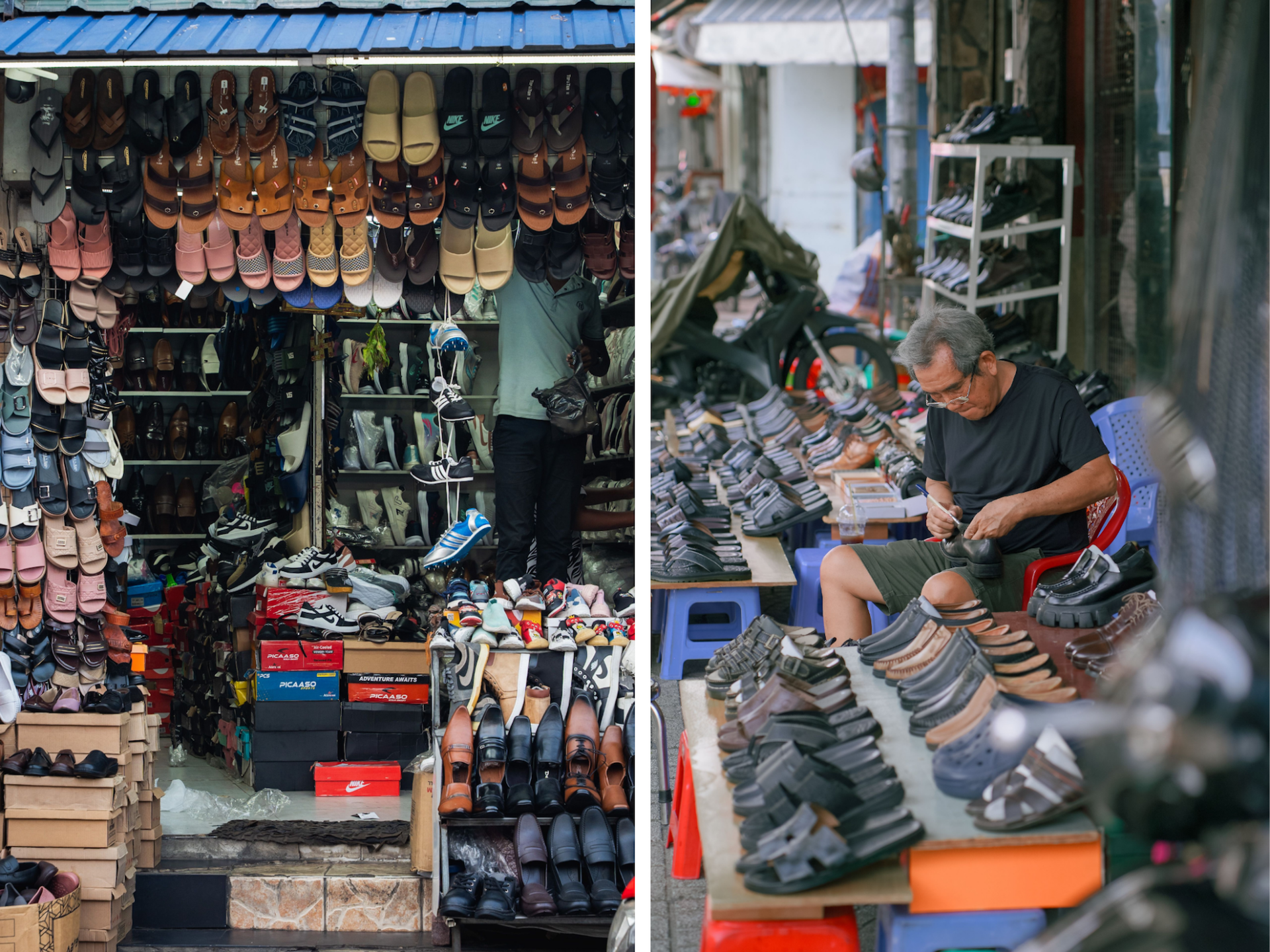
Hanoi Shoe Street: Navigating the Heart of the Old Quarter
On the map, this bustling strip is officially known as Hang Dau Street (Phố Hàng Dầu). It’s a short stretch, just about 180 meters long, tucked away in the Hang Bac and Ly Thai To wards of Hoan Kiem District.
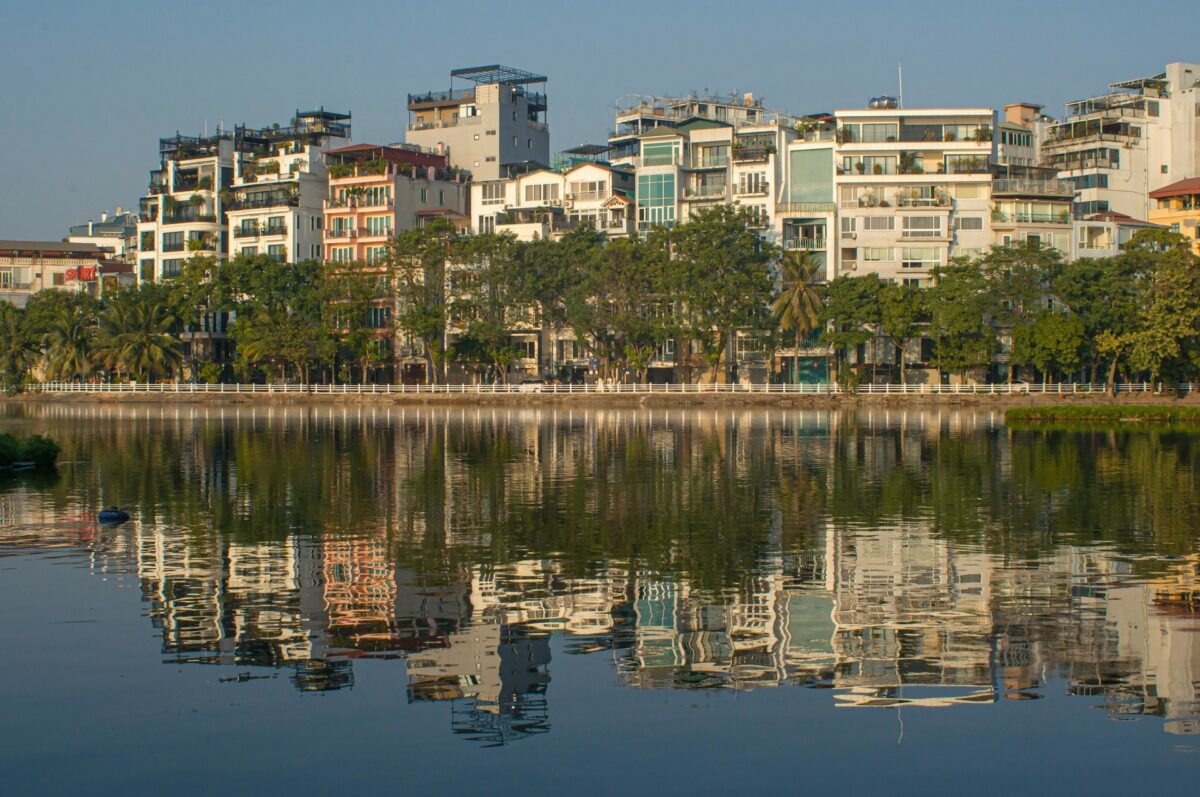
If you’re trying to pinpoint this famous Hanoi Shoe Street, just look right above Hoan Kiem Lake. It connects directly to Dinh Tien Hoang Street right at the lakeside corner on the south, runs up to Hang Be Street on the north, and gets crossed by a couple of other historic lanes you’ve probably walked through, like Cau Go and Lo Su.
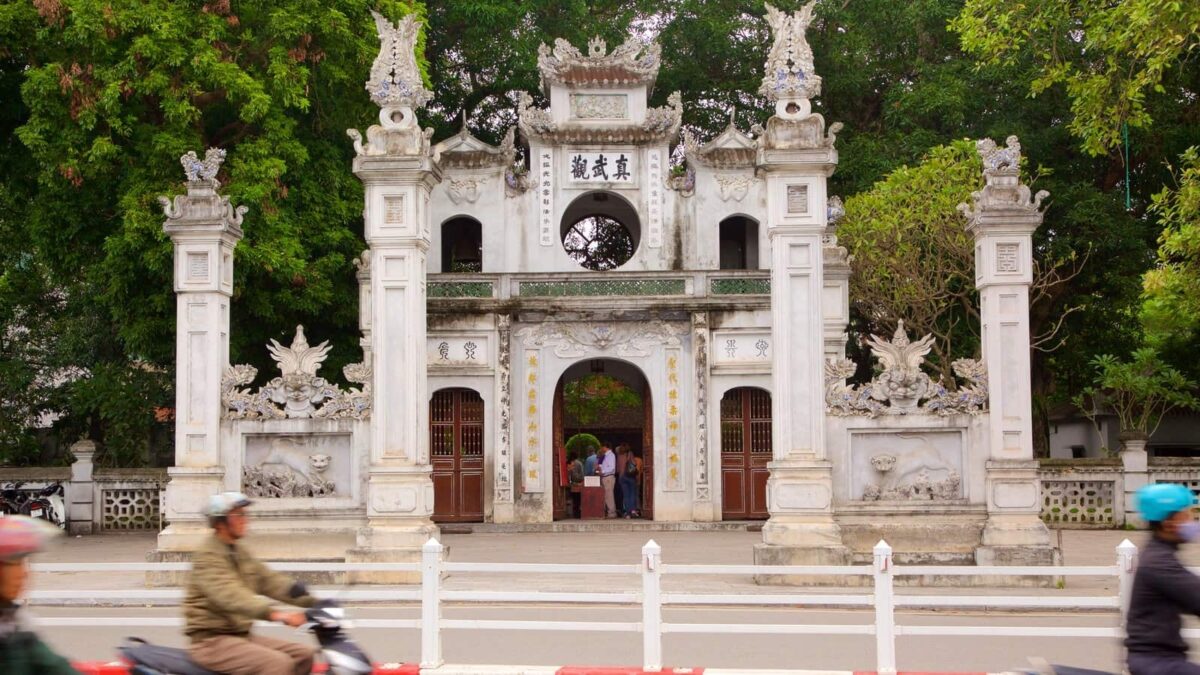
Basically, if you’re already walking around the lake or checking out Ngoc Son Temple, you’re just a two-minute walk away. Look for the massive, leafy banyan trees shading the sidewalk, and you’ll instantly see rows of sandals and sneakers stacked all the way up to the ceilings.
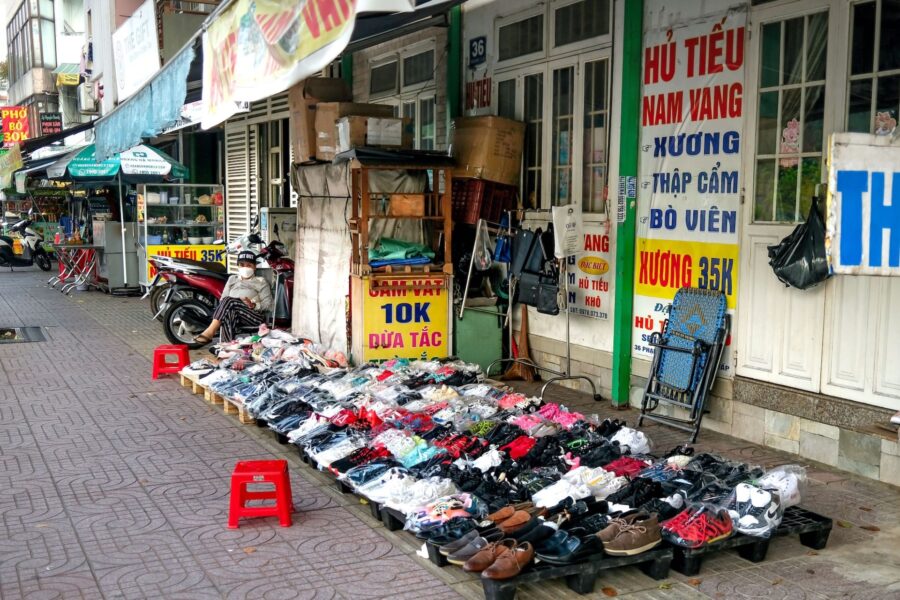
The Transformation: From Herbal Oil to Footwear Heaven
One of the coolest things about shopping on Hanoi Shoe Street is the history buried under the pavement. Back during the French colonial days, this street was called Rue du Lac (Street by the Lake). Right after August 1945, locals reclaimed its traditional name, Hang Dau, and it has stuck ever since.
Interestingly, “Hang Dau” literally translates to “Oil Street.” Generations ago, this wasn’t a Hanoi Shoe Street at all. Instead, it was a bustling marketplace where vendors sold various vegetable-based oils, like peanut oil, sesame oil, and cottonseed oil, used for cooking and lighting up old lamps.
As decades rolled by and electric lights took over, the oil trade faded out. But instead of letting the street die, entrepreneurial locals adapted and turned it into a footwear haven. Today, you won’t find a single drop of oil for sale, but the name Hang Dau remains, keeping the old stories alive while hundreds of shoe shops stand packed wall-to-wall.
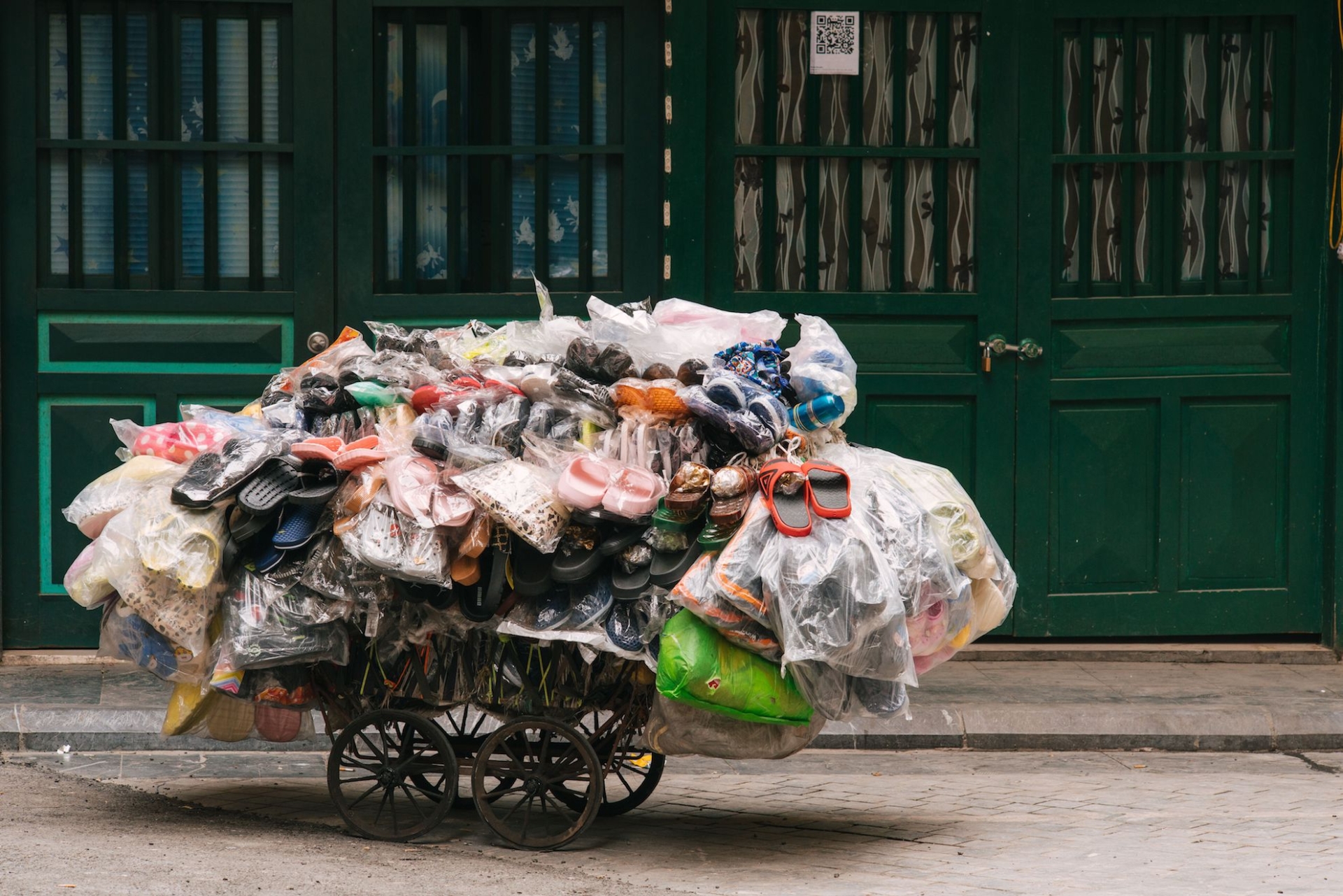
What Makes This Footwear Paradise Worth Your Time?
The main draw here is the sheer volume of choices and the crazy cheap prices, which is why you’ll always see a mix of local college kids and backpackers hunting through the stalls.
If you love sneakers, this Hanoi Shoe Street is packed with athletic shoes that look exactly like the big global brands. Sure, they’re replicas, but they look sharp, feel surprisingly comfortable on the feet, and usually only cost around $8 to $13 USD (200,000 to 300,000 VNĐ) a pair.
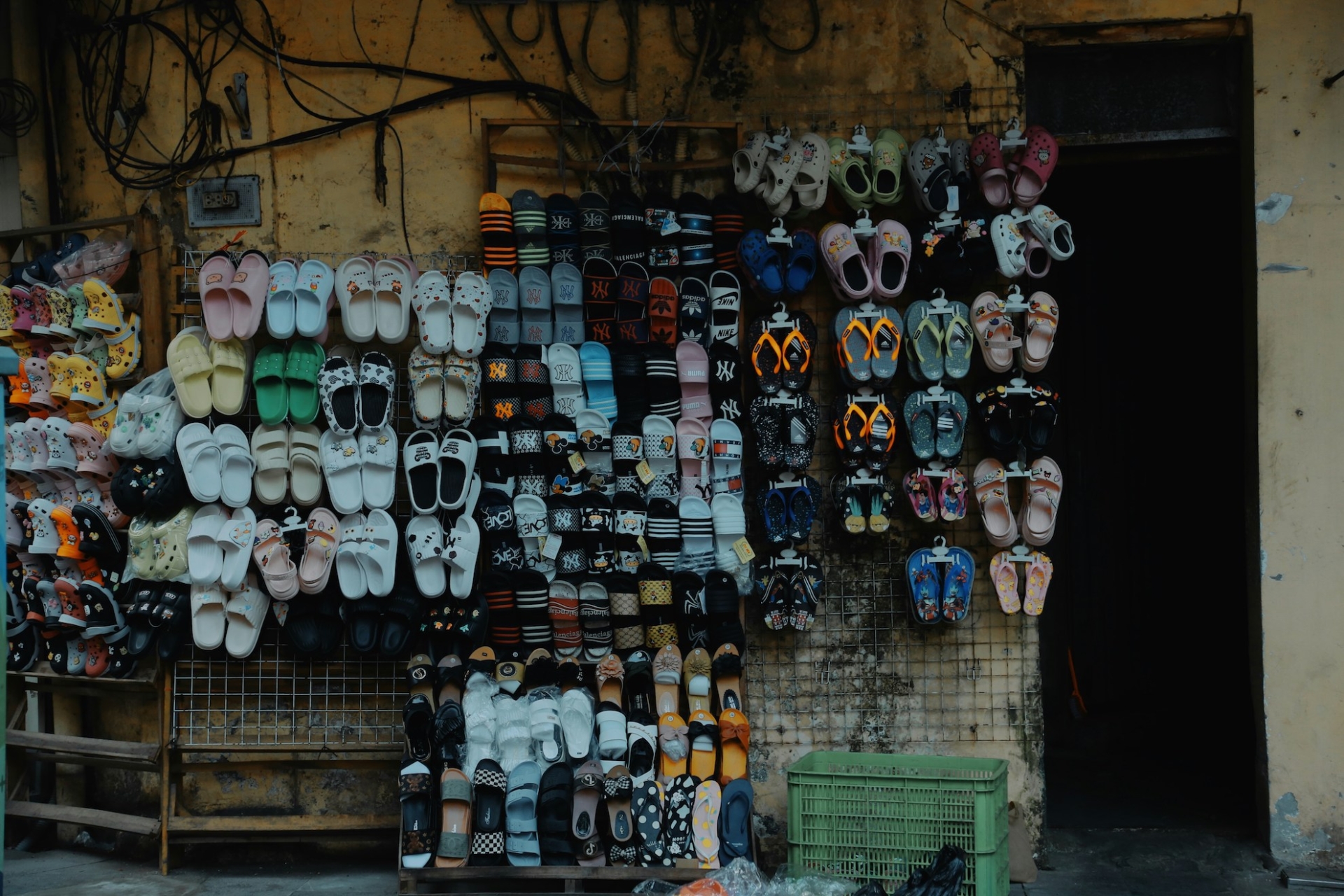
It’s not just about sneakers, though. If you look closer into the shops on Hanoi Shoe Street, there’s a whole world of random everyday footwear. You’ll find walls of kids’ school shoes and little sandals starting at just a few bucks (under 150,000 VNĐ).
You can even spot those old-school, bright wooden clogs for both adults and kids that run anywhere from 36,000 VNĐ to 250,000 VNĐ.
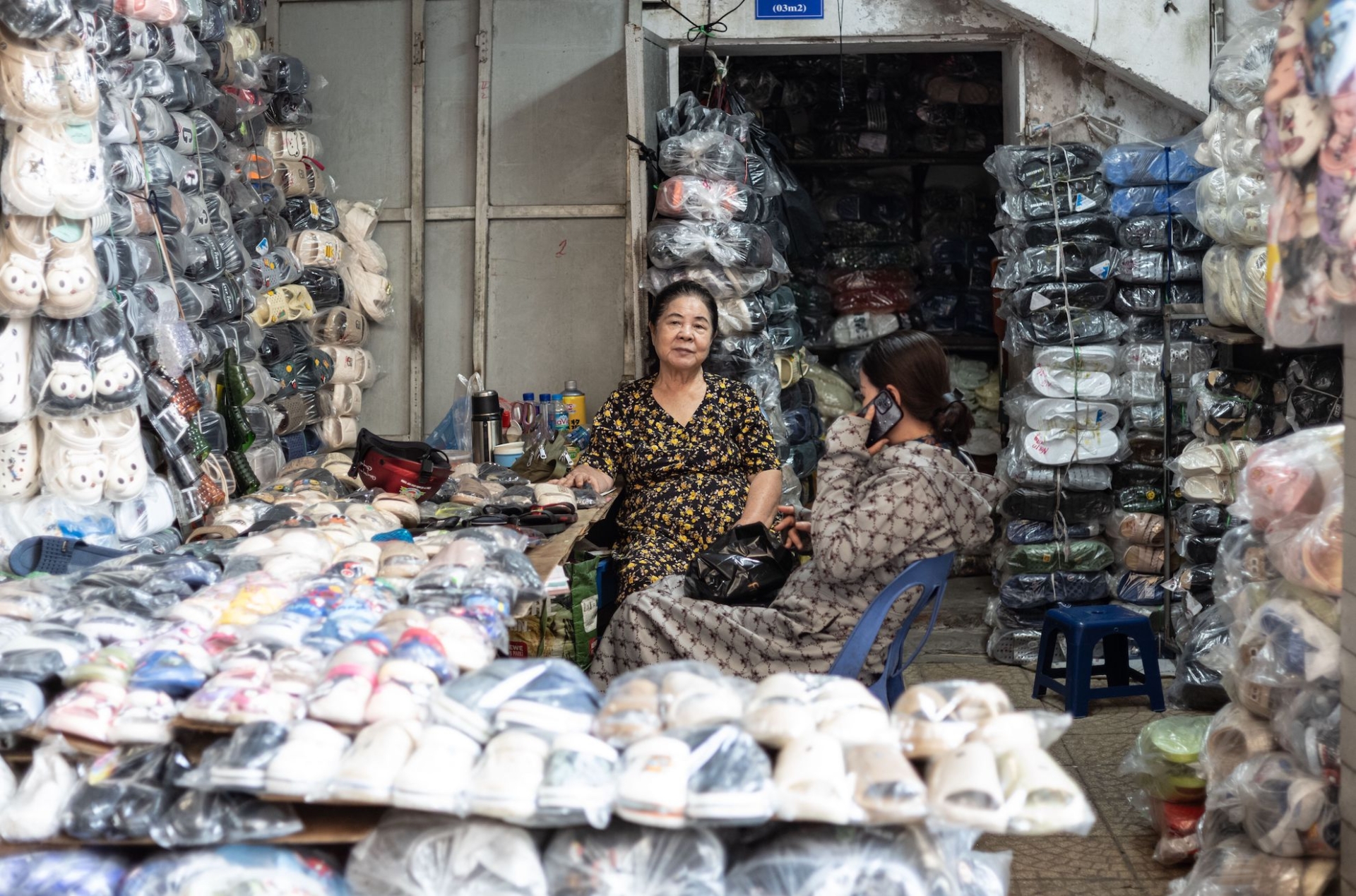
Need something comfortable for the hotel room? Grab a pair of those iconic, bright yellow Vietnamese “to ong” (beehive) plastic slides for literally 15,000 VNĐ, or pick up some premium comfort slides for up to 350,000 VNĐ.
The best part is the location. Since it’s right by the lake, you can grab a hot egg coffee, walk the lakefront, hunt for some shoes, and keep moving without wasting half your day commuting.
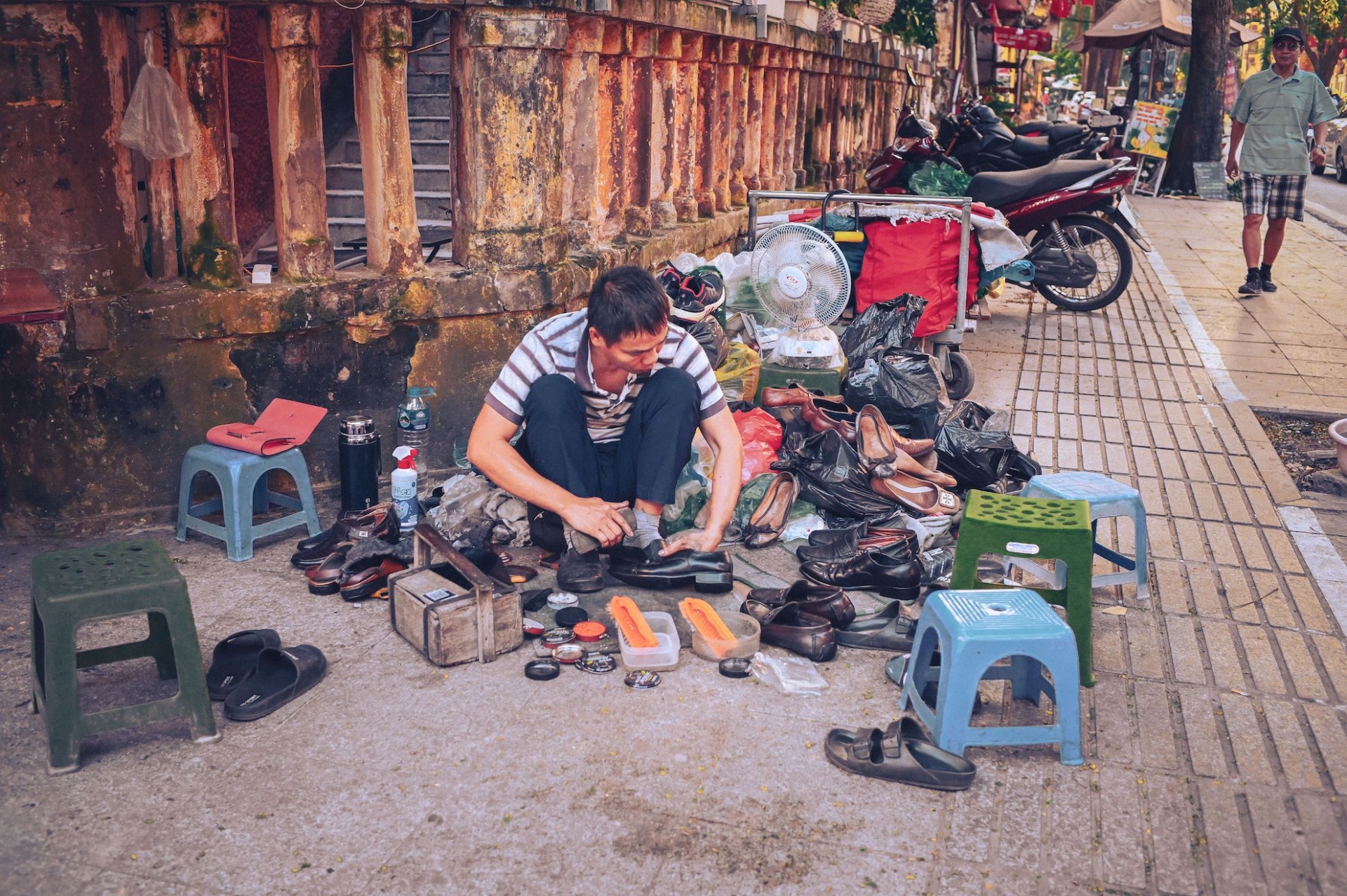
Catching the Best Vibes: Operating Hours and Weekend Rushes
Most of the shop owners on Hanoi Shoe Street start rolling up their metal shutters around 8:00 AM and pack things up between 9:30 PM and 10:00 PM.
They’re open seven days a week all year round, so you don’t have to worry about mid-week closures. The only time the street completely shuts down is during Tet (Lunar New Year), around January or February, when everyone closes up shop for 3 to 4 days to go home to their families.
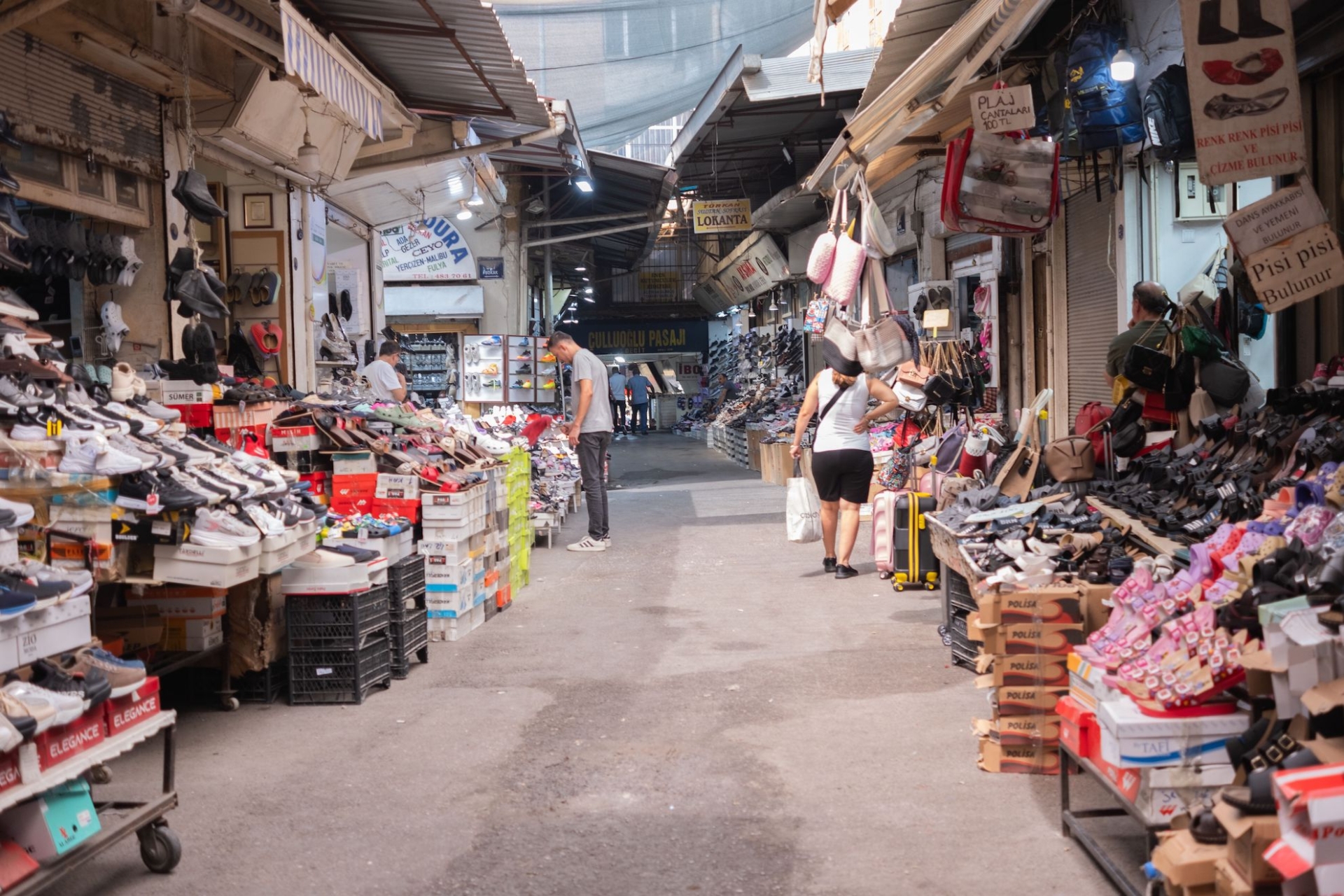
Now, depending on what kind of traveller you are, timing matters. If you want a high-energy, chaotic local vibe, go on a Friday, Saturday, or Sunday night.
On weekends, the whole lake area blocks off cars to become a massive walking street, and it connects right into the Old Quarter Night Market. The energy is wild, and the streets are packed with people eating and shopping. But fair warning—you will be bumping shoulders with a lot of people.
Pro-Tips for a Smooth Shopping Experience
To shop like a true insider on Hanoi Shoe Street, keep these friendly tips in mind:
- Embrace Polite Bargaining: Haggling is expected here, especially since it’s the Old Quarter. Quoted prices might be a bit higher for foreigners initially, so feel free to counter with a friendly smile and a lower offer. A good trick is to wander past two or three shops first to check the average price before you buy.
- Keep Cash on Hand: While Hanoi is going digital, smaller sidewalk stalls and the weekend market sellers still heavily rely on cash. Keep some Vietnamese dong (VNĐ) in smaller bills so you don’t have to scramble for change.
- Timing is Everything: If you want a relaxed stroll without being pushed around, aim for a weekday morning or early afternoon (Monday through Thursday). Oh, and wear your most comfortable walking shoes; you’ll be on your feet a lot.
- Check the Quality: Since a huge chunk of the inventory on this Hanoi Shoe Street consists of budget-friendly replicas of popular global brands, take a quick second to inspect the stitching, the soles, and the inner lining to make sure they feel sturdy enough before handing over your cash.
Beyond the Footwear Hub: What’s Next?
So, what do you think? Ready to head over to Hanoi Shoe Street this weekend and hunt for some cool kicks?
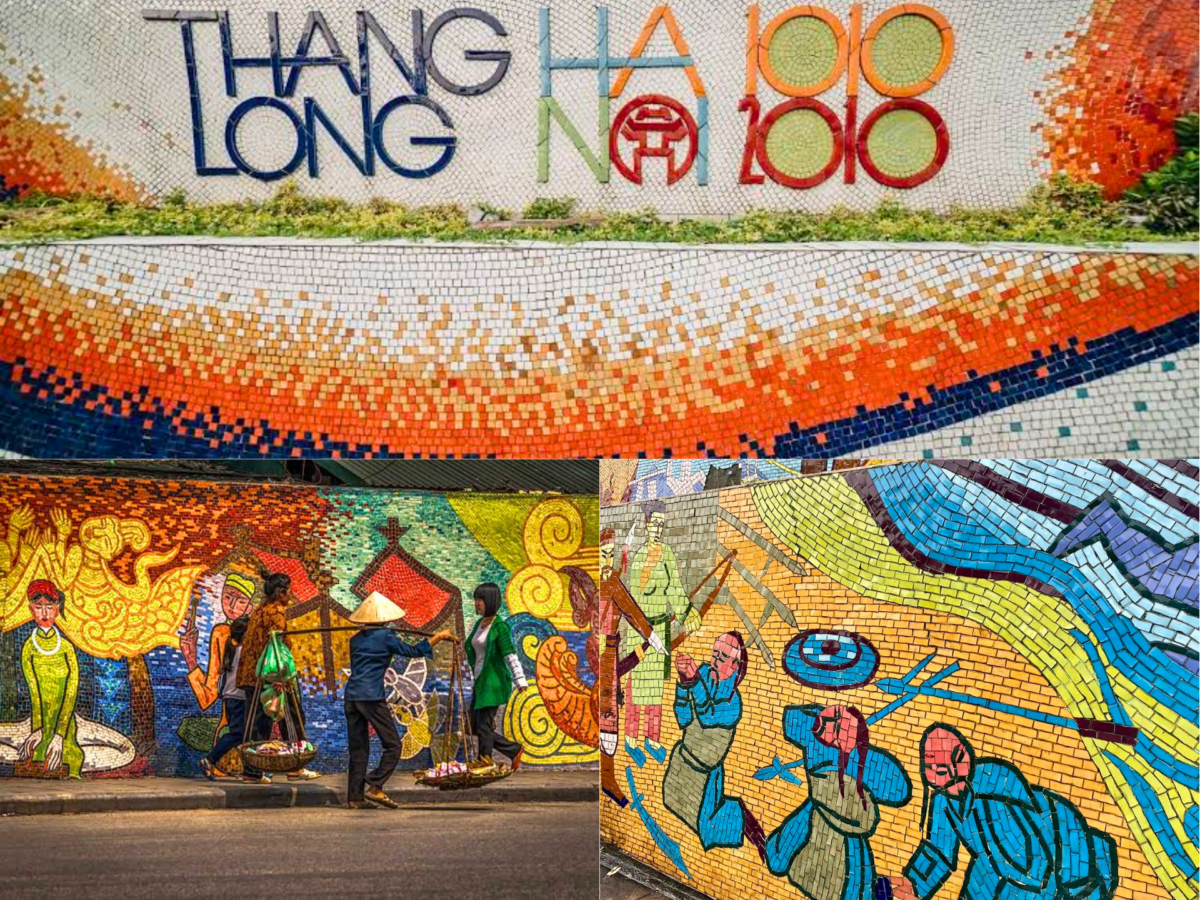
If you dig this kind of raw, local exploration and want to see the parts of town most tourists blink and miss, don’t stop at Hang Dau. Take a walk over to Phung Hung Street to check out the cool art murals painted right onto the old stone railway arches.
Or, if you want to see where real life happens, duck into the quiet, crumbling courtyards of the old Soviet-style collective housing blocks like Chu Van An or Thanh Cong; it feels like stepping into a time capsule.
And hey, if you really want to escape the usual tourist trails and experience the capital like a true insider, you should absolutely check out the Hanoi Cycling Tour by Jackfruit.
It’s easily one of the coolest experiences around. They’ll take you on bikes through the crazy maze of the Old Quarter alleys, pedal right across the rusty, historic Long Bien Bridge, and take you down into the quiet banana plantations on the island right under the bridge. It’s raw, it’s sweaty, and it’s the perfect way to see a completely different side of Hanoi after you finish your shopping spree at Hanoi Shoe Street!
To uncover more hidden local gems, vibrant night markets, and authentic cultural corners across the capital, feel free to browse our latest: