

Explore Ton Duc Thang Museum in Ho Chi Minh City with this complete guide, including exhibits, opening hours, visitor tips, and nearby attractions.
The first time I walked into Ton Duc Thang Museum, I wasn’t looking for history. I was simply trying to escape the afternoon heat after wandering along the Saigon riverside. Outside, traffic kept roaring down Tôn Đức Thắng Street while office workers hurried past carrying iced coffee beneath tall glass buildings. The city felt loud that day – restless in the way Saigon often does.
Then somehow, I noticed the museum standing quietly beside the road, almost like it didn’t want attention at all. No crowds gathering outside. No giant tour buses. No dramatic entrance. And honestly, that’s exactly why I decided to walk in.
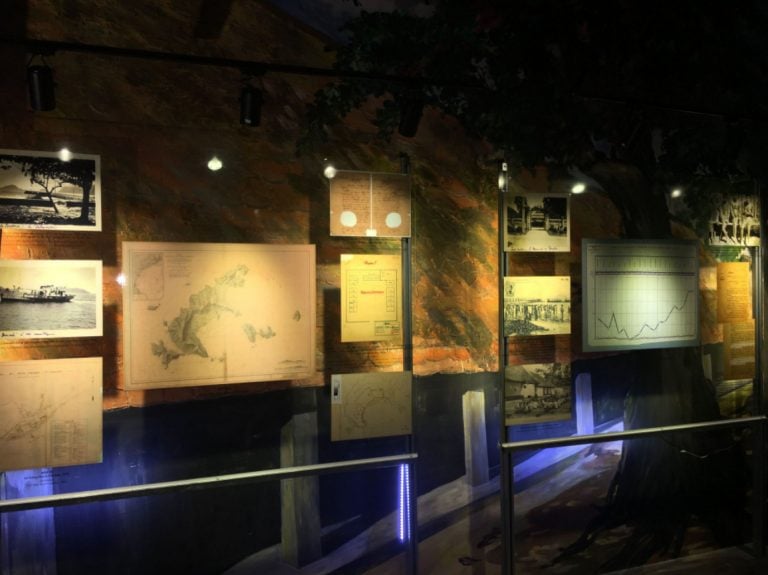
Inside, everything suddenly slowed down. The lighting felt soft and calm, old black-and-white photographs lined the walls, and ceiling fans turned quietly above the exhibition halls. Somewhere between the handwritten letters, riverside photographs, and stories about workers along old Saigon docks, I stopped feeling like I was simply visiting a museum. Instead, it felt more like the city itself was quietly sharing part of its memory.
Where Is Ton Duc Thang Museum?
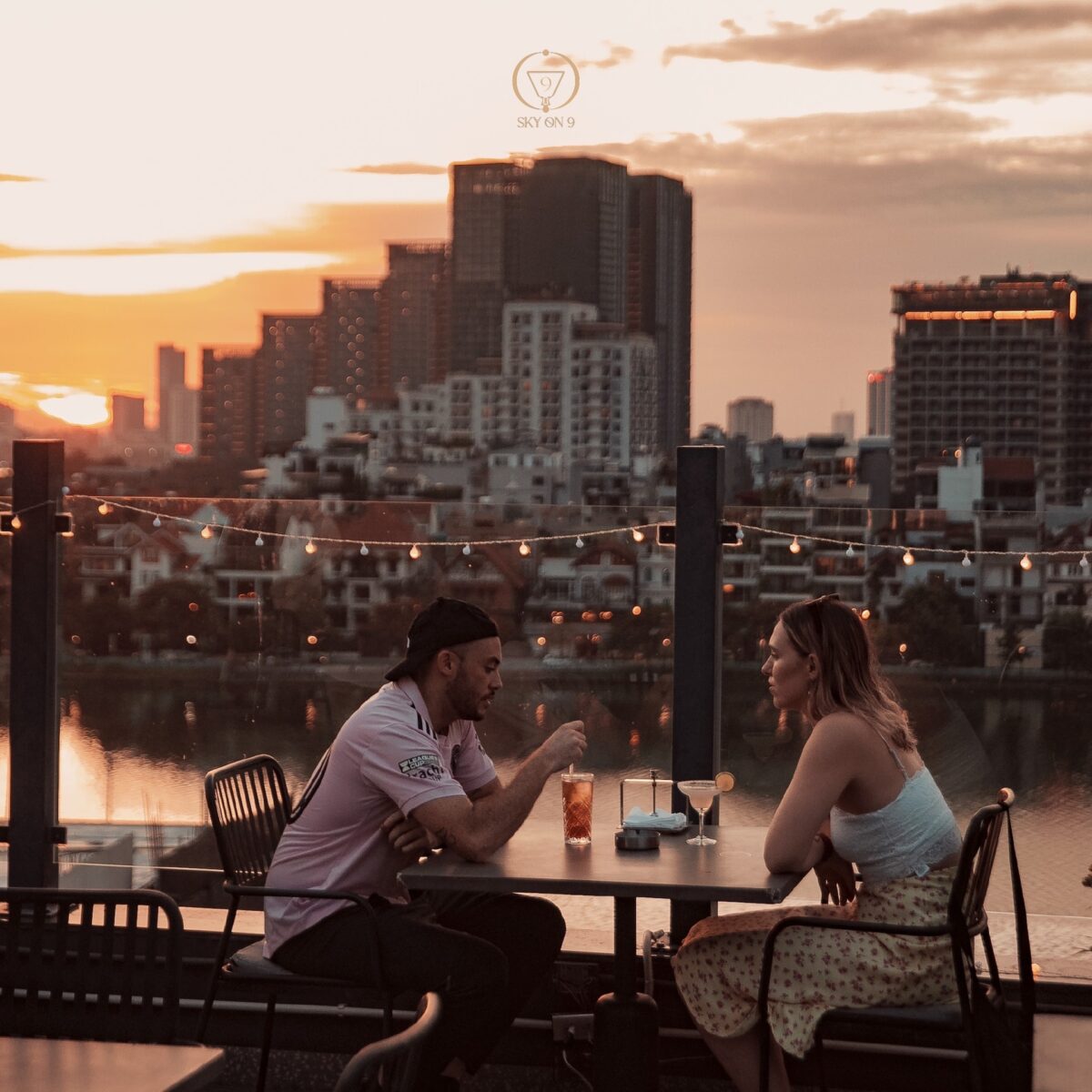
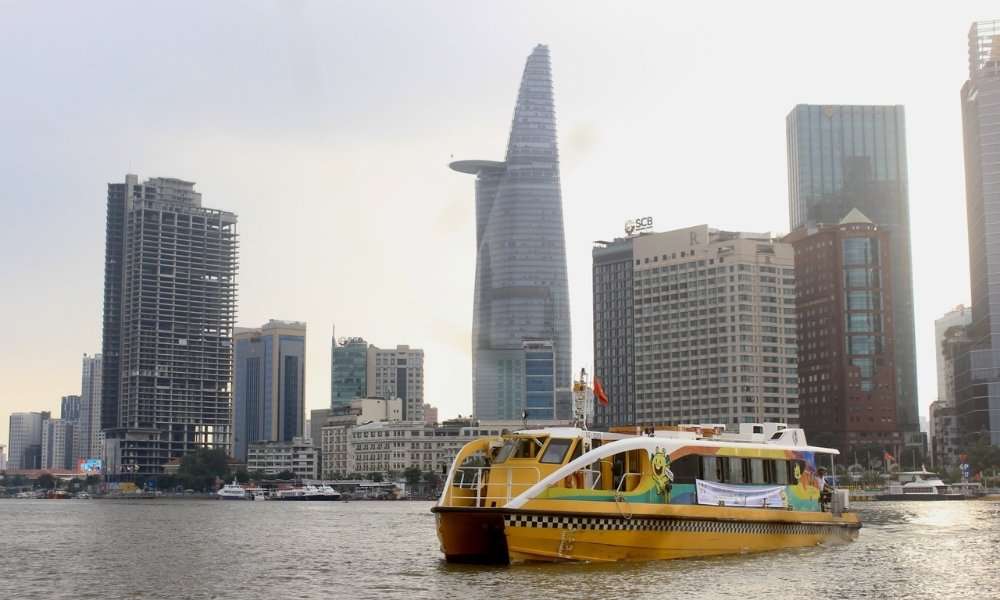
Ton Duc Thang Museum sits right beside the Saigon River in the center of District 1, surrounded by luxury hotels, rooftop bars, modern office towers, and some of the busiest streets in Ho Chi Minh City. For me, that contrast is part of what makes the museum feel so interesting.
One minute, you’re surrounded by traffic and skyscrapers. A few steps later, you’re walking quietly through exhibition rooms filled with historical photographs, handwritten documents, and stories connected to another era of Vietnam. The noise outside softens almost immediately once you enter the building.
The museum was originally established in 1988 to commemorate the 100th anniversary of President Tôn Đức Thắng’s birth before officially becoming Ton Duc Thang Museum in 1990. Today, it preserves thousands of artifacts and historical documents related to his life and Vietnam’s revolutionary history.
If you want updated exhibitions or visitor information before going, you can also check the official Ton Duc Thang Museum website.
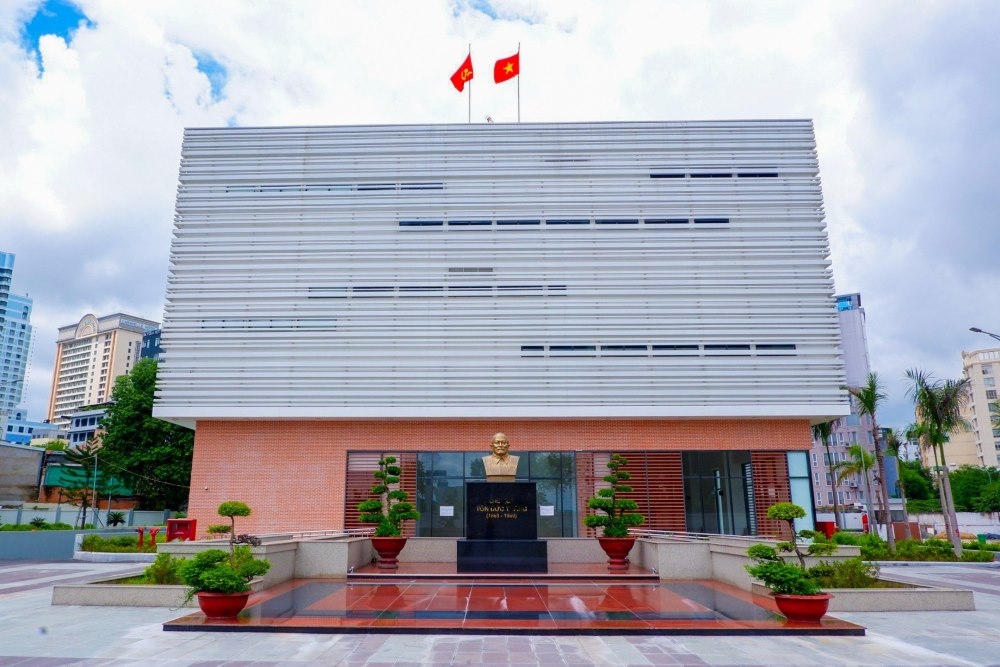
Location: No. 5, Ton Duc Thang Street, Sai Gon Ward, Ho Chi Minh City
Who Was Ton Duc Thang?
Before visiting the museum, I only knew Tôn Đức Thắng as the name of the street outside. And honestly, I think many travelers probably arrive the same way. But inside the museum, you slowly begin understanding why many Vietnamese people still affectionately call him Uncle Ton (Bác Tôn).
Born in An Giang Province in 1888, Tôn Đức Thắng later became the second President of unified Vietnam after Hồ Chí Minh. But what makes his story interesting isn’t simply the political role itself. Before becoming president, Uncle Ton worked as a mechanic and became closely connected to labor movements and workers’ struggles during French colonial rule.
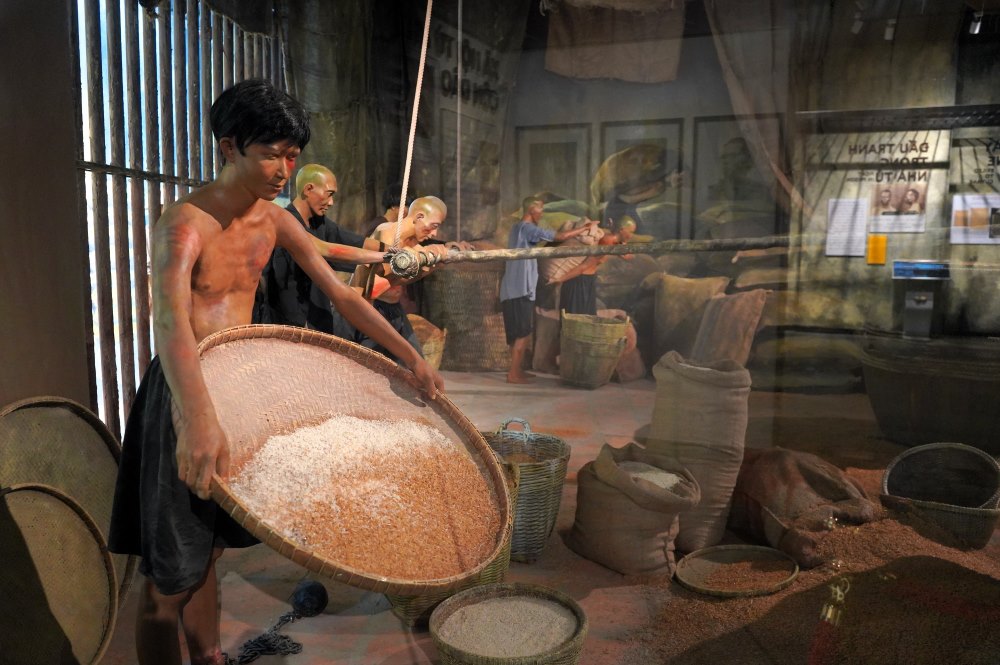
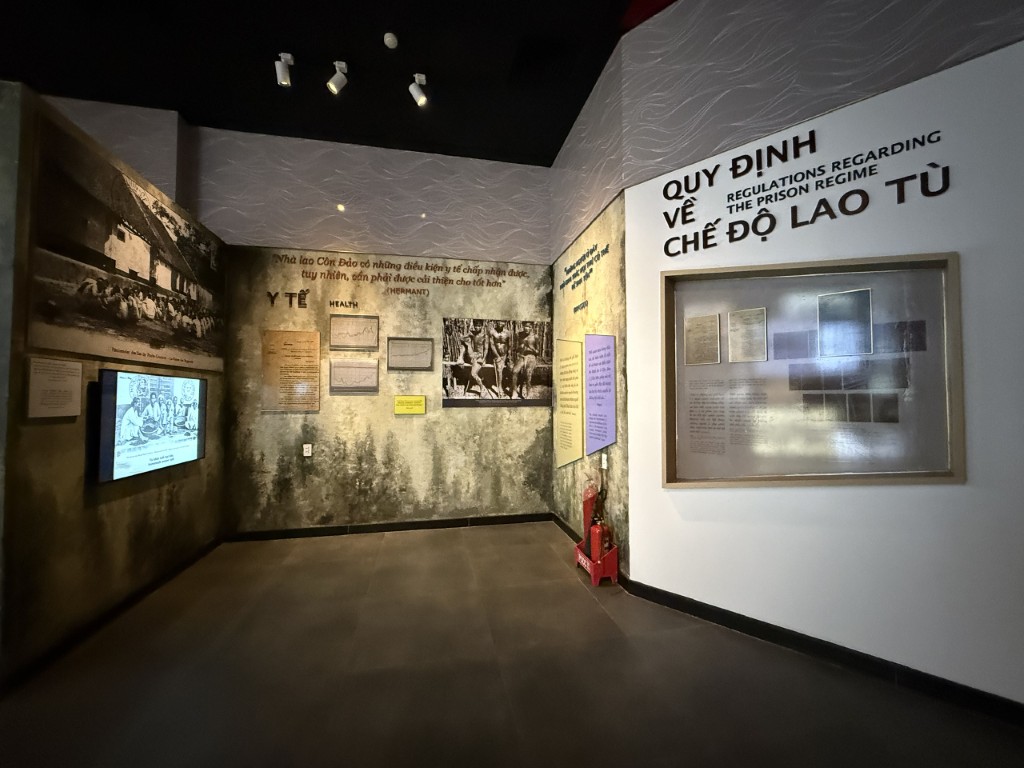
That human side appears everywhere throughout the museum. Old photographs show dock workers standing beside ships along the Saigon River while tiny handwritten notes sit preserved carefully behind glass. Some exhibitions focus on his imprisonment in Côn Đảo, while others explore Vietnam’s labor movements and political history during the colonial period.
After a long time, those human details stayed with me more than the official political timeline itself. The museum quietly reminds you that history is often shaped by ordinary people long before monuments or museums are ever built for them.

Why Ton Duc Thang Museum Feels Different from Other Museums in Saigon
Saigon has many museums, but Ton Duc Thang Museum feels quieter than most of them. Places like the War Remnants Museum often feel emotionally heavy and crowded with visitors moving quickly between exhibits. Other museums try to explain huge periods of Vietnamese history all at once, leaving visitors overwhelmed after only an hour.
But here, the atmosphere feels slower and more personal somehow. I remember visiting one rainy afternoon when only a few people wandered silently through the galleries upstairs. Rain tapped softly against the windows while the sound of traffic outside almost disappeared completely. Nobody seemed rushed.
And honestly, that slower atmosphere changes the way you experience the museum itself. You stop trying to “finish” every exhibit and instead begin noticing smaller things, like fading riverside photographs, handwritten letters, sunlight falling across old wooden floors, or the quiet echo of footsteps between exhibition halls.
The museum almost rewards slowness. And in a city as energetic as Saigon, that slower rhythm feels surprisingly meaningful.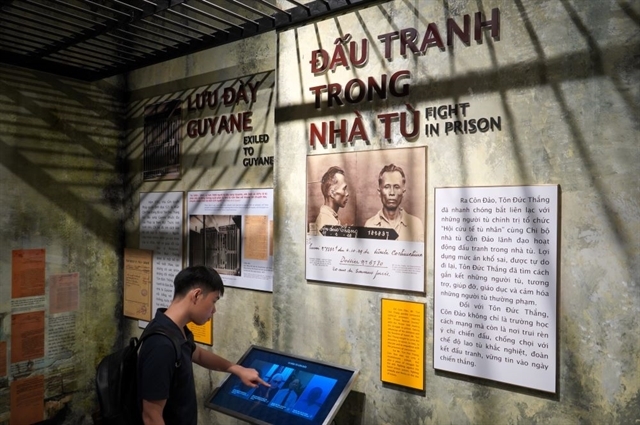
What to See Inside Ton Duc Thang Museum
The museum is divided into several themed sections following different stages of Uncle Ton’s life. Some rooms focus on his childhood and revolutionary activities, while others explore labor movements, political leadership, international diplomacy, and his years imprisoned in Côn Đảo.
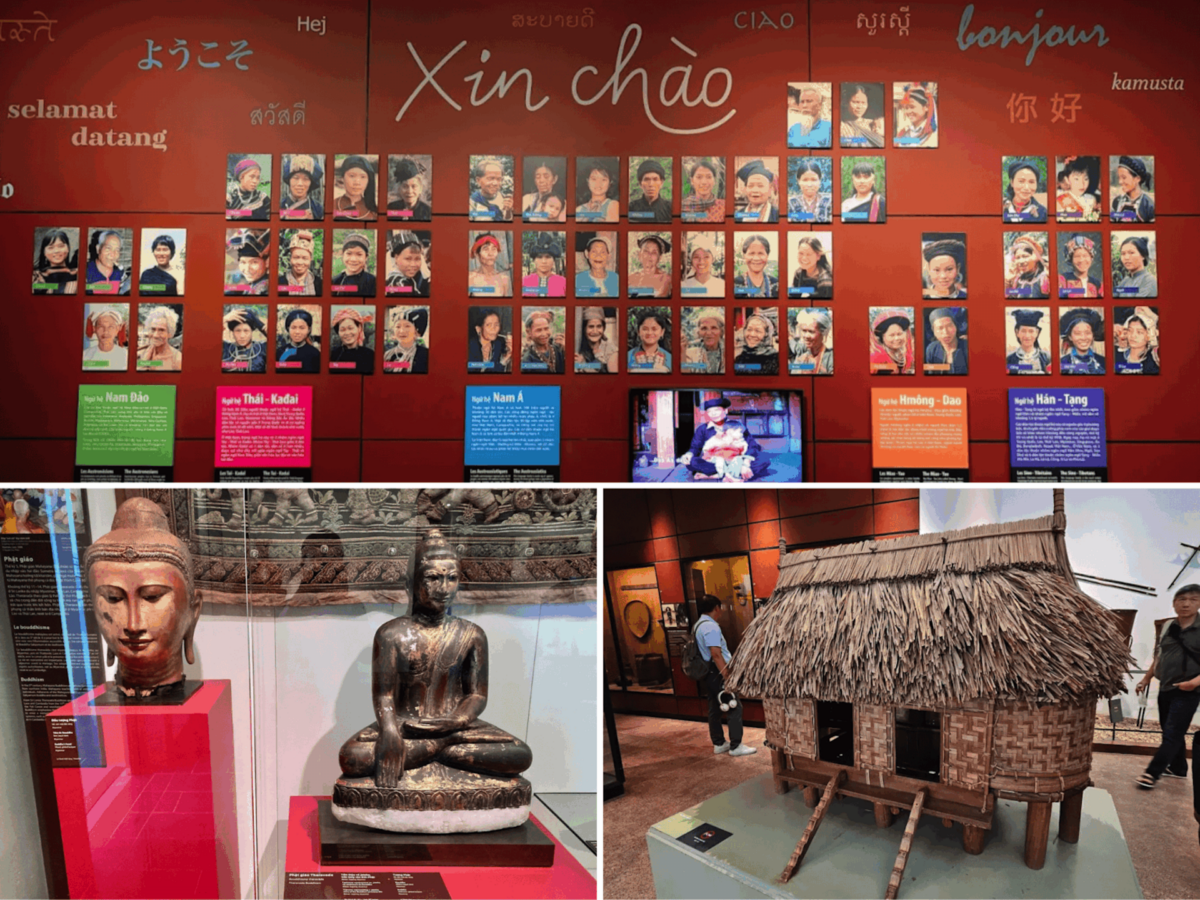
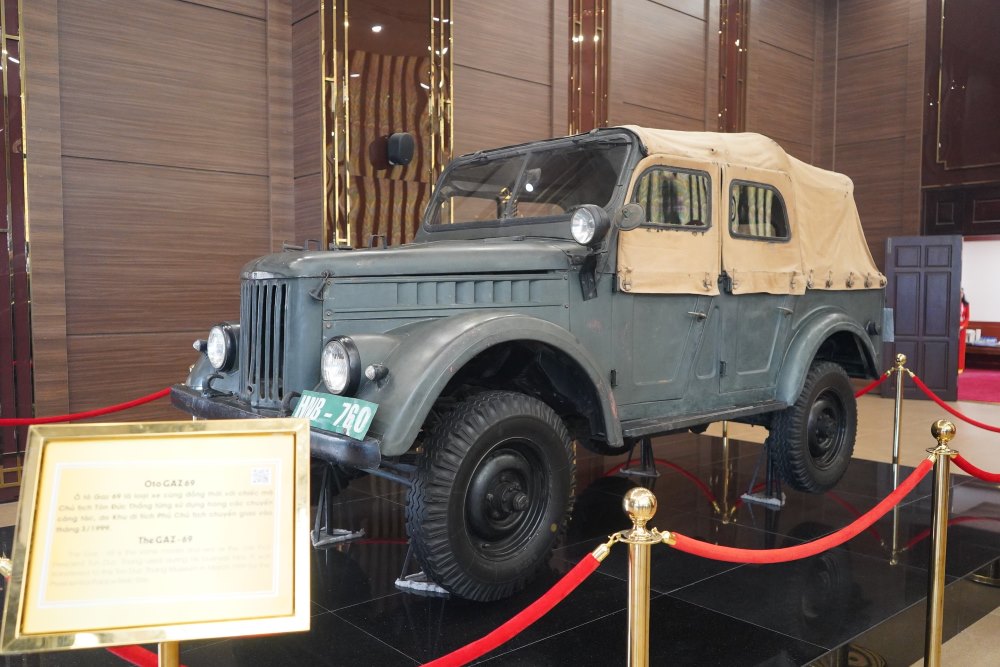
Inside, you’ll find historical photographs, personal belongings, handwritten documents, revolutionary artifacts, and exhibitions about Vietnam’s labor unions. There are also diplomatic gifts, portraits, and preserved memorabilia connected to different periods of his life.
But to be honest, the exhibits I remember most weren’t necessarily the “important” ones. One old black-and-white riverside photograph stayed with me long after I left. The Saigon River looked wider somehow. Slower. Boats crowded the docks where luxury hotels and skyscrapers now stand today.
And suddenly, the modern city outside felt layered with invisible older versions of itself beneath the traffic and neon lights.
Ton Duc Thang Museum and the Hidden History of Saigon
One thing I love about museums in Vietnam is how they quietly change the way the surrounding streets feel afterward. Before visiting Ton Duc Thang Museum, Tôn Đức Thắng Street had simply felt like another busy road beside the river – glass towers, luxury apartments, endless traffic.
But afterward, I kept imagining what the riverside must have looked like decades earlier when cargo ships lined the docks and workers crowded the waterfront long before rooftop bars and skyscrapers appeared. Suddenly, the modern city felt connected to older stories hidden beneath it.
And honestly, I think that’s the museum’s quiet strength. It doesn’t overwhelm you with giant dramatic storytelling. Instead, it slowly changes the atmosphere of the surrounding city itself. Modern Saigon stops feeling like only a fast-moving metropolis and starts feeling layered with memories most travelers never notice. Choosing the right time to visit makes it even easier to appreciate those quieter moments.
Best Time to Visit Ton Duc Thang Museum
I think I enjoyed Ton Duc Thang Museum the most when I stopped treating it like a tourist attraction and simply let myself slow down there for a while.
Late afternoon feels especially nice for that. Around that time, the sunlight softens through the museum windows, and the atmosphere inside becomes even quieter as the city outside slowly shifts toward evening. After visiting, you can walk toward Bạch Đằng riverside or Nguyễn Huệ Walking Street while Saigon begins lighting up for the night – office workers leaving buildings, street vendors setting up carts, the river catching reflections from the skyline.
Rainy days somehow make the museum feel even more memorable too.
I still remember hearing rain tapping softly against the windows upstairs while standing in front of old photographs of Saigon’s riverside decades ago. Outside, the modern city kept moving through traffic and storm clouds. Inside, everything felt still. For a moment, it almost felt like time itself had slowed down between those exhibition rooms.
That’s why the museum stayed with me afterward.
Useful Tips Before Visiting Ton Duc Thang Museum
If you’re planning to visit Ton Duc Thang Museum, there are a few practical things worth knowing beforehand.
The museum usually opens from Tuesday to Sunday, between 7:30 AM – 11:30 AM and 1:00 PM – 5:00 PM, while Mondays are generally closed.
One of the nicest things is that entrance remains free, which makes it incredibly easy to include during a day exploring District 1. Since the museum sits close to places like Nguyễn Huệ Walking Street, Bạch Đằng Wharf, and the Saigon Opera House, many people naturally pass nearby without realizing it’s there.
I don’t think this is the kind of museum you should rush through quickly just to tick another landmark off your list. It feels better when you wander slowly. Read a few captions carefully. Sit for a moment in the quieter rooms upstairs. Let the old photographs and stories settle naturally around you instead of trying to absorb everything at once.
Why Ton Duc Thang Museum Still Stays With Me
I’ve visited bigger museums in Vietnam. More famous ones too. But Ton Duc Thang Museum is one of the few I still think about randomly long after leaving.
Maybe because nothing there feels overly polished or designed to impress tourists. The museum feels simple, quiet, and deeply human in a way that’s difficult to explain properly until you experience it yourself.
Saigon can sometimes feel overwhelming at first – endless traffic, constant movement, new skyscrapers rising everywhere at once. But places like this quietly remind you that another layer of the city still exists underneath all that modern energy. Older stories. Slower rhythms. Lives that once shaped the riverside long before luxury hotels and rooftop bars appeared.
And sometimes, I think those quieter places end up teaching you far more about a city than the famous landmarks ever could.
Discover Saigon Beyond the Tourist Landmarks with Jackfruit Adventure

One thing I’ve learned about Saigon is that the city rarely reveals itself through famous landmarks alone. The most meaningful moments usually happen somewhere smaller – hidden inside old apartment blocks, neighborhood cafés, riverside streets, or quiet places like Ton Duc Thang Museum that many travelers accidentally walk past without noticing.
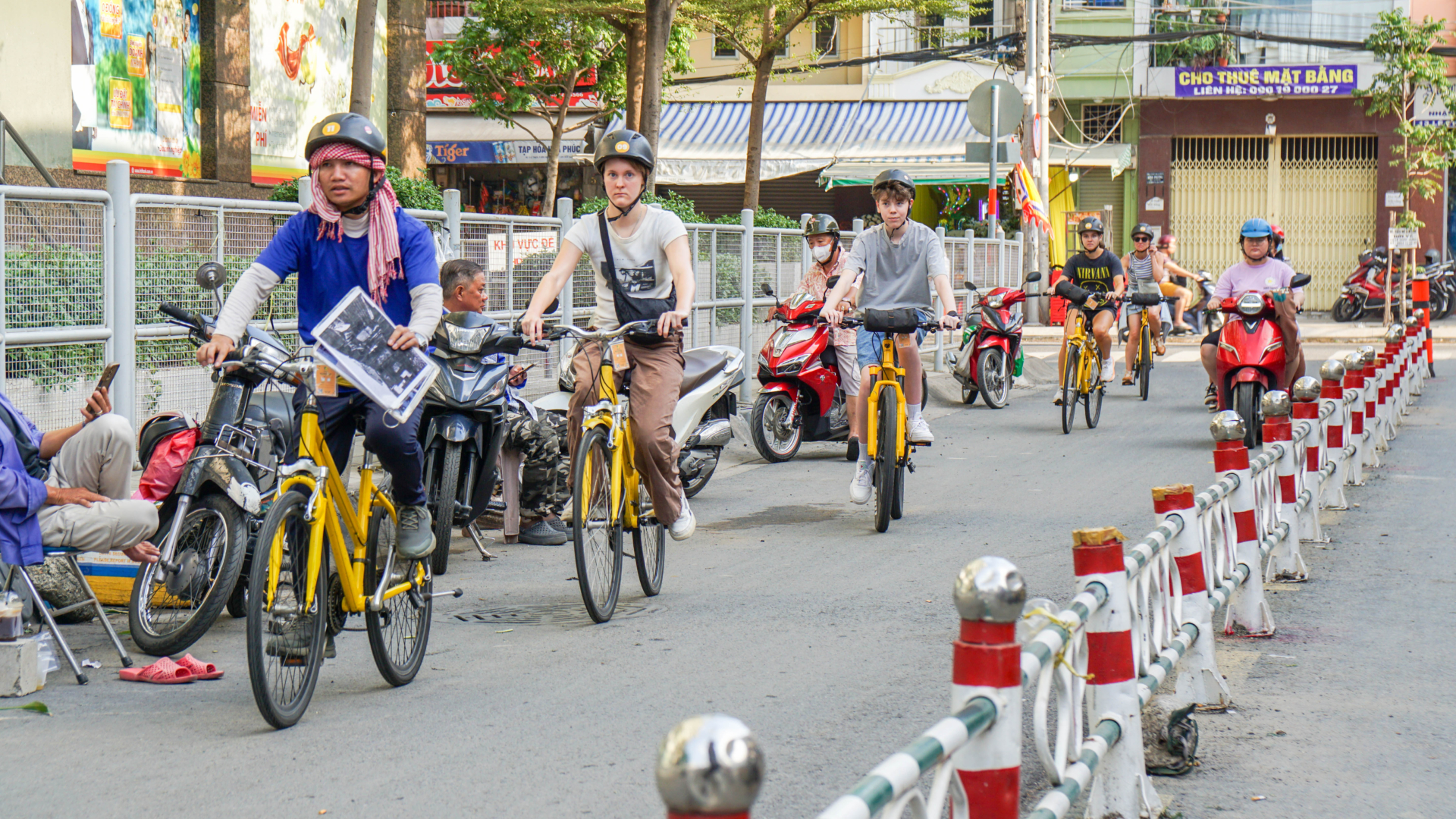
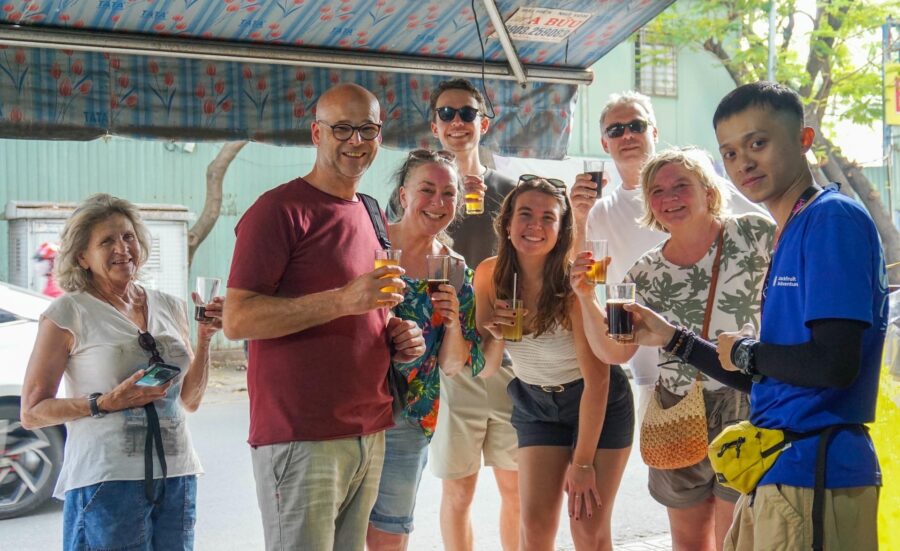
At Jackfruit Adventure, we love helping travelers experience that slower and more local side of Saigon through cycling adventures, street food spots, and hidden neighborhood explorations beyond the usual tourist routes. Riding through local streets at night, stopping at tiny roadside cafés, or wandering through older residential districts often reveals far more about the city than simply visiting famous attractions.
Because honestly, the best way to understand Saigon isn’t by rushing through it. It’s by slowing down long enough to let the city quietly reveal itself to you.
Frequently Asked Questions About Ton Duc Thang Museum