

Table of Contents
Before arriving in Vietnam, I had no idea how heartfelt a Vietnamese wedding could be. I had always heard that a Vietnamese wedding is more than just a ceremony – it was a grand celebration of family, heritage and years of tradition woven into one remarkable day. From the áo dài worn by the families to the traditional gift presented in procession, each step of the ceremony surprised me with its symbolism and underlying values.
As an avid traveller, I’ve explored various local markets, tasted so many delicious street foods and weaved through hidden alleys – but attending a Vietnamese wedding truly showed me a different angle of the culture that I could never have discovered by myself!
What Is a Vietnamese Wedding? A Cultural Overview
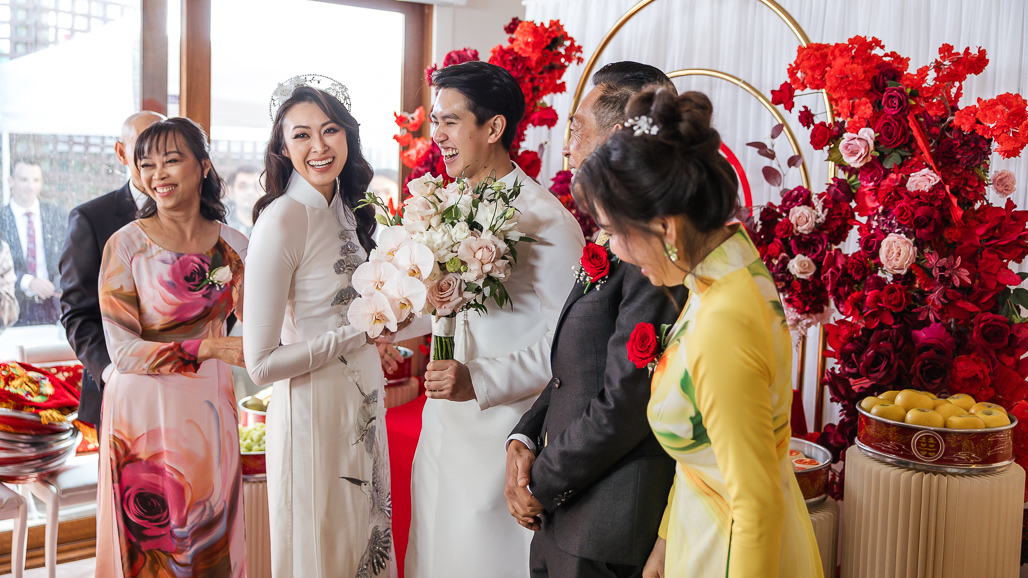
When I think about a Vietnamese wedding, the first thing that comes to my mind is how beautifully it blends tradition, family values, and the communal spirit for which Vietnam is so famous. While weddings in many places can be quick and minimal, a Vietnamese wedding opens up like a long, meaningful story that brings two families together as one.
Why Does a Vietnamese Wedding Hold Such Deep Meaning?
Vietnamese wedding culture is one of the traditions I’ve come to appreciate the most. In any culture, a wedding isn’t just a ceremony; it’s one of the most significant milestones in a person’s life. For Vietnamese families, parents perceive weddings as the moment their child truly steps into adulthood, while relatives gather to bless the couple with luck, health, and happiness.
Also, a Vietnamese wedding is about much more than saying “I do” or signing papers; it’s a moment for the couple’s two families to meet, connect, and begin building a new bond that will deepen over time.
The Confucian Values Behind Vietnamese Wedding Traditions
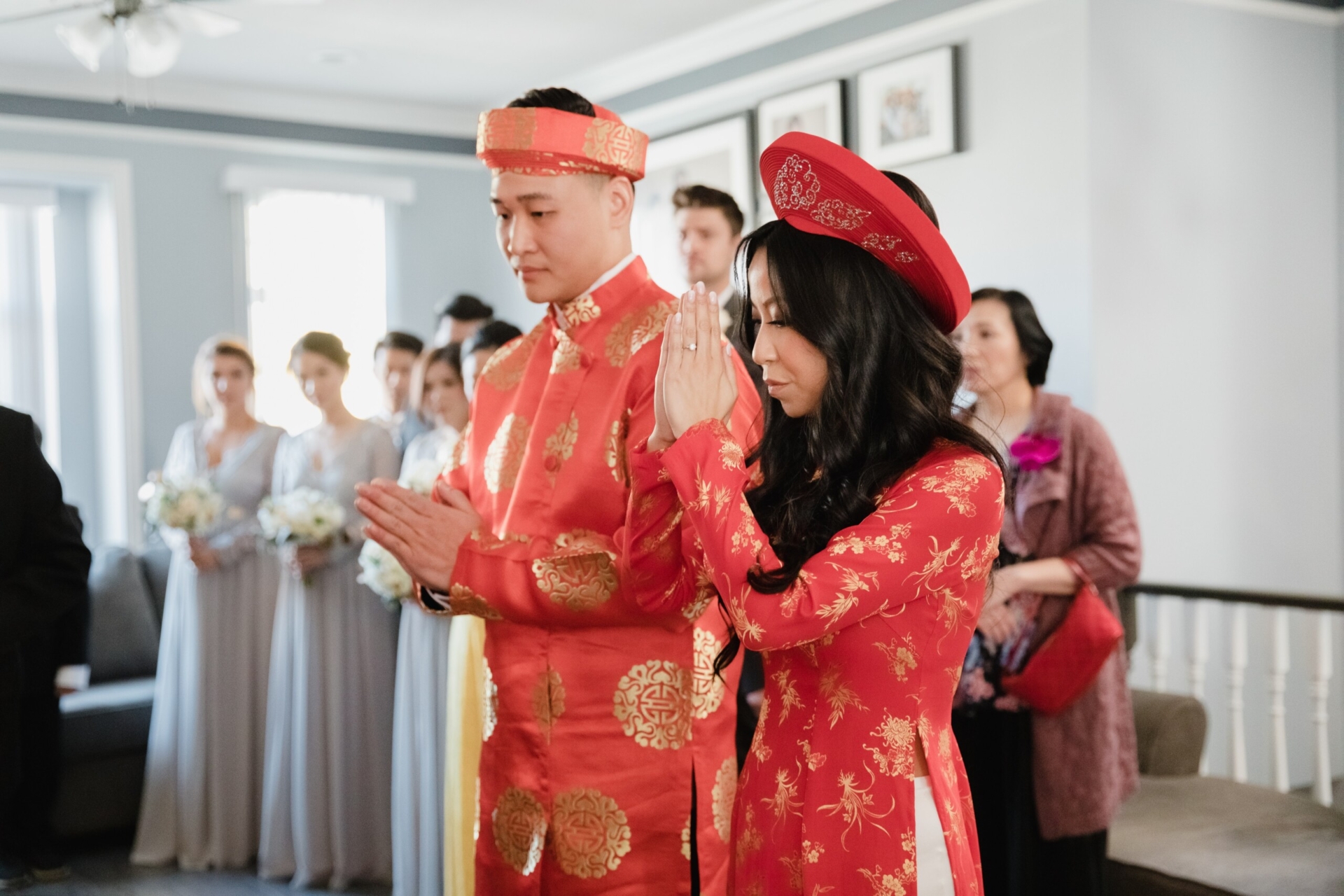
Vietnamese culture is deeply influenced by Confucian beliefs, which place great importance on family, respect and ancestral gratitude. You can feel these values in every part of a Vietnamese wedding.
Before the couple exchanges rings or steps into the banquet hall, they usually offer tea to their parents and ancestors. This deep-rooted ritual is a sincere way of saying: “Thank you for raising and guiding us. Please bless our new life together.”
Different Regions, Different Traditions
One thing I quickly noticed while attending Vietnamese wedding ceremonies across the country is how different each region can be:
- Northern Vietnam weddings are among the most traditional, with formal rituals, beautifully arranged gift trays (mâm quả), and details such as odd-numbered trays and even-numbered gifts for good luck.
- Central Vietnam weddings are more intimate and emotional, often including unique customs such as the Giao Bôi Ceremony, where the couple shares betel nut, salt, and ginger to symbolise harmony and lifelong commitment.
- Southern Vietnam weddings are lively and warm, and families still keep the meaningful Lễ Lên Đèn – a candle-lighting ritual that represents unity and blessings from ancestors.

Although the core of a Vietnamese wedding remains the same across regions, each area adds its own flavour, making every celebration I’ve attended memorable.
Traditional vs. Modern Vietnamese Weddings: What Has Changed?
As someone who has witnessed Vietnamese wedding ceremonies evolve over the years, I find it fascinating how our traditions continue to adapt while still holding onto their cultural roots. When comparing traditional and modern Vietnamese wedding ceremonies, it struck me that families still hold onto core values, even while embracing newer, simpler ways of celebrating
1. Rituals and Ceremonies
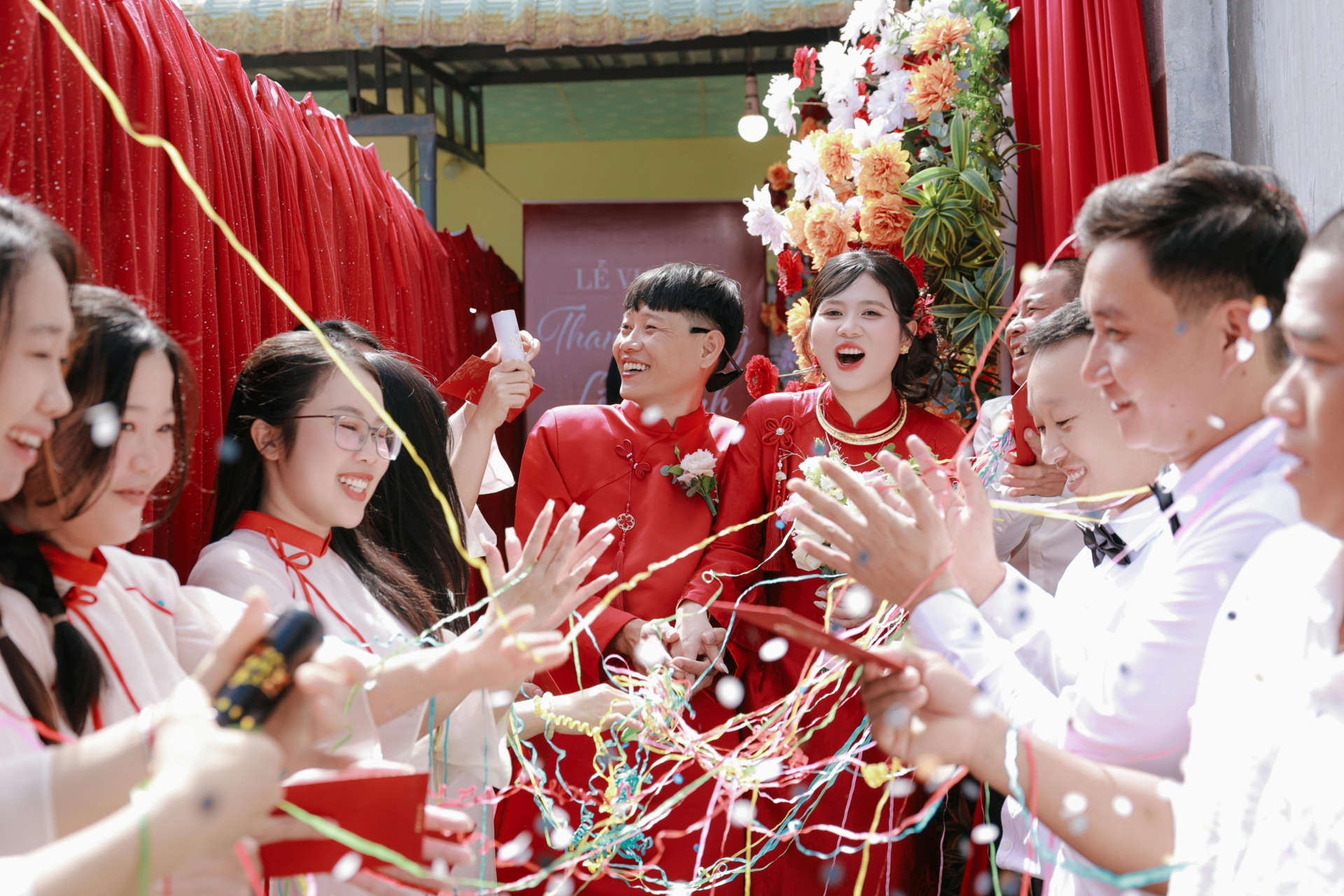
In the past, a conventional Vietnamese wedding had many separate steps; each ceremony reflected the harmonious connection between the two families:
- Mai mối: The initial proposal meeting between families.
- Lễ cheo: Engagement arrangement ceremony.
- Chạm ngõ: The groom’s family visits the bride’s family for the first time.
- Ăn hỏi: Formal gift-giving and official announcement of engagement.
- Nạp tài: Offering symbolic gifts representing respect and blessings.
- Xin dâu: The groom’s family formally asks to bring the bride to his home.
Nowadays, everything is simpler, as most couples keep only five rituals, choosing what feels most comfortable and heartfelt to them. There’s more flexibility, fewer formalities, and a stronger emphasis on emotions rather than on the strict sequence of rituals.
2. Venues and Scale
When I think back to older Vietnamese wedding rituals, the image that comes to my mind is a crowded family home with tables stretching into the alley and the entire neighbourhood stopping by to celebrate.
Traditional venues were always: the bride’s house, the groom’s house and the whole village came. Conversely, modern Vietnamese wedding traditions mostly take place at wedding restaurants, luxurious hotels (e.g., Park Hyatt Saigon, Sheraton, the Reverie, Caravelle) or event centres. These venues always come with professional lighting, coordinated sound systems and a structured schedule. It may look polished now, but at its core, it still carries the same warmth of a family celebration.
3. Procession & Welcoming Rituals
In the past, the traditional procession (rước dâu) was a full ritual, with family members forming a long line carrying trays, gifts, and flowers to the ancestral altar for the ceremonies. The couple would then host a tea ceremony, serving tea to their parents and elders as a gesture of gratitude and respect before beginning the rest of the day’s rituals.
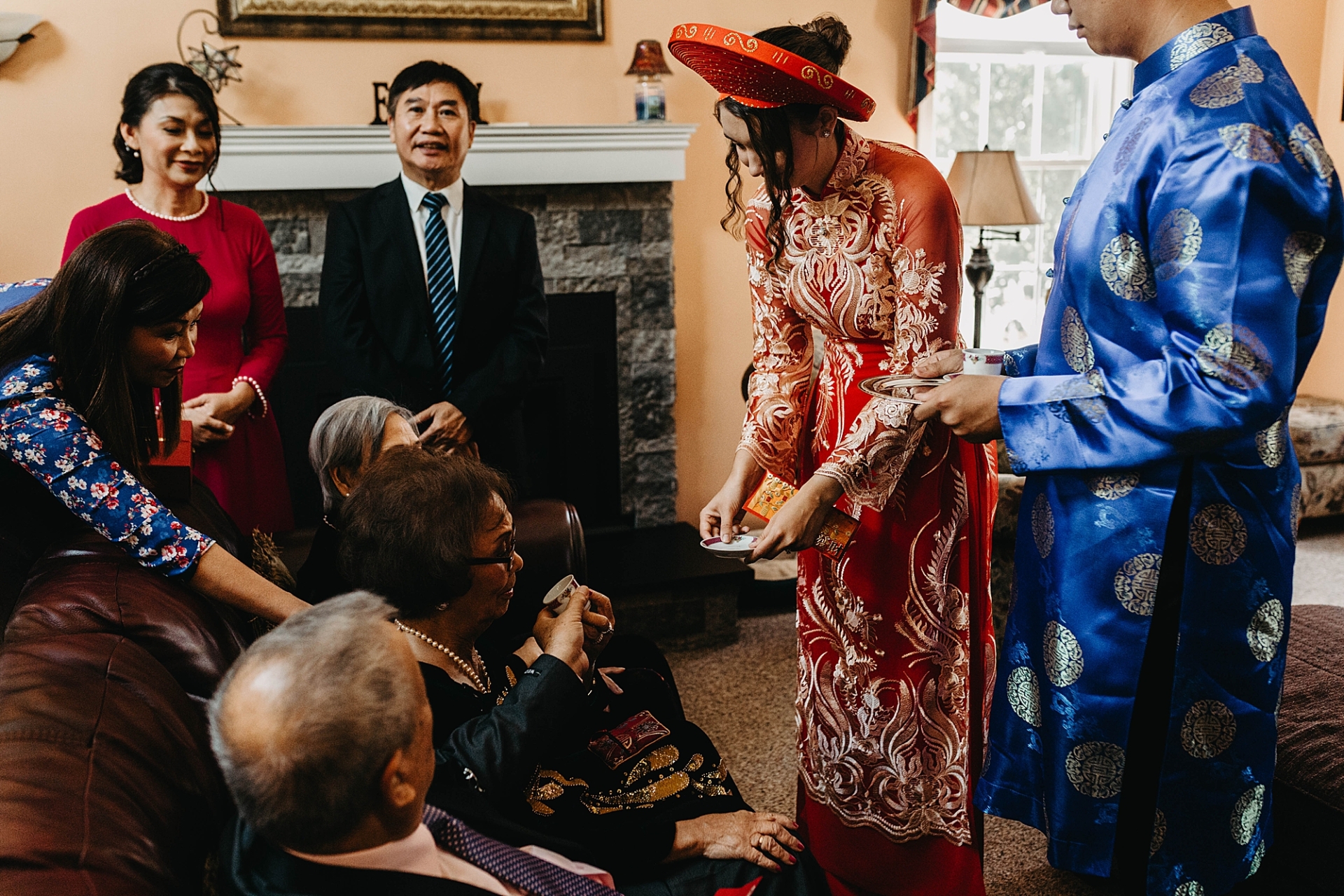
In modern Vietnamese wedding rituals, the procession is much simpler: couples still maintain meaningful acts like presenting gifts or greeting elders, but everything moves faster. Instead of extended ceremonies, the focus will be on the heartfelt exchange between the two families.
4. Wedding Fashion
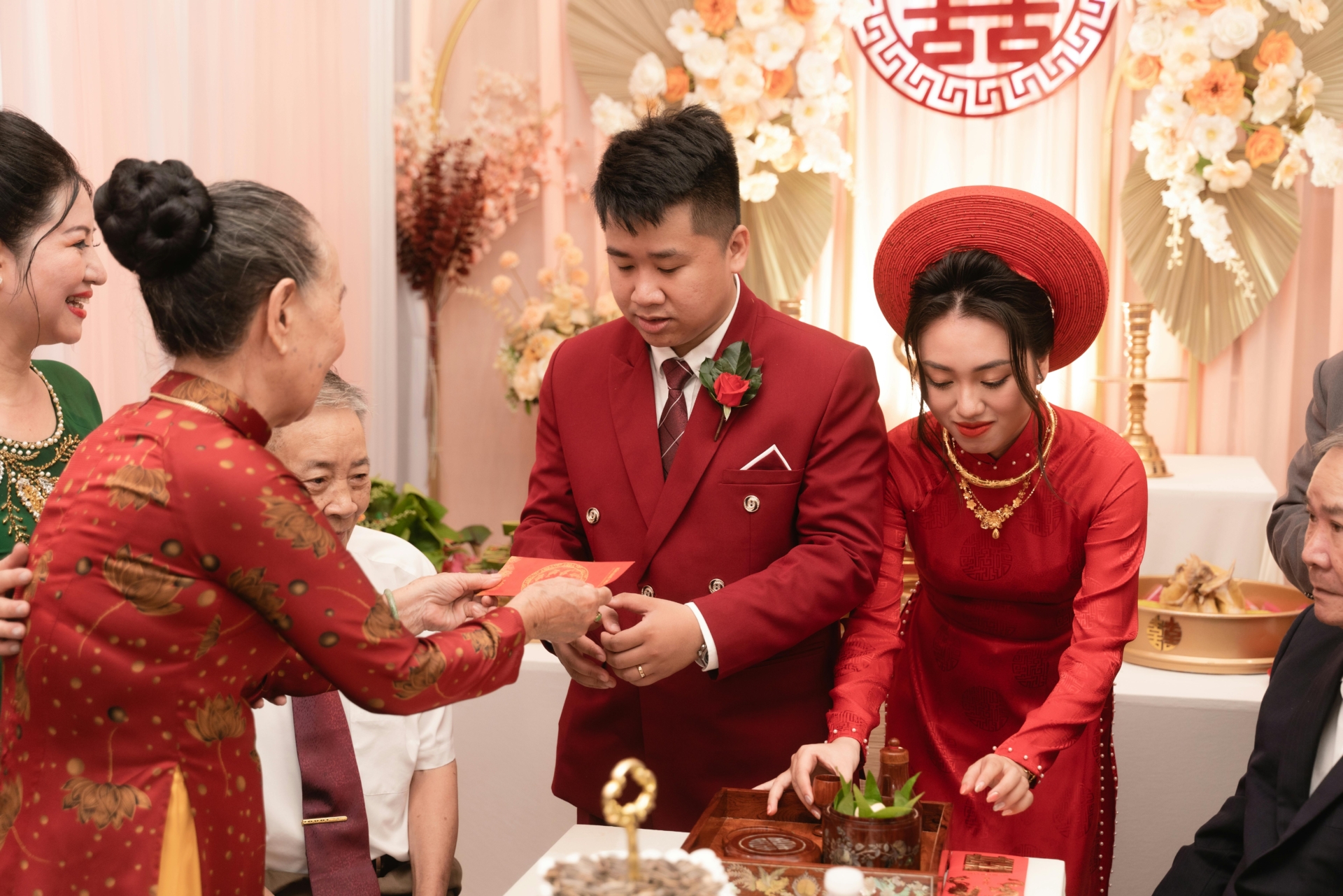
Fashion is where the most significant transformation is most easily spotted in any Vietnamese wedding ceremony. Traditionally, brides wore áo mớ ba mớ bảy (multi-layered traditional Vietnamese blouse) in the North, áo tứ thân (four-panel traditional Vietnamese gown) or áo dài gấm (brocade áo dài) in the South; along with intricate accessories, hairpins and heavy silk fabric – all carried a sense of timeless elegance.
Another detail that stands out to me in a Vietnamese wedding is the carefully coordinated dress code for bridesmaids and groomsmen. In many Vietnamese weddings, the dress code often extends to the bride’s closest friends, her mother, and female relatives, creating a beautifully unified look. Bridesmaids typically wear matching or colour-coordinated áo dài, chosen to complement the bride without overshadowing her. Groomsmen, on the other hand, alternate between traditional áo dài for ceremonial moments and modern suits for the reception.
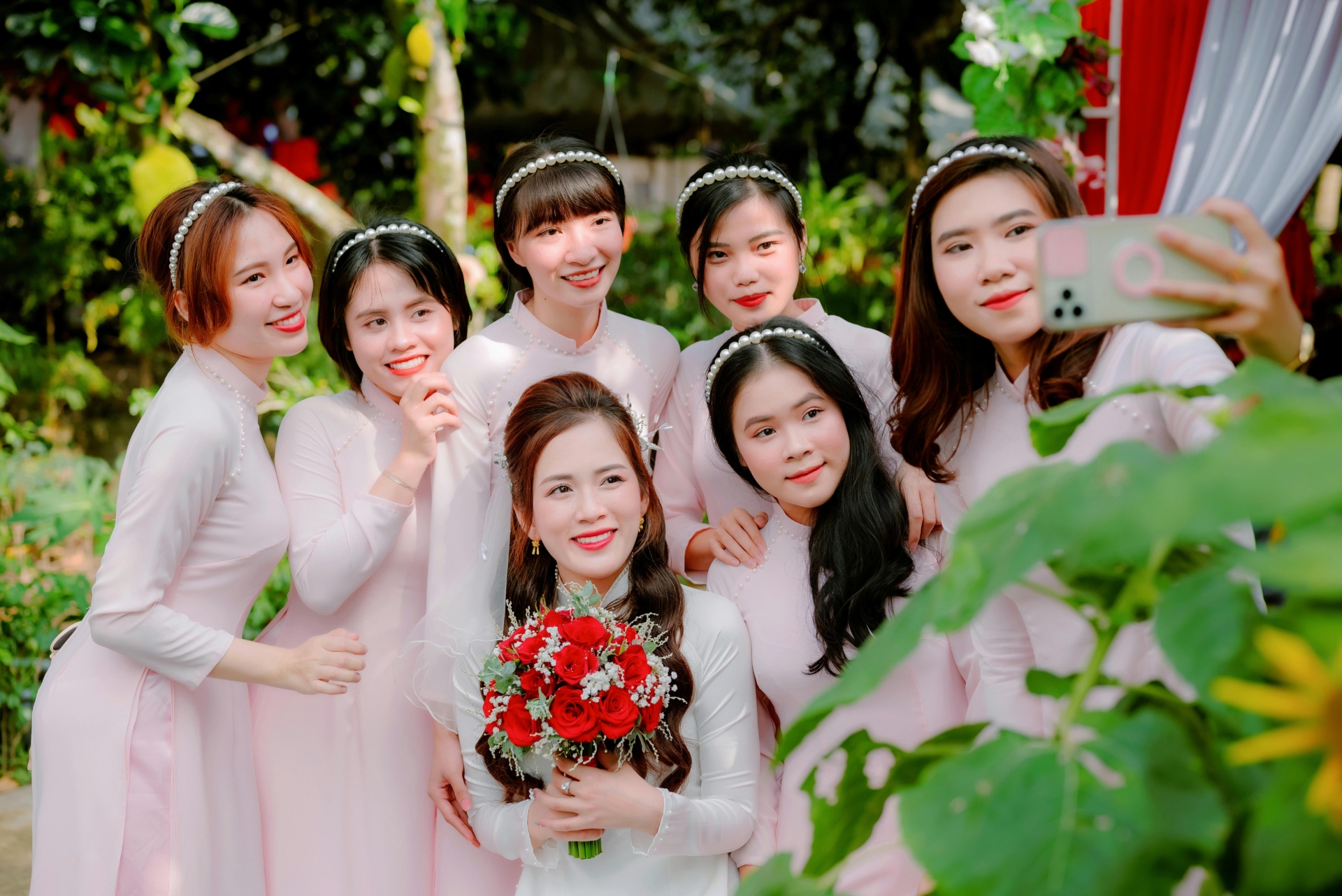
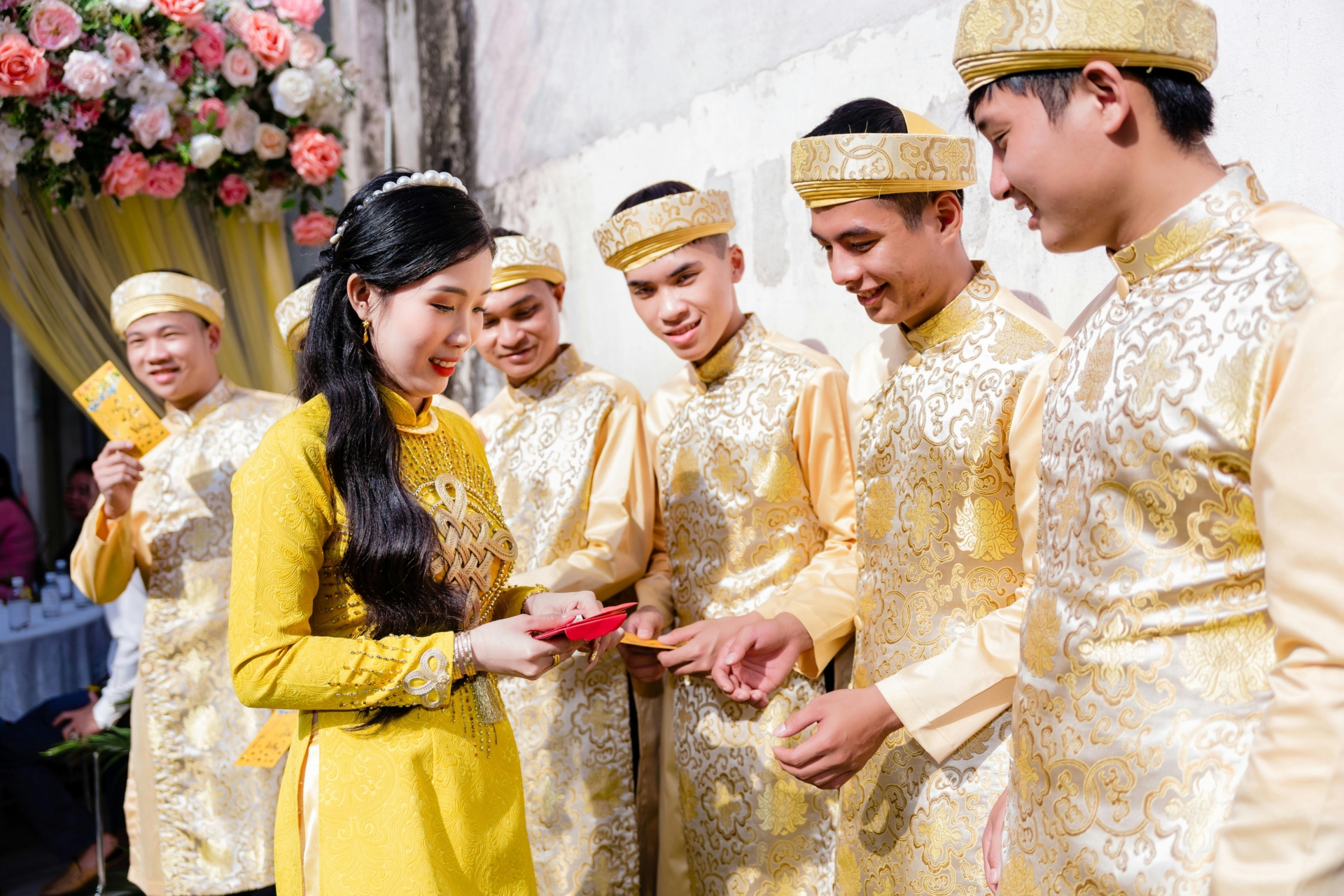
I also love how a ceremonial procession of attendants dressed in perfectly coordinated outfits plays a vital role in a Vietnamese wedding, symbolising respect, harmony, and the formal exchange between the two families.
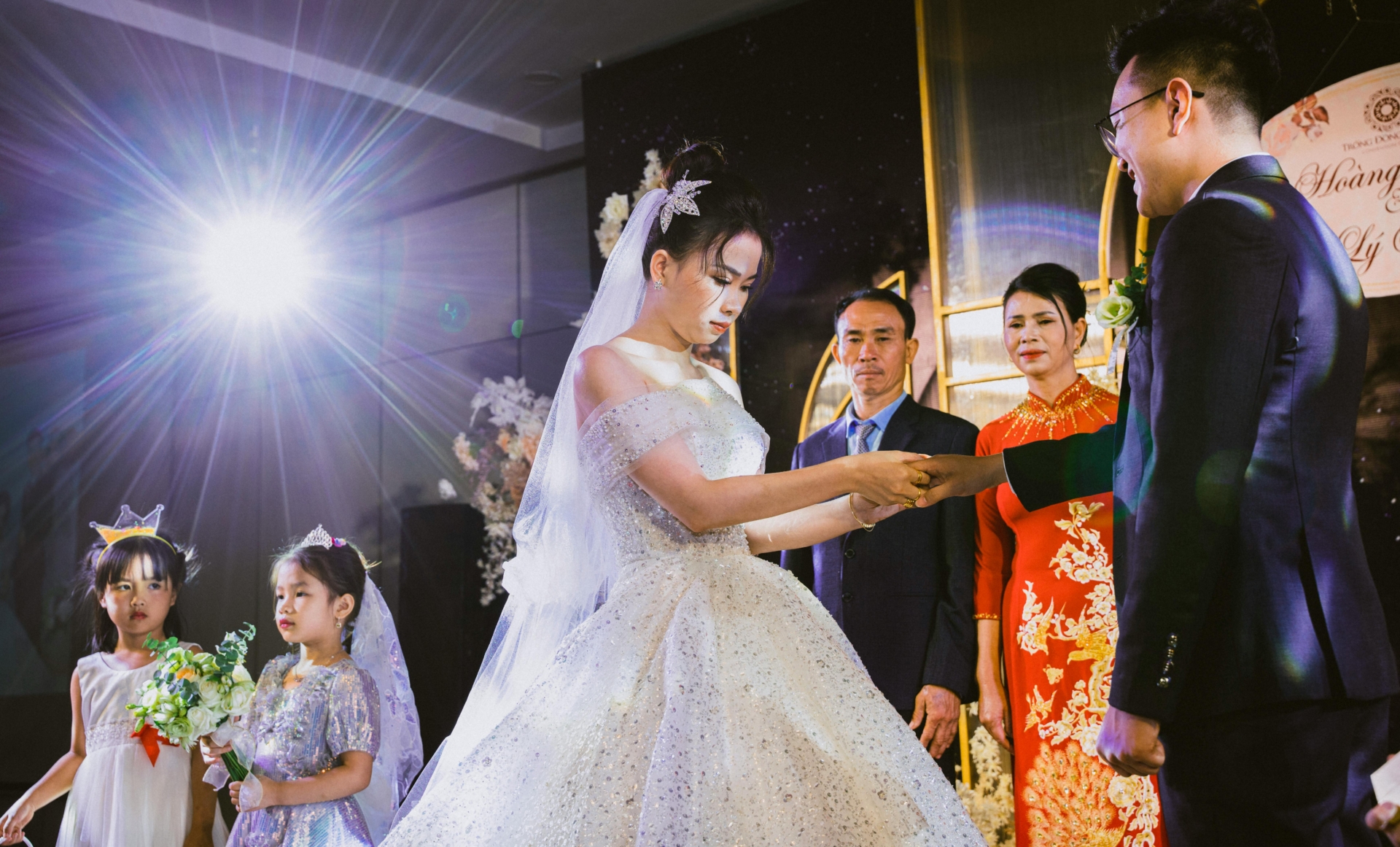
In contemporary Vietnamese wedding ceremonies, brides will start the day in an áo dài cách tân (modern-style áo dài), then switch into a Western-style white wedding gown for the reception. Grooms move between traditional áo dài and tailored suits.
5. Family Roles
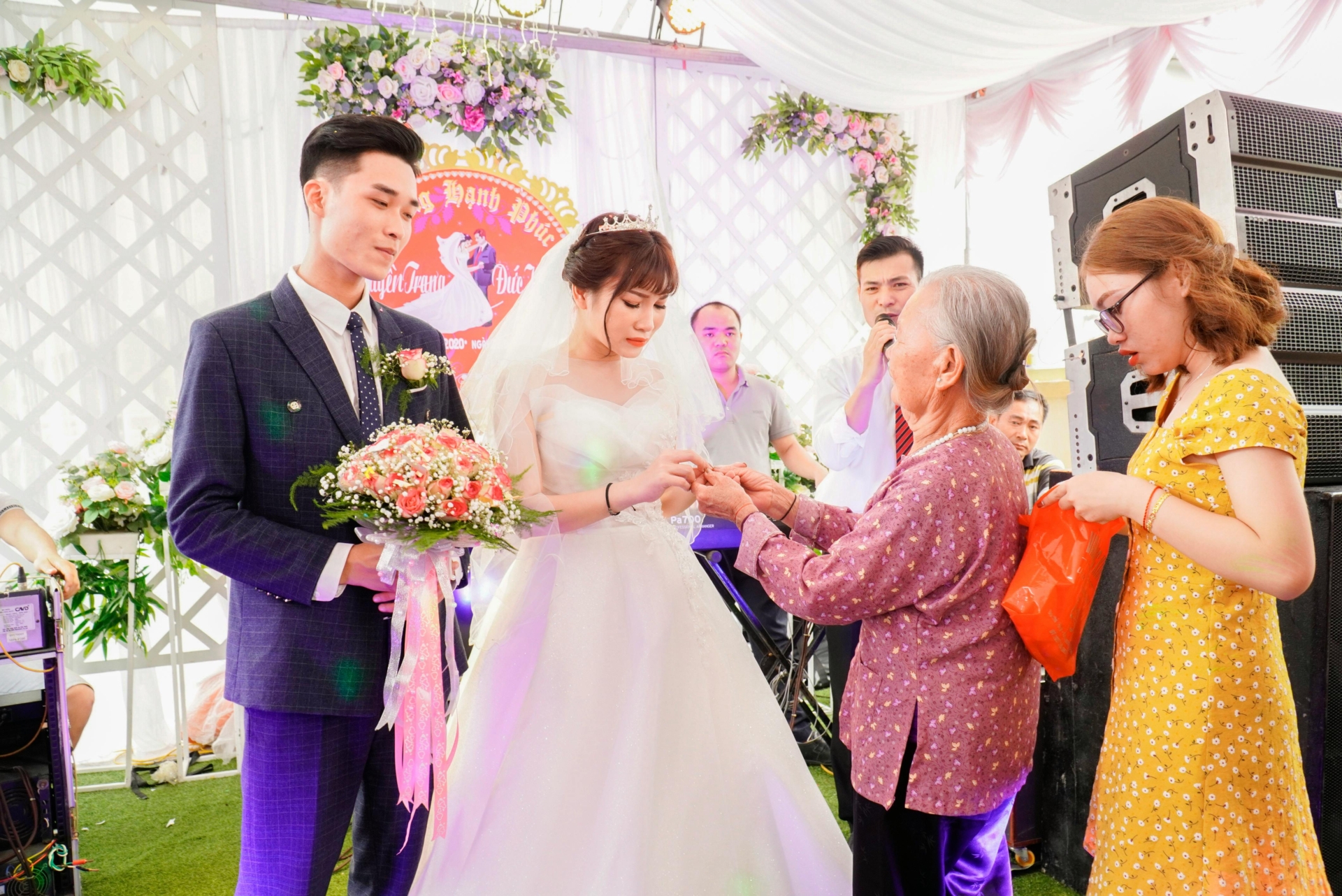
Traditional weddings placed parents and elders at the center since they made most of the decisions – choosing the date, organizing the ceremonies, even handling guest invitations. On the other hand, modern Vietnamese wedding rituals will shift the “spotlight” to the couples, brides and grooms now can choose their own dates, decide the venue, select their own outfits and personalize the ceremony to reflect their story.
Parents continue to play a meaningful role, but weddings today feel more centered on the couple’s relationship than on formal family rules.
6. Reception Style
Reception styles show some of the clearest changes in a Vietnamese wedding. In rural areas, weddings were often held right in front of the family home under a “temporary” tent. The food was home-cooked, prepared by relatives or local cooks, and served family-style. A typical menu might include gỏi gà (Vietnamese shredded chicken salad), chả giò (fried spring rolls), canh măng (bamboo shoot soup), thịt kho (braised pork), xôi (sticky rice), and chè (sweet dessert soup), with guests coming and leaving freely. The celebration lasts until the food runs out.
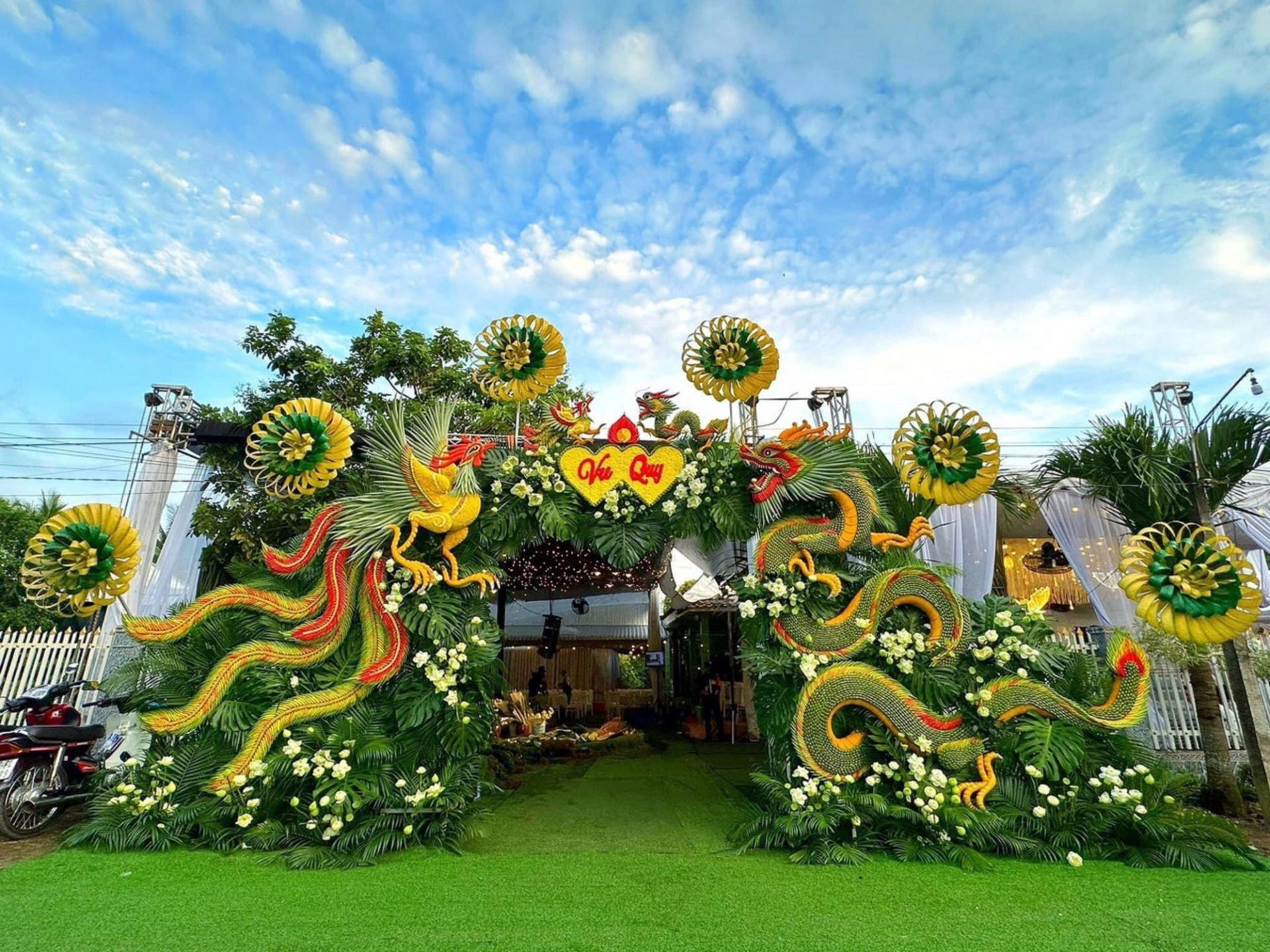
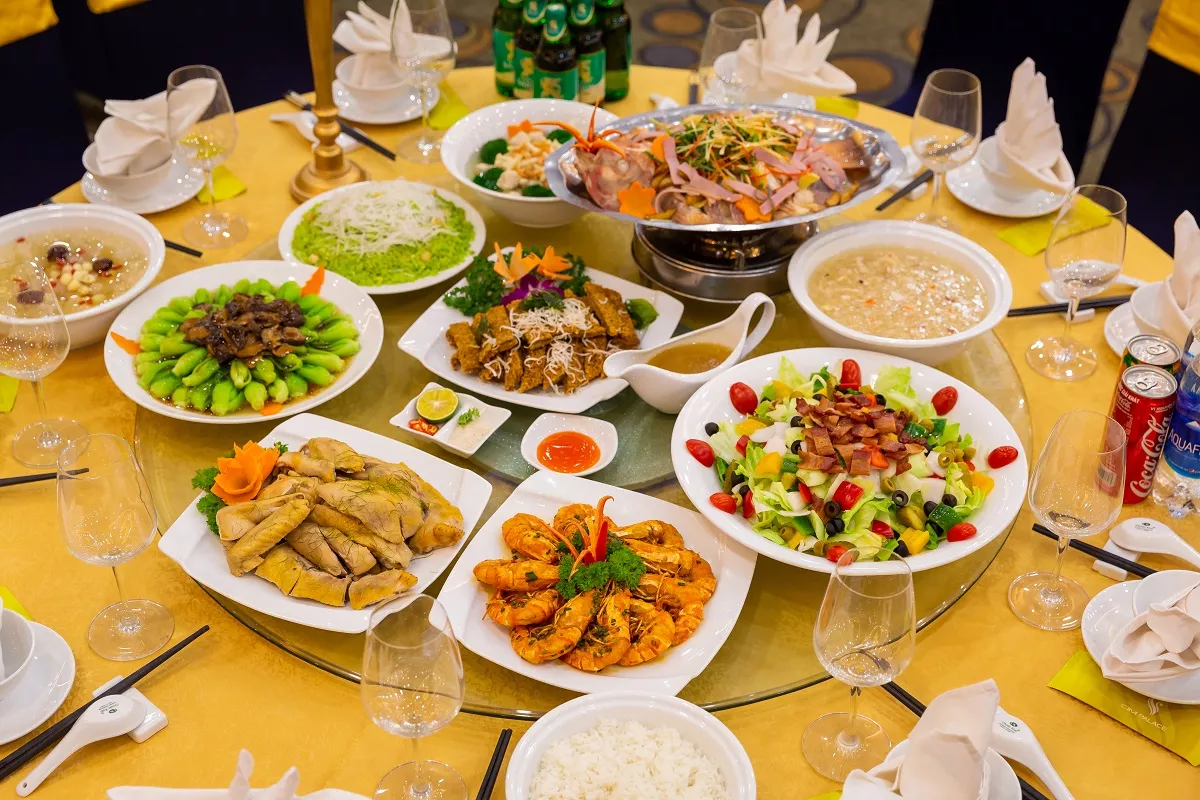
Today, especially in big cities, Vietnamese wedding receptions are usually hosted in wedding restaurants or banquet halls. Meals are served as set menus, often more standardised and sometimes influenced by international cuisine, such as lobster, steak, salmon, soup courses, and plated desserts. The event follows a fixed schedule with an MC, formal rituals like cake-cutting and champagne pouring, and a clear ending time.
To me, this shift reflects how a Vietnamese wedding has moved from a spontaneous, community-centred gathering to a more polished and time-managed celebration shaped by modern urban life.
What Really Happens During a Vietnamese Wedding?
This traditional timeline of a Vietnamese wedding will follow: Lễ Dạm Ngõ→ Lễ Ăn Hỏi → Lễ Xin Dâu → Lễ Rước Dâu → Lễ Lại Mặt, and this is what gives a Vietnamese wedding its soul. Even as modern weddings cut back on many steps, the essence remains unchanged: honouring family, remembering our ancestors and believing in a bright, promising future together.
1. Lễ Dạm Ngõ (The Proposal Visit)
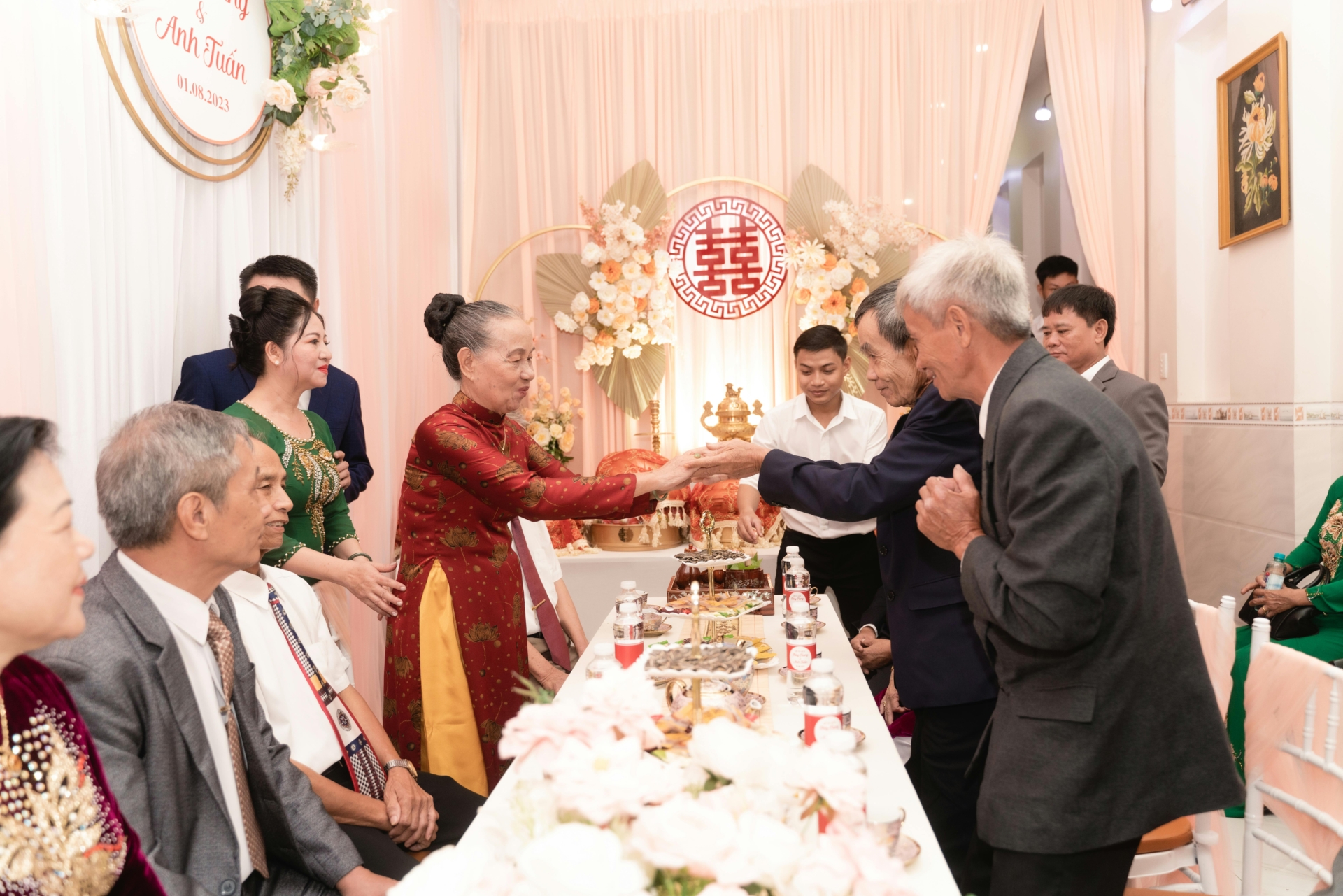
Whenever I think about a Vietnamese wedding, the first step I tend to think of is Lễ Dạm Ngõ (often called the “proposal visit”). To me, this is one of the most meaningful moments, because it’s the first day both families officially sit together for the first time.
Traditionally, Lễ Dạm Ngõ was the introductory ceremony in which both families met and began discussing the future marriage. The groom’s family would bring simple gifts such as betel nut and areca leaves, some sweets or fruits, or a small bottle of rice wine – just enough to show sincerity without being overly formal. No bride or groom was required to be present; it was purely a meeting between the two families before bigger rituals coming up.
Today, Lễ Dạm Ngõ still happens in many Vietnamese wedding traditions. Still, the atmosphere is more relaxed, just like a simple, warm family gathering with light tea, intimate conversations and lots of laughter as both sides got to know each other.
2. Lễ Ăn Hỏi – Engagement Ceremony
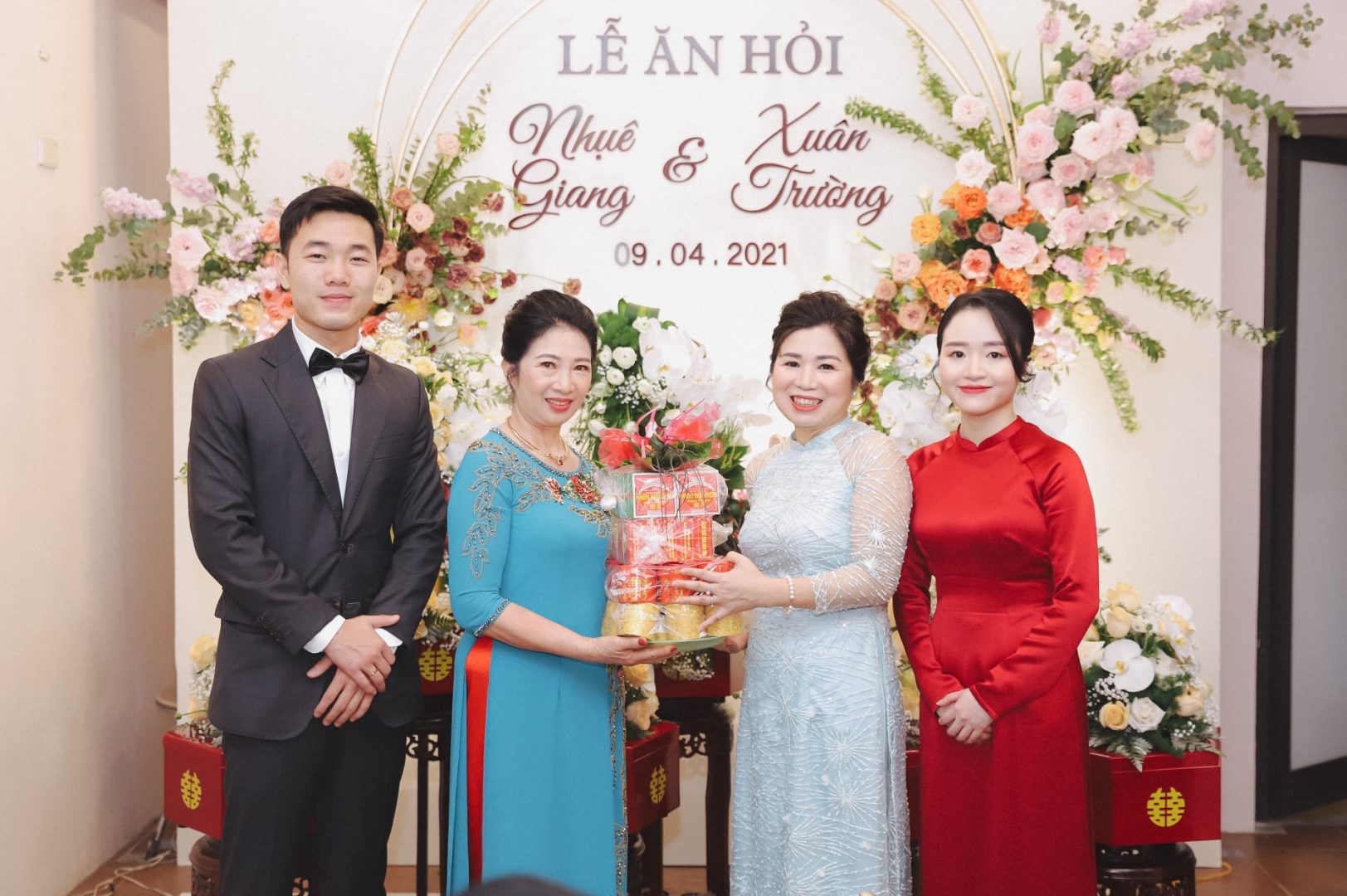
If Lễ Dạm Ngõ is the beginning, then Lễ ăn Hỏi is the official declaration. In every Vietnamese wedding I’ve attended, this engagement ceremony is always full of colour and excitement. It’s the moment when the groom’s family brings carefully prepared gift trays (mâm quả) to the bride’s house – each tray symbolising prosperity, gratitude and goodwill.
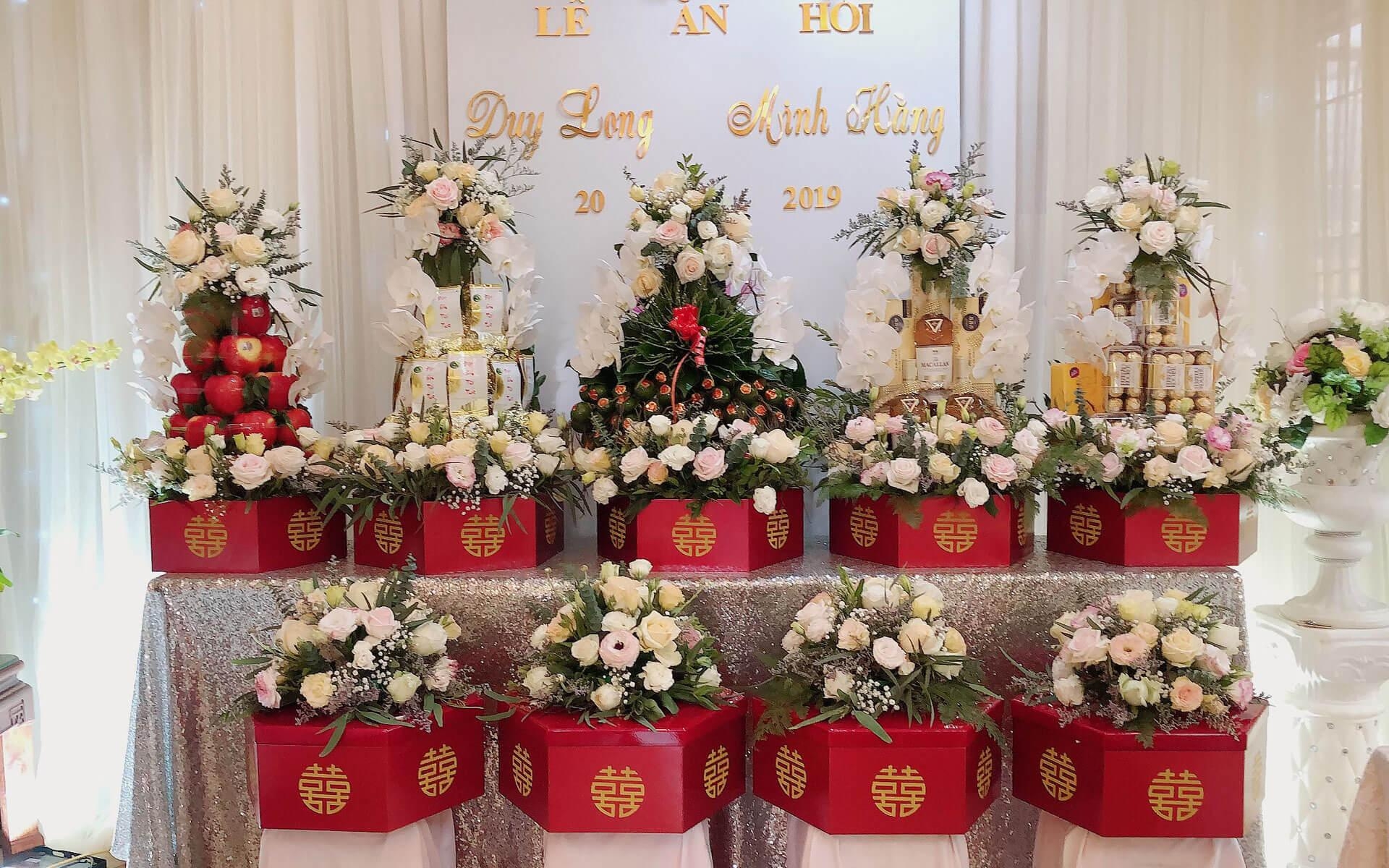
The offering trays will include betel and areca (trầu cau), symbolic husband-and-wife cakes (bánh phu thê), fresh fruit, sweet rice wine (chè rượu), and even a roasted pig (heo quay), depending on the region. Also, at this point, the bride becomes “fiancée”, and the groom is recognised as the future son-in-law.
This is what fascinates me most about Lễ Ăn Hỏi – the layer of meaning behind every detail and the mix between tradition and modern joy.
3. Lễ Vu Quy – The Bride’s Wedding Day Ceremony
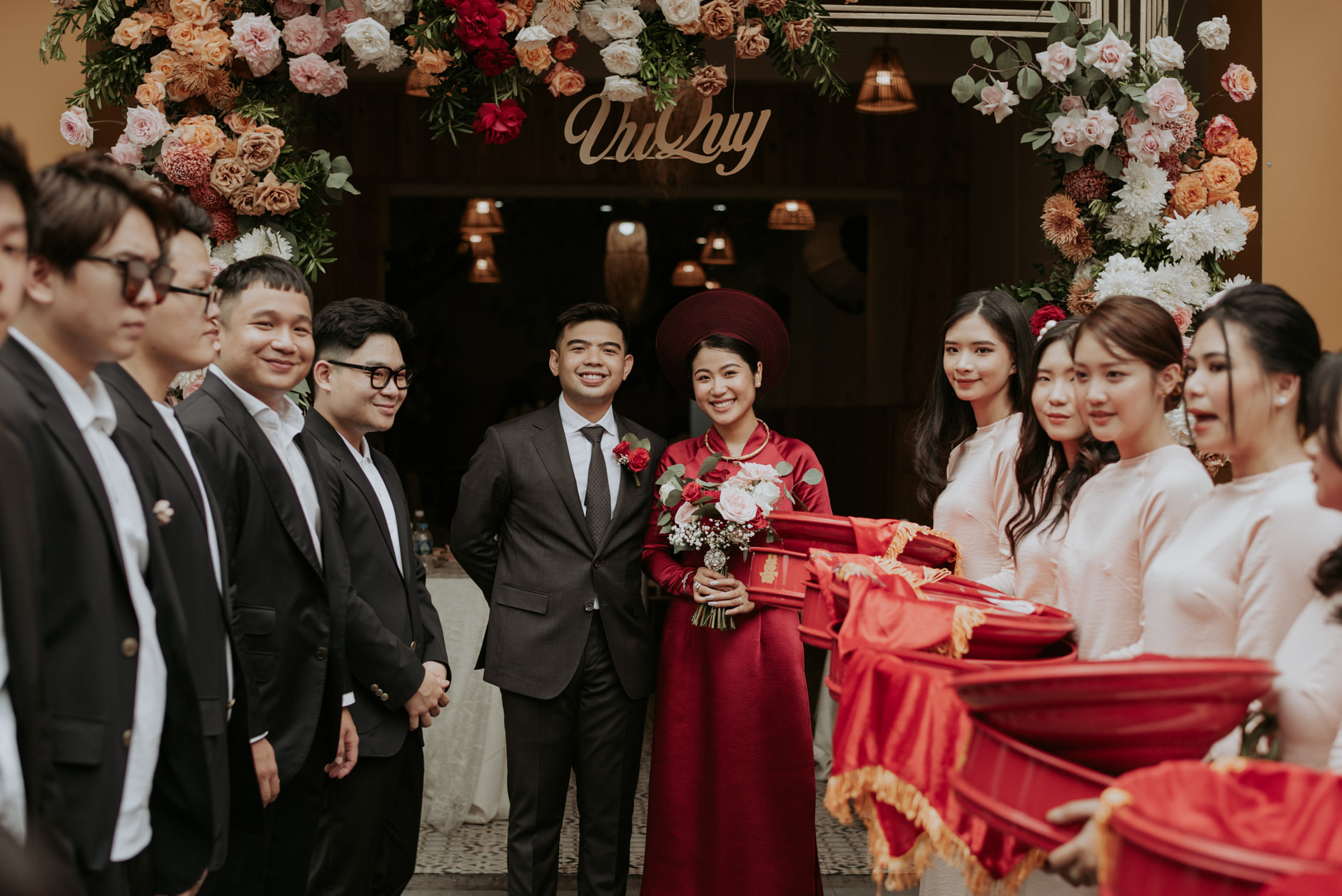
To me, Lễ Vu Quy is one of the most emotional moments in a Vietnamese wedding, perhaps even more touching than the procession itself. This ceremony takes place at the bride’s home, and every time I witness it, I can feel the mix of pride, joy, and bittersweet emotion in the air. It’s the moment the bride officially says farewell to her family to begin a new chapter, and you can sense how meaningful that transition is for everyone present.
By the time the relatives gather and the bride steps out in her áo dài, the atmosphere feels warm, sacred, and deeply familial. Lễ Vu Quy sets the emotional foundation for everything that follows. It’s the soft, heartfelt beginning before the energy shifts into excitement as the groom’s family arrives for Lễ Xin Dâu, and eventually, the joyful Rước Dâu procession begins.
4. Lễ Xin Dâu/Rước Dâu – The Wedding Day
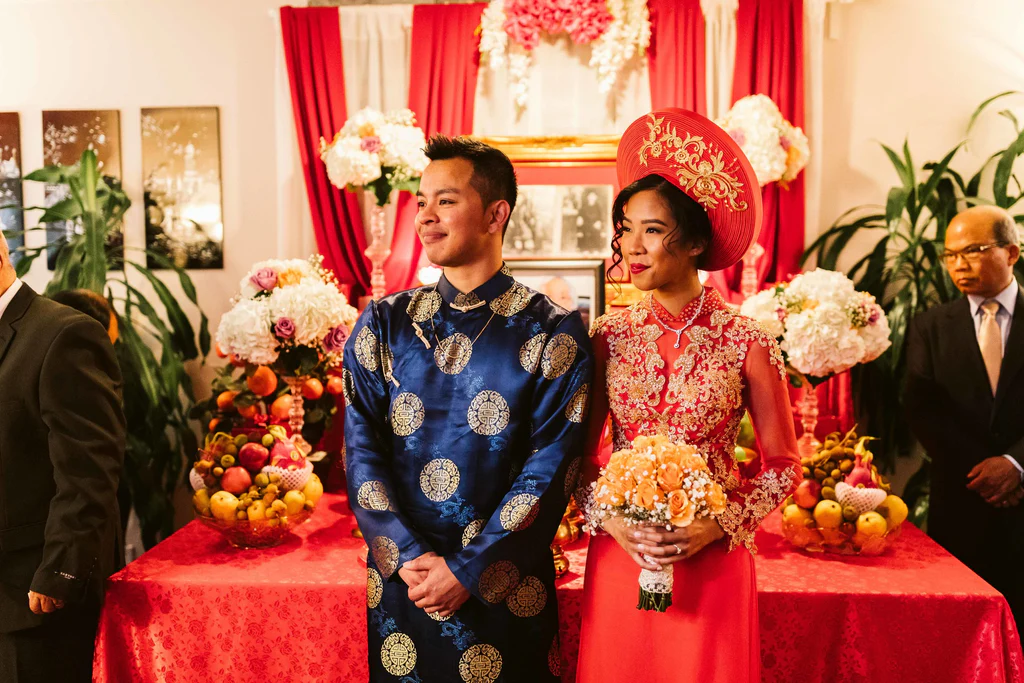
On the actual wedding day, the journey begins with a small yet meaningful ritual: “Lễ xin dâu”. Before the whole procession arrives, the groom’s mother and a few close relatives visit the bride’s home to present a small gift – often betel and areca with a bottle of wine. Moreover, the bride’s family will place the offerings on the ancestral altar and burn incense to receive blessings for the future marriage.
Then comes the part everyone waits for: Lễ Rước Dâu – the heart of a Vietnamese wedding. This procession is lively, emotional and beautifully meaningful. During this event, the groom’s family will make their way into the bride’s home with gifts, greetings and joyful smiles. Speeches are made, tea is served to elders and blessings are given to the couple.
And of course, the highlight is when everyone accompanies the bride out of her house – sometimes with tears, sometimes with laughter – and brings her to the groom’s house to begin their new chapter.
5. Lễ Lại Mặt – The Post-Wedding Day
A day or two after the wedding, many families still maintain the tradition of Lễ Lại Mặt in the Vietnamese wedding traditions. I find this tradition genuinely touching. This ceremony comes from the idea that when a daughter marries and moves into her husband’s home, she might feel homesick. Hence, the groom brings his wife back to visit her parents, bringing small gifts to express his profound gratitude and respect.
During the post-wedding day, the pride’s parents will welcome the newlyweds warmly, offering words of love and encouragement. It’s a sweet, emotional ceremony that reminds me how strongly family-centred Vietnamese wedding rituals are!
How to Attend a Vietnamese Wedding as a Foreigner?
1. Dress Code
Whenever I join a Vietnamese wedding, the first factor I always take into consideration is the outfits. Vietnamese wedding ceremonies are vibrant, dynamic and full of family traditions, hence, dressing smartly and respecftfully is an important part of the experience. If you’re a foreigner joining Vietnamese wedding ceremony for the first time, here’s what I’ve learned from attending many weddings across the country:
A. Dress Code for Women
For women, modesty and elegance go a long way. I usually choose:
- a knee-length or midi dress
- soft, pastel tones like blush, cream, lavender, or light blue
- simple patterns or solid colours
B. Dress Code for Men
Men typically wear:
- a formal shirt
- dress pants
- a suit jacket if the wedding is held at a hotel or event center
Vietnamese wedding ceremonies are usually semi-formal to formal, so shorts, tank tops, and flip-flops are definitely a no-go. Even at casual countryside weddings, dressing neatly is a sign of respect toward the two families.
C. Colors to Avoid
There are a couple of color rules I always keep in mind:
- Pure white: Traditionally the bride’s color. Wearing a full white outfit may be seen as competing with her.
- Black: Associated with funerals or deaths in Vietnamese culture, so it’s not the best choice for a major event.
Pastels, jewel tones, patterns, and even bold colors (like red or gold) are usually perfectly acceptable.
If you wanna feel wholeheartedly connected to the celebration, renting an áo dài is a superb option. Many foreign guests tell me that this has become the part that leaves the strongest impression on them. Plus – it looks gorgeous in photos!
2. Gift Etiquette
One thing people always ask me before attending a Vietnamese wedding is, “What gift should I bring?” The answer can’t be any more straightforward: a red envelope. At almost every Vietnamese wedding I’ve been to, guests give money instead of physical gifts, since this is more practical, meaningful and helps the couple a lot with the wedding costs.
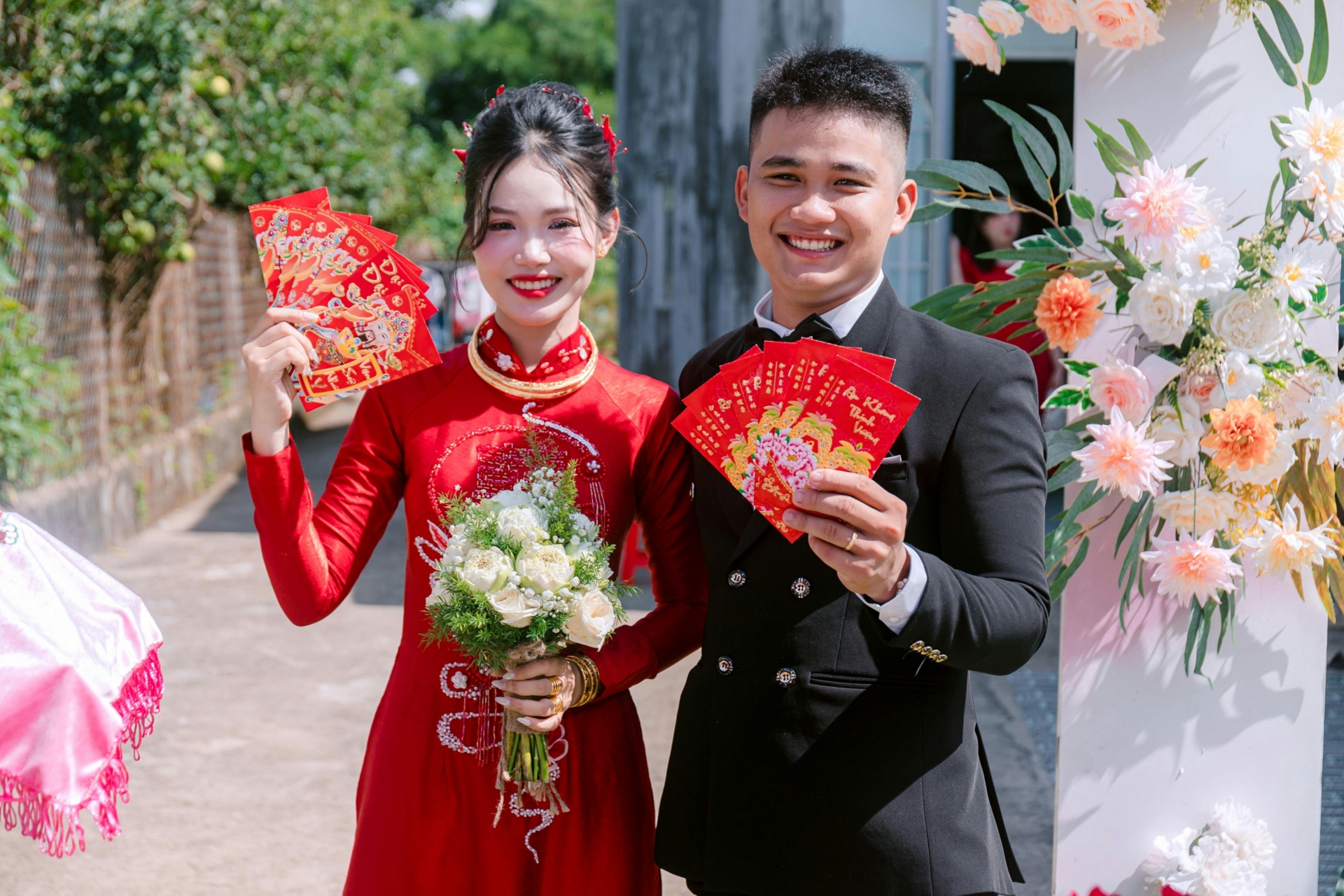
It’s worth clarifying that this is not the same as a red lucky envelope (lì xì). In Vietnamese weddings, lì xì is traditionally given by the bride and groom to the ceremonial attendants as a token of gratitude. Wedding guests, on the other hand, place money inside a wedding invitation envelope, often matching the invitation’s design and typically pink or red. However, the colour itself is not the focus.
The amount depends on the venue and how close you are to the couple, but a good range is 300,000 -1,000,000 VND (~$12- $40). For foreigners, 500,000 VND (~ $20) is polite and perfectly acceptable. Luxury hotel weddings may call for a bit more, but your deep sincerity matters more than the number. Plus, my advice is to use crisp new bills and avoid amounts ending in 4 (an unlucky number).
When you arrive, simply place your envelope into the wedding gift box at the reception table, usually set near the entrance, and sign the guestbook. The process is discreet, respectful, and widely understood, even for first-time guests.
If you prefer non-cash gifts, you can definitely bring wine, flowers, a lovely handmade gift, or a simple souvenir from your home country. When you arrive, just hand the envelope of gifts to the reception table at the entrance. There’s usually a decorated box and a guestbook for you to sign.
3. 6 Practical Tips For Foreign Guests
Before taking my foreign friends to a Vietnamese wedding, I like to share a few simple tips to help them feel more confident and comfortable.
1. Arrive on Time (Especially in the North)
Punctuality is taken seriously in many Vietnamese families, particularly in Northern Vietnamese wedding ceremonies. I always aim to arrive early – it’s a small gesture that shows respect for the couple and their families.
2. Greet Elders First
In Vietnamese culture, elders are deeply respected, so when I walk into a Vietnamese wedding, I always greet the oldest family members first. A simple smile, a gentle nod, or a “Cháu chào bác ạ” goes a long way. Even if you don’t speak Vietnamese, showing respect through body language is more than enough.
3. Join the Wedding Toast
One of my favourite moments at every Vietnamese wedding is the joyful toast. At some point, someone (usually the groom’s father or an uncle) will raise a glass and call out: “Một, hai, ba… dô!” (Dô = Cheers!).
Just follow along, raise your glass, and enjoy the moment. It’s one of the easiest ways to bond with everyone around you.
4. Ask Politely Before Taking Close-Up Photos
Vietnamese wedding ceremonies are otherworldly and very photogenic, but not every ritual is meant for close-up photography. Before snapping pictures of the ancestral altar or family ceremonies, I always ask with a smile. People appreciate the thoughtfulness, and it helps avoid any unintentional cultural missteps.
5. Remove Shoes When Entering the Ancestral Altar Room
If you’re invited into a room with the family’s ancestral altar, remember to take off your shoes. It’s a quiet sign of respect, similar to entering a sacred space. I do it instinctively now, and people genuinely appreciate it.
6. Learn a Few Simple Vietnamese Phrases
Foreign guests always shine when they try even a little Vietnamese. Here are two phrases that never fail to bring big smiles to any Vietnamese wedding ceremony:
- Chúc mừng hai bạn! — Congratulations!
- Hai bạn đẹp đôi quá! — You two look great!
Even if your pronunciation isn’t perfect, the effort is what counts. Vietnamese people love seeing guests embrace the culture.
Where Travellers Can Witness Vietnamese Wedding Traditions
1. Hội An: Heritage-Style Weddings & Modern Wedding Photoshoots
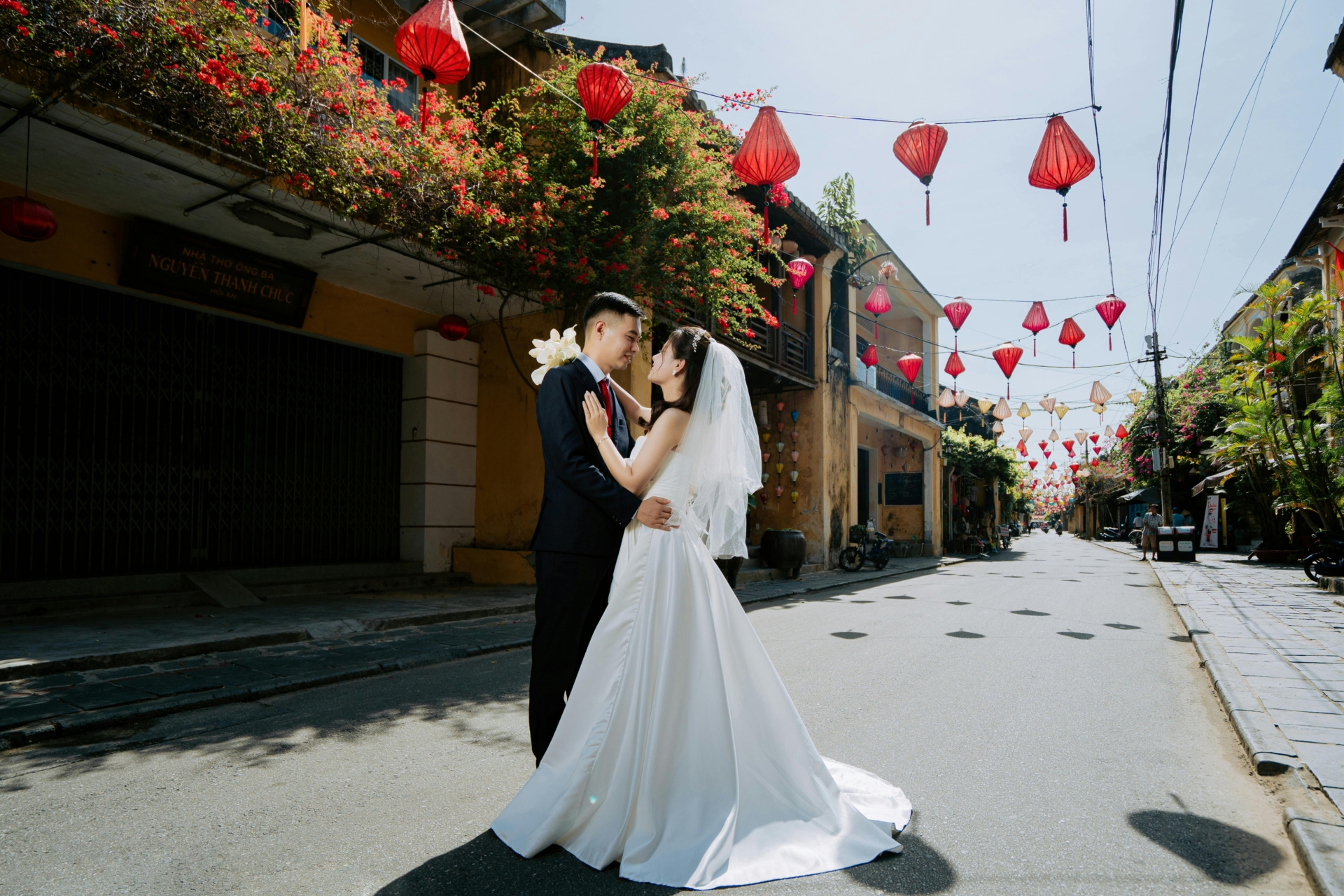
When I’m in Hội An, I feel like I’ve stepped into a living museum of Vietnamese culture. The lantern-lit ancient town is one of the most wonderful places to get a glimpse of heritage-style Vietnamese wedding photoshoots, where couples dress in modern wedding gowns and tailored suits and pose along yellow-walled alleyways, inside ancient wooden houses, or by riverside lanterns.
Plus, Hội An frequently hosts themed Vietnamese heritage wedding ceremonies for tourists seeking a traditional style in a romantic Old Town setting.
2. Mekong Delta: Vibrant Community Weddings in Village Settings
In the Mekong Delta, weddings feel warm, lively, and deeply rooted in community life. Whenever I visit during wedding season, the entire village lights up with colorful tents line the roads, families cook enormous pots of food, and children run around in excitement.
What makes a Vietnamese wedding in the Mekong Delta especially distinctive is the scale and generosity of the food. Families often cook large quantities of home-cooked dishes, not just for one meal, but to host guests over several days. It’s common for neighbours, relatives, and friends to drop by throughout the celebration, eat together, chat, and then continue on their way.
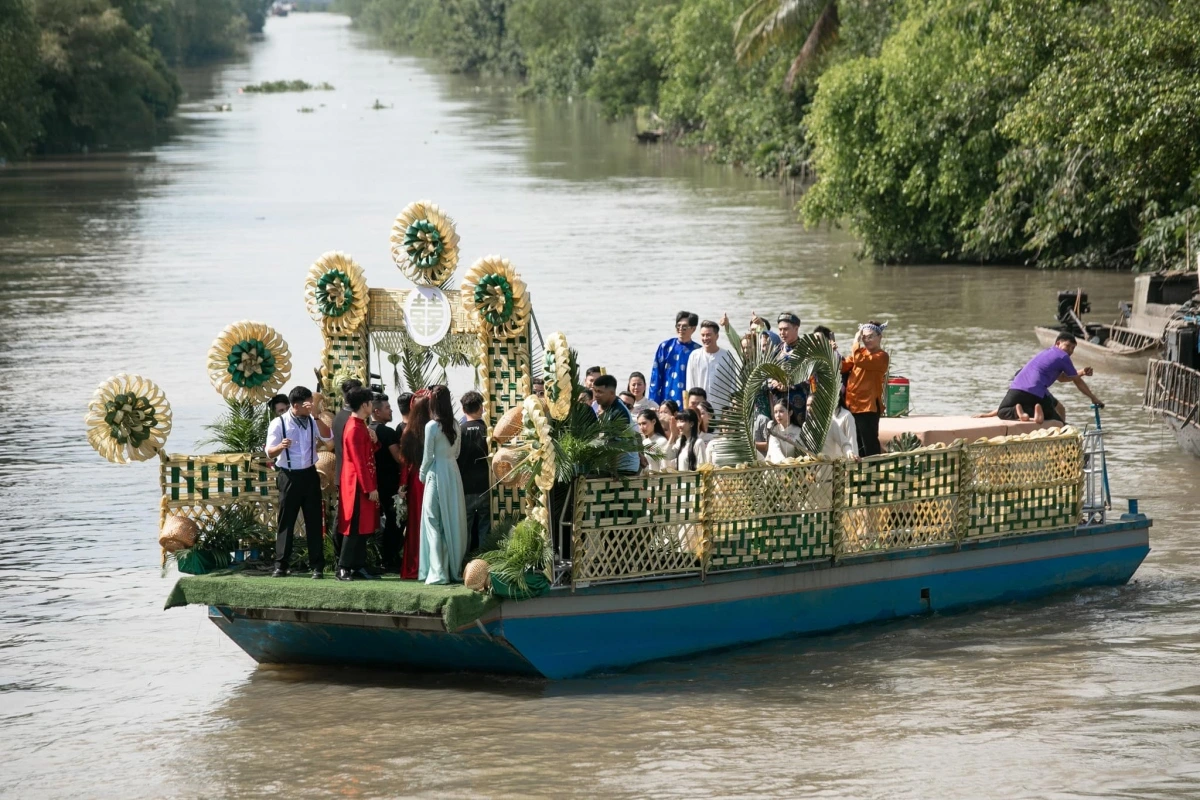
You get to see a Vietnamese wedding in Mekong Delta at its most “authentic”: elders giving blessings, neighbours joining in without invitation, and long tables filled with home-cooked dishes. If you’re lucky enough to be invited, it’s an unforgettable way to experience the hospitality and cultural richness of rural southern Vietnam.
3. Huế: Imperial-Style Ceremonies with Royal Áo Dài
Hue, the former imperial capital, is the place where Vietnamese traditions take on a majestic touch. I’ve seen couples here reenact royal-style Vietnamese wedding rituals inspired by the Nguyen Dynasty, complete with phoenix-and-dragon embroidered áo dài (known as Nhật Bình) and ornate headpieces.
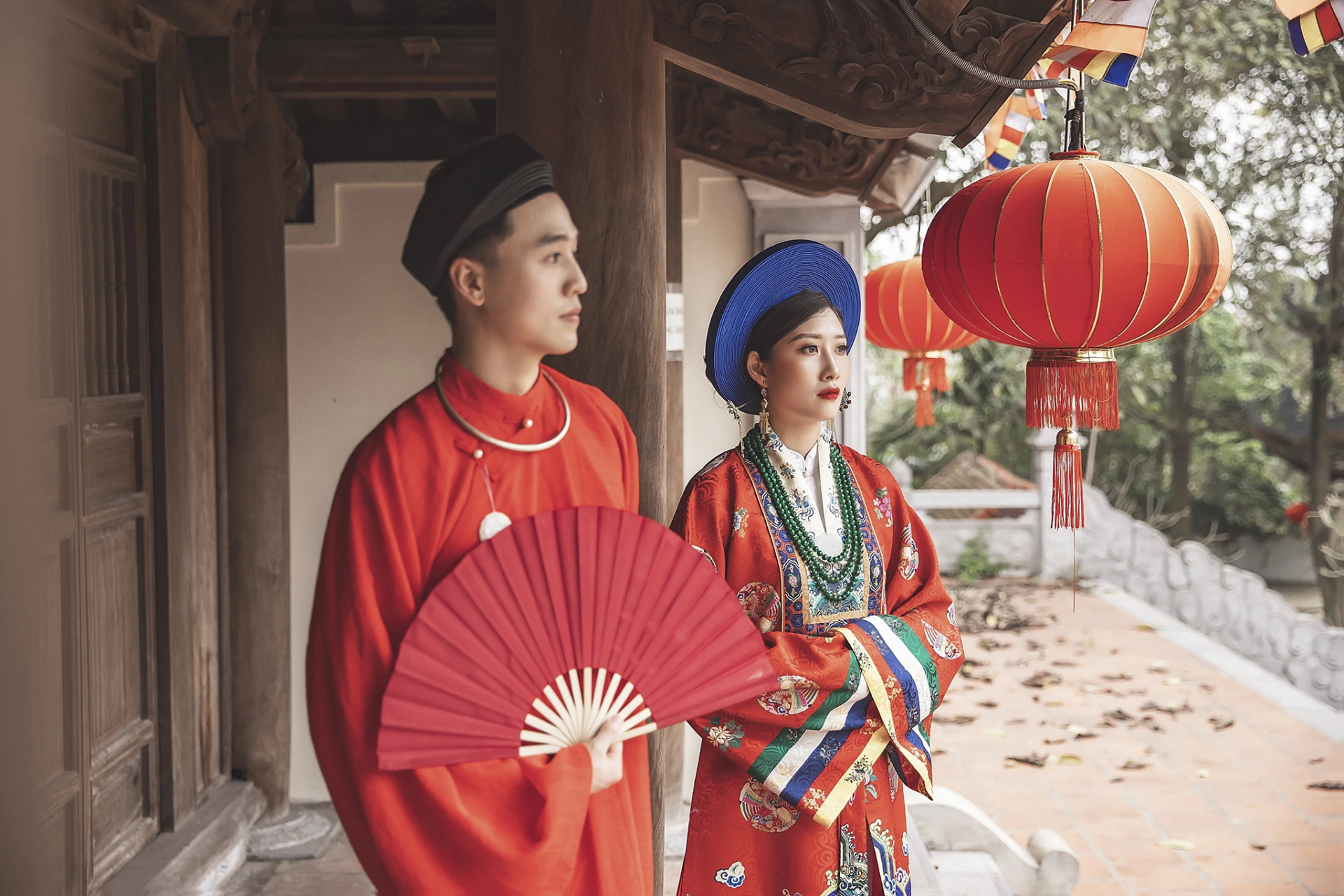
Additionally, some wedding venues even offer full ceremonial processions in which the bride and groom are dressed as ancient royalty. If you love history, Hue provides an incredible opportunity to witness how Vietnam’s imperial heritage continues to influence modern celebrations.
4. Saigon & Hanoi: Modern Weddings with Traditional Tea Ceremonies
In Vietnam’s two largest cities, weddings often mix modern touches with traditional rituals to create something astounding. Personally, I’ve attended so many glamorous hotel weddings where everything is well planned and coordinated to perfection, with LED screens, live bands, and choreographed entrances.
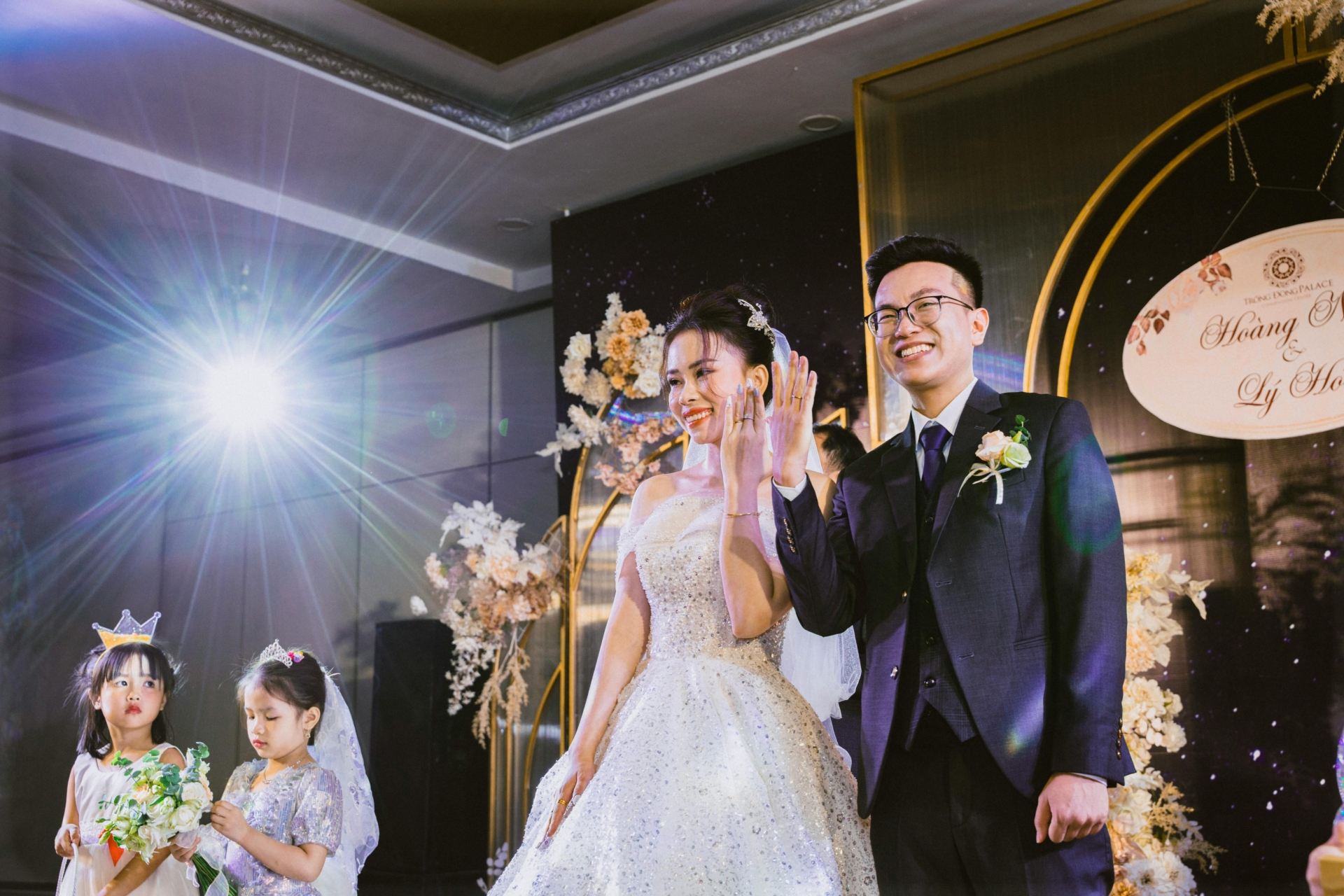
Yet, no matter how sleek the venue is, families still sustain essential customs like the tea ceremony (where the couples serve tea to their parents and receive honest blessings).
5. Cultural Shows Offering Reenacted Ceremonies
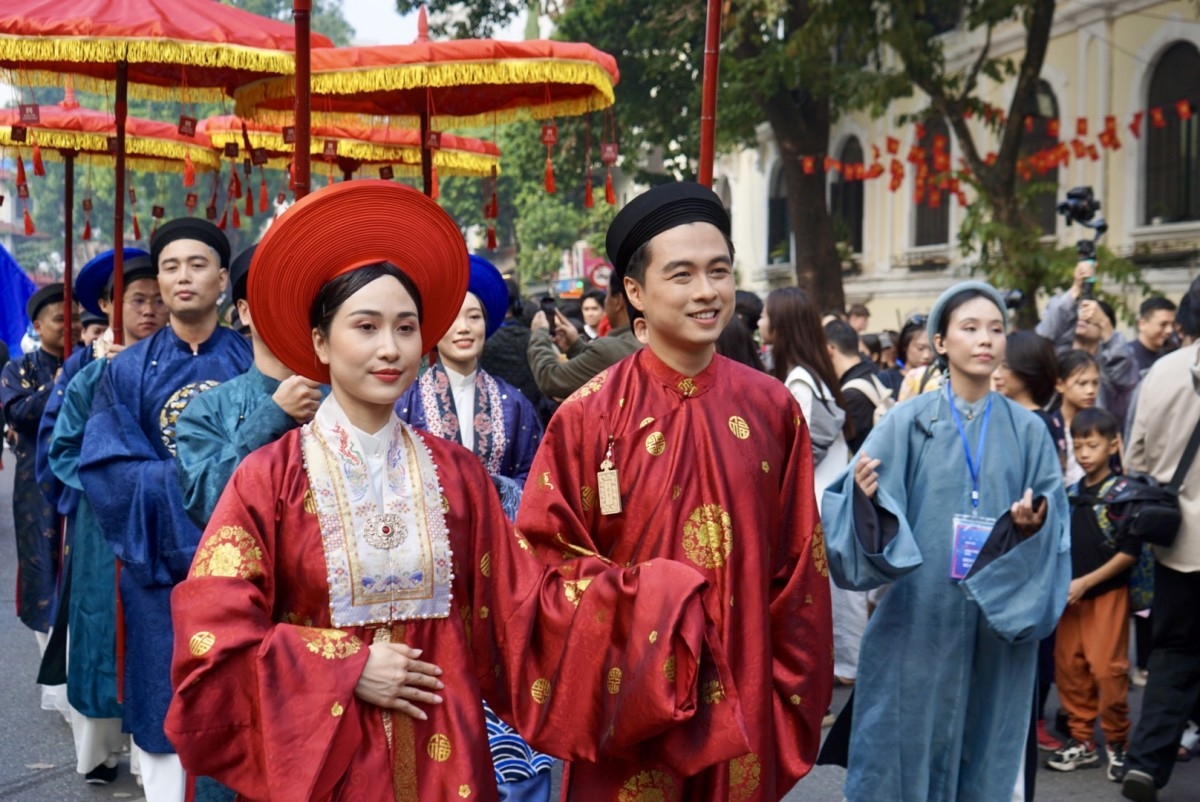
If you don’t have the opportunity to attend a real Vietnamese wedding, cultural reenactments are a superb alternative, and one of the most memorable events I’ve seen took place on December 7th, 2025, in Hanoi. As part of Happy Vietnam 2025, the Ministry of Culture and other national organisations hosted the spectacular Việt phục parade called “Bách Hoa Hỷ Sự”. In this event, a bride and groom dressed in elegant Nhật Bình (Nhật Bình Robe) led a procession of nearly 800 participants, all wearing traditional Vietnamese attire, to recreate Vietnamese wedding traditions from different historical periods.
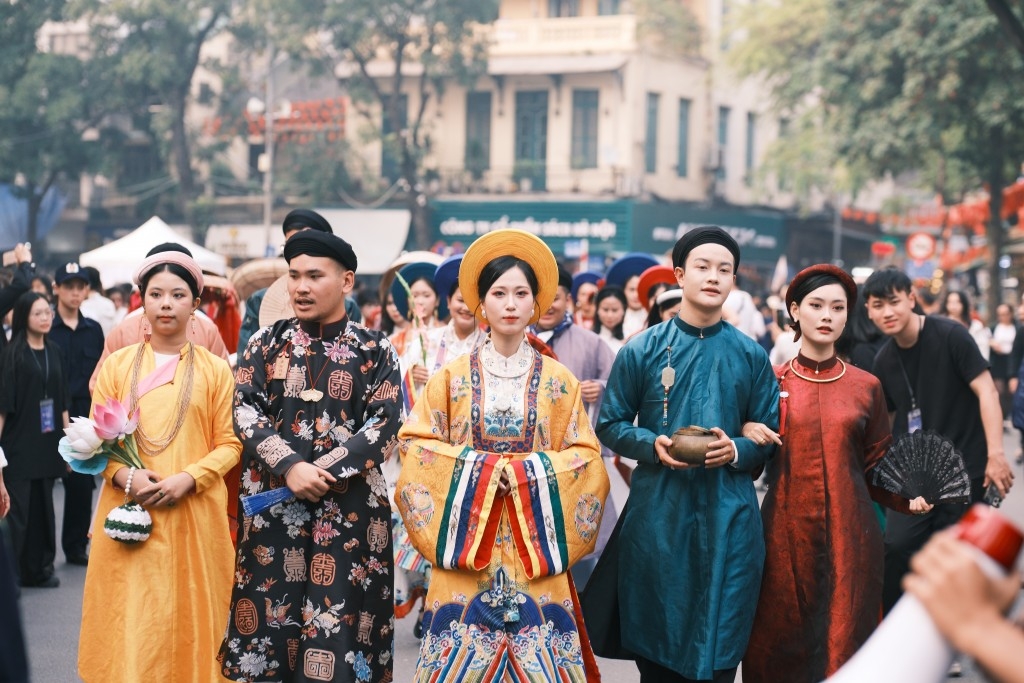
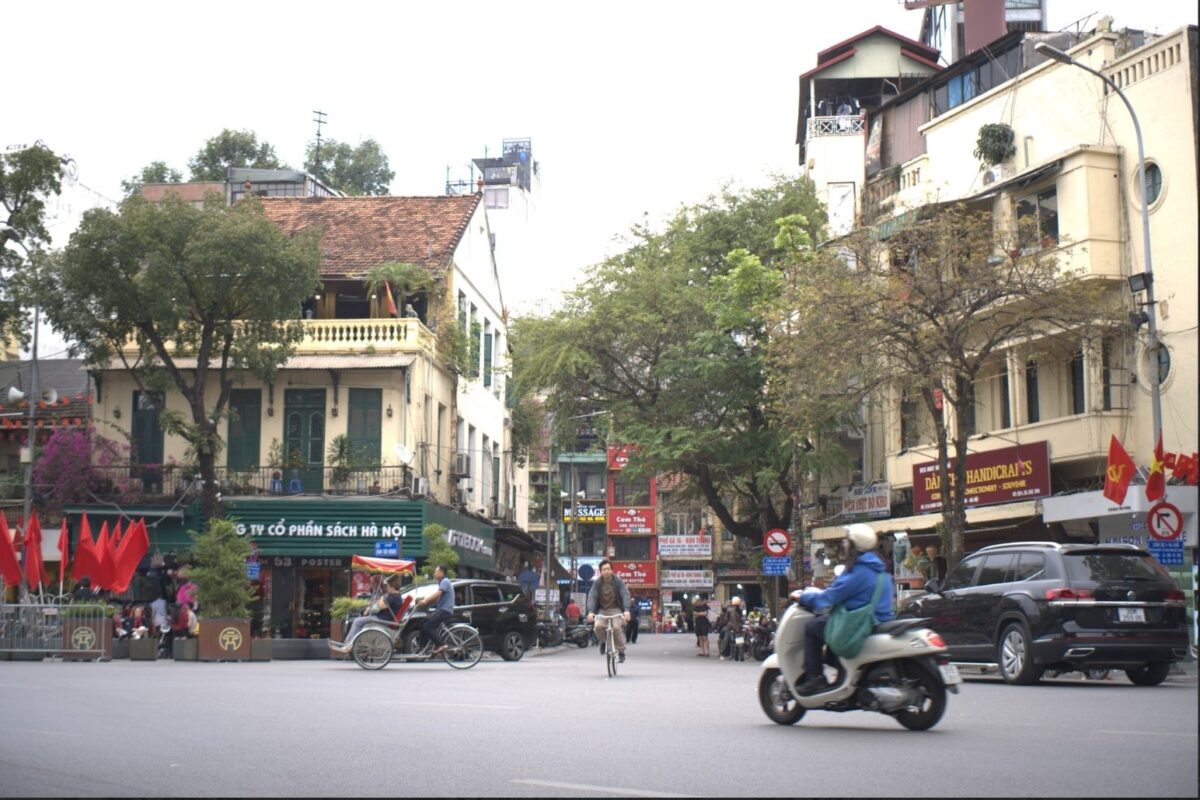
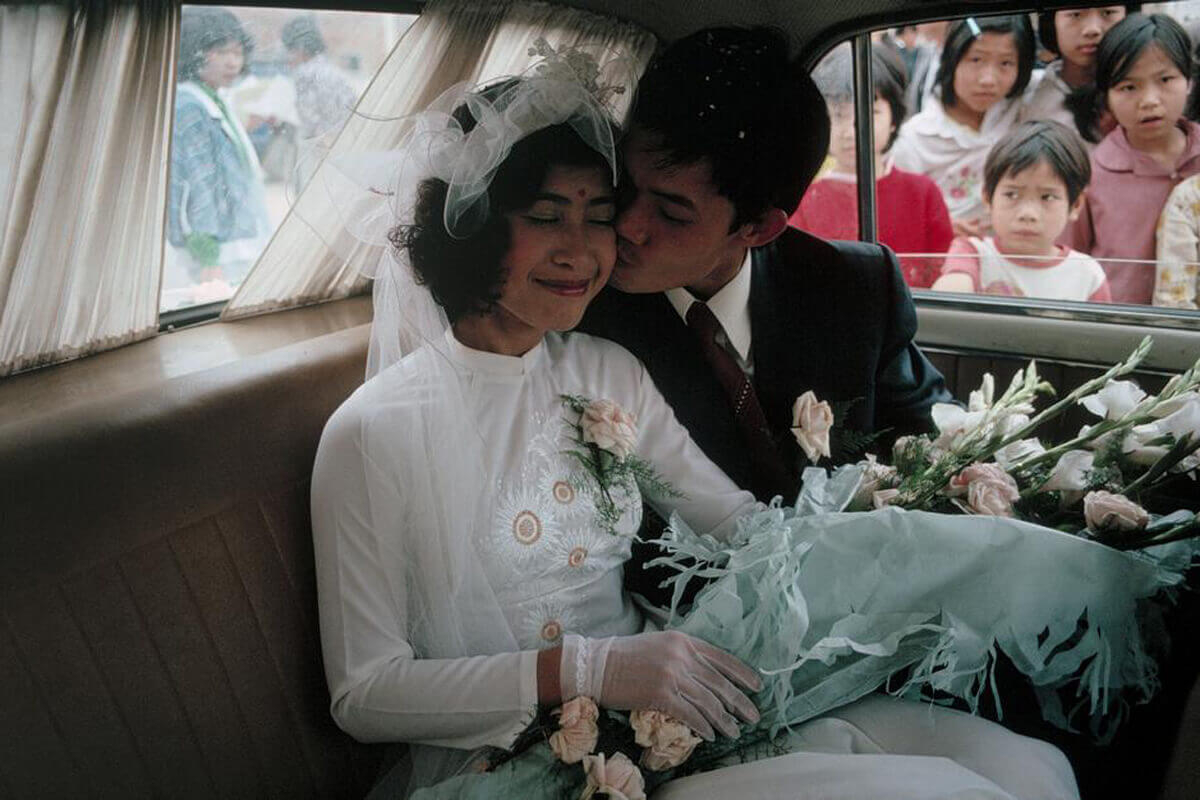
The parade moved from Đông Kinh Nghĩa Thục Square, along Tràng Tiền and Hàng Khay, circling Hoan Kiem Lake before returning to the starting point, turning the entire Old Quarter into a vibrant, majestic cultural stage. Plus, the most striking part was the reenactment of a 1990s Vietnamese wedding, complete with a groom in a classic suit, a bride in a vintage white gown, and a veil.
For travellers, events like Bách Hoa Hỷ Sự offer a rare and immersive way to witness how Vietnamese wedding traditions have evolved over centuries, making it one of the most captivating cultural experiences in Vietnam.
If a Vietnamese Wedding Touched Your Soul, Wait Until You Bike Saigon with Jackfruit!
Walking away from the Vietnamese wedding, I felt strangely full not just from the food, but from the way everyone welcomed me as if I’d always been part of their circle. It made me realise how Saigon’s everyday moments and special rituals lie in these human connections and the “authentic” rhythm you only notice when you wander a little slower.
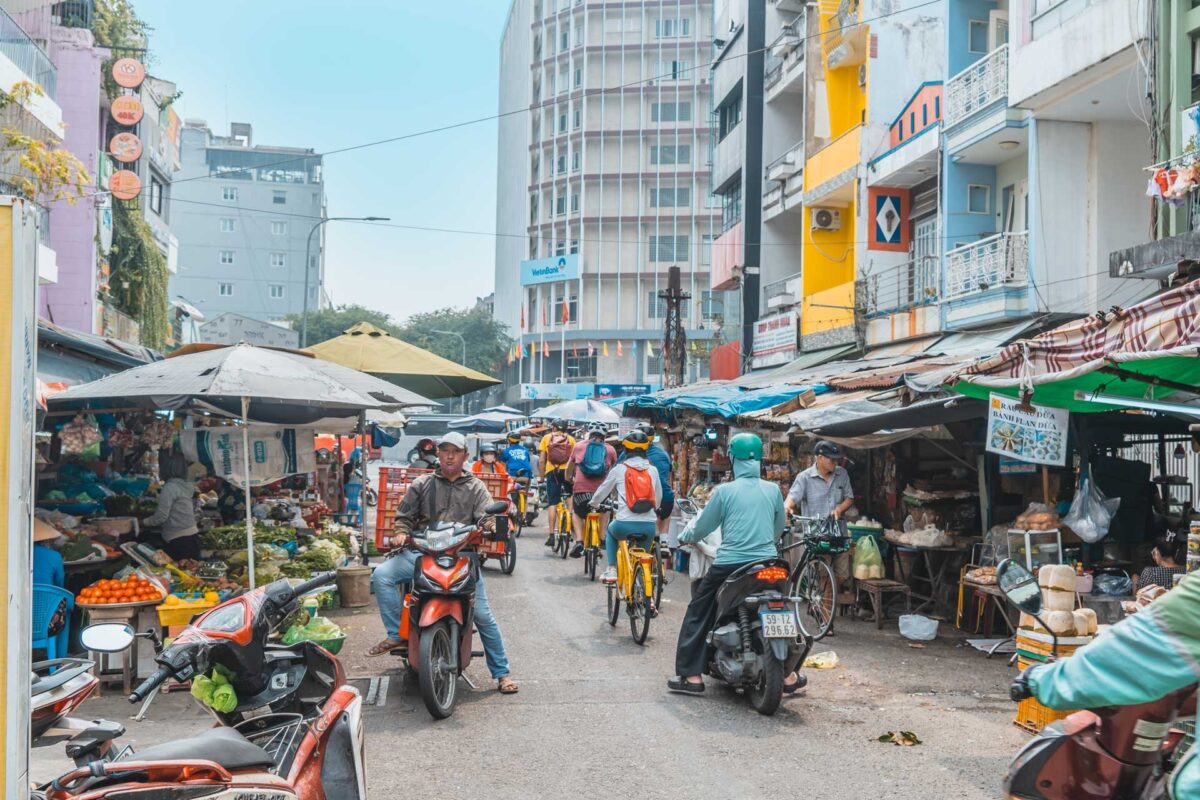
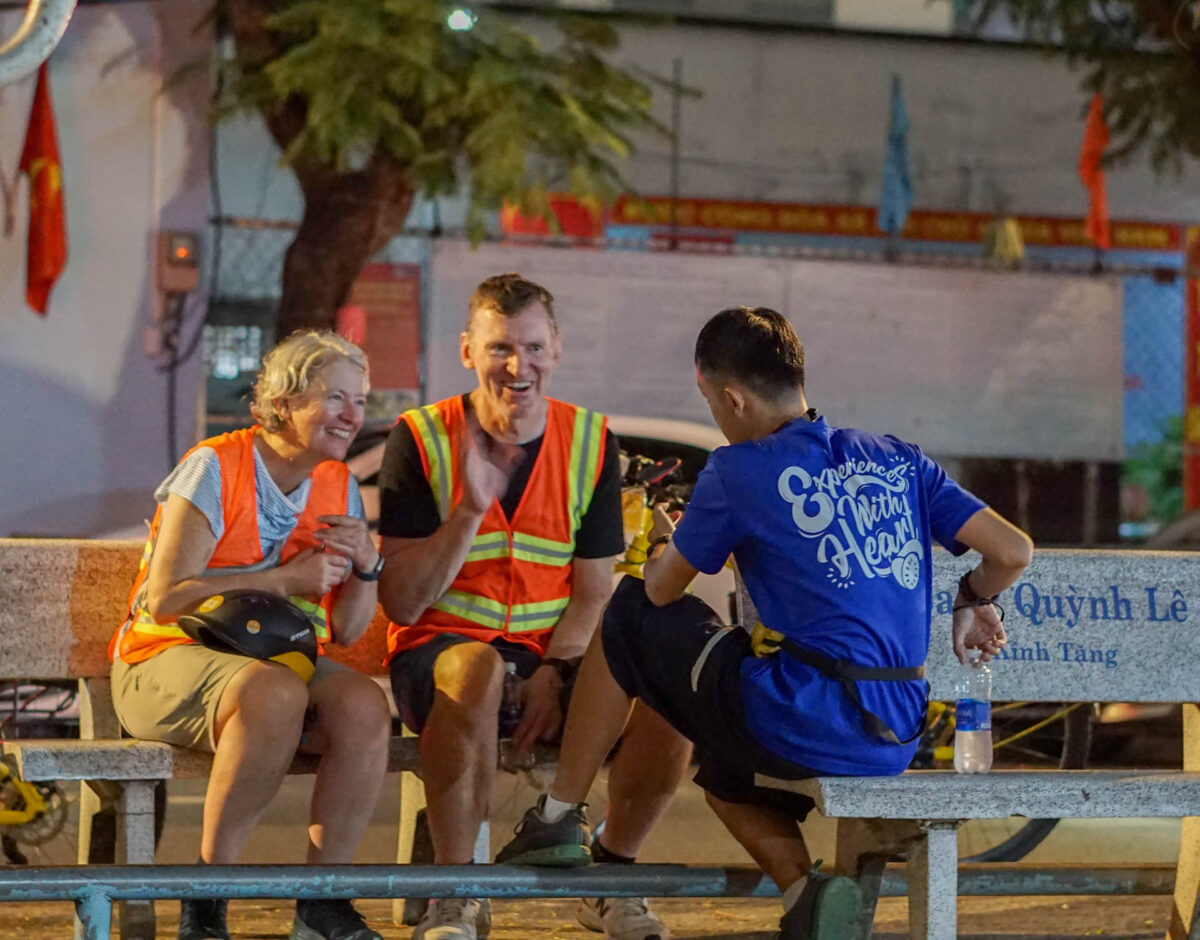
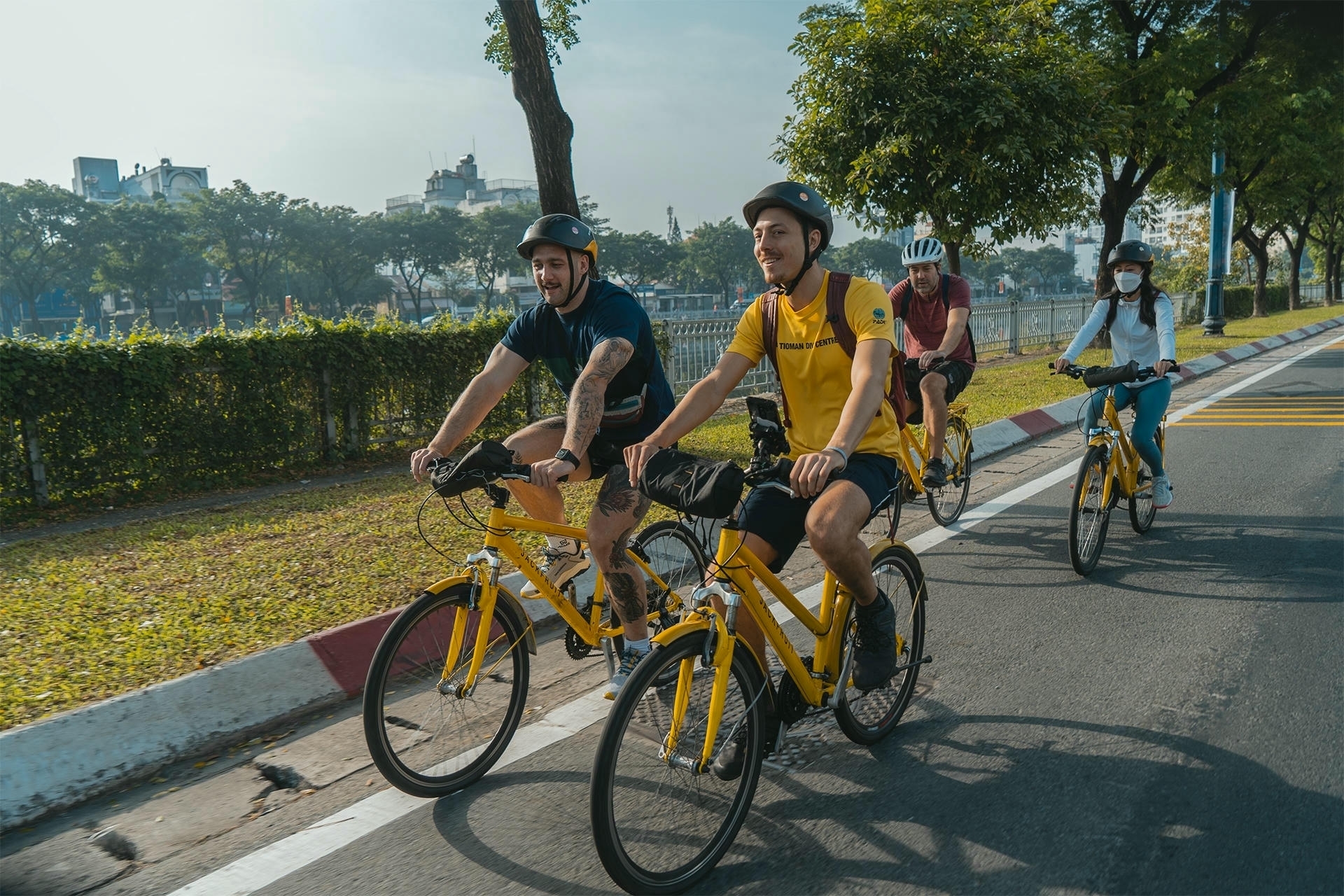
That’s also why I love exploring the city by bike. Cycling through Saigon, it’s not uncommon to suddenly pass by couples in wedding attire posing for photos, especially around iconic spots like the Saigon Opera House. These fleeting scenes – a bride adjusting her veil, a groom smiling nervously under the afternoon sun feel like small windows into the city’s intimate, unscripted stories. If you ever want to experience in a “local” way, you can follow the same route I did on Jackfruit Adventure’s Tour De Saigon, where you can pedal relaxingly and witness the city through lived stories rather than ordinary itineraries.
Just like the Vietnamese wedding, this reminds me that the gentle allure of Vietnam reveals itself most when you slow down, pay close attention and let the city come to you naturally.