

Table of Contents
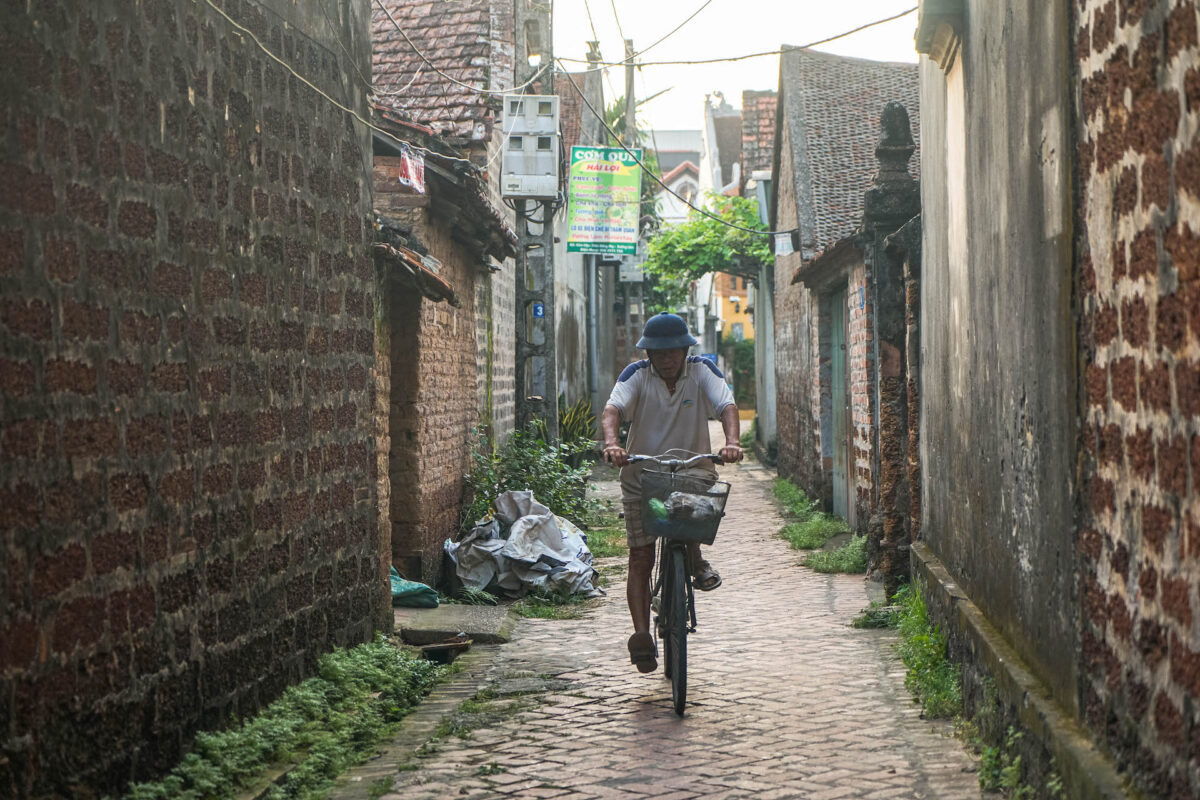
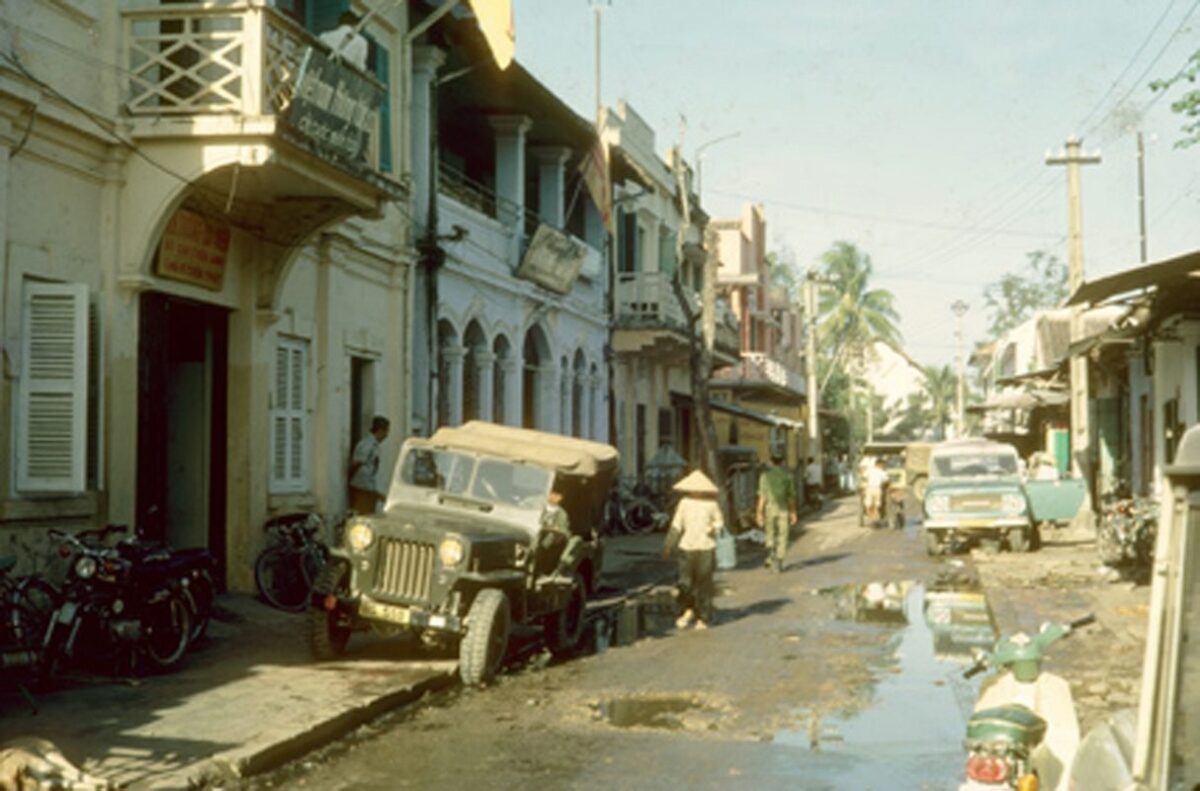
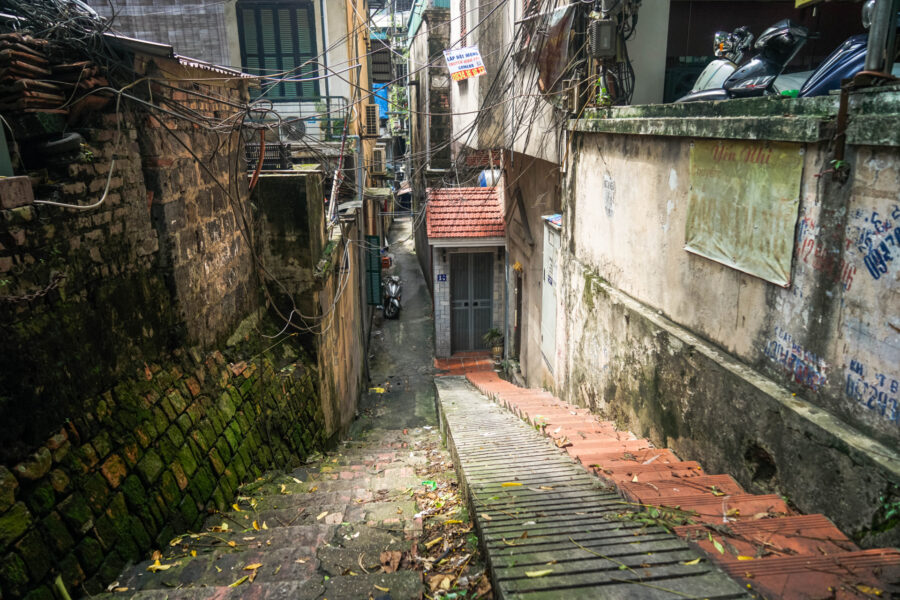
Alleyways in Vietnam grew very long ago that no one in it remembered when it began. Away from bustling wave of people under skyscrapers and offices, the daily life of locals actually happens in those narrow, winding roads called “hẻm”. These alleys can be as small as one meter wide, yet they hold entire communities, businesses, and generations of history.
To understand Vietnam’s cities, you have to understand how these alleyways came to be. Let’s explore the stories of the chaotic alleyways in Vietnam in this article.
The Story of Vietnam’s Alleyways: How “Hẻm” Became the Soul of the City
Life Before Urban Areas and Big Cities
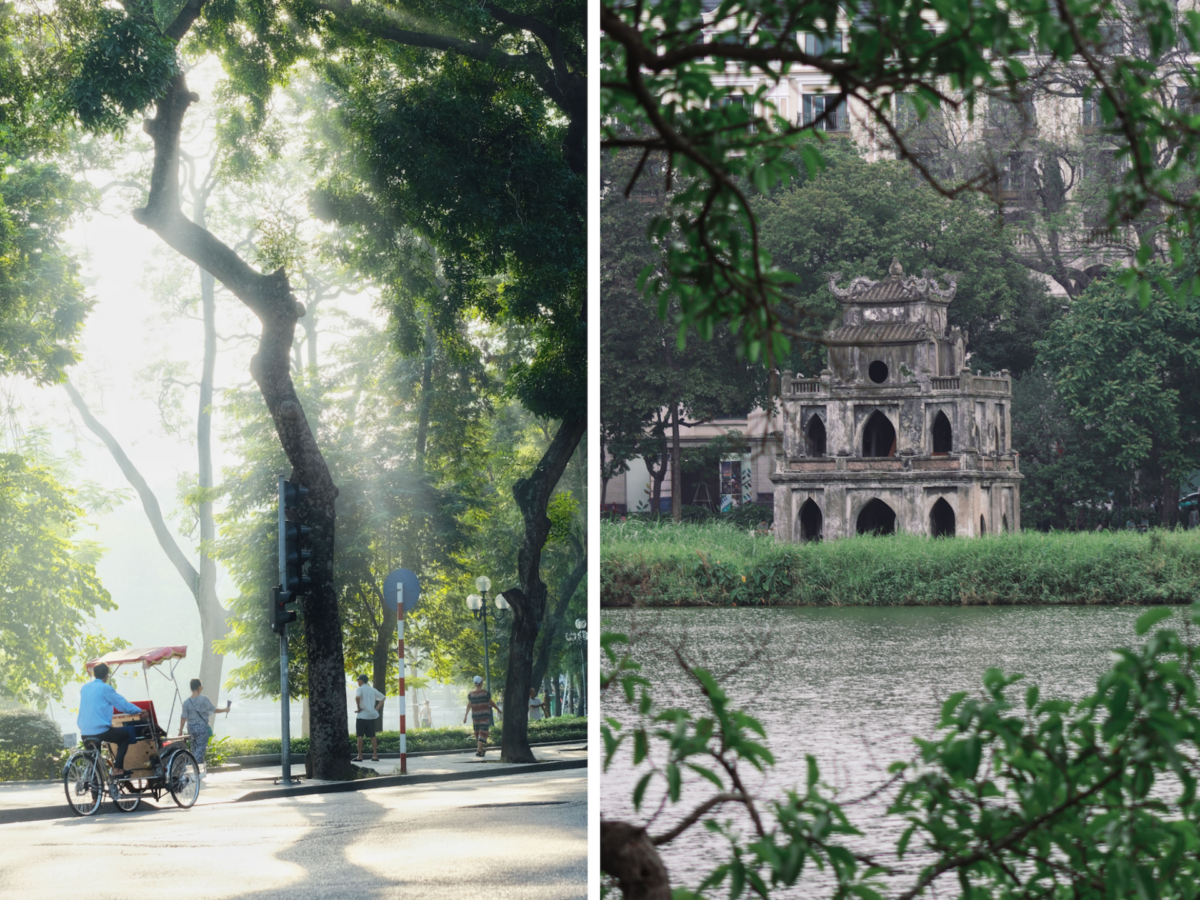
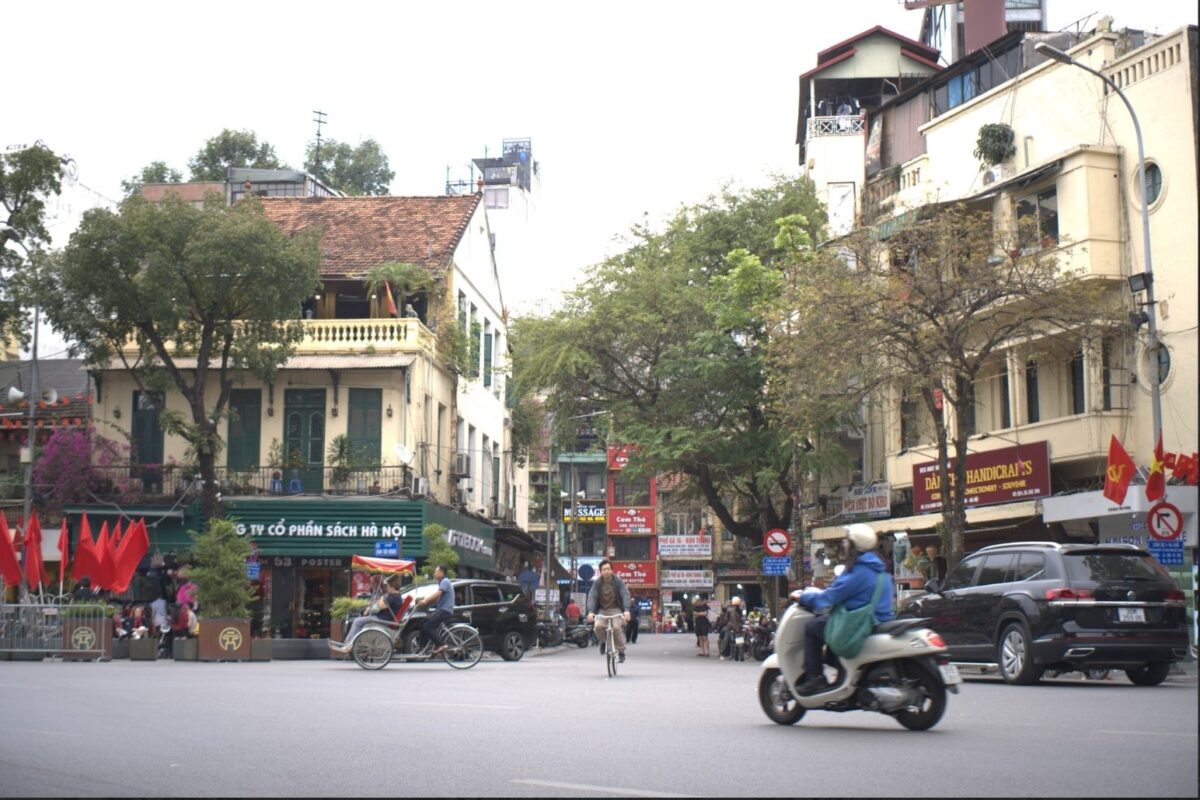
Long before modern urban planning, much of Vietnam’s major cities were clusters of villages surrounded by farmland. In places like Hanoi, neighborhoods today still follow the invisible outlines of old village boundaries.
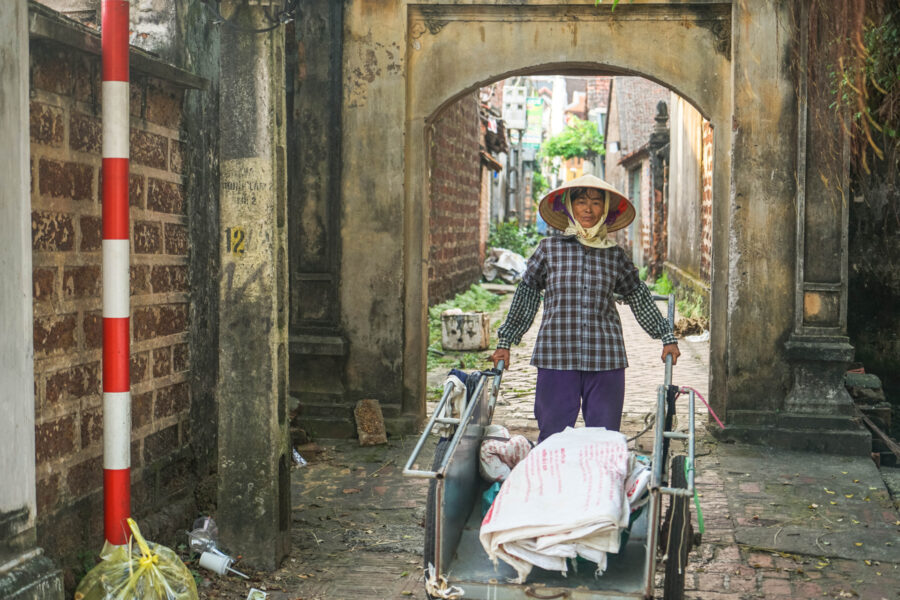
What are now alleyways were once the footpaths between rice paddies or routes and shortcuts that connected homes, wells, and communal spaces. As cities expanded, these paths weren’t vanished but transformed into “hẻm”.
That’s why alleyways in Vietnam have no logic. They curve, narrow, and branch unpredictably because they were never designed on paper. As a result, today’s alley networks still reflect what scholars describe as a “rural palimpsest”.
The City That Built Its Roads
Unlike cities planned with wide boulevards, much of urban Vietnam grew ‘organically’.
Families would build homes along main roads first. Then, as land became scarce and valuable, they extended deeper into their plots. New houses needed access, so small pathways were created. Over time, these pathways became alleys.
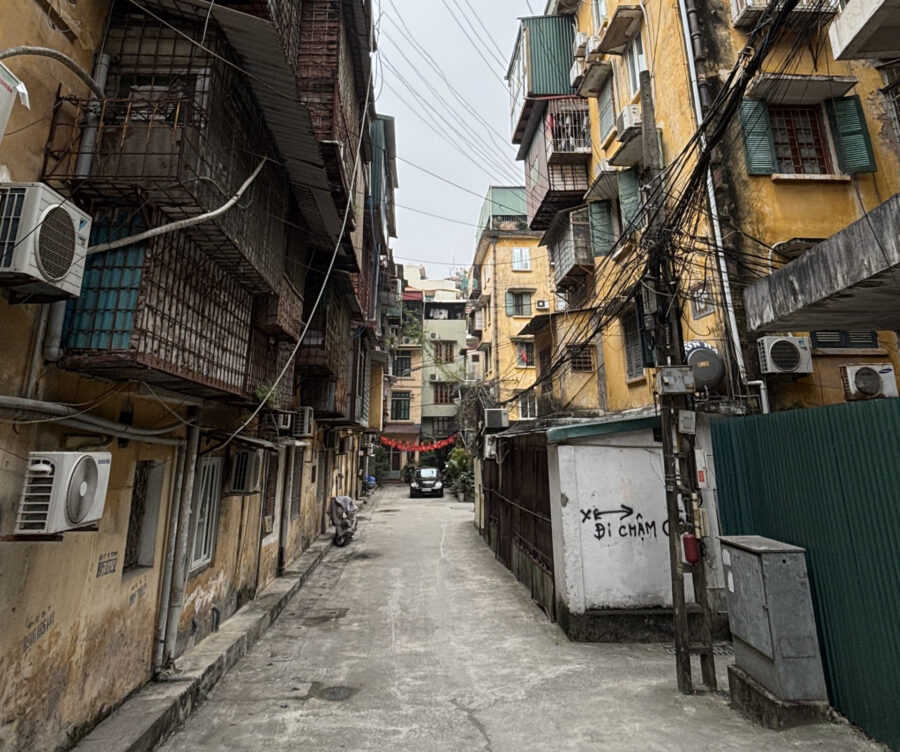
Then something else happened! The land was divided. Parents split property among children. Owners sold off pieces. Each subdivision required access, and each access point became another branch in the growing maze.
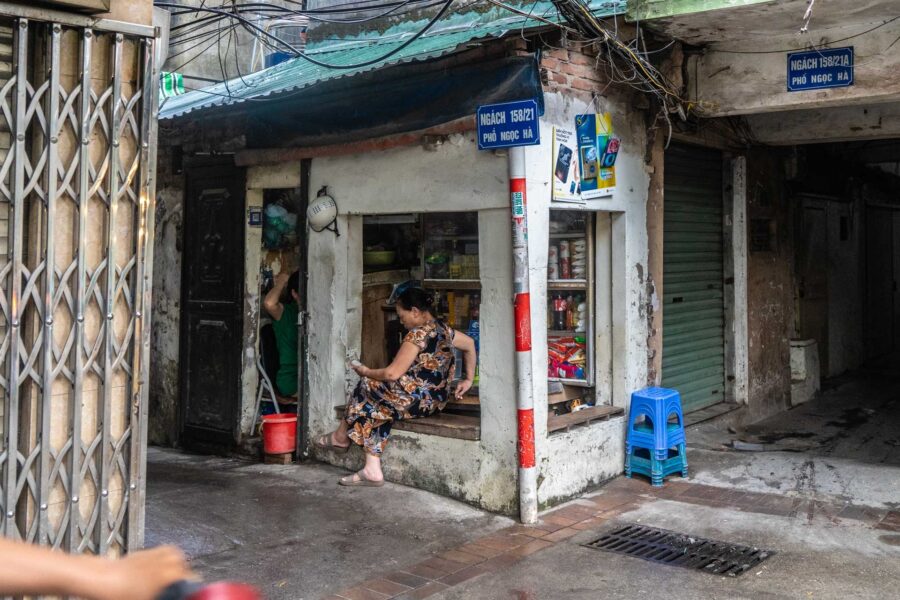
The result as we see nowadays are houses with addresses that could be a nightmare for ones with bad memory such as “364/22/4A/1”.
When Wars Contribute to Something
The alleyways didn’t just grow slowly but expanded rapidly during times of upheaval.
Through several wars in Vietnam, cities like Ho Chi Minh City experienced major population influxes. People arrived from rural areas seeking safety and opportunity.
Housing couldn’t keep up with demand.
So communities built quickly, often informally, filling every available space. Alleyways extended further inward, becoming denser and more complex. This period helped shape the tight, layered structure that defines many neighborhoods today.
More Than Just Shortcuts
Alleyways in Vietnam can be a genius that help reduce the traffic congestion in the main roads. However, calling them “alleys” doesn’t quite capture their role.
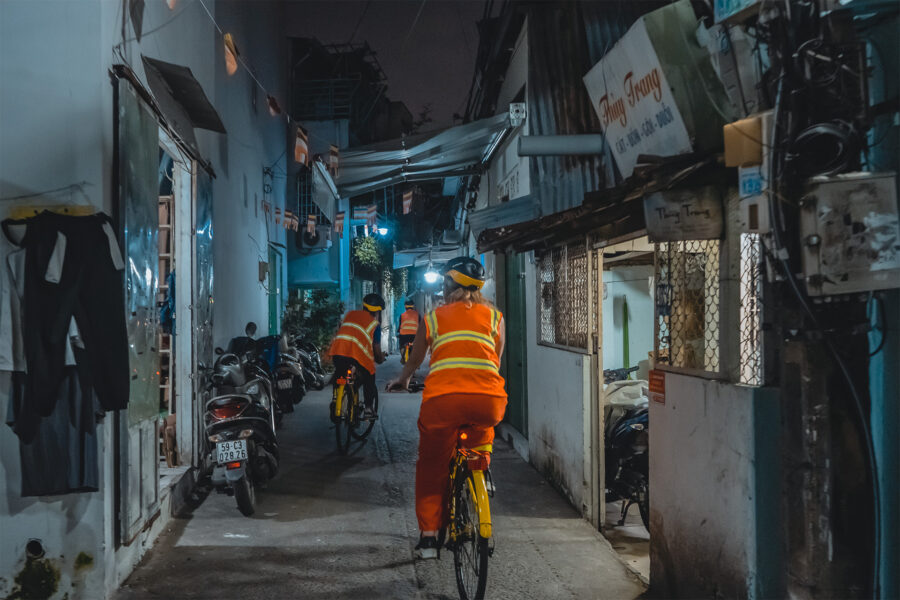
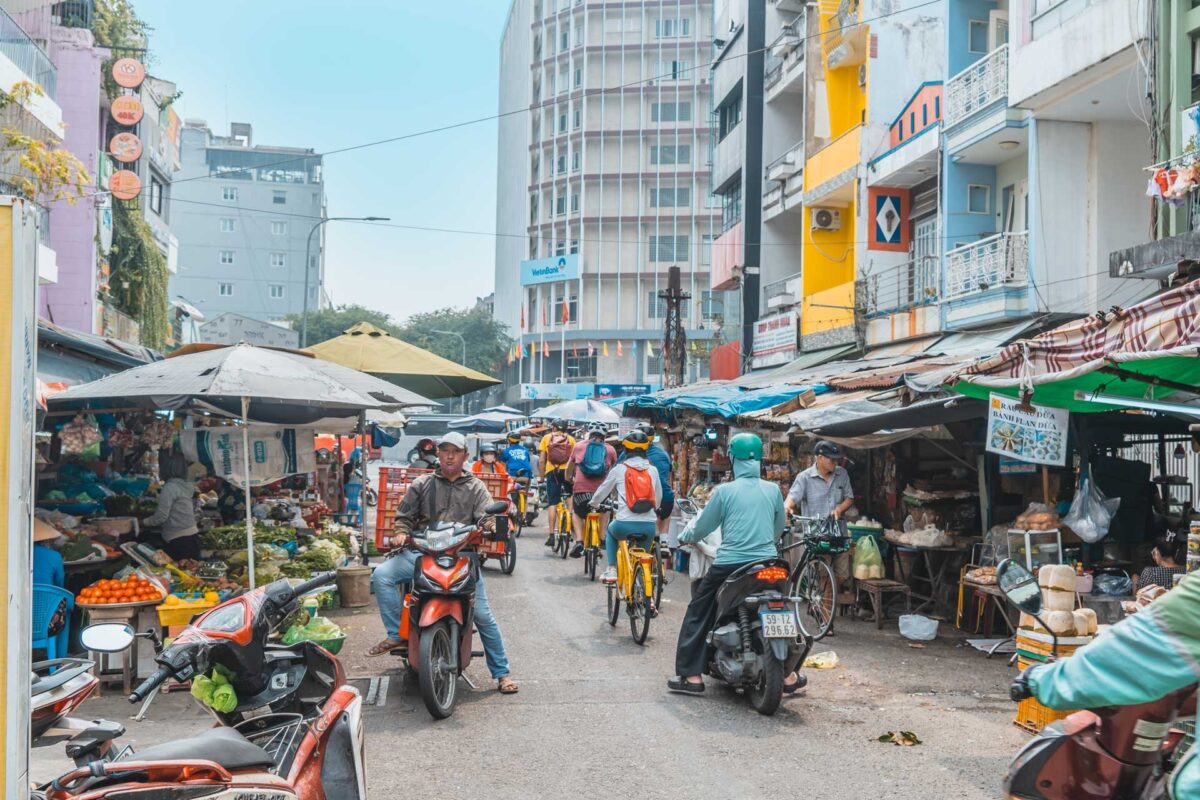
In Vietnam, “hẻm” is where you found the best food stall ever from a traditional craft family, a safe playground for kids away from crazy rows of speedy vehicles in the cities or where busy life stops as people chat, socialize and actually enjoy every moment of life in peace. To see how rich in colors and culture these alleyways are, take a closer look at the hidden alleyways in Ho Chi Minh City.
The Future of Alleyways in Vietnam
As Vietnam modernizes, some alleyways are being widened or redeveloped. But I believe there’s a delicate balance.
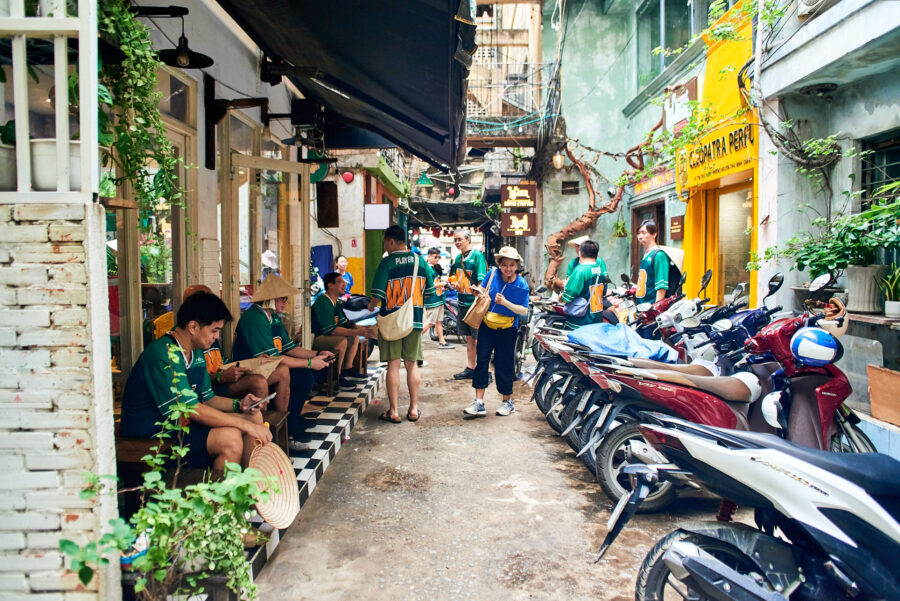
Because what makes these alleyways inefficient on paper is exactly what makes them rich in community life.
The question facing cities today is not whether alleyways should exist but how to modernize them without losing their identity.
More Pieces of Culture Could Be Found in Alleyways in Vietnam
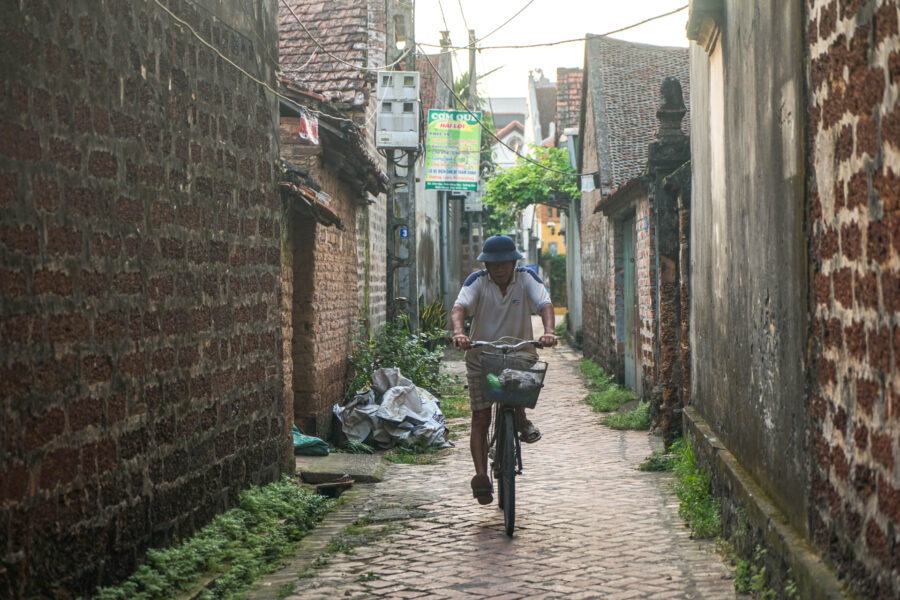
In many countries, alleys could be something outdated and need reinvention to adapt to new lifestyles. In Vietnam, they are the opposite. Alleyways in Vietnam are historical records of how cities grew and they remain the closest thing to our ancestors’ lifestyle within the cities.
To walk through a Vietnamese alleyway is to walk through layers of time, where traces of old village paths, post-war expansion, and modern urban life exist side by side. Inside alleyways in Vietnam, local culture and traditional landmarks still grow and quietly expose to those adventurous enough to take a step into.
The modernization can not erase those “hẻm” but will change significantly from what it once was. Let’s “rock with us” within these strange roads in our Saigon and Hanoi City tours where pages of the alleys’ stories uncover one by one.