

Table of Contents
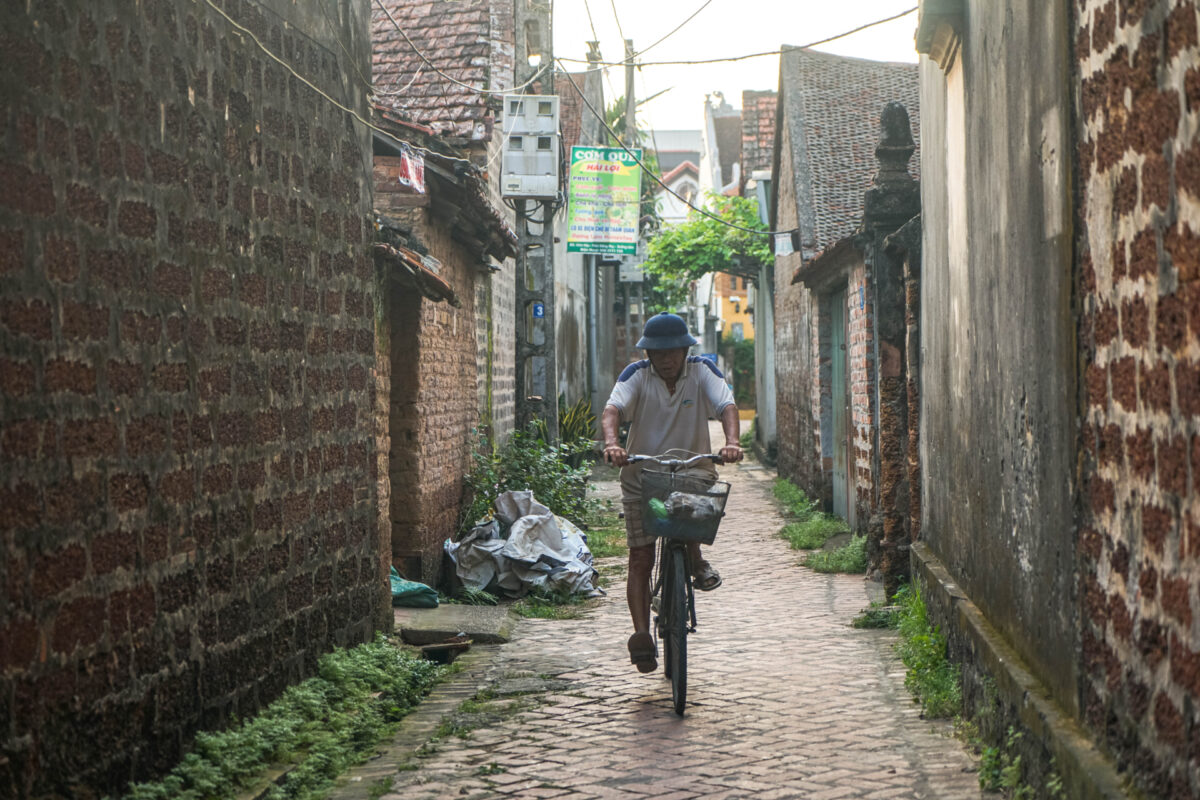
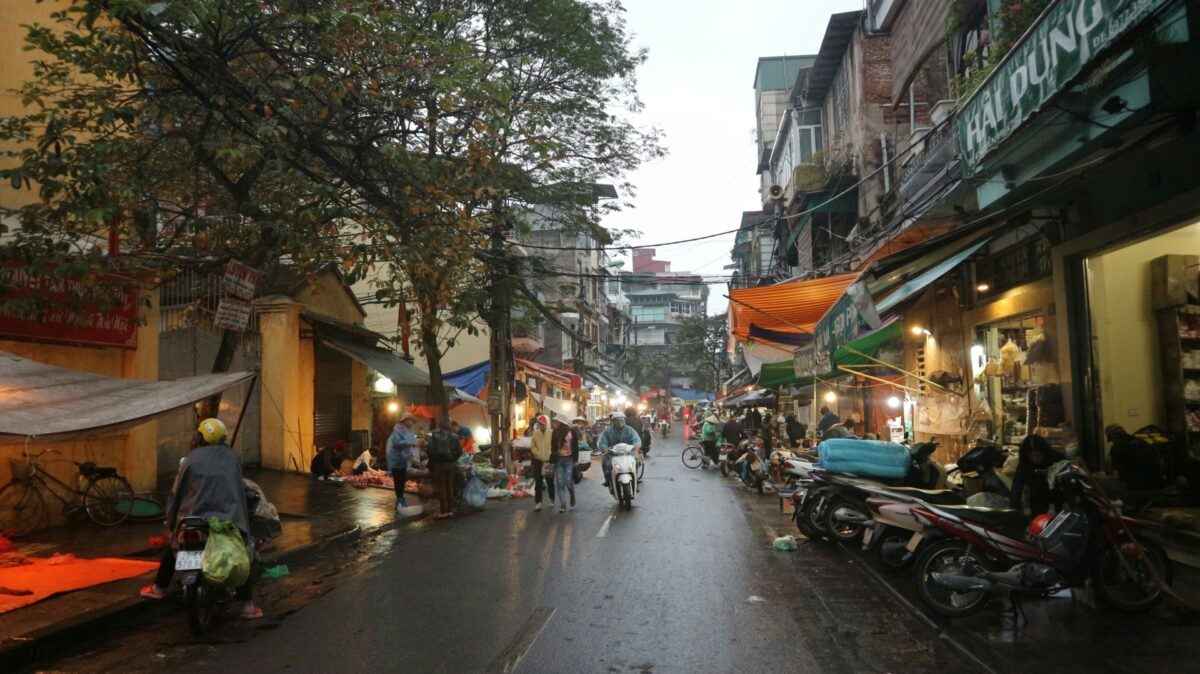
The first time I walked through Hanoi, I kept noticing the same quiet detail repeating itself. A soft yellow wall here, a fading golden facade there, old shutters painted green, and roofs tinted red by time. It was not loud or demanding, but it stayed with me. The yellow house in Hanoi feels less like a design choice and more like a story layered over time.
At some point, I stopped asking what I was seeing and started asking why. Why yellow? Why so many of them? And why does it feel like the color belongs there so naturally? Finally, I got the answers not only from the history lessons, but also the stories from the elderly in Hanoi. In this article, let’s find out why many yellow houses hide in Hanoi alleyways.
A Color Left Behind by History
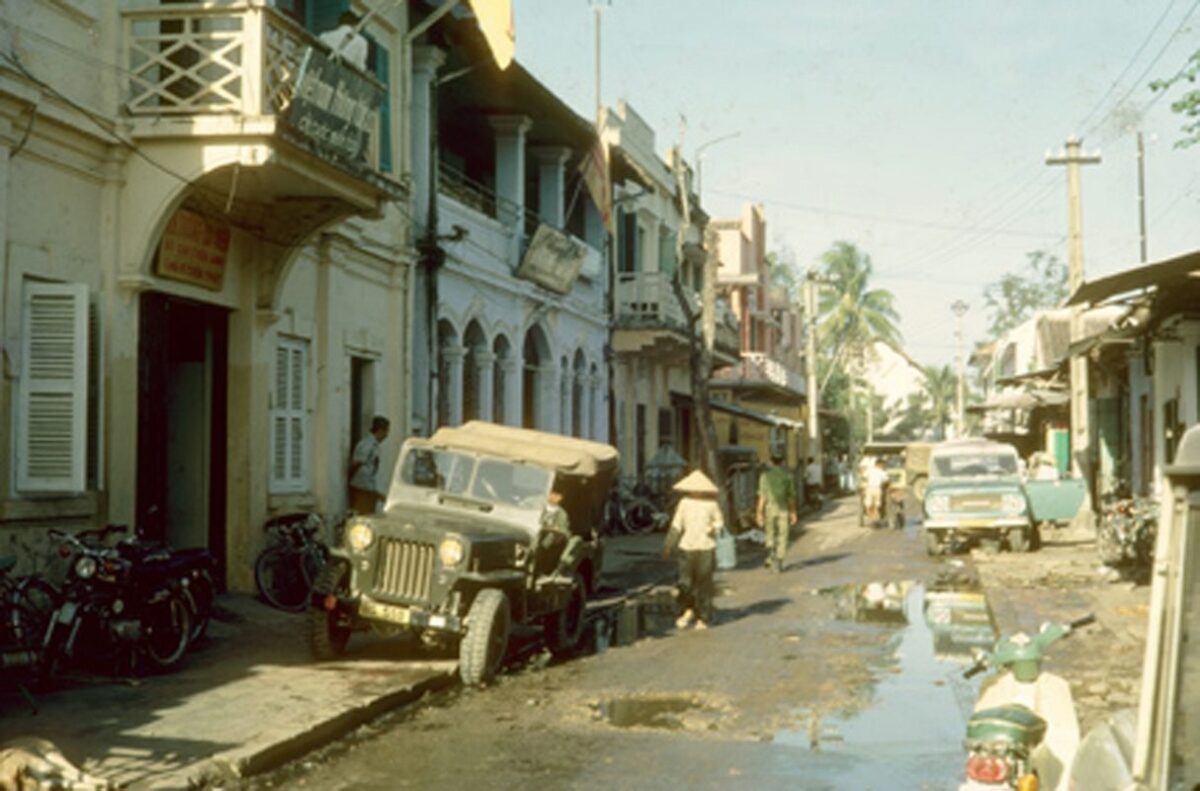
Part of the answer sits in history, quietly embedded in the walls themselves. During the French colonial period, Hanoi was reshaped to reflect European ambition. Buildings were constructed not just for function, but to project presence and authority. The architecture followed French styles, yet it never fully became French. In the past, there was no yellow paint in Vietnam; people used quicklime and ochre to paint walls instead. That is why the yellow color carries a distinctly Vietnamese touch.
Instead, something more interesting happened. The buildings adapted and the yellow houses in Hanoi started growing.
Traditional Vietnamese elements blended into the design. Roofs curved slightly, decorative patterns appeared along the edges, and the structures began to breathe with the local climate and culture. The yellow house became a signature of this fusion. It carried both the weight of colonial history and the softness of local identity.
Yellow as Comfort and Survival
Beyond history, the yellow house in Hanoi is also a quiet response to the environment. The city lives under a constant mix of heat, humidity, and long rainy seasons, and color becomes more than just decoration. Lighter shades like yellow reflect sunlight instead of absorbing it, helping homes stay cooler in a climate that rarely gives much relief.
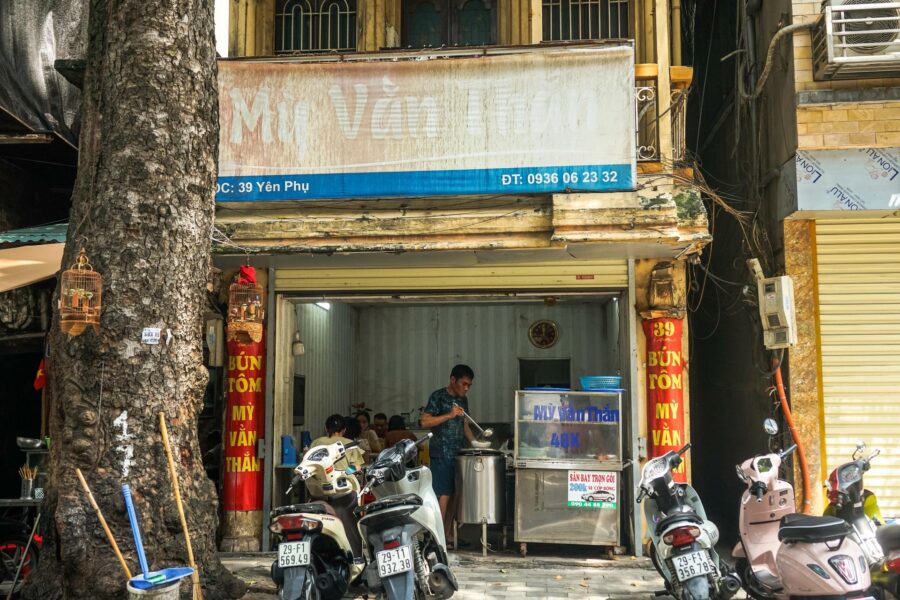
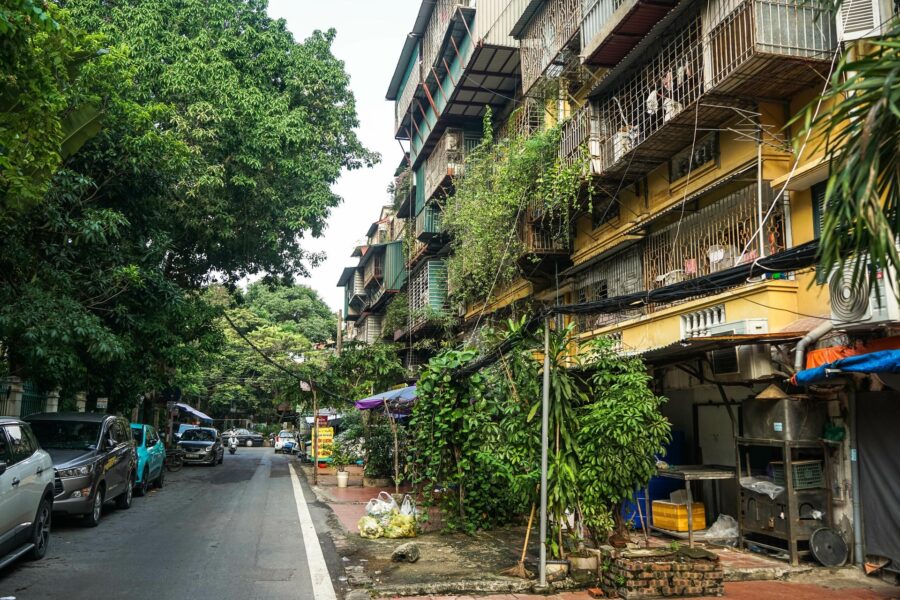
But what I found more fascinating is how the color ages. Walls in Hanoi do not remain untouched. Rain leaves its marks, moisture invites moss, and the air slowly reshapes every surface. Yet yellow does something interesting in the middle of all that change. Instead of exposing wear, it softens it. The green of moss blends into the yellow, creating a look that feels almost organic rather than damaged.
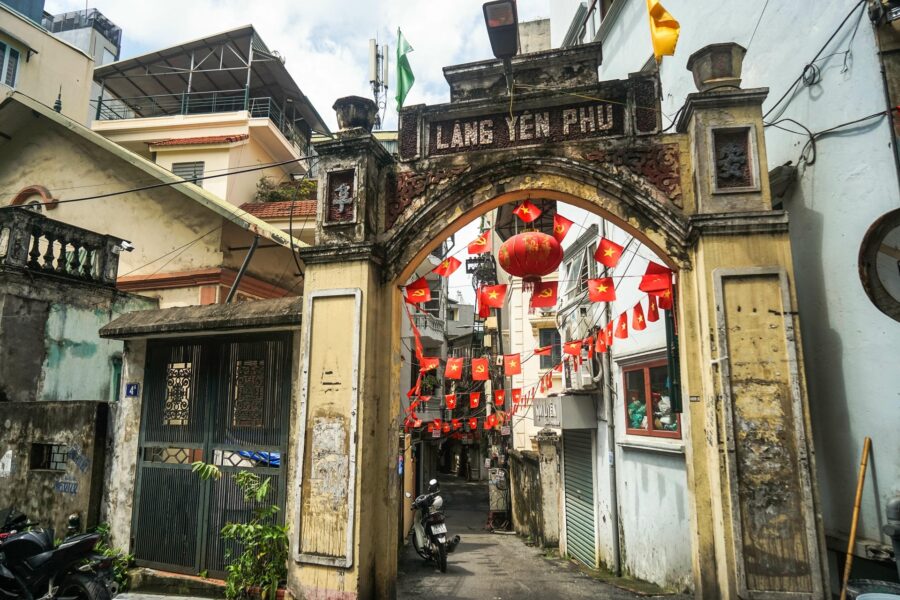
There is something honest about that. A yellow house in Hanoi does not resist time or try to hide it. It adapts, absorbs, and continues. In a way, it mirrors the rhythm of the city itself, where survival is not about staying unchanged, but about learning how to live with change and still remain whole.
A Quiet Symbol of Hope and Identity
In Vietnamese culture, yellow has long been associated with royalty and prosperity. It was once a color reserved for power, something not everyone could claim. Over time, that meaning softened and spread into everyday life.
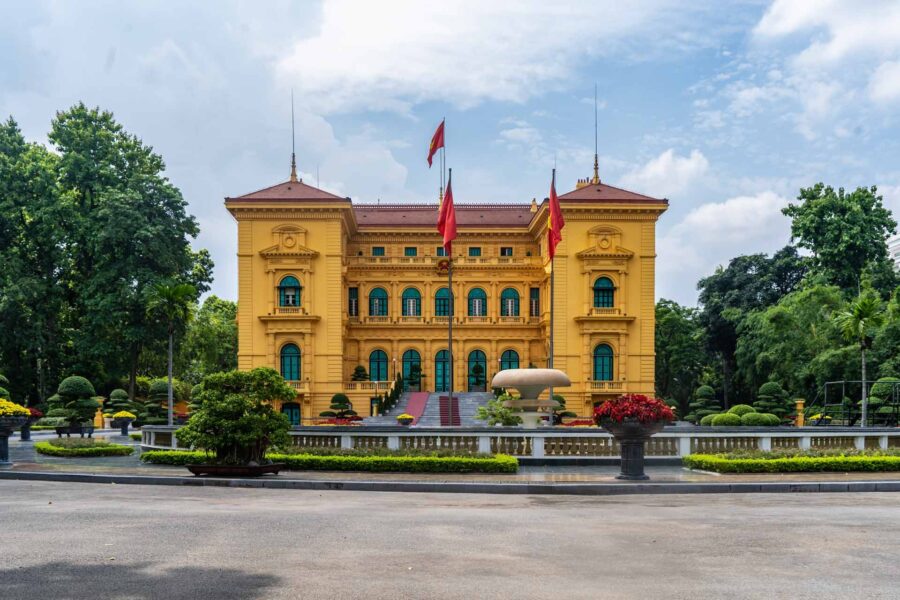
Now, painting a house yellow can feel like a quiet wish. A hope for stability, success, or simply a good life. In a city that moves as quickly as Hanoi, these small symbolic choices still matter.
I think that is part of why the color remains. It is not just tradition or habit. It is emotional. People keep choosing yellow because it carries something comforting and familiar, something that feels rooted even as everything else changes.
More Than Just a Color, Yellow is The Hope
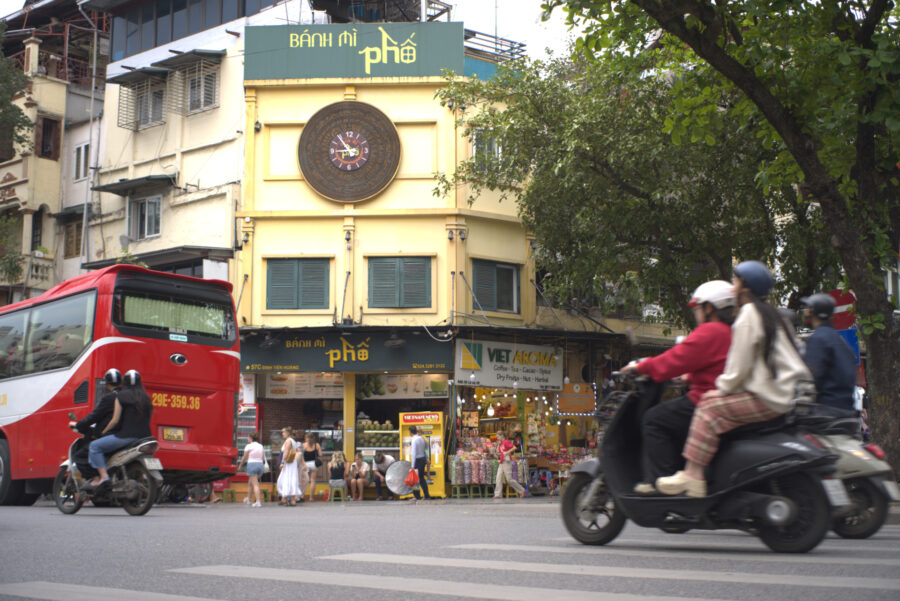
The yellow house in Hanoi is not just about aesthetics. It is history, climate, culture, and personal meaning all layered into one. For me, the color started as a visual detail and slowly became something more intimate. It feels warm without trying too hard, nostalgic without being stuck in the past. It reminds me that cities are not only built with concrete and plans, but also with memory and feeling.
And maybe that is why Hanoi has so many yellow houses. Not just because of what they were, but because of what they continue to quietly hold. If immersive tours are what you’re looking for, hop on a bike with Jackfruit Adventure. Our city tours in Hanoi were designed to uncover the hidden gems of the capital: whether they are decade-old stalls, wartime apartment blocks or ancient Hanoi neighborhoods full of yellow walls. Culture stories are one of the best experiences Jackfruit Adventure carries on our roads with you.