

Table of Contents
Burning votive paper, also known as paper offerings or incense paper, is a long-standing custom that remains deeply rooted across many Asian cultures, including Vietnam. For generations, this ritual has been more than just a habit. It is a bridge between the living and the spiritual world.
In Vietnam, this practice is woven into everyday spiritual life, especially during ancestral worship, festivals, and important ceremonies. While modern concerns about health and the environment are becoming more prominent, the ritual itself carries profound emotional and spiritual meaning that continues to resonate with many people.
In this article, let’s take a closer look at why burning votive paper holds such importance in Vietnamese belief and how this tradition may change in the future.
Why Did Burning Votive Paper Become a Tradition in Vietnam?
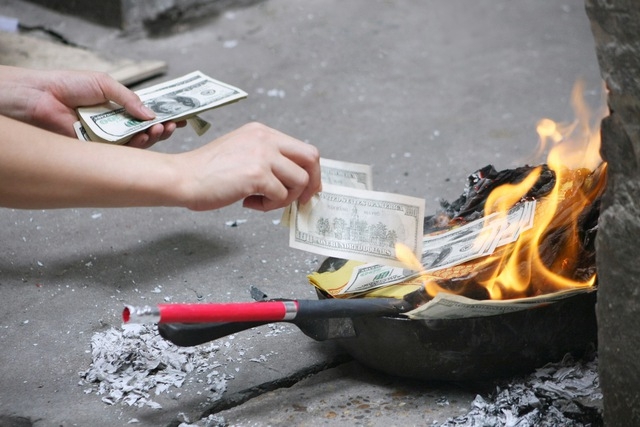
The tradition of burning votive paper in Vietnam is closely tied to ancestral worship and the belief in an afterlife where the deceased continue to exist in another realm. Vietnamese spirituality is heavily influenced by a blend of folk religion, Confucian values, and elements of Buddhism and Taoism.
One of the core values in Vietnamese culture is filial piety, which emphasizes respect, gratitude, and care for one’s ancestors. This sense of duty does not end with death. Instead, it transforms into spiritual offerings meant to ensure that loved ones continue to live comfortably in the afterlife.
The underlying belief is simple yet powerful: what exists in the earthly world is mirrored in the spiritual world. By burning votive papers that represent of money, clothing, houses, and even modern items, people symbolically send these necessities to their ancestors.
Historically, this practice is believed to have originated in ancient China before spreading throughout neighboring regions. Over time, it became localized in Vietnam, taking on unique meanings and variations. While Buddhist scriptures do not formally prescribe the burning of votive paper, the ritual persists as a cultural and spiritual expression rather than a strictly religious doctrine.
Types of Votive Paper and Their Meanings
Vietnamese votive offerings come in many forms, each carrying its own symbolism and purpose.
Gold Paper (Kim)
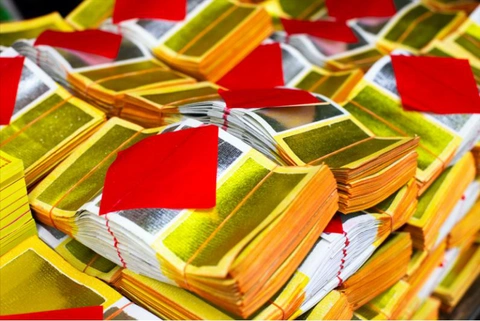
Rectangular paper with a gold or orange metallic layer in the center. It represents wealth offered to deities such as the God of Wealth or the Earth God. People use it to pray for prosperity, success in business, and good fortune.
Silver Paper (Ngân)
Similar in shape to gold paper but with a silver or gray-white layer. This type is typically dedicated to ancestors and spirits, symbolizing financial support for their afterlife existence.
Gold Bars (Thỏi vàng)
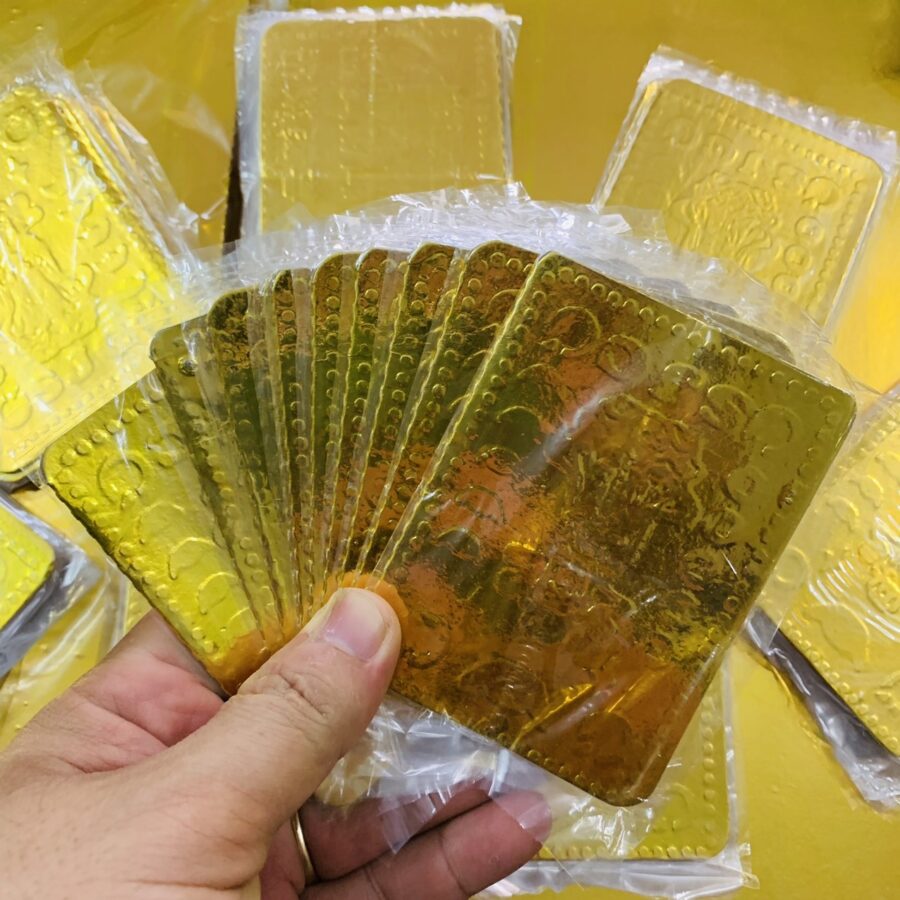
Folded paper shaped like traditional gold ingots. These symbolize accumulated wealth and are often offered to both ancestors and deities with hopes for abundance and stability.
Underworld Money (Tiền Âm Phủ)
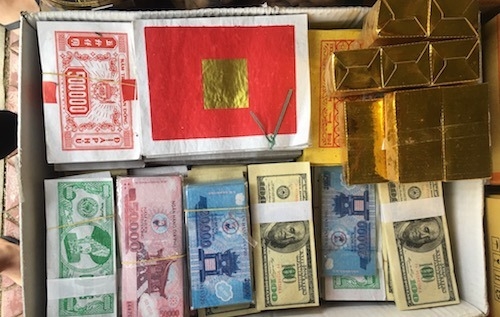
Printed to resemble modern currencies such as VND, US dollars, or euros. These are considered practical “spiritual currency” for the deceased, reflecting the idea that daily life continues in another realm.
Heavenly or Spiritual Robes (Thiên Y/Thanh Y)
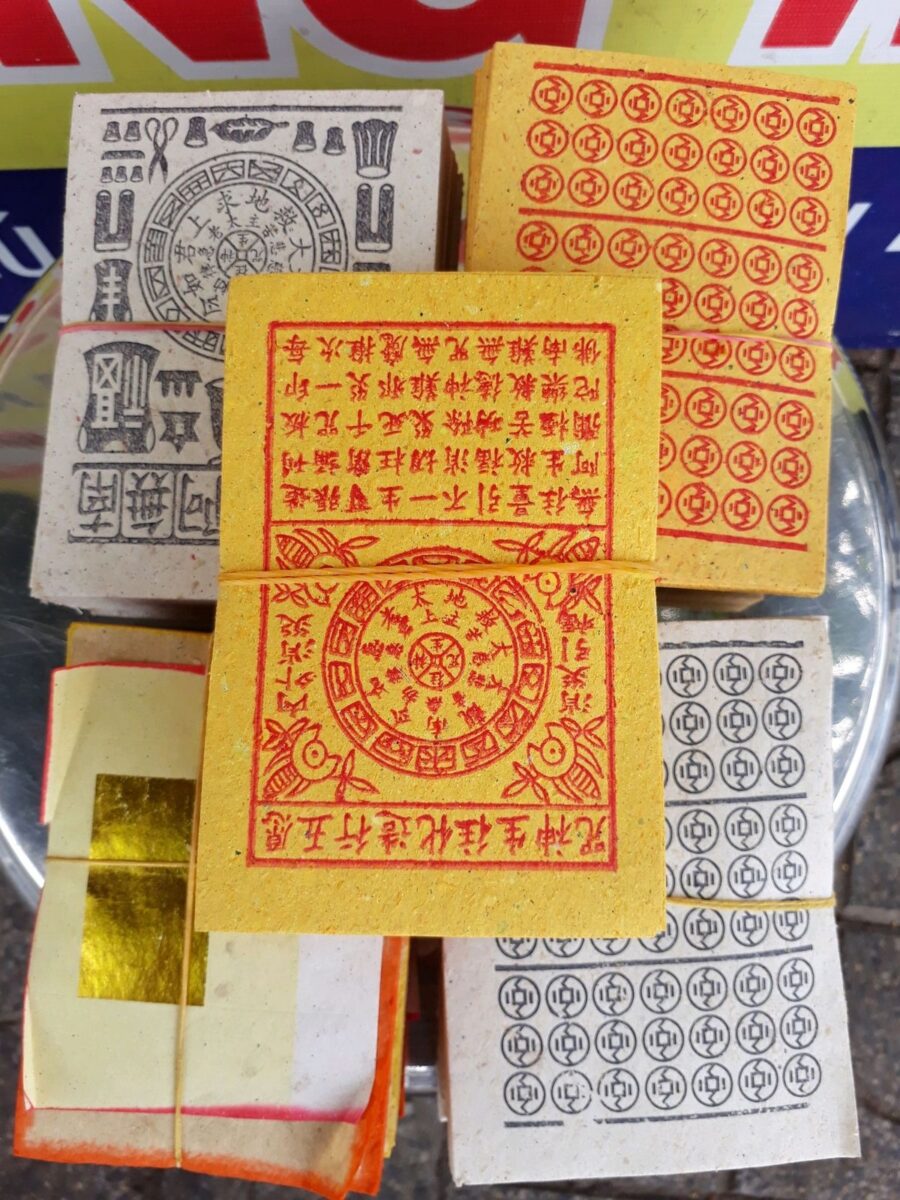
Colored papers printed with sacred texts or symbolic characters. These are used in ceremonies for protection, thanksgiving, and spiritual cleansing. They are also offered to wandering souls to help them find peace and release from suffering.
Special Debt-Repayment Offerings (Tiền Tào Quan, Thiên Quan,..)
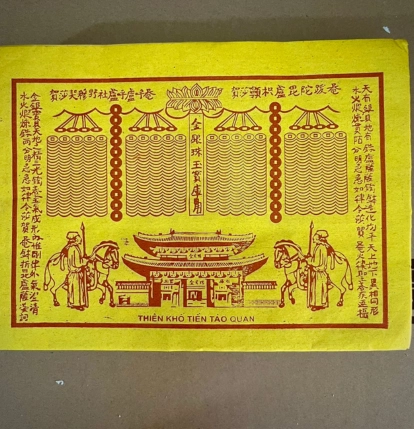
These papers are used in rituals intended to repay karmic or spiritual debts believed to carry over from past lives. The act symbolizes a desire to release burdens and restore balance in one’s spiritual journey.
The Hidden Costs of This Tradition
Despite its deep spiritual meaning, burning votive paper has raised increasing concerns in modern society. Research shows that the smoke released during burning contains harmful substances such as lead, cadmium, and aluminum, which can affect respiratory health, especially in children and the elderly.
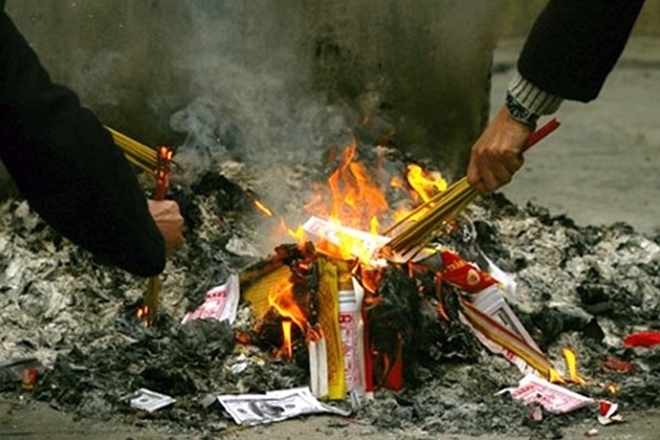
Beyond personal health, the environmental impact is also significant. Large amounts of ash and pollutants are released into the air, contributing to declining air quality, particularly during festivals when burning becomes more widespread.
In response, many countries have begun to regulate the practice by introducing designated burning areas or encouraging alternative, non-burning forms of worship. In Vietnam, awareness is also growing, with temples and local authorities urging people to limit votive paper use and adopt more environmentally conscious practices.
Will This Tradition Disappear in the Future?
It is unlikely that the tradition of burning votive paper will disappear entirely. Its emotional and spiritual significance runs too deep. However, it is already evolving.
Younger generations are beginning to adjust the tradition in ways that align with modern values. Instead of focusing on quantity, many now emphasize sincerity and intention. Offerings may become simpler, more symbolic, or even entirely non-physical, such as prayers, acts of kindness, or charitable donations made in honor of ancestors.
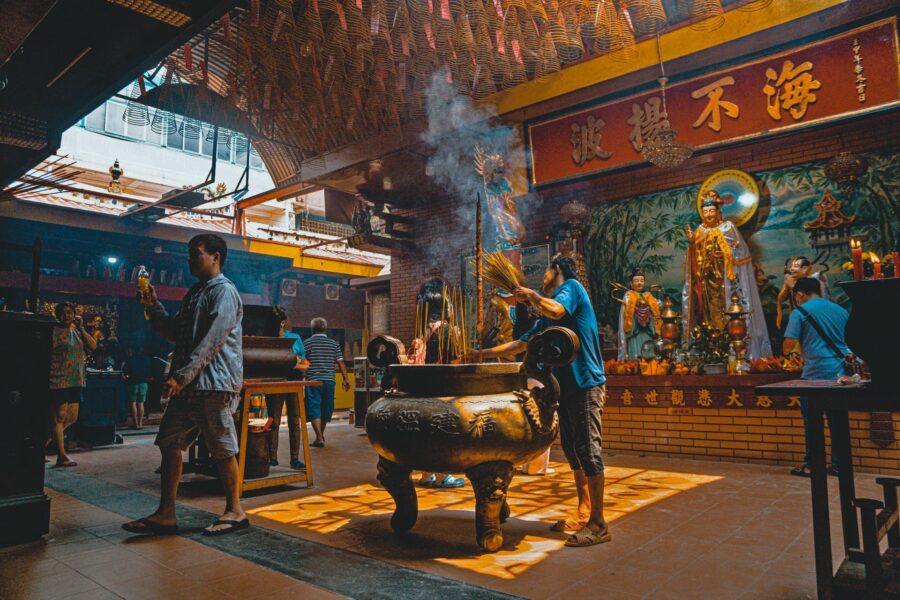
Temples and communities are also exploring more sustainable practices, such as limiting burning times, using eco-friendly materials, or encouraging digital and symbolic offerings instead of burning traditional votive paper.
This shift reflects a broader realization that spirituality does not need to come at the expense of health or the environment. And maybe, we don’t need to sacrifice this beautiful tradition anymore.
See The Tradition in A Changing World
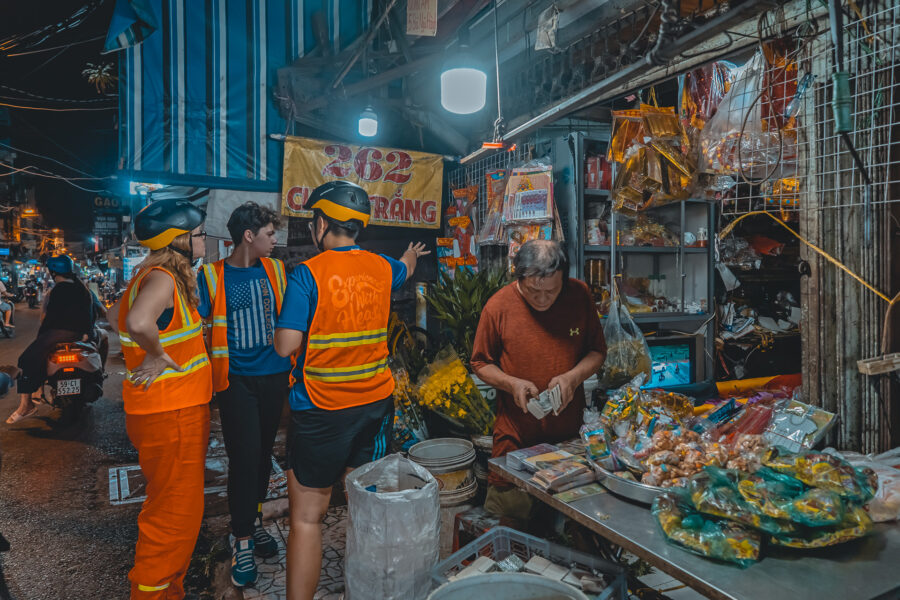
Burning votive paper in Vietnam is more than a ritual. It is a heartfelt expression of remembrance, love, and the enduring bond between generations, reflecting a belief that life and death are part of one continuous spiritual journey.
As society evolves, so does this tradition. Many people are now embracing more mindful practices that honor spiritual values while reducing the harmful impact on health and the environment.
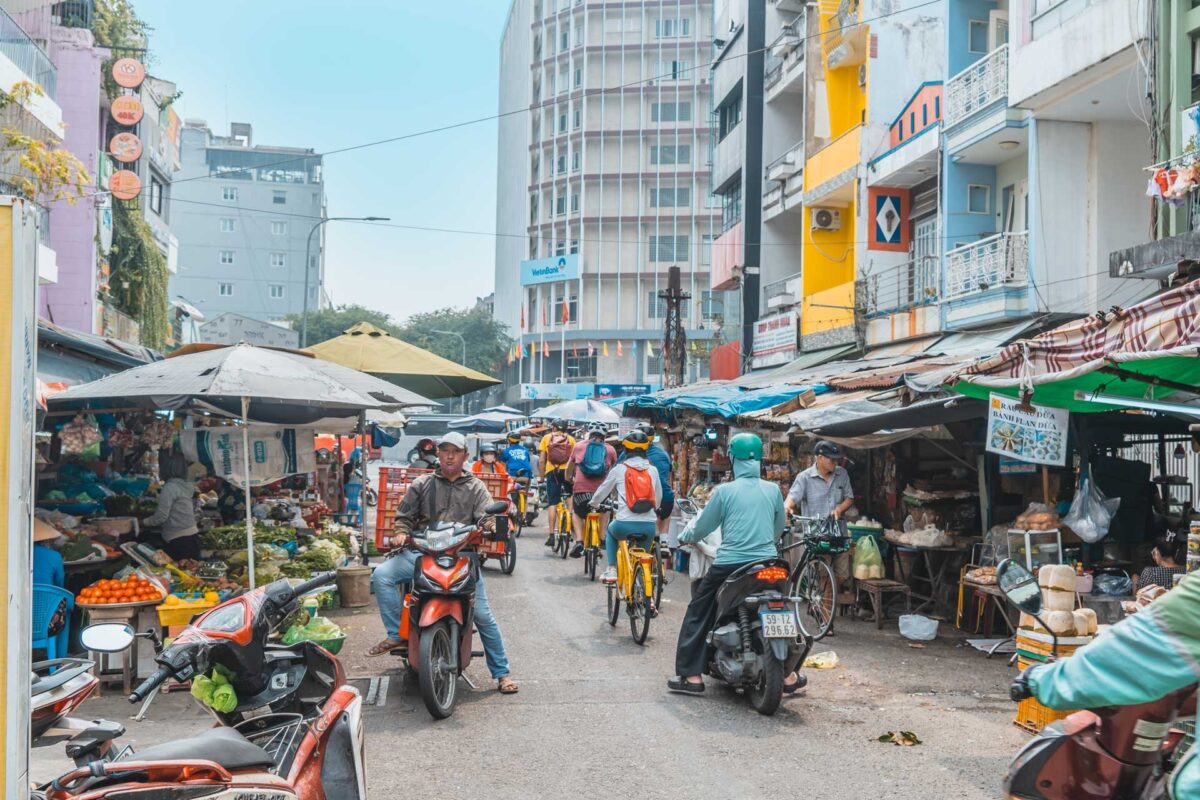
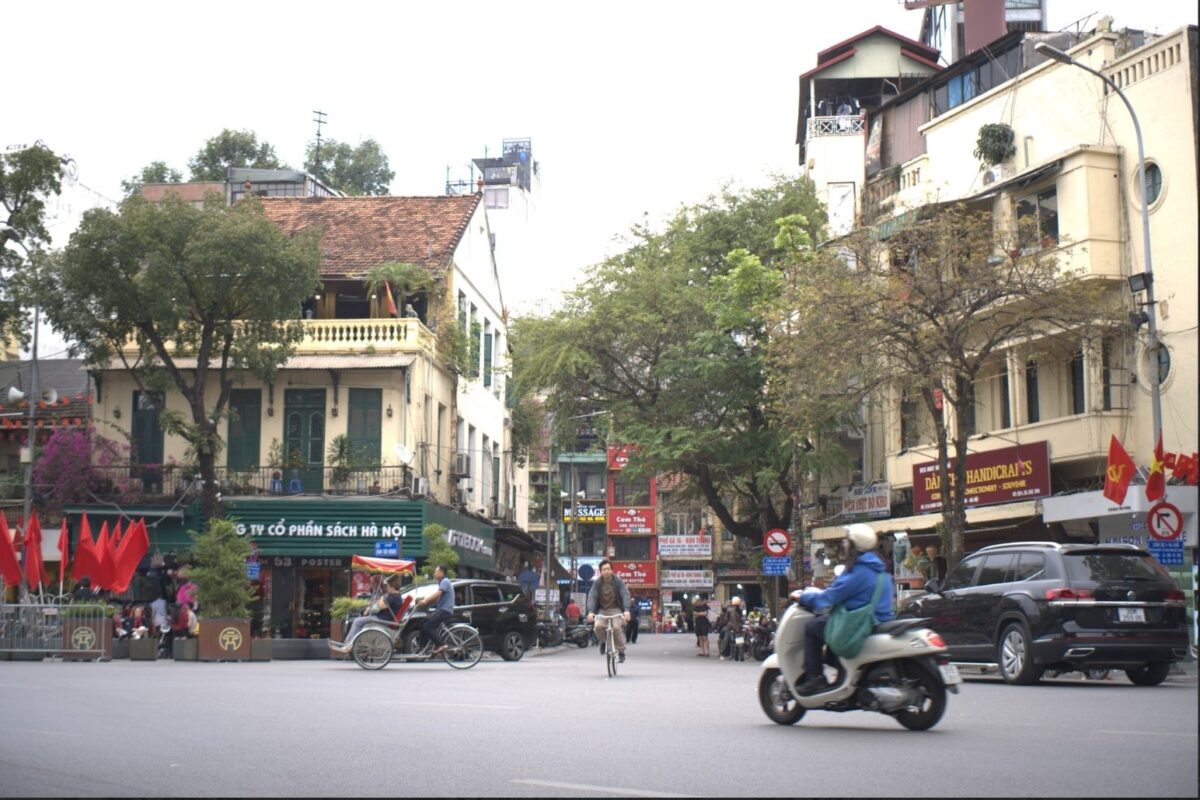
There are more cultural facts that can be found in tiny corners of cities like Saigon and Hanoi. Jackfruit Saigon and Hanoi city tours offers an immersive look into Vietnam’s spiritual heritage, with guided visits that bring these mental experiences to life. Book one with us now to uncover layers to layers of Vietnamese culture.