

Table of Contents
Hanoi is the capital of Vietnam, and it has been the country’s political and cultural centre for over 1,000 years. But if you ask anyone who calls this city home, that’s rarely the first thing they’ll tell you. They’ll probably talk about steaming bowls of pho at dawn, old apartment balconies tangled with vines, the hum of motorbikes weaving through narrow streets, or that familiar smell of coffee drifting from a tiny corner café. That’s Hanoi, worth getting to know.
What keeps us here isn’t just the history or the famous landmarks. It’s the rhythm of everyday life. It’s waking up to the sound of street vendors, grabbing a cup of coffee before work, watching the Old Quarter slowly come alive, and knowing there’s always a great bowl of phở just around the corner. As locals, these are the moments we love most, and they’re the ones we’re always excited to share with visitors who want to see the capital of Vietnam beyond the guidebooks.
Meet Hanoi: The Capital of Vietnam Through Local Eyes
A Walk Through Time: The Soul of the Old Quarter
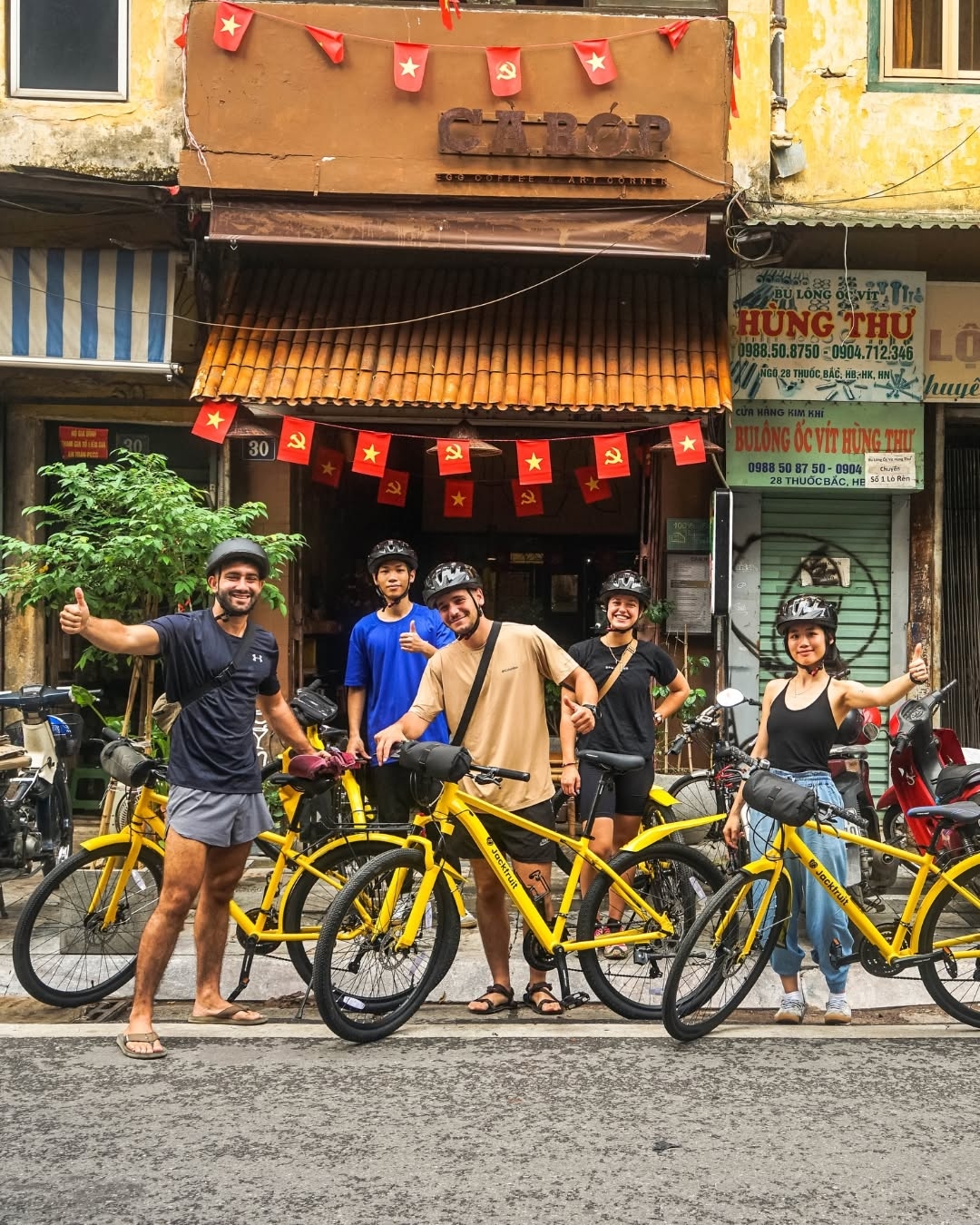
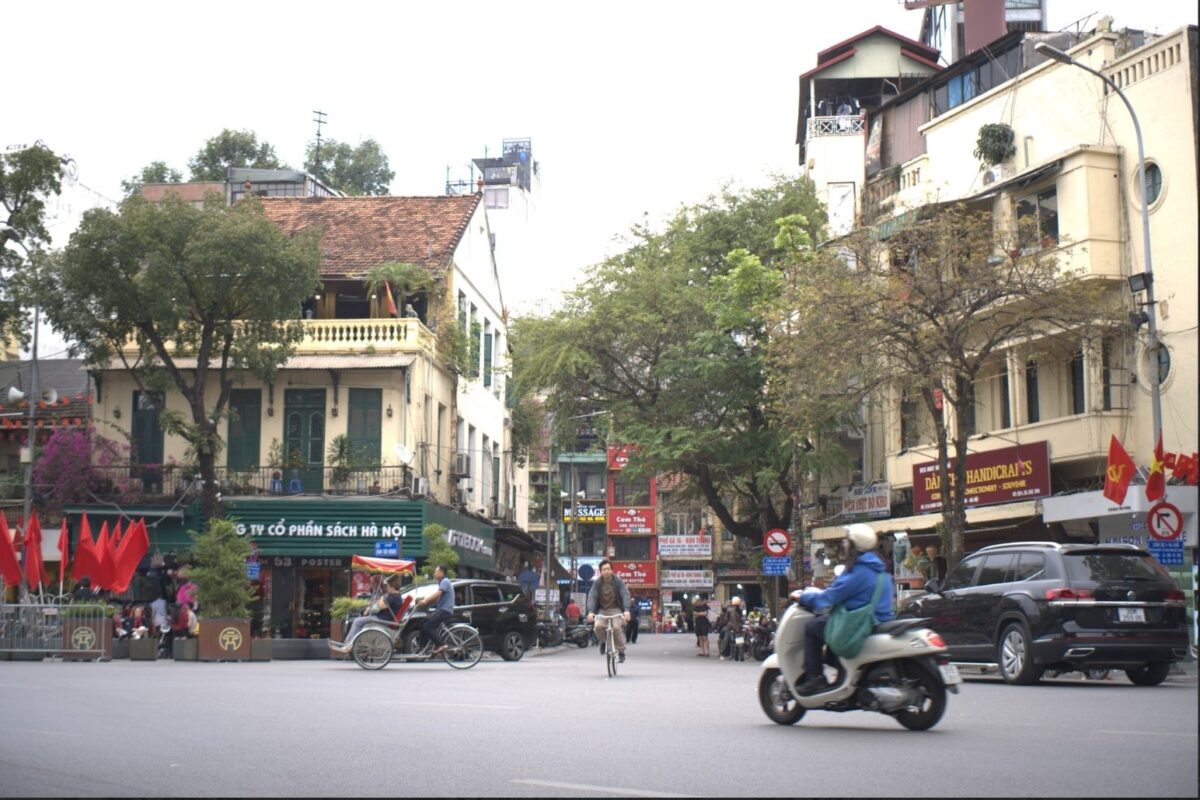
If there’s one place that tells the story of Hanoi best, it’s the Old Quarter. For more than 700 years, this neighbourhood has been the heart of the city. What began as a collection of craft guilds eventually became the maze of 36 streets you’ll explore today, where many families still live and work in the same trades their ancestors practised generations ago.
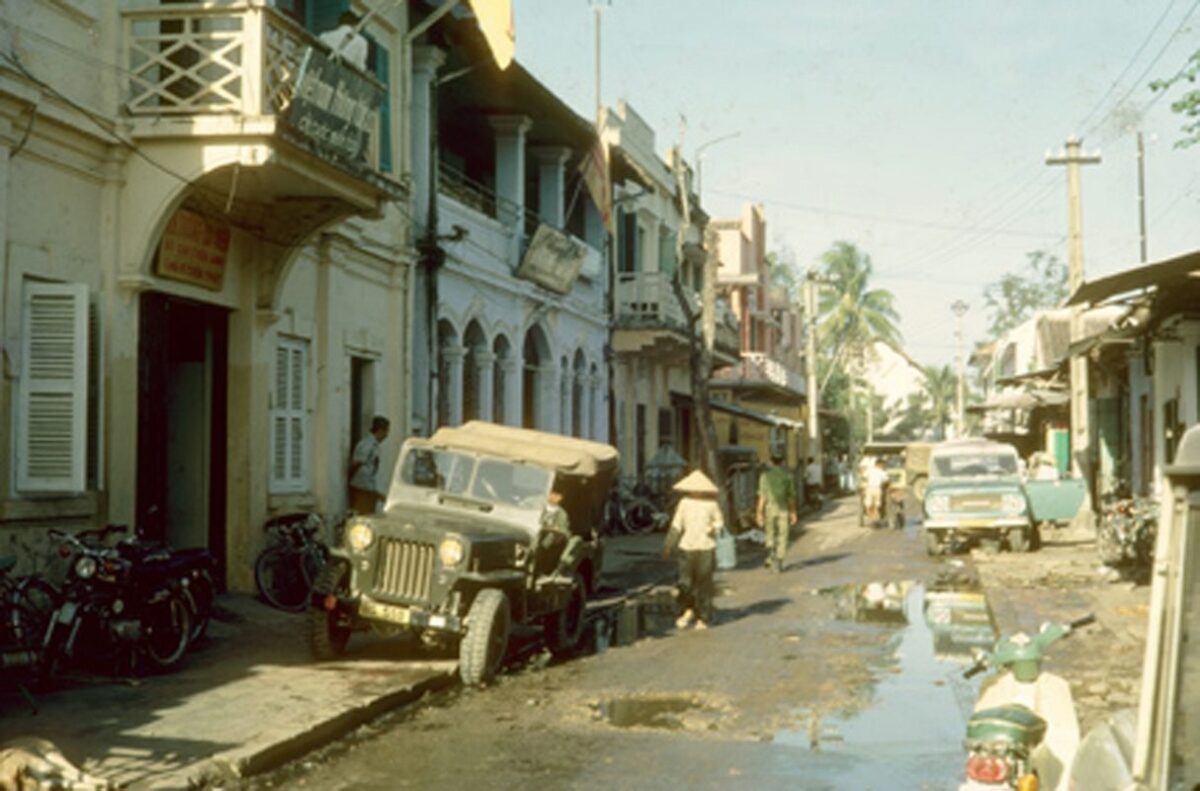
One of our favourite things about the Old Quarter is how naturally different periods of history exist side by side. You can walk past a narrow tube house that’s been standing for decades, turn a corner to find a French colonial building, then step into a centuries-old temple glowing in shades of red and gold. Around you, the sounds of daily life never really stop: motorbikes passing by, a blacksmith shaping metal in a small workshop, or a fruit vendor calling out to familiar customers.
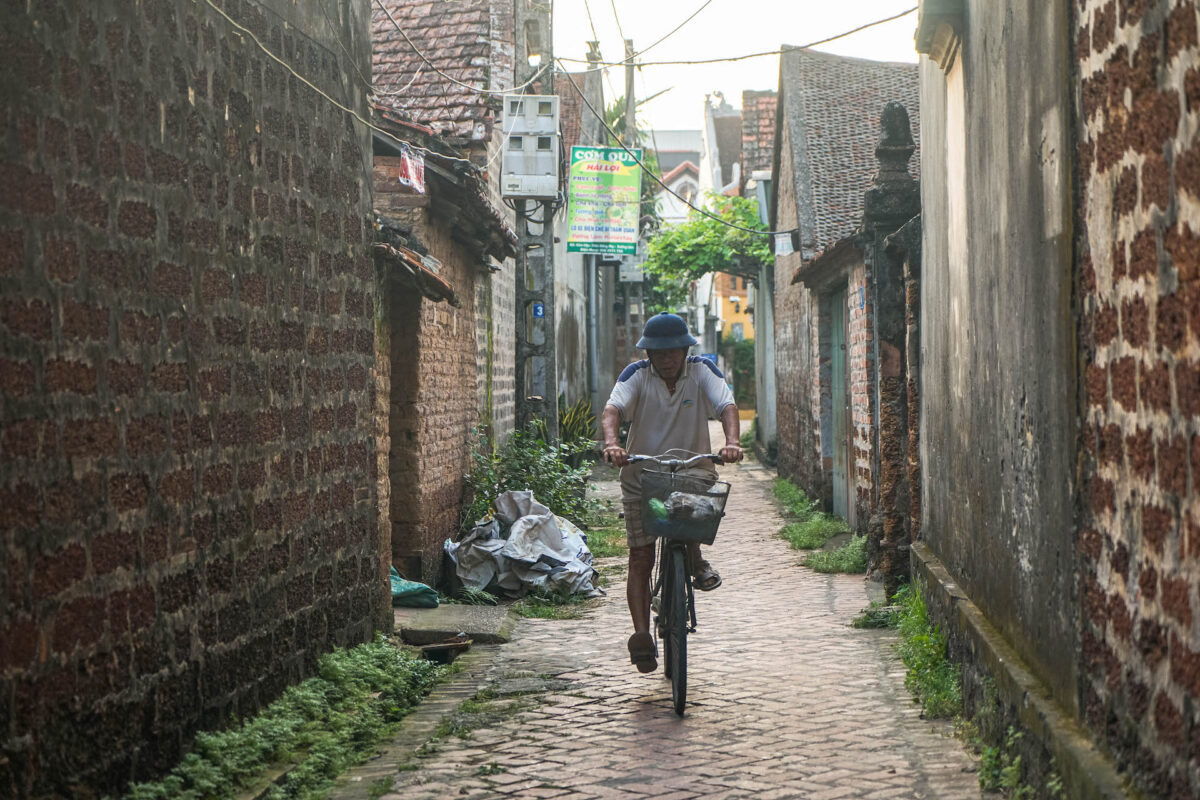
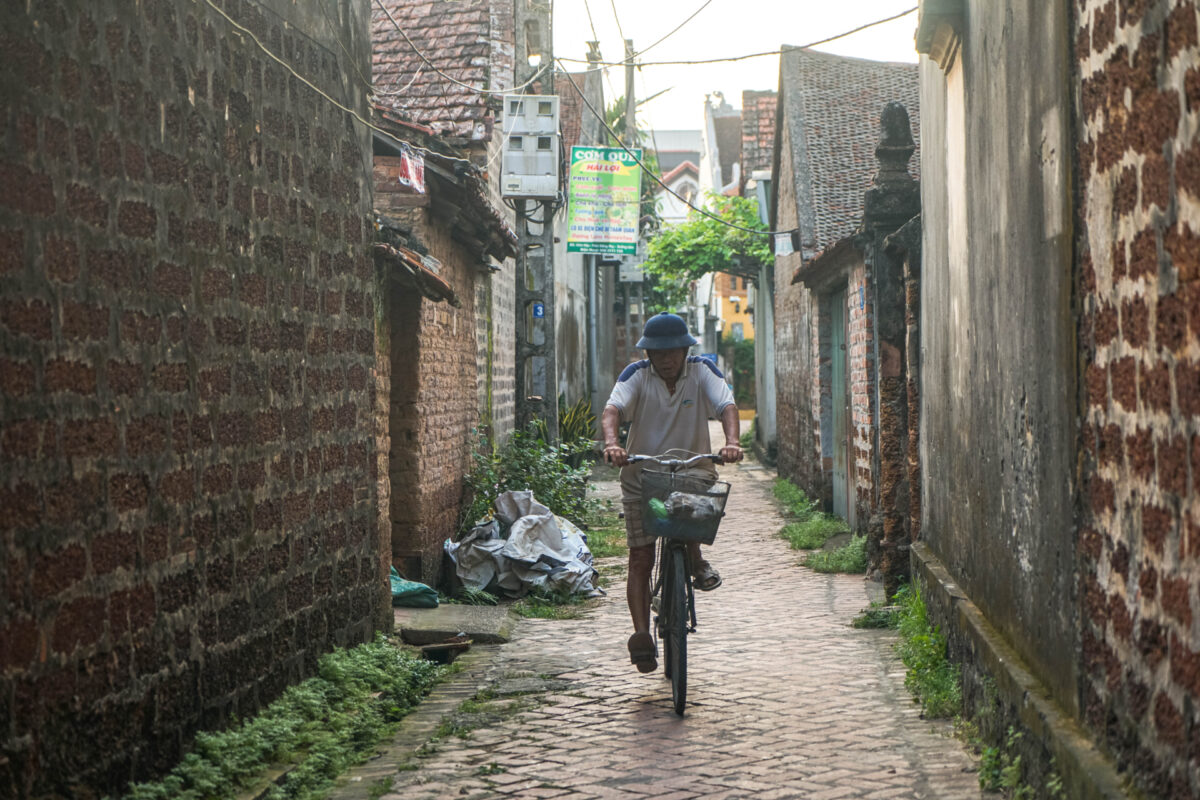
The best way to discover this part of Hanoi is to slow down. Put your phone away for a while and let your curiosity lead the way. Some of our favourite places aren’t marked on any must-see list: a quiet courtyard hidden behind an old gate, a tiny pagoda tucked between houses, or a family-owned shop that’s welcomed neighbours for generations.
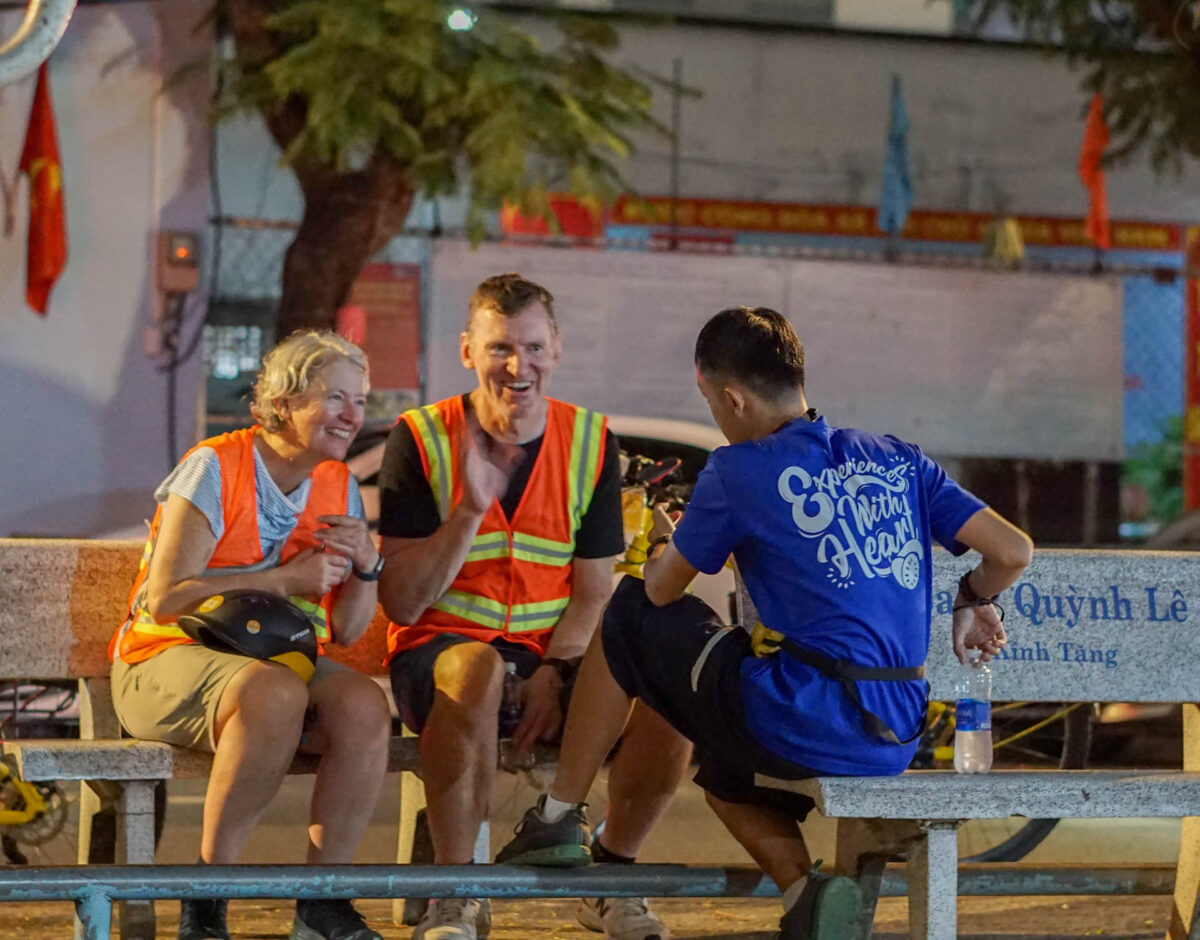
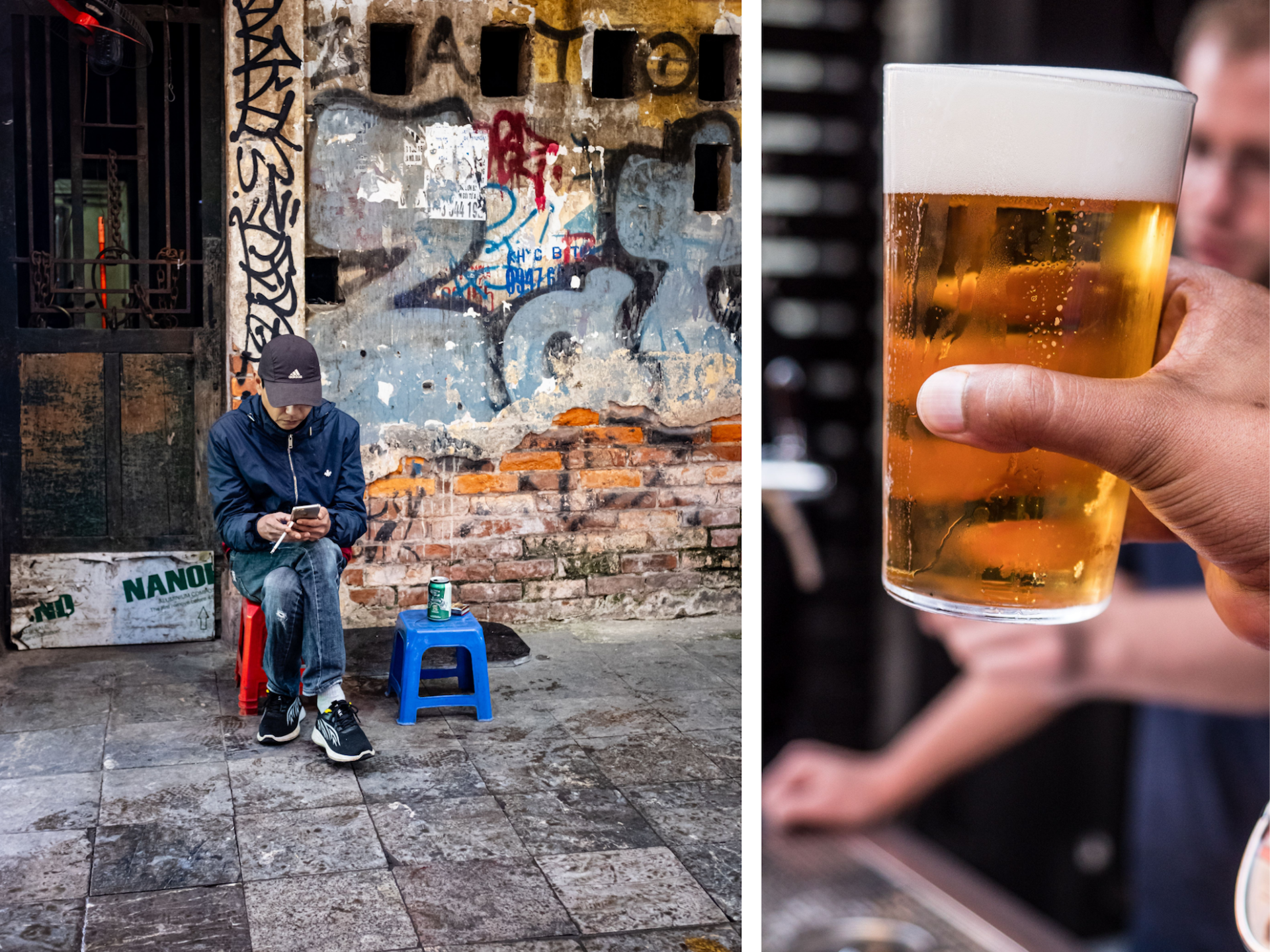
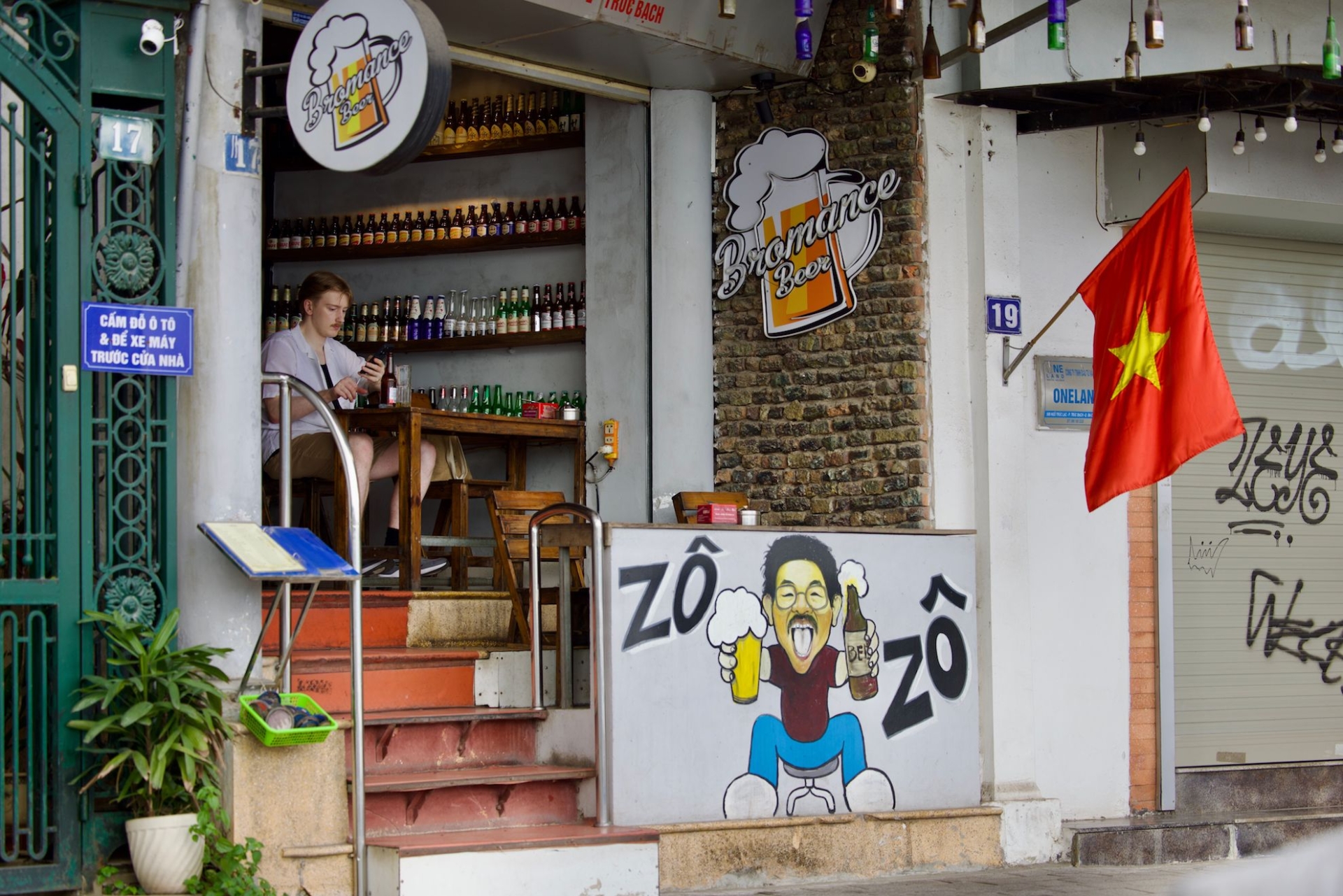
As evening arrives, you’ll see another side of the city. While rooftop bars offer beautiful views, we’d encourage you to spend at least one night with Bia Hơi (a beer craft of Hanoi), where Tạ Hiện and Lương Ngọc Quyến streets meet. Pull up one of the little plastic stools, order a glass of fresh draft beer, and simply watch the streets come alive. Locals chatting after work, travellers making new friends, the constant buzz of conversation. It’s not a polished tourist attraction, and that’s exactly why we love it. Sometimes, the best way to understand the capital of Vietnam is simply to sit down and become part of the evening for a while.
Hanoi’s Culinary Symphony
If there’s one thing we’d tell every visitor before they arrive, it’s this: come hungry. In the capital of Vietnam, food is woven into everyday life. We catch up over breakfast, welcome guests with a good meal, and happily travel across town just because someone says a bowl of noodles is worth trying.
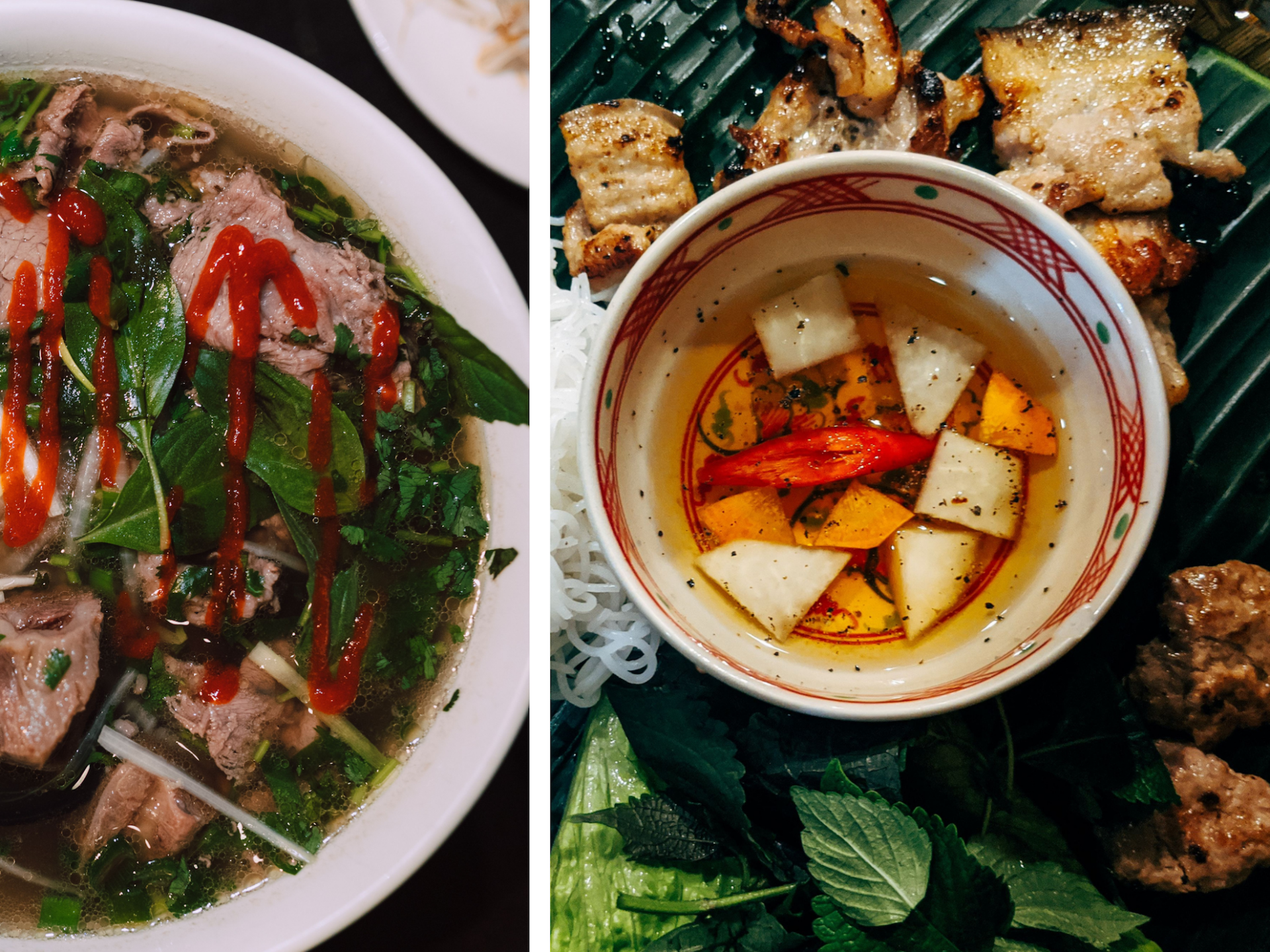
No visit is complete without a bowl of phở. Early in the morning, you’ll notice the comforting aroma of star anise, cinnamon, and cardamom drifting from giant pots of broth that have been simmering for hours. Every family and every neighbourhood has its own version, and ask ten locals where to find the best bowl. You’ll probably get ten different answers.
Another dish that’s close to every Hanoian’s heart is bún chả. There’s something special about sitting on a tiny plastic stool while pork sizzles over glowing charcoal just a few steps away. By the time your plate arrives, the smoky grilled meat, fresh herbs, dipping sauce, and soft rice noodles come together in a meal that’s simple, balanced, and unforgettable.
Hanoi’s dining scene has certainly evolved over the years. Today you’ll find everything from speciality coffee roasters to modern fusion restaurants inspired by cuisines around the world. But if you ask us where the city’s food culture truly lives, we’ll always point you back to the sidewalk eateries. They’re where recipes have been passed down through generations, regulars are greeted by name, and some of the best meals come without fancy décor.
The Art of the Pause: Hanoi’s Café Culture
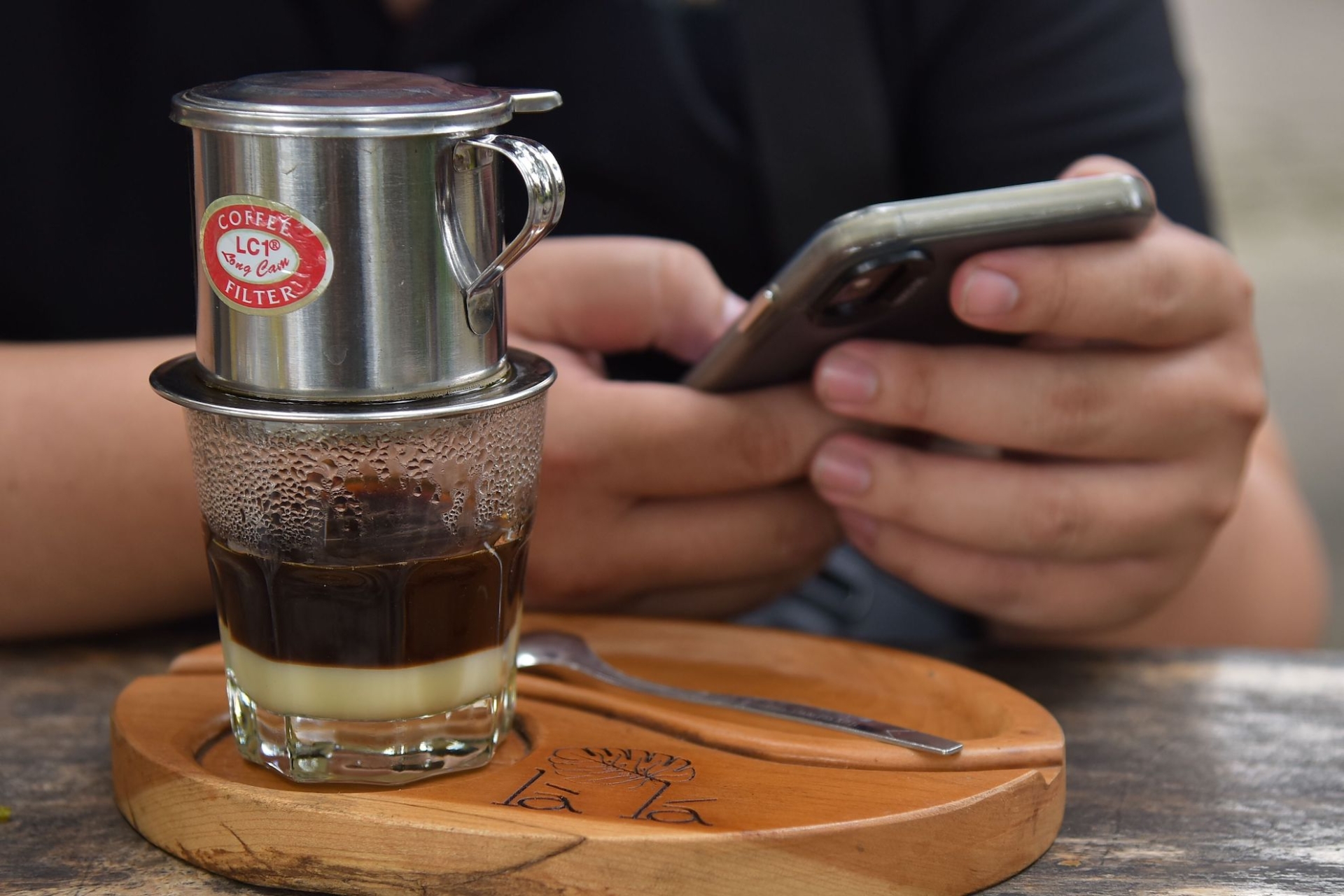
Life in the capital of Vietnam may look fast from the outside, but locals know when to slow down. Coffee isn’t something we grab on the way to somewhere else. It’s a reason to pause. A traditional cup is brewed with a *phin* filter, letting the coffee drip slowly, one drop at a time. Waiting is simply part of the ritual.
Whether you’re sitting on a low stool beside a busy street or tucked away in a quiet café hidden down an alley, the experience is much the same. You sip, you watch the city go by, and for a little while, there’s nowhere else you need to be.
If you’re curious about Hanoi beyond its cafés, the city has a thriving creative side as well. Spend an afternoon exploring the Vietnam Fine Arts Museum and the Vietnam Museum of Ethnology to understand the country’s artistic heritage, then visit independent spaces like Manzi, where local artists, writers, and creatives gather to exchange ideas. It’s a different side of Hanoi, but every bit as authentic.
The Heartbeat of Hanoi: Hoan Kiem Lake
If there’s one place that brings people in the capital of Vietnam together, it’s Hoàn Kiếm Lake. Early in the morning, you’ll see the city waking up here. Some people come for a walk before work, others join a tai chi group, stretch by the water, or simply sit on a bench with a cup of coffee. It’s part of many locals’ daily routine and one of our favourite times to be here.
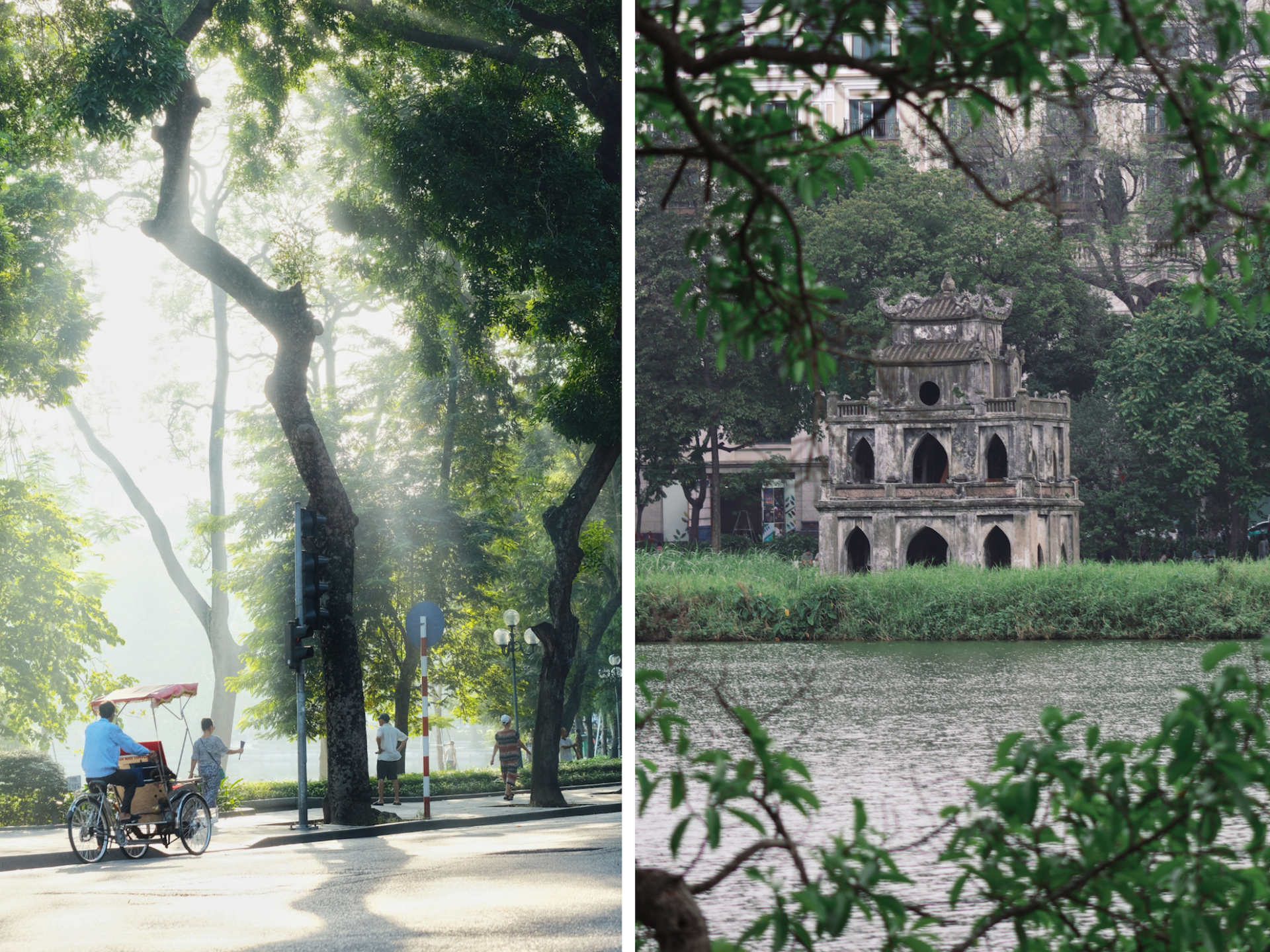
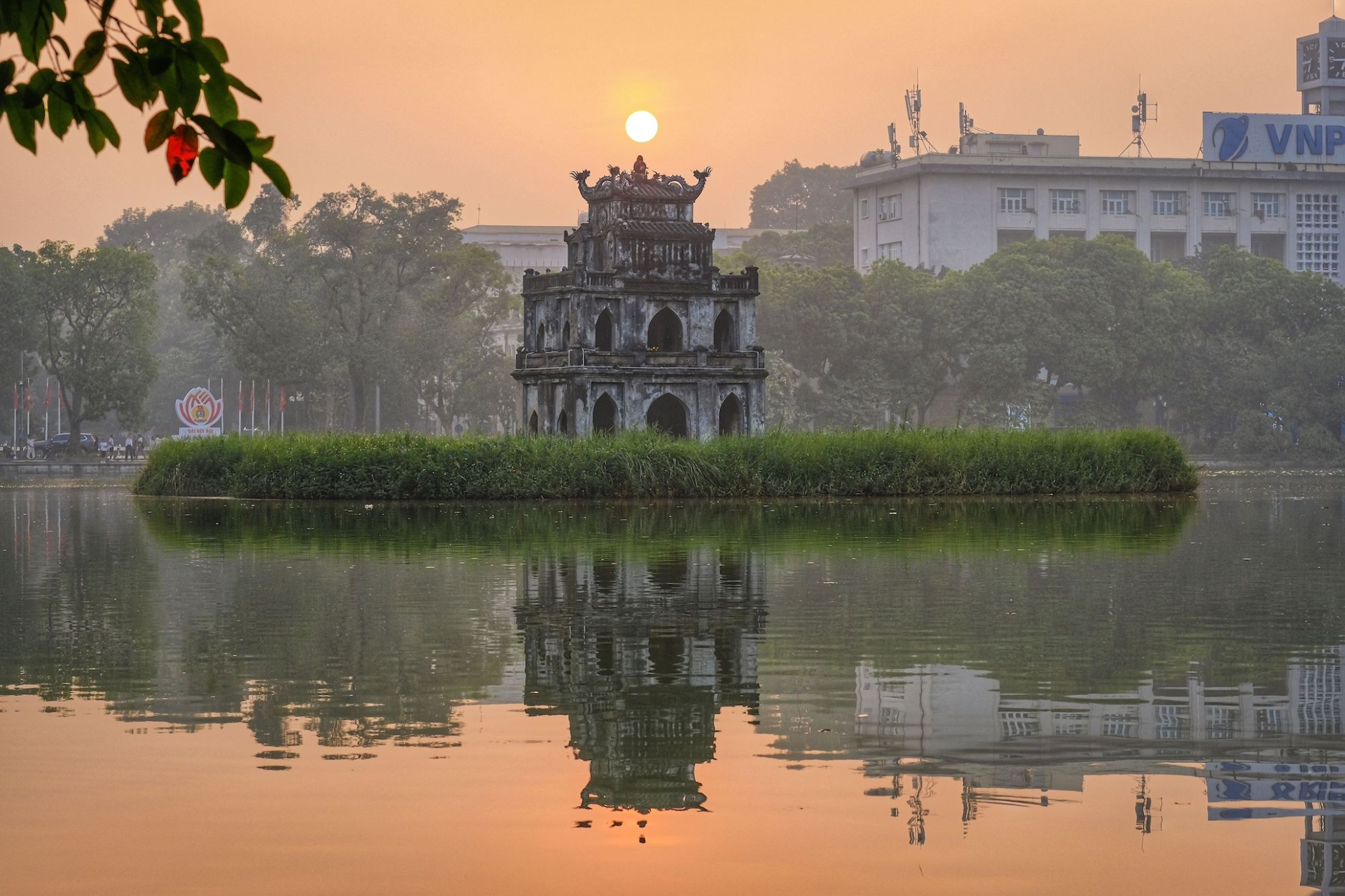
If you’re in the mood for somewhere a little quieter, head over to Trúc Bạch Lake or West Lake (Hồ Tây). We often go there when we want to slow down, enjoy the breeze by the water, visit Trấn Quốc Pagoda, or end the day with one of Hanoi’s beautiful sunsets. Here, the pace becomes even slower. You’ll find tree-lined paths, centuries-old temples like Trấn Quốc Pagoda, lakeside cafés, and some of our favourite spots to watch the sun disappear over Hanoi’s skyline.
Essential Tips for Your First Trip to Hanoi
Firstly, if you have some flexibility with your travel dates, we’d recommend visiting Hanoi in autumn, especially from October to November. The weather is cooler, the humidity eases, and the city slows into one of its most beautiful seasons. In the evenings, you might catch the delicate scent of *hoa sữa* (milkwood flowers) drifting through the streets, a small detail that many locals, including us, look forward to every year.
Getting here is easier than you might think. Most international travellers arrive through Noi Bai International Airport, while trains and long-distance buses connect Hanoi with destinations across Vietnam. If you’re wondering about the easiest way to reach the city centre after landing, take a look at our Hanoi airport transportation guide, where you’ll find everything you need to choose the option that best suits your budget and travel style.
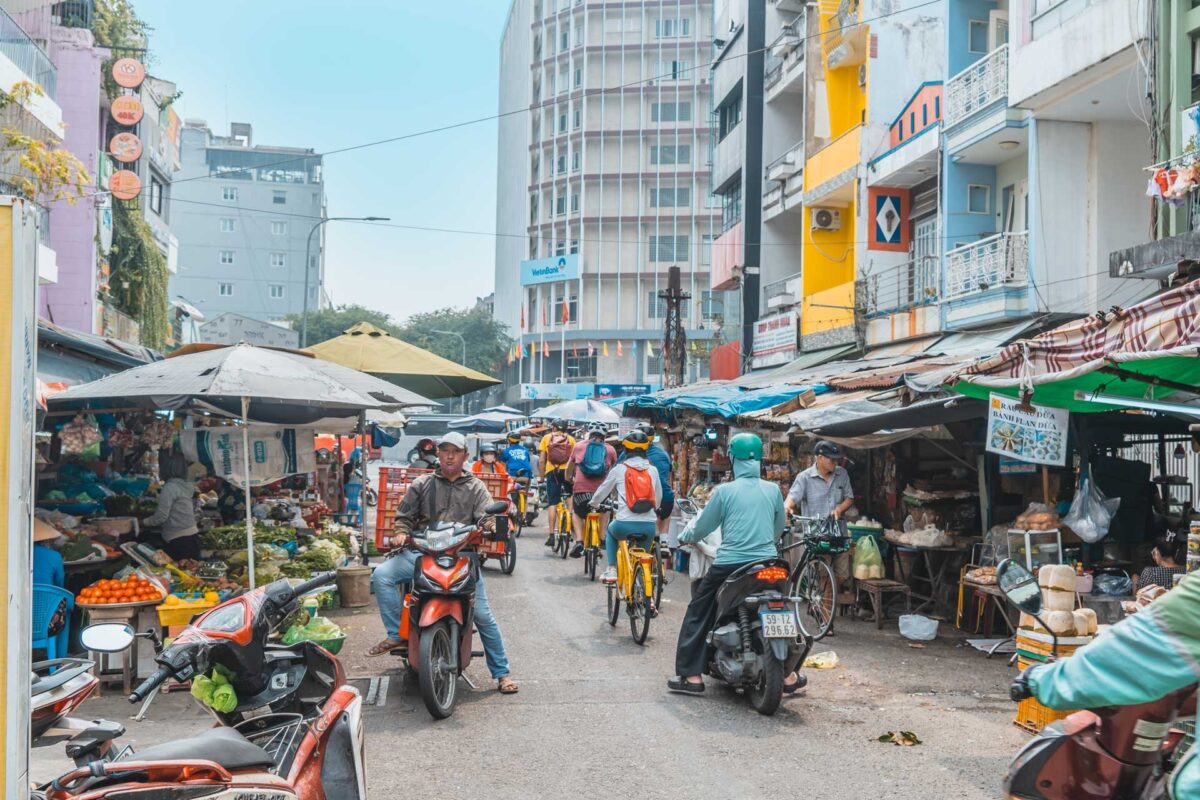
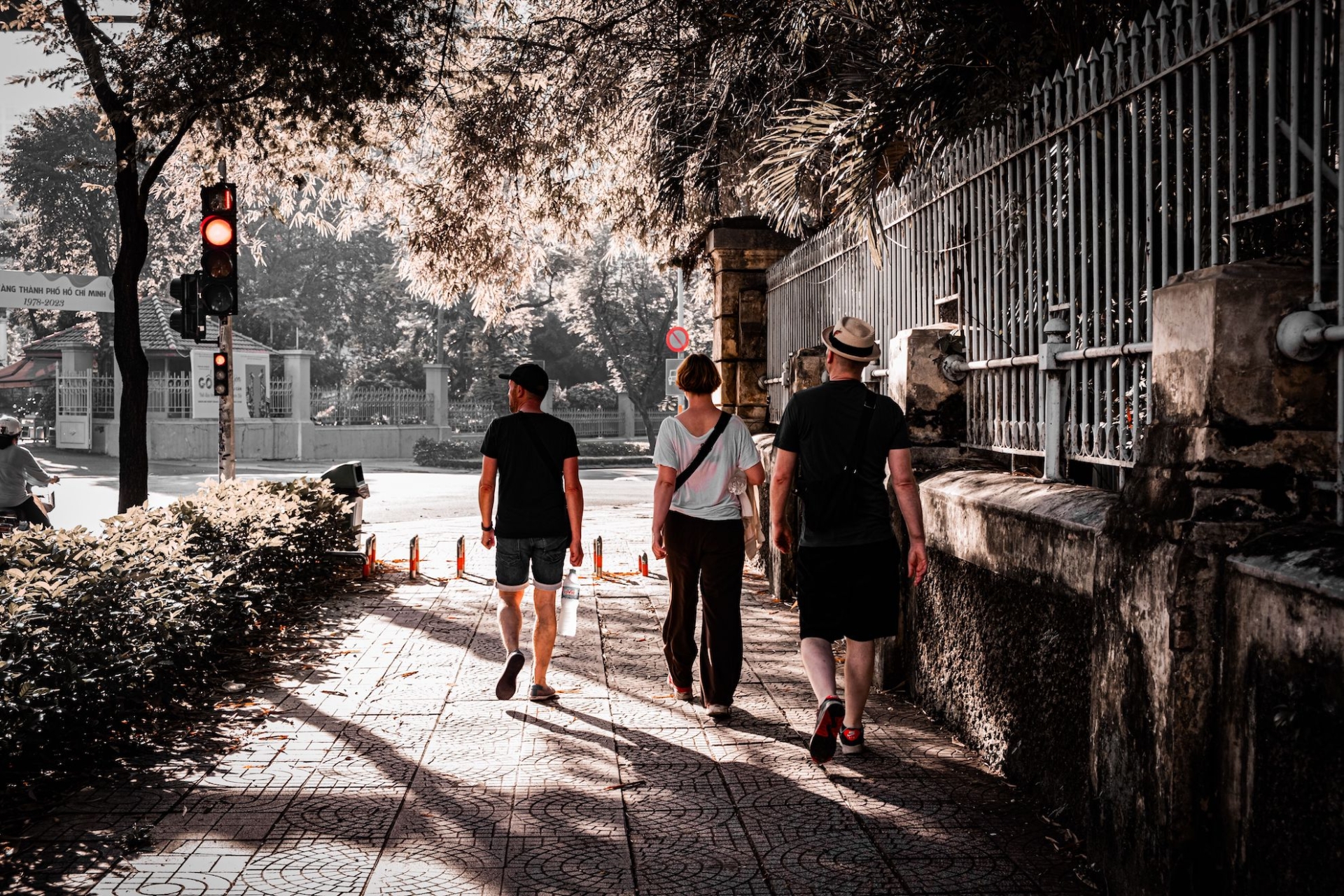
Once you’re here, the first thing you’ll probably notice is the traffic. It can look a little intimidating, but don’t worry, there’s a rhythm to it. When crossing the street, walk at a steady, predictable pace rather than waiting for a clear road. Local motorbike riders are used to sharing the streets with pedestrians and will naturally move around you as long as you don’t make sudden stops.
The capital of Vietnam is a city best explored on foot, so don’t forget to stay hydrated. Bottled water is the safest choice throughout the day, but we’d also encourage you to try a glass of freshly pressed *nước mía* (sugarcane juice) from a street vendor. It’s one of those simple local treats that somehow tastes even better after a long walk around the Old Quarter.
Ultimately, if someone asks us, “What is the capital of Vietnam?”, we’d proudly answer, “Hanoi.” But to us, Hanoi is much more than a capital city. It’s where old temples stand beside busy cafés, where family recipes have been passed down for generations, and where every neighbourhood has its own stories to tell. We hope you’ll take the time to wander beyond the famous landmarks and experience the city the way locals do. And if you’d like someone to show you those hidden corners and everyday stories, we’d love to welcome you on Tour de Hanoi: Old Quarter, Iconic Landmarks & Hidden Corners .