

Table of Contents
Looking for where to travel in summer? Discover the 10 best places to visit in Vietnam in July, from misty highlands to untouched beaches, curated by local travel experts.
Deciding where to travel in summer is easier when you understand how Vietnam’s three climate zones actually behave. While the south settles into a rhythm of sunny mornings and short afternoon showers, the northern highlands hit their visual peak, and the central coast enjoys some of its clearest skies of the year.
Vietnam isn’t a country that shuts down in summer; it just requires knowing which region to head to and when. The destinations below are chosen for exactly that reason.
Where to Travel in Summer: 10 Best Places in Vietnam
Here are the best places to travel in July and beyond – 10 destinations across Vietnam, grouped by region so you can plan a route that actually makes sense.
North Vietnam: Where to Travel in Summer
The north is where Vietnam’s summers shine brightest. While the South gets heavy rain and the coast braces for storms, the northern highlands reach their absolute peak. Expect lush green rice terraces, cascading waterfalls, and cool mountain air that’s perfect for hiking.
1. Sapa
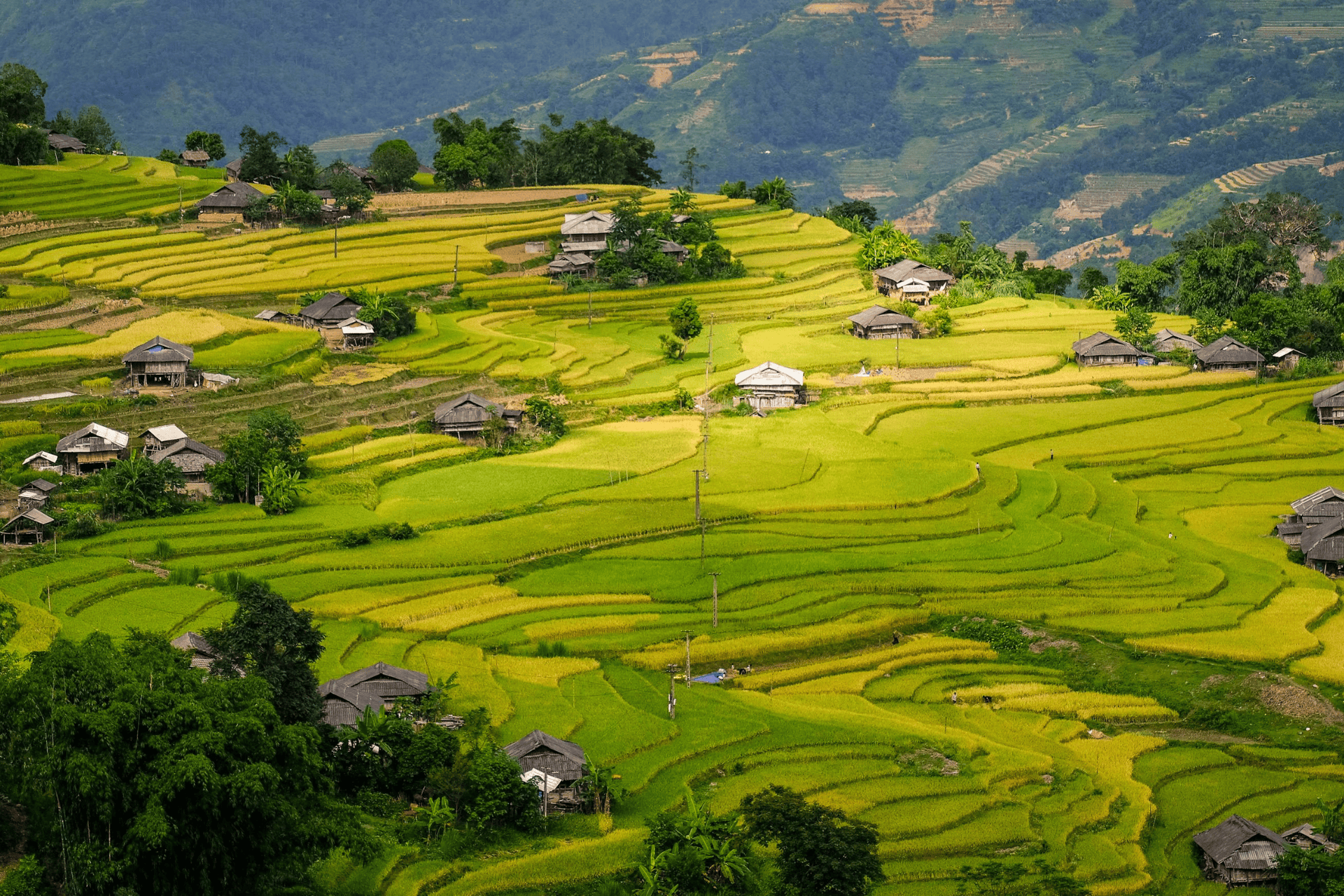
July is when Sapa’s rice terraces reach their most saturated green, and exactly why Sapa keeps appearing on every list of where to travel in summer in Vietnam. Every hike through Muong Hoa Valley feels like stepping into a painting. It’s also the best time to see local H’mong and Red Dao villages before harvest crowds arrive in September.
Don’t miss: Skip the cable car. The best Sapa experience in summer is a guided village trek that passes through working rice fields; your guide can point out which terraces belong to which family, and you’ll stop at a local home for tea. That kind of access doesn’t happen on group bus tours. If you’re planning a full day in the area, the local markets around Sapa are worth building into your route — most are run by ethnic minority communities and operate on a weekly rotation that tourists rarely know about.
Weather note: Expect morning mist and afternoon rain showers from June through August. Temperatures sit around 18–22°C, significantly cooler than Hanoi. Pack a light rain jacket; most showers pass within an hour, and be careful because trekking trails can be slippery.
2. Ha Giang
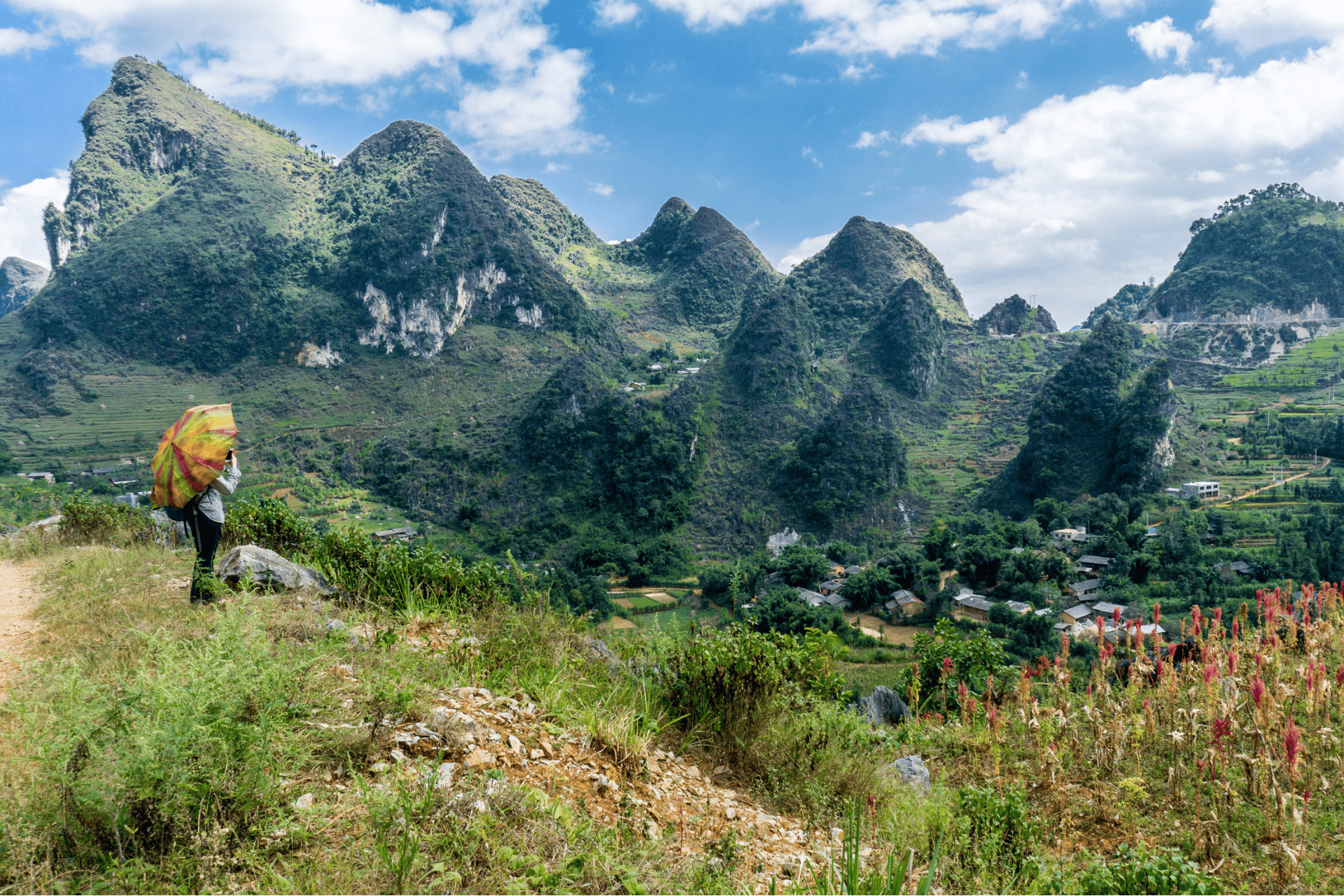
Ha Giang is one of the most underrated best places to travel in July in Vietnam. The buckwheat flowers haven’t bloomed yet (that’s October), but the limestone karst landscape turns dramatically green, rivers run fast and clear, and you’ll share the Ma Pi Leng Pass with a fraction of the October crowds. For visitors who want the scenery without the selfie queues, this is the window.
Don’t miss: Rent a motorbike or join a small-group loop with a local driver, and stop at Dong Van Old Quarter for lunch. It’s a UNESCO Geopark town that most tourists rush past on the way to the pass. The preserved Hmong and Tay architecture and the lack of tourist infrastructure make it feel genuinely remote. While you’re in the area, the Hmong King Palace is one of the most historically layered stops on the entire loop, and one of the least understood by visitors who don’t have context going in.
Weather note: Ha Giang receives heavy rainfall in summer, and some mountain roads can get slippery. Rain usually comes in short bursts rather than all-day downpours, and visibility on the passes is often clear by mid-morning.
Safety Note — Northern Highlands
Mountain roads in both Sapa and Ha Giang can turn dangerous quickly after rain: landslides, rockfalls, and sudden fog are real risks, not just fine-print warnings. Accidents on the Ma Pi Leng Pass happen every season, most involving riders unfamiliar with narrow, wet mountain roads. Check conditions with your guesthouse every morning before heading out, build flexibility into your schedule, and if you’re not a confident rider, hire a local driver for the Ha Giang loop rather than self-driving. Before the trip, make sure your travel insurance explicitly covers motorbike riding and highland trekking; most standard policies don’t.
For a realistic picture of what riding in Vietnam actually involves, read Motorbike in Vietnam: 5 honest things you must know before you decide.
3. Ninh Binh
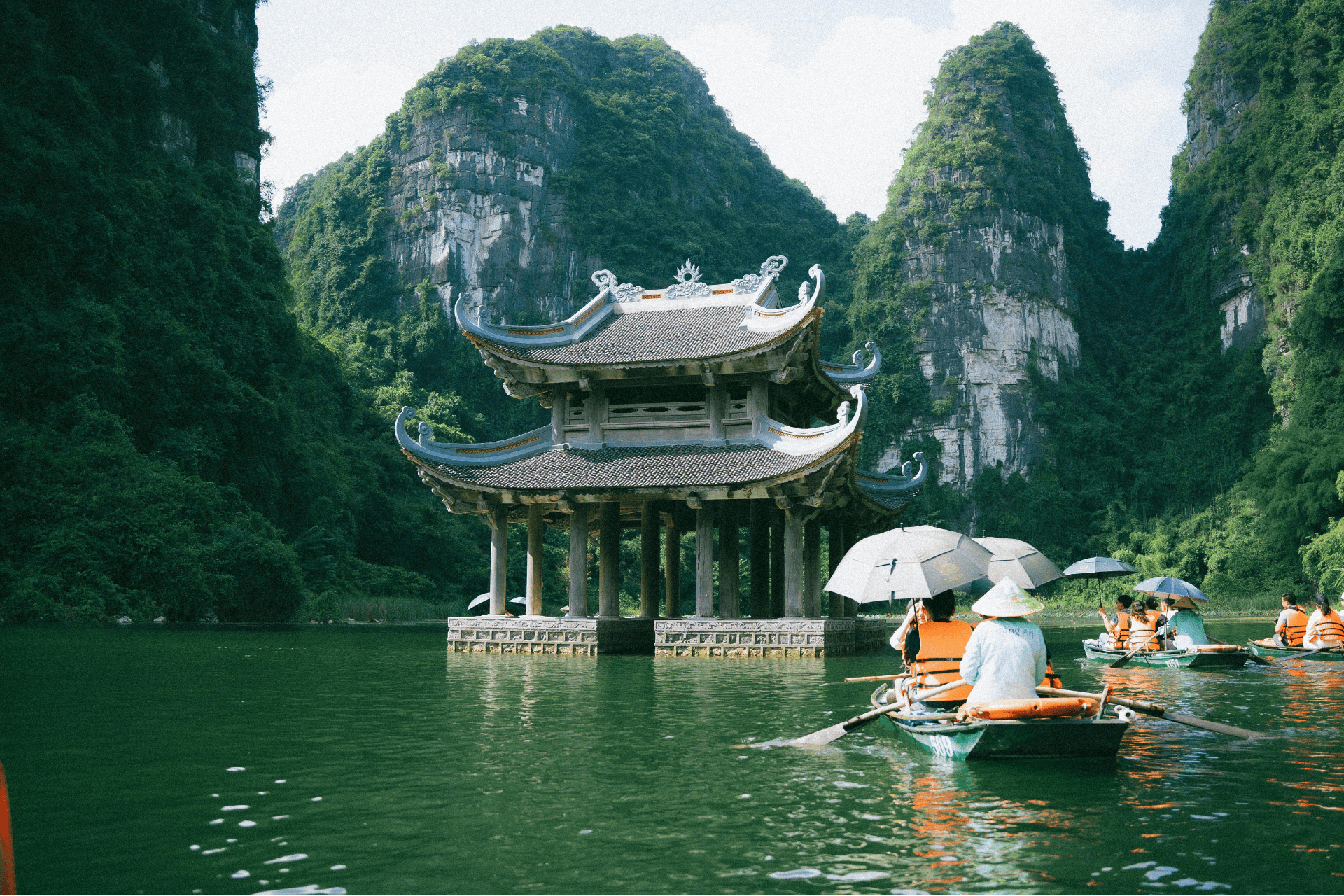
Ninh Binh is one of the few Vietnamese destinations that actually benefits from summer rain. The water levels in Tam Coc and Trang An rise just enough to make boat navigation smoother, the surrounding rice paddies turn vivid green, and the limestone karsts look more dramatic against stormy-grey skies. It’s also a 2-hour drive from Hanoi: easy to combine with a northern itinerary. If you’re figuring out how to get there, Hanoi to Ninh Binh: 5 Best Ways to Get There covers your options.
Don’t miss: Take the Trang An boat circuit in the early morning, before tour groups arrive. The cave passages are naturally cool, and on a quiet Tuesday in July, you might share your boat with nobody. The rower uses their feet to paddle, ask them about it; most are happy to explain.
Weather note: Summers in Ninh Binh are hot and can be quite muggy, with temperatures reaching up to 36–37°C. To be completely honest, it’s not the most comfortable season weather-wise, even though the scenery remains stunning. Humidity is high; plan for it.
Central Vietnam: Where to Travel in Summer
4. Da Nang
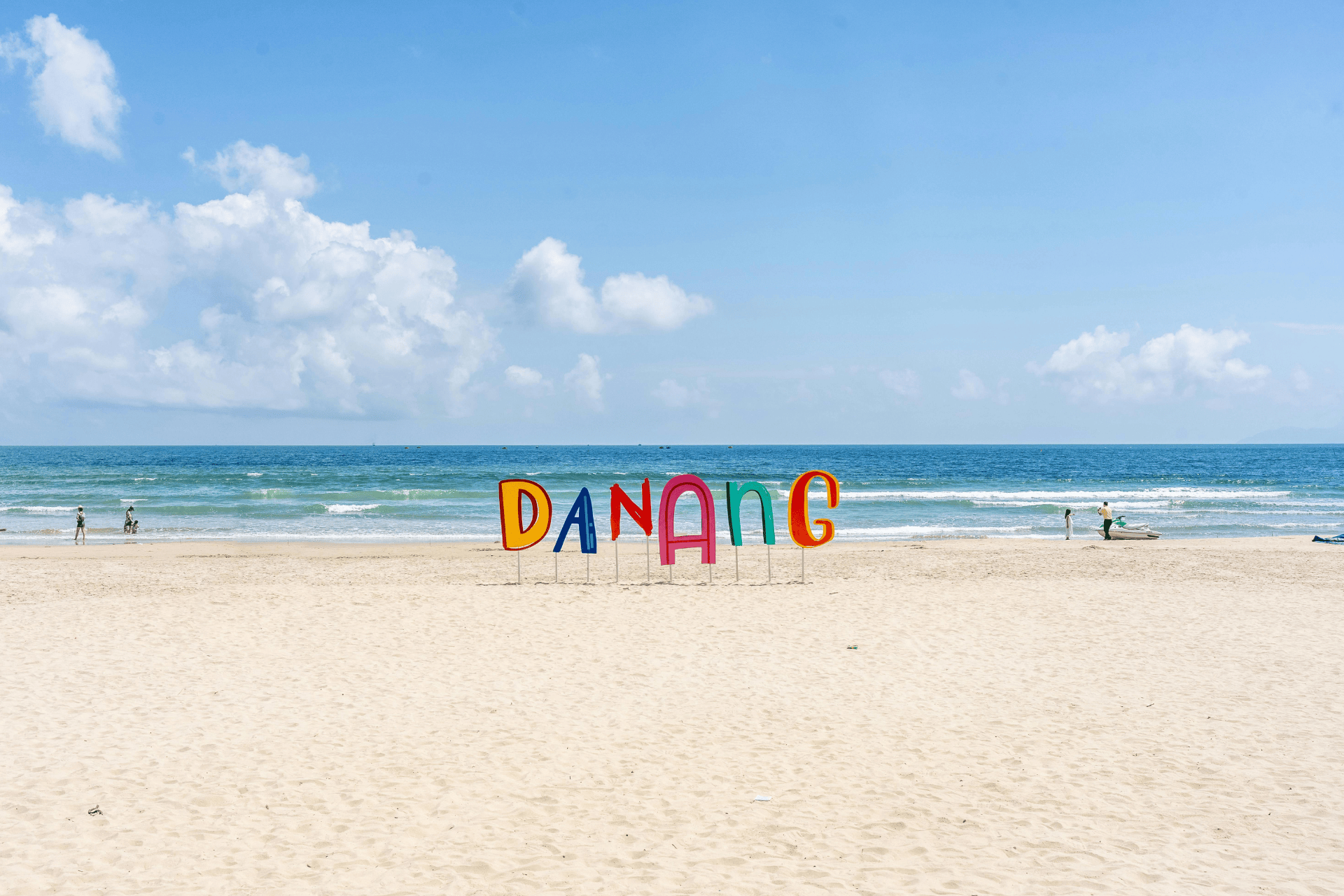
July sits right at the tail end of Da Nang’s dry season, one of the best places to travel in July along the entire central coast. Sea temperatures are warm, My Khe Beach is at its most swimmable, and the city’s food scene runs at full capacity along the Han River.
Don’t miss: Skip the resort strip for a morning and head to Bai But or Nam O Beach instead, both are local fishing beaches north of the city that most visitors never find. Nam O is also known for its traditional fish sauce production; you can watch the process and buy directly from families who’ve been making it for generations.
Weather note: Average temperatures around 30–33°C with low rainfall. The occasional afternoon shower is brief. This is one of the few central destinations where summer weather is reliably good, not just manageable.
5. Phong Nha
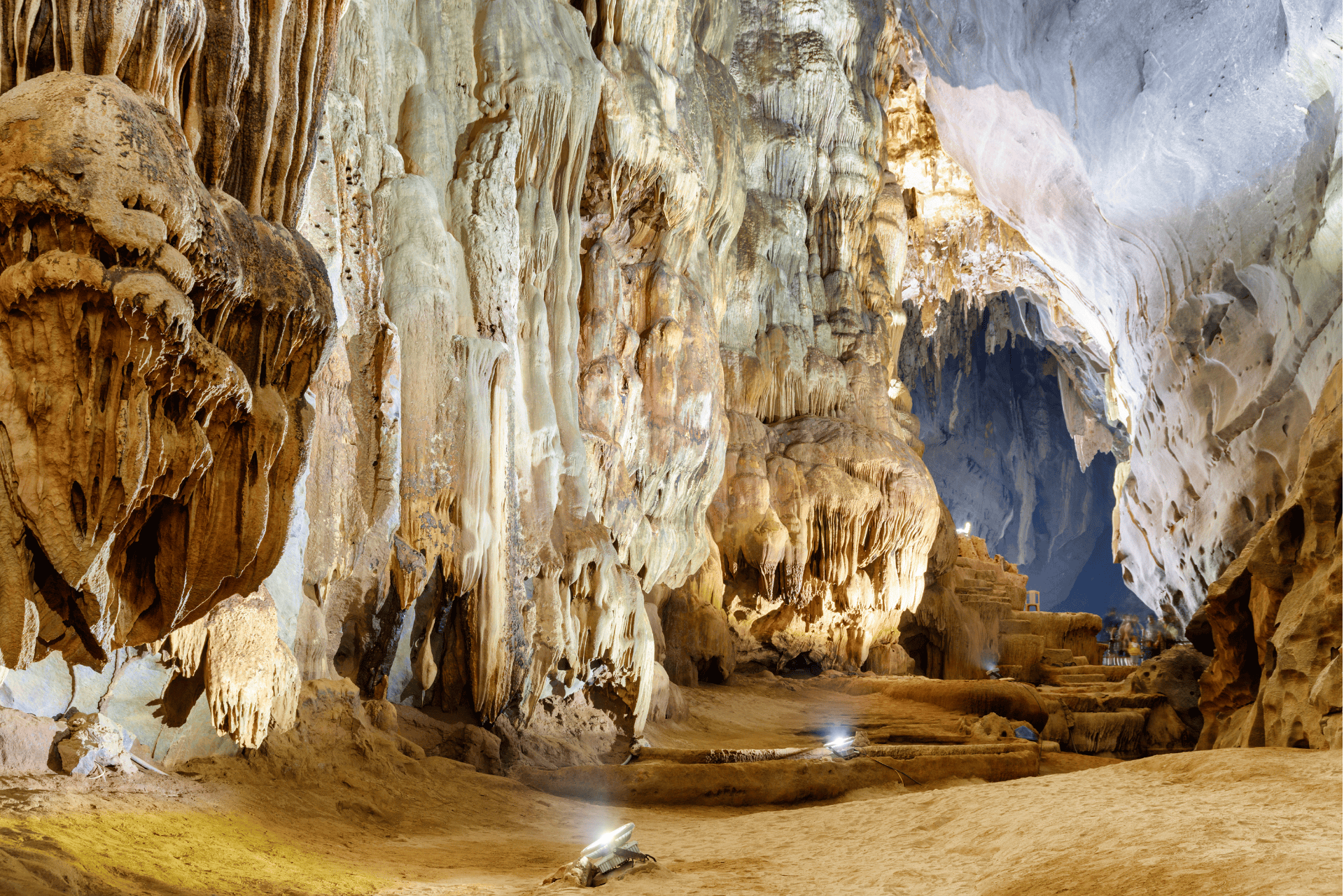
Phong Nha-Ke Bang National Park is one of the rare destinations in Vietnam where summer weather is almost irrelevant — you’re underground. The cave systems here, including Son Doong (the world’s largest cave) and Paradise Cave, maintain a constant internal climate regardless of what’s happening outside. July is actually one of the better months to visit because the jungle surrounding the caves is lush and the rivers are high enough for kayaking.
Don’t miss: Most visitors only see the first kilometer of Paradise Cave – the tourist section ends at a viewing platform and turns back. The extended 7km trek goes all the way to Heaven’s Well (Giếng Trời), a natural skylight deep inside the cave, with a kayaking section through an underground river along the way.
The full-day option (around 08:00–16:00) costs 2,000,000 VND (≈ $78 USD) per person for groups of two or more; a two-day overnight version is also available for groups of five or more at 4,000,000 VND (≈ $156 USD) per person. Book directly through Phong Nha-Ke Bang National Park. Note that the trek isn’t suitable for children under 16 or anyone with heart or blood pressure conditions.
Weather note: Phong Nha sits in one of Vietnam’s hottest summer pockets, daytime temperatures regularly hit 35–39°C, driven by the Lao winds. It sounds harsh, but the caves solve the problem entirely: inside, it’s a constant 20°C regardless of what’s happening outside. River kayaking on the Son River is actually better in summer when water levels are at their highest.
6. Quy Nhon
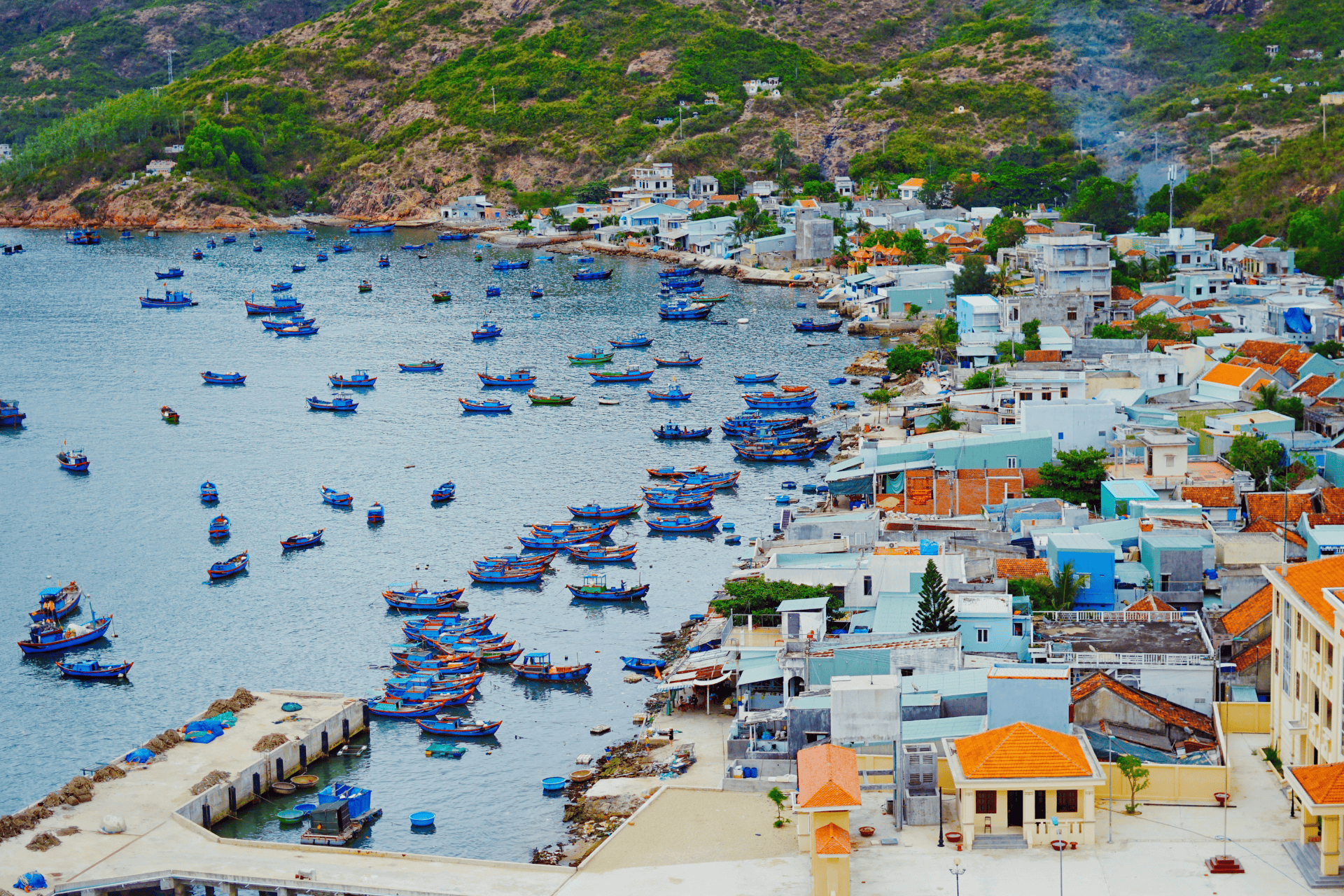
Quy Nhơn feels like a coastal city that still retains a local rhythm, with beautiful beaches and less of the polished tourist pressure you find in more famous destinations. July is one of the best months to go for beach time: it’s hot, relatively dry, and well suited to Ky Co, Bai Xep, and other coastal stops, though “peak season” here still feels calmer than in Vietnam’s biggest beach resorts.
Don’t miss: Bai Xep is a former fishing village about 20 minutes south of the city with turquoise water, a handful of guesthouses, and fishing boats still going out every morning. To reach the quieter stretches of coastline around the headland, ask your guesthouse or speak directly with local fishermen at the beach; many offer short boat trips at around 100,000–150,000 VND (≈ $4–6 USD) per person. This isn’t an official rate and will vary depending on the trip and who you negotiate with; the figures above are based on traveler reports rather than fixed pricing. Go in the morning when the water is calmest, and the light is best.
Weather note: Protected by mountains to the west, Quy Nhon receives significantly less rainfall than Da Nang in summer. July averages 28–33°C with mostly sunny skies.
South Vietnam: Where to Travel in Summer
Rainy season in the south means predictable afternoon showers, not all-day downpours — mornings are almost always clear, and most activities run without interruption. If you want a fuller picture of how Vietnam’s seasons actually work across all three regions, Does Vietnam have 3 or 4 seasons? is worth reading before you plan your itinerary.
7. Ho Chi Minh City
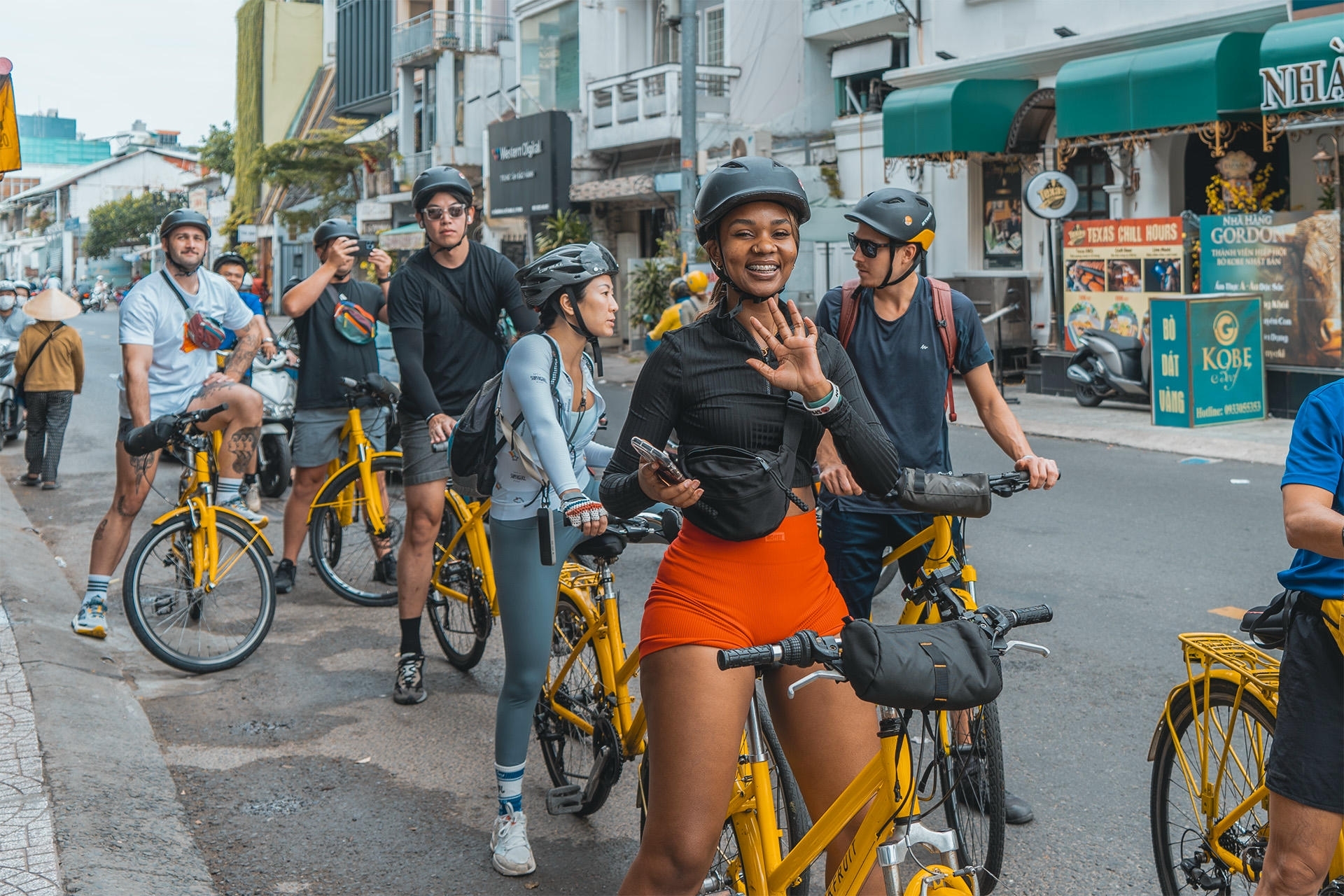
Ho Chi Minh City doesn’t have a bad season. It’s a city, and cities don’t close for rain. July is actually one of the better months to visit because afternoon showers slightly temper the heat, the museums and indoor markets are uncrowded, and the food scene runs at full capacity year-round.
Don’t miss: Skip District 1 for at least one meal. The real Saigon food culture lives in the back alleys of District 4 – small plastic stools, no English menus, dishes made the same way for forty years.
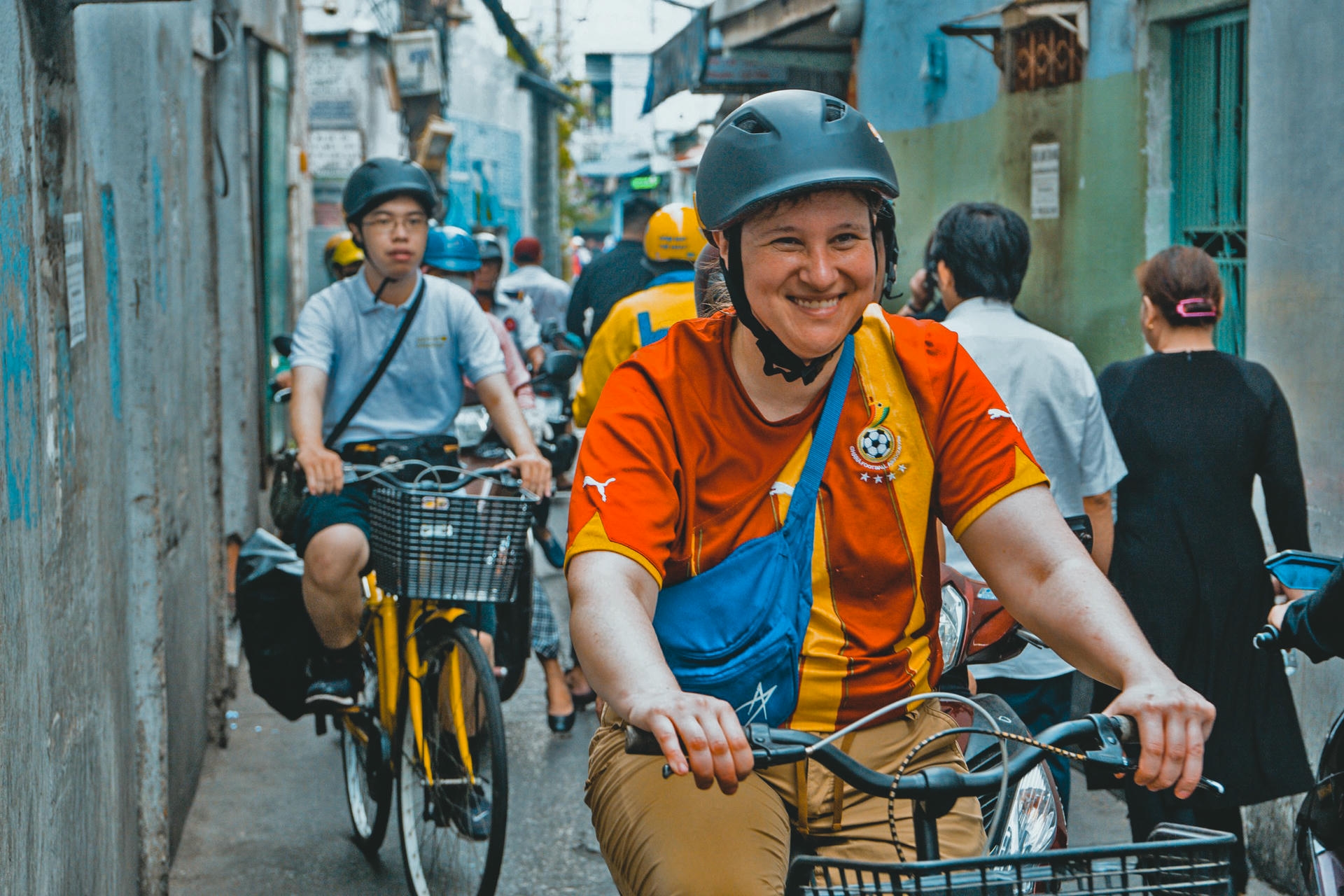
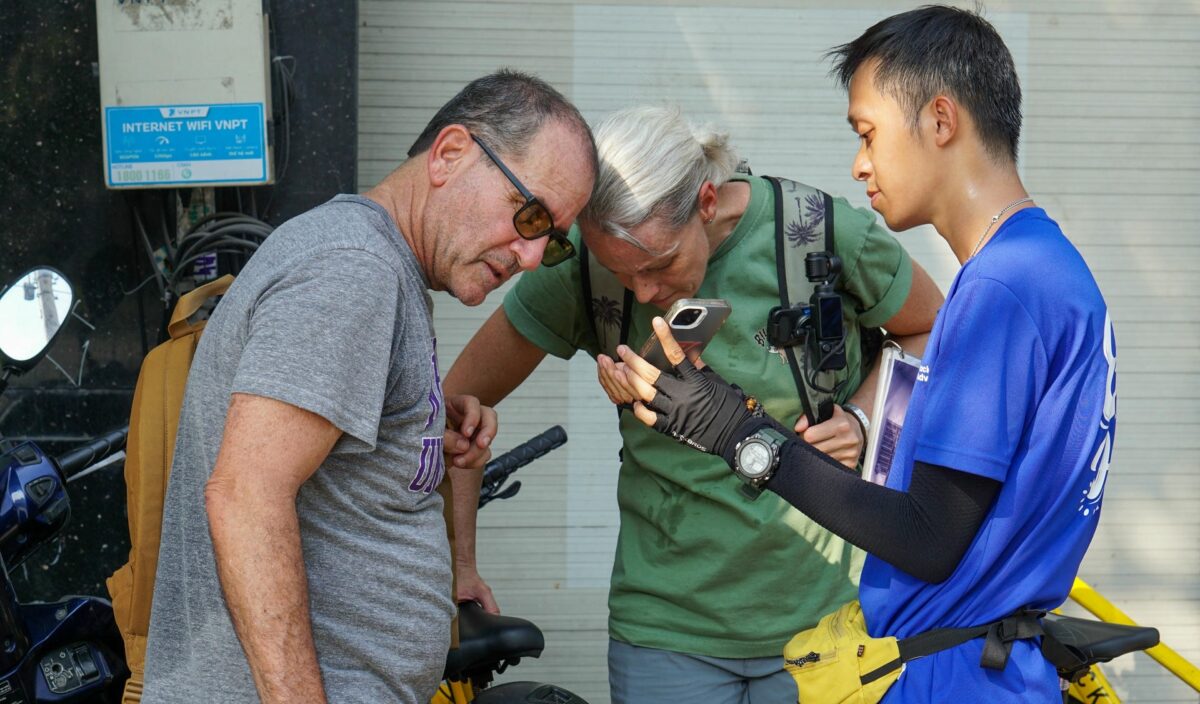
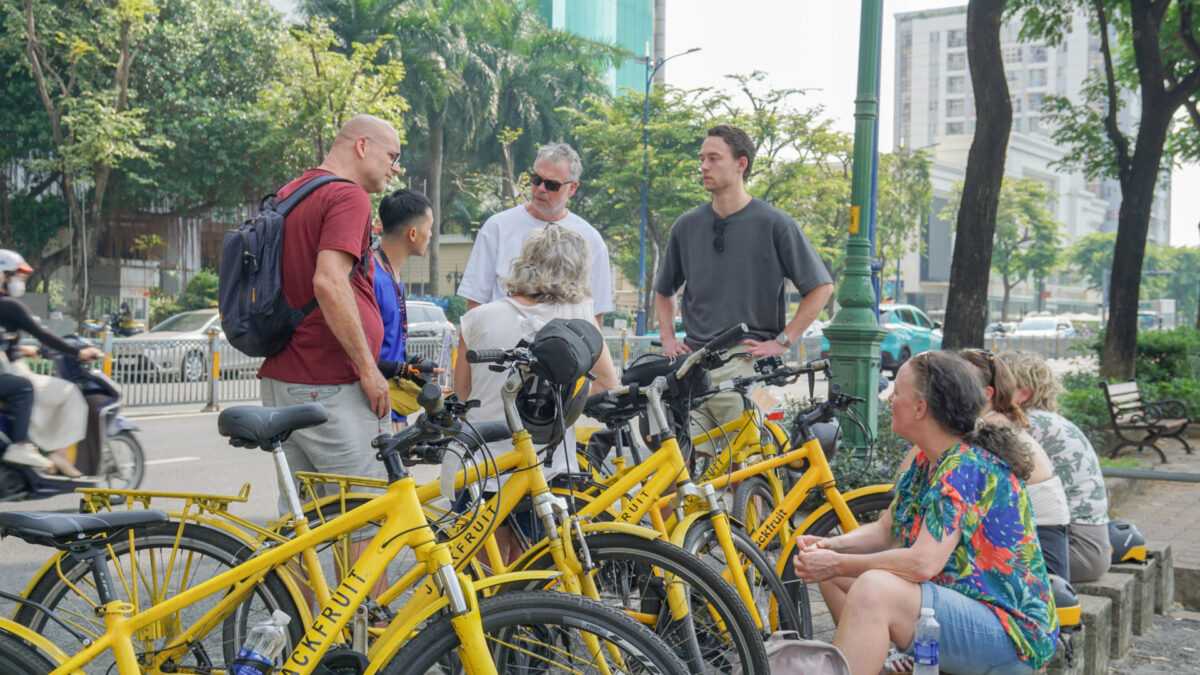
If you want a guided introduction, Jackfruit Adventure’s Hidden Saigon by Night takes you through District 4’s alleyways and night food market by bicycle — a 2-hour ride that most visitors never think to do.
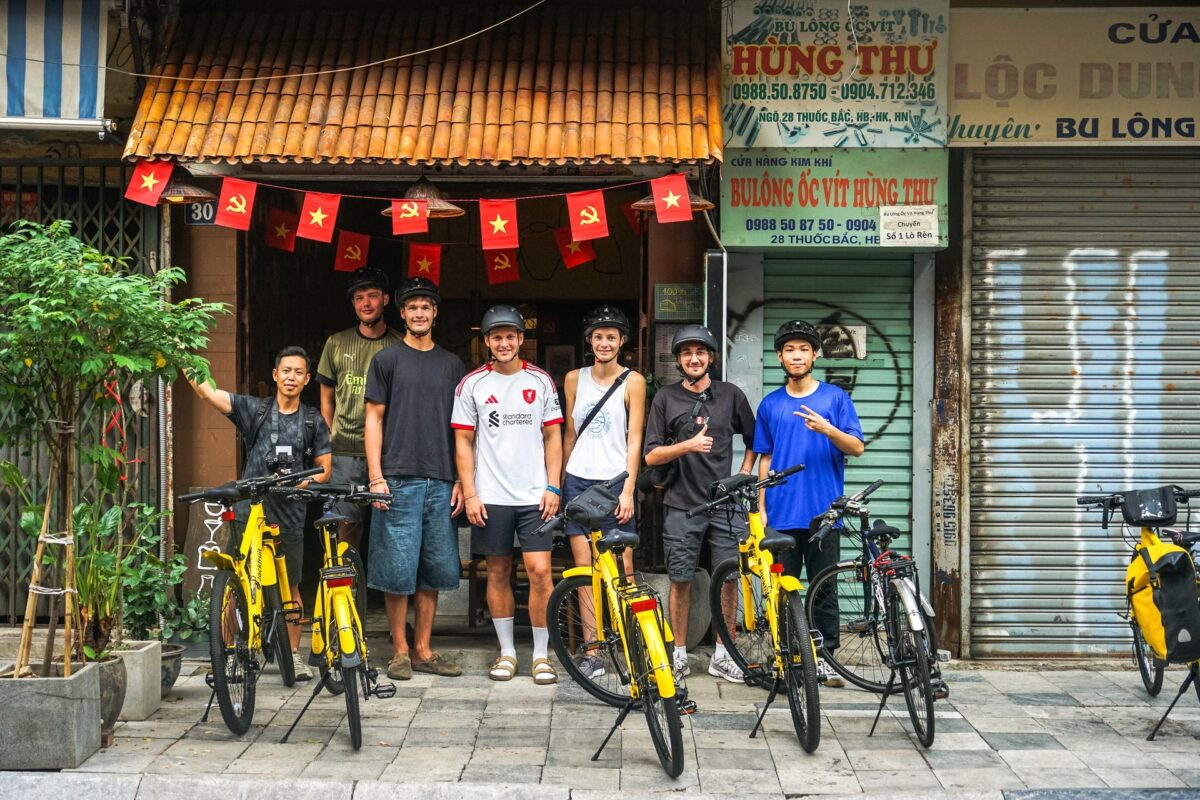
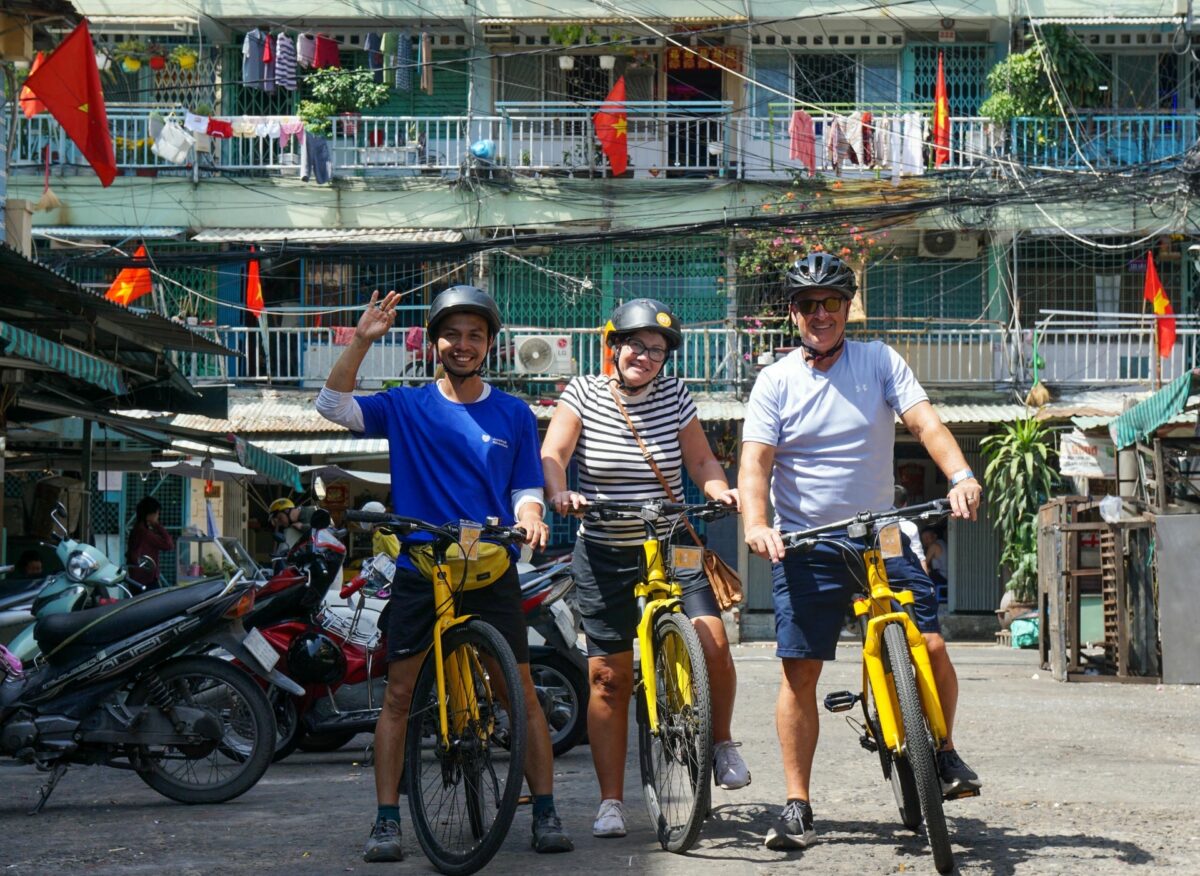
For a longer experience, the Saigon Off-the-Beaten-Path Cycling Tour covers more of the city’s hidden corners over 4–5 hours. Prefer to stay off the bike? The Saigon Cooking Class is another way to get past the tourist menu and into how locals actually eat.
Weather note: Ho Chi Minh City in July averages 28–32°C with rain arriving most afternoons between 2–5 pm, then clearing. Plan outdoor activities and market visits before noon.
8. Mekong Delta
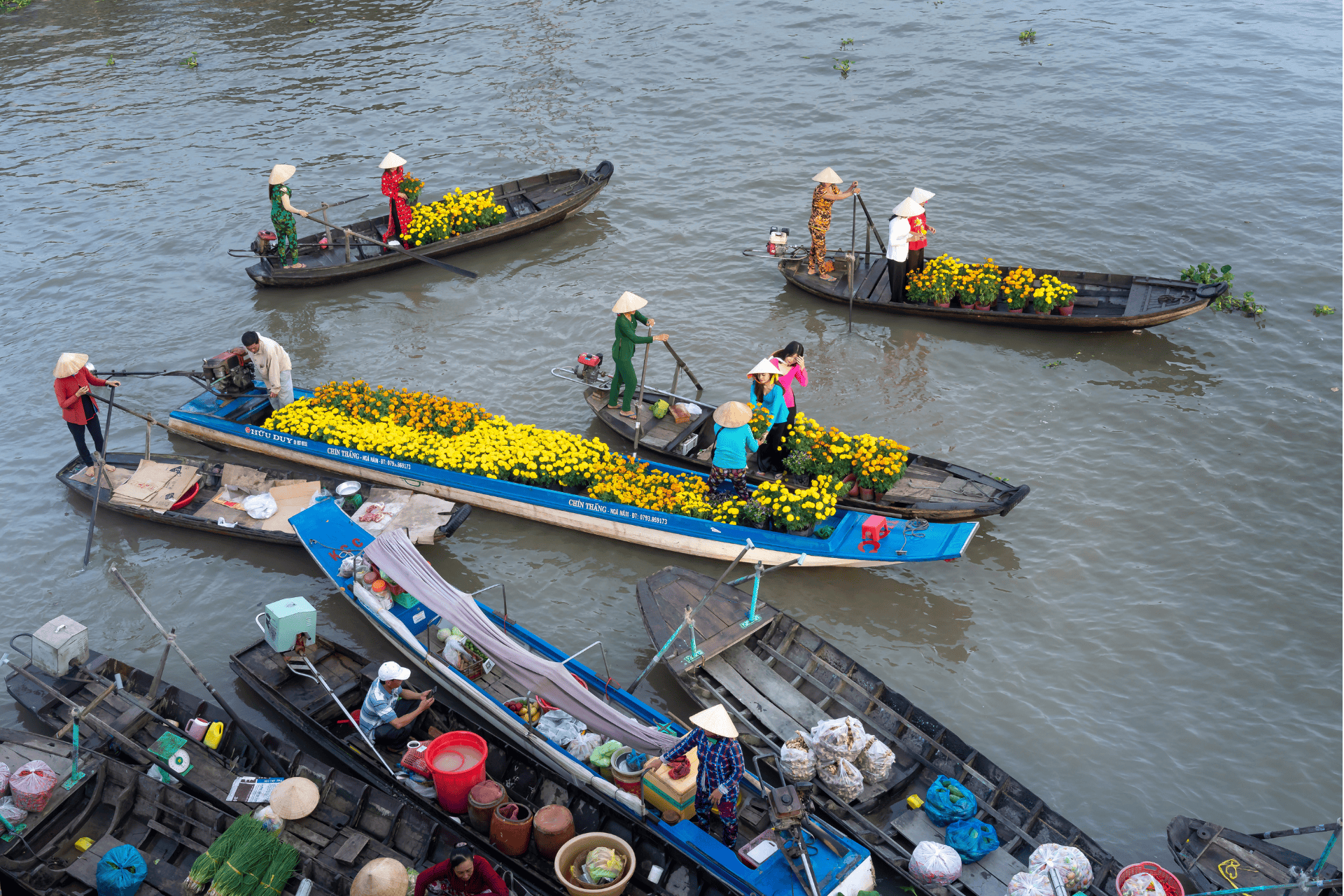
The Mekong Delta in July looks nothing like the dry-season version most travel photos show. The water is high, the rice paddies are flooded and intensely green, and the floating markets are running at full volume as the region’s fruit harvest peaks. It’s the most photogenic and most agriculturally active the delta gets all year, and almost no international tourists come in summer, which means the floating market experience feels genuinely local rather than staged.
If you’re curious about what people in the delta actually eat when the fruit season peaks, this piece on Mekong Delta food culture gives you a more honest picture than most travel guides do.
Don’t miss: Can Tho’s Cai Rang floating market before 6 am, when wholesale traders are moving product between boats. Stay overnight in Can Tho rather than doing a day trip from Ho Chi Minh City.
Weather note: Expect warm mornings and afternoon showers that arrive fast and clear just as quickly; temperatures sit around 27–33°C. The rain actually works in your favor here: it cools things down by evening, just in time for the riverside restaurants to fill up.
Hidden Gems: Beyond the Tourist Trail
The two destinations below require a little more planning to reach than the rest of this list, but if you’re serious about where to travel in summer and want experiences that most visitors never find, that extra effort is exactly the point.
9. Con Dao

July is the single best month to visit Con Dao, not because of the beaches, though those are genuinely among Vietnam’s finest, but because of what happens on them after dark. Leatherback and green sea turtles come ashore every night from May through October to lay eggs, and July sits at the peak of nesting season. Con Dao National Park runs guided night watches that take small groups to observe nesting turtles up close, one of the more quietly extraordinary wildlife experiences available anywhere in Southeast Asia.
Don’t miss: Book a turtle-watching night tour through Con Dao National Park directly; spots are limited and fill up weeks in advance in July. Rangers lead groups to active nesting sites after 9 pm, and the protocol is strict: no flash photography, no noise, red-light torches only. If a turtle is actively nesting when you arrive, you may spend an hour watching the entire process. It’s the kind of experience that doesn’t translate well to photos, which is part of what makes it worth doing.
Weather note: Con Dao is one of the few places in southern Vietnam where July weather actually works in your favor: less rain than on the mainland, calm seas on the eastern side, and snorkeling conditions around Ba Lai and Dam Tre Bay at their clearest. For anyone still deciding where to travel in summer and wanting both wildlife and beach in one destination, Con Dao in July is a strong answer.
10. Phu Yen
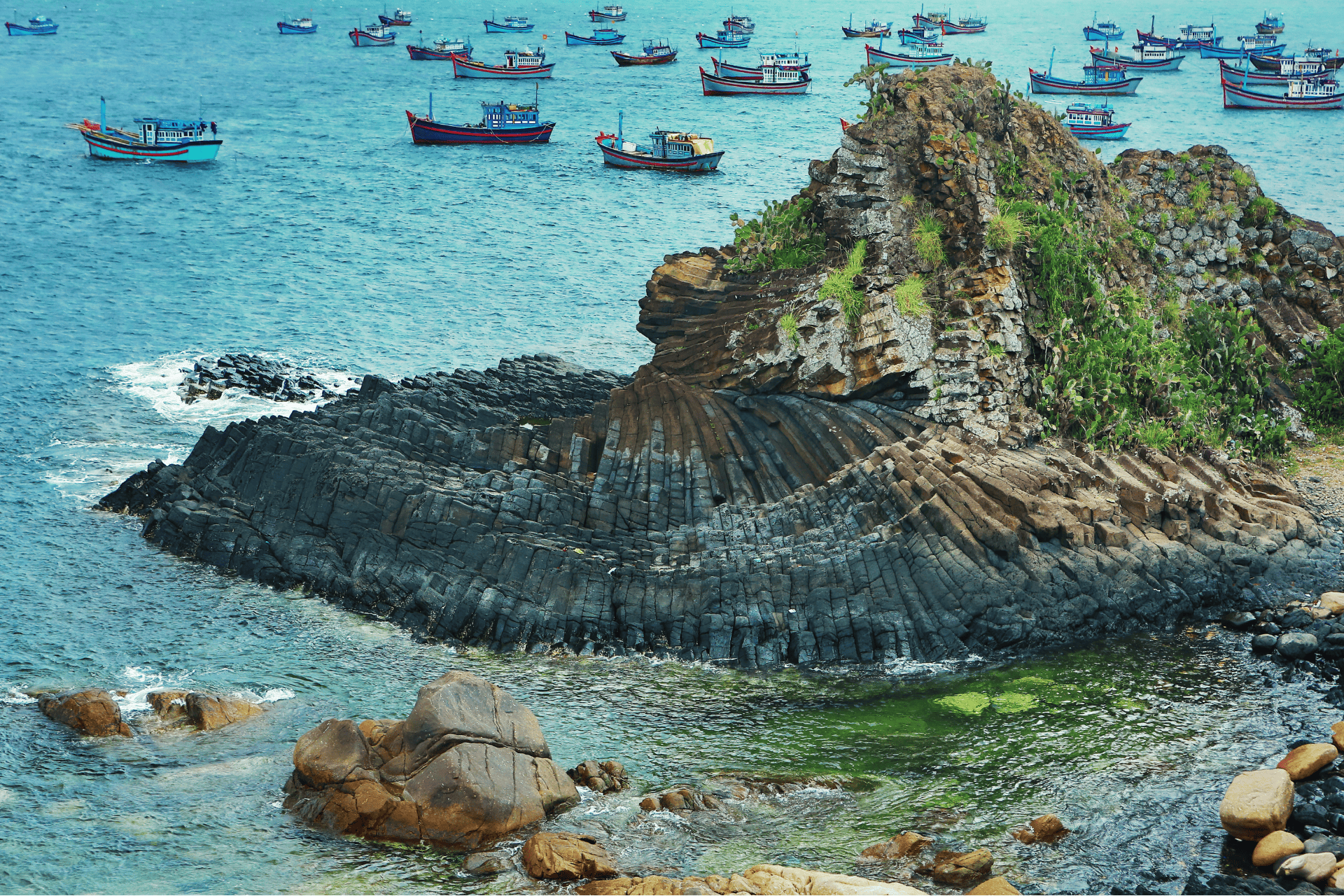
Phu Yen is one of those places that keeps coming up when travelers ask where to travel in summer in central Vietnam, and then keeps getting skipped anyway. It became briefly famous after a Vietnamese film was shot at Ghenh Da Dia – the basalt rock formation on the coast that looks like it belongs in Iceland rather than central Vietnam. Then the attention moved on, and Phu Yen went back to being a quiet fishing province that most international visitors drive straight through on the way between Quy Nhon and Nha Trang.
Don’t miss: Ghenh Da Dia at sunrise, before the domestic tour buses arrive. The hexagonal basalt columns run directly into the surf – at high tide in summer, waves break across the formation in a way that makes it look entirely unlike any other beach in Vietnam. Get there by 5:30 am, and you’ll likely have it to yourself for the first hour. From there, drive north to Mui Dien, Vietnam’s easternmost point, for a perspective on the coastline that almost no travel itinerary includes.
Weather note: Phu Yen benefits from the same geographical shelter as Quy Nhon – mountains to the west buffer the province from the worst of the southwest monsoon. July is largely dry and sunny, with temperatures around 29–32°C.
Tips for Traveling in Vietnam in the Summer
- Pack for rain, not just heat. A compact rain jacket matters more than sunscreen in the north and south. Lightweight, quick-dry fabrics are more practical than cotton; you’ll be glad when you’re caught in a Saigon downpour at 3 pm and dry again by 4 pm.
- Book northern destinations early. Sapa and Ha Giang are at peak season for domestic tourists in July. Guesthouses on popular trekking routes and homestays in the Ha Giang loop fill up weeks in advance. Don’t assume you can book on arrival.
- Take the overnight train at least once. The Reunification Express between Hanoi and Ho Chi Minh City stops at Da Nang, Quy Nhon, and Nha Trang. A soft sleeper berth costs a fraction of a flight, saves a night of accommodation, and you arrive rested. For the Ha Giang or Sapa routes, overnight buses from Hanoi are the standard local option.
- Eat what’s in season. Summer is when Vietnam’s tropical fruit peaks: mangosteens, rambutans, and lychees in the north; fresh coconut and dragon fruit in the south. It’s also the best time for seafood along the central coast, when fishing conditions are good, and catches are landed daily. On hot afternoons, locals cool down with Vietnamese ice cream and traditional desserts that you won’t find on most tourist menus, and if you want to go deeper into how Vietnamese food actually changes with the seasons, canh chua – the sour soup that appears on almost every summer table in the south, is a good place to start.
- Understand the regional differences before you go. Vietnam is more culturally and culinarily diverse than most visitors expect: food, dialect, architecture, and even social norms shift noticeably as you move from south to north. This guide to the differences between North and South Vietnam is worth reading before you finalize your itinerary; it’ll change how you interpret what you see on the ground.
- Learn a little before you land. Summer is peak season for cultural misreads, tourists who dress for the beach in a pagoda, or eat with chopsticks the wrong way at a family table. A basic grounding in Vietnamese culture and customs goes a long way toward making interactions feel genuine rather than transactional, and locals notice the effort.
FAQs About Where to Travel in Summer: 10 Best Places in Vietnam
Ready to Travel Vietnam This Summer?
Vietnam doesn’t run short of things to do in summer — it just rewards travelers who know where to look. Whether you’re trekking green rice terraces in Sapa, watching turtles nest on Con Dao at midnight, or eating your way through a District 4 alley in Ho Chi Minh City, knowing where to travel in summer makes all the difference between a frustrating trip and an unforgettable one.
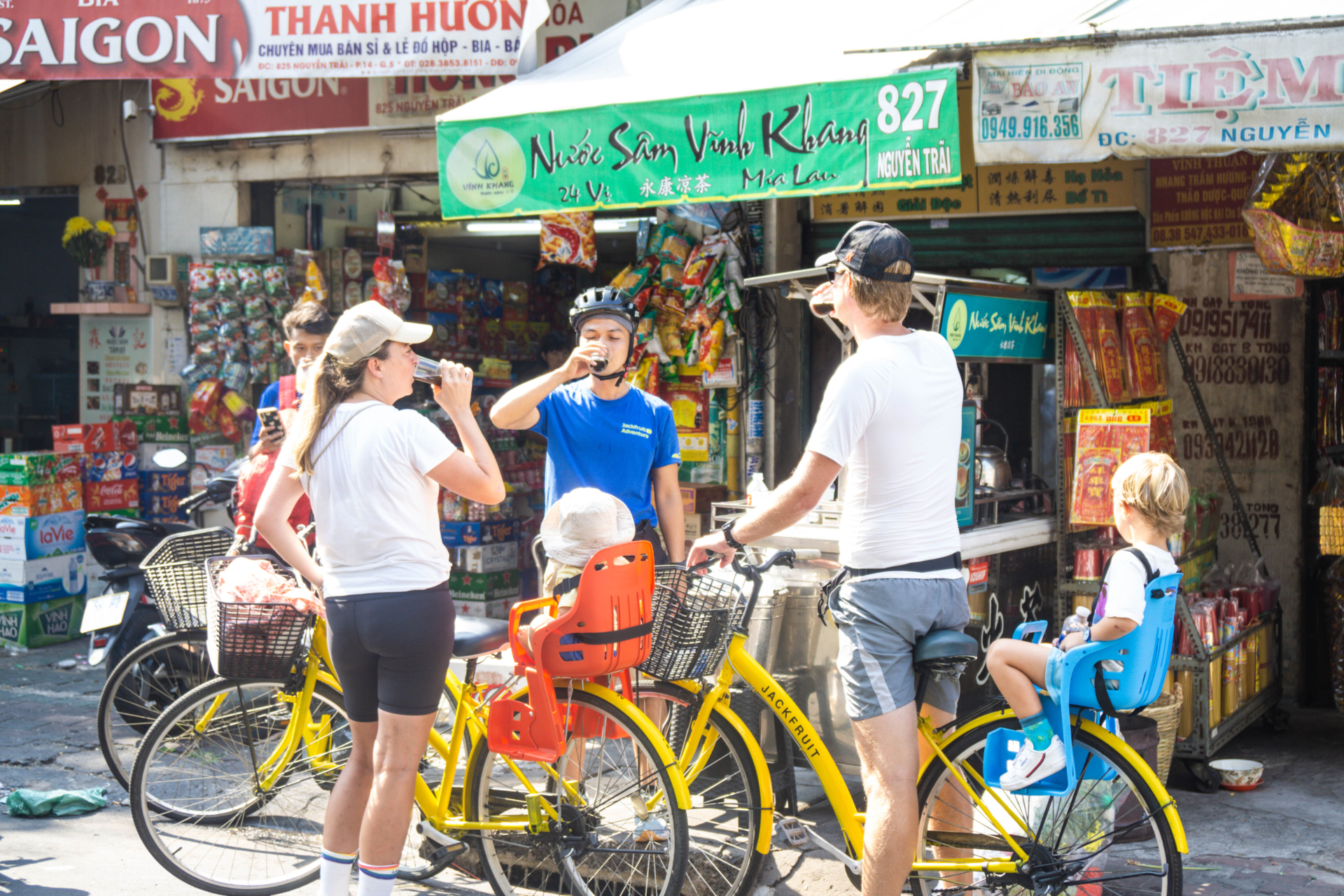
If you’re starting your trip in Saigon and want to see the city the way locals actually move through it, Jackfruit Adventure’s Saigon Off-the-Beaten-Path Cycling Tour is a good place to begin. Over 4–5 hours, you’ll pedal through District 4’s back alleys, Cholon’s Chinatown, and quieter streets in District 10 — the kind of route that doesn’t appear on any tourist map and is difficult to navigate without someone who knows it.