

Table of Contents
Travelling to Vietnam from Australia in 2026 is easier than ever. Direct flights from major Australian cities take around 8-10 hours; many travellers can apply for a convenient Vietnam e-visa before departure, and Vietnam remains one of Southeast Asia’s most affordable destinations for Australian visitors. Whether you’re planning a short holiday or a longer adventure, you’ll find plenty of flight options, diverse experiences, and excellent value for your budget.
This guide covers everything you need to plan your trip from Australia to Vietnam, including visa requirements, flight routes, travel costs, the best time to visit, suggested itineraries, and practical tips to help you travel with confidence in 2026.
The Ultimate 2026 Guide to Traveling to Vietnam from Australia
1. Timing Your Trip: The best weather windows for travelling to Vietnam from Australia
When planning a holiday to Vietnam from Australia, mapping your trip around the local weather makes all the difference. Because the country is shaped like a long, narrow “S”, the climate splits into completely different zones from North to South. Here is how to line up your calendar perfectly:
- Northern Vietnam (Hanoi, Sa Pa, Halong Bay): March to April or October to November. The temperature is gorgeous, not too hot, not too cold, and it’s the dry season.
- Central Vietnam (Hoi An, Da Nang): February to April. Expect pleasantly warm temperatures and very little rain.
- Southern Vietnam (Ho Chi Minh City, Mekong Delta): December to April. This is the dry season, meaning glorious sunshine perfect for outdoor exploring.
If you are travelling with kids during the Easter Holidays (March/April), you’ve hit the absolute sweet spot. This 2-week window is the nationwide “shoulder season”; the weather is brilliant from Hanoi down to Saigon, and prices haven’t skyrocketed.
If you come during the winter holidays (late June to mid-July) to save money on flights, be prepared for midday downpours in the south. We adjust our cycling tours during this time to start strictly at 7:00 AM so our guests are back resting with an iced coconut coffee before the heavy afternoon rains hit.
Want to avoid the crowds and save serious cash? Come between May and early September. It’s the low season for Western tourists, so luxury resorts drop their prices significantly.
2. E-Visa Requirements: How Australian citizens can skip immigration queues
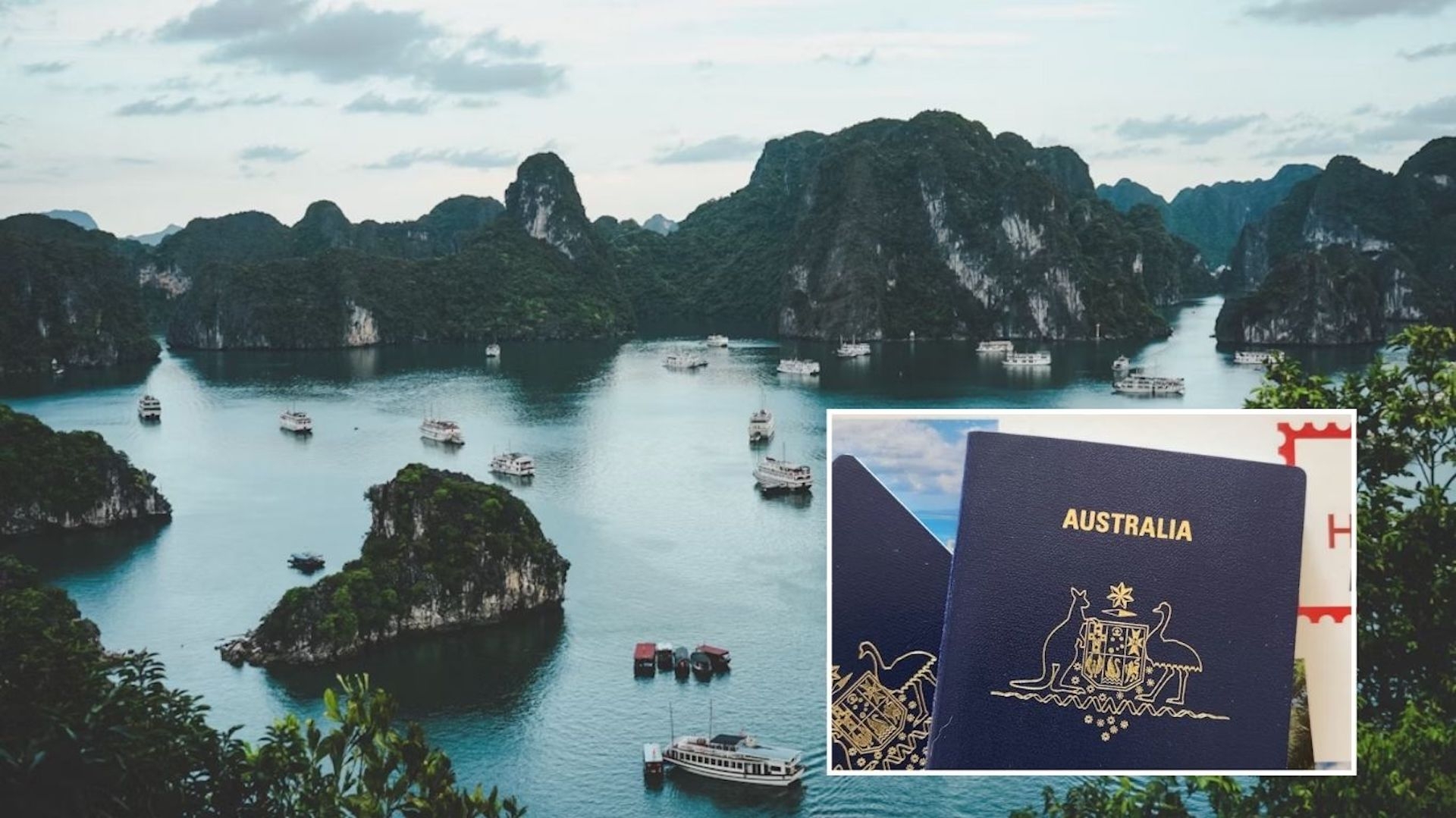
Getting your entry paperwork sorted for Vietnam from Australia is entirely stress-free, with no need to visit an embassy. Australian passport holders must apply directly through the official government e-visa portal.
- Validity: Up to 90 days (available for both single and multiple entries).
- Cost: USD 25 for a single entry; USD 50 for multiple entries (paid securely online).
- Processing Time: Usually takes about 5 working days. They will email you a PDF file; just print it out, bring it along, and head straight to the immigration counter. No stamping fees or paperwork needed upon arrival!
- Just a heads-up: Ensure your passport is valid for at least 6 months from your arrival date.
The immigration queues at Tan Son Nhat Airport (Saigon) and Noi Bai Airport (Hanoi) can be chaotic for families arriving after a long flight. Always print out two physical copies of your E-visa PDF per family member.
Sometimes local officials ask for a backup copy, and having it ready saves your group from being sent to the back of the queue. Also, ensure your passport has at least 6 months of validity left from your landing date.
3. Flight and Accommodation Budgets for Vietnam from Australia
Keeping an eye on expenses is pretty straightforward if you know the baseline costs.
- Return direct flights from Sydney, Melbourne, or Brisbane usually sit around AUD $760 to $900 if you book roughly 3 months out.
- For stays, you can easily mix it up between cozy local homestays at AUD $28 a night and central boutique hotels for around AUD $70, depending on your group’s vibe.
For groups of friends or families of 4 or more from Brisbane or Sydney, we always recommend booking traditional French-colonial villa rentals on Airbnb in Hanoi’s Ba Dinh district rather than separate hotel rooms. Not only does it cut your accommodation cost down to about AUD $45 per person/night, but it also gives your group a private central courtyard to enjoy a local Bia Hoi together at the end of the day.
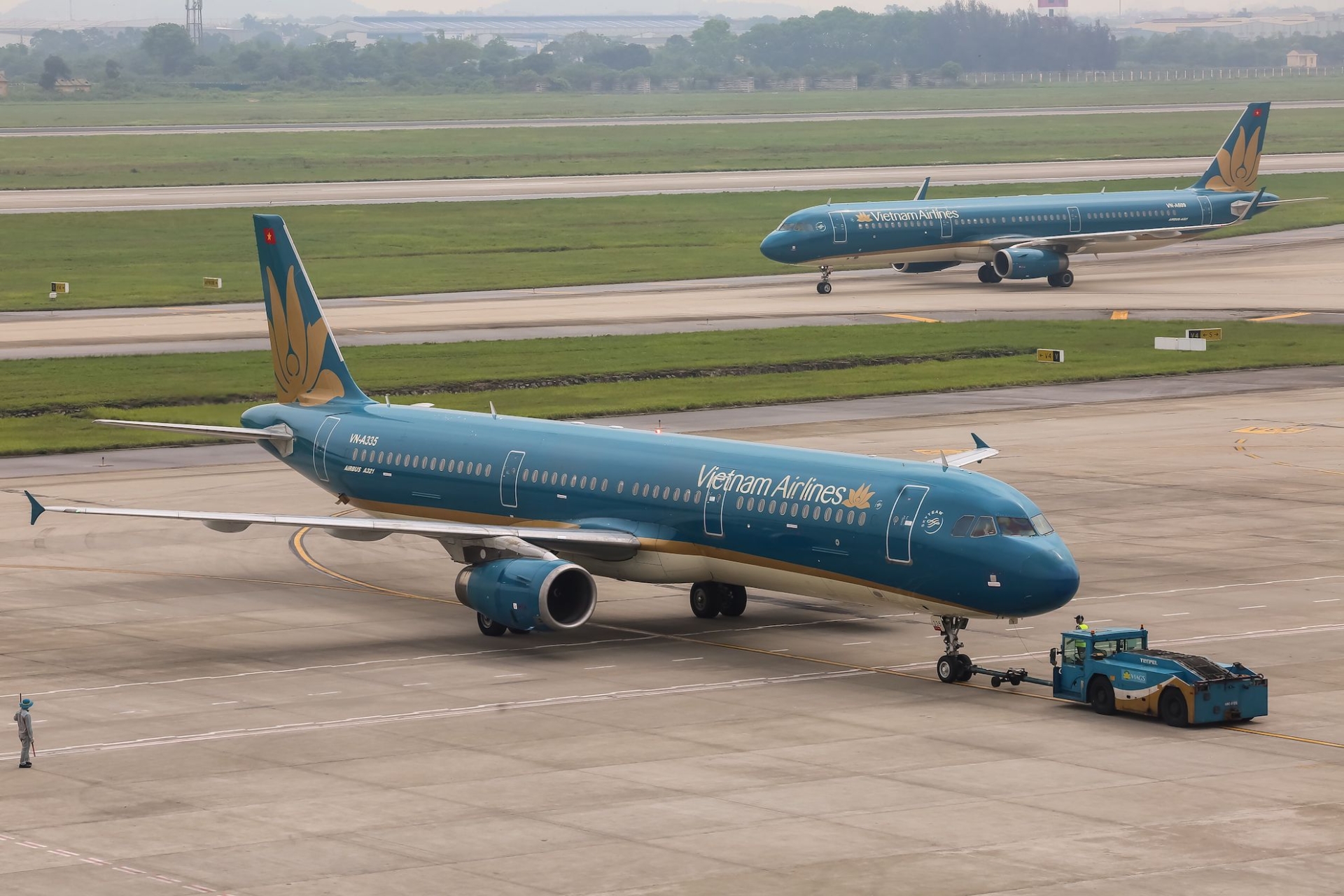
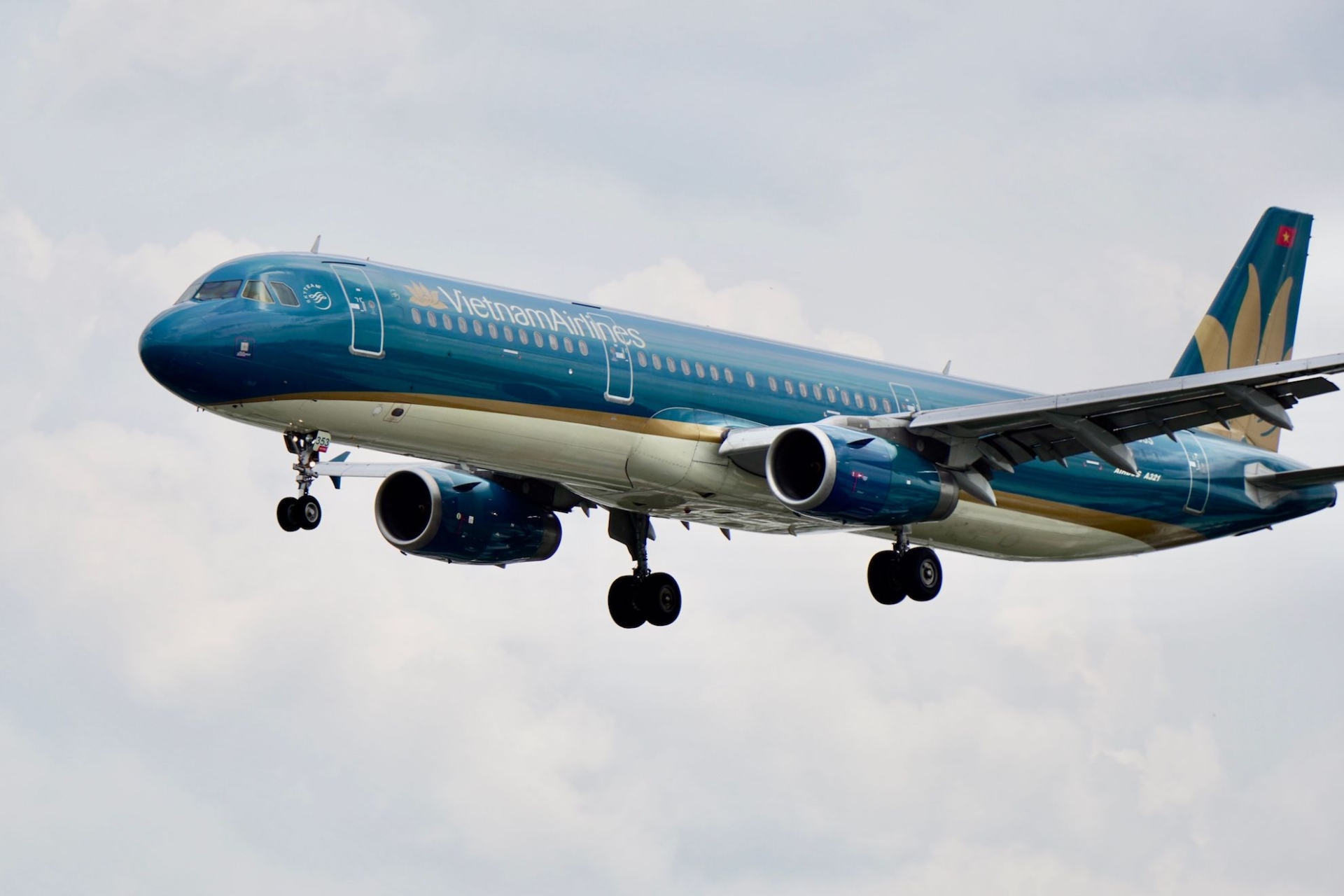
To hunt for the best direct routes or quick transits from major hubs like Sydney or Melbourne, you can easily compare options across popular airlines like Vietnam Airlines, Jetstar, Qantas, and Vietjet Air.
4. The 15-Day Route: A realistic itinerary for a trip to Vietnam from Australia
This 15-day route lets you experience how the landscapes and culture shift from North to South without spending your entire holiday stuck in transit.
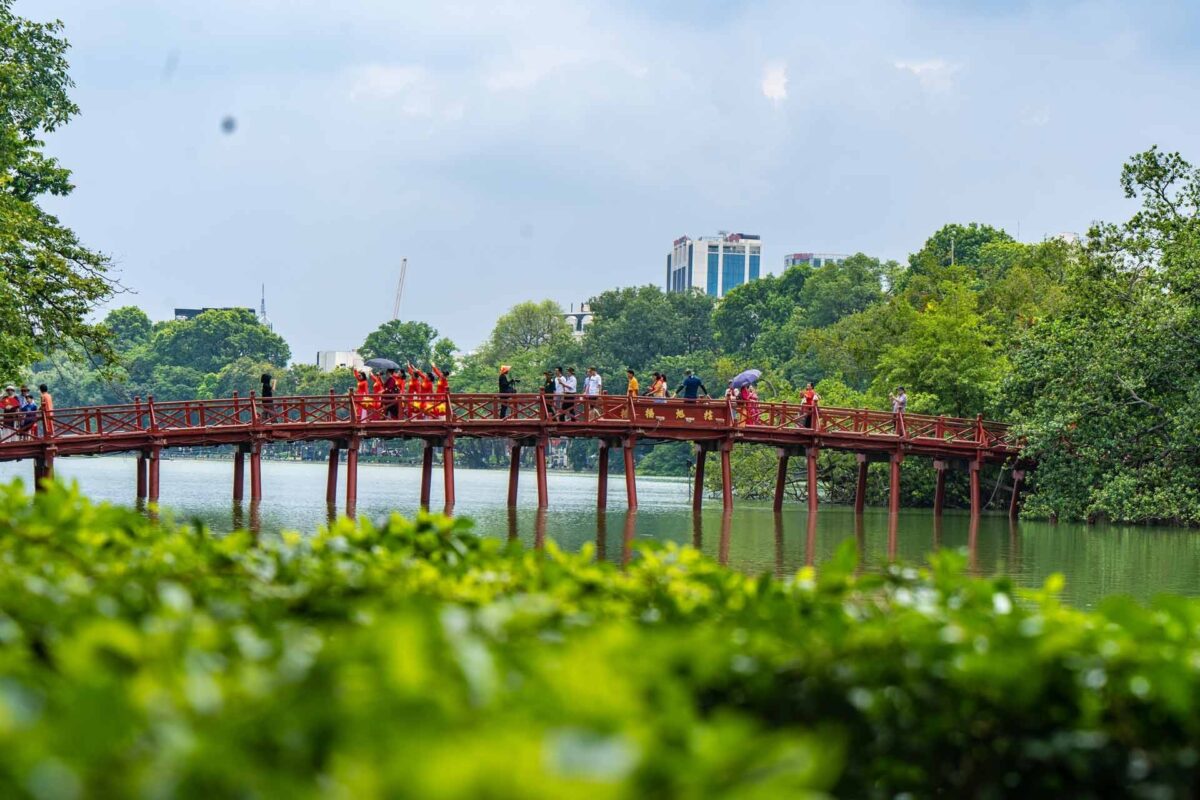
- Days 1–7 (The Cultural North): Kick off in Hanoi with a bowl of hot pho in the Old Quarter, row between the massive cliffs in Ninh Binh, head up to Sa Pa for a mountain trek, and unwind with an overnight cruise around Halong Bay.
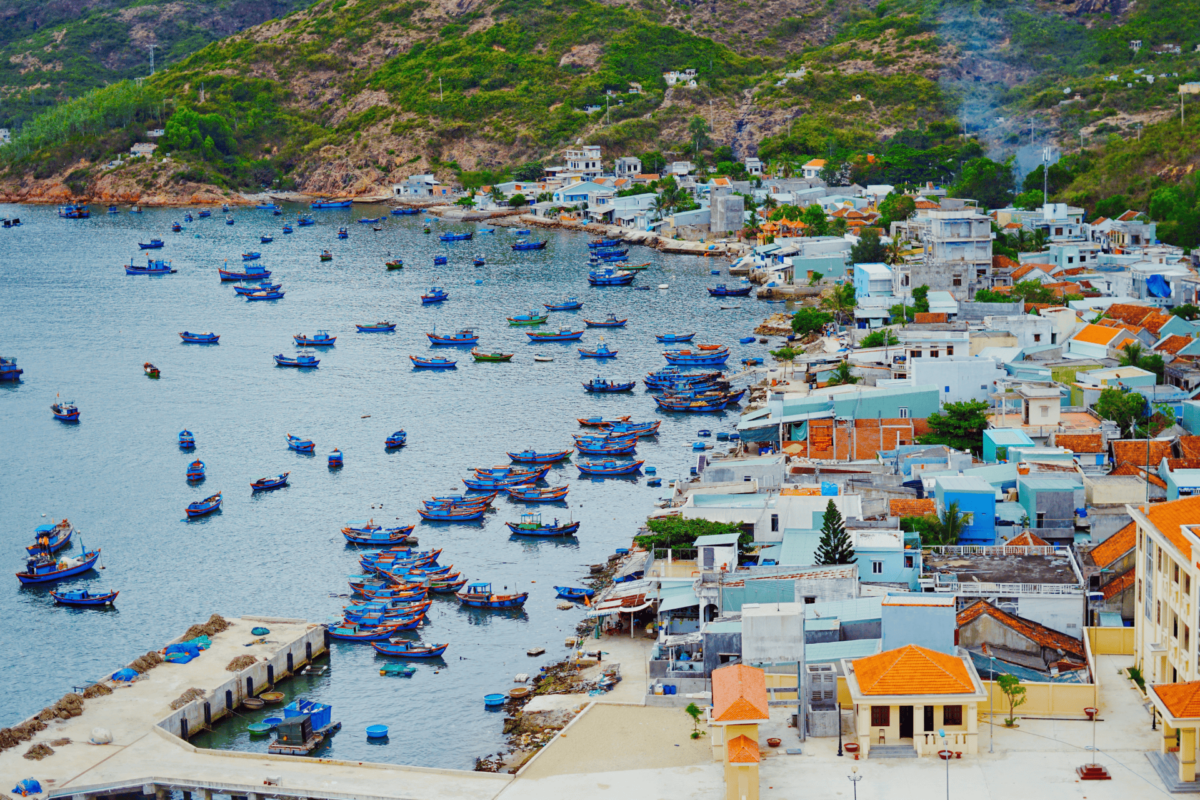
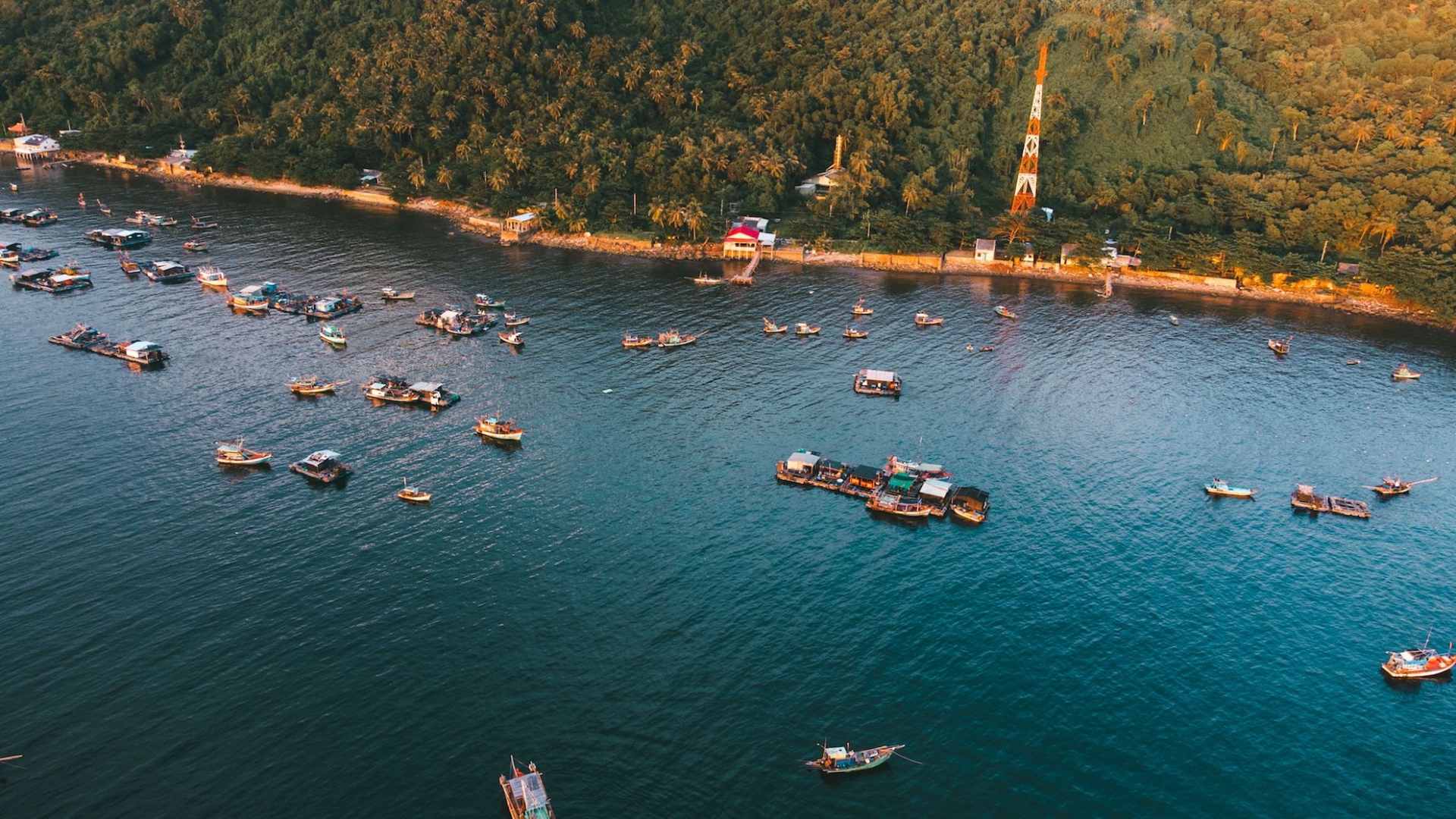
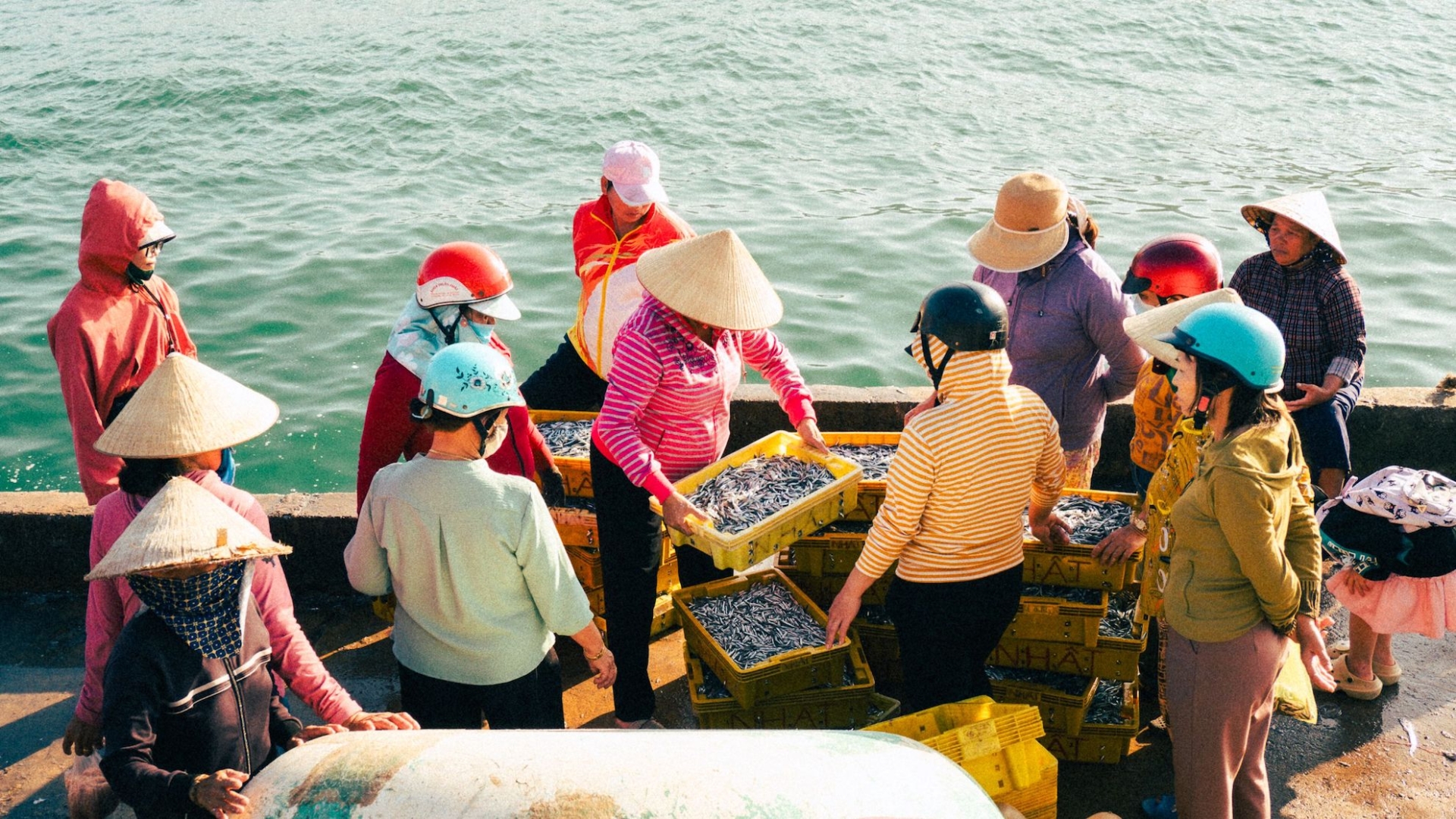
- Days 8–11 (The Coastal Center): Slow down in Hoi An. You can cycle past the old yellow-walled shops, check out the Golden Bridge in Ba Na Hills, and spend a quiet morning watching local fishermen haul in their early catch along the Central Coast before hitting An Bang Beach for the afternoon.
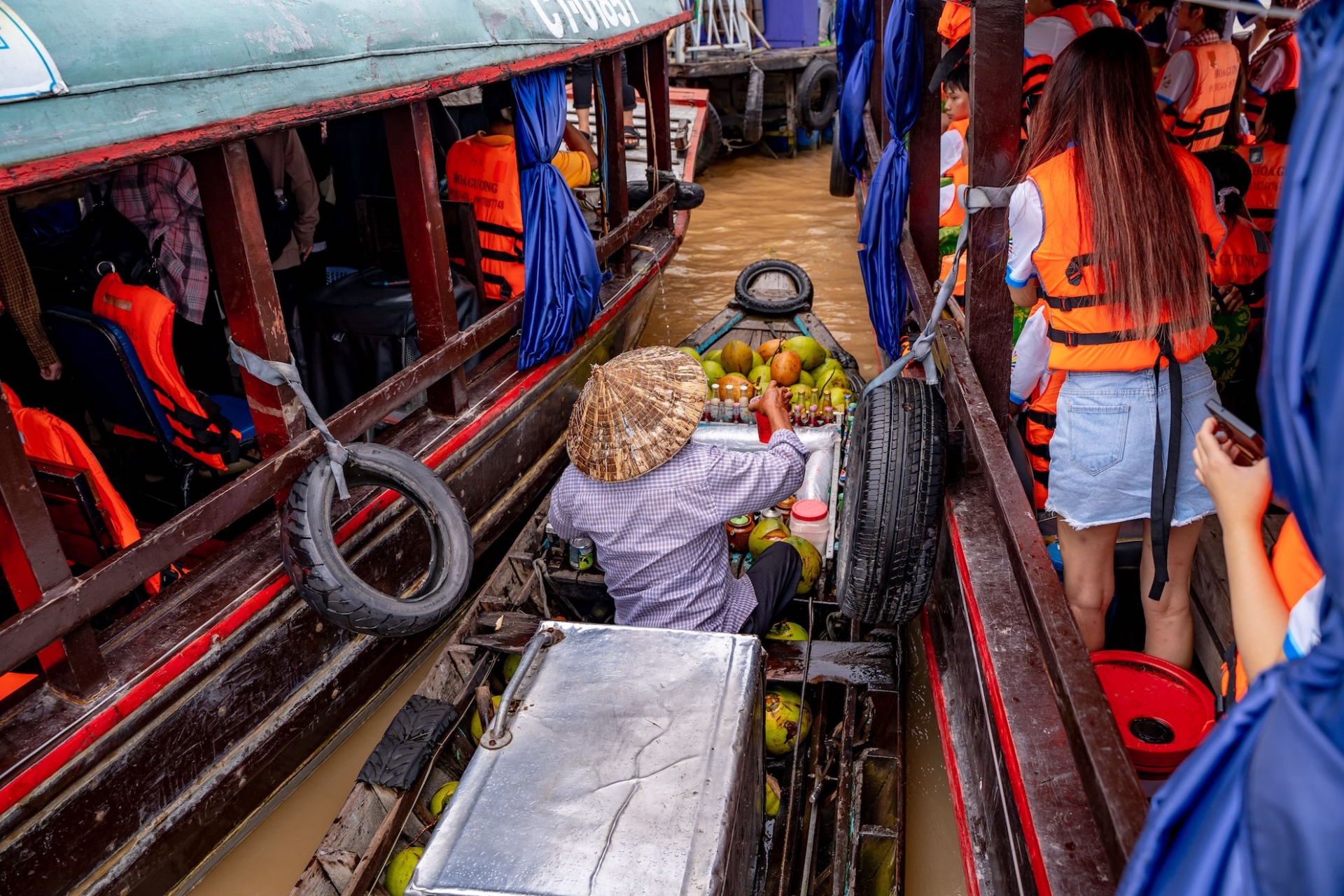
- Days 12–15 (The South): Fly into Ho Chi Minh City to explore the Cu Chi Tunnels, then take a day trip down to the Mekong Delta to catch the noisy, early-morning trade at a traditional floating market.
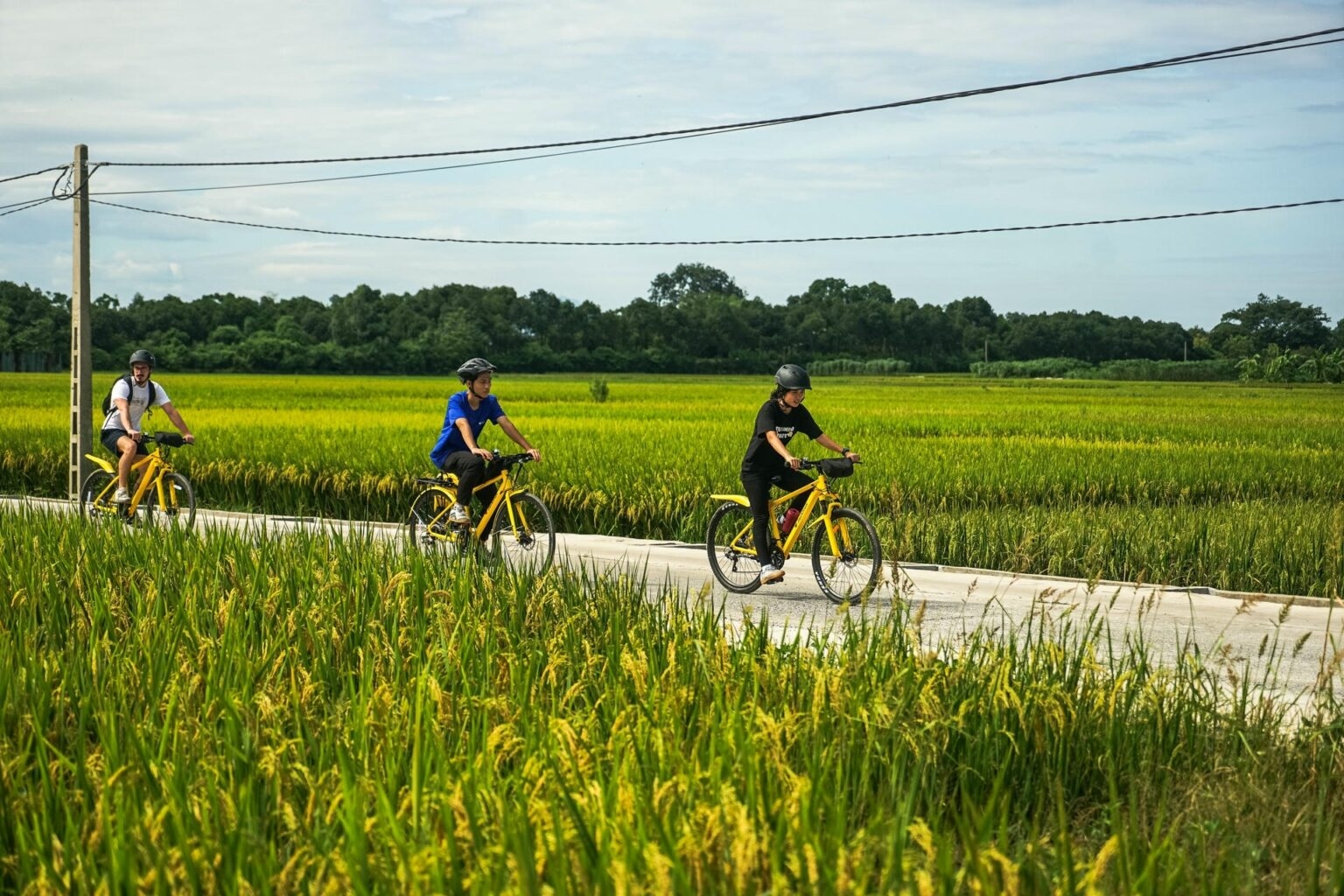
On Day 14 in the Mekong Delta, we completely skip the commercial tourist boat piers at My Tho. Instead, we drive our guests 45 minutes further into the countryside to Ben Tre. We hop on bicycles at 8:30 AM to catch the local coconut-processing workshops while the workers are still active, giving Australian travellers a raw look at river life completely free of souvenir stalls.
5. Australian Biosecurity Warning: Navigating souvenir shopping and customs
Vietnam offers incredible shopping, from hand-painted Bat Trang ceramics to tailored linen suits in Hoi An, with prices ranging from AUD $2 to $100. However, Australian travellers face unique rules when heading home.
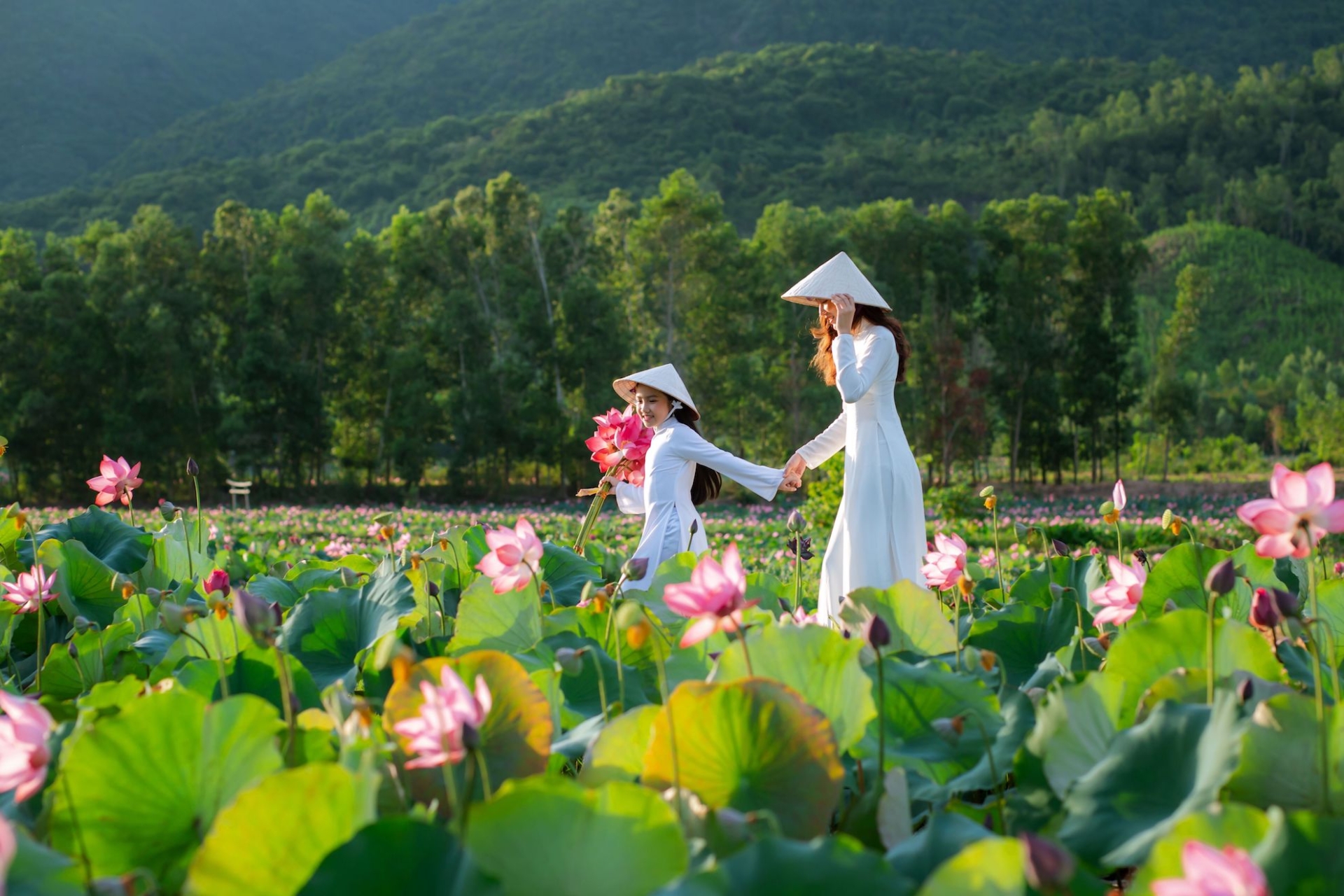
The Australian Border Force (ABF) is famously strict about biosecurity. If you purchase traditional Vietnamese souvenirs like wooden masks, iconic conical hats (nón lá), woven bamboo baskets, or dried lotus seeds, you MUST declare them on your incoming passenger card when landing back in Sydney or Melbourne.
Before you pack your bags, ask the shop owner if the wood or bamboo has been treated. When you clear customs in Australia, simply present the items for inspection. If they are declared, you will not be fined even if the item is confiscated. Failing to declare a bamboo souvenir can result in an instant fine of over AUD $3,000.
Beyond navigating flight logistics and customs, the best way to truly connect with this country is by stepping off the tourist trail. If you want to dive straight into the authentic daily rhythm of Hanoi or Saigon, come explore the hidden corners with us.
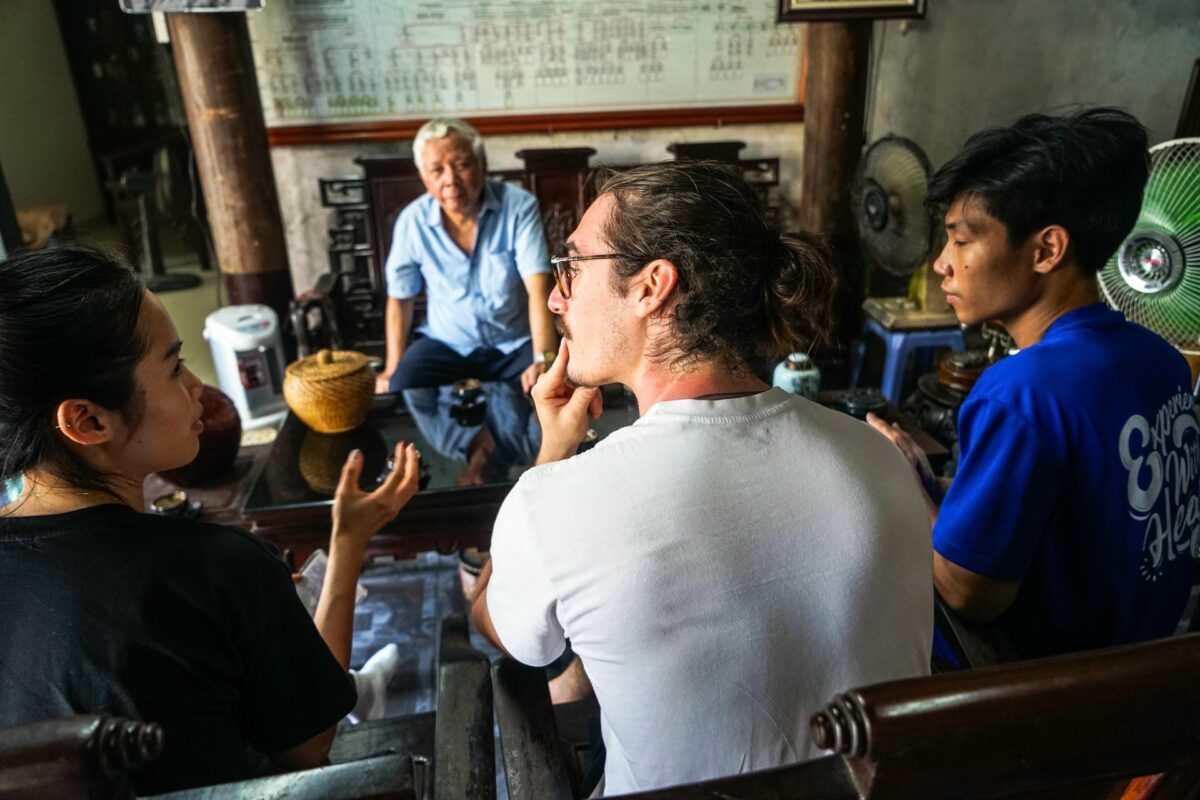
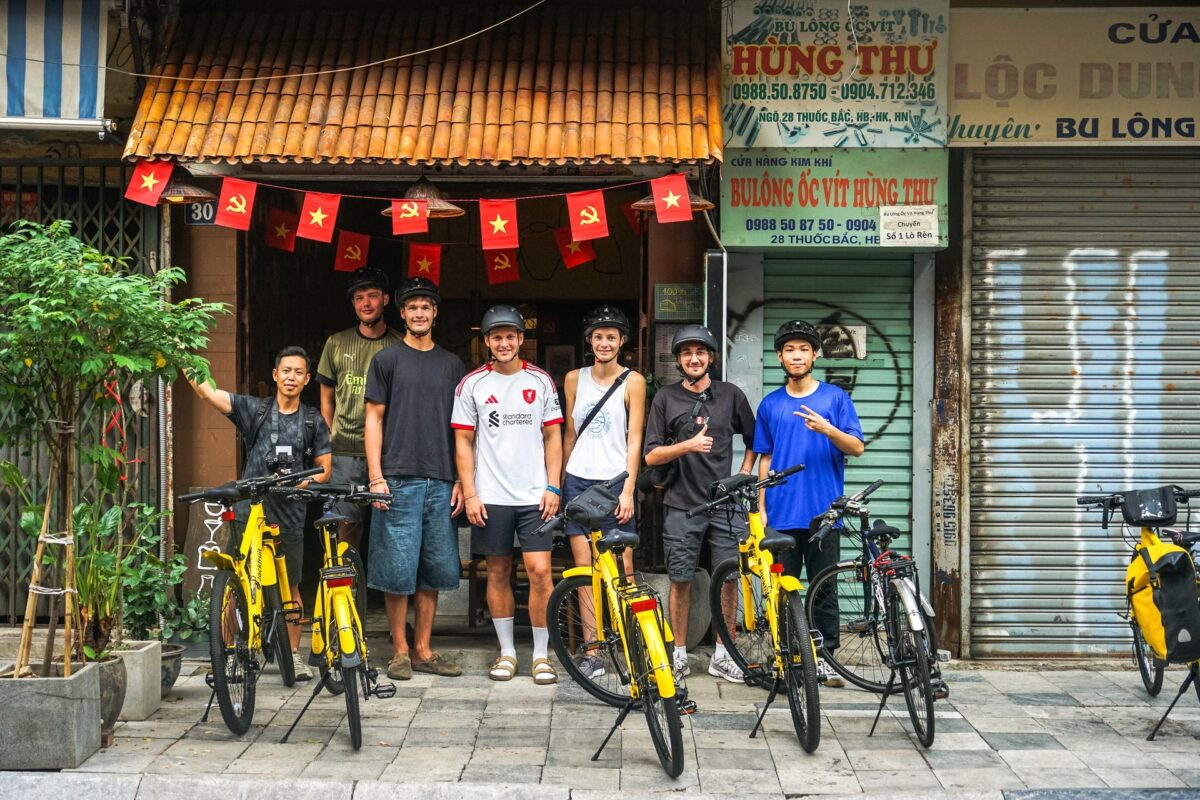
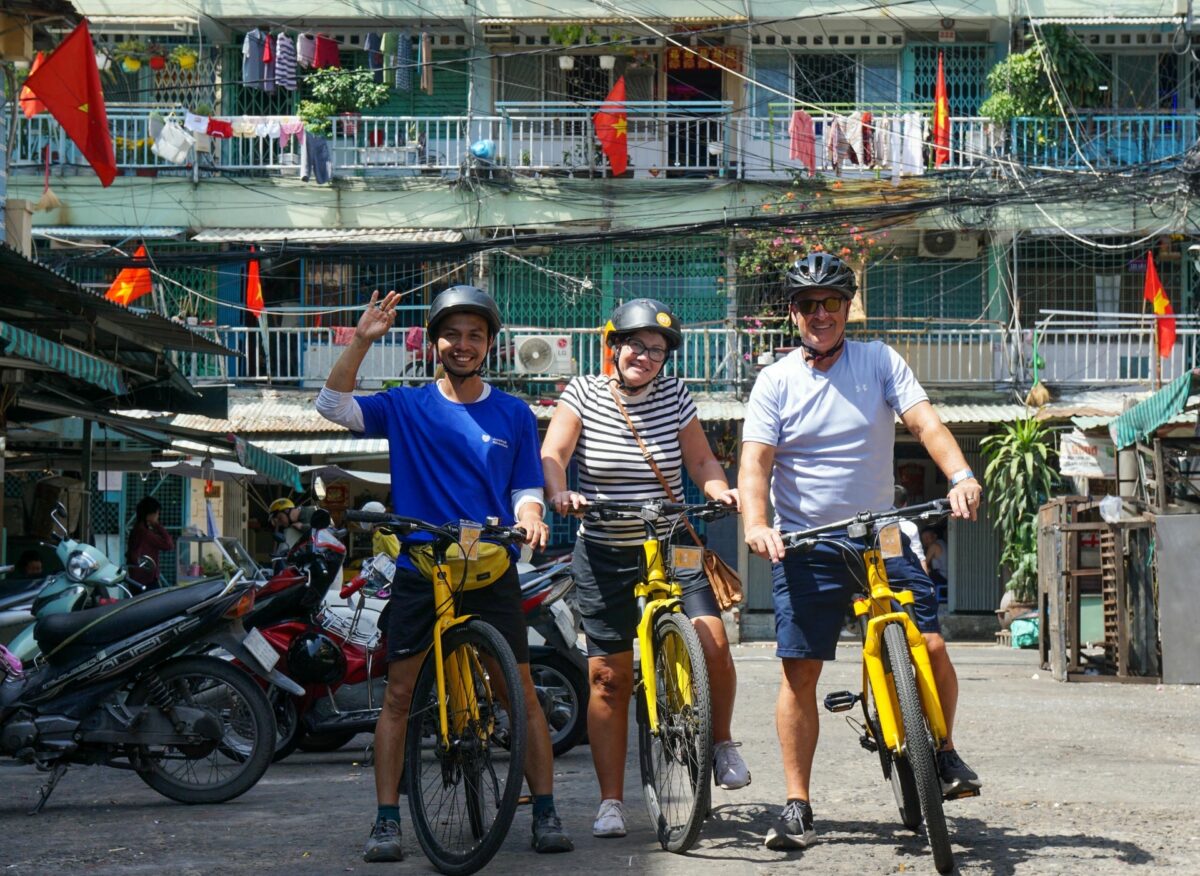
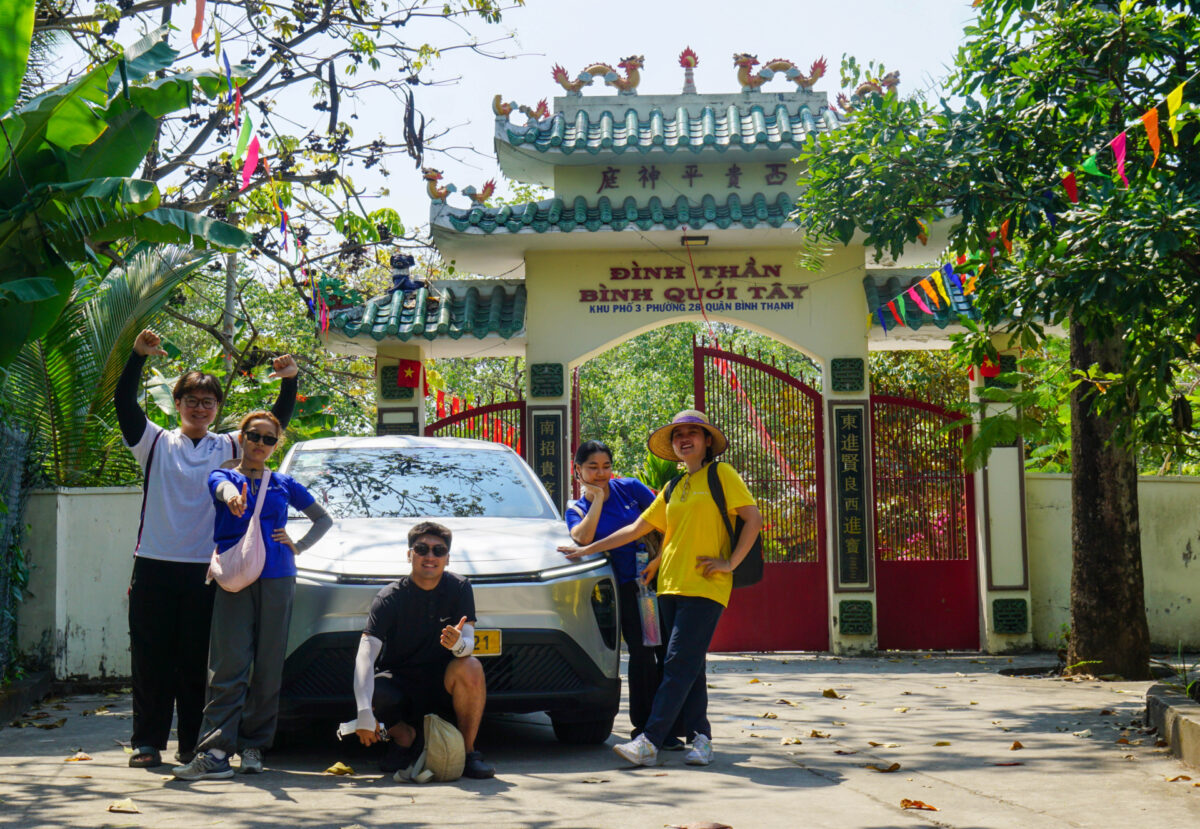
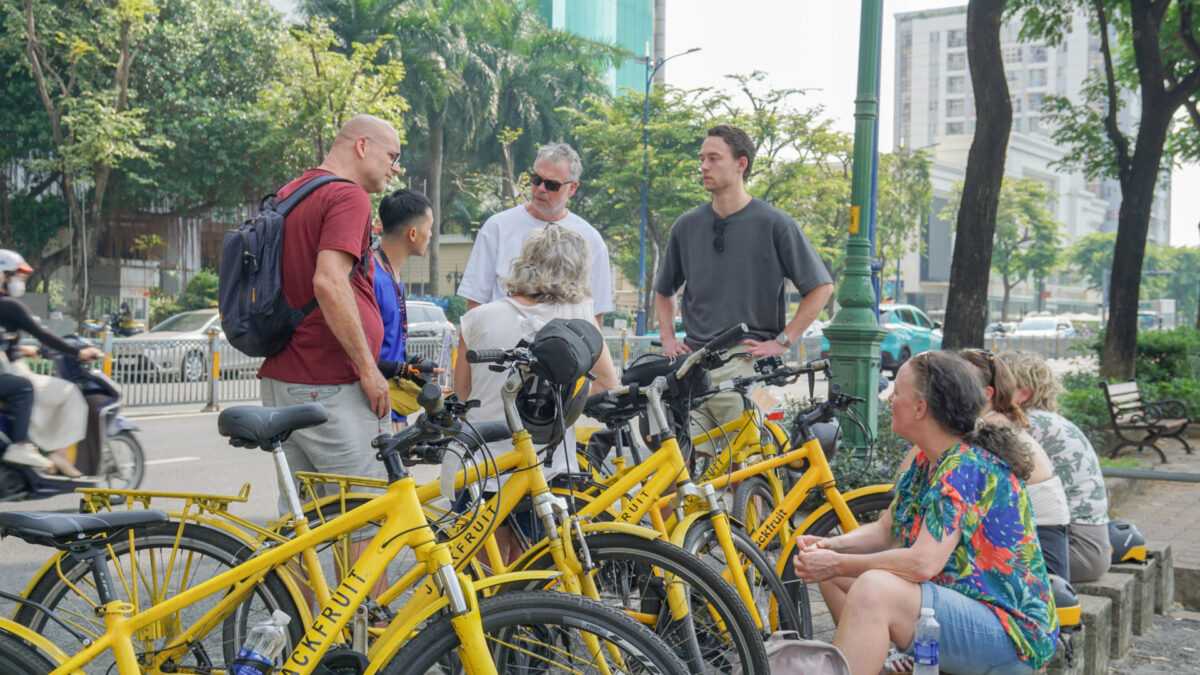
At Jackfruit, we design immersive cultural tours using bicycles, e-motorbikes, and e-cars to weave through local neighbourhoods and places you won’t find on Google. We’d love to show your group how the locals actually live. Feel free to check out our full range of curated itineraries below!