

Table of Contents
Few dishes capture the spirit of Vietnamese home cooking like Canh Chua, a Vietnamese sweet and sour soup loved for its warmth, fragrance, and lively flavors. Pineapple brings gentle sweetness, tamarind adds tang, fresh herbs provide brightness, and savory fish sauce ties it all together in a comforting yet vibrant bowl. Regional variations from the mild elegance of the North to the bold tropical flavors of the South make it endlessly adaptable.
In this blog, I will show you how to make your own Canh Chua, explore protein and vegetable options, and share tips for customizing the soup to your taste.
The Popularity and Origins of Canh Chua in Vietnam
Canh Chua has long been a staple in Vietnamese households, especially in the southern regions or specifically the Mekong Delta. The name itself is beautifully straightforward. “Canh” means soup, while “chua” means sour.
There’s no official culinary research that points out the origin of ‘canh chua’. However, the soup became well-known first in the Mekong Delta. This fertile southern region is known for its rich agriculture and freshwater fish, particularly snakehead fish, which remains one of the most traditional choices to combine with the soup today. The abundance of tropical fruits like pineapple and tamarind also shaped the sweet and sour profile that defines southern Vietnamese cooking.
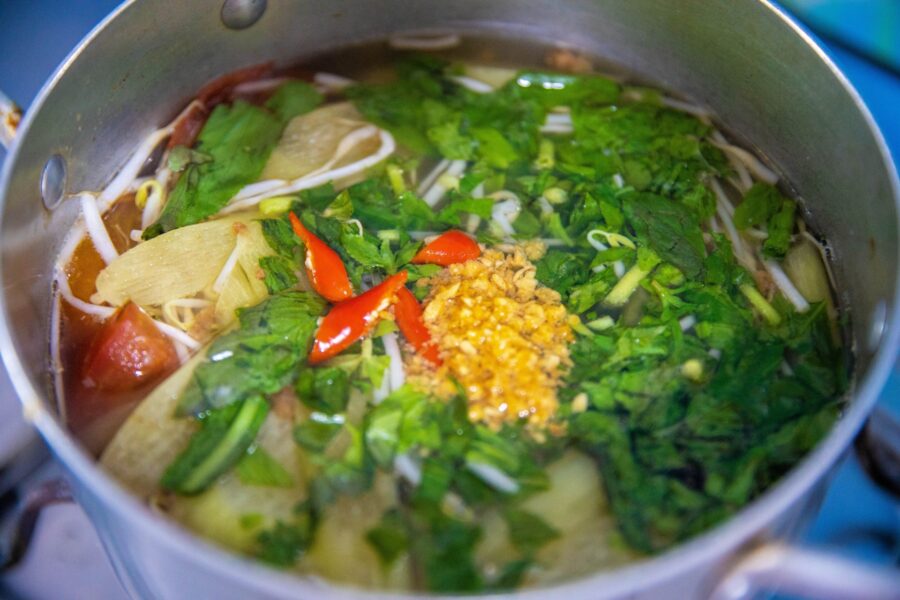
What makes Canh Chua special is how naturally it reflects Vietnamese food philosophy. Vietnamese cuisine often focuses on harmony and balance. Instead of one flavor dominating the dish, sourness, sweetness, saltiness, and freshness work together. In Canh Chua, tamarind provides a bright tangy base, pineapple adds sweetness, tomatoes deepen the flavor, and fresh herbs bring aroma and freshness.
The dish also became popular because it is practical and flexible. Families could make it using whatever ingredients were available locally. Fish, shrimp, squid, clams, chicken, tofu, or vegetables can all work beautifully in the soup. This adaptability helped Canh Chua spread throughout the country, with each region creating its own interpretation.
How Canh Chua Differs Across the Three Regions of Vietnam
One of the most fascinating things about Canh Chua is how differently it is prepared from north to south. Although the heart of the dish remains the same, every region reflects its own local ingredients and flavor preferences.
Northern Vietnam
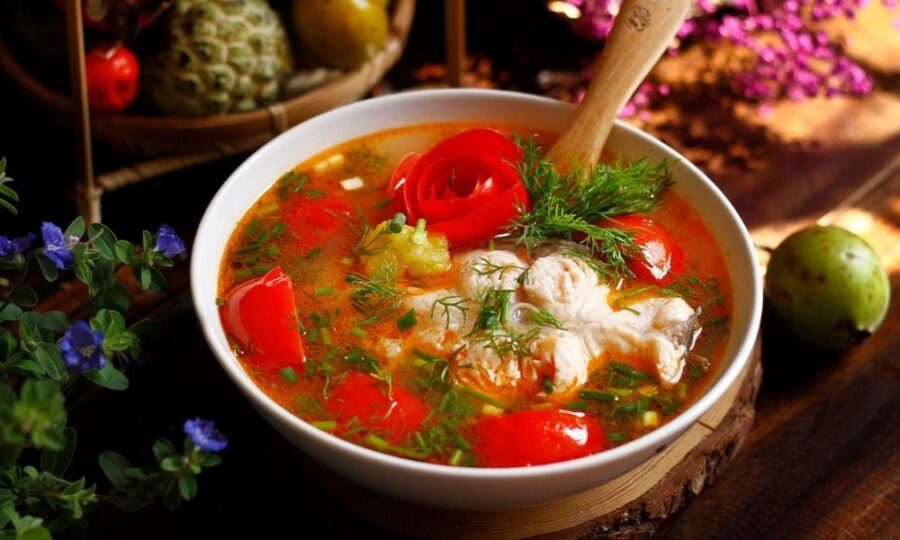
Northern Vietnamese cuisine is generally known for subtle and balanced flavors, and Canh Chua in the north follows that tradition. The soup here tends to be lighter and less sweet than southern versions.
The sourness often comes from natural ingredients such as starfruit, bamboo shoots, or Indochina dragonplum. Fermented ingredients like vinegar or “mẻ,” a fermented rice mixture, are also used to create a gentle tanginess. Instead of strong sweetness, the flavors are clean, mild, and elegant.
Northern Canh Chua usually focuses on freshness and simplicity. The broth is delicate, allowing the ingredients to shine without overpowering each other.
Central Vietnam
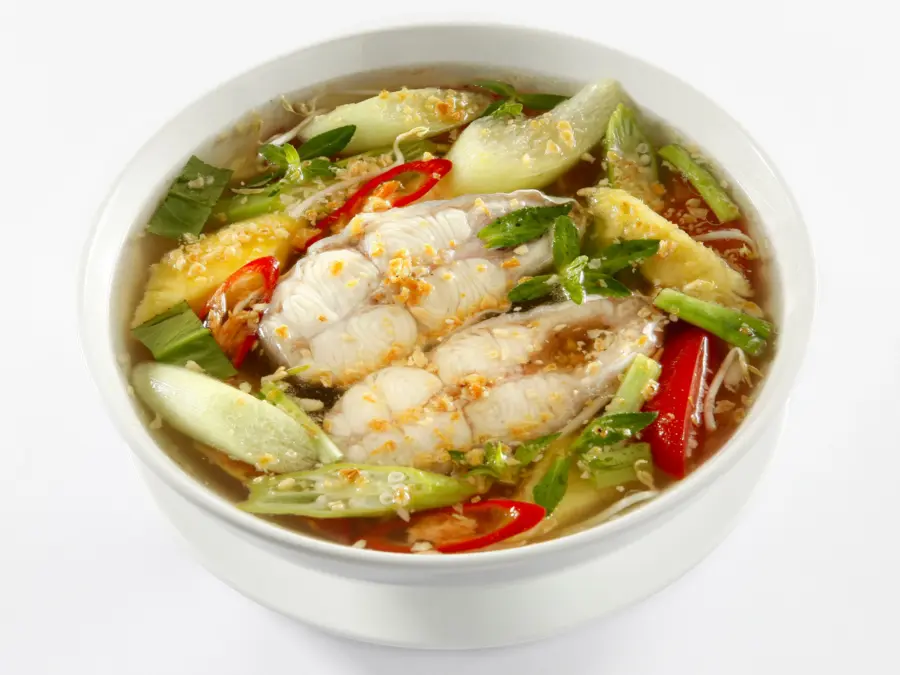
Central Vietnam is famous for bold flavors and a love of spice, and this personality appears clearly in its Canh Chua.
The soup in this region often combines sourness with a touch of bitterness and noticeable heat from chili. The result is a deeper and more intense flavor profile compared to the north. The climate and local food traditions of Central Vietnam encourage dishes that are warming and vibrant.
Seafood is commonly used because many central provinces lie along the coast. Squid, fish, and clams are popular choices, often paired with herbs and local vegetables that add complexity to the soup.
Southern Vietnam
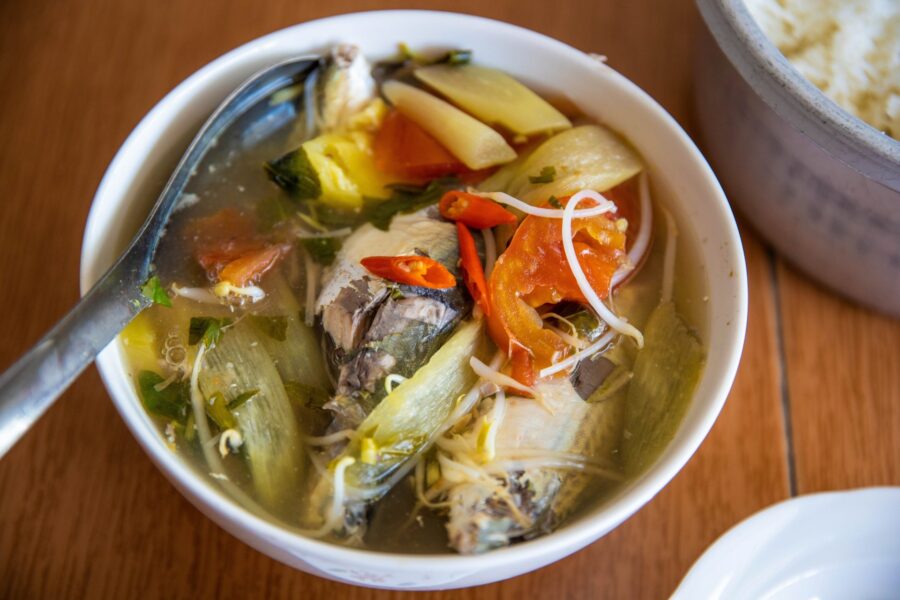
Southern Vietnam is where Canh Chua truly flourishes in its most famous form. The Mekong Delta’s tropical abundance heavily influences the dish, creating soups that are sweeter, fruitier, and more colorful.
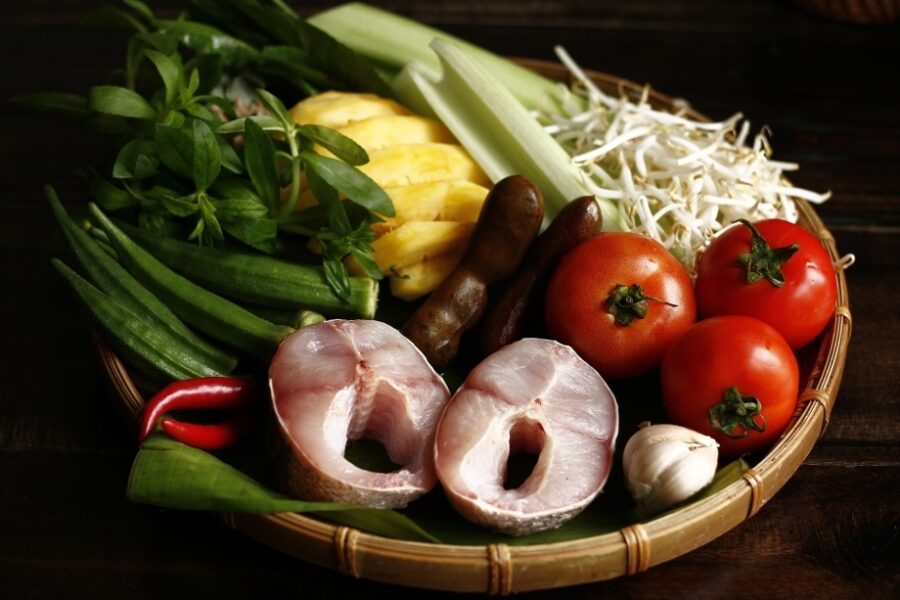
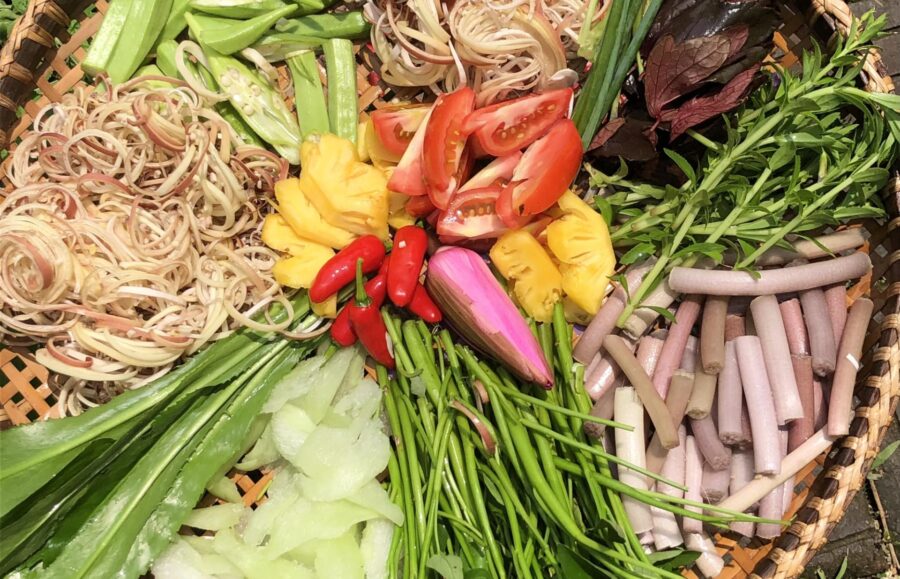
Southern Canh Chua often includes pineapple, tomatoes, tamarind, okra, bean sprouts, elephant ear stems, and fresh herbs. The broth is usually more pronounced in both sweetness and sourness, creating the lively flavor combination many people associate with the dish.
A wide variety of sour ingredients are used, including tamarind, kumquats, passion fruit, starfruit, and sour leaves such as lá giang or lá me. Freshwater fish like snakehead fish remain especially popular, though shrimp and seafood versions are also widely loved.
How to Make A Bowl of Canh Chua
One of the reasons Vietnamese sweet and sour soup is so beloved is its incredible flexibility. There is no single correct version of this soup. Instead, it welcomes creativity while maintaining its comforting, familiar identity.
Soup Base
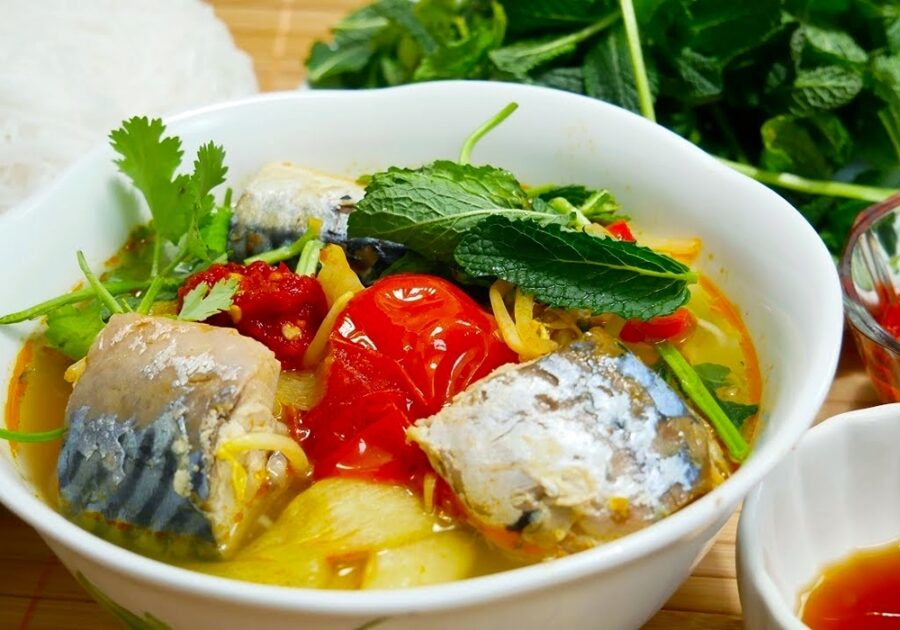
Use chicken, fish, or vegetable stock. Tamarind paste is traditional for sourness, or try a mix of Worcestershire sauce, lime juice, and sugar. Pineapple and tomatoes add natural sweetness and tang.
Proteins and Herbs
White fish, shrimp, chicken, glam, pork, or tofu all work. Finish with fresh herbs like cilantro, Thai basil, scallions, or garlic chives. Some families often have their own variations, adding seasonal fruits, local vegetables, or adjusting sweetness and sourness to taste. This personal touch is what makes Vietnamese sweet and sour soup feel like home.
Cooking Steps
- Prepare stock and add souring agent.
- Add long-cooking vegetables like bamboo shoots or okra.
- Add protein and cook through.
- Stir in quick-cooking herbs.
- Adjust seasoning with salt, sugar, lime, or chili.
A Vietnamese Soup That Feels Like Home
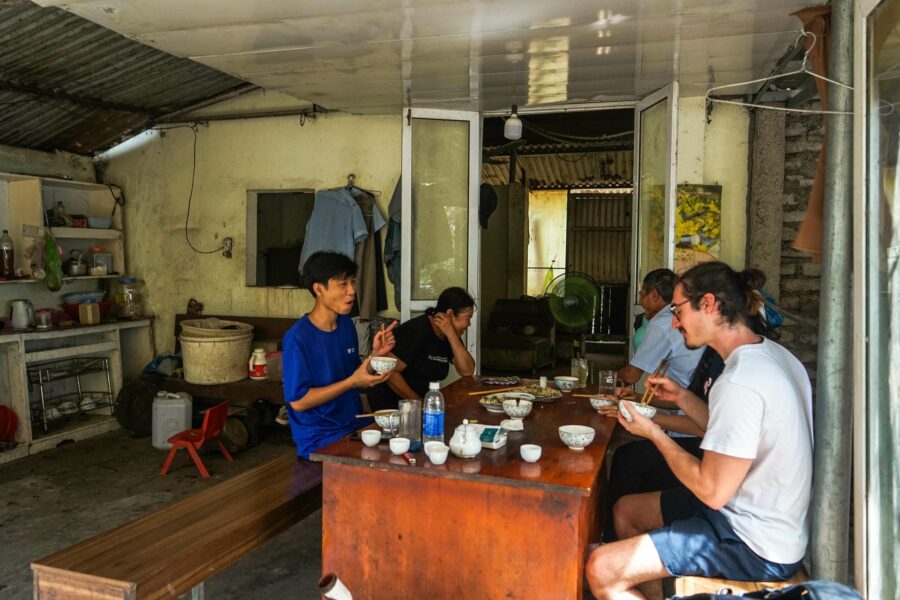
Canh chua is more than a simple Vietnamese sweet and sour soup. It carries the spirit of Vietnam in every sip, telling stories of rivers, markets, and family kitchens. Each bowl is a journey through the country’s diverse regions, whether it whispers the subtle flavors of the north, sparks with the heat of the central provinces, or blooms with the tropical brightness of the south. Fresh herbs, tangy tamarind, and local fish or vegetables create a harmony that feels both familiar and full of discovery.
The beauty of canh chua lies in its openness. It can be fish, shrimp, clams, or entirely plant-based, yet every version shares the same warmth and care. Eating it is more than nourishment; it is a shared moment, a conversation, a sense of home.
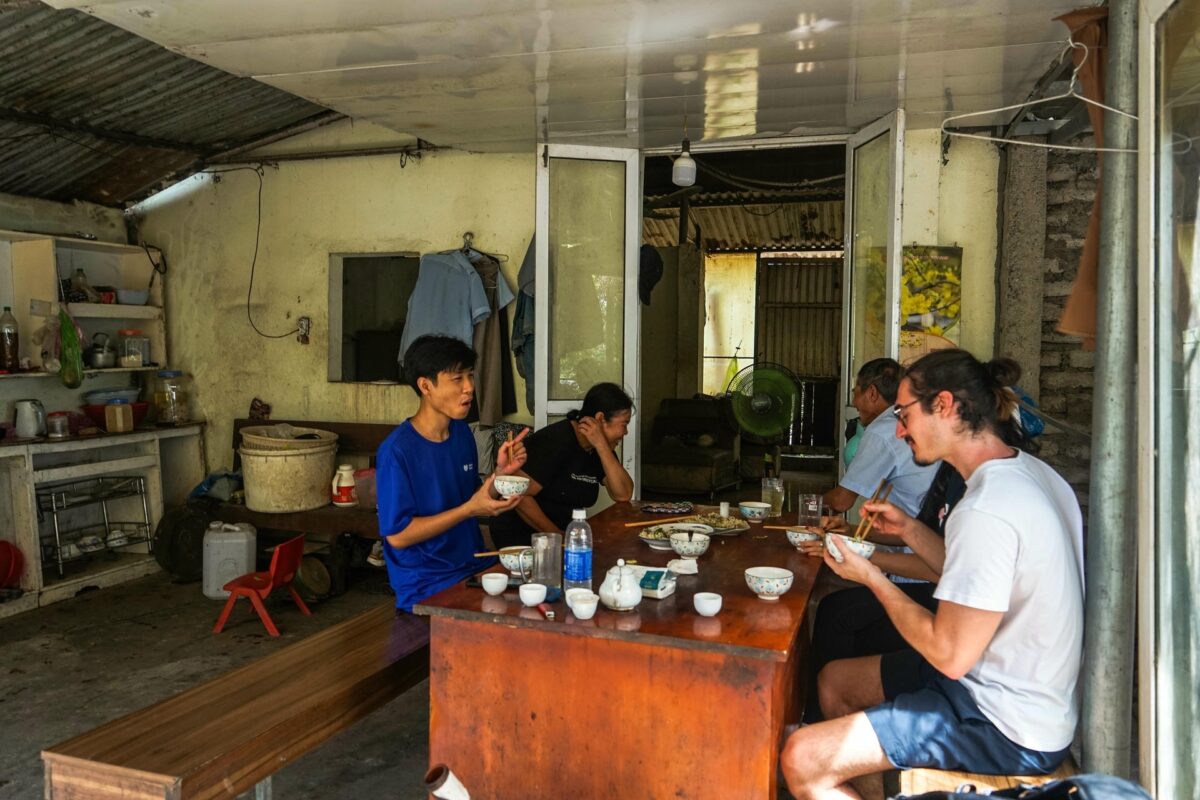
For those seeking an intimate taste of daily life, the Ride to Lost Kingdom tour invites you into a Vietnamese kitchen, to have a homecooked meal alongside locals. Experiences like this, woven through our Vietnam city tours, reveal the hidden textures of life in the country and leave memories that unforgettable after the journey.