

Table of Contents
Welcome to Vietnam, the land of incredible food, breathtaking landscapes, and… motorbikes. Lots of them!
To give you an idea of how much we love our two-wheelers: out of our 100 million people, between 72 and 77 million are registered motorbike owners. They make up roughly 93% of all vehicles you see on the road, making us the 4th-largest motorbike market in the world. For us in Vietnam, motorbikes are more than just transportation; they are a way of life, our daily companions, and the core of our street culture.
That’s exactly why riding a motorbike in Vietnam is, hands-down, the best way to actually see the country.
In this guide, we’ll walk you through everything: picking the right bike, the paperwork you’ll need, how much to budget, plus the best motorbike tours in Vietnam for those who’d rather leave the navigating to a local.
Why Riding Motorbikes in Vietnam Is So Popular
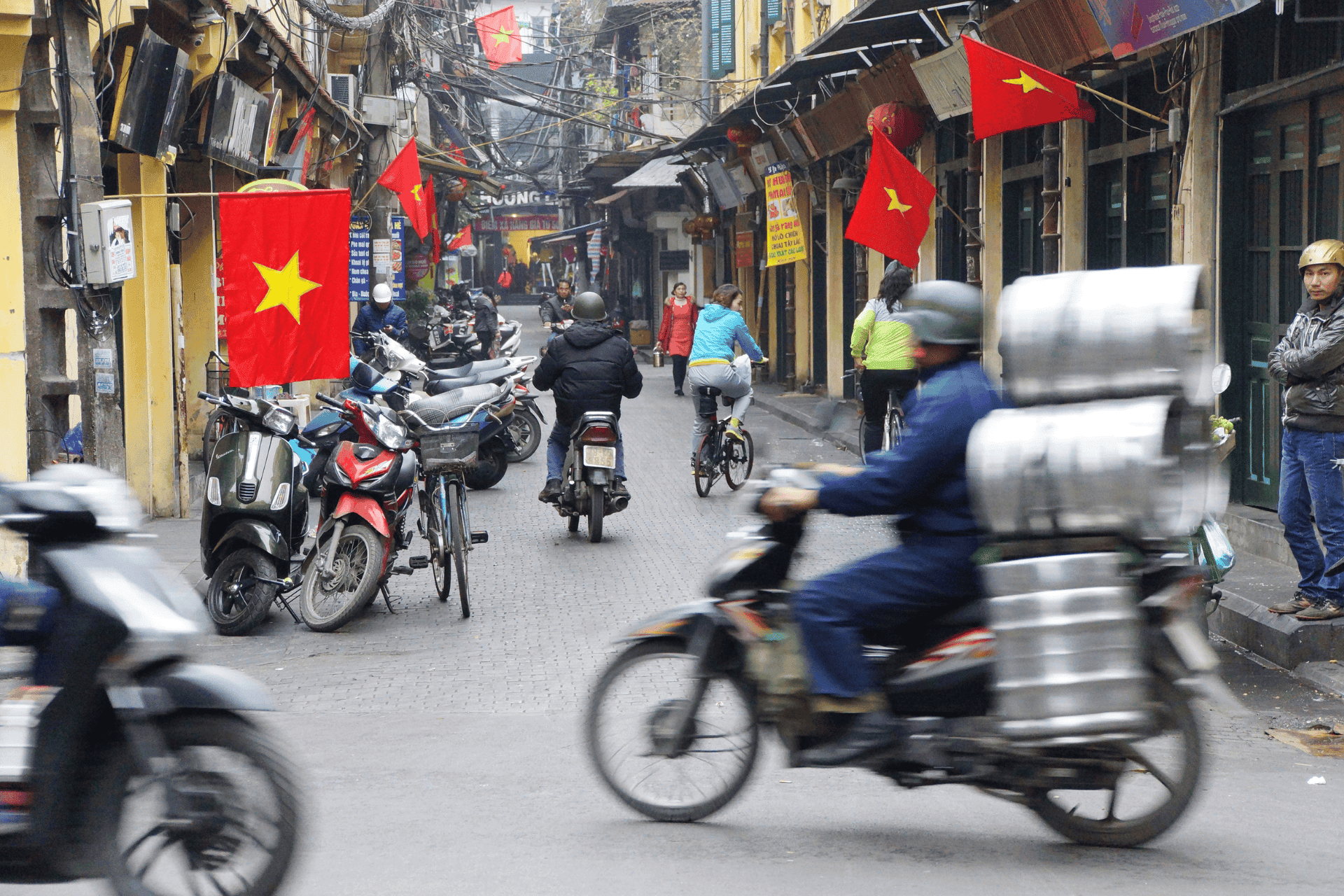
Motorbikes dominate Vietnam for a simple reason: they just make sense here. They are so deeply woven into our daily lives that for most of us, riding one isn’t a choice; it’s just how the country moves. Here’s why practically everyone is on two wheels:
- They are affordable: A brand-new bike costs anywhere from $700 to $4,000. Combined with cheap maintenance and amazing fuel efficiency, it’s by far the most economical way to travel.
- They beat the traffic: Our cities are incredibly busy. Motorbikes can effortlessly weave through gridlock and glide down narrow alleyways (especially in Hanoi’s Old Quarter or Ho Chi Minh City) that cars could never dream of fitting into.
- Parking is a breeze: Space is precious here. With a motorbike, you can find a parking spot practically anywhere, even right in the middle of a bustling street market.
- Public transport is limited: Let’s be real, our public transit system is still growing and doesn’t cover all the travel needs. Motorbikes step in to perfectly fill that gap.
- They are endlessly versatile: A motorbike is basically the Vietnamese station wagon. You’ll routinely see locals carrying their entire family, a stack of market crates, or even a full street-food stall on a single Honda.
But beyond the practicality, if you ask me how I personally feel about it? Riding a motorbike here is the ultimate sense of freedom. It’s the magic key that gives you access to sleepy fishing villages, epic mountain passes, hidden local cafés, and those tiny roadside food stalls that you’d completely miss from the window of a bus or a taxi.
For travelers, all of this means one thing: riding a motorbike in Vietnam isn’t just a fun activity; it’s the most natural way to move through the country, exactly the way locals do.
Legal Requirements for Riding a Motorbike in Vietnam
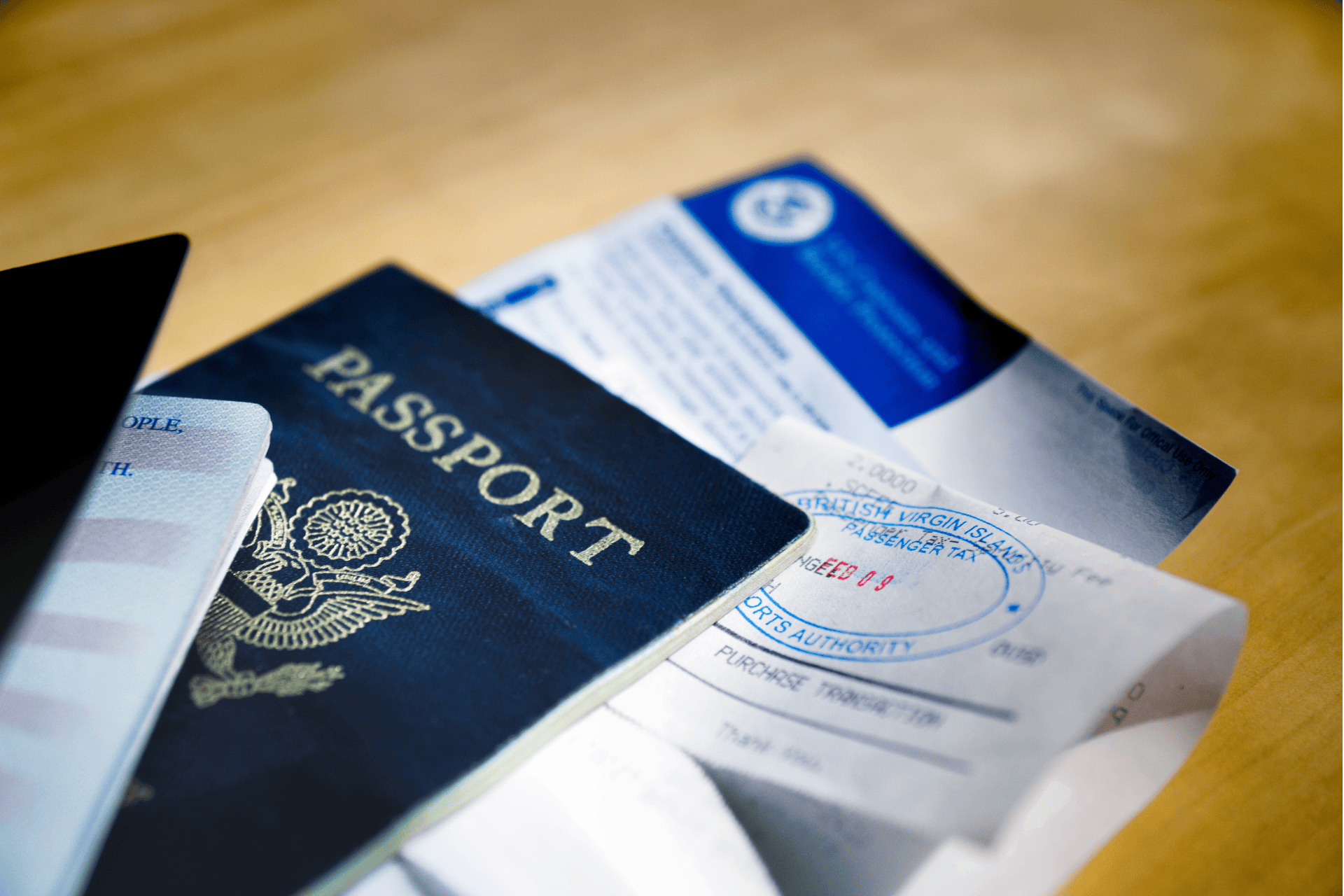
This is the part most travelers skip and regret later. Getting it wrong means hefty fines, voided insurance, or worse.
1. Documents for renting a bike
Most shops will ask for:
- Valid passport with an active visa or entry stamp
- Security deposit: 500,000 – 2,000,000 VND depending on the bike
- Local Tip: Many shops will ask to hold your physical passport as collateral. Push back on this. Handing over your original passport is never a good idea. Offer them a notarized copy or propose a higher cash deposit instead.
2. What you actually need to ride legally (For the Police)
There is a massive misconception online that an International Driving Permit (IDP) is useless in Vietnam and that you must have a local license. This is false. If you’re pulled over at a checkpoint while riding a motorbike in Vietnam, here’s exactly what the law requires:
- Passport & Visa: Must be valid and physically on your person.
- Original Home License: Must be with you and explicitly show a motorcycle category (Category A). A car-only license is invalid.
- 1968 Convention IDP: Must be issued under the 1968 Vienna Convention. (The older 1949 format is NOT recognized).
- Bike Registration (Blue Card): The bike’s registration document (a notarized copy from your rental shop is fine).
- Civil Insurance: The mandatory yellow insurance slip for the specific motorbike.
Note on engine sizes: Under the new traffic laws that took effect in January 2025, an A1 license equivalent on your home permit now only legally covers you for motorbikes up to 125cc (down from 175cc). Anything larger requires an A2 equivalent. For the most up-to-date legal information, check Vietnam Law Magazine for the official regulatory framework.
3. Short-stay tourists (Under 3 Months): The Hard Truth
This applies to most travelers, and it’s worth being completely upfront about how the IDP conventions divide tourists into two camps:
- The 1968 IDP Holders (Legal to Ride): If your home country signed the 1968 Vienna Convention (which includes the UK and most EU nations), your IDP is perfectly valid. Pair it with your home motorcycle license, and you are 100% legal to ride in Vietnam. (Citizens of ASEAN countries can also legally ride using just their home national license thanks to mutual recognition agreements).
- The 1949 IDP Holders (Not Legal): If your country only issues the 1949 Geneva Convention IDP (this includes the USA, Australia, Canada, and Japan), your permit is not recognized in Vietnam. Because you need a 3+ month residency to convert to a local license, standard tourists from these countries currently have no legal pathway to ride a motorbike over 50cc.
Choosing the Right Motorbike in Vietnam
Alright, now that you’ve got the paperwork sorted, it’s time to choose your ride. Not all bikes are created equal, and picking the wrong one for your trip is one of the most common mistakes. One of the most common mistakes first-time riders make when traveling by motorbike in Vietnam is picking the wrong bike for their route. Here’s a simple breakdown:
| Bike Type | Engine | Best For | Not Great For |
| Automatic scooter | 110–125cc | City riding, flat roads, beginners | Mountain passes, off-road |
| Semi-automatic | 110–125cc | Mixed terrain, day trips, casual touring | Steep highland routes |
| Manual / dirt bike | 150cc+ | Ha Giang, mountain loops, off-road | City traffic, beginners |
Quick rule of thumb:
- Staying mostly in cities or along flatter coastal roads => automatic scooter
- Mixing urban areas with countryside riding => semi-automatic
- Planning serious mountain routes like Ha Giang => manual or dirt bike (150cc+)
Costs & Budgeting for Your Ride
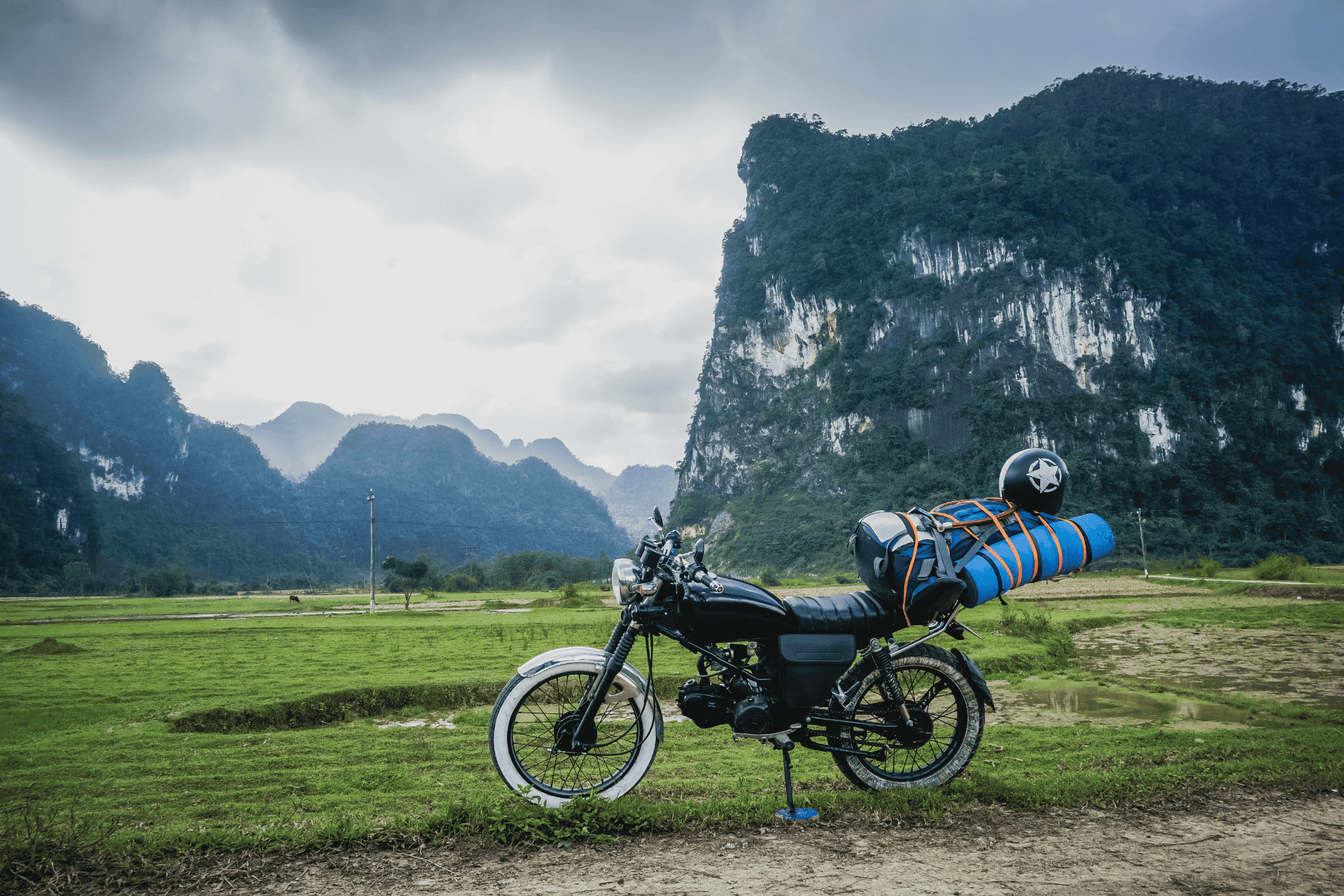
Motorbike rental costs
Rental prices vary depending on the bike type, how long you’re renting, and where you are in the country — but here’s a realistic ballpark:
- Automatic scooter: $5–10/day
- Semi-automatic bike: $8–15/day
- Manual / dirt bike (150cc+): $20–35/day
One thing worth knowing: if you’re heading somewhere popular like Hội An, Đà Lạt, or Ha Giang, expect prices to creep up a little, especially during peak season when rental shops know demand is high.
Fuel costs
Fuel in Vietnam is cheap compared to many Western countries, usually sitting around 23,000 – 25,000 VND per liter (roughly $1 USD). Since most smaller motorbikes consume only 2 to 3 liters per 100km, a full day of riding will rarely cost you more than $3 in petrol.
Sample budget for a 2-week self-ride trip
To give you a concrete idea, here is an estimated breakdown for a 14-day, North-to-South ride (~2,000 km) using a semi-automatic bike:
- Bike rental (14 days): $140 – $210
- Fuel (~2,000 km): $40 – $60
- Total estimated motorbike costs: $180 – $270
For under $300, you get two solid weeks of total freedom on a motorbike in Vietnam – crossing mountain passes, hugging coastal roads, and discovering small villages at your own pace. Hard to beat for the price.
Safety Tips for Riding a Motorbike in Vietnam
Vietnam’s traffic looks chaotic from the outside, and honestly, it kind of is. But once you understand how it flows, it becomes manageable. These tips will keep you safe whether you’re riding or sitting pillion.
Gear up properly
Don’t cut corners here. A properly fastened helmet is legally required — the chin strap must be clipped, because an unfastened helmet counts as a violation in itself. Beyond the helmet, keep it covered: long pants, closed-toe shoes with a heel strap, and skip the flip-flops. Hot asphalt is unforgiving.
Know how to handle the traffic
Always check behind you before mounting, and get on from the left — the exhaust pipe on the right gets scorching hot. Check your mirrors for blind spots before pulling away.
If you’re a passenger, sit upright in the center of the rear seat and hold firmly onto the rider’s waist. Keep your knees slightly inward, feet flat on the footpegs, and eyes forward — it helps your body anticipate turns naturally.
On the road, keep these in mind:
- Maintain enough following distance to brake without panic.
- Slow down before corners, not during.
- Never overtake recklessly if in doubt, just don’t.
- In rain or fog, drop your speed immediately and turn your headlights on.
Bad weather? Just wait it out
Heavy rain and strong winds cut visibility fast and make roads slippery in seconds. If the sky opens up, pull over and wait — most tropical downpours in Vietnam pass within 20–30 minutes. It’s genuinely not worth pushing through.
Tips specifically for tourists
- Rent from a reputable shop and inspect brakes, tyres, and lights before riding off
- Photograph any existing damage on the bike before signing anything
- Read up on Vietnamese traffic rules before your first ride; the flow logic is different from what most Westerners expect
- If you’re a passenger, your job is simple: sit tight, hold on, and don’t distract the rider
Motorbike in Vietnam: Guided vs. Solo?
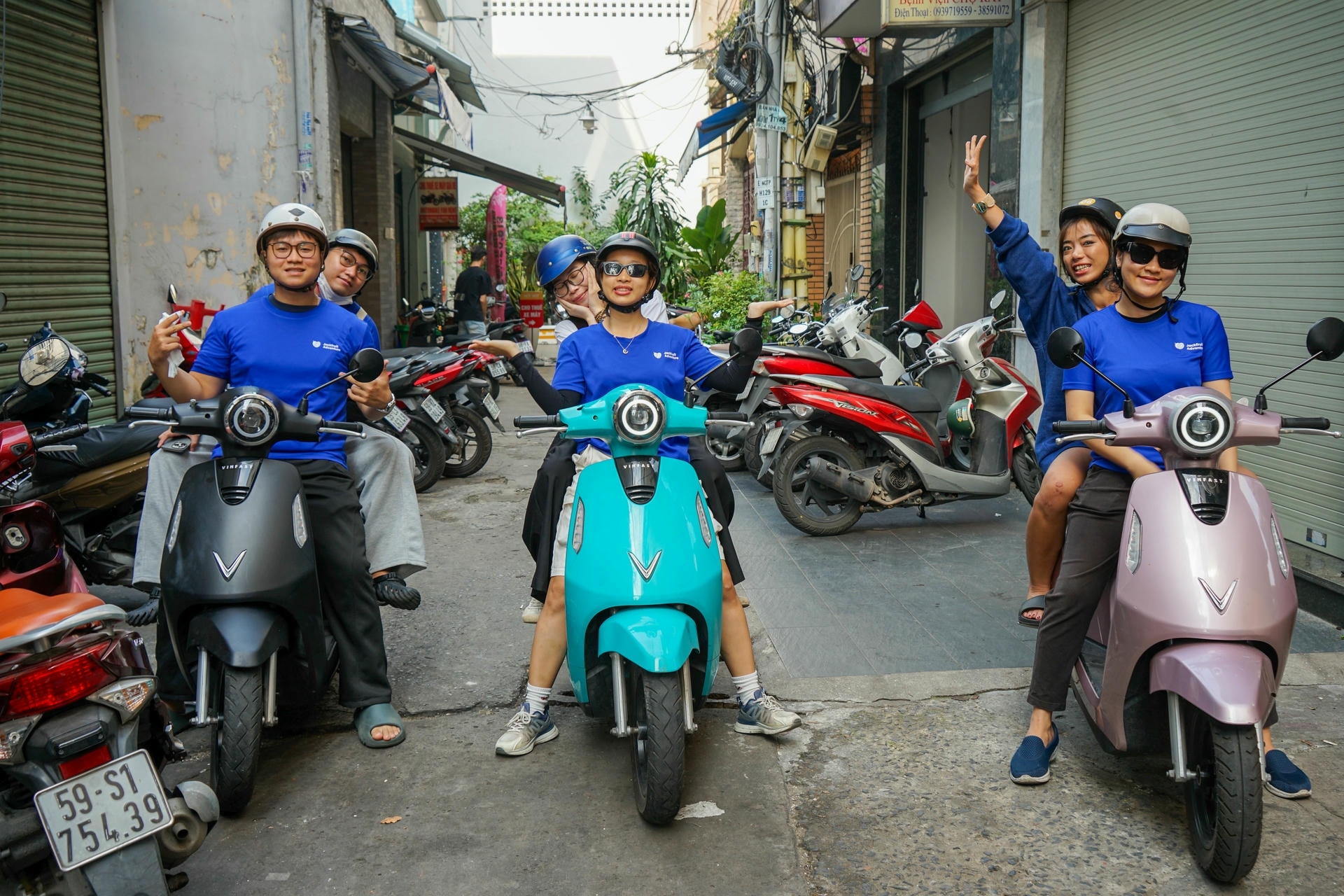 So you’ve picked your route and sorted your paperwork, now comes the real question: do you ride on your own, or join motorbike tours in Vietnam? Both options have genuine merit. Here’s how they stack up:
- Guided tours are the smarter choice if you’re a first-time visitor, don’t have a valid IDP, or plan to tackle remote mountain roads where getting lost or breaking down isn’t just inconvenient, it’s a real problem. A local guide handles navigation, knows every shortcut and hidden lunch spot, and gives you the kind of cultural context no Google Maps pin ever could.
- Self-guided riding is for experienced riders who want total freedom. No schedule, no group pace, no one telling you to skip the roadside coffee stand. Cheaper too, but you carry all the responsibility.
Neither is wrong. It just depends on what kind of traveler you are.
Does Jackfruit Adventure Run Motorbike Tours in Vietnam?
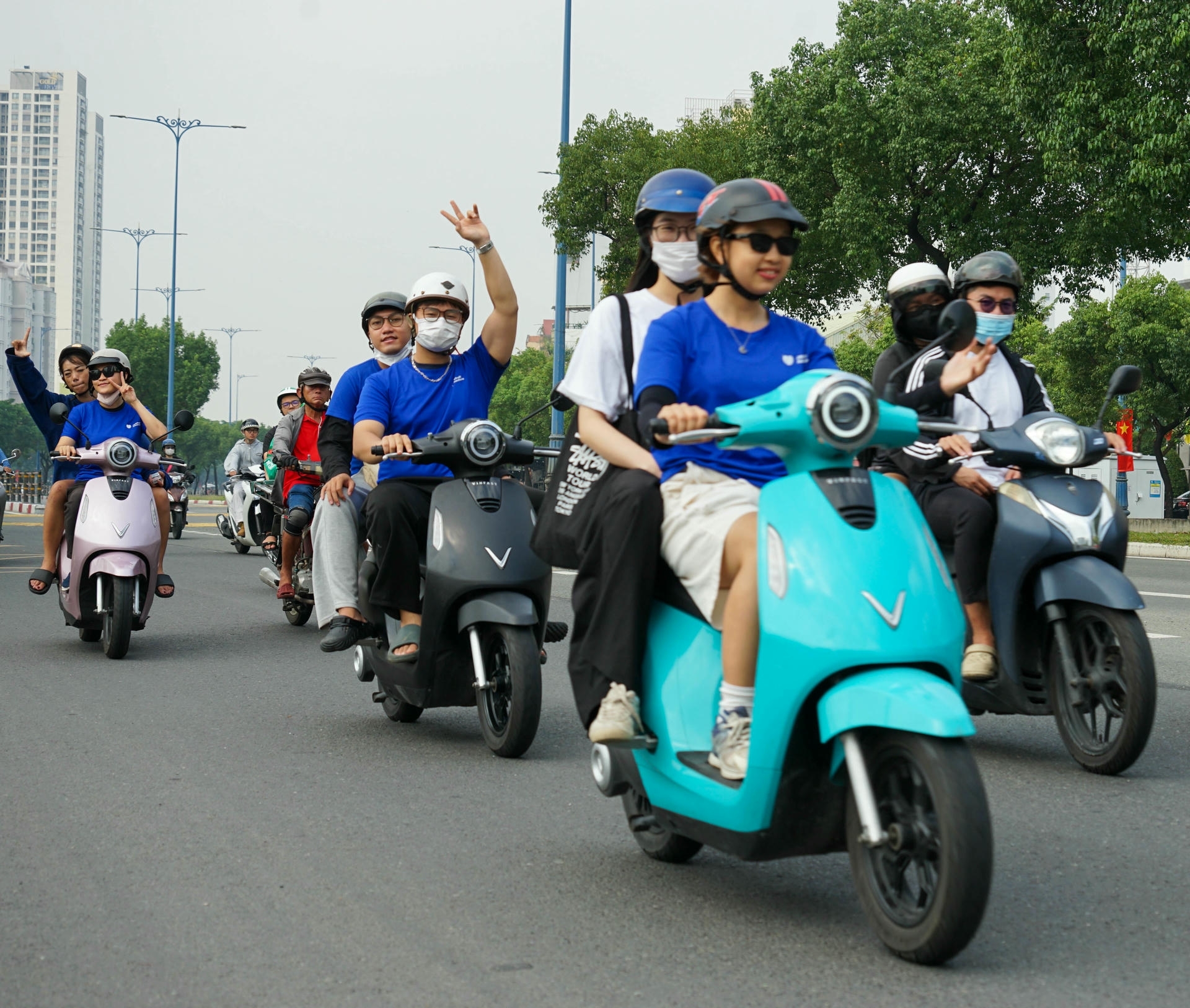
Short answer: not exactly, and honestly, that’s a good thing.
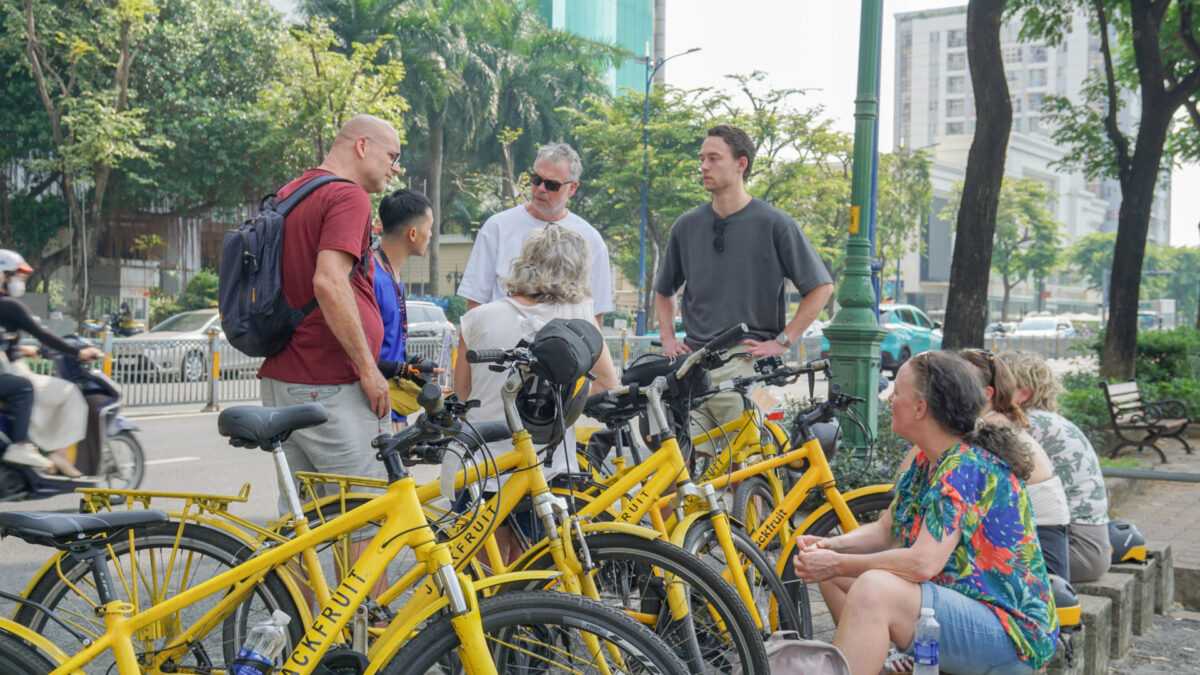
Rather than putting you on a petrol motorbike in Vietnam’s notoriously chaotic traffic, Jackfruit Adventure runs electric tours—a quieter, smoother, and more sustainable way to experience the country, especially in cities like Ho Chi Minh City.
You ride open-air on an electric vehicle with a local guide leading the way. That means no exhaust fumes, no noise, and zero stress about navigating unfamiliar streets. It works beautifully for cultural routes, lakeside rides, and the magic hour when Vietnamese cities truly come alive.
It’s a different kind of street tour, less adrenaline, more connection.
Final Thoughts: Is Riding a Motorbike in Vietnam Worth It?
Absolutely, but go in with your eyes open. Navigating traffic on a motorbike in Vietnam: chaotic, exhilarating, and completely addictive once you get the hang of it. Vietnam rewards riders who prepare. Sort your paperwork before you arrive, pick the right bike for your route, and respect the road. Do that, and you’ll have one of the most memorable travel experiences Southeast Asia has to offer, the kind that’s genuinely hard to replicate any other way.