

Table of Contents
Vietnamese desserts were one of the first things that taught me how to slow down in Vietnam. I still remember sitting on a low plastic stool with a small bowl of chilled Chè, watching everyday life unfold around me. The experience was simple, cooling, and deeply familiar.
Over time, I realized that Vietnamese desserts aren’t treated as a grand finale to a meal, but enjoyed casually – often in the afternoon or late at night, whenever the heat calls for something light and comforting. In this guide, I’m sharing what I’ve learned about Vietnamese desserts, how locals order them, and which ones are easiest to start with.
Beyond Sweetness – How Vietnamese Desserts Tell the Story of a Nation
When I first started paying attention to Vietnamese desserts, a quiet realization began to surface: these splendid desserts aren’t “designed” to overwhelm with sugar, instead, they’re meant to be enjoyed at a relaxed pace.

Compared to Western desserts that often rely on richness and heavy textures in dishes like multilayer cakes, thick frosting or fondant decorations, Vietnamese desserts tend to be lighter, and more refreshing. For Vietnamese locals, desserts are often seen as a kind of natural comfort, helping people cool down in Vietnam’s warm climate and unwind after a fulfilling meal or a long, stressful day at work.
Vietnamese desserts also carry cultural meaning during essential occasions such as Lunar New Year (Tết), full moon days, and death anniversaries or family rituals. During these times, traditional cakes and sweet soups are often prepared at home, first placed on family altars, and then shared among relatives.
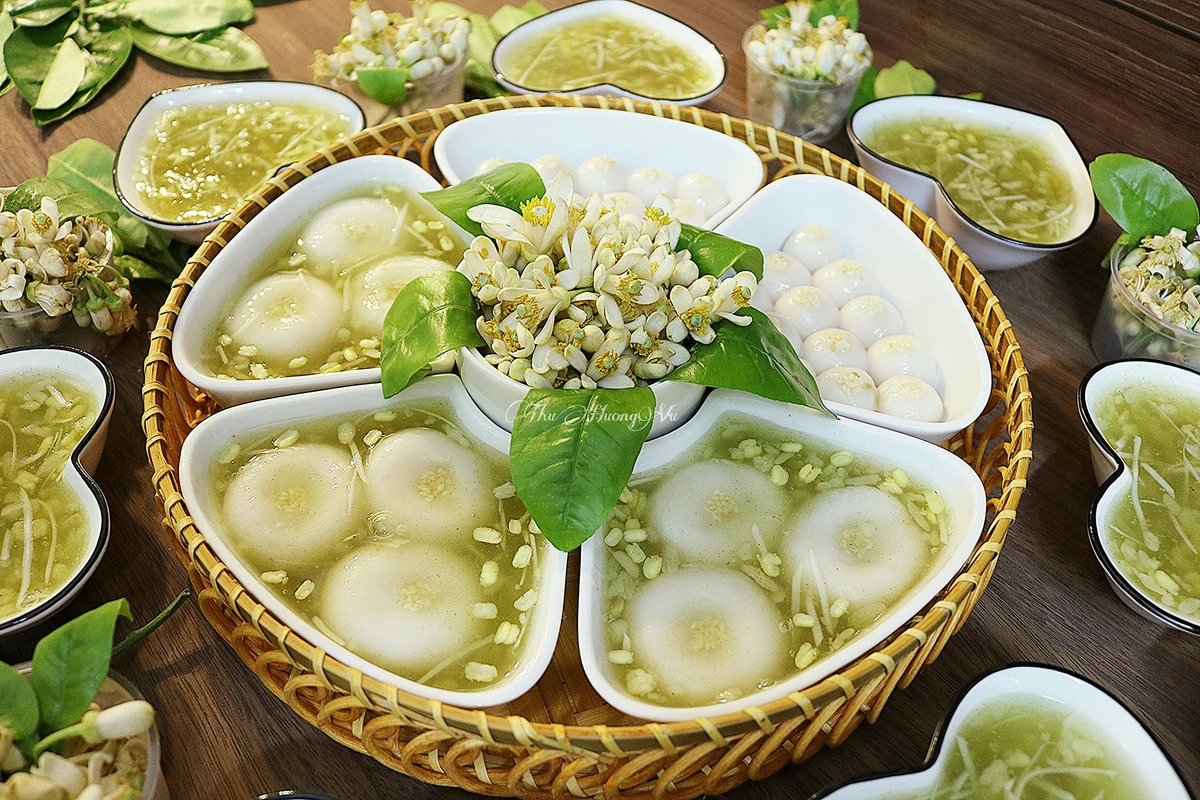
This is especially true during Tết Hàn Thực (Vietnamese Cold Food Festival), when sweet dishes like bánh trôi and bánh chay are prioritized as offerings, symbolizing purity, harmony, and remembrance of ancestors. On this day, bánh trôi nước is the most commonly prepared dessert, made to honor ancestors and reflect the values of simplicity and continuity.
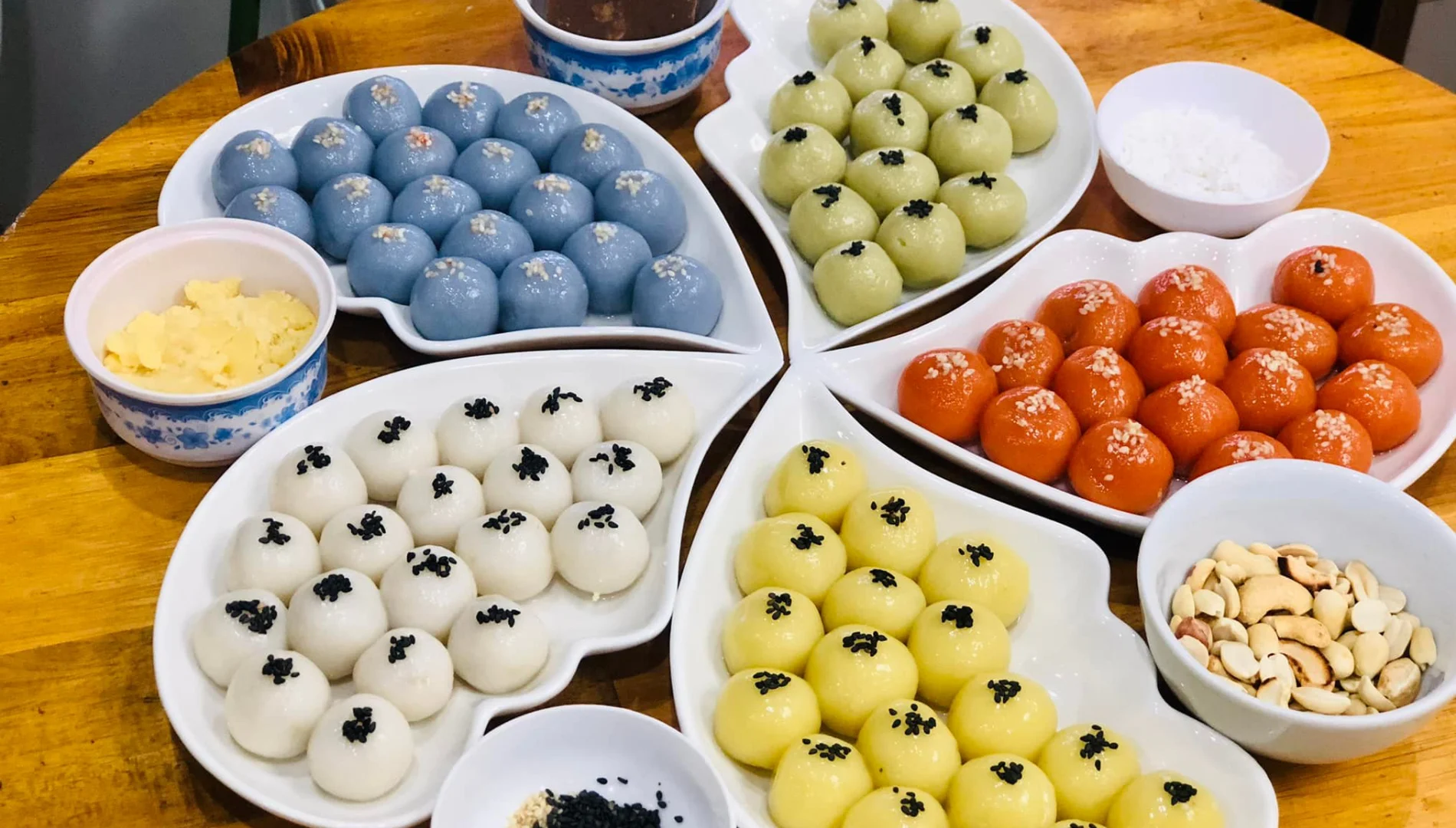
Seen this way, Vietnamese desserts are more than just something sweet – they’re always woven into everyday life and show up naturally in small, in-between moments.
1. When do Vietnamese people eat desserts?
Vietnamese desserts are usually enjoyed separately from main meals. In Vietnam, desserts are treated more like snacks or light meals – people eat them between meals, on hot afternoons, and even in the evening as a casual treat after dinner or during nighttime outings, especially when they need a quick energy boost or a break from the heat.
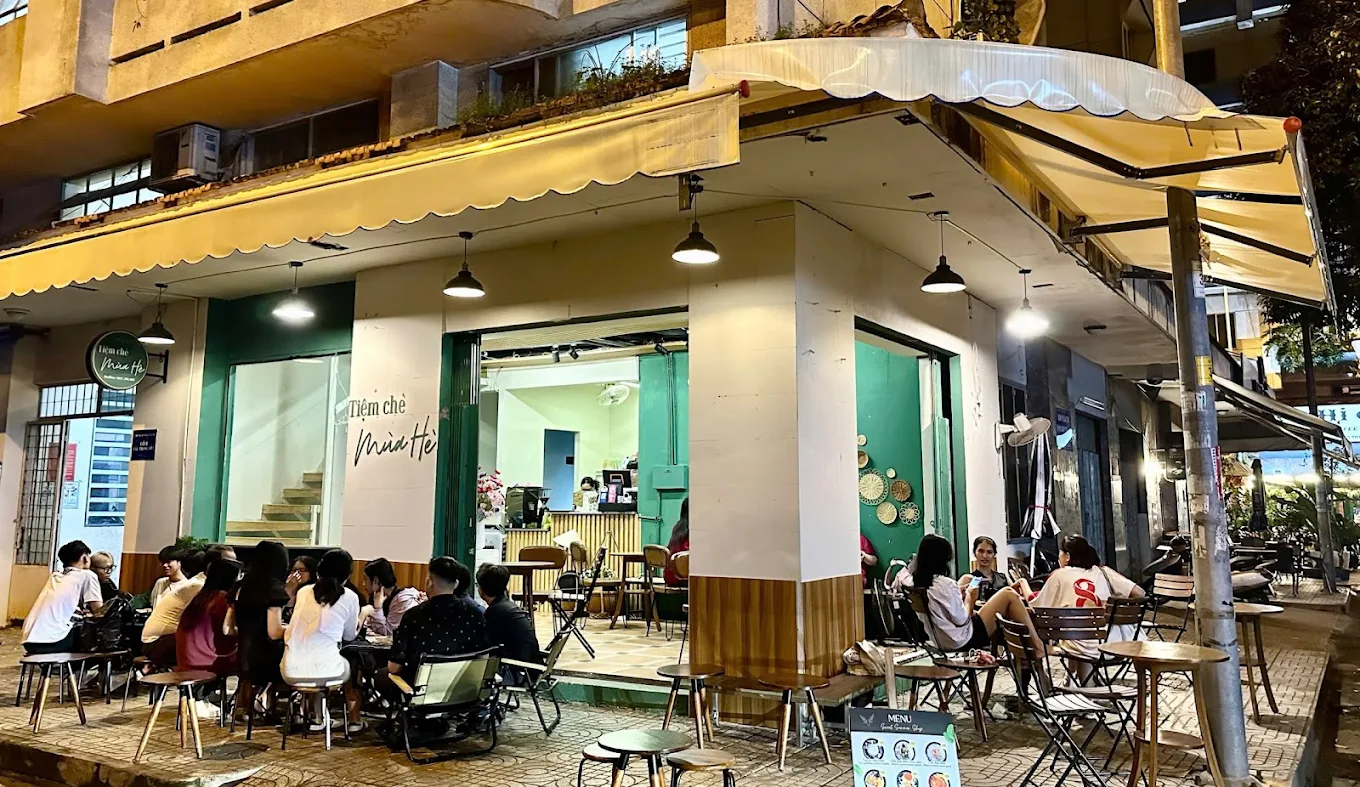
That’s why Vietnamese desserts are usually lighter, less sugary and more satisfying than you expect. And of course, you’ll rarely see locals ordering dessert right after a big bowl of noodles. Instead, they’ll stop by a Chè stall later on the way home.
2. Key Ingredients that define Vietnamese Desserts
What gives Vietnamese desserts their unique taste isn’t fancy techniques, but a small set of familiar local ingredients used in a balanced way. Found throughout the country, these ingredients shape Vietnamese desserts’ flavour and texture while avoiding heavy dairy and excessive sugar.
- Coconut milk: adds creaminess and a light, natural sweetness.
- Sticky rice (glutinous rice): filling, chewy, and commonly steamed.
- Beans: especially mung bean, red bean, green bean and black bean.
- Palm sugar: a milder, deeper sweetness than refined sugar.
- Pandan leaves: fragrant leaves used for aroma and natural color.
- Sesame & black sesame seeds: nutty flavors, often used as toppings or fillings.
Before You Order: The 4 Main Types of Vietnamese Desserts
Before jumping into specific recommendations, I find it totally helpful to understand how Vietnamese desserts are grouped. I believe this small “mental map” can make menus less intimidating and helps you choose based on texture, temperature, and your appetite.
Generally, Vietnamese desserts fall into 4 simple types:
1. Vietnamese Chè (Sweet Soups & Puddings)
This is the most common category of Vietnamese desserts and the one you’ll see everywhere. Vietnamese Chè refers to sweet soups of puddings that can be served hot or cold. They’re usually eaten as snacks, not a meal-ending dessert.
There are countless varieties of chè across Vietnam, made with different beans, grains, fruits, and jellies. Some of the most popular ones include:
-
Chè đậu đen (black bean sweet soup)
-
Chè đậu đỏ (red bean sweet soup)
-
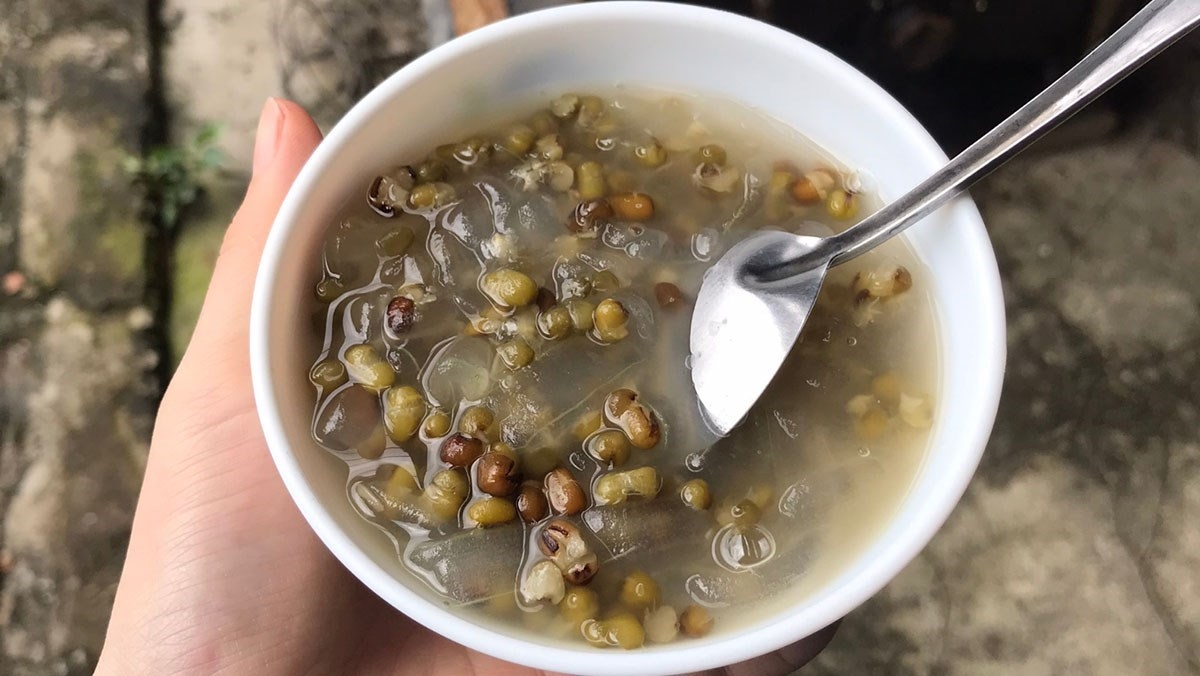
Chè đậu xanh (mung bean sweet soup)
-
Chè bắp (sweet corn pudding)
-
Chè khoai môn (taro sweet soup)
-
Chè thập cẩm (mixed sweet soup with multiple toppings)
-
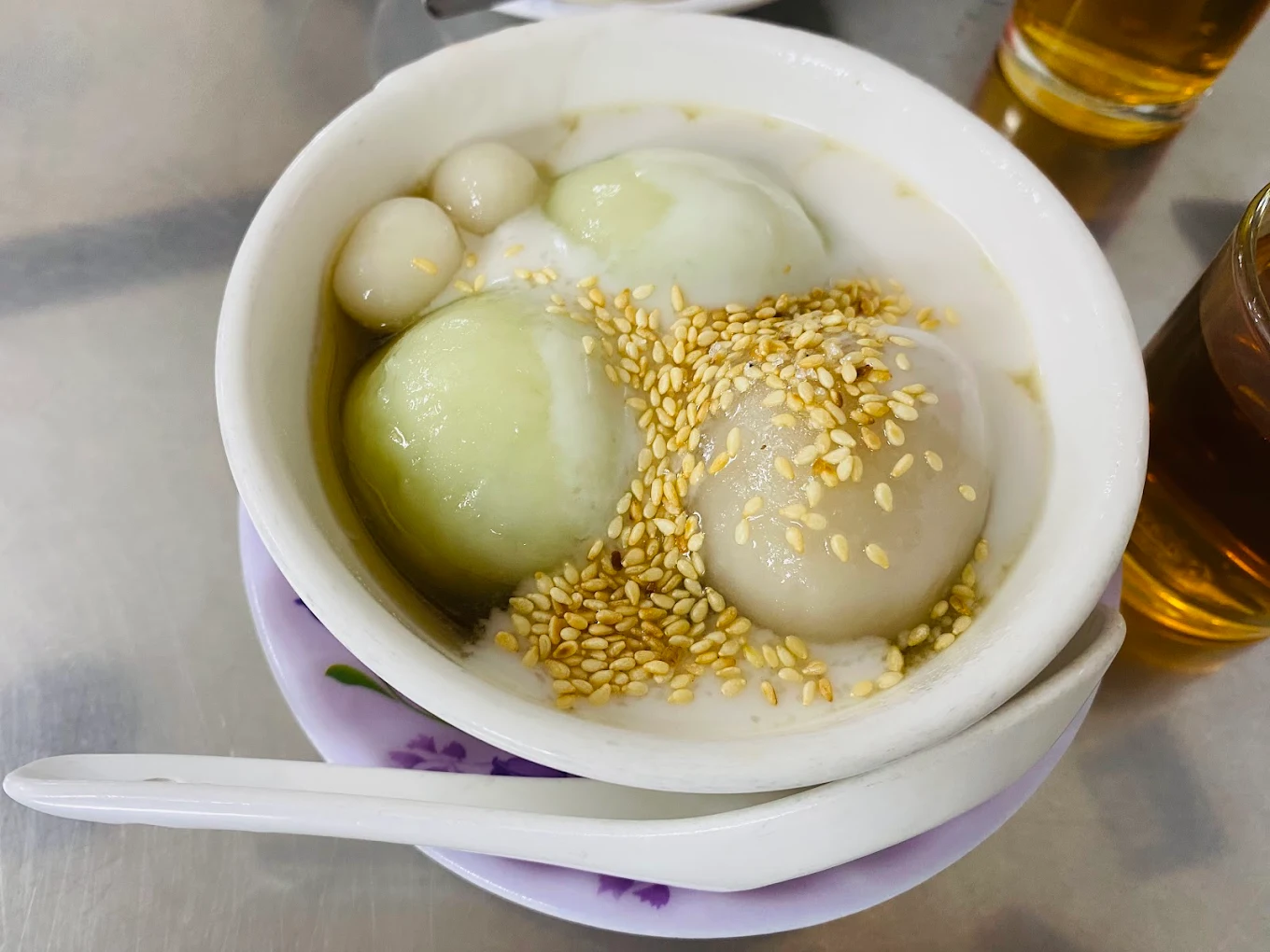
Chè trôi nước (glutinous rice dumplings in ginger syrup)
-
Chè bột lọc (tapioca dumplings filled with mung bean or coconut)
-
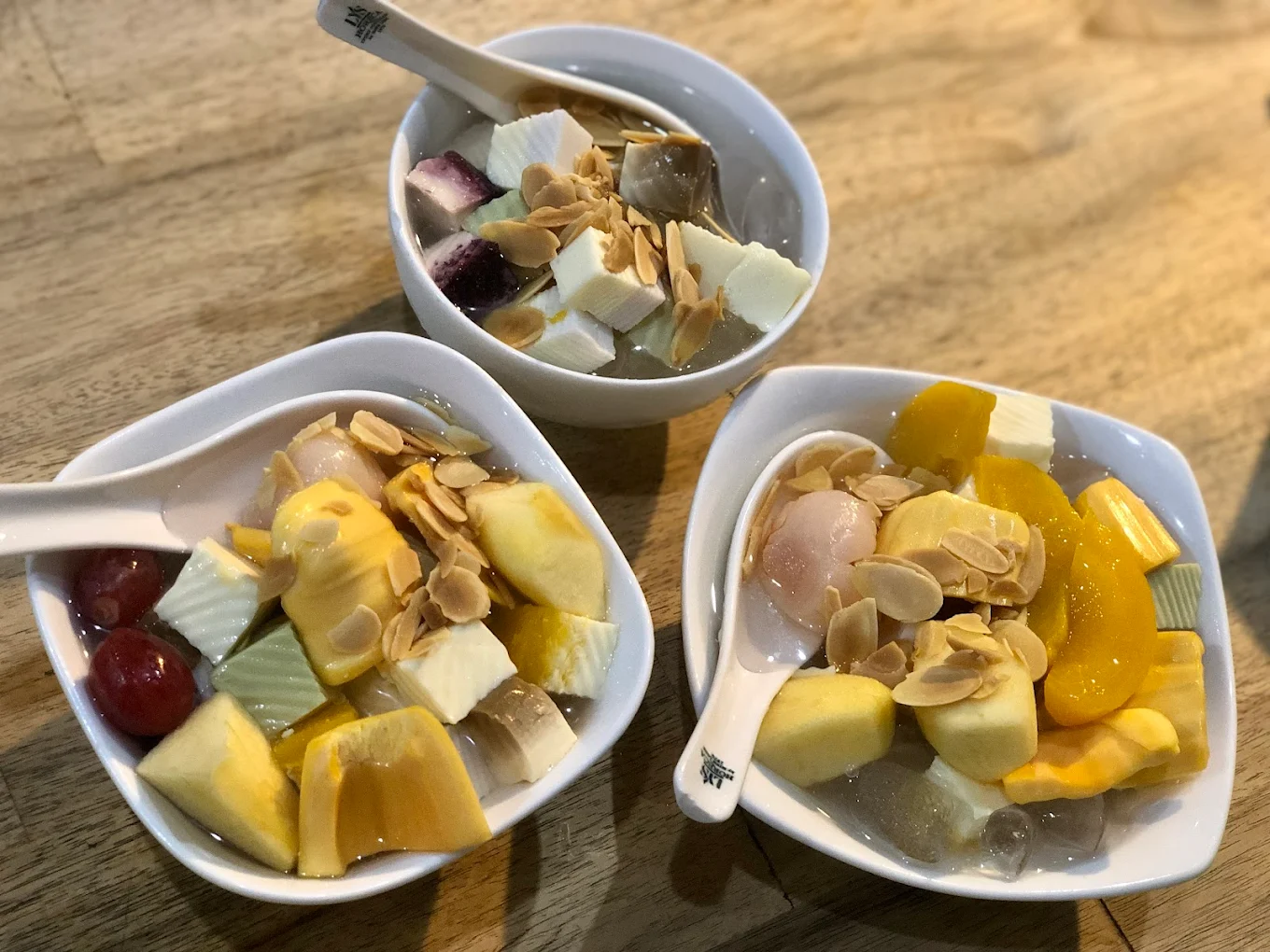
Chè khúc bạch (almond panna cotta–style dessert with fruit)
-
Chè bưởi (pomelo sweet soup with chewy tapioca pearls)
-
Chè khoai dẻo (chewy sweet potato cubes in coconut milk)
2. Sticky Rice & Banana Desserts
This type of dessert will be built around glutinous rice, bananas, and coconut milk. These desserts are soft, mildly sweet and often eaten as a snack that can replace a small meal. Because they’re easy to store and serve, they’re commonly sold at street stalls.
3. Traditional Vietnamese Cakes
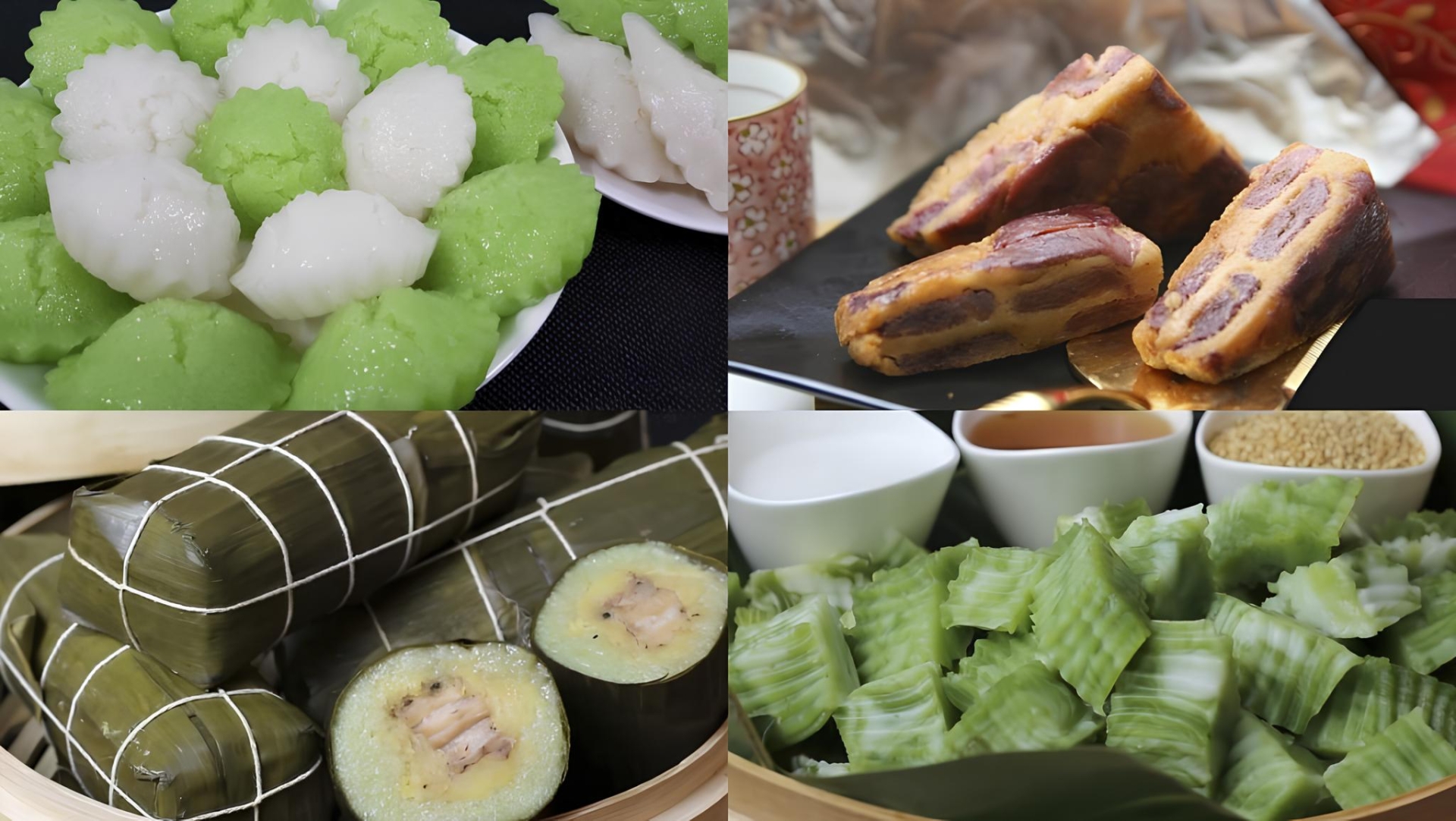
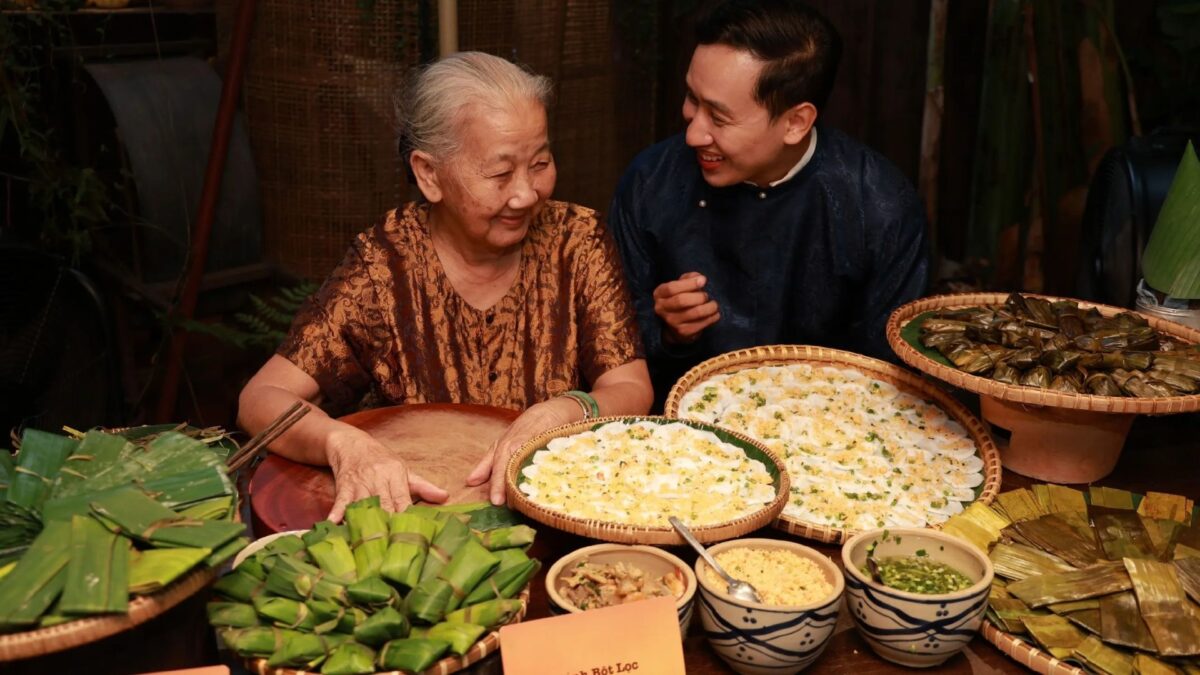
Traditional Vietnamese cakes (bánh) are actually quite different from Western-style cakes, since most of them are steamed rather than baked, and many are wrapped in banana or pandan leaves. For locals, texture matters more than looks. You’ll often find these cakes during holidays, family gatherings or at traditional markets.
4. Ice Cream & Mixed Desserts
This is the most modern and beginner-friendly dessert, especially during hot weather.
These Vietnamese desserts often combine ice cream, fruit, jelly, beans and coconut milk in one bowl or cup. They’re refreshing, pleasantly cool, easy to enjoy and commonly found at night markets and dessert cafes.
First Time Trying Vietnamese Desserts? Here Are Popular & Easy-to-Find Choices!
If you’re standing in front of a dessert stall in Vietnam, staring at a menu full of unfamiliar names, don’t worry! I’ve been there, and I’ve helped plenty of travellers through the exact moment.
When it comes to Vietnamese desserts, you don’t need to try everything at once. So, think of this list as me pointing at the stall and saying “Start with that one. And that one. You’ll be fine!”
Most Beginner-Friendly (Start here!)
1. Chè (Vietnamese sweet soups)
If I had to pick just one starting point, it would be Chè. Chè is everywhere, and once you try it, you’ll understand it. Chè is commonly served cold with ice, or served hot and comforting. You’ll see beans, jelly, coconut milk, fruit, sometimes sticky rice, all mixed together in one bowl.
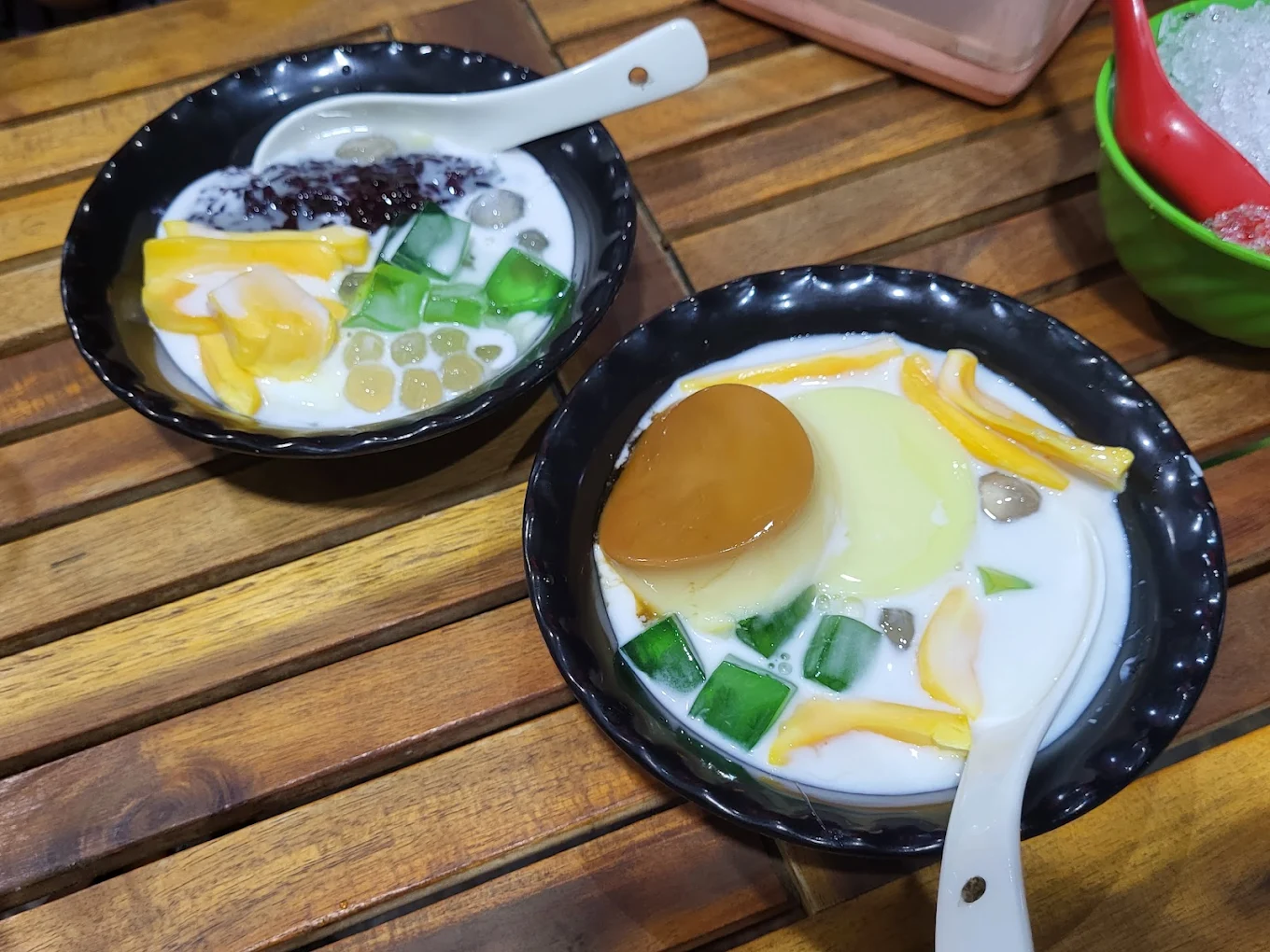
What I like about Chè is that it never feels heavy – it’s sweet, but not in an “aggressive” way. Locals usually eat it in the afternoon or evening, when they want something refreshing. If you’re unsure what to order, Chè is always a safe and very local choice.
2. Tàu Hũ Nước Đường (Silken tofu in ginger syrup)
This one surprises a lot of people in a good way actually!
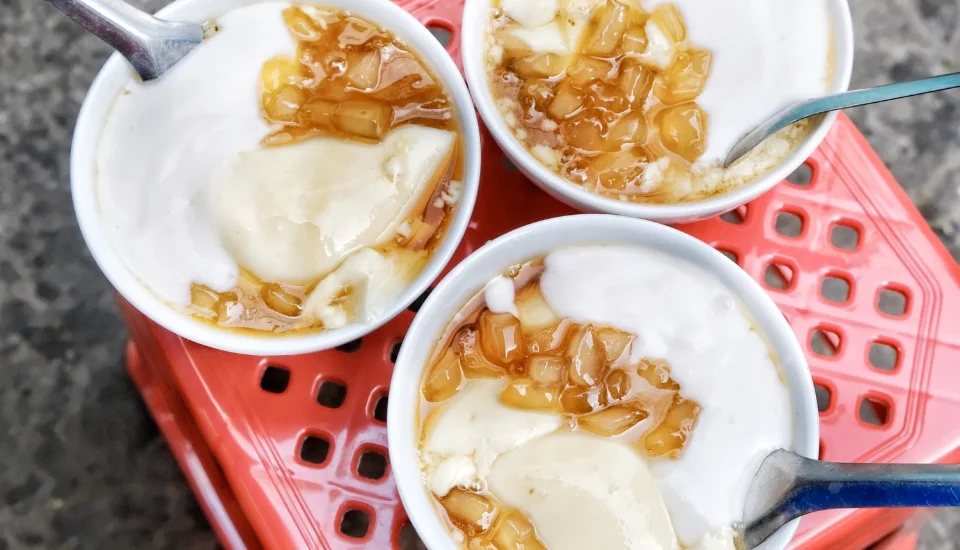
This dish is basically silky tofu floating in a light ginger syrup. The texture is incredibly soft, and the flavour is perfectly balanced. Nowadays, you’ll often see modern versions with brown sugar pearls, coconut-filling tapioca pearls or a hint of jasmine, but the dessert remains gentle and easy to savour.
I usually recommend this when someone wants something warm, not too sweet, and very soothing. It’s the kind of Vietnamese dessert people eat slowly, almost without thinking about it.
3. Bánh Cam (Vietnamese sesame balls)
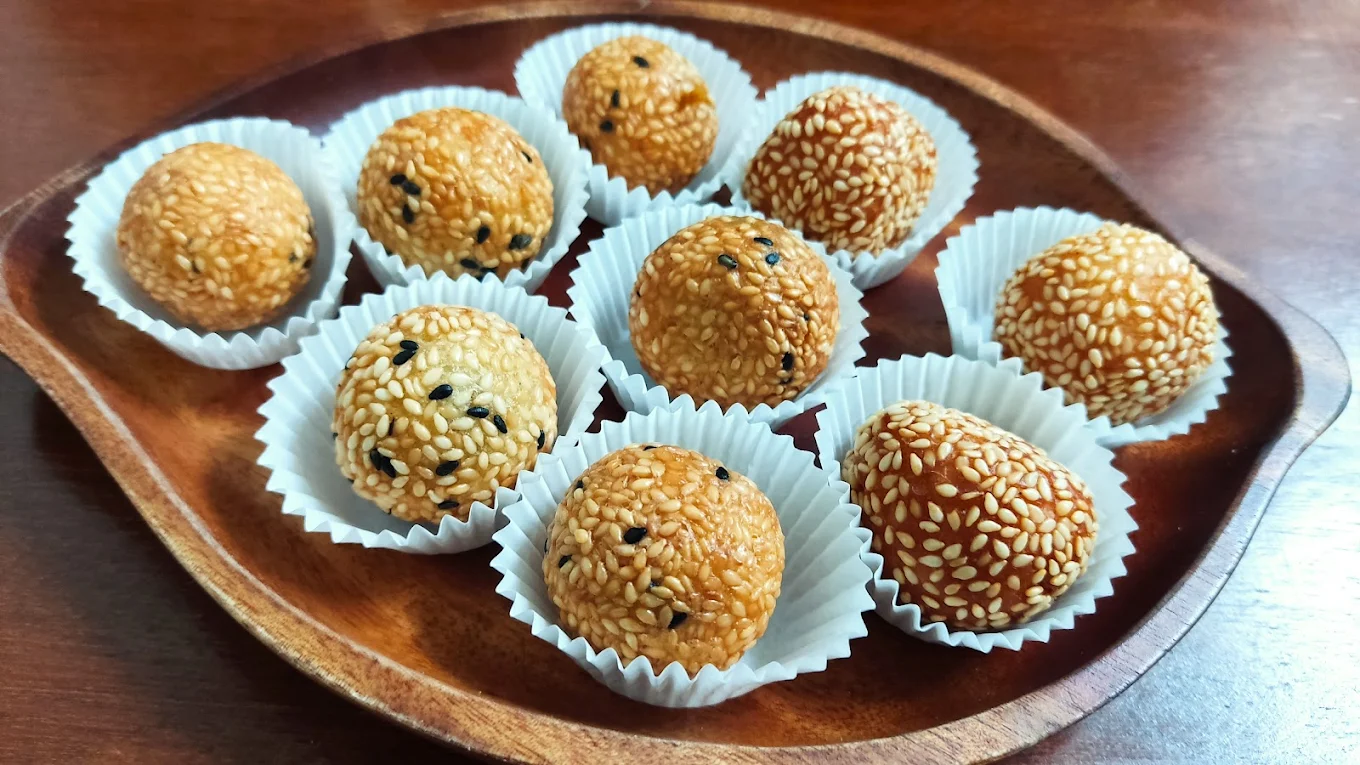
If you enjoy fried snacks, this will feel familiar right away. Bánh Cam are typically golden sesame balls with a crunchy outside and a soft, chewy inside, usually filled with mung bean paste. They’re lightly sweet and easy to eat while chatting with your friends or even meeting deadlines.
Personally, this is one of those Vietnamese desserts that’s easy to understand from the first bite.
4. Bánh Flan Cà Phê (Coffee Flan)
Yes, flans actually exist in Vietnam too!
Vietnamese flan is smooth, creamy and typically eaten with ice or a bit of coffee. Well known to locals, this dish is often recommended as an easy “introduction” to Vietnamese desserts.
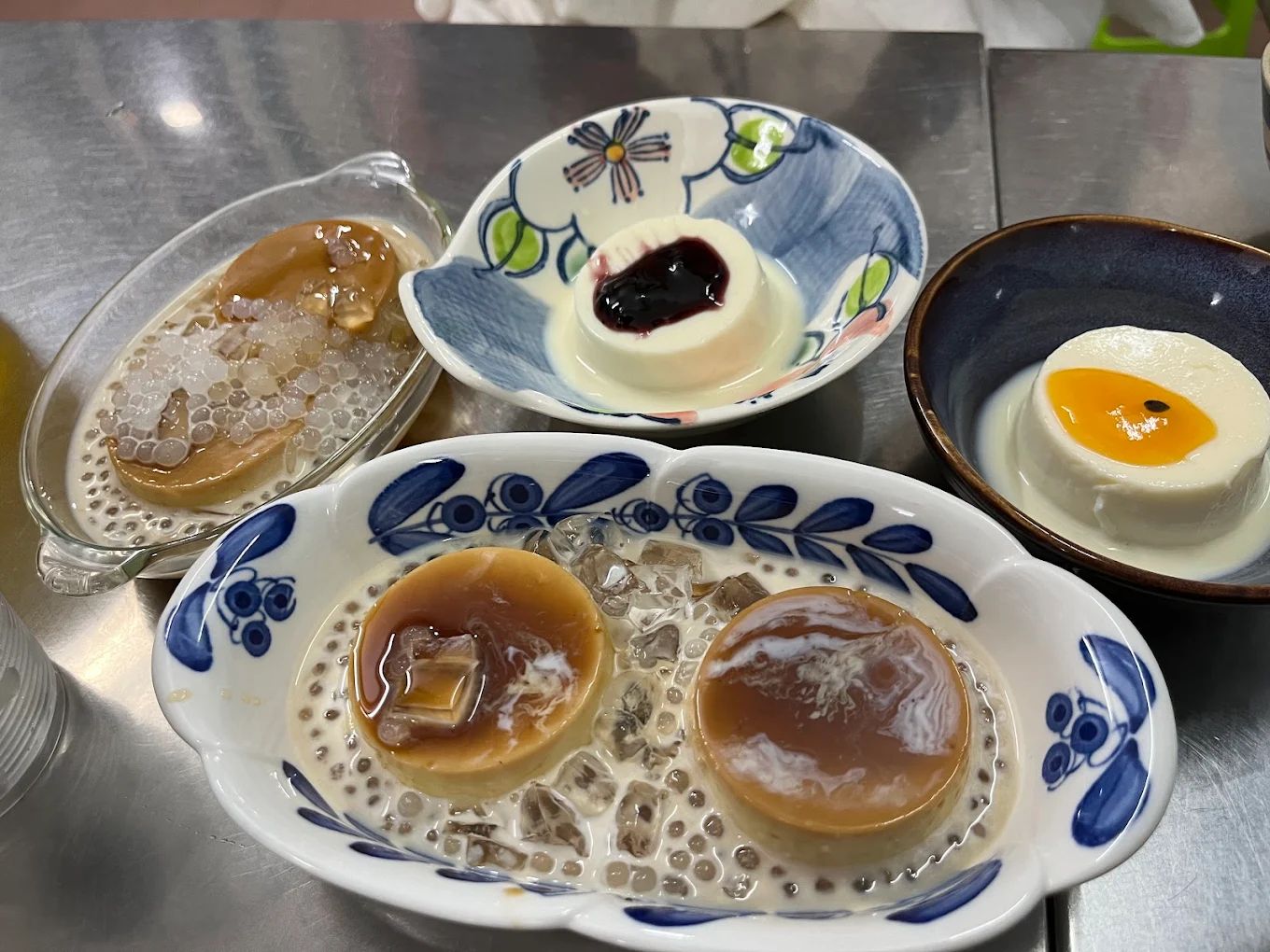
Beyond the classic version, bánh flan also comes in a variety of modern twists. You’ll find versions served with fruit jams, fresh fruit, or even matcha-flavored flan. Some places also offer soybean flan, which has a lighter texture and a more subtle flavor. These variations make Vietnamese flan easy to customize based on taste preferences.
If you’re craving something you already recognize, this is it!
5. Bánh Chuối Chiên (Vietnamese Fried banana fritters)
I still remember how, after school, I always stopped at a street stall to buy this snack and enjoy it before dinner at home. It was such a familiar treat for many of us growing up, especially during our school years.
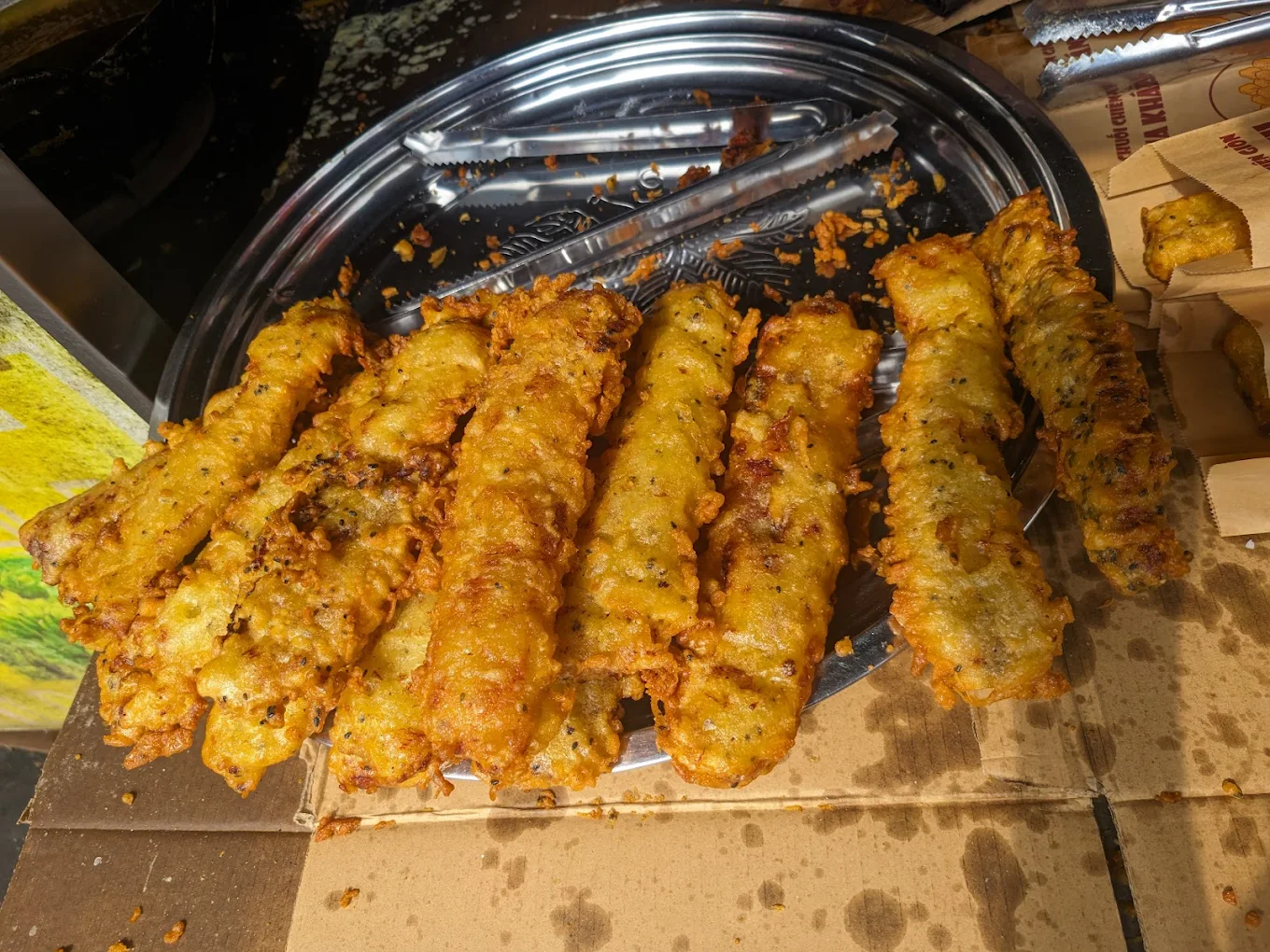
Simple, crunchy and comforting, this is one of those Vietnamese desserts that feels immediately approachable. Sliced bananas are dipped in batter and fried until crisp. The outside turns crunchy while the inside stays warm and soft, with the natural sweetness of ripe bananas coming through.
You’ll see these everywhere, particularly in the afternoon when people are looking for a quick snack.
Classic Street Desserts
6. Chuối Nếp Nướng (Grilled banana wrapped in sticky rice)
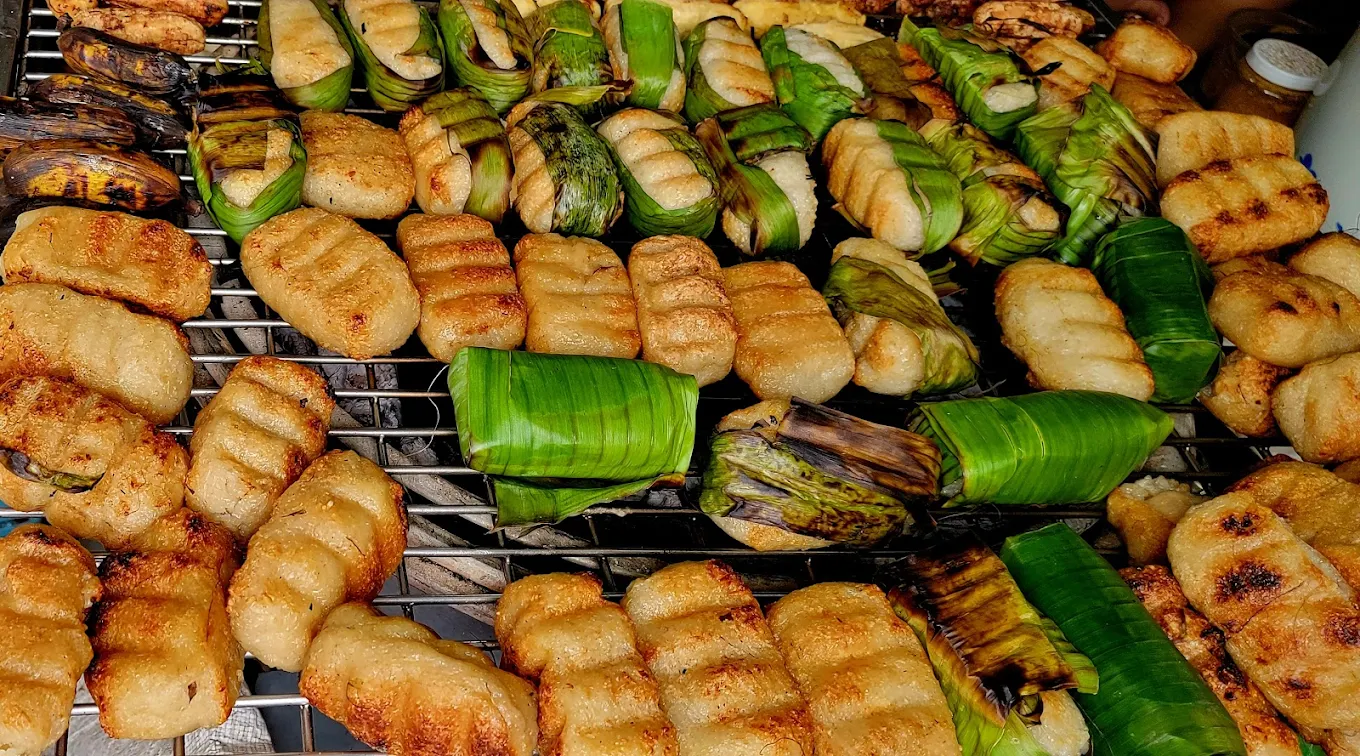
Honestly, this is one of the best Vietnamese desserts that you guys should try! Just imagine a ripe banana getting wrapped in sticky rice, grilled until slightly smoky, then topped with a warm, rich coconut milk with tapioca pearls – it’s the kind of dessert you won’t get enough of. You get sweetness from the banana, chewiness from the rice, and creaminess from the coconut: all in one bite.
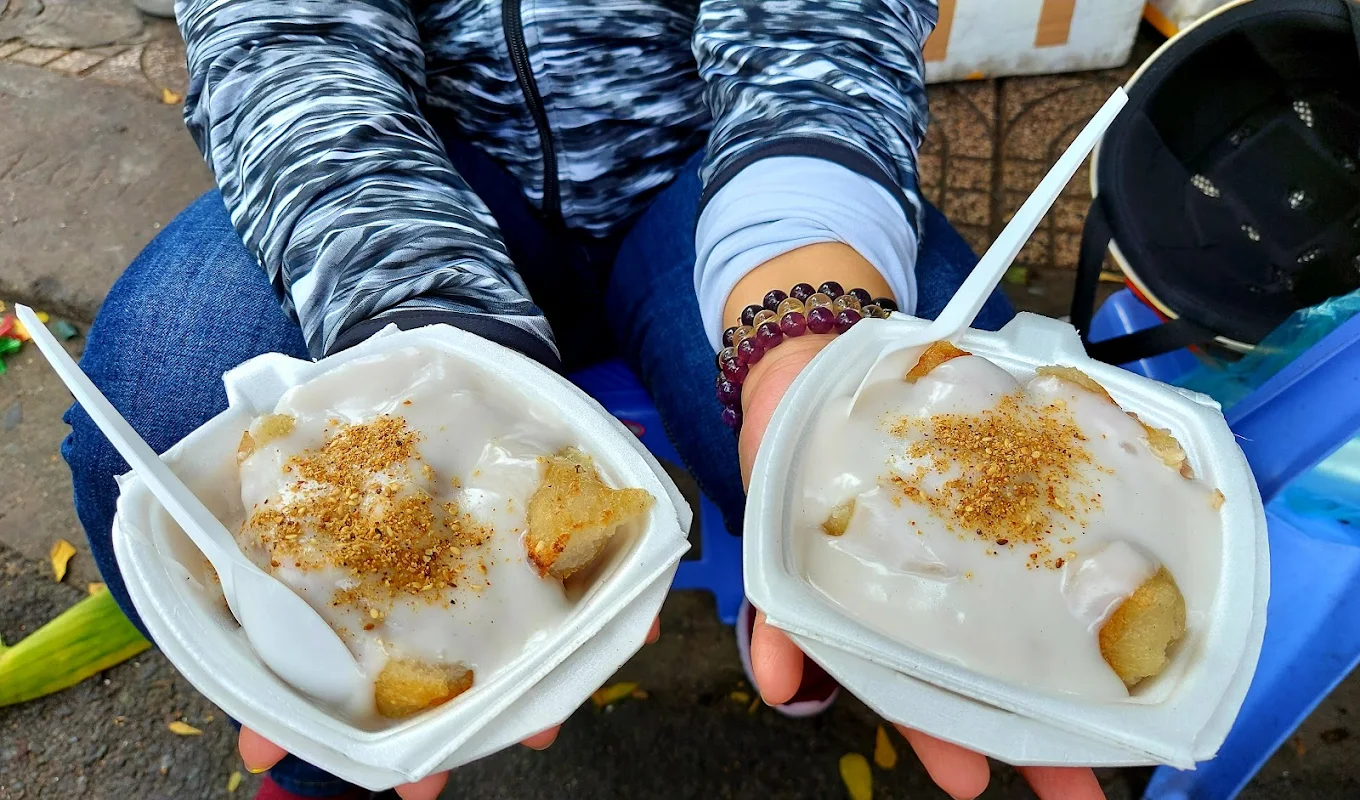
If you’re walking through a night market and smell something sweet and toasty, this is probably it. I almost always point people to this one.
7. Khoai Mì Nước Cốt Dừa (Steamed cassava with coconut milk)
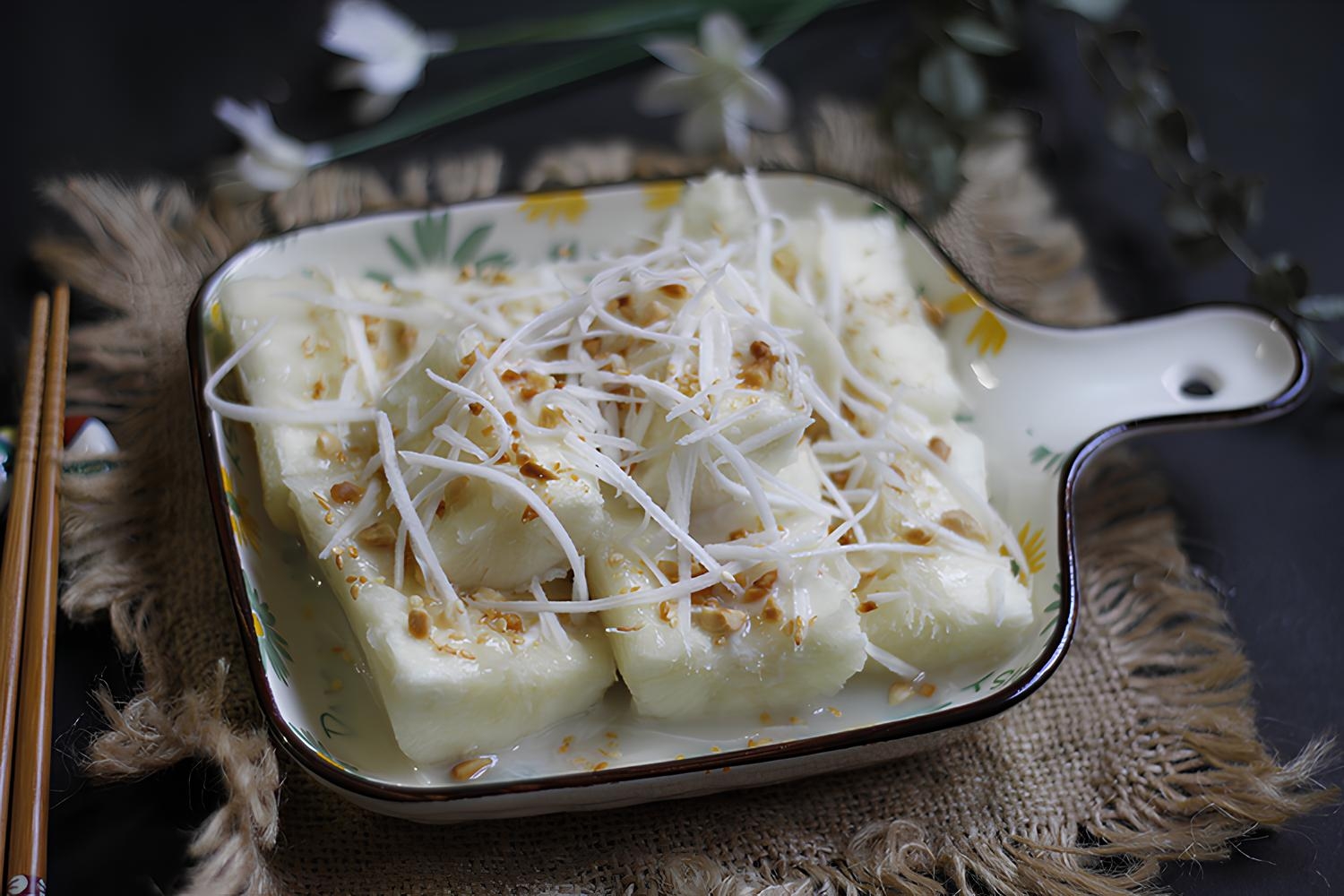
Among Vietnamese desserts, this is one that doesn’t look elaborate but is especially satisfying.
Cassava is steamed until soft, then topped with coconut milk and sugar. It’s denser than many other Vietnamese desserts and is often eaten as a snack that can actually keep you full for a while. It’s commonly sold at small street stalls or neighborhood shops, where it’s served warm or at room temperature.
If you’re hungry but don’t want a full meal, this is a practical choice that makes sense.
8. Sữa Chua Nếp Cẩm (Yogurt with fermented black sticky rice)
This is one of my go-to recommendations on humid days of the summer. Among various Vietnamese desserts, this special dish combines creamy yogurt with fermented black sticky rice, which creates a balance of tangy and mild sweetness. The texture is soft and smooth, with just enough contrast from the sticky rice to keep it interesting.
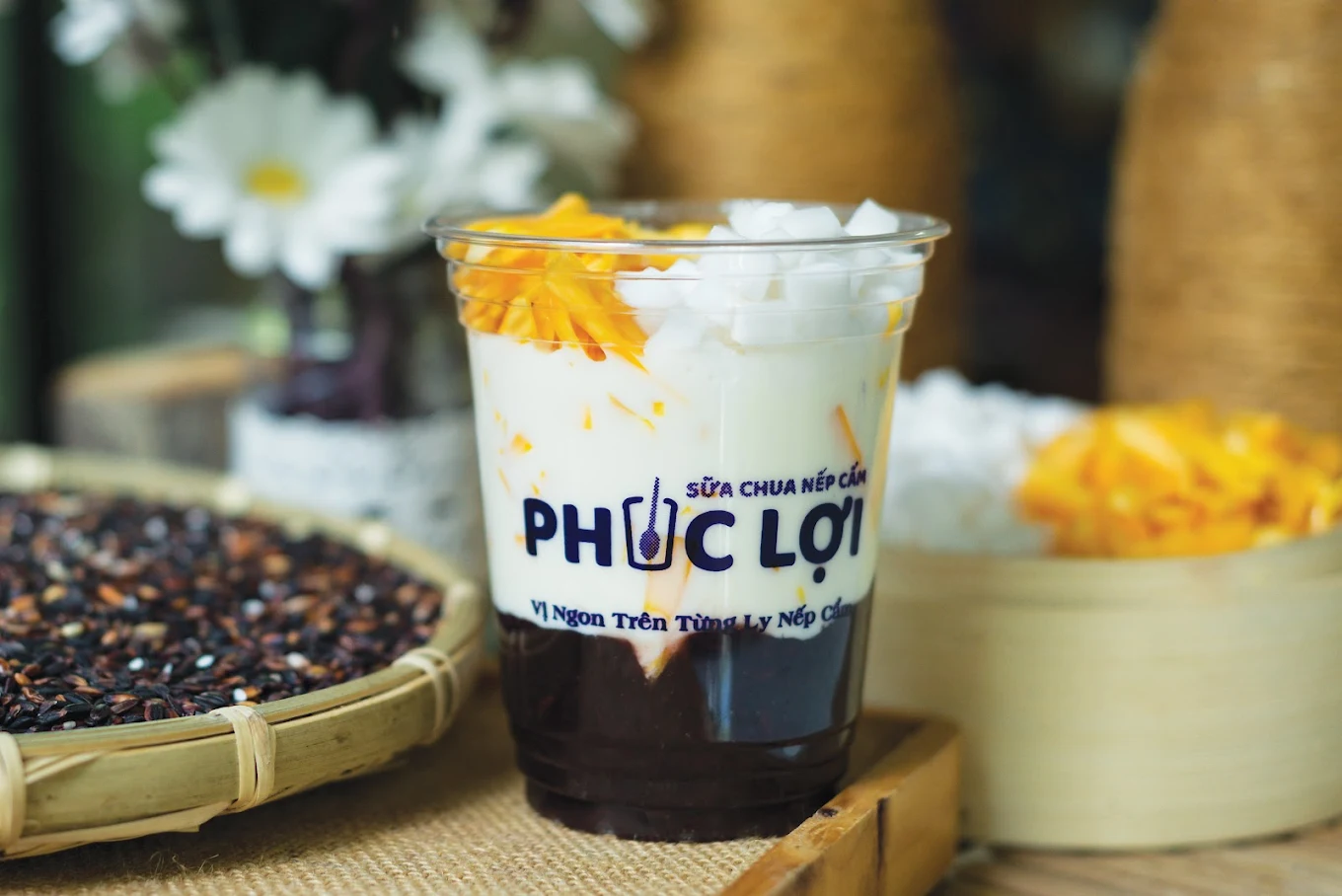
Thus, locals often enjoy this dessert in the afternoon, particularly during hot and humid days, as a light snack rather than a full dessert.
Traditional & Regional Specialties
9. Bánh Miền Tây (Mekong Delta–style traditional cakes)
Mekong Delta-style traditional cakes are the kinds of Vietnamese desserts I usually recommend when someone wants something traditional but approachable.
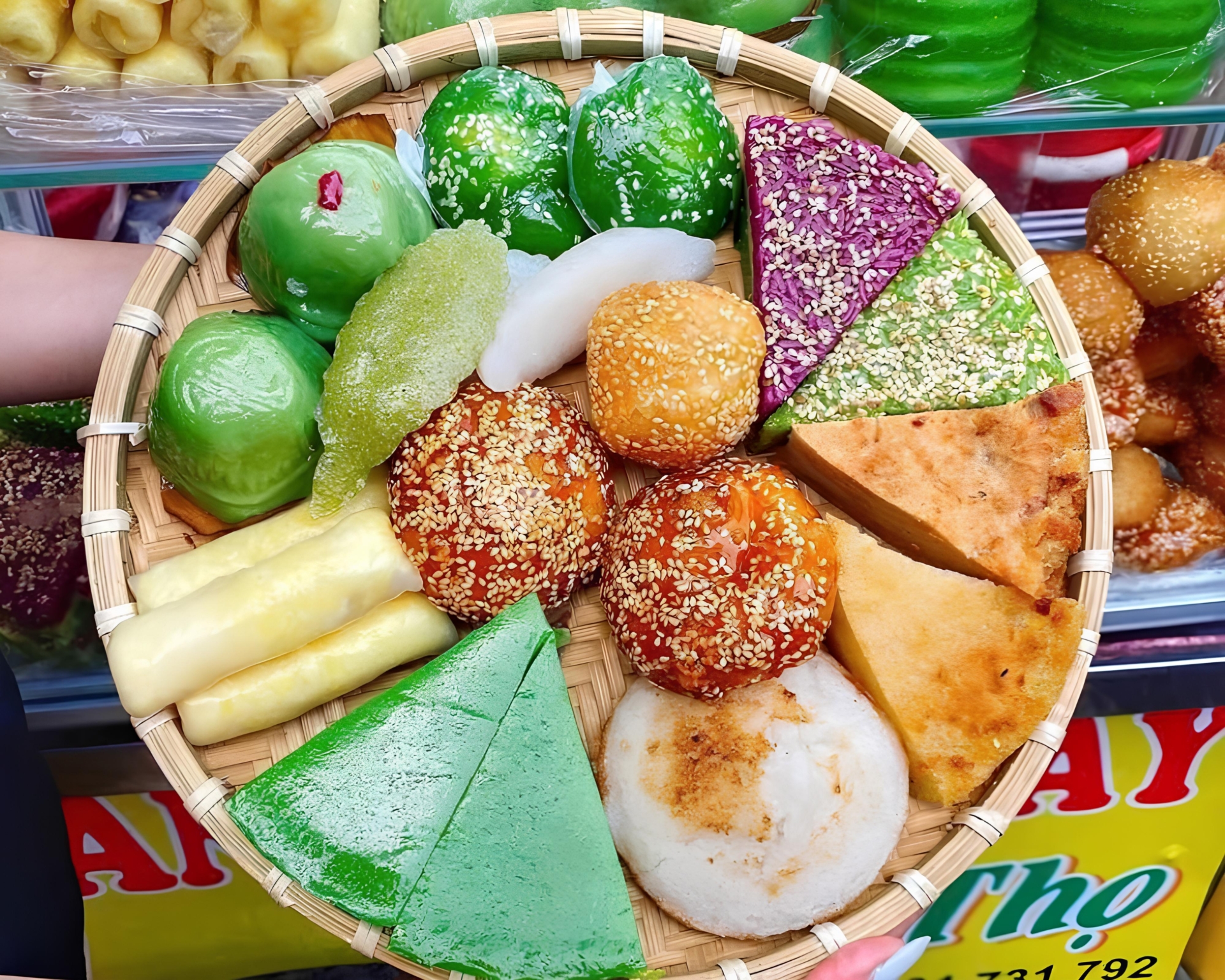
Originally, Bánh Miền Tây comes from Southern Vietnam, where coconut and sticky rice are common ingredients. These cakes are typically steamed, wrapped in banana leaves, have a chewy texture and a slightly sweet flavour. Locals often eat them in the morning or mid-afternoon, either as a light snack or alongside tea.
There are many types of Bánh Miền Tây, each made with simple ingredients and traditional techniques passed down through generations. Some of the most common ones include:
-
Bánh da lợn – layered steamed cake made from mung bean, tapioca starch, coconut milk, and pandan
-
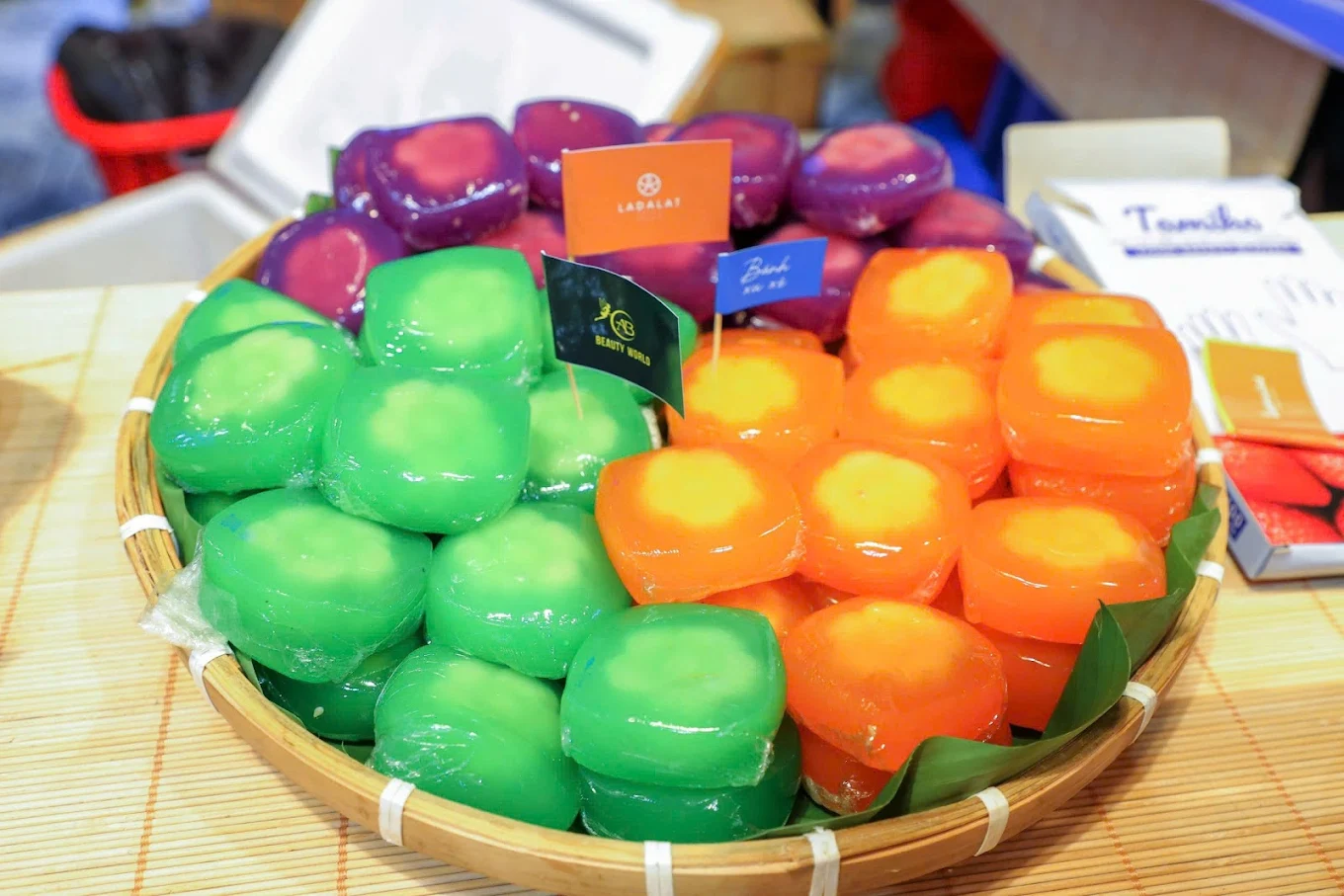
Bánh xu xê (bánh phu thê) – chewy translucent tapioca cake filled with sweet mung bean paste, often naturally colored with pandan, gấc, or butterfly pea.
-
Bánh chuối hấp – steamed banana cake with tapioca pearls and coconut milk
-
Bánh khoai mì – chewy cassava cake, often mixed with coconut and sometimes durian
-
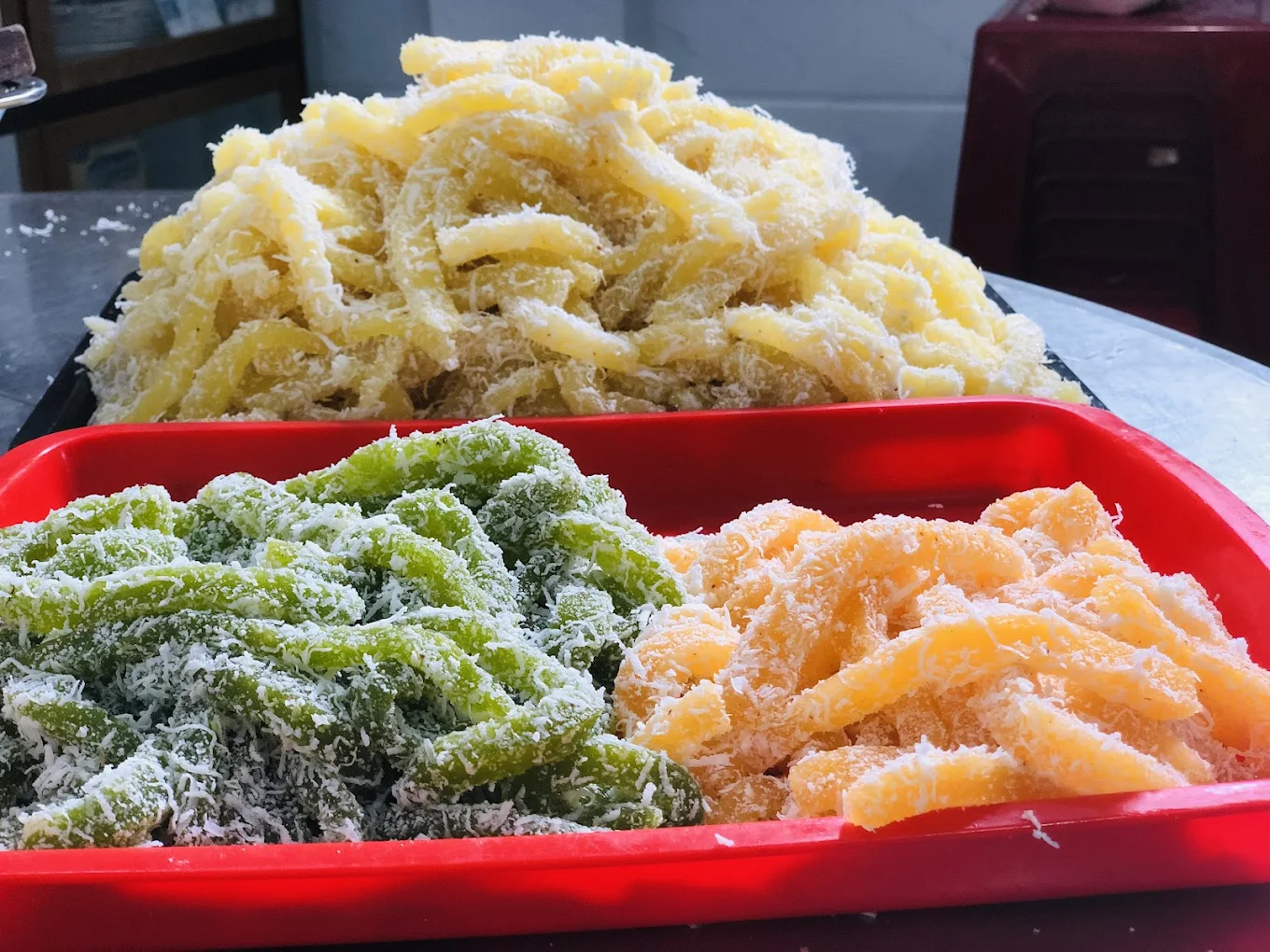
Bánh tằm khoai mì – cassava “noodles” served with rich coconut sauce
-
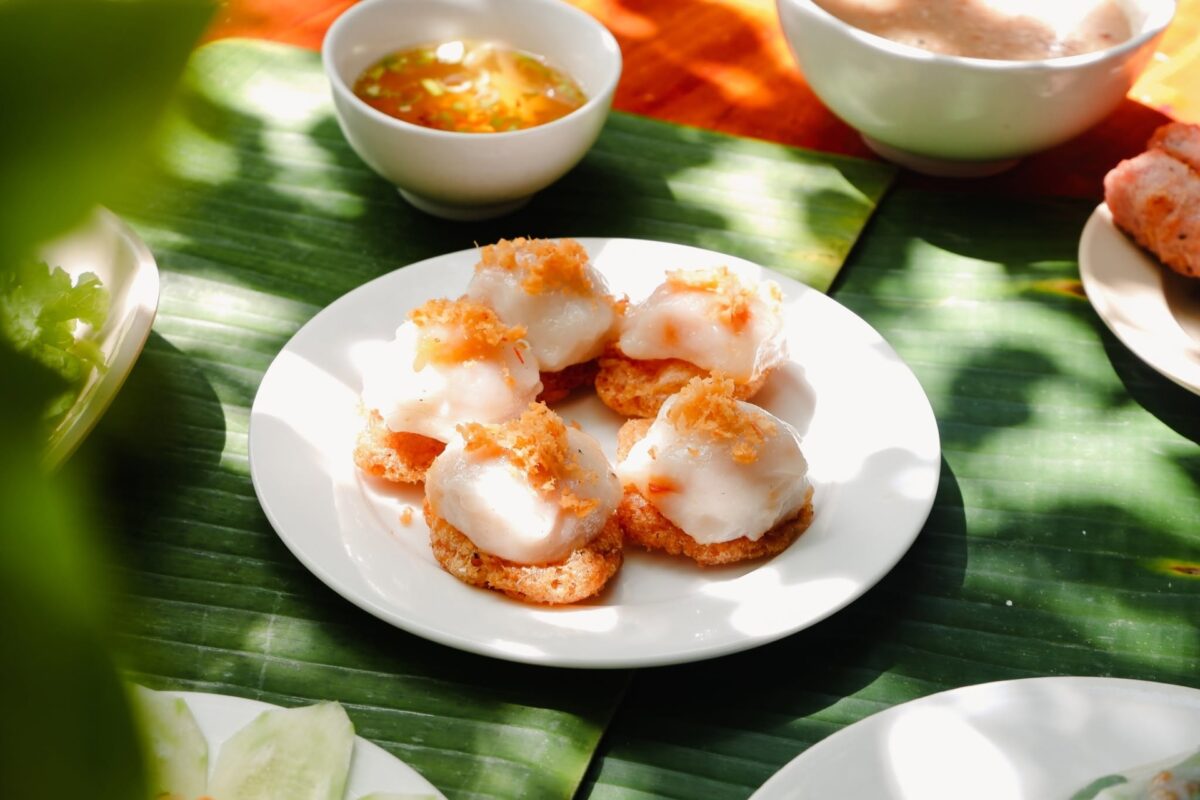
Bánh ít trần – sticky rice dumplings filled with mung bean or coconut
-
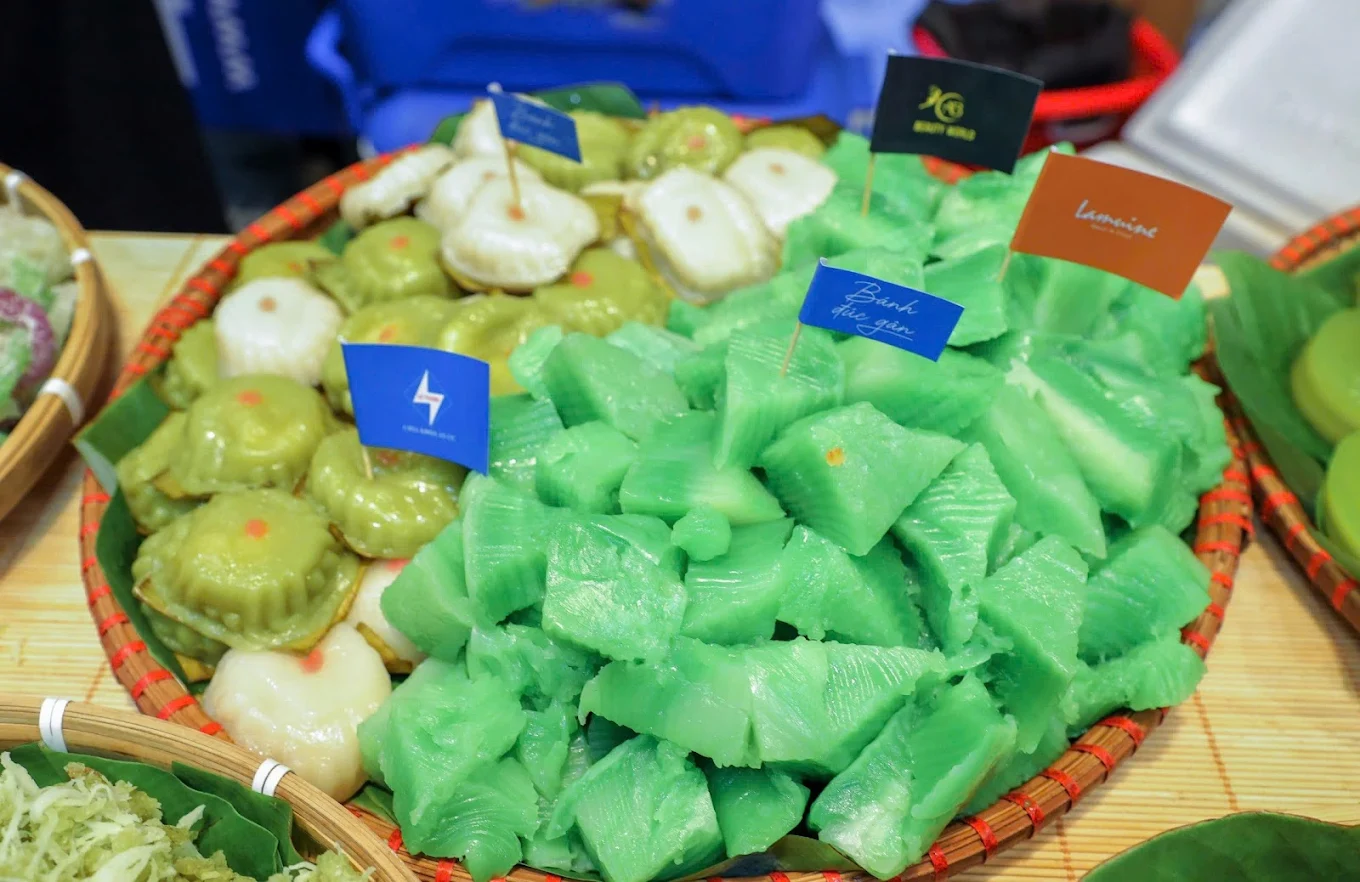
Bánh đúc lá dứa – pandan-flavored rice cake topped with coconut sauce
10. Bánh Bò Nướng (Baked honeycomb cake)
Among Vietnamese desserts, Bánh bò nướng stands out for its light, bouncy texture, with small air pockets that give it a sponge-like feel. There are two popular versions: one made with palm sugar (which brings a deeper caramel flavour) and another flavoured with pandan (adding a fragrant, slightly grassy aroma).
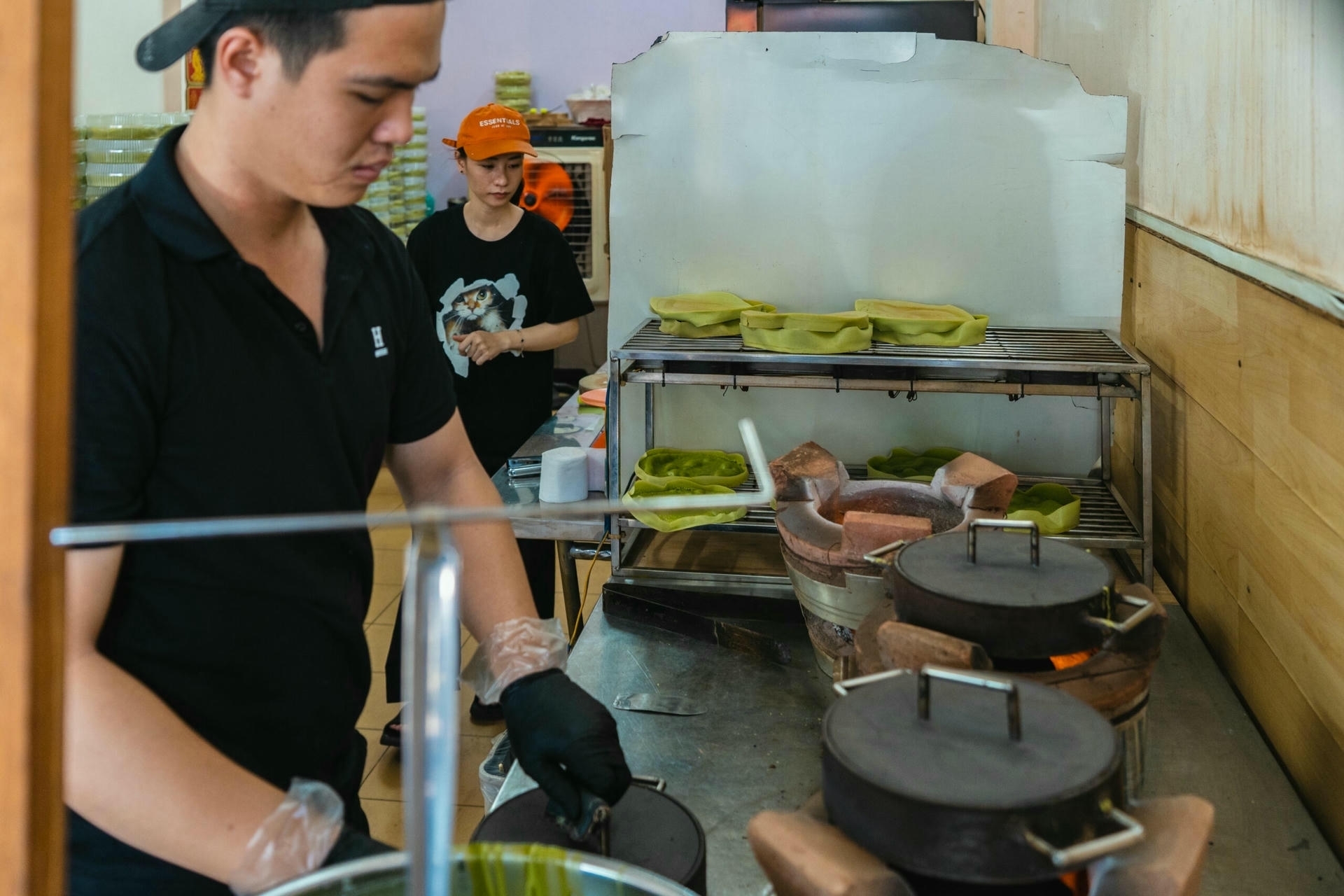
Moreover, this dish is sometimes served with a topping of shredded coconut, which adds a subtle richness and extra texture.
Because it’s easy to cut and share, it’s often a good option for those who want a straightforward, accessible dessert.
11. Bánh Pía (Pía Cake)
Pía Cake is richer than most Vietnamese desserts, with flaky outer layers and a traditional mung bean and durian filling, sometimes combined with salty egg yolk. Originally from Sóc Trăng Province in southern Vietnam, Pía Cake is not meant to be eaten in large portions and is usually enjoyed with a cup of tea.
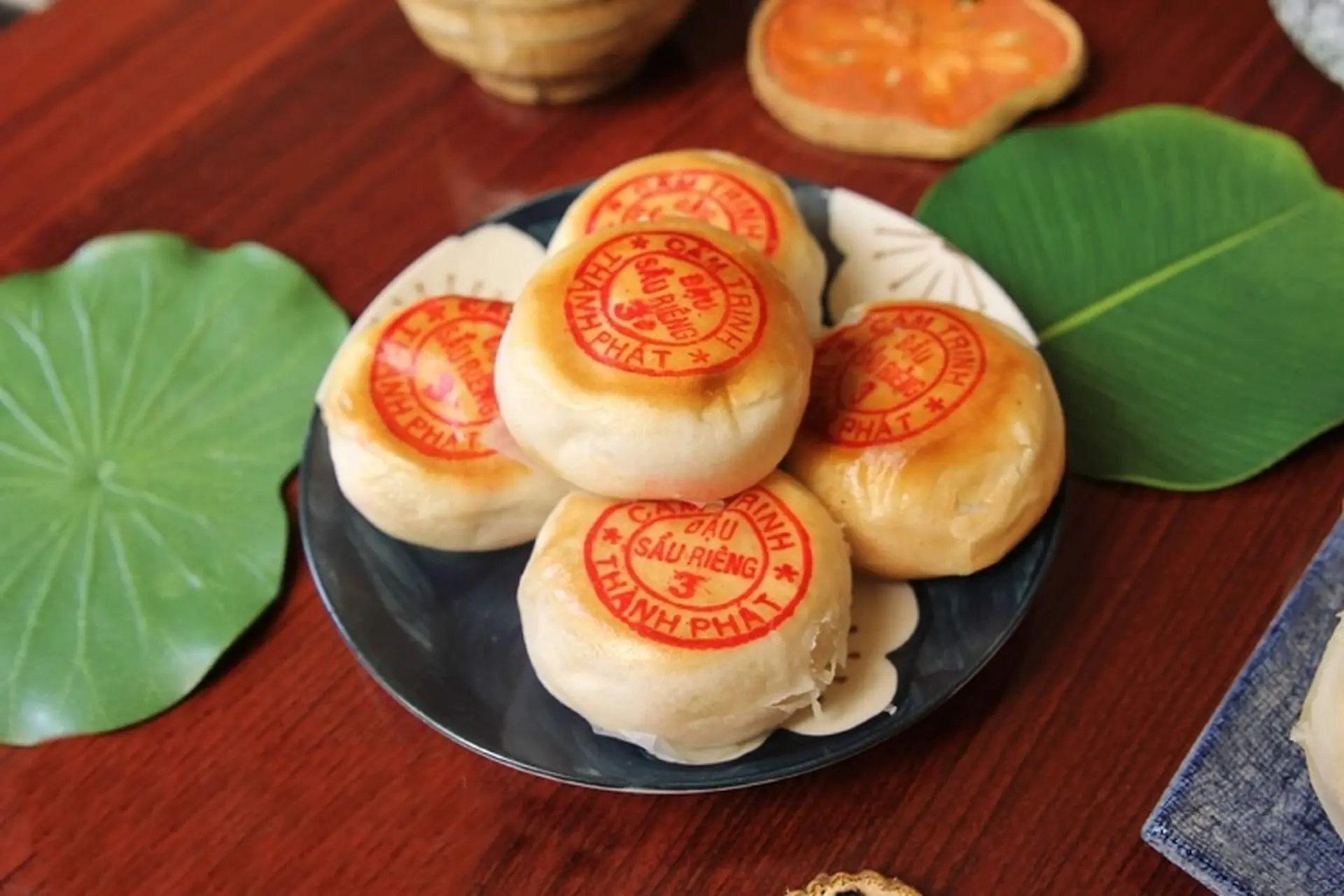
If you’re comfortable with durian’s bold flavor, Pía Cake is a dessert you shouldn’t skip. For travellers, it’s also very easy to find, especially at well-known local bakeries such as Tân Huê Viên or Hương Việt, where a wide range of flavors is available.
Pía Cake also comes in many variations, including red bean paste, savory mixed fillings (nhân thập cẩm mặn), pineapple, molten salted egg yolk (kim sa trứng chảy), taro, black sesame, and lotus seed. So even if durian isn’t for you, there are plenty of other flavors to try.
12. Sâm Bổ Lượng (Vietnamese Sweet Herbal Soup)
I usually save this one for last.
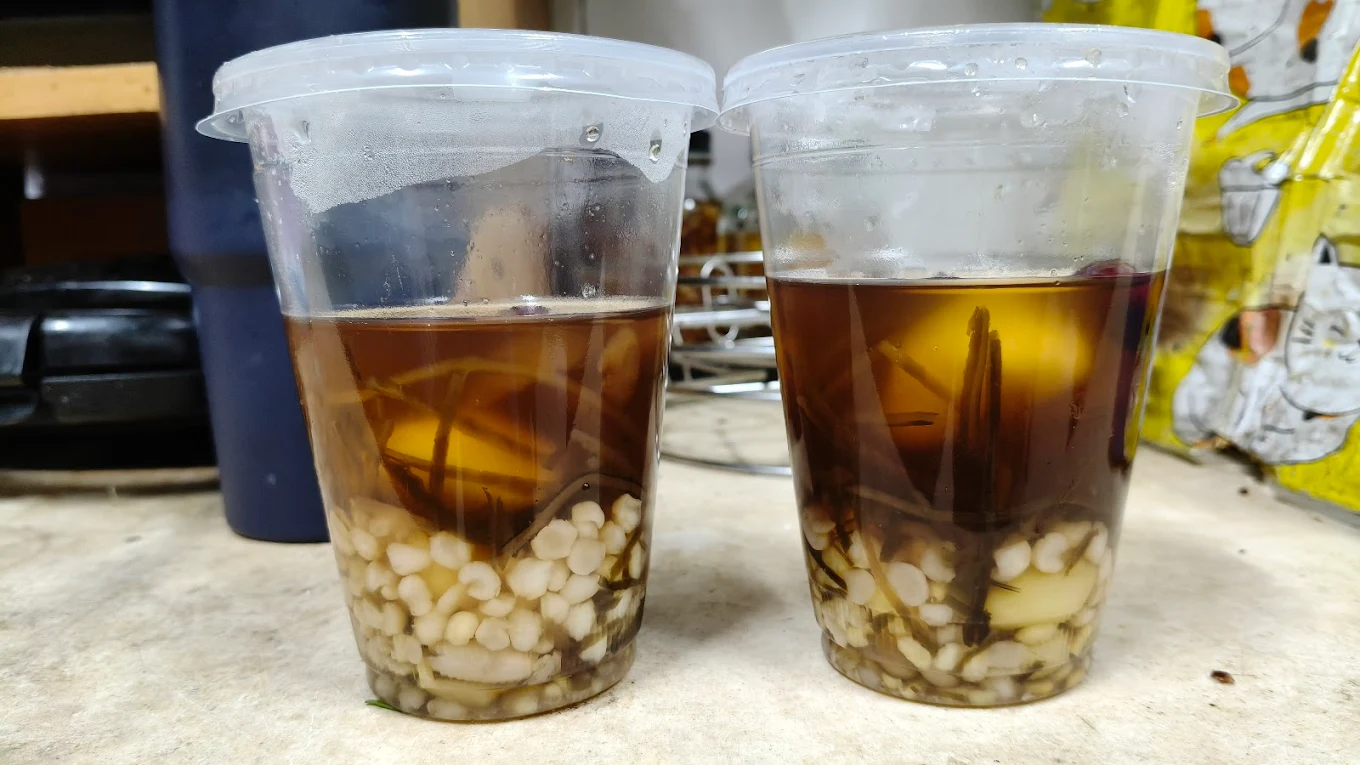
When exploring Vietnamese desserts, sâm bổ lượng is one of those quietly refreshing treats I always recommend, especially on hot afternoons. Served cold, this herbal dessert combines longan, lotus seeds, seaweed, mung beans, and other plant-based ingredients in a lightly sweet syrup. What I love most is how balanced it feels – just clean, cooling, and incredibly soothing.
At street-side stalls, I can freely customise my cup by skipping ingredients I don’t like or adding extra toppings, which makes each serving feel personal. Among all Vietnamese desserts, sâm bổ lượng stands out as a gentle reminder that sweetness here often comes with comfort and care, not indulgence alone.
How Locals Choose and Order Vietnamese Desserts
Before choosing which Vietnamese desserts to eat, it really helps to know how locals order and enjoy them. This is precisely how I explain it to my foreign friends when we’re standing at a street stall together:
1. How Much Do Vietnamese Desserts Cost?
Before anything else, here’s the good news: Vietnamese desserts are totally affordable. Most street-style desserts cost around 15,000–35,000 VND per portion (~ USD $0.60–$1.50). Even in cafés and tourist areas, prices usually stay under $3.
2. Portion Sizes & the Sharing Culture
This is something many first-time visitors don’t expect: Vietnamese desserts are often shared. For instance, one bowl of Chè can easily be shared by two or even three people. Locals usually sit together, passing spoons around, and tasting together is part of the experience.
When I’m with friends, we almost always order one bowl first, then decide if we want more.
3. “Customizing” Your Favourite Toppings
At most street-side stalls, customization is a normal part of ordering. You can tell the seller to skip ingredients you don’t like, ask for extra toppings or coconut milk, or mix toppings if the stall allows it.

Also, many Vietnamese desserts (especially Chè) can be served either hot or cold.
If you want to choose:
- Say “nóng” if you want it hot
- Say “lạnh” if you want it cold
Best Places For You to Try Vietnamese Desserts
1. Street Stalls
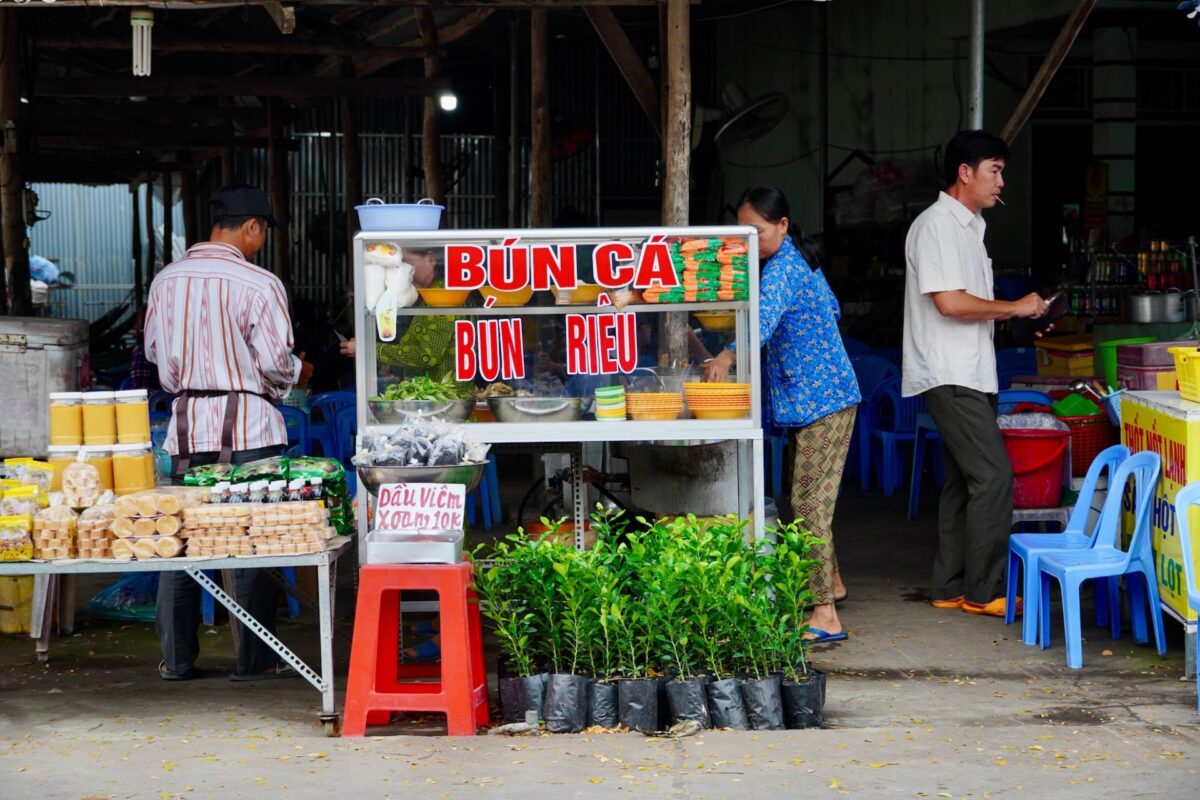
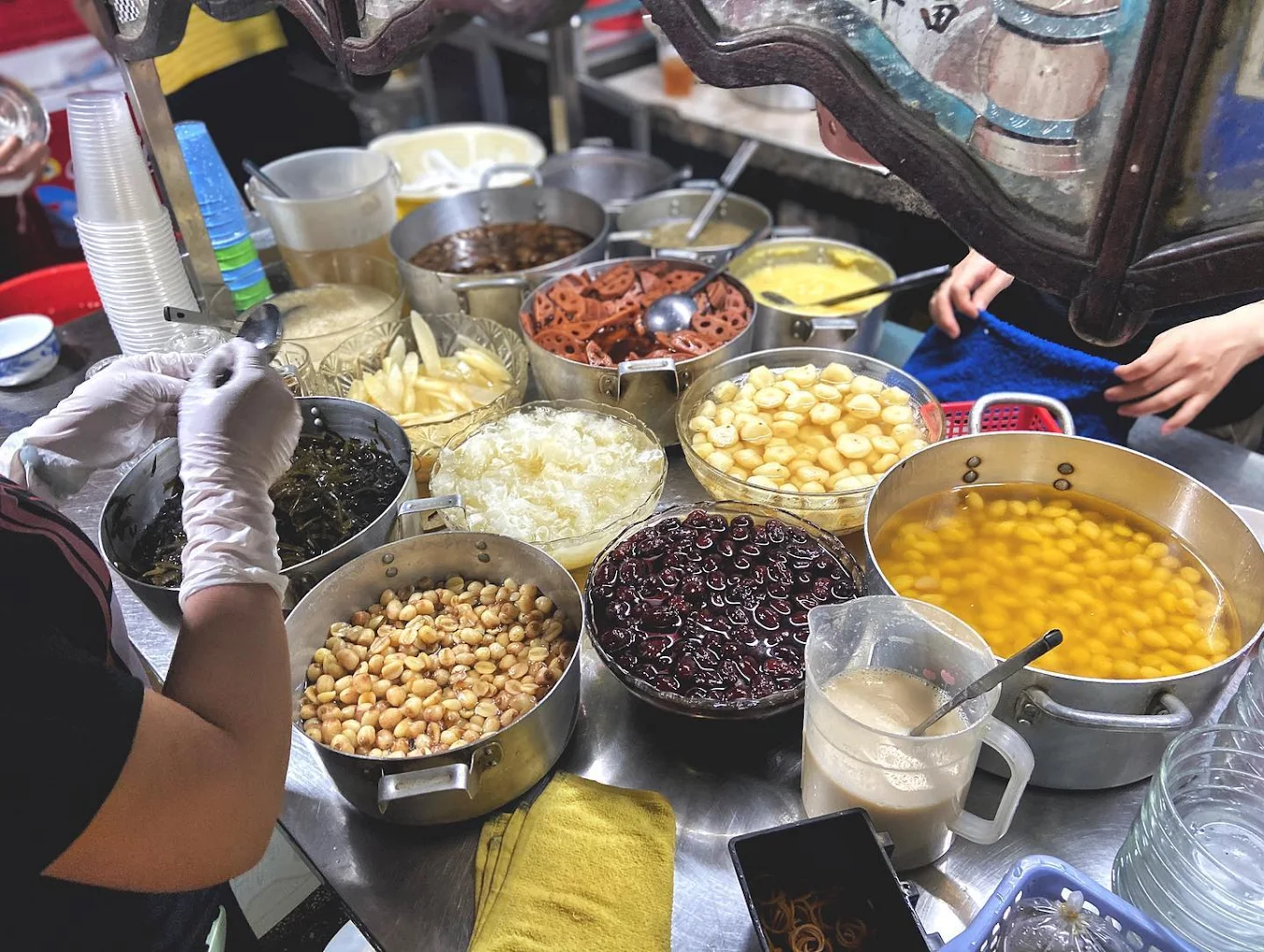
Street stalls are the most common place to enjoy Vietnamese desserts, especially Chè, fried snacks, tofu desserts or banana cakes. Prices are affordable, ranging from about $0.60 to $1.20 per portion, making it easy to try several desserts without breaking the bank.
What most street stalls have in common is the visual experience: rows of large pots filled with colourful toppings laid out in plain sight. Everything is openly displayed, so you can see exactly what goes into your bowl, point to the ingredients you want, and watch the dessert come together right in front of you.
Where to find them in Ho Chi Minh City
- Around Nguyễn Huệ Walking Street (especially in the evening)
- Along Võ Văn Tần, Nguyễn Trãi Street
- Small neighborhood streets in Bình Thạnh District
2. Local Markets
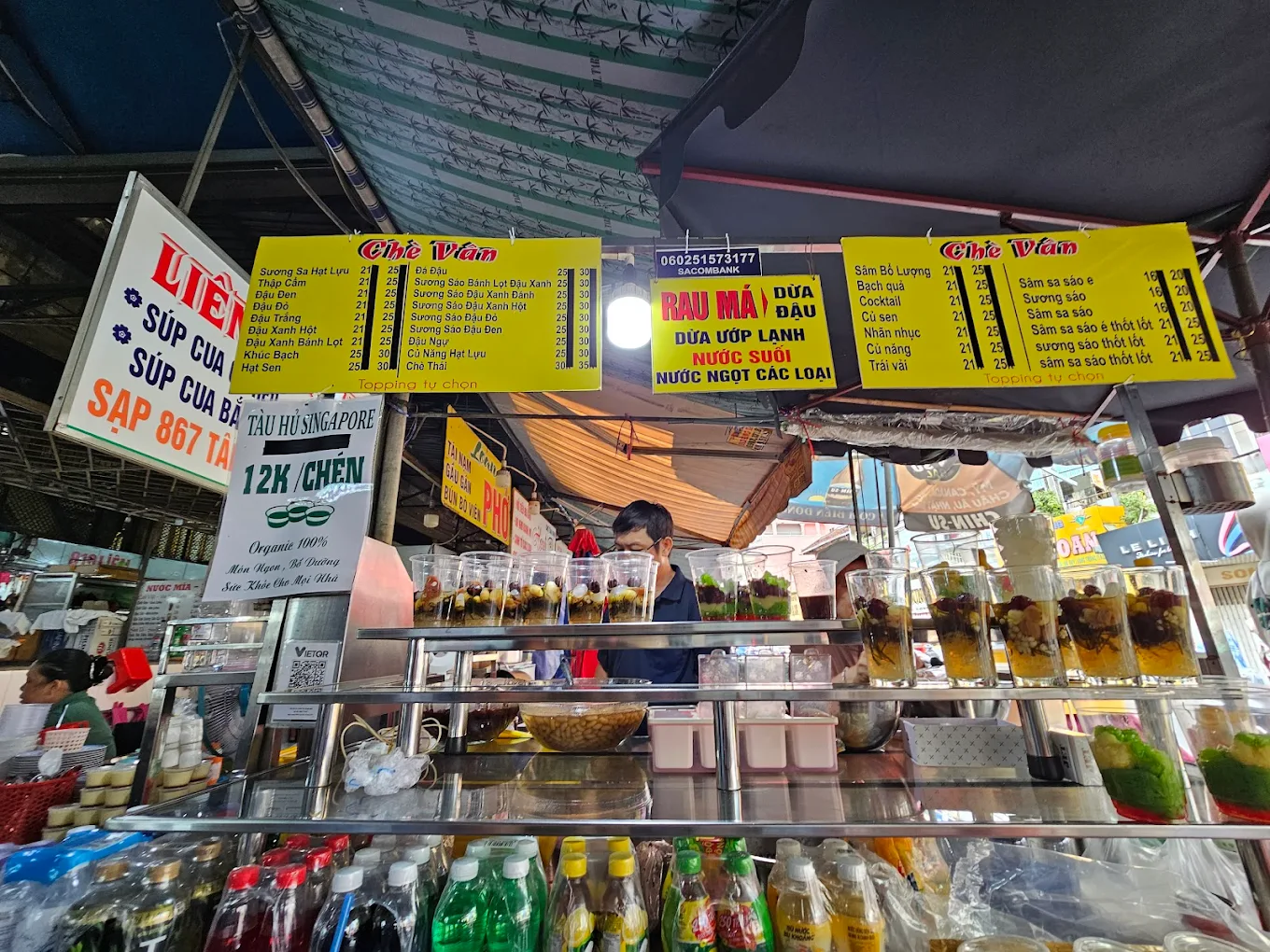
Local markets gather many dessert vendors in one place, so you can easily try everything, from Vietnamese Chè, sticky rice dishes, to fried bananas and traditional cakes in a single visit. Because of the variety and convenience, prices are still affordable but slightly varied, usually ranging from about $0.80 to $2.00, depending on the item and portion size.
Good local markets in Ho Chi Minh City
- Bến Thành Market
- Tân Định Market
- Bàn Cờ Market
- Hồ Thị Kỷ Food Street
3. Modern-style eateries
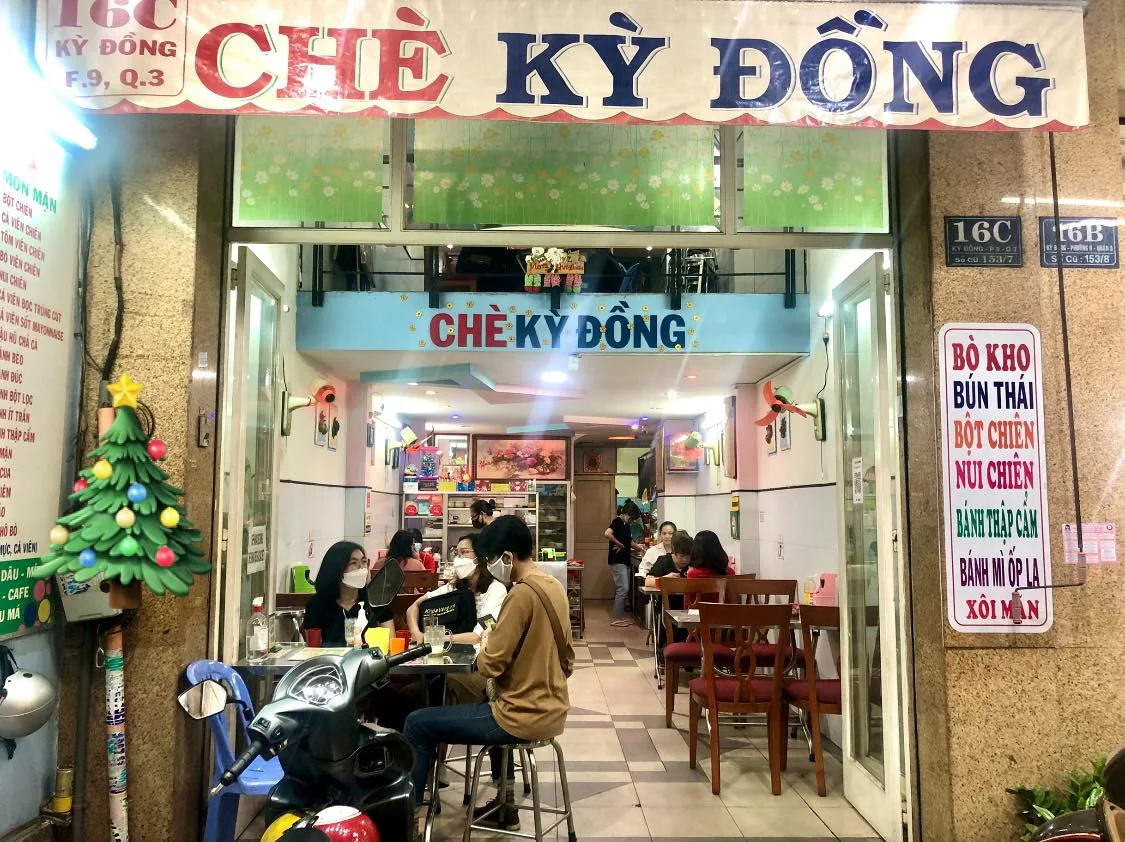
Modern-style chè houses are a good option if you want a break from the heat or prefer a comfortable setting. These places focus specifically on chè and other Vietnamese desserts, but present it in a more updated way, with cleaner spaces, organized menus, and consistent quality. The flavors remain familiar and traditional, but the overall experience feels more polished and accessible for visitors.
Prices usually range from about $1.20 to $2.40 per bowl. You can expect proper seating, air-conditioning, and menus that are often available in both Vietnamese and English.
Places for you to try
- Chè Chang Hi (41 Phan Xích Long, Ward 2, Phú Nhuận District)
- Chè Beans (290/13B Nam Kỳ Khởi Nghĩa, Võ Thị Sáu Ward, District 3)
- Chè Kỳ Đồng (16C Kỳ Đồng, Ward 9, District 3)
- Chè Hiển Khánh (718 Nguyễn Đình Chiểu, Ward 1, District 3)
Vietnamese Desserts: What Travellers Often Ask?
1. Are Vietnamese desserts vegetarian?
From my experience, many Vietnamese desserts are naturally vegetarian, especially traditional ones made with ingredients like sticky rice, beans, coconut milk, tapioca, cassava, and fruit. For most travellers, this makes Vietnamese desserts one of the easier categories to navigate when looking for vegetarian-friendly options.
2. Can lactose-intolerant travellers eat Vietnamese desserts?
Yes, Vietnamese desserts are generally friendly for lactose-intolerant visitors, since many traditional Vietnamese desserts rely mainly on coconut milk instead of regular milk.
However, there are certain dishes that will include condensed milk, yoghurt or ice cream, so it’s best to avoid dairy-heavy items and opt for plant-based desserts like steamed cakes, bean or coconut-based desserts.
3. Are Vietnamese desserts safe for people with nut allergies?
This is the area where travelers need to be the most careful. Vietnamese desserts frequently use peanuts, sesame seeds, or coconut, either as main ingredients or toppings.
If you have a nut allergy, I recommend asking the seller clearly and sticking to simpler desserts with fewer toppings. Most vendors are willing to adjust to your liking or remove toppings if asked, but it’s still important to be cautious!
Let’s Discover Vietnamese Desserts After Dark with Jackfruit Adventure!
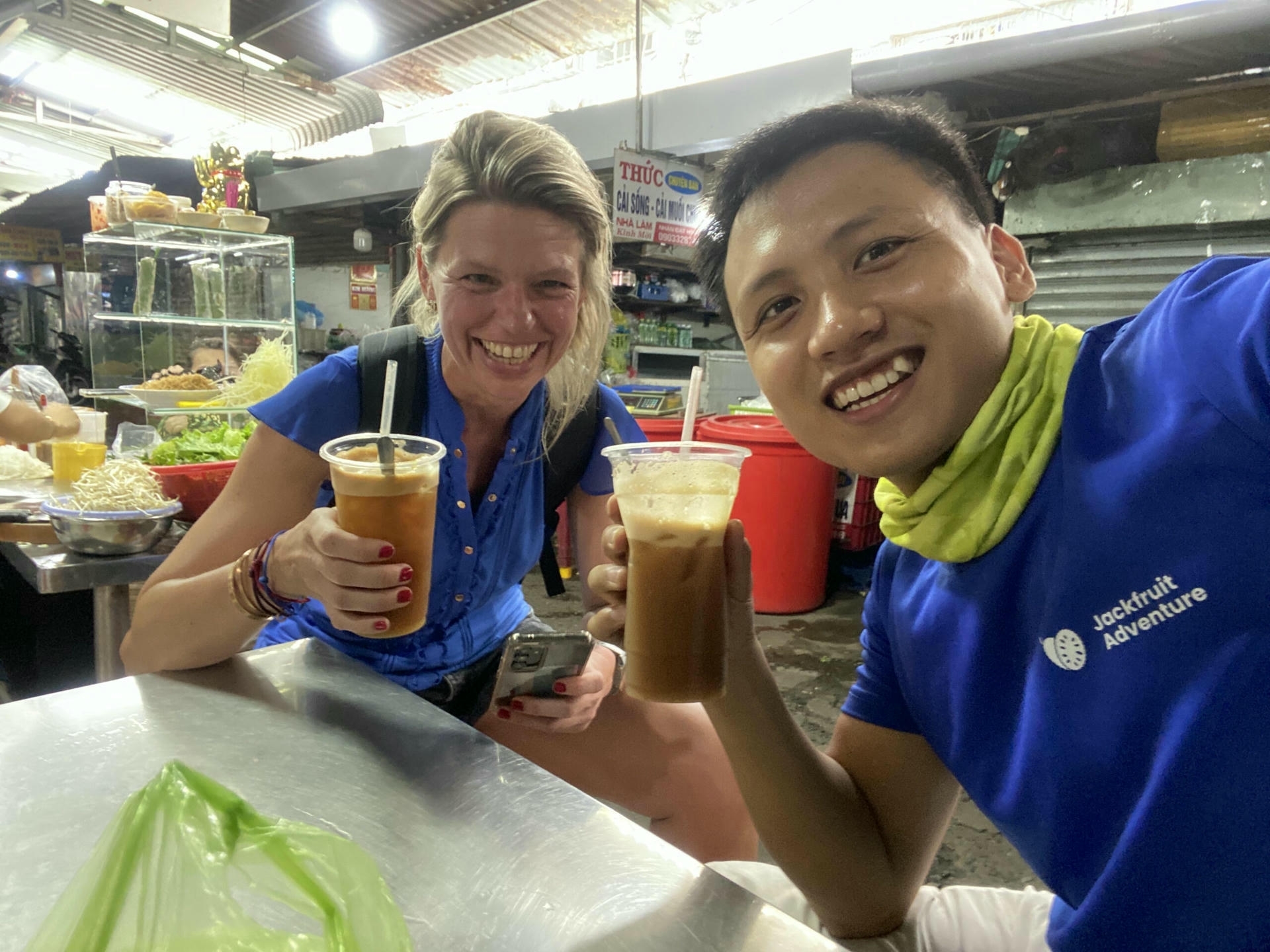
By the time I finished my last spoonful of Vietnamese desserts, I came to realize that this whole journey isn’t just about the flavours. It’s all about the conversations over a bowl of Chè, the unexpected delight of cool coconut milk after a hot Saigon afternoon, and the way all familiar ingredients feel completely when you’re tasting them on the street. If you’re anything like me, then your dessert journey doesn’t have to end here.
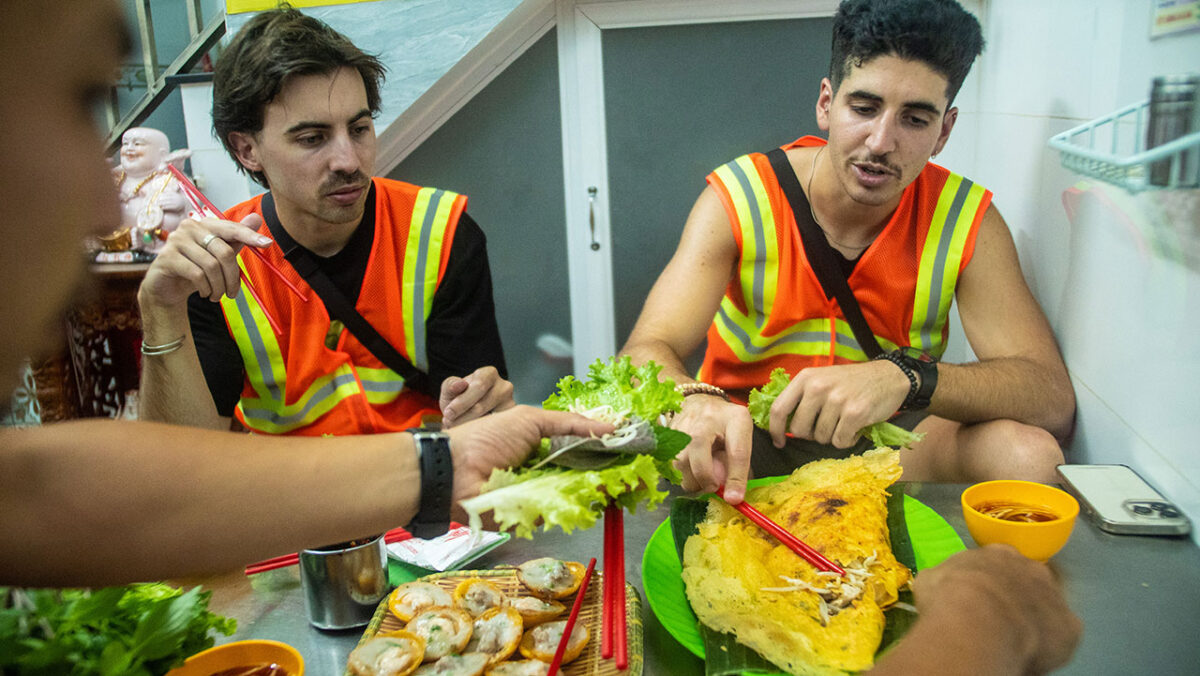
When I wanted to explore Vietnamese desserts beyond daytime stalls, I found myself joining a Saigon Foodie Night Ride with team Jackfruit! Throughout this journey, I found myself cycling through the heart of Saigon after dark, where the city lights and vibrant alleyways become the backdrop for some of the best bites you’ll find. I liked how the night ride let me experience Saigon through taste, not just sight. Each stop, each flavor, added something new to the streets I thought I already knew.
If Vietnamese desserts are still on your mind, this is truly an exciting way to see the city and soak up Saigon’s food culture like a local!