

Table of Contents
A national concert in red
When people ask me what Vietnam’s 80th Independence Day was like, I do not call it a parade. I tell them it felt like a national concert. In recent years, Vietnamese youth have even coined the phrase Concert Quốc Gia, a playful yet proud way of describing how patriotism can feel like a performance shared by everyone .
On September 2, 2025, that spirit reached its height. This was not a concert with tickets or celebrities, but one where the entire country became both performers and audience. Marching formations moved with the rhythm of choreography, jets roared like electric guitar solos, and the anthem rose as a chorus already known by millions.
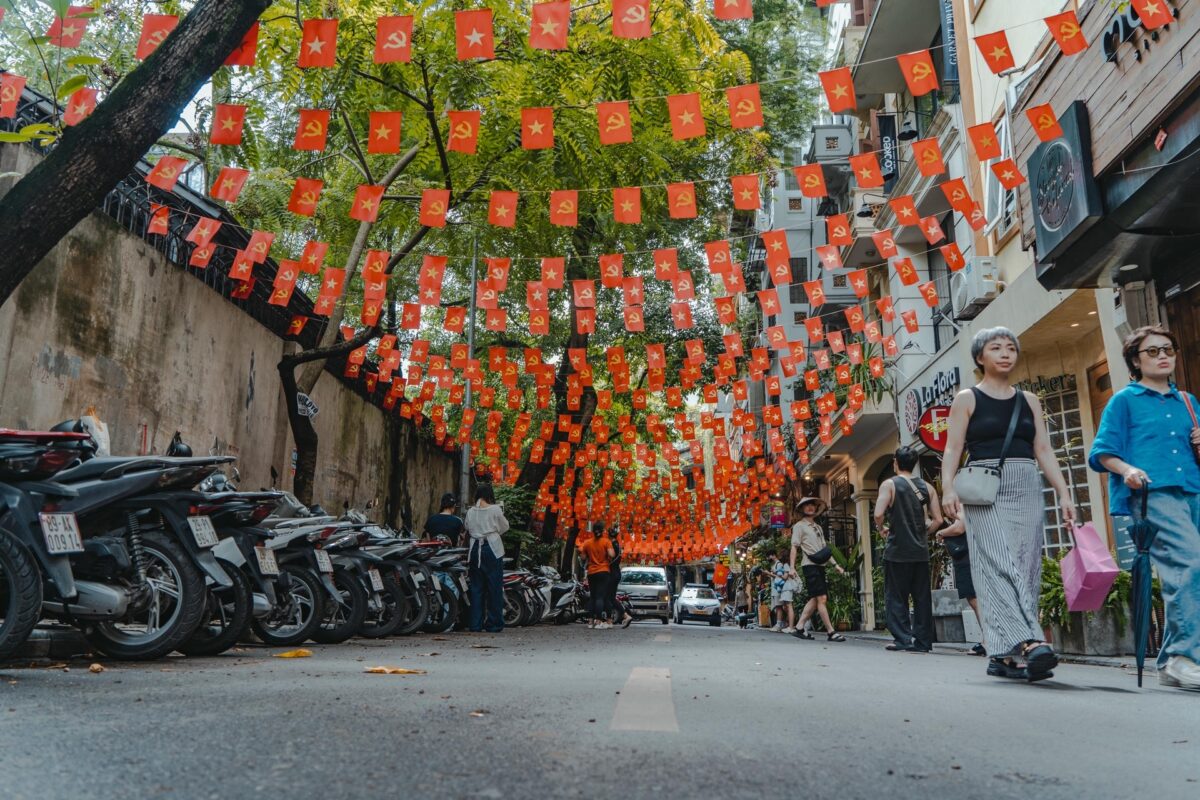
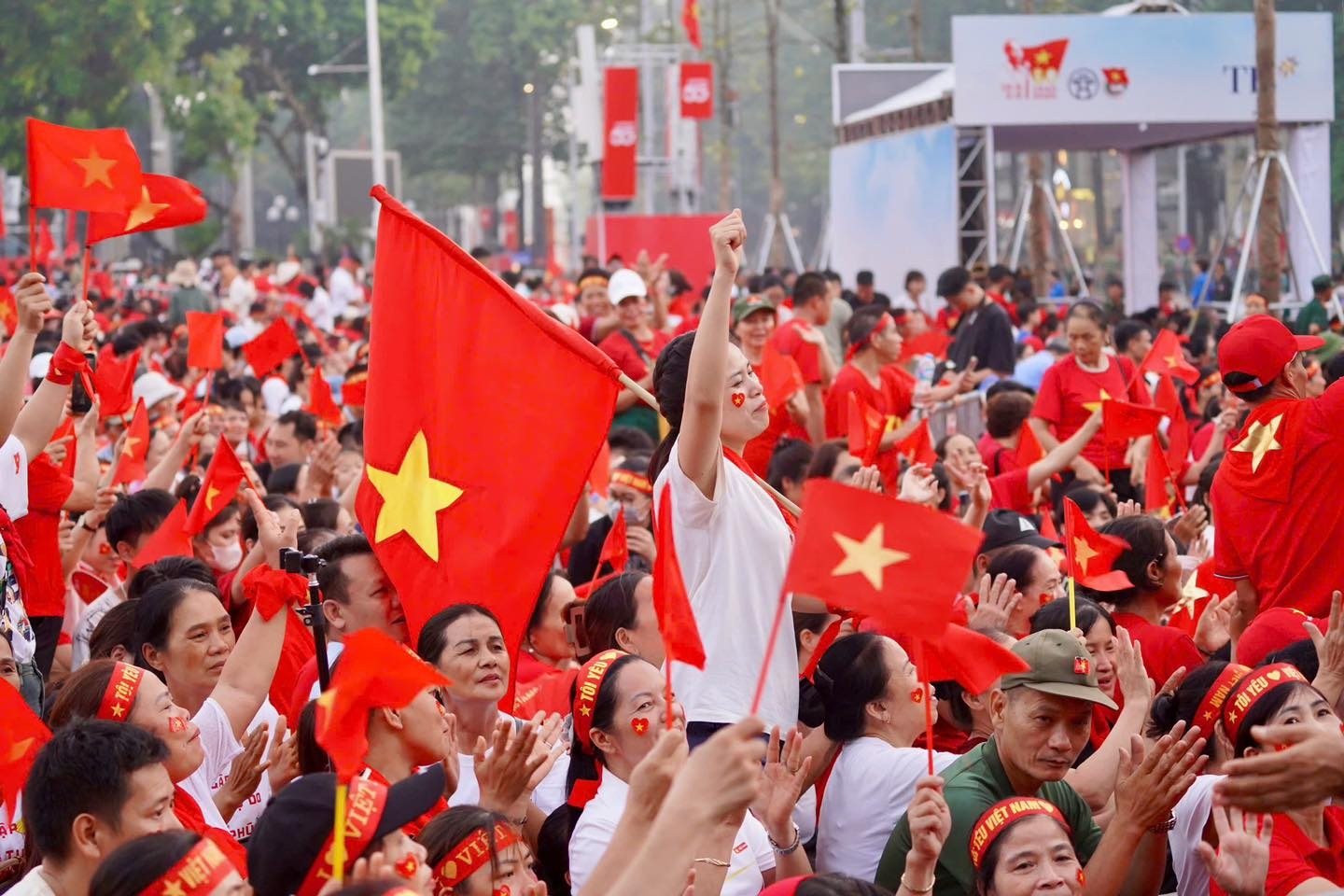
What tied it all together was the color red. It was seen in flags hung from balconies, in shirts and scarves printed with yellow stars, and in faces painted with pride. It was also the red carried from generations who had shed blood for independence, now reborn as the spirit of peace and youthful energy filling the streets. Together, it became a once-in-a-lifetime show written in red.
Ba Dinh Square: The stage of history
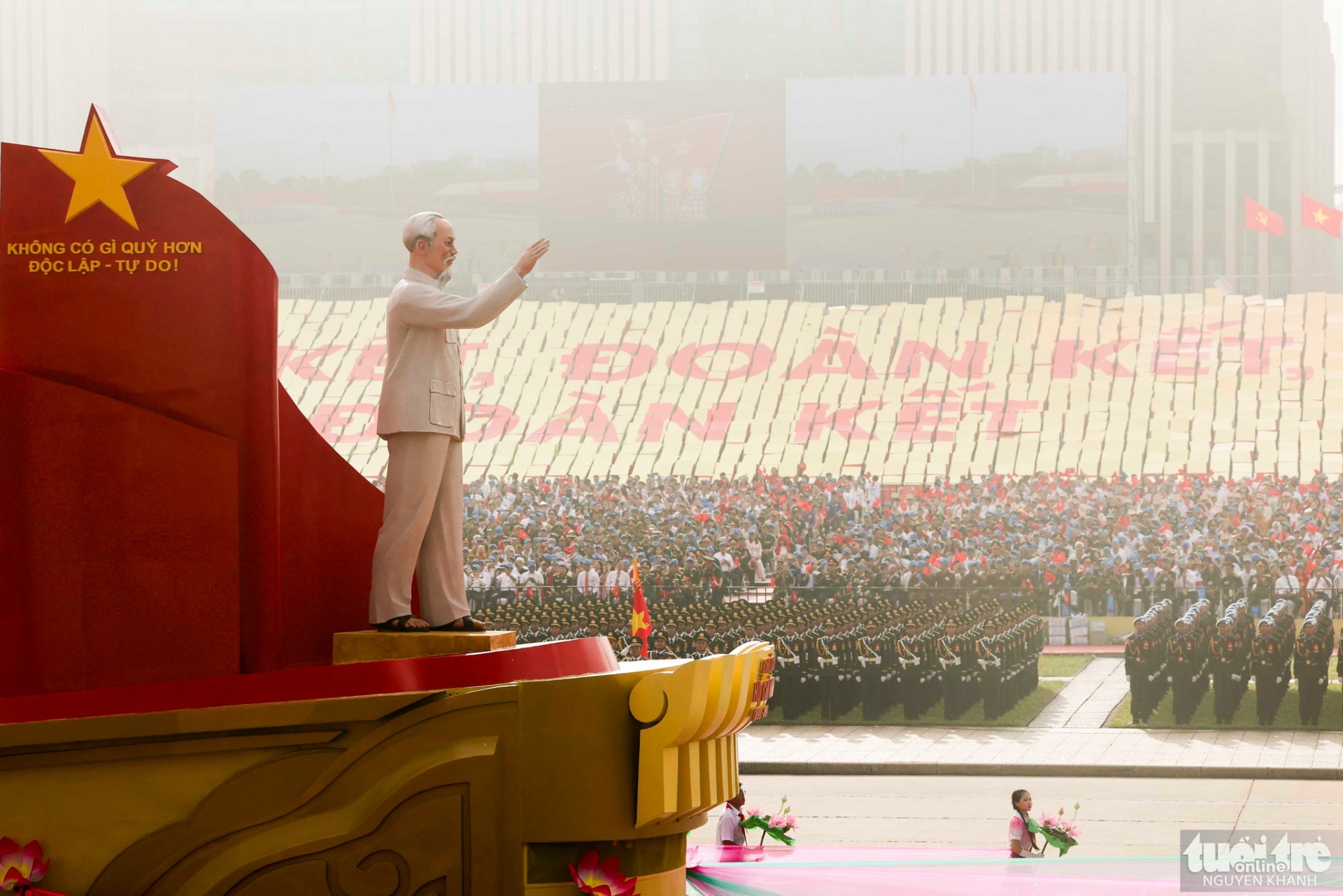
Ba Đình Square has always been Vietnam’s stage of history. It was here in 1945 that President Hồ Chí Minh read the Declaration of Independence, announcing the birth of a free nation. Eighty years later, the same ground became more than a landmark. It turned into an arena of sound and memory, where banners lined the streets, flags waved from balconies, and tens of thousands filled the square in anticipation .
The stage extended beyond Hanoi. Above the capital, helicopters pulled enormous flags across the sky and fighter jets released flares that burst like fireworks in daylight . At Cam Ranh Bay, submarines surfaced and frigates sailed in formation, broadcast live on giant screens in Ba Đình so the crowd could cheer as though the sea itself had joined the city . For a country once scarred by war and heavy loss, the sight of tens of thousands in red lifting their voices together was more than celebration. It was gratitude, pride, and joy rising at once.
How the concert unfolded
The morning opened like the first track of a symphony. Drums echoed across Ba Đình as eighty athletes carried the sacred flame from the Hồ Chí Minh Museum to light the cauldron. When the flag began its climb, red and gold rising into the sky, the anthem swelled and the square turned into a choir.
The rhythm then moved to the ground. Sixteen thousand participants marched in 87 formations, from soldiers and police to youth unions, women’s groups, and ethnic delegations. Tanks and rocket carriers followed, adding weight to the steady beat of marching boots. The tempo rose as helicopters flew in formation with enormous flags and fighter jets released flares that burst like fireworks in daylight.
At Cam Ranh Bay, the naval parade added its own act. Submarines broke the surface, frigates sailed in formation, and helicopters lifted into the air, all streamed live to Hanoi. Onlookers clapped and shouted as if the harbor itself had entered the capital.
Then came the silence. Loudspeakers carried Hồ Chí Minh’s closing words from the 1945 Declaration of Independence, spoken again on the same ground eighty years later. The crowd fell silent, then erupted in reply. General Secretary Tô Lâm followed with a speech that honored sacrifice, praised resilience, and pointed to a future where Vietnam by 2045 would be strong, prosperous, and happy. His words closed the morning like the final chord of a song that will echo for years to come.
The people’s chorus
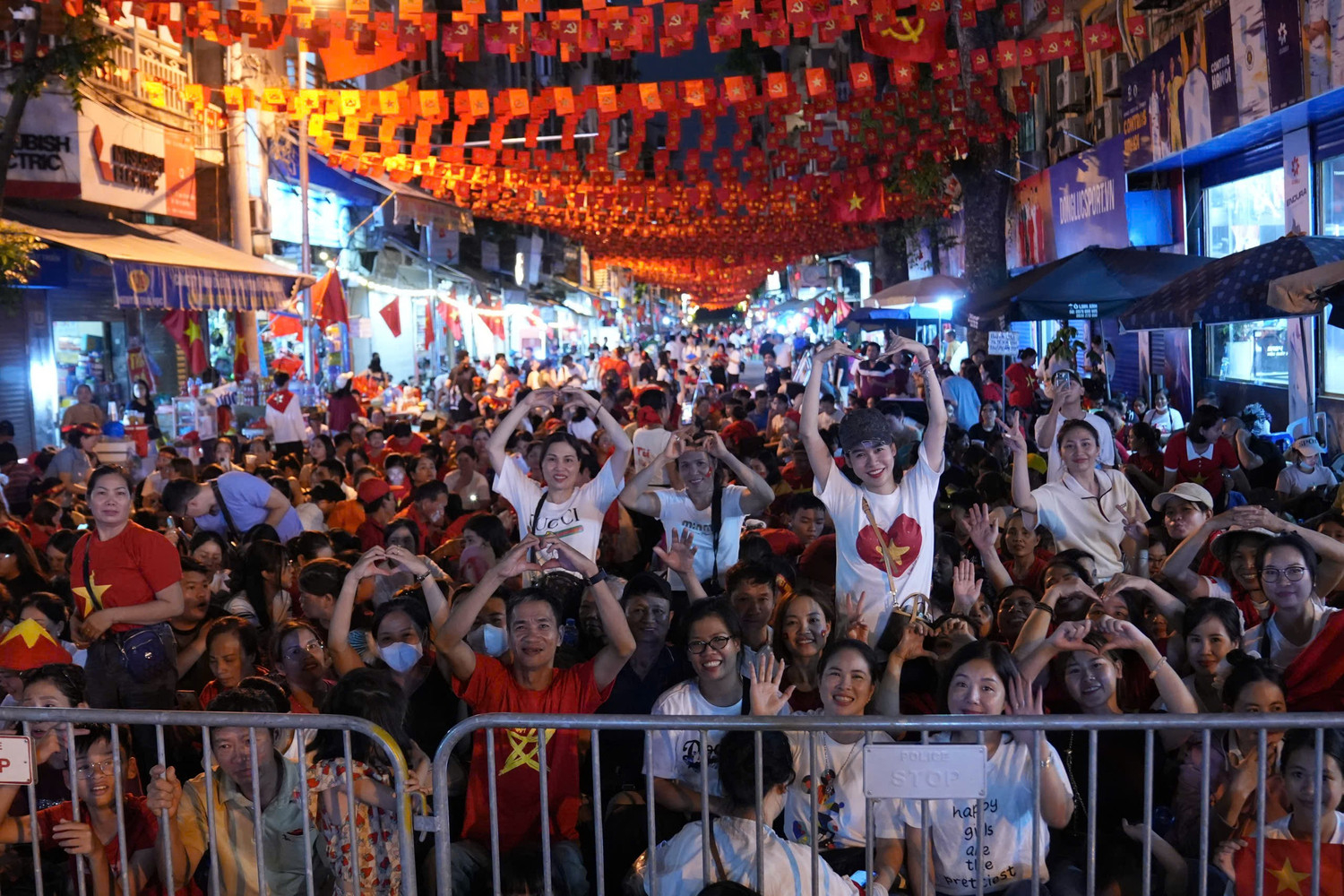
No concert lives without its audience, and on this day the people gave the show its pulse. Veterans stood in the crowd with medals shining, a reminder that freedom had been earned through sacrifice. Families pointed them out to children, passing on gratitude without words. Grandparents who had fought, parents who had rebuilt, and children who would inherit stood together in one shared moment.
Everywhere you looked, there was red. Parents lifted children above the crowd, students livestreamed the scenes, and vendors passed water through the heat. It was part ceremony, part festival, and above all a collective thank you for the independence that allowed such a gathering.
That pride extended beyond Vietnam. Communities overseas met in cafés, halls, and parks to raise flags and sing in unison, their voices joining Hanoi’s in real time. For many abroad, this was a way to feel close to home and to carry independence wherever Vietnamese hearts live.
The most striking moment came when soldiers marched close to the people. Applause rose, salutes followed, and phones hovered to capture the scene. The old phrase “the army goes with the people, loved by the people” felt alive. In that instant, the line between performer and audience dissolved, and the entire nation stood as one.
The lasting meaning
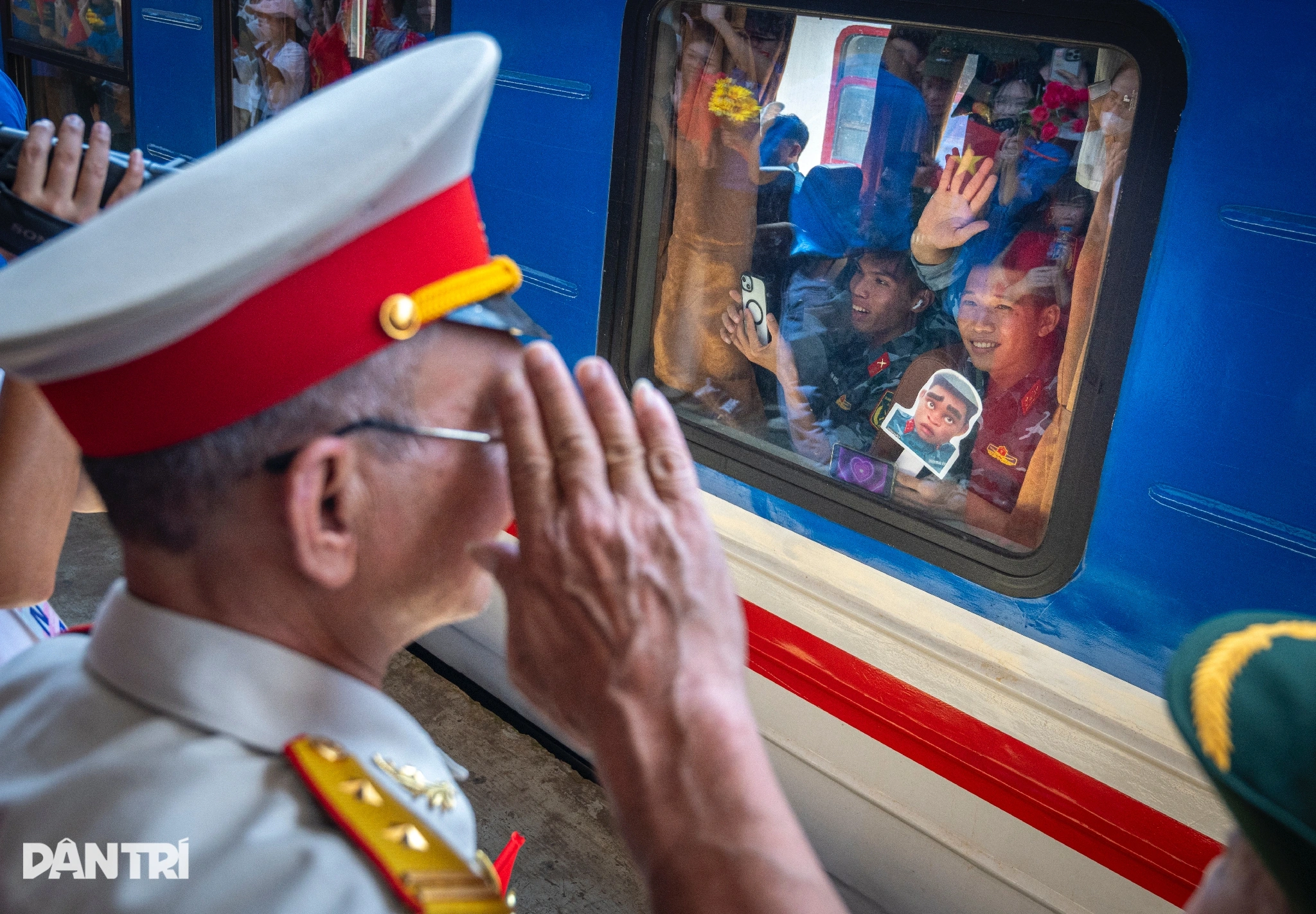
Vietnam’s 80th Independence Day was more than a grand display. It was a tribute to history, honoring those who came before and remembering the sacrifices written into freedom. It belonged to the present, when tens of thousands dressed in red filled the streets and showed that independence is lived, not only remembered.
It also looked to the future. In the flags waved by children, the clips recorded by teenagers, and the pride carried by young soldiers was the promise of what comes next. Even beyond Vietnam’s borders, the celebration reached the world through images of jets, banners, and crowds in song. Though the last formation left the square, the spirit lingered in stories, in shared videos, and in the certainty of a nation stepping forward together.
Your front row seat to Vietnam
The morning in Ba Đình was a once-in-a-lifetime show written in red, but Vietnam’s rhythm does not stop there. It continues every day in villages and cities, in festivals and markets, and in the quiet rhythms of daily life.
Our newsletter brings you closer to that Vietnam, with travel stories, cultural insights, and local voices you will not find in guidebooks. Subscribe today and let the rhythm of this country play on in your inbox, wherever you are.