

Table of Contents
Everyone loves holidays, especially paid holidays. Recently, Vietnam’s Party General Secretary, To Lam, signed Resolution No. 80 of the Politburo on the development of Vietnamese culture, establishing November 24 as Vietnam Culture Day starting from 2026.
In this article, I’ll walk you through the key things you need to know about Vietnam Culture Day and what it means for citizens and cultural life in Vietnam.
What you need to know about the Resolution No. 80
Resolution No. 80-NQ/TW was issued by the Politburo of the Communist Party of Vietnam on January 7, 2026, signed by General Secretary To Lam. It is a strategic policy document on the development of Vietnamese culture in the new era.

Key principles and vision
- Culture is defined as a foundational resource and soft power that drives and regulates rapid, sustainable national development.
- Developing both culture and people is central, with human beings placed at the core of this development.
- The resolution underscores the integration of culture into all aspects of life, from policy planning to digital spaces.
Major goals by 2030
- Build an advanced Vietnamese culture rich in national identity.
- Establish cultural environments from families and schools to society and cyberspace.
- Develop literature, arts, heritage preservation, and cultural institutions nationwide.
- Promote cultural industries to contribute around 7% of GDP and strengthen cultural brands regionally and internationally.
- Narrow gaps in access to cultural benefits among different regions and social groups.
Long-term vision to 2045
- Culture and cultural industries become a pillar of national sustainable development and international presence.
- Targets include growing cultural contribution to GDP, enhancing soft power, and establishing Vietnam as a dynamic cultural and creative hub.
In conclusion, the Resolution introduces notable provisions on applying digital transformation and innovation in cultural development to strengthen national culture and arts, recognizing them as key elements in economic development, national identity, and human development. The Resolution also designates November 24 as Vietnam Culture Day, a nationwide paid holiday from now on.
Why Was Vietnam Culture Day Established ?
Vietnam Culture Day was created to celebrate and protect the values that shape the country’s identity. As Vietnam continues to grow and modernize, this day serves as a reminder that culture is not something left behind in the past, but something that grows alongside the nation and its people.
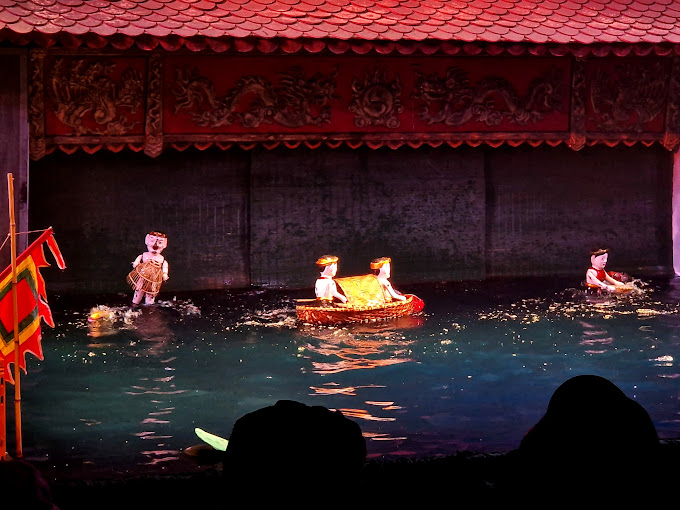
The day recognizes the importance of culture in everyday life, from traditions and heritage to arts, creativity, and shared values. By officially marking Vietnam Culture Day, the government highlights culture as a foundation for social harmony, human development, and even economic growth through cultural and creative industries.
Vietnam Culture Day is also meaningful because it is a nationwide day off, giving people time to truly engage with culture. Families can reconnect, communities can organize cultural activities, and individuals have the chance to learn, reflect, and take pride in their cultural roots.
Activities to Celebrate Vietnam Culture Day
As this is my first time experiencing the upcoming national holiday, I’m not sure whether there will be national or local performances to celebrate it. However, I do have some ideas for you to enjoy Vietnam Culture Day by exploring the rich Vietnamese heritage in Ho Chi Minh City.
1. Discover Vietnam’s Aesthetic Side at The Museum of Fine Arts
- Address: 97A Pho Duc Chinh Street, Nguyen Thai Binh Ward, District 1, Ho Chi Minh City.
- Opening hours: 08:00 – 17:00 every day.
- Entrance Fee: 30,000 VND per ticket.
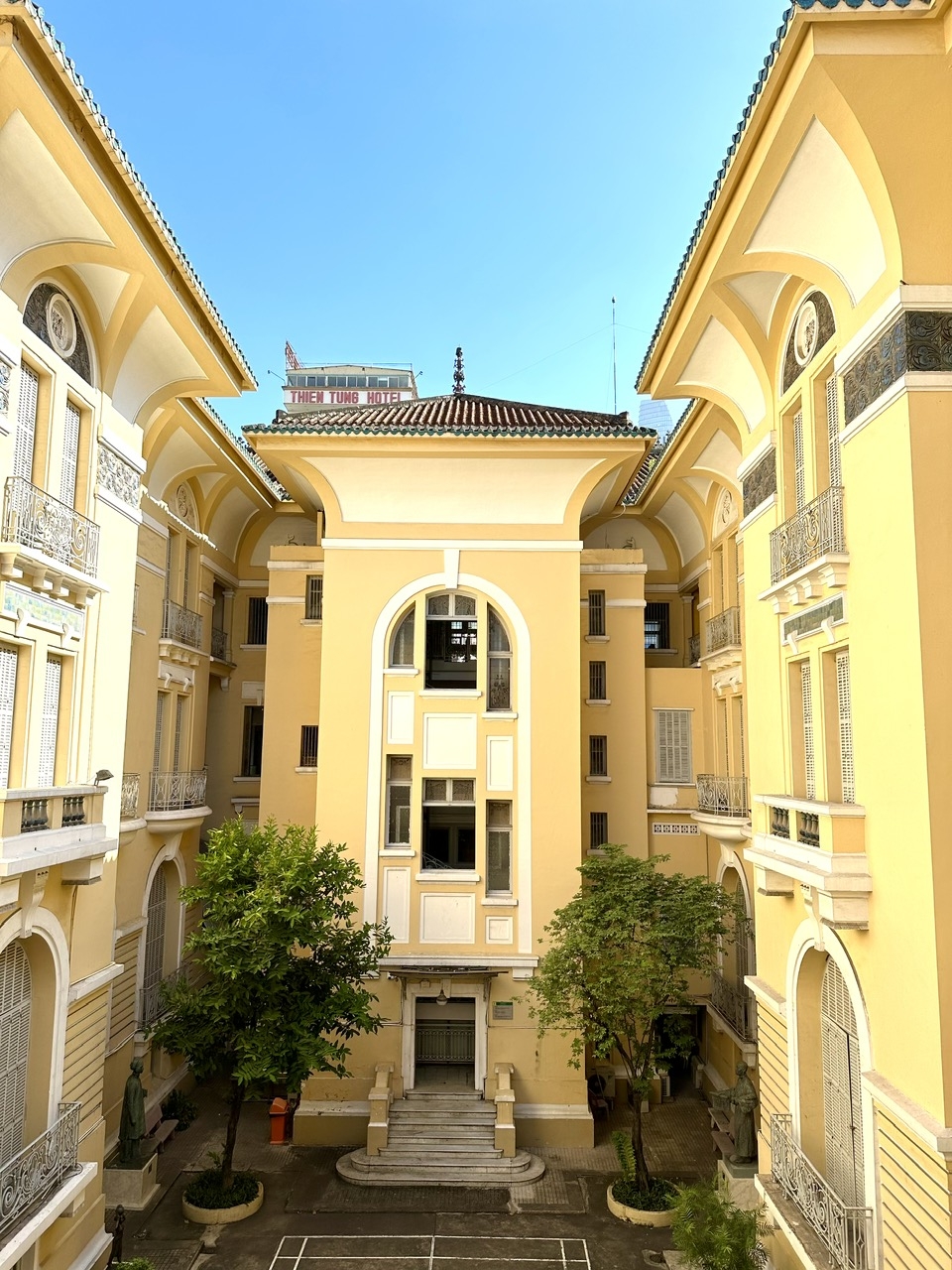
Nothing feels more meaningful than experiencing art firsthand on Vietnam Culture Day, when culture is truly brought to life for everyone. A visit to this museum becomes a journey through Vietnam’s art and history, with collections that range from ancient artifacts and Champa sculptures to traditional lacquer works, paintings, and modern Vietnamese art from the 20th century. Each floor tells a different story, blending historical depth with artistic expression, while the airy rooms, stained glass windows, and old staircases quietly enhance the experience.
Visiting in the morning is ideal if you prefer a calmer atmosphere, and photography is allowed in many areas as long as flash is avoided. After your visit, take some time to enjoy the surrounding neighborhood. Grab a coffee nearby, watch the city hustle morning routine of Saigonese, and maybe even spot a small group of pigeons searching for grains on the pavement.
2. Witness the Art of Vietnamese Cultural Costumes at The Ao Dai Museum
- Address: 206/19/30 Long Thuan Street, Long Phuoc Ward, District 9, Ho Chi Minh City.
- Opening hours: 08:30 – 17:30 every day.
- Entrance Fee: 50,000 VND per ticket; only 30,000 VND for students and kids.
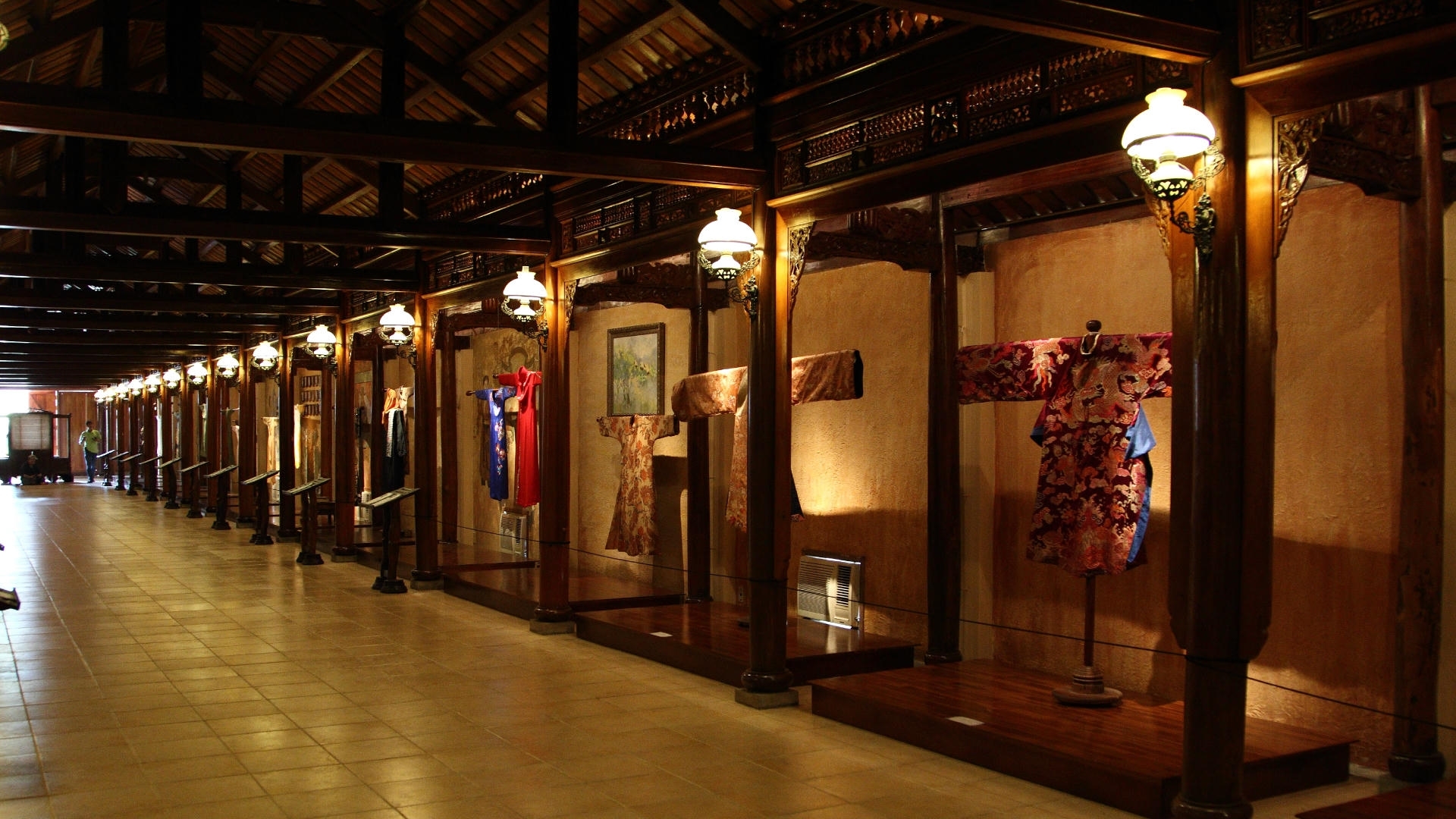
Experiencing the Ao Dai Museum on Vietnam Culture Day feels like slowing down and letting tradition speak for itself. Rather than loud displays, the museum tells its story gently, guiding visitors through the evolution of the ‘áo dài’ as both a cultural symbol and a part of everyday Vietnamese life. From early designs to contemporary interpretations, each piece reflects changing times while preserving the elegance and identity that make the costume so timeless.
The visit feels especially pleasant earlier in the day, when the space is quiet and the natural surroundings are at their calmest. Set away from the city’s rush, the museum offers a refreshing contrast to urban life, with greenery, open walkways, and soft light enhancing the experience. Take time to wander, observe the details, and reflect. By the end of the visit, the áo dài feels less like a garment on display and more like a living expression of Vietnam’s cultural soul.
3. Tracing Cultural Diversity in Saigon’s So-called Chinatown
Exploring ‘Chinatown’ in Ho Chi Minh City is one of the easiest and most vivid ways to experience Vietnam’s ethnic diversity beyond the Kinh majority. Chinese signboards, herbal medicine shops, incense filled temples, and busy markets will catch your eyes and ears right away at the moment you step in, all will make such an unforgettable experience to Vietnam Culture Day celebration.
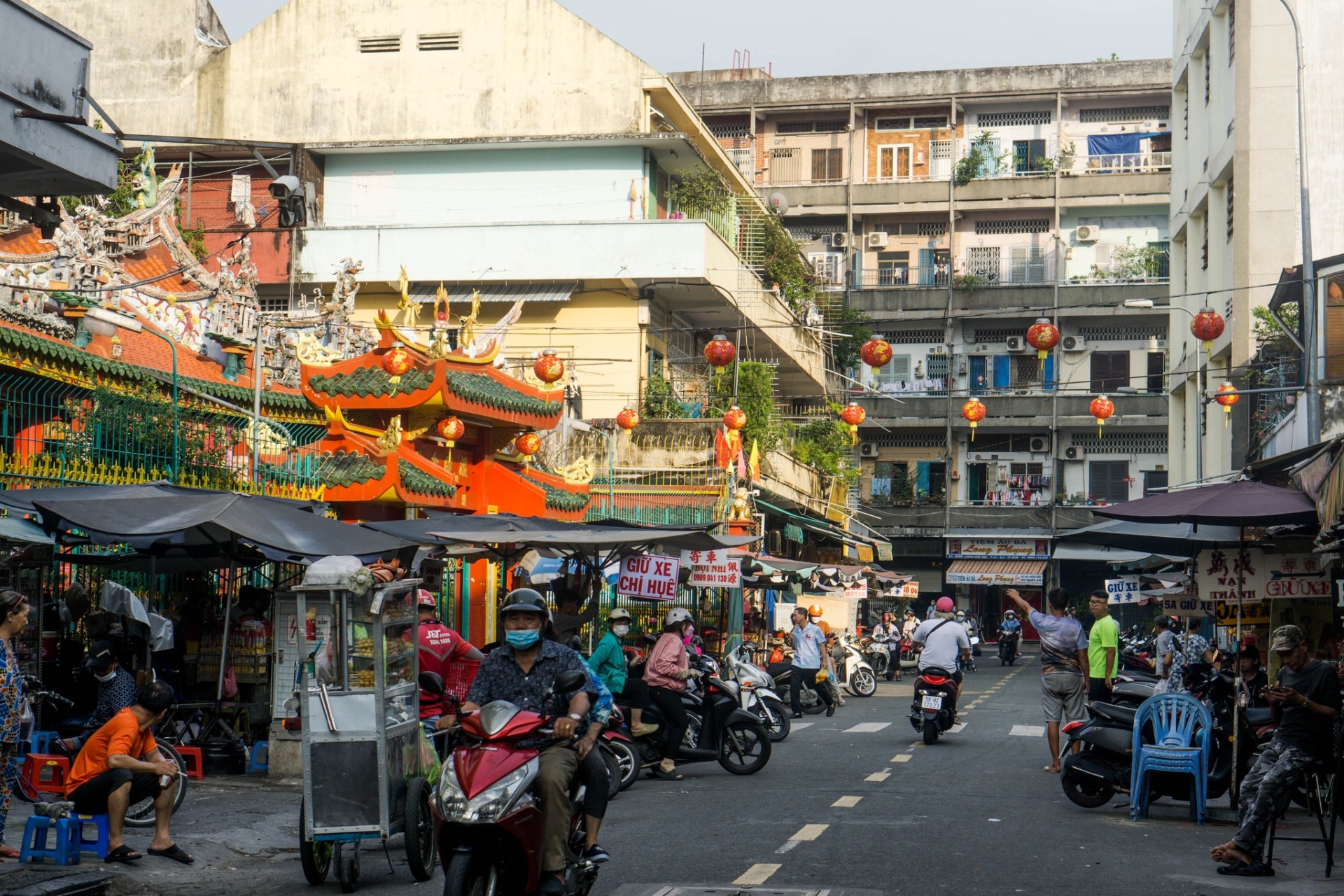
A walk through Chinatown reveals layers of history and tradition. Temples like Thien Hau Pagoda and Nghia An Hoi Quan are not only places of worship but also cultural landmarks where architecture, belief, and community life blend together. If you’re eager to hear local tales and ready for an adventure through all the corners of the town, don’t miss out on our Trails of Quach Dam: Chinatown Discovery.
Food is another powerful window into ethnic culture here. Every signature dish of Hoa people such as dimsum, roasted duck or traditional herbal tea, you may find it all here. Chinatown’s cuisine reflects a mix of Chinese heritage and local Vietnamese flavors.
4. Experience The Sounds of Tradition at Truc Mai Music House
- Address :104 Pham Viet Chanh Street, Ward 19, Binh Thanh District, Ho Chi Minh City.
- Opening hours: 09:00 – 22:00 every day.
- Entrance Fee: 8 USD per pax; 70 USD for a group of one to 10.
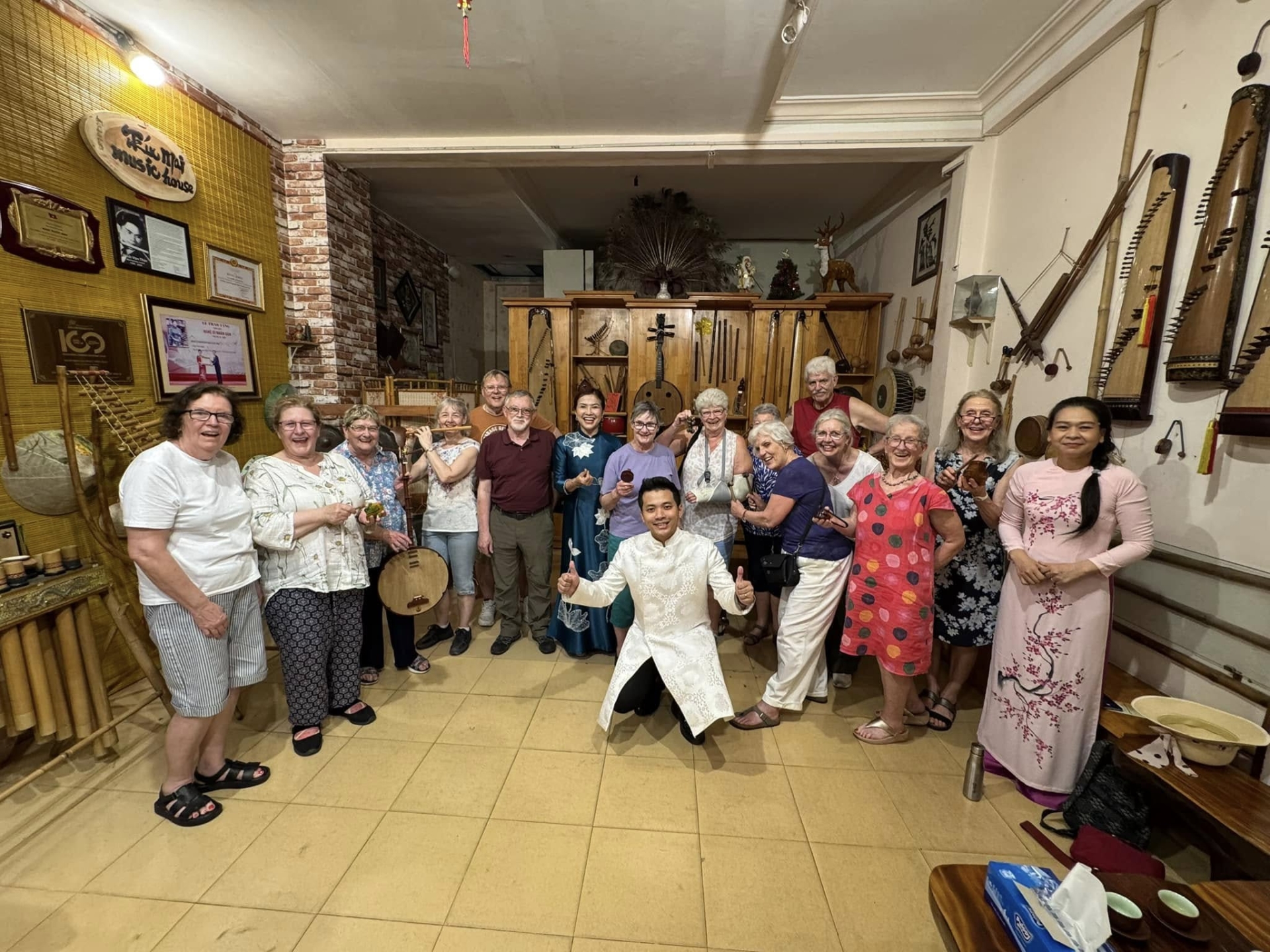
We have costumes, food, architecture and art. Your next stop on Vietnam Culture Day may be a cultural music space like Truc Mai Music House. Truc Mai Music House is a family-run cultural venue in Ho Chi Minh City devoted to preserving and sharing traditional Vietnamese music.
The music house welcomes visitors to experience authentic performances and explore Vietnam’s musical heritage firsthand. The space is small and intimate, far from the noise of traffic, which immediately sets the mood for listening rather than rushing. Musicians gently introduce traditional Vietnamese instruments such as the ‘đàn tranh’, ‘đàn bầu’, and ‘đàn nhị’, explaining their sounds, structures, and cultural meanings before playing them. Each performance feels close and emotional, allowing you to notice the subtle movements of fingers on strings and the expressive changes in tone. This experience carries the niche vibe yet wonderful cultural moment to explore the depth in Vietnamese folk music.
5. Participate in City Tours That Reveal Local and Neighboring Cultures
Beyond large museums and well-known cultural landmarks, cultural tours around the city offer a more intimate way to experience Vietnam’s living culture. These tours often take you into small communities, quiet neighborhoods, and winding alleys where everyday traditions are still practiced naturally.
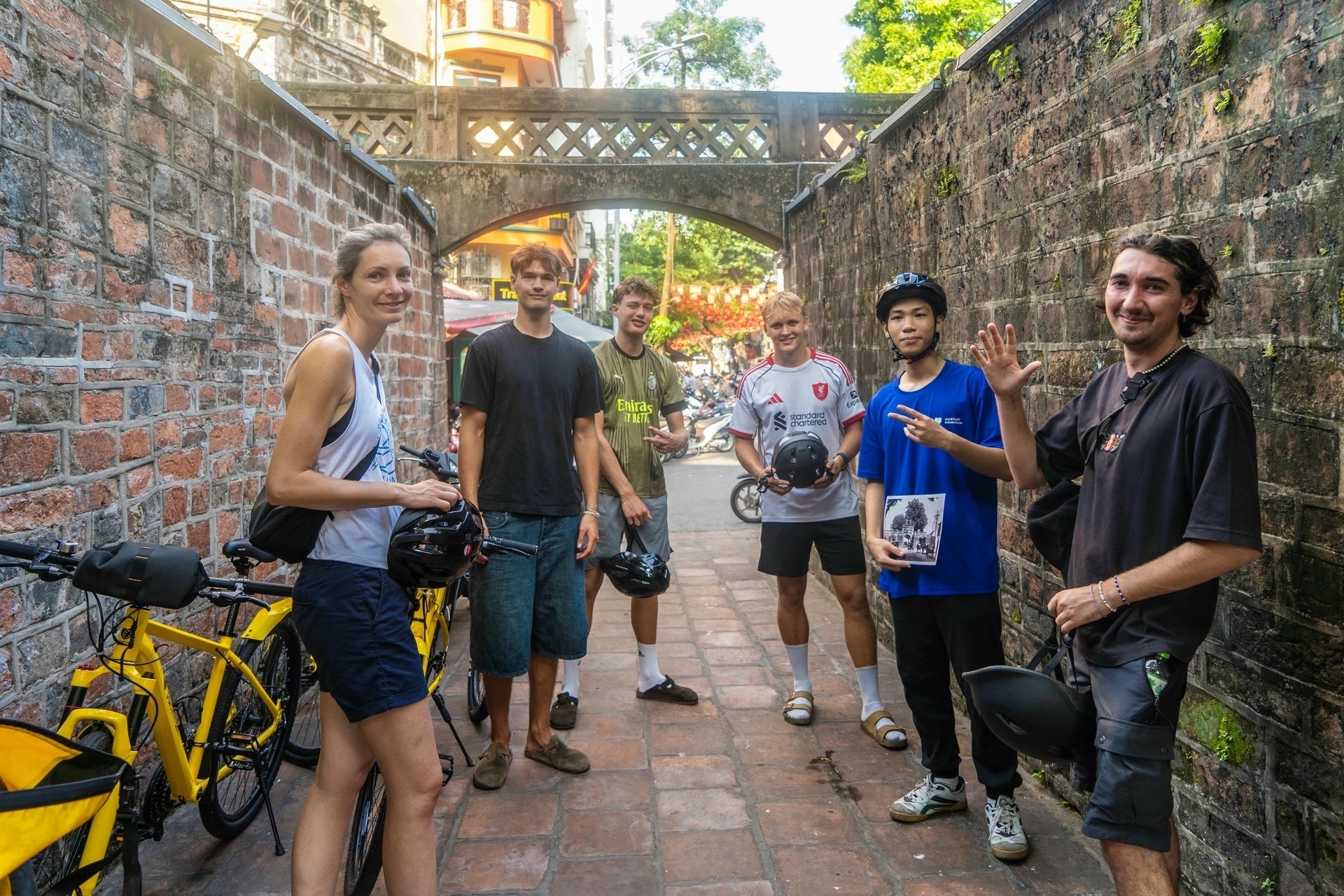
Instead of staged performances, you get to see how culture exists in daily routines, family rituals, and local customs that have been passed down for generations. These experiences also show the human side of cultural preservation. You witness how locals adapt traditions to modern life while holding on to their values, beliefs, and sense of community. This might be an authentic way to understand why Vietnam Culture Day matters.
Preserve Your Seat for Vibrant Cultural Tours on Upcoming Vietnam Culture Day
I believe the creation of Vietnam Culture Day is a meaningful step toward the country’s long term development. Culture shapes who we are, connects generations, and gives depth to our shared identity. Preserving and adapting it to modern life allows people to relate to it, carry it forward in their own ways, and contribute to social, economic, and human growth.
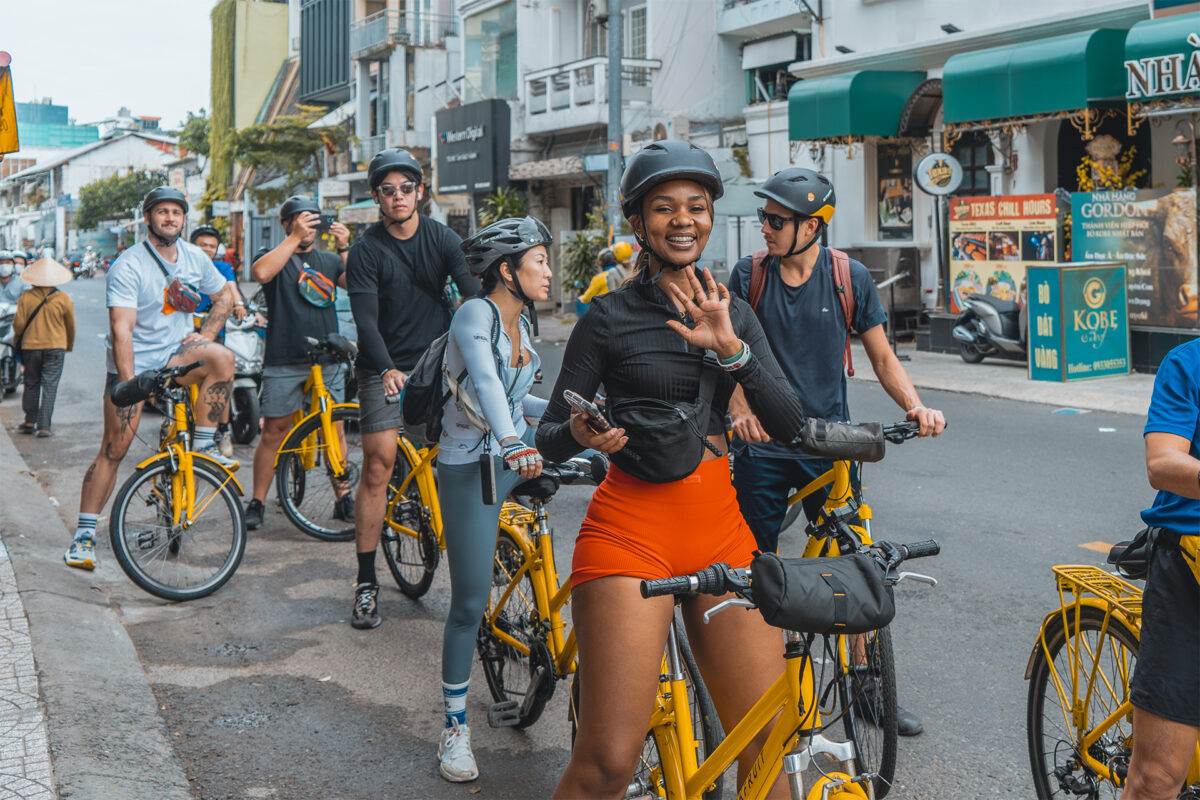
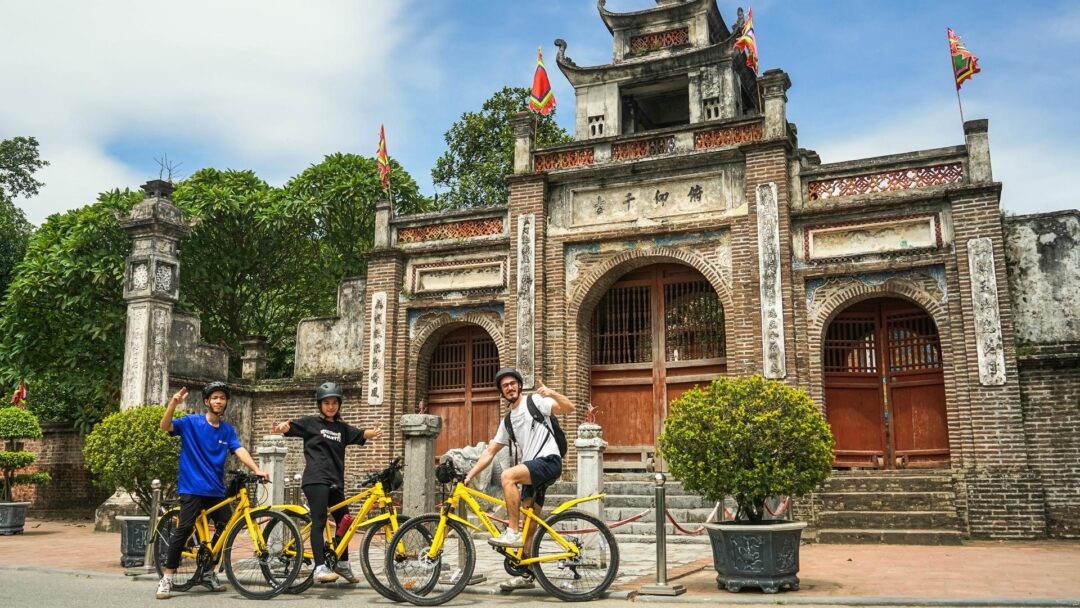
At Jackfruit Adventure, culture and community are at the heart of what we do. Our Saigon City Cycling Tours are designed to showcase local traditions, hidden stories, and everyday life in Ho Chi Minh City. If you’re curious about a more authentic cultural experience, join us and see it for yourself.