

Table of Contents
The formation of Chinese communities and Chinatowns in different countries has long fascinated those who are interested in history, stories, and cultural heritage. As you may know, District 5 is the largest Vietnamese Chinatown, home to the Hoa people, whose presence in Vietnam dates back over a thousand years to ancient times.
In this article, I will uncover the fascinating, hidden, and historical chapters surrounding the foundation of the Chinese community in District 5, Ho Chi Minh City.
Where is Saigon’s Chinatown
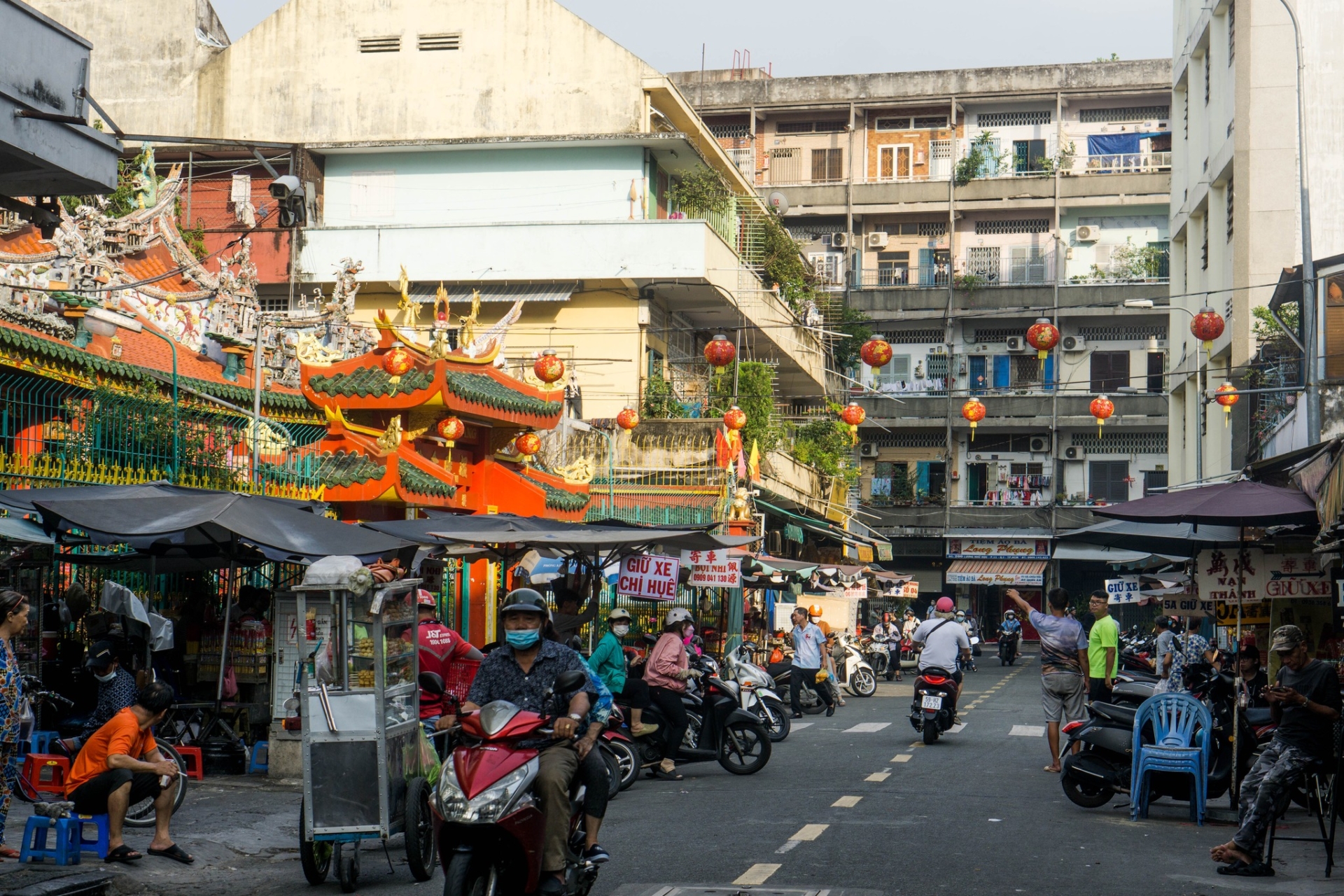
Today, Saigon’s Chinatown stretches District 5 and into parts of Districts 6 and 11. More than 500,000 Chinese Vietnamese residents live in this area, with approximately 40% of them residing in District 5, Ho Chi Minh city. This high concentration is what makes the district a recognized Chinatown. Moreover, District 5 also hosts many of the city’s most important Chinese cultural and religious centers, further proving its identity as Saigon’s official Chinatown.
How to Get There
Getting to Saigon’s Chinatown is easy and convenient, no matter where you’re coming from in the city.
Location: Saigon’s Chinatown is mainly located in District 5, Ho Chi Minh City and also with the part of District 6 & 11.
1. Taxi / E-bike apps (Grab, Be) from District 1:
- Travel time: approximately 15–20 minutes (longer during rush hours)
- Estimated cost: 80,000 – 150,000 VND, depending on traffic and pickup point
2. Public Bus:
Several bus routes connect District 1 and other central districts to District 5, Ho Chi Minh city. Bus fare is typically 5,000 – 7,000 VND per ride. Common routes include:
- Bus No. 1: Ben Thanh Market – Cho Lon Bus Station
- Bus No. 5: Ben Thanh – Bien Hoa Bus Station
- Bus No. 56: Ben Thanh – Cho Lon Bus Station
3. Cycling
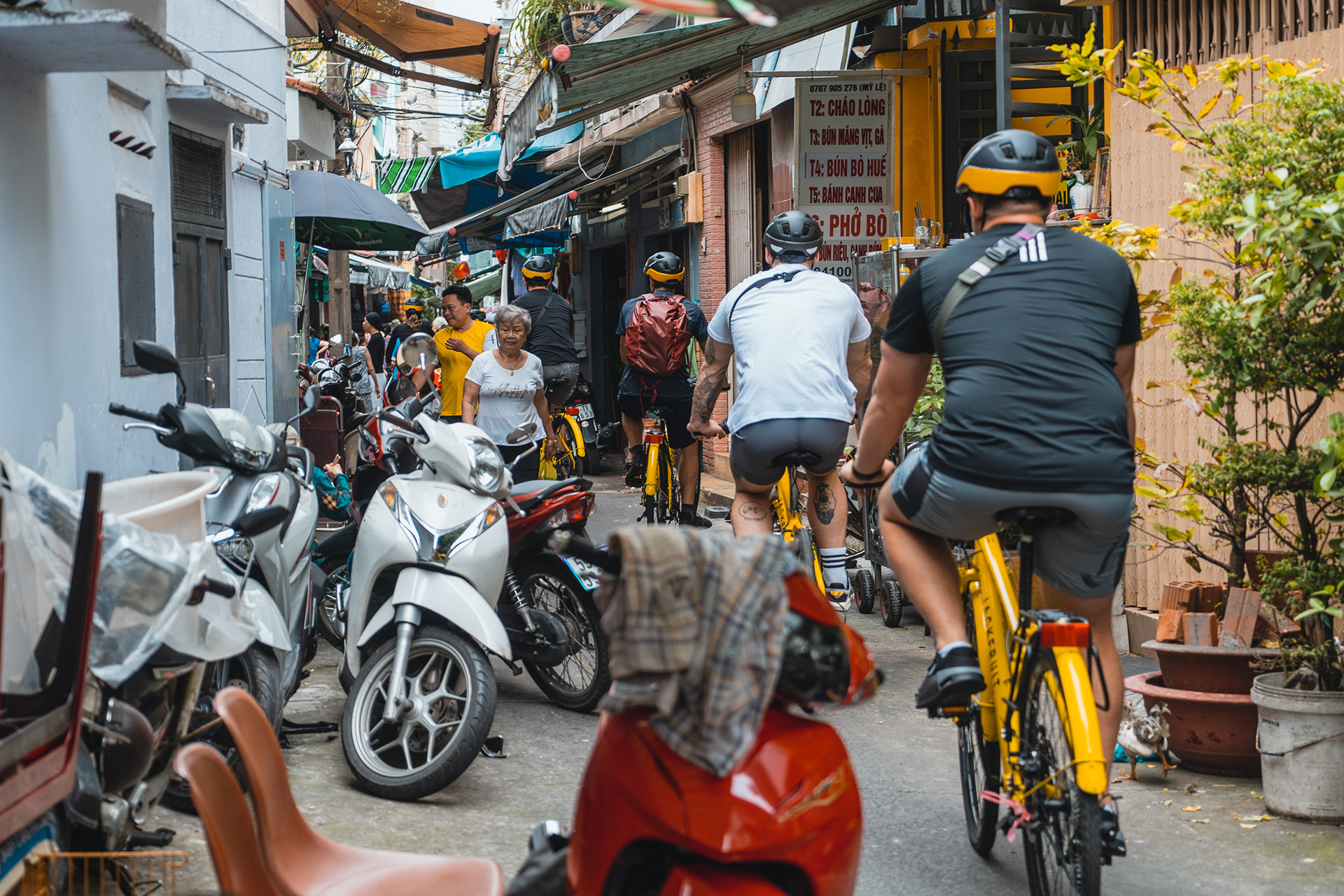
Cycling to Saigon’s Chinatown from District 1 is a practical option for confident riders. The distance is approximately 4-5 km, and the journey usually takes 20-30 minutes, depending on traffic and riding speed. A simple and direct cycling route from District 1: start on Tran Hung Dao Street → ride straight west past Nguyen Van Cu Bridge → continue along Tran Hung Dao until you reach District 5.
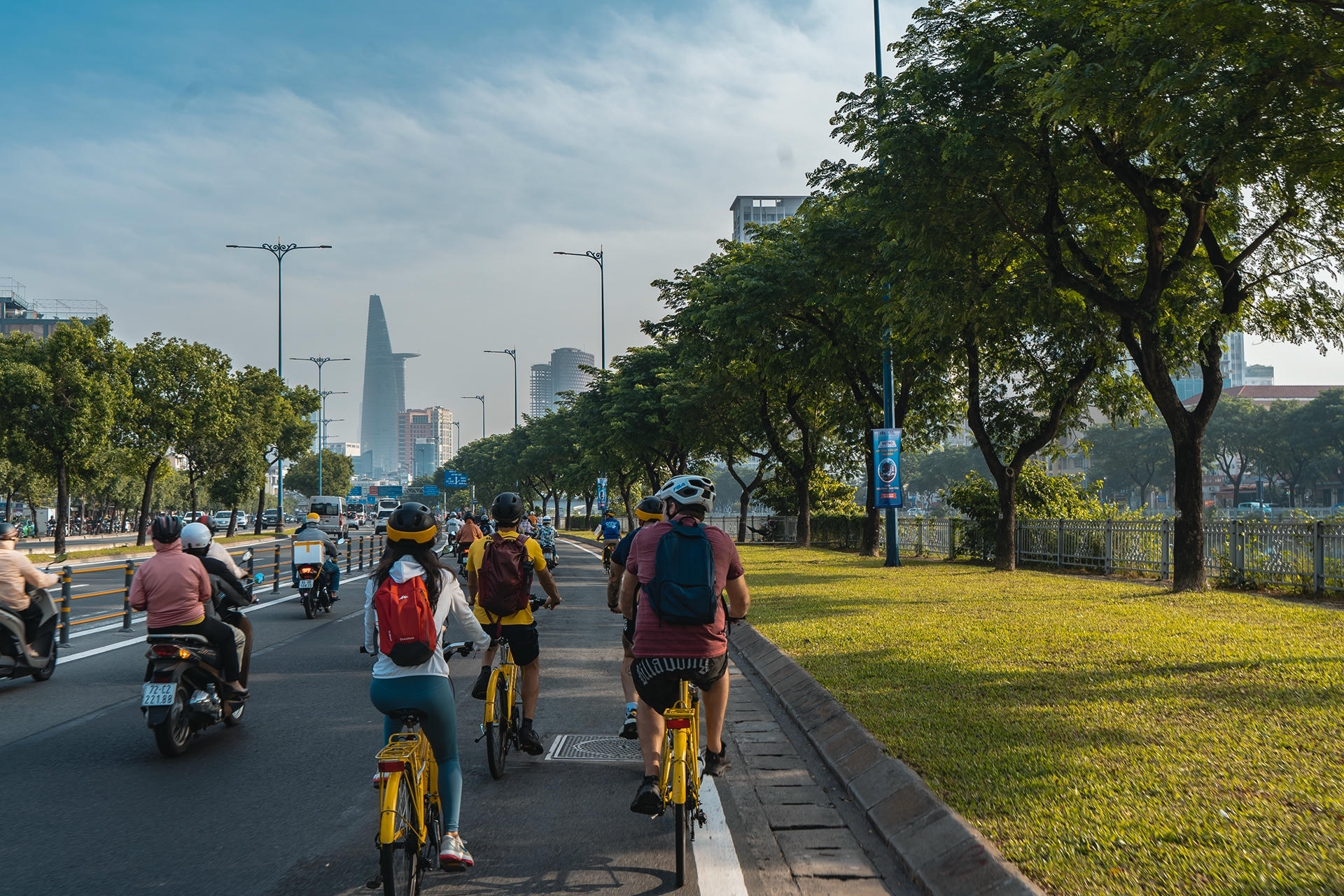
Once you arrive, the streets are lively and walkable, filled with markets, temples, and food stalls perfect for exploring on foot and soaking up the neighborhood’s vibrant atmosphere.
The Origins of the Chinese Community in Vietnam and the Birth of Saigon’s Chinatown
How the Chinese Community Developed in Vietnam
In the 17th century, the first generation of Chinese immigrants to Vietnam were mainly Han Chinese who remained loyal to the Ming Dynasty after its fall. Rather than submitting to the Qing Dynasty, they chose exile, becoming refugees who moved south into Southeast Asia.
Later years, an additional wave of Chinese immigrants followed. Dissatisfied with political policies and court regulations back home, they looked for new opportunities elsewhere. Vietnam became a decisive destination not only because it shared similar cultural values and customs with China, but also because of its close geographic proximity.
A key turning point came in 1698, when the Nguyen Lords officially established Gia Dinh Prefecture, encompassing much of today’s southern Vietnam. Chinese immigrants were permitted to settle in the region and formed Minh Huong communes in Tau Hu (present-day District 1 of Ho Chi Minh City) and Tran Bien (now part of Bien Hoa City). From this point on, these settlers became known as the Minh Huong people.
Based on migration history, the Chinese population in Vietnam includes two main groups. The first were the Minh Huong Chinese, early settlers who married with Vietnamese locals and gradually adopted Vietnamese culture. The second group, known as the That Phu Chinese, came later from seven prefectures across three provinces in China. Attracted by the region’s growing commercial potential, they arrived mainly as merchants and entrepreneurs.
The Foundation of Saigon’s Chinatown
Despite their economic contributions, the Chinese community was not always fully trusted by the Vietnamese court. While the state benefited from taxes and trade, concerns over political loyalty remained, and some locals showed jealousy of the Chinese merchants’ success. These tensions intensified during the conflict between the Tay Son Dynasty and Nguyen Anh (around 1776 – 1788). During this period, Tau Hu (present-day District 1 of Ho Chi Minh City) and Tran Bien (now part of Bien Hoa City) suffered heavy damage, disrupting commerce and daily life and forcing many Chinese families to flee or remain in hiding.
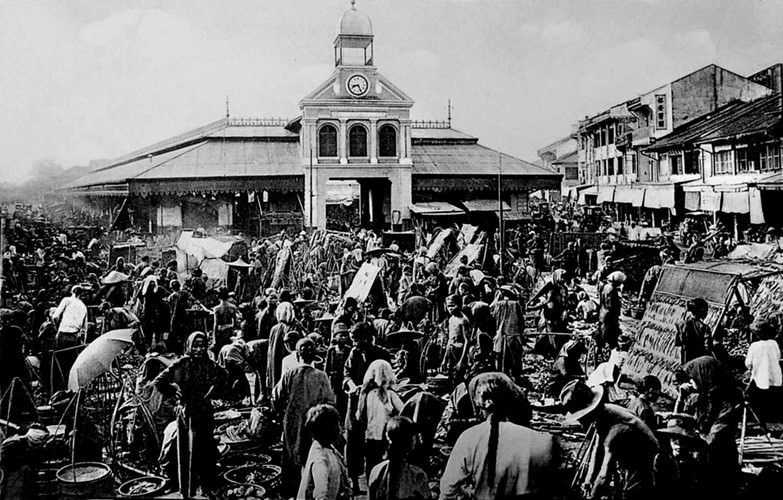
When stability gradually returned around 1788, only a small number of families went back to Cu Lao Pho (Bien Hoa, Dong Nai). Most instead chose to resettle in Saigon’s Chinese quarter, an area that would later become known as Cholon (the combination of District 5, 6 and 11). Over time, this district grew into the largest and most vibrant Chinese community in southern Vietnam, becoming a major hub of trade, culture, and daily life.
Cholon was officially established as a city on June 6, 1865. By 1930, its expansion had merged physically with Saigon at what is now Nguyen Van Cu Street. Recognizing this rapid urban growth, the French colonial government issued a decree on April 27, 1931, officially merging Saigon and Cholon into a single administrative area. Though the name “Cholon” eventually disappeared from official maps, it never truly faded from memory. Today, Cholon lives on through places like Binh Tay Market, often called New Cholon, where the spirit of Chinese commerce and community continues to grow and remain the big culture
Things to do in Saigon’s Chinatown
Saigon’s Chinatown stretches across 3 big districts, making it a huge area packed with culture, food, and unique experiences. Don’t miss out 12 Awesome things to do in Chinatown in case you look for something to fire your adventurous side up. Below is some of my favourites for exciting activities in District 5, Ho Chi Minh city.
Enjoy Authentic Chinese Dumplings in District 5
District 5 is one of my favorite places in Saigon to enjoy Chinese dumplings, especially in the evening when the streets slowly come alive. Steam drifts out from busy kitchens as vendors wrap and boil dumplings to order, filling the air with warmth and comforting aromas. No matter whether you wander into a well-known shop or a tiny corner eatery, the dumplings here feel homey, flavorful, and meant to be shared slowly with people you care about.
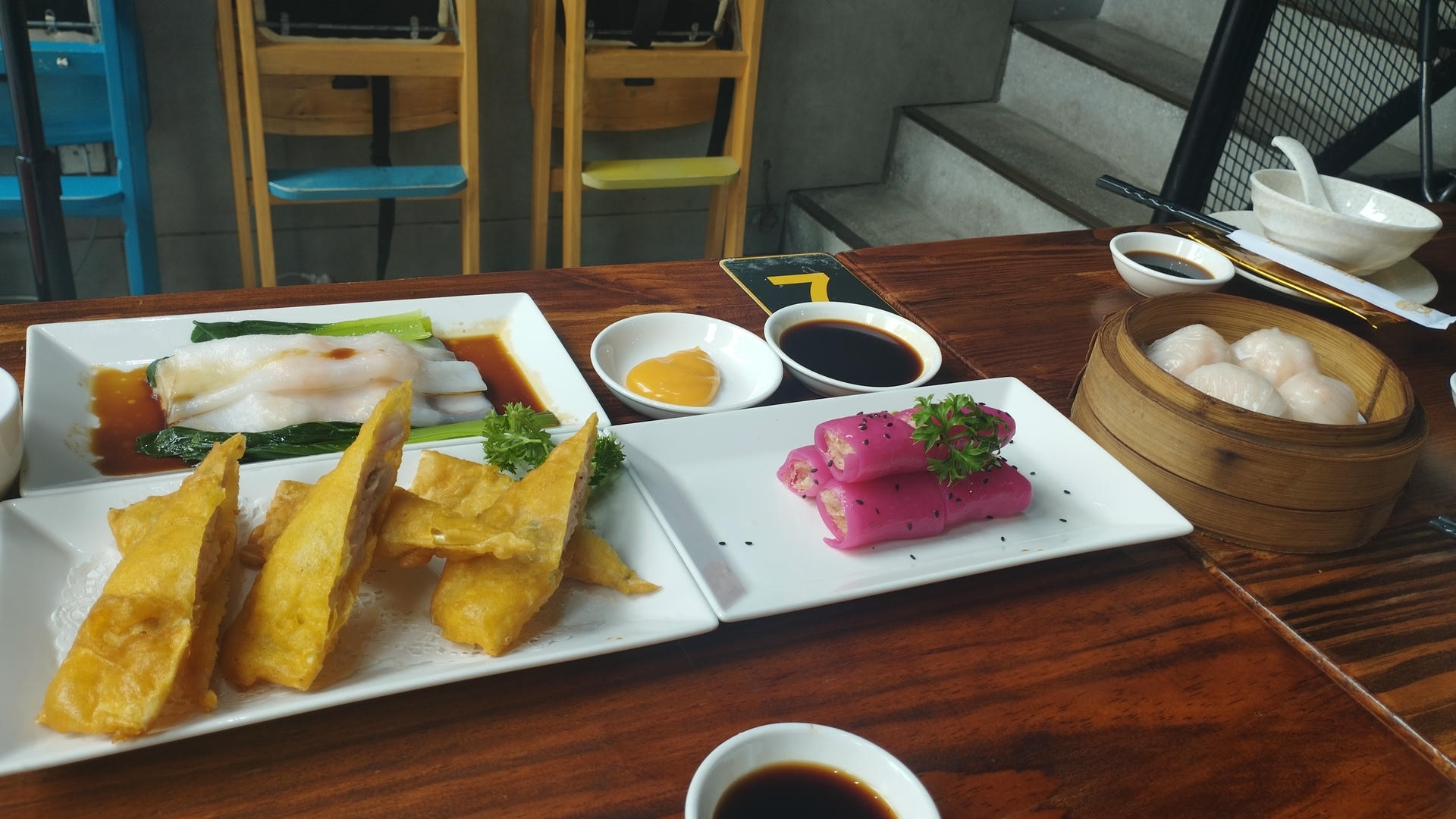
As you walk through the district, you’ll notice small dumpling shops glowing under bright LED signboards, with low tables spilling onto the sidewalks. You could easily stop anywhere that catches your eye, but my personal recommendation is Dimsum Mr. Hao. After 5 PM, this little corner becomes lively, welcoming everyone from high school students and couples to families and groups of friends. The food is consistently delicious, the vibe is fun and the prices are friendly. If you love dumplings or Chinese food in general, this is definitely on your must-go list in Saigon.
- Address: 175 Tran Tuan Khai Street, Ward 5, District 5, Ho Chi Minh City
- Opening hours: Daily, around 4:30 PM – 10:00 PM
Visit the Sacred On Lang Pagoda
- Address: 12 Lao Tu Street, Ward 11, District 5, Ho Chi Minh City
- Opening hours: 6:15 AM – 5:00 PM
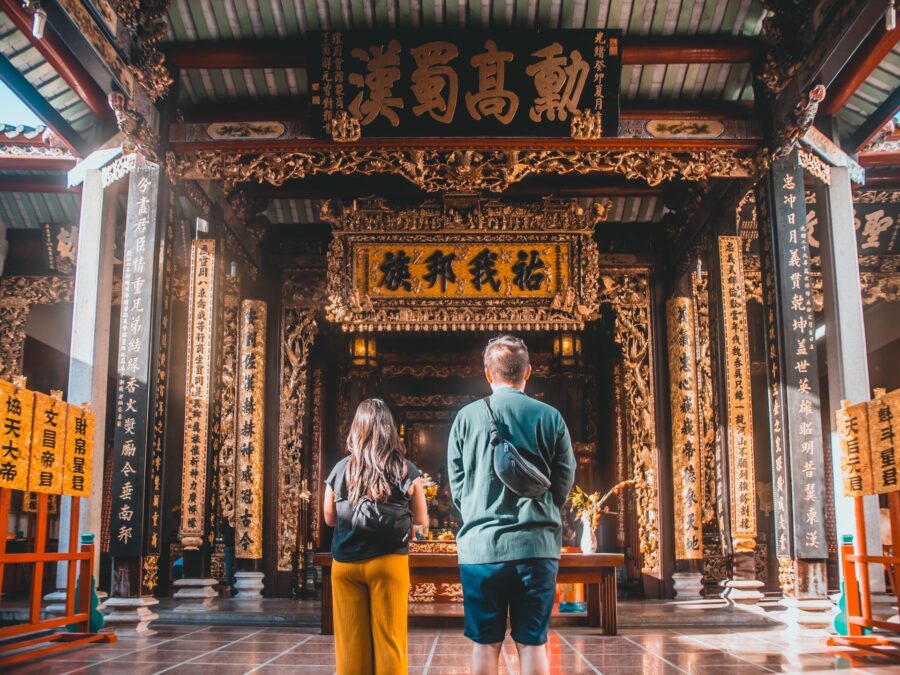
Tucked away in District 5, Ho Chi Minh city, On Lang Pagoda is a quiet, calming place where locals come to slow down and pray for peace, good health, and a bit of good luck. The moment you step inside, the scent of incense fills the air, and large incense coils hang gently from the ceiling, burning slowly as wishes are sent upward.
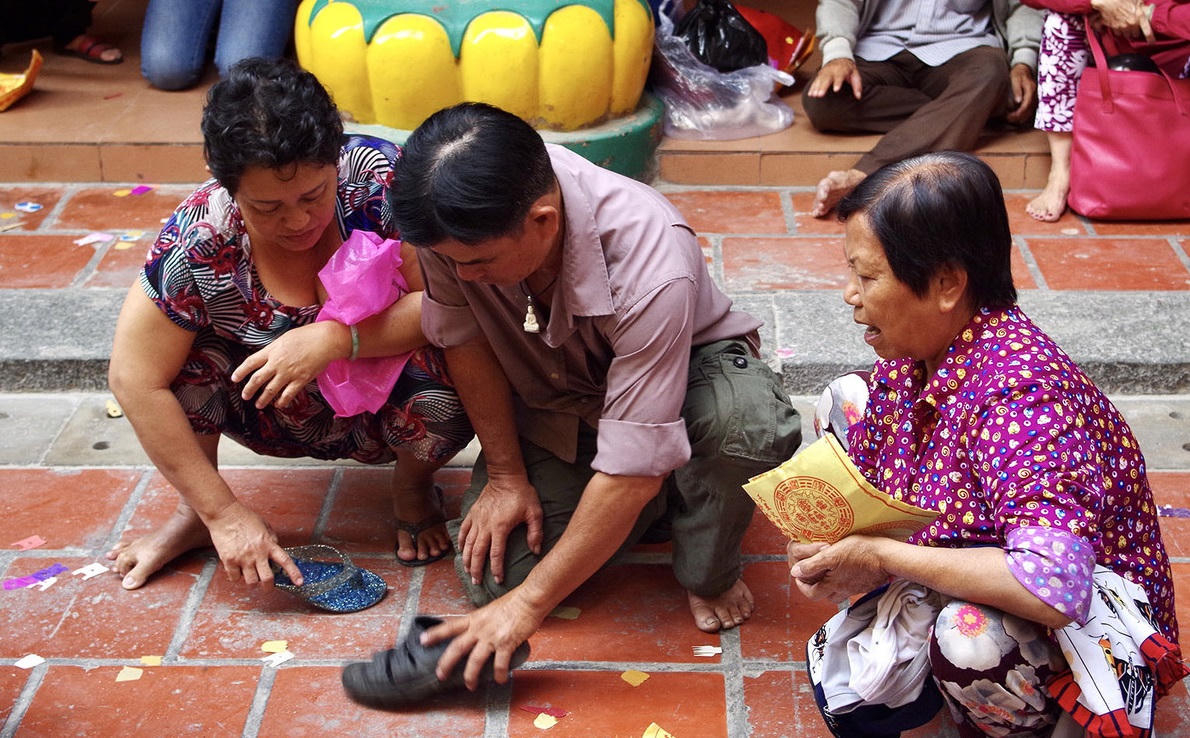
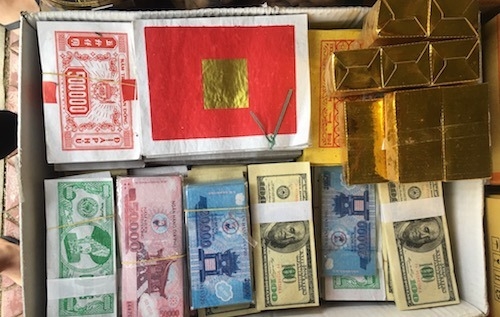
People visit the pagoda to pray and seek blessings from ‘Thiên Hậu Thánh Mẫu’ (the Heavenly Mother) and ‘Quan Thế Âm’ (the Goddess of Mercy), figures deeply connected with compassion and protection. One of the most fascinating traditions here is the ritual of “beating away bad luck.” During this ceremony, worshippers symbolically strike paper figures with a sandal while burning joss paper, believing it helps chase away misfortune and negative energy.
Whether you come out of curiosity or for a quiet moment of reflection, On Lang Pagoda offers a gentle glimpse into the spiritual rhythms of daily life in Saigon’s Chinatown.
Discover New Cholon in District 5 – Binh Tay Market
- Address: 57A Thap Muoi Street, Ward 2, District 6, Ho Chi Minh City
- Opening hours: 7:00 AM – 8:00 PM
Binh Tay market, also known as Cholon Moi or Quach Dam market located in District 6, is one of the oldest and most important markets in Ho Chi Minh City. Nowhere can be a better place to witness the trading culture of the Chinese community than the market itself. I can hardly tell the talent of trading of Chinese people unless you’ve watched how they did it for once. You may learn how they make a bargain with the sellers or how the shopkeeper keeps you in the mood of their products, this is just too magical that words can not describe.
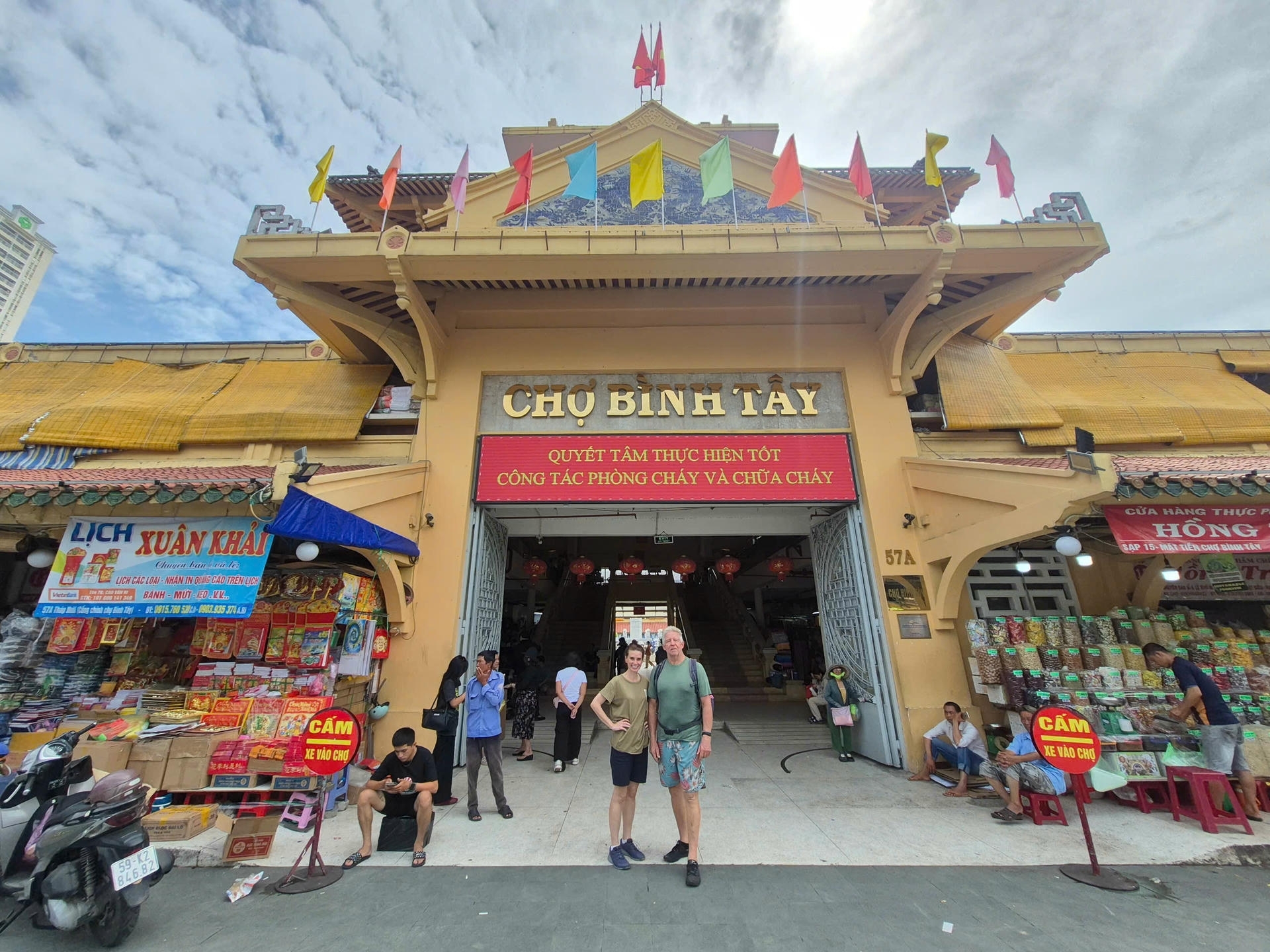
In Binh Tay market, you can also find most of the signature Chinese products such as accessories, charms, and great Chinese ingredients. Some vendors may speak English but most do not so I suggest you’re coming here with a local to make your discovery enjoyable.
Have Classic Hot Chinese Sweet Soup in Chinatown Alleys
Chinese sweet soup, known as Tong Sui (糖水), is a broad term for various sweet, soupy desserts in Chinese cuisine, especially from the Lingnan region (Guangdong, Hong Kong), served hot or cold as a light end to a meal but the Chinese prefer the hot ones to savor the detailed flavor from the dishes. The dessert features ingredients like beans, fruits, herbs, and nuts, typically sweetened mildly with rock sugar for balance, not excess sweetness, and offering health benefits. In District 5, there’s a ton of them but don’t worry about getting lost in a wood of shops, I have great recommendations for your discovery:
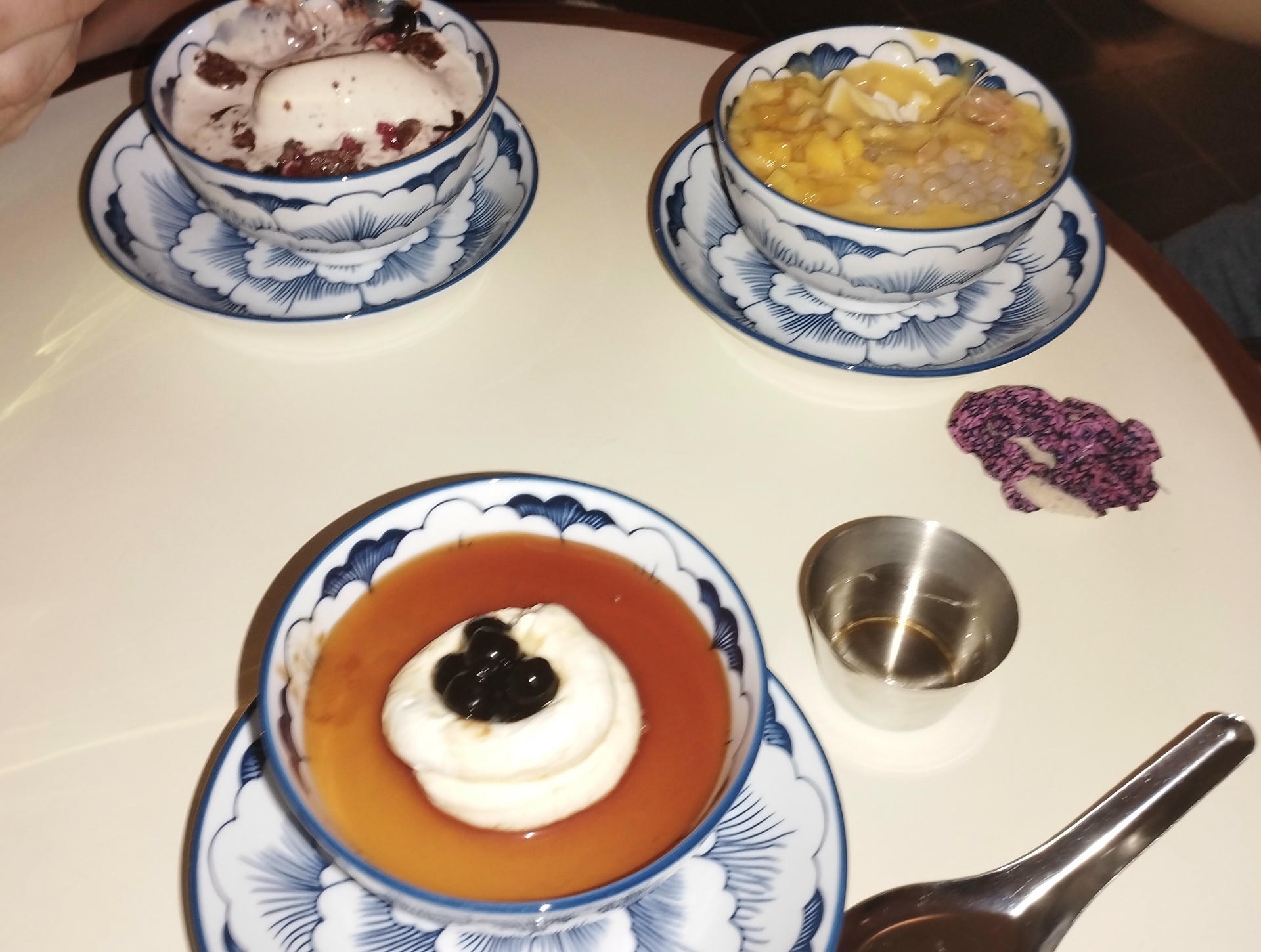
Che Ha Ky:
- Address: 138 Chau Van Liem Street, Ward 11, District 5, Ho Chi Minh City
- Opening hours: Daily, around 10:00 AM – 10:30 PM
The classic one when it comes to traditional Chinese sweet soup. A warm bowl of Tong Sui here feels familiar and comforting, lightly sweet and easy to enjoy. It’s such a place that locals would stop for a piece of Chinese sweet soup without a second thought.
Che 21ᵒ7:
- Address: 60/2 Tran Hung Dao Street, An Dong Ward, District 5, Ho Chi Minh City
- Opening hours: 3:00 PM – 9:30 PM, open on Tue, Thu and Sat.
Tucked away in a small alley in District 5, this quiet spot is easy to miss but well known to those who live nearby. The owner is Teochew, part of the Chinese community from Guangdong, and that background shows clearly in the flavors. The sweet soups are made by hand in small batches each day, so everything tastes fresh and thoughtfully prepared. Although the shop is said to close around 9:30 PM, it often shuts earlier once things sell out, and it only opens on Tuesdays, Thursdays, and Saturdays—details worth noting if you don’t want to arrive too late.
Shop for Traditional Herbal on Pudong Medical Street
- Address: Hai Thuong Lan Ong Street – Luong Nhu Hoc Street – Vo Van Kiet Street, District 5, Ho Chi Minh City
- Opening hours: Daily, around 8:00 AM – 6:00 PM
Walking along ‘Phố Đông Y’ (Pudong Medical District 5), you step into a living heritage of traditional Vietnamese and Chinese herbal medicine. This historic street stretches from the intersection of Hai Thuong Lan Ong Street and Luong Nhu Hoc Street to its meeting point with Vo Van Kiet Street, forming the heart of District 5’s long-standing medical quarter.
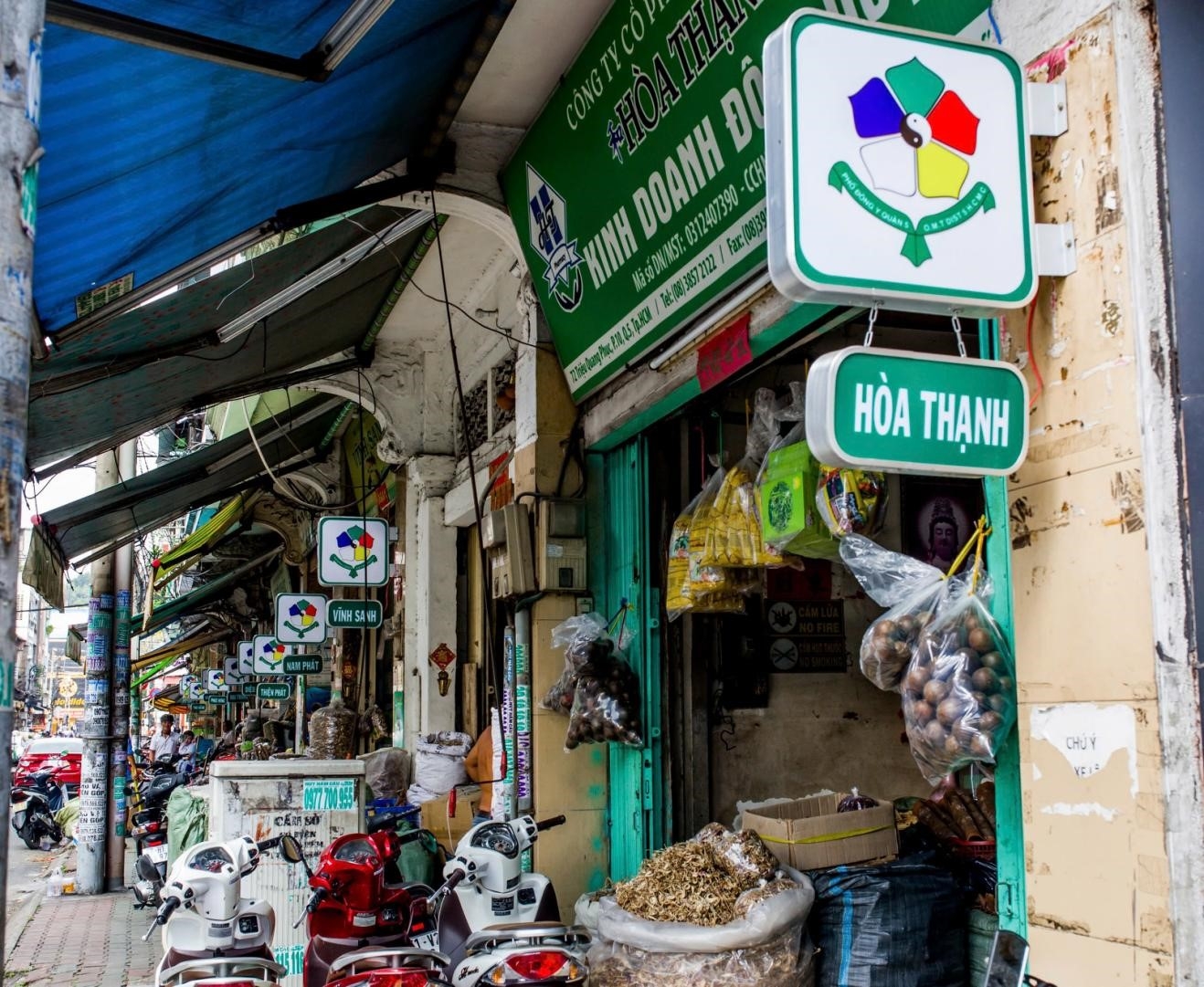
Small, family-run shops line both sides of the street, their wooden shelves filled with glass jars of dried roots, leaves, flowers, and bark. A distinctive herbal aroma drifts through the air, instantly signaling that you have entered a place where ancient knowledge is still carefully preserved. Many shops proudly display bundles of herbs at their entrances, creating a dense, colorful, and unmistakable spot.
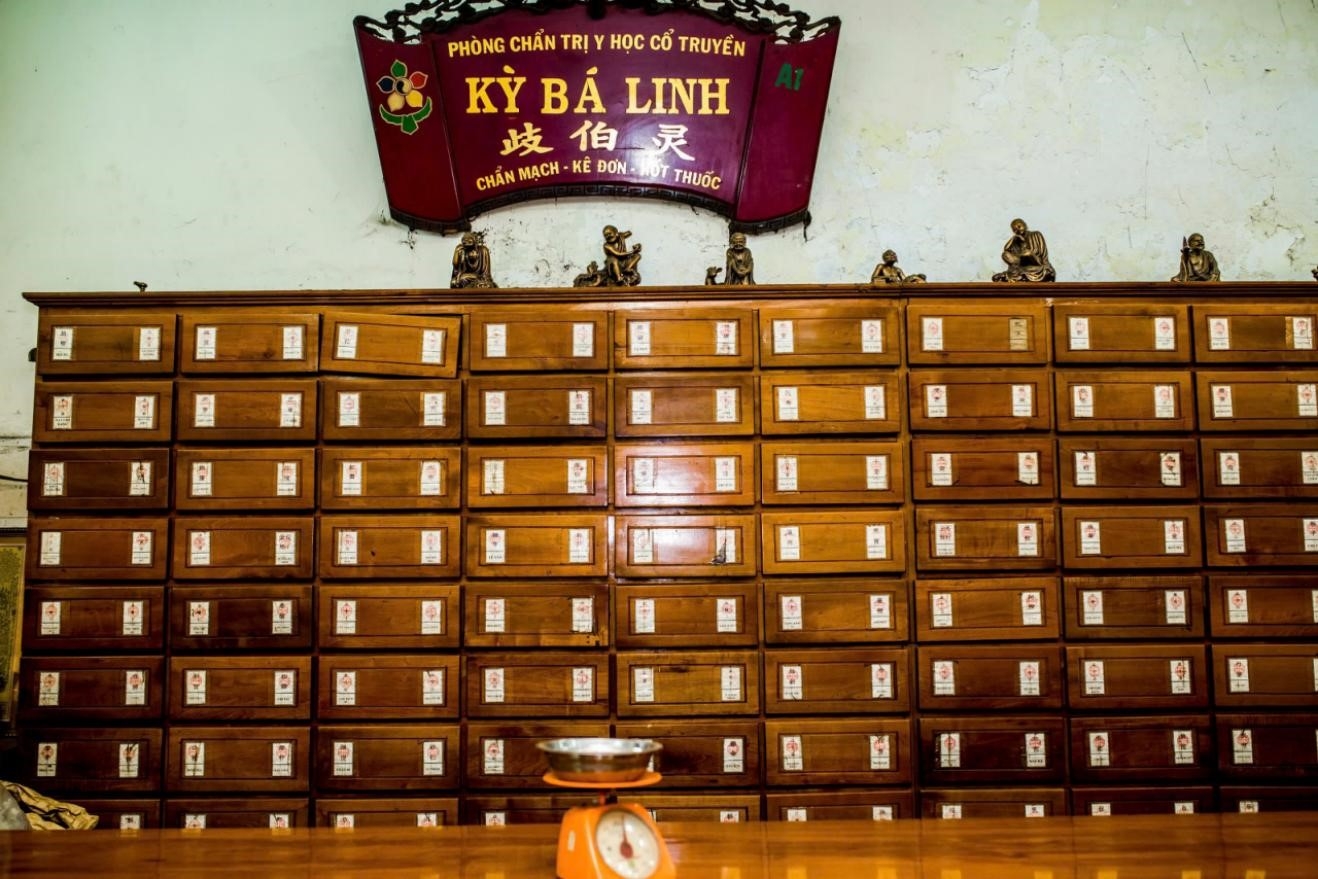
Inside, doctors sit quietly behind wooden counters, they do traditional Eastern diagnostic methods that have been passed down through generations. By gently reading a patient’s pulse, observing physical signs, and listening attentively, they determine the body’s balance before prescribing treatment. After that, doctors may prescribe your treatment with a mix of herbs.
Hear Locals Tell the Story of Thuan Kieu Plaza
Thuan Kieu Plaza is one of the most whispered urban legends in District 5. Many locals believe the building is haunted, while others say it has been plagued by years of bad luck that ultimately led to its abandonment. Today, no one lives there. At night, the apartment towers remain dark and silent. Now only the ground floor is still open for rental spaces.
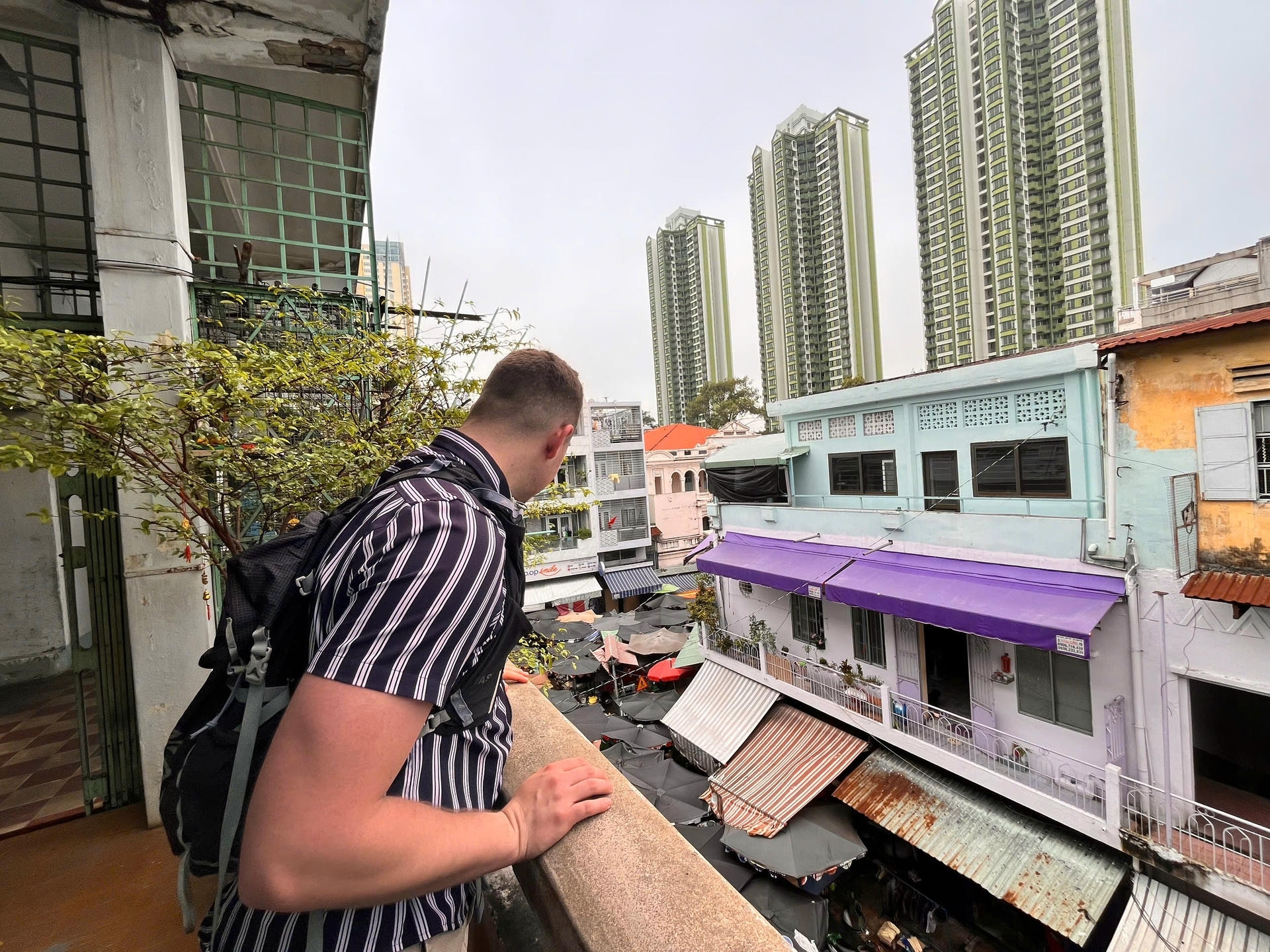
If you speak Vietnamese and are curious about the deeper details, try chatting with local street vendors while sipping ginseng water or enjoying a plate of dumplings nearby. If they’re in the mood, they might share their version of the story. Or, you can hear the English version of Thuan Kieu story which is included in our Saigon Untold Tales tour operated at night to chill down your journey in Ho Chi Minh city as well as ride you through all the hidden lores here.
Some Handful Tips for Your Trip in Saigon’s Chinatown: District 5, Ho Chi Minh city
1. Come at late afternoon or evening
This is when Chinatown feels most alive, with food stalls opening, shops lighting up, and locals gathering for dinner.
2. Wear comfortable shoes
The streets are busy and walkable, and you’ll likely spend a lot of time wandering between markets, temples, and food spots.
3. Carry small cash
Many street vendors and small eateries only accept cash, and having some in your pocket makes it a smoother journey in Chinatown: District 5 Ho Chi Minh city.
4. Dress respectfully at temples or solemn places
The Chinese really respect etiquette. Light, modest clothing is recommended there, and keeping your voice low helps maintain the peaceful atmosphere.
5. Try local eateries
Don’t judge them by appearance. Perhaps small, crowded places often serve the most authentic and flavorful Chinese dishes.
Cultural, Historical Stories Some More with Jackfruit Adventure
District 5, Ho Chi Minh or Saigon’s Chinatown truly carries much of a marvelous background shaped by generations of Chinese migration, customs, and a lifestyle that has been carefully preserved over time. I hope you find your time to spend a day here as it offers a deeper look into a vibrant community which is truly worth your time.
Beyond the markets and temples, there are still hidden corners filled with stories, legends, and local lore waiting to be discovered. If you’re looking for a different way to explore, planning your journey with Saigon city cycling tours by Jackfruit Adventure lets you experience these myths and hidden tales up close.