

Table of Contents
Every year on June 1st, something shifts in the air across Vietnam. Schools put up colorful banners, parents scramble to buy gifts, and the streets fill with the laughter of kids dressed in their best outfits. International Children’s Day here isn’t just a date on the calendar – it’s one of the most emotionally loaded days of the year, for children and adults alike.
I grew up looking forward to June 1st with the kind of anticipation usually reserved for Tết. As a Vietnamese, I’ve come to understand that our attachment to International Children’s Day runs deeper than a single holiday – it connects to centuries of cultural values around protecting, nurturing, and celebrating young lives. If you’ve been wondering when is International Children’s Day and what makes it so meaningful, especially here in Vietnam, keep reading. This article breaks it all down – the history, the traditions, and why this day still matters in a rapidly changing world.
What Is International Children’s Day – and When Is It?
International Children’s Day is observed on June 1st every year. It is a globally recognized occasion dedicated to honoring the rights, well-being, and happiness of children around the world.
So, when is International Children’s Day exactly? The answer depends slightly on where you are:
- June 1 – the most widely observed date, used in Vietnam, China, Russia, and many other countries
- November 20 – observed as Universal Children’s Day by the United Nations, marking the anniversary of the UN Declaration on the Rights of the Child
In Vietnam, June 1st is the one that counts. Schools hold performances, families gather, and companies run promotions. It’s the day the whole country tips its hat to its youngest citizens.
The History Behind June 1st
The origins of International Children’s Day trace back to the aftermath of World War II. In 1949, the Women’s International Democratic Federation met in Moscow and called for a dedicated day to recognize children’s rights and welfare. The following year, June 1st, 1950, was declared International Children’s Day – and countries across the socialist bloc quickly adopted it.
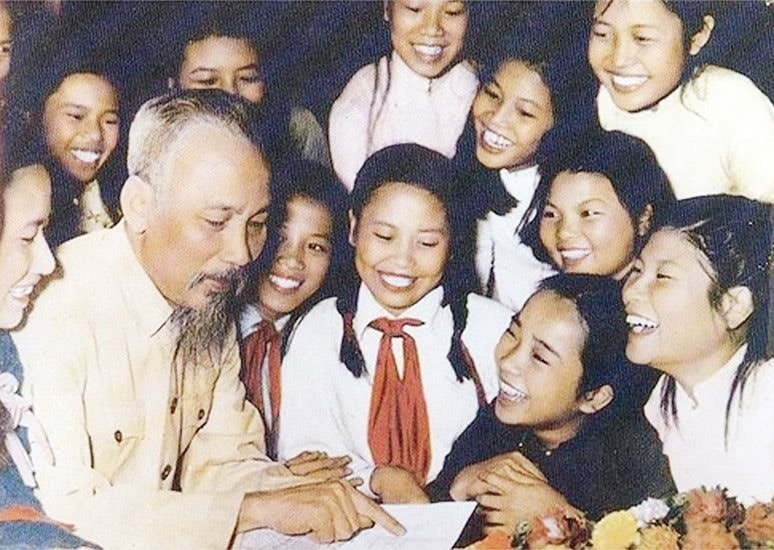
Vietnam was among the first. On June 1st, 1950 – even as the country was fighting a grueling resistance war against French colonial forces – President Hồ Chí Minh took the time to write a letter of congratulations to the nation’s children. That act said something profound: no matter how hard the circumstances, children deserved to be seen, celebrated, and protected.
Since then, International Children’s Day on June 1st has been observed every year in Vietnam without interruption.
Vietnam’s Ancient Bond with Children: A Culture That Never Forgot Its Young
What makes International Children’s Day feel so natural in Vietnam is that it isn’t a foreign import grafted onto an indifferent culture. Vietnam has always placed children at the center of its social and spiritual life.
Tết Trung Thu – Vietnam’s Original Children’s Festival
Long before the Western calendar introduced June 1st, Vietnam had its own children’s holiday: Tết Trung Thu, the Mid-Autumn Festival, celebrated on the 15th day of the 8th Lunar Month. Historians suggest this festival may date back as far as 15,000–20,000 years, making it one of the oldest child-centered celebrations in the world.
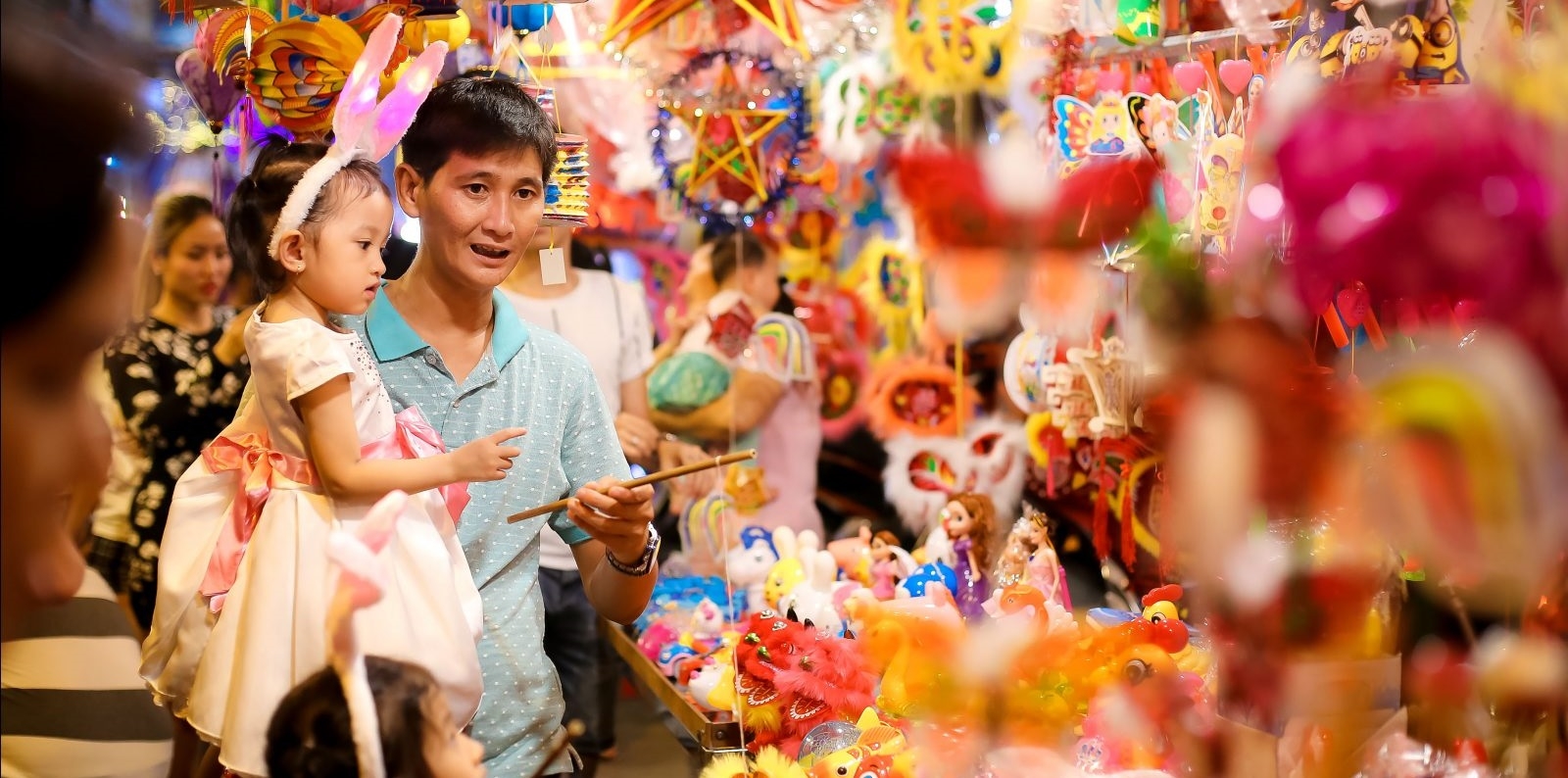
On Trung Thu night, children parade through the streets carrying hand-crafted lanterns – stars, fish, butterflies, and crescent moons – glowing orange and red in the dark. Families gather to admire the full moon and share bánh trung thu (mooncakes). It’s a night that belongs entirely to the kids.
That ancient instinct – to set aside time and space specifically for children – is what makes Vietnam’s embrace of International Children’s Day feel so authentic. We didn’t need to be convinced that children deserve a day. We’d known it for thousands of years.
Confucian Values and the Reverence for Youth
Vietnamese culture, deeply shaped by Confucian philosophy, holds that the proper care of children is one of the highest duties of a family and a society. The saying “Trẻ em như búp trên cành” – “Children are like buds on a branch” – attributed to President Hồ Chí Minh himself, captures this tenderness precisely. Young lives are fragile, precious, and full of potential. They must be tended carefully.
In traditional Vietnamese households, children are not background figures. They are the future of the lineage, the hope of the family, the reason parents work and sacrifice. This is why International Children’s Day resonates so deeply – it gives formal expression to something Vietnamese families feel every day.
How Vietnam Celebrates International Children’s Day
At Schools and Kindergartens
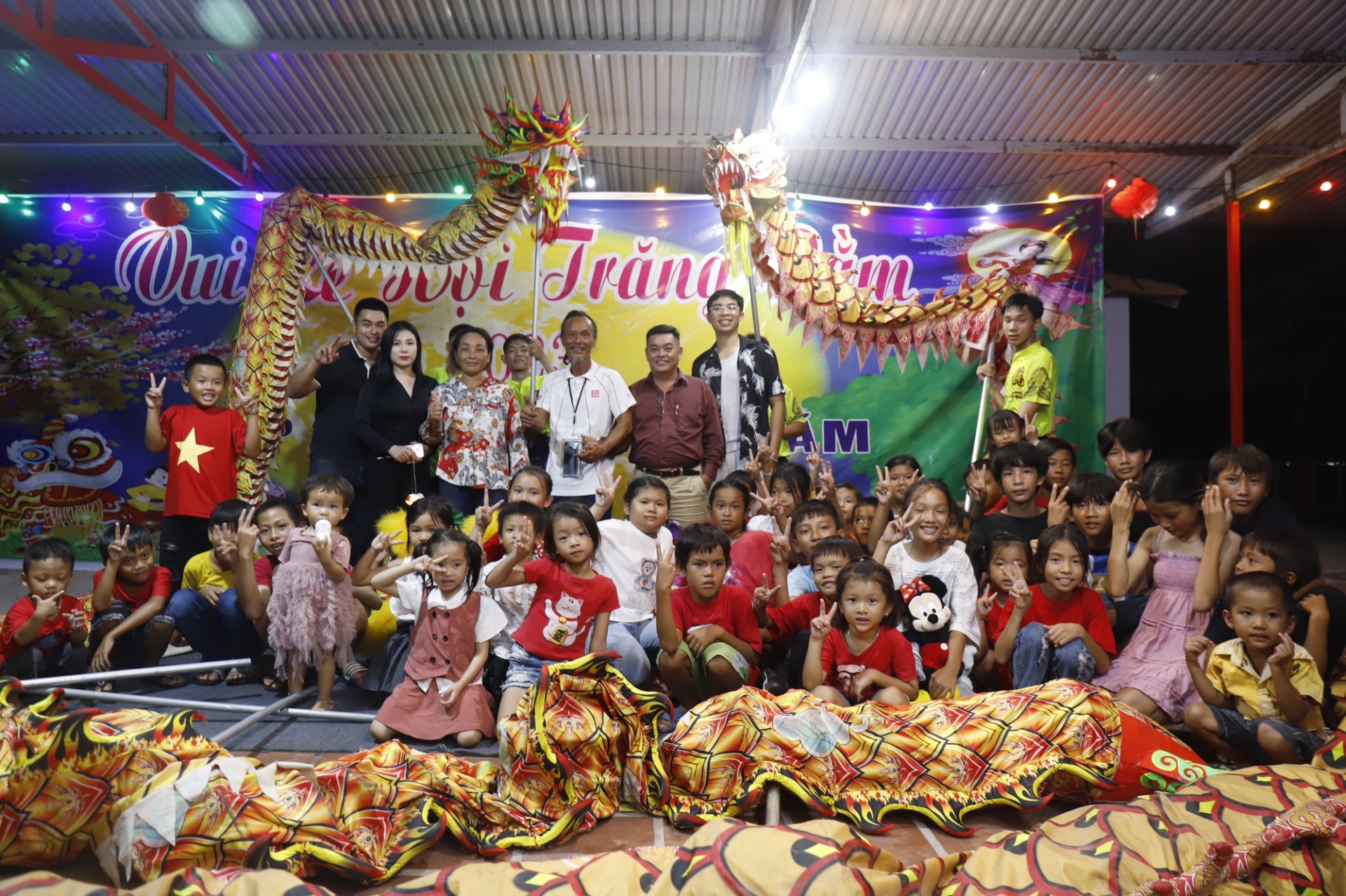
The most visible celebration of International Children’s Day happens in schools. Teachers prepare performances, art exhibitions, and games. Children dress up, recite poems, and sing songs. For many Vietnamese kids, this is one of their strongest early memories – being on a little stage, proud and nervous, with their whole family watching.
Universities and youth organizations often partner with local schools to organize activities for underprivileged children, extending the spirit of the day beyond those who already have much.
At Home
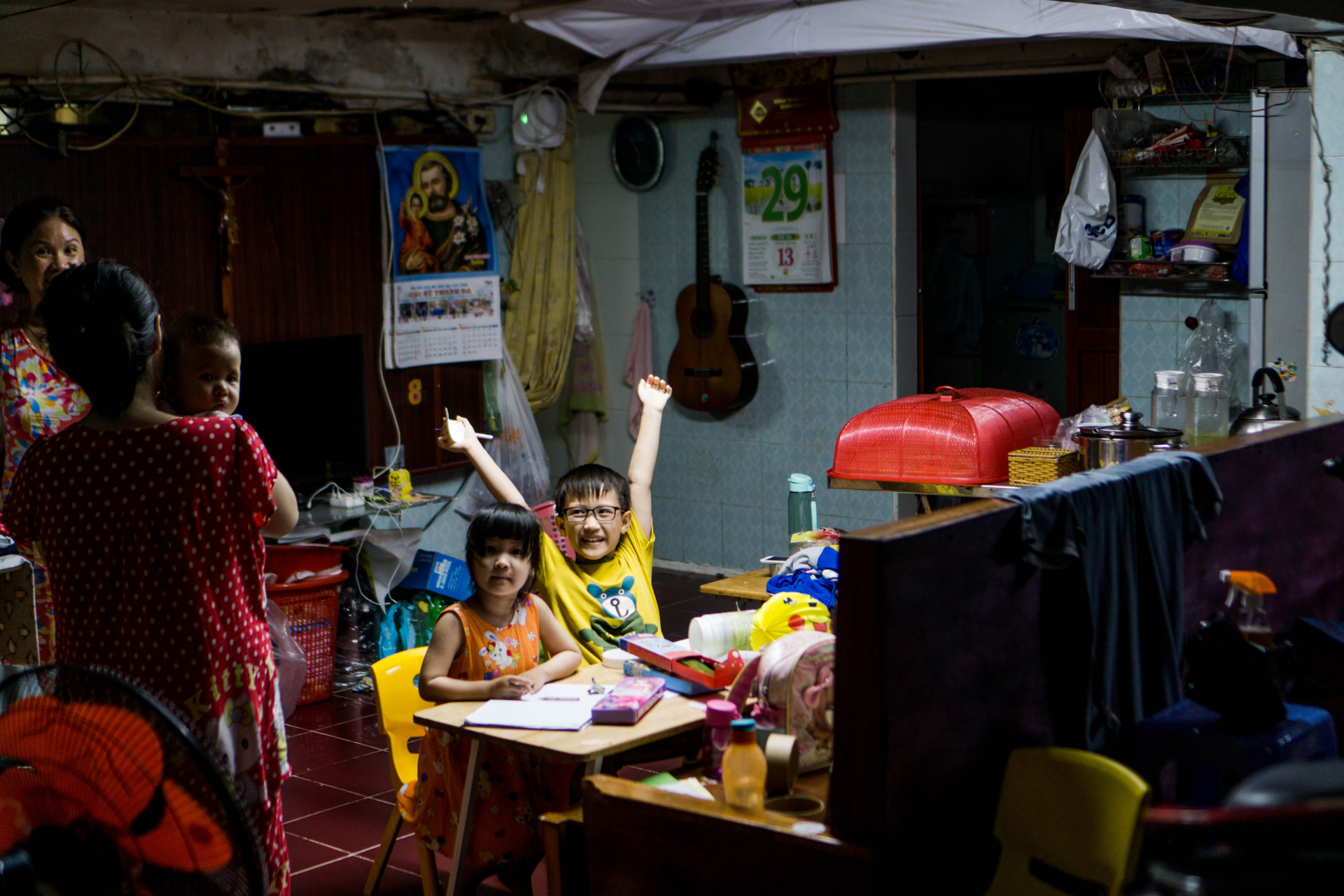
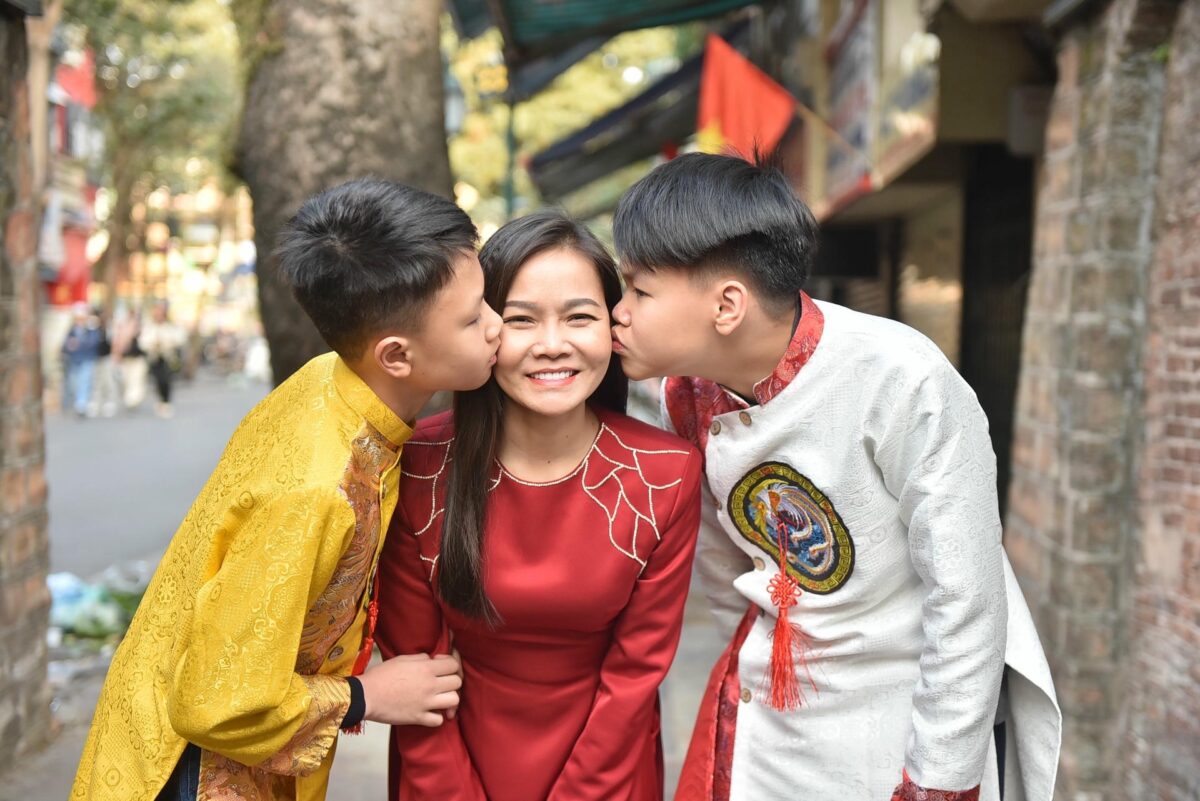
For parents, International Children’s Day is a day of gifts and togetherness. Toys, books, clothes – whatever the child has been wanting. Some families use the day to take the kids somewhere special: a water park, the cinema, or a local restaurant for a meal that’s entirely chosen by the children.
There’s a sweetness to this. Vietnamese parents are not always demonstrative with affection in the Western sense, but International Children’s Day creates a socially sanctioned space to show it openly and generously.
City-Wide Events
In Hanoi and Ho Chi Minh City, local governments and cultural centers organize large public events: outdoor concerts, puppet shows, carnivals, and fireworks. Hồ Hoàn Kiếm in Hanoi and the parks around District 1 in Saigon fill with families. The city takes on a lighter, brighter energy.
Traveling Vietnam with Kids: Giving Children the Gift of Real Experiences
One thing I’ve noticed, both as a local and as someone who works in tourism, is that International Children’s Day has evolved beyond gift-giving. More and more families are choosing to spend the day – or the surrounding weekend – doing something meaningful together. And in Vietnam, “meaningful” often means getting outside, moving through the city, and experiencing the country’s living culture firsthand.
This shift reflects something important: experiences stay with children in a way that toys rarely do. A child who once pedaled through the backstreets of Saigon at dusk, wide-eyed at the lantern-lit alleyways and fragrant street food stalls, carries that memory for life.
Exploring Vietnam Through a Child’s Eyes
Vietnam is, genuinely, one of the best countries in the world to travel with children. The culture is warm and welcoming to kids. Food is varied and approachable. Cities like Hanoi and Ho Chi Minh City have layers of history and energy that children can feel even if they can’t yet articulate it.
What matters is how you explore. Sitting in an air-conditioned bus watching the city scroll by is one experience. Getting off the main roads, slowing down, and actually moving through neighborhoods at human pace – that’s another.
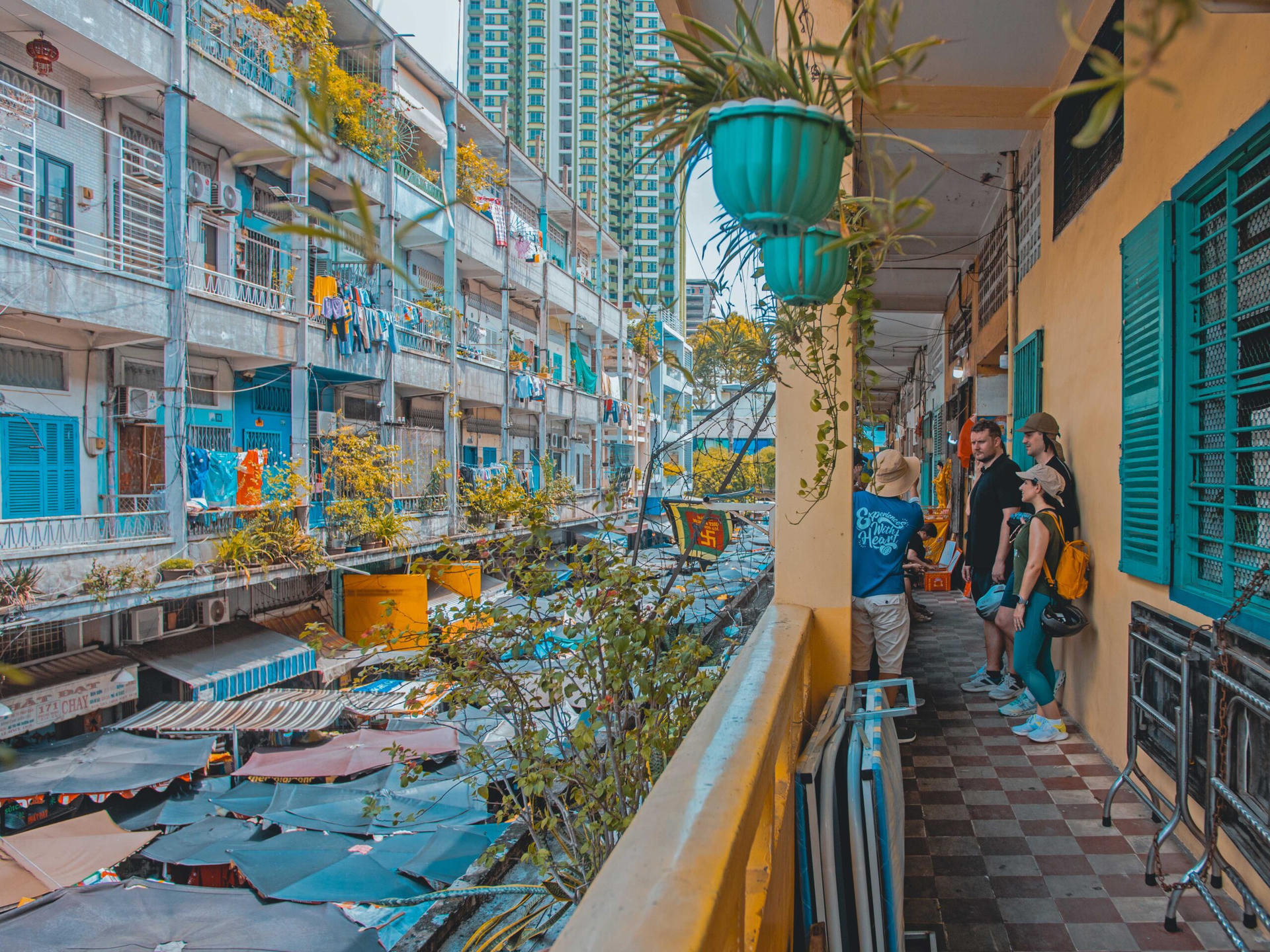
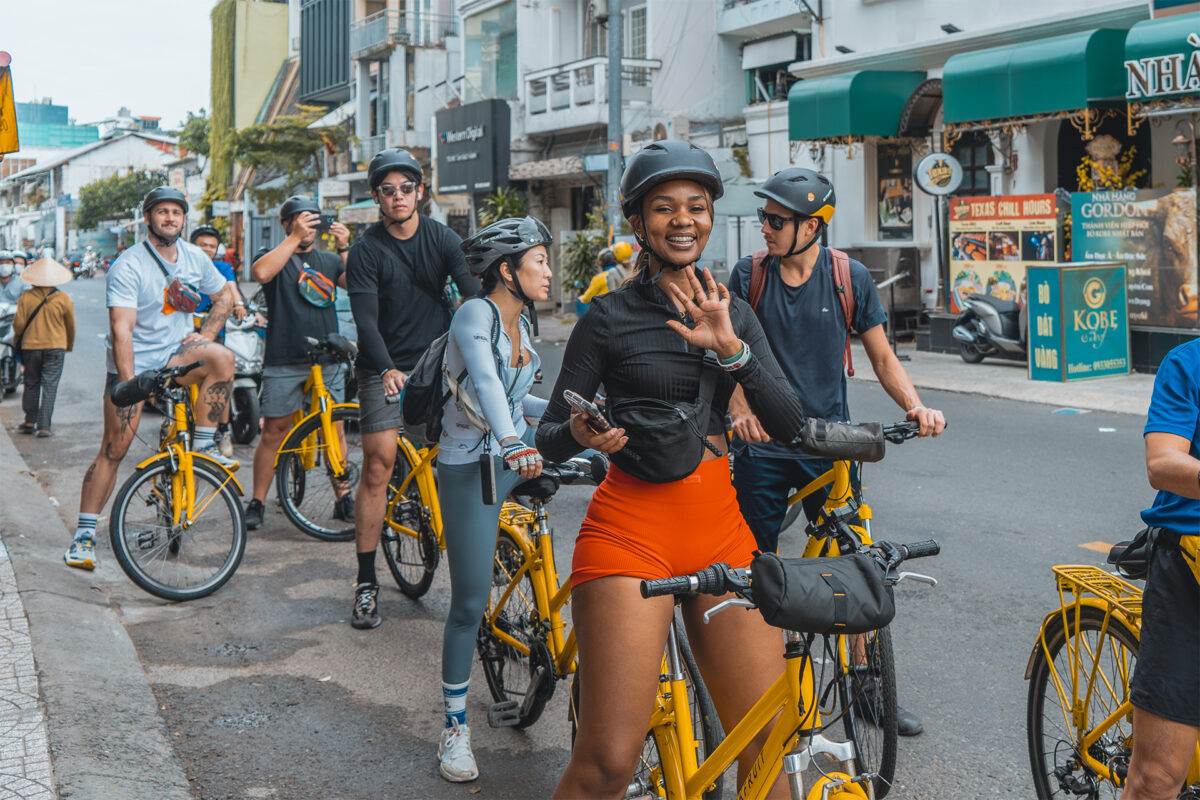
That’s the philosophy behind the Saigon Off-the-Beaten Path: Ho Chi Minh City Cycling Tour. Instead of ticking off landmarks, this tour takes families through District 4’s intimate alleyways, where old colonial shophouses lean against modern cafés and the smell of phở drifts out of half-open doors. You pedal through District 10 – a neighborhood most tourists never reach – where daily life unfolds at its own unhurried rhythm. Then you wind into Cholon, the historic Chinatown of District 5, where temples and wet markets and century-old clan houses exist side by side.
For children, this kind of tour is not a history lesson. It’s an adventure. They’re moving, noticing things, asking questions. And the questions they ask – “Why do the houses look like that?” “What are those people cooking?” “Can we stop here?” – are exactly the ones that open minds.
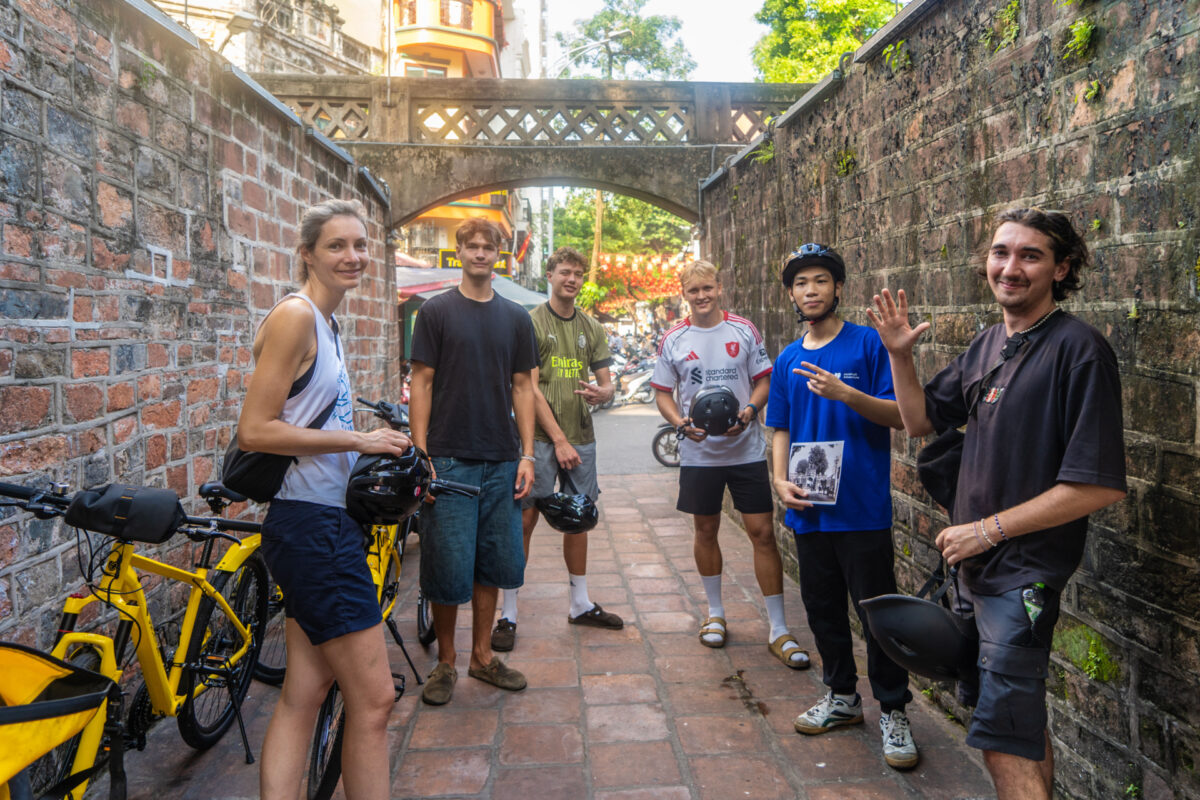
Heading to Hanoi instead? Hanoi Cycling Tours offer a similarly grounded experience through the Old Quarter’s lanes and local markets – at a pace children can actually enjoy.
How We Look After the Youngest Riders
At Jackfruit Adventure, we genuinely love having kids on our tours. We don’t just tolerate small guests – we plan for them. Bike sizes are matched to age and height. Routes are selected with manageable distances and plenty of natural stopping points. Guides keep a close eye on energy levels and adjust the pace accordingly.
We’ve had seven-year-olds who outpedaled their parents and twelve-year-olds who wanted to stop at every food stall. Both are fine with us. International Children’s Day or not, every ride with a family is a reminder of why this kind of travel matters – not the distance covered, but the things noticed along the way.
Why International Children’s Day Still Matters
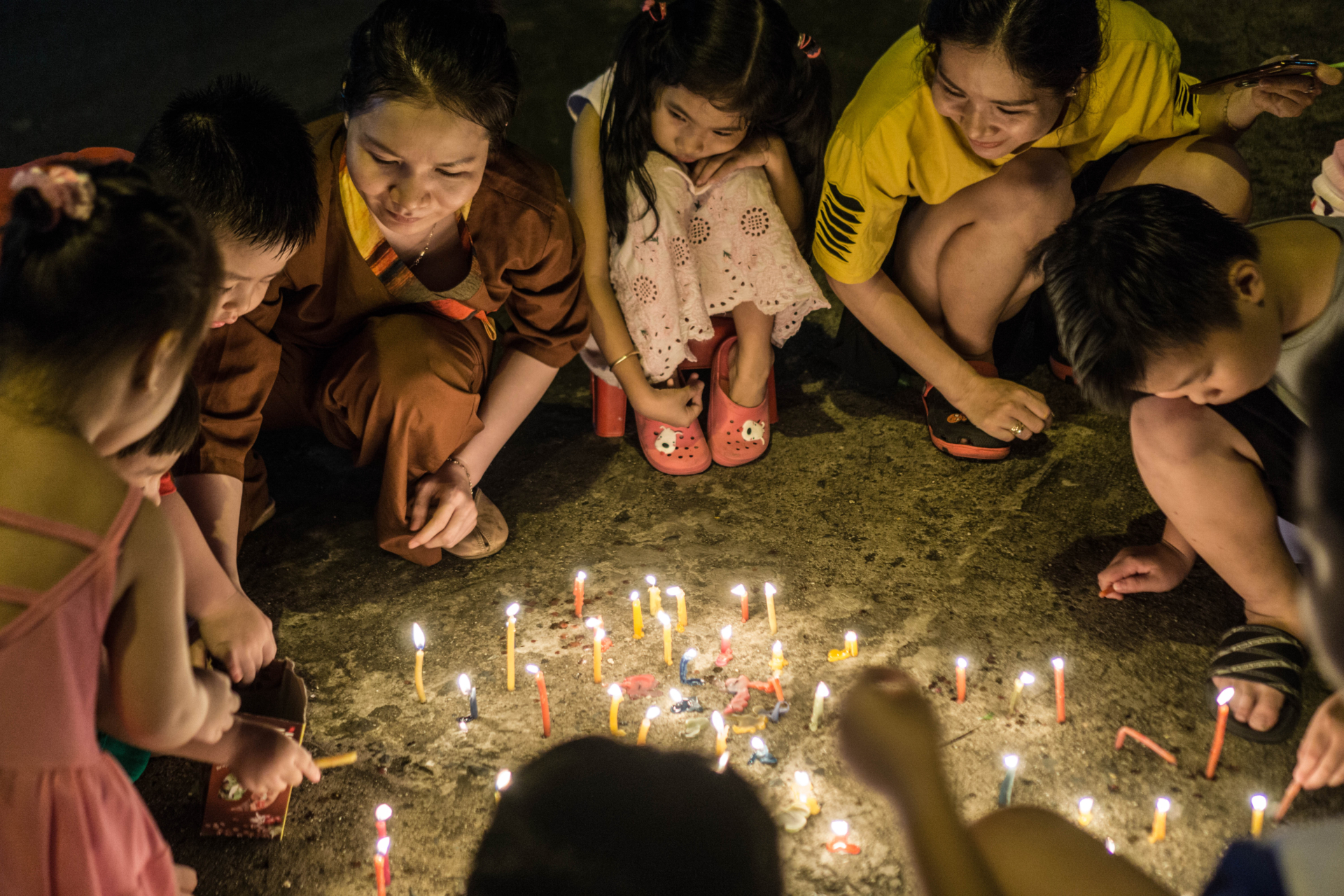
It might be tempting to think of International Children’s Day as a relic of mid-century socialist calendar-making – an official occasion that’s kept going by institutional inertia. But that misses what actually happens on June 1st in Vietnam.
Look at any school courtyard that morning. Look at any parent trying to hail a xe ôm with a wrapped toy under one arm. Look at the old woman selling bánh mì near the school gate who’s been setting up a little early every June 1st for twenty years because she knows the kids will be out.
International Children’s Day persists in Vietnam because Vietnamese people, generation after generation, have chosen to make it real. The date was given by history. The warmth is homegrown.
Protecting Children’s Rights Beyond Celebrations
Of course, celebration is only one dimension of International Children’s Day. The holiday has always carried a call to action beneath its festive surface. Access to education, healthcare, safe play spaces, protection from exploitation – these are not just policy issues. They are the concrete meaning of a world that genuinely honors its children.
Vietnam has made measurable progress on many of these fronts. Child literacy rates have improved dramatically. School enrollment is high. But challenges remain, particularly in rural and mountainous regions. International Children’s Day is also an occasion to remember that not all children get to celebrate equally – and to think about what that asks of us.
A Celebration That Means What It Says
There is something quietly moving about the fact that Vietnam first observed International Children’s Day in 1950 – in the middle of a war. The choice to honour children in that moment was a statement of values that has not faded.
Today, when Vietnamese people wish each other “Chúc mừng ngày Quốc tế thiếu nhi” – Happy International Children’s Day – they are doing more than exchanging a seasonal greeting. They are participating in a tradition that stretches back decades, rooted in a culture that has always known: to care for children is to care for everything that comes next.
Happy International Children’s Day.