

Table of Contents
Vietnam Reunification Day, observed annually on April 30, is one of the most important milestones in the country’s modern history. The 30th April Vietnam celebration, also known as Victory Day or the Fall of Saigon, marks the moment when North Vietnamese forces captured Saigon, bringing an end to the Vietnam War and opening a new chapter of national unity.
For the Vietnamese people, Reunification Day is more than just a historical date. It represents resilience, determination, and the enduring aspiration for independence and peace. In this article, we take a deeper look at the importance of Reunification Day and explore what you can experience during the 30th April Vietnam holiday.
A Historical Turning Point
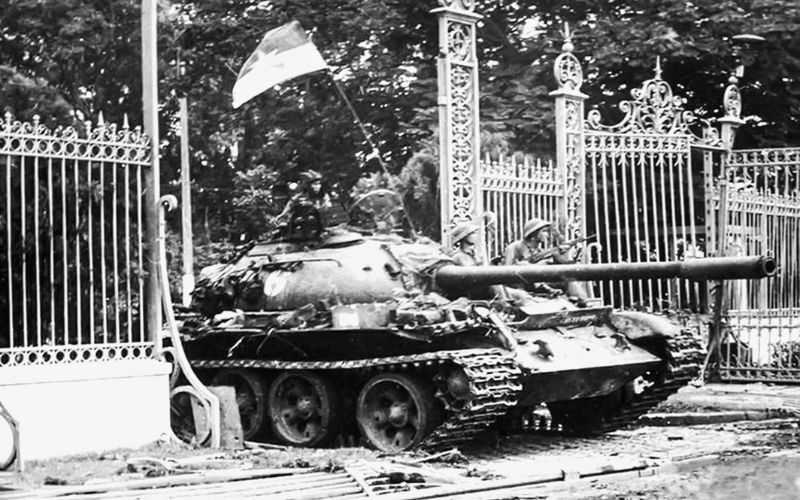
The events of April 30, 1975, reshaped Vietnam’s future. The success of the Ho Chi Minh Campaign led to the collapse of the South Vietnamese government and ultimately unified the country under one administration. This marked the conclusion of a prolonged struggle that lasted nearly 30 years, encompassing resistance against colonial rule and later conflict during the Vietnam War.
What makes this milestone particularly remarkable is the context in which it occurred. Vietnam, once an economically underdeveloped colonial nation, managed to overcome a powerful foreign force. This achievement resonated far beyond its borders, serving as a source of inspiration for other nations facing similar struggles. It demonstrated that determination and unity could alter the course of history, even under challenging circumstances.
For Vietnam, reunification was not only a political transformation but also a deeply emotional moment. Families separated by years of conflict were able to reconnect, and the country began the long process of rebuilding and healing. The day remains a reminder of both the sacrifices made and the strength required to achieve independence.
How Vietnam Celebrates Reunification Day
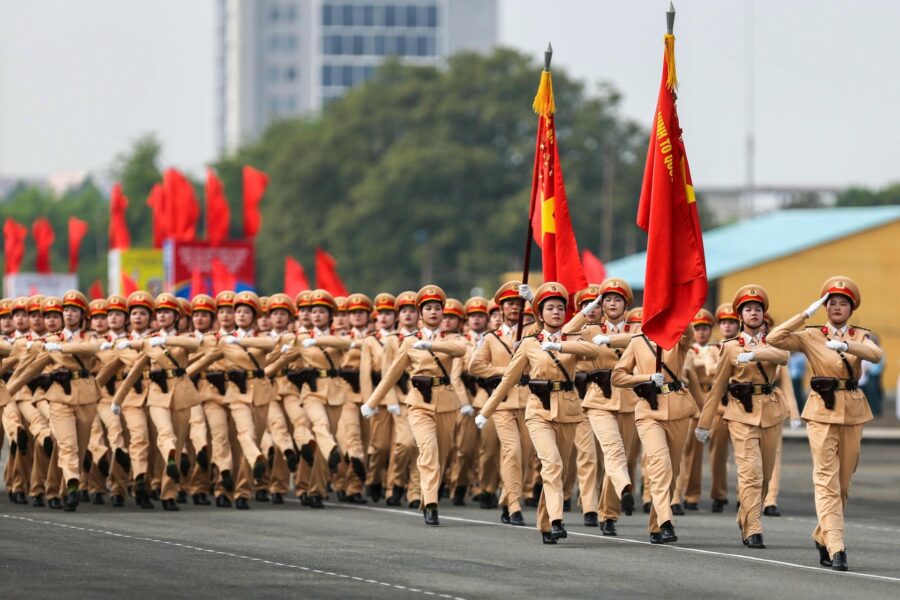
Today, Reunification Day is celebrated nationwide with a sense of pride and reflection. As a public holiday, government offices, businesses, and many services temporarily close, allowing people to participate in commemorative activities or spend time with family.
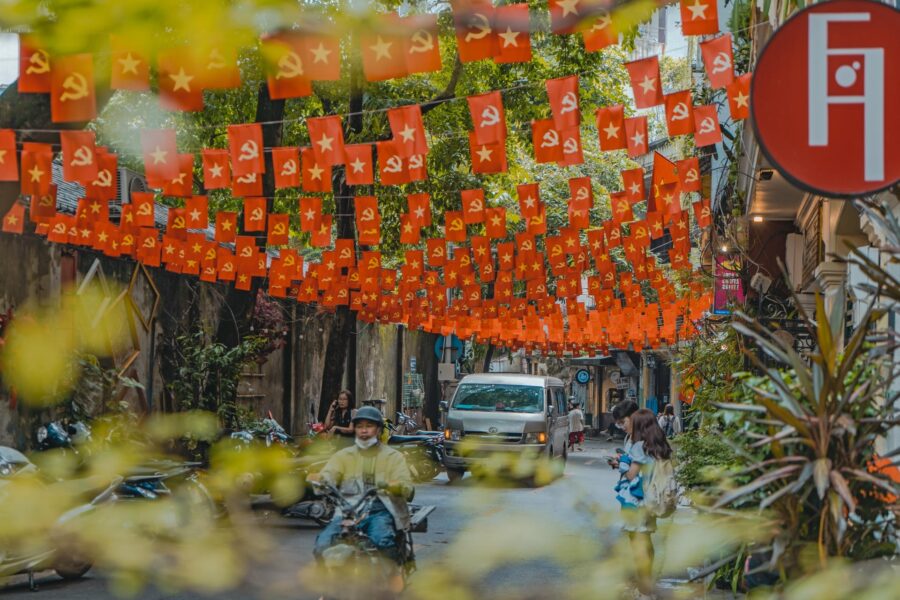
Across cities and towns, the atmosphere becomes vibrant and patriotic. Streets are decorated with red banners and national flags, creating a striking visual display that reflects the country’s unity. Cultural and musical performances are a central part of the celebrations, often featuring songs that recall historical victories and honor the perseverance of the Vietnamese people.
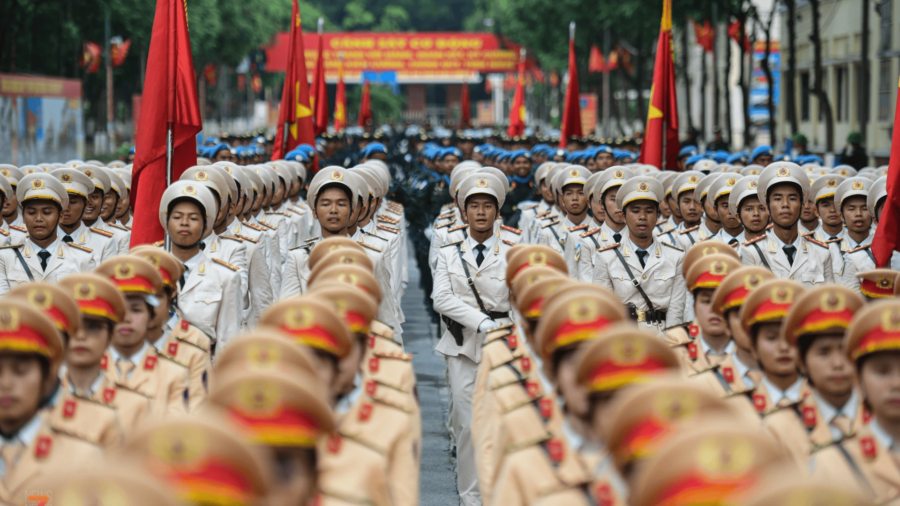
Public spaces frequently host events that bring communities together, while media outlets broadcast documentaries and programs highlighting the nation’s history. The celebrations are not only festive but also educational, offering younger generations an opportunity to understand the significance of the day.
An additional aspect that makes this period special is its connection with International Labor Day on May 1. Together, these holidays create an extended break, during which many people travel, visit relatives, or explore different parts of the country. This combination adds a lively and dynamic energy to the celebrations, blending remembrance with leisure and connection.
Activities for Foreign Visitors During Reunification Day
1. Attend public parades and cultural performances
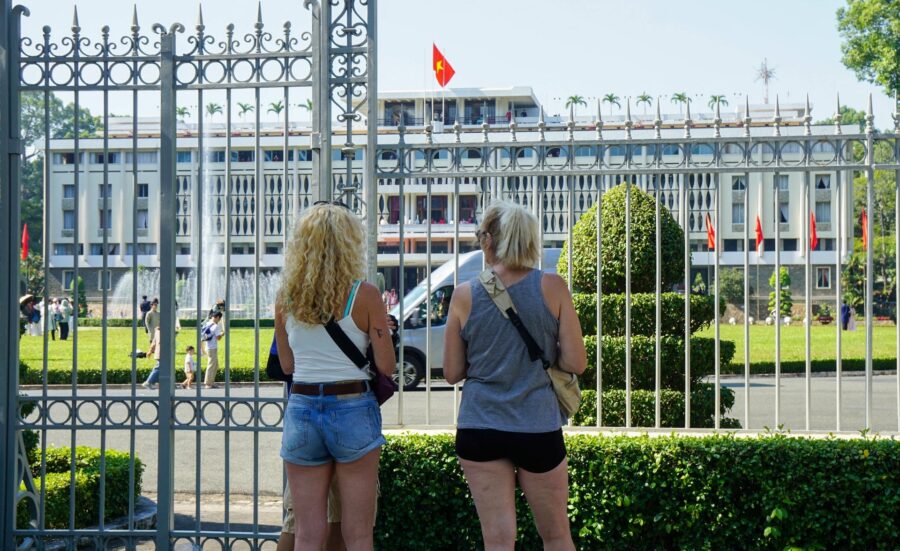
One of the most memorable ways to experience the holiday is by joining public celebrations. Parades, live music shows, and traditional dance performances are often held in major cities. These events showcase patriotic spirit through historical songs and visual displays, giving visitors a deeper understanding of Vietnam’s national pride.
2. Explore major cities on foot
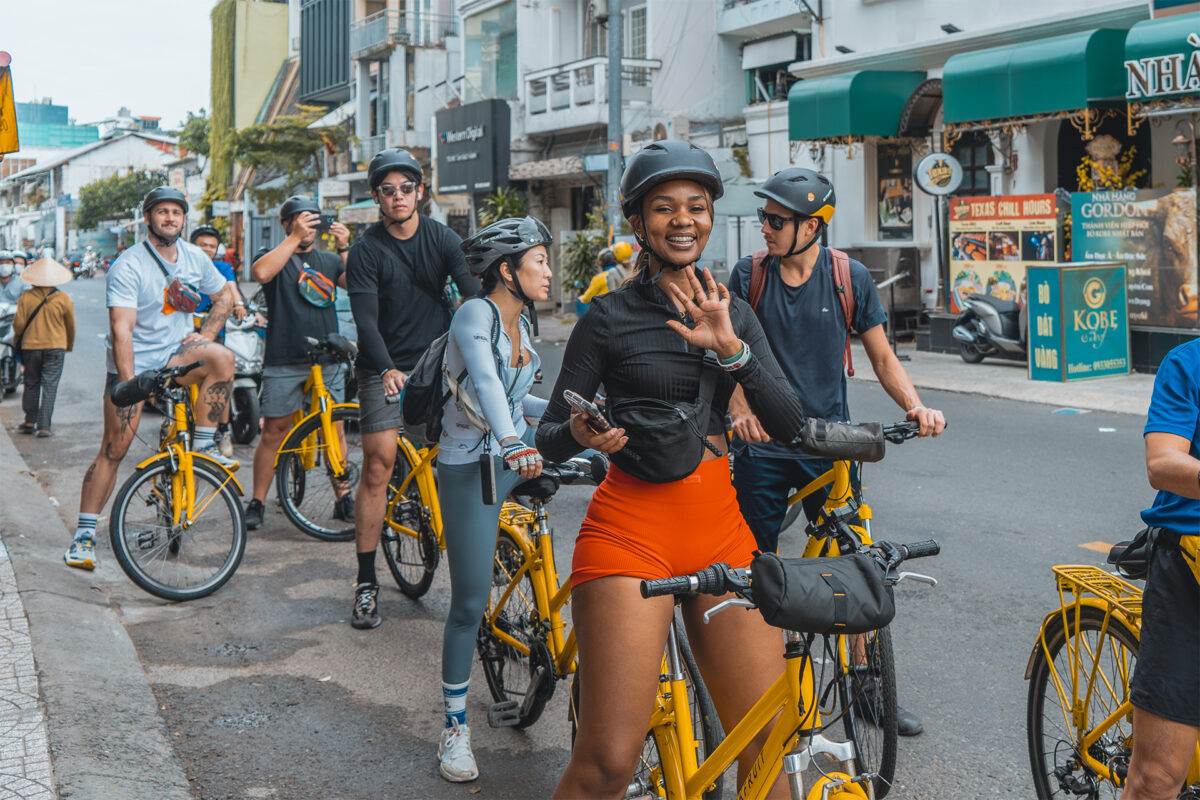
Cities like Hanoi and Ho Chi Minh City become especially vibrant during this time. Walking through central streets allows travelers to fully take in the festive atmosphere, with red flags, banners, and decorations everywhere. It is also a great opportunity for photography and spontaneous discoveries, from street performances to local gatherings.
3. Visit museums and historical landmarks
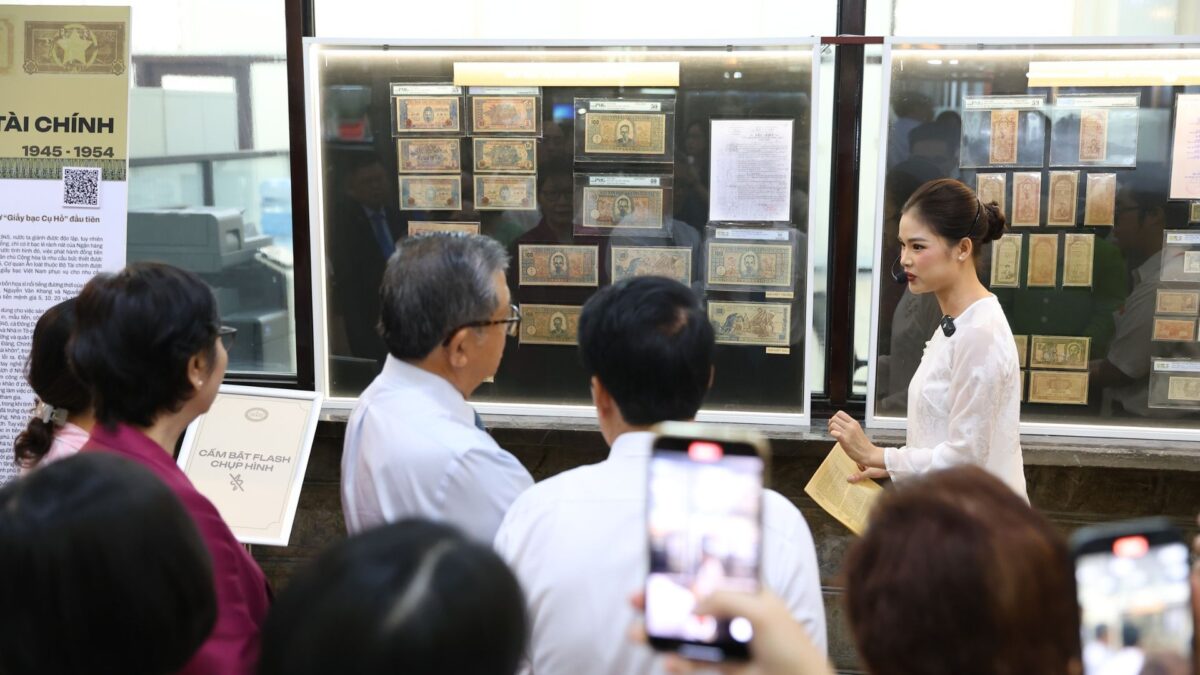
Although some places may have adjusted hours, visiting museums and historical sites can provide meaningful context about the significance of April 30. These visits help connect the celebrations to Vietnam’s past, offering a more insightful travel experience beyond the surface level festivities.
4. Take advantage of the long holiday for travel
Since Reunification Day is combined with International Labor Day, many locals travel, making it a perfect time for visitors to explore beyond the cities. Coastal destinations, cultural towns, and islands offer a refreshing escape, whether it is relaxing by the beach or discovering local heritage.
5. Enjoy local food experiences
Holiday periods often bring lively street food scenes. Travelers can explore night markets or roadside vendors to try a variety of Vietnamese dishes. This is an excellent way to experience local culture through flavors, as many traditional and popular foods are readily available.
6. Engage with local communities
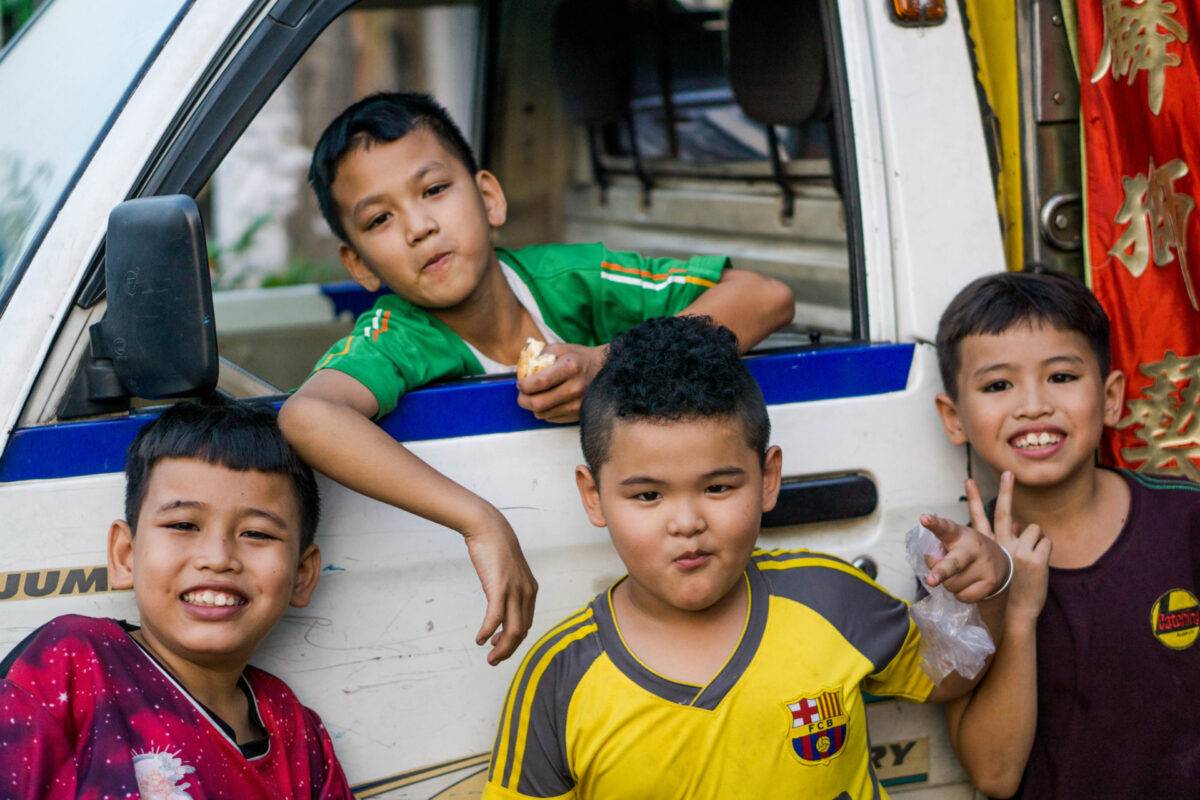
For a more meaningful experience, interacting with locals can provide personal insights into how the day is celebrated. Whether through casual conversations, joining small community events, or simply observing daily life, these moments often leave a lasting impression and deepen cultural understanding.
Final Words For A Day To Remember
Vietnam Reunification Day is more than a commemoration of a historical event. It is a powerful reminder of the country’s journey toward unity, independence, and resilience. Each year, as flags are raised and songs echo through the streets, the spirit of April 30 continues to inspire pride among the Vietnamese people. For both locals and international observers, the day offers a meaningful glimpse into Vietnam’s past and the enduring values that shape its present and future.
At Jackfruit Adventure, we care deeply about sharing the real Vietnam through everyday stories and local experiences. Our tours take you beyond the usual sights into hidden alleys and lively neighborhoods in cities like Saigon and Hanoi, where culture feels authentic and personal. If you are looking for a meaningful, immersive journey seen through a local lens, we would love to show you around in our Vietnam city tours.