


Table of Contents
Every morning around 6 AM, I hear it before I see it – the low rumble of metal on metal echoing through the Old Quarter. That’s just normal life when you live near the tracks. But if you’re planning to visit, you’re probably wondering: is Train Street still open?
I get it. There’s so much confusing information out there. Some blogs say it’s permanently closed. Instagram shows fresh photos from last week. Travel forums are full of people who got turned away at the barriers.
So here’s the real answer: Yes, Hanoi Train Street is still open, but not in the way it used to be. The experience has changed, and if you don’t know the “system”, you might show up and leave disappointed.
Let me break down exactly how it works now.
What’s Actually Happening at Hanoi Train Street Right Now
A few years back, you could just walk onto the tracks whenever you wanted. These days, there are blue metal barriers at the main entrances, and you’ll often see security guards stationed at spots like the Tran Phu Street entrance.
Does that mean Hanoi Train Street is closed? Not exactly.
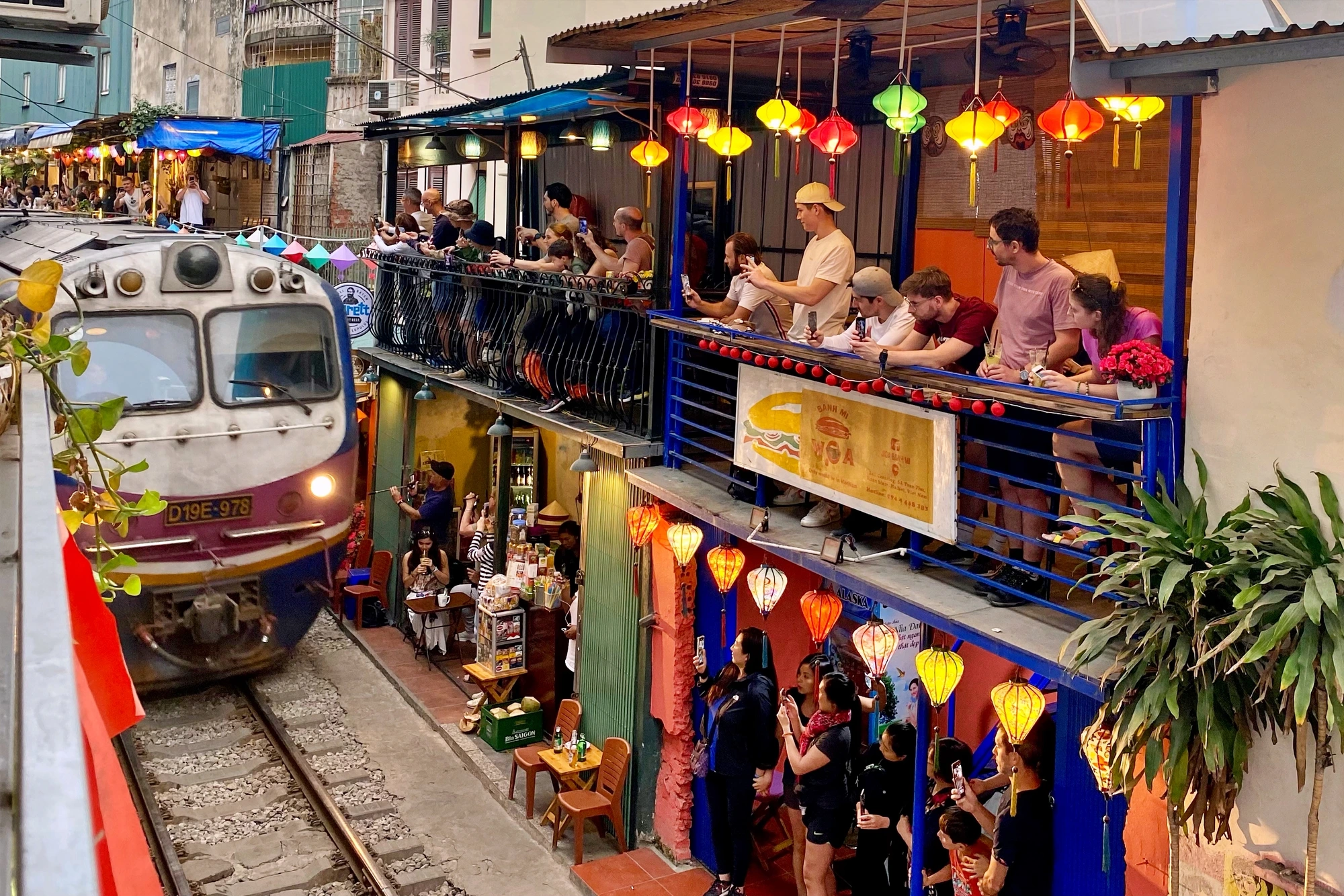
The cafes are still running. People still live here. Trains still pass through multiple times a day. The difference is that it’s now regulated rather than wide open.
To get onto Hanoi Train Street now, you typically need a cafe owner to “escort” you in. They’ll either lead you through back alleys or walk you past the guards to their seating area. It feels a bit like being let into a secret club, which honestly adds to the experience.
Think of it as controlled access rather than closure. The local authorities want to keep Hanoi Train Street functioning while managing safety concerns and crowd control.
Why The Train Street Is Worth the Effort
You might be thinking: “Why bother with all this just to sit next to some train tracks?”
Fair question. But Train Street isn’t really about the train, it’s about witnessing something that shouldn’t exist but somehow does.
- Living on the edge: You’ll see grandmothers peeling vegetables and kids playing just inches from where a massive train will soon pass.
- The Adrenaline: There is nothing quite like the vibration in your chest when the locomotive whistles and pushes air through the narrow corridor of Hanoi train street.
- The Aesthetic: The colonial-style houses, hanging lanterns, and vibrant murals make Hanoi train street a photographer’s dream.
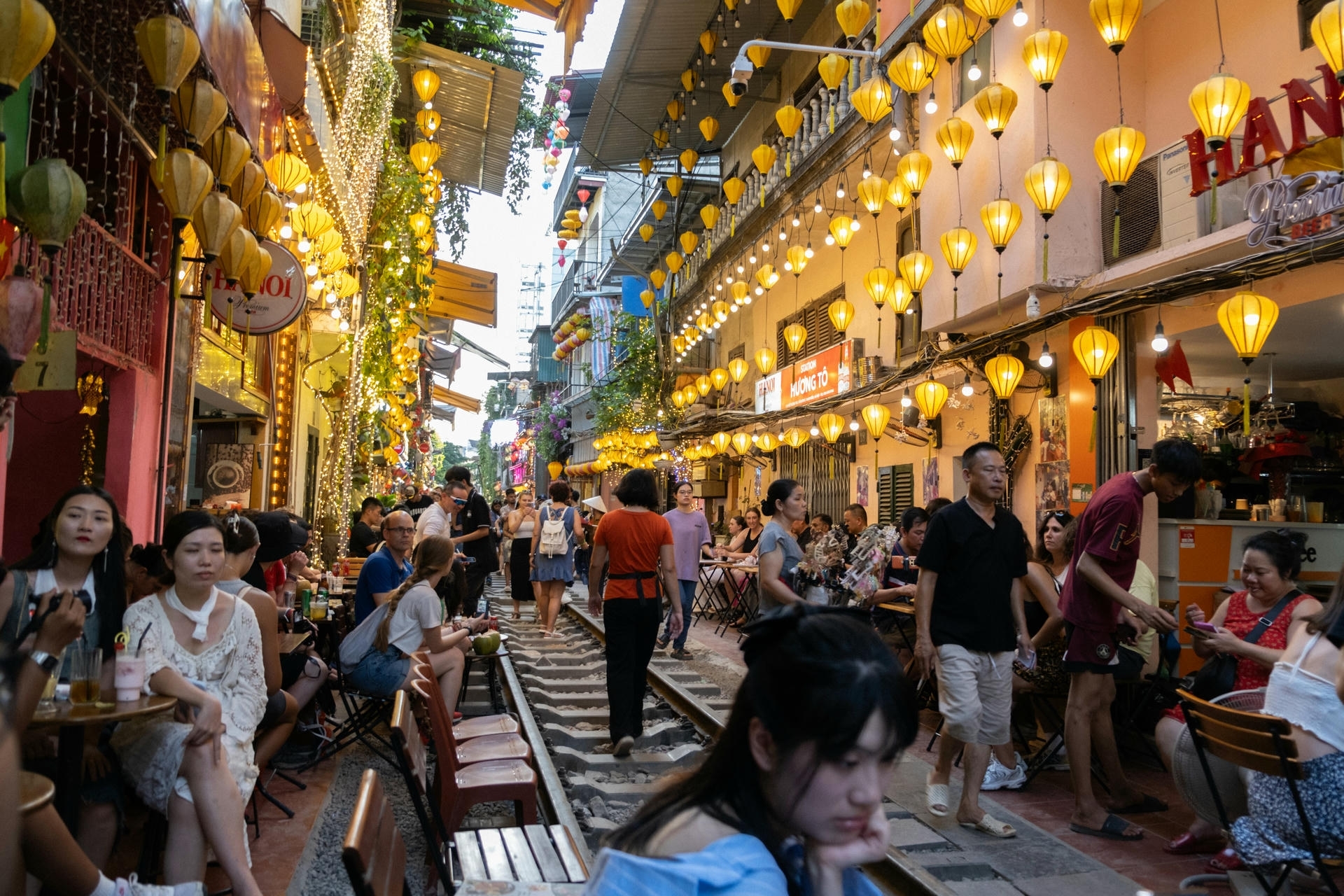
If you want to see the full layout and context before you visit, this guide on Hanoi Train Street, a unique check-in point in Vietnam, shows you what the whole area looks like.
How to Actually Get Into The Train Street (Without Getting Rejected)
This is where most people mess up. If you walk straight to the main barrier looking confused or lost, the guards will likely tell you it’s closed. They aren’t lying – it is closed to random tourists wandering aimlessly on active tracks. Here is what actually works on hanoi train street:
Here’s what actually works:
- Look for the cafe staff near the barriers. They’re usually hanging around the entrance points, and they’ll make eye contact if they have space. Give them a nod, and they’ll walk you in through a side route or past the guards.
- Try the Phung Hung side. The section of Hanoi Train Street near Phung Hung mural street sometimes has easier access than the main Tran Phu entrance. It depends on the day and how many people are already there.
- The Unspoken Rule: The key is showing that you aren’t just there to gawk and block the tracks. The cafes operate on the understanding that you’ll buy a drink. A coffee on hanoi train street usually costs between 20,000 and 45,000 VND ($1-2 USD), which is a small price to pay to support the local families.
- Book a guided tour if you want guaranteed access. Some local tour companies have relationships with the cafes and can get you in without any hassle.
Safety Rules You Need to Follow
We locals want Hanoi train street to stay open, but that only happens if tourists stay safe.
- Don’t be a “track-hugger”: When the train is coming, get your back against the wall. The train at Hanoi train street is wider than the tracks themselves.
- Listen to the locals: If a cafe owner yells at you to sit down or move your chair, do it immediately. They know the clearance better than you do.
- No selfies on the tracks: Once the signal sounds, stay off the sleepers. Every year, close calls threaten the permanent closure of Hanoi train street.
What Else to Do Near Hanoi Train Street
Once you’ve had your coffee and watched the train pass, don’t just head straight back to your hotel. The area around Hanoi Train Street is packed with interesting spots.
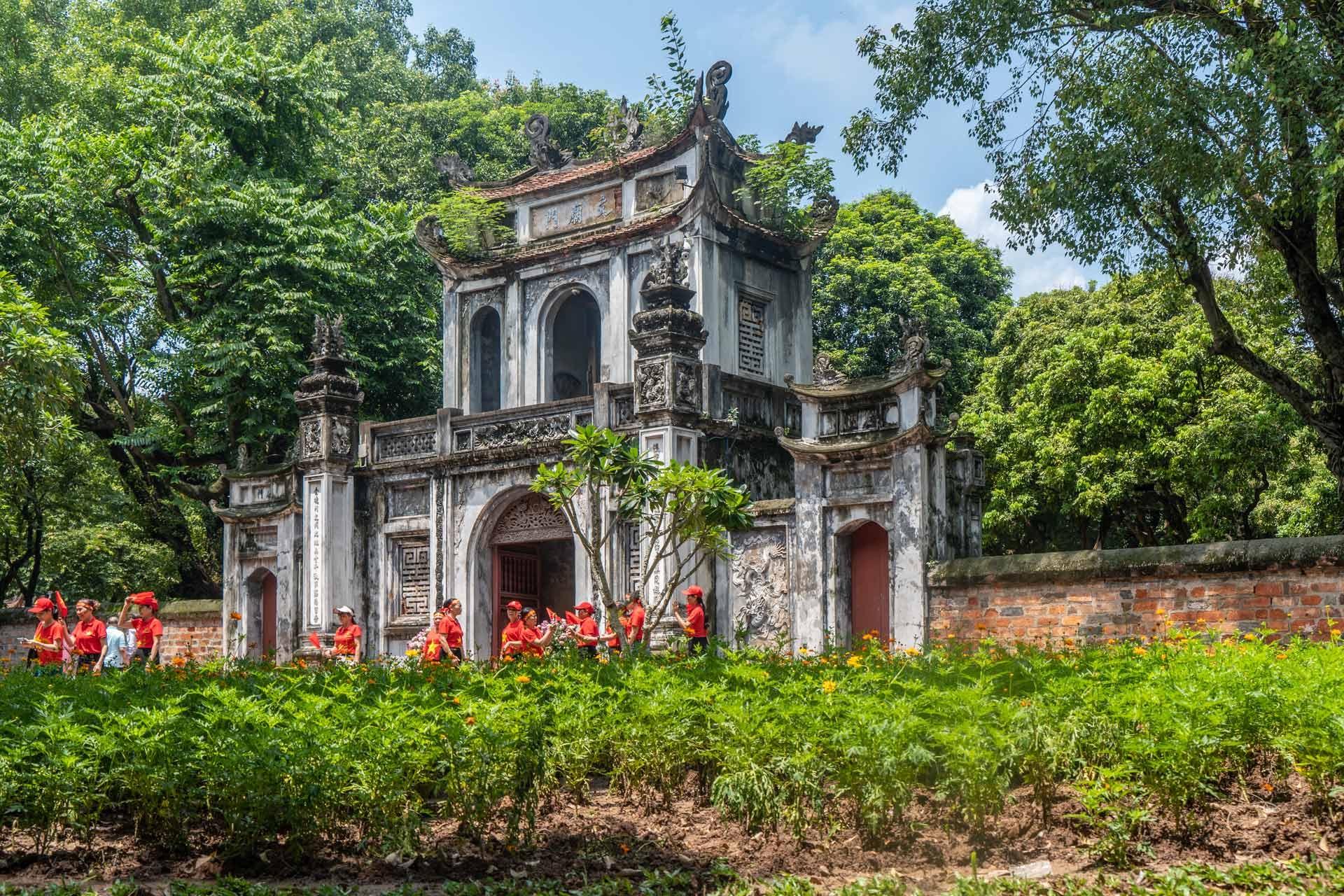
You’re walking distance from the Ho Chi Minh Mausoleum, the Temple of Literature, and Hoan Kiem Lake. The Old Quarter’s maze of streets is right there, full of street food vendors and small shops selling everything from silk to ceramics.
If you’re up for something more active after visiting Hanoi Train Street, consider exploring by bicycle. The Long Bien Bridge, the banana plantations on the outskirts, and the Red River dikes offer a completely different perspective on the city. At Jackfruit Adventure, we specialize in showing visitors the Hanoi that most tourists miss, the spots where locals actually hang out.
The Future of Hanoi Train Street: What You Should Know
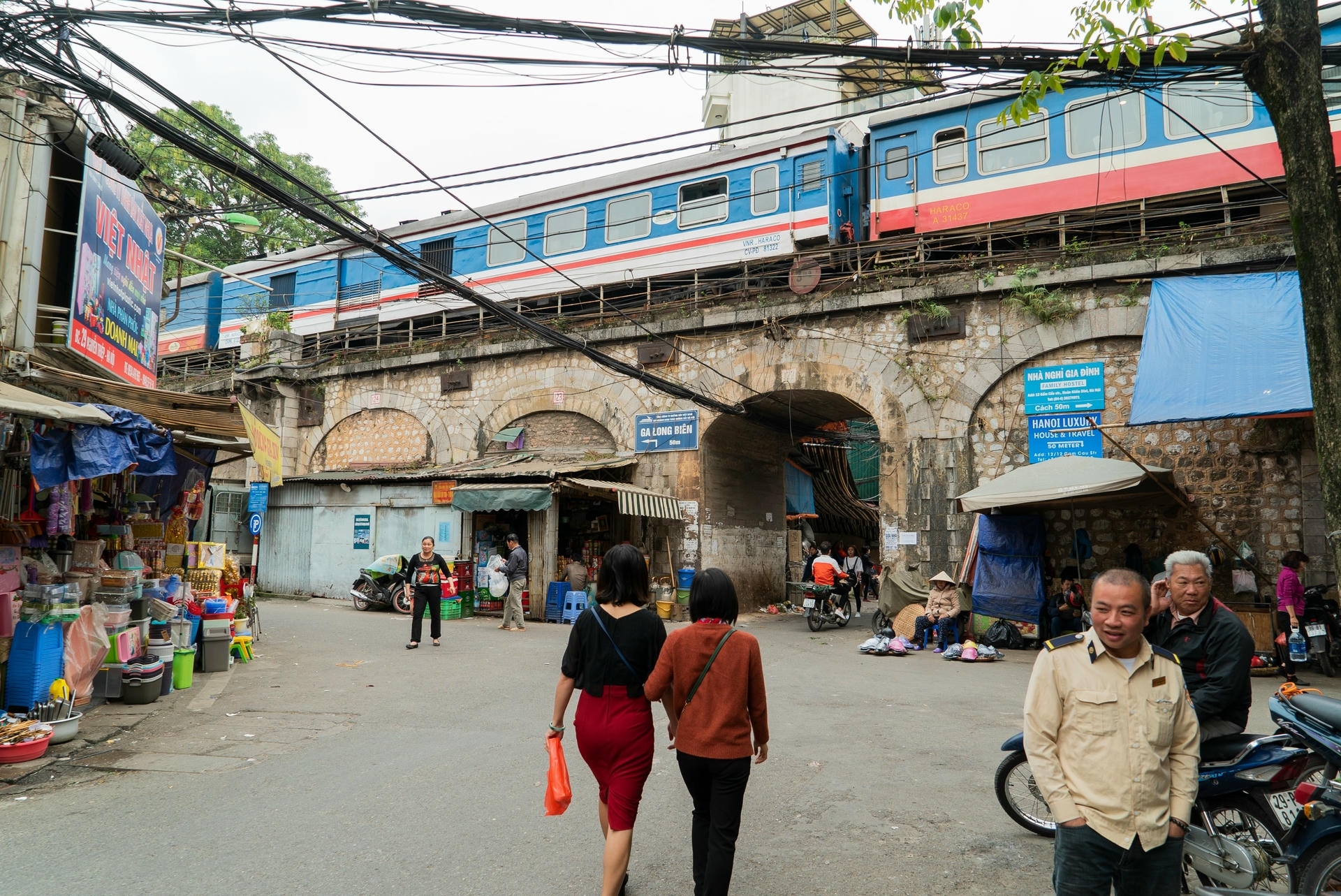
Important update for travelers: In January 2026, the Hanoi People’s Committee submitted a proposal to the Ministry of Construction requesting that passenger trains stop running through the Hanoi Train Street section. The proposal suggests that southbound trains would stop at Hanoi Station, while northbound trains would terminate at Gia Lam Station, effectively ending train service through this famous stretch.
The reasoning behind this proposal includes:
- Safety concerns: Vietnam Railways has repeatedly raised issues about tourists violating railway safety corridors
- Heritage preservation: Plans to develop the area around Long Bien Bridge and the 131 stone arch vaults into a cultural and tourism space
- Urban development: Creating a cohesive historical zone connecting the Old Quarter with the Thang Long Imperial Citadel
What this means for visitors: As of late January 2026, trains are still running through Hanoi Train Street on their regular schedule, and you can still visit. However, if the proposal is approved (with implementation potentially beginning in Q2 2026), the trains – the main attraction – would no longer pass through this area.
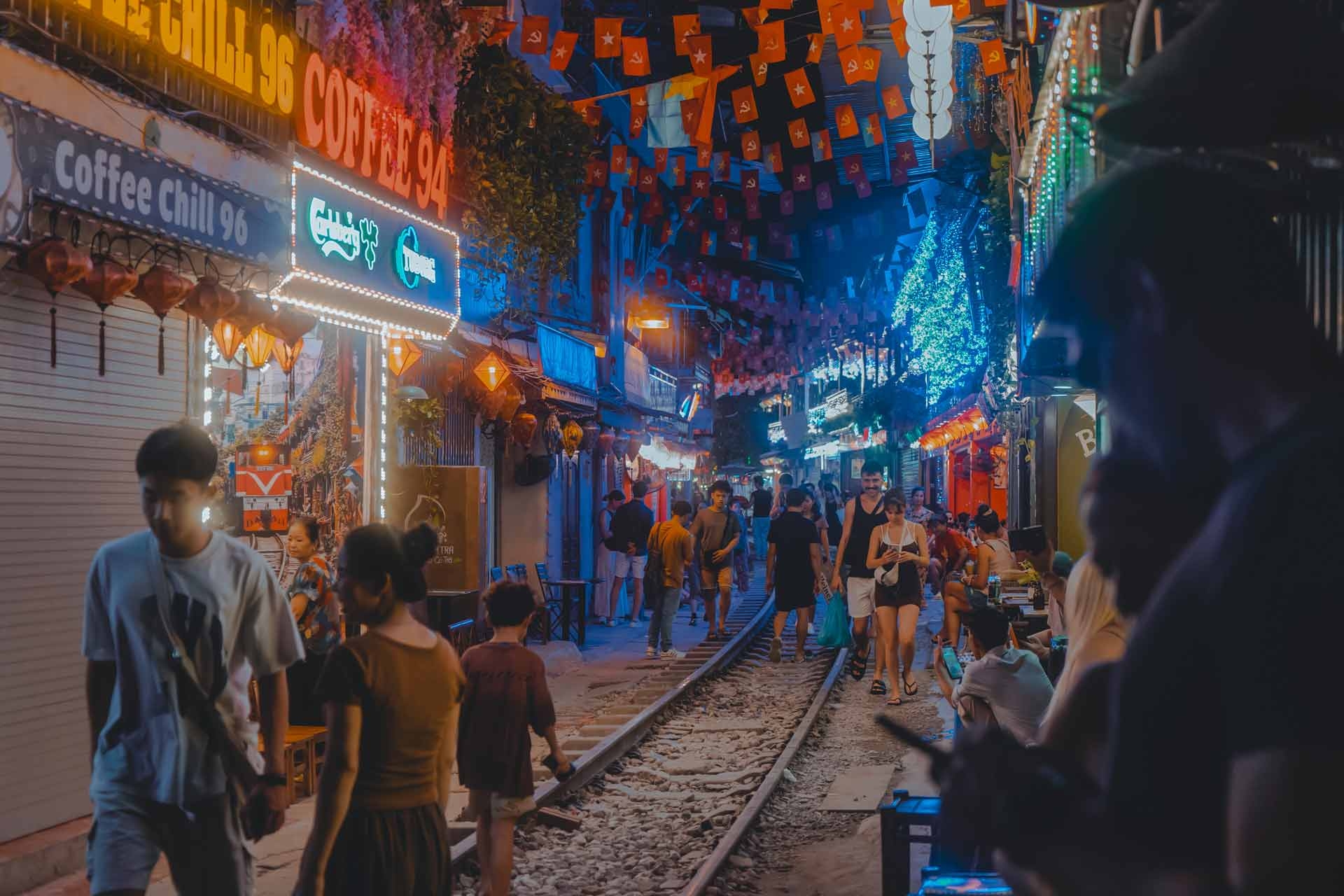
My honest advice: If Hanoi Train Street is on your bucket list, don’t wait. The situation could change within the next few months. While the physical location would remain, the unique experience of watching a train squeeze through this impossibly narrow residential corridor might not be available much longer.
That said, this isn’t the first time Hanoi Train Street has faced closure. It was officially “closed” in 2019 but continued operating through the cafe system. Vietnamese bureaucracy can move slowly, and local communities have a way of adapting. Still, this proposal seems more serious given the broader urban development plans.
Common Questions About Hanoi Train Street
Is Hanoi train street legal? Technically, the government has “banned” tourism on the tracks for safety. However, the cafes continue to operate under strict observation. As long as you are seated in a designated cafe area, you are generally fine.
Can I walk on Hanoi train street for free? You can walk the sections that aren’t guarded, but for the “famous” sections with the cafes, you are expected to buy a drink. It’s a small price to pay (usually $1-$2 USD) to support the local community living on Hanoi train street.
Is Hanoi train street worth it? Absolutely. Even with the crowds and the barriers, the sheer scale of the train passing through such a tight space is a “bucket list” experience. Hanoi train street remains one of the most unique urban sights in Southeast Asia.
So, is train street still open?? Final Thoughts
Yes, Hanoi Train Street is still open – but you need to approach it the right way. Be patient, be respectful, support the local cafes, and follow safety guidelines. The “closed” rumors come from people who showed up unprepared and got turned away at the barriers.
What makes Hanoi Train Street special isn’t just the train. It’s the resilience and adaptability of the people who’ve built their lives in this narrow corridor. It’s a perfect example of how Hanoi works – life finds a way, even in the most unlikely places.
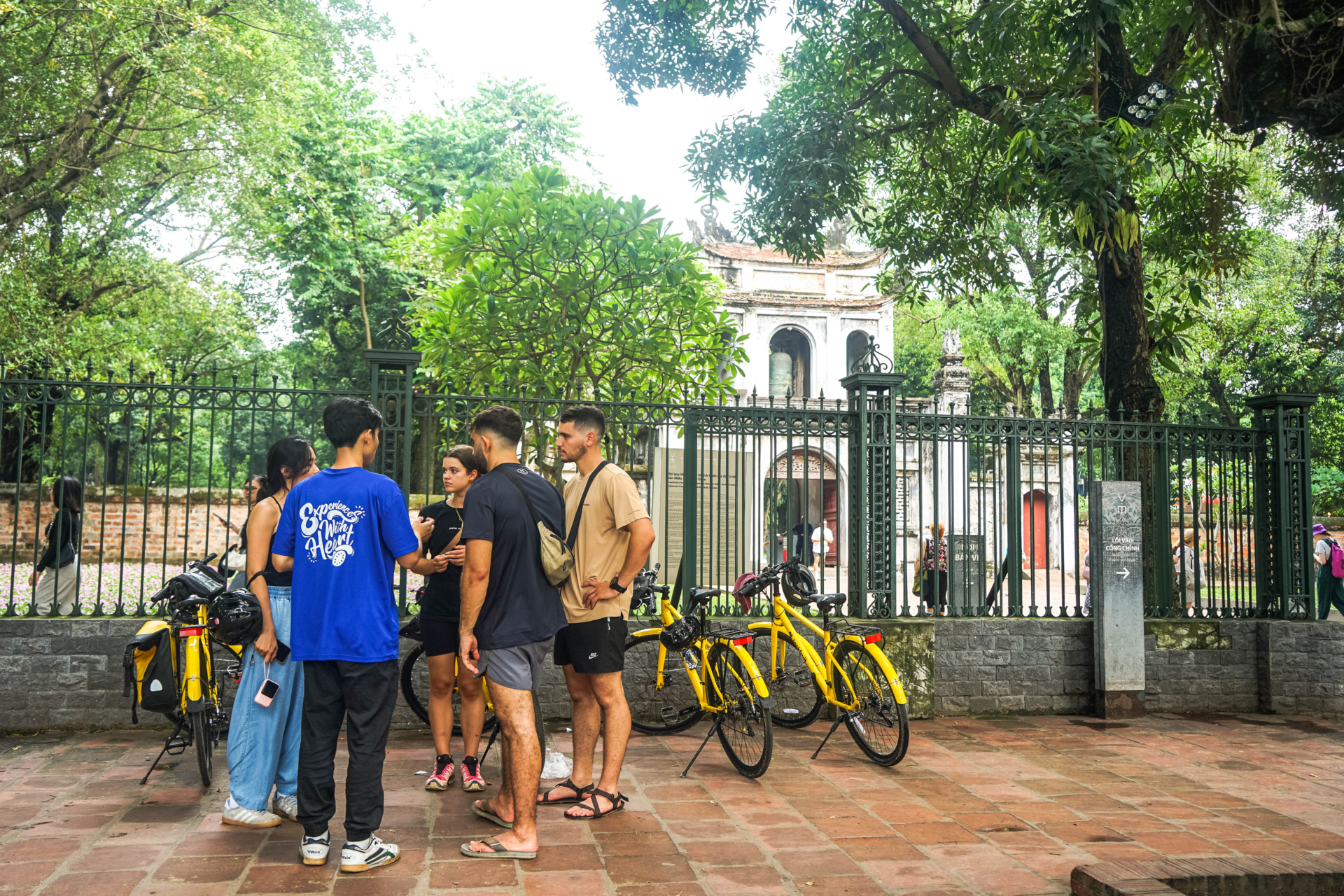
If you’re looking to explore more of Hanoi beyond the train tracks, we’d love to show you around at Jackfruit Adventure Cycling Tours. We focus on authentic experiences – the small alleys, the family-run cafes, the riverside paths – that reveal the real character of this city. From the heart of the Old Quarter to the peaceful outskirts, we’ve got a spot saved for you.
See you on the tracks (safely positioned against the wall, of course).