

Table of Contents
Growing up in the narrow, incense-scented alleys of Hanoi, I’ve always felt that my city is a living library. Every weathered yellow wall and every ancient banyan tree has a story to tell. But some stories aren’t written on monuments; they are carried on the wind, or in this case, through the static of an old radio frequency.
When travelers join us on our Hanoi Cycling tours, they often ask about the war. They see the scars, the museums, and the downed B-52s. But eventually, someone always leans in and asks the big question: Who was Hanoi Hannah? To the world, she was a psychological warfare icon. To us, she was Trịnh Thị Ngọ – a woman whose velvety voice became the soundtrack to one of history’s most complex eras.
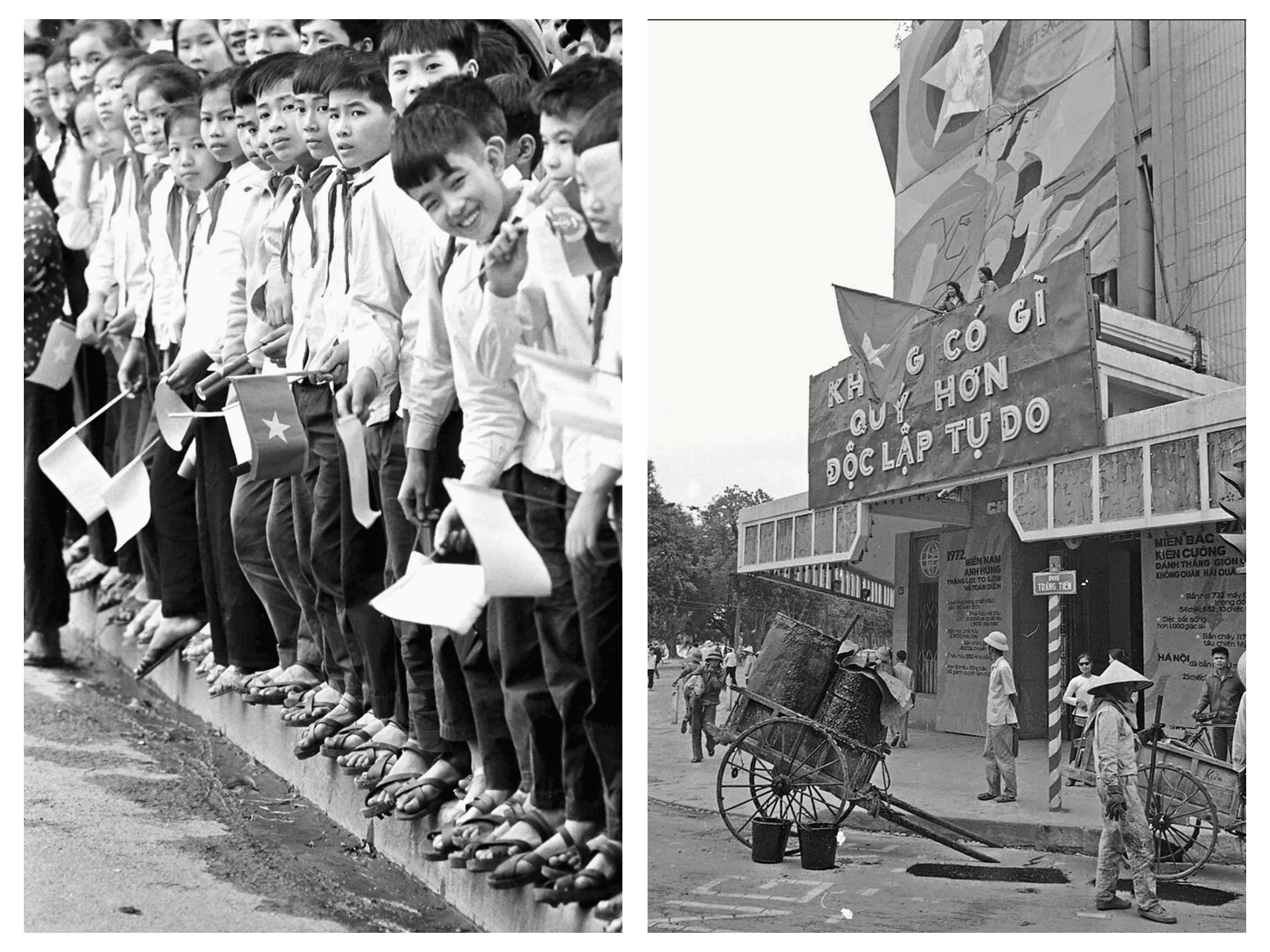
I still remember my grandmother telling me stories about the war years in Hanoi. She’d mention this name with a mixture of pride and sadness, describing how our city continued to broadcast messages of defiance even as bombs fell around us. The question of who was Hanoi Hannah isn’t just about identifying one woman – it’s about understanding a moment in history when words became weapons and voices crossed battle lines.
In this article, I want to take you on a journey through my city’s memory to uncover the woman behind the microphone, the psychology behind her broadcasts, and the legacy that still echoes through these streets.
The Mystery of the Airwaves: Who Was Hanoi Hannah?
If you had been a GI sitting in a damp foxhole in the 1960s, her voice would have been unmistakable. “How are you, GI Joe? It seems to me that most of you are poorly informed about the going-on of the war”, she would coo in near-perfect English.
But who was Hanoi Hannah really? Was she a villain? A patriot? Or simply a woman doing her job?
The name Hanoi Hannah was actually coined by American GIs who listened to English-language broadcasts from Radio Hanoi between 1965 and 1973. These soldiers, far from home and desperate for any connection to familiarity, would tune into these broadcasts despite – or perhaps because of – their propagandistic nature.
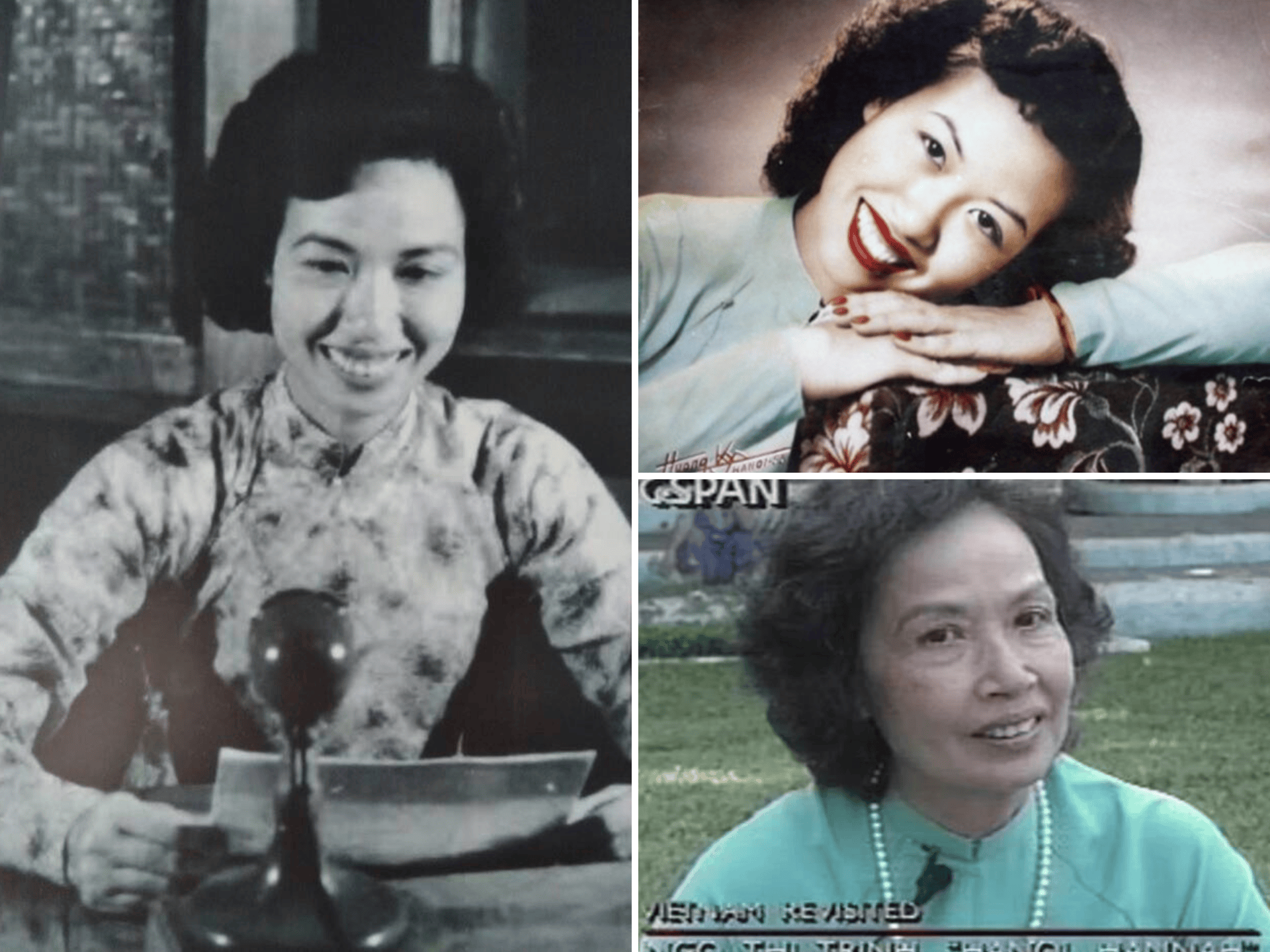
Trịnh Thị Ngọ was born into a wealthy family in Hanoi in 1931. Unlike many of her peers, she had a fascination with Western culture, fueled by her love for American films like Gone with the Wind. This passion led her to study English – a rarity at the time – which eventually paved her way to the Voice of Vietnam (VOV). Her smooth, seductive voice would become the soundtrack to countless lonely nights for American soldiers stationed in Vietnam.
- Name: Trịnh Thị Ngọ (Alias: Thu Huong)
- Role: Radio presenter for Voice of Vietnam
- Objective: To demoralize US troops by highlighting the futility of the war
- Signature Style: Soft, calm, and hauntingly persuasive
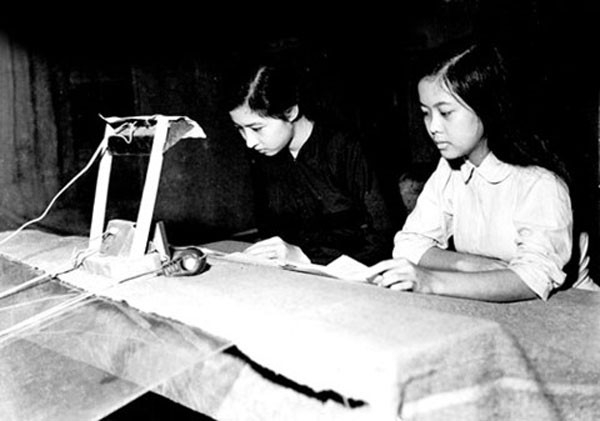
Here’s something that might surprise you: Hanoi Hannah wasn’t just one woman. Several female broadcasters used this persona, though Trịnh Thị Ngọ became the most recognized voice. This fact complicates the question of who was Hanoi Hannah considerably, making her both a real person and a collective identity.
The Sound of Persuasion: Why Her Voice Mattered
I remember my grandfather telling me how the neighborhood would go quiet when the radio broadcasts began. While the locals listened for news of the front lines, thousands of miles away, American soldiers were tuning in to hear who was Hanoi Hannah and what she had to say about their hometowns.
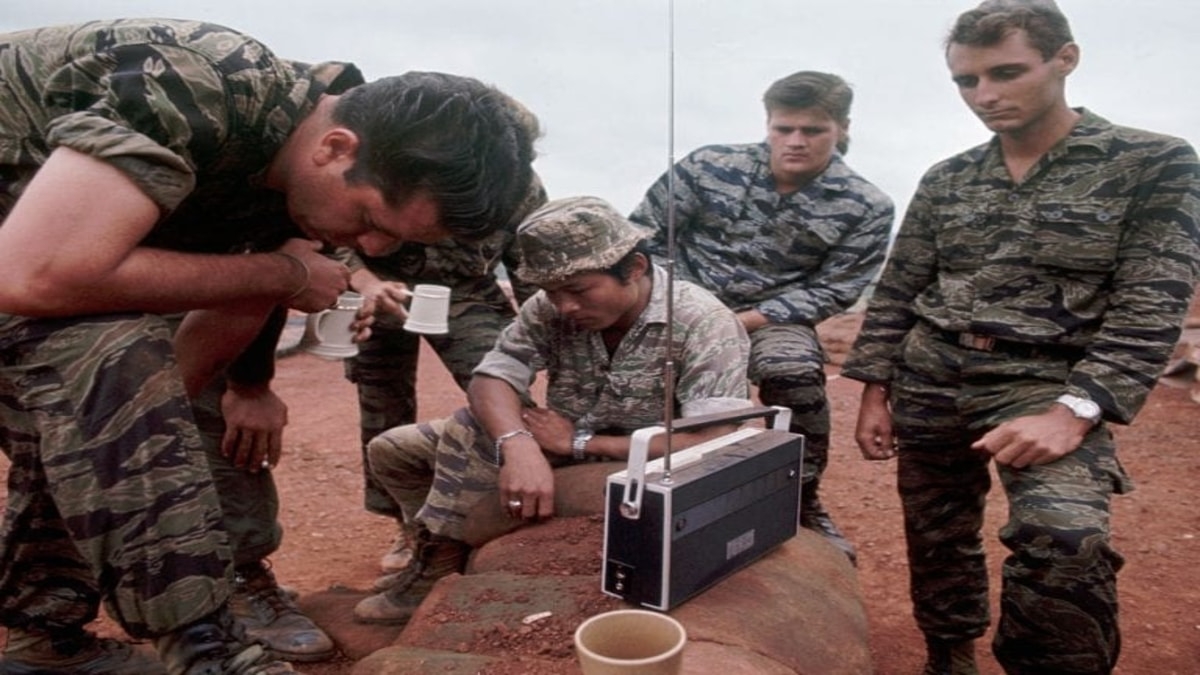
She would play popular American hits – The Beatles, Joan Baez, Bob Dylan – to make the soldiers homesick. Then, she would pivot. She’d read the names of fallen soldiers from Stars and Stripes or talk about the anti-war protests happening back in the States. Hanoi Hannah mixed truth with exaggeration, news with speculation, creating a tapestry of doubt that was remarkably effective.
The broadcasts weren’t simply propaganda – they were sophisticated psychological operations that understood the vulnerabilities of young soldiers far from home. Hanoi Hannah would say things like, “How are you, GI Joe? While you’re out here fighting and dying, your girlfriend back home is probably dating someone else”. These messages, delivered in a sultry voice between beloved American songs, created cognitive dissonance that was difficult to shake.
A Local’s Perspective on the “Propaganda”
In Vietnam, we don’t necessarily see her as a “psy-ops” agent in the sinister sense. To us, she was a professional. When you dive deep into the archives to find out who was Hanoi Hannah, you realize she saw herself as a bridge. She believed she was telling the “truth” that the US military command was hiding from its own men.
Whether you agree with her methods or not, you cannot deny her impact. She became a household name globally, yet she remained a quiet, humble citizen of Hanoi until her passing in 2016.
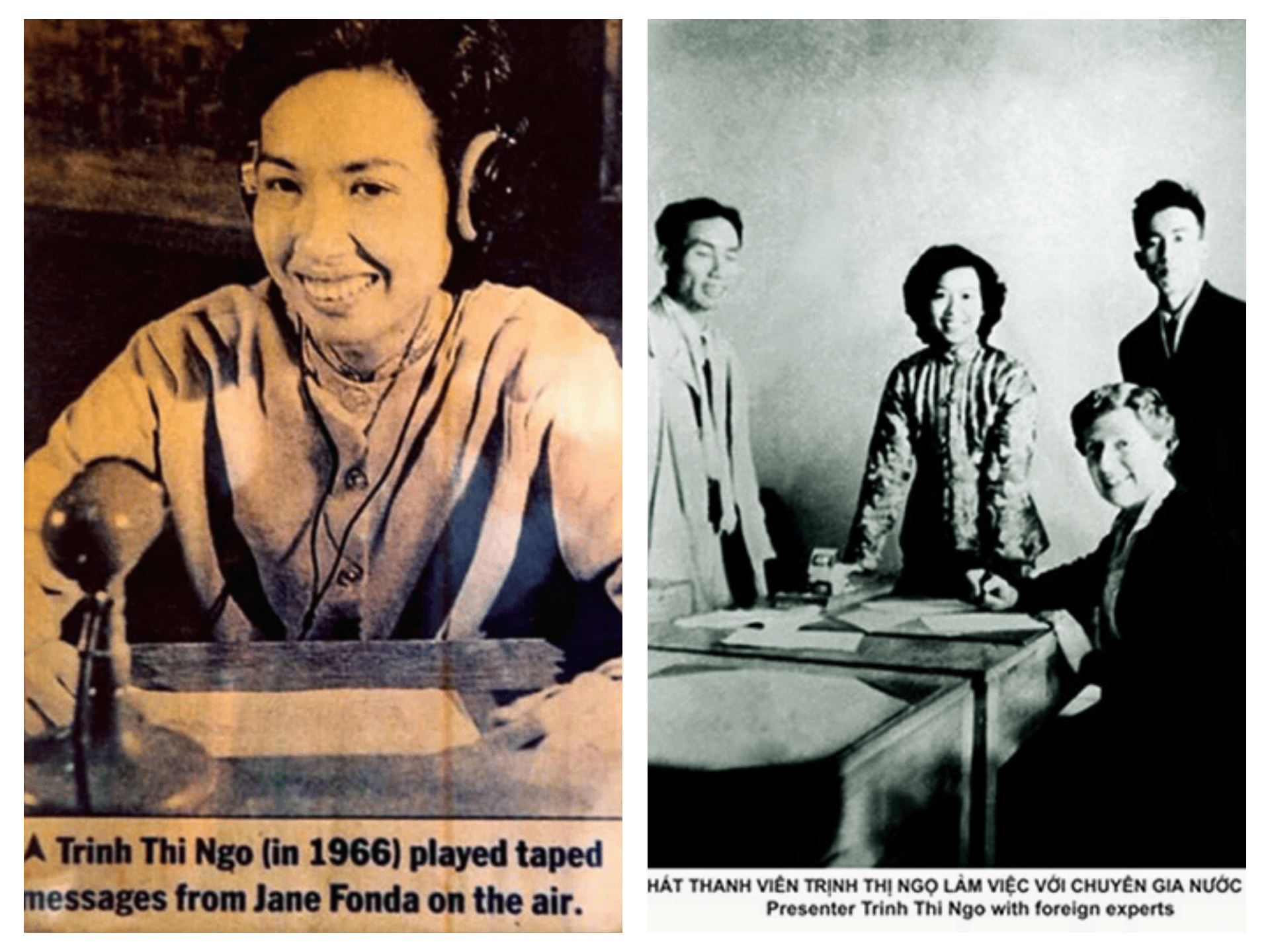
From my perspective as someone who has studied this period extensively, the sophistication of these broadcasts is impressive. They weren’t crude propaganda but carefully crafted messages that mixed verifiable truth with strategic exaggeration. When Hanoi Hannah reported on anti-war protests in America, those protests were real. When she suggested a soldier’s girlfriend might be unfaithful, she was exploiting universal fears.
The question of who was Hanoi Hannah became less important to soldiers than what she represented – a connection to home, even if that connection was designed to undermine their morale. Some GIs claimed they listened ironically, for the music. Others admitted the broadcasts affected them deeply, making them question their mission.
The Human Side of Trịnh Thị Ngọ
It’s easy to get lost in the “spy movie” version of history. But if you asked her neighbors in her later years in Ho Chi Minh City who was Hanoi Hannah, they wouldn’t talk about psychological warfare. They would talk about a refined woman who loved her tea and spoke beautiful English.
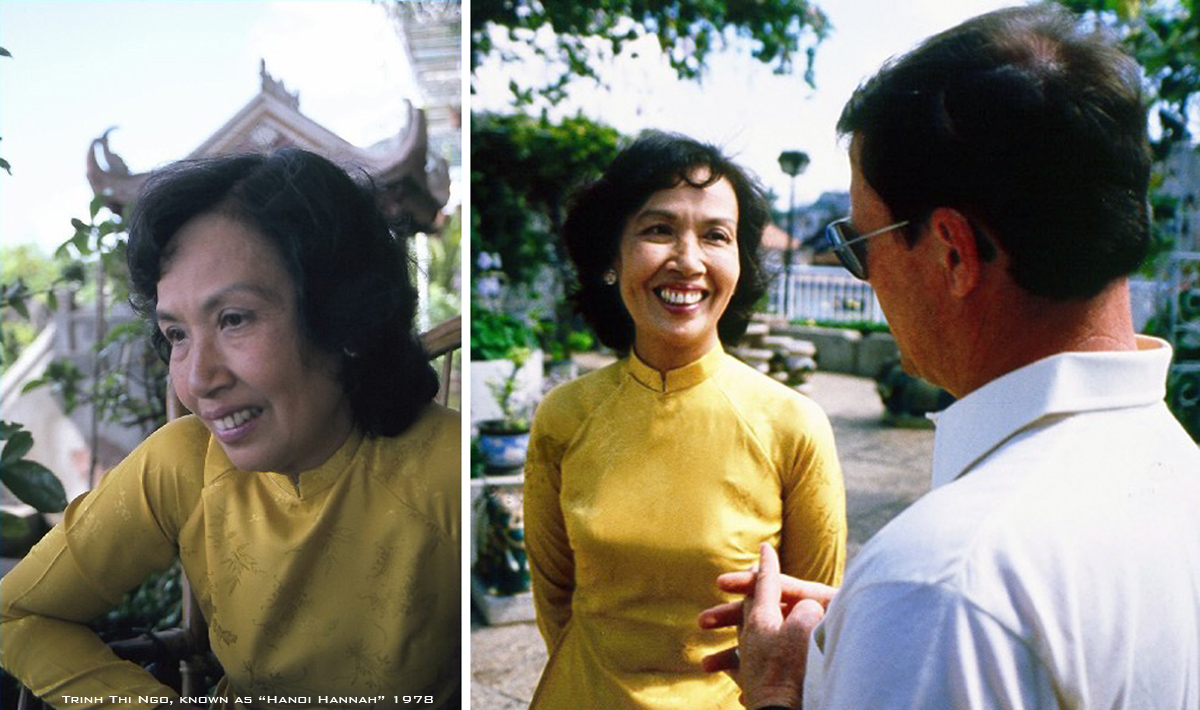
She never expressed regret for her role. In her rare interviews, she often said, “I only wanted to help the GIs understand that they were in the wrong place, fighting the wrong war”.
“My work was to make the GIs realize that this war was not their war. I wanted them to go home.” – Trịnh Thị Ngọ
This perspective is crucial for anyone wondering who was Hanoi Hannah. She wasn’t a soldier with a gun; she was a woman with a script and a deep conviction that words could be as powerful as bullets.
Trịnh Thị Ngọ never saw herself as a propaganda tool. She described her work as patriotic duty – defending her country using the weapon she had: her voice and her English language skills. She genuinely believed the American soldiers were victims of their own government’s lies, and she saw her broadcasts as attempts to save lives by encouraging them to refuse combat.
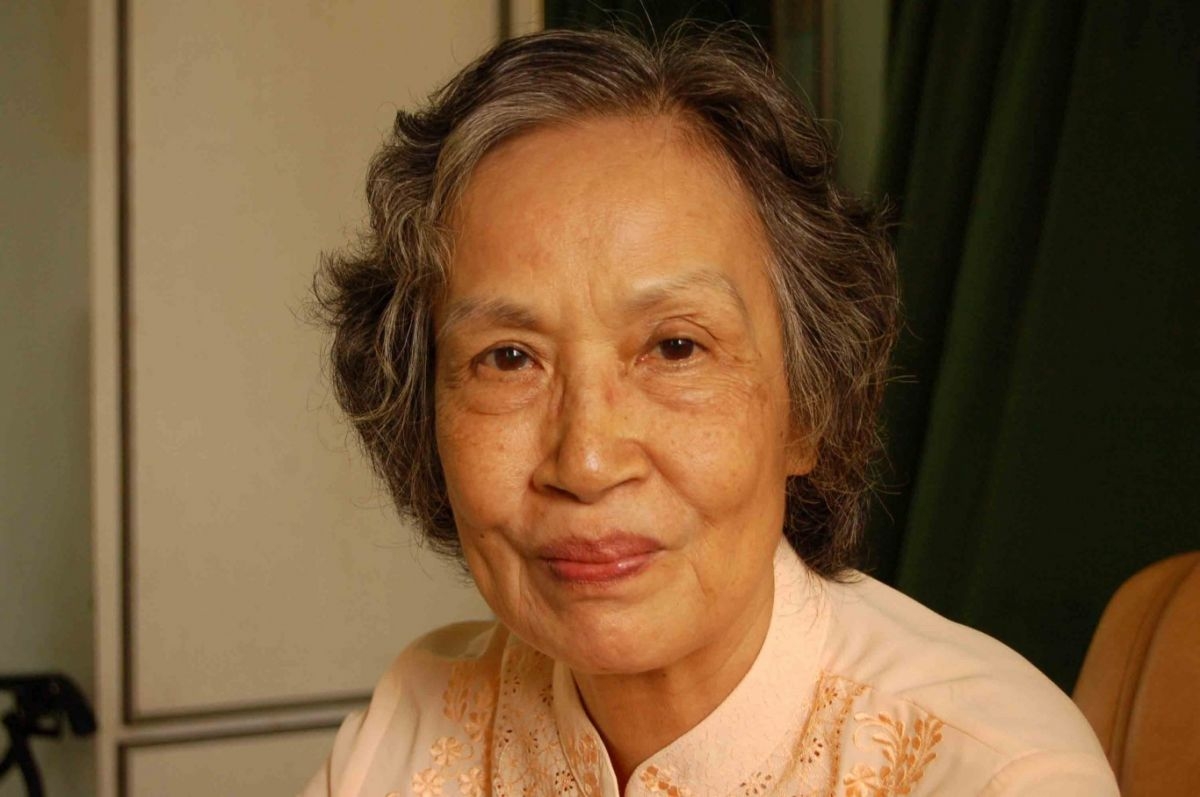
After the war ended in 1975, Trịnh Thị Ngọ returned to quiet life. She didn’t seek fame or recognition. In fact, she lived modestly in Ho Chi Minh City, working as an English teacher. This humility strikes me as quintessentially Vietnamese – doing what needed to be done during wartime, then returning to normal life without fanfare.
Walking Through the History of Hanoi’s Airwaves
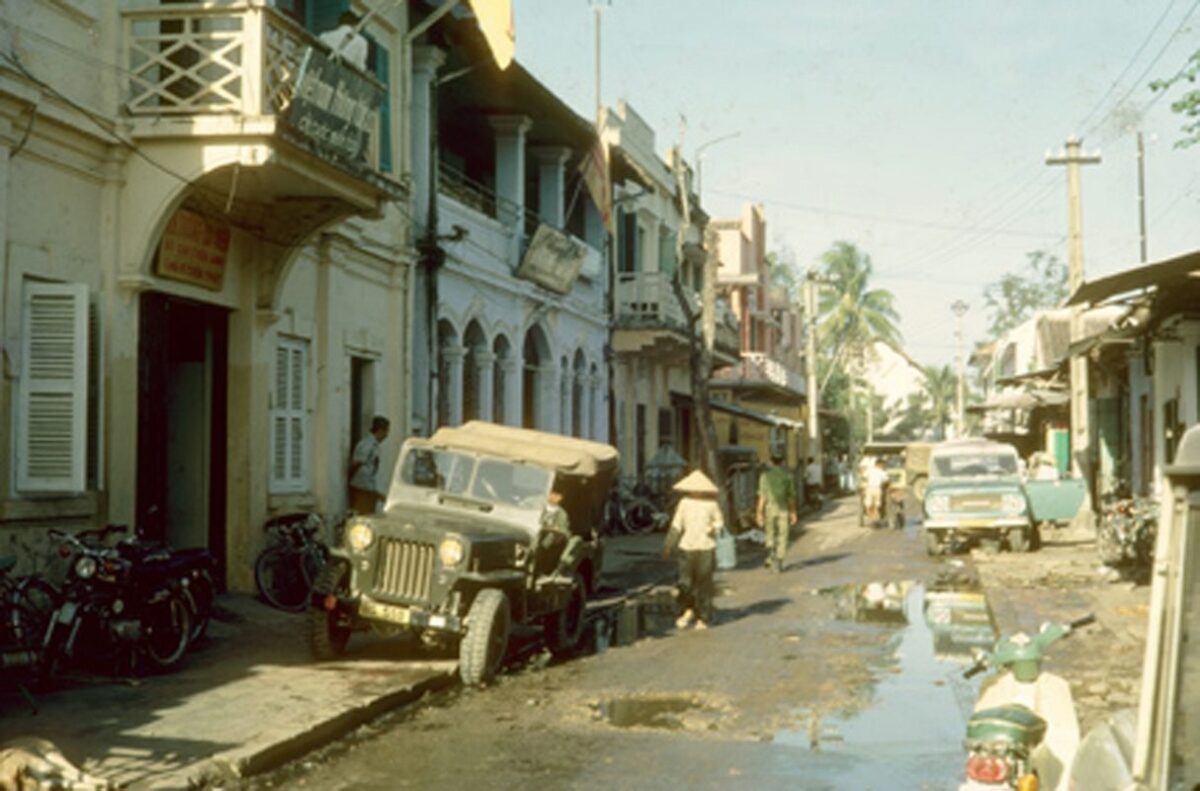
If you really want to understand the environment that produced such a figure, you have to walk the streets of the Old Quarter. This is where the heartbeat of the revolution lived.
The old VOV building is where the scripts were written and the broadcasts that defined the “Hanoi Hannah” persona were recorded.
The Hidden Sites of Voice of Vietnam:
- Voice Of Vietnam Radio (VOV) – 58 Quan Su Street: The historic headquarters of the Voice of Vietnam, where the broadcasts originated.
- The Secret Bunkers: During the Christmas Bombings of 1972, the broadcasts never stopped, even when the city was under fire. This resilience amazes me every time I think about it.
- Local Tea Stalls: The best place to hear stories from elders who remember the war-time broadcasts and can share firsthand accounts.
Understanding who was Hanoi Hannah requires understanding the resilience of Hanoi itself. We are a city that knows how to keep talking, even when the world is trying to silence us.
In Hanoi’s Military History Museum, you can see some of the equipment used for these broadcasts. Standing before those old microphones and transmitters, I feel a connection to this history that shaped my city and my country. These weren’t sophisticated studios by modern standards, yet they produced broadcasts that reached across continents and into the hearts of soldiers.
Why We Still Talk About Her Today
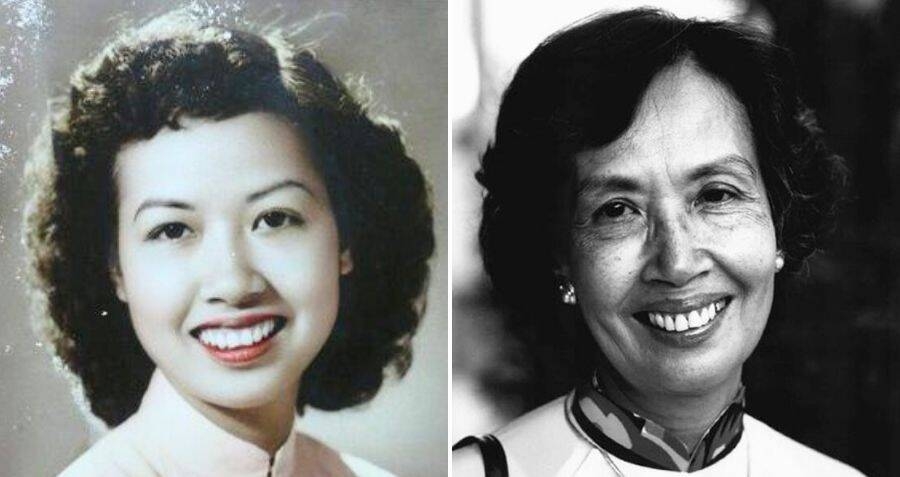
In the age of “fake news” and digital influence, the story of who was Hanoi Hannah is more relevant than ever. She was one of the first to prove that the “theatre of war” isn’t just on the battlefield – it’s in the mind.
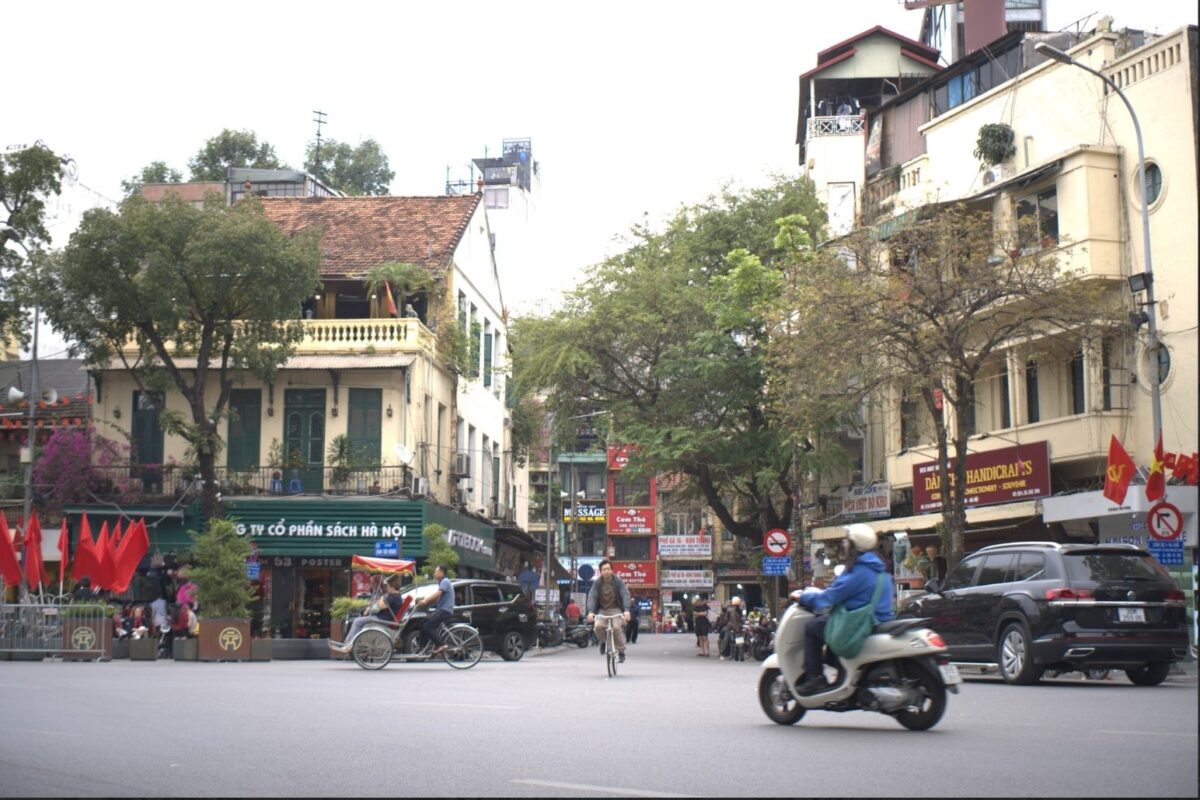
For those of us living in modern-day Hanoi, she represents a period of immense sacrifice. When you see the vibrant, bustling city of today, it’s hard to imagine the era of the “Hanoi Hannah” broadcasts. But that history is what makes our coffee taste a little deeper and our conversations a little more meaningful.
Military and communications scholars continue to study Hanoi Hannah as a case study in effective psychological operations. Several lessons emerge that remain relevant today: personalization matters, mixing truth with persuasion is more effective than pure fabrication, and understanding your audience’s vulnerabilities is crucial.
From my conversations with communication professionals here in Hanoi, I know these lessons are studied in Vietnamese media and military institutions. The legacy of who was Hanoi Hannah extends beyond historical curiosity into practical applications for modern information warfare.
Personal Reflections from a Hanoi Local
Living in the city that gave Hanoi Hannah her name, I feel a complex relationship with this history. On one hand, she represents Vietnamese resourcefulness and resistance against enormous military odds. On the other hand, her story reminds us how war reduces human beings to psychological weapons against each other.
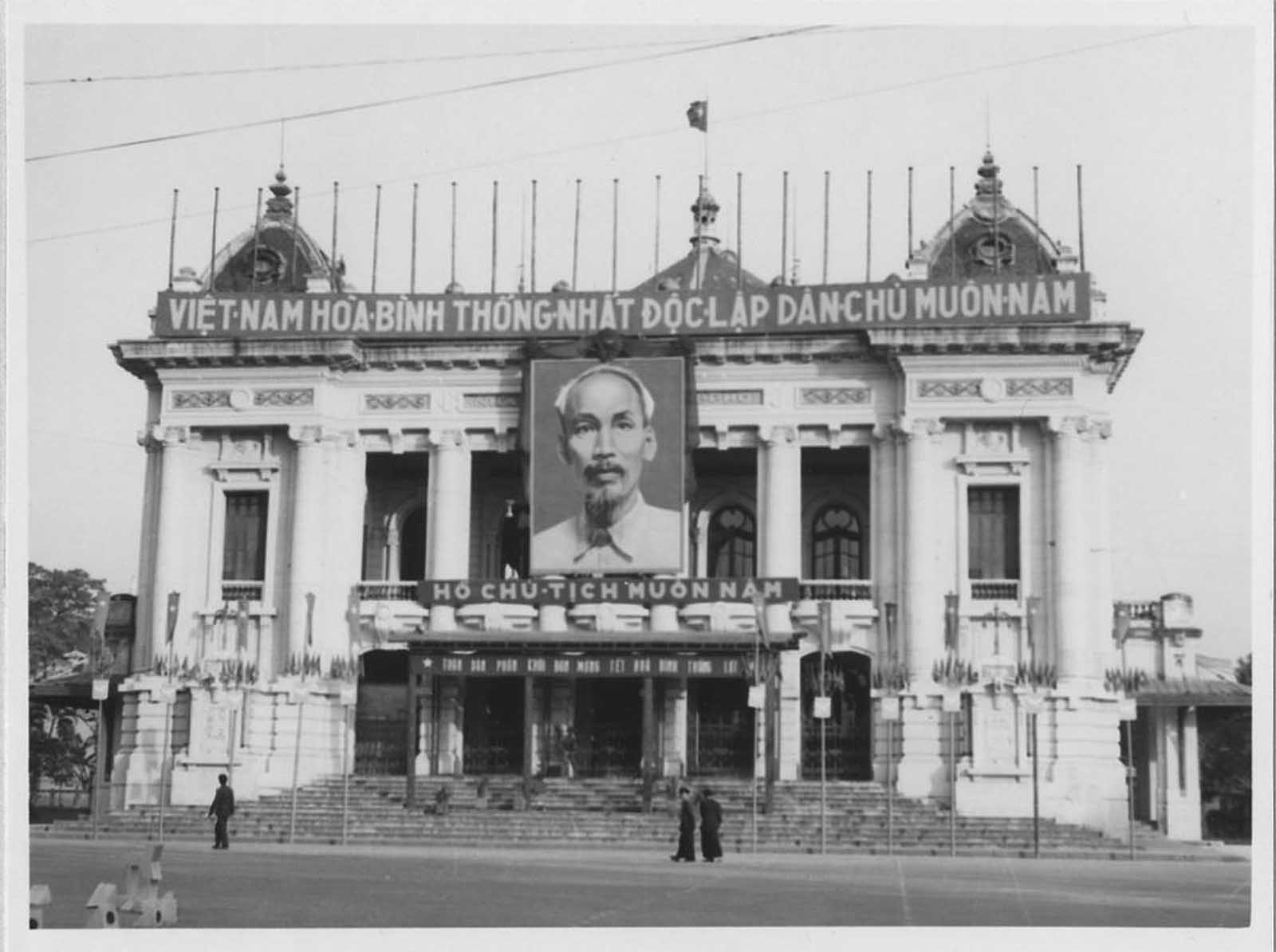
When I walk past the old Radio Hanoi building, I sometimes try to imagine the scene: women in a modest studio, speaking into microphones, their voices carrying across jungles to reach frightened young men who shouldn’t have been there in the first place. It’s both impressive and heartbreaking.
The question of who was Hanoi Hannah ultimately reveals more about the nature of war than about any individual woman. She was a teacher who became a broadcaster, a patriot who became a legend, a real person who became a symbol.
I hope visitors to Hanoi look beyond the myth to see the human reality. Trịnh Thị Ngọ and the other women who broadcast as Hanoi Hannah weren’t monsters or seductresses – they were people doing what they believed was right in terrible circumstances.
Come Discover Hanoi’s Hidden Stories
If Hanoi Hannah’s story resonated with you, imagine what else you’ll discover cycling through these streets with someone who calls them home.
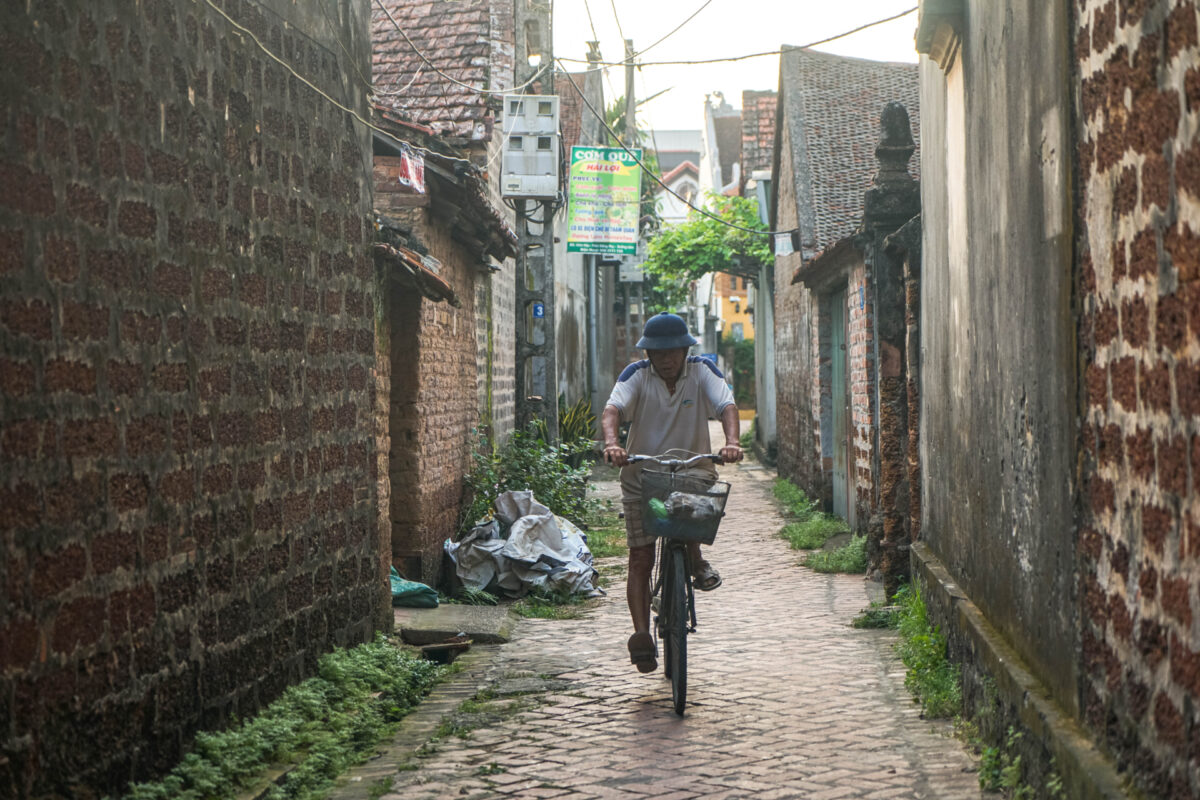
The Voice of Vietnam building still stands on Quan Su Street. The Old Quarter alleys where resistance was born are now filled with the hum of motorbikes and the aroma of street food. The tea houses where elders sipped cà phê during air raids? They’re still there, and the stories haven’t stopped flowing.
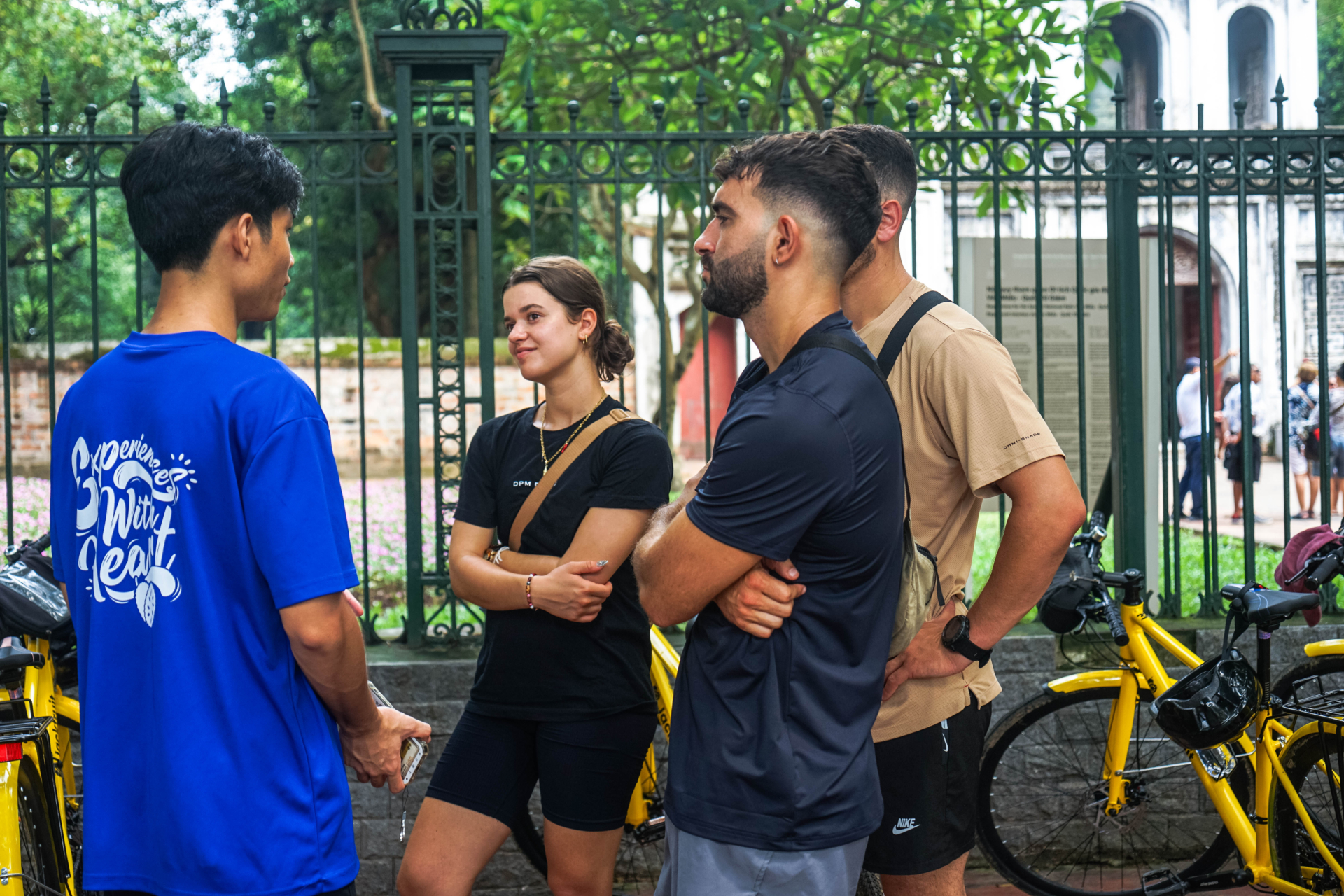
If you love exploring Hanoi’s ancient charm and hidden corners, don’t miss our Tour de Hanoi: Old Quarter, Iconic Landmarks & Hidden Corners. You’ll cycle past historic gates, vibrant markets, and secret spots that only locals know – all while hearing the stories that bring these streets to life.
Contact us now to start your journey into Vietnam’s fascinating past and vibrant present. Discover the stories that textbooks don’t tell and the flavors that only locals know.
Your adventure into the soul of Hanoi awaits