

Table of Contents
I’ve lived in Hanoi my entire life, and I can tell you that understanding this city means understanding its museums. Almost every weekend, I find myself wandering through at least one of them – sometimes to escape the heat, sometimes to show visiting friends around, but mostly because these spaces hold the soul of my city. The Hanoi museum scene isn’t just about dusty artifacts behind glass, it’s where our past converges with our present, where colonial architecture meets revolutionary history, and where I’ve learned more about my own heritage than any school textbook ever taught me.
Growing up here, I used to think museums were boring, like it’s just something teachers dragged us to on field trips. But as I got older and started exploring these spaces on my own terms, I discovered something remarkable. Each museum in Hanoi tells a different chapter of our story, from ancient pottery that my ancestors crafted to the very weapons that secured our independence. I’ve compiled a personal list of the 9 worth-visiting museums that tell the authentic, multi-layered story of my city and my country. These aren’t ranked by importance because honestly, each one matters in its own way.
Why Hanoi Museums Matter (And Why I Keep Going Back)
Before I dive into specific locations, let me explain why the museum experience in Hanoi is different from anywhere else. We’re not just preserving history here, we’re living it. Walk down any street in the Old Quarter, and you’ll see 1000-year-old architecture standing next to modern cafes. Our museums capture this same layered complexity.
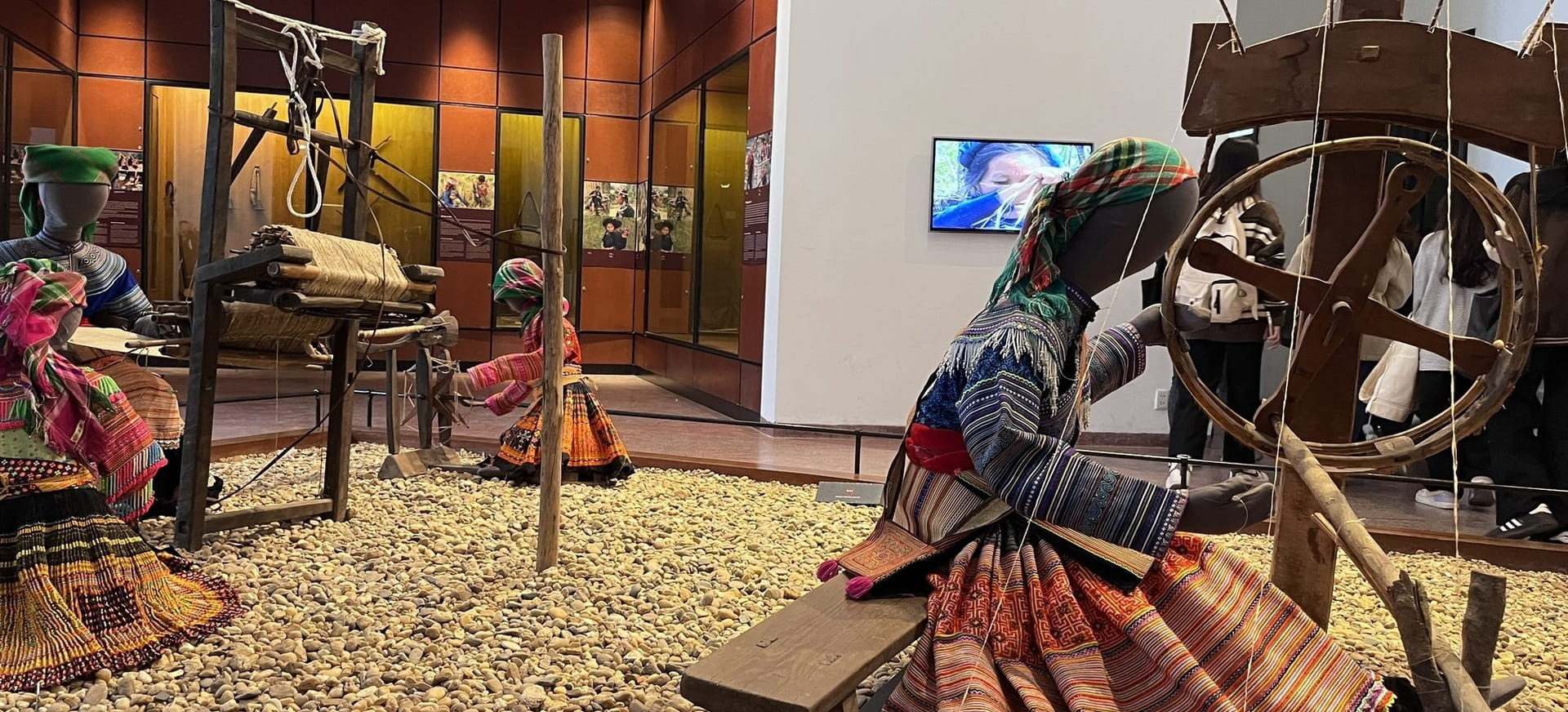
I remember bringing my cousin from London to the Vietnam Museum of Ethnology, and she was stunned. “This isn’t like museums back home” she said. “Everything feels so…alive”. She was right. Our curators don’t just display objects, they recreate entire village scenes, preserve dying crafts, and connect visitors to living traditions. That’s the magic of exploring a Hanoi museum – you’re not observing from a distance, you’re stepping into our world.
The 9 Essential Hanoi Museums Every Visitor Should Know
1. Vietnam Museum of Ethnology: Where I Learned to Appreciate My Country’s Diversity
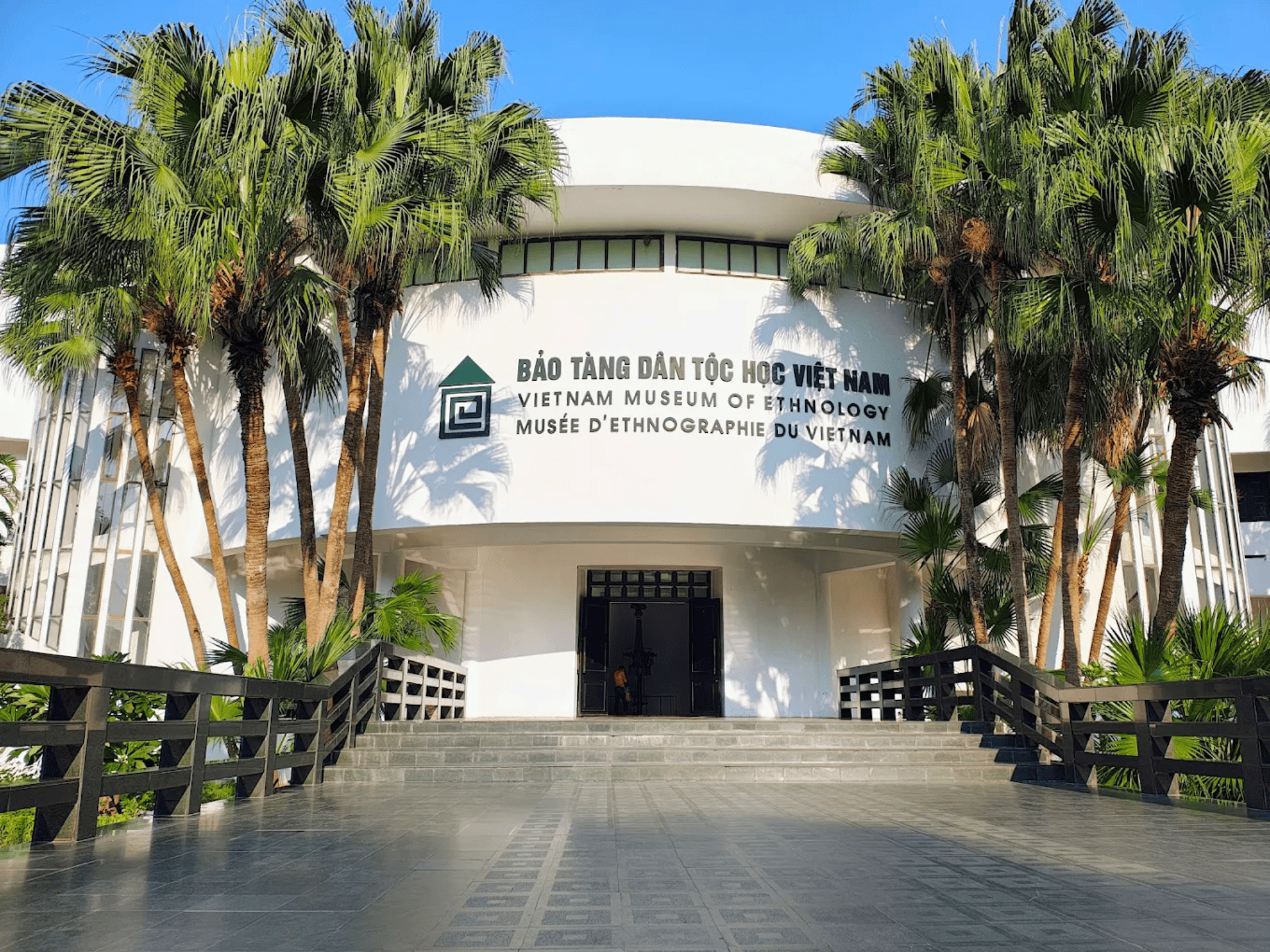
- Address: Nguyen Van Huyen Street, Quan Hoa Ward, Cau Giay District, Hanoi
- Opening Hours: Tuesday to Sunday, 8:30 AM – 5:30 PM (closed Mondays and Tết holidays)
- Ticket price: 40,000 VND ($1.70 USD); French/English indoor tour guide: 100,000 VND ($4.25 USD)
- Tourist camera: 50,000VND/camera ($2.12 USD)
Here is a breakdown of what each area offers:
| Floor/Area | Exhibition Focus | |
| Bronze Drum Building | 1st Floor | 54 ethnic groups of Vietnam with artifacts, photos, films, recreation areas |
| 2nd floor | Rotating/temporary exhibitions | |
| Kite Building | 1st Floor | Southeast Asian culture (history, festivals, arts and crafts) |
| 2nd Floor | Asian perspectives (Chinese, Japanese, Korean culture) | |
| 3rd Floor | Indonesian glass paintings (200+ paintings) | |
| 4th Floor | Temporary exhibitions, educational activities, library | |
| Outdoor – Kien Truc Garden | 10 traditional houses from different ethnic groups, water puppet shows | |
This is where I recommend everyone start their Hanoi museum journey. The Vietnam Museum of Ethnology isn’t just about artifacts behind glass. It’s an experiential space that brings Vietnam’s 54 ethnic groups to life.
The museum is divided into three main sections: The Peoples of Vietnam, housed in the Trong Dong building (the main circular structure); The Peoples of Southeast Asia, located in the Canh Dieu building (a modern kite-shaped structure elevated on pillars); and the Kien Truc Garden, situated behind the main building. Each section offers distinct features that showcase different facets of Vietnamese culture.
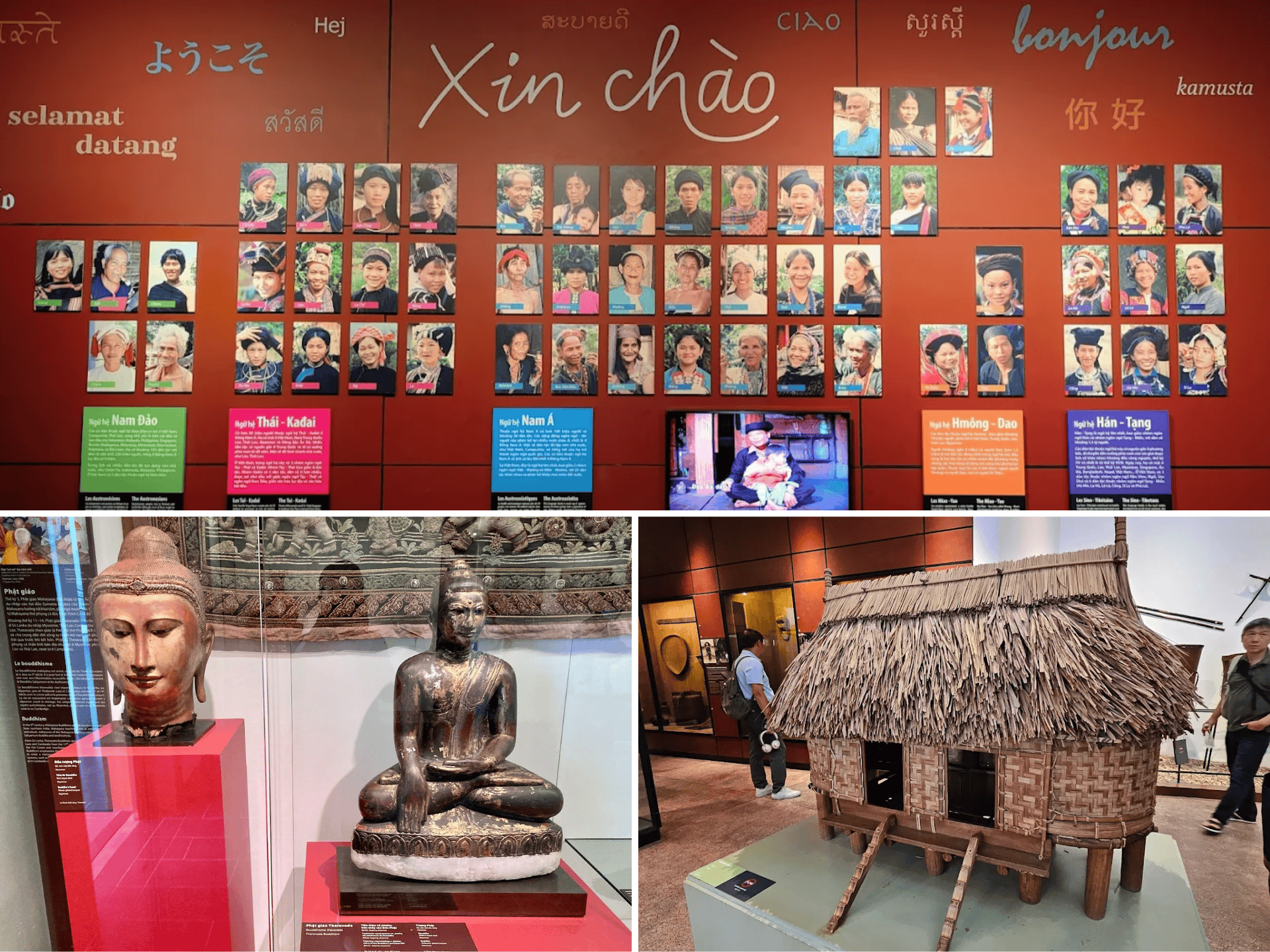
The indoor exhibitions showcase traditional costumes, musical instruments, and daily life objects from communities across Vietnam. But the real magic happens outside. The outdoor area features full-scale traditional houses from different ethnic groups – Tay stilt houses, Cham towers, communal houses from the Central Highlands. You can walk inside them, sit on the floors, and imagine what life was like.
Insider tip: Come early in the morning on weekdays. The museum gets crowded with school groups or tourists after 10 AM, and you’ll want a quiet time to appreciate the textile collection on the second floor. Also, don’t miss the water puppet theater performances. I’ve watched them 4 times, and I still get goosebumps when the dragon emerges from the water.
2. Vietnamese Women’s Museum: The Most Underrated Gem
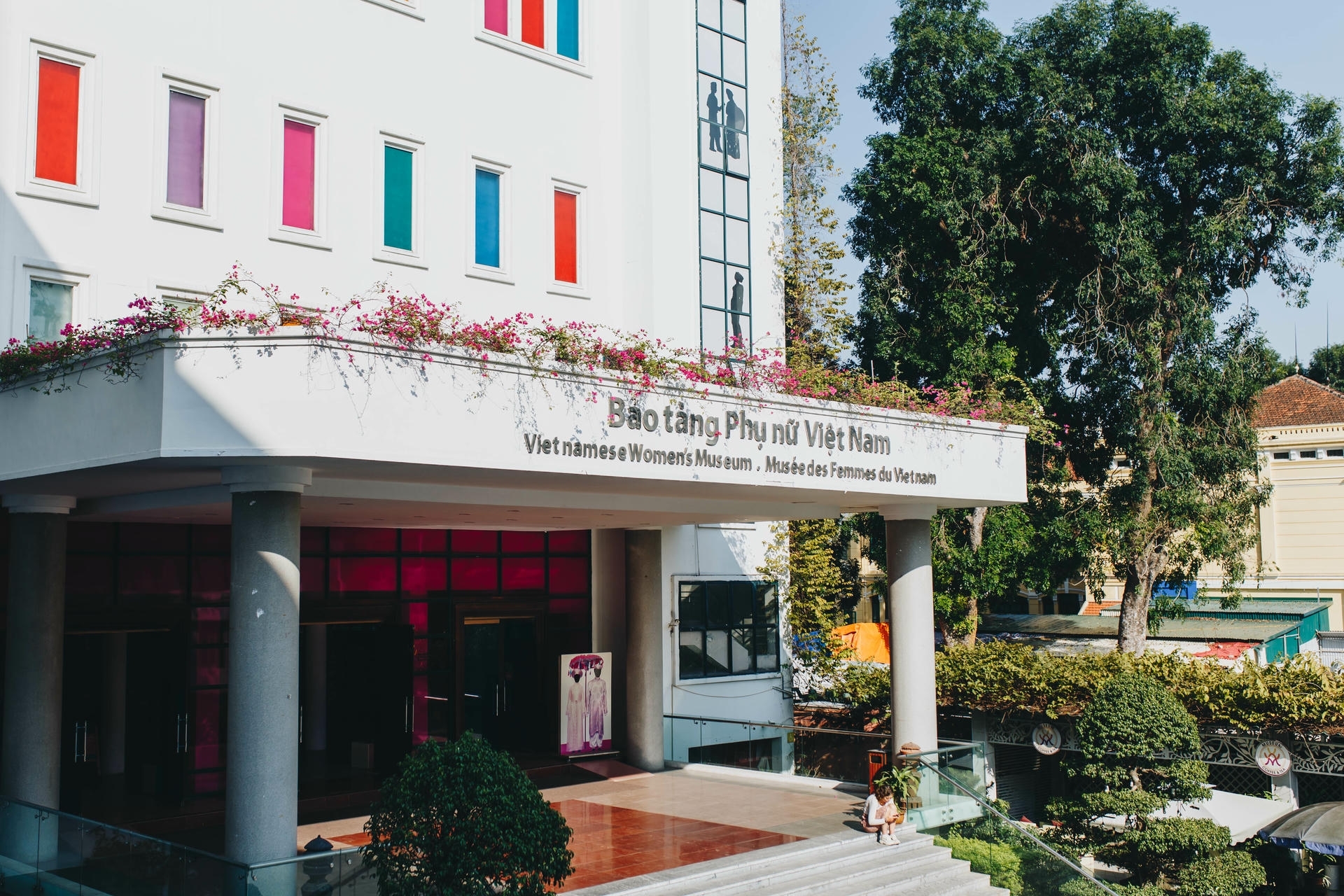
- Address: 36 Ly Thuong Kiet Street, Hang Bai Ward, Hoan Kiem District, Hanoi
- Opening Hours: Daily, 8:00 AM – 5:00 PM
- Ticket price: 40,000 VND ($1.70 USD); Audio guide: 40,000 VND ($1.70 USD) available in Vietnamese, English, French, Japanese, Korean.
This underrated gem organizes its powerful exhibits across five thematic floors:
| Floor | Exhibition Focus |
| Ground Floor | Entrance, ticket booth, gift shop, Mother & Child statue |
| 2nd Floor | Women in Family – marriage customs, daily life, household activities, traditional roles |
| 3rd Floor | Women in History – wartime contributions, heroic mothers, revolutionary women (1930-1975) |
| 4th Floor | Women’s Fashion – traditional costumes from all 54 ethnic groups, accessories, modern designs |
| 5th Floor | Discovery Room, temporary exhibitions |
If I could only recommend one Hanoi museum that tourists typically skip, it would be this one. The Vietnamese Women’s Museum is a masterclass in storytelling through objects and multimedia.
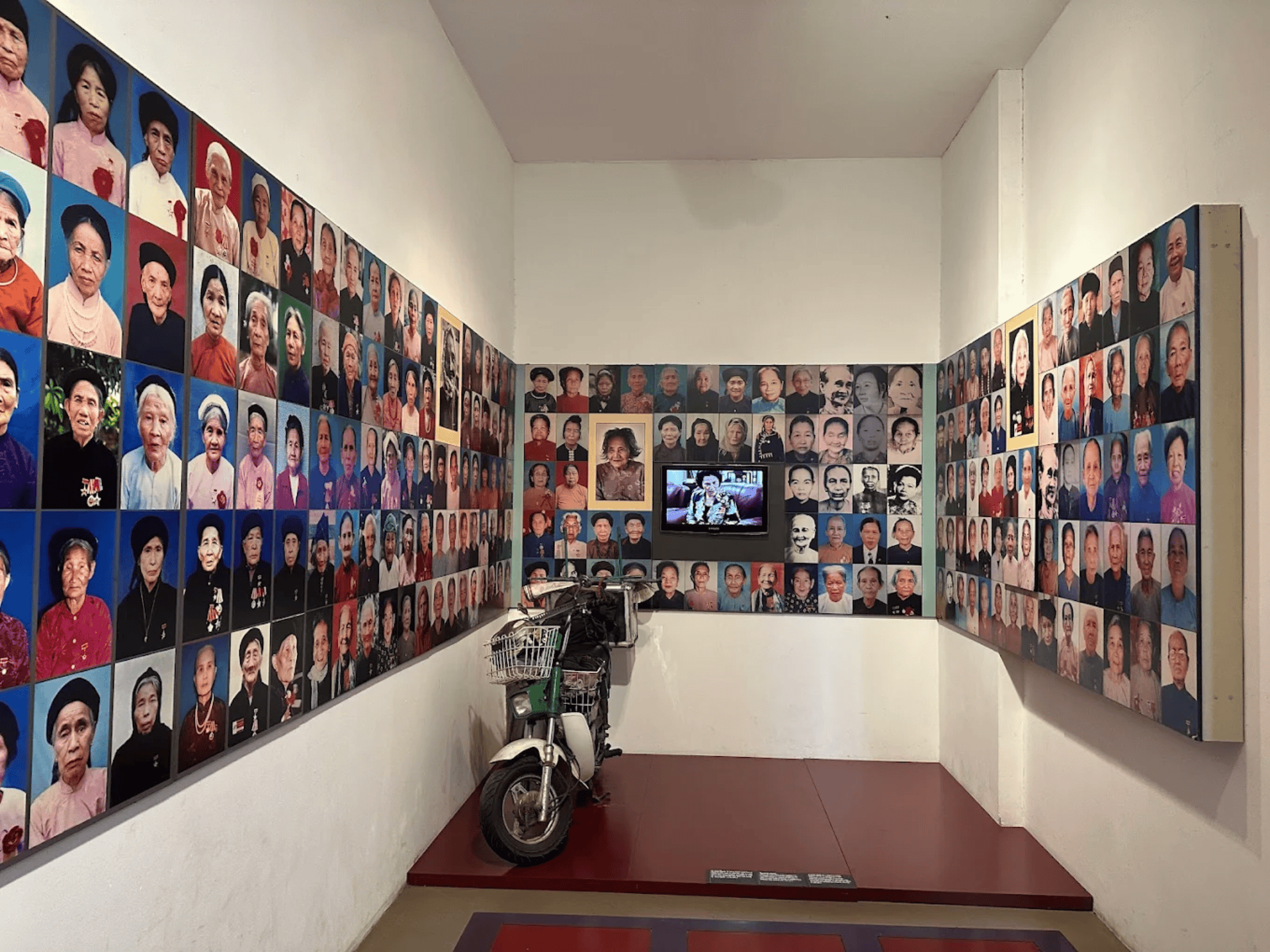
The museum explores women’s roles in Vietnamese society across three main themes: women in family life, women in history, and women’s fashion. But don’t let that simple structure fool you, each floor is packed with powerful stories that will change how you see Vietnam.
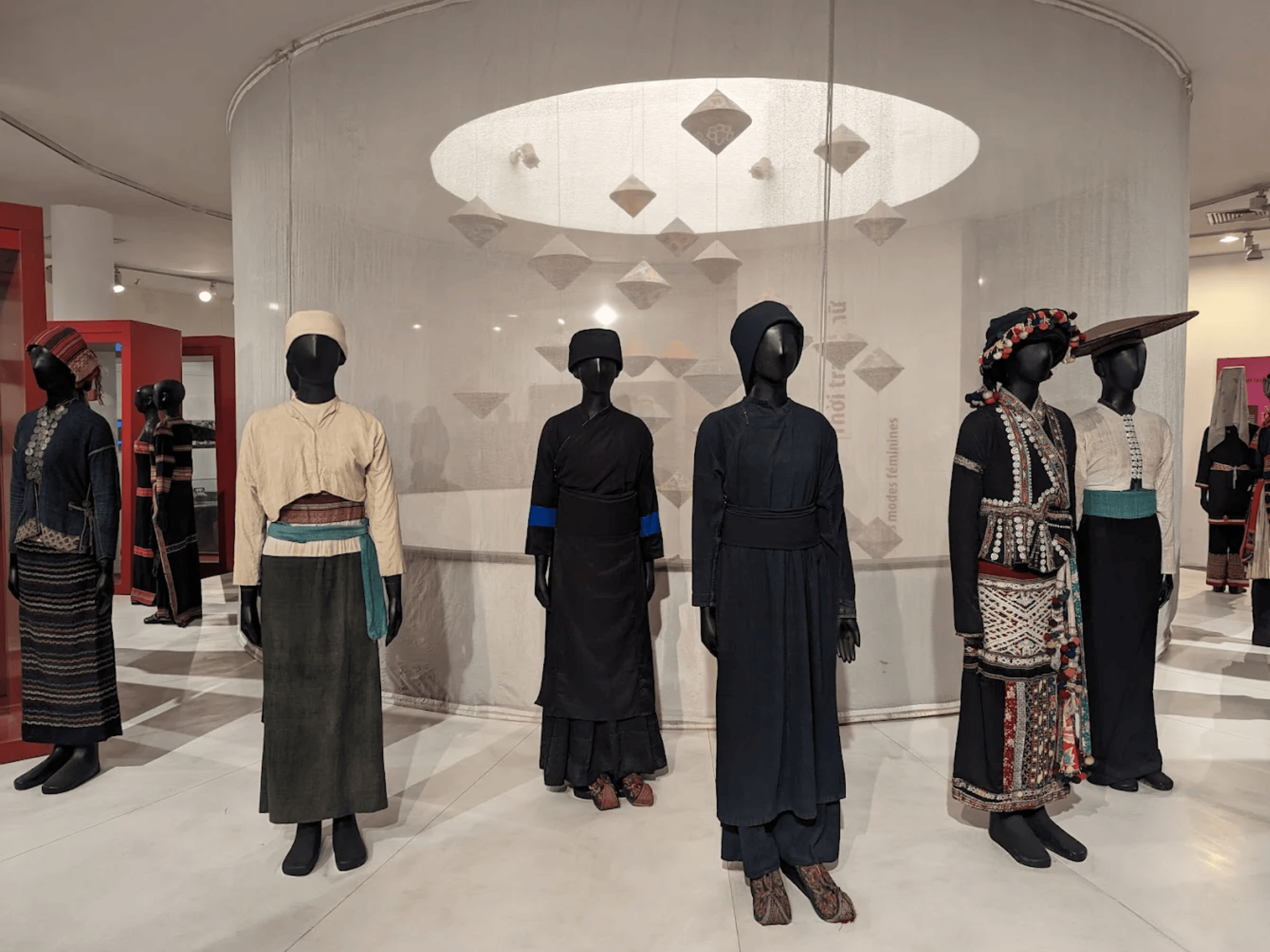
The first floor focuses on family traditions, marriage customs, and motherhood across Vietnam’s 54 ethnic groups. The fashion exhibition on the second floor is equally fascinating. Traditional áo dài from different regions, wedding customs, and the evolution of Vietnamese women’s clothing tell stories about identity, colonialism, and modernization. The third floor, dedicated to women in wartime, made me cry. Seeing the tiny sandals worn by women who carried supplies down the Ho Chi Minh Trail, reading letters from mothers who lost their children, it gave me a profound appreciation for the sacrifices my grandmother’s generation made.
Local’s perspective: The museum shop here is quite fantastic. They sell handmade crafts by ethnic minority women’s cooperatives, and your purchase directly supports these artisans.
3. Vietnam National Museum of History: Where Centuries Collide
- Address: 1 Trang Tien Street, Phan Chu Trinh Ward, Hoan Kiem District, Hanoi
- Opening Hours: Daily, 8:00 AM – 12:00 PM and 1:30 PM – 5:00 PM
- Ticket Price: 40,000 VND ($1.70 USD)
- Tour Guide Services: Vietnamese, English, and French guides available (contact museum for rates)
- Camera Fee: 15,000 VND ($0.64 USD) (if using camera)
This wonderful museum has 2 floors and an outdoor area for exploring:
| Location/Floor | Exhibition Focus |
| 1st Floor | Stone Age artifacts, pottery, ornaments (up to 1400 AD) |
| 2nd Floor | Monarchic reign (Dinh, Le eras ~900 AD), decorative arts, ceramics, lacquerware |
| Outdoor | Champa sculptures, stone statues from Ly and Nguyen dynasties |
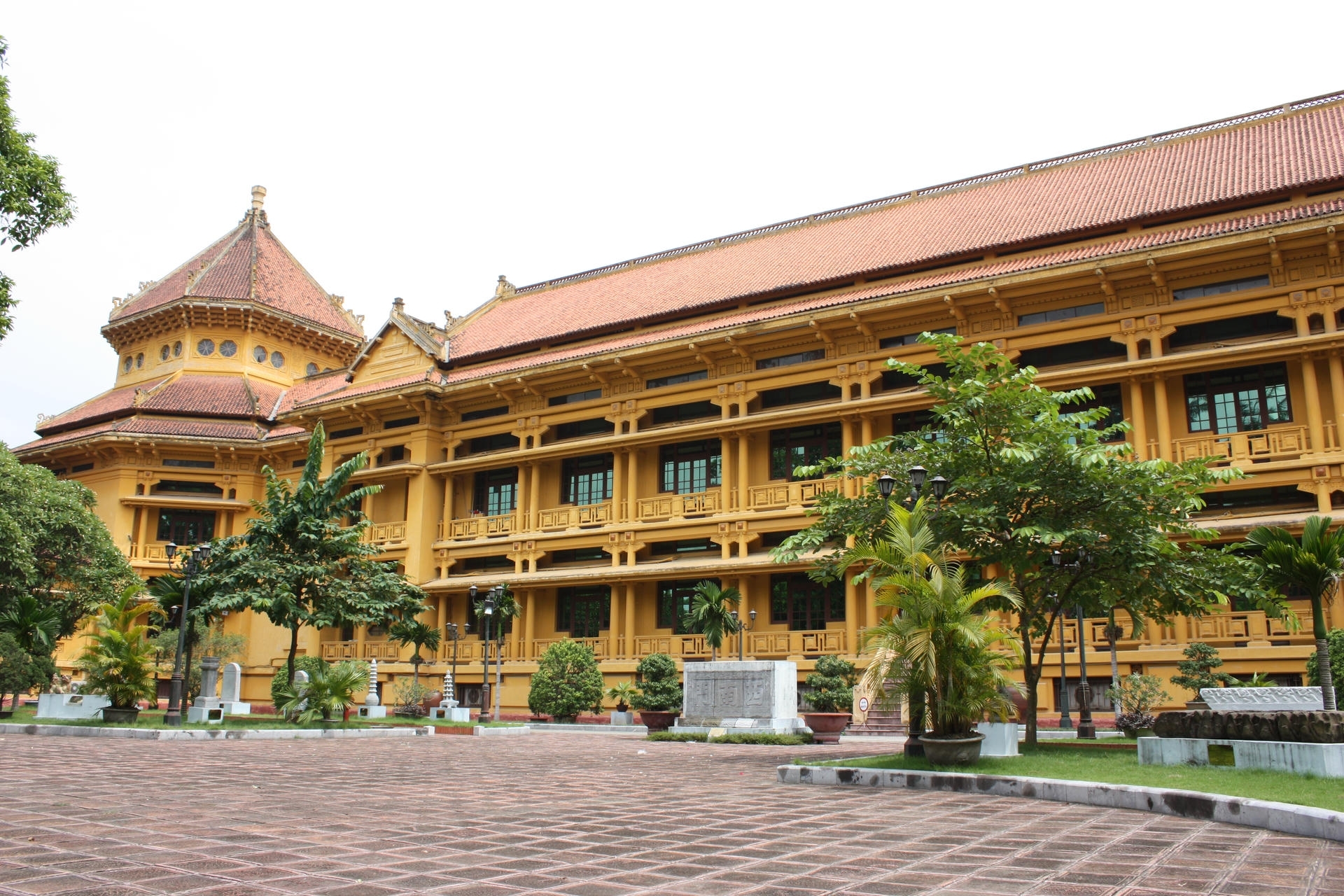
Located in a beautiful French colonial building near Hoan Kiem Lake, this Hanoi museum takes you on a chronological journey through Vietnam’s history, from prehistoric times to 1945. The architecture alone is worth the visit, it’s one of those buildings that makes you stop and stare.
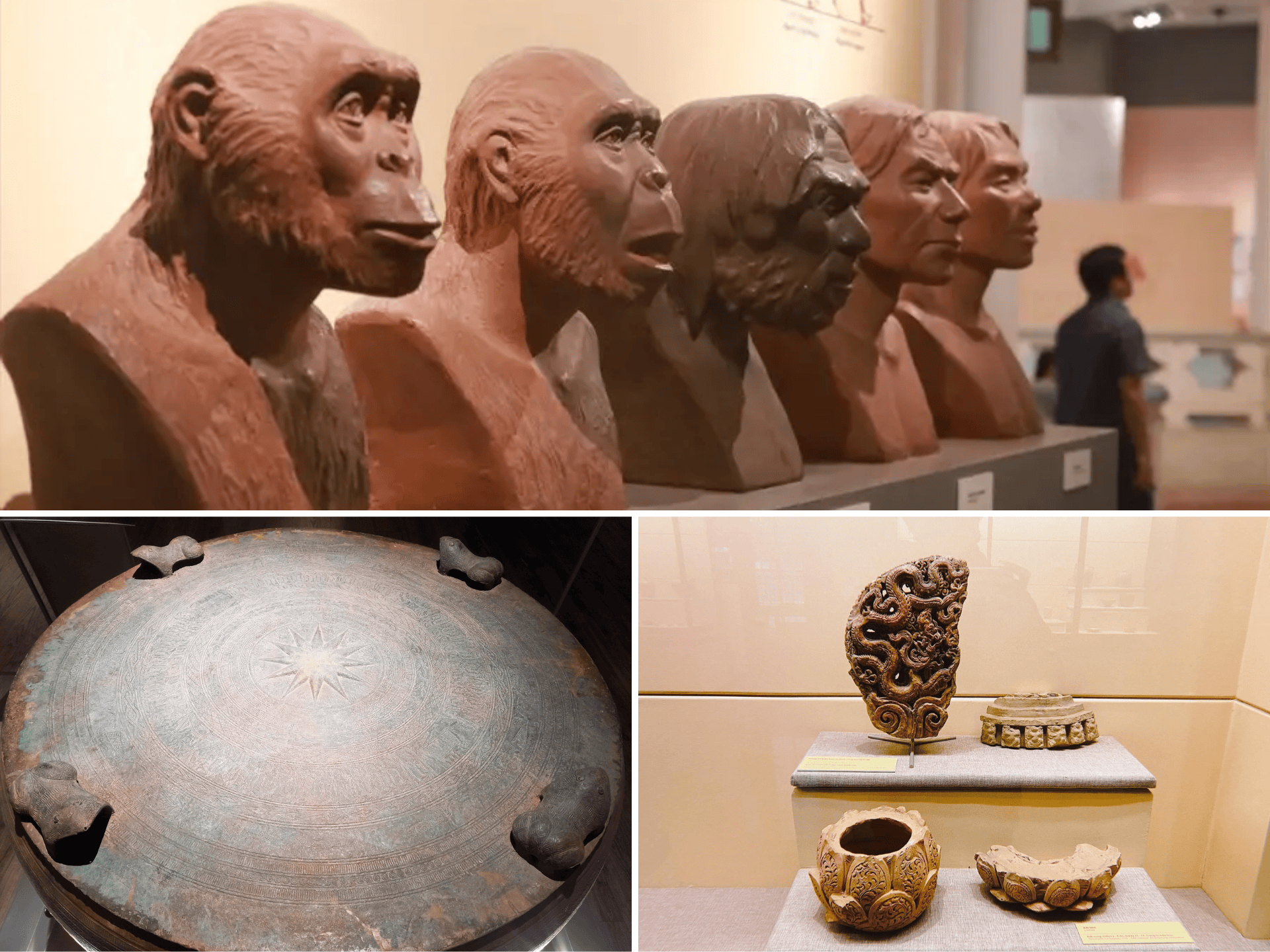
Inside, you’ll find the famous Dong Son bronze drums, ancient ceramics, and artifacts from various dynasties. The Nguyen Dynasty section particularly fascinated me with its royal costumes and imperial seals. What I appreciate most is how the museum doesn’t shy away from difficult periods – colonialism, resistance movements, and the struggle for independence are all documented here.
The museum can feel a bit academic if you just read the labels, so I recommend getting the audio guide.
4. Hoa Lo Prison Museum: The “Hanoi Hilton”
- Address: 1 Hoa Lo Street, Tran Hung Dao Ward, Hoan Kiem District, Hanoi
- Opening Hours: Daily, 8:00 AM – 5:00 PM (closed from 11:30 AM – 1:30 PM for lunch)
- Ticket Price: 50,000 VND ($2.13) for adults; 50% discount for students, elderly, and people with disabilities; Free for children under 16; Audio Guide: 50,000 VND/headphones
- Night Tour “Đêm Thiêng Liêng”: 300,000 – 499,000 VND/person ($12.75 – $21.21 USD) (depending on the program)
Hoa Lo Prison focuses on two distinct historical periods that took place within its walls:
| Section | Exhibition Focus |
| French Colonial Period Section | Prison cells, guillotine room, death row cells, dungeons (cachot), women’s detention area |
| Vietnam War Period Section | American POW displays, John McCain artifacts, prisoner living conditions |
| General Exhibits | Escape tunnels, torture chambers, prisoner artifacts, historical photographs |
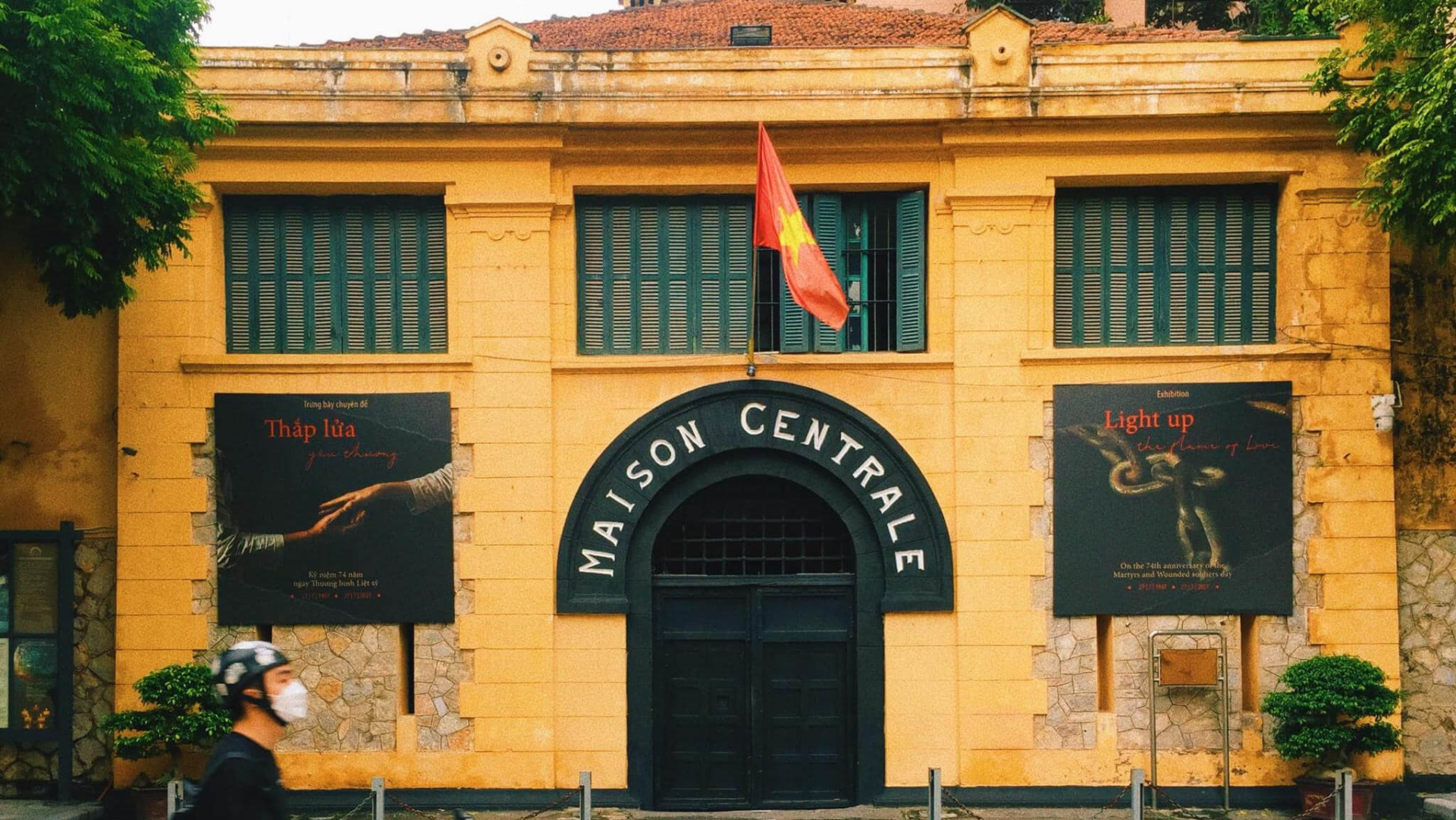
This is probably the most emotionally heavy Hanoi museum you’ll visit, but it’s essential for understanding Vietnam’s modern history. Originally built by French colonists to imprison Vietnamese revolutionaries, it later held American POWs during The resistance war against America in Vietnam – who sarcastically nicknamed it the “Hanoi Hilton”.
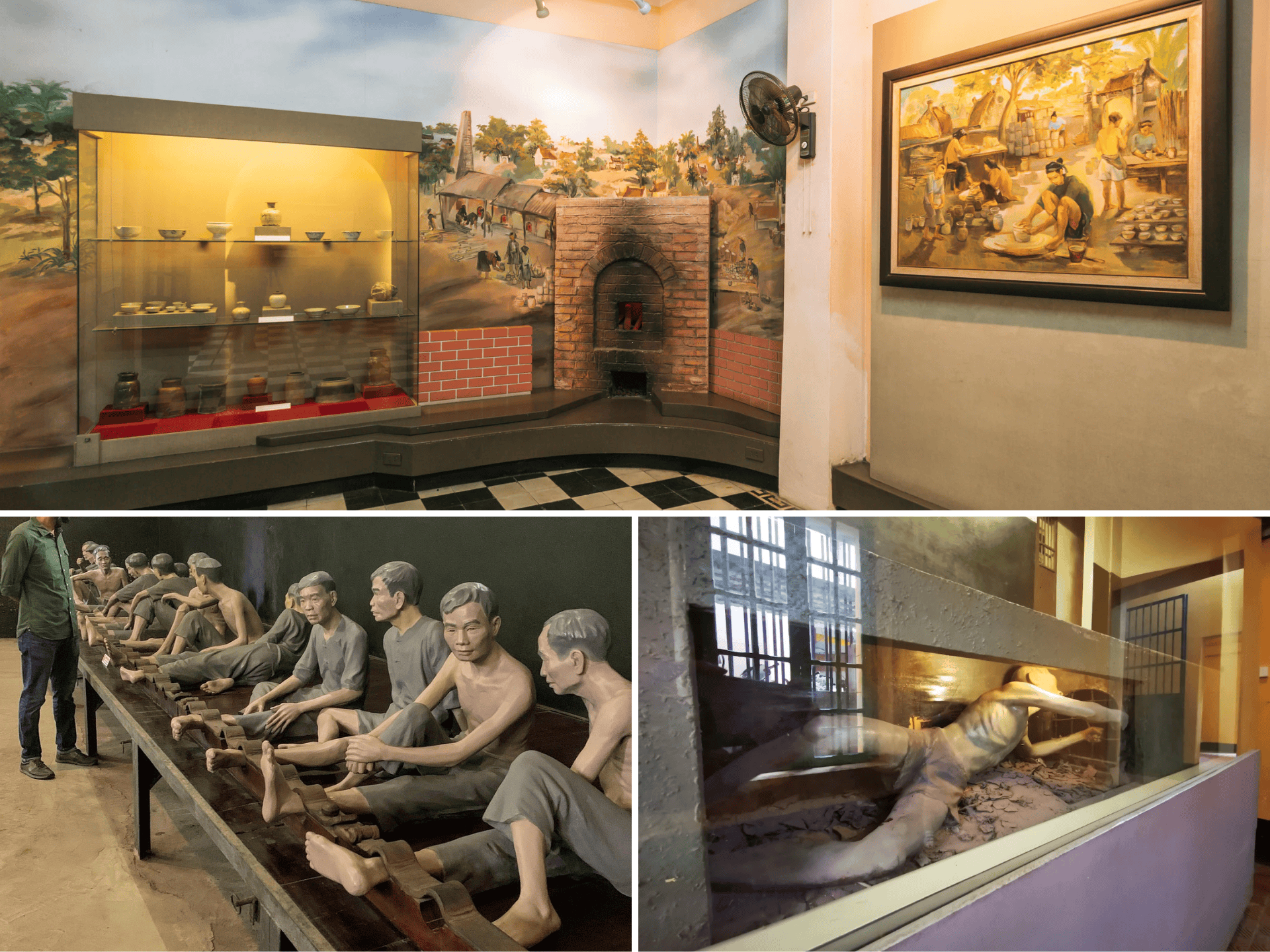
Walking through the cramped cells where Vietnamese patriots were held in brutal conditions made me feel both heartbroken and proud. The guillotine room is particularly chilling. The later section about American POWs presents Vietnam’s perspective on that chapter of history. I won’t lie, this museum is tough, but it’s important.
My advice: Don’t rush through it. Sit with discomfort. Read the letters prisoners wrote to their families. Look at the photos of young revolutionaries who never made it out. This is where history stops being abstract and becomes deeply, painfully human.
For a deep dive into the historical significance and how to navigate this difficult but essential site, check out our full guide on Exploring Hoa Lo Prison in Hanoi.
5. Vietnam Military History Museum: Not Just About War
- Address: Km 6+500, Thang Long Boulevard, Tay Mo Ward, Nam Tu Liem District, Hanoi (NEW LOCATION as of November 1, 2024, old location at 28A Dien Bien Phu Street ceased operations September 30, 2024)
- Opening Hours: Tuesday to Sunday (closed Mondays and Fridays), 8:00 AM – 11:30 AM and 1:00 PM – 4:30 PM
- Ticket Price: 40,000 VND ($1.70 USD)
- Camera Fee: 20,000 VND ($0.85 USD) (if using camera)
Currently, this museum has 6 themes and an outdoor exhibition in total:
| Floor/Area | Exhibition Focus |
| Theme 1 | Early period of nation building and defense |
| Theme 2 | Protection of independence (939-1858) |
| Theme 3 | Struggles against French colonial rule (1858-1945) |
| Theme 4 | Resistance war against French (1945-1954) |
| Theme 5 | Resistance war against America (1954-1975) |
| Theme 6 | National reconstruction and defense (1976-present) |
| Outdoor Exhibition Area | Large military equipment – tanks, aircraft, artillery, missiles, Victory Tower |
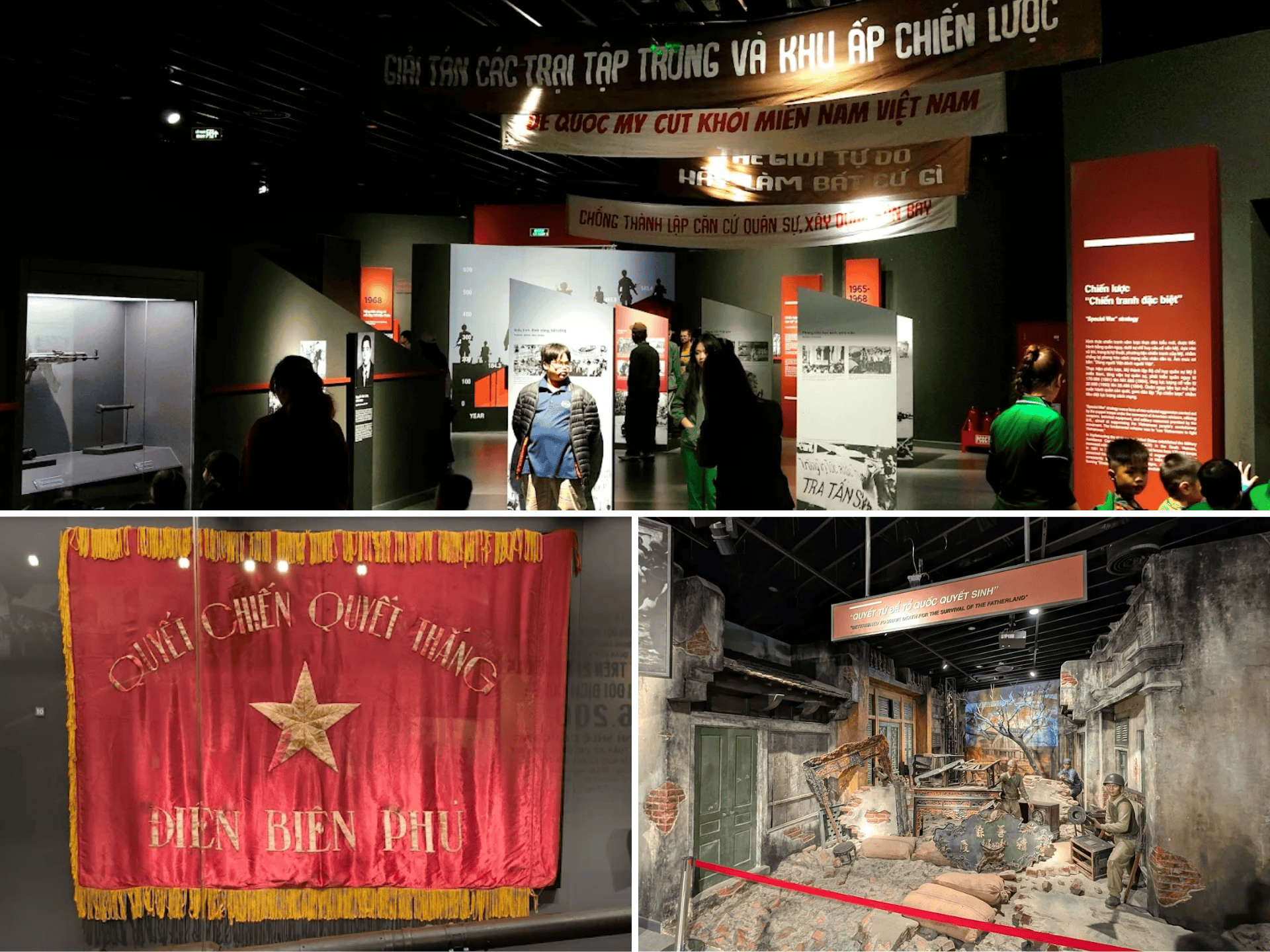
Honestly, I delayed visiting this Hanoi museum after it changed to the new location because I assumed it would still be all propaganda and heavy-handed nationalism. I was wrong. While it definitely presents history from Vietnam’s perspective, the museum is surprisingly nuanced and well-curated.
Inside, the exhibitions cover Vietnam’s military history from ancient times through the resistance against France and America, up to more recent conflicts. What struck me most were the personal items, letters soldiers wrote the night before battles, photographs of young fighters who looked barely older than teenagers, improvised weapons that show incredible ingenuity born from desperation.
This isn’t just a war museum, it’s a survival story told through objects.
6. Ho Chi Minh Museum: Understanding Our Most Iconic Figure
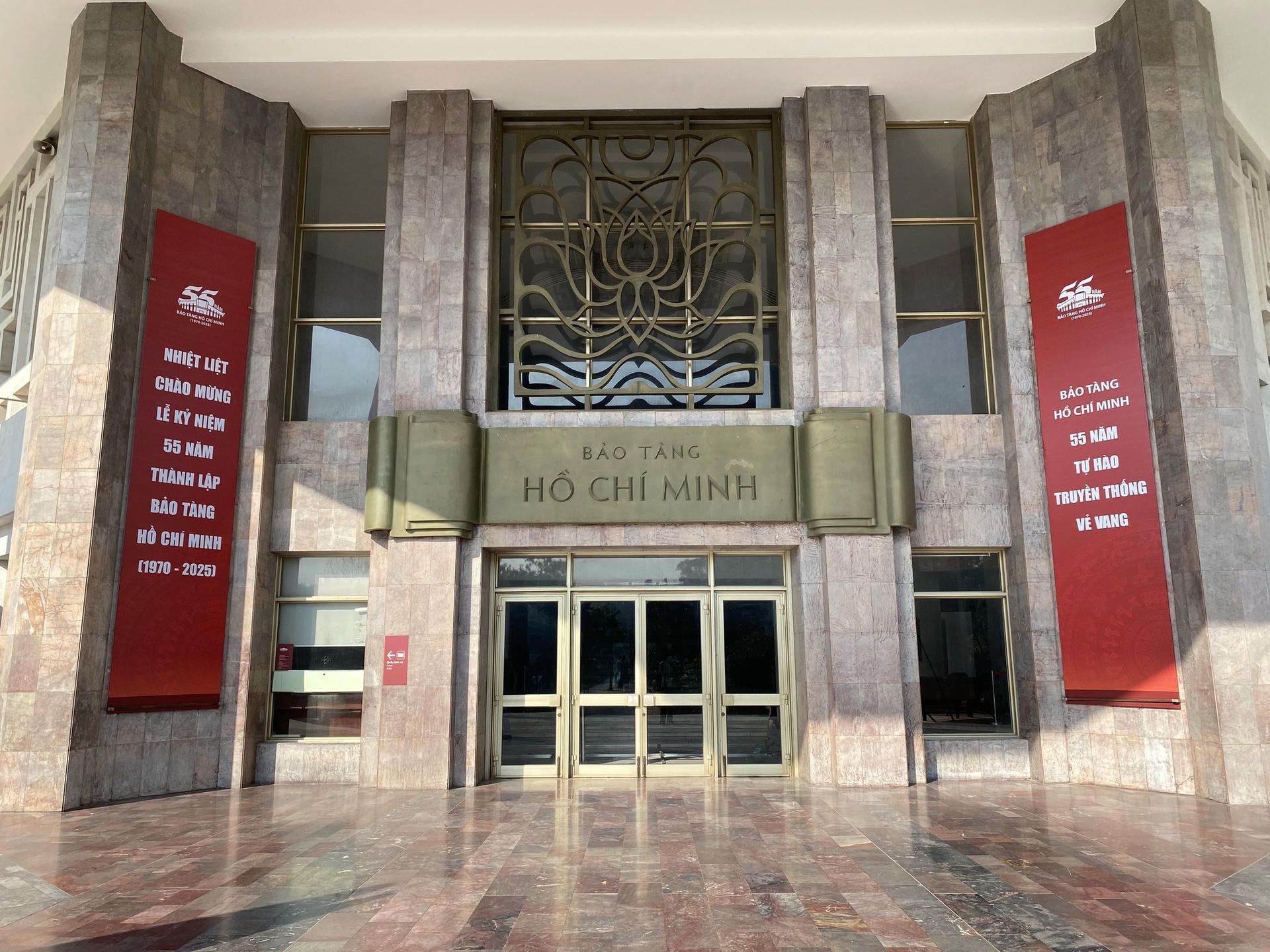
- Address: 19 Ngoc Ha Street, Doi Can Ward, Ba Dinh District, Hanoi (near Ho Chi Minh Mausoleum)
- Opening Hours: Tuesday, Wednesday, Thursday, Saturday, and Sunday, 8:00 AM – 12:00 PM and 2:00 PM – 4:30 PM (closed Mondays and Fridays)
- Ticket Price: 40,000 VND ($1.70 USD) for international visitors
- Tour Guide Services: Vietnamese, English, French, and Chinese available upon request (contact Education Department of museum)
Ready to discover Ho Chi Minh Museum with its 3 floors:
| Floor | Exhibition Focus |
| 1st Floor – 9 Themes | Ho Chi Minh’s life chronologically: childhood (1890-1910), travels (1910-1920), development of Communist Party (1920-1945) |
| 2nd Floor | Revolutionary struggle, guerrilla warfare, liberation campaigns, Victory Hall with reunification tank |
| 3rd Floor | Global historical context, international events influencing Vietnam, world timeline parallel to Vietnamese developments |
Located near the Ho Chi Minh Mausoleum, this Hanoi museum offers a complex look at Vietnam’s most famous historical figure. The architecture itself is striking, a white lotus-shaped building that’s very Instagram-worthy.
The museum takes an interesting approach, mixing traditional artifacts with abstract art installations. You’ll see Ho Chi Minh’s personal belongings, his sandals made from car tires, his simple clothing, alongside avant-garde artistic interpretations of his ideology and legacy.
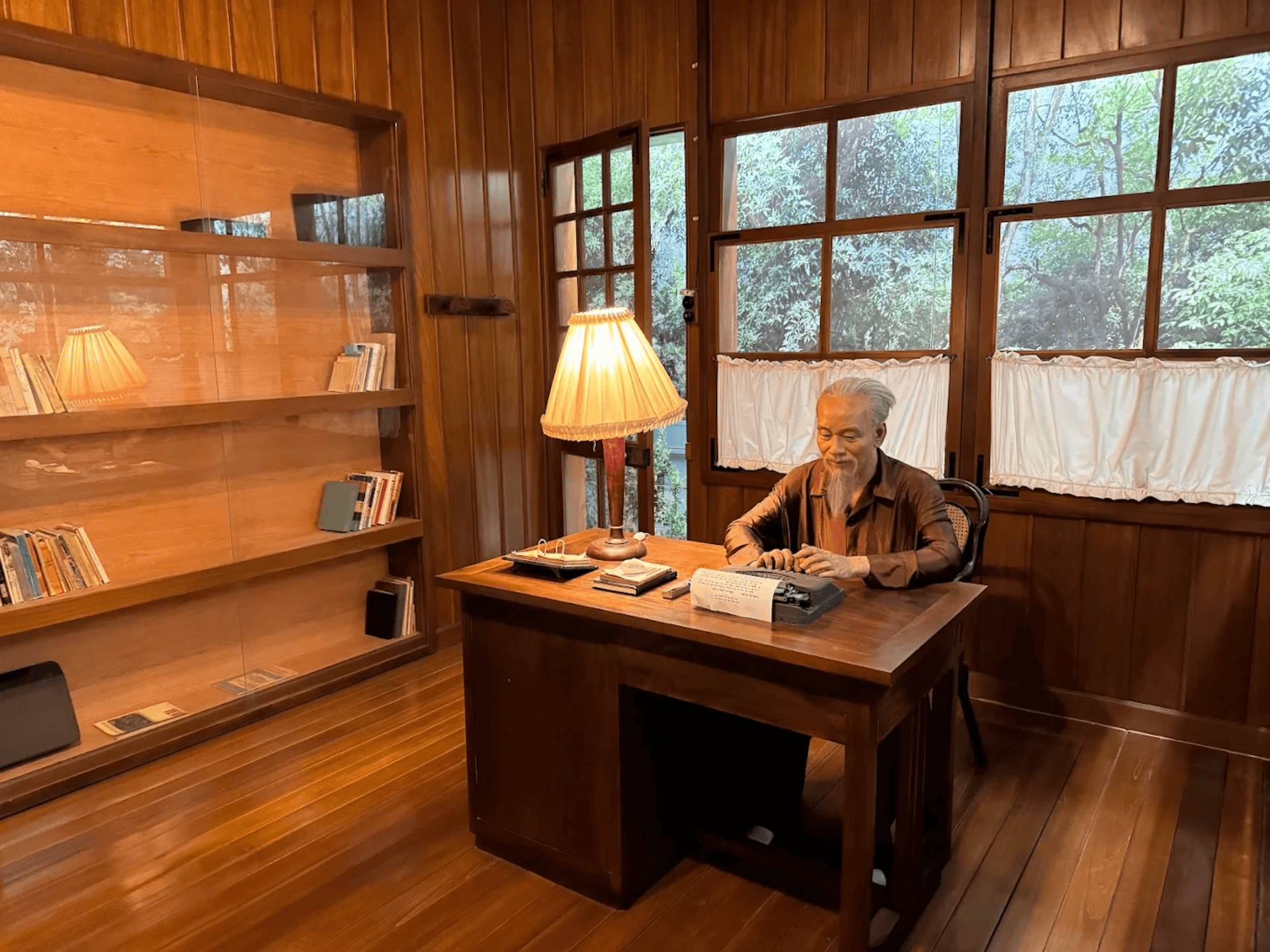
What I appreciate is that while the museum obviously reveres Uncle Ho, it also presents him as a real person with quirks and habits, not just a propaganda poster. The section about his years living abroad, learning languages, and working odd jobs before returning to lead the revolution humanizes him in ways textbooks never did.
Fair warning: the symbolism in some of the modern art sections can be heavy-handed and confusing. But the biographical sections are genuinely fascinating.
If you are planning to visit the nearby Mausoleum complex, be sure to check out on our 8 Remarkable Things To Do In Ho Chi Minh Mausoleum!
7. Vietnam Fine Arts Museum: My Rainy Day Escape
- Address: 66 Nguyen Thai Hoc Street, Dien Bien Ward, Ba Dinh District, Hanoi
- Opening Hours: Tuesday to Sunday, 8:30 AM – 5:00 PM (closed Mondays)
- Ticket Price: 40,000 VND ($1.70 USD)
- Guided Tour: Vietnamese, English, Chinese – 150,000 VND per group ($6.37 USD) (limited to 25 people per group)
The Fine Arts Museum is organized by art form and chronological period across several floors:
| Floor | Exhibition Focus |
| Ground Floor | Prehistoric and early history artifacts, ancient sculptures from Champa and Funan kingdoms |
| 1st Floor | Ancient art (11th-19th century), Buddhist sculptures, lacquerwork, Ly-Tran dynasty relics |
| 2nd Floor | Modern and contemporary art (20th century onwards), Vietnamese ceramics, ethnic group decorative arts |
| 3rd Floor | Recent contemporary works, creative space for children |
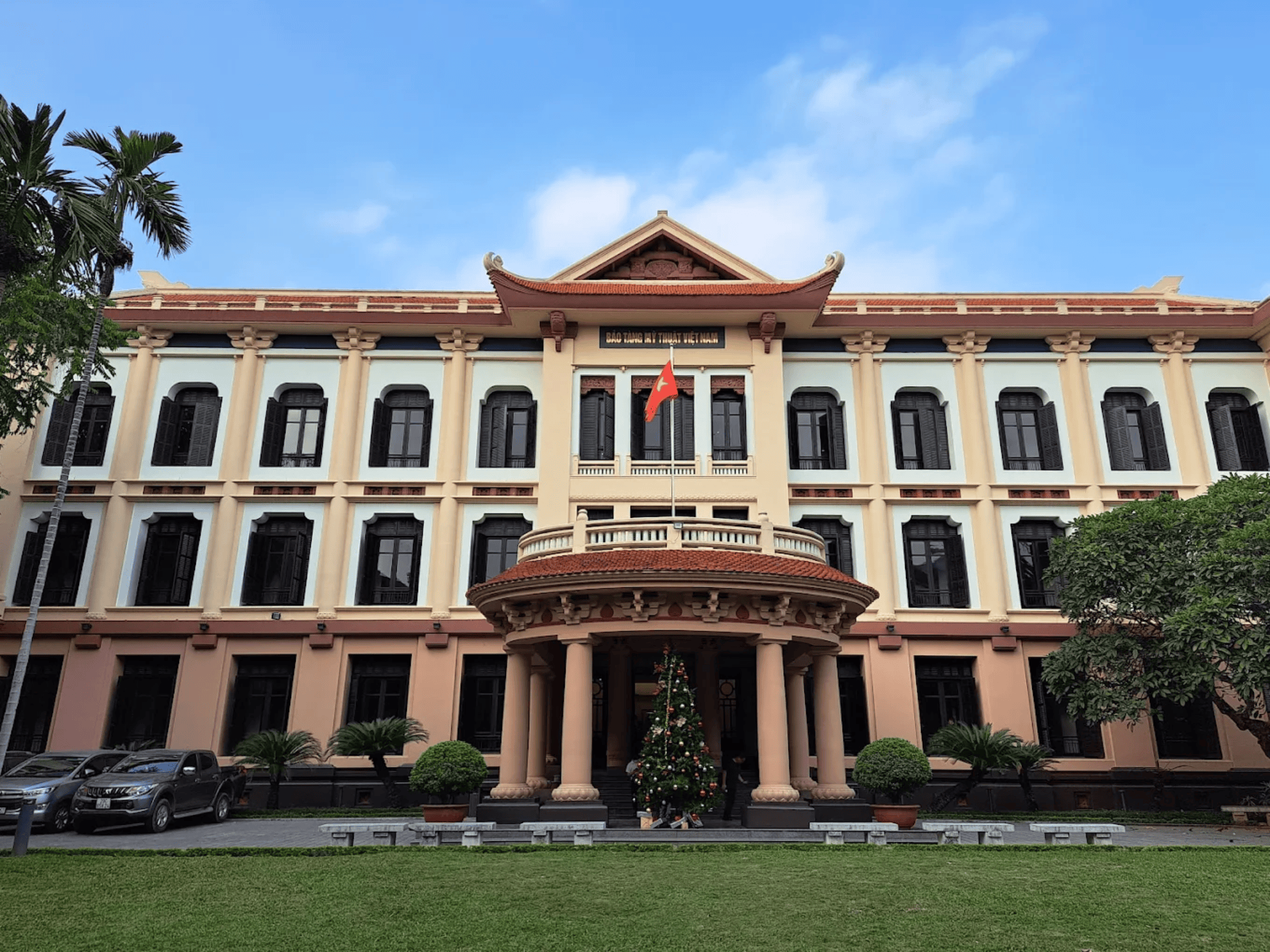
This is my go-to Hanoi museum when I need peace and beauty. Housed in a gorgeous 1930s colonial building, the Vietnam Fine Arts Museum showcases art from prehistoric times to contemporary works.
The ground floor features ancient art – Buddha statues, Cham sculptures, and folk paintings. As you move up through the floors, you travel forward in time. The lacquer paintings are particularly stunning, a uniquely Vietnamese art form that involves layering colored lacquer over wood or canvas to create depth and luminosity.
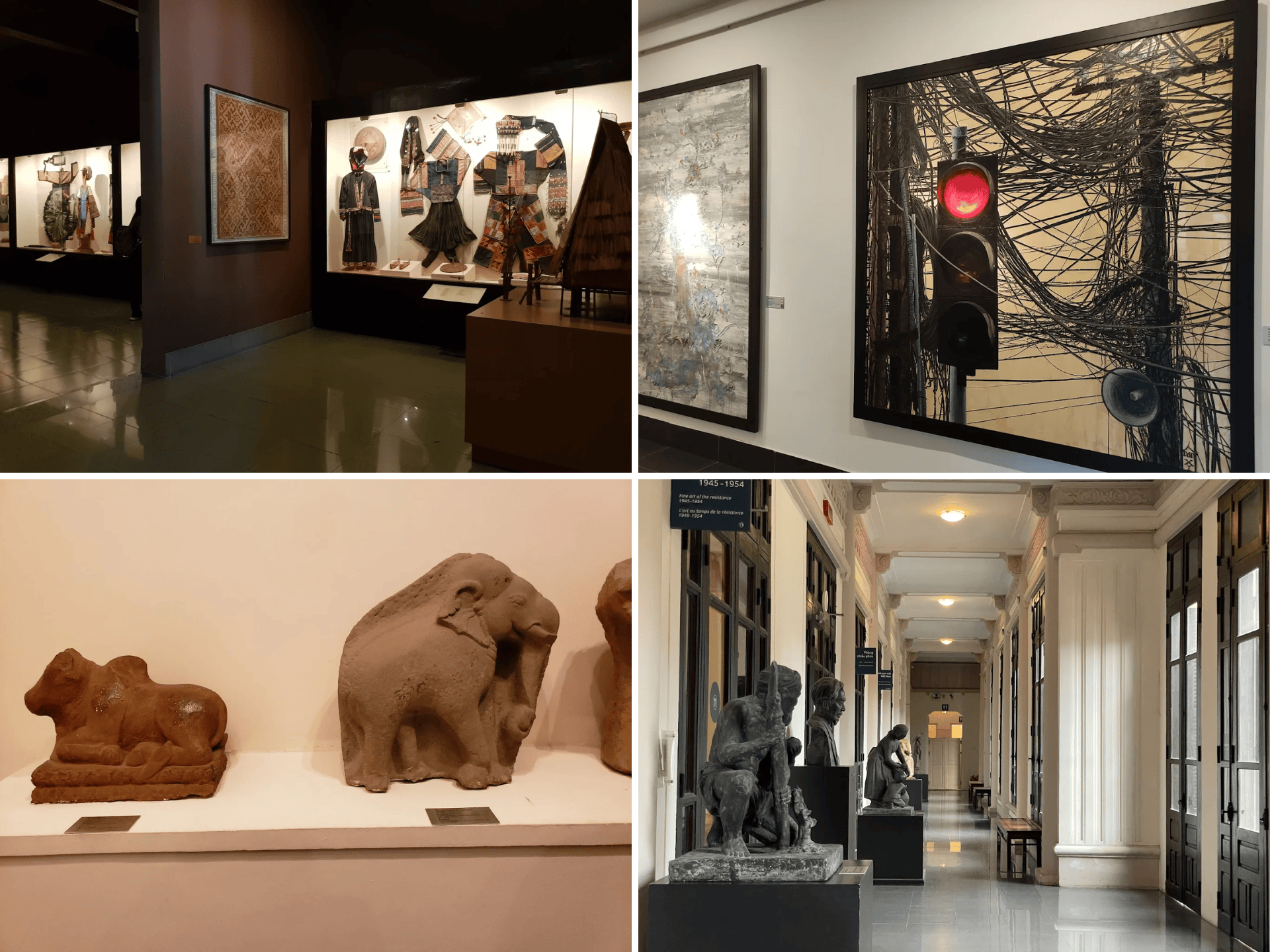
I love spending time in the contemporary art section on the top floor. Vietnamese modern artists are pushing boundaries, addressing social issues, and creating work that’s both beautiful and thought-provoking. The museum also hosts rotating exhibitions featuring young artists.
Local secret: The museum café on the second floor is a hidden treasure, they have good coffee, a quiet atmosphere, and windows overlooking a peaceful courtyard.
8. Vietnamese Air Force Museum: For Aviation Enthusiasts
- Address: 173 Truong Chinh Street, Khuong Mai Ward, Thanh Xuan District, Hanoi
- Opening Hours: Monday, Tuesday, Wednesday, Thursday, Saturday, and Sunday, 8:00 AM – 11:00 PM and 1:00 PM – 4:00 PM (closed Fridays)
- Ticket Price: 30,000 VND ($1.27 USD) for international visitors
This museum is featuring both indoor and outdoor exhibits for aviation enthusiasts:
| Area | Exhibition Focus | |
| Indoor
|
1st Floor | VPAF history, biographies of air force heroes, uniforms, flight suits, weapons |
| 2nd Floor | Vietnam’s space program, Pham Tuan exhibit (first Vietnamese astronaut), Soyuz spacecraft artifacts | |
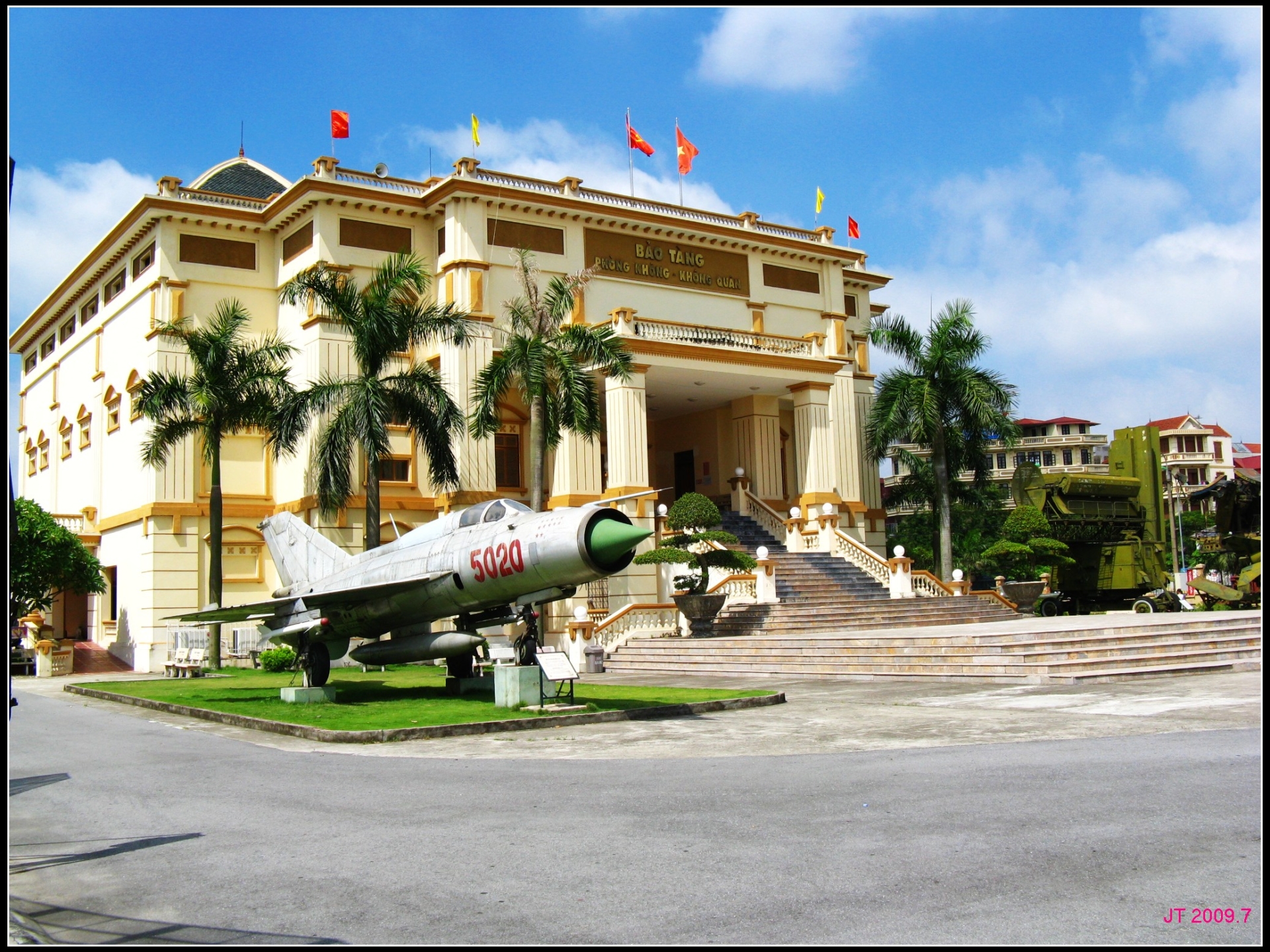
| Outdoor Exhibition | 100+ aircraft displays (MiG-21, MiG-17, helicopters), anti-aircraft artillery, missiles, radar systems, captured American aircraft | |
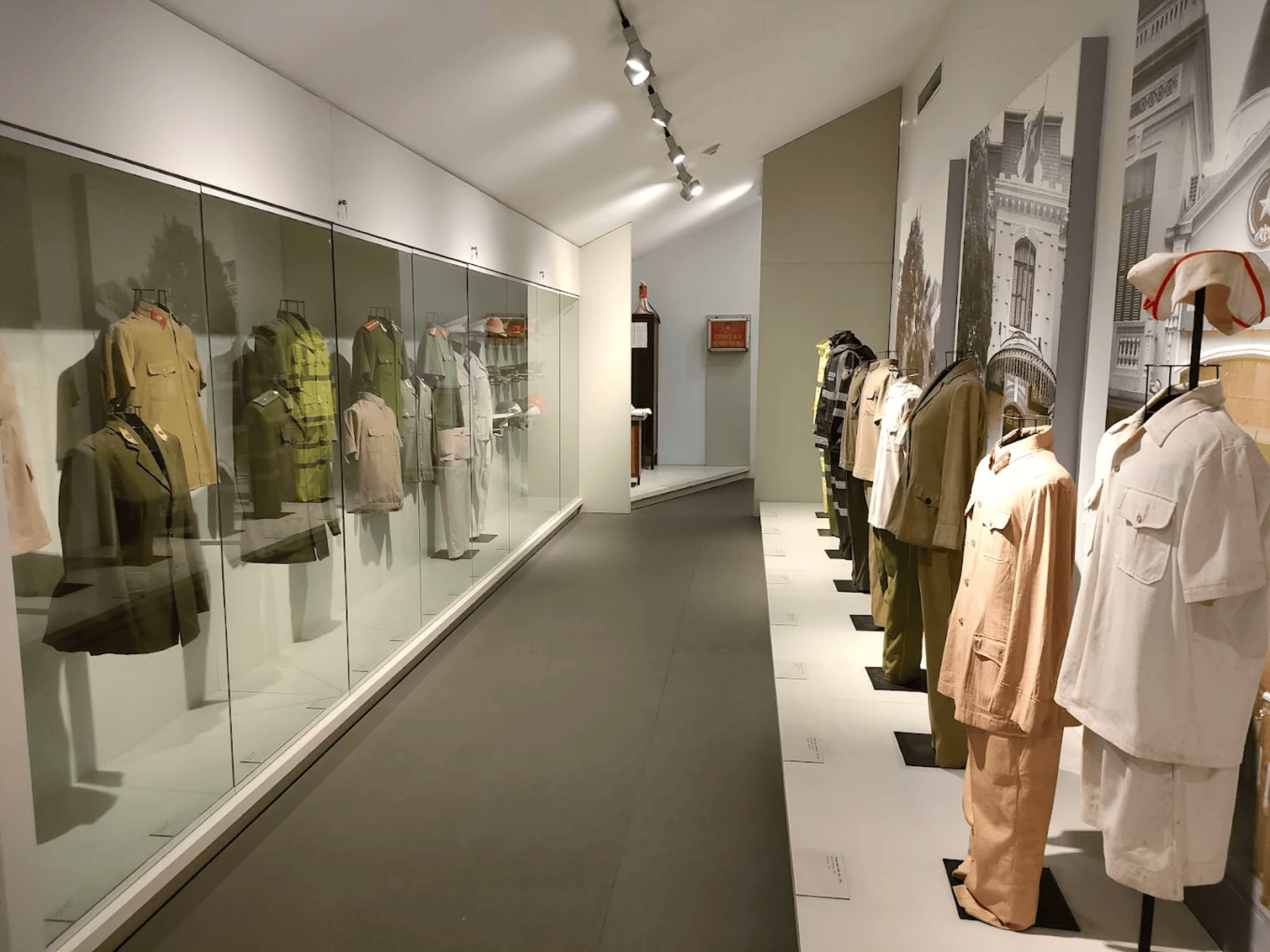
This specialized Hanoi museum is a bit off the typical tourist path, but if you’re interested in aviation or military technology, it’s worth the trip. The outdoor area displays real aircraft, – MiG fighters, transport planes, helicopters – many of which saw action during the Resistance War against America.
Inside, the exhibitions cover the history of the Vietnamese Air Force, from its founding with just a handful of pilots trained in the Soviet Union to becoming a formidable defensive force. The stories of individual pilots are compelling – many were incredibly young when they first flew combat missions.
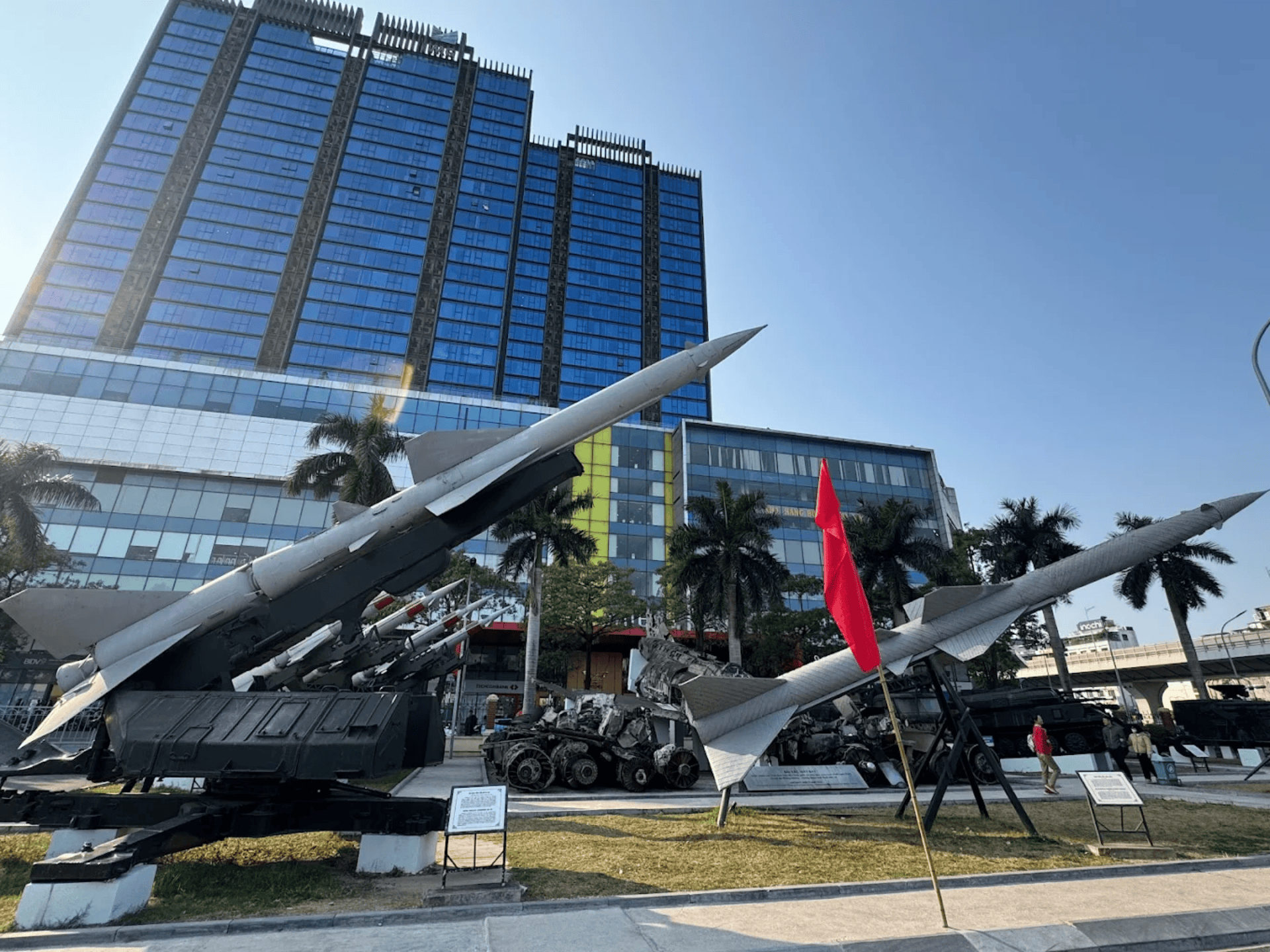
What makes this museum unique is how it shows Vietnam’s underdog status in the air war. With limited resources and facing the world’s most advanced air force, Vietnamese pilots had to be creative, brave, and sometimes reckless. The museum doesn’t glorify war, but it does celebrate the ingenuity and courage of these airmen.
The museum is less polished than others in Hanoi, which actually makes it feel more authentic. You can get close to the aircraft, and on quiet days, security guards might even share stories their fathers told them about the war years.
9. Hanoi Museum: My City’s Biography
- Address: Pham Hung Street, Me Tri Ward, Nam Tu Liem District, Hanoi
- Opening Hours: Tuesday to Sunday, 8:00 AM – 5:00 PM (closed Mondays)
- Ticket Price: 30,000 VND ($1.27 USD)
- Tour Guide Fee: 50,000 VND ($2.12 USD)
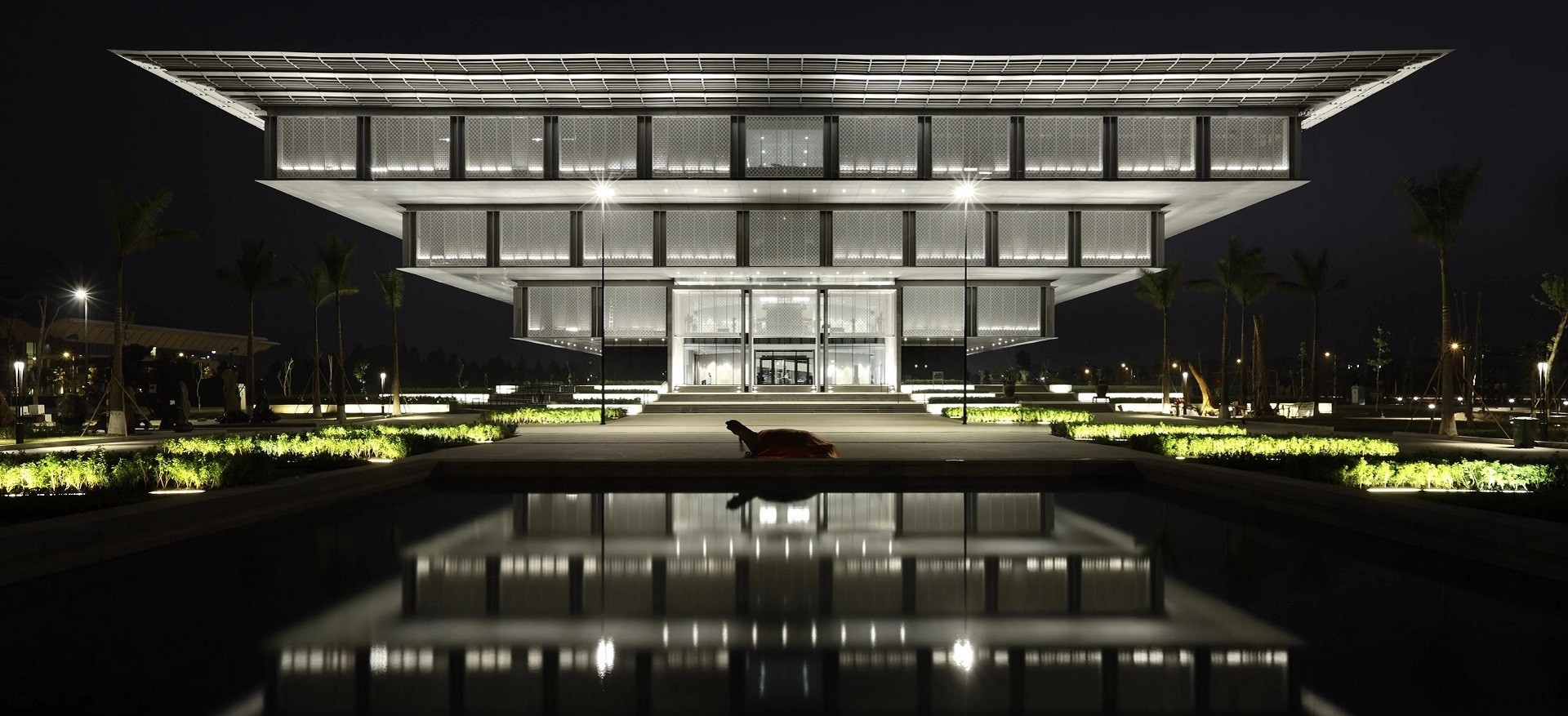
Hanoi Museum offers 4 floors with cool architecture:
| Floor | Exhibition Focus |
| 1st Floor | Featured antiquities, dragon-carved pillars from Ly dynasty, Ly-Tran-Le dynasty artifacts, souvenir shop |
| 2nd Floor | Natural artifacts – Hoan Kiem turtle skeleton, West Lake specimens, photos of Hanoi scenery and people |
| 3rd Floor | Ancient artifacts – bronze drums, copper coins, ceramic vases, ivory, dragon and turtle statues |
| 4th Floor | Paintings and photos of old and modern Hanoi, conference rooms, art studios, library, temporary exhibitions |
This is the newest and most architecturally ambitious Hanoi museum. The building itself – an inverted pyramid design – is controversial among locals. Some think it’s innovative, others call it ugly, I’m the first one.
What’s undeniable is that the Hanoi Museum offers the most comprehensive look at the capital’s 1,000-year history. From its founding as Thang Long to its evolution as a modern metropolis, the exhibitions use artifacts, documents, photographs, and multimedia to tell Hanoi’s story.
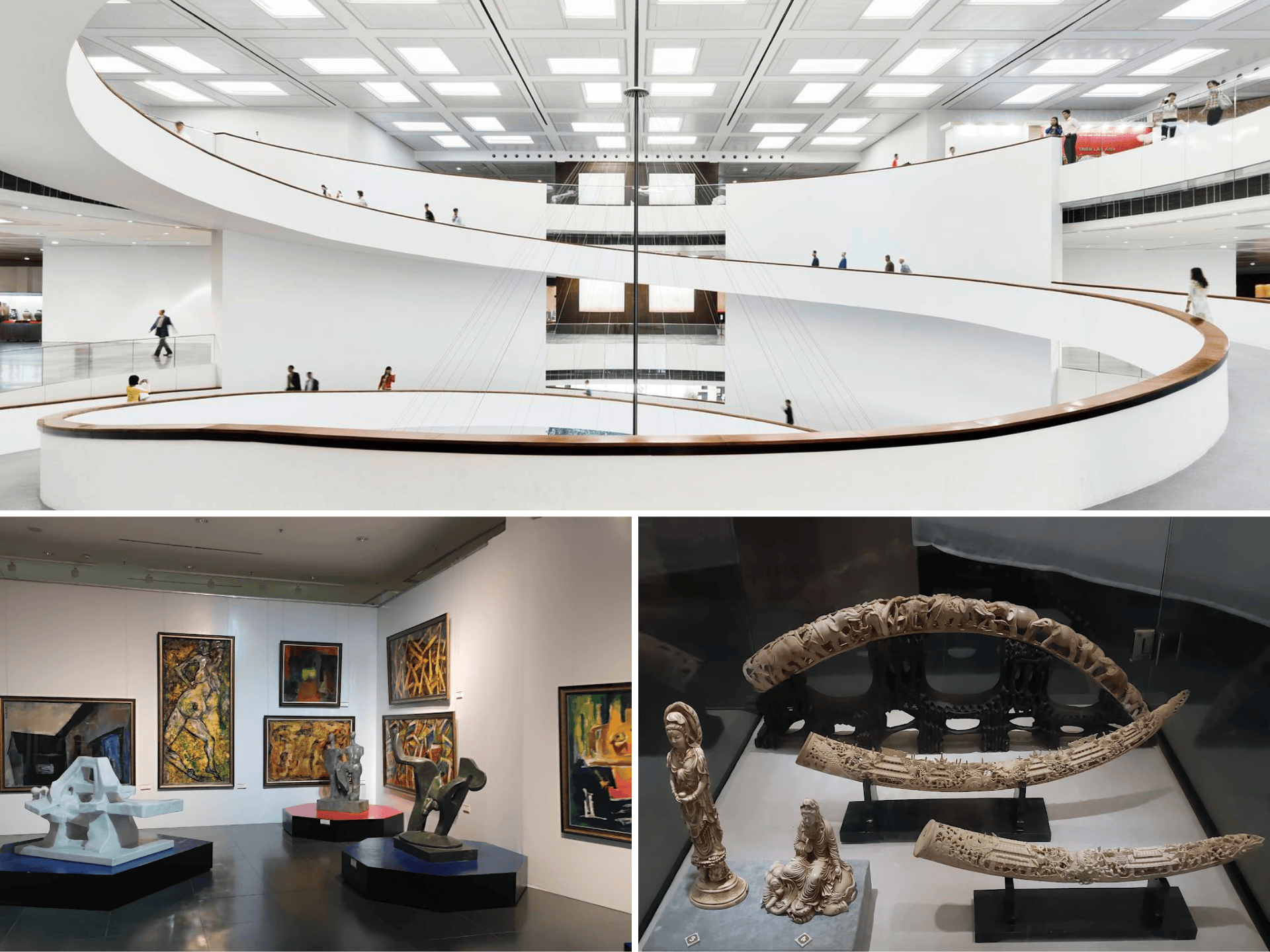
My favorite sections are the ones showing everyday life in different eras, like street vendor tools from the 1920s, household items from the 1960s, fashion from the 1980s. These mundane objects somehow feel more powerful than grand historical narratives because they connect to the Hanoi I know – a city that’s always been about the daily rhythm of street life.
The museum is quite far from the Old Quarter, so factor in travel time. But if you’re staying in Hanoi for more than a few days and want to understand the city’s soul, this museum provides essential context.
Practical Tips for Visiting Hanoi Museums
After countless visits to these cultural spaces, I’ve learned a few things that make the experience better:
Timing matters. Most Hanoi museums are quietest on weekday mornings. If you visit on weekends or holidays, expect school groups and tour buses. I usually aim for Tuesday or Wednesday mornings right when they open.
Bring cash. While some museums accept cards, many still operate on a cash-only basis. Entrance fees range from 30,000-50,000 VND for foreigners (roughly $1.27-$2 USD), which is incredibly reasonable. Always carry small bills as ticket counters may not have changed for large notes.
Dress respectfully. This is Vietnam, most museums don’t have strict dress codes, but covering your shoulders and knees shows respect, especially in museums dealing with revolutionary history or war.
English signage is widely available across Hanoi’s museums. Most museums now feature English subtitles beneath the Vietnamese descriptions of exhibits and artifacts, so if you’re just looking for a general overview, language won’t be a barrier. Larger institutions like the Vietnam Museum of Ethnology provide comprehensive English translations throughout.
However, if you want deeper insights and storytelling beyond what’s written on the plaques, consider renting an audio guide. For example, the audio guide at the Vietnamese Women’s Museum costs an additional 40,000 VND ($1.70 USD) and offers detailed narratives that bring the exhibits to life – well worth the investment for those wanting a richer understanding of Vietnamese culture and history.
Combine your visits. Several museums are within walking distance of each other. You can easily visit the Vietnamese Women’s Museum, Hoa Lo Prison, and the National Museum of History in one day since they’re all in Hoan Kiem District. Similarly, the Ho Chi Minh Museum, Presidential Palace, and Military History Museum can be combined.
NOTE: Exhibition layouts may change for special exhibitions. Always check with museum staff or their website for current displays and accessibility options.
Final Thoughts on Hanoi Museum-Hopping
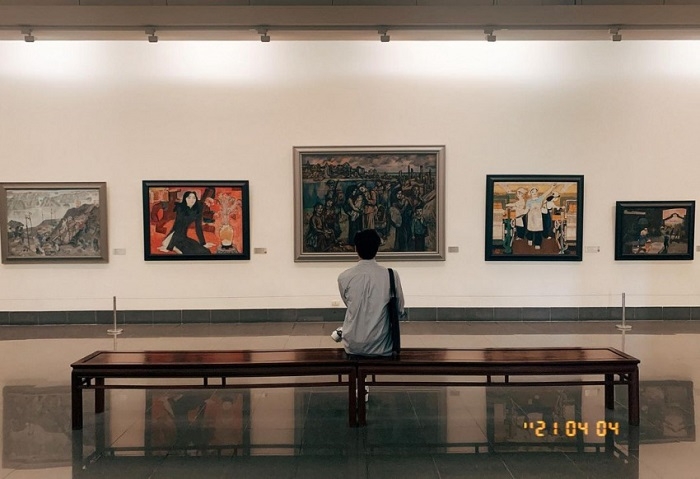
These nine Hanoi museums have taught me more about my own country than years of textbooks ever did. They’ve made me laugh at the creativity of my ancestors, cry at the sacrifices of previous generations, and feel proud of Vietnam’s resilience and artistry.
Whether you’re a first-time visitor trying to understand Vietnam or a long-time resident who’s been meaning to explore these cultural treasures, Hanoi museums offer something irreplaceable: the chance to slow down in a fast-moving city and connect with stories that matter.
Here’s the thing though, don’t try to cram all nine into one trip. Museum fatigue is absolutely real, and I’ve made that mistake before. Trust me, by museum number four, everything starts blurring together. Pick two or three that sound interesting to you, give yourself proper time to wander around, and just let it happen naturally. Don’t rush.
If you want my advice? Start with the Ethnology Museum if you’re into beautiful things and want to see how diverse Vietnam really is. Or go straight to Hoa Lo Prison if you’re ready for something heavy and emotionally intense. There’s no wrong choice, just different ways of understanding this place I call home.
Start Your Hanoi Museum Journey with Jackfruit Tours
Ready to dive deeper into Hanoi’s rich history and culture? While the Hanoi Museum offers incredible insights into our city’s past, experiencing Hanoi fully means getting out into the streets, tasting the food, meeting the people, and discovering hidden corners that most tourists miss.
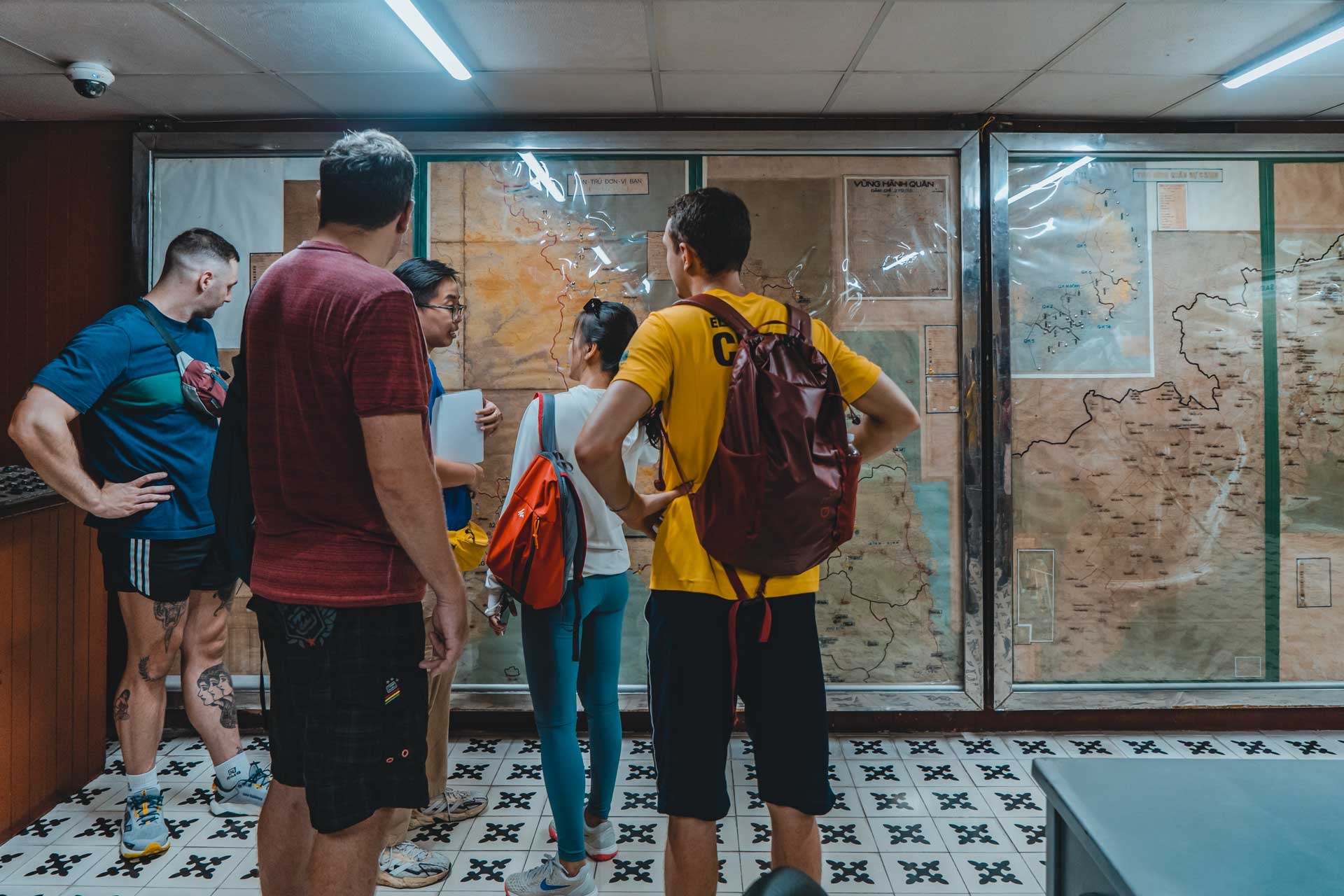
At Jackfruit Tours, we design experiences that connect you with authentic Hanoi – from cycling through ancient villages to savoring street food with locals who know every vendor’s story. Our local guides bring the history you’ll see in the museum to life in the neighborhoods where it actually happened.
Visit our website to explore our Hanoi cultural & bike tours, or contact us to design a custom itinerary that includes the museum alongside other unmissable Hanoi experiences. Let’s show you the city through local eyes.