

Table of Contents
Long before Hanoi became Vietnam’s bustling capital, Co Loa Citadel stood as the heart of an ancient kingdom. Built by King An Dương Vương over 2,000 years ago, this spiral-shaped fortress tells stories of war, from the mythical golden turtle to the famous magic crossbow. Today, visitors can walk along Co Loa’s earthen ramparts, wander through centuries-old temples, and feel the echoes of Vietnam’s earliest civilisation just outside Hanoi.
Co Loa Citadel: Uncover the History and Legends of Vietnam’s Oldest Fortress
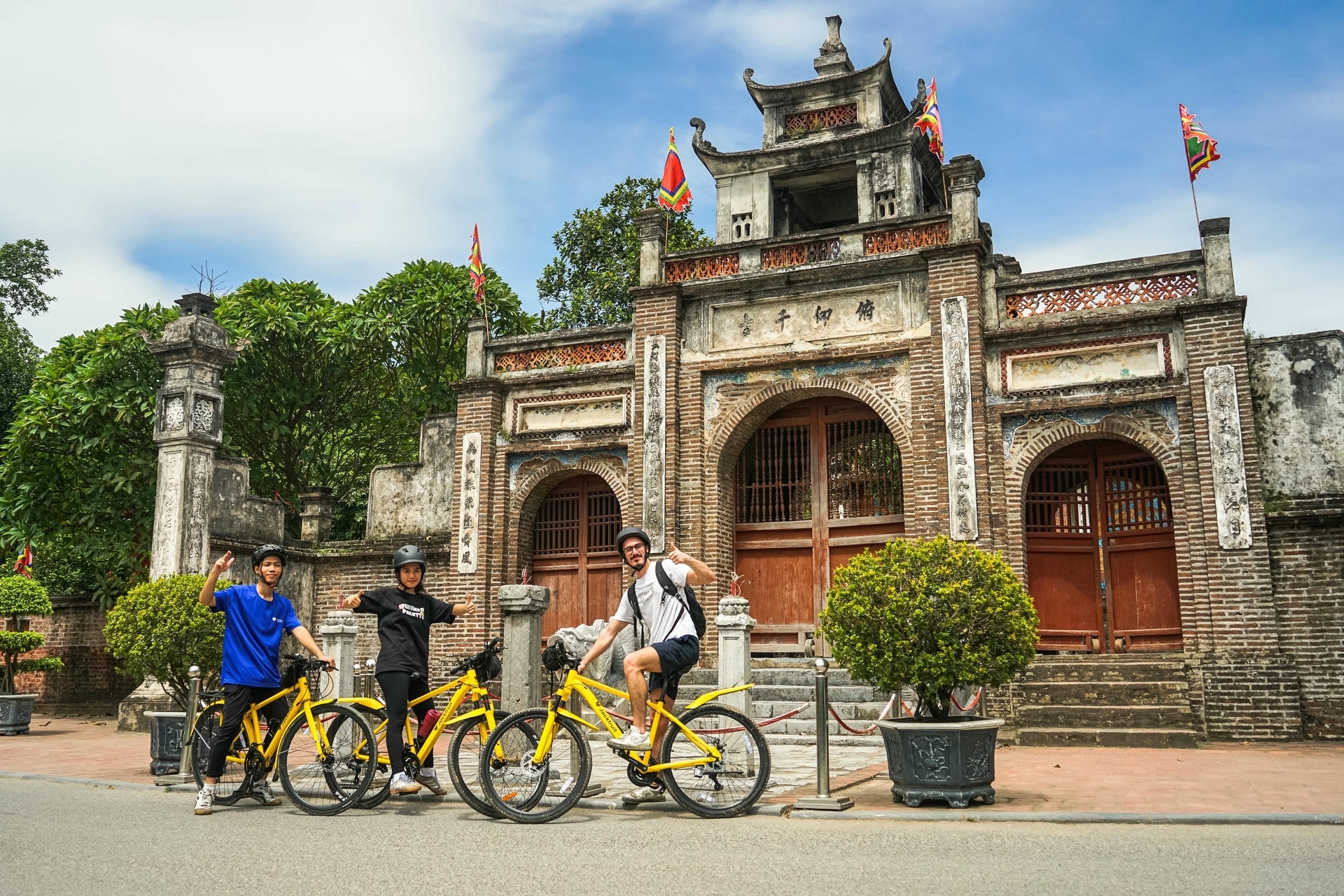
Step back more than 2,000 years to the era of King An Dương Vương, who founded the Âu Lạc Kingdom and built Co Loa Citadel in the 3rd century BCE. Located about 16 km northeast of the Hanoi Old Quarter, this was Vietnam’s first fortified capital, designed in a unique spiral shape that inspired its name “Cổ Loa”, meaning “old spiral.”
Archaeologists have discovered that the citadel once had three main walls and several moats, spanning a wide area. These structures were clever examples of early Vietnamese engineering, showing the builders’ strategic thinking and creativity.
The story of Co Loa Citadel is deeply tied to Vietnam’s most famous legend, King An Dương Vương, Princess Mỵ Châu, and Prince Trọng Thủy. According to folklore, with the help of the Golden Turtle God, the king constructed Co Loa Citadel and possessed a magic crossbow to protect Âu Lạc from invaders. However, tragedy happened when Princess Mỵ Châu and Prince Trọng Thủy (the son of a rival king) fell in love with each other. Through deceit, he uncovered the secret of the magic crossbow, bringing about the downfall of Co Loa Citadel and the Âu Lạc Kingdom.
As the war broke out, King An Dương Vương fled to the sea, where the gold turtle revealed that his daughter was the traitor. Heartbroken, the king executed Princess Mỵ Châu and vanished beneath the waves – a tale that has endured as a timeless lesson on love, betrayal, and loyalty.
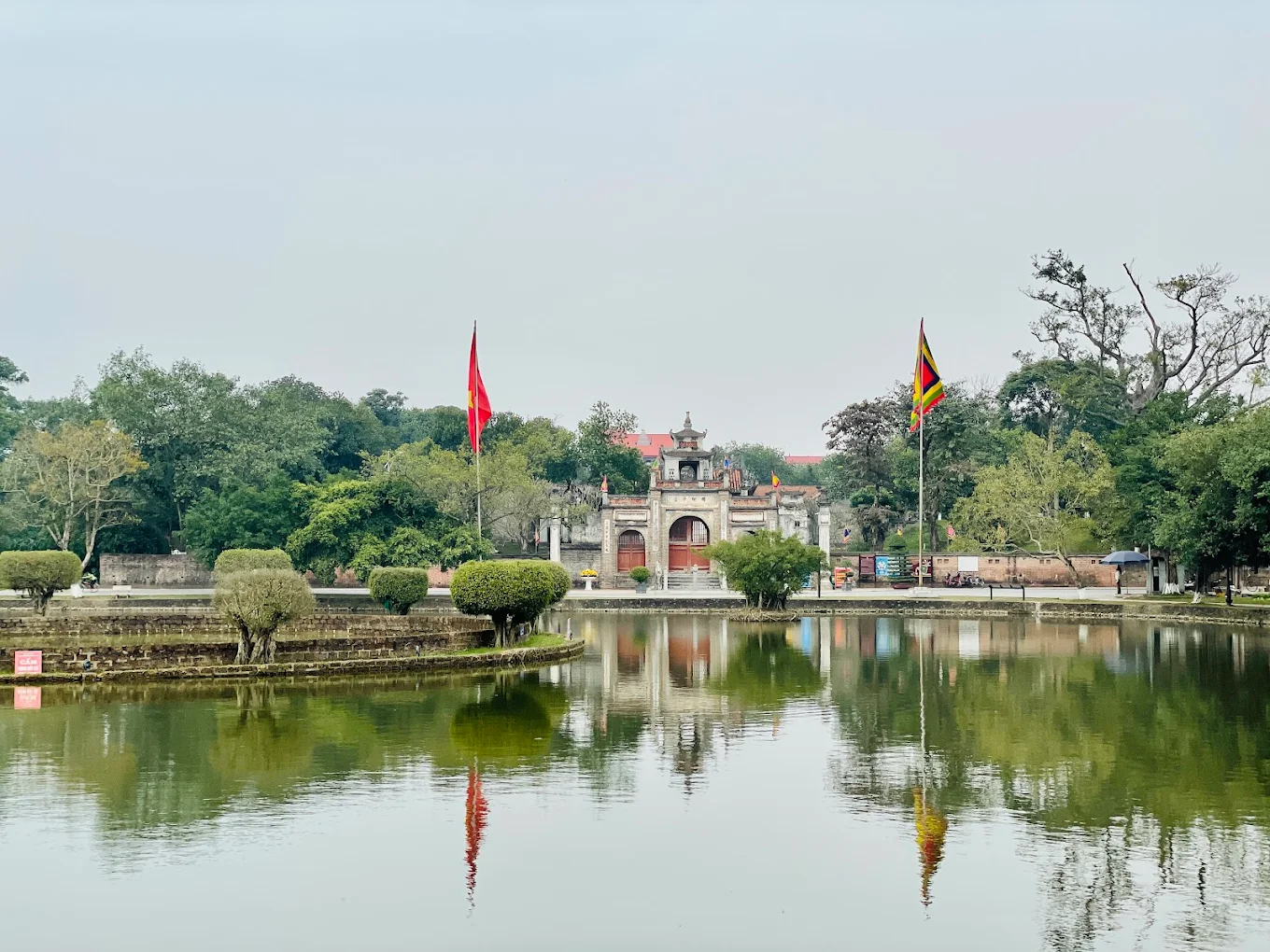
Today, echoes of that ancient tale still resonate at An Dương Vương Temple (known as “Đền Thượng”), Mỵ Châu Shrine (Am Mỵ Châu), and during the annual Co Loa Festival, which honours the heritage of Vietnam’s ancient capital. Visitors can still walk along ancient earthen walls, visit sacred temples, and listen to the legends that have shaped Vietnamese identity for over two millennia.
A Glimpse into Co Loa’s 2,300-Year Journey Through Time
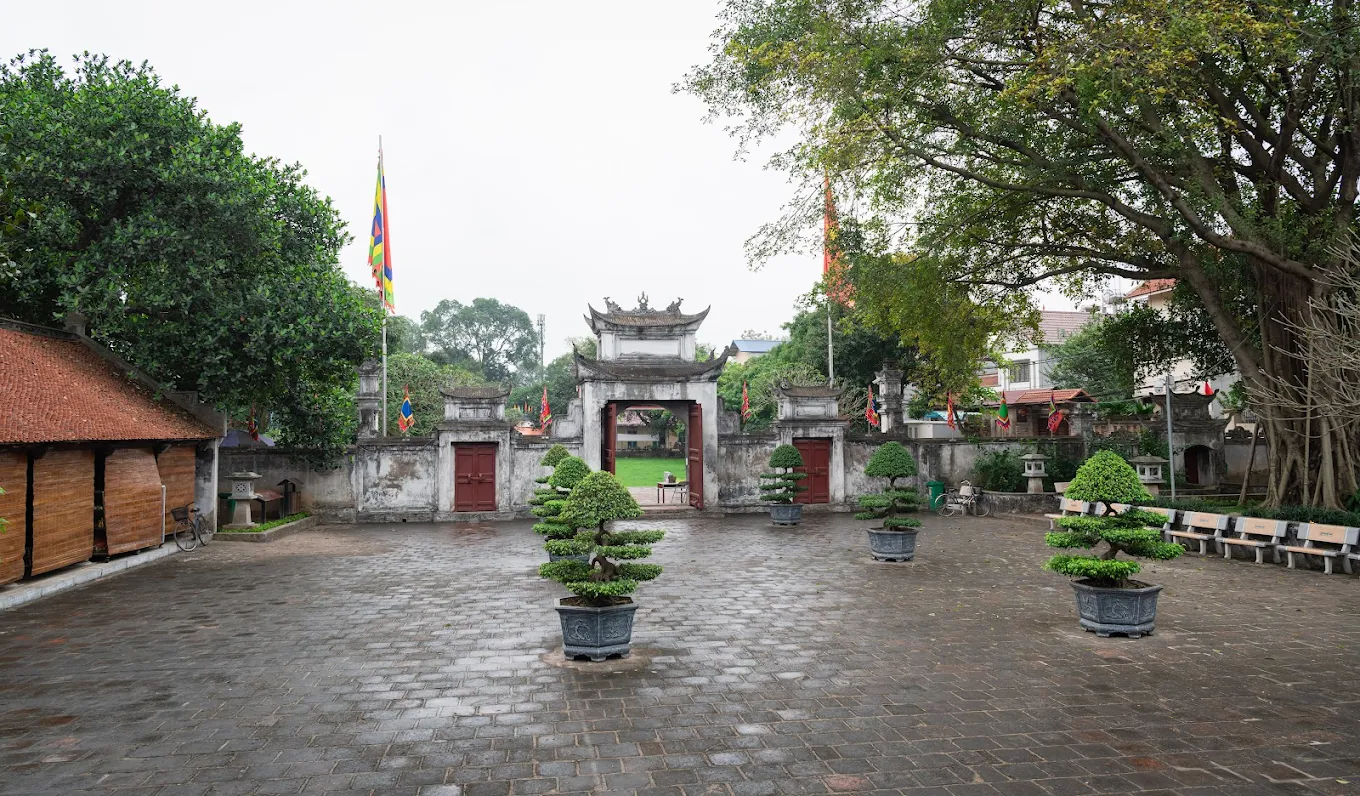
Under Northern Domination (111 BCE – 938 CE)
During Chinese rule, Co Loa became a key administrative centre under the northern dynasties. Though it lost its status as a capital, it remained a symbol of Vietnam’s enduring cultural identity.
The Era of Ngô Quyền (938 – 1009 CE)
After defeating the Southern Han in 938, Ngô Quyền restored Vietnam’s independence and chose Co Loa as his capital – a powerful symbol of national revival and connection to the ancient Âu Lạc Kingdom.
From the 11th to 18th Century (1009 – 1802 CE)
By this time, Co Loa had ceased to serve as the nation’s political hub. The area gradually transformed into a rural community, marking a new phase of “village-ization,” where the citadel’s ancient foundations gave rise to new local settlements and villages.
From the 19th Century to Today (1802 – Present)
Co Loa continued to play a vital role during the resistance wars against French and American forces. Today, it stands not only as a national historical relic but also as a living heritage site, where restoration and preservation efforts keep its timeless cultural and spiritual values alive for future generations.
How to Get to Co Loa Citadel from Hanoi Centre
Located approximately 16 km northeast of the Hanoi Old Quarter, Co Loa Citadel is an easy and rewarding day trip, making it a perfect addition to your list of must-see attractions in Hanoi. The journey takes you through peaceful countryside villages, offering a glimpse of local life beyond the city buzz.
- Address: Co Loa Commune, Đông Anh Ward, Hanoi
- Opening hours: 7:30 AM – 11:30 AM, 1:00 PM – 5:30 PM (from Monday to Sunday)
- Ticket prices: 30,000 VND/person (≈ 1.20 USD). Free for children under 16 and visitors with severe disabilities.
Best transportation options
- Private car or taxi: The most convenient way, around 30–40 minutes from central Hanoi.
- Motorbike: Ideal for adventure lovers who want to enjoy a scenic countryside drive.
- Public bus: Take bus No. 15 or 17 from Long Biên Station, which drops you near Co Loa Commune.
*Tip: Try to visit early in the morning to enjoy cooler weather and fewer crowds.
The Ingenious Architecture at Co Loa Citadel – Vietnam’s Ancient Spiral Fortress
Once you understand Co Loa’s history, it’s time to explore how this ancient citadel still comes alive today, through its architecture, myths, and vibrant festivals.
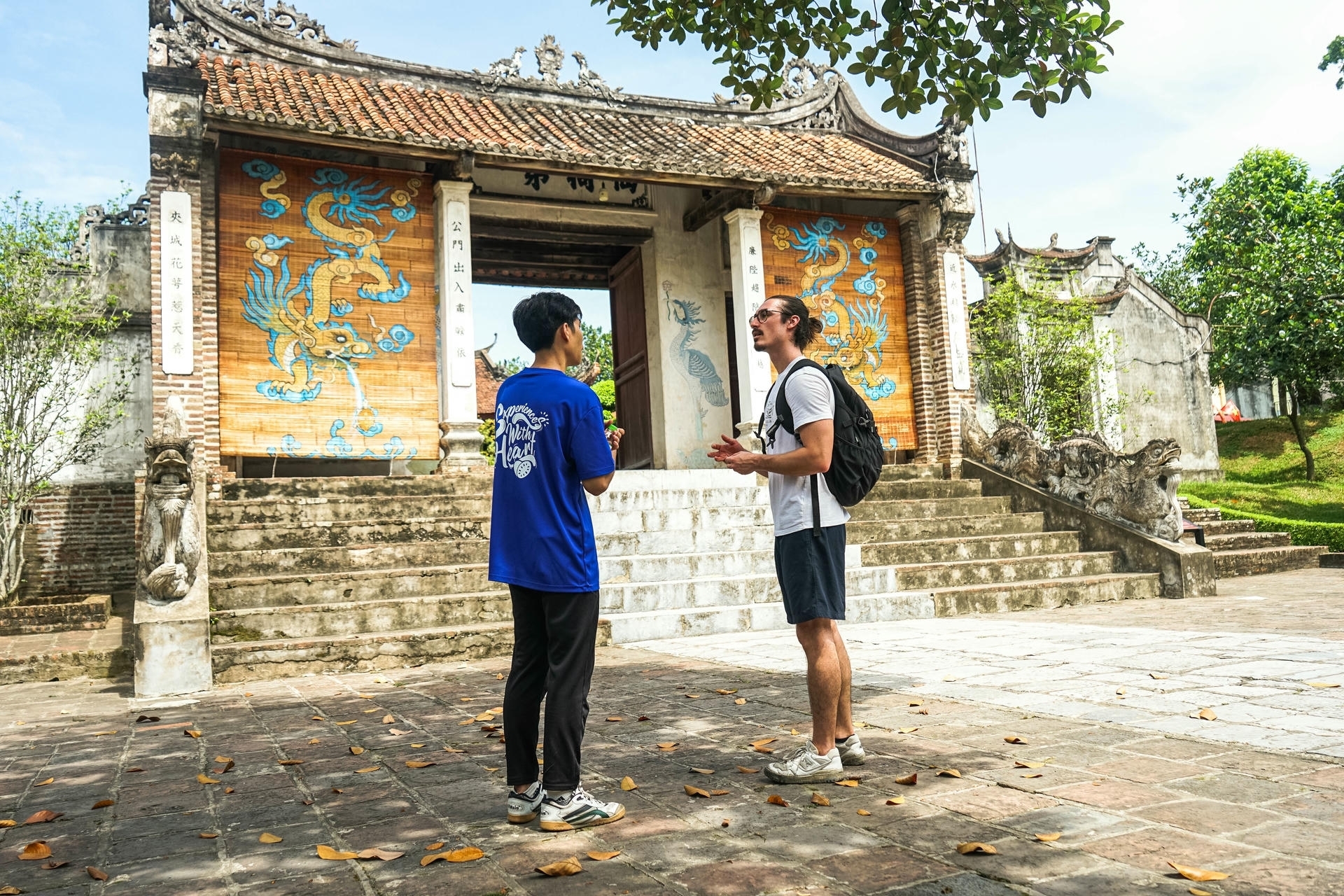
1. A Triple-Walled Spiral Design
Built over 2,300 years ago, Co Loa was designed with a unique spiral layout, earning its name “Cổ Loa”, which translates to “Old Spiral”. The citadel’s design showcases the innovation of early Vietnamese urban planning and defence engineering.
Co Loa Citadel consists of three main walls, each surrounded by moats that connect to nearby rivers to form a natural defensive system:
- Outer Wall: Over 8 km long and 3–4 m high (in some areas up to 8 m), forming the first layer of defence.
- Middle Wall: Approximately 6.5 km long, 6–12 m high, and around 20 m wide, linking the outer moat system with inner gates.
- Inner Wall: 1.6 km long, 5 m high, and rectangular in form, with four gates facing north, south, east, and west.
From above, the three walls form a spiral shape that resembles a coiled snail shell; a remarkable fortress design found nowhere else in Southeast Asia.
2. Traditional Earthwork and Ancient Engineering
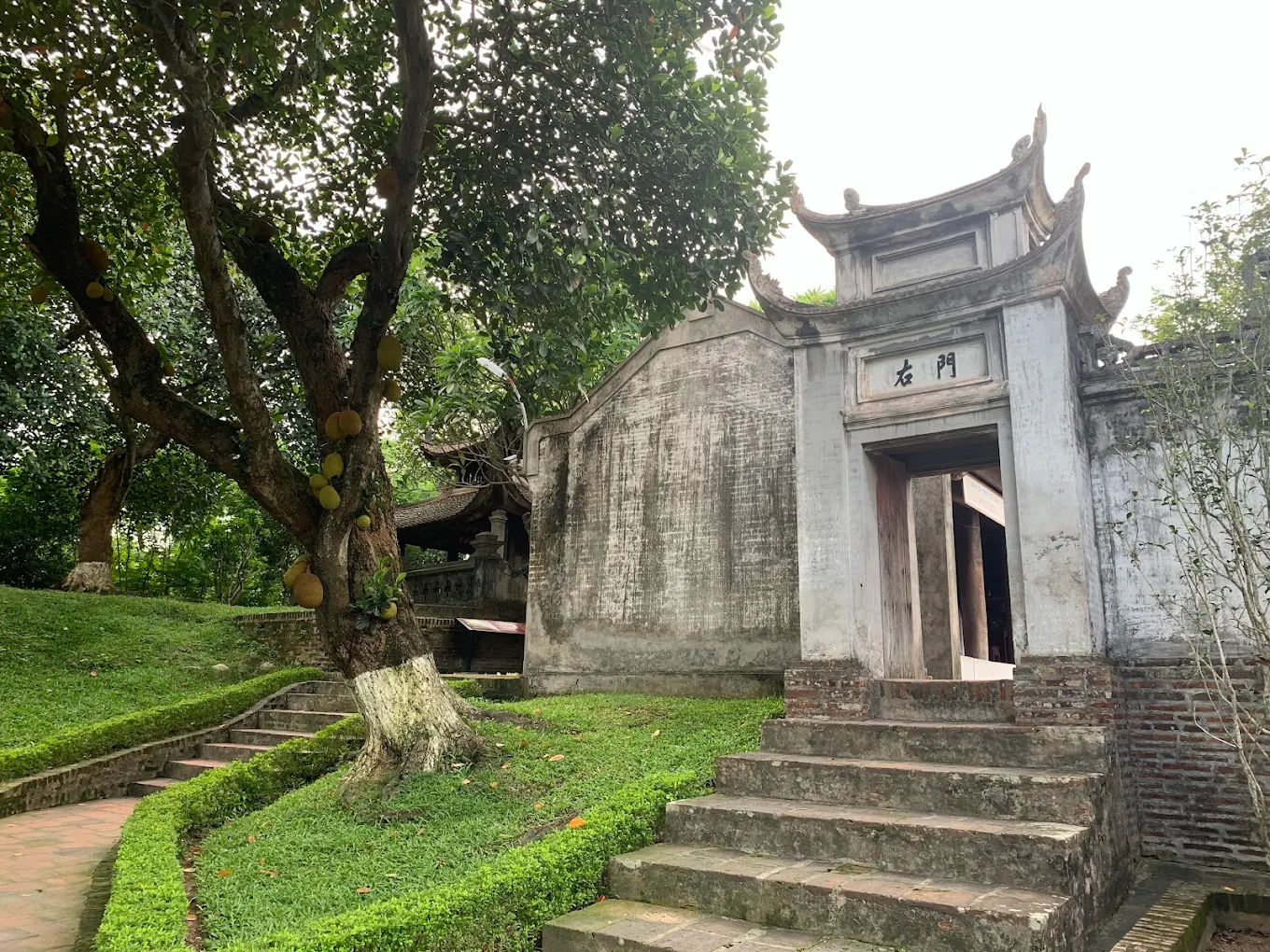
The citadel was built through an impressive process of digging deep moats, piling earth, and shaping strong embankments. Layers of clay, sand, and even broken pottery were compacted together to form sturdy ramparts that have stood for thousands of years. In total, over 2.2 million cubic meters of earth were used, which is an extraordinary achievement for a civilisation working with simple tools.
Ancient engineers also integrated natural geography into their design. The citadel’s location near the Hoàng River provided both a natural water source and a defensive moat system. The extensive network of canals and waterways not only strengthened the fortress but also supported trade and agriculture around the area.
3. The Inner Citadel and Royal Area
At the center of the complex stood the royal compound, where King An Dương Vương resided. This inner area contained administrative halls, military posts, and sacred temples. Archaeological findings reveal that the walls were likely topped with wooden watchtowers and tiled roofs, suggesting an early form of urban planning that combined defensive and ceremonial architecture.
Step Back in Time at the Co Loa Festival
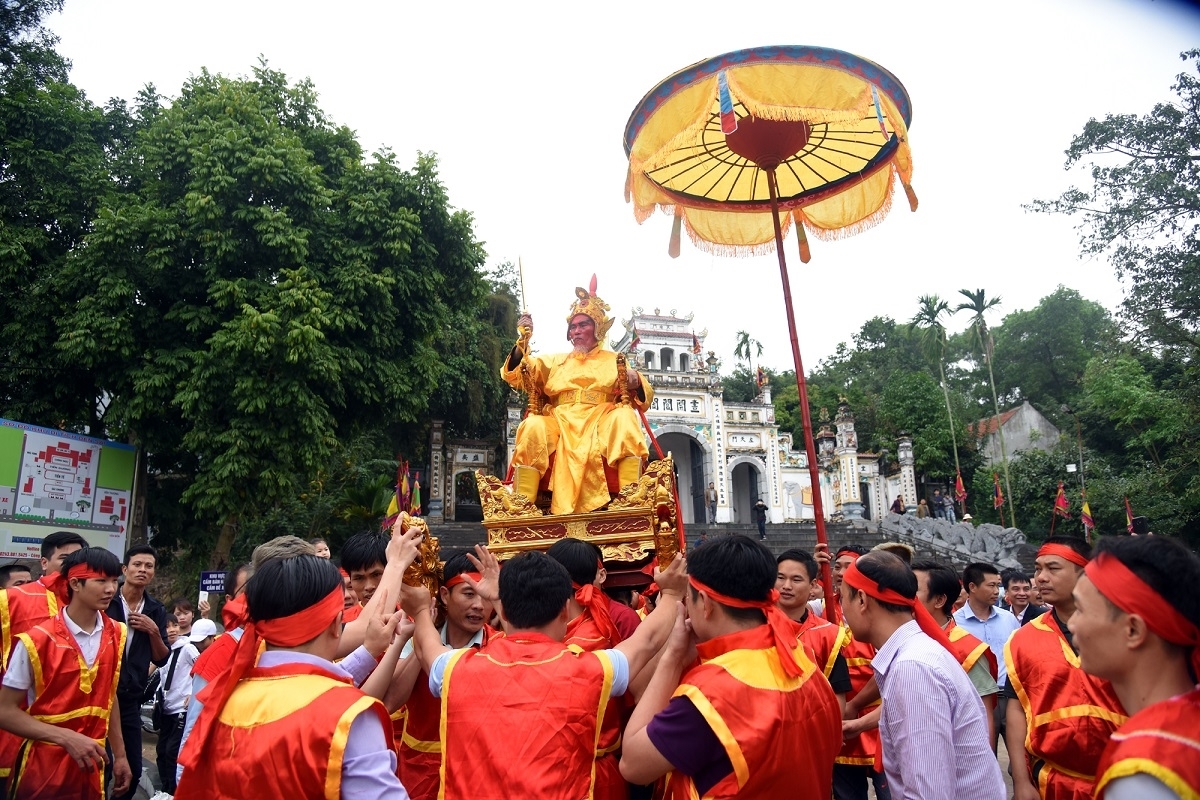
Every spring, the ancient Co Loa Citadel, once the capital of Vietnam, comes alive with one of northern Vietnam’s most vibrant traditional festivals. The Co Loa Festival takes place annually at Đền Thượng (Upper Temple) on the 6th day of the first lunar month, honouring King An Dương Vương, the legendary founder of the Âu Lạc Kingdom and the builder of this historic citadel.
The festivities begin with solemn offering rituals led by local village elders, followed by colourful processions from the eight surrounding villages (known as Bát xã Loa thành). After the ceremonial offerings at the temple, participants carry sacred palanquins across the Ngũ Triều Di Quy area to the shrines of Princess Mỵ Châu and other ancestral spirits.
Beyond its rituals, visitors can witness solemn offering rituals, vibrant village processions, and lively folk performances, including water puppetry, human chess, crossbow contests, and quan họ singing.
*Tip: If you visit Hanoi around January–February (lunar calendar), plan your trip to witness this unforgettable festival.
Best Things to See and Do at Co Loa Citadel
1. Visit An Dương Vương Temple (Đền Thượng) – The Spiritual Heart of Co Loa
The An Dương Vương Temple, also known as Đền Thượng, stands atop an ancient mound and serves as the most sacred site within Co Loa Citadel. This temple honours King An Dương Vương, who founded the Âu Lạc Kingdom and built the citadel more than 2,300 years ago.
Built during the Lê Dynasty and later restored under the Nguyễn Dynasty, the temple is a stunning example of traditional Vietnamese architecture, featuring curved roofs, wooden dragon carvings, and ancient stone pillars engraved with royal motifs. Inside, the main altar is dedicated to the king, surrounded by offerings of fruits, incense, and paper cranes symbolising peace and protection.
Here, visitors can walk through incense-filled courtyards, admire intricate wood carvings, and observe locals praying for peace and prosperity. The calm, spiritual atmosphere makes it a perfect first stop to feel the ancient soul of Co Loa.
2. Pause at Jade Well (Giếng Ngọc) – A Symbol of Eternal Love
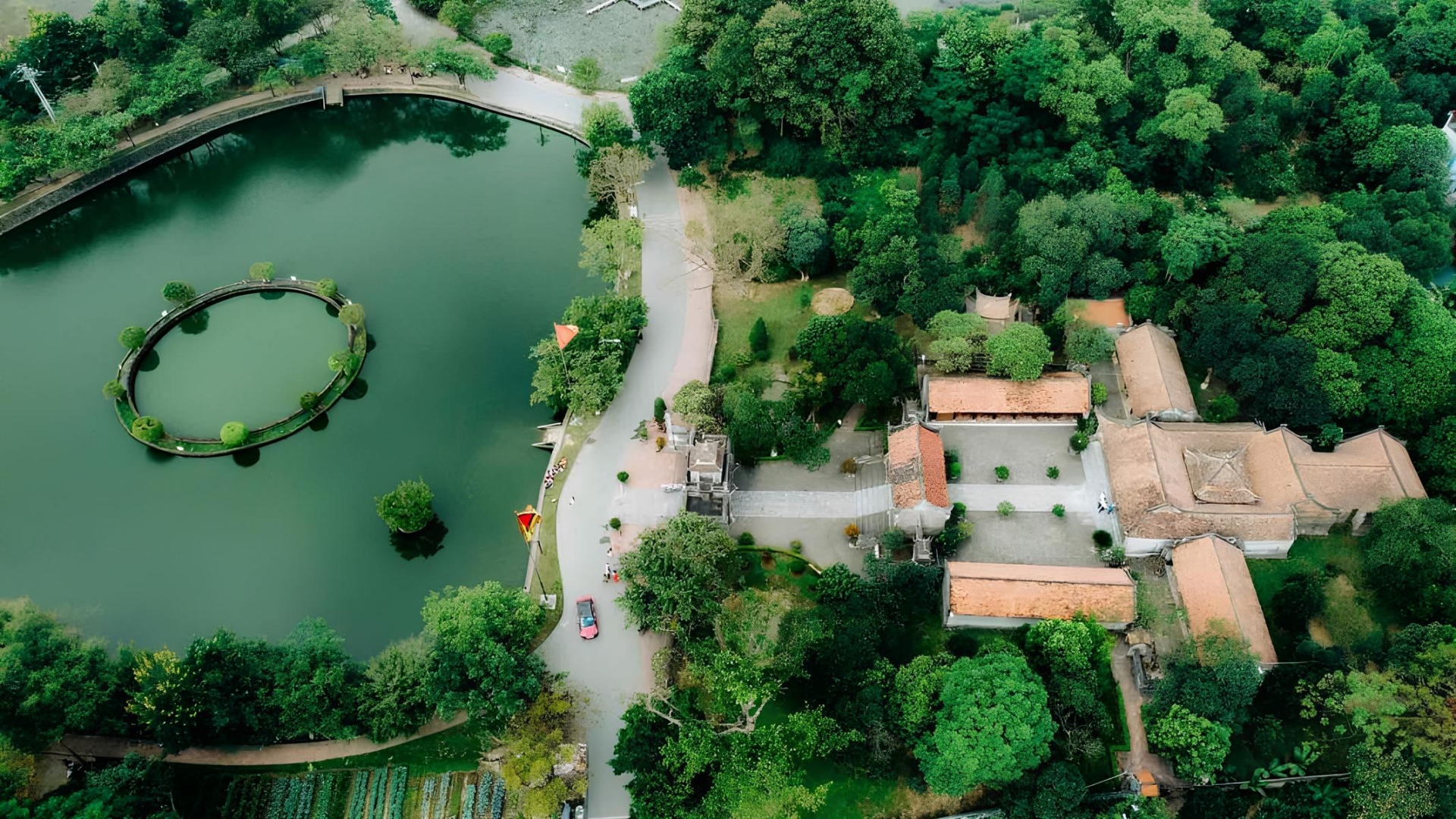
No visit to Co Loa Citadel is complete without stopping by Jade Well, intertwined with the timeless legend of Princess Mỵ Châu and Prince Trọng Thủy. According to folklore, after the fall of the Âu Lạc Kingdom, Trọng Thủy, filled with grief, drowned himself in this well, while Mỵ Châu’s spirit turned into a pearl. Locals believe that when pearls are washed in the well’s water, they shine even brighter, like a symbol of undying love.
Visitors today can sit quietly by the lotus-filled pond, toss a coin into the clear water for luck, or trace the stone pathways that circle the well, surrounded by banyan trees whispering in the wind, making it one of the most romantic things to do in Hanoi for couples who enjoy stories of love and destiny. In the late afternoon, when sunlight dances on the surface, the well shimmers like liquid jade: beautiful yet haunting.
Tip: Visit in the afternoon for sunlight reflections on the water surface.
3. Experience Local Culture at Co Loa Communal House (Đình Cổ Loa)
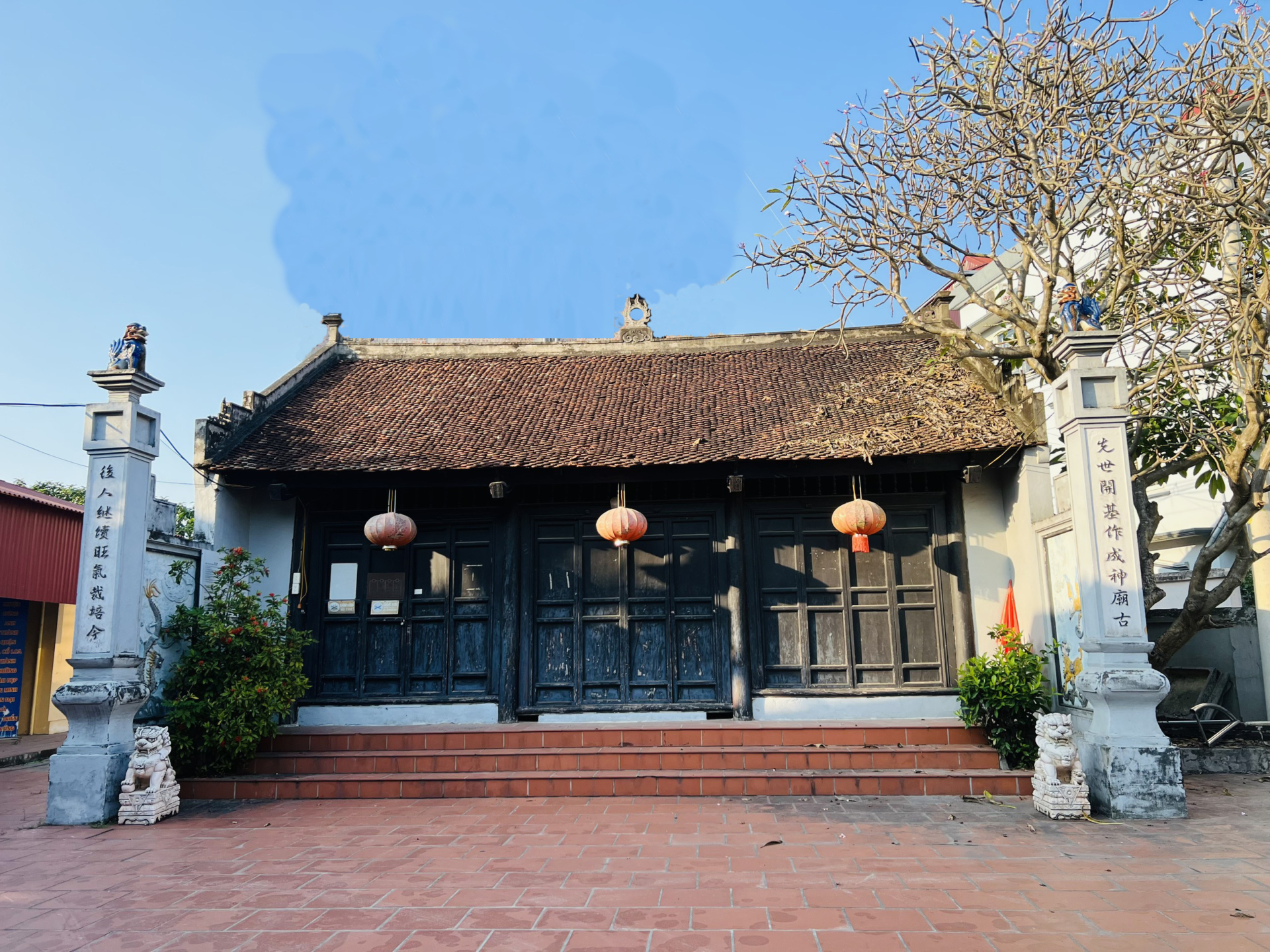
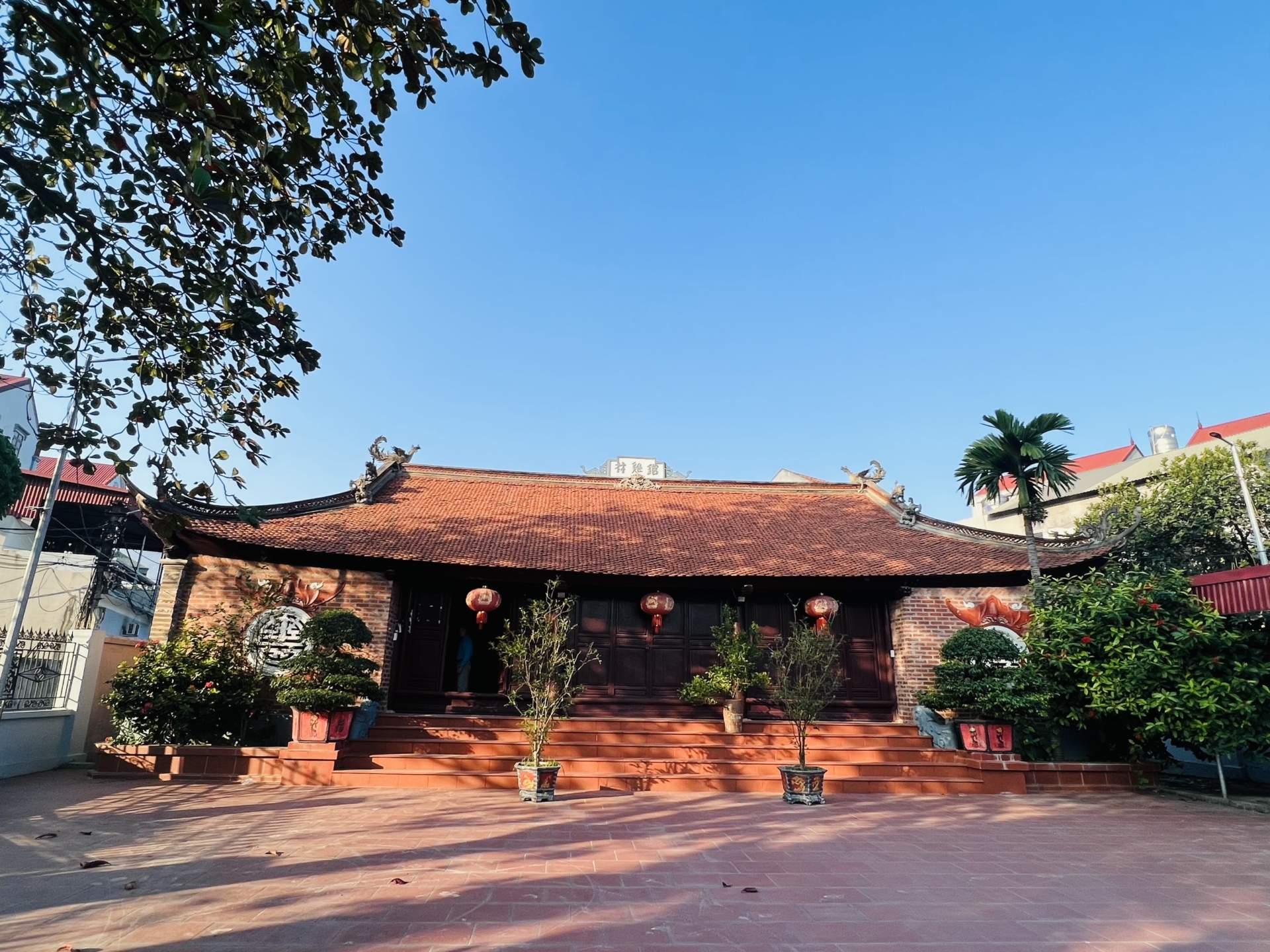
Located near the village entrance, the Co Loa Communal House is a hub of community life and cultural preservation. It hosts ceremonies, performances, and traditional games during local festivals: most notably the Co Loa Festival, which takes place in the first lunar month each year. Built centuries ago, this beautiful wooden structure is dedicated to the village’s guardian deity. It serves as the venue for festivals, rituals, and gatherings that have shaped local life for generations.
Visitors can step inside the wooden halls, observe locals making offerings, or listen to the rhythmic beat of ceremonial drums echoing through the courtyard. The air here often carries the scent of burning incense and fresh flowers, creating a serene yet vibrant atmosphere.
If you visit during the Co Loa Festival, the communal house becomes the heart of celebration with folk games, lion dances, and traditional singing filling the open courtyards with colour, laughter, and joy. It’s one of the best opportunities to immerse yourself in the vibrant culture of northern Vietnam, where ancient rituals remain an integral part of everyday life.
4. Pay respects at Mỵ Châu Shrine (Âm Mỵ Châu) – A Shrine of Love and Remorse
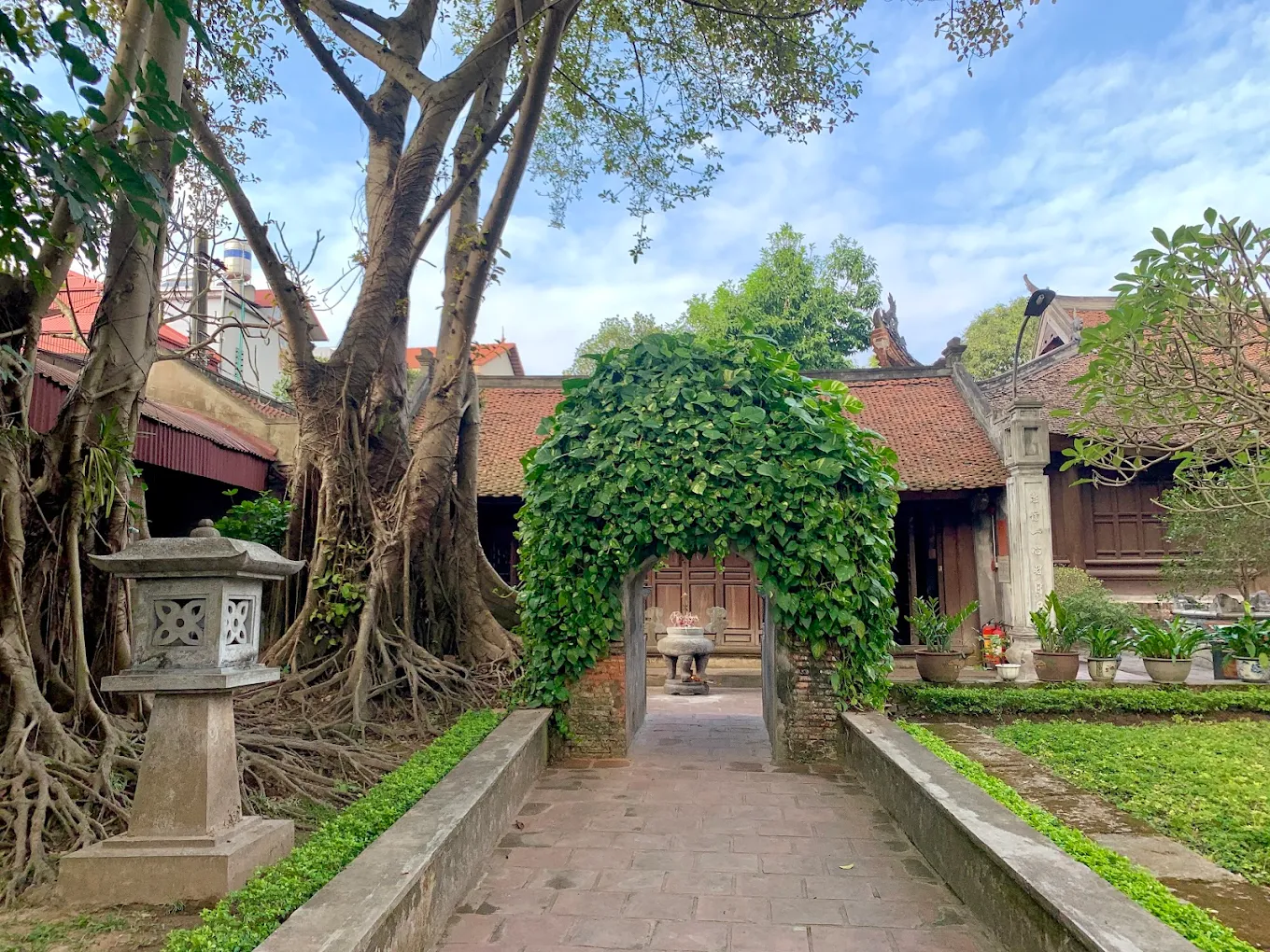
A short stroll from Đền Thượng lies Mỵ Châu Shrine (Âm Mỵ Châu) – a solemn sanctuary dedicated to Princess Mỵ Châu, the ill-fated daughter of King An Dương Vương. According to legend, her naive affection and trust in her husband, Trọng Thủy, led to the downfall of the ancient Âu Lạc Kingdom, marking a tale of love and loss that still echoes through Vietnamese history.
The shrine stands as a memorial and a mirror, reminding visitors of the fragile line between affection and destruction. Locals and travellers alike come here not only to pay their respects but also to ponder the timeless lessons of love and loyalty. It’s a site to reflect, to forgive and to delve into the pulse of Vietnamese legend woven through every whispered prayer.
5. Uncover Đền thờ Cao Lỗ – Honouring a Legendary General
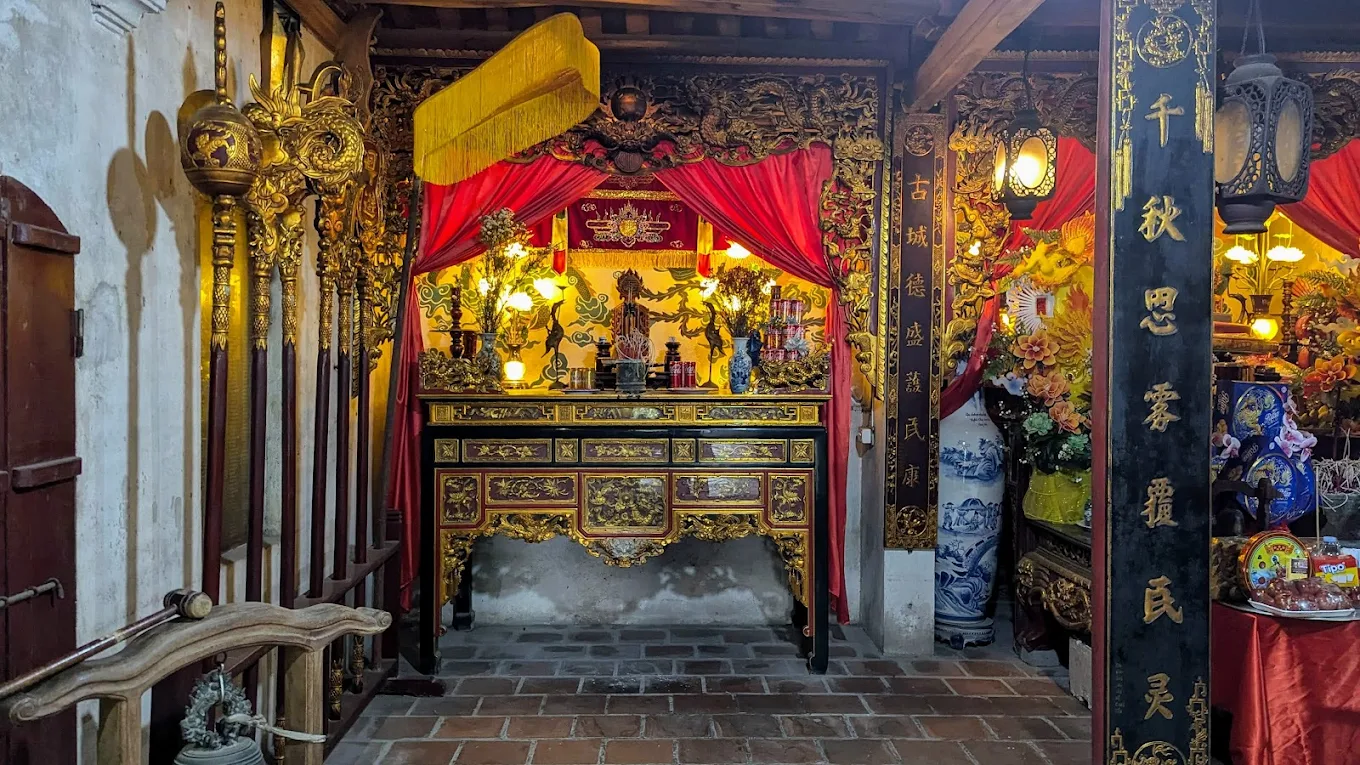
Nestled within the Co Loa complex, Đền thờ Cao Lỗ (Cao Lỗ Temple) stands as a solemn tribute to General Cao Lỗ, a brilliant military engineer and loyal advisor to King An Dương Vương. The King is remembered as the creator of the legendary magical crossbow, said to have been crafted under divine guidance to protect the Âu Lạc Kingdom from foreign invaders. The temple today remains a symbol of bravery, wisdom, and patriotism deeply rooted in Vietnamese history.
Architecturally, the temple follows traditional northern Vietnamese design, featuring curved tiled roofs, wooden pillars, and ancient banyan trees shading its stone courtyard. Visitors often find a sense of calm here, surrounded by the soft sound of temple bells and the scent of burning incense drifting through the air.
6. Walk Along the Earthen ramparts and spiral layout – A Masterpiece of Ancient Engineering
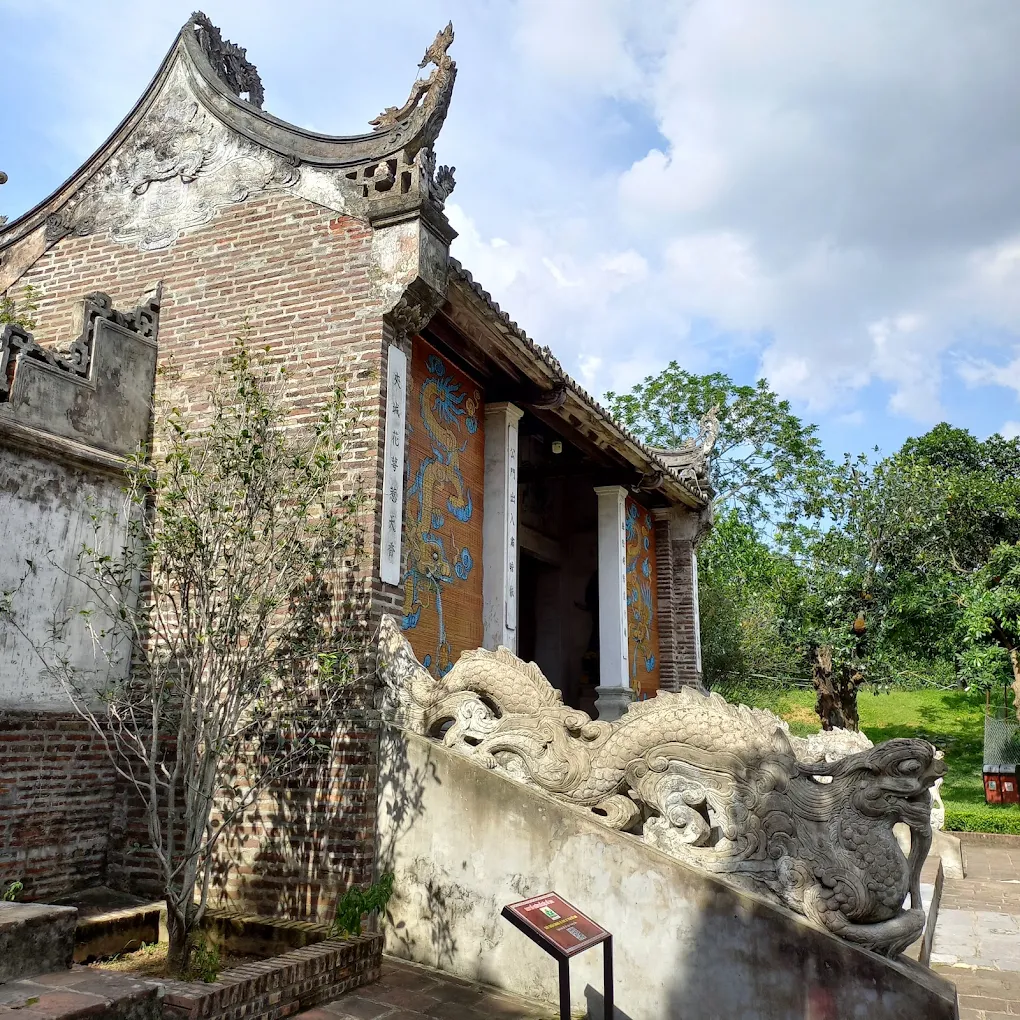
Don’t miss the chance to walk or cycle along the earthen ramparts that spiral around Co Loa Citadel. Stretching for several kilometres, these ancient walls and moats reveal the military genius of Vietnam’s early civilisation. Once forming three concentric layers, the ramparts served as both defence and a symbol of royal power.
As you explore, notice how the landscape changes, from quiet rice fields to winding brick paths lined with trees. Climb to a higher mound to enjoy panoramic views of the spiral layout, nearby villages, and the gentle curve of the Red River in the distance. It’s one of the best spots for photography and reflection, where you can imagine the bustling capital that once stood proud against foreign invasions over two millennia ago.
7. Uncover the History of Vietnam at Co Loa Artefact Exhibition Museum (Khu Trưng Bày Di Vật, Hiện Vật Lịch Sử)
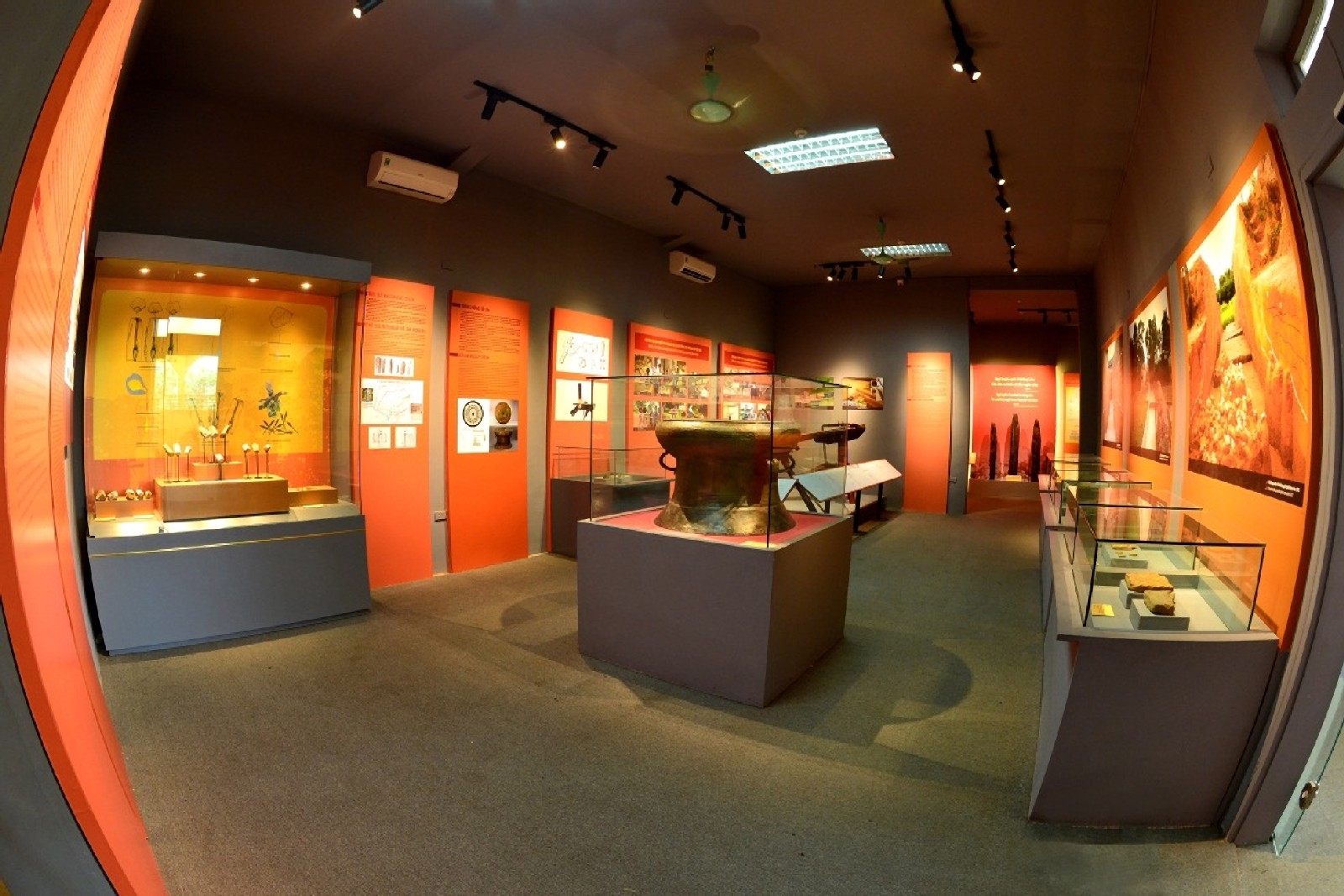
End your visit at the Co Loa Artefacts Exhibition Museum, located right within the citadel complex. This well-curated museum showcases artefacts from the Âu Lạc period, including bronze arrowheads, drums, jewellery, and ceramic tools unearthed from the surrounding archaeological sites. Each piece tells the story of a civilisation that was remarkably advanced in both craftsmanship and defence.
Visitors can walk through themed exhibitions, read bilingual displays, and study detailed maps and 3D models that bring the citadel’s spiral structure to life. The museum also highlights ongoing archaeological research, offering a fascinating glimpse into how modern historians are piecing together Vietnam’s earliest capital. Before you leave, please take a moment to stand by the window overlooking the ancient ramparts; it’s a perfect ending to your journey through Co Loa’s timeless legacy.
Recommended Walking Route
The best way to explore Co Loa is to follow this walking route:
Start your visit at Đền Thượng (An Dương Vương Temple) → walk down to Giếng Ngọc (Jade Well) → continue to Âm Mỵ Châu (Mỵ Châu Shrine) → head North toward Đền thờ Cao Lỗ (Cao Lỗ Temple) → move West to Đình Cổ Loa (Cổ Loa Communal House) → stroll or cycle along the earthen ramparts and moats → finish your trip at the Cổ Loa Artefact Exhibition Museum.
This route allows you to experience both the spiritual heart and historical depth of Vietnam’s oldest capital, all at your own pace.
Where Can You Get Refreshed After Visiting Co Loa Citadel?
You won’t find restaurants inside the citadel, so pack a few snacks and a bottle of water for your visit. Afterwards, treat yourself to an authentic local meal; there are great little eateries just a short ride away in Co Loa Commune or Đông Anh District. Here are some cosy local places where you can savour a true taste of Vietnam:
- Vườn Kiều Foods (301 Co Loa, Việt Hùng Ward, Đông Anh District, opens 7:00 AM – 10:00 PM): Specialises in traditional Vietnamese dishes such as muscovy duck, fish, hot pot, and snails
- Hương Biển Restaurant (Co Loa Citadel, Co Loa Commune, Đông Anh District, opens 9:00 AM – 11:00 PM): Serves fresh seafood and traditional Vietnamese dishes in a spacious, family-friendly setting.
- Rặng Tre Tùng Minh Eatery (239 Đào Duy Tùng, Uy Nỗ Ward, Đông Anh District, opens 11:00 AM – 3:00 PM/ 5:00 PM – 10:30 PM): This place is famous for its local signature dish called “Bún Cháy Mạch Tràng”– a charred rice-noodle speciality from the nearby Mạch Tràng Village.
*Please note that Rặng Tre Eatery is a popular spot, lines can get long, and during busy hours, you might need to help yourself with condiments!
Additionally, some small vendors near the citadel entrance sell refreshing sugar cane juice, orange juice, iced tea, or steamed corn and sweet potatoes, which are delicious local treats for a short break.
Best Places to Visit Near Co Loa Citadel
Exploring Co Loa Citadel offers a fascinating glimpse into Vietnam’s ancient past, but your adventure doesn’t have to end there. Just a short ride away, you’ll find some of the best countryside and cultural experiences near Hanoi. Here are the best places to visit near Co Loa Citadel:
1. Mạch Tràng Village
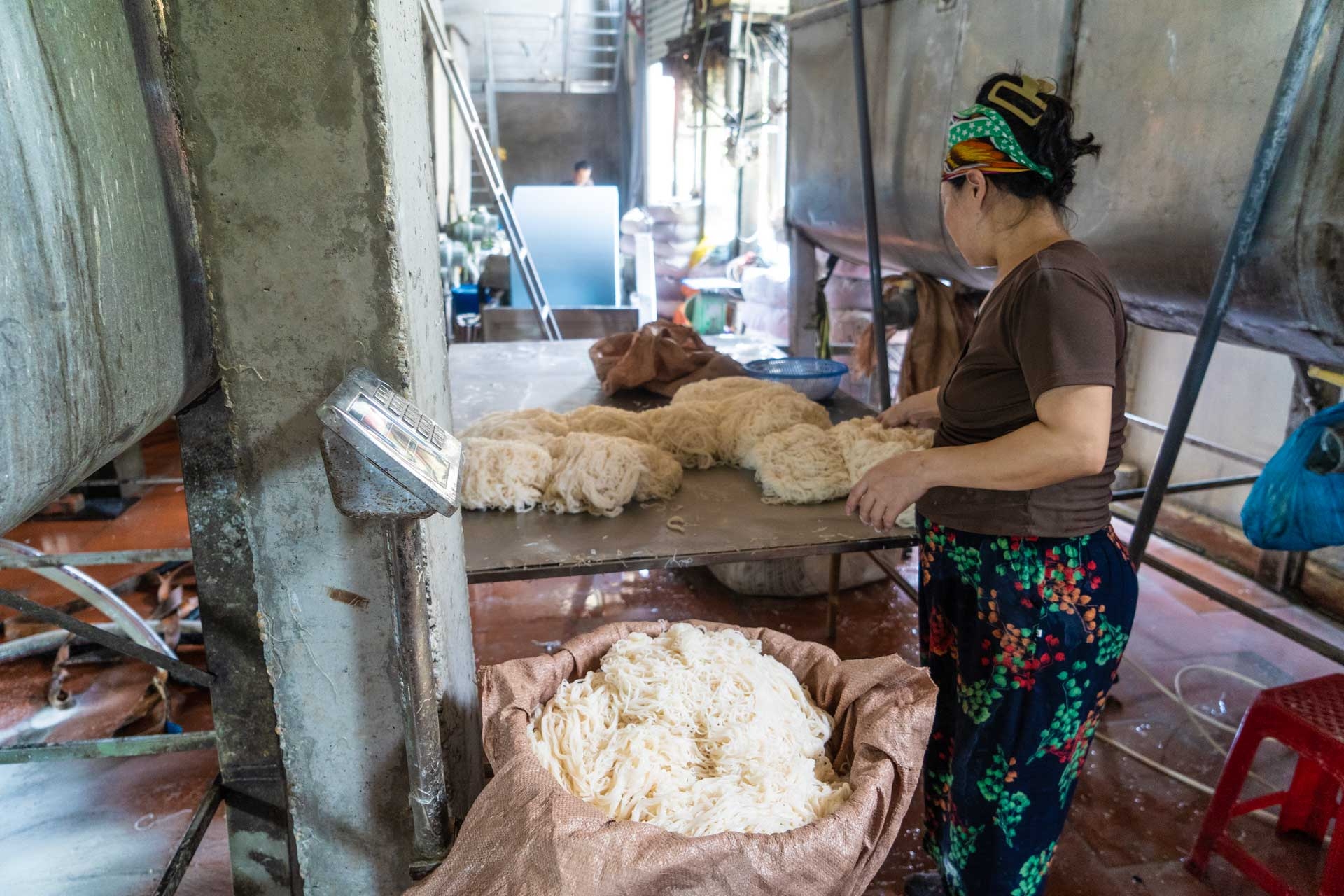
Just 2 km from Co Loa Citadel, Mạch Tràng Village is a serene countryside gaining popularity for its centuries-old noodle-making tradition. Legend has it that the village’s special rice noodles (Bún Mạch Tràng) were once the favourite meal of King An Dương Vương himself. Today, only a few households in Mạch Tràng village continue this tradition, preserving both the delicate flavour and the ancient technique passed down through generations.
Visitors can stop by the village temple, learn about the noodle-making process, and enjoy this rare local dish, which is only available in Mạch Tràng. It’s a subtle but lasting encounter with the timeless tastes of Vietnam’s royal era.
- Location: Mạch Tràng Village, Cổ Loa Commune, Đông Anh District
- Best time to visit: Morning (8:00 AM – 10:00 AM), when villagers are preparing noodles and the air is filled with the fragrant aroma of fresh rice flour.
2. Bát Tràng Pottery Village
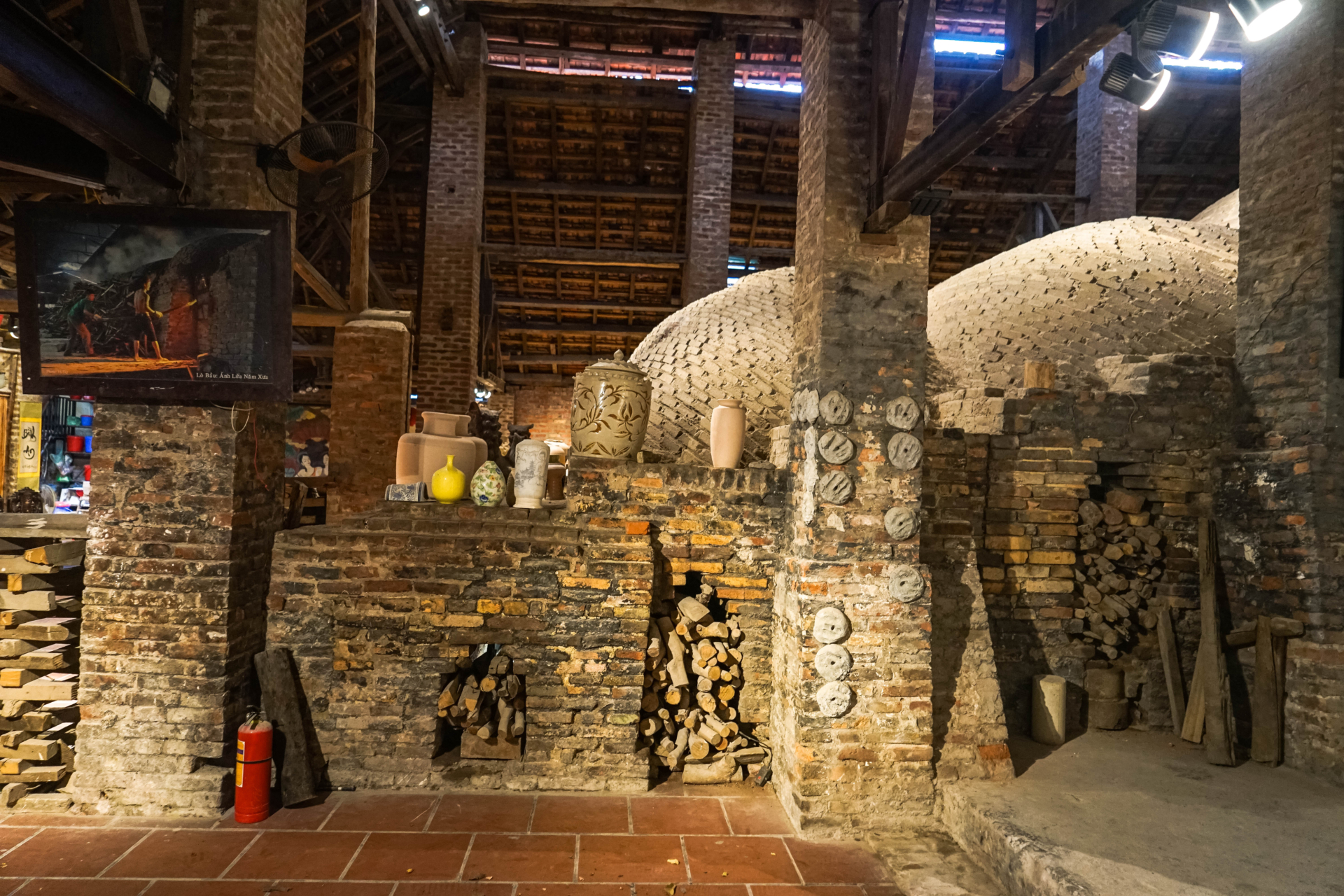
Known for its centuries-old ceramic craft, Bát Tràng Pottery Village is a must-visit for those who love hands-on creativity. Travellers can watch local artisans shape clay, join pottery-making sessions, and shop for authentic handmade ceramics. It’s one of the most popular cultural stops near Co Loa Citadel, and a perfect addition to your things to do in Hanoi in one day itinerary.
- Address: Giang Cao Village and Bát Tràng Village, Bát Tràng Commune, Gia Lâm District (approx. 25 km from Co Loa Citadel)
- Best time to visit: 8:00 AM – 4:30 PM (weekdays are quieter for the pottery workshop)
3. Vân Trì Lake
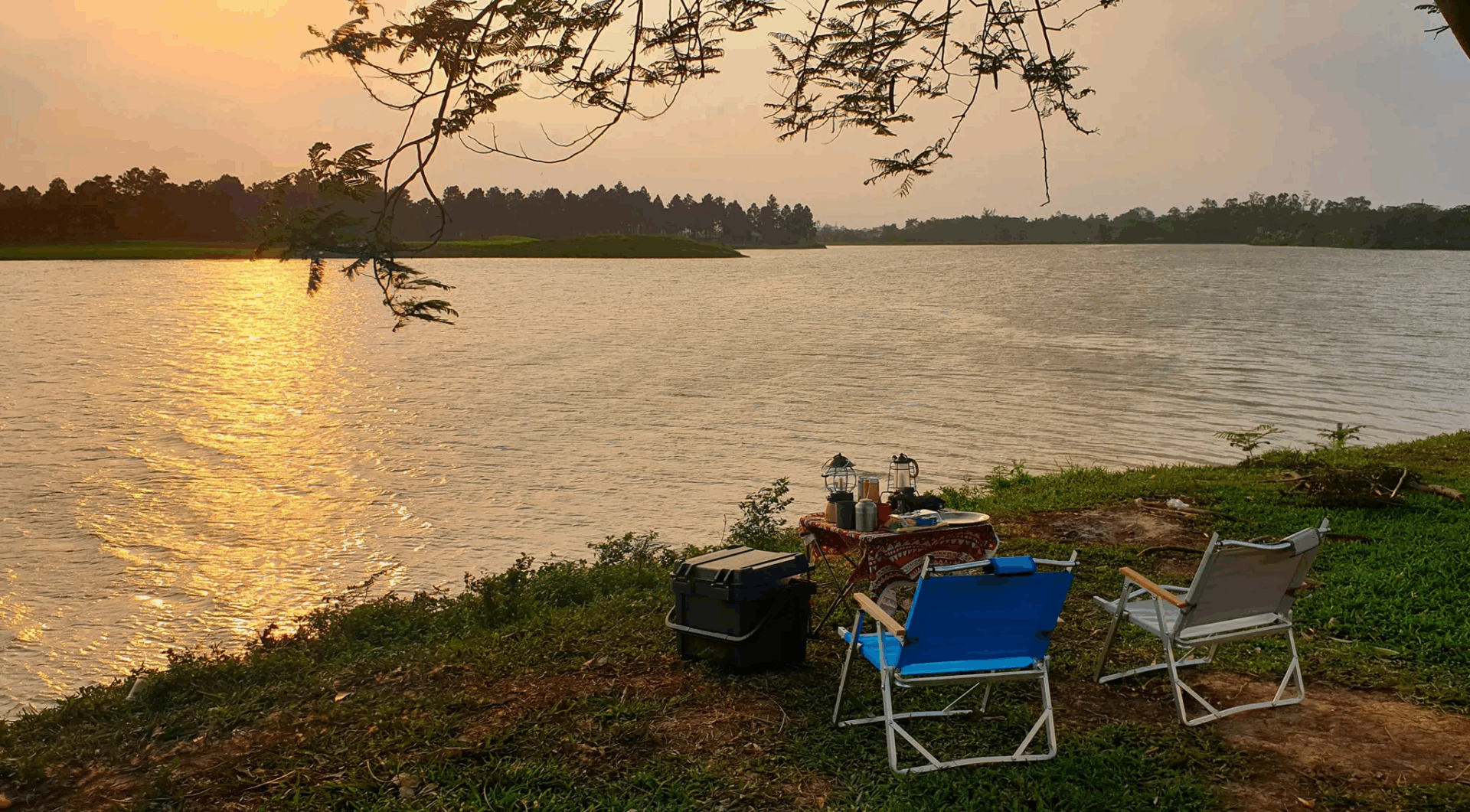
A hidden gem just north of Hanoi, Vân Trì Lake (Đầm Vân Trì) is perfect for birdwatching, landscape photography, and quiet reflection. The lake’s wetlands attract a variety of migratory birds, especially from October to March. If you love nature and peaceful scenery, this is one of the most relaxing stops near Co Loa Citadel.
- Location: Vân Trì Commune, Đông Anh District, about 15 minutes from Co Loa Citadel
- Best Time to Visit: Sunrise (5:30–7:00 AM) or sunset (4:30–6:00 PM)
4. Red River Delta villages/rice-paddy countryside

Experience authentic northern Vietnamese rural life by cycling or taking a guided tour through the Red River Delta villages. You’ll pass through vibrant green rice paddies, small temples, and local farms where daily life unfolds at a gentle pace. This area is ideal for those seeking to combine nature and culture in a single day trip.
- Location: Along the Red River banks between Long Biên Bridge and Co Loa Citadel
- Best Time to Visit: Early morning (6:00–9:00 AM) or late afternoon (4:00–6:00 PM)
Suggested Hanoi Itineraries Featuring Co Loa Citadel

Whether you’re short on time or want a full day of cultural discovery, these Co Loa Citadel itineraries help you experience the best of Hanoi’s history, countryside charm, and local life.
Hanoi Half-Day Trip: Explore the Historic Co Loa Citadel
| TIME | ACTIVITY |
| 7: 30 AM | Start your journey at Co Loa Citadel, about 16km northeast of the city centre. |
| 8: 15 AM | Spend 1.5-2 hours exploring the ancient walls, An Dương Vương Temple, Mỵ Châu Shrine and the Co Loa Museum. |
| 10: 30 AM | Enjoy a bowl of signature rice noodles at Mạch Tràng Village. |
| 12: 00 PM | Relax and enjoy a coffee break with a scenic river view before heading back to the city. |
Full-Day Hanoi Itinerary: Explore Co Loa Citadel, Bát Tràng Village & the Red River Countryside
| TIME | ACTIVITY |
| 7: 30 AM | Start your journey northeast of Hanoi to explore Co Loa Citadel. |
| 8: 15 AM | Spend 1.5-2 hours exploring the ancient walls, An Dương Vương Temple, Mỵ Châu Shrine and the Co Loa Museum. |
| 10: 30 AM | Head 2 km from Cổ Loa Citadel to Mạch Tràng Village and taste the village’s signature rice noodles, once a royal favourite. |
| 12: 00 PM | Enjoy a plate of Bánh Tẻ (rice cake with pork and mushrooms) or Bún Đậu Mắm Tôm (vermicelli with fried tofu and fermented shrimp paste) at a local riverside restaurant at Bát Tràng or Đông Anh riverside. |
| 1: 30 PM | Join a ceramic-making workshop at Bát Tràng Village, browse handcrafted pottery, and stroll through the village’s narrow alleys. |
| 3: 30 PM | Take a scenic drive through the Red River countryside back toward Hanoi. |
| 5: 30 PM | Return to Hanoi’s Old Quarter and end your day with a sunset coffee or continue your adventure with an evening street food tour. |
Ready to Explore Co Loa Citadel on Two Wheels with Jackfruit Adventure?
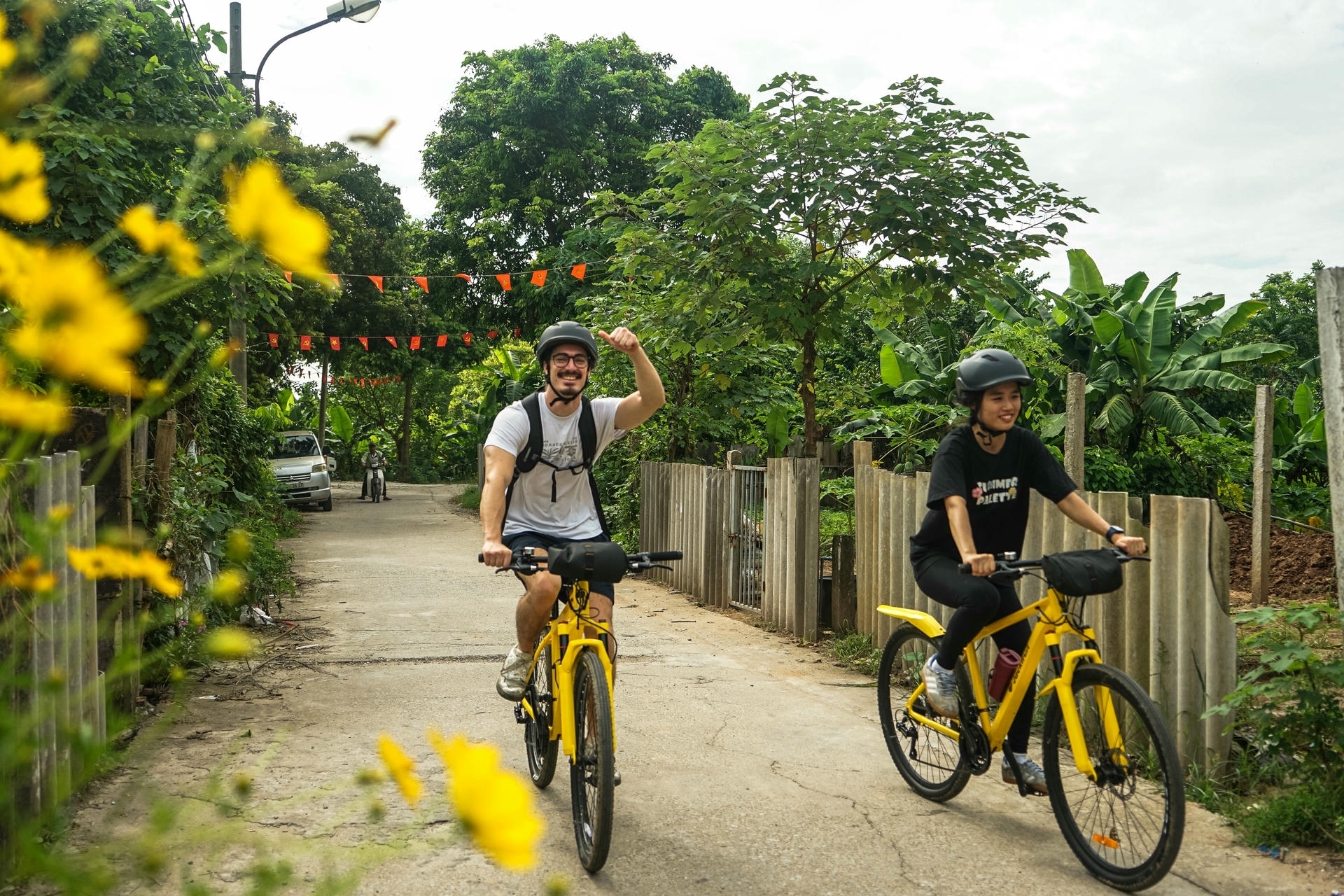
Visiting Co Loa Citadel is more than a history lesson: it’s a journey into the heart of Vietnam’s ancient past. Once the first capital of the Âu Lạc Kingdom, this spiral-shaped fortress preserves layers of legend, culture, and resilience. And that’s why making a day trip to Co Loa Citadel from Hanoi is a meaningful experience that stays with you long after you leave.
Leaving Hanoi’s busy streets behind, Jackfruit Adventure’s cycling tour Ride to the Lost Kingdom offers a refreshing way to explore the quieter side of the capital. We will accompany you from the Old Quarter, across the historic Long Biên Bridge, and into the peaceful Red River Delta countryside. Guided by locals who know each trail and hidden corner, this ride feels more like a shared story than a typical tour.
“Sometimes, the best way to see Vietnam’s past is to ride slowly toward it.”