

Table of Contents
The moment I stepped onto the red wooden bridge leading to Ngoc Son Temple, I felt like I was crossing into another world: one where time slows down, and the hum of Hanoi fades into whispers of the past. I paused midway, watching locals offer incense and tourists snap quiet photos, and thought: this isn’t just a temple: it’s the beating heart of Hanoi’s soul, where legend, history, and serenity intertwine harmoniously!
History and Legends of Ngoc Son Temple in Hanoi
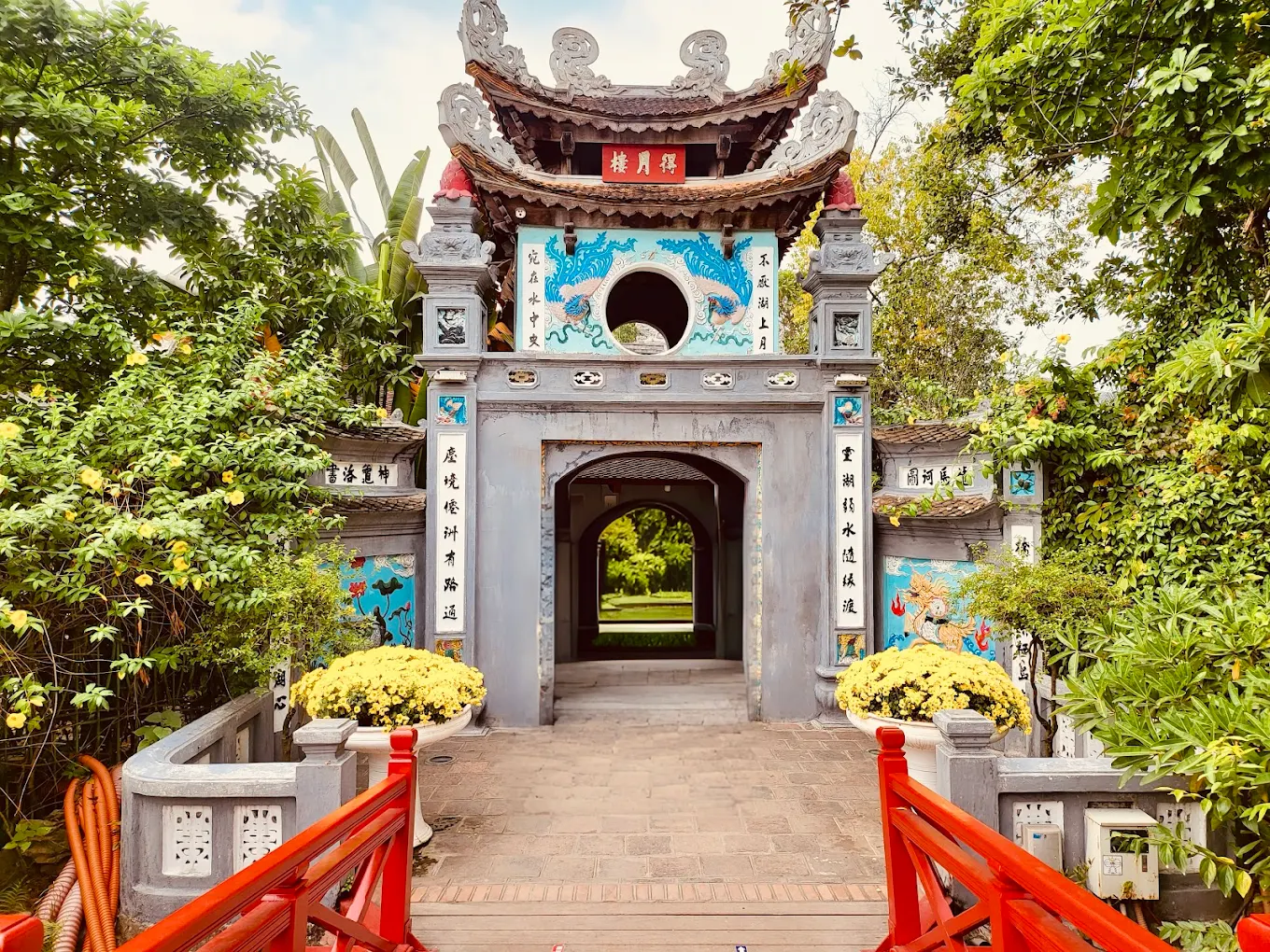
Ngoc Son Temple dates back to the 13th century and was initially built to honour General Trần Hưng Đạo, the national hero who defeated Mongol invaders. Over the centuries, the temple expanded its spiritual role, also paying tribute to Confucian and Taoist scholars, becoming a centre of cultural and intellectual life in old Hanoi.
But what truly captivates visitors is the legend surrounding Hoàn Kiếm Lake, also known as the “Lake of the Returned Sword.” According to legend, Emperor Lê Lợi was given a magic sword by the Golden Turtle God (Kim Quy) to aid him in driving out foreign invaders. After his victory, he returned the sword to the lake, where the turtle spirit is said to reside still. Today, visitors can see a giant preserved turtle inside the temple, believed to be a descendant of that mythical creature.
Recognised as a Special National Historical and Cultural Site (Di tích Quốc gia đặc biệt), Ngoc Son Temple and the surrounding Hoàn Kiếm Lake area have become one of Hanoi’s most symbolic cultural landmarks. The temple complex, with The Huc Bridge, Pen Tower (Tháp Bút), and Đài Nghiên, forms the spiritual heart of the city, a place where history, faith, and art come together in harmony.
Beyond its legends and history, Ngoc Son Temple’s beauty also lies in its timeless architecture. Every bridge, gate, and pavilion tells its own story!
Best Time to Visit & Essential Visitor Information
Planning your visit to Ngoc Son Temple? Here’s everything you need to know: from opening hours, the best time to go, to entrance fees, and how to get there.
Visitor Information: Hours, Fees & Location
- Address: Đinh Tiên Hoàng Street, Hàng Trống Ward, Hoàn Kiếm District
- Opening Hours: Monday -Thursday (7:00 AM – 7:00 PM) / Friday – Sunday (7:00 AM – 10:00 PM)
- Entrance Fee: 30,000–50,000 VND per person
How to Get There
- On foot: 5–10 minutes from Hanoi Old Quarter
- By taxi or Grab: 5 minutes from central Hanoi
- By bus: Routes 08, 31, or 36 stop nearby
Tip: Search “Ngoc Son Temple – Hoàn Kiếm Lake” on Google Maps for easy navigation.
Best Time to Visit Ngoc Son Temple
- Early Morning (6:00–9:00 AM): A peaceful atmosphere and soft, golden light, perfect for photography.
- Late Afternoon (4:00–6:00 PM): Cooler weather and stunning sunset reflections on Hoàn Kiếm Lake.
- Best Months to Visit: February–April and October–December, when Hanoi’s weather is more pleasant.
During Lunar New Year (Tết), locals flock here to pray for good fortune, creating a vibrant and spiritual atmosphere that is one of the most authentic times to experience Hanoi’s culture.
Explore the Architecture of Ngoc Son Temple and Its Famous Red Bridge
You’ll enter Ngoc Son Temple by walking across The Húc Bridge, a striking red wooden bridge that shines beautifully under the morning light. The bridge leads to Jade Island, home to the temple complex surrounded by the calm waters of Hoàn Kiếm Lake.
Before reaching the bridge, visitors will pass through Tiger Gate (Hổ Môn) and Dragon Gate (Long Môn); these two intricately decorated entrances symbolise strength and wisdom. The tiger represents courage and earthly power, while the dragon embodies intellect and spiritual energy. Together, they reflect the harmony between yin and yang, preparing visitors for the serene calm that awaits inside.
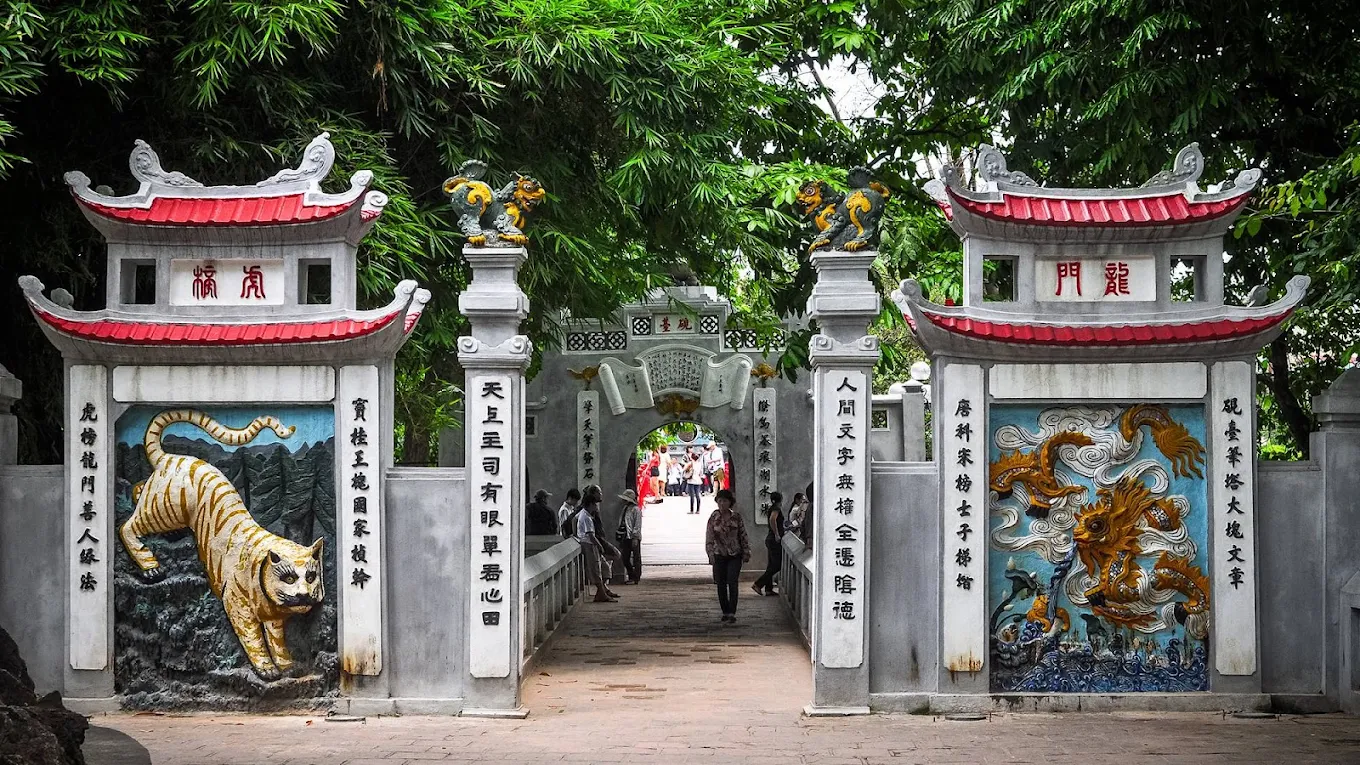
Inside the temple grounds, key highlights include:
- Đắc Nguyệt Lâu (Moon Gazing Pavilion) – a tranquil spot for admiring the lake.
- Đình Trấn Ba (Wave Guarding Pavilion) – symbolising protection against chaos and misfortune.
- Tiền Đường (The Main Shrine) – dedicated to General Trần Hưng Đạo, featuring intricate altars and offerings.
- Trung Đường (Middle Hall) – Connects to the front and rear shrines, decorated with dragon and phoenix motifs.
- Hậu Cung (Rear Sanctuary) – The most sacred chamber used for main worship rituals.
- Nhà Kinh Thư (Scripture House) – Once stored Buddhít and Taoist texts and ceremonial objects.
- The Preserved Turtle Display (Nhà Rùa) – a must-see for those fascinated by the Hoàn Kiếm legend.
The temple’s architecture beautifully combines Vietnamese traditional design with Confucian and Taoist influences, creating a peaceful blend of curved tiled roofs, intricate wooden carvings, and ancient calligraphy. Hence, visiting Ngoc Son Temple is one of the most iconic things to do in Hanoi for travellers seeking both culture and serenity.
What You Should Know Before Visiting Ngoc Son Temple
Before visiting Ngoc Son Temple, it’s essential to be aware of a few local customs and temple etiquette to ensure a respectful and meaningful visit.
1. Dress respectfully
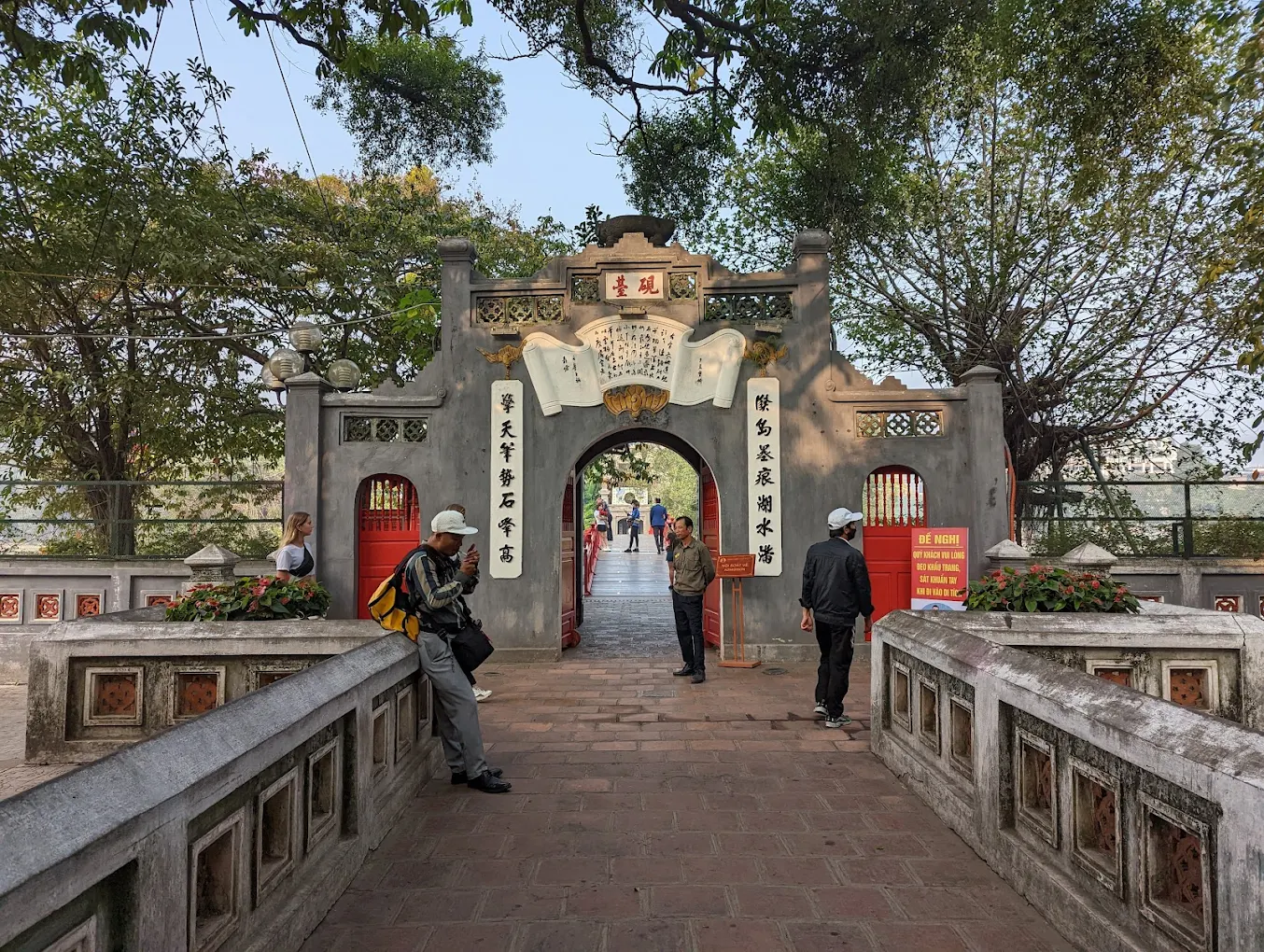
As Ngoc Son Temple is a sacred site, visitors are expected to dress modestly. Avoid wearing shorts, miniskirts, or sleeveless tops inside the worship area. Lightweight long pants or skirts and covered shoulders are both respectful and comfortable for Hanoi’s tropical weather.
2. Stay quiet in sacred zones
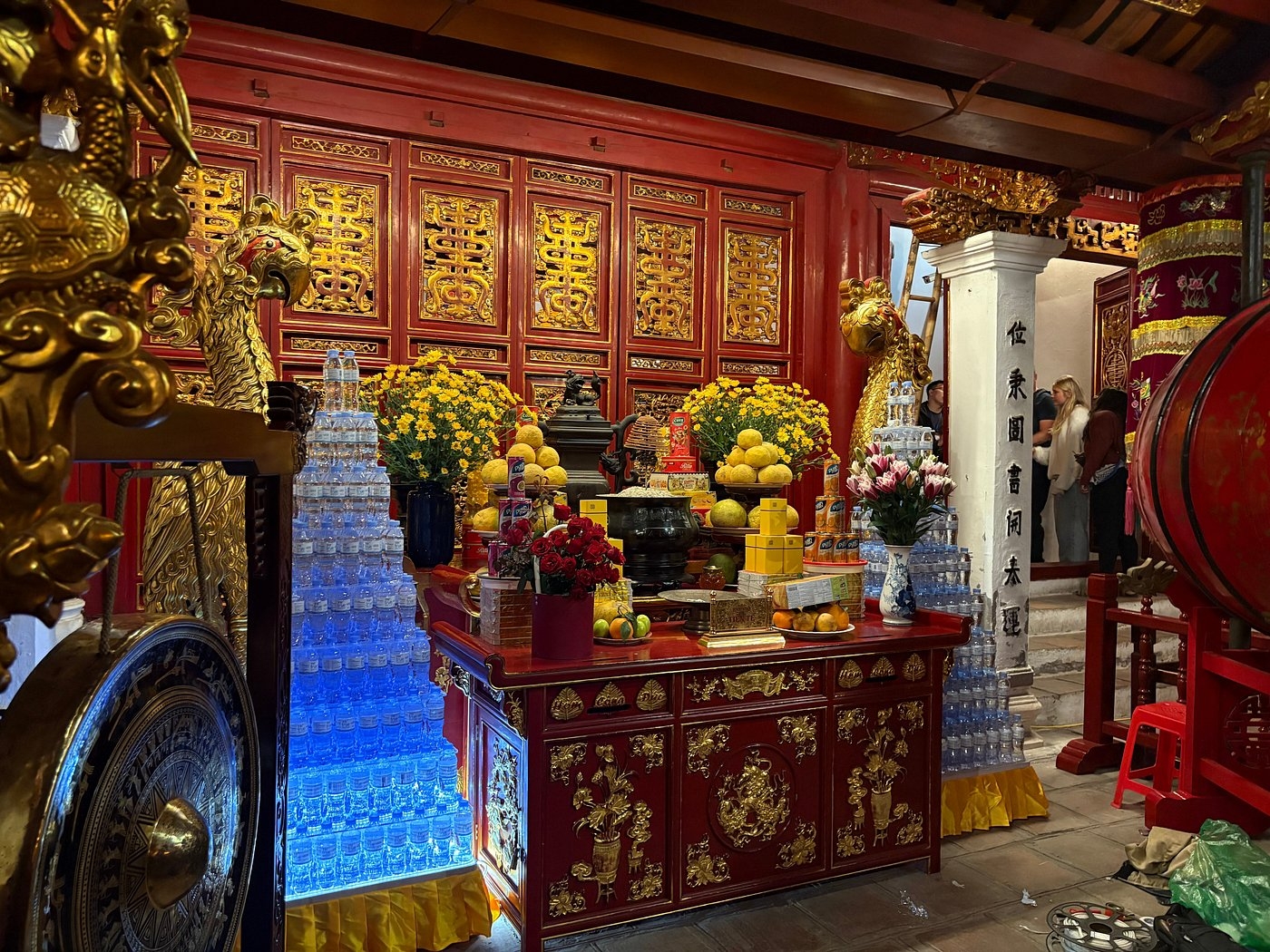
Ngoc Son Temple is not only a tourist attraction but also an active place of worship. Keep your voice low, turn your phone to silent mode, and avoid loud conversations or laughter. This helps maintain the peaceful atmosphere that both locals and monks value.
3. Bring small cash for tickets or temple donations
The entrance fee to Ngọc Sơn Temple is modest (around VND 30,000–50,000), and cash is preferred. It’s also common for visitors to make small donations at the altar to show respect and gratitude. Be sure to exchange money into VND before visiting Ngoc Son temple since the ticket counter only accepts cash.
For convenient currency conversion, check out the best places to exchange money in Hanoi, especially reputable banks or licensed shops around the Old Quarter.
4. Be mindful when taking photos of locals praying
Photography is allowed in most parts of the temple, but always be respectful when capturing people in prayer or making offerings. Avoid using flash or pointing your camera too closely at altars and incense holders.
If you’d like to photograph a worshipper, remember to ask for permission with a friendly smile or nod politely!
Amazing Things to Experience at Ngoc Son Temple
1. Walk Across The Húc Bridge – Capture the Temple’s Iconic Red Gateway
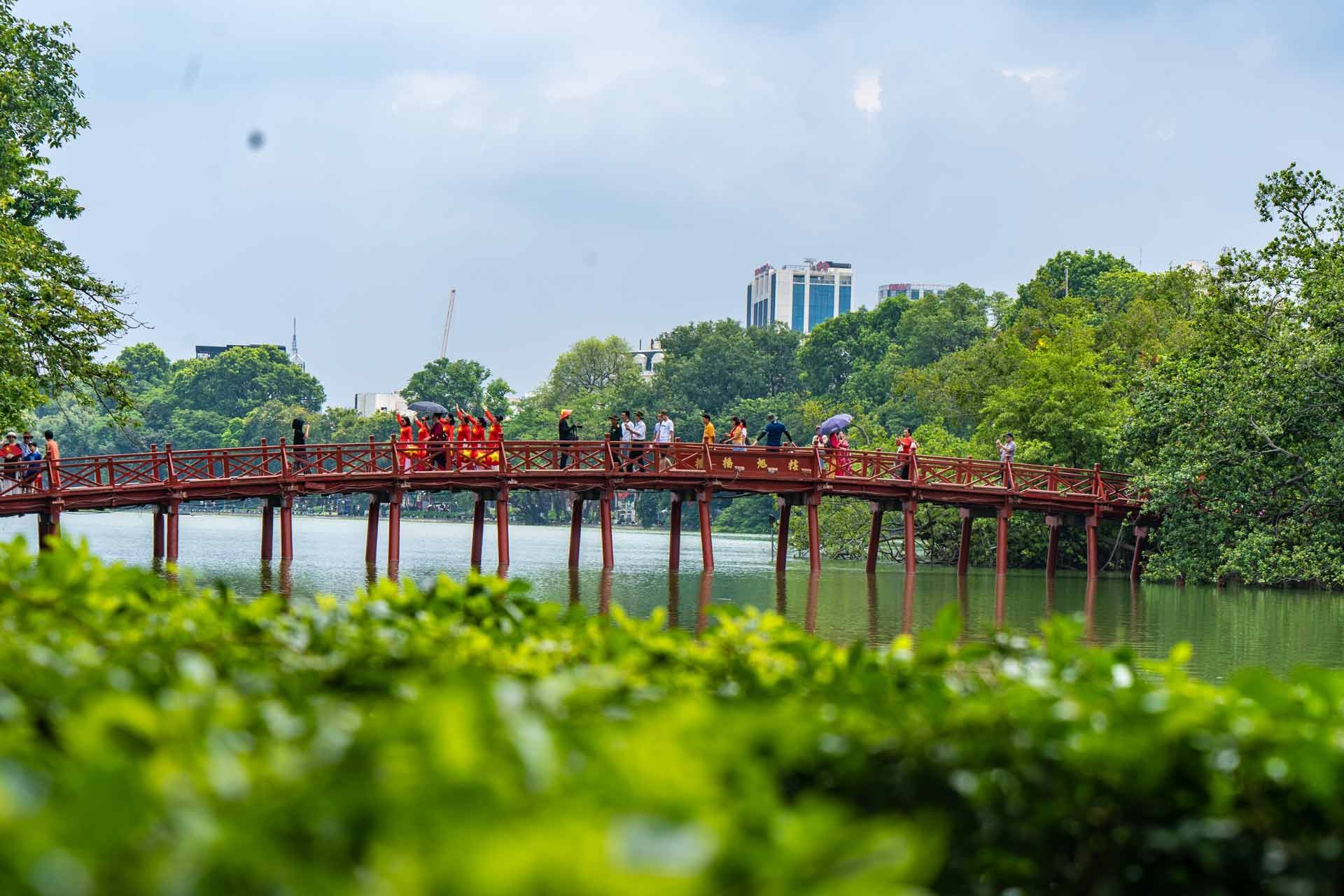
As you approach the lake, the bright red The Húc Bridge immediately catches your eye. Translating to “Morning Sunlight Bridge,” it glows beautifully at sunrise and connects the lakeside to the small Jade Island where Ngọc Sơn Temple stands.
Walking across the bridge feels like crossing into another world, as the gentle sound of water’ll welcome you, the reflection of trees, and the sight of locals feeding fish below, all of which add to its charm. It’s one of the most Instagram-worthy spots in Hanoi, perfect for travel photos.
Tips:
- Visit early in the morning (around 6:00–8:00 AM) for calm views and fewer crowds.
- For night photography, come back after sunset.
2. Explore the Ngoc Son Temple Interior
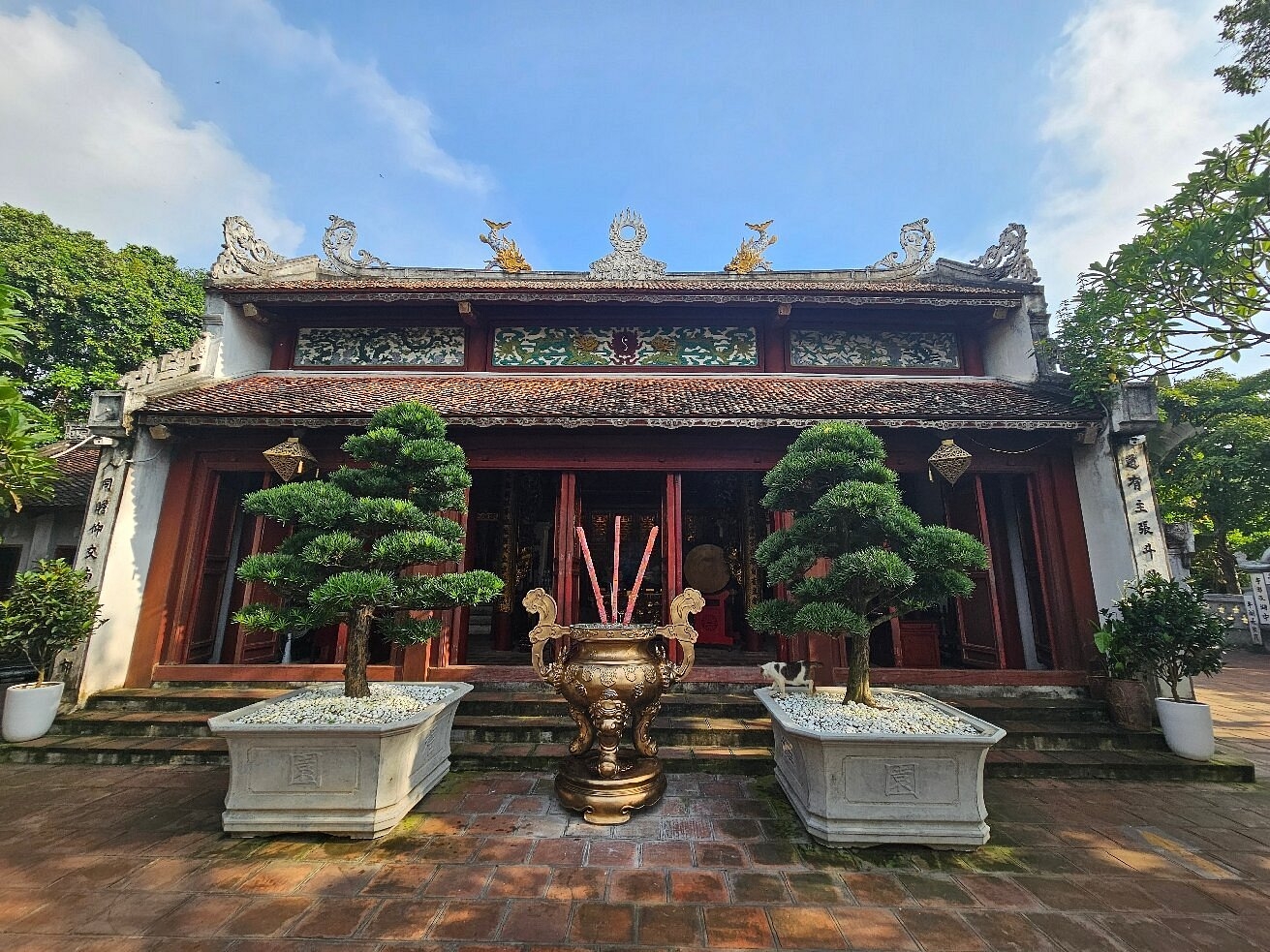
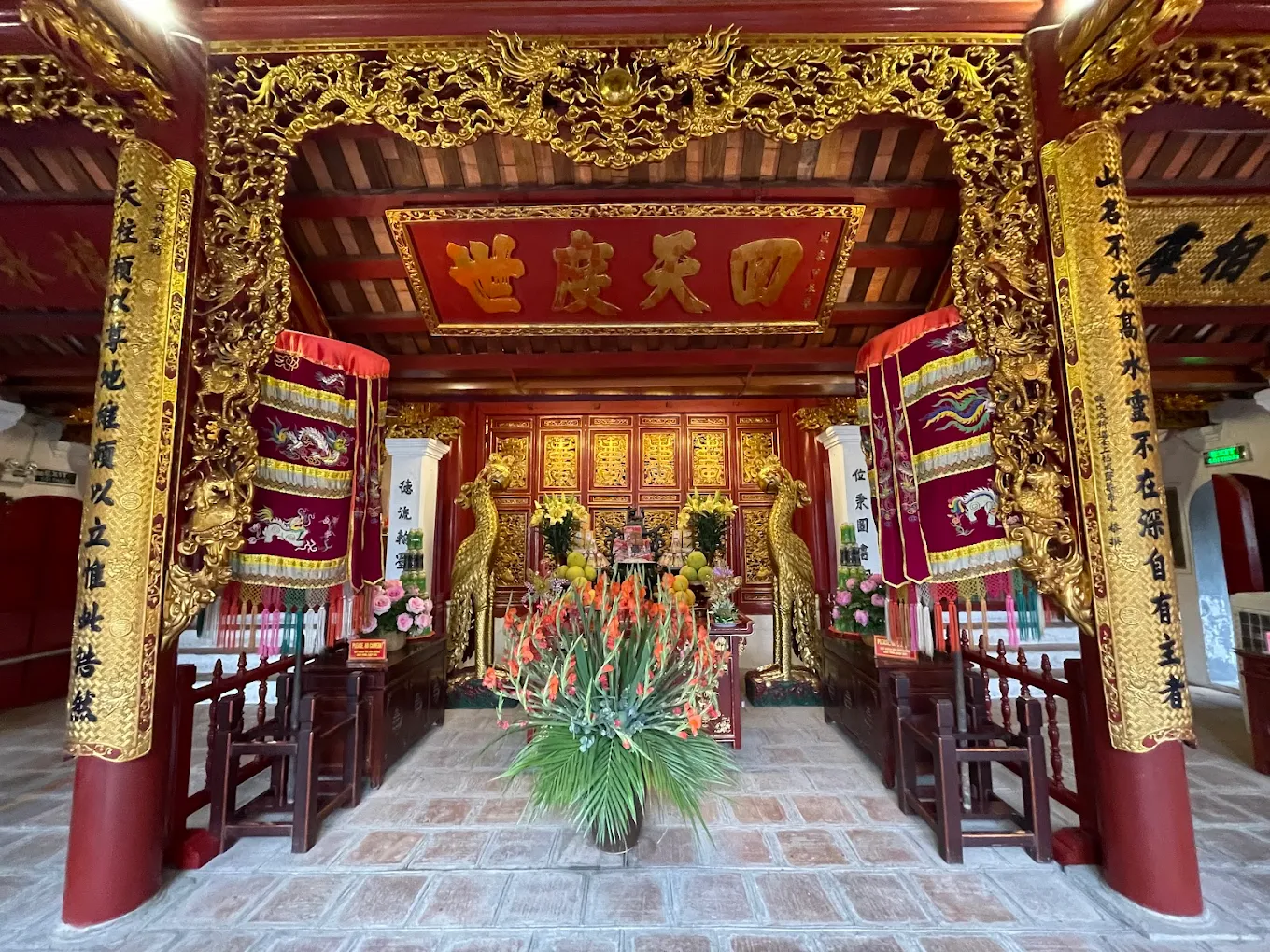
Once inside Ngoc Son Temple, you’ll find intricate altars, wooden carvings, and the subtle scent of burning incense filling the air. The temple is dedicated to General Trần Hưng Đạo, a revered military leader who defended Vietnam against Mongol invasions, as well as Quan Vũ (the God of Loyalty and Righteousness) and Văn Xương Đế Ông (the God of Literature).
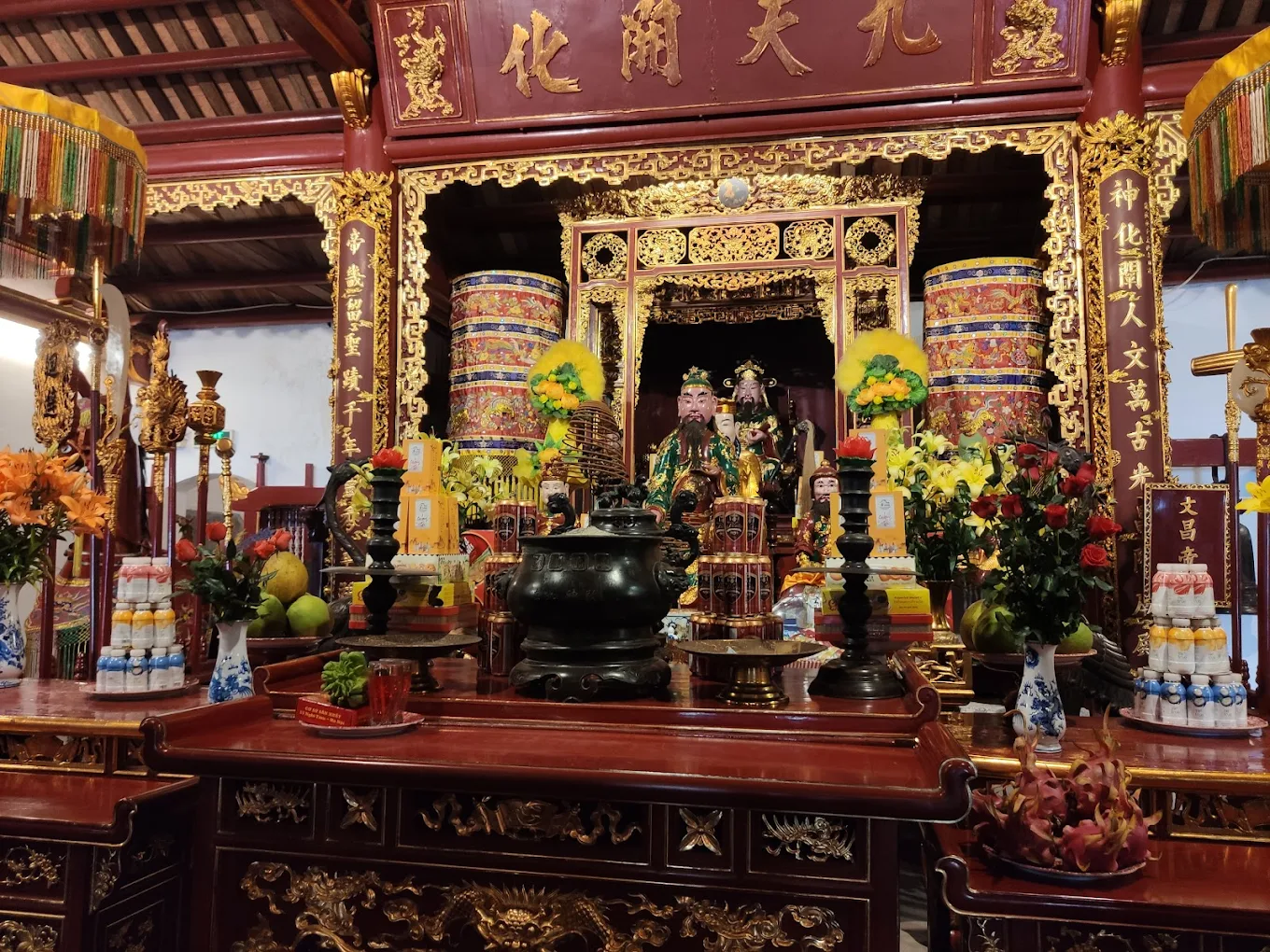
Visitors can quietly observe locals praying for success in exams or business, light incense sticks, or take a slow walk around the small courtyards surrounded by ancient bonsai trees. It’s a peaceful place to learn about Vietnamese beliefs and legends and honestly, one of the most interesting things to do in Hanoi.
Tips
- Entrance fee: around VND 30,000–50,000 per person.
- Bring small cash for donations or offerings.
3. Admire the Sacred Turtle Display and Learn the Legend of Hoàn Kiếm Lake
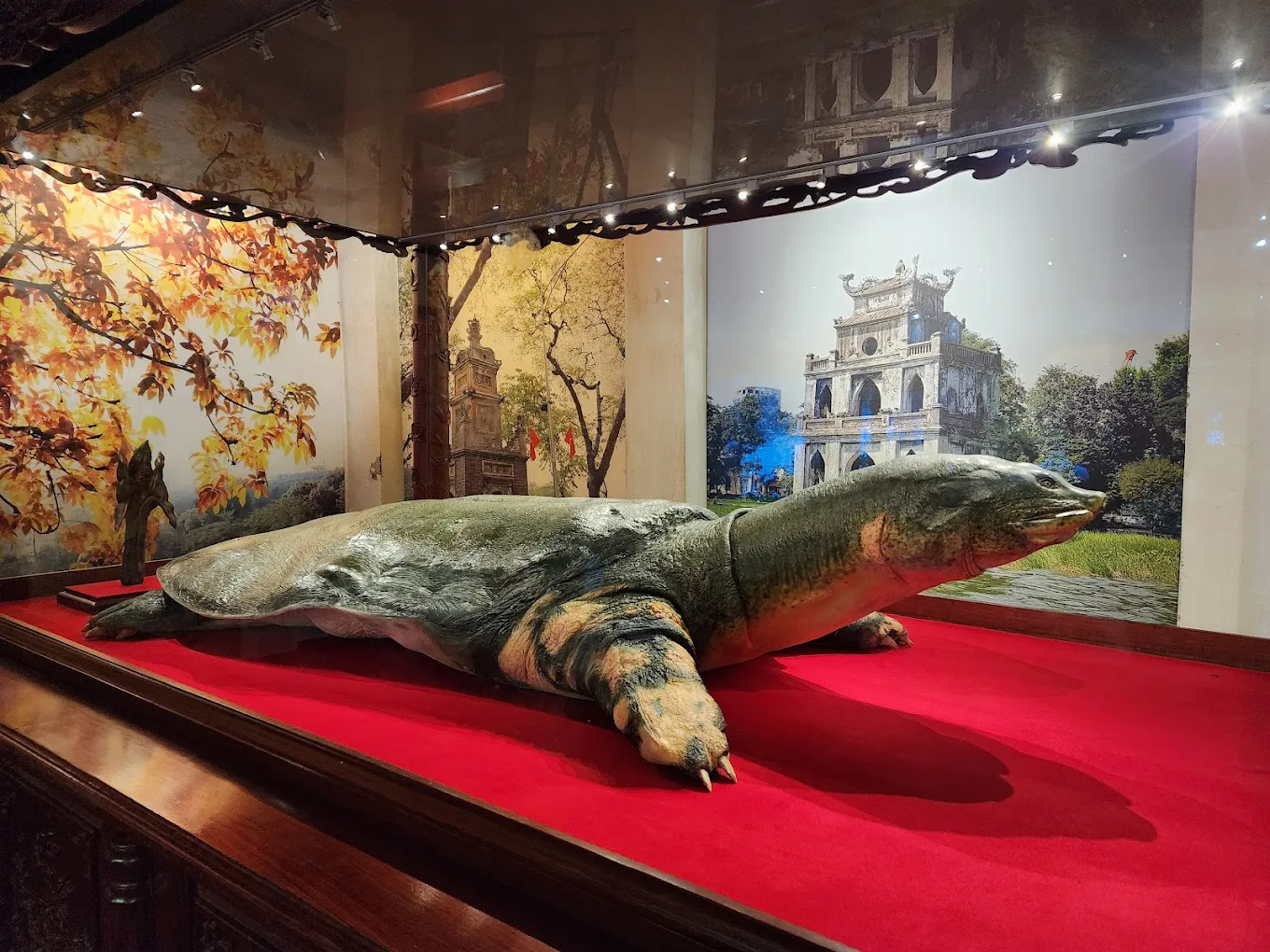
Inside the temple, you’ll find a glass display containing a preserved giant soft-shell turtle that once lived in Hoàn Kiếm Lake. According to legend, Emperor Lê Lợi was given a magical sword by the Golden Turtle God to aid in defeating invaders. After his victory, the turtle surfaced and reclaimed the sword, returning it to the lake, giving the name “Lake of the Returned Sword”.
This story is deeply tied to Vietnam’s sense of identity and pride. That’s why seeing the real turtle shell can help you connect the legend to Hanoi’s living culture. It’s a quiet yet powerful reminder of how myth and history intertwine at the very heart of the city.
Tips
- Take your time reading the English explanations beside the display.
- Combine this stop with a short lakeside walk for reflection and beautiful photos.
4. Celebrate Hanoi’s Legacy at the King Lê Memorial Site (Khu Tưởng Niệm Vua Lê)
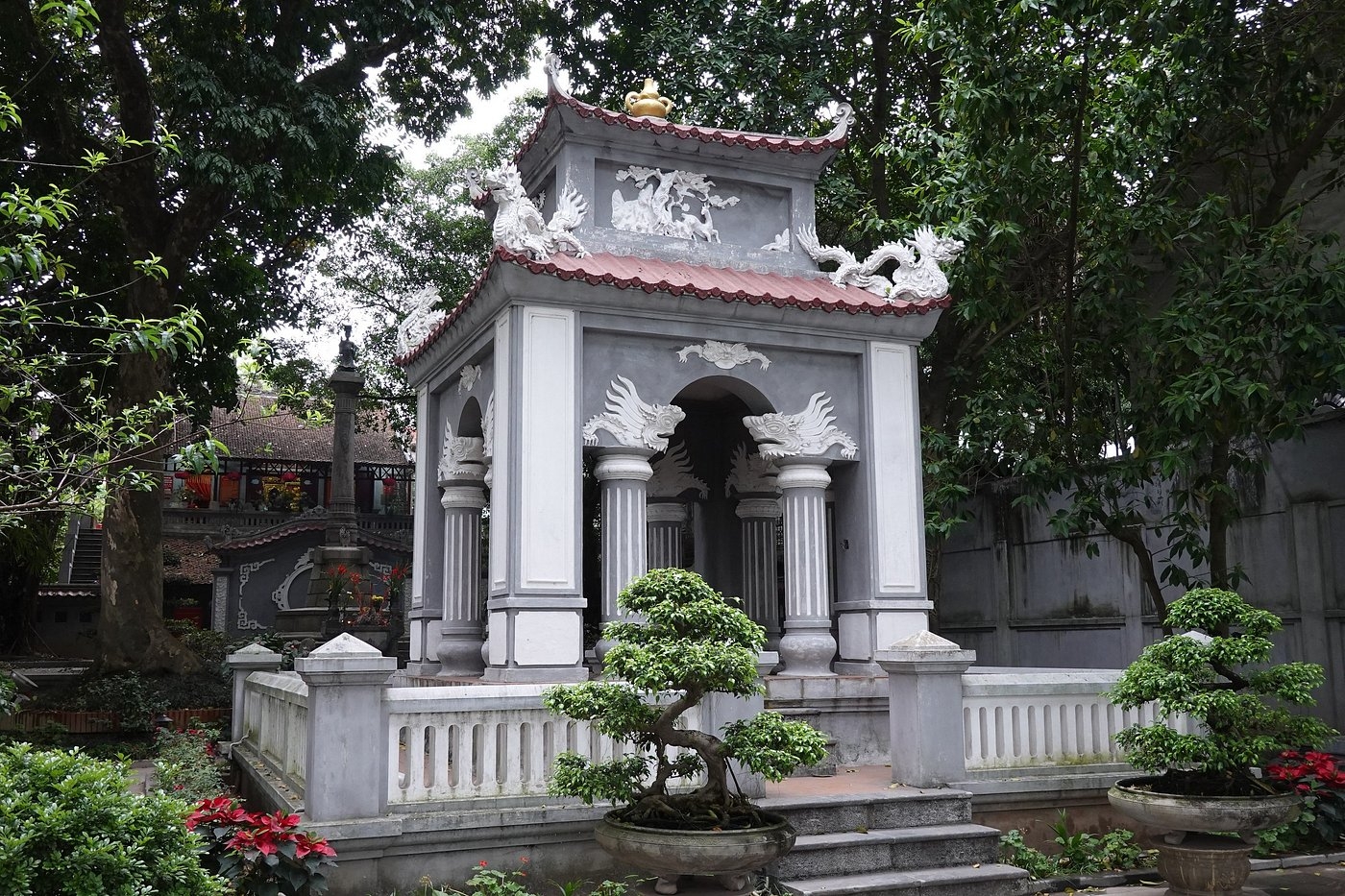
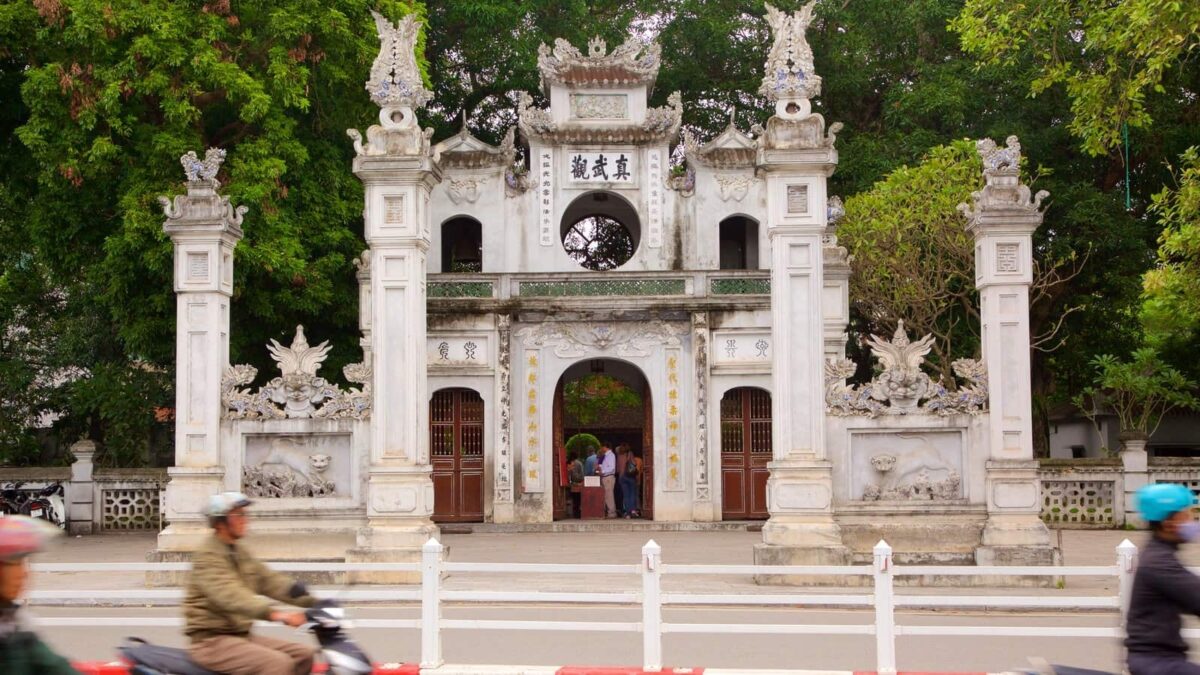
Just a short walk from Ngoc Son Temple, the King Lê Memorial Site in Hàng Trống Ward offers a peaceful escape amid the bustle of Hoàn Kiếm Lake. This historical complex comprises the ceremonial gate (Nghi Môn), the pavilion (Phương Đình), and a bronze statue of King Lê Thái Tổ, who restored Vietnam’s independence in the 15th century by defeating the Ming invaders. The central bronze statue of King Lê stands proudly, sword in hand, facing Hoàn Kiếm Lake, symbolising eternal elegance and national pride.
Stepping through the gates, you’ll find yourself surrounded by tiled roofs, carved wooden beams and the soothing atmosphere exuded from tranquil courtyards shaded by centuries-old trees. Visitors can light incense or simply sit in the courtyard to enjoy the calm before continuing their walk around Hoàn Kiếm’s historical heart.
Tips
- It’s best to visit early in the morning so you can have the peaceful courtyard almost entirely to yourself!
5. Unveiling the Spiritual Corners of Ngoc Son Temple
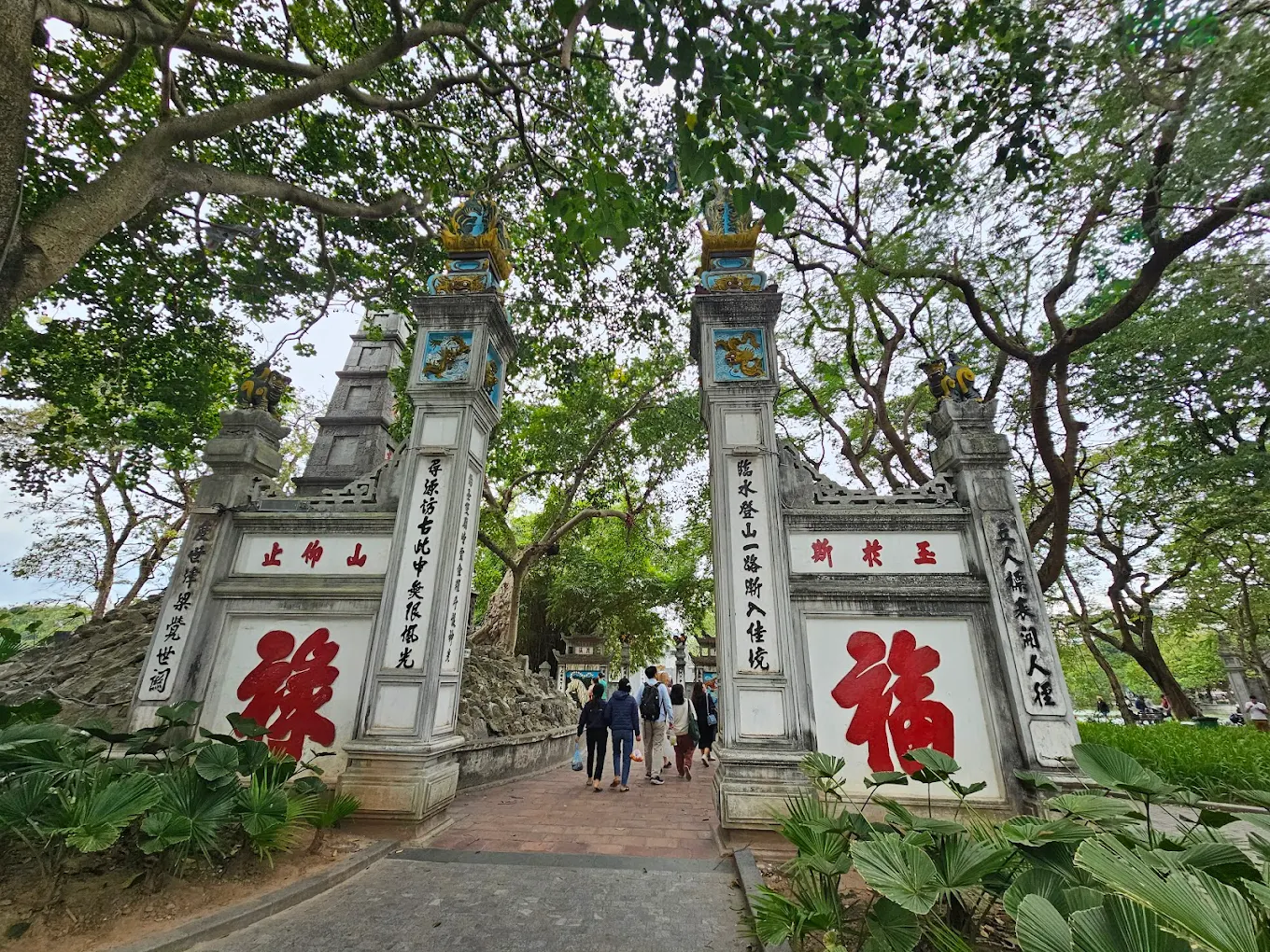
Walking through Ngoc Son Temple feels like stepping into a living museum of Hanoi’s spiritual and artistic heritage.
The moment I stepped through the Đắc Nguyệt Lâu (Moon Gazing Pavilion), a wave of calm washed over me and the city’s chaos seemed miles away. Just ahead, the Đình Trấn Ba (Wave Guarding Pavilion) stood like a guardian over the water, its graceful roof curves mirroring the ripples below.
I took a turn to explore Tiền Đường (the Main Shrine), the scent of incense lingered in the air as golden light flickered across carvings of dragons and phoenixes, symbols of power and harmony. Then I paused before the altar of General Trần Hưng Đạo, feeling the weight of centuries of devotion surrounding me.
Deeper within, the Hậu Cung (Rear Sanctuary) glowed softly with oil lamps, its wooden beams whispering stories of faith. Finally, I found myself in front of the Nhà Rùa, home to the legendary Hoàn Kiếm turtle: a quiet, humbling symbol of Vietnam’s timeless spirit. Honestly, each corner of Ngoc Son Temple tells its own story, blending history, faith, and legend into one unforgettable experience at the heart of Hanoi!
Tips
- Suggested route: Start at the Đắc Nguyệt Pavilion → continue to the Trấn Ba Pavilion → enter the Main Shrine → move through the Trung Đường and Hậu Cung → end at the Nhà Rùa.
- Take your time at each hall – the carvings and calligraphy reveal hidden stories if you look closely.
- Bring small change for incense or donations.
6. Relax by Hoàn Kiếm Lake to Watch Locals Practice Tai Chi at Dawn
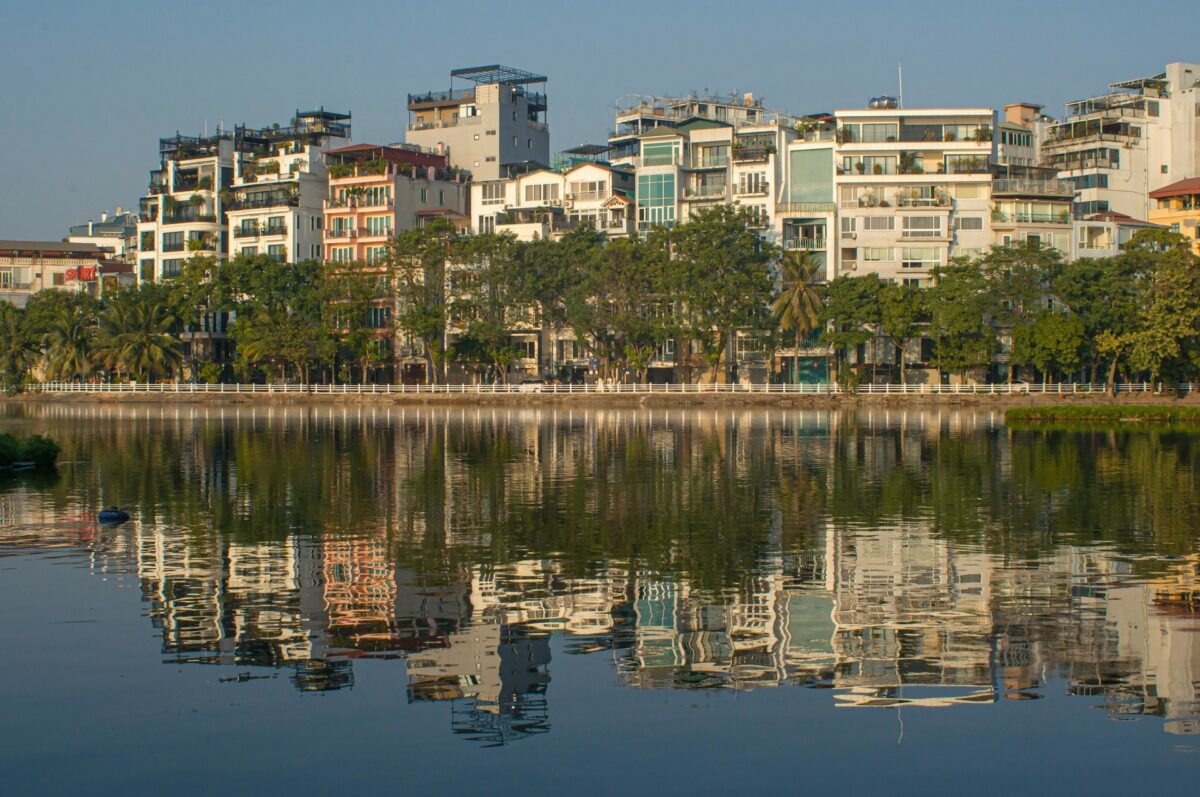
Step outside the temple and enjoy the calm, mirror-like surface of Hoàn Kiếm Lake, especially in the early morning. Locals gather around the lake to practice Tai Chi, jog, or chat while enjoying the cool breeze. Couples stroll hand in hand in the evening, as the soft golden light reflects off Turtle Tower (Tháp Rùa).
It’s one of the most relaxing things to do in Hanoi, offering a moment of peace right in the city centre. Bring a coffee from a nearby café, sit on a lakeside bench, and watch as daily life passes by gently.
Tips
- Best time: 5:30–7:30 AM (Tai Chi and sunrise) or after 5:00 PM (sunset and evening breeze).
- Avoid mid-day visits as it can get hot and crowded.
A Peaceful Way to Discover Hanoi Beyond Ngoc Son Temple with Jackfruit Adventure!
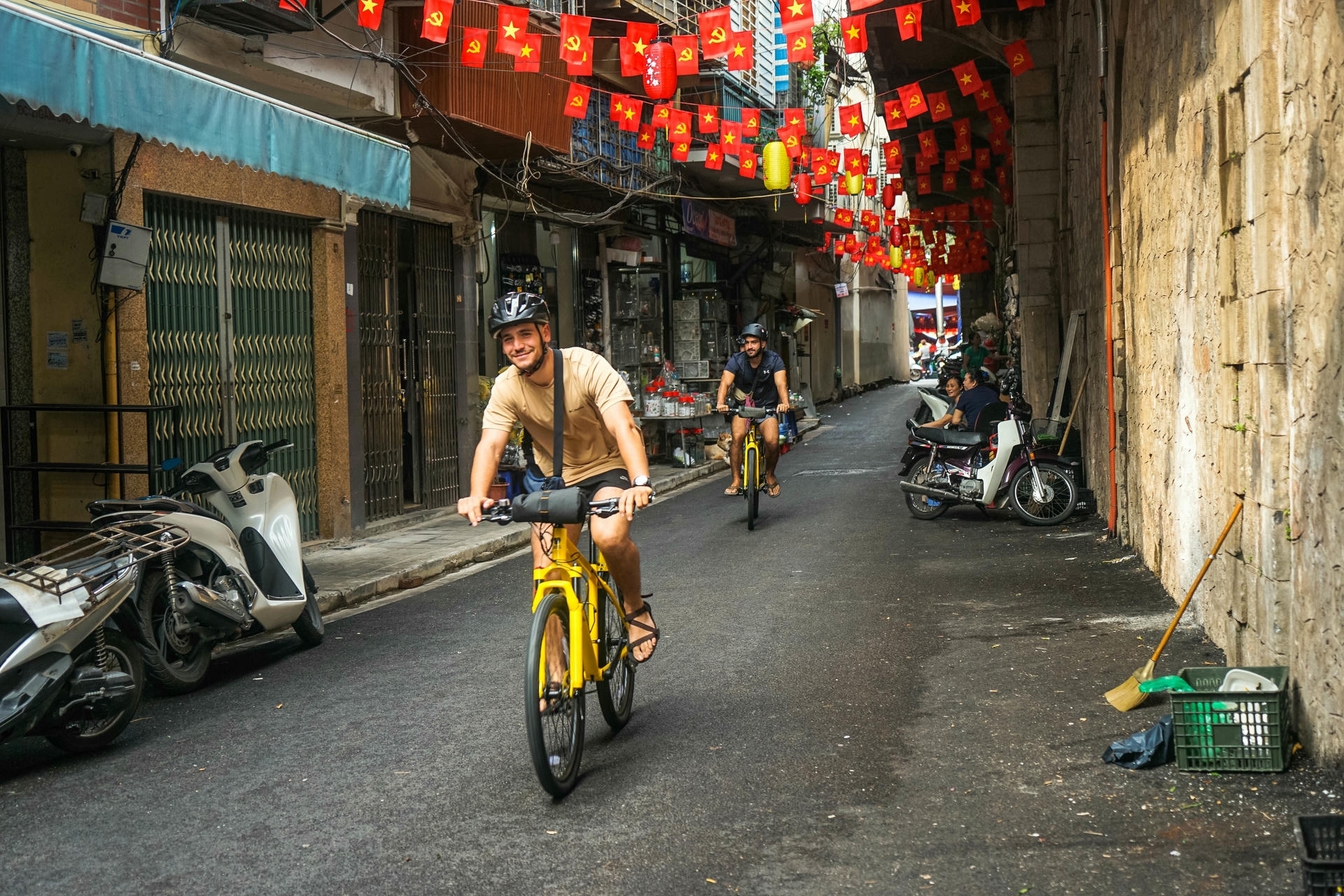
After exploring Ngoc Son Temple, stepping back into the busy rhythm of Hanoi can feel almost surreal. The temple’s calm energy stays with you long after you leave Hoàn Kiếm Lake. Yet, just beyond this historic heart lies another side of Hanoi that unfolds best at a slower pace.
Therefore, joining cycling tours in Hanoi with Jackfruit Adventure offers a gentle way to continue that sense of discovery. Instead of rushing from one landmark to the next, you’ll move at the city’s natural tempo; pedalling past moss-covered walls, tree-lined boulevards, and quiet local temples where daily life still hums softly beneath the surface.
The journey flows from the temple’s tranquil courtyards to the city’s living streets, where history, culture, and everyday beauty intertwine, reminding you that Hanoi’s soul is still very much alive.