

Table of Contents
Hanoi and Saigon are two of the biggest cities in Vietnam. Both are popular destinations for travelers from all over the world. In 2025, Hanoi welcomed more than 33.7 million visitors, including over 7.82 million international tourists. Meanwhile, Ho Chi Minh City, also known as Saigon, welcomed around 53.5 million visitors, including 8.5 million international tourists.
So, is Hanoi bigger than Saigon, or is it the other way around? In fact, beyond the question of area, each city has its own unique character and offers different experiences for travelers. Let’s explore more with Jackfruit in this article!
Is Hanoi Bigger Than Saigon?
Yes, Hanoi is bigger than Saigon, but that was only true before 2025. Before 2025, if we look at administrative area, Hanoi was bigger than Saigon. Hanoi covers about 3,359.84 km², while the old Ho Chi Minh City was around 2,095 km².
However, after 2025, Vietnam reorganized its administrative units, and Saigon, officially Ho Chi Minh City, was expanded after merging with Binh Duong and Ba Ria – Vung Tau. As a result, the new Ho Chi Minh City now covers about 6,772.6 km², twice as large as Hanoi in terms of administrative area.
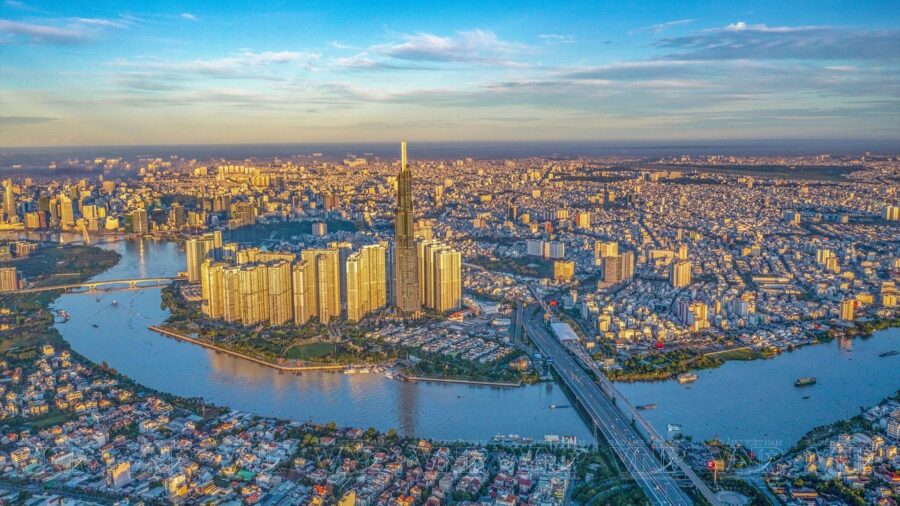
When it comes to population and economic development. Is Hanoi bigger than Saigon? No, Saigon also has a stronger position.
- After the merger, Ho Chi Minh City has a population of about 13.6 million people, while Hanoi has around 8.6 million people.
- Economically, Ho Chi Minh City continues to be the country’s leading economic hub, with its GRDP in 2025 reaching about 3.03 quadrillion VND, accounting for 23.5% of Vietnam’s GDP. Meanwhile, Hanoi recorded a GRDP growth rate of 8.16%, with an economic scale of around 63 billion USD, ranking second in the country.
So, the answer to the question “Is Hanoi bigger than Saigon?” depends on what you mean by “bigger”. Saigon often feels bigger because of its fast pace, busy commercial life, heavy traffic, and strong urban development. Hanoi, on the other hand, feels “bigger” in a different way: big in history, administrative importance, and long-standing cultural identity. Each city has its own beauty, and both are worth exploring slowly and experiencing in your own way.
How is Hanoi Different Than Saigon?
Hanoi is located in northern Vietnam, while Saigon is in the south. Because of this difference in location, the two cities have different climates, weather, natural landscapes, and city views.
A long time ago, Northern Vietnam was home to the early Vietnamese people. It had many old villages and stable farmland, which helped shape a traditional way of life that valued manners, family values, and respect for social rules. Southern Vietnam, on the other hand, was developed later, as people moved south to clear land and build new communities. Because of this, people there are often seen as more open, flexible, and easygoing. This history also helped create the differences in culture, lifestyle, and architecture between Hanoi and Saigon.
1. Pace of Life: Quiet Mornings And Dynamic New Days
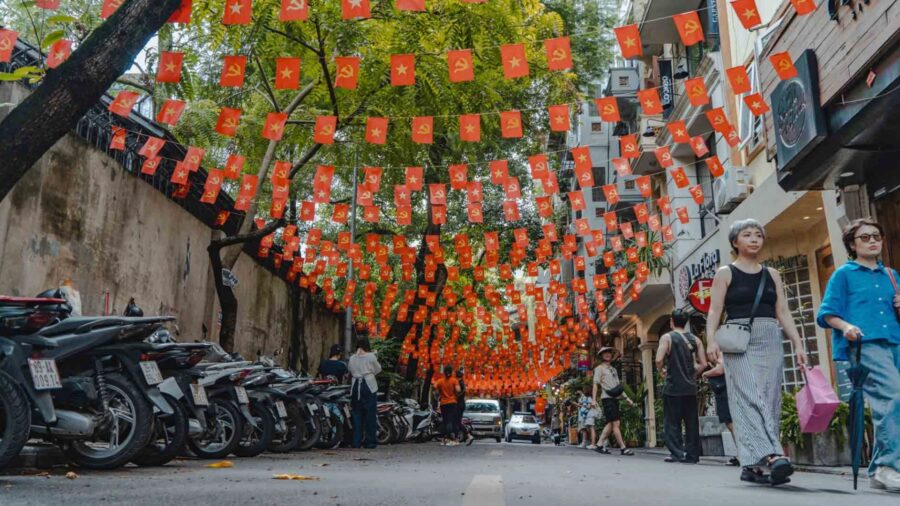
Hanoi – A symphony of quiet and lively notes
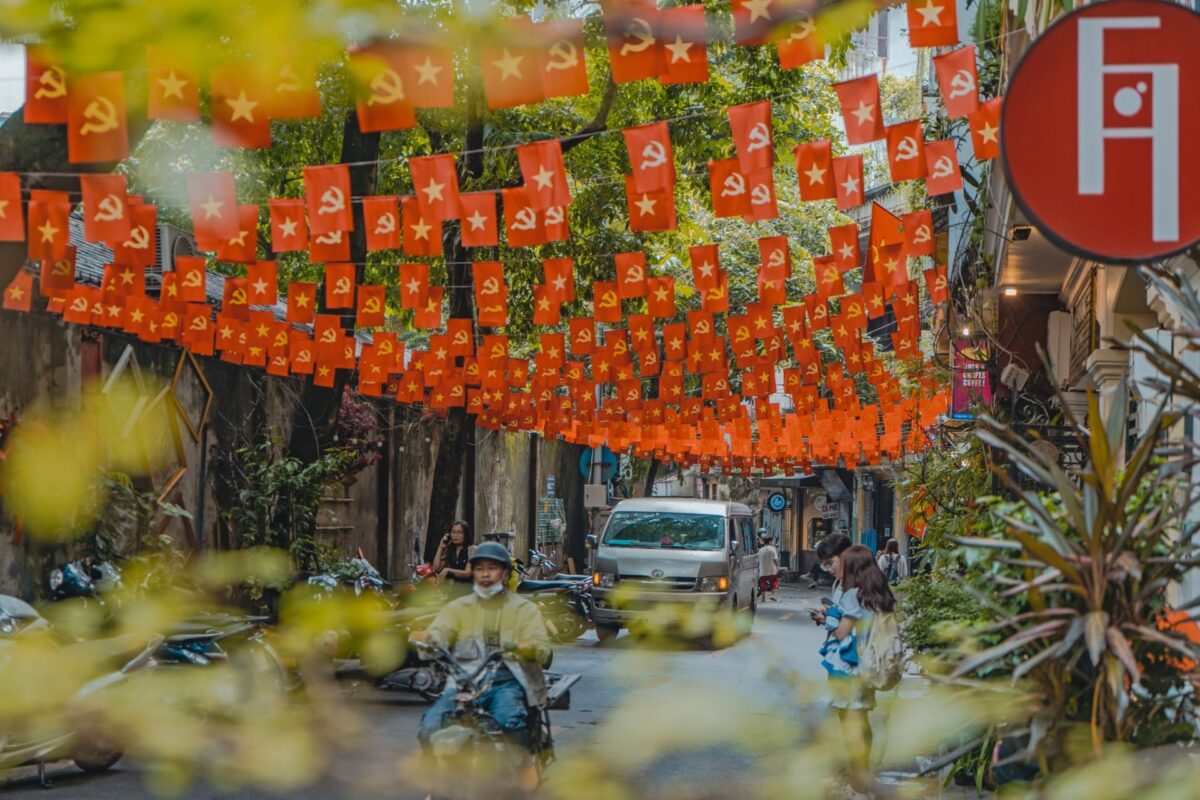
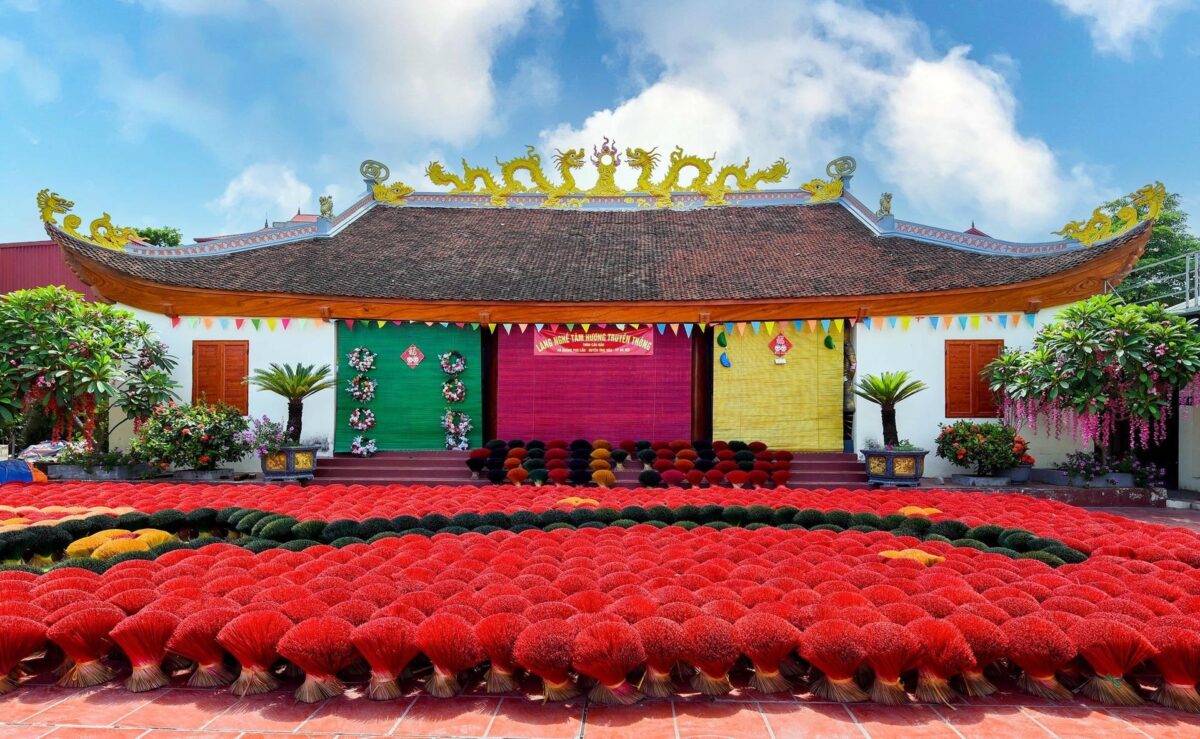
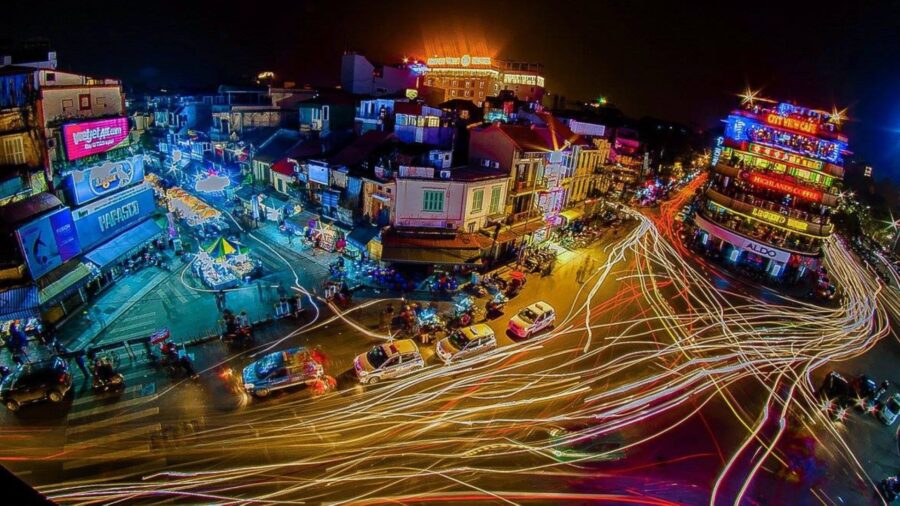
Hanoi, the land of a thousand years of culture, carries a rhythm of life that is both peaceful and busy. The city is not only home to historical sites, museums, and old architectural works, but also preserves its cultural depth in the way local people slowly enjoy everyday moments. Here, you can find the rush of people heading to office towers every morning, but also the gentle pace of flower vendors passing through small alleys with colorful bouquets. To truly feel the soul of Hanoi, visitors need to be willing to “slow down for a beat” right in the heart of the city.
Saigon – A lively rock song
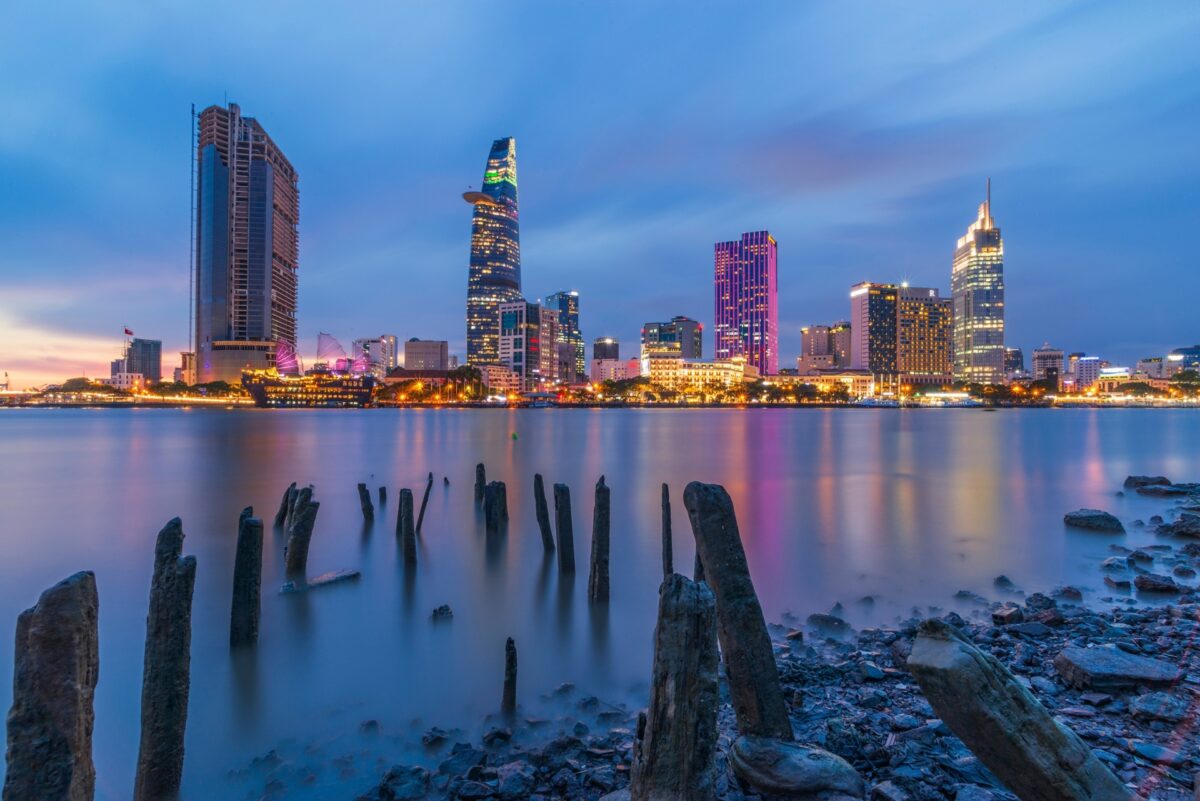
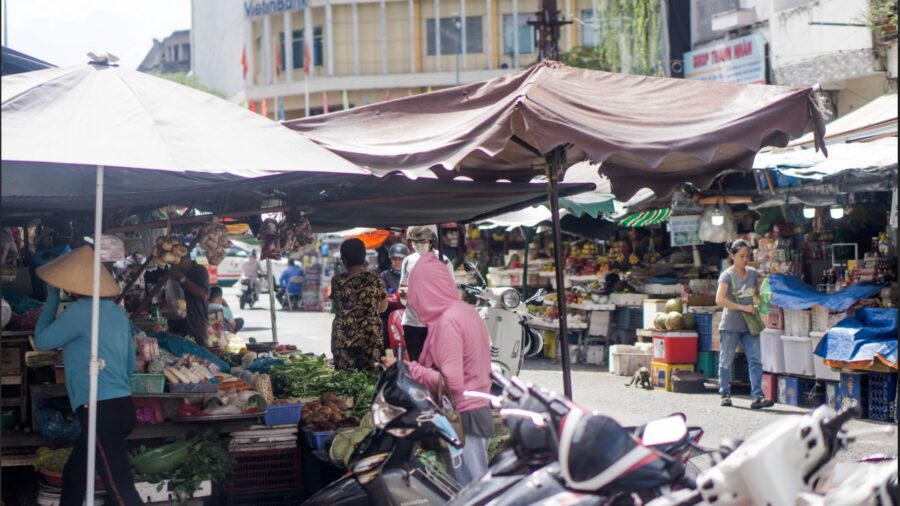
Saigon is known as “the city that never sleeps,” a name that clearly shows how lively, busy, and energetic this place is. The city is not only known for its tall buildings and modern urban areas, but also for its food stalls, restaurants, bars, and many services that stay open 24/7. For many Vietnamese people, this land is like the starting point of their life dreams. People from different provinces come to Saigon to study at university, work, and build their careers.
2. Culture: Thousand-year-old Heritage And Vibrant Cultural Mix
Hanoi – A thousand years of cultural heritage
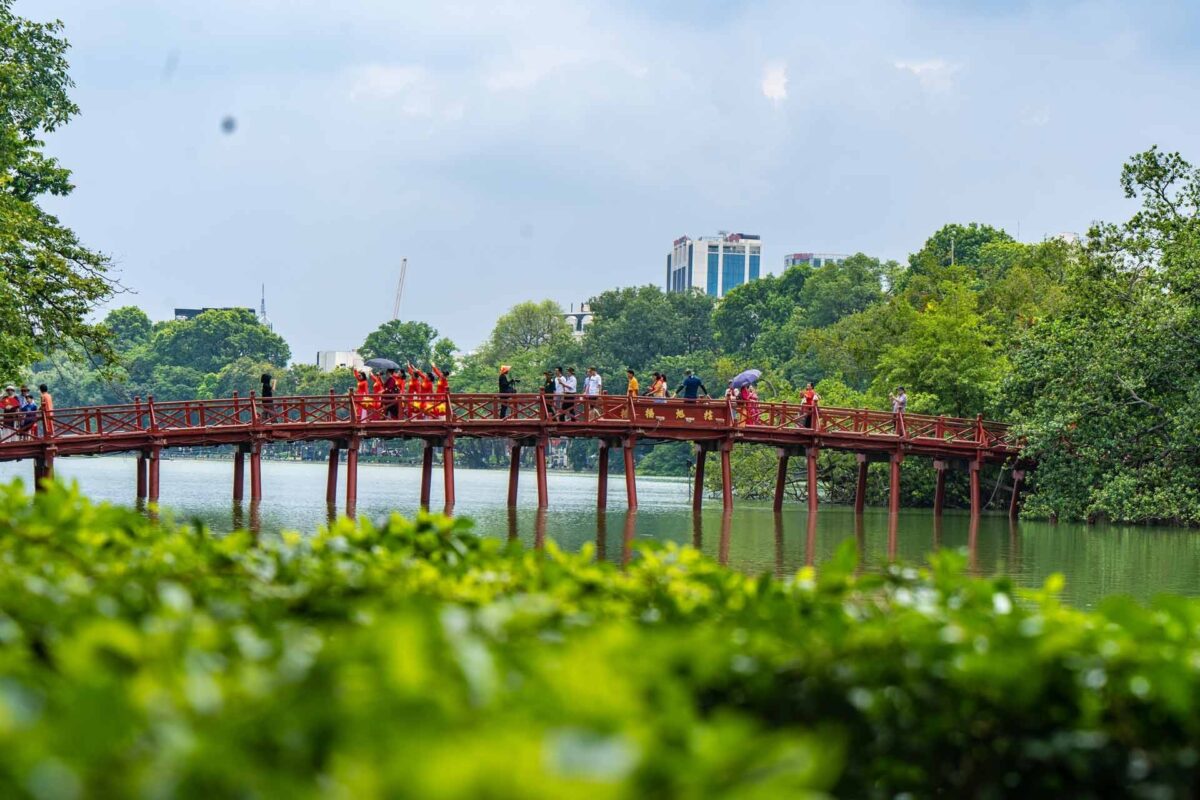
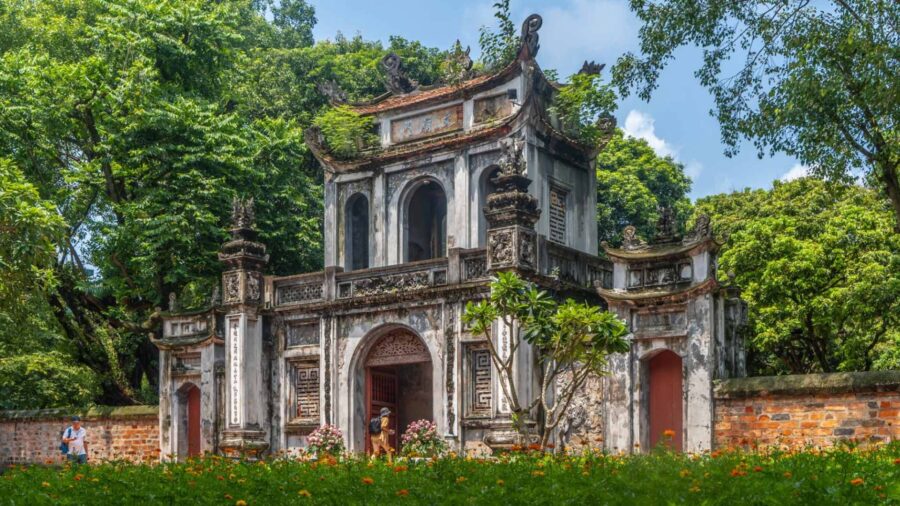
If Saigon is a meeting place of many cultures, Hanoi is a harmony between the old and the modern. Once the ancient capital of Vietnam and now the capital of the country, Hanoi preserves its historical marks through long-standing landmarks such as the Temple of Literature, the Imperial Citadel of Thang Long, Hoan Kiem Lake, Hanoi Old Quarter, and old pagodas, communal houses, and temples with moss-covered tiled roofs standing quietly among modern offices and high-rise buildings.
Hanoi’s culture is like a deep layer of time, shaped by people who value manners, family traditions, and social etiquette. The spirit of “elegant Trang An” can be felt in many parts of daily life: from the careful way people speak, to the tradition of respecting elders and caring for younger generations, and even to the way a Tet meal is prepared with thought and completeness. Even as modern life becomes louder and busier, many Hanoians still keep a certain calm within themselves, along with a proud sense of discipline in protecting the core values passed down from their ancestors.
Saigon – A culture shaped by Western and Chinese influences
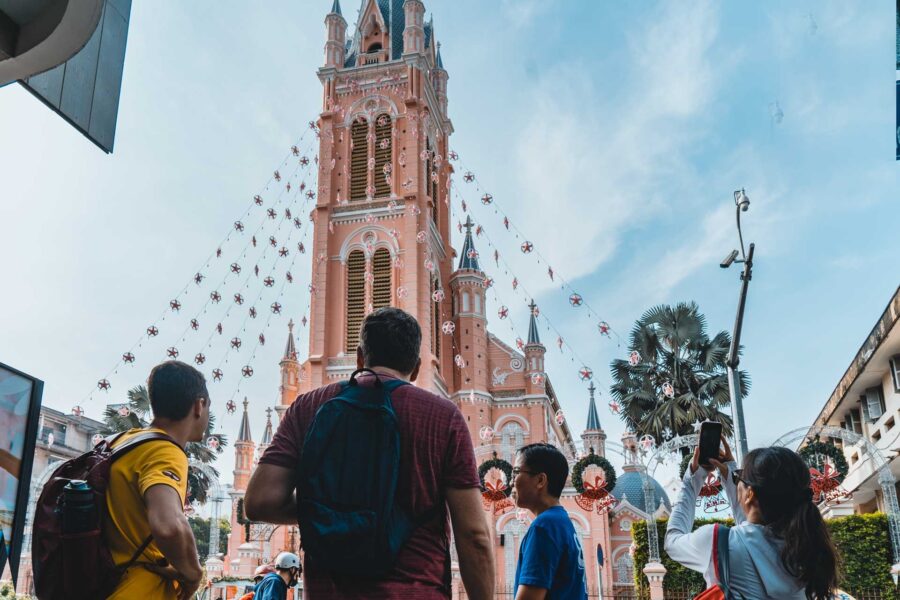
After nearly a century under French colonial rule, more than two decades influenced by American culture, and a long-standing connection with the Chinese community, Saigon gradually became a colorful cultural picture where many different layers of culture live side by side. Eastern and Western cultures meet here and blend naturally into everyday life, creating a Saigon identity that is deeply Vietnamese, yet open, free-spirited, and international.
This can be seen most clearly in Cho Lon, the long-time home of the Chinese community in Saigon. Walking through this area, visitors can find old assembly halls, red-colored temples, bilingual signs, and a unique Chinese-Vietnamese food culture. In the city center, Western influence appears through French-style buildings such as Notre-Dame Cathedral, the Central Post Office, and old villas. These buildings once reflected a colonial period in history, but over time, they have become a familiar part of Saigon’s cityscape and cultural memory.
3. Climate and Weather: Seasonal Changes And Year-round Tropical Warmth
Hanoi – Four distinct seasons
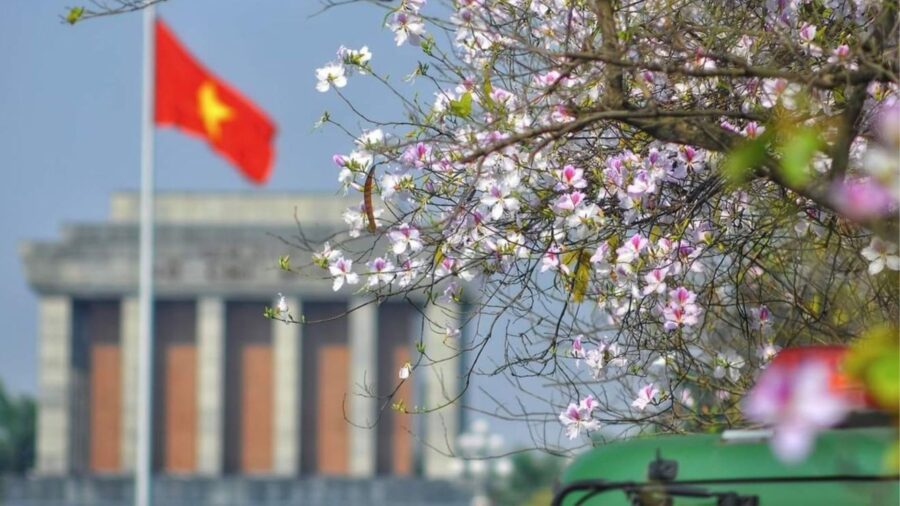
Hanoi has four relatively clear seasons. Spring, from February to April, is usually cool, humid, and often comes with light drizzle, giving the Old Quarter, lakes, and tree-lined streets a soft, misty, and quiet charm. Summer, from May to August, is hot and humid, with strong sunshine and sudden rain showers, so visitors should wear light clothing, carry water, and prepare an umbrella or a thin raincoat.
Autumn, from September to November, is the most pleasant time to explore Hanoi, with cooler weather, gentle sunlight, and clearer air. Winter, from December to January, is dry and cold, especially in the morning and evening, making it perfect for enjoying hot pho, egg coffee, and slow walks around Hoan Kiem Lake.
Saigon – Two seasons of sun and rain
Saigon has a hot and humid tropical climate all year round. Unlike Hanoi, the city does not have four clear seasons, but is mainly divided into the dry season from December to April and the rainy season from May to November. During the dry season, the weather is usually sunny, bright, and quite hot at noon, making it a good time to visit landmarks in the city center, stop by cafés, or take walks in the early morning and late afternoon.
The rainy season does not mean it rains all day. Instead, heavy showers often arrive quickly in the afternoon or evening and stop soon after, leaving the air cooler and fresher. Therefore, it is best to wear light clothes, bring water, sunscreen, and a thin raincoat or small umbrella so you can explore the city comfortably at any time.

4. Cuisine: Delicate Flavors And Bold, Rich Flavors
Hanoi – A gentle harmony of subtle flavors
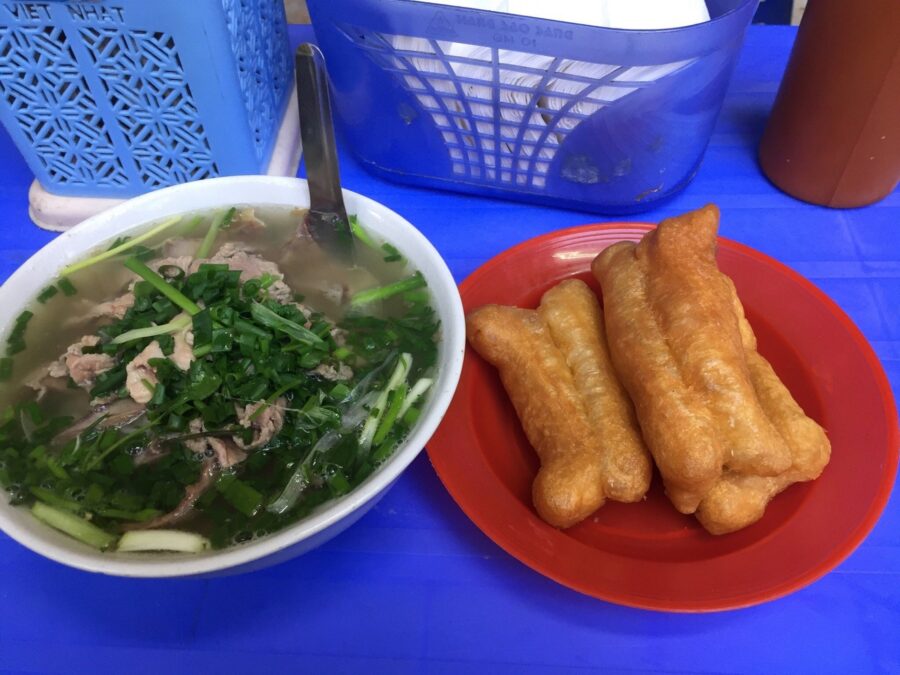
Hanoi cuisine is all about subtlety, balance, and deep layers of flavor. You can start your breakfast in Hanoi with a hot bowl of pho, with clear broth and the warm aroma of cinnamon and star anise, then stop by a small cafe in the Old Quarter to try egg coffee. Food in Hanoi is usually not too strong or too spicy. Instead, it focuses on lightness, fragrance, and the slow enjoyment of each layer of taste. For the most authentic experience, try eating in the morning or around lunchtime, when local restaurants are busy and the dishes are still hot, fresh, and full of true Hanoi flavor.
Saigon – A vibrant feast of diverse tastes
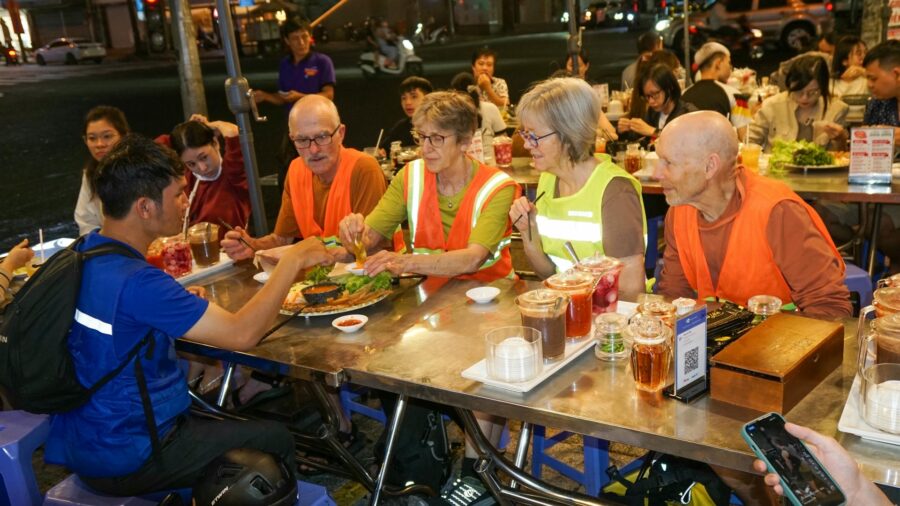
Saigon cuisine, on the other hand, is more open, diverse, and colorful, much like the rhythm of life in the city itself. Here, you can find dishes from all three regions of Vietnam: the North, Central Vietnam, and the South. Flavors in Saigon are often richer, a little sweeter, and served with plenty of fresh herbs, dipping sauces, and toppings, creating a generous, easy-to-enjoy, and varied food experience. If you love exploring, try eating in small alleys, local markets, or street-side food stalls in the evening, when the city lights up and its street food scene truly comes alive.
5. Iconic Landmarks: Heritage Architecture And Symbols of Development
Hanoi – Historic landmarks
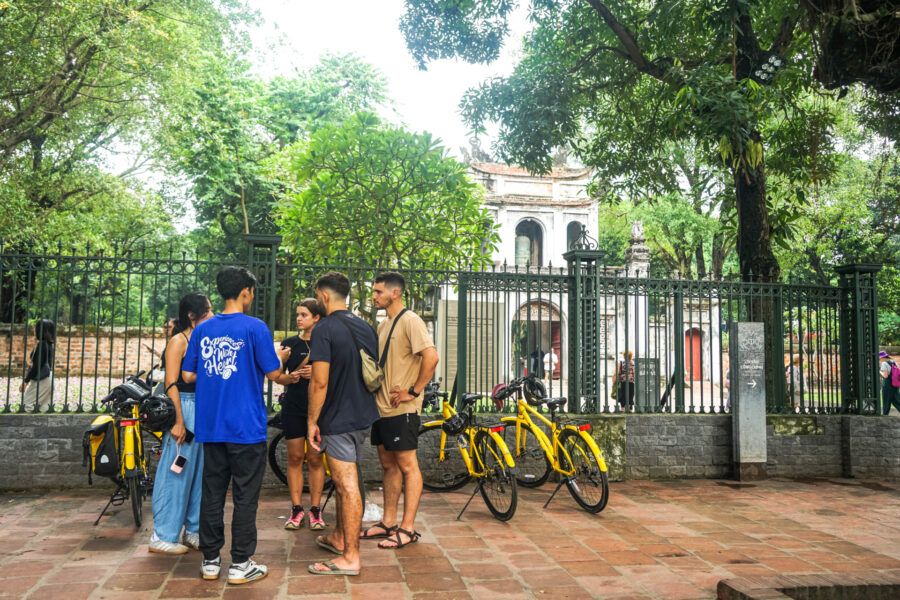
Hanoi is home to many iconic landmarks that reflect its long history and cultural depth. Visitors can explore Hoan Kiem Lake, the Old Quarter, and the Temple of Literature, each telling a different history story. The mix of ancient architecture and quiet streets creates a unique charm that feels both timeless and peaceful. To experience these highlights more deeply, you can join the Tour de Hanoi by Jackfruit, which offers a closer look into the city’s heritage.
Saigon – Symbols of prosperity and development
Saigon features vibrant landmarks that showcase its dynamic and modern energy. From Notre-Dame Cathedral and the Central Post Office to Ben Thanh Market, the city blends history with everyday life. The streets are lively, full of movement, and constantly evolving, giving Saigon its distinct character. You can discover these places through the Tour de Saigon by Jackfruit, a great way to explore the city from a local perspective.
So, Is Hanoi Bigger Than Saigon?
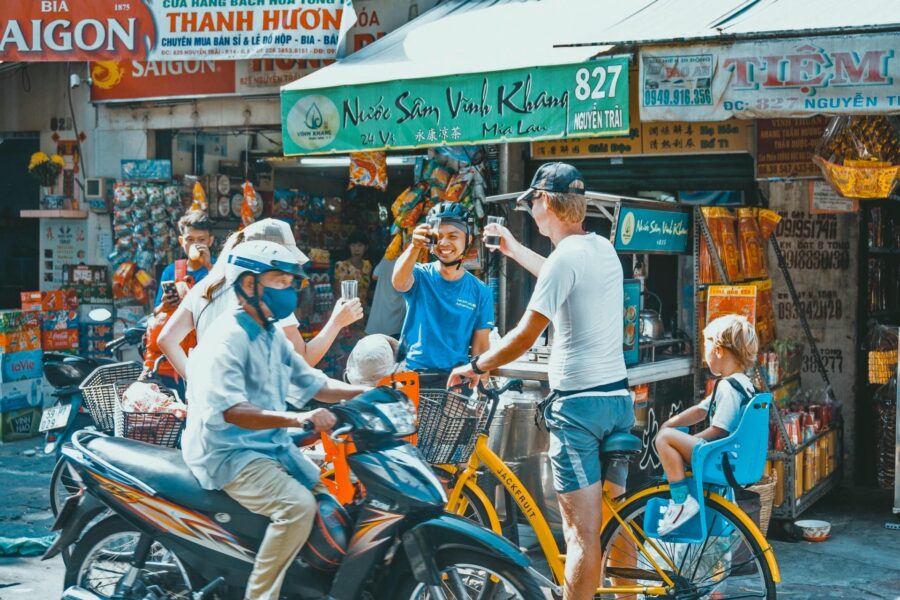
To answer the question “Is Hanoi bigger than Saigon?”, the answer is “No” if we look at the new administrative boundaries from 2025 onward. After its expansion, Saigon, officially Ho Chi Minh City, became larger than Hanoi in terms of area, and it also stands out more in population size and economic development. However, Hanoi is still “bigger” in other ways: it is rich in culture, deep in history, known for its traditional cuisine, and carries the special role of a long-standing capital. Each city has its own unique character, so if you are not sure which one suits you better, contact Jackfruit and let us help you find the best choice based on your interests and travel style.

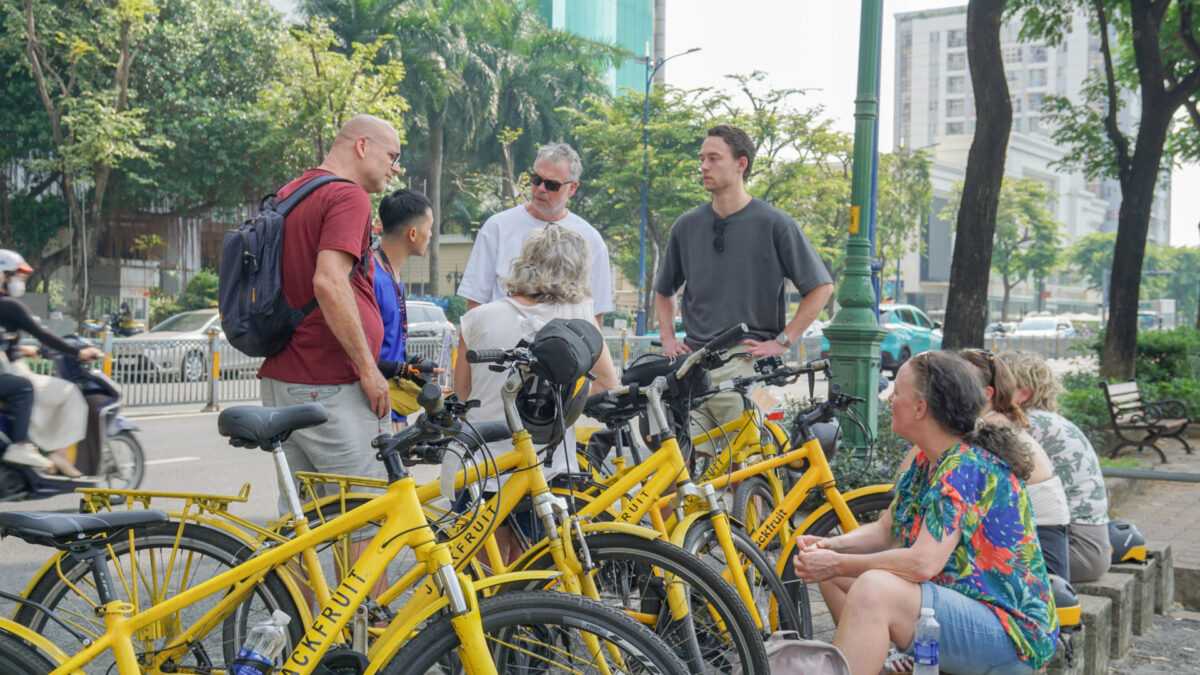
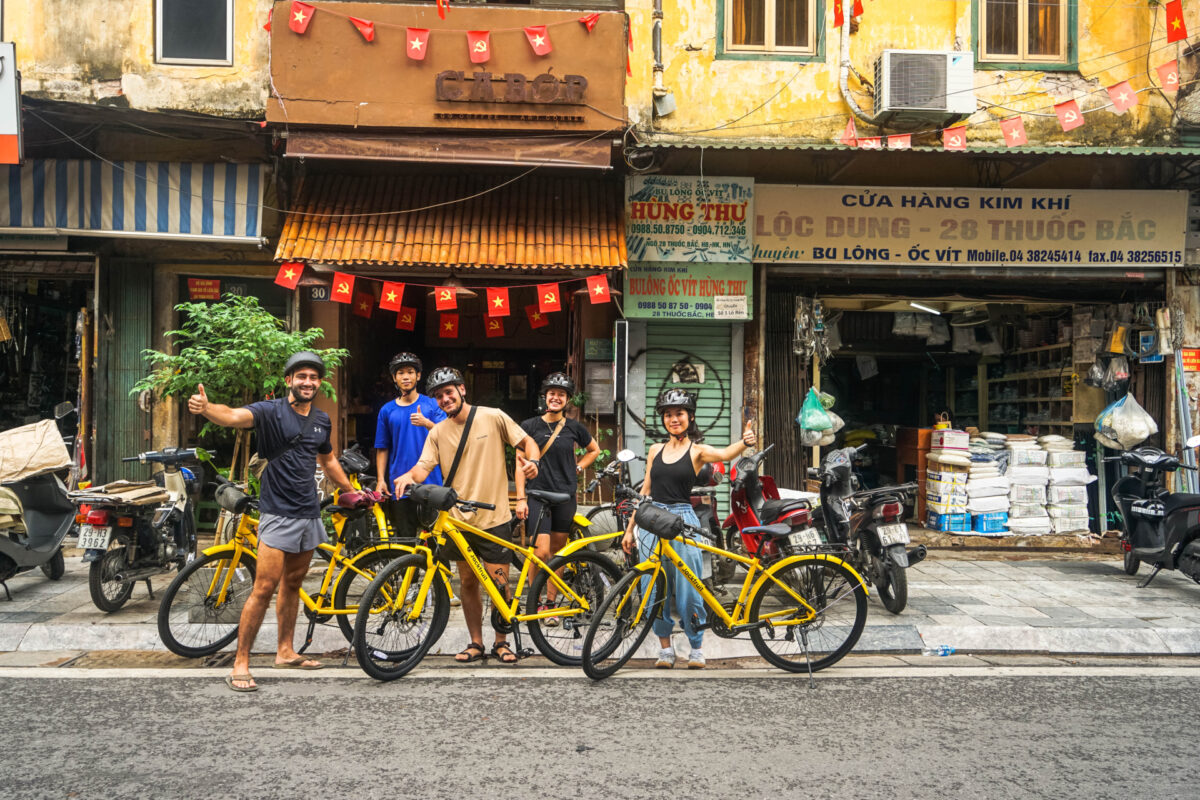
To fully experience each city and visit as many places as possible, we think cycling is a great way to get around. However, exploring the streets of Saigon or Hanoi on your own can sometimes feel confusing or a little overwhelming. To make your journey through these two cities easier and more memorable, try Jackfruit’s cycling tour. You only need to enjoy the experience, and we will take care of the rest!