

Table of Contents
Every New Year, I’m reminded that Tet wishes in Vietnam are more than polite greetings. They always carry everyone’s hopes for health, peace and future success that are spoken softly over tea, laughter, and heartfelt family meals. In this guide, I’ll share the Tet wishes Vietnamese people commonly wish for each other, what they really mean, and how you can use them naturally during Lunar New Year in Vietnam!
What Are Tet Wishes in Vietnamese Culture?
When people think of Tet, they often picture chưng cake (bánh chưng), fireworks, apricot blossoms, red envelopes and candied fruits. But for me, what always leaves the deepest impression is Tet wishes. These simple wishes you will hear everywhere, repeated year after year, yet never feel meaningless. In Vietnamese culture, Tet wishes are not just simple greetings, they carry hopes, promises and represent what people truly hope for when a new year starts.

During Tet, Tet wishes serve as a way to show respect and convey positive energy. Elders are wished good health and longevity, adults are wished success, stability and prosperity and students are wished success in their studies. Even small children are taught to greet adults properly before receiving Vietnamese lucky money. These moments may seem ordinary, but they continually strengthen family ties, intergenerational respect, and care for one another.
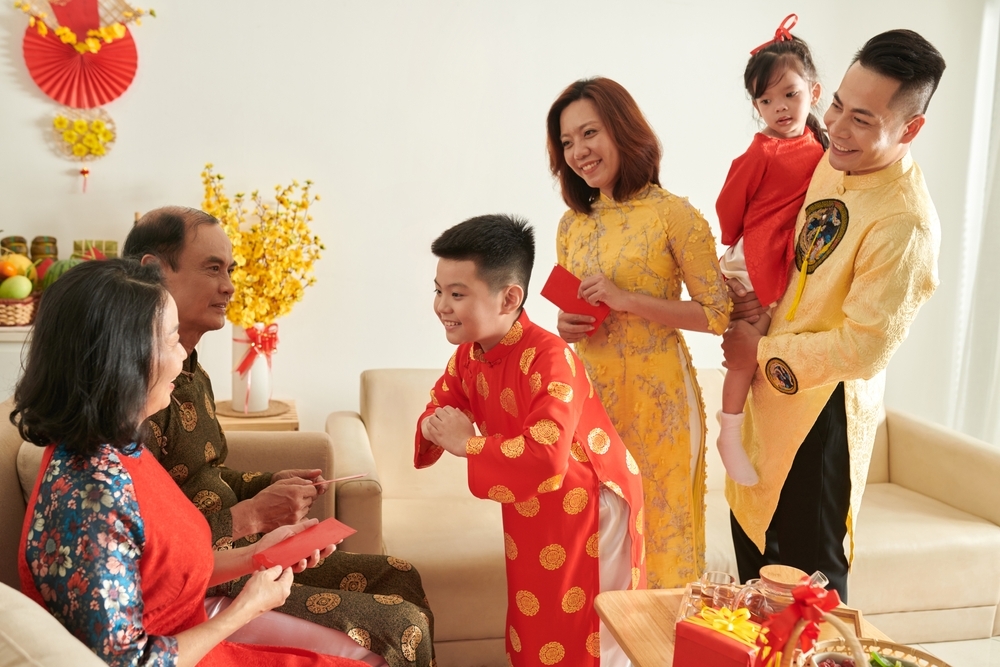
What I find most touching is how familiar Tet wishes become, depending on who you’re speaking to. For instance, you don’t wish money to your grandparents before health, you don’t wish marriage to someone younger unless it’s appropriate. For Vietnamese people, knowing which Tet wishes to say and which to avoid is a form of cultural literacy.
If you’re used to Western New Year wishes, Tet wishes may feel a little different at first. Instead of focusing on personal goals or resolutions, Vietnamese Tet wishes are shaped by family roles, age, and relationships. You don’t need to be creative or original; choosing the right wish for the right person matters much more. For visitors, understanding this difference helps you avoid awkward moments and use Tet wishes more naturally in daily interactions.
Understanding Vietnamese New Year wishes is one of the easiest ways to grasp Vietnamese culture. You don’t need perfect Vietnamese; even a simple “Chúc Mừng Năm Mới,” said sincerely, can open doors, spark smiles, and make you feel, if only for a moment, as if you belong.
The Meaning Behind Tet Wishes: When They’re Said & Why They Matter
1. When Are Tet Wishes Said?
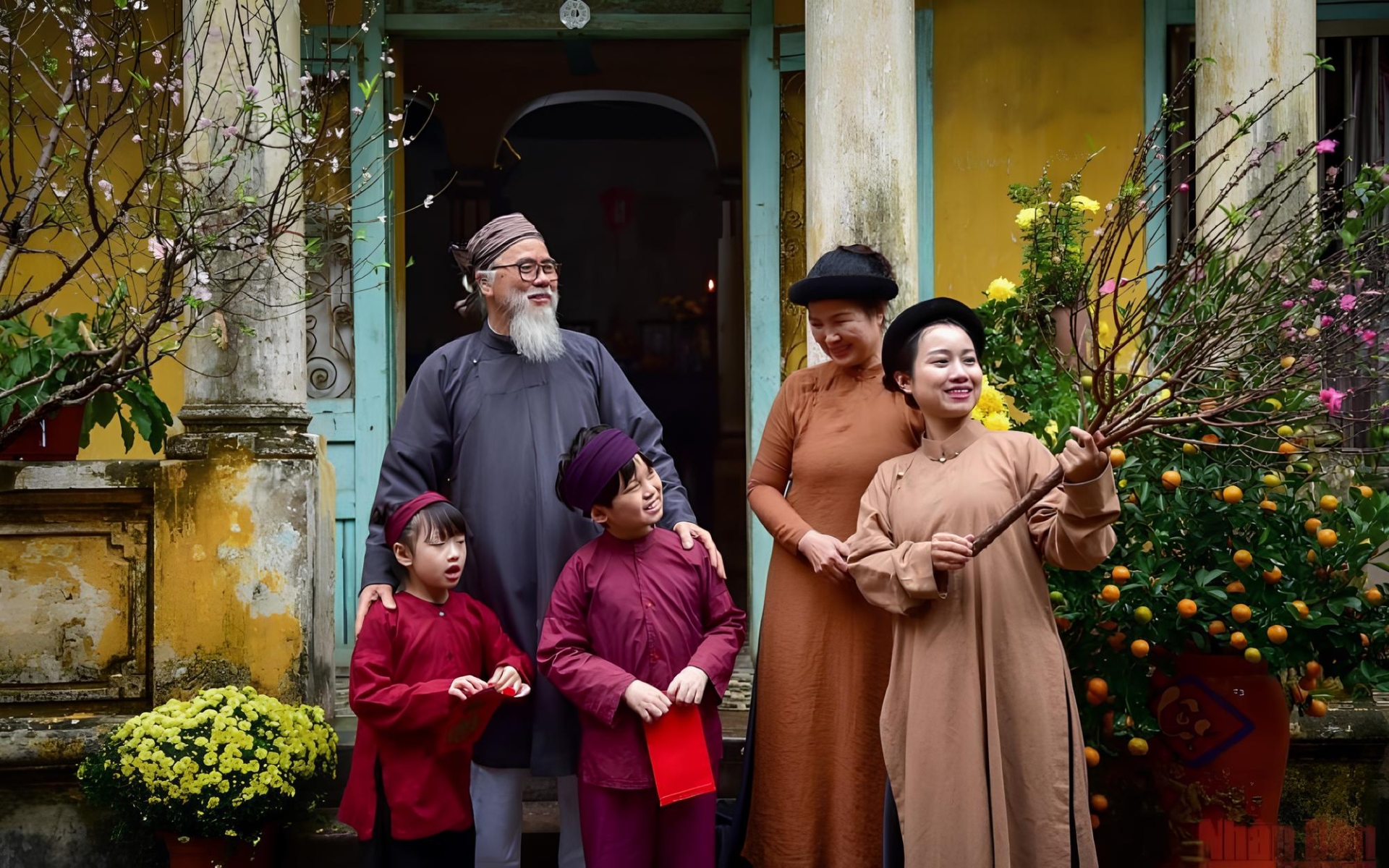
Technically speaking, New Year greetings can be exchanged throughout the Lunar New Year. But in reality, these wishes matter most when they’re said at the right moment.
The first moment is New Year’s Eve – the moment of transition between the old year and the new. At home, families gather, light incense and offer prayers to their ancestors. This is when Tet wishes are often said softly to express hopes for health, peace and family closeness.
Next is the first day of Tet. Vietnamese people believe that whatever happens first “sets the tone” for the entire year. That’s why the first words you hear in the morning are carefully chosen. When relatives visit each other, they exchange some of the most common Tet wishes that are filled with positive intentions and heartfelt meaning.
As the days go on, Tet wishes continue to appear everywhere. I hear them while visiting neighbours, chatting with shop owners or ordering coffee at a street-side cafe. Even with strangers, Tet wishes are shared through warm smiles and unspoken good intentions.
2. Why Tet Wishes Matter So Much in Vietnamese Culture?
To someone unfamiliar with the culture, hearing Tet wishes repeated again and again might feel “predictable”. For many Vietnamese, repeating these phrases is a way of showing belief.
Words spoken during Tet are thought to share positive feelings. Saying something good will invite good things to come; therefore, people avoid negative topics, complaints, or unlucky words during the New Year. Instead, they choose Tet wishes that reflect what truly matters: health, harmony, prosperity, and peace.
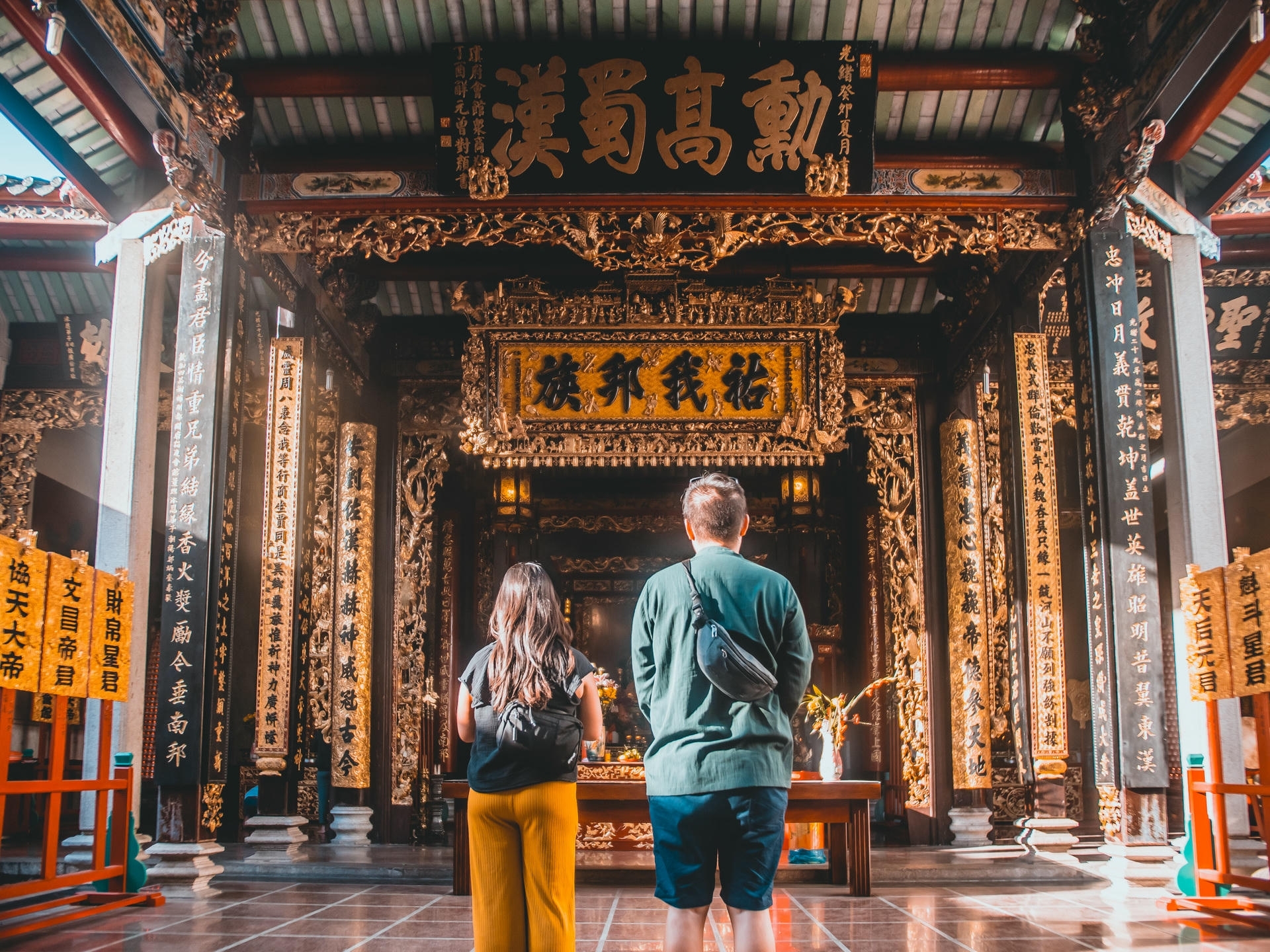
Beyond spoken words, many Vietnamese also “wish” for peace and good fortune by visiting temples or pagodas at the start of the New Year, demonstrating that Tet wishes are expressed not only through words but also through actions.
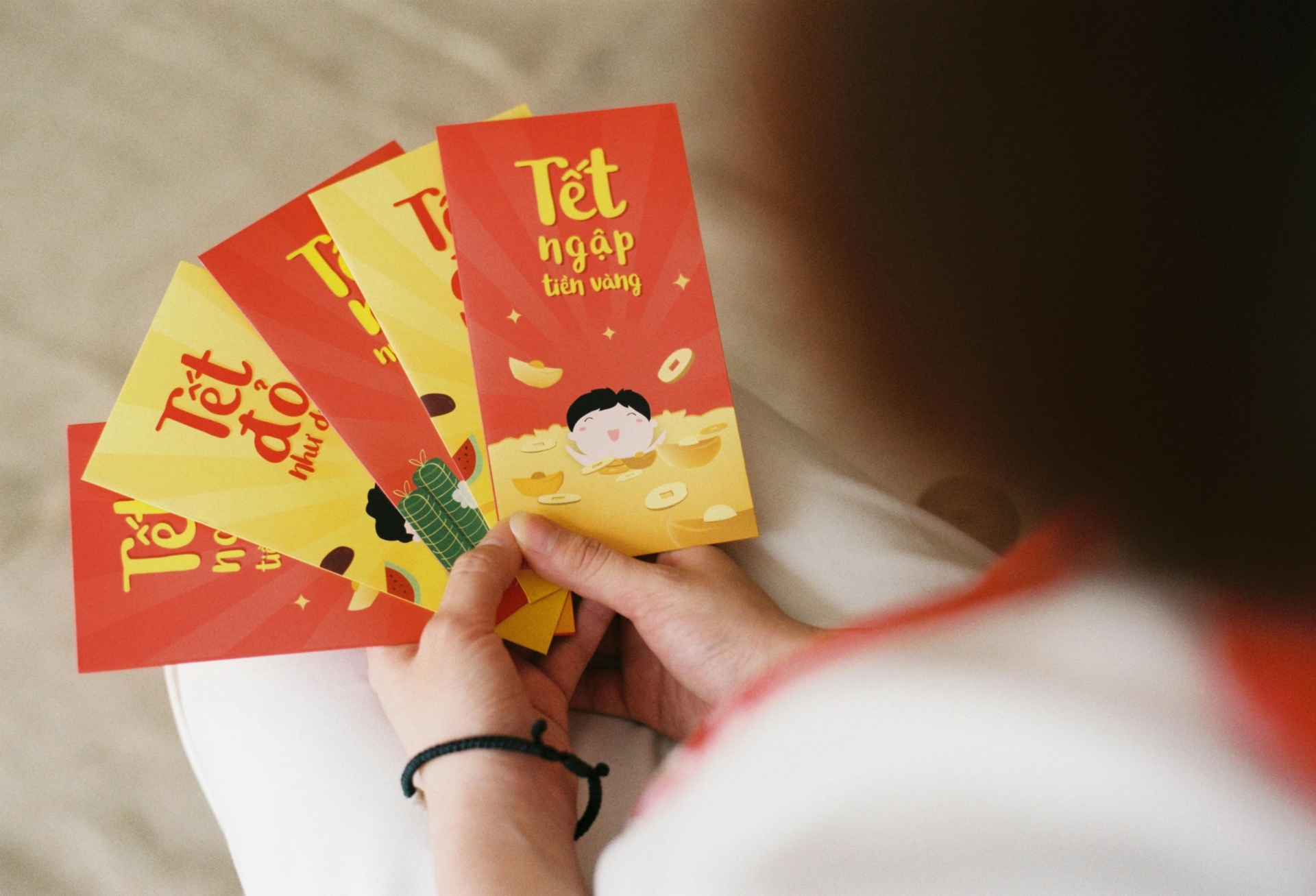
Even on today’s red envelopes, you’ll often find playful, light-hearted, and heartfelt Tết messages – just like a reminder that New Year wishes continue to evolve while keeping their spirit of joy and hope.
Common Vietnamese Tet Wishes You’ll Hear Everywhere
One thing I notice during Tet is how Tet wishes seem to follow you wherever you go. At first, they may sound repetitive. But the longer I listen, the more I realize that every wish is chosen for a reason.
Here are the most common Vietnamese Tet wishes you’ll hear everywhere, and what they really mean beneath the words.
1. “Chúc Mừng Năm Mới” – The Most Common Tet Wish
If there’s one phrase you’ll hear nonstop during Tet, it’s “Chúc Mừng Năm Mới” (Happy New Year). This is the most “universal” greeting of all Tet wishes, as you can use this phrase with everyone! To me, this sentence feels like a warm way of saying, “We’ve made it into a new year together, let’s hope it’s a good one.”
2. Health Wishes for Elders
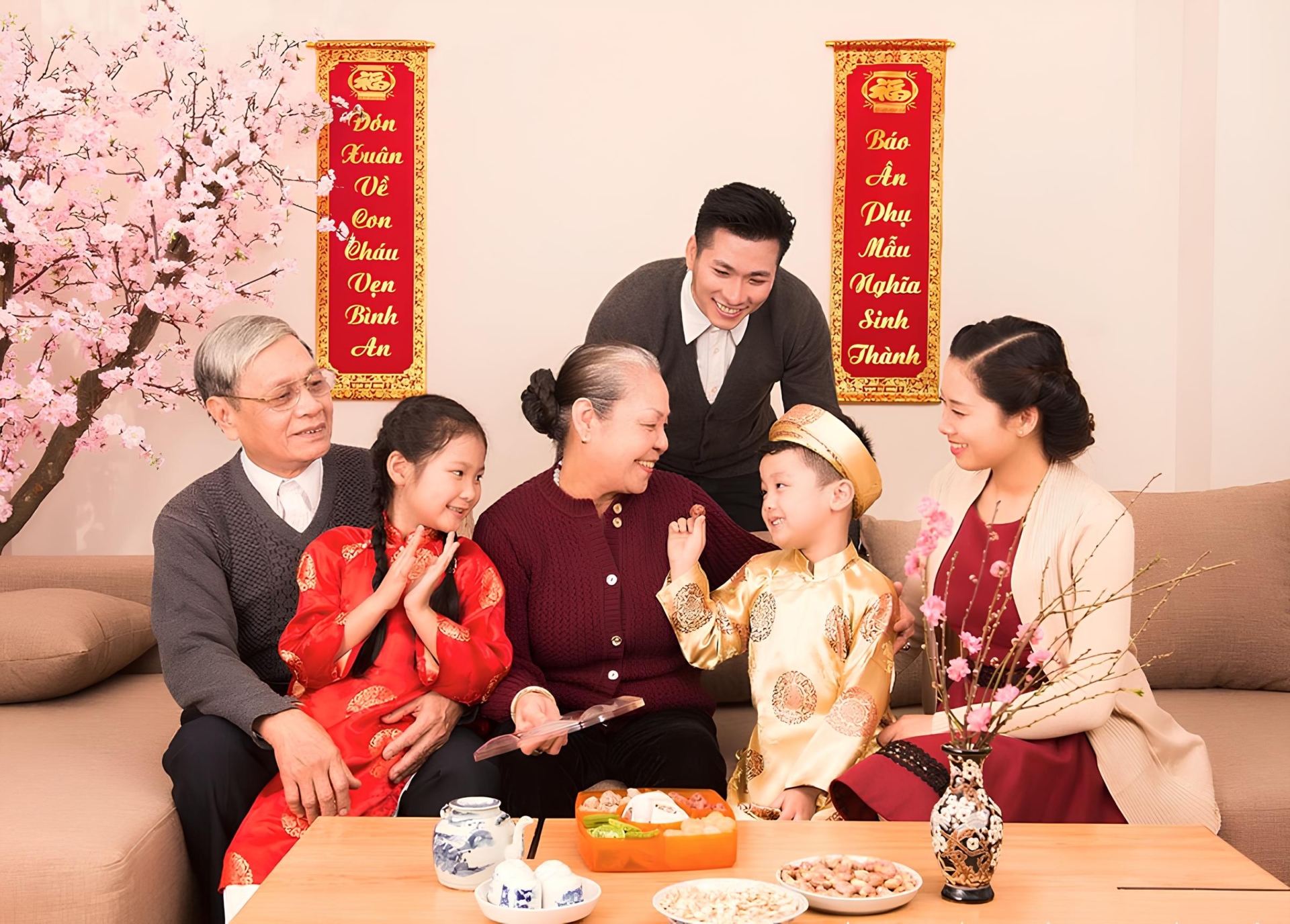
Health-focused wishes are the most important when greeting elders. Common phrases include:
-
“Chúc ông bà thật nhiều sức khỏe” (Wishing you good health)
-
“Chúc ông bà sống lâu trăm tuổi” (Wishing you a long life)
👉 Use these when greeting grandparents or elderly relatives first during Tet.
3. Wealth & Prosperity Wishes
These wishes are commonly used with business owners, shopkeepers, and service workers. They express hopes for:
-
Smooth business
-
Steady income
-
A successful year ahead
👉 Very common in markets, cafés, hotels, and local shops.
4. Career & Success Wishes
For working adults, Tet wishes often focus on career progress and stability.
👉 These wishes are usually said by relatives or family friends and are meant as encouragement, not pressure.
5. Study & Exam Wishes for Students
Students often receive wishes related to:
-
Studying well
-
Passing exams
-
Academic success
👉 These reflect the strong value placed on education in Vietnamese culture and are usually supportive in tone.
6. Love & Family Wishes
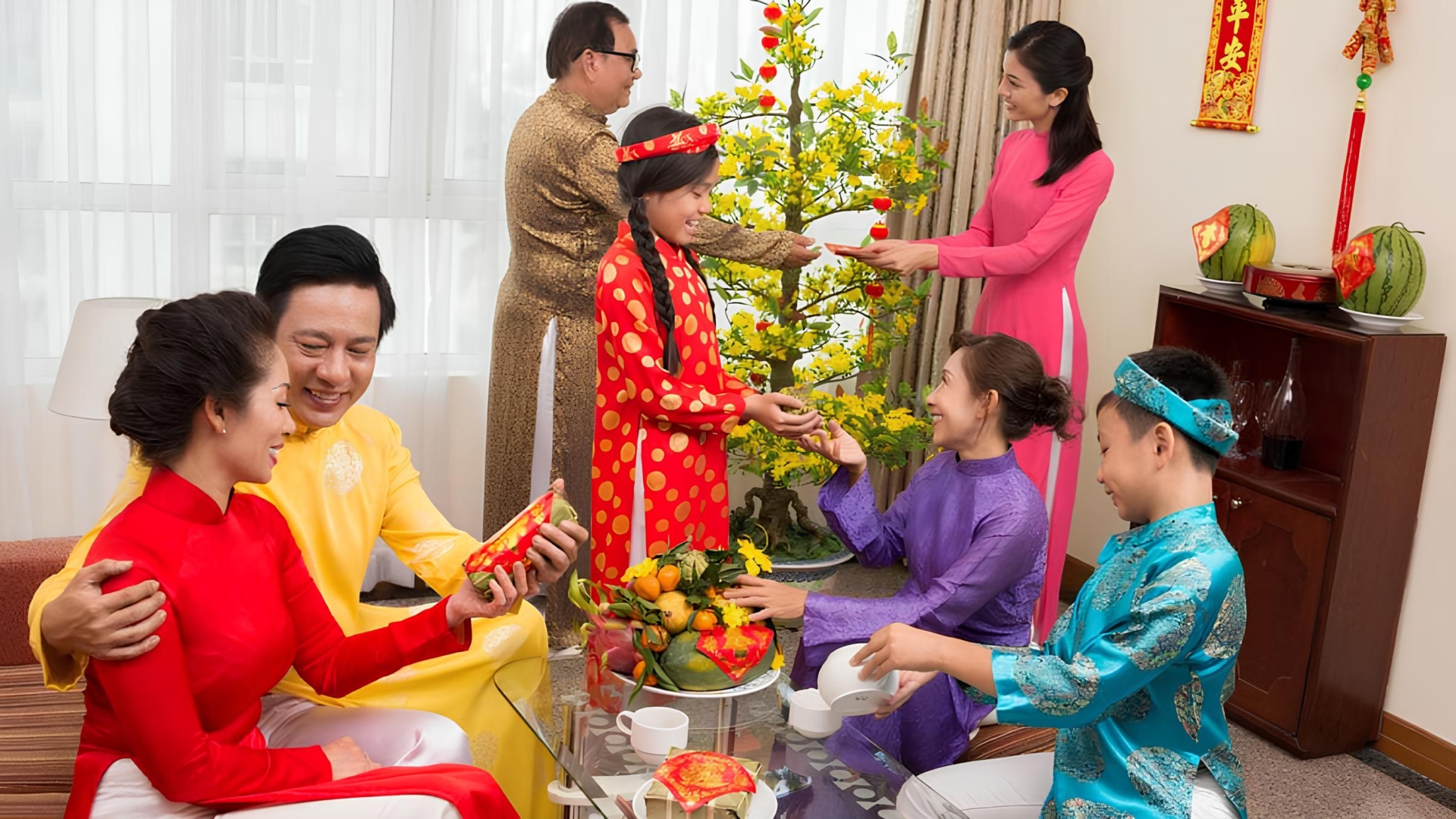
Family-related wishes focus on:
-
Harmony
-
Happiness
-
Emotional stability
👉 These wishes may feel sweet or slightly awkward, especially for younger adults, but they are meant to express care rather than judgment.
Why Don’t You Say the Same Tet Wishes to Everyone
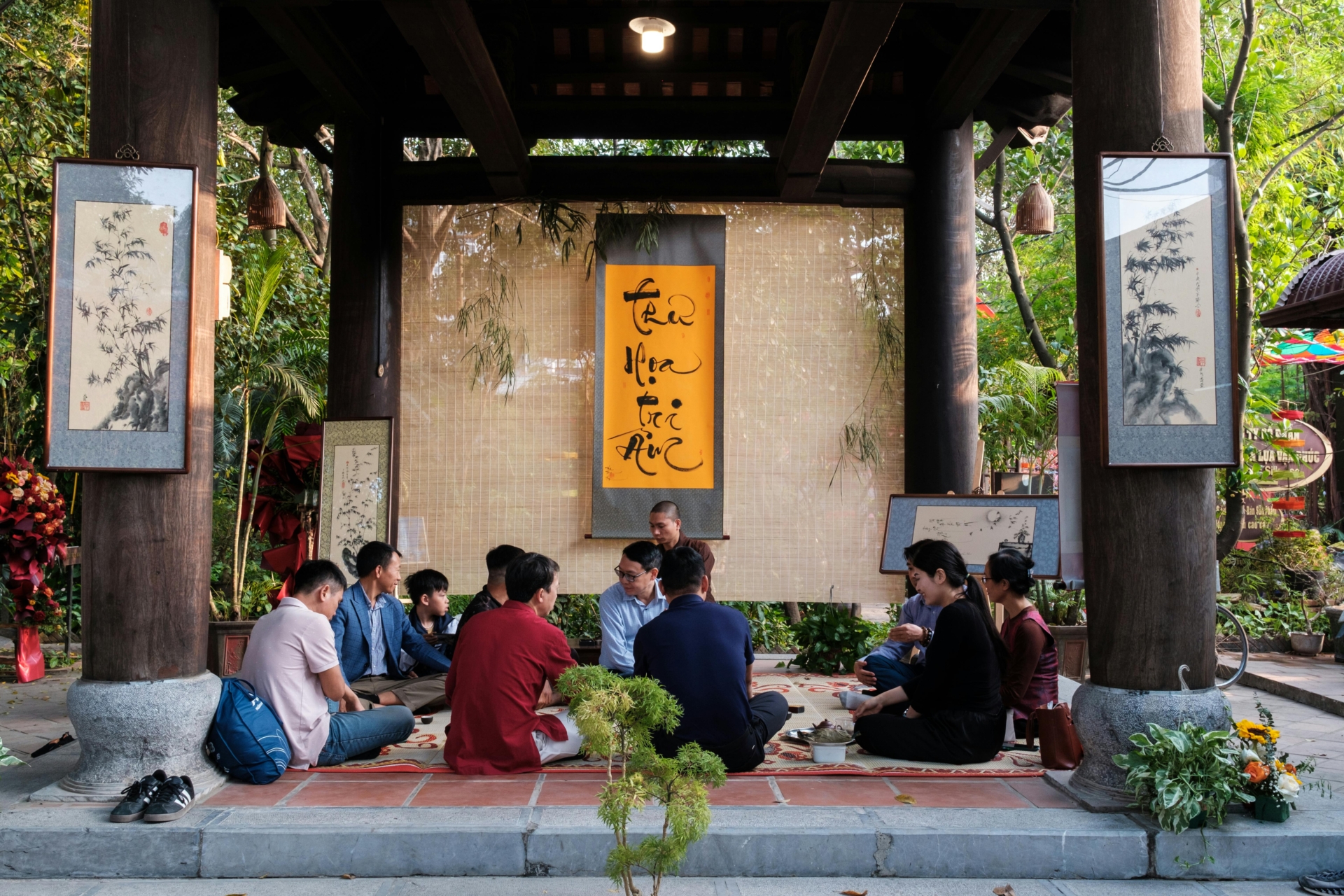
One thing I learned about Tet wishes is that context matters just as much as the words themselves. During Tet Holidays, Vietnamese people don’t randomly pick a wish; we adjust what we say based on age, relationship and social role.
Here’s how Tet wishes change depending on who you’re talking to and why that difference matters.
1. Tet Wishes for Elders
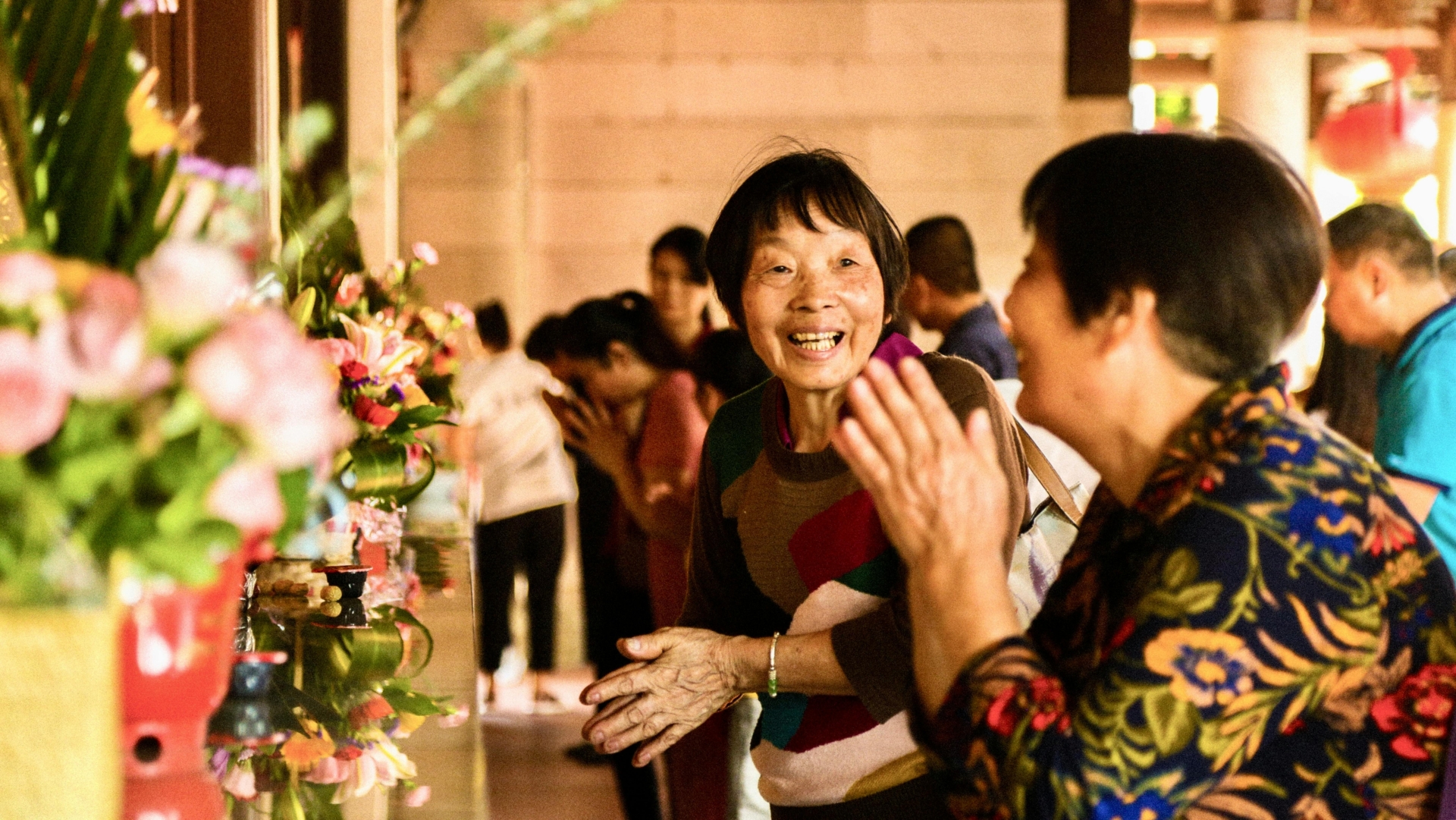
When speaking with elderly people, your tone will slow down, be softer, more gentle and respectful. That’s because Tet wishes for elders tend to centre on health and longevity.
In Vietnamese culture, people won’t wish elders wealth or success because what truly matters is their well-being. Specifically, health embodies peace, stability, and the hope that the family stays together for another year.
2. Tet Wishes for Friends & Peers
With friends and people my own age, Tet wishes feel more relaxed, as we share them with laughter, joy, teasing and happiness. What I love about this is how natural it feels, since there’s no pressure to be formal or “poetic”, just the companionship and shared hopes.
For tourists, this is the easiest way for you to connect with young Vietnamese locals. When chatting with locals around your age, keeping things simple and friendly works best, especially with a cheerful Tết wish and a bright smile.
3. Tet Greetings for Colleagues & Business Owners
I bet this is the part that many travellers get curious and sometimes confused about. Over time, I realized that for business owners, Tet marks the beginning of a brand-new working year and how the year will start. Thus, Tet wishes offered for business owners will focus on smooth operations and a steady stream of customers.
During Tet Holiday, a quick purchase at a local market feels like a chance to wish each other a good start to the year. For me, these familiar Tết wishes don’t feel awkward or intrusive at all. They’re simply a polite way to show respect and goodwill, especially to people starting a new business year.
Simple Tet Wishes Every Tourist and Expat Can Confidently Use
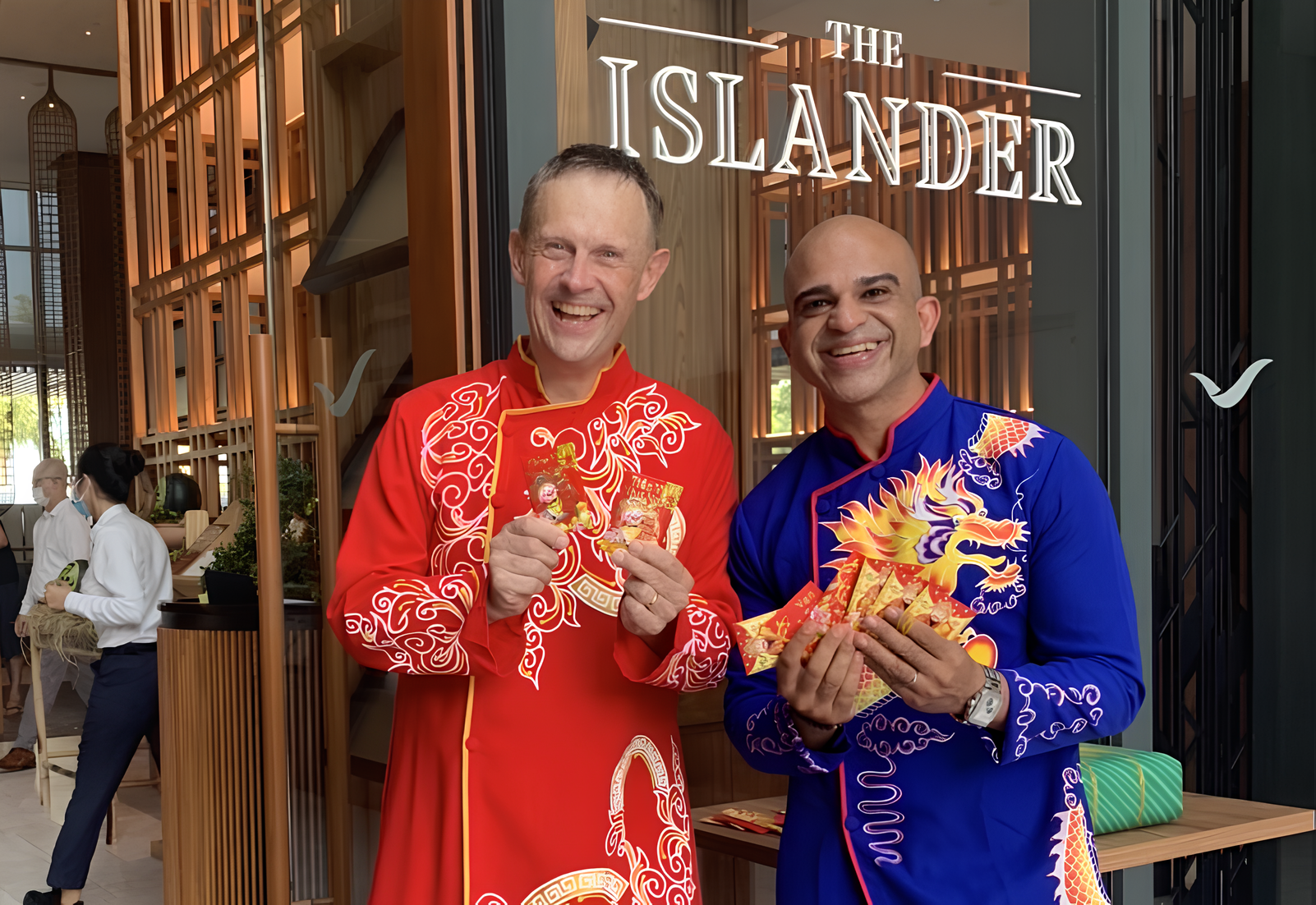
1. 10+ Easy Tet Wishes for Non-Vietnamese Speakers
If Vietnamese seems a bit “intimidating”, start with something basic. These beginner-level Tet wishes are super easy to pronounce, widely accepted and safe to use with almost everyone:
1. “Chúc Mừng Năm Mới”
(Happy New Year) – Works with everyone.
2. “Chúc bạn may mắn!”
(Wishing you good luck) – Great for casual conversations with friends or people around your age.
3. “Tiền vô như nước”
(Money flows in like water) – A fun Tet wish for wealth, often said to shop or business owners.
4. “Chúc anh/chị năm mới nhiều niềm vui”
(Wishing you lots of joy in the New Year) – Polite and safe for adults you don’t know well.
5. “Chúc gia đình mình năm mới bình an”
(Wishing your family a peaceful New Year) – Great when visiting someone’s home.
6. “Chúc làm ăn phát đạt”
(Wishing your business great success) – Very common for shop owners and business people.
7. “Chúc buôn may bán đắt”
(Wishing you good sales and steady customers) – Friendly and natural in markets, cafés, and street stalls.
8. “Chúc năm mới nhiều may mắn”
(Wishing you good luck in the New Year) – Works with friends, colleagues, and in casual conversations.
9. “Chúc anh/chị công việc thuận lợi”
(Wishing your work goes smoothly) – Suitable for working adults or colleagues.
10. “Chúc năm mới mọi việc suôn sẻ”
(Wishing everything goes smoothly in the New Year) – Neutral and safe for almost everyone.
11. “Chúc con chăm ngoan, học tốt”
(Wishing you to behave well and study well) – Appropriate when greeting children.
12. “Chúc năm mới an khang thịnh vượng”
(Wishing you health, peace, and prosperity) – A classic Tet phrase for formal or respectful settings.
13. “Chúc gia đình mình luôn hạnh phúc”
(Wishing your family lasting happiness) – Warm and respectful for family gatherings.
14. “Chúc năm mới nhiều năng lượng tích cực”
(Wishing you positive energy in the New Year) – Modern and casual, good for young people.
15. “Chúc mọi người năm mới thật trọn vẹn”
(Wishing everyone a fulfilling New Year) – Nice group wish for family meals or gatherings.
👉 If Vietnamese feels overwhelming, just smile and say “Chúc mừng năm mới!”. That one sentence alone is enough to show respect, effort, and goodwill during the Tet Holiday.
2. Common Mistakes to Avoid When Saying Tet Greetings
While Tet wishes are meant to bring positivity, visitors often make a few cultural misunderstandings without realising it.
One common mistake I’ve noticed is treating Tet wishes too casually. In many Western cultures, New Year greetings are usually short, simple, and relaxed. Conversely, in Vietnam, Tet symbolises the beginning of a fresh, brand-new year, and locals take their words seriously. I’ve learned that even a small, harmless joke about people’s wealth, age or luck can feel awkward during this time.
Moreover, you need to avoid saying the same wish to everyone without considering who they are. For example, wishing someone wealth may feel odd when speaking to an elderly relative, whereas health-focused Tet wishes are more appropriate.
Timing also matters, as Tết wishes are typically exchanged during the first days of the Lunar New Year. That said, it is still generally acceptable to send Tết wishes within two to three weeks after the holiday, when the festive spirit often lingers. However, sending wishes much later (once the Tết atmosphere has entirely faded) may feel slightly out of place, even if your intention is sincere.
Discover Saigon’s Tet Wishes and Hidden Traditions with Jackfruit Adventure!

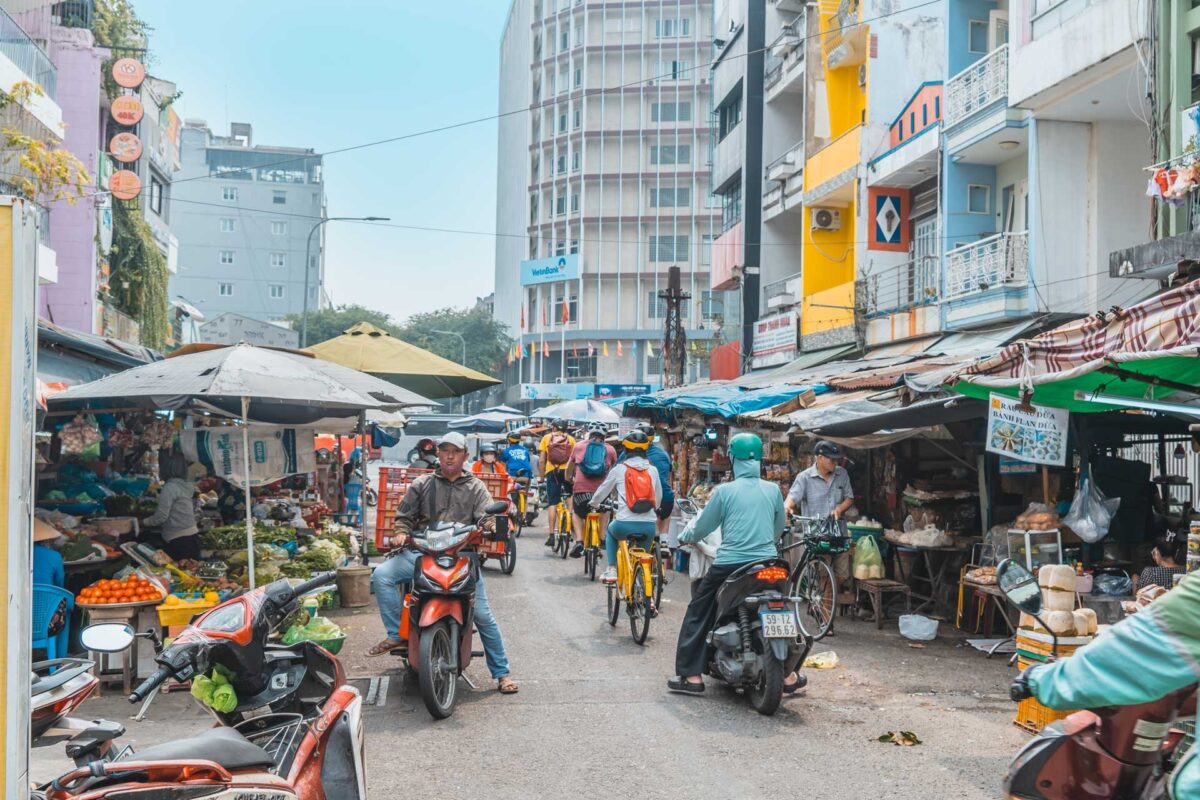
As Tet Holiday settles into the city, Saigon somehow feels softer and lovelier. As I wrapped up my journey through the city during Tet, one thing became clear: Tet wishes aren’t just polite greetings, they are shared in everyday, meaningful moments. And I found that the best way to “capture” these little moments is to step away from the main roads and move at a slower pace.
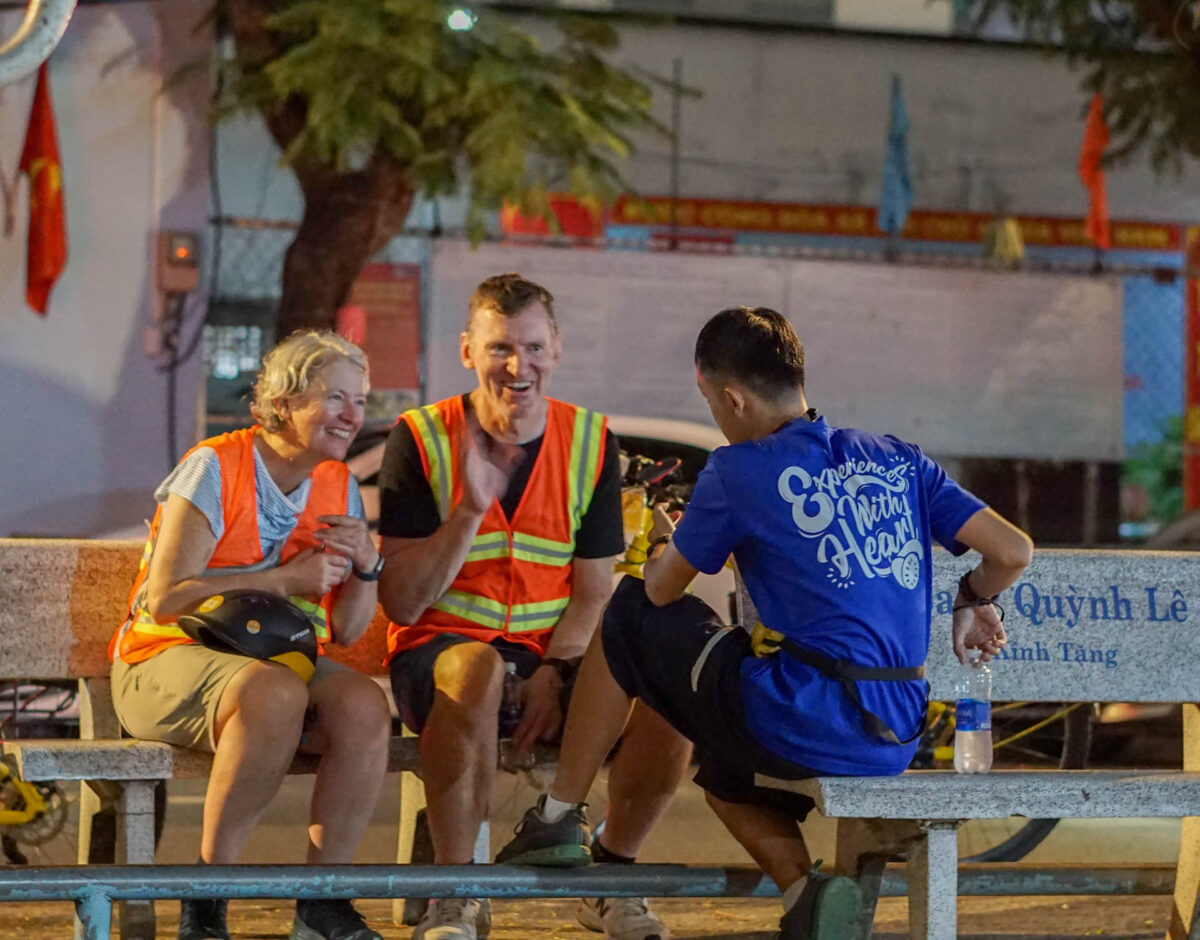
That’s exactly why I love unique, local experiences like Jackfruit Adventure’s Trails of Quach Dam cycling tour so much! On this ride, I get to leave the main boulevards behind and slowly pedal into the heart of Saigon’s Chinatown Chợ Lớn. In this place, community traditions, long-standing family businesses and vibrant markets come alive. During this journey, you see how tradition blends into routine, how culture is preserved through daily habits, and how community remains at the centre of Tet celebrations.
“Let’s pedal through Saigon’s hidden streets together, hear the Tết wishes people share from the heart, and rediscover the city through small, genuine moments.”