

Table of Contents
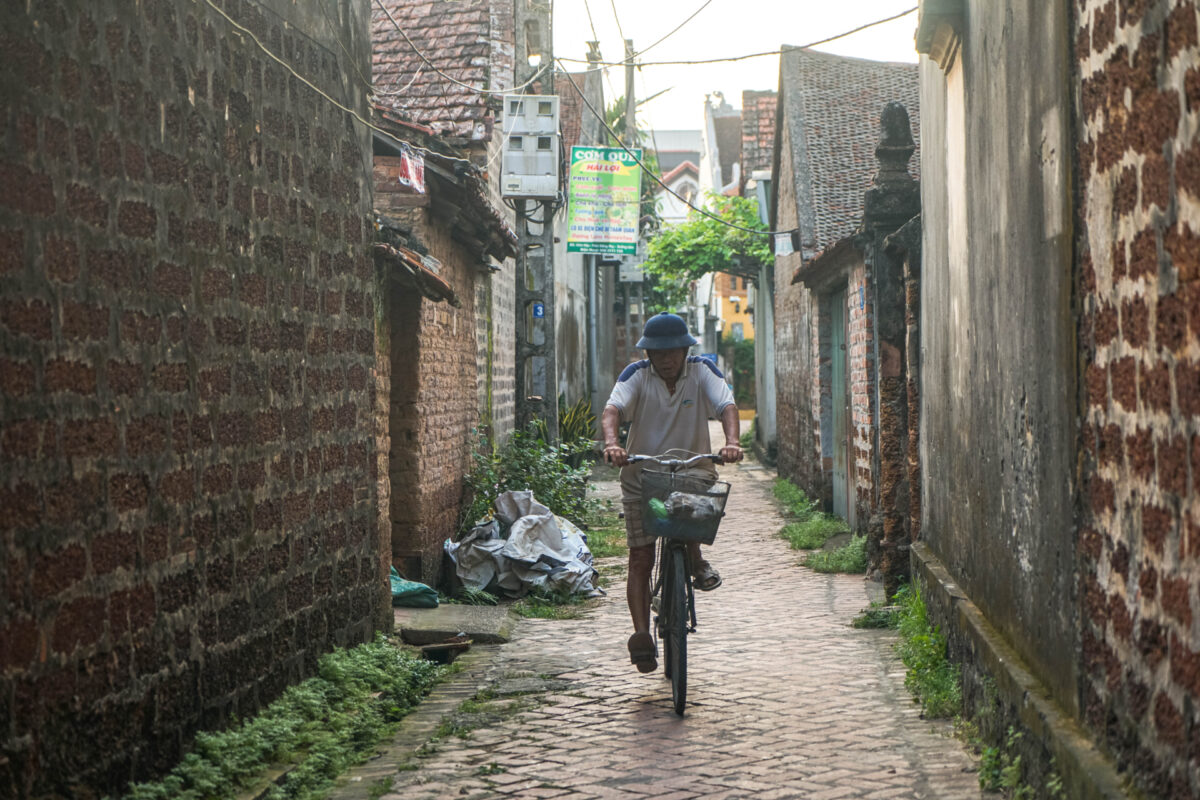
If you ask me where Hanoi truly lives, I won’t point you to Hoan Kiem Lake or the Old Quarter’s main drags. I’ll tell you to slip away with me into the Hanoi alleys – those narrow, twisting lanes where real life happens quietly, stubbornly, and with a kind of everyday beauty that never makes it onto postcards.
I grew up in one of these alleys. To outsiders, they probably look chaotic, maybe even a little overwhelming. To those of us who call them home, these lanes are where everything that matters takes place: steaming bowls of phở eaten on tiny plastic stools at dawn, neighbors bickering one minute and sharing iced tea the next, kids kicking a football down corridors barely wide enough for a motorbike to squeeze through.
This isn’t going to be some polished tourist guide. It’s more personal than that. It’s about what it actually feels like to grow up tucked inside the Hanoi alleys, where the city’s heartbeat still echoes off crumbling brick walls and laundry lines strung between balconies.
If you want to know Hanoi beyond what the guidebooks tell you, stick around.
The Anatomy of the Maze: Understanding the Ngõ
Before we go any further, let’s clear up the address situation. Hanoi’s system can be genuinely baffling if you’re not used to it. You might see something like: No. 2, Lane 12, Alley 45, Bach Mai Street.
Here’s how it breaks down:
- Phố: The main street – loud, wide, full of traffic and buses.
- Ngõ: The primary alley branching off the street, usually big enough for two motorbikes to pass each other.
- Ngách: The sub-alley, sometimes so tight you have to pull your elbows in just to walk through.
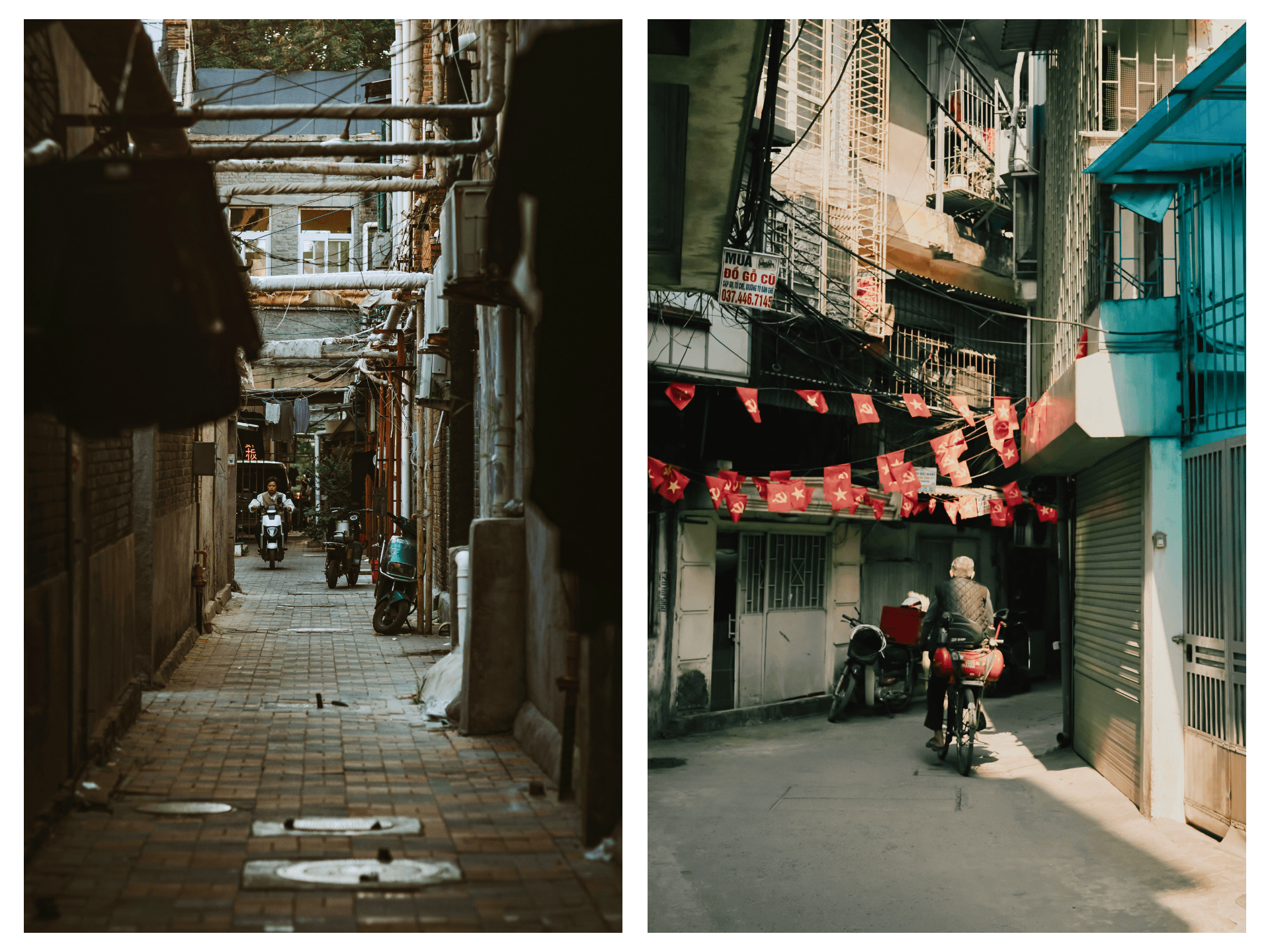
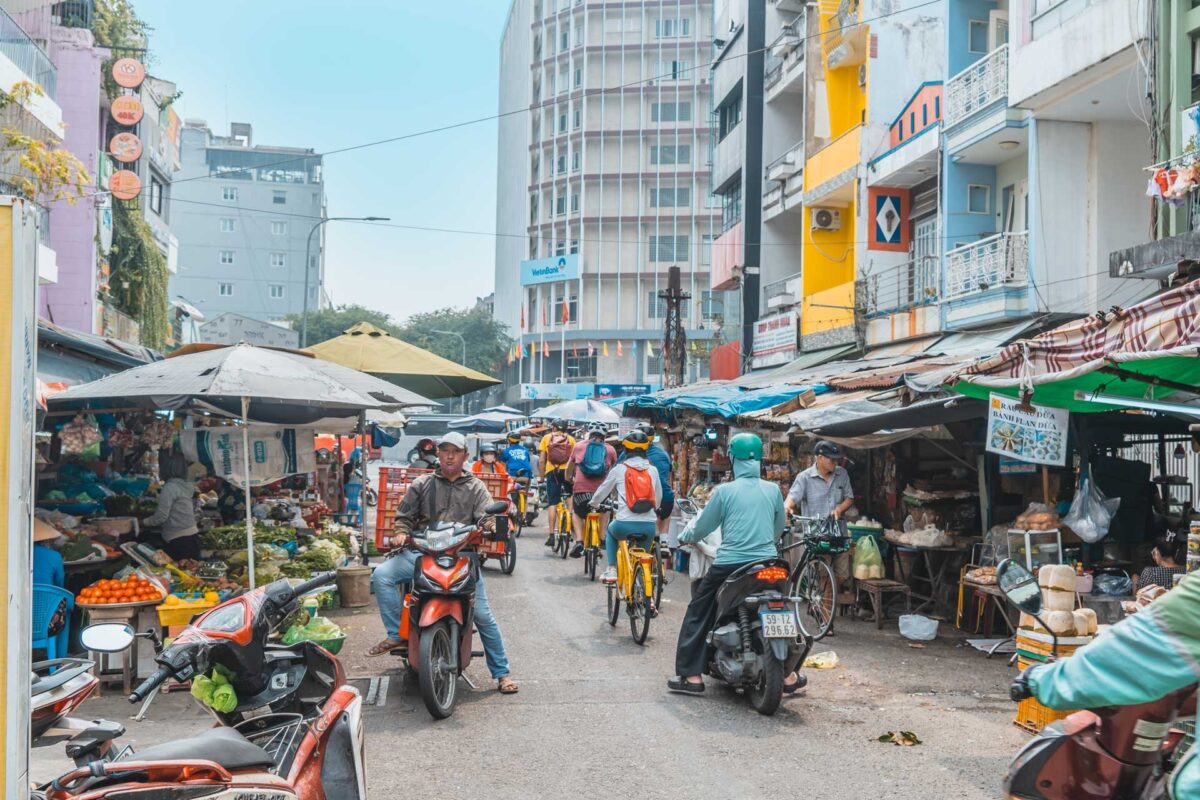
The Hanoi alleys are their own little ecosystems. The second you turn off a busy road like Kham Thien or Bach Mai and duck into a ngõ, everything changes. The roar of the city fades into something softer – the clink of ceramic bowls, a TV humming from an open window, someone yelling at their kid to come inside for dinner.
Why the Alleys Matter More Than Main Streets
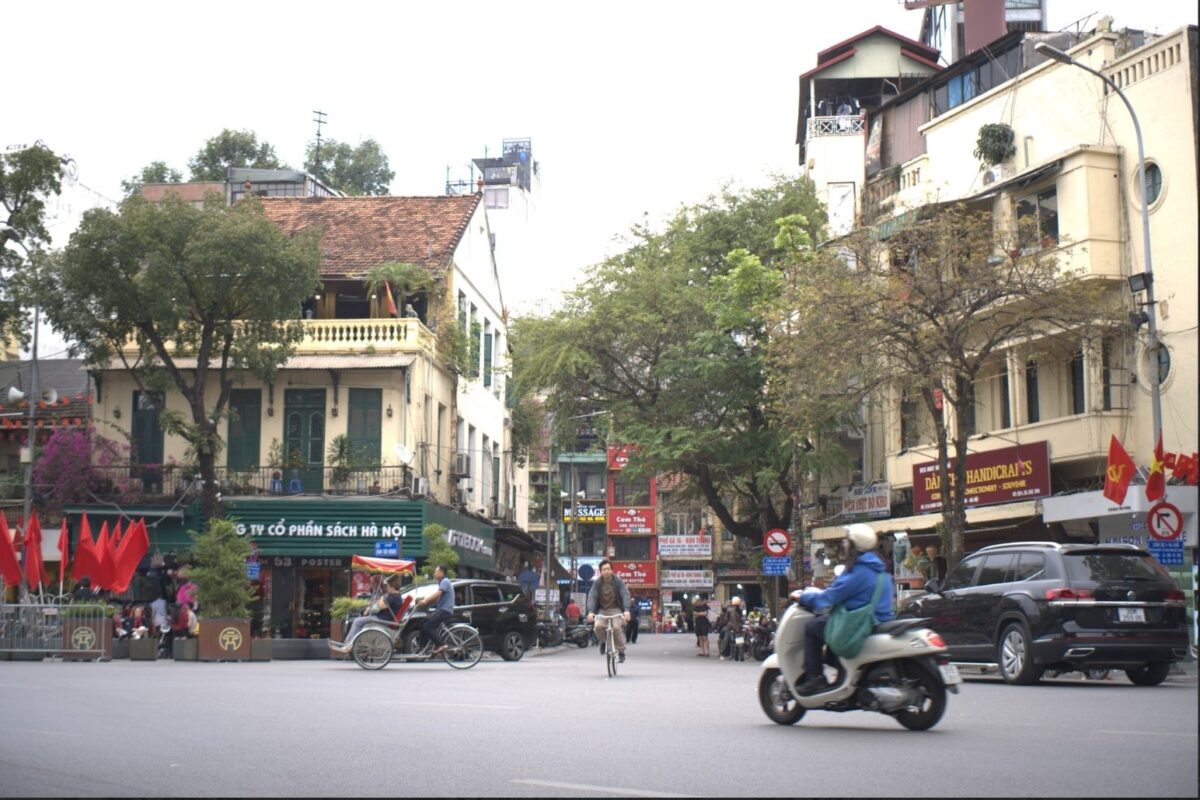
When tourists first land in Hanoi, they usually stick to the obvious spots: Hoàn Kiếm Lake, the Temple of Literature, maybe Dong Xuan Market. Those places are great, don’t get me wrong. But they’re just the surface. The Hanoi you’re looking for – where old women trade gossip over phở at dawn, where teenagers sneak off for their first cigarette, where entire wedding receptions spill out onto the pavement – that all happens in the alleys.
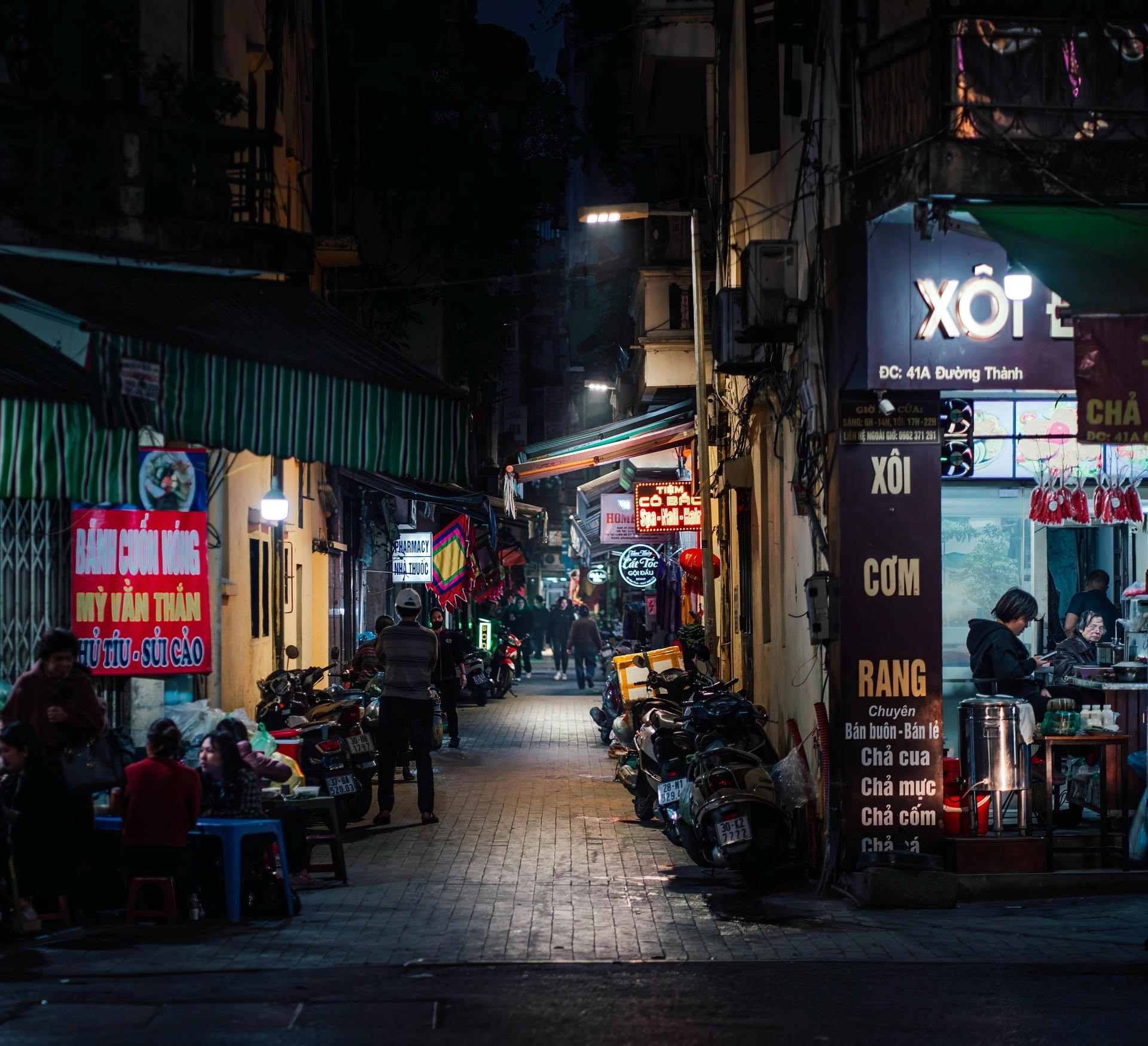
I’ve watched these lanes shift and adapt over the years, but somehow they’ve stayed fundamentally the same. Sure, now there are sleek little coffee shops wedged between century-old tube houses, but the rhythm underneath? That hasn’t changed. Every morning around six, I look out from my balcony and watch the neighborhood wake up: the phở vendor arranging his wobbly plastic stools, the bánh mì lady setting up her cart with surgical precision, motorbikes beginning their daily dance through gaps that look physically impossible to navigate.
The Hanoi alleys have their own unique character, but if you’re curious about how the south compares, check out the article about Saigon Alleyway Culture to discover the different rhythms and stories of Vietnam’s southern maze.
What You’ll Actually Encounter in the Hanoi Alleys
Artisan Workshops Still Operating the Old Way
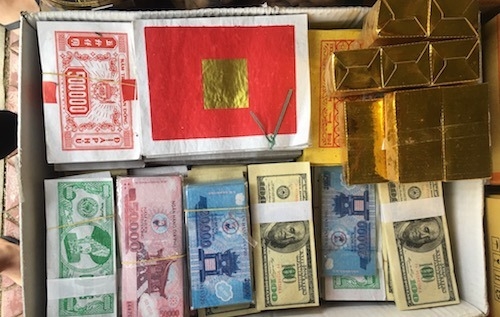
In the Hanoi alleys around Hàng Bạc (Silver Street) and Hàng Thiếc (Tin Street), you can watch craftspeople actually work. Real workshops, not tourist demonstrations. Men hammering silver into intricate jewelry using techniques passed down for generations. In lanes off Hàng Mã, paper craftsmen fold votive offerings – miniature houses, motorbikes, even paper iPhones to burn for ancestors.
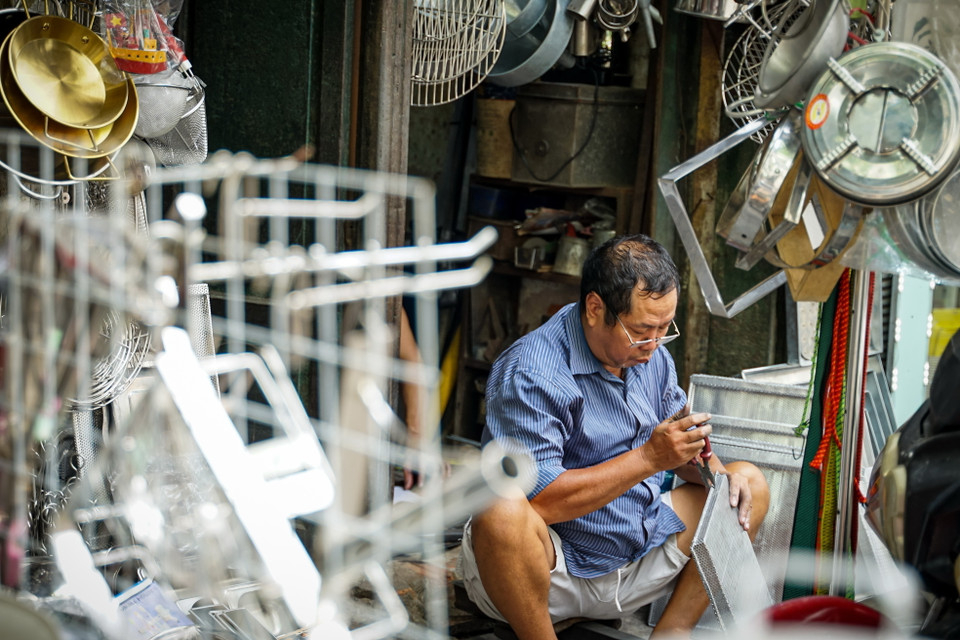
The rhythm here follows work schedules. Visit mid-morning and you’ll hear hammers tapping, sewing machines whirring, tools scraping wood. These aren’t museums – they’re businesses operating in spaces families have held for decades.
Coffee Shops Hiding in Plain Sight
Some of Hanoi’s best cafes require walking through someone’s living room to reach them. These hidden spots serve proper Vietnamese coffee – thick, strong, sweet if you want it. Students study here, freelancers work, locals escape the noise. Owners know their regulars by name and coffee order. That’s the intimacy you only find tucked away in the ngõ.
Street Vendors Who Are Neighborhood Fixtures
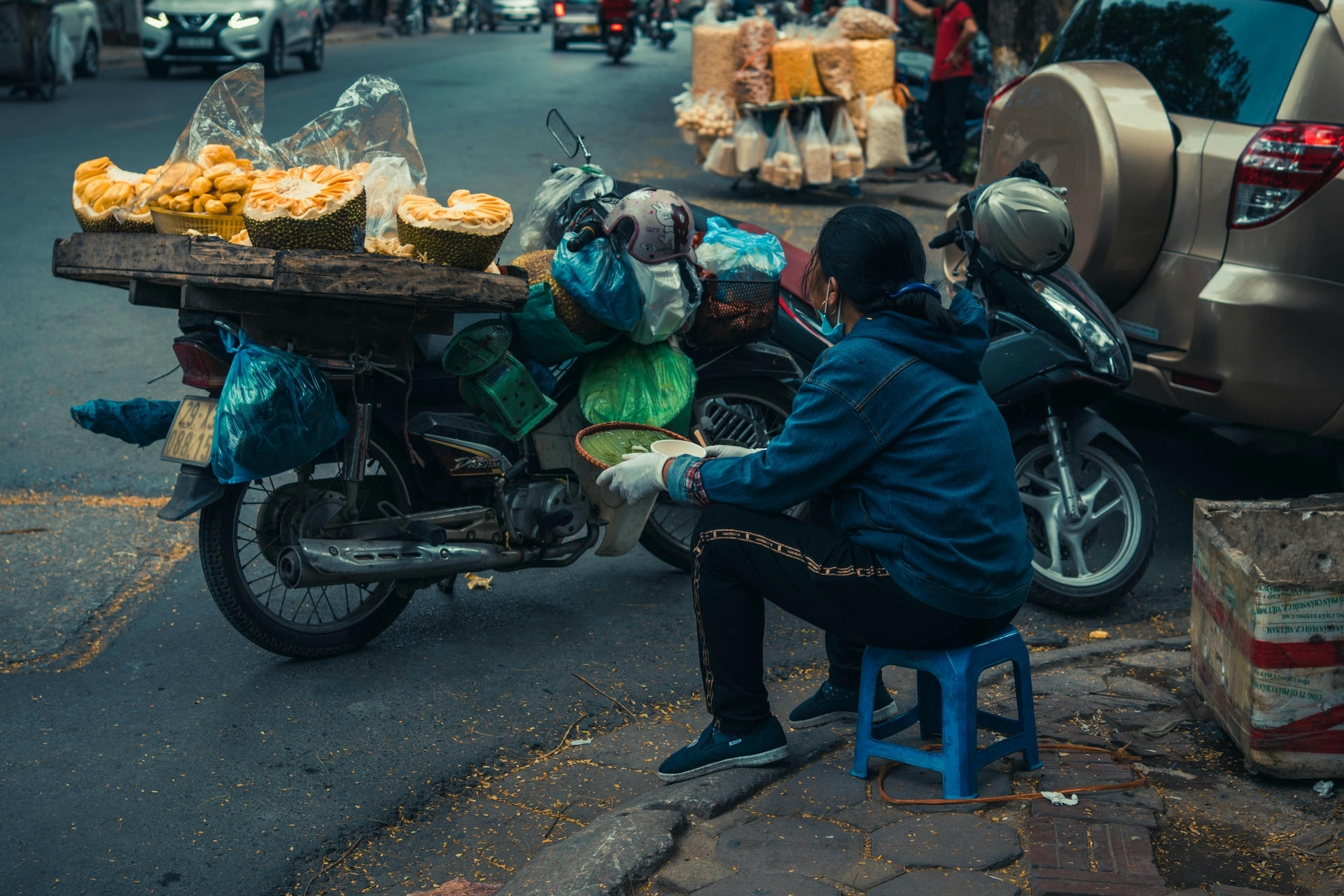
Every section has its characters – vendors who’ve claimed corners so long they’ve become part of the landscape. The bánh mì cart that appears at 3 PM sharp. The woman selling seasonal fruits from baskets on a shoulder pole. The man grilling corn over charcoal, sweet smoke filling the passage.
These aren’t random vendors – they’re part of an organized system. Each knows their territory, timing, and customers. In the Hanoi alleys, buying food means joining relationships that go back years.
Unexpected Temples and Shrines
Turn a corner and you might suddenly face a shrine tucked into a wall, or a courtyard opening around a neighborhood temple. These sacred spaces provide breathing room – literal and spiritual – in the dense urban fabric.
Seasonal Changes in the Alleys
Living in the Hanoi alleys means feeling the shift between seasons in a really intimate way. The narrow architecture amplifies everything – when it’s hot, it’s an oven; when it rains, it’s a river.
Summer: The Alley as Living Room
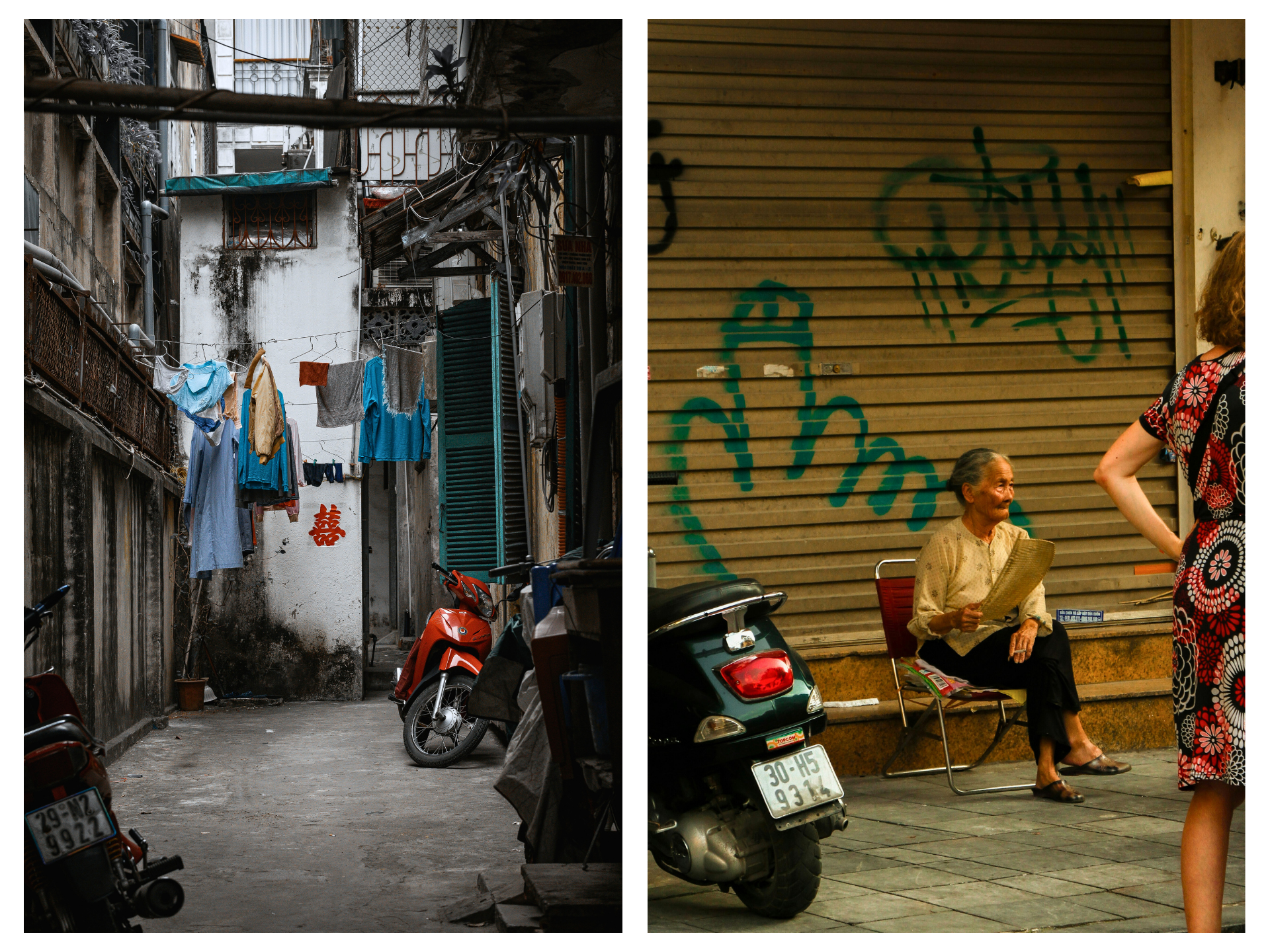
During Hanoi’s brutal summer months, the alleys become outdoor living rooms. Nobody stays inside cramped houses without AC when you can drag a chair outside and catch whatever breeze manages to squeeze through.
My favorite summer memory is the communal dinners that spontaneously happen during heat waves. Families bring out their rice cookers, their dishes, everyone eats together, sharing food and complaining good-naturedly about the weather. Kids run wild between the adults, playing tag in spaces barely wide enough for the game.
Rainy Season: Navigation Challenges
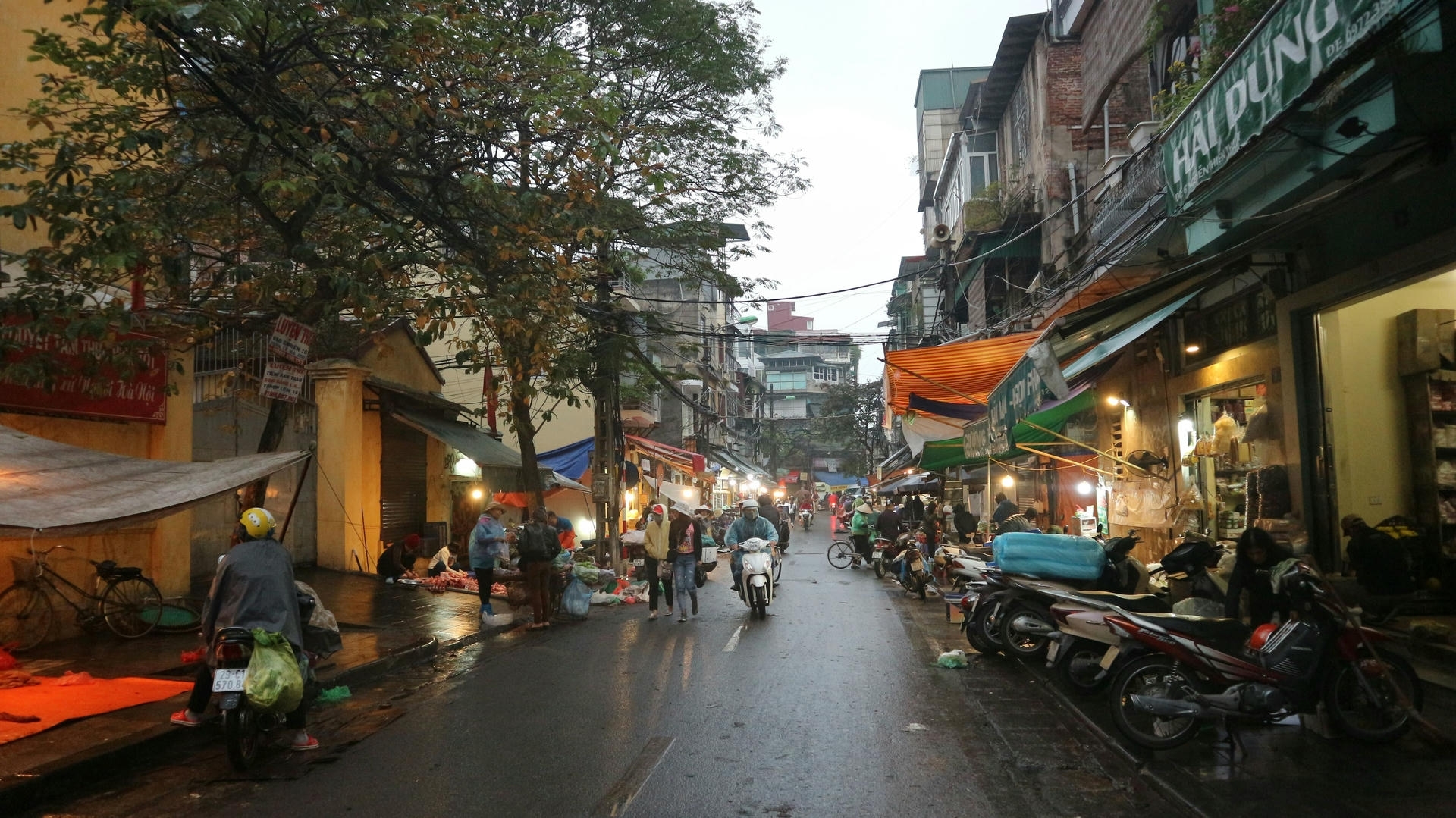
Monsoon season turns the Hanoi alleys into shallow rivers. The drainage systems, designed decades or even centuries ago, can’t handle modern downpours. I’ve learned to read the weather like my ancestors did – certain cloud formations mean I’ve got about fifteen minutes to get home before flooding starts.
During heavy rains, these lanes reveal the community bonds that keep the city running. People help push stalled motorbikes, offer plastic bags to protect electronics, build impromptu stepping-stone paths using whatever’s handy. It’s chaotic and inconvenient, but there’s also something wonderful about how everyone pulls together.
The Rules of Alley Etiquette
Navigating the Hanoi alleys isn’t just about knowing which way to turn – there are unwritten social rules that govern how you behave in these shared spaces.
Moving Through Narrow Lanes
The most important skill is understanding the flow of traffic. In tight passages, there’s a delicate dance between bikes, pedestrians, and sidewalk merchants. Locals know to slow down at blind corners, tap the horn gently (not blast it), and make eye contact with other drivers to negotiate who goes first.
I’ve seen tourists freeze in the middle of an alley, paralyzed by the stream of motorbikes. The trick is to move slowly and predictably. We can work around you if your movements are steady. It’s the sudden stops and random turns that cause chaos.
Respecting Private-Public Boundaries
One thing that trips up visitors is figuring out where public space ends and private space begins. Many houses extend their living areas into the alley – a cooking station here, a plant stand there, sometimes even a bed or altar.
The rule is simple: look but don’t touch, photograph from a respectful distance, and if someone makes eye contact and smiles, feel free to smile back or say “xin chào”. But if they seem busy or uninterested, keep moving. The Hanoi alleys are someone’s home, not a museum.
Experiencing Hanoi Alleys Like a Local: Practical Tips
If you want to truly experience the Hanoi alleys rather than just photograph them, here’s my advice:
- Wake up early. Between 5:30 and 7:30 AM, you’ll see real daily life – people exercising, buying breakfast, getting ready for work. It’s also the coolest and most pleasant time to explore.
- Learn basic Vietnamese phrases. Even just “xin chào” (hello) and “cảm ơn” (thank you) will completely transform your interactions. A smile and a greeting open doors that cameras can’t.
- Embrace getting lost – it’s part of the magic. Most lanes in the Old Quarter follow a rough grid pattern. The “hàng” streets (the old guild streets) generally run east-west, while smaller alleys connect them north-south. If you can spot the lakes – Hoàn Kiếm to the south, West Lake to the northwest – you’ll always get your bearings back. And don’t hesitate to ask for directions. Stop at any shop, any café, any sidewalk fruit vendor – they know the way and are usually happy to help.
- Respect meal times. Between 11 AM and 1 PM, and again from 6 to 7:30 PM, the alleys are at their most crowded with people eating. It’s a great time to observe, but be patient and don’t expect to move quickly.
- Try the street food, but start slowly if your stomach isn’t used to it. Look for places packed with locals – that’s always the sign of good food and safe prep. In the Hanoi alleys, reputation is everything, and vendors who make people sick don’t last long.
And if you’re planning your visit and want to know which areas to prioritize, check out our guide to A Local’s Guide to Hanoi’s Districts – each neighborhood has its own character and hidden alleys worth exploring.
The Changing Face of Our Ngõ
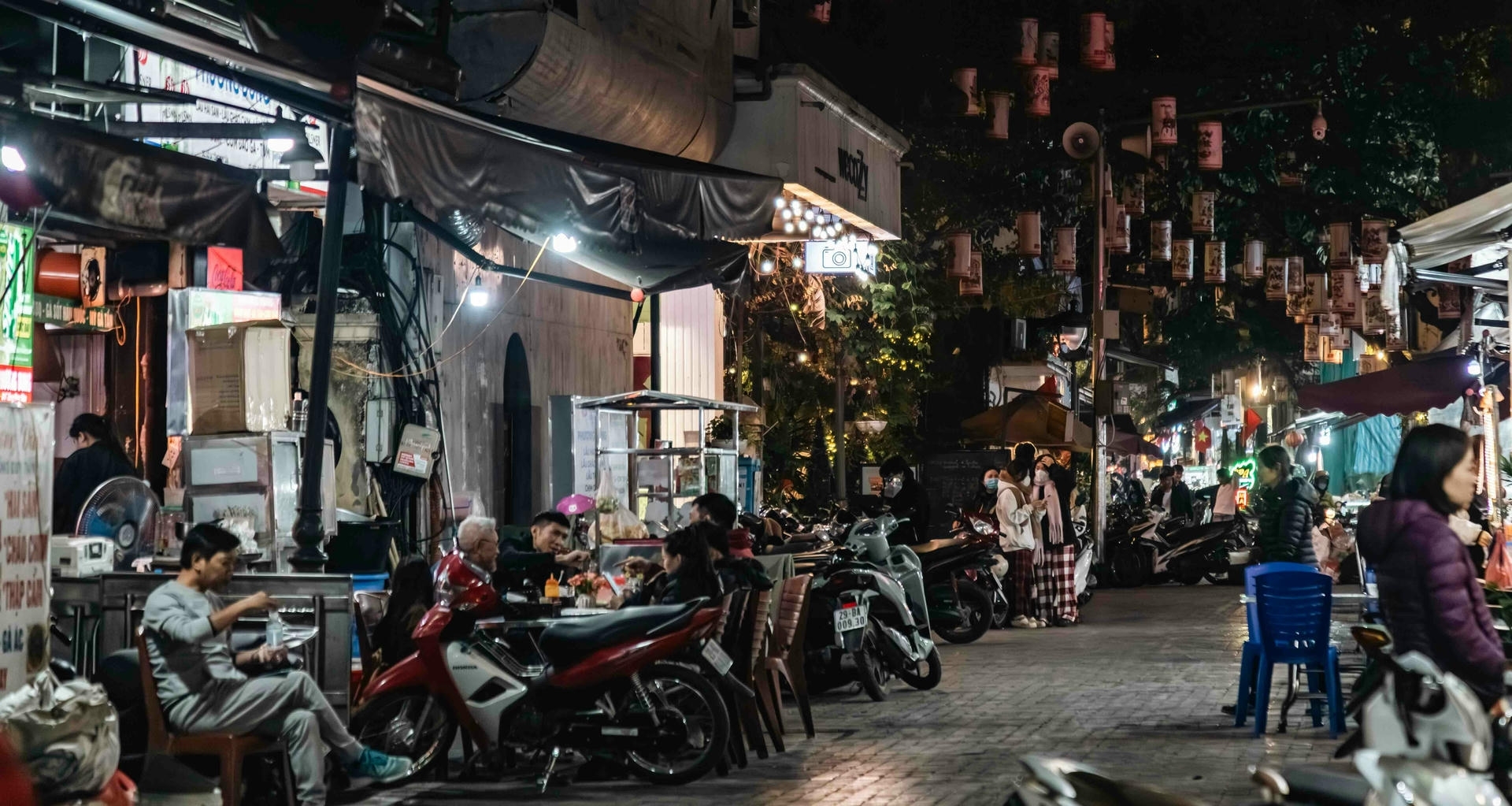
I’m not going to romanticize this – life in the Hanoi alleys can be tough. Air circulation isn’t great. During the rainy season, the older lanes flood. Plenty of young people are packing up and moving to “new urban areas” with wide roads, elevators, and actual parking spaces.
But there’s a counter-movement happening too. Artists and entrepreneurs are preserving the culture by giving these spaces new life. Hidden art galleries, boutique homestays, craft beer bars – they’re all popping up in renovated tube houses now. People are taking the old bones of the ngõ and giving them modern souls.
This blend fascinates me. You might see a seventy-year-old woman selling traditional tea right next to a minimalist cafe where some Gen Z designer is tapping away on a laptop. The Hanoi alleys are adapting without losing what makes them special – they’re living, breathing spaces that can accommodate change while holding onto their character.
The Real Hanoi Awaits
The Hanoi alleys are more than just shortcuts between major streets. They’re the lifeblood of our capital, a way of life that values closeness, community, and the beauty of small moments. They’re where grandmothers’ wisdom meets teenagers’ innovation, where ancient traditions bend and shift to fit modern life without losing their souls.
Next time you’re in Hanoi, don’t be intimidated by that dark, narrow opening between buildings. Take a breath, step inside, and let these passages tell you their stories. The vendors will smile, the neighbors will nod, and if you’re lucky, someone might hand you a bowl of soup and ask if you’ve eaten yet.
This Hanoi – intimate, chaotic, beautiful, utterly alive – is waiting for you, just one turn away from the noise of the main roads, ready to show itself to anyone brave enough to venture into the maze.
Ready to Discover the Hidden Heart with Jackfruit Adventure?
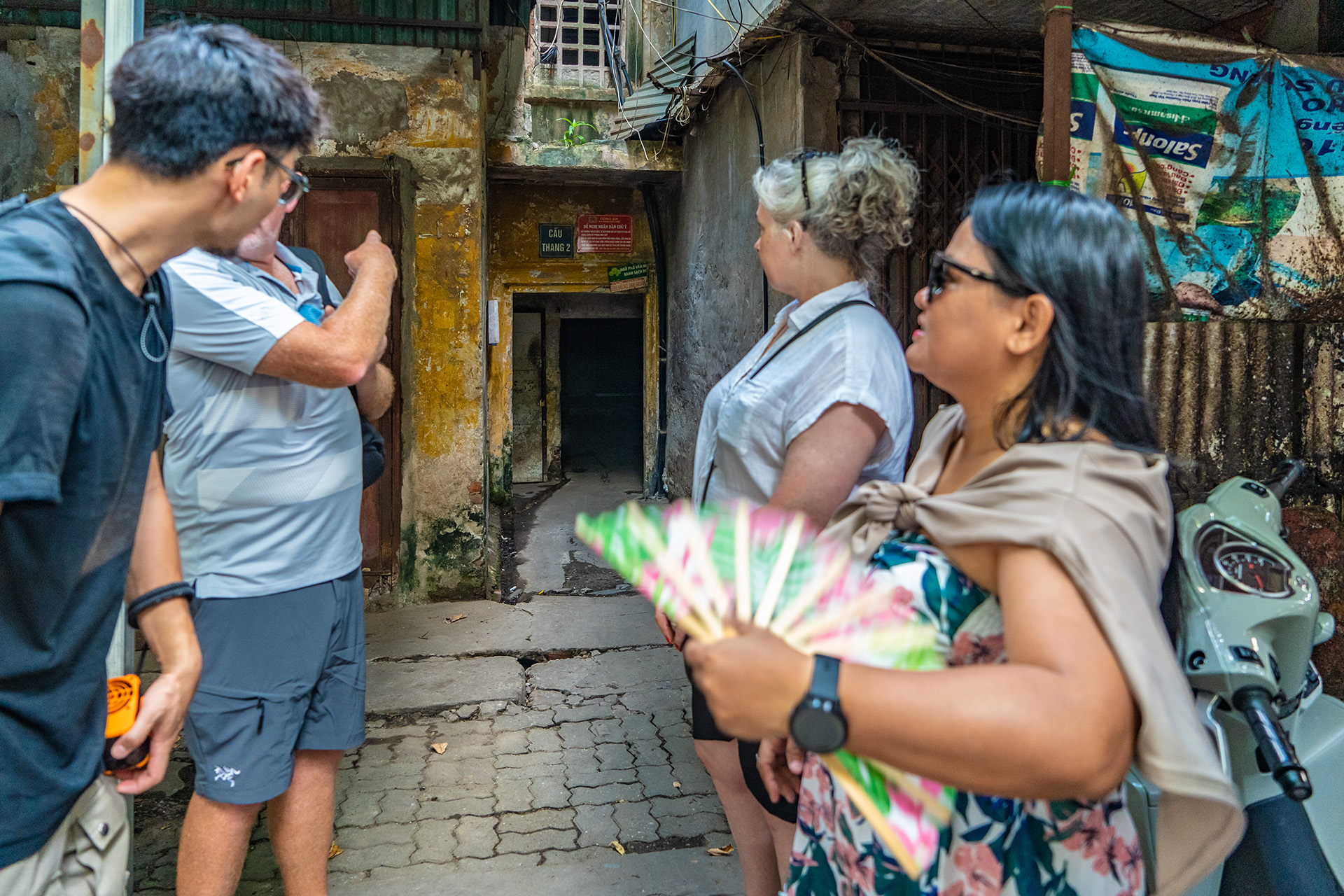
Book your adventure with Jackfruit Adventure today and explore the Hanoi alleys with local friends who actually call these lanes home. If you’re passionate about diving deep into Vietnamese culture, our Culture & City Tours are designed exactly for travelers like you – curious souls who want authentic stories, not just photo ops. We’ll guide you through the labyrinth, introduce you to our neighbors, and show you the Vietnam that lives between the buildings – the one tourists miss but travelers remember forever.
The Hanoi alleys are calling. Will you answer?