

Table of Contents
I finally made it to the Ho Chi Minh Mausoleum in Hanoi, and honestly, it felt much more powerful than I expected. The atmosphere here is calm and respectful, and the mausoleum itself is incredibly striking up close. It’s one of those places that you can’t fully understand until you’re right there, seeing it with your own eyes.
The Historical Significance of the Ho Chi Minh Mausoleum
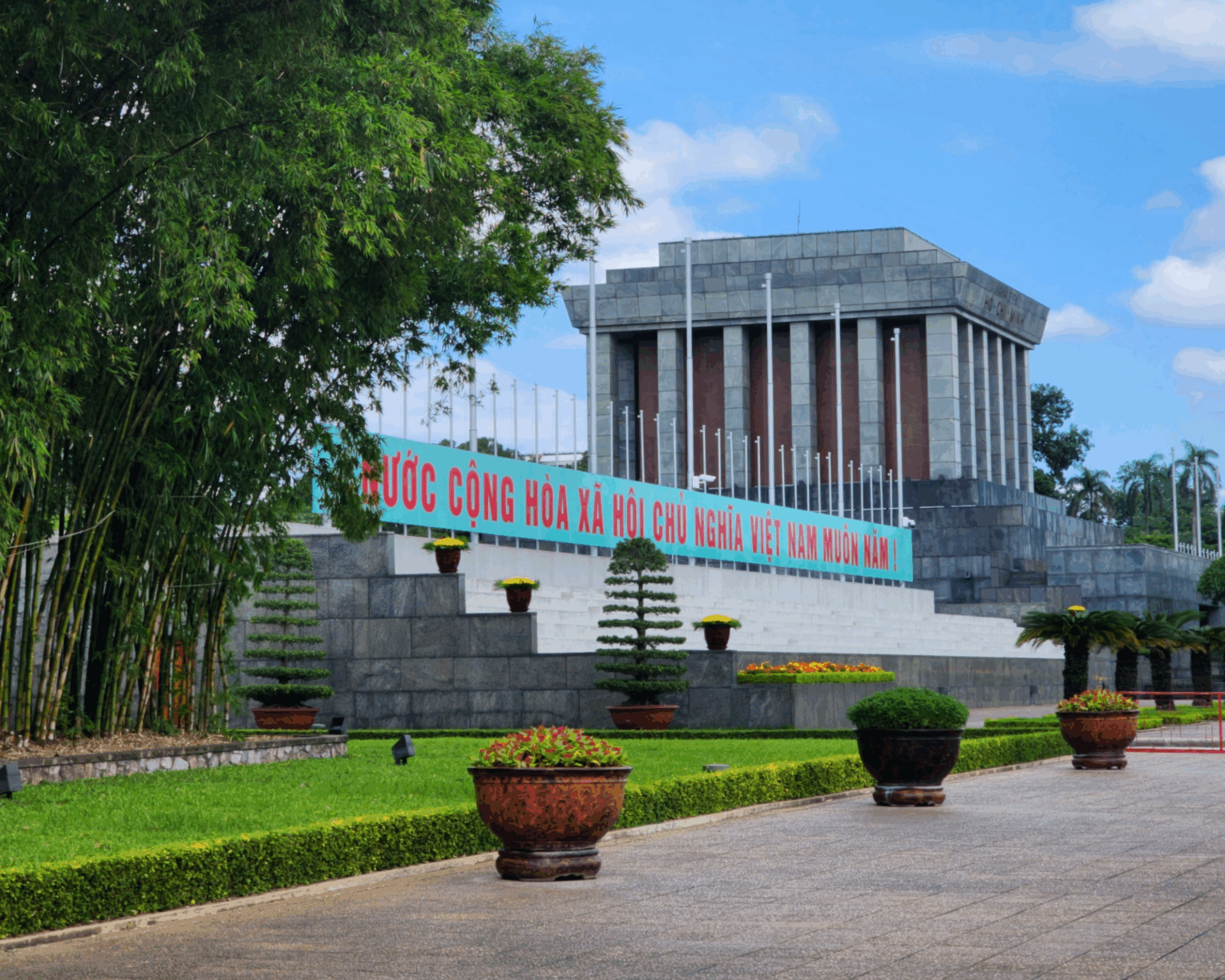
The Ho Chi Minh Mausoleum was built to honour and commemorate the great leader of the Vietnamese people, President Ho Chi Minh. This is a sacred site where people come to pay their respects to him. The architectural structure is not only symbolic but also an essential part of the Vietnamese national spirit. Every year, millions of domestic and international visitors visit the Ho Chi Minh Mausoleum to admire its beauty and historical significance. Today, the mausoleum is not only a place where President Ho Chi Minh’s body is preserved but also a symbol of the nation’s aspiration for independence and freedom.
This article will guide you through every corner of the Ho Chi Minh Mausoleum, from its history to the valuable experiences you can have when visiting.
Where is the Ho Chi Minh Mausoleum?
To make your visit to the Ho Chi Minh Mausoleum smoother, here are the key details at a glance:
- Address: 1 Hùng Vương, Điện Biên Ward, Ba Đình District
Visiting Hours of the Ho Chi Minh Mausoleum
| Days of the Week | Hot season
(from April 1 to October 31) |
Cold season
(from November 1 to March 31) |
| Tuesday, Wednesday, Thursday | 7:30 AM – 10:30 AM | 8:00 AM – 11:00 AM |
| Monday, Friday | Closed to visitors | Closed to visitors |
| Saturday, Sunday, Public Holidays | 7:30 AM – 11:00 AM | 8:00 AM – 11:30 AM |
Extra Notes for Visitors
- On special occasions such as Lunar New Year, Uncle Hồ’s Birthday (May 19th) and National Day (September 2nd), if these holidays fall on a Monday or Friday, the Ho Chi Minh Mausoleum will still open for visitors and hold ceremonies.
- Every year, the Ho Chi Minh Mausoleum Complex closes for maintenance and preservation for about 2 months (usually around late October to early December)
Entrance Fees
- The Ho Chi Minh Mausoleum welcomes Vietnamese visitors free of charge.
- For international travellers, there is a small entrance fee of VND 25,000 (around $1).
History and Symbolism behind Ho Chi Minh Mausoleum
When I first set foot in the Ho Chi Minh Mausoleum, I knew this place was one of Hanoi’s most significant landmarks – but I didn’t realise just how much history, emotion and effort were woven seamlessly into its history. The more I learned, the more I understood that this complex was created entirely with the heart of an entire nation!
1. Who Was President Ho Chi Minh? A Brief Overview
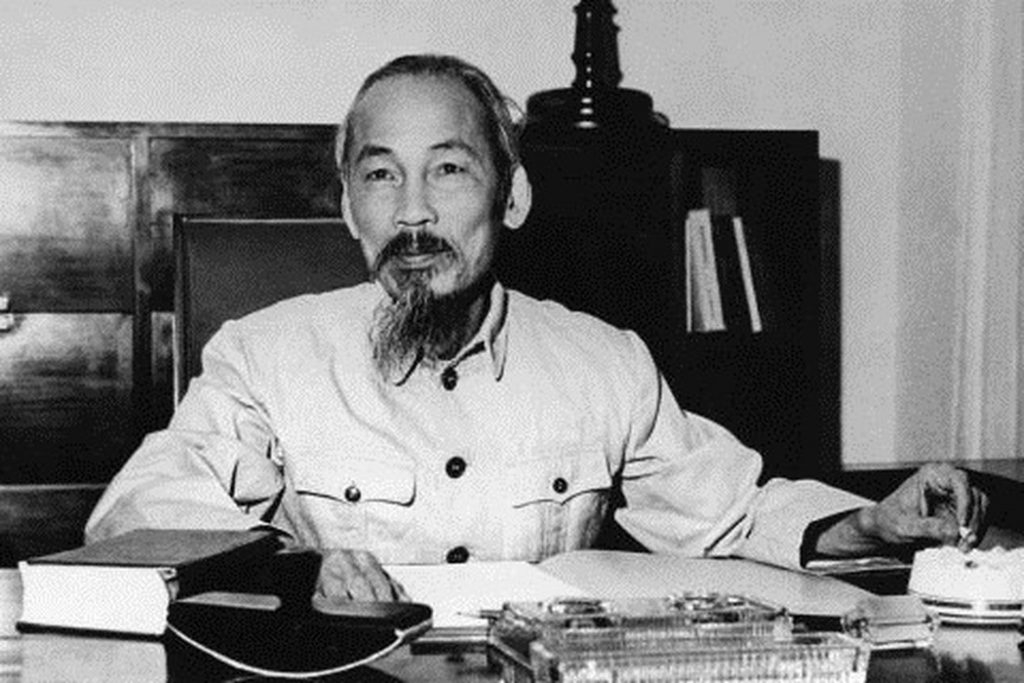
President Ho Chi Minh was not only a political leader but also a visionary for the future of the country. He dedicated his entire life to fighting for the nation’s independence and freedom, inspiring generations of Vietnamese people. With progressive and humane ideologies, President Ho Chi Minh ignited patriotism and unity among the people. He clearly stated:
“Nothing is more precious than independence and freedom.”
This saying has become the guiding principle for all activities of the Communist Party and the Vietnamese government.
Ho Chi Minh was not only a wartime leader but also a cultural figure and educator. He left behind many valuable literary works and life philosophies. His ideologies remain relevant to this day. He also played a significant role in promoting revolutionary movements worldwide, especially in colonized countries. With a great heart, Ho Chi Minh often emphasised that “Revolution is not a game.”
Despite hardships and challenges, Ho Chi Minh always looked towards a bright future for the nation. He believed that if all people united, loved, and supported one another, the country would develop sustainably. Therefore, the Ho Chi Minh Mausoleum is not just a place of remembrance but also a source of encouragement for future generations.
2. The Special Bond Between Uncle Hồ and the Vietnamese People
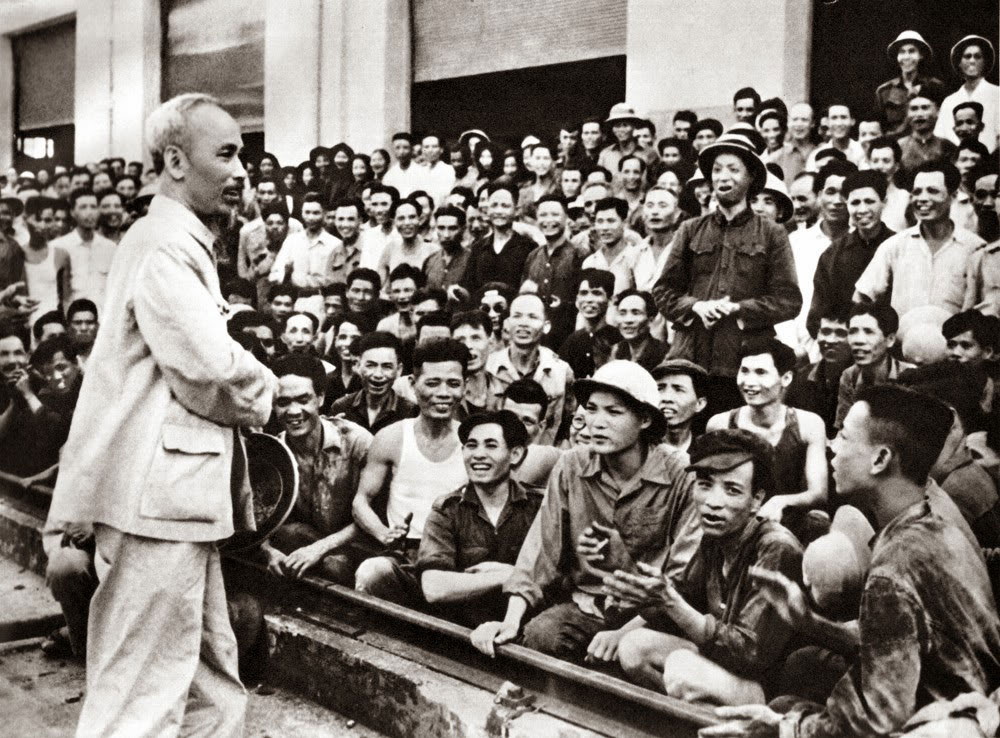
Before coming to the Ho Chi Minh Mausoleum, I’ve always wondered why Vietnamese people call this person “Uncle Hồ” (Bác Hồ) instead of using formal titles like “President” or “Chairman”. The answer is clear when I learn more about Uncle Hồ: He wasn’t just a national leader, he was a striking symbol of affection, humility and strength. That’s why Vietnamese citizens affectionately call him “Bác,” as it feels more natural, just like calling a trusted elder in the family who guided the entire nation through the toughest days.
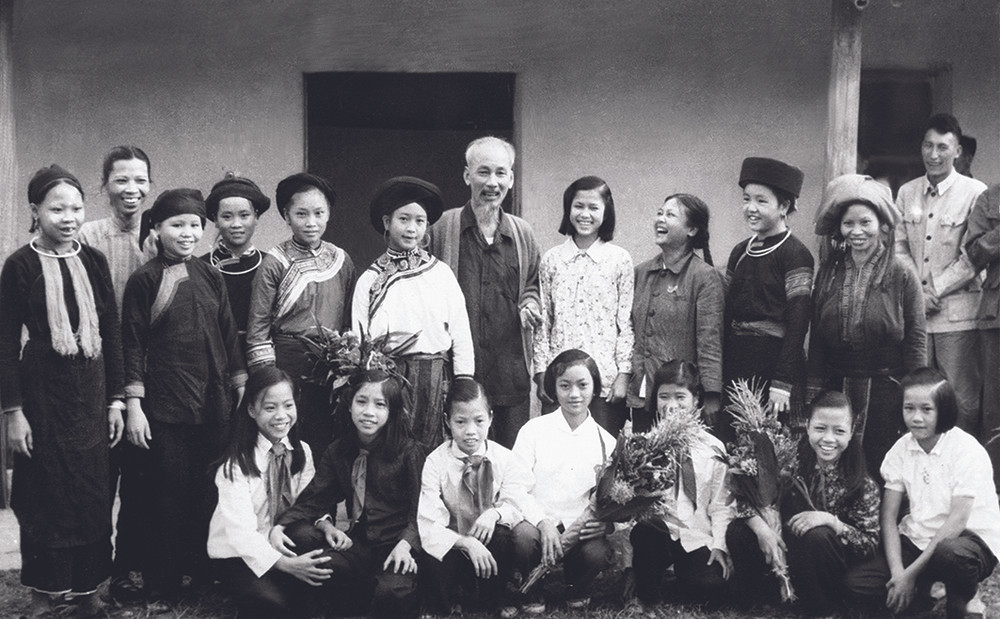
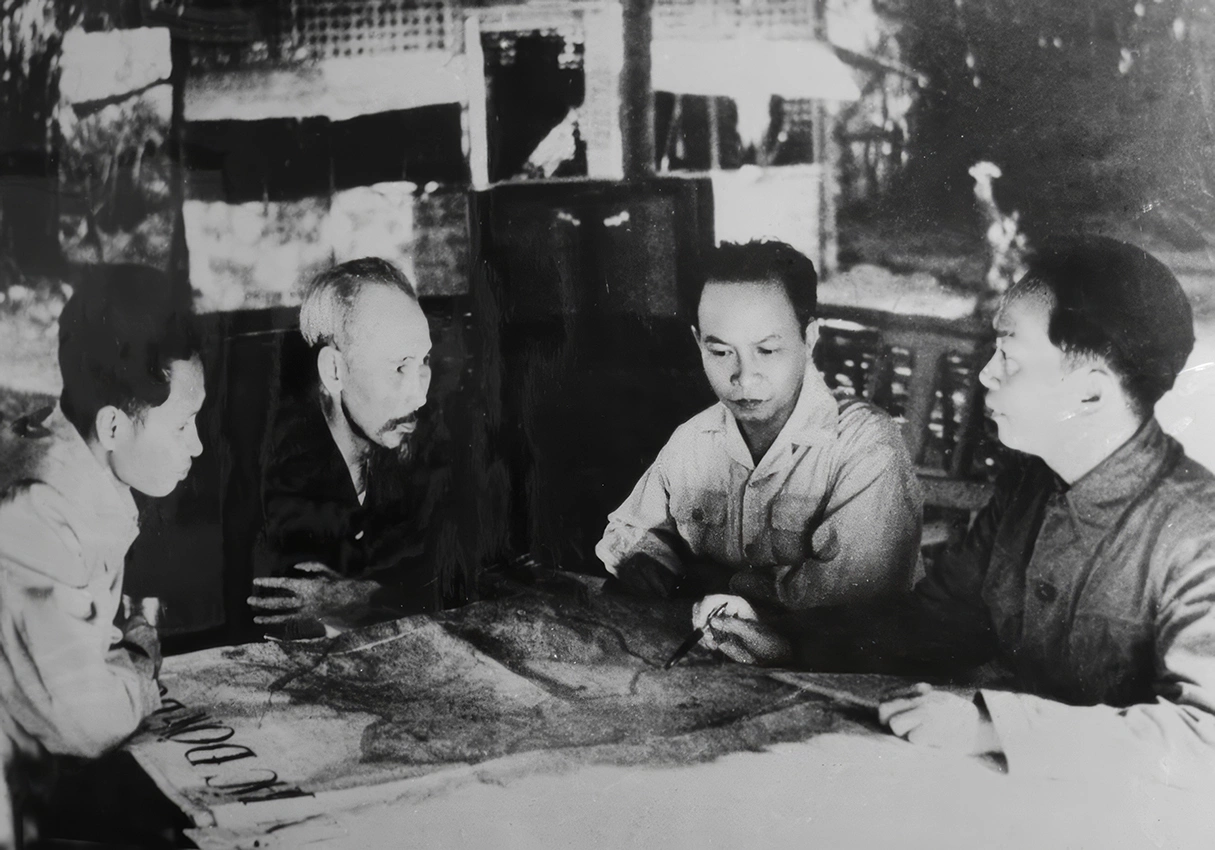
Throughout his life, Uncle Hồ travelled far and wide in search of ways to save the country, taking on countless tasks and roles to revive and protect Vietnam from the ashes and haunted shadows of war. Uncle Hồ was the spokesperson who read the Declaration of Independence in Ba Đình Square in 1945, marking the birth of the Democratic Republic of Vietnam.
What gave Uncle Hồ’s leadership such weight and meaning for the Vietnamese people was his deeply modest, frugal lifestyle. While global military forces still encircled Vietnam, Uncle Hồ lived in a small stilt house, wearing sandals made from old car tyres. He also kept his meals simple with boiled vegetables, plain porridge, fermented fish sauce, or mashed eggplant with soy. A former chef named Đặng Văn Lơ, who cooked for President Hồ Chí Minh and Prime Minister Phạm Văn Đồng in 198, recalled that Uncle Hồ always refused lavish meals during his travels, saying they wasted citizens’ money. This small detail shows just how modest Uncle Hồ truly was!
During the hardest years of war, Uncle Hồ never stopped thinking about the soldiers and families who carried the heaviest burdens. People still talk about the letters he sent to the front lines, reminding commanders to care for their troops and always to put the people first. He led with both heart and wisdom, guiding Vietnam through historic victories like the August Revolution of 1945, the Điện Biên Phủ triumph in 1954, and the “Điện Biên Phủ in the Air” campaign of 1972. To Uncle Hồ, a country’s real strength lies in unity, compassion, and courage, and he lived by these principles every single day.
3. A Monument Shaped by National Love: How It Was Built
Uncle Hồ’s own wish, written in his will, was humble and straightforward: He wanted to be cremated and have his ashes buried in all three regions of Vietnam. But after his passing, the leadership and the people knew that Vietnamese citizens (especially those in the South who had not been able to see him during wartime) totally needed a place to come, to grieve, to remember, and to stay connected with the man who had guided the nation through decades of hardship.
What moved me most was knowing that provinces across Vietnam brought materials for the Ho Chi Minh Mausoleum as a gesture of gratitude. Each region contributed a piece of its land, its culture, and its identity. It felt as if the entire nation quietly gathered around Uncle Hồ one more time, creating him a home out of devotion and respect, rather than just bricks and mortar.
4. Key Milestones in the Mausoleum Complex’s Construction
29 Nov 1969 – The Central Committee of the Party preserved the body of Uncle Hồ and constructed the Ho Chi Minh Mausoleum.
19 Jan 1970 – The design task for the Ho Chi Minh Mausoleum was finally approved by the government (Decision No.16/CP).
3 Nov 1970 – The Party and State established the Construction Board for the Ho Chi Minh Mausoleum.
16 Apr 1972 – Due to renewed bombing of the North, construction was temporarily suspended.
19 Jun 1973 – Work began again after the Paris Agreement, including omitting the old ceremony platform.
2 Sep 1973 – Official construction of the Ho Chi Minh Mausoleum at Ba Đình Square.
18 Jul 1975 – Uncle Hồ’s body was transferred into the mausoleum complex for public display.
29 Aug 1975 – Formal inauguration ceremony for the Ho Chi Minh Mausoleum.
A Closer Look At The Ho Chi Minh Mausoleum’s Architecture
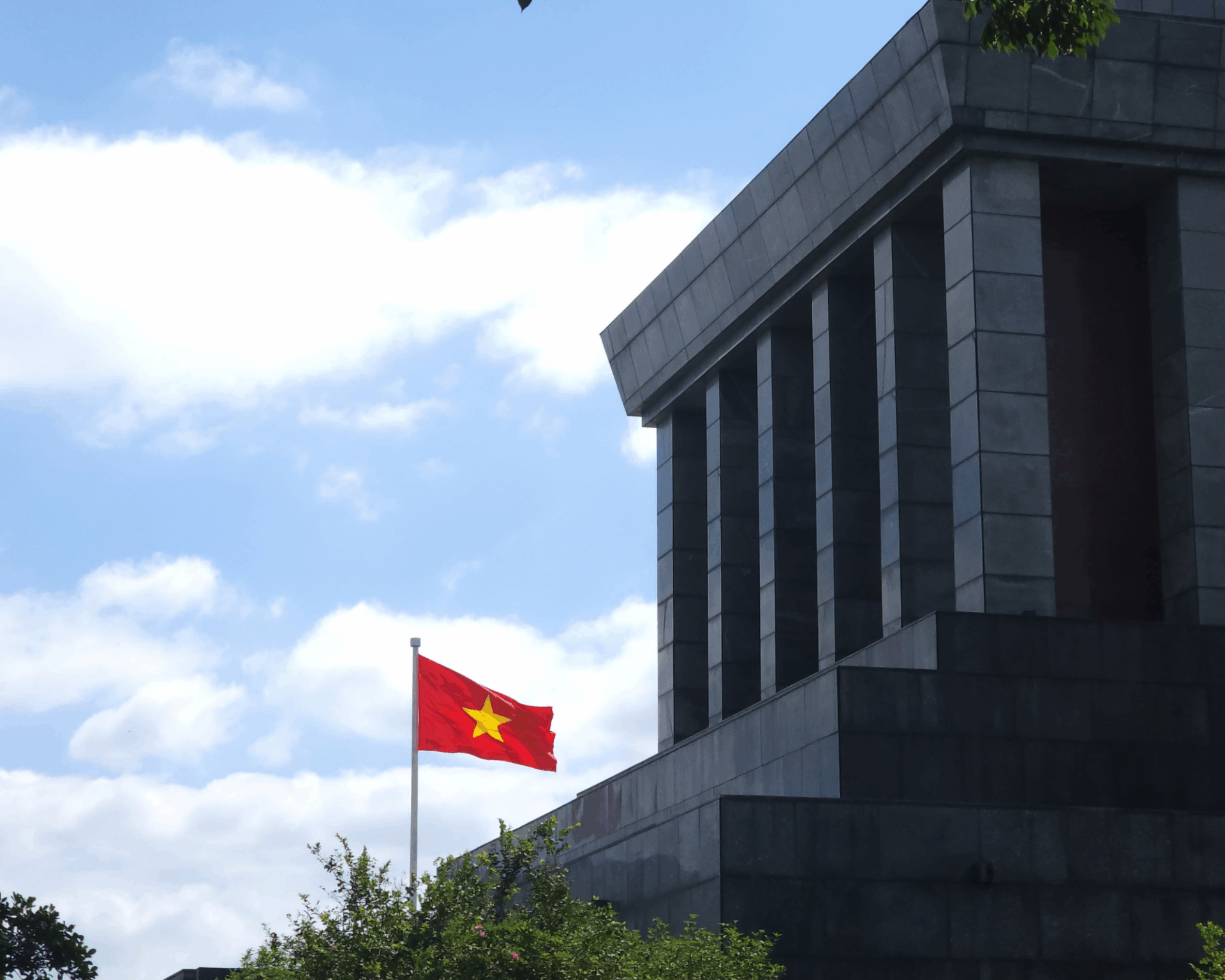
When I first approached the Ho Chi Minh Mausoleum, I finally understood why so many people describe this place as one of the most solid, symbolic structures. Honestly, it’s the kind of architecture that tells you it was built to last generations, not just decades!
The Ho Chi Minh Mausoleum was designed with an impressive sense of permanence. Architecturally, the mausoleum draws inspiration from Lenin’s Mausoleum, but the final design clearly represents Vietnamese culture. I learned that its structure is divided into three layers, rising to a total height of 21.6 meters and spanning 41.2 meters. The exterior is clad entirely in cool grey granite, and as I walked closer, the stone’s weight and texture made the building feel even more stable. Surrounding the structure are strong rows of square stone pillars, almost like guardians holding the space together.
What fascinated me most was the variety of materials from provinces all over Vietnam used to build the Ho Chi Minh Mausoleum. For example, sand was taken from streams in Kim Tiến Commune – carried by the Mường ethnic people, granite from Thanh Hóa, marble from Cao Bằng, the stone for the pedestal was brought from Thái Nguyên or precious timbers, and even the reddish stone used to carve the inscription “CHỦ TỊCH HỒ-CHÍ-MINH” all came from different regions as if Việt Nam contributed pieces of its land to honour Uncle Hồ respectfully. Somehow, that detail made the architecture feel less like stone and more like a collective tribute!
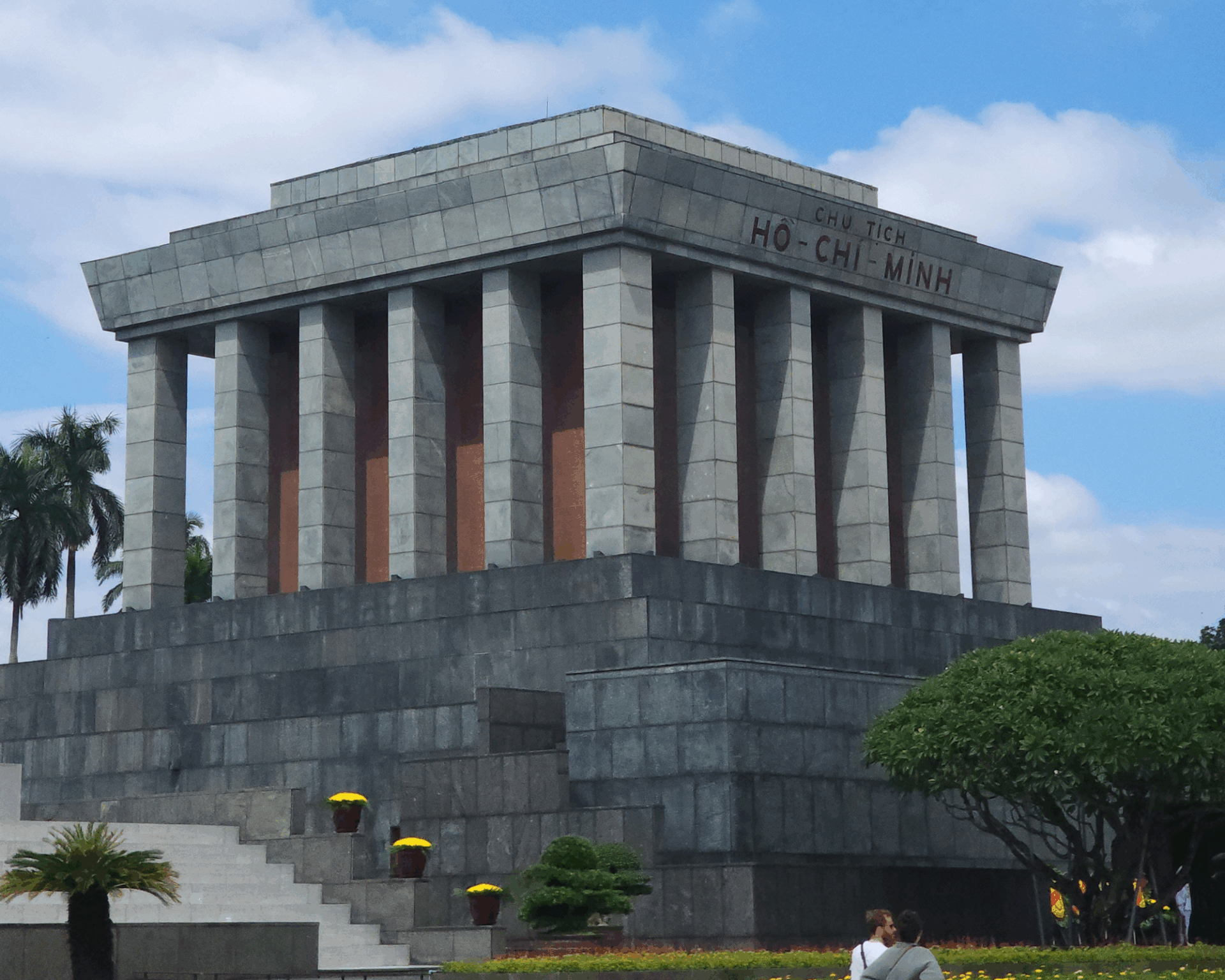
Once you enter, everything feels softer as the space settles into a spiritual ambience. The hall where Ho Chi Minh’s body rests is made from polished grey and red stone, and the lighting is soft, controlled, and meant to fill the space with a peaceful sense of honour. Moreover, the entire structure was engineered to withstand bombs, floods, and even earthquakes up to magnitude 7, which surprises me how much care was put into safeguarding this place; not only in how it looks, but also in its core structure.
Around the mausoleum, the space opens into expansive green lawns, carefully arranged flower beds, and rows of old trees that soften the building’s stern appearance. Standing in this open, quiet square, looking up at the mausoleum’s heavy stone façade, I felt the architecture wasn’t trying to impress visitors with beauty but with dignity, stability, and gratitude.
Best Things to Do Around the Ho Chi Minh Mausoleum Complex
- Explore Ba Đình Square.
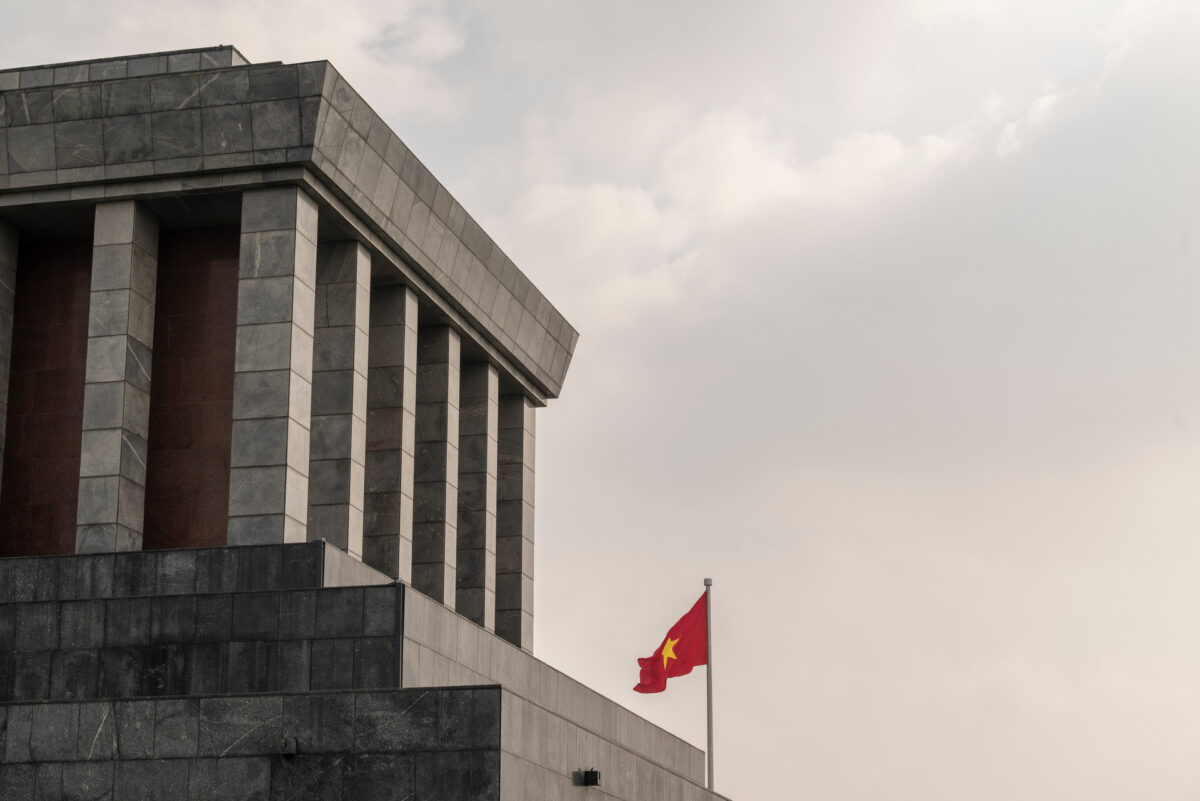
- Attend the Flag Raising and Lowering Ceremonies.
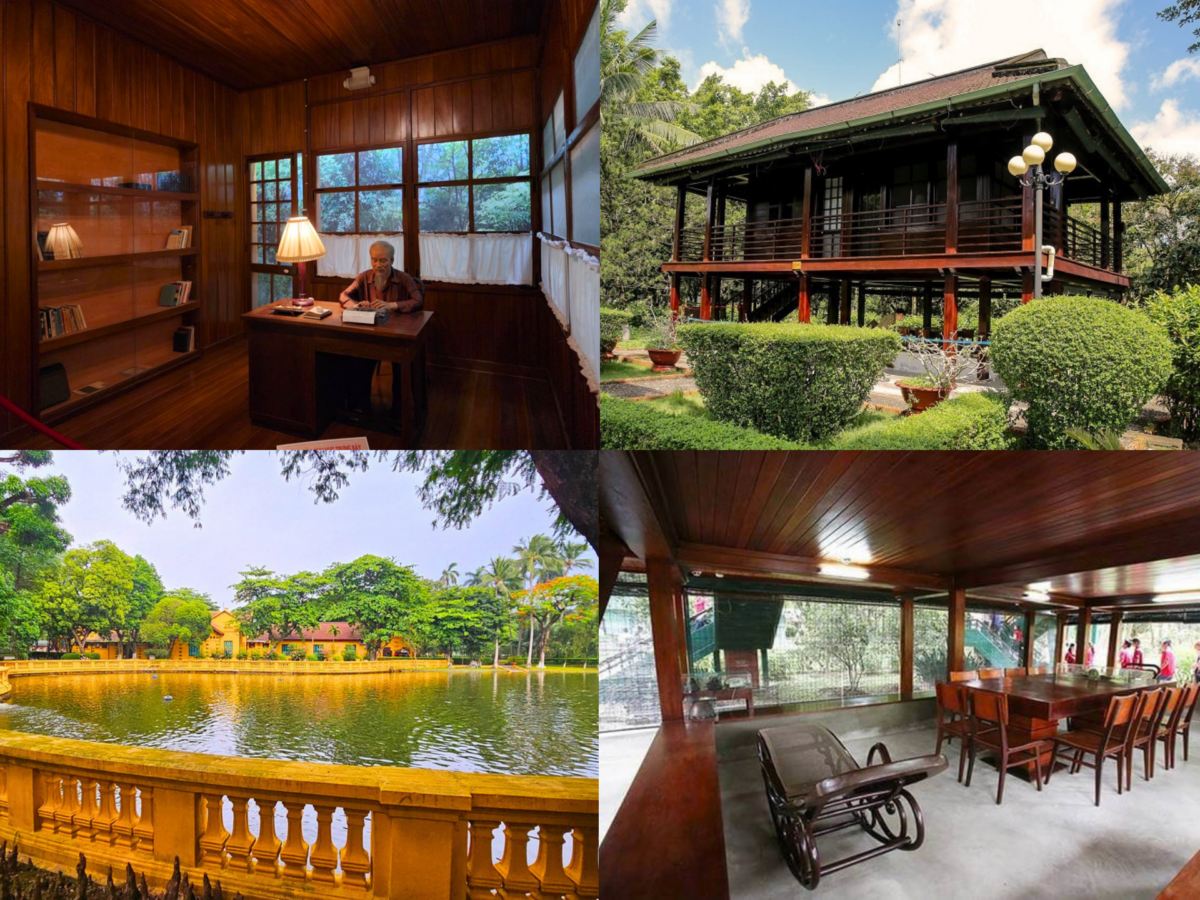
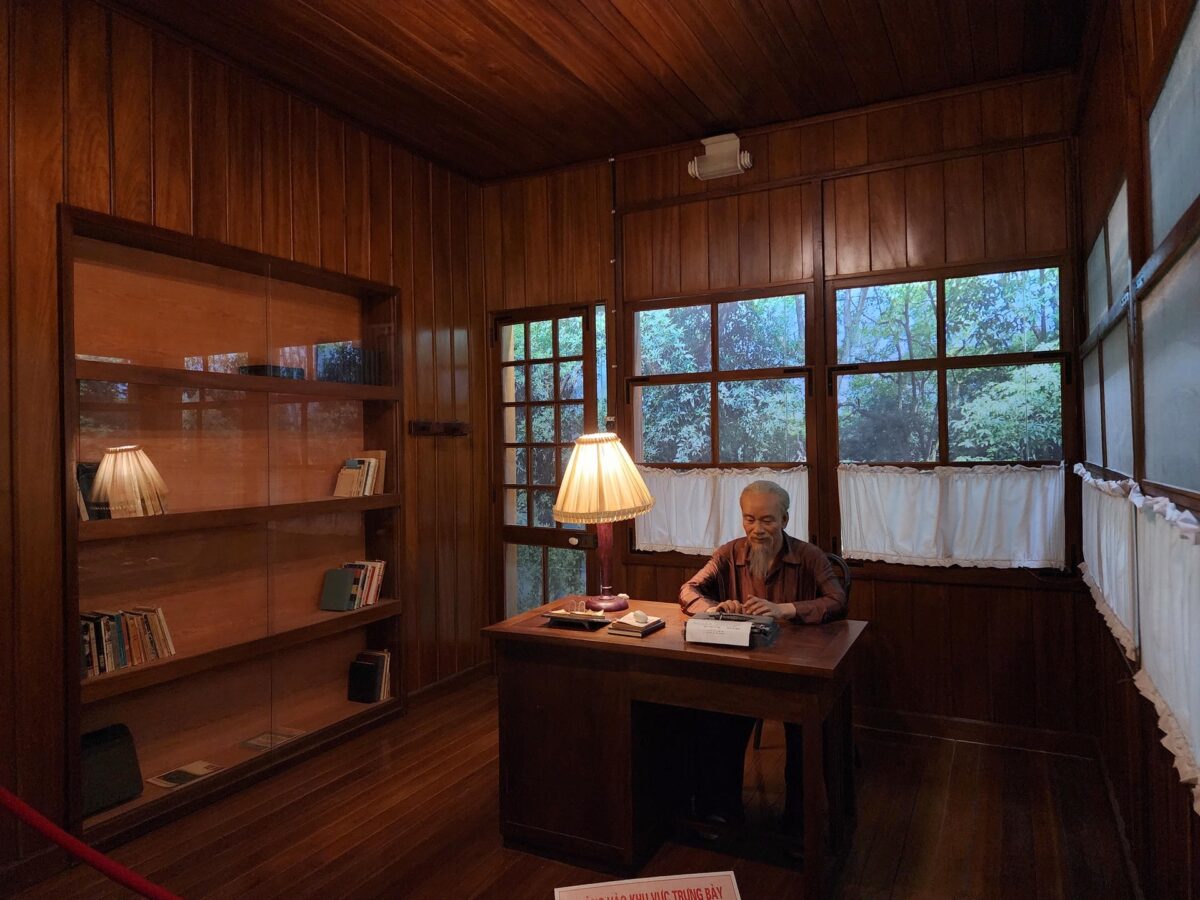
- Discover Ho Chi Minh’s Three Living Quarters.
- Honour Vietnam’s history at the Ho Chi Minh Museum.
- Stroll around the Presidential Palace grounds.
- Walk along the Mango Street (Đường Xoài Phủ Chủ Tịch).
- Attend the National Day celebration at the Mausoleum.
- Frame the moment Ba Đình Square through your lens.
And if you’re excited to explore further, don’t forget to check out our full blog 8 remarkable things to do in Ho Chi Minh Mausoleum for a deeper look!
3 Tips For a Memorable Visit to The Ho Chi Minh Mausoleum
1. Best Time to Visit
The ideal time to visit the Ho Chi Minh Mausoleum is early morning (7:00–8:00 AM) to avoid long queues. Weekdays are recommended, as weekends and national holidays are even more crowded.
2. Dress Code & Etiquette
Visitors should dress modestly (shoulders and knees covered) and maintain silence inside the mausoleum. This is a sacred site for Vietnamese people, so respectful behaviour is essential. Also, remember to follow the guards’ instructions.
3. Security Check and Entry Regulations
Before entering the Ho Chi Minh Mausoleum, every tourist must pass through a mandatory security checkpoint. You will get screening like bag checks and walking through a metal detector. Guards may also request to see your passport, and large items will be scanned.
Certain items are not permitted, such as cameras, mobile phones, large bags, and food and drinks. If you carry these items, make sure to lock them at the designated storage are before visiting the site.
3 Easiest Ways to Reach the Ho Chi Minh Mausoleum
1. By Private Vehicle
If you’re travelling by motorbike, bike, or car, you can park at parking areas along Ông Ích Khiêm Street or Ngọc Hà Street. From there, it’s only a short walk to the entrance of the Ho Chi Minh Mausoleum Complex. This is one of the most flexible options, especially for those familiar with Hanoi’s streets.
2. By Bus
If you’re travelling on a budget, you’ll be happy to know that several Hanoi bus routes stop directly near the Ho Chi Minh Mausoleum. Remember to take routes 09, 22, 33, 45, and 50 as they all have stops close to the complex or the Ba Đình Square.
3. By Taxi or Ride-Hailing Apps
Taxis and ride-hailing services such as Grab, Be, and Xanh SM are widely available in Hanoi. This is the most comfortable option, especially during hot weather or early morning visits for the flag-raising ceremony. Visitors can simply show the driver a photo of the Ho Chi Minh Mausoleum, and they will take you straight there!
Join the Journey to Discover Ho Chi Minh Mausoleum with Jackfruit Adventure!
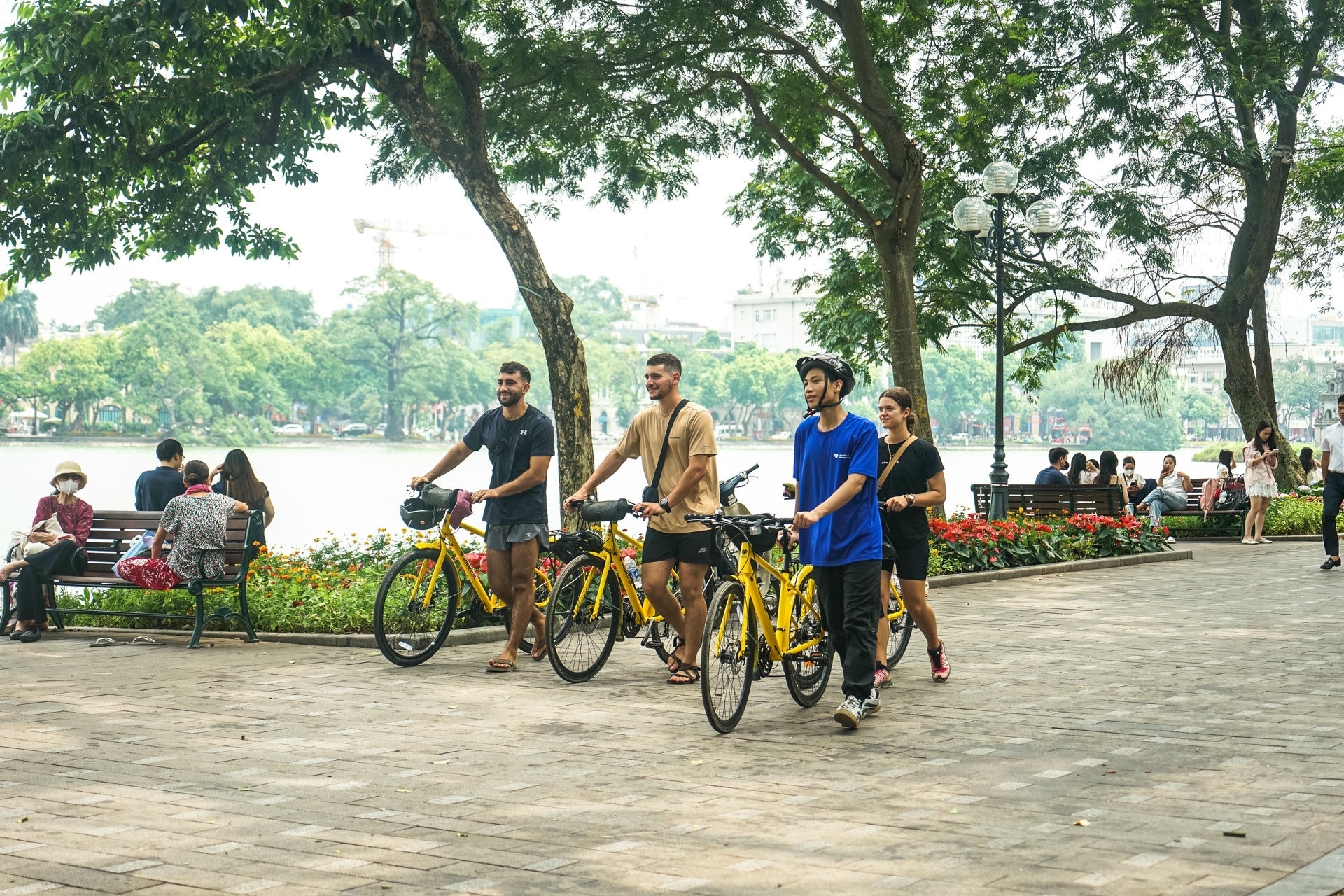
Embark on a journey to explore the Ho Chi Minh Mausoleum and discover many other fascinating aspects! The Ho Chi Minh Mausoleum is not only a sacred place to honor Uncle Ho but also a testament to the patriotism and desire for freedom of the Vietnamese people. Through every corner of the mausoleum, you will feel the love and respect that the Vietnamese people have for this great leader.
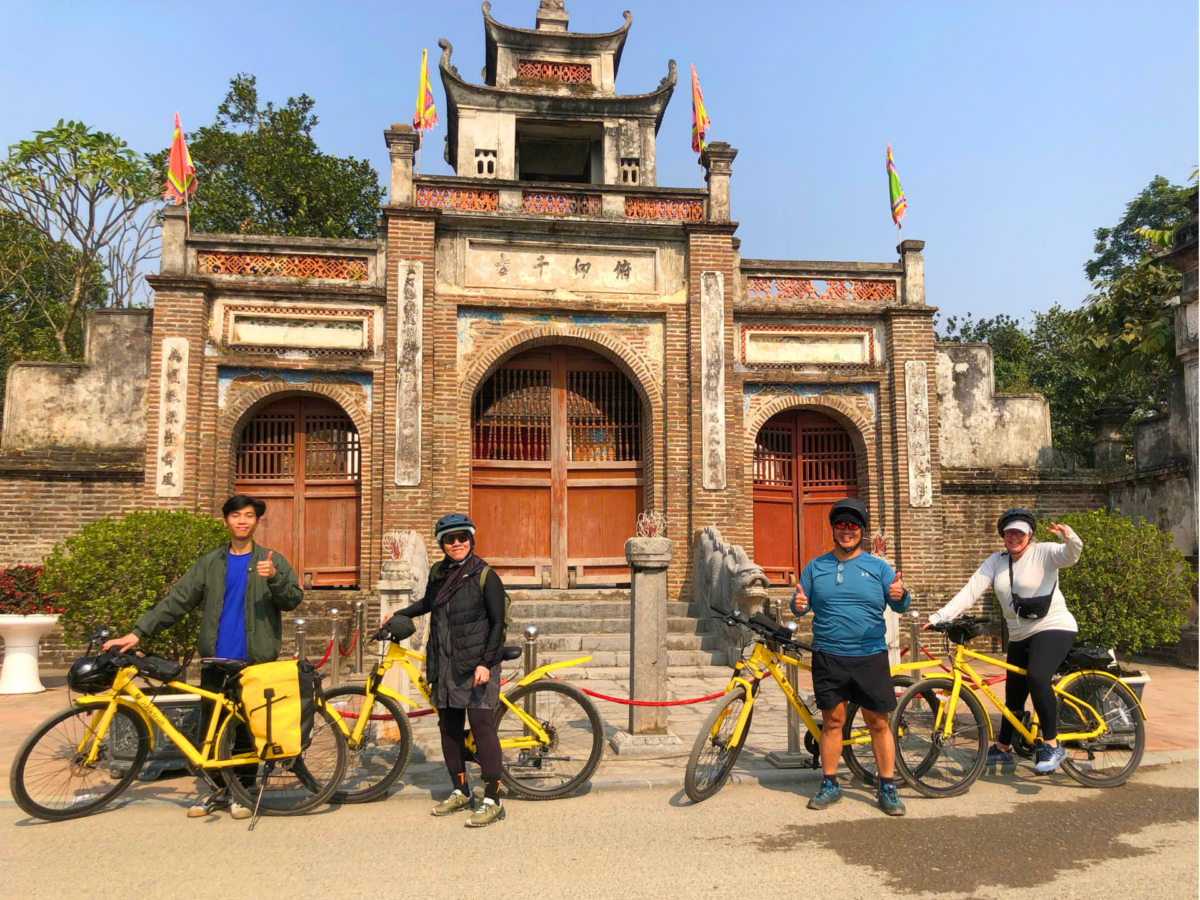
That’s why I included this historical site as a highlight on my Tour De Hanoi route with Jackfruit Adventure, as cycling gives me the time and space to notice the small things: the quiet corners of Ba Đình Square, the tree-lined paths near the Presidential Palace, and the calm, respectful atmosphere surrounding the mausoleum itself.
If you enjoy discovering a city at your own pace, feeling its rhythm, and connecting with its stories, joining the ride might be something you’ll love too. The Ho Chi Minh Mausoleum is just one of the meaningful stops along the way, but it’s guaranteed to be the one that always stays with you the longest!