

Table of Contents
Truc Bach Lake is one of those places in Hanoi that most tourists walk past without ever stopping. They’re usually rushing along Thanh Nien Street toward West Lake or back toward the Old Quarter, heads buried in their phones, completely unaware that the smaller lake on their left has more stories per square meter than almost anywhere else in the city.
I’ve lived in Hanoi my whole life, and I still come back to Truc Bach Lake whenever I need to clear my head. There’s something about the way the morning light hits the water, the smell of pho cuon drifting from Ngu Xa Street before 8 AM, the old women doing tai chi on the promenade – it feels like the real Hanoi, untouched by the rush of tourism.
If you want to understand what Hanoi actually is, spend half a day at Truc Bach Lake Hanoi. This guide will tell you exactly how.
What Is Truc Bach Lake – and How Did It Get Its Name?
Truc Bach Lake wasn’t always its own lake. Before the 1620s, it was just the southeastern edge of West Lake. Local villagers built a narrow dyke to create a calmer area for fish farming – and accidentally gave Hanoi one of its most beloved neighborhoods in the process.
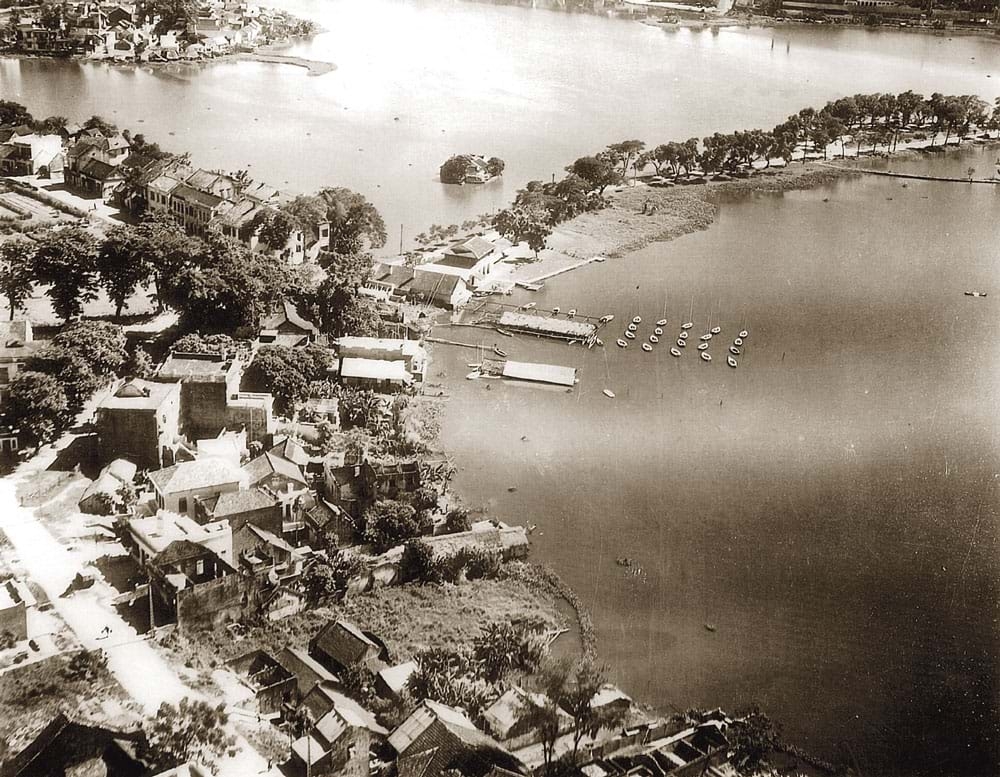
The name “Truc Bach” roughly means “bamboo white”, a nod to the bamboo craftsmen who settled along the southern shore and sold blinds and screens across the city. A century later, a Trinh lord built a palace on the lake’s edge that eventually became a prison for royal concubines. The silk they wove in confinement – known as “Bamboo Village silk” – became famous across the region.
The palace is long gone. But Truc Bach Lake and the streets around it still carry that history quietly, if you know where to look.
The John McCain Memorial: Truc Bach Lake’s Most Recognized Story
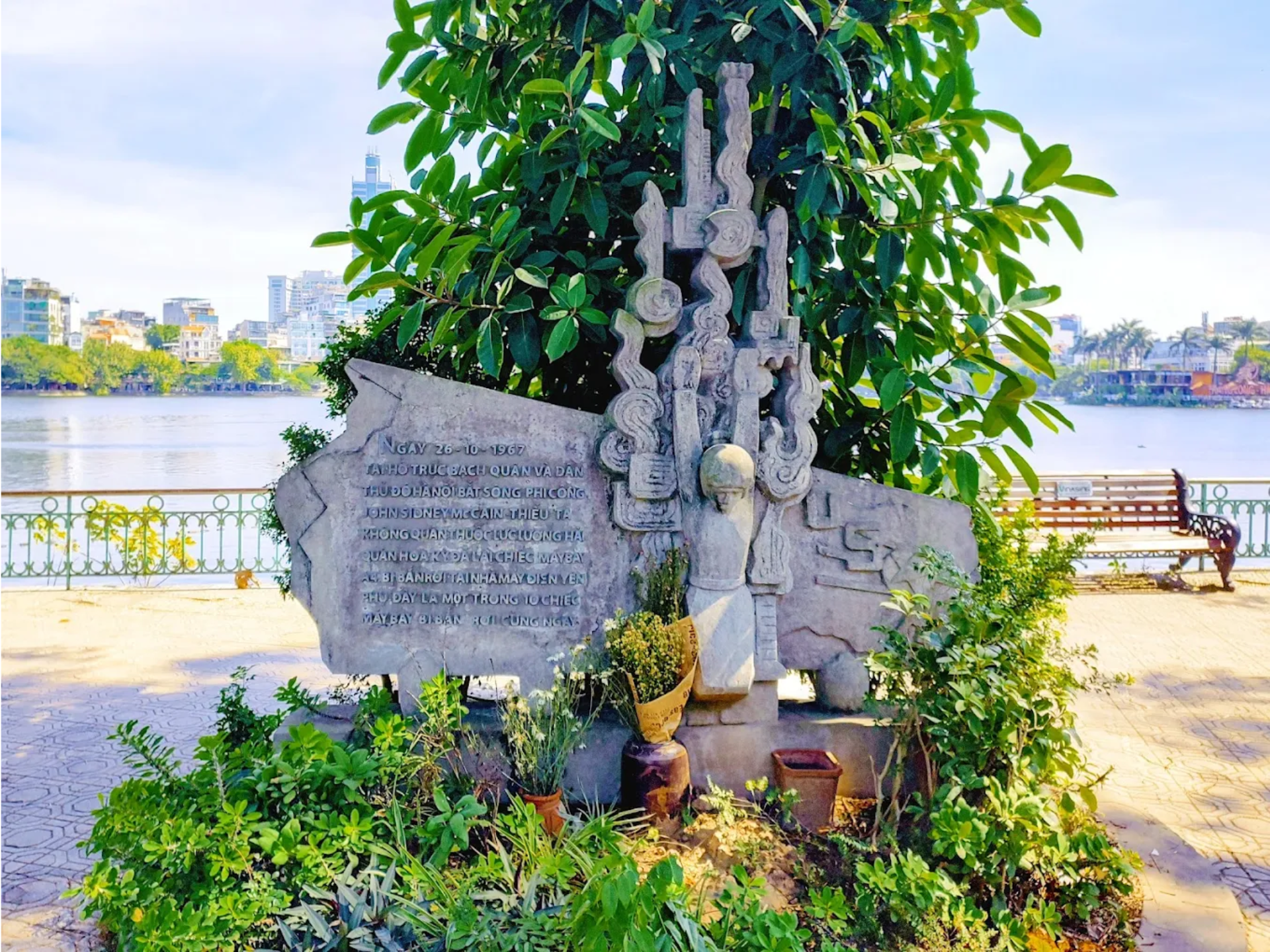
On Thanh Nien Street, on the western edge of Truc Bach Lake Hanoi, there’s a small stone monument that most people walk straight past. You shouldn’t.
On October 26, 1967, US Navy pilot John McCain was shot down over Hanoi and parachuted into Truc Bach Lake. Locals pulled him from the water – badly injured – and he was taken as a prisoner of war, eventually held at Hoa Lo Prison for five and a half years. The bas-relief on Thanh Nien Street marks exactly where he was captured. McCain didn’t see it until 1985, on his first return to Vietnam after the war.
No ticket booth. No tour buses. Just a piece of concrete by a quiet road. That’s what makes it worth stopping for.
Best Things to Do at Truc Bach Lake Hanoi
Walk the Perimeter at Sunrise
Get here before 7 AM. The 1.5-kilometer promenade around Truc Bach Lake is a different world at that hour – elderly residents doing badminton drills near the Quan Thanh Temple end, vendors rolling out pho stalls, couples on stone benches with coffee in hand. This is the Hanoi that doesn’t make it into travel magazines, and it’s better for it.
Visit Den Thuy Trung Tien
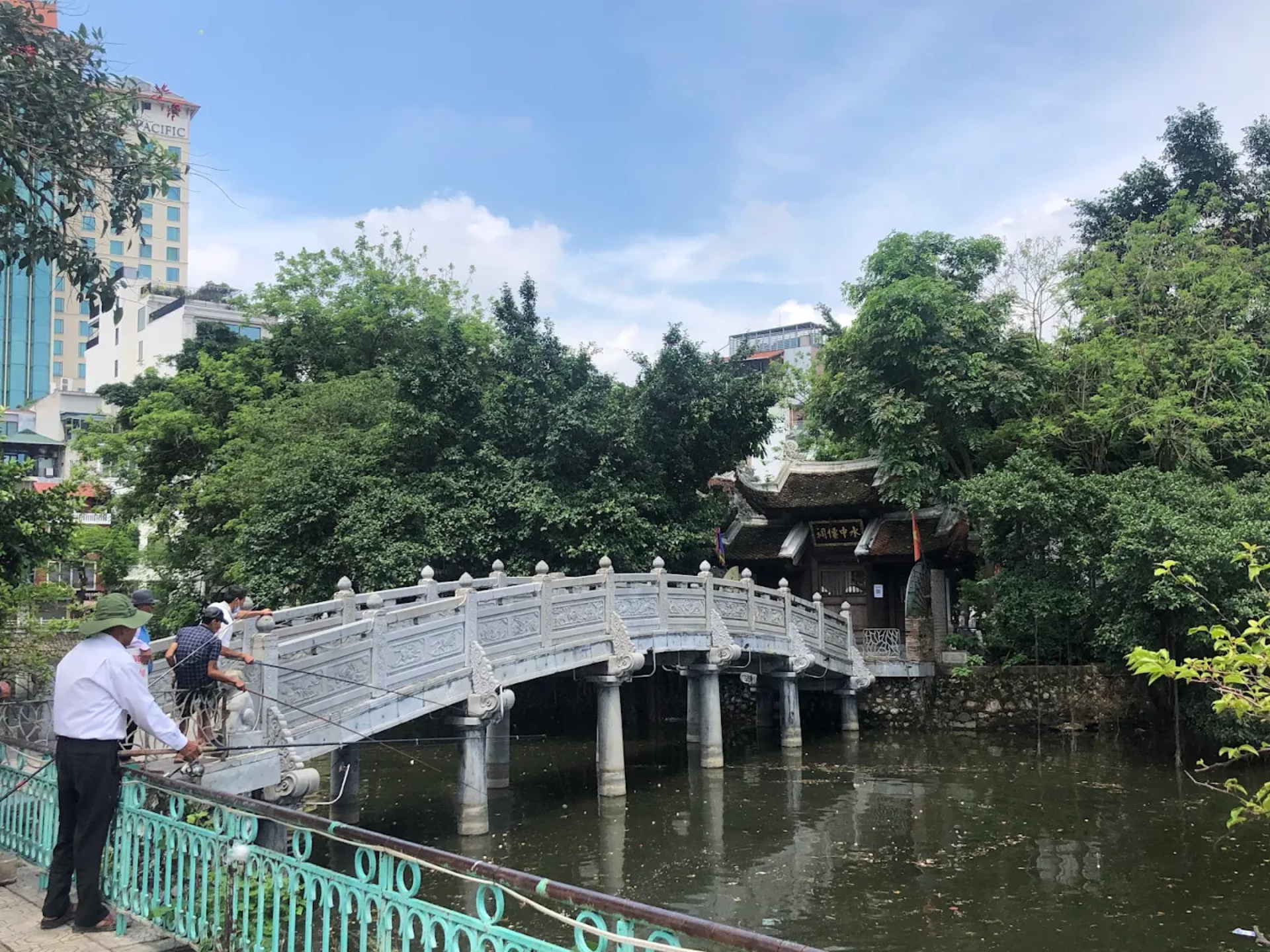
In the northwestern corner of the lake, connected by a small bridge, sits Den Thuy Trung Tien – a tiny temple on a man-made island tied to a local legend about a puppy whose fur supposedly foretold the rise of Emperor Ly Thai To. Strange story, real temple, genuinely beautiful views back toward the city. Entry is free and takes about ten minutes.
Eat Pho Cuon on Ngu Xa Street – After 6 PM
This is the one thing you cannot skip at Truc Bach Lake Hanoi. Ngu Xa Island – the larger of the two peninsulas that jut into the lake – was historically a bronze-casting village. Today, it’s known for one thing: pho cuon.
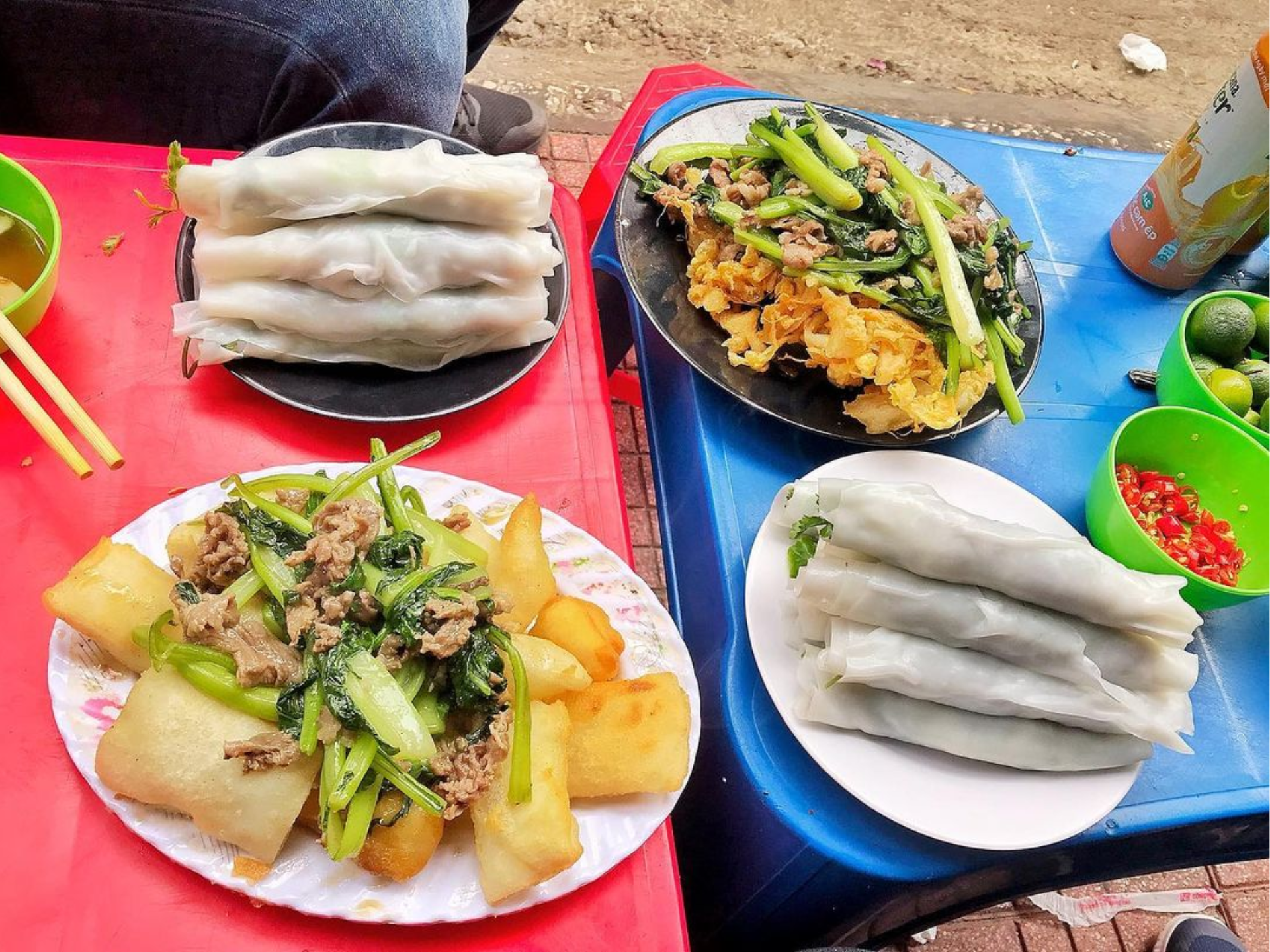
Pho cuon is a wide sheet of soft rice noodle wrapped around sliced beef and fresh herbs, served with a sharp nuoc cham dipping sauce. About 50,000 VND ($1.90) for ten rolls. Its crispier cousin, pho chien phong, takes the same noodle, deep-fries it into crunchy pillows, and tops it with beef and sauce – completely different texture, equally addictive.
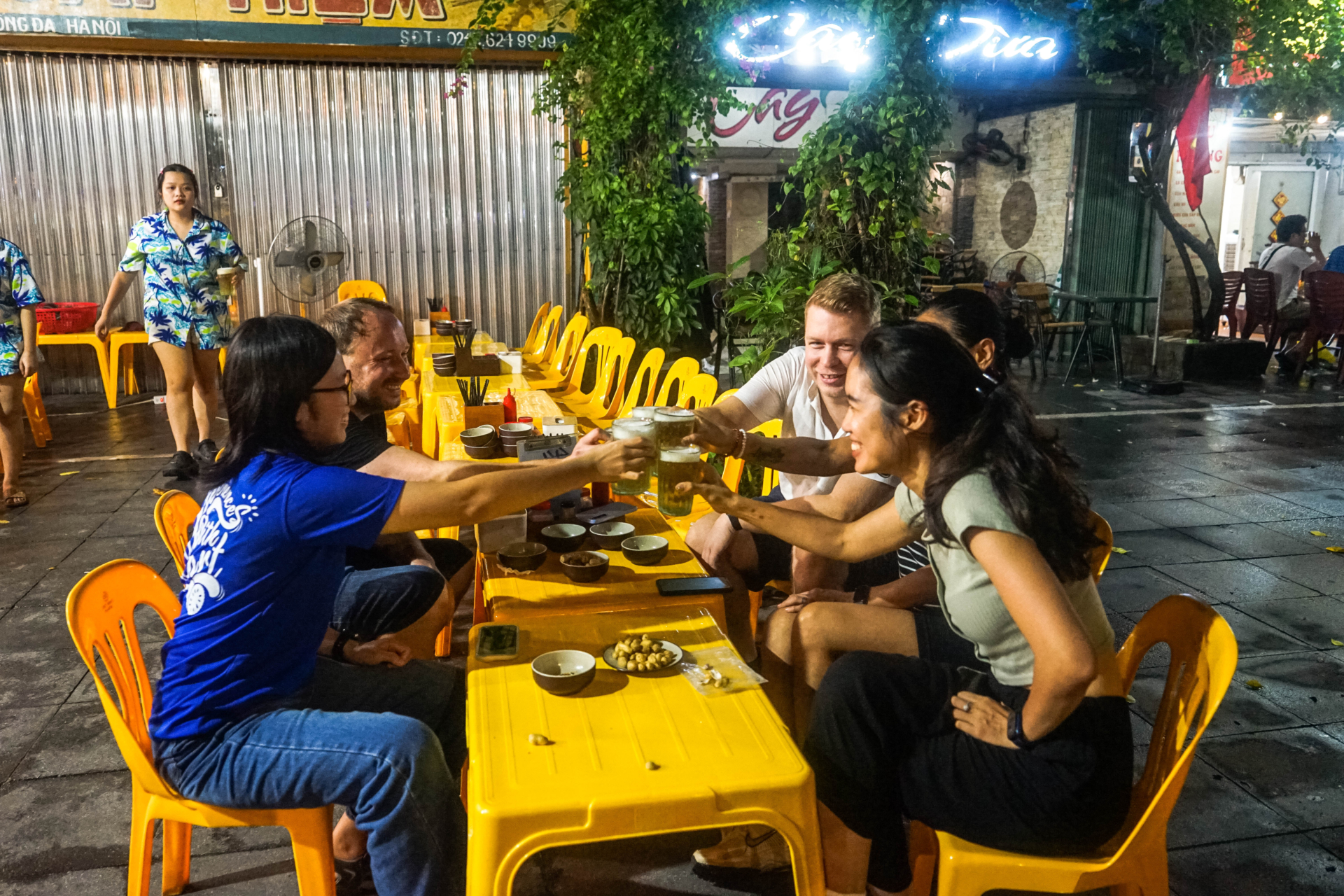
After 6 PM, the main street through Ngu Xa closes to motorbikes. Restaurants spill tables onto the tarmac. The whole strip turns into an informal open-air dining room. Go to Pho Cuon Huong Mai (25 Ngu Xa Street, Ba Dinh District) or Pho Cuon Thanh Hang (29B Ngu Xa Street, Ba Dinh District)
Sit with an Egg Coffee and Do Nothing
A few cafes on the western shore of Truc Bach Lake have terrace seating with water views. Order ca phe trung – Vietnamese egg coffee, a dense egg yolk foam over strong Robusta – and just sit. It sounds strange. It tastes extraordinary. You’ll understand why Hanoians say this city is the best in Southeast Asia for doing absolutely nothing.
Rent a Pedal Boat
Swan-shaped pedal boats are available near the Highlands Coffee boat on the southern end of the lake. Small boats (ideal for 2-3 people) cost around 100,000 VND ($4 USD) per hour, while larger boats for families of 4 are about 200,000 VND ($8 USD) per hour. Kitschy? A little. Fun? Completely. The views back toward Thanh Nien Street from the water are worth it.
Photograph Thanh Nien Street at 5 PM
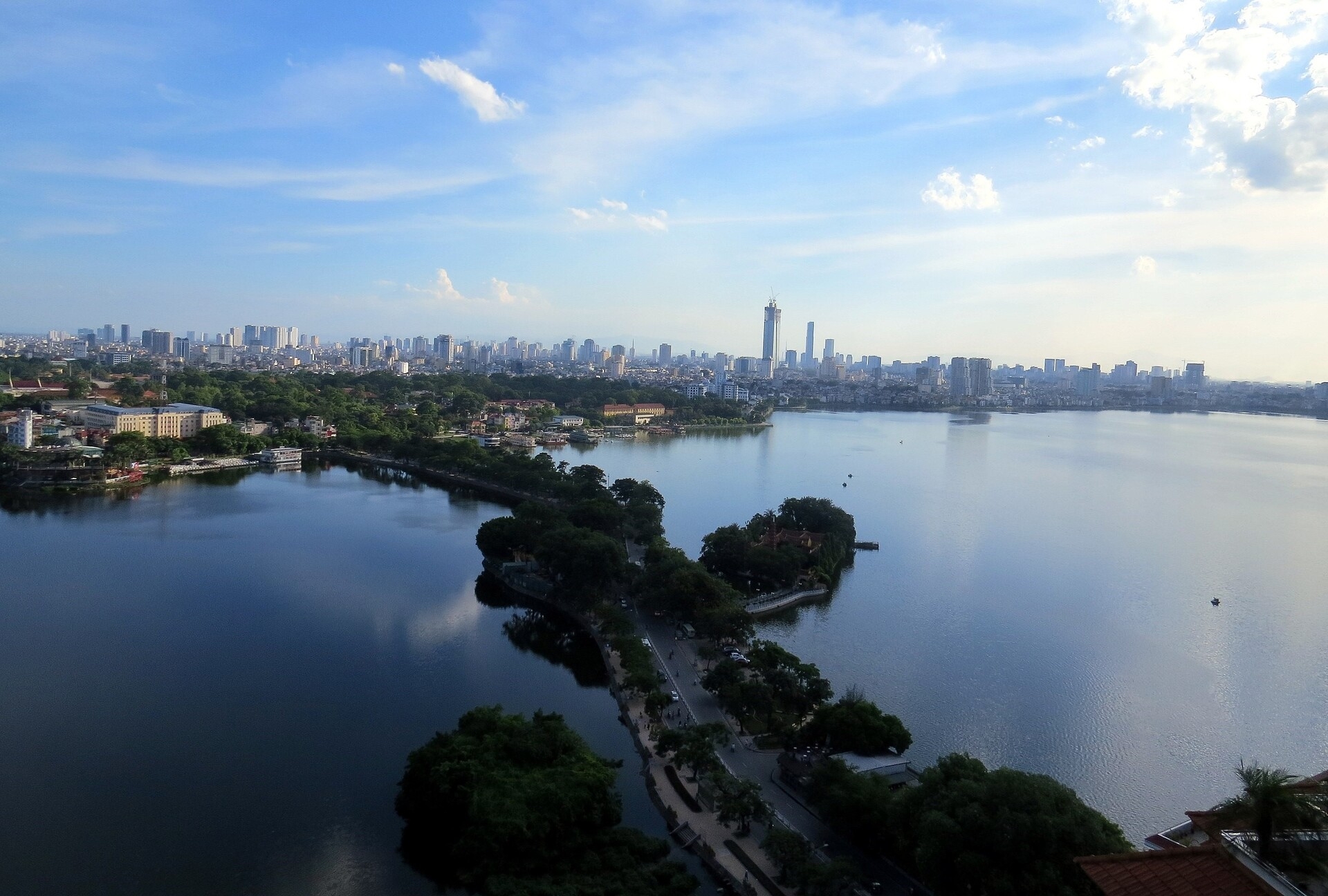
The road separating Truc Bach Lake from West Lake is one of Hanoi’s most-photographed streets – old trees forming a canopy, dual lake views on both sides. Come at 5 PM when the light turns golden and the traffic thins just enough. Walk slowly.
Nearby Attractions Worth Combining with Your Visit
| Attraction | Distance from Truc Bach Lake | Entry Fee | Best Time to Visit |
| Tran Quoc Pagoda | 5-min walk | Free | Morning |
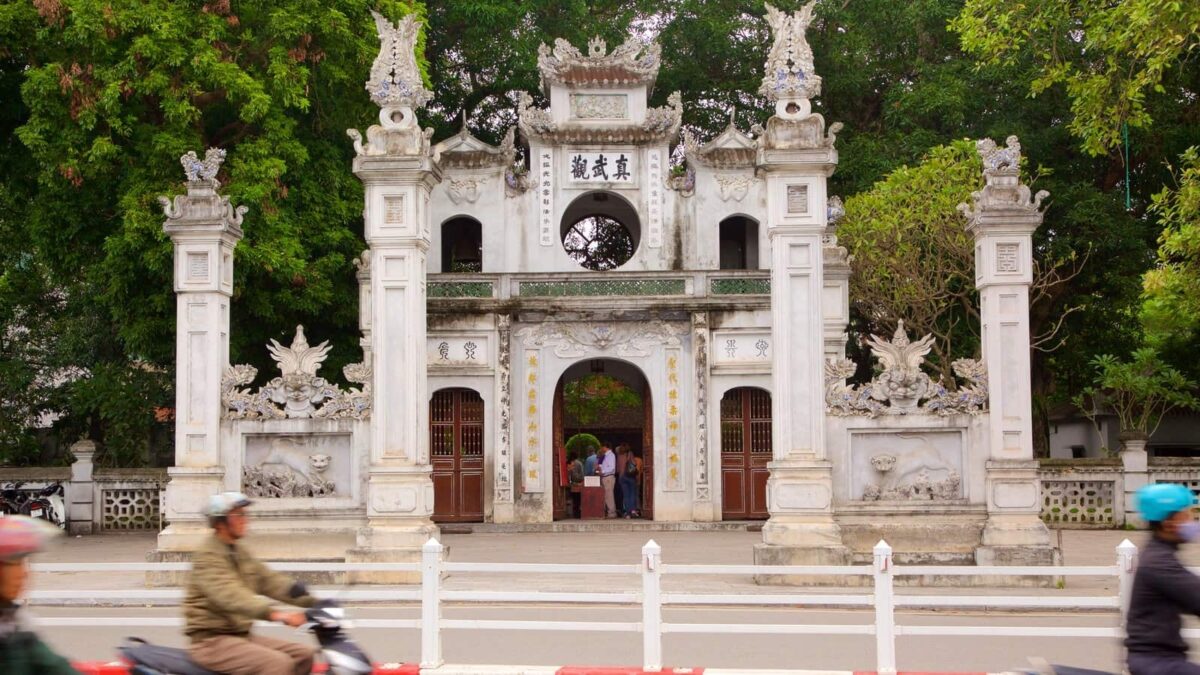
| Quan Thanh Temple | 3-min walk | 10,000 VND | Anytime |
| Chau Long Market | At the lake’s edge | Free | 6–9 AM |
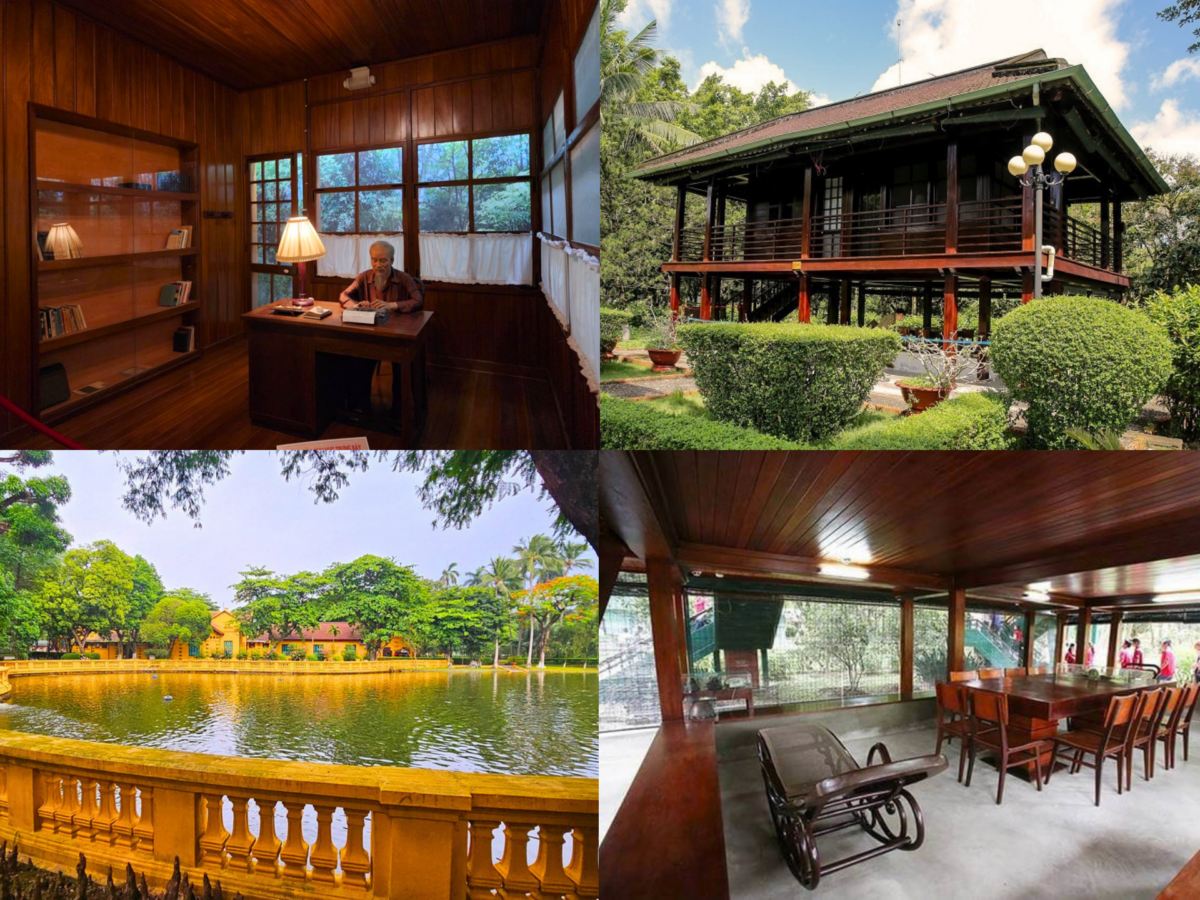
| Ho Chi Minh Mausoleum | 15-min walk | Free (closed Mon/Fri AM) | Morning |
| West Lake (Ho Tay) | Adjacent | Free | Sunset |
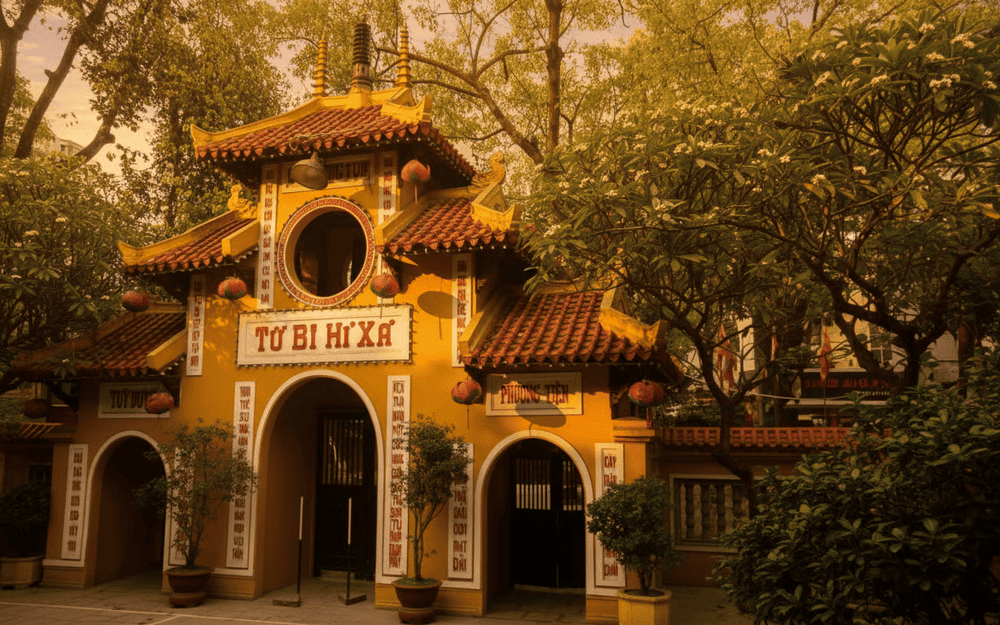
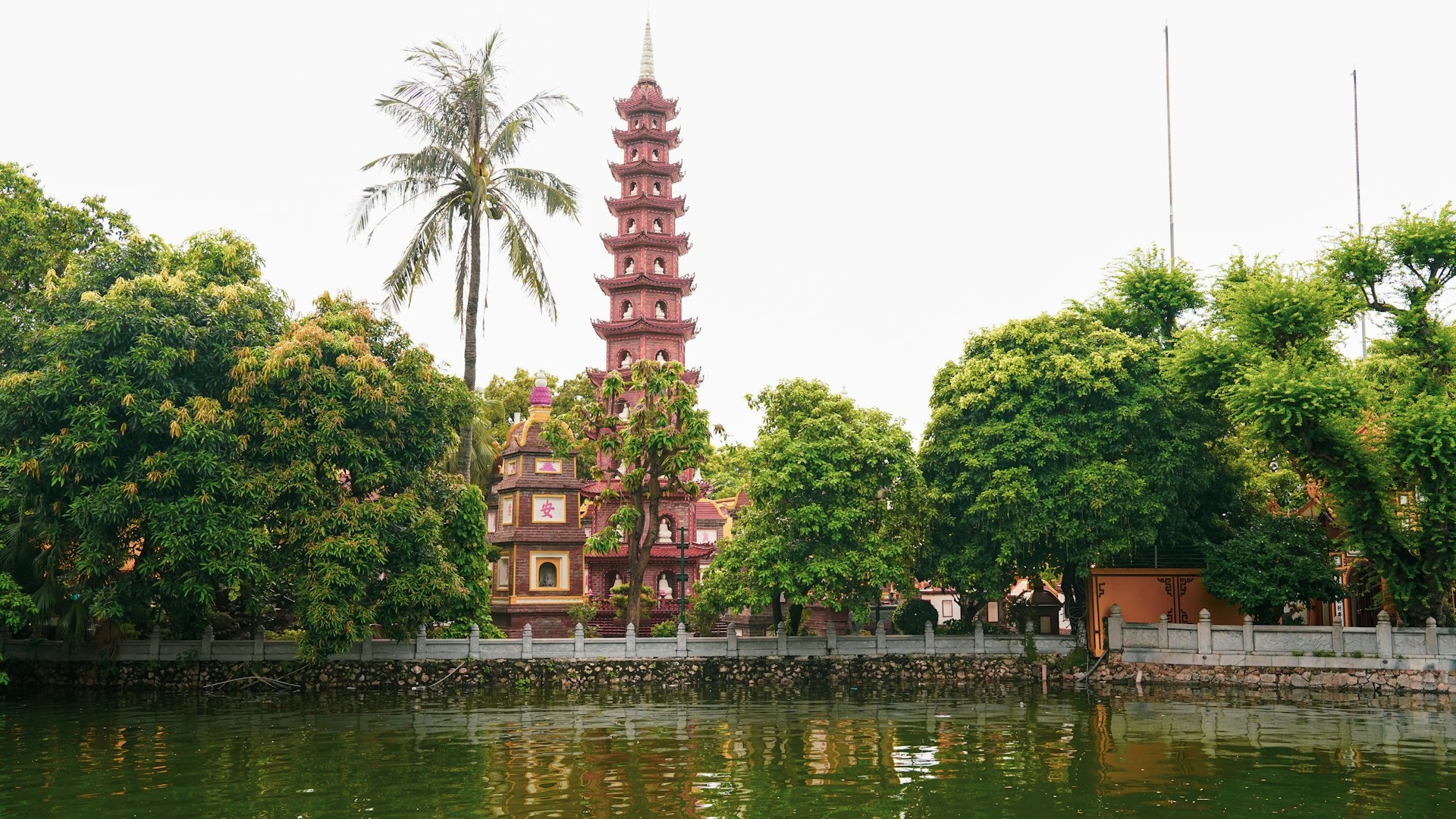
Tran Quoc Pagoda is the standout. Sitting on a small peninsula beside West Lake, just a five-minute walk from Truc Bach Lake, it’s widely considered one of the oldest Buddhist pagodas in Hanoi. The tall red stupa, peaceful courtyard, and lakeside setting make it worth at least thirty minutes of your time. Come in the early morning when the incense smoke is still rising and the monks are finishing their prayers.
Chau Long Market sits right at the base of the bridge onto Ngu Xa Island. It’s a compact, covered wet market selling fresh produce, meat, tofu, and flowers. Go early. By 9 AM the best vendors have sold out and packed up. This is where neighborhood families do their daily shopping, and watching the pace and rhythm of it tells you more about everyday Hanoi life than any museum.
How to Get to Truc Bach Lake
Truc Bach Lake Hanoi is easy to reach from anywhere in the city.
- From the Old Quarter: About 15–20 minutes by Grab/GreenSM motorbike (roughly 30,000–40,000 VND / $1.20–$1.60 USD). A Grab/GreenSM car costs slightly more.
- By bus: Public buses run along Thanh Nien Street. It’s the cheapest option and lets you see the approach along the lakeside road.
- On foot from Ho Chi Minh Mausoleum: A 10–15 minute walk through pleasant tree-lined streets.
- By bicycle or motorbike: The flat terrain around the lake makes this a great cycling route. Bike rentals are available throughout the Old Quarter for around 50,000–80,000 VND ($2–$3.20 USD) per day.
My personal recommendation: rent a bicycle from the Old Quarter, cycle to Truc Bach Lake via Phan Dinh Phung Street (one of Hanoi’s most beautiful colonial-era roads), then lock your bike and spend the afternoon exploring on foot.
What Travelers Ask About Truc Bach Lake Hanoi
Ready to Explore Truc Bach Lake and Beyond?
Truc Bach Lake is the Hanoi that Hanoi forgets to advertise. No massive tour buses. No overpriced souvenir shops. Just a beautiful, layered neighborhood built around a lake with 400 years of stories – from silk-weaving concubines to wartime history to the best pho cuon in the city.
If you’re planning a trip to Hanoi and you want to get beneath the surface, make Truc Bach Lake Hanoi part of your itinerary. Pair it with a morning at Chau Long Market, lunch on Ngu Xa Street, and sunset on Thanh Nien Street, and you’ll leave feeling like you actually saw the city.
And once the sun goes down, the night is still young. After an afternoon spent soaking up the calm of Truc Bach Lake, why not let Hanoi show you its other side? Our Hanoi Foodie Night Ride: Cycle, Eat, Repeat takes you through the city’s lively markets, colorful backstreets, and buzzing neighborhoods as Hanoi comes alive after dark.