

Table of Contents
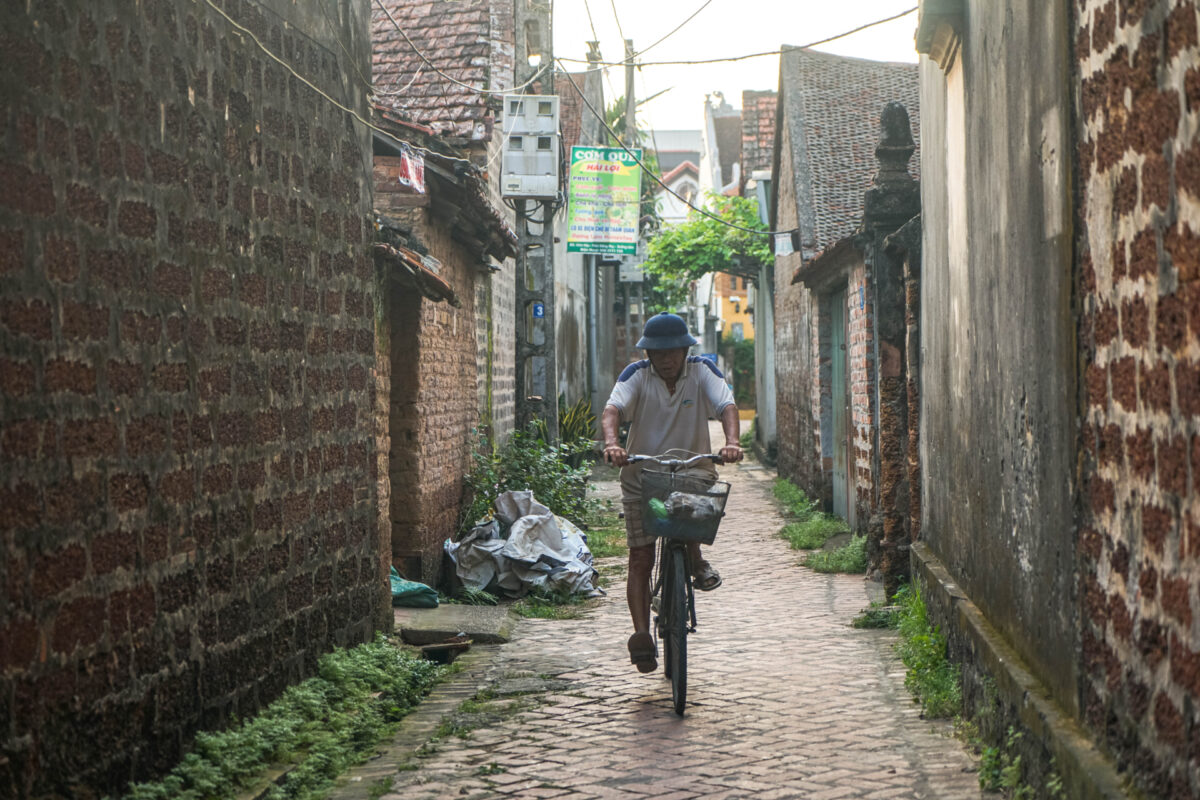
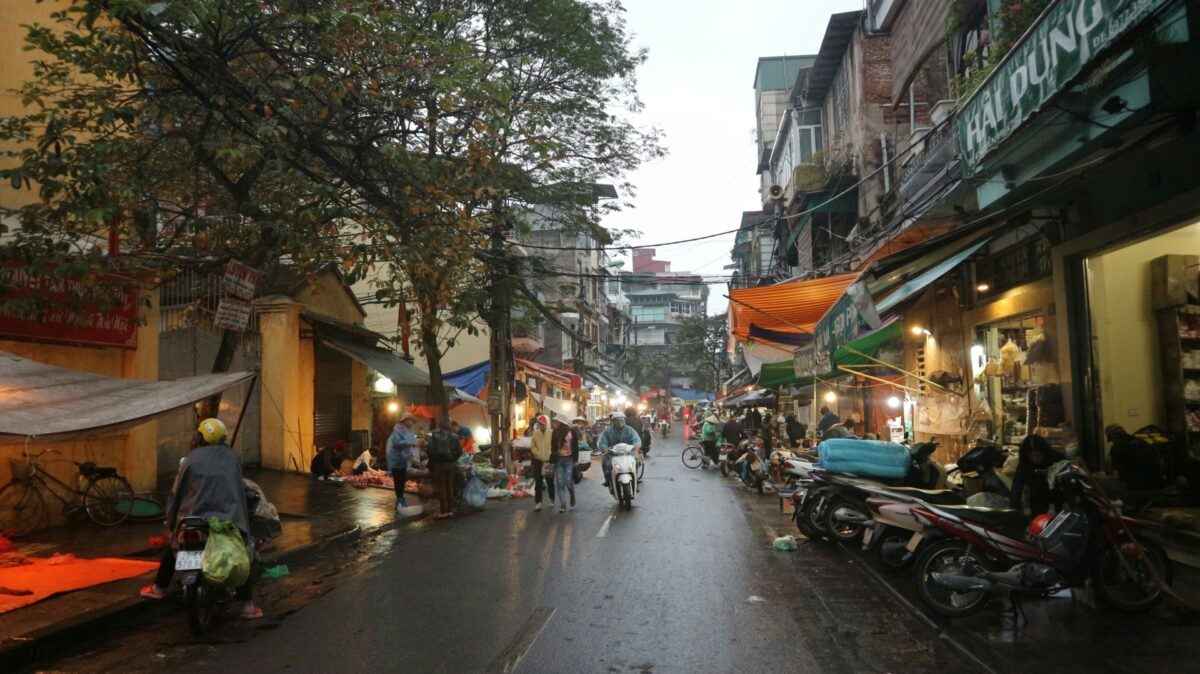
Just a short distance from the bustling, modern streets of Vietnam’s capital lies a quiet community where time seems to slow down. There is a small, peaceful community in Thuong Tin district, famously known as the traditional flag embroidery village of Hanoi – Tu Van village.
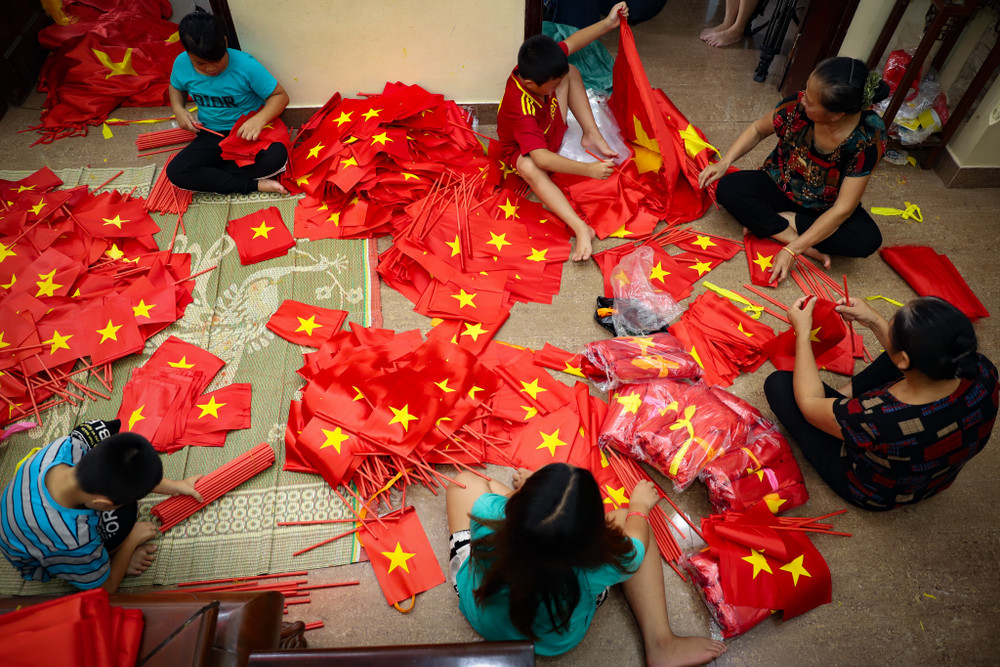
For generations, families there have poured their hearts, souls, and tired eyes into crafting the national flag, one meticulous stitch at a time. Today, while factories mass-produce flags by the thousands, the soul of our nation’s symbol is still kept alive right here by local artisans.
If you want to understand what Hanoi looks like beneath its tourist surface, this is a good place to start.
The Historical Roots of Tu Van Village
To fully appreciate the craftsmanship found here, one must look back at the historical milestones that shaped the community. Tu Van was not always exclusively known for flags; it has a centuries-old foundation in weaving and general textile arts. The village historically produced high-quality fabrics that were traded throughout the Red River Delta. However, the true legacy of traditional flag embroidery was forged during a pivotal moment in the 20th century.
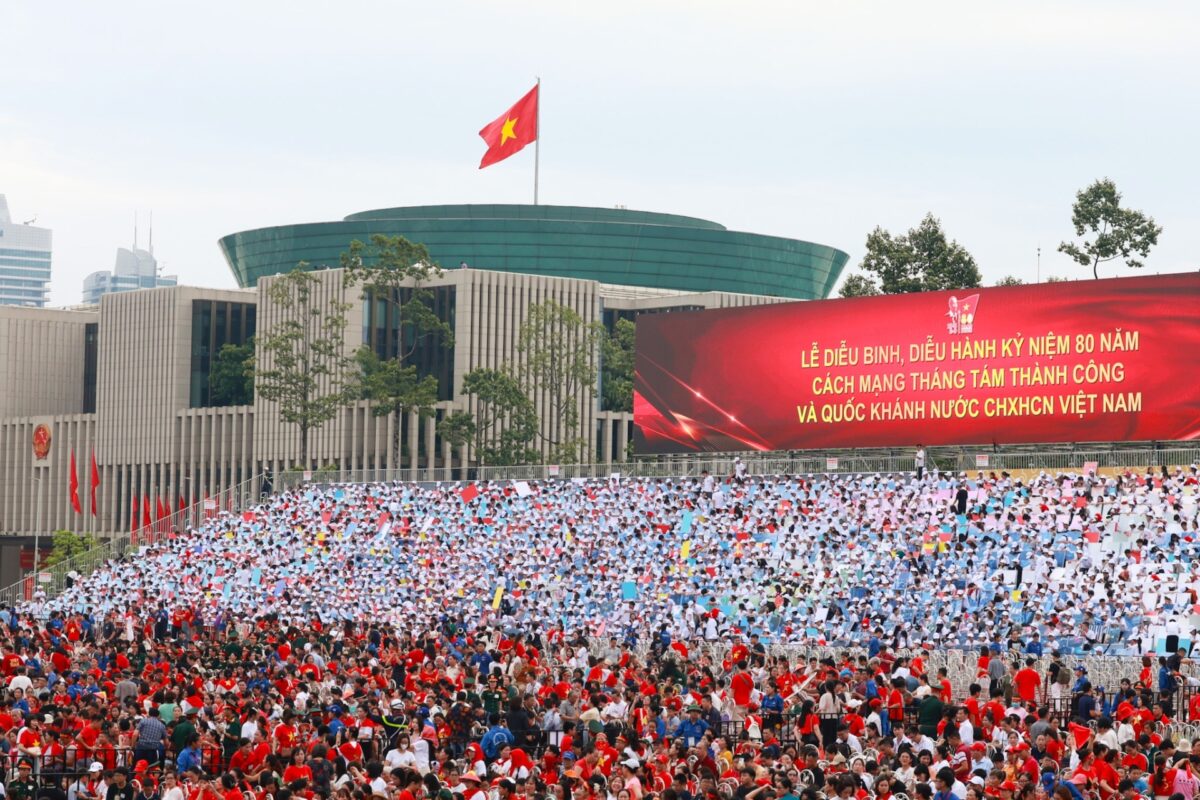
During the August Revolution in 1945, the newly forming independent nation required thousands of flags. The artisans of Tu Van were secretly entrusted with this monumental task. Working discreetly and with limited resources, they established the rigorous standards for traditional flag embroidery that are still respected today. The golden star and the blood-red background became the defining elements of their daily lives.
Passing the Torch Through Generations
The survival of this craft is a testament to the strong family bonds within the village. The skills required for flawless traditional flag embroidery are rarely taught in formal schools. Instead, they are passed down through a deeply ingrained system of generational learning.
- Apprenticeship at home: Children grow up watching their parents and grandparents work the fabric.
- Community knowledge: Techniques for dyeing and stitching are shared collectively among neighbors.
- Cultural duty: Many artisans view their work not just as a business, but as a patriotic responsibility.
How to Visit and What to Expect
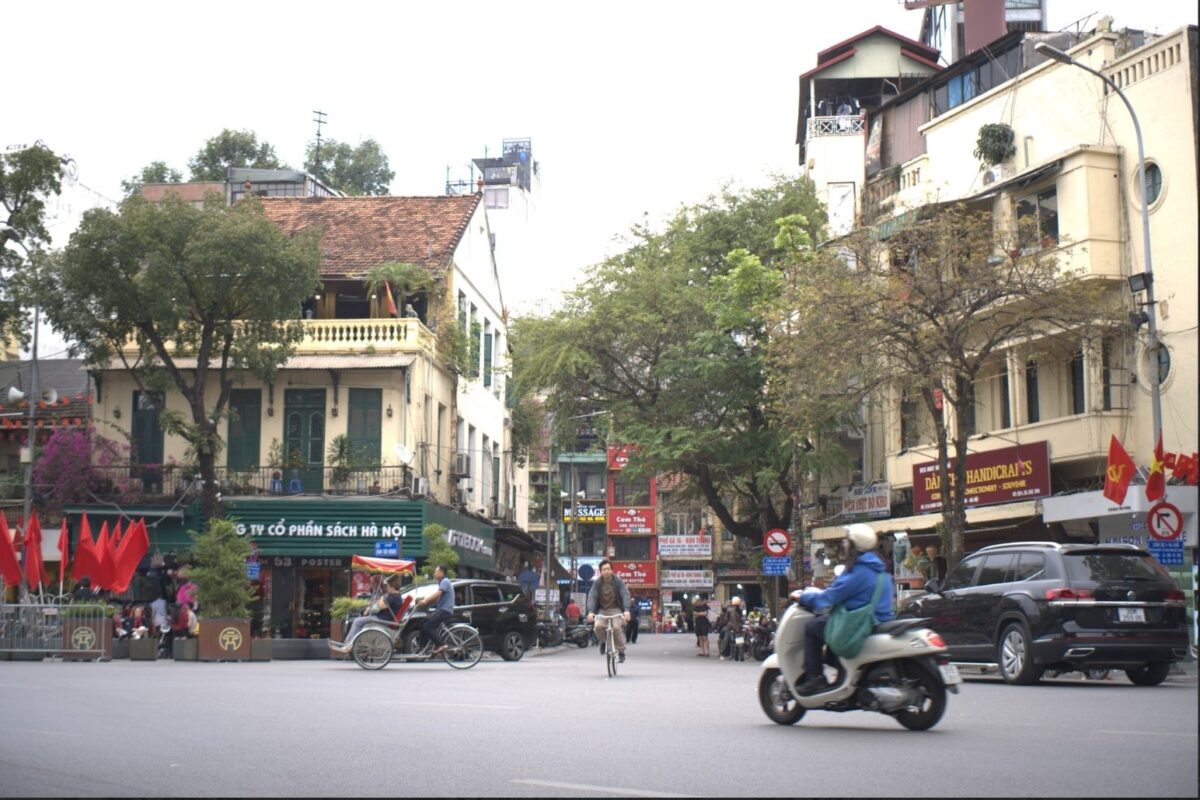
If you are planning to visit the traditional flag embroidery village, here are a few local tips to make your trip smooth. Tu Van is located about 30 kilometers south of Hanoi’s Old Quarter.
You can get here by motorbike, taxi, or local bus, but navigating the village itself can be tricky without a local connection. Many of the best traditional flag embroidery workshops don’t have signs, they are just people’s private homes.
Best Times to Visit
- Before Major Holidays: Visit a month before National Day (Sept 2nd) or Tet (Lunar New Year) to see the village operating at maximum capacity.
- Morning Hours: The lighting is best, the artisans are fresh, and the village market is bustling.
- Dry Season: From October to April, the weather in Hanoi is cool, making village walks incredibly pleasant
If you’re already making the trip out of central Hanoi, it’s worth combining Tu Van with a stop at Bat Trang Pottery Village – another working craft community on the city’s outskirts where the same spirit of generational skill plays out in clay rather than thread.
What Makes Traditional Flag Embroidery Technically Demanding
The Mechanics of the Craft
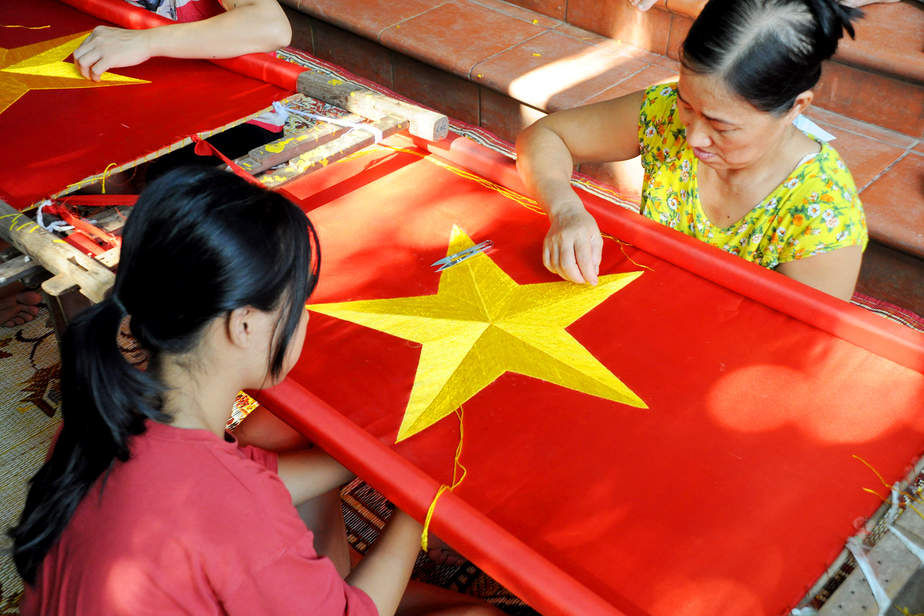
Traditional flag embroidery at this level is not a hobby skill. A standard embroidered flag measuring 60cm x 40cm takes an experienced artisan between two and four days to complete. A large ceremonial flag – the type displayed at formal state events – can require several weeks of sustained work.
The technical demands are precise:
- Stitch tension must remain consistent across the entire surface. Too tight and the fabric puckers; too loose and the result looks flat and unconvincing.
- Thread selection involves matching dozens of red silk variants to arrive at the correct shade. The red of the Vietnamese flag is a specific crimson, and experienced artisans maintain personal thread archives – sometimes forty or more samples – to ensure color accuracy across different orders and lighting conditions.
- Star geometry must be exact. The five-pointed yellow star at the center of the flag has precise proportional requirements, and any deviation is immediately visible to anyone familiar with the symbol.
These are not details that machines handle better than humans – they are details that machines handle differently, and for the most discerning buyers, differently is not good enough.
Printed Flags vs. Embroidered Flags: The Actual Difference
It’s worth being specific about what separates traditional flag embroidery from its printed equivalent, because the distinction matters to the people who commission these pieces:
| Printed Flag | Embroidered Flag | |
| Production time | Minutes | Days to weeks |
| Surface texture | Flat | Dimensional, thread relief |
| Light behavior | Uniform | Changes with viewing angle |
| Lifespan (stored) | Years | Decades |
| Ceremonial use | General | Formal, institutional |
The embroidered version is not simply more expensive – it belongs to a different category of object entirely.
The Cultural Weight of the Embroidered Flag
Why This Object Matters Beyond Aesthetics
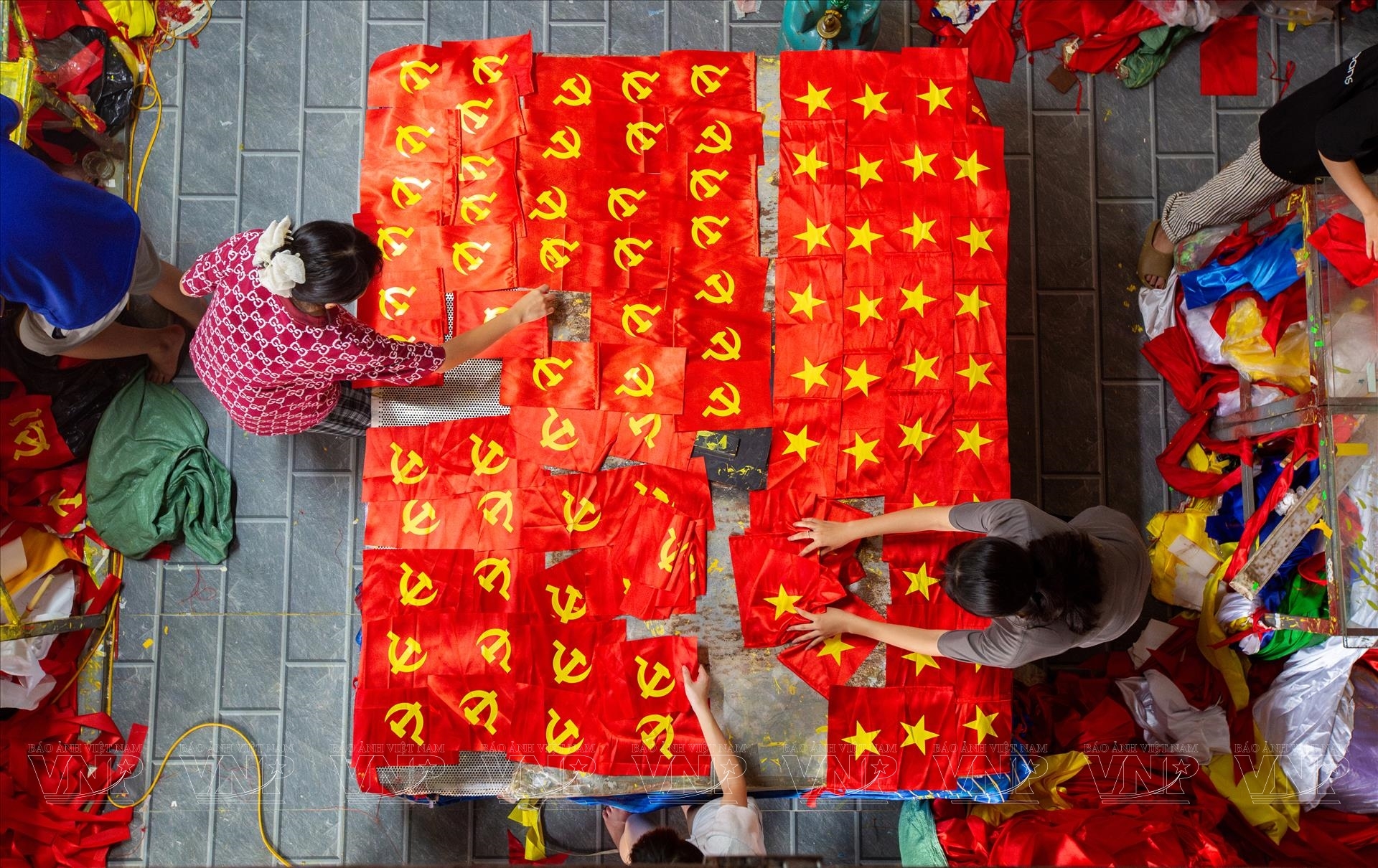
In Vietnamese public life, the national flag isn’t just a symbol – it’s closer to a ritual object. There’s an unspoken understanding at any formal occasion: an embroidered flag and a printed flag are not the same thing, even if nobody says it out loud.
Traditional flag embroidery connects to something deeper in Vietnamese culture – the belief that the effort and care put into a handmade object becomes part of what that object communicates. A flag that took a skilled artisan three days to complete carries a different message than one that rolled off a press in thirty seconds, even if you can’t always tell them apart from across the room.
That’s exactly why institutional buyers – military units, government offices, cultural foundations – keep commissioning traditional flag embroidery for important occasions instead of taking the cheaper, faster route.
A Living Practice, Not a Museum Piece
One thing worth saying clearly: traditional flag embroidery in these villages isn’t some subsidized heritage project or a craft kept on life support for tourism. It’s a working trade driven by real market demand. The artisans aren’t stitching flags out of nostalgia – they’re running small businesses, filling orders, managing costs, and making practical decisions about time and materials every single day.
That’s what gives traditional flag embroidery a different quality from something that only survives because it was protected. It didn’t make it this far because someone preserved it. It made it this far because it stayed genuinely useful.
See Hanoi’s Craft Villages Up Close
Traditional flag embroidery in Hanoi’s outlying villages is one of those crafts that earns its significance quietly. It doesn’t advertise. It doesn’t perform for visitors. It simply continues – producing objects that carry national meaning for the institutions and occasions that require them, using techniques refined across generations of household practice.
Visiting the village won’t give you a comfortable tourist experience. It will give you something more useful: a direct look at how cultural identity gets made by hand, and what it costs in time and skill to do it properly. That’s a rare thing to see clearly, and Hanoi – for those who look past the obvious – still offers it.

If you’re planning a trip and want to include this kind of visit, contact Jackfruit Adventure today!