

Table of Contents
Exploring Hanoi’s districts has always felt like flipping through chapters of a living storybook. Each area has its own rhythm, so the more I wandered, the more I realised that Hanoi is a place you wanna slowly get to know better.
In this blog, I’m sharing the tips, hidden spots, and “little” discoveries that made my journey through Hanoi’s districts more vibrant, so you can experience the city with the same curiosity and joy!
Your Complete Guide To Hanoi’s History and Districts
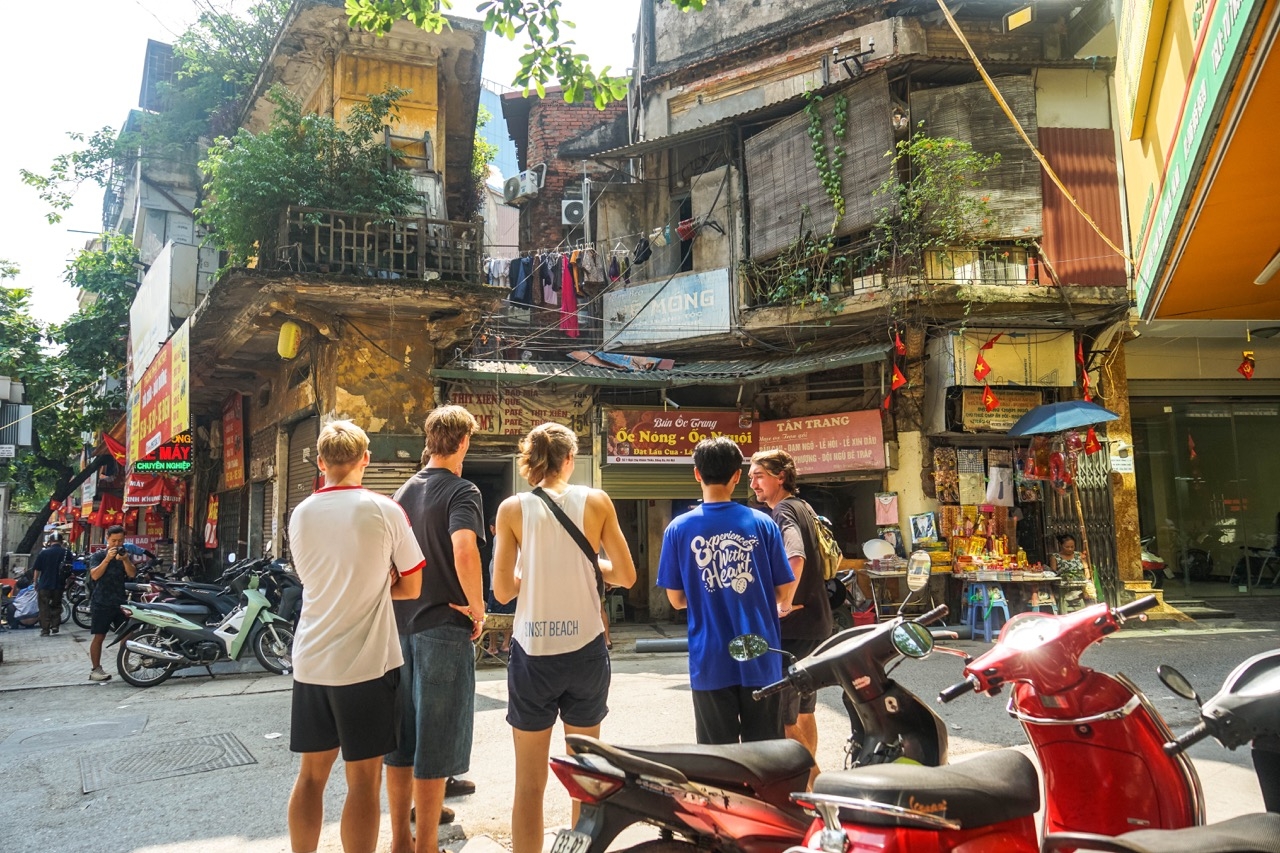
Hanoi can feel overwhelming at first, with its countless districts, streets and narrow alleys stretching in every direction. But the more I spend here, the more I realise that understanding Hanoi’s districts is the easiest way to navigate this sprawling city.
Hanoi’s thousand-year history, from the ancient citadel of Thăng Long, the French colonial era, to the modern capital, has shaped the unique patchwork you see across Hanoi’s districts today. The city sits at the heart of the Red River Delta. It has long been known as a cultural and political centre, where long-standing artisan villages coexist with colonial boulevards, modern cafes, and contemporary architecture. This blend of past and present is what makes each district feel like its own little world with a distinct identity.
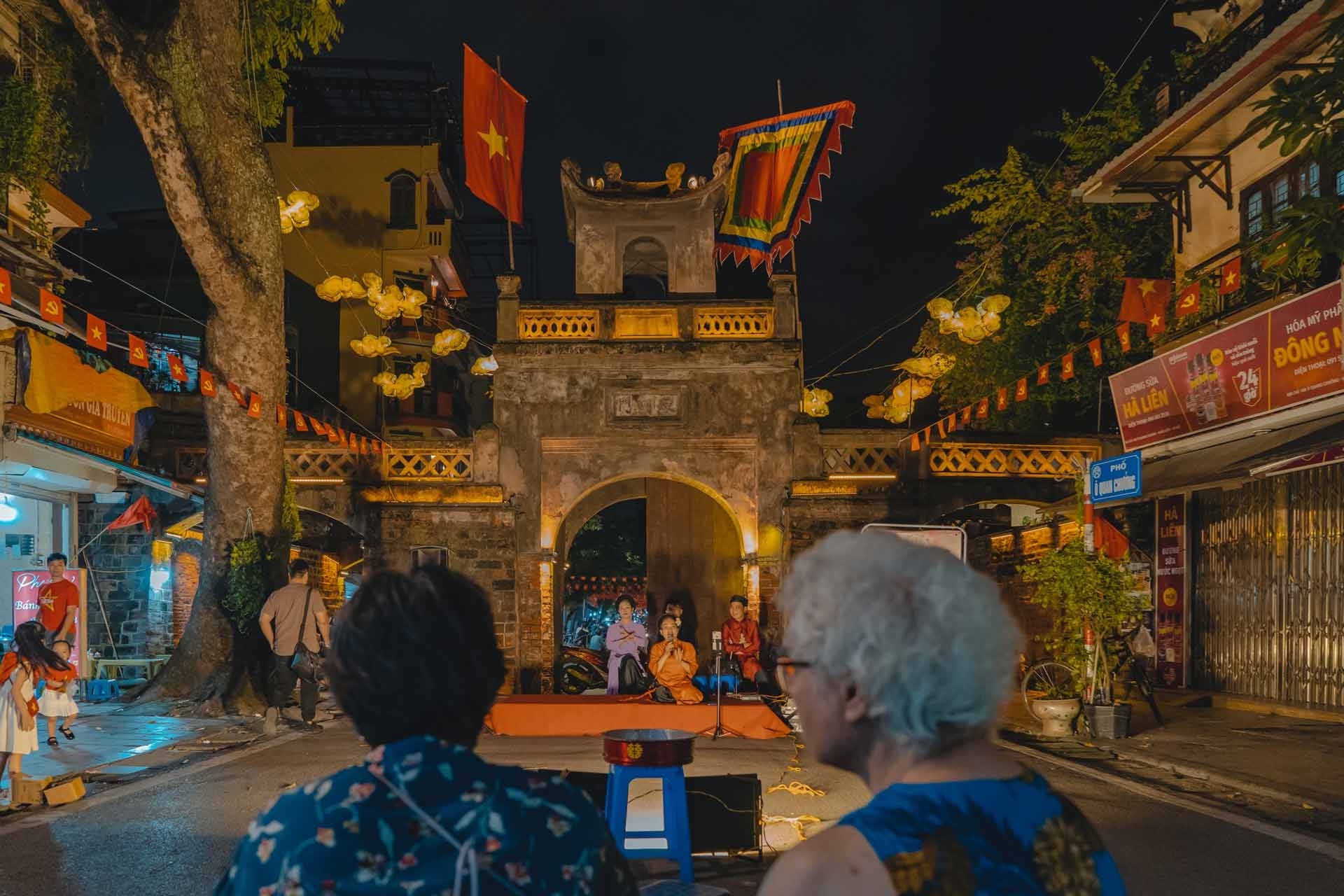
Over the past few decades, Hanoi has expanded rapidly in all four directions, integrating surrounding villages and rural communes into the metropolitan core. This growth transformed Hanoi from its original 36 guild streets into nearly 500 streets, supported by a road network stretching close to 400 km. Altogether, Hanoi’s districts evolved into today’s system of 30 administrative units, with 12 urban districts (quận), 17 rural districts (huyện), and 1 district-level town (thị xã). Plus, Hanoi is home to over 7.8 million residents and spans a vast 3,329 km² – this is a scale that often surprises first-time visitors.
Within these 30 districts, Hanoi has a total of 525 commune-level administrative units, comprising 344 communes (xã), 160 wards (phường), and 21 townlets (thị trấn). Here’s a quick look at all the districts that make up Hanoi:
- The urban districts include: Hoàn Kiếm, Ba Đình, Tây Hồ, Hai Bà Trưng, Đống Đa, Cầu Giấy, Long Biên, Thanh Xuân, Nam Từ Liêm, Bắc Từ Liêm, Hoàng Mai, and Sơn Tây (thị xã).
- The suburban/rural districts include: Đông Anh, Gia Lâm, Thanh Oai, Phú Xuyên, Mê Linh, Hoài Đức, Quốc Oai, Ba Vì, Chương Mỹ, Thanh Trì, Ứng Hòa, Mỹ Đức, Sóc Sơn, Thạch Thất, Phúc Thọ, and more.
The Ultimate Guide to Hanoi’s Districts Map
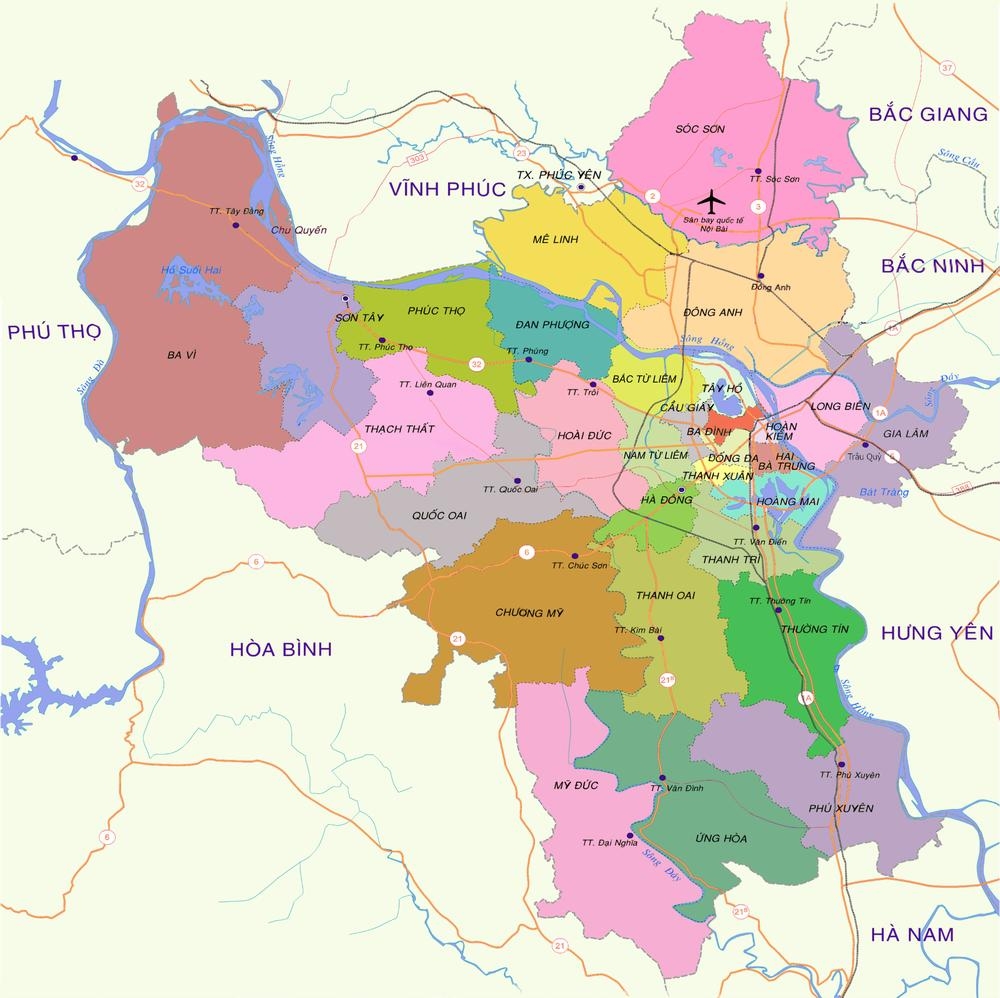
Hanoi is made up of 30 districts that together shape a vibrant, centuries-old capital of nearly 9 million residents. When you look at a map of Hanoi’s districts, you’ll quickly notice how the city spreads out from its historic core, before blending into modern urban hubs and peaceful rural outskirts. Each district holds its own character, defined by more than a thousand years of culture, politics and everyday rhythm.
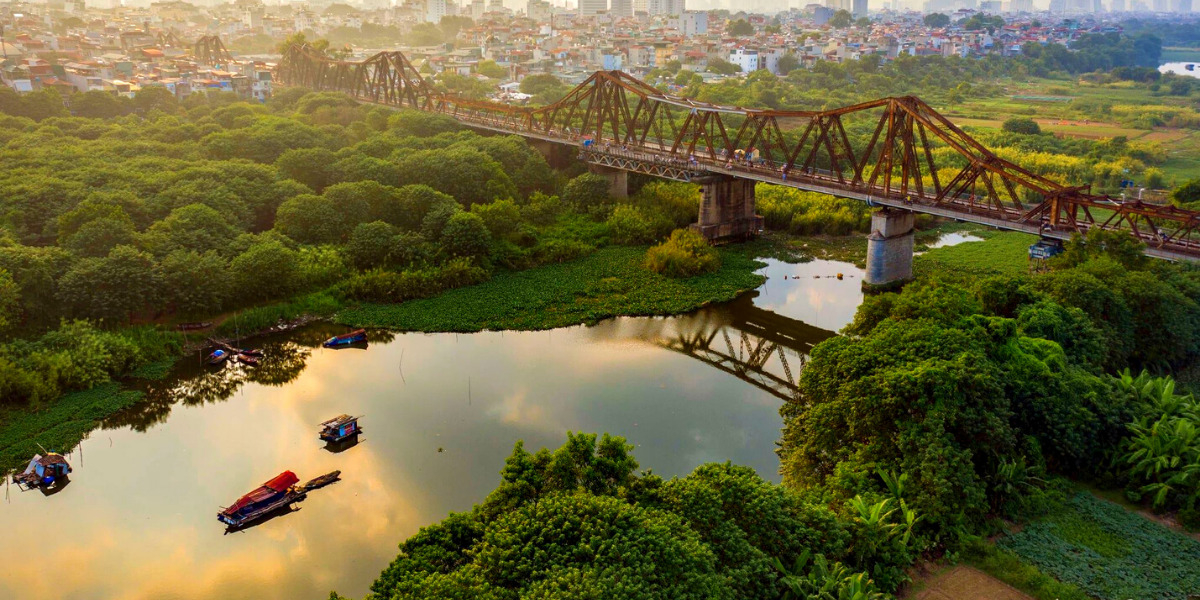
The Red River (Sông Hồng) flows gracefully along the Eastern side of the city, influencing the landscapes and lifestyles of districts such as Long Biên, Hoàn Kiếm and Tây Hồ. When exploring these areas, you’ll see a rare contrast between bustling markets, lakeside cafes, hidden alleyways, and serene villages that survived the test of time – a blend that makes Hanoi’s districts so captivating for visitors.
Searching for an easy-to-follow guide to Hanoi’s districts? You’re in the right place. When I first planned my trip right after sorting out my Vietnam visa, I realised how complex Hanoi’s 30 districts can be. In this simple guide, I’ll walk you through Hanoi’s districts the way I understand them – straightforward, practical and beneficial for your trip.
Hanoi’s Districts You’ll Love Exploring on Your Trip
1. Hoàn Kiếm District
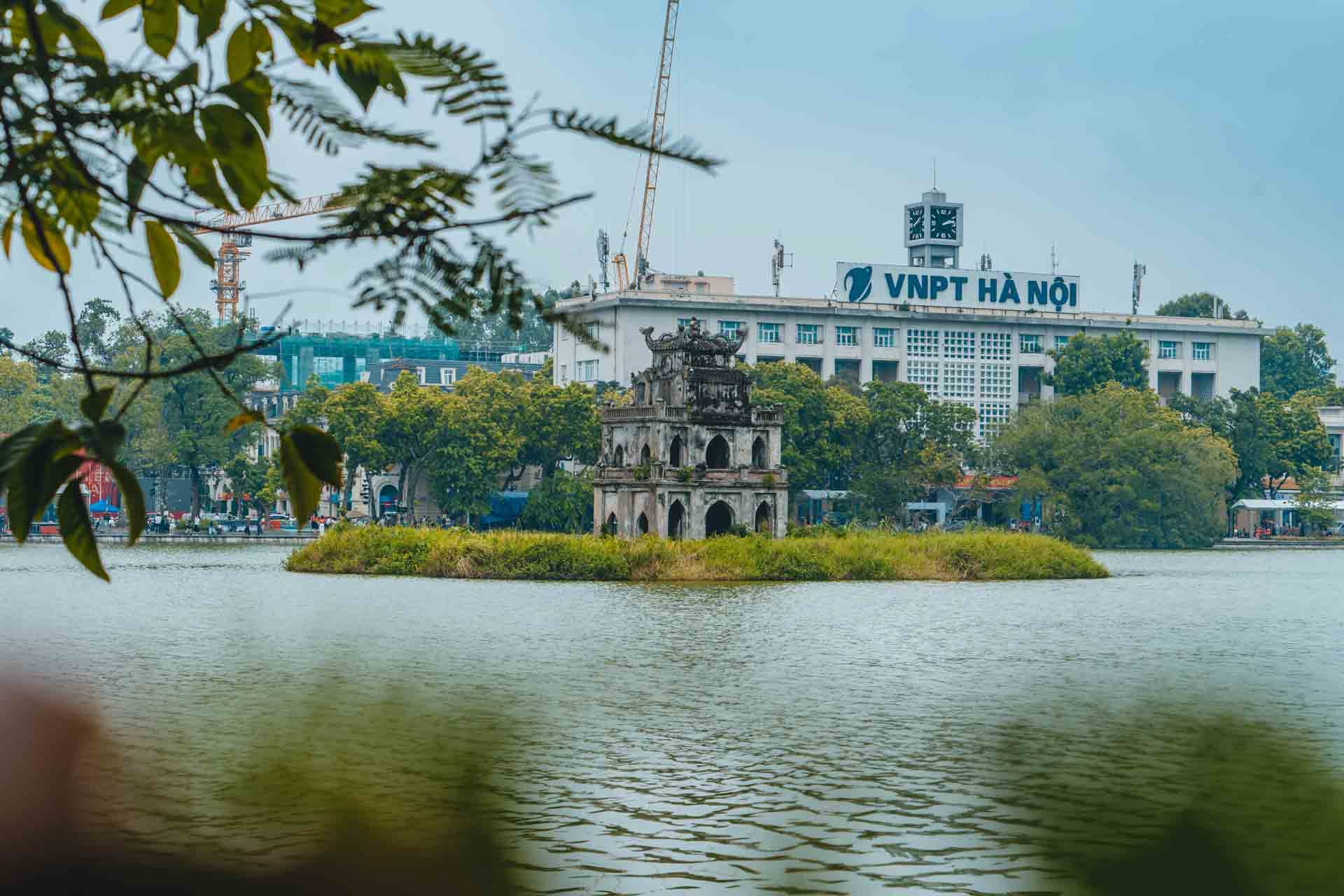
When I think about Hanoi’s districts, Hoàn Kiếm District is always the first place that comes to my mind. Centrally located and incredibly easy to navigate, this district sits right at the core of Hanoi – bordered by the Old Quarter, French Quarter and key cultural sites. This district is also defined by traditional Vietnamese craft shops and a mix of Hanoi’s lively markets, such as Long Biên, Hàng Da, Hàng Mã, Đồng Xuân, and Đức Viên. As Hanoi’s symbolic centre, most visitors pass through here at least once.
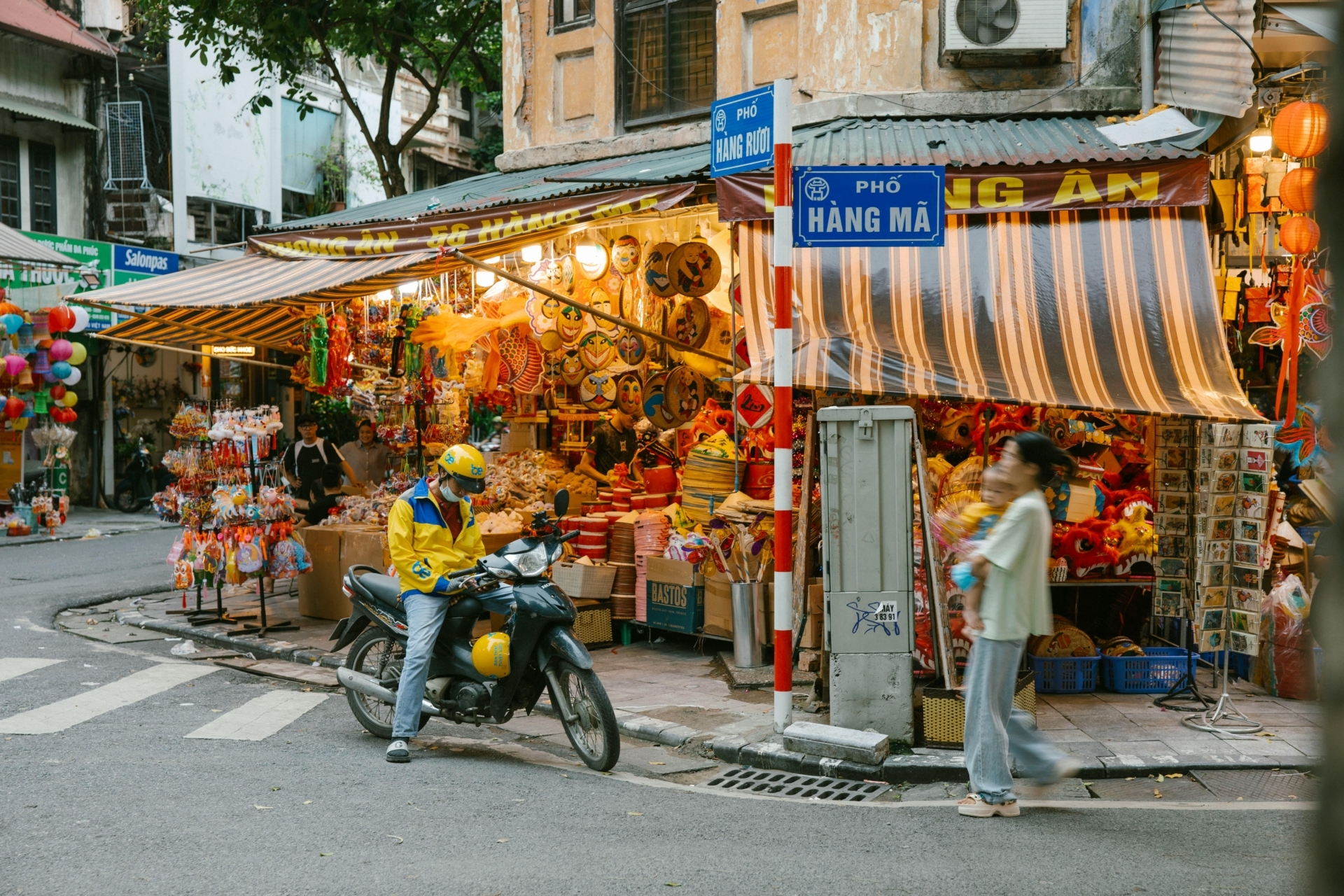
You can start your day with a calm stroll around Hoàn Kiếm Lake, then cross the red bridge to visit Ngoc Son Temple. From there, I love wandering through Hanoi Old Quarter’s 36 guild streets, each packed with craft shops, cafes and irresistible street eats. If you’re in the mood for something modern, Tràng Tiền Plaza is a must-visit spot, with a mix of contemporary fashion stores and a cool space to unwind. Or you can visit Hoa Lo Prison, a powerful stop for history lovers seeking a deeper look into Hanoi’s wartime past.
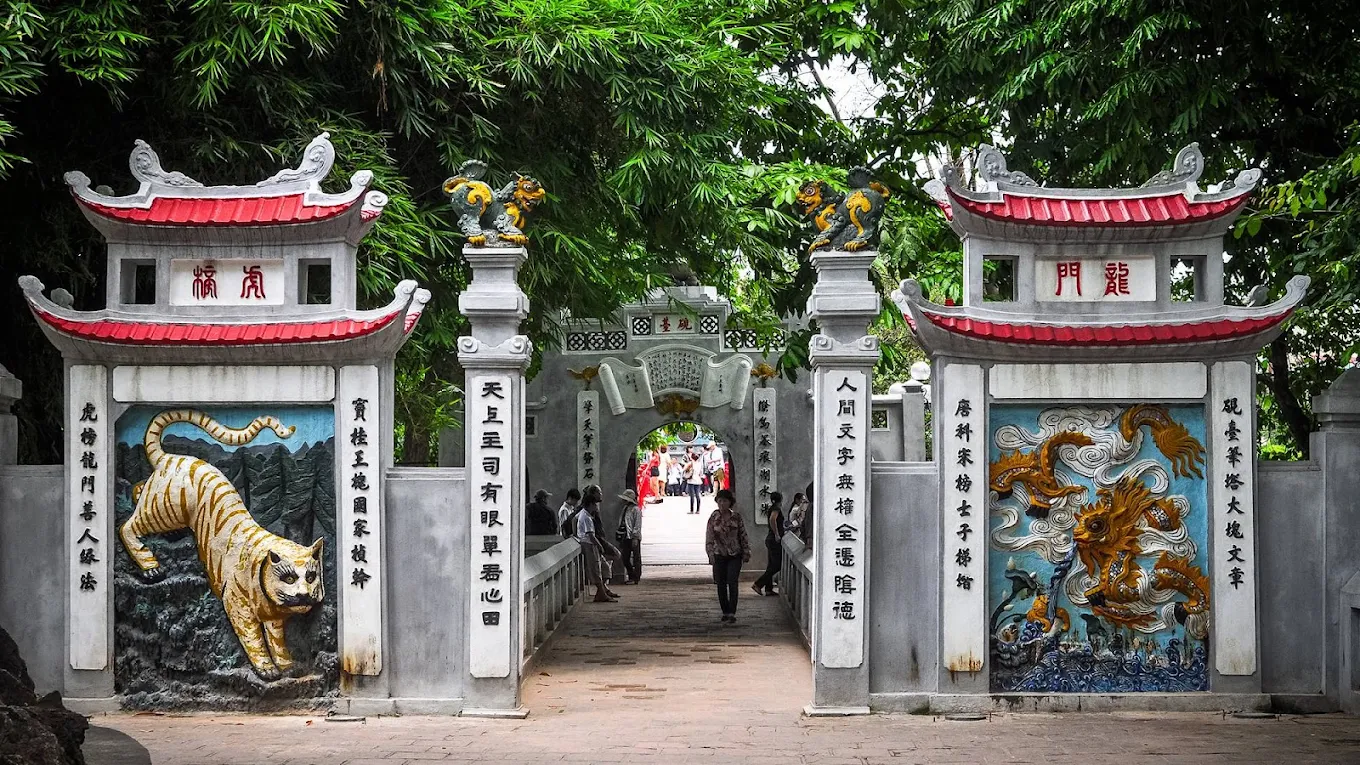
Art and culture lovers can wander down Phùng Hưng Mural Street to admire colourful displays of vibrant local artwork, then make their way to enjoy a traditional water puppet performance at the Thăng Long Water Puppet Theatre. You can wrap up your visit by joining a street food tour featuring some of the best street food in Hanoi, such as Phở Bát Đàn, Nem Rán (Vietnamese spring rolls), Bún Thang, Bánh Mì or the nostalgic Tràng Tiền ice cream. You can also stop by Đồng Xuân Market for souvenirs and soak in the lively atmosphere of the city’s oldest trading hub.
2. Ba Đình District
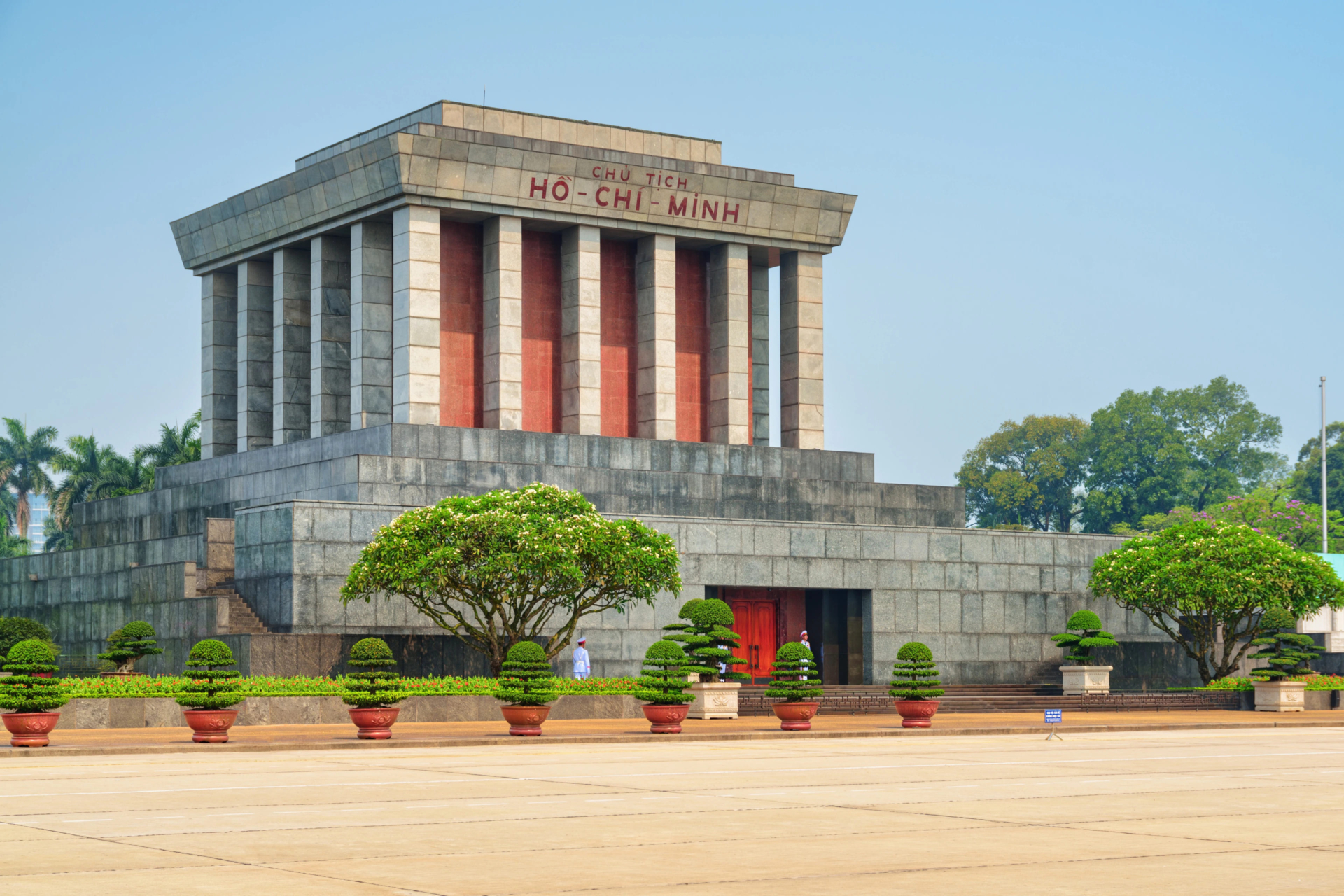 Standing in Ba Đình District, you feel the weight of history and the calm dignity of Vietnam’s capital.
Located just West of Hoàn Kiếm District, Ba Đình District is spacious, leafy, and filled with wide boulevards, government buildings and historical landmarks that shaped Vietnam’s modern history. As one of the most significant among Hanoi’s districts, Ba Đình District is less hectic and more elegant than the Old Quarter- where the past and present meet naturally.
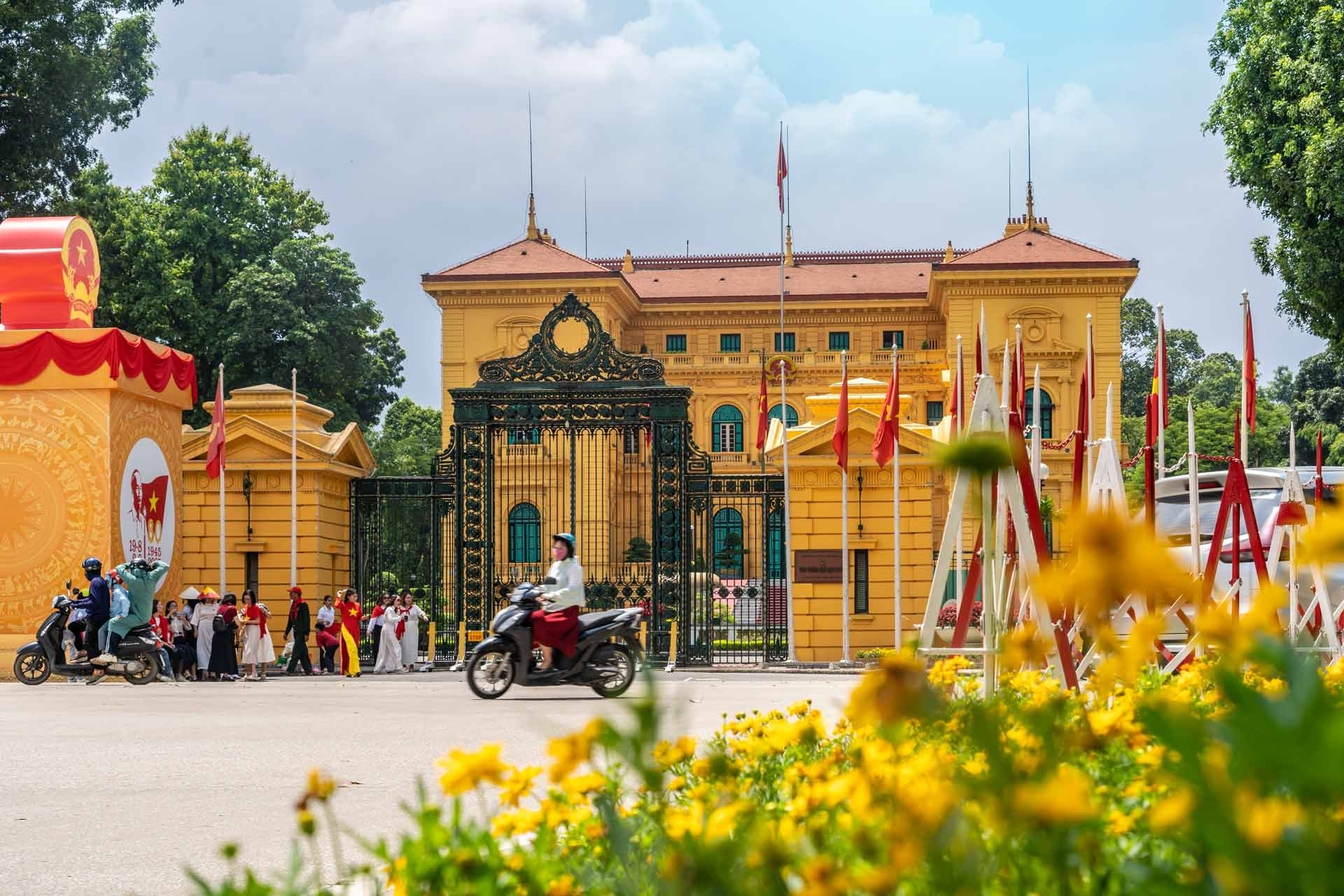
Many visitors enjoy visiting Ba Đình District because it’s walkable, peaceful and full of shady tree-lined streets that offer a breath of fresh air after exploring the busy center. As one of the most historically significant among Hanoi’s districts, this is where you’ll find countless historical sites like Ho Chi Minh Mausoleum, the Presidential Palace, the One Pillar Pagoda, Hồ Chí Minh Museum and Giảng Võ Lake. Personally, Ba Đình District is a must-visit for anyone wanting to understand Vietnam’s history.
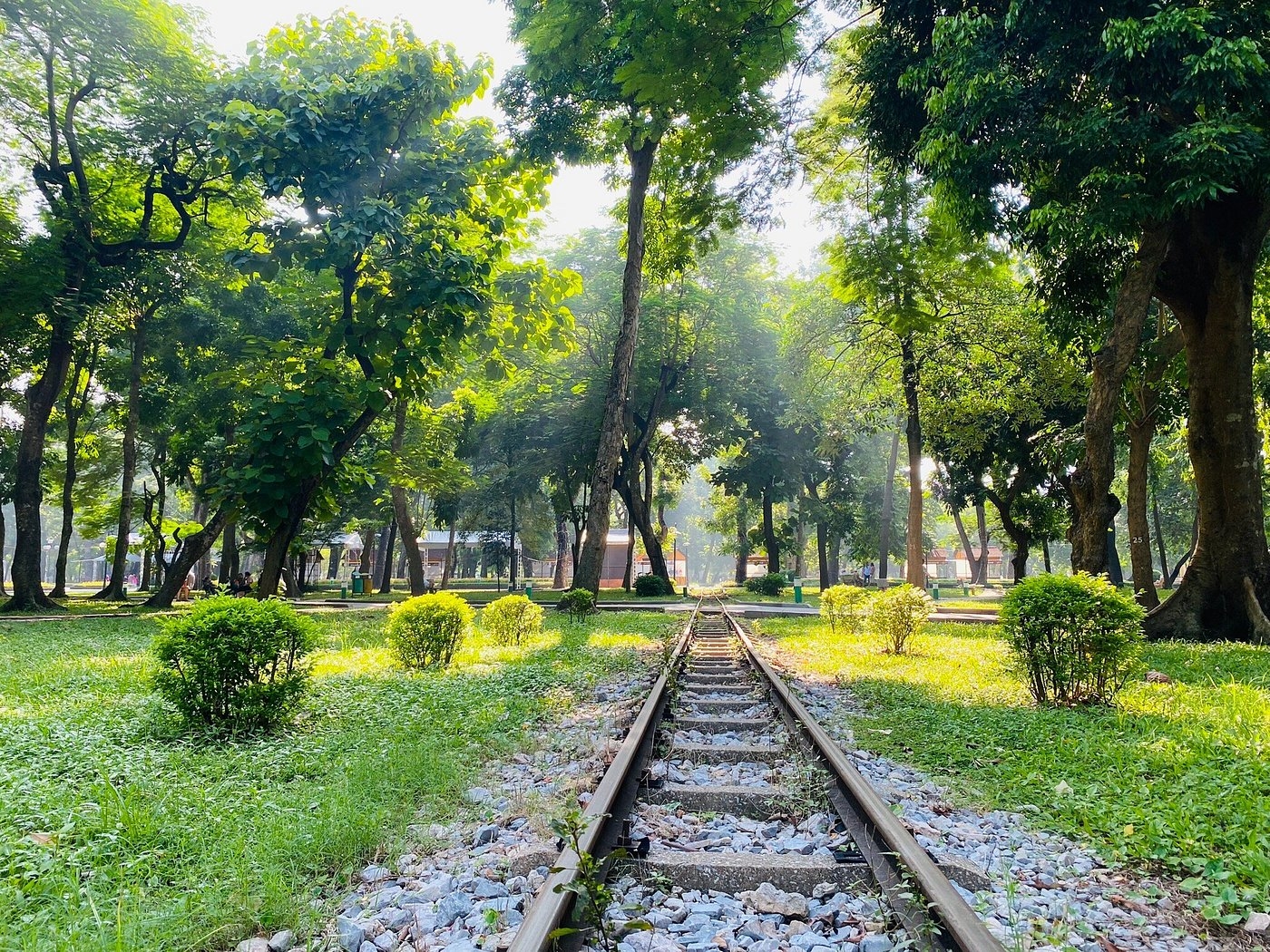
One of my favourite ways to enjoy Ba Đình District is by walking through the peaceful paths of the Hanoi Botanical Garden. It’s a shady, relaxing spot where locals come to jog, read, or simply enjoy the fresh air. From there, I head toward Ba Đình Square, the city’s most iconic civic space and a place that holds incredible historical significance. Nearby, the Flag Tower of Hanoi stands tall as one of the city’s oldest surviving symbols, ideal for iconic photos. If you prefer a more local vibe, Lenin Park is a quiet corner where people gather to chat, skate, or relax under the trees.
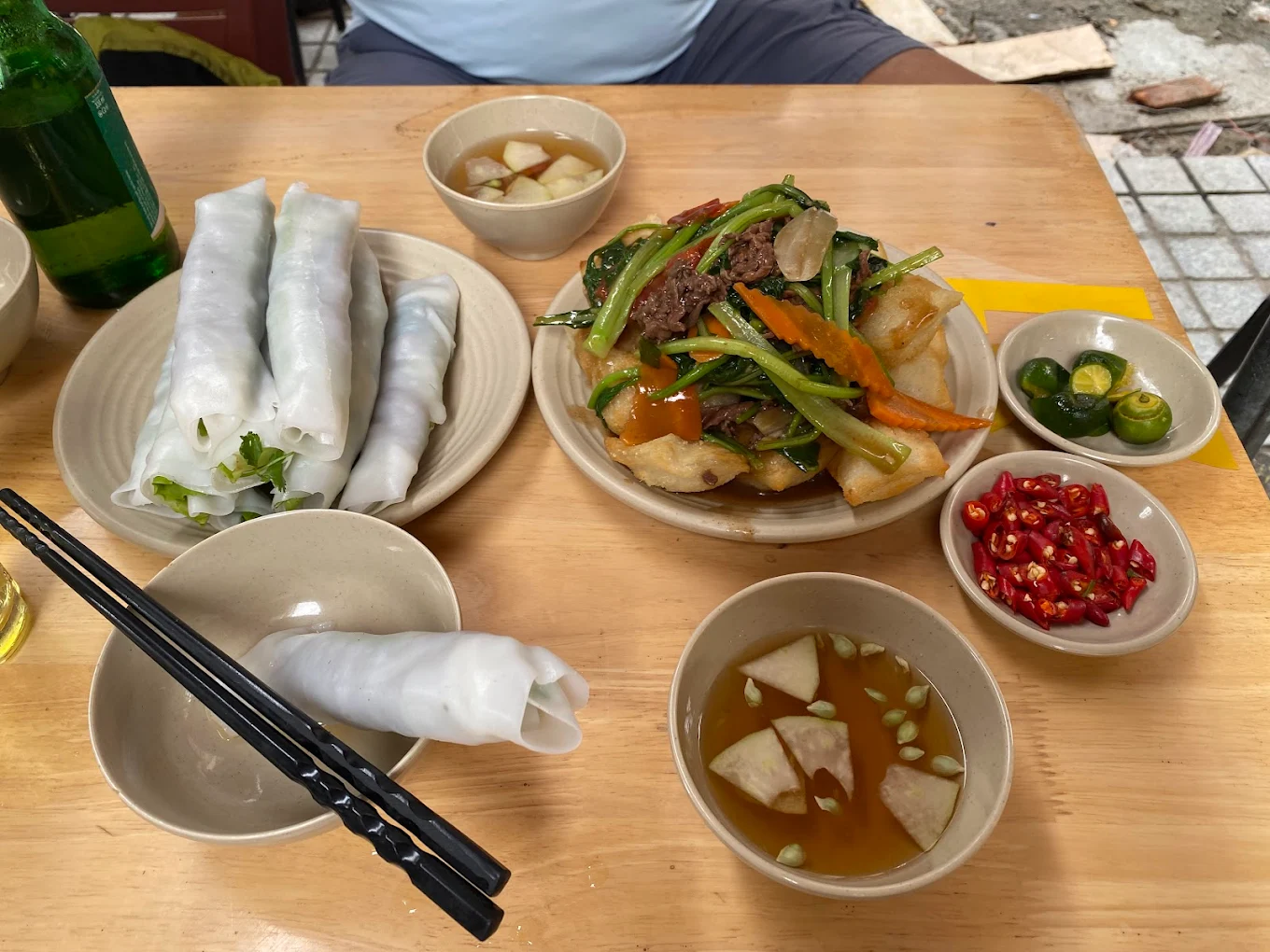
Ba Đình District might look quiet at first glance, but once you start wandering, the district reveals some of the most comforting dishes in Hanoi’s districts. When I’m in the area, I love starting with a bowl of Hủ tiếu Nam Vang (Phnom Penh-style noodle soup) or Bánh Cuốn (steamed rice rolls with pork, wood ear mushrooms and fried shallots). If you’re craving Hanoi-style fresh rolls, don’t miss Phở cuốn Ngũ Xã, the signature rice-noodle roll that’s fresh, light, and full of classic Hanoi flavours.
3. Tây Hồ District (West Lake Hanoi)
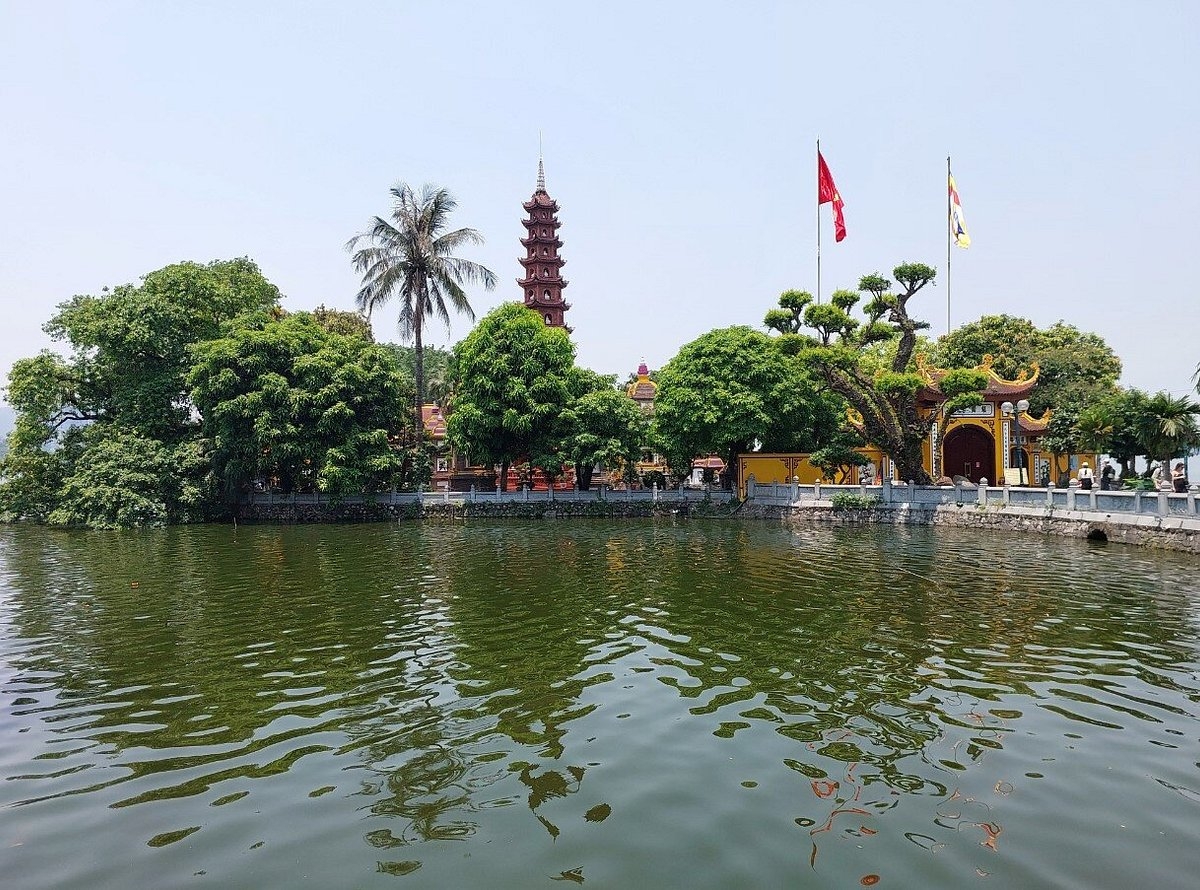
Located just northwest of the city center, Tây Hồ District (West Lake Hanoi) wraps around the enormous West Lake, the largest freshwater lake in the capital. Among Hanoi’s districts, this one stands out for its breezy lakeside roads, leafy neighborhoods, and relaxed pace of life. The wide boulevards and calm waterfront cafés make it feel worlds apart from the crowded, densely populated streets of Hoàn Kiếm or Đống Đa.
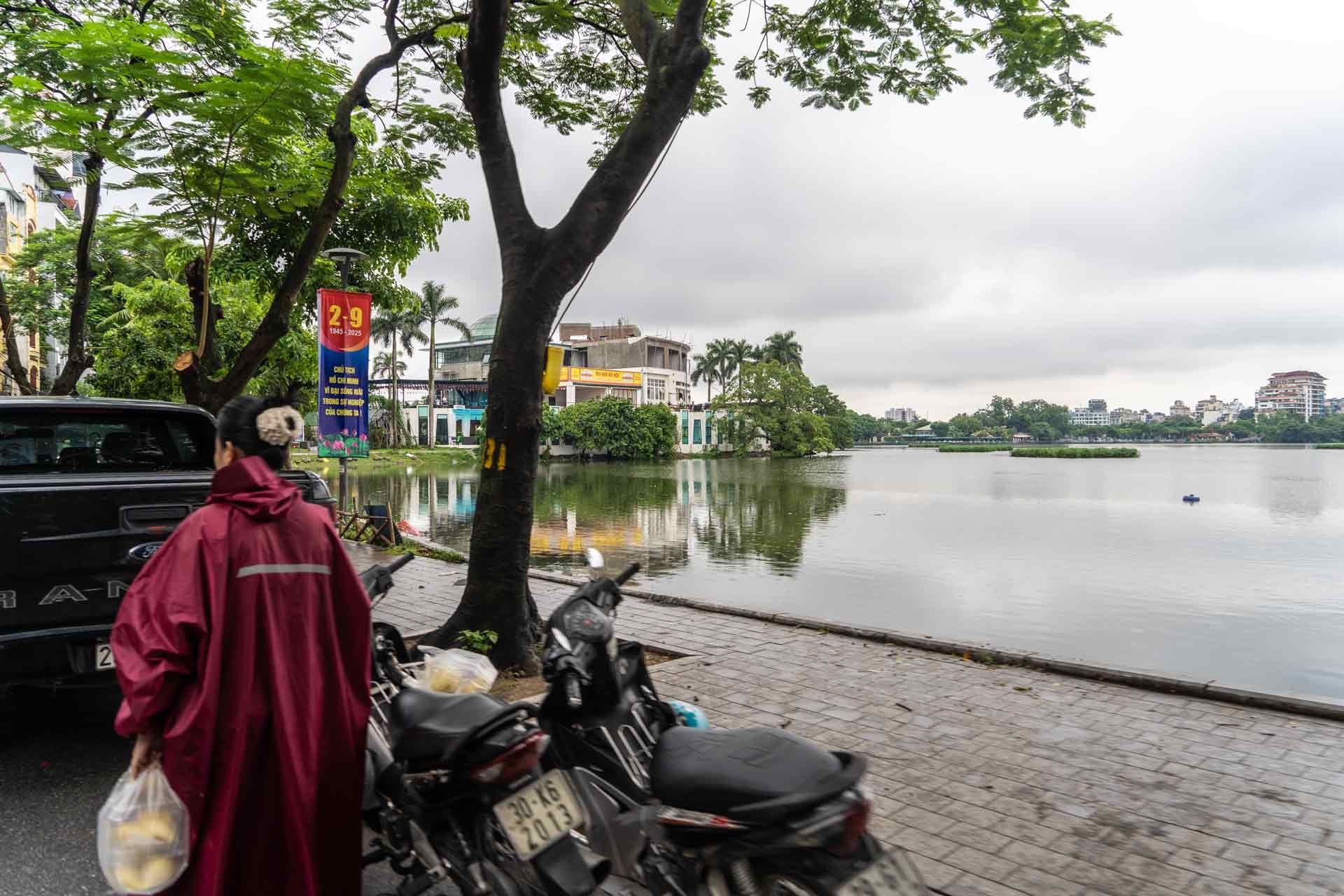
Many explorers love it for its stunning lake views, sunrise and sunset spots, chic cafés, expat-friendly restaurants, rooftop bars, and long walking or cycling paths. Compared to other Hanoi’s districts, Tây Hồ seems to be more laid-back and spacious. It’s no surprise that many travellers consider Tây Hồ one of the best areas to stay in Hanoi when they want a calmer, more refreshing base. So, if you want a break from the city’s constant buzz, Tây Hồ District is where you should go.
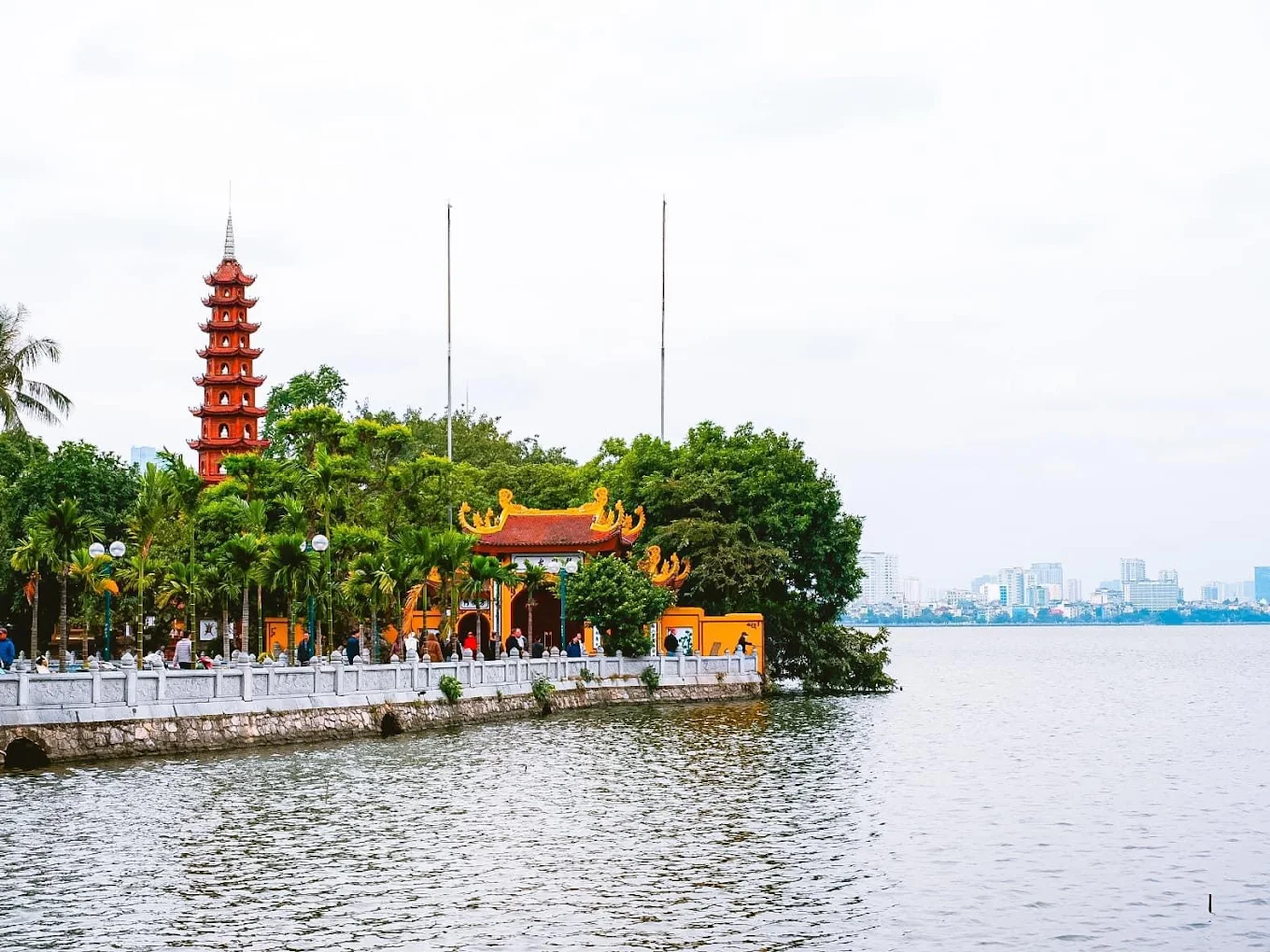
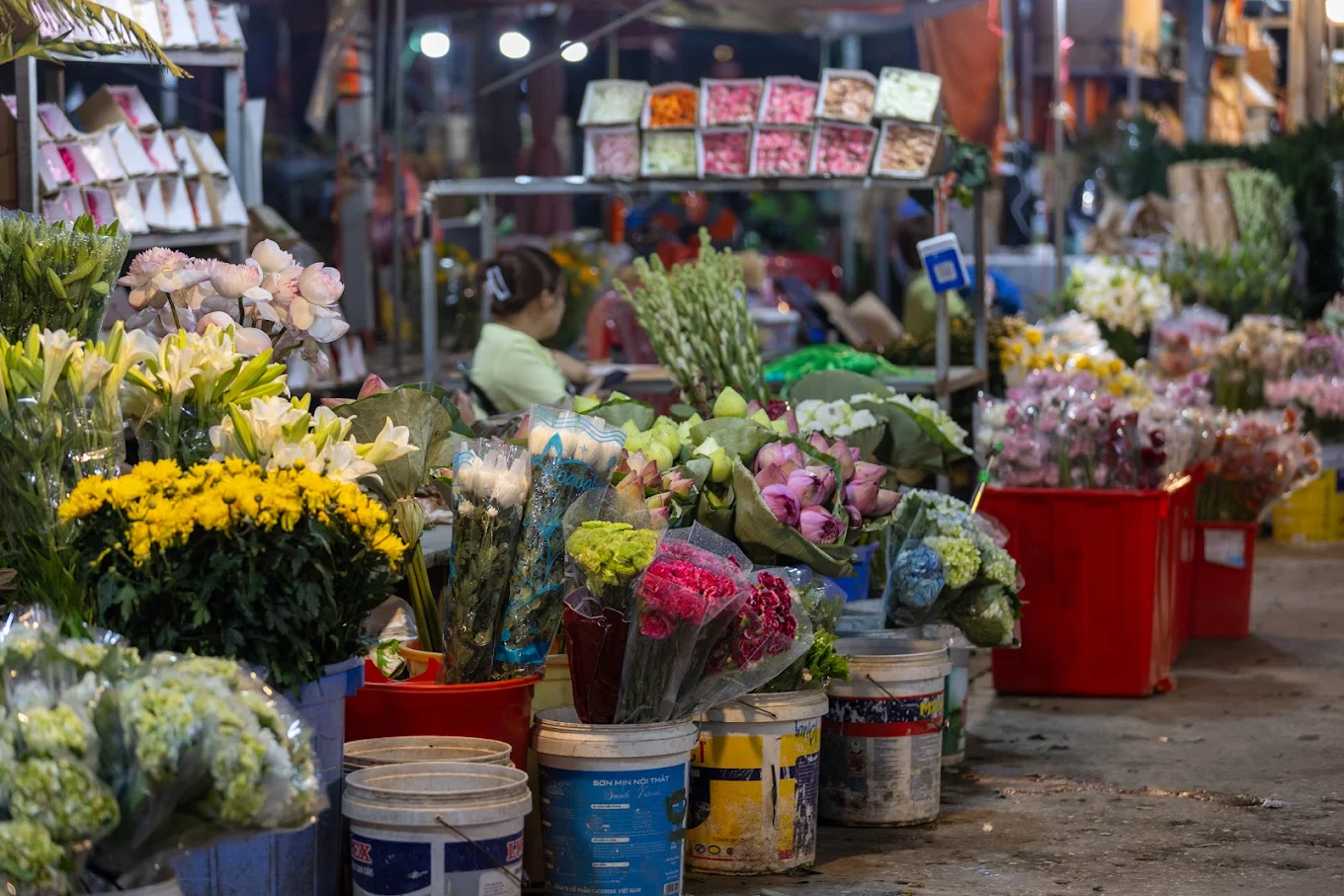
Whenever I need a peaceful break from the busy energy of Hanoi’s districts, I always escape to Tran Quoc Pagoda, the city’s oldest pagoda, situated elegantly on the water, before making my way through Quảng An’s local markets for fresh local produce. Whenever I wake up early enough, walking past the Nhật Tân lotus ponds at dawn or buying flower bouquets at Quang Ba Flower Market Hanoi is ultimately magical!
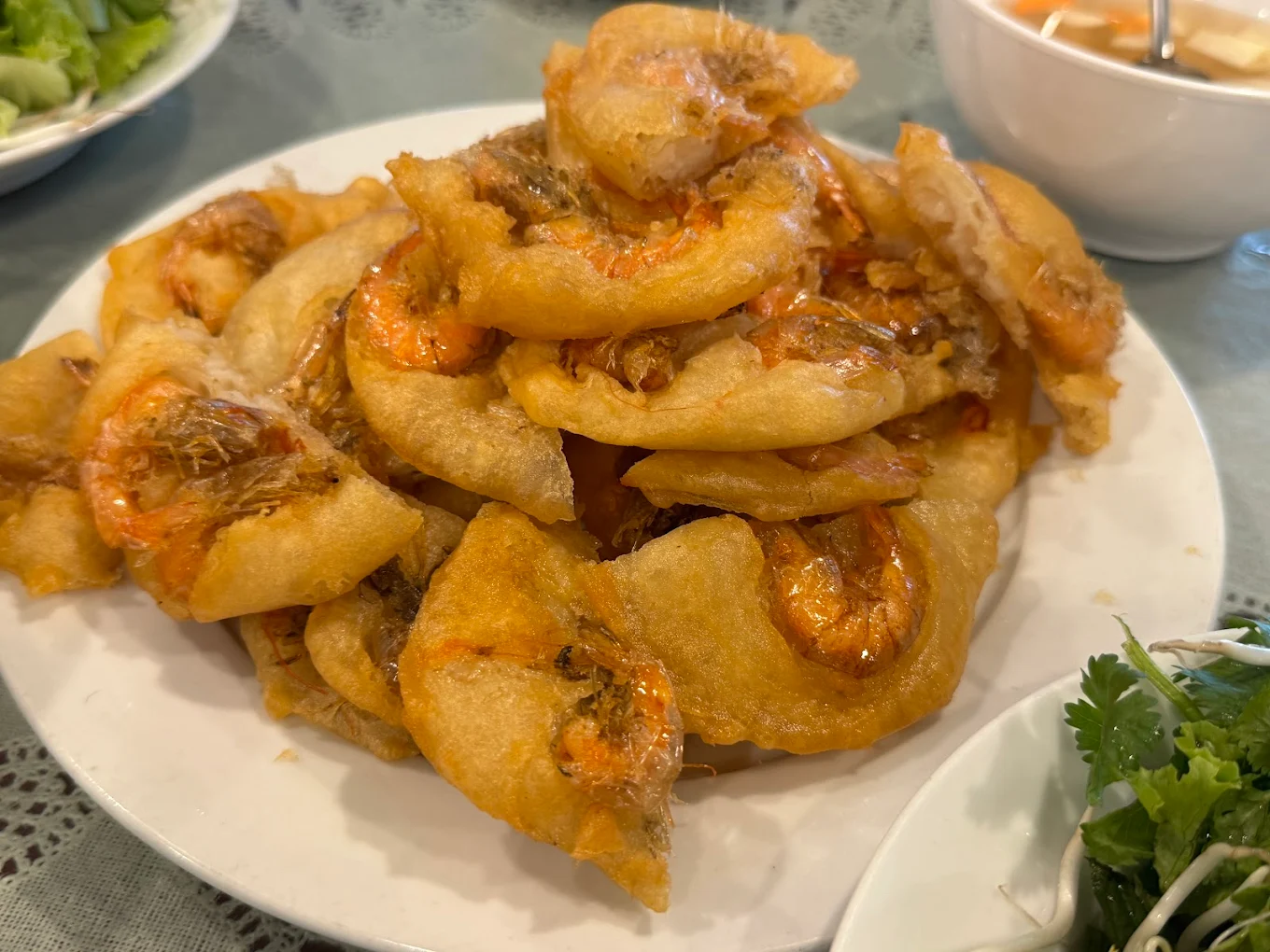
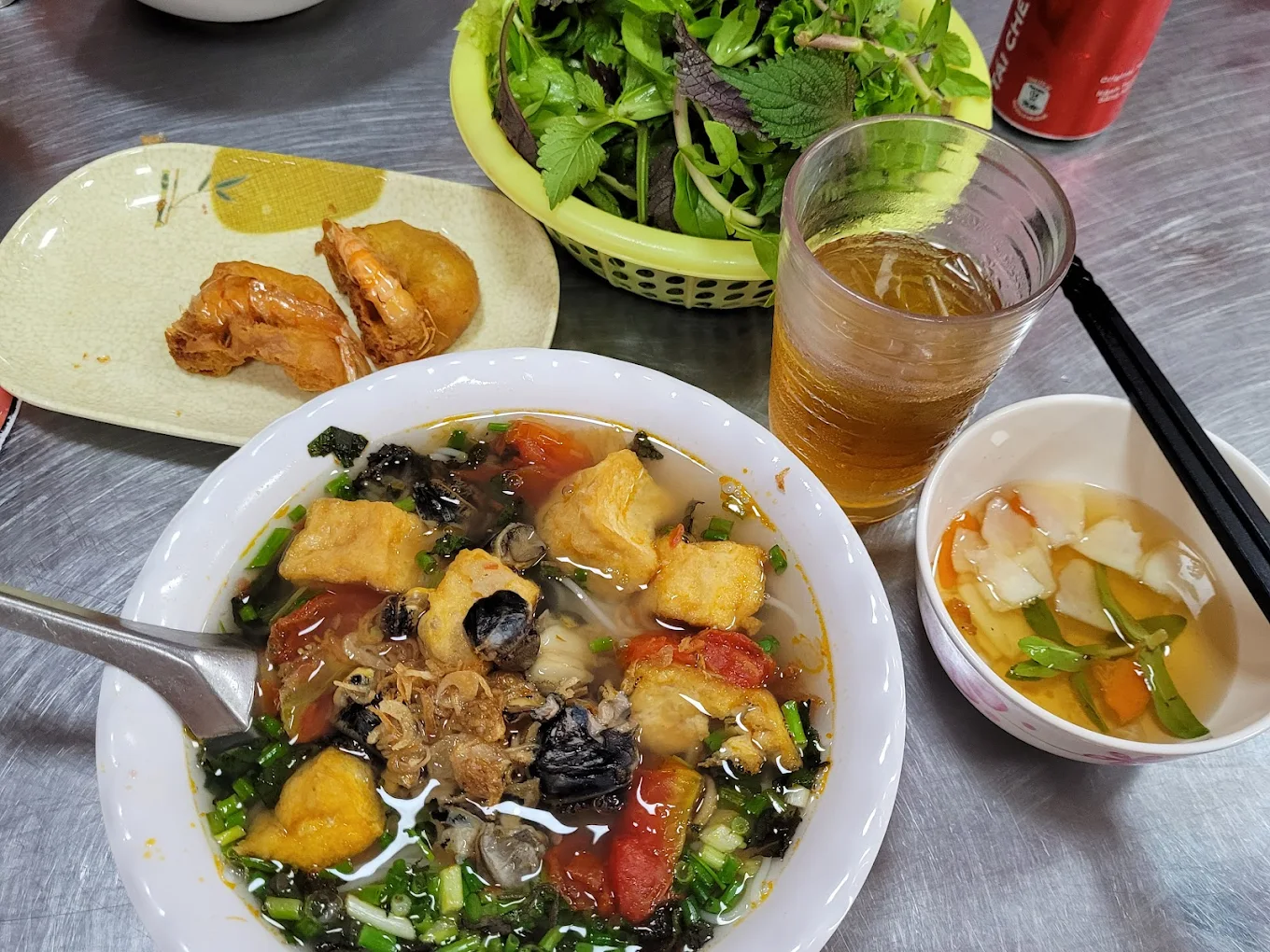
Of course, Tây Hồ District is the birthplace of the famous Bánh Tôm Hồ Tây (West Lake crispy shrimp fritters), a must-try dish best enjoyed right by the water. I also recommend you guys try Bún ốc Hà Nội (Hanoi snail noodle soup) or a warm bowl of aromatic Mì Gà Tần (Stewed herbal chicken noodles). At night, nothing beats sitting by the lake with grilled corn and sweet potatoes bought from roadside vendors. With its gorgeous lake views, peaceful atmosphere and comforting local food, Tây Hồ District always reminds me how beautifully diverse Hanoi’s districts can be.
4. Đống Đa District
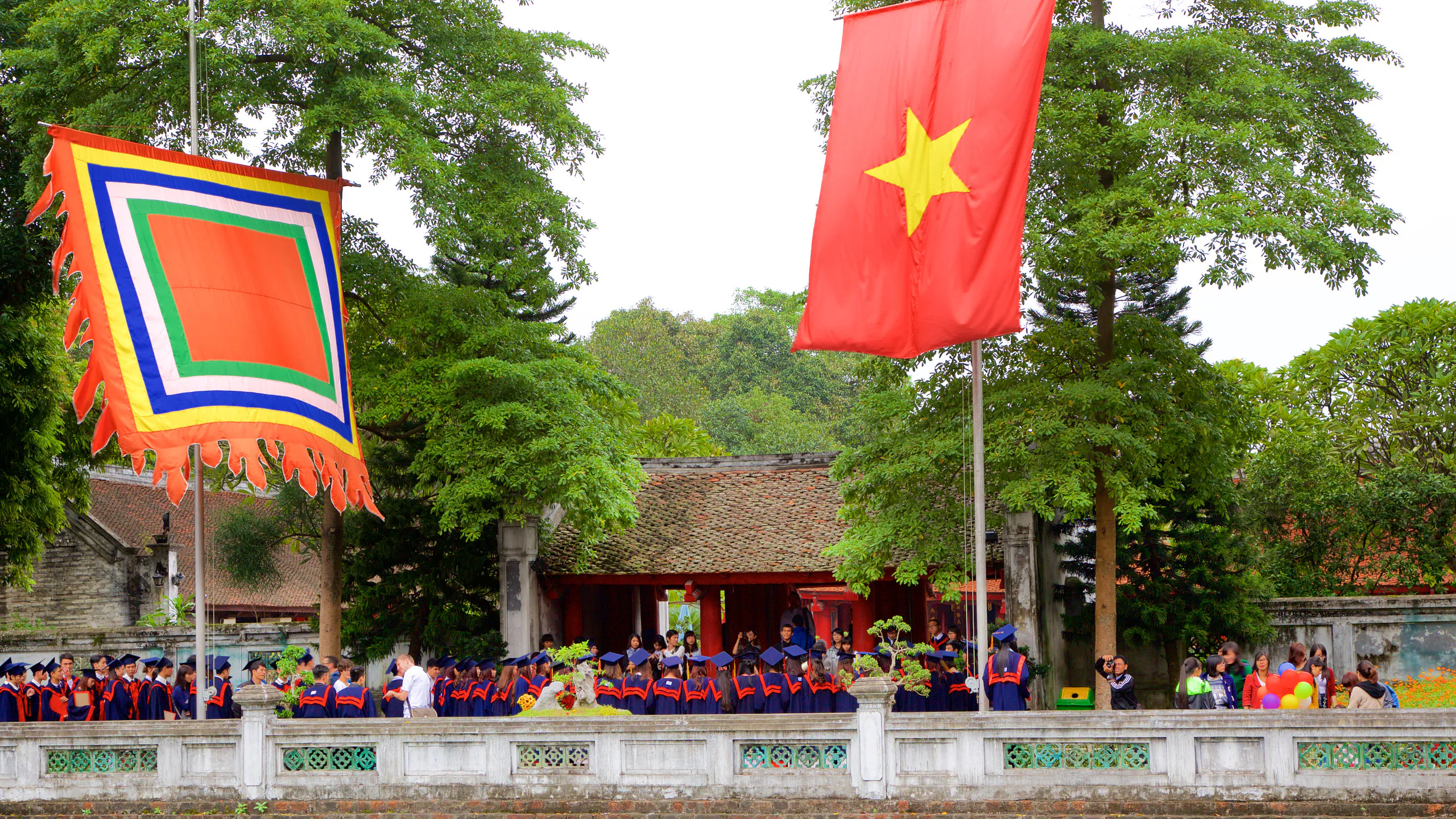
Among all of Hanoi’s districts, Đống Đa District is the one that feels the most “real” to me. Sitting southwest of Hoàn Kiếm and Ba Đình, Đống Đa district is home to students rushing to class, families running errands, and the native Hanoians who have lived here for decades. It doesn’t have many significant tourist attractions, and honestly, that’s what I love most about it. Đống Đa District is full of affordable food stalls, hidden alleys, and small surprises that show what Hanoi is like beyond the usual sightseeing spots. Every time I wander through this district, I’m reminded of why I keep coming back!
Đống Đa District is home to major universities, historic temples, cultural landmarks, and some of the best budget-friendly local eateries in the city. You’ll find places like the Temple of Literature Hanoi – one of Vietnam’s oldest educational sites, Đống Đa Mound (Gò Đống Đa), where Emperor Quang Trung’s victory is commemorated or Chùa Bộc (Bộc Pagoda), a small historic pagoda built to honour soldiers who died in the 1789 Battle of Đống Đa.
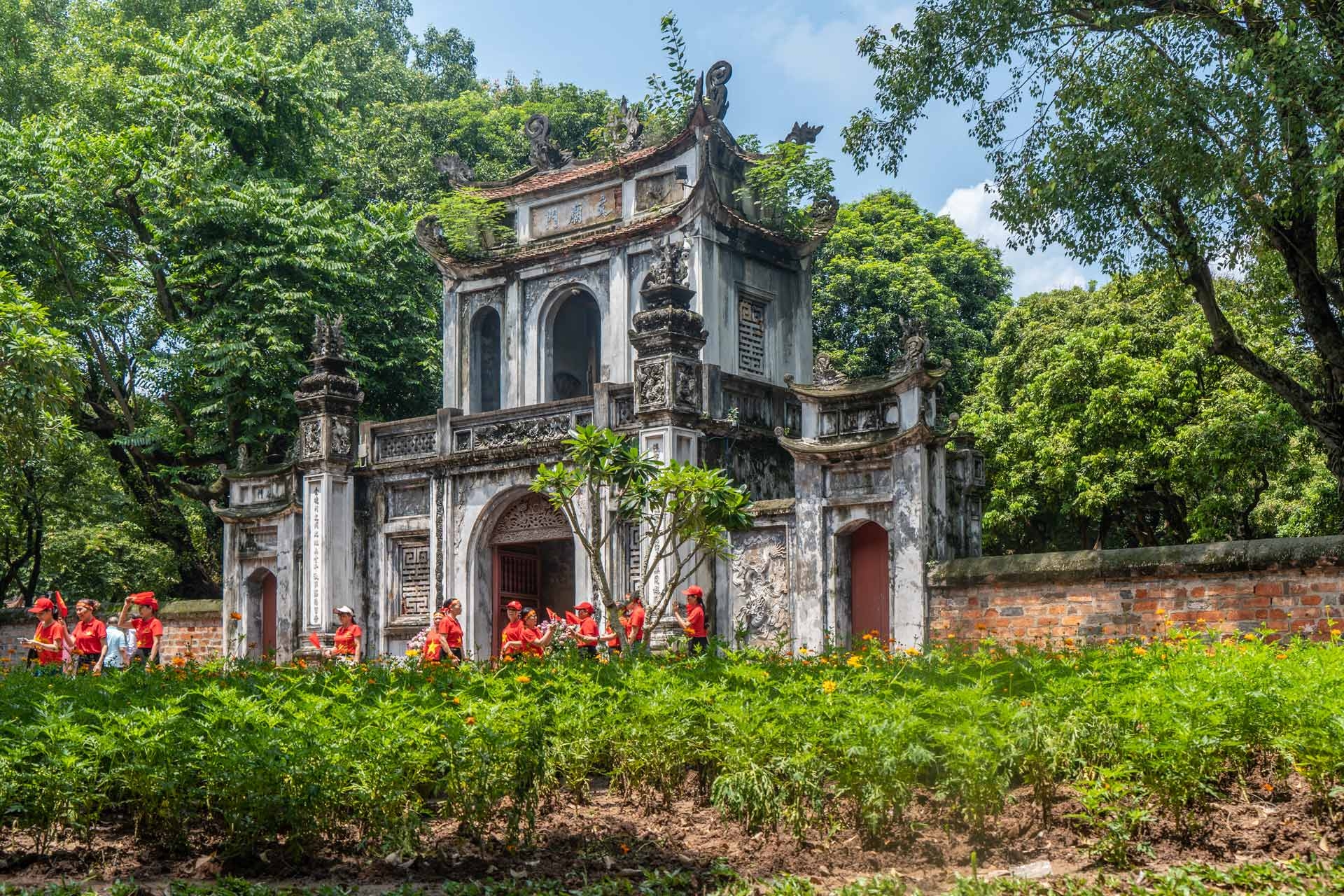
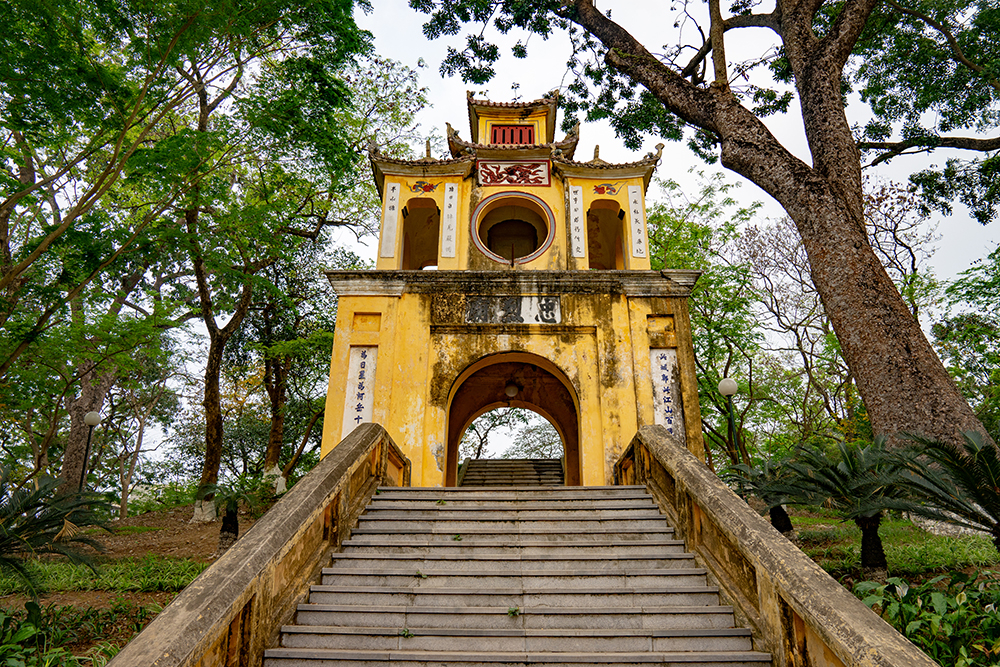
Nearby serene spots like Khâm Thiên and Đình Kim Liên are also fantastic for taking a stroll, as these places will show you everyday Hanoi life at its most authentic, with small markets and family-run shops. With its mix of history, culture, and the everyday rhythm of Hanoi, Đống Đa District always has that refreshingly authentic energy!
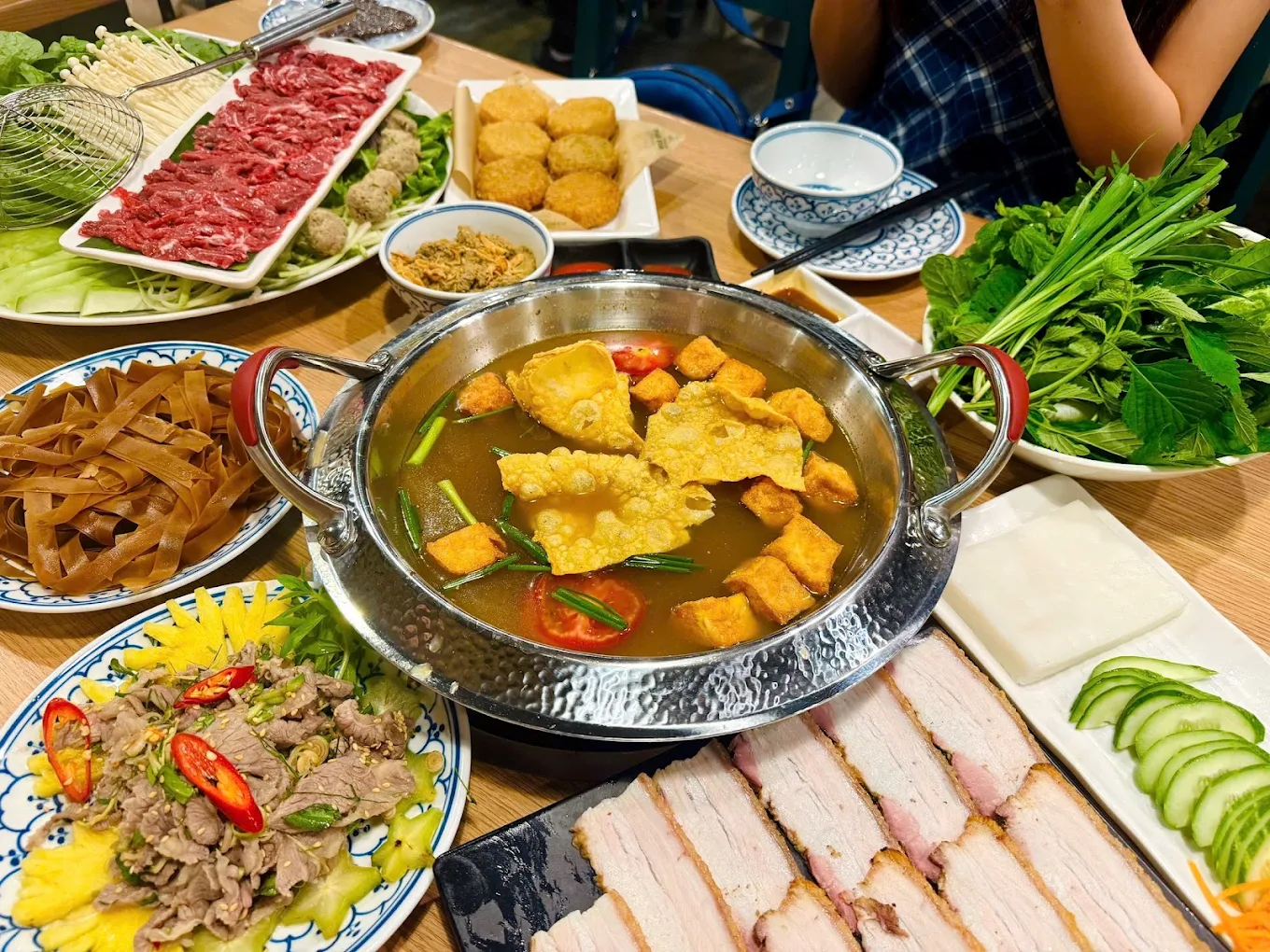
But what always keeps me coming back to Đống Đa is the cuisine! Some of my favourite Hanoi dishes are found here: Bánh Gối (Vietnamese fried dumplings), Bánh Bột Lọc (tapioca dumplings), Nem Cuốn (fresh spring rolls). Đống Đa is also famous for selling Chả cá Lã Vọng, a turmeric-grilled fish, and comforting hotpots like Lẩu Riêu Cua Bắp Bò (crab paste hotpot with beef shank). After eating, I like to end the day with a peaceful walk around Xã Đàn Lake, where young locals usually unwind and chat with their friends. For me, Đống Đa is a perfect blend of history and daily life, making it one of the most rewarding stops in Hanoi’s districts.
5. Hai Bà Trưng District
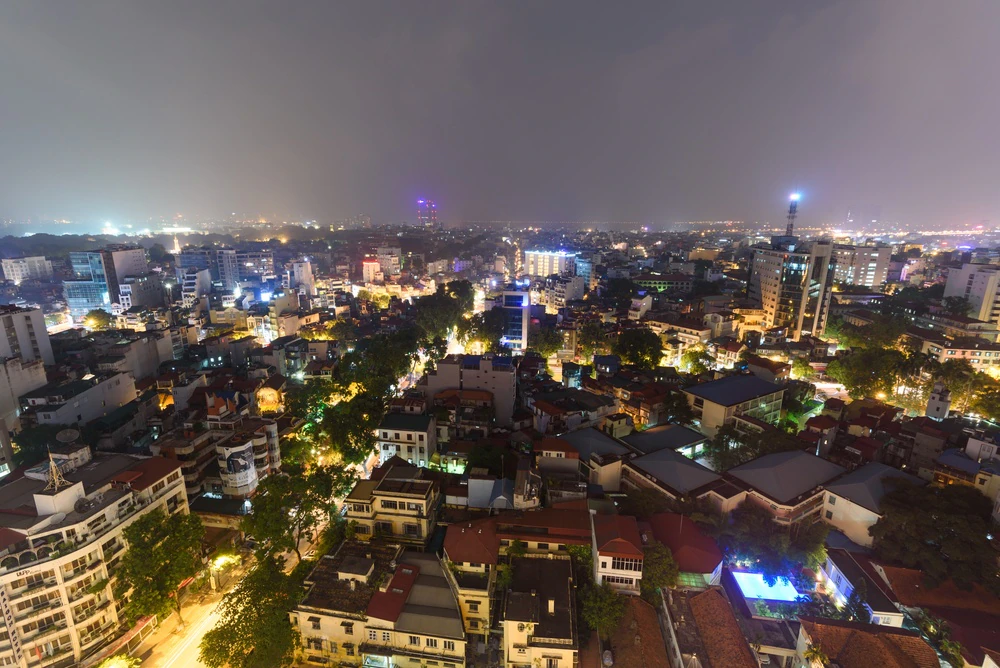
When exploring Hanoi’s districts, I always find myself drawn back to Hai Bà Trưng District. This neighbourhood has this lively, down-to-earth charm that feels both amazing and exciting, with many local eateries, cafes and colourful stores. Even though it’s just southeast of the Hoàn Kiếm area, Hai Bà Trưng District stays surprisingly untouristy, which is exactly why I love being here.
Hai Bà Trưng District is packed with indie shops, rooftop bars, shopping malls, and a wide variety of street food. This district is especially popular with young locals and students, so the vibe is lively and the food options are delicious and budget-friendly. Travellers often come here for a more authentic slice of life, especially if they’ve already visited the main attractions.

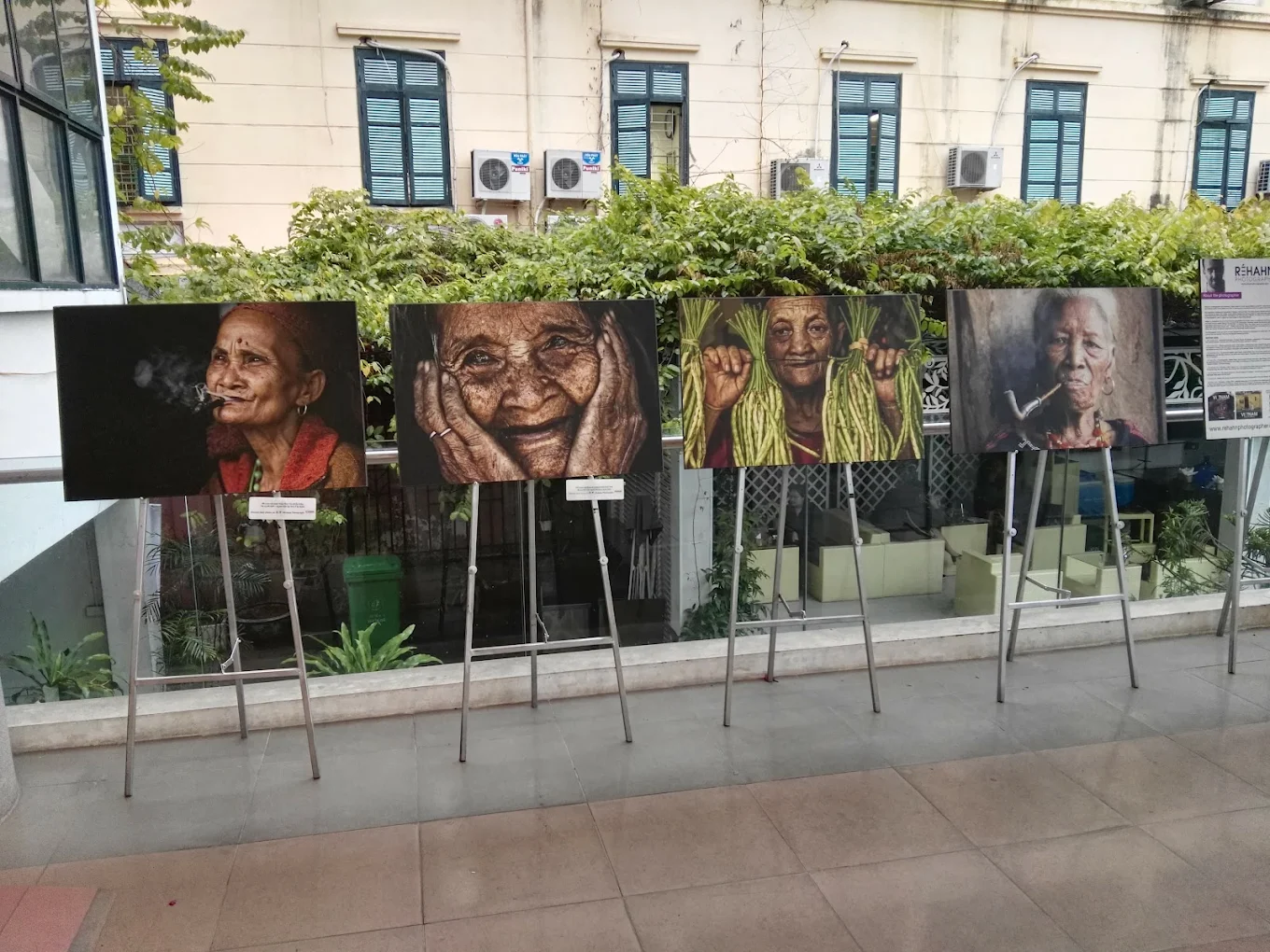
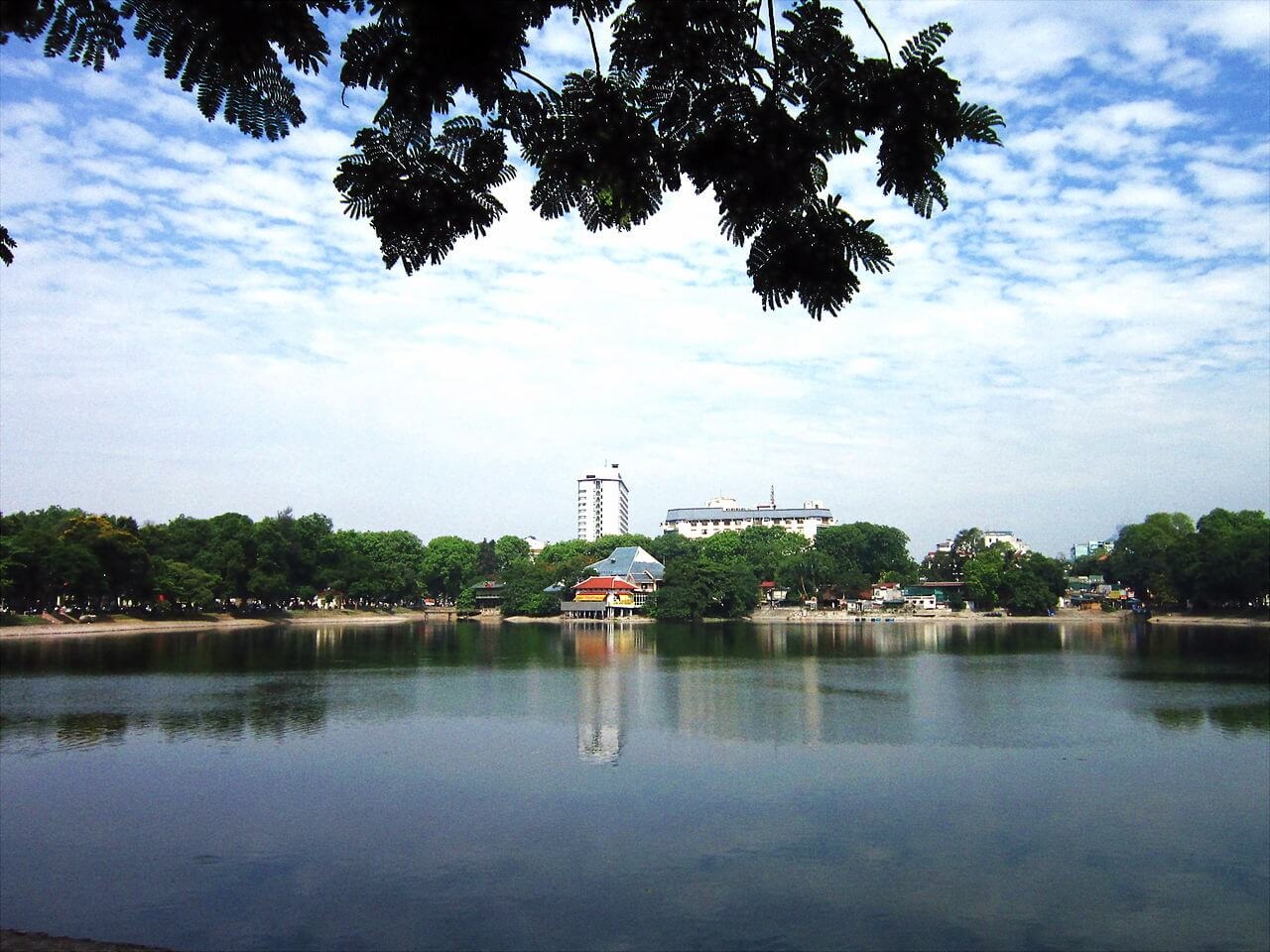
Thống Nhất Park (or Lenin Park) is an excellent spot for tourists to slow down and immerse themselves in the rhythm of locals jogging or relaxing by the water. Vincom Centre Bà Triệu sits just nearby, offering an easy stop to shop or grab a quick bite before exploring the district. Another highlight of Hai Bà Trưng District is the Vietnam Women’s Museum, where beautifully curated exhibits offer a closer look at the traditions, costumes, and untold stories of Vietnamese women. As the day winds down, Thuyền Quang Lake is a lovely place to unwind and watch the district settle into a quieter pace.
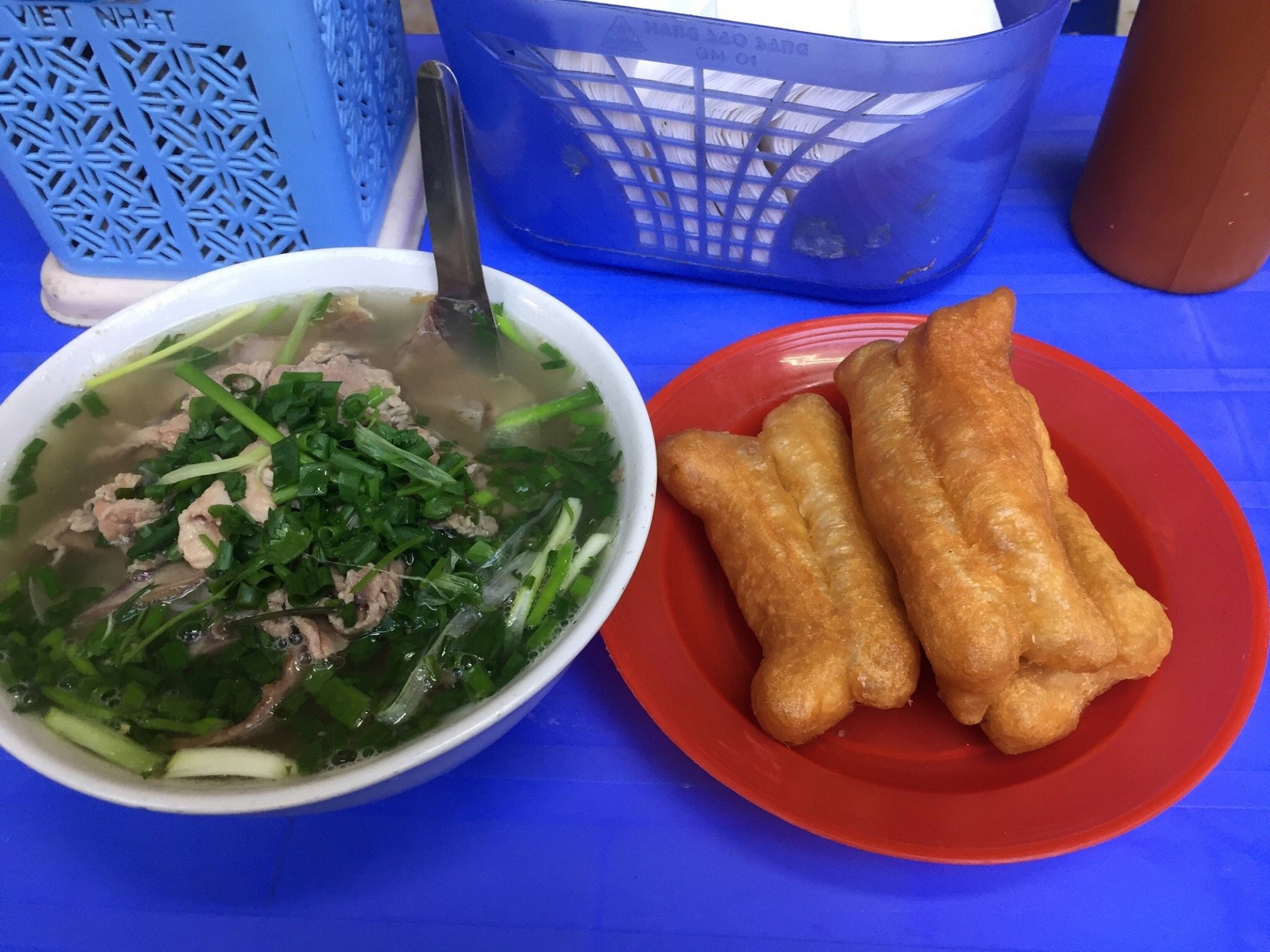
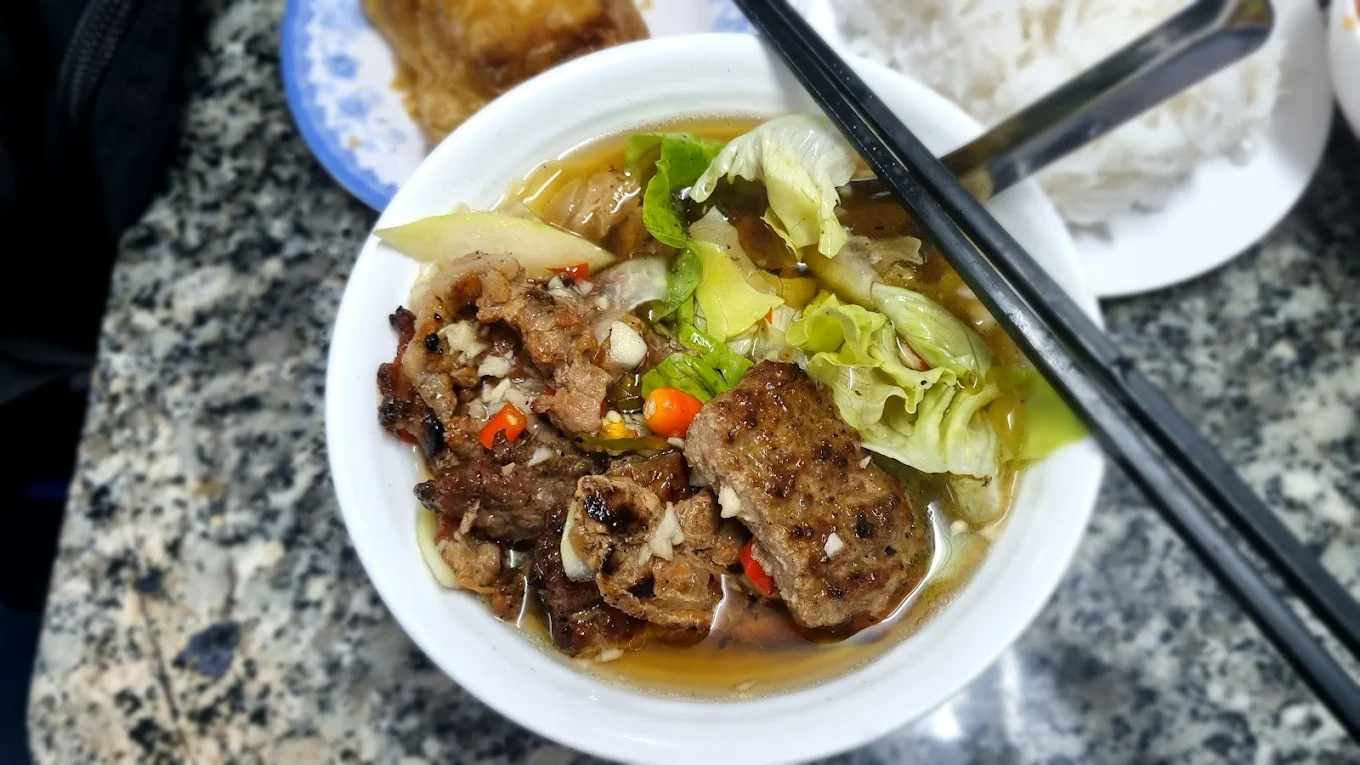
The reason Hai Bà Trưng stays unforgettable to me is its amazing food. You can find the famous Bún chả Hương Liên, better known as “Obama bún chả”, in this district. Trust me, the smoky grilled pork and noodles are worth the hype! I also love stopping by Phở Thìn Lò Đức for its signature stir-seared rare beef phở served with crispy fried dough sticks. For something hearty, I sometimes grab a bowl of Bún Riêu Cua Ốc or a comforting portion of Xôi Xéo, sticky rice topped with mung beans and fried shallots. Hai Bà Trưng may be fast-paced, but its mix of lakes, culture, and unforgettable food makes it one of the most flavorful corners of Hanoi’s districts.
6. Long Biên District
Long Biên is one of the most refreshing corners of Hanoi’s districts, a place where the city suddenly opens into farmland, riverbanks, and quiet local life. This district sits across the Red River, directly east of Hoàn Kiếm, and is one of Hanoi’s most underrated gems. Long Biên District is spacious and breezy, with parts that are almost semi-rural, yet it’s still close enough to the centre to get around easily.
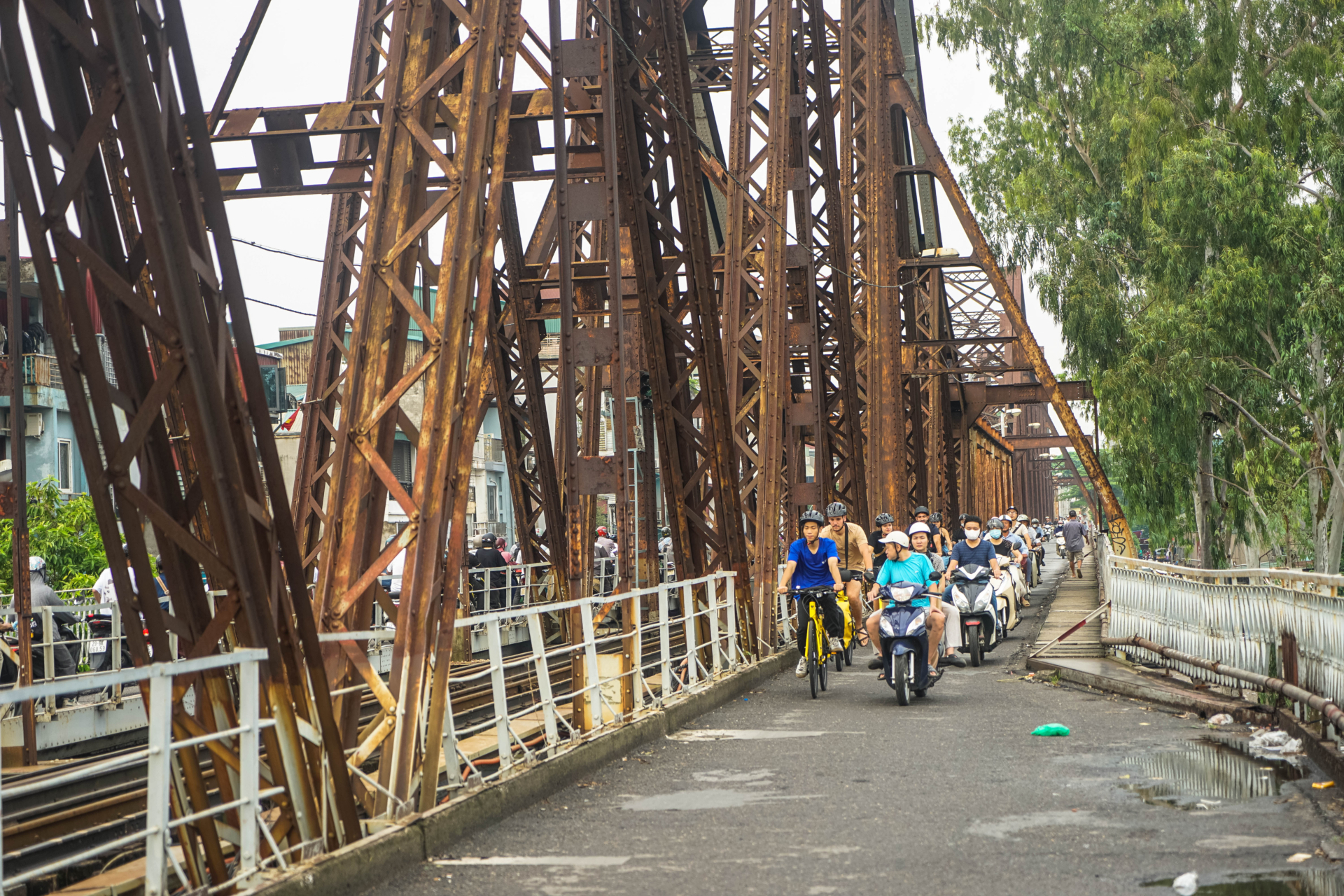
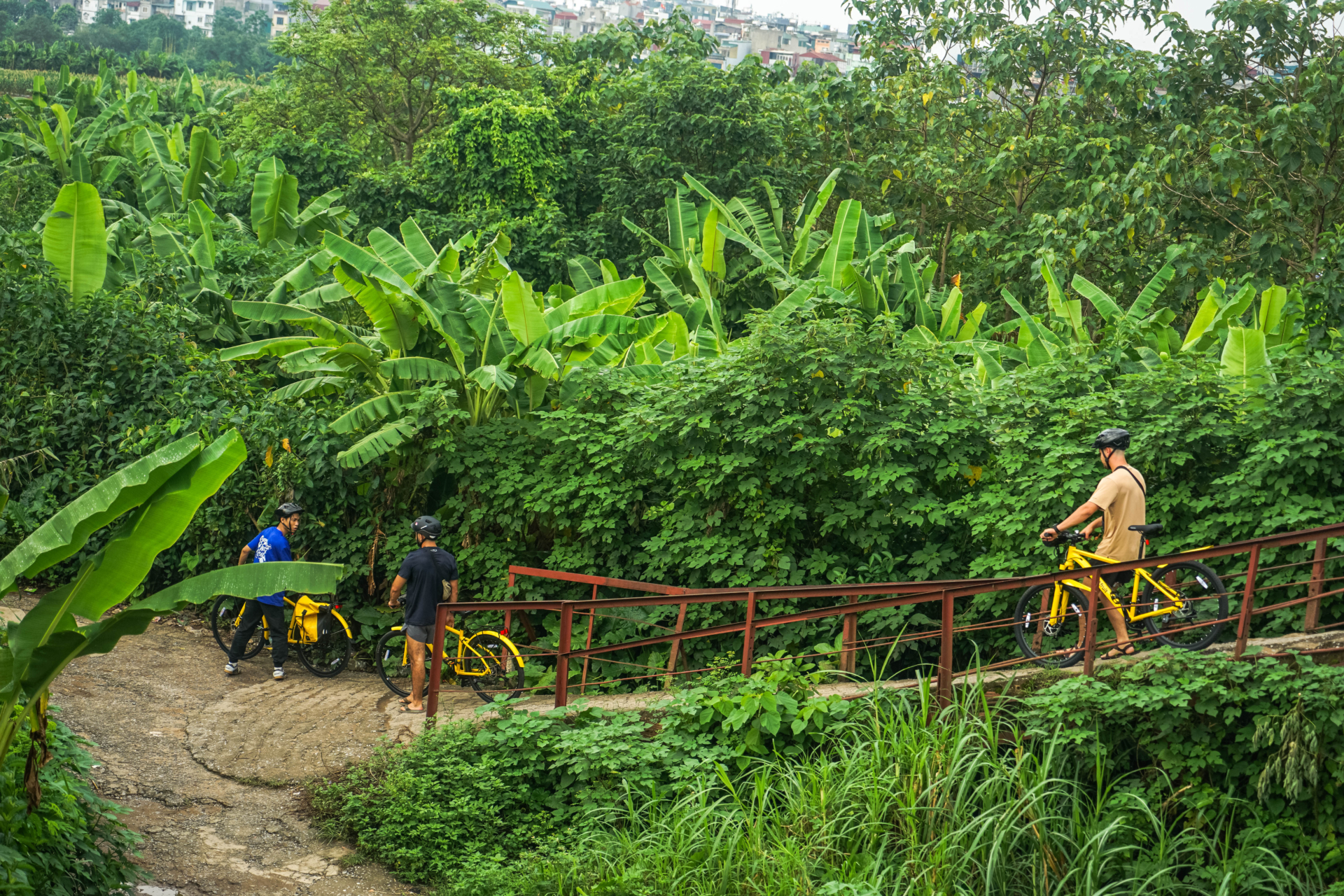
Famous for its iconic bridges, lush riverfront farmland, pottery villages, and scenic routes along the Red River, Long Biên is where travellers go for sunrise photos, peaceful walks, and cultural experiences outside the tourist-heavy core. Moreover, this place is excellent for cycling lovers, especially along the banana plantations and sandbanks.
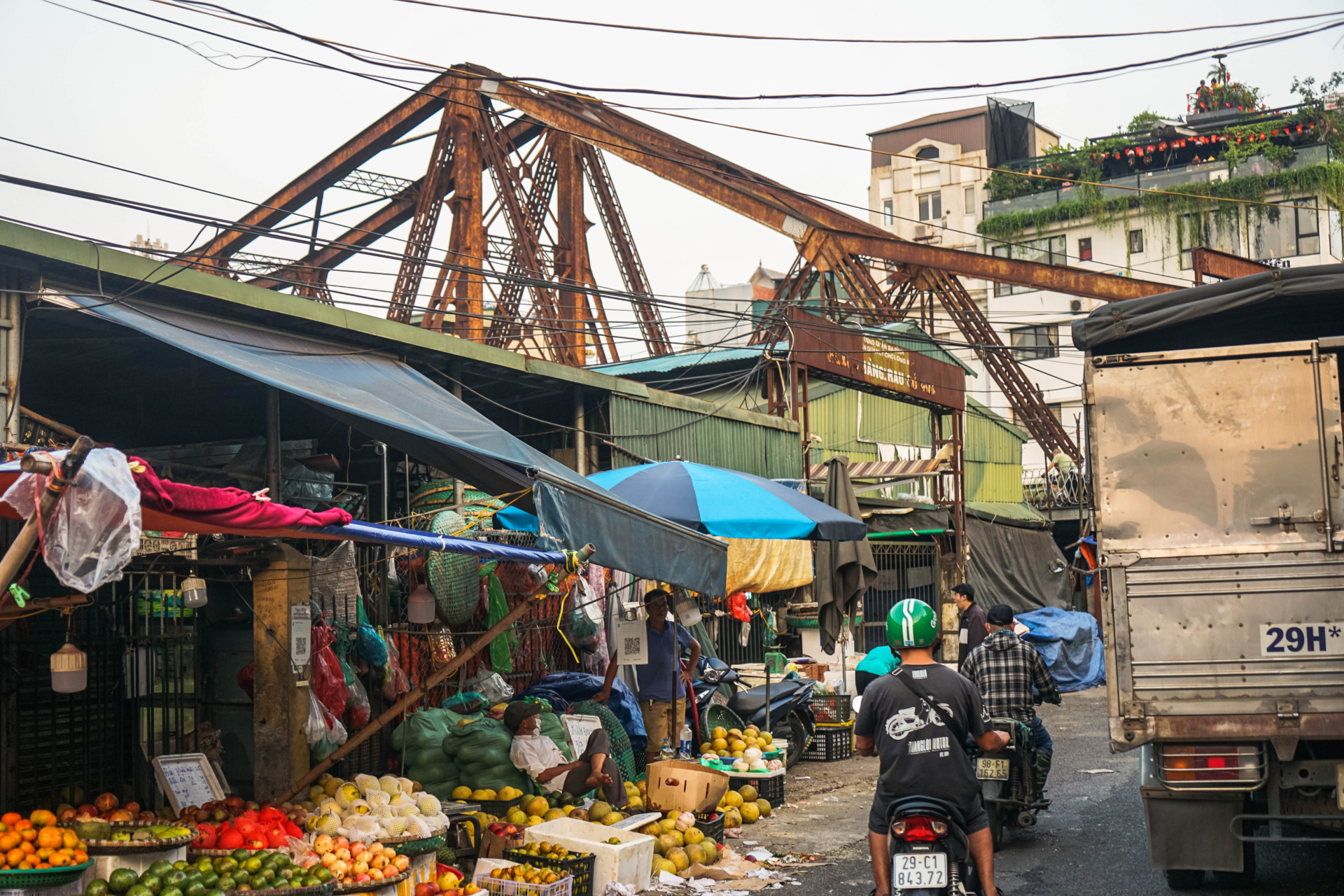
Honestly, I love crossing Long Biên Bridge (whether on foot or by bike) for its magnificent Red River views and old-railway charm. From there, it’s easy to slip down into Bãi Giữa (Banana Island) to wander through vegetable fields and sandy trails, or stroll around Ngọc Thụy for a peaceful break. Also, the buzz of Long Biên Wholesale Market at dawn pairs perfectly with a visit to Bát Tràng Pottery Village, where you can unwind and experiment with ceramics.
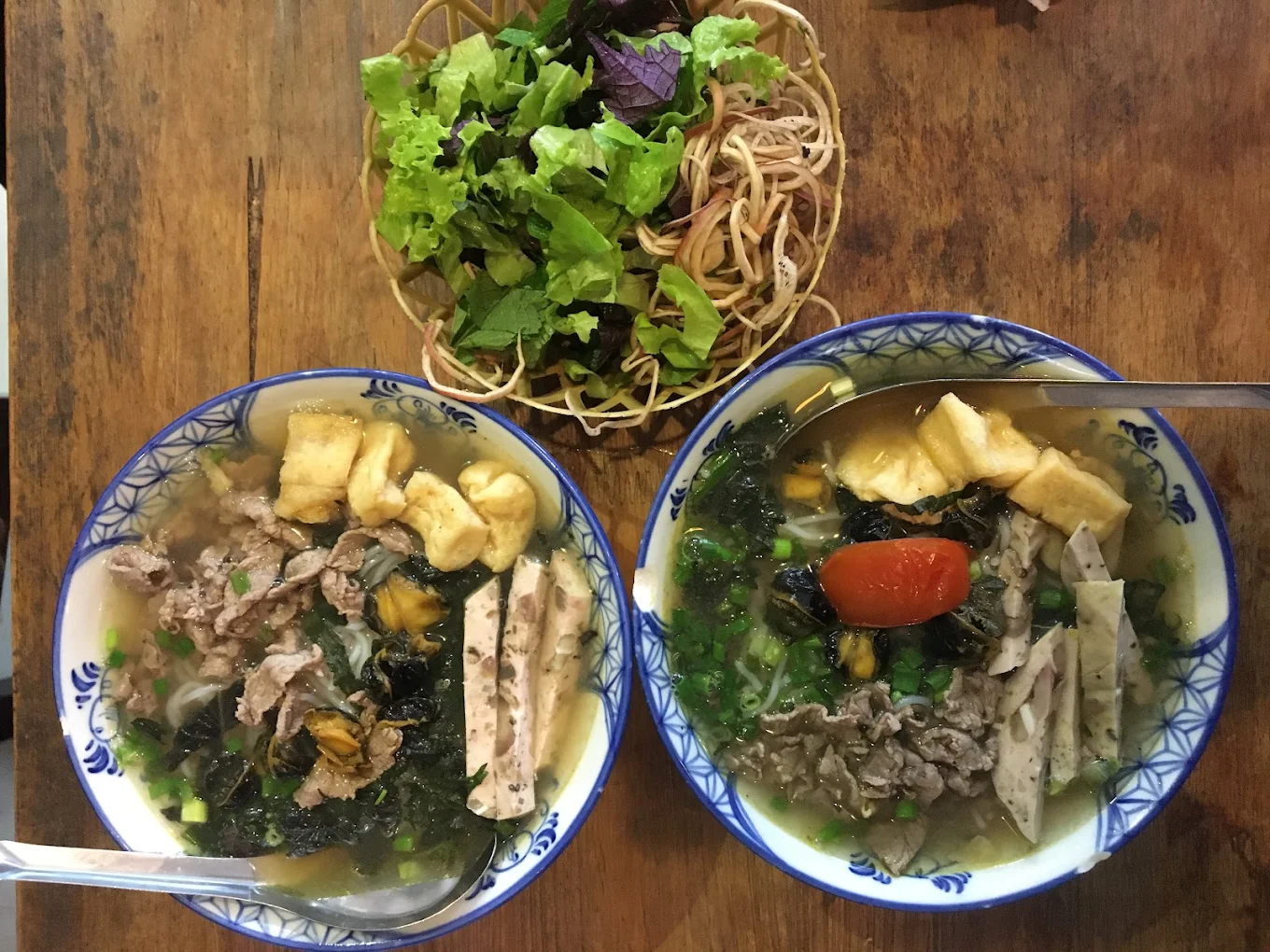
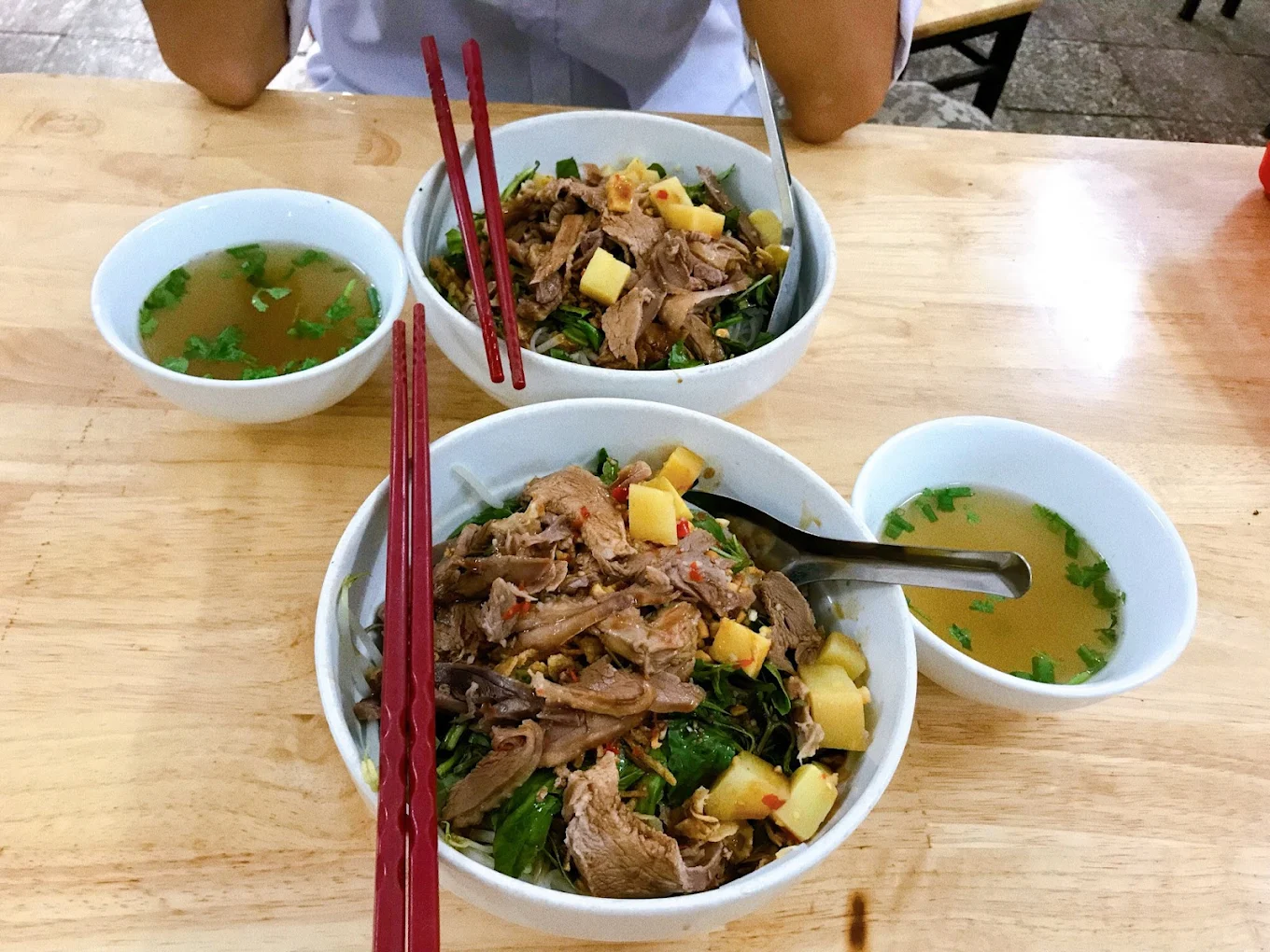
Food in Long Biên is hearty, rustic, and full of Northern flavours. I often come here for Lẩu Ốc (snail hotpot), Bánh Mì Que (Vietnamese mini baguette), Xôi Thập Cẩm (mixed sticky rice with assorted toppings) and Nem Chua Rán (fried fermented pork rolls). Or you can try the iconic Bún Ngan (noodles with muscovy duck) or Ngan Cháy Tỏi (garlic-fried muscovy duck). With its river views, village paths, lively markets, and soulful food, Long Biên always feels like a refreshing escape within Hanoi’s districts.
Discover Hanoi’s Suburban Districts
1. Đông Anh District
Located just North of the Red River and linked to the central Hanoi by Nhật Tân and Thăng Long bridges, Đông Anh always feels like a doorway into Hanoi’s ancient past and peaceful countryside. Among Hanoi’s districts, Đông Anh is where I come to reconnect deeply with history.
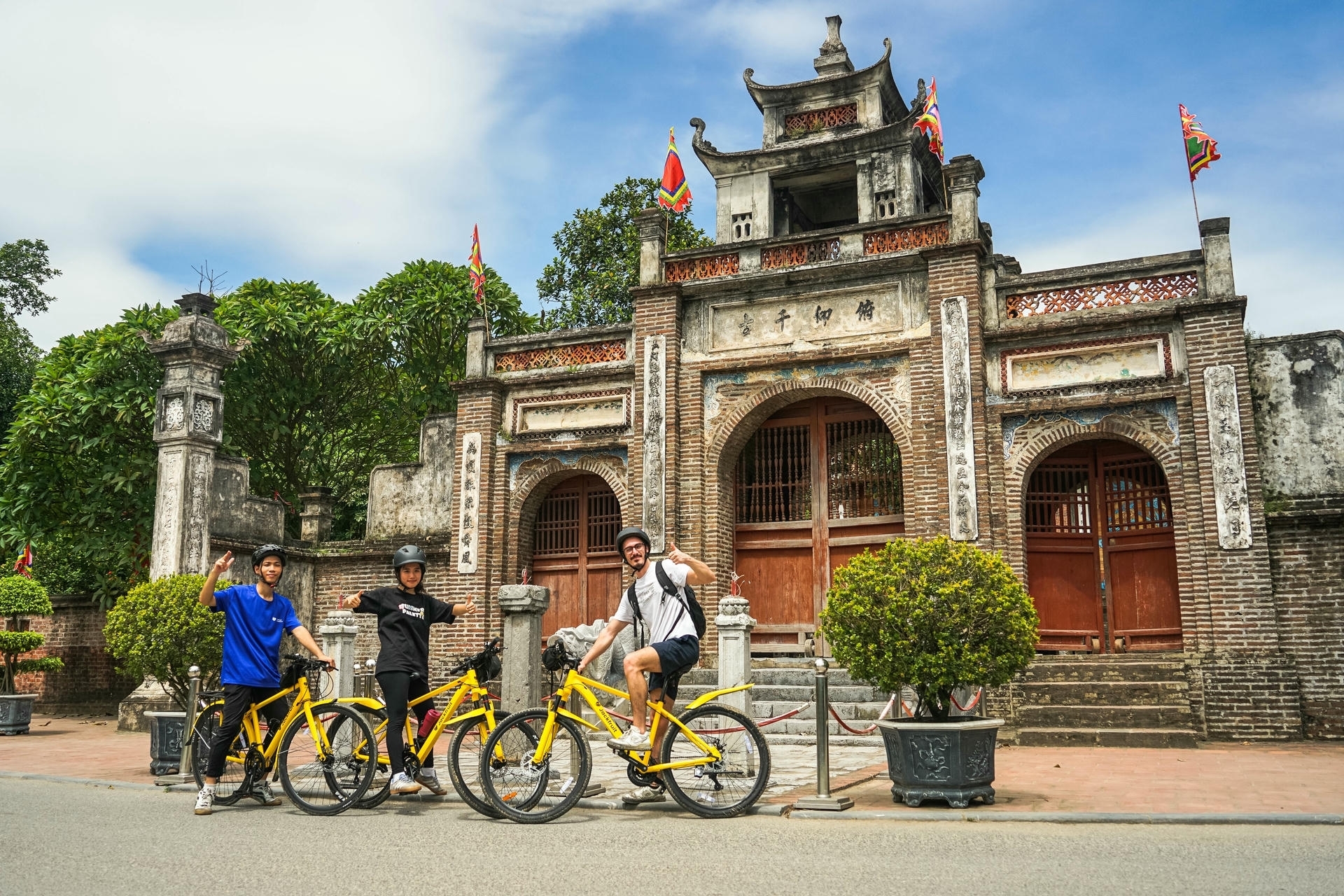
My first stop is Co Loa Citadel – the 2,300-year-old spiral fortress that once protected Vietnam’s early kingdoms, and wandering through its temples and mossy ramparts feels like walking through a museum. I also enjoy visiting Uncle Ho’s Banyan Tree Memorial Site (Khu lưu niệm Cây Đa Bác Hồ), a tranquil memorial site featuring the old banyan tree and lush garden paths, where President Hồ Chí Minh used to visit. For nature breaks, Vân Trì Lake (Đầm Vân Trì) is one of my favourite lakes, perfect for birdwatching or snapping breathtaking lakeside photos.
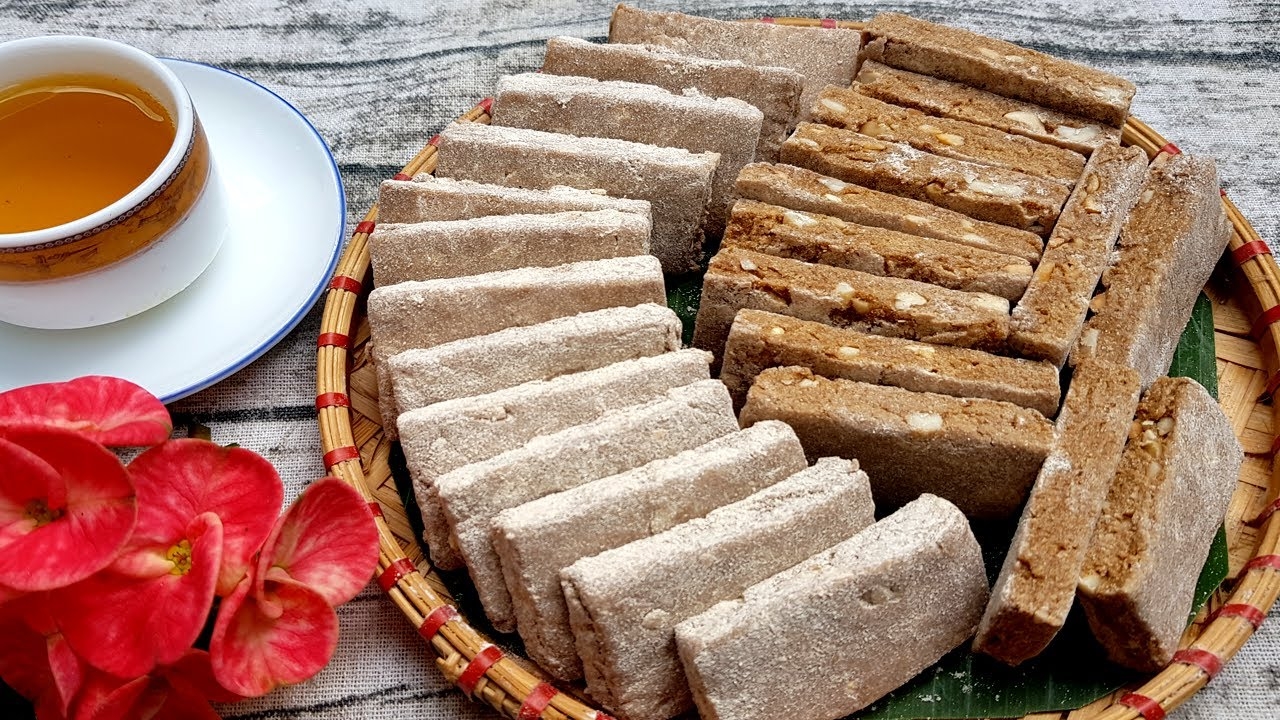
Food in Đông Anh is wonderfully rustic and straightforward, built on fresh local ingredients. I always look for a warm bowl of Bún Riêu Cua (crab noodle soup), a plate of Bánh Đúc Lạc (soft rice cake with peanuts), or a piece of sweet Chè Lam (ginger-peanut sticky candy) from a village market. With its historic sites, lakes, craft villages, and countryside flavours, Đông Anh shows just how rich and varied Hanoi’s districts become the farther you go from the city centre.
2. Gia Lâm District
East of the Red River, Gia Lâm is one of the suburban areas where I feel closest to Hanoi’s traditional roots. Among Hanoi’s districts, this one beautifully blends riverside landscapes, craft villages, and important cultural sites. I always start in Bát Tràng Pottery Village, shaping clay, painting bowls, and wandering through centuries-old ceramic workshops.
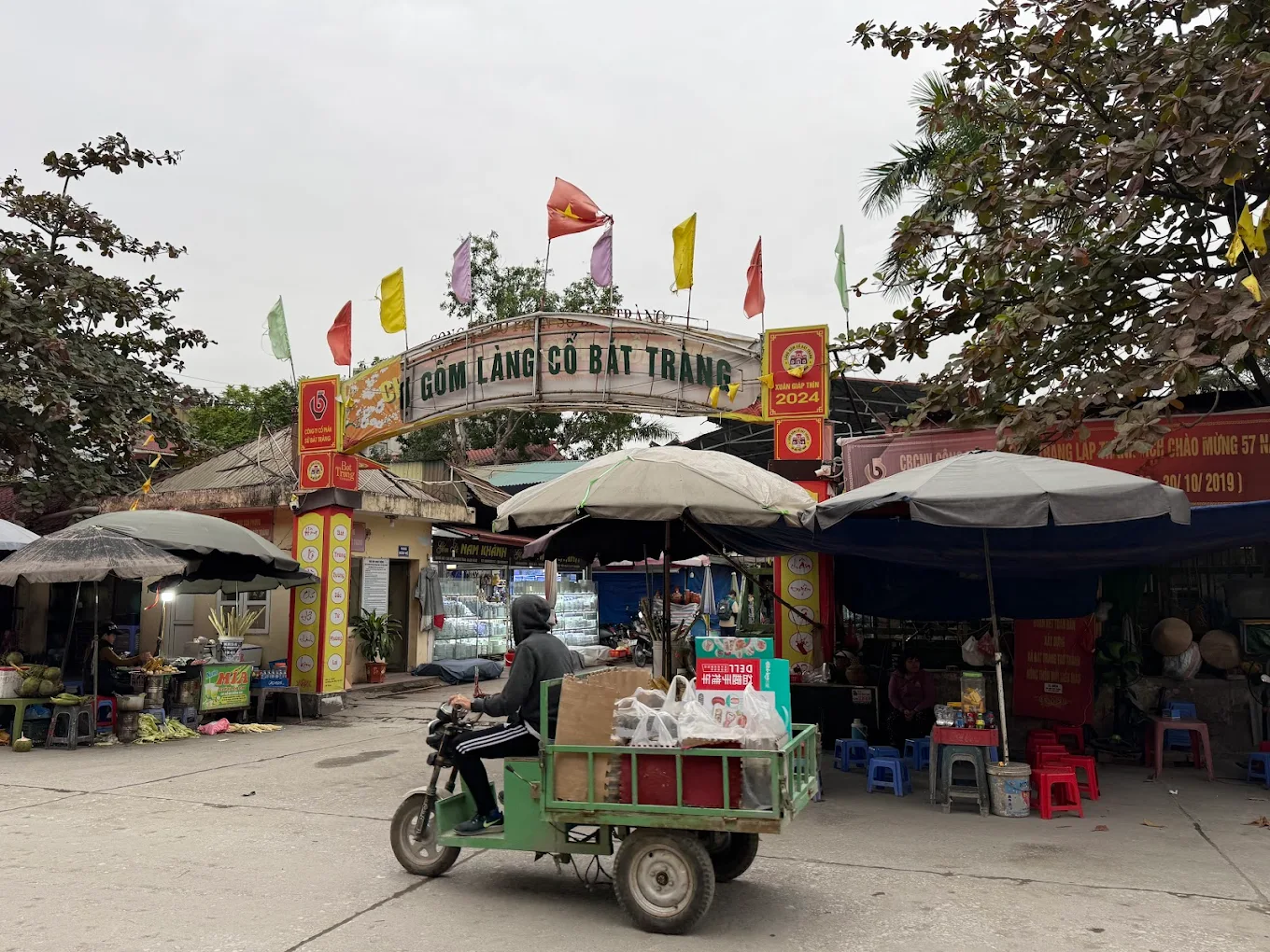
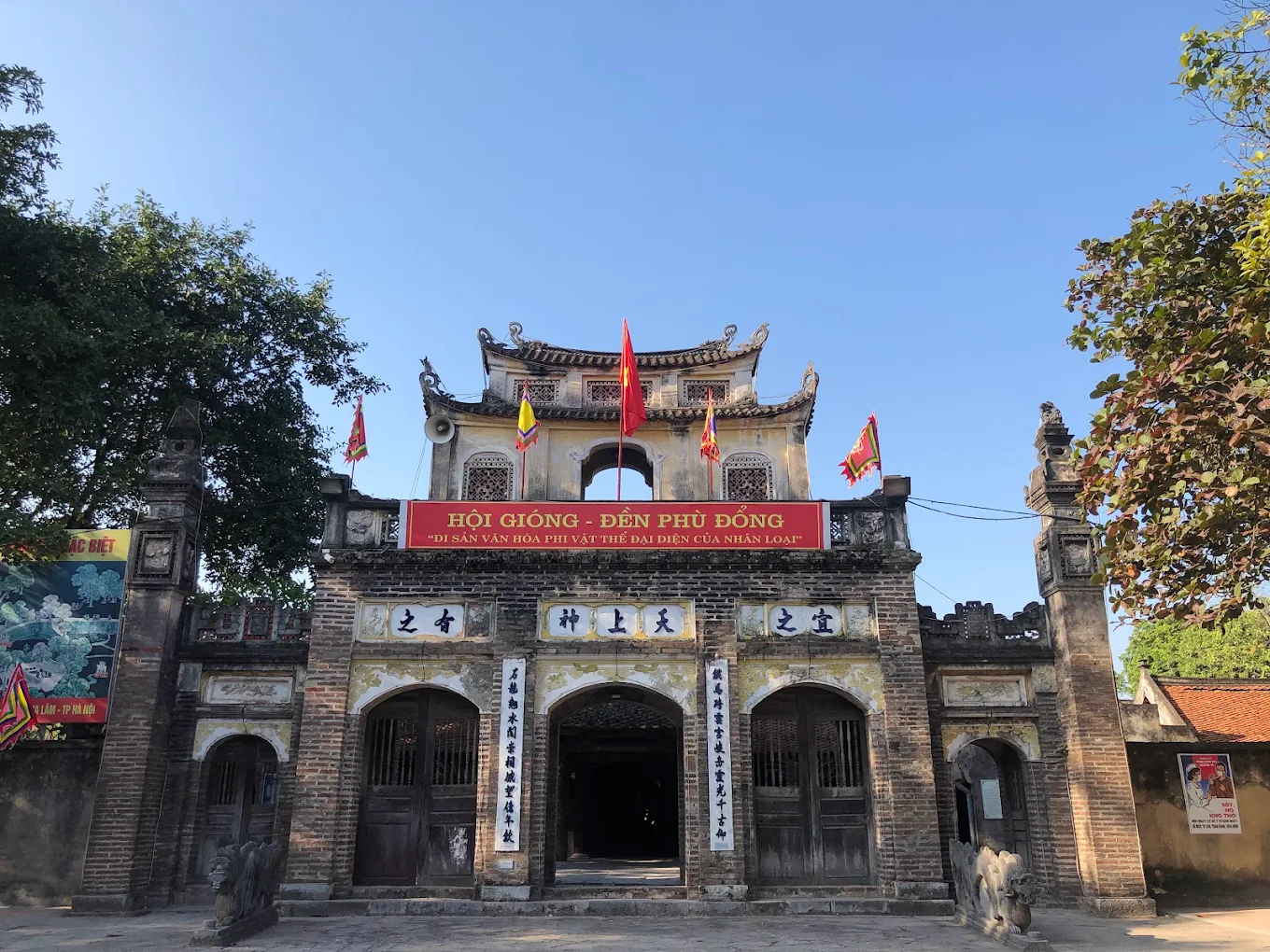
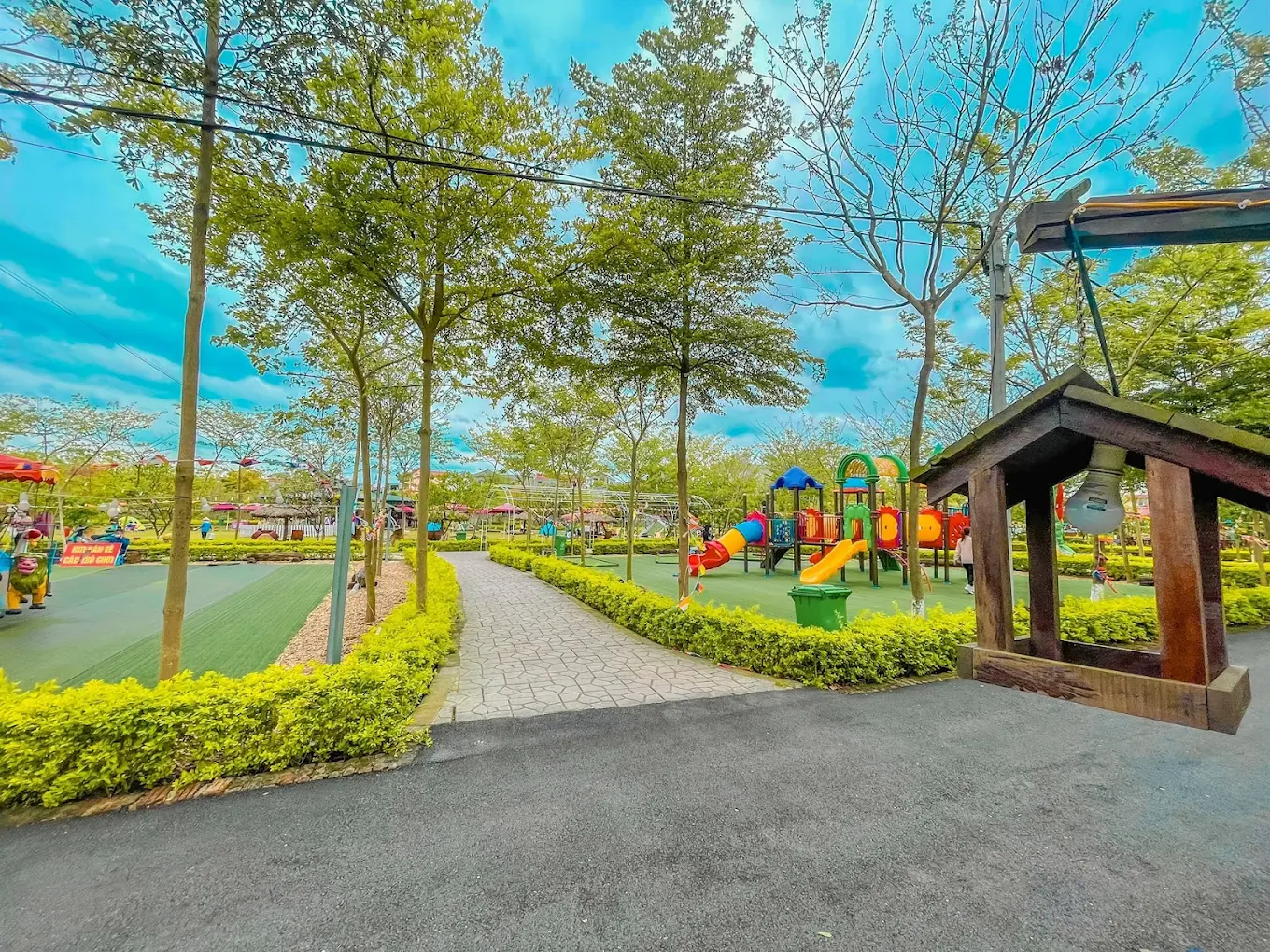
Beyond that, Gia Lâm is full of spiritual landmarks, such as the Nguyên Phi Ỷ Lan Temple, dedicated to the legendary imperial consort who ruled Vietnam with remarkable leadership. A little farther north, Phù Đổng Saint Gióng Temple honours the mythical boy hero who defended the country. Right nearby, Phù Đổng Green Park is a relaxing stop with open lawns, river breezes, and a quiet village atmosphere that’s perfect for slow travel.
And of course, the food in Gia Lâm is deliciously local. The district is also known for comforting dishes like bún cá rô đồng (crispy perch noodle soup), vịt om sấu (duck stewed with dracontomelon), and canh măng vịt (duck and bamboo shoot soup), all perfect for countryside afternoons. Whether I’m cycling through rice fields, visiting riverside temples, or sipping tea in Bát Tràng, Gia Lâm always feels like a warm window into the quieter, more traditional side of Hanoi’s districts.
3. Mê Linh District
Nestled on the northern edge of the capital, Mê Linh is a suburban area that perfectly illustrates the diversity of Hanoi’s districts. Whenever I come here, my first stop is always Hạ Lôi Temple, a historic spiritual site dedicated to the Trưng Sisters, who are famous Vietnam’s national heroines. Not far away, Mê Linh Plaza Shopping Centre is a surprisingly modern contrast, filled with cafés, boutiques, and lifestyle stores that make for a relaxing mid-day break.
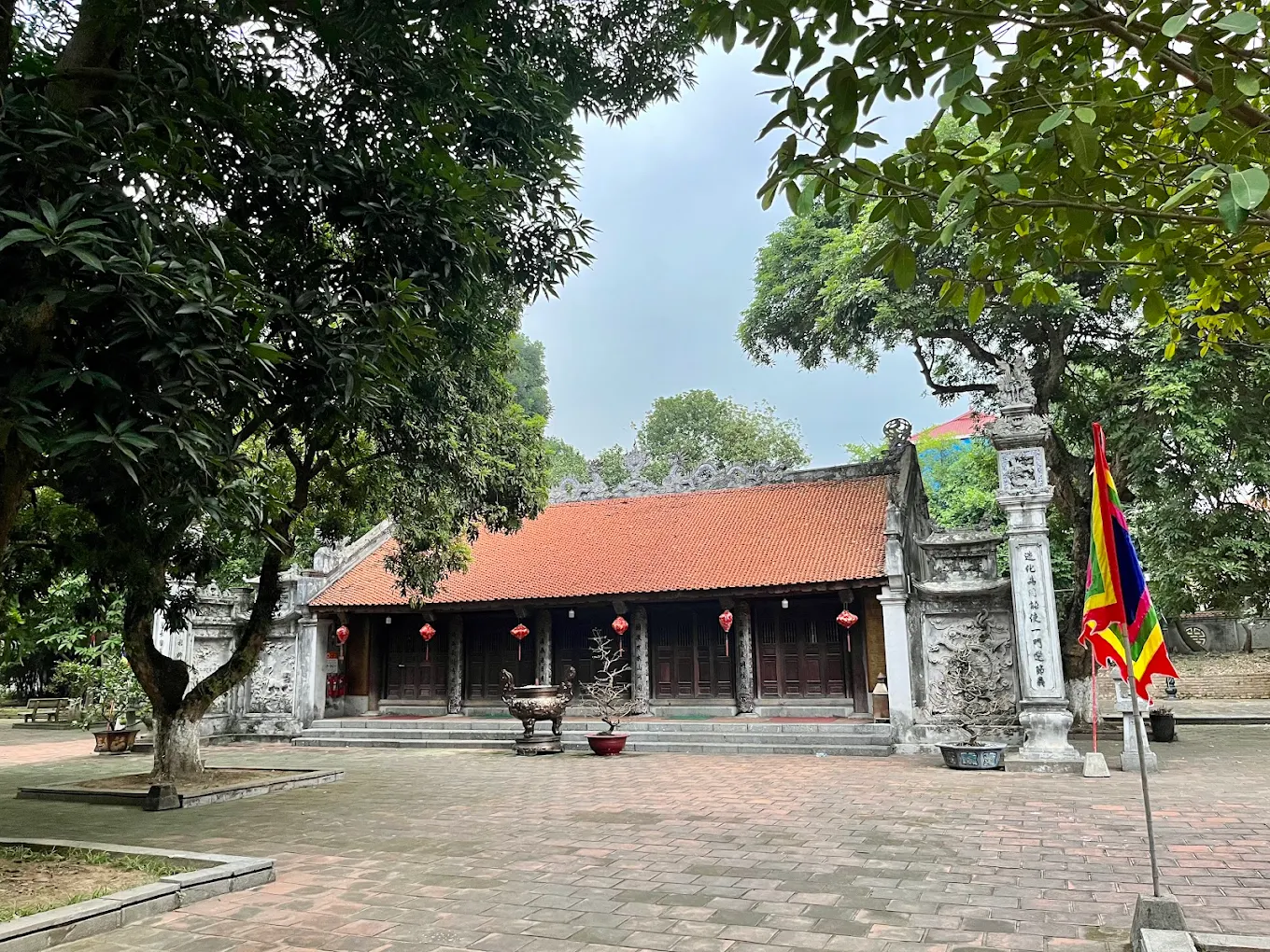
For nature, I always recommend heading to 79 Spring Hill Park (Đồi 79 Mùa Xuân), a green hilltop space with lakes, gardens, and wide views over the countryside; perfect for picnics, weekend walks, or simply enjoying some quiet air outside the city.
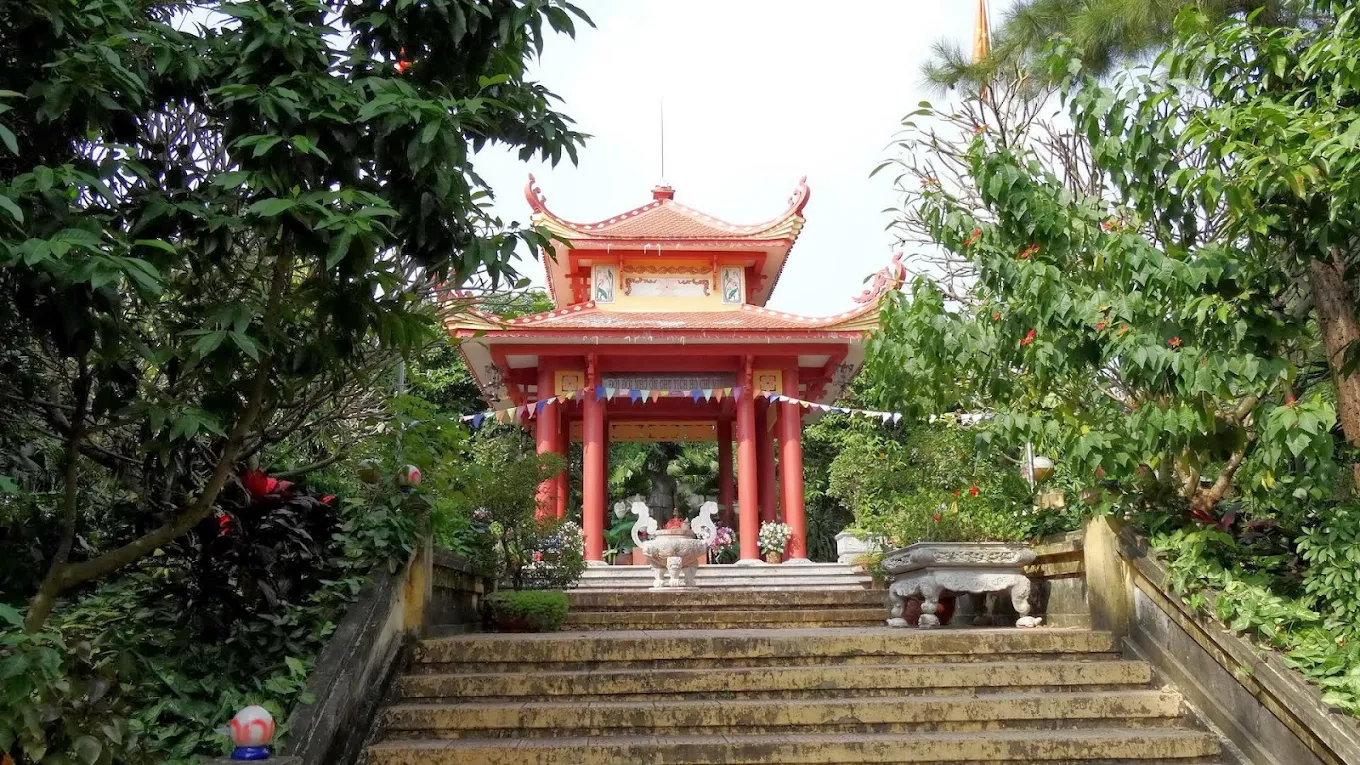
Food in Mê Linh is humble, hearty, and deeply connected to its farming communities. Mê Linh District is known for fresh vegetable dishes, grilled pork rolls, countryside bún riêu, and warm bowls of miến gà ta (native chicken glass noodles). From wandering through quiet village roads to relaxing at 79 Spring Hill Park or enjoying lunch at a family-run eatery, Mê Linh always feels like a refreshing reminder of how peaceful life on the outskirts of Hanoi’s districts can be.
4. Sóc Sơn District
Of all Hanoi’s districts, Sóc Sơn is the one that feels the most like a complete nature getaway. Located far to the north, near the mountains, it offers forests, lakes, temples, and some of the best sunrise views around Hanoi. My favourite spot is Hàm Lợn Mountain, where you can hike, camp overnight, or just enjoy the cool pine forests. I also love visiting Sóc Temple and Non Nước Pagoda, both perched on hills overlooking the countryside.
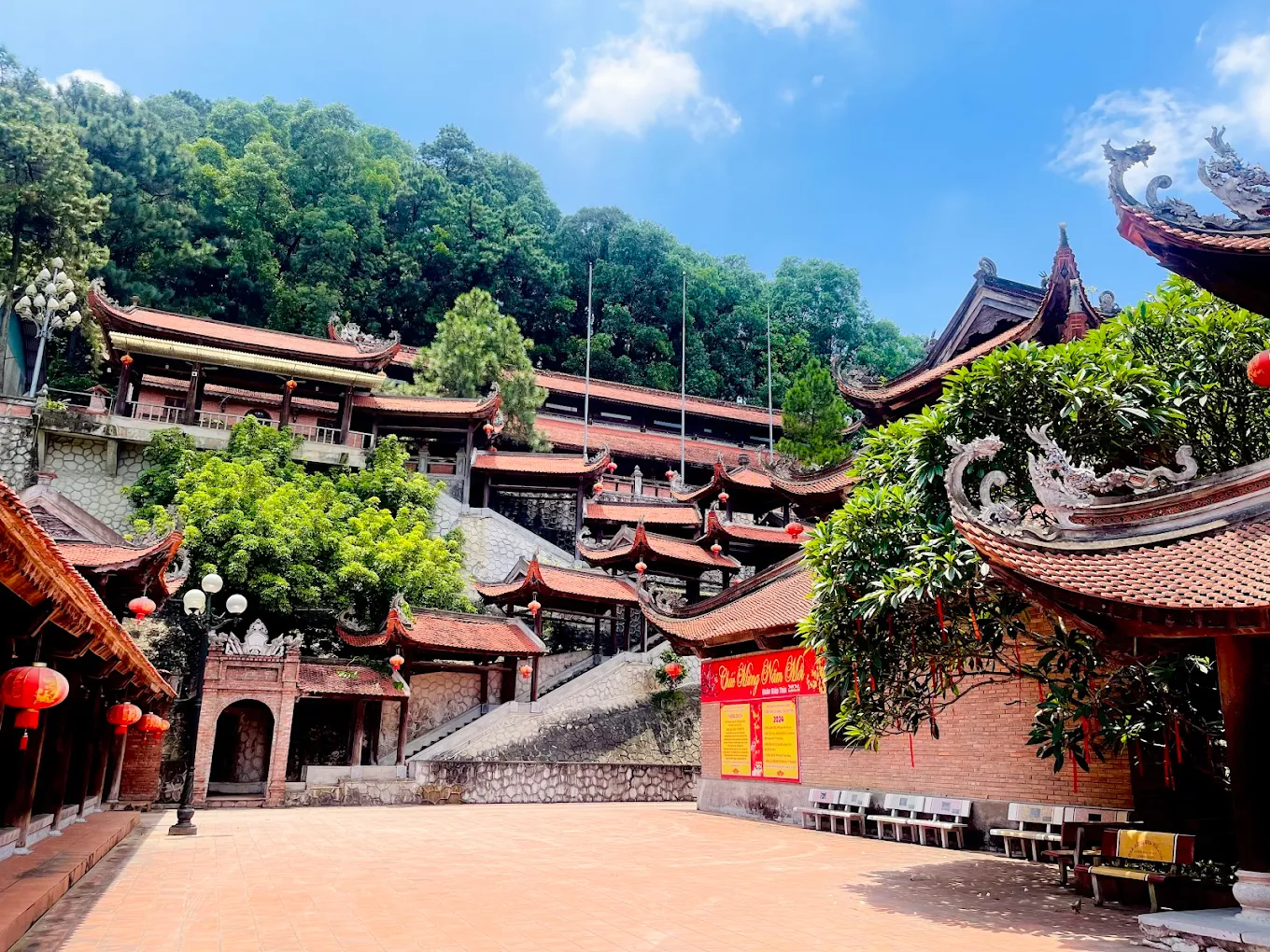
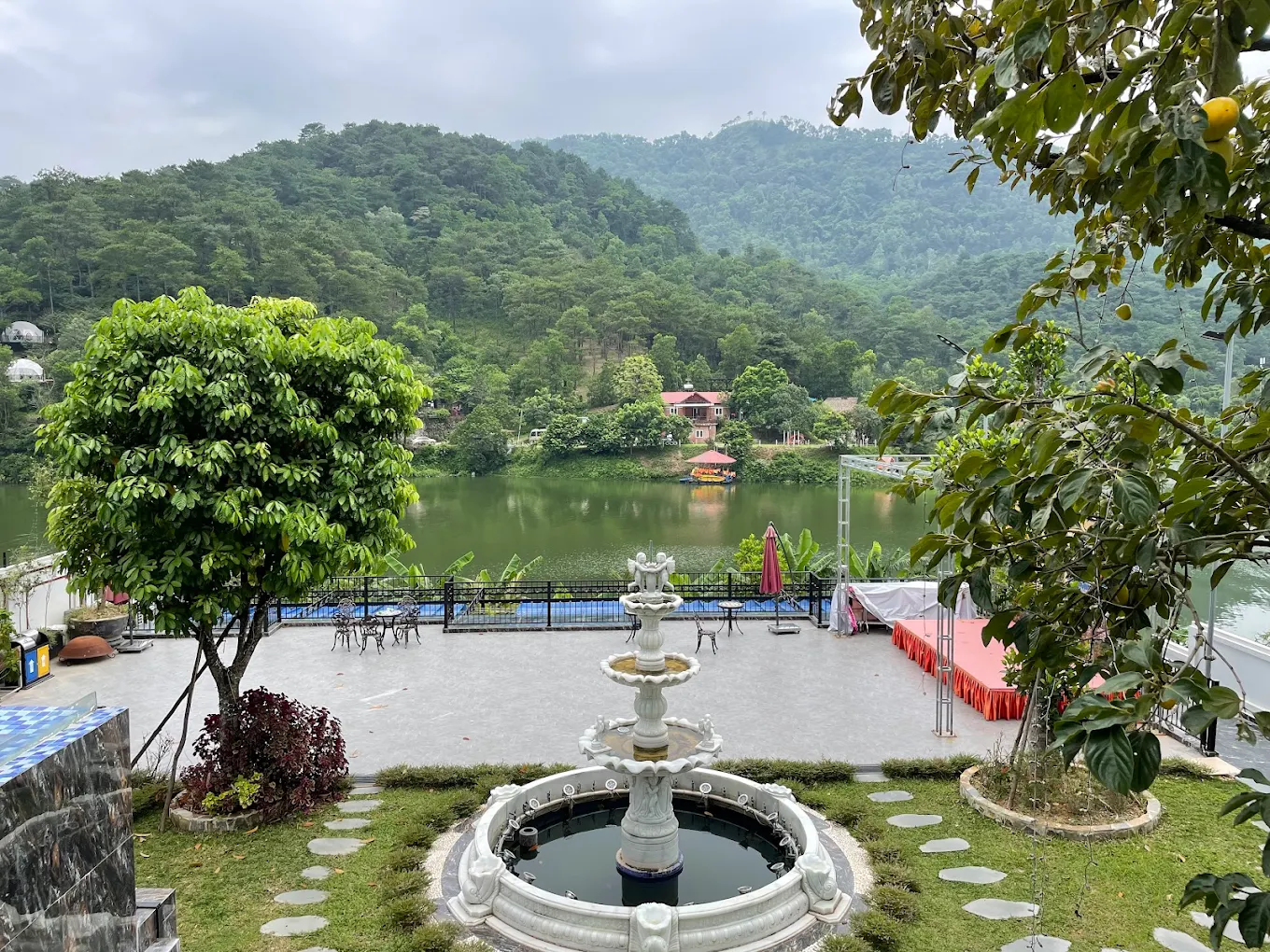
When I need peace, Đồng Đò Lake is ideal for kayaking or simply sitting by the water. And after exploring, Sóc Sơn’s food hits the spot, especially gà đồi nướng (mountain chicken), lợn mán hấp (steamed hill-tribe pork), sticky rice snacks, and chè lam sold by small vendors. It’s the suburban district I choose when I want nature, quiet, and a breath of fresh air.
5. Ba Vì District
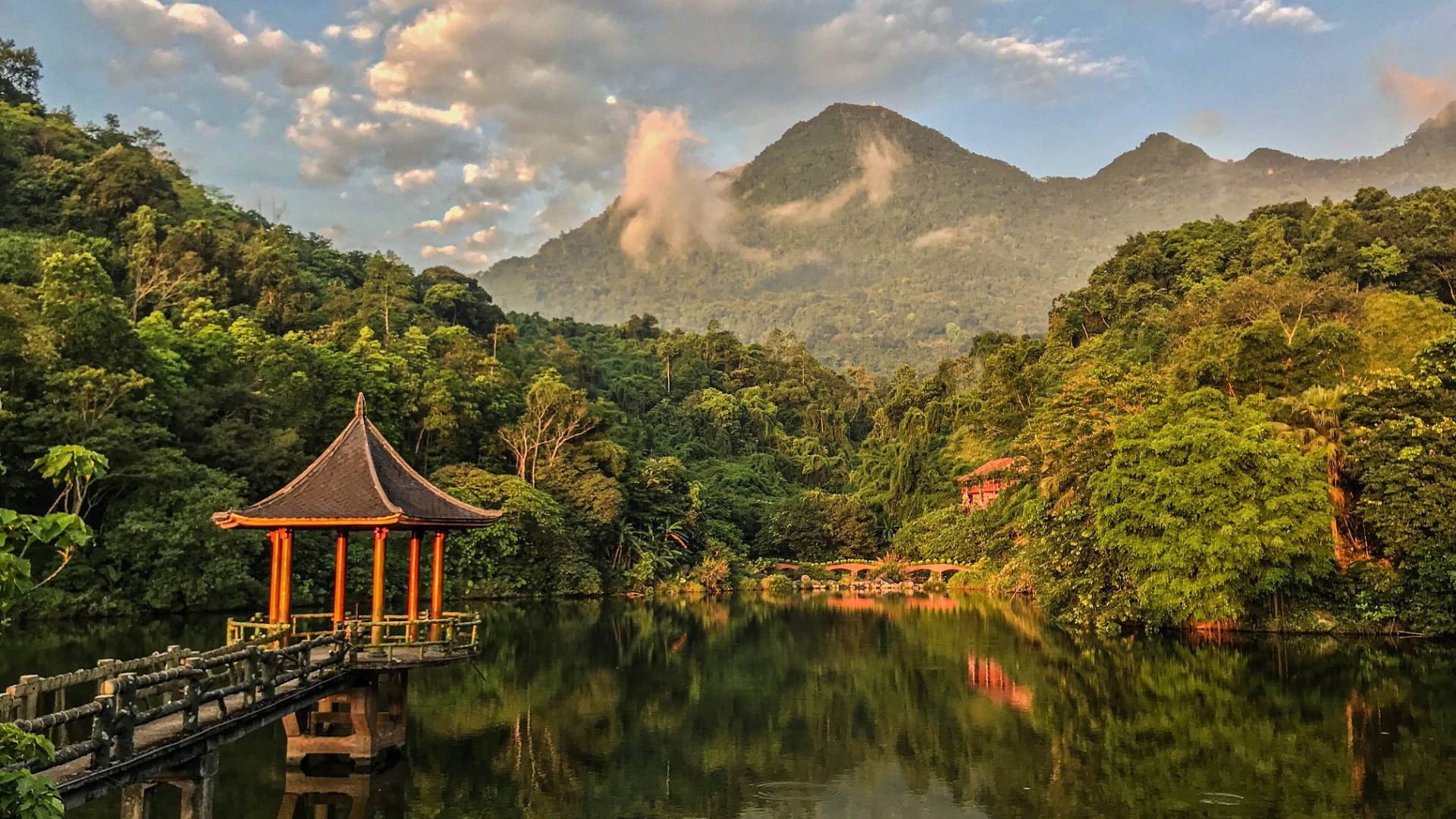
On the far western edge of Hanoi’s districts, Ba Vì feels like a completely different world: cooler air, mountains wrapped in mist, and winding roads perfect for weekend trips. Ba Vì National Park is always the highlight: forest trails, panoramic viewpoints, and abandoned French villas hidden among giant trees.
I also love visiting Đền Thượng, Ao Vua, and nearby dairy farms, where you can sample fresh milk and yoghurt. Driving through the area, you’ll see goats grazing along the hillsides; it’s no surprise that Ba Vì is famous for goat hotpot, sữa chua Ba Vì, bánh sữa, cơm lam, and countryside dishes like heo mán nướng and gà đồi. With its mountains, temples, and cool, peaceful atmosphere, Ba Vì is one of the most beautiful escapes you can make from Hanoi’s districts, offering a refreshing contrast to the city’s bustling urban core.
Smart Traveller Tips for Discovering Districts in Hanoi
1. How to get around in Hanoi’s districts
Whenever I explore Hanoi’s districts, I always choose my transportation based on distance, time of the day, and how “local” I want my experience to be.
Here are my go-to options:
- Grab (Bike/car): the fastest and most convenient way to hop between districts.
- Public bus: cheap and surprisingly efficient for longer routes toward suburban districts like Gia Lâm, Đông Anh or Sơn Tây.
- Taxi apps: taxis are safe and easy to book, suitable for rainy days or late-night rides.
- Walking: In the city center, most attractions are close to each other. If you’re comfortable using Google Maps, you can walk between lakes, cafés, and historic sites.
2. Best time to explore each area
Exploring Hanoi’s districts is definitely better when you time your day right. Hanoi has very distinct traffic patterns, weather shifts and daily rhythms.
Best time for explore central or lakeside Hanoi’s districts
- 6:00 AM – 9:00 AM: Perfect for strolling around Hoàn Kiếm, Ba Đình’s tree-lined boulevards, or cycling along West Lake.
- 3:30 PM – 5:30 PM: This is Hanoi’s golden hour, it’s the ideal lighting for portrait shots or capturing Hanoi’s architecture.
- After 8:00 PM: Streets in Hoàn Kiếm and Đống Đa become quiet, safe, and pleasant for night strolls.
Peak hours to avoid
- 7:00 AM – 9:00 AM → morning rush
- 4:30 PM – 6:30 PM → office-out hours
- Rainy days → the traffic gets heavy, and nearly every hour feels like rush hour.
Whenever I plan my itinerary for Hanoi’s districts, I always cluster attractions by district and time my moves before or after peak traffic.
3. District safety notes
Hanoi is generally safe, but there are still a few things to keep in mind as you explore Hanoi’s districts. Here are what I personally pay attention to:
- Hanoi Old Quarter: Crowded streets mean you should keep your phone and bags secure. Pickpocketing isn’t common, but it’s possible in tight spaces.
- West Lake Hanoi: Great for solo travellers and evening walks, but be careful near dark alleys along lakeside roads late at night.
- Long Biên & Red River: Avoid going alone after sunset. Some areas near the riverbank are quiet and unlit.
- Ba Đình & French Quarter: Very safe, wide sidewalks, lots of police presence around government buildings.
- Đống Đa, Hai Bà Trưng: Busy traffic + narrow streets. Walk carefully on sidewalks because motorbikes sometimes use them to bypass jams.
4. Money-saving tips
Exploring Hanoi’s districts doesn’t have to be expensive. With a few smart habits, I often spend much less than expected.
- Eat where locals eat: The food in local neighborhoods is often more delicious, more authentic, and cooked the traditional way.
- Avoid tourist cafés in Hoàn Kiếm: Walk 2–3 streets away from Hoàn Kiếm Lake to find calmer, more authentic cafés with budget-friendly drinks.
- Ask for prices BEFORE ordering street food in Hoàn Kiếm or Tây Hồ to avoid misunderstandings or get ripped off!
- Use electric taxis (e.g., Grab Taxi, Xanh SM): Prices are stable and often cheaper than traditional taxi brands.
5. Photography Tips for Hanoi’s Districts
Hanoi is incredibly photogenic, but each district has its own “best angle.” Here’s how I capture Hanoi’s districts:
- Avoid noon, because harsh light will ruin the photo.
- Bring a polarizer to reduce reflections on lakes.
- Wear neutral colors to blend with Hanoi’s warm palette.
- Shoot early morning around the lake for empty streets.
How Jackfruit Adventure Showed Me the Hidden Side of Hanoi’s Districts

After “hopping” across Hanoi’s districts for the past few days, I noticed something: Hanoi isn’t a “one spot fits all” kind of city. Its soul spreads out everywhere, waiting for you in unexpected corners and everyday scenes.
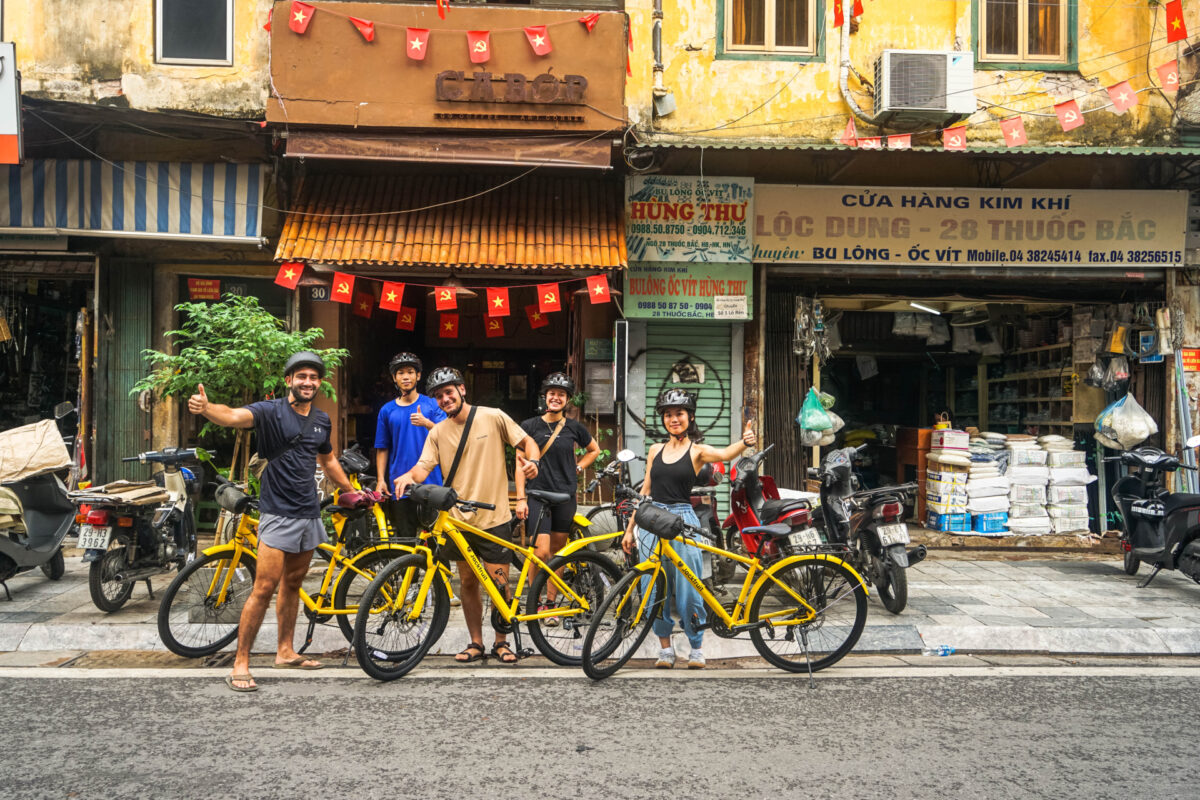
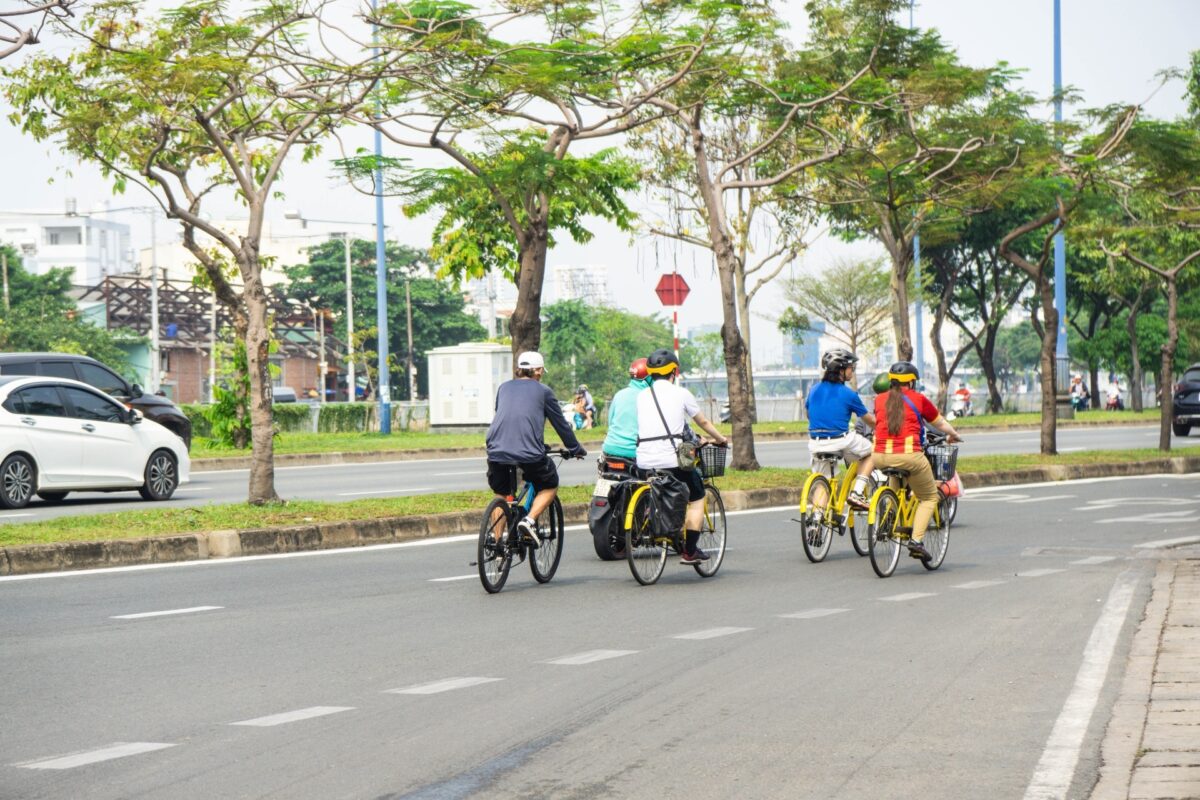
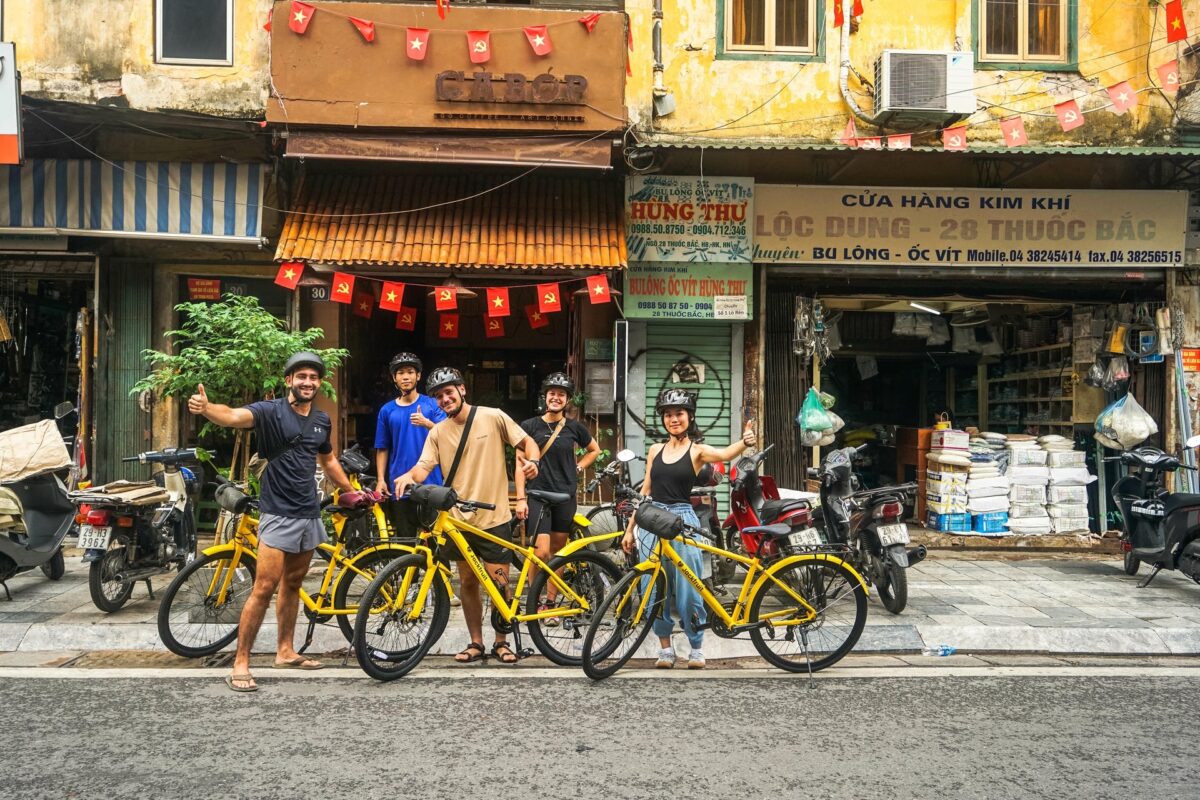
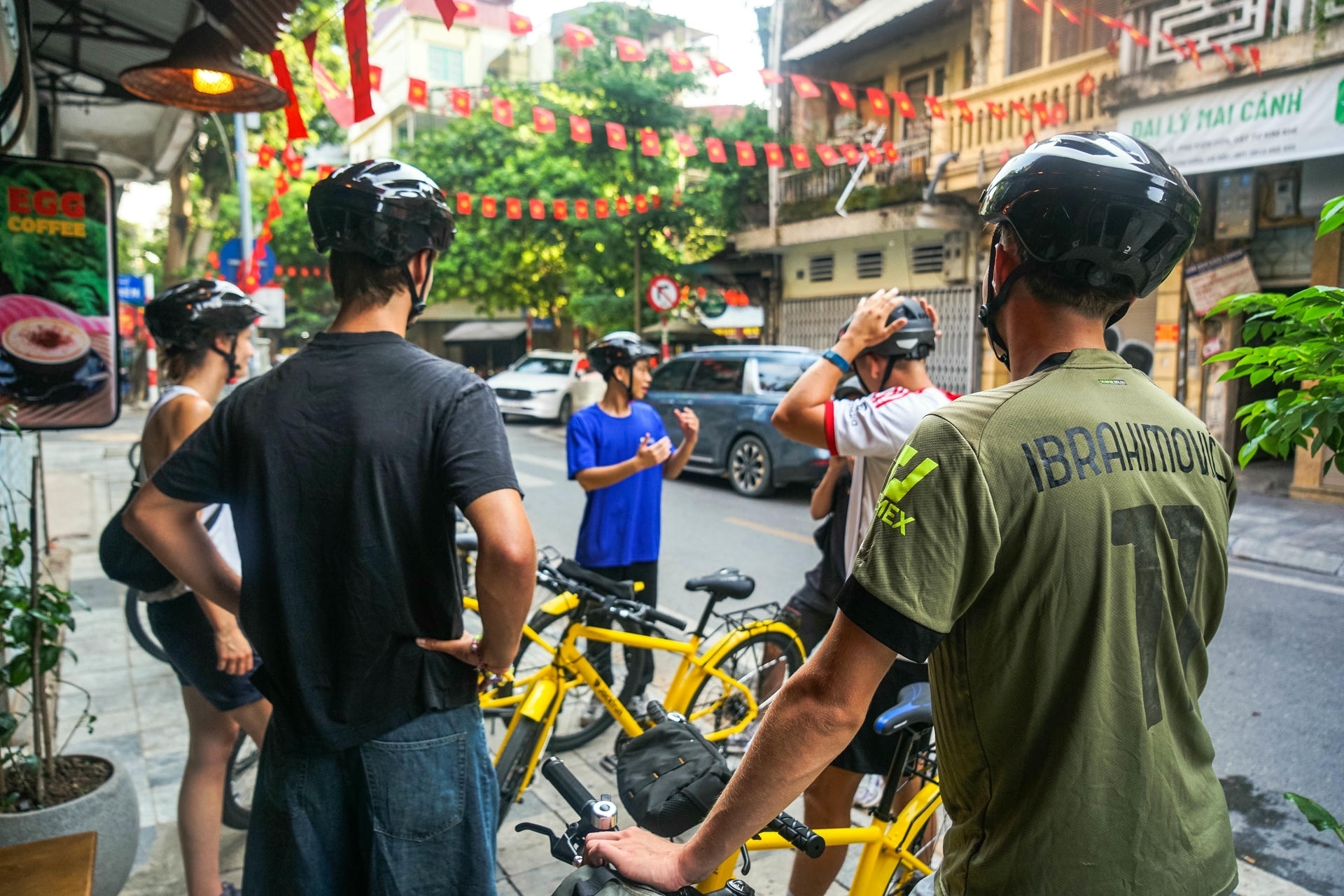
And the best way to connect all these pieces, for me, is by exploring on two wheels. Cycling gave me the freedom to weave through small lanes and truly observe how local Hanoians live, eat, work and move across the city. Also, it helps me see Hanoi’s districts not as isolated tourist spots but as living, magical stories that flow into one another.
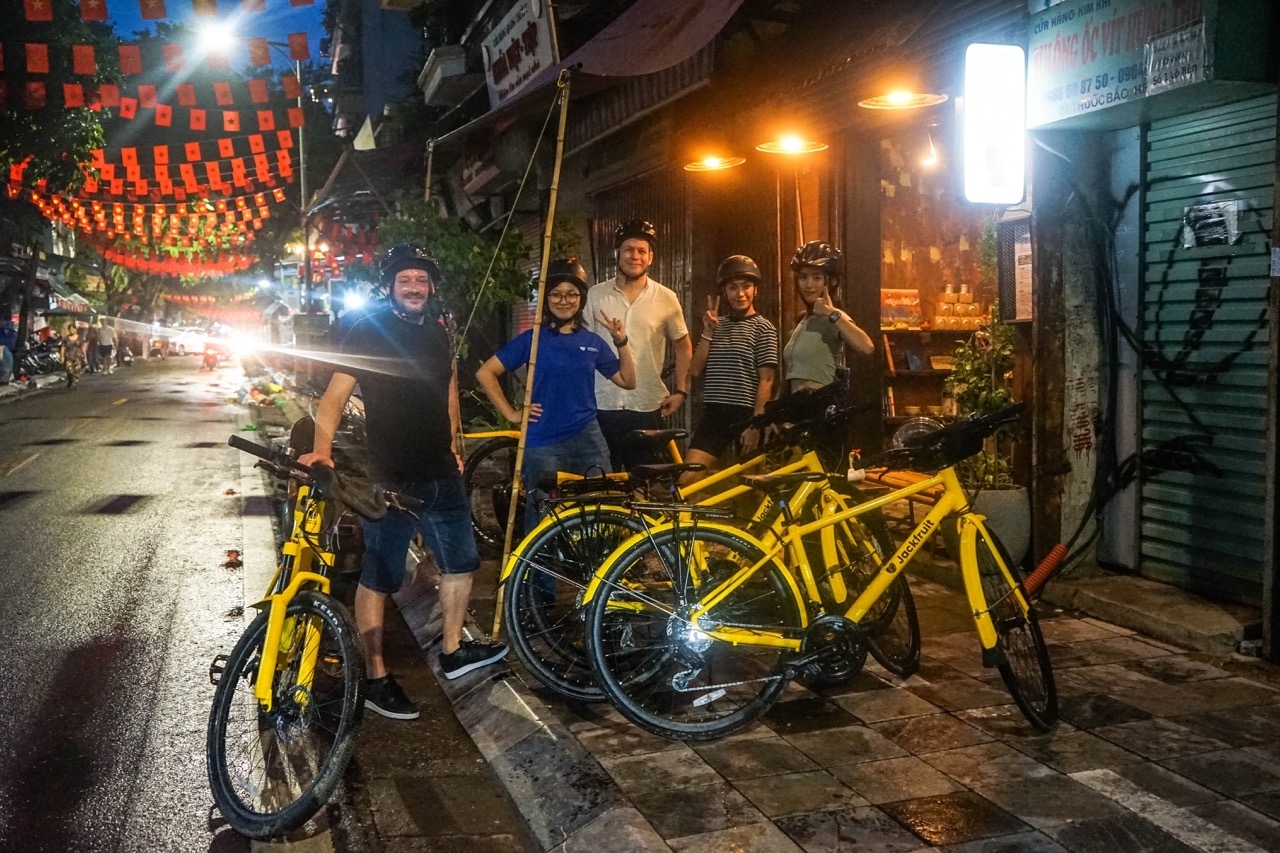
I once joined Jackfruit Adventure’s Hanoi Off The Beaten Path ride, and they offered me a very natural way to connect different parts of Hanoi’s districts without feeling overwhelmed. If you prefer exploring slowly, noticing details, and experiencing daily life in the districts rather than just checking places off a list, then a gentle cycling route like this might fit your style too.
Nothing flashy. Just Hanoi as it truly is, the version that I fell in love with!