

Table of Contents
The first time you turn into Hàng Gai and see bolts of silk practically tumbling out onto the pavement, smell bún chả drifting over from two alleys away, and watch a motorbike squeeze past at impossible speed, you kind of just… stop. And wonder how anyone actually shops here without losing their mind.
This guide for Hanoi Old Quarter shopping is your answer. You’ll find out what’s worth buying, which streets to hit, and how to shop without getting taken for a ride, straight from someone who knows the Old Quarter well enough to skip the tourist traps. Let’s get into it.
Understanding the Old Quarter Before You Shop
Here’s something most visitors don’t realize until their third or fourth trip: the Old Quarter isn’t just old, it’s organized. Chaotic on the surface, but underneath the noise and motorbikes, there’s a logic that’s been running for centuries.
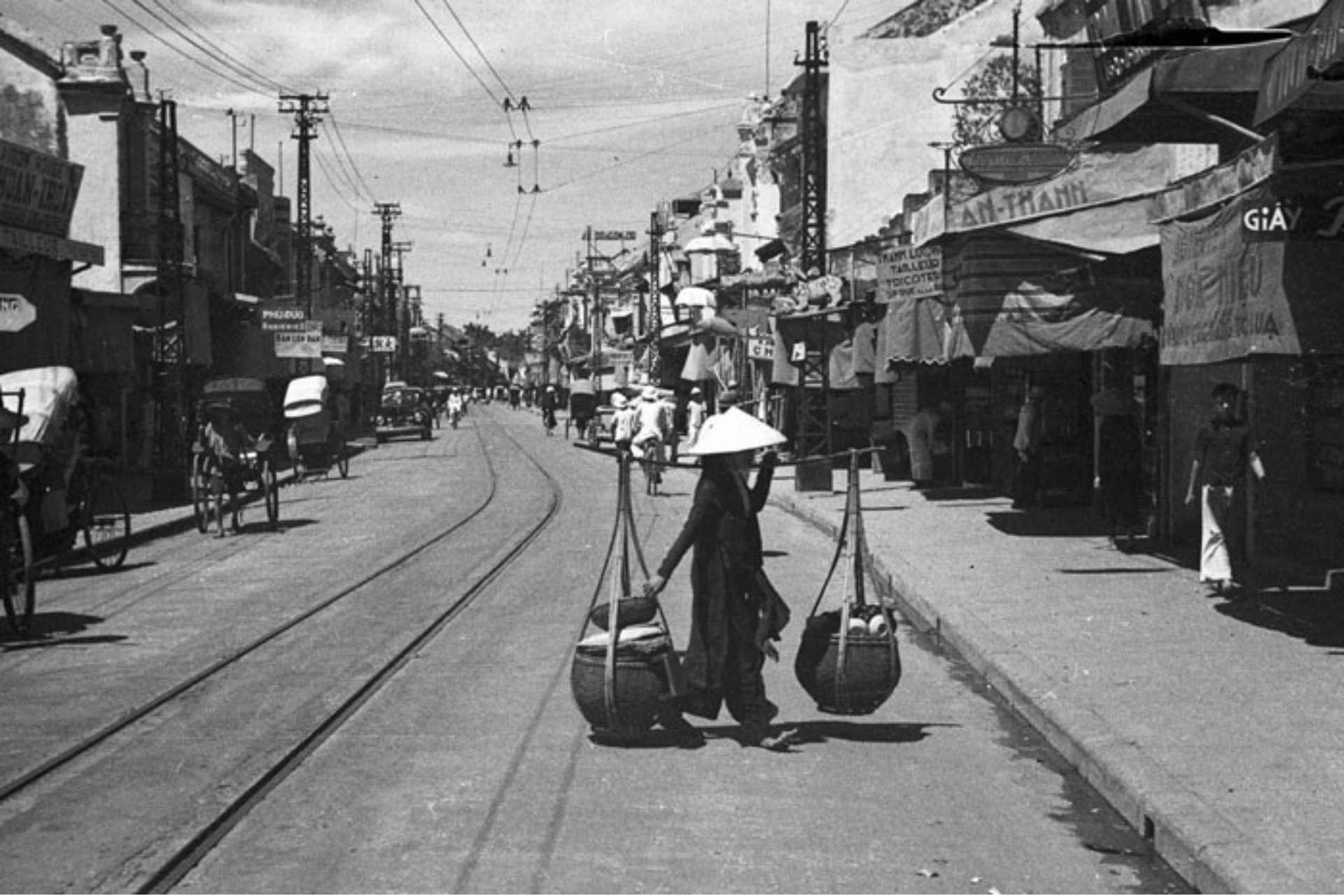
It started during the Lý and Trần dynasties, when artisan guilds set up around the imperial citadel of Thăng Long, and was formalized under the Lê dynasty in the 15th century. Each guild claimed a street; each street took the name of its trade. Hàng Bạc — bạc means silver — was the silversmiths’ street. Hàng Gai started with hemp and pivoted to silk. Hàng Mã dealt in paper. Hàng Đồng, bronze. Thirty-six streets, thirty-six trades: the 36 Phố Phường.
Today the mix has shifted: some streets still honor their original trade, others have pivoted to tourist retail, and a handful run wholesale for locals. But the underlying logic remains, and once you see it, Hanoi Old Quarter shopping stops feeling chaotic and starts feeling like a map.
When to go:
- Weekday mornings (8–11 am) are the sweet spot: streets are navigable, shopkeepers are restocking, and you’re not competing with tour groups.
- Weekend evenings bring the Night Market (Friday–Sunday, 6–11 pm) along Hàng Đào, good for atmosphere and street food, less ideal for serious shopping.
- Avoid Sunday afternoons during peak season (October–March); the crowds are real.
Getting there: The Old Quarter sits right above Hoàn Kiếm Lake. If you’re staying anywhere near the lake, you’re already within walking distance. Head north from the lake toward Hàng Đào, and you’re in.
- Walking is genuinely the best option. The streets are narrow and one-way; a taxi will drop you at the edge anyway.
- Grab/Green SM works well for getting to the area; drop-off points around Đinh Tiên Hoàng or Lý Thái Tổ are your best bet.
- Xe ôm (motorbike taxi) is faster if you know roughly where you’re going and don’t mind the ride.
Hanoi Old Quarter Shopping Guide: What to Buy & Where
#1- Silk & Fabric (Hàng Gai, Hàng Bông)
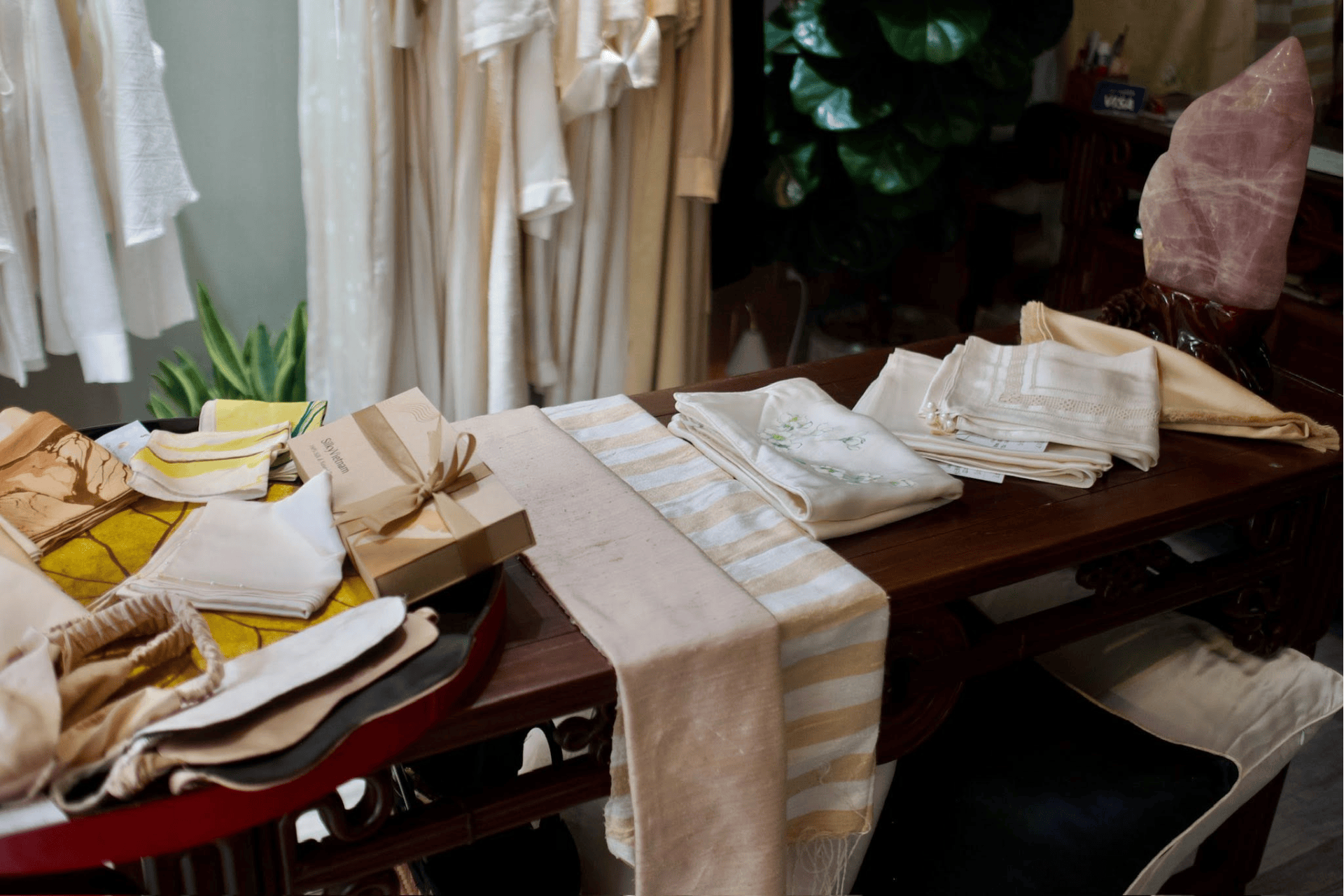
Hàng Gai is the street most visitors head to first. This is where you’ll find the best concentration of silk shops in the city: scarves, table runners, áo dài fabric by the meter, and made-to-measure tailoring that can turn around in 24–48 hours if you find the right shop.
What to buy:
- Silk scarves (the most practical souvenir – lightweight, beautiful, easy to pack).
- Áo dài fabric, if you want something made, many shops will tailor on-site.
- Embroidered silk cushion covers and home décor.
How to spot quality silk: Real silk has a few telltale signs. Run it through your fingers; genuine silk warms up quickly against your skin; synthetic fabric stays cool or feels slightly sticky. Sheen is another clue – real silk shifts color depending on the angle of light. Polyester “silk” glows uniformly bright in all directions.
Price range: 400,000–2,000,000 VND+ (around $16–$80 USD), depending on fabric quality and tailoring complexity.
Worth visiting: If you want quality without the big-name markup, SilkyVietnam, Village Silk Tailor, and My Trang Silk are good places to start.
#2 – Silver Jewelry (Hàng Bạc)
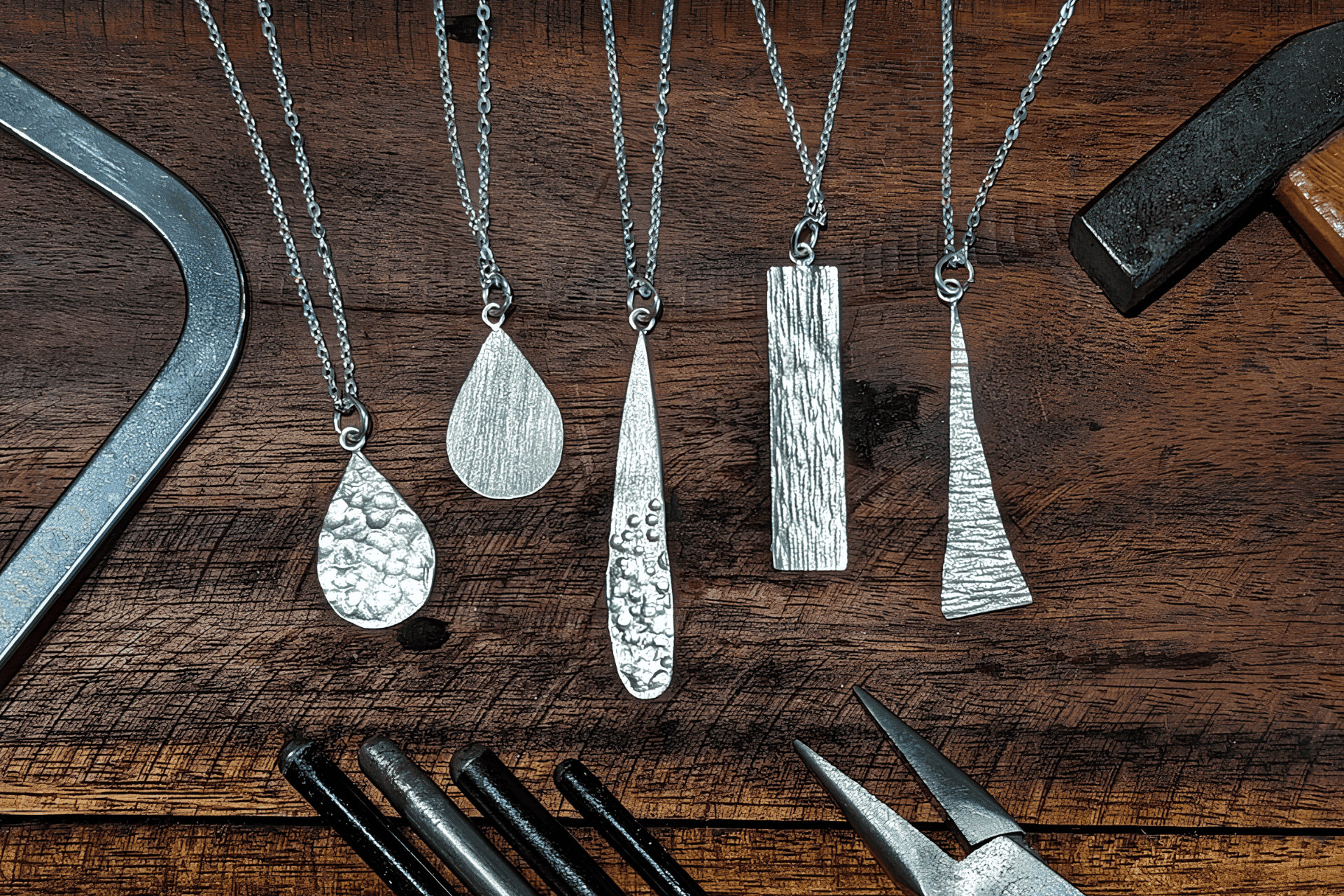
Hàng Bạc – “Silver Street” – has been Hanoi’s jewelry hub since the 15th century, when silversmiths from three craft villages relocated here to serve the imperial court. That history is still visible in the traditional pieces: heavy hand-engraved bracelets, chunky rings, and pendants drawing from ethnic minority aesthetics: dragons, lotus flowers, the lục lạc bell. Fashion jewelry on the same street runs lighter and trendier. Both are fine; just know which category you’re shopping in.
How to verify silver quality:
- Look for hallmarks: Vietnamese silver is typically stamped 925 (sterling) or 999 (fine silver). No stamp is a red flag.
- Ask the shopkeeper directly. Reputable shops on Hàng Bạc will tell you the purity and price accordingly.
Price range: 100,000–3,000,000+ VND (around $4–$120 USD), depending on silver purity and craftsmanship.
Worth visiting: SCENTSUN Silver and Trang Sức 247 are reliable stops for both traditional and contemporary pieces.
#3 – Paper & Stationery (Hàng Mã, Lương Văn Can)
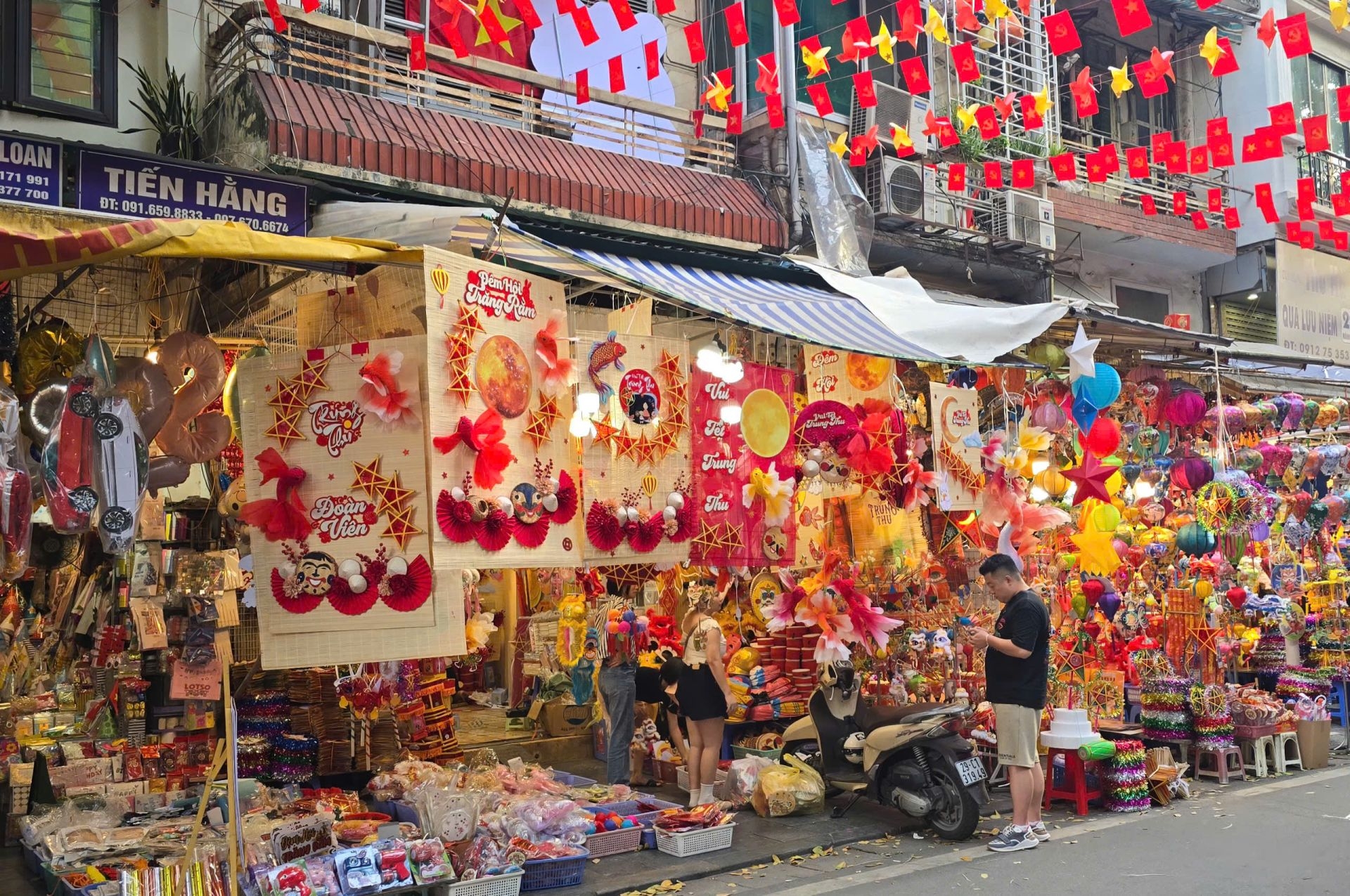
This is one of the more underrated stops on any Hanoi Old Quarter shopping itinerary, especially if you’re after something genuinely local and easy to pack.
What to buy:
- Đông Hồ folk art prints: Woodblock prints from Bắc Ninh province. Subjects include roosters, carp, harvest scenes, and Vietnamese proverbs. They’re flat, lightweight, and make far better souvenirs than most things in the quarter.
- Handmade notebooks and cards: Recycled paper, bamboo paper, and mulberry paper products made by local artisans.
- Lacquer-painted bookmarks and stationery sets: good mid-range gift option.
A cultural note on Hàng Mã: Hàng Mã is famous for completely changing its “theme” throughout the year. Depending on when you visit, the entire street will be covered in colorful star lanterns for the Mid-Autumn Festival, spooky decorations for Halloween, festive lights for Christmas, or brilliant red and gold ornaments for the Lunar New Year (Tết).
On an everyday visit: Much of what you’ll see on Hàng Mã itself is vàng mã — votive paper goods burned as offerings during funerals and festivals (paper money, paper houses, paper iPhones, paper luxury goods). It’s a living Vietnamese tradition, not a tourist product. Browse respectfully, don’t treat it as a novelty photo backdrop, and if you’re curious, shopkeepers are usually happy to explain the custom.
Price range: 50,000–300,000 VND (around $2–$12 USD) for most stationery and print items.
Worth visiting: Souvenir & Stationery Phương Nội (near Hàng Bồ street) for a well-curated selection of handmade paper goods and Đông Hồ prints.
#4 – Ceramics & Pottery
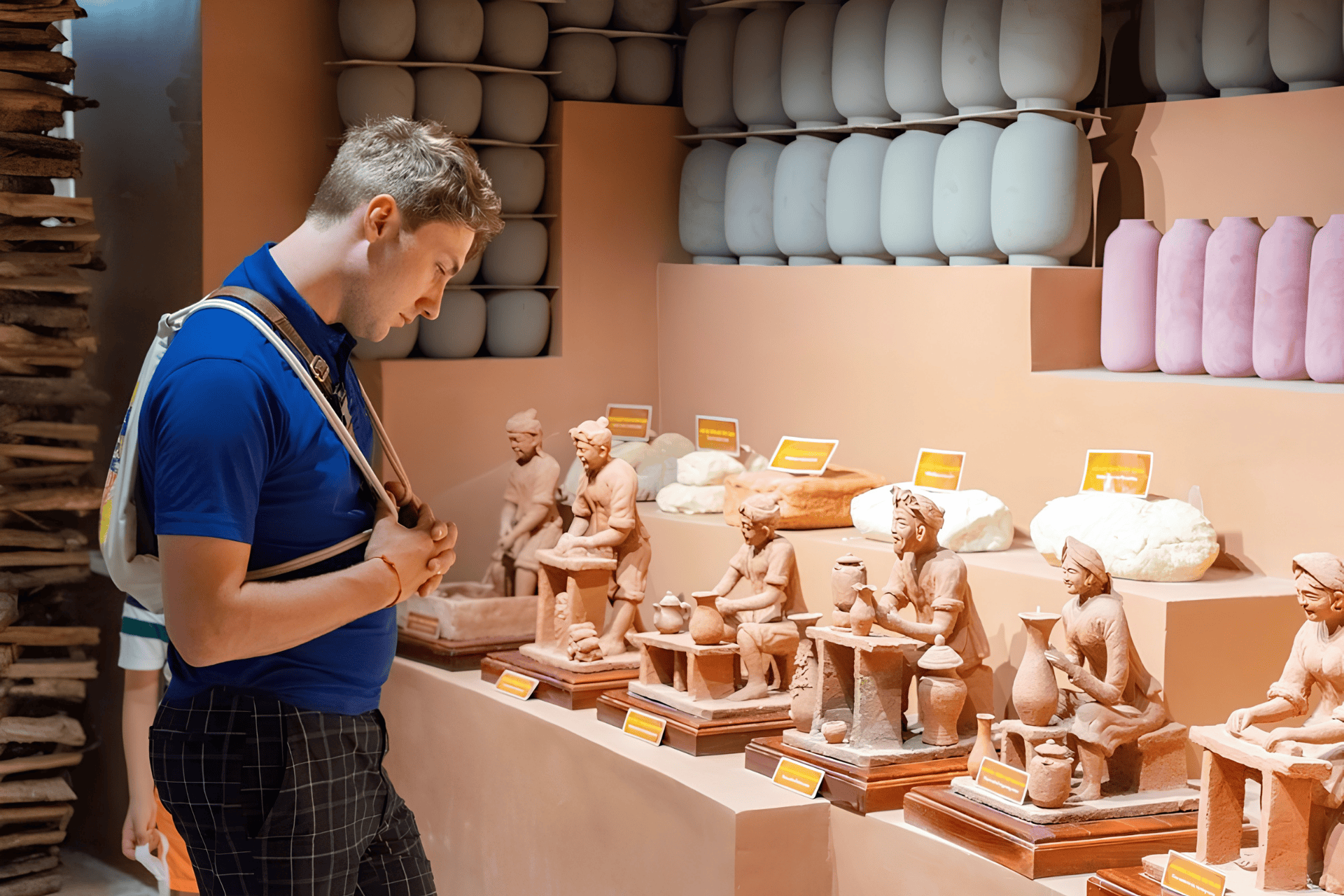
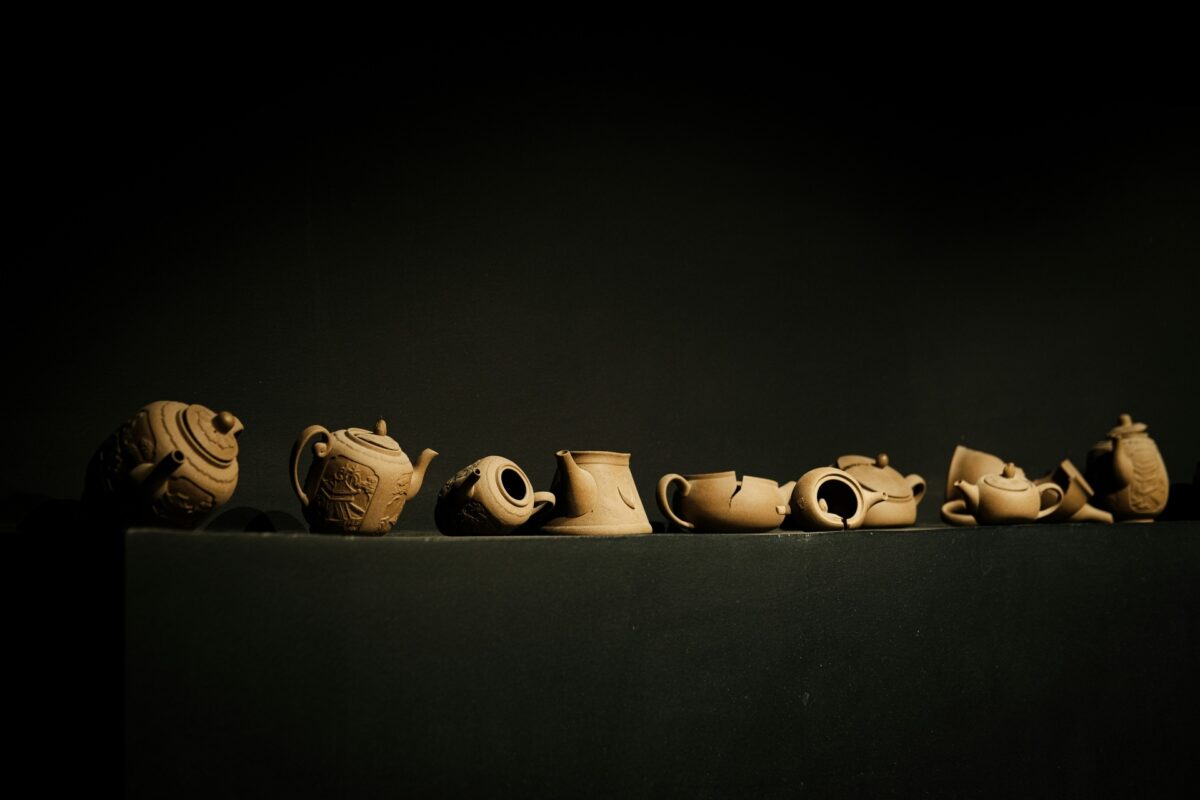
You won’t find pottery being made in the Old Quarter itself; the source is Bát Tràng, a ceramic village about 13km southeast of Hanoi that’s been producing pottery since the 14th century. But several shops throughout the quarter, particularly around Hàng Khoai and near Đồng Xuân Market, stock genuine Bát Tràng pieces.
What makes Bát Tràng distinctive: Bát Tràng pottery is known for its thick, heavy walls, hand-painted cobalt blue underglaze designs (think: lotus, fish, geometric patterns), and a slightly rough, unglazed foot ring at the base, a characteristic that distinguishes handmade pieces from factory ceramics. The glaze tends toward ivory or celadon rather than the bright white of industrial porcelain. Pieces are fired at high temperatures, which gives them a characteristic density and a faint grayish tint in the clay body.
What to buy: Tea sets, rice bowls, decorative vases with traditional motifs.
Price range: Prices are reasonable for the quality; individual pieces start under a dollar; full tea sets range from moderate to a splurge depending on craftsmanship.
For the full experience and better prices, consider a trip to Bát Tràng village itself, where you can watch potters work and buy directly from the kilns.
#5 – Clothing & Souvenirs
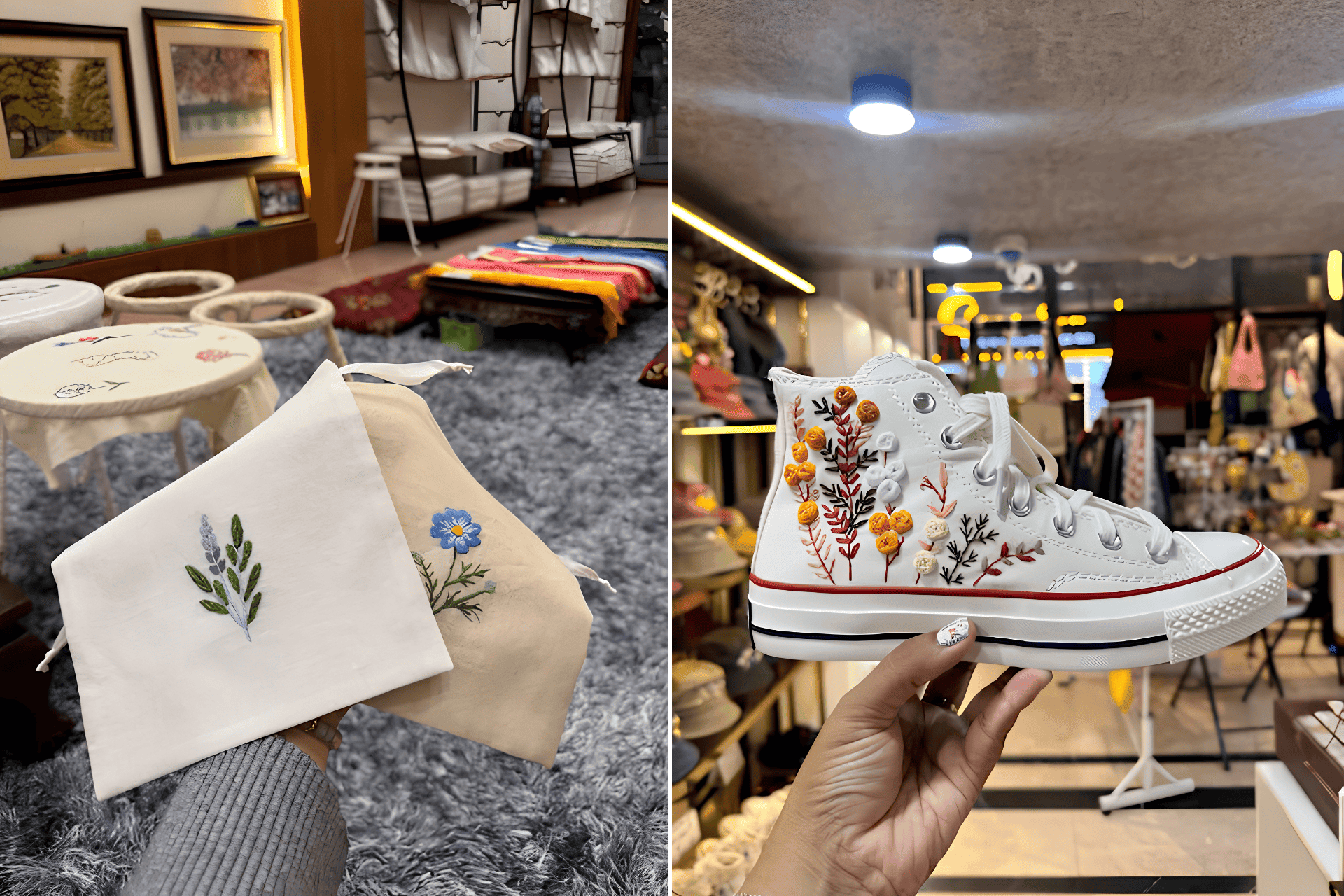
Ready-made áo dài are widely available, and quality has improved significantly over the past decade. For custom work, Hàng Gai and Hàng Bông are your streets. Embroidered items, silk purses, table runners, and pillow covers vary wildly; look for even stitch density and clean reverse sides as signs of handmade quality. As for T-shirts and “Hanoi” keychains, honest take: most of it comes from the same stock. If you want something worth keeping, skip the souvenir stalls and look for hand-stamped tote bags, block-printed fabric, or apparel from independent Vietnamese brands clustered around Hàng Gai and the Nhà Thờ area.
Worth visiting: TiredCity for locally designed apparel, Tân Mỹ Embroidery on Hàng Trống for high-quality embroidered pieces, and Stitchery Zone on Lương Ngọc Quyến for gifts and souvenirs with more character than the average street stall.
#6 – Tea, Coffee & Local Food Products
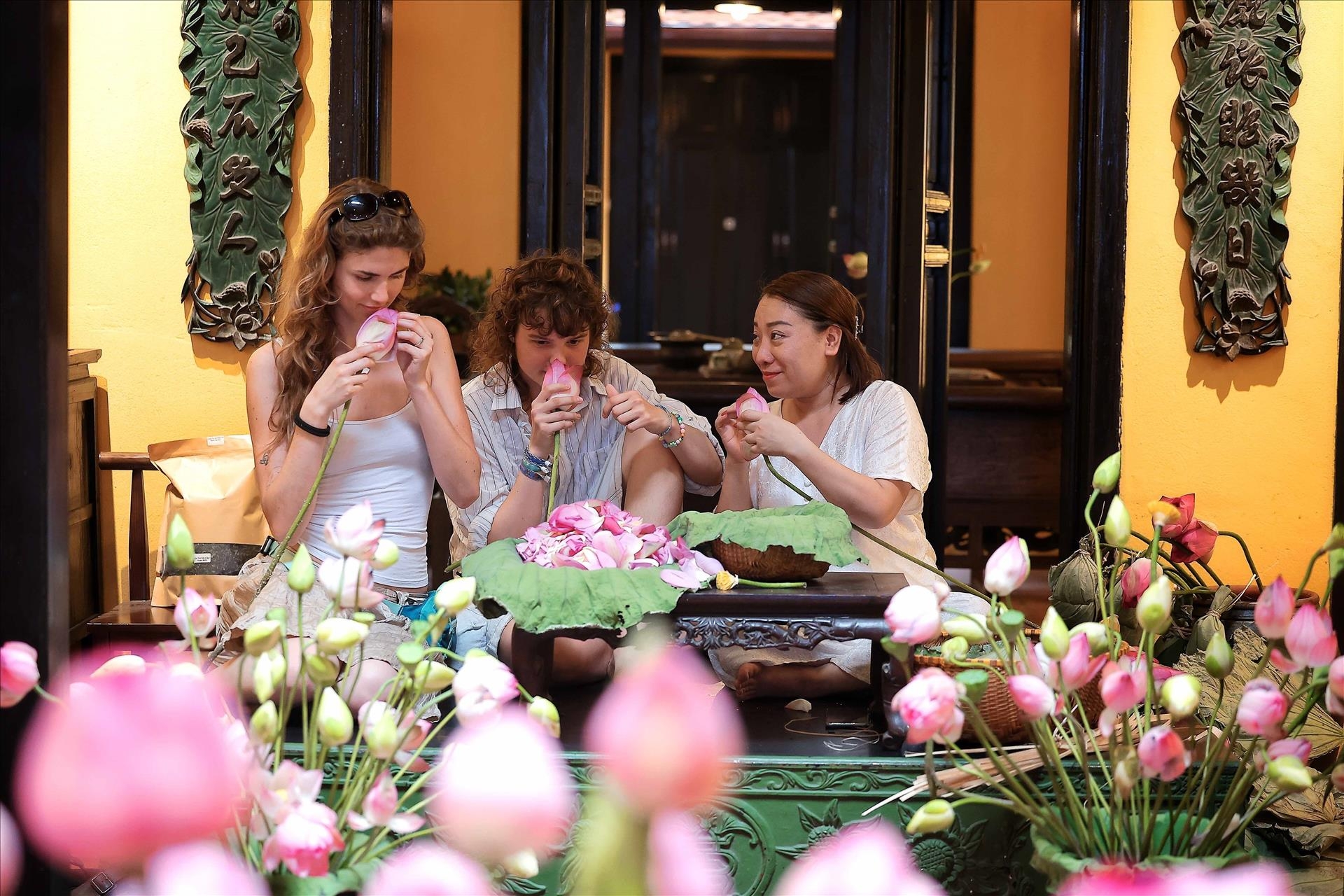
Food souvenirs from the Old Quarter are among the most practical things you can bring home, genuinely local, easy to pack, and almost always better value than comparable quality elsewhere.
Tea:
- Vietnamese green tea (trà xanh): Look for Thái Nguyên or Mộc Châu varieties, the benchmark for northern Vietnamese green tea, sold loose-leaf in paper or tin packaging.
- Lotus tea (trà sen): A Hanoi specialty worth seeking out. Real lotus tea is made by inserting green tea leaves into fresh lotus flowers overnight to absorb the fragrance naturally. If the price seems too low, it probably isn’t the real thing.
- Worth visiting: Cổ Trà on Hàng Đậu for traditional lotus tea and aged tree teas, if you want to go deeper into Vietnamese tea before you buy.
Coffee: Nguyễn Hữu Huân is the Old Quarter’s quiet coffee street. Instead of packaged supermarket blends, head here to pick up whole beans or freshly ground coffee directly from a traditional local roaster. If you want to taste the city’s rich brewing culture before buying, spend an afternoon exploring the best coffee shops in Hanoi to find your absolute favorite roast.
Food products worth packing:
- Bánh cốm Nguyên Ninh (73 Hàng Than): The original bánh cốm shop, established in 1865. Chewy green sticky rice parcels filled with mung beans, no preservatives, made fresh. Note: Hàng Than has dozens of shops using the Nguyên Ninh name; number 73 is the real one.
- Ô mai Hồng Lam (11 Hàng Đường): Hàng Đường has been the Old Quarter’s candy street for centuries, and Hồng Lam is its most reputable name. Hundreds of varieties of ô mai, sugared and salted dried fruits including apricot, ginger, kumquat, and baby sấu, packaged cleanly with English labels and easy to fit in any bag.
Hanoi Old Quarter Shopping Guide: Street-by-Street Guide
To save you from getting lost in the maze of the Old Quarter, here is our complete Hanoi Old Quarter shopping guide – a street-by-street cheat sheet designed to help you find exactly what you’re looking for.
| Category | Key Streets & Shops |
| Silk & Fabric | Hàng Gai, Hàng Bông (SilkyVietnam, Village Silk Tailor, My Trang Silk) |
| Silver Jewelry | Hàng Bạc (SCENTSUN, Trang Sức 247) |
| Paper & Stationery | Hàng Mã, Lương Văn Can (Stationery Phương Nội – 23 Hàng Bồ) |
| Ceramics (Bát Tràng) | Hàng Khoai, near Đồng Xuân |
| Clothing & Souvenirs | Hàng Gai, Hàng Trống (TiredCity, Tân Mỹ Embroidery, Stitchery Zone) |
| Tea, Coffee & Food | Hàng Than, Hàng Đường (Cổ Trà, Cà phê Lâm, Nguyên Ninh, Hồng Lam) |
Shopping Tips & Practical Advice
No Hanoi Old Quarter shopping guide is complete without knowing how to navigate the local market culture. Here is the practical advice you need before hitting the streets:
- Bargaining 101: Yes, bargaining is expected, but not everywhere, and not the same way in every shop. In most open-front street shops, market stalls, and souvenir vendors throughout the Old Quarter, the first price quoted is a starting position, not a final offer. A reasonable opening counter is 50–60% of the asking price. Don’t apologize for it. State it calmly, see what comes back, and negotiate from there. The goal is a number both sides can live with, not a victory.
- Duplicate storefronts and name confusion: One of the most common pitfalls in Hanoi Old Quarter shopping. Several well-regarded shops in the Old Quarter have spawned imitators using near-identical names and signage. This is especially common on Hàng Gai. If you’re going to a specific recommended shop, verify the exact address before you go, and don’t assume the first storefront with a similar name is the right one.
- Cash is king: While larger boutiques and hotels accept cards, the majority of shops, market stalls, and street vendors in the Old Quarter operate cash-only. Always carry VND in small denominations — vendors frequently claim not to have change for large bills, and sometimes that’s even true.
- ATMs: Several reliable ATMs are located around the edges of the Old Quarter, along Đinh Tiên Hoàng bordering Hoàn Kiếm Lake, on Hàng Bài, and near the entrance to Đồng Xuân Market. Vietcombank and Techcombank ATMs generally have the most favorable withdrawal limits for foreign cards. Avoid standalone ATMs inside tourist shops.
- Shipping purchases home: For larger items — lacquerware panels, ceramics, multiple bolts of fabric — several shops on Hàng Gai and around Đồng Xuân offer packing and international shipping services. Get a receipt that itemizes the contents, and photograph everything before it’s packed. For genuinely fragile pieces, it’s worth paying for professional wrapping rather than attempting to carry them as cabin luggage.
Export restrictions: Vietnam restricts or prohibits the export of certain categories of items without documentation:
- Antiques and cultural artifacts over 100 years old require a permit from the Ministry of Culture. Purchasing without this paperwork puts you at risk at customs.
- Wildlife products – anything made from protected species (certain shells, ivory, animal parts) is prohibited outright under both Vietnamese law and international CITES regulations.
- Religious or historical objects of significant cultural value may be flagged at customs regardless of where you bought them.
When in doubt, ask the seller for documentation. A legitimate seller of genuinely old or regulated items will have it. If they don’t, either the item isn’t what they say it is, or it’s not something you should be leaving the country with.
Beyond the Hanoi Old Quarter Shopping Guide: A Final Thought
Hanoi Old Quarter shopping isn’t really about finding the best deals — though you will, if you follow the street logic and know when to walk away. It’s about understanding that you’re moving through a commercial district that has been doing this, continuously, for over five centuries. The silk shops on Hàng Gai occupy the same ground as the hemp merchants who came before them. The silversmiths on Hàng Bạc are working in a tradition that predates the French, the Americans, and every travel guide ever written about this city.
That context doesn’t make Hanoi Old Quarter shopping more expensive or more precious. It just makes it more interesting if you slow down enough to notice it.
So take the side alleys. Talk to the shopkeeper who’s been selling lacquerware from the same stall for thirty years. Let yourself get a little lost between Hàng Đồng and Hàng Thiếc. The best finds in the Old Quarter have always been the ones you weren’t specifically looking for.
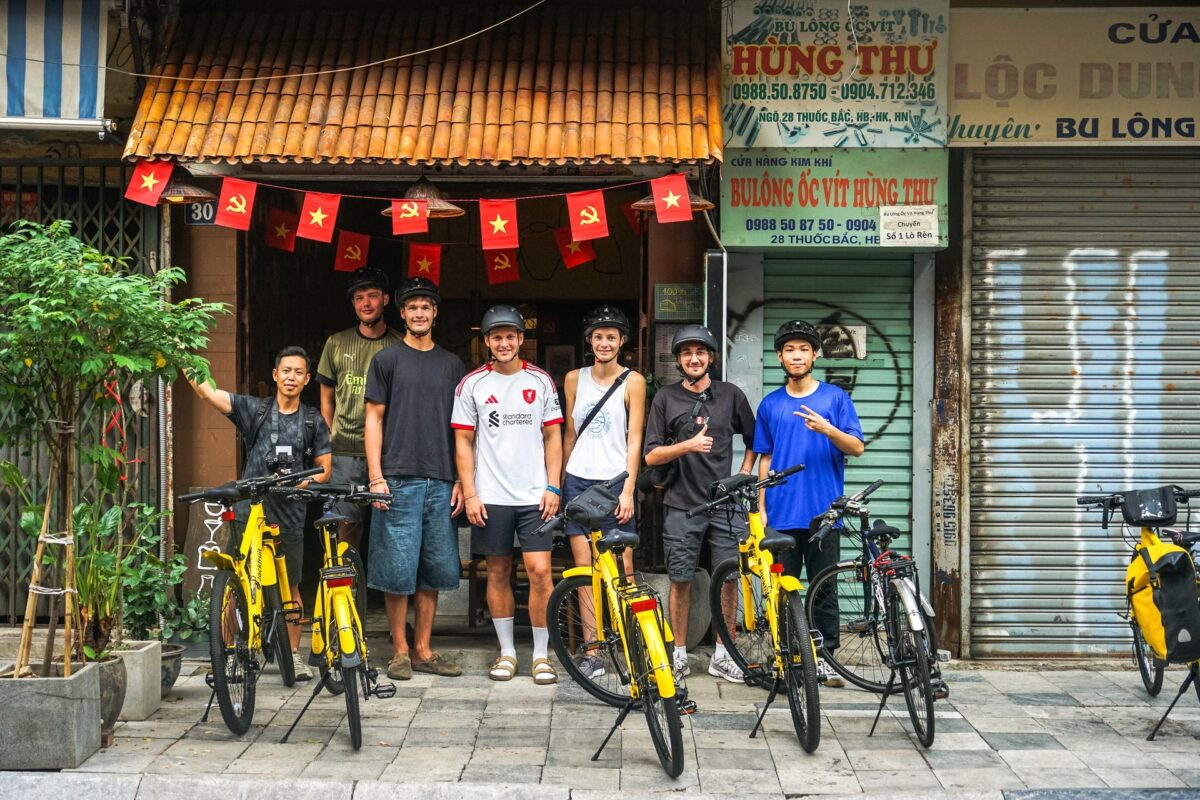
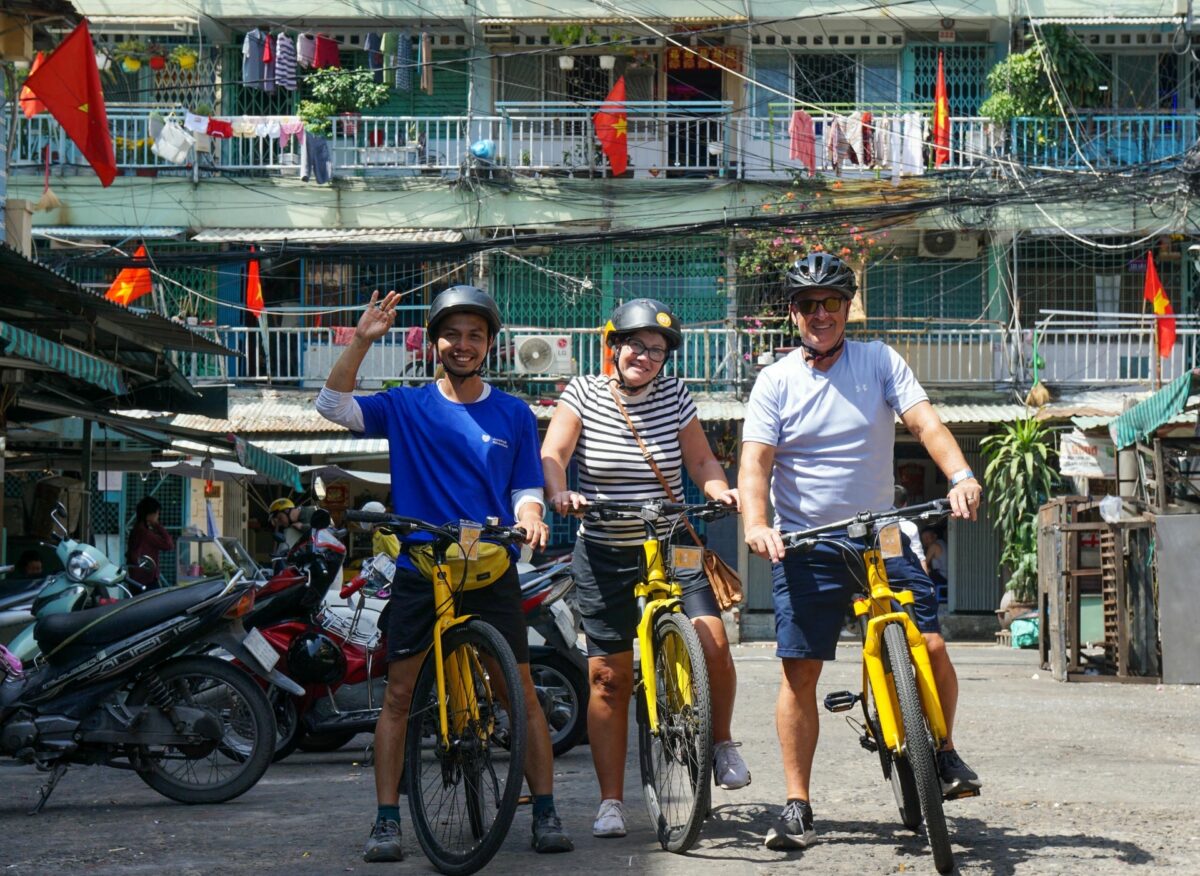
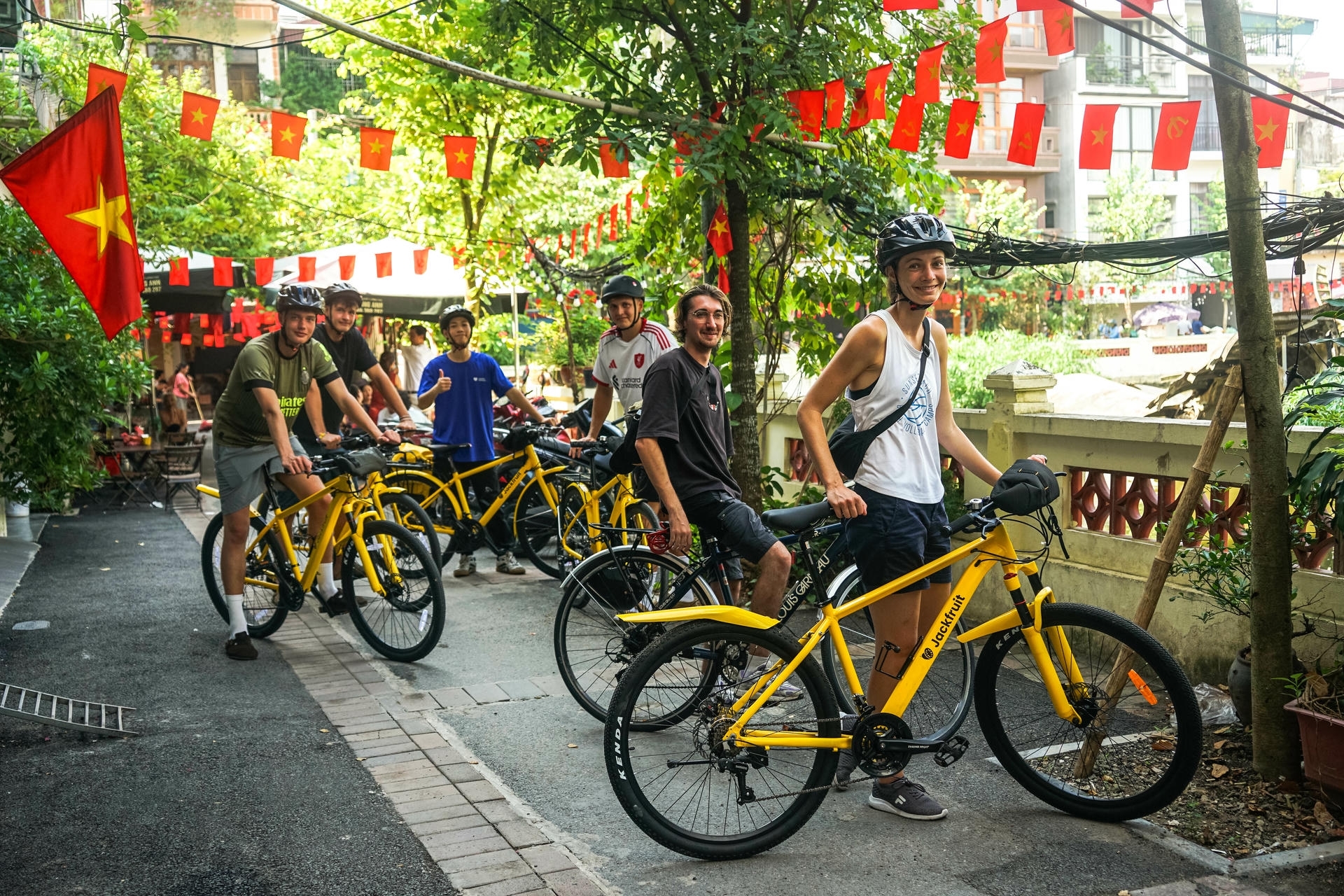
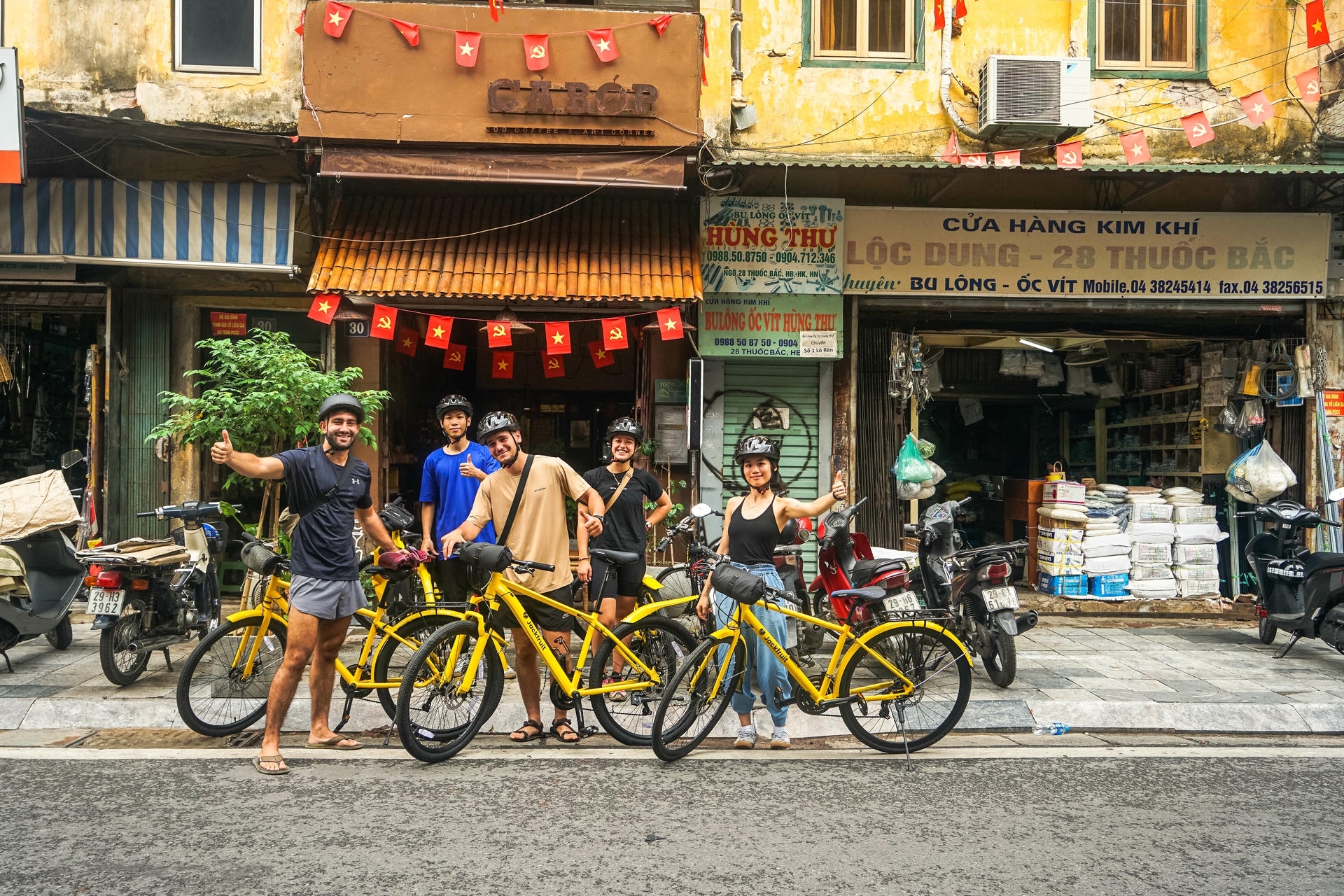
And when you’re ready to see Hanoi from a completely different angle, away from the shop fronts and into the neighborhoods, the lakes, and the streets that tourists rarely reach — a cycling tour through the city is the most honest way to do it.