

Table of Contents
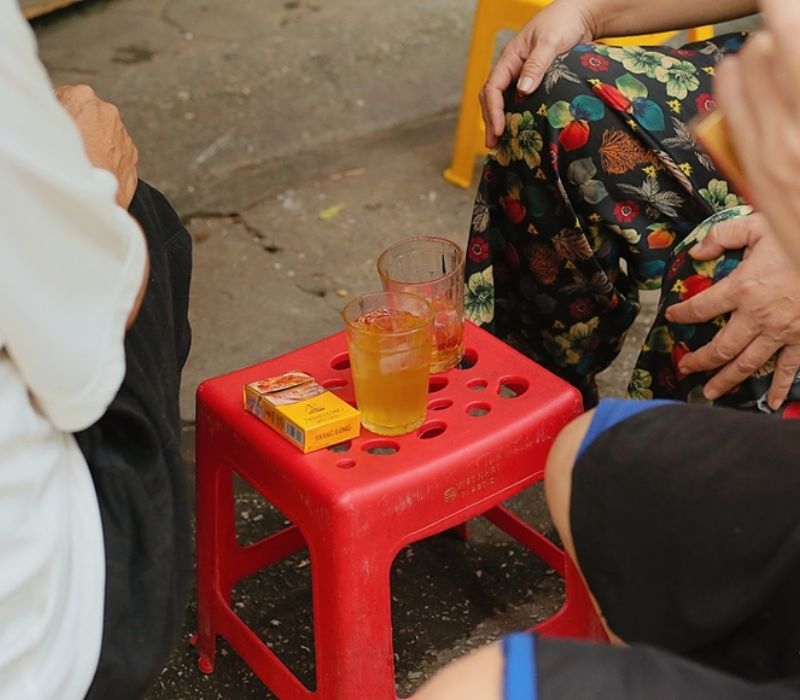
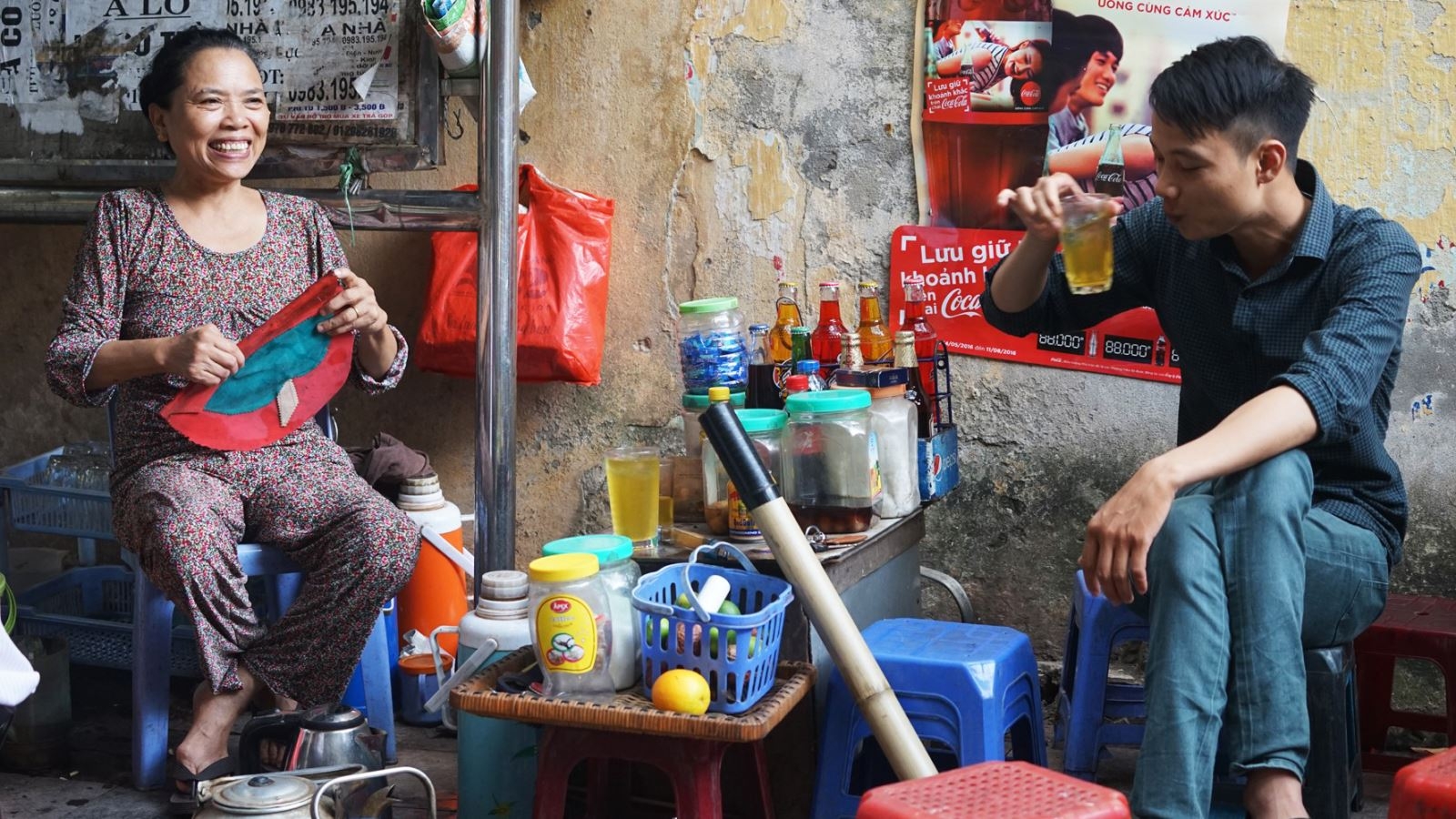
Besides the way of drinking traditional tea in hot water like people in other countries, Vietnamese people also have a habit of enjoying tea over ice, and it is still consumed every single day within the community. If you spend a week or two in Vietnam, you may find yourself coming across the phrase “trà đá vỉa hè” which means Vietnamese iced tea quite often. It refers to the simple act of sitting on a small plastic stool by the sidewalk, sipping a glass of iced tea before work.
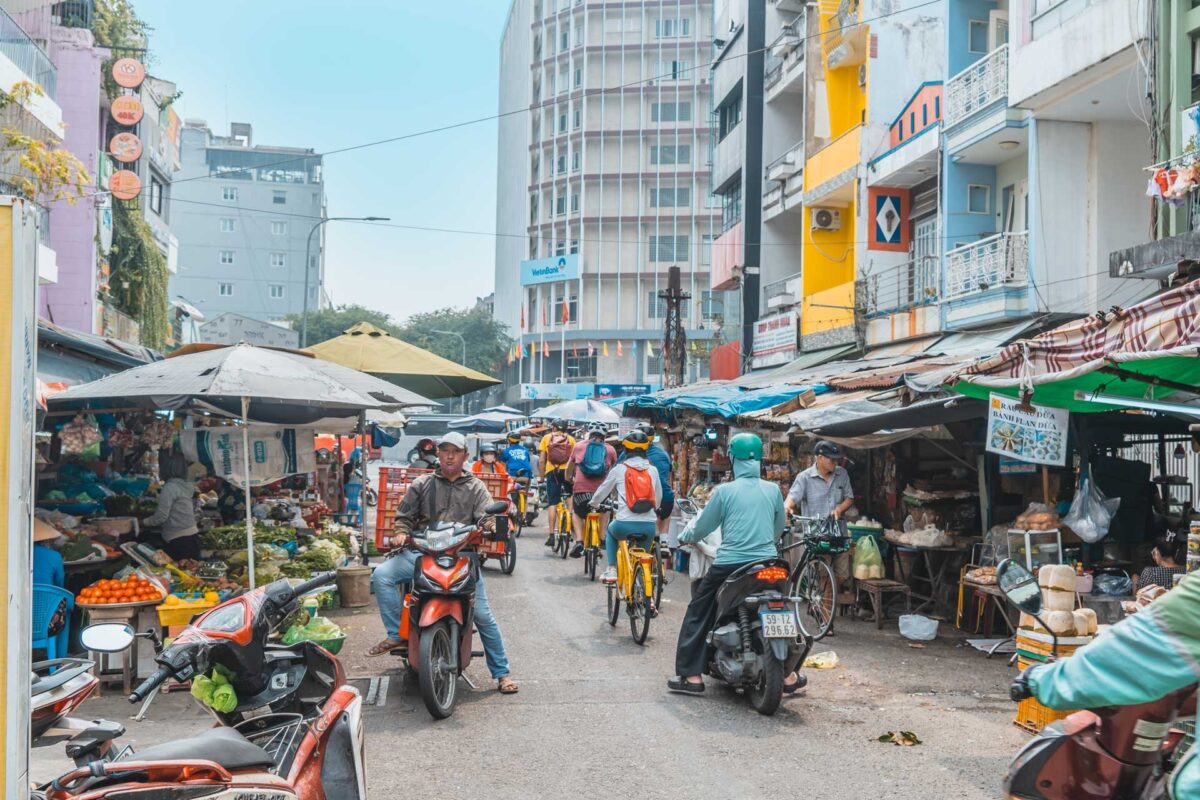
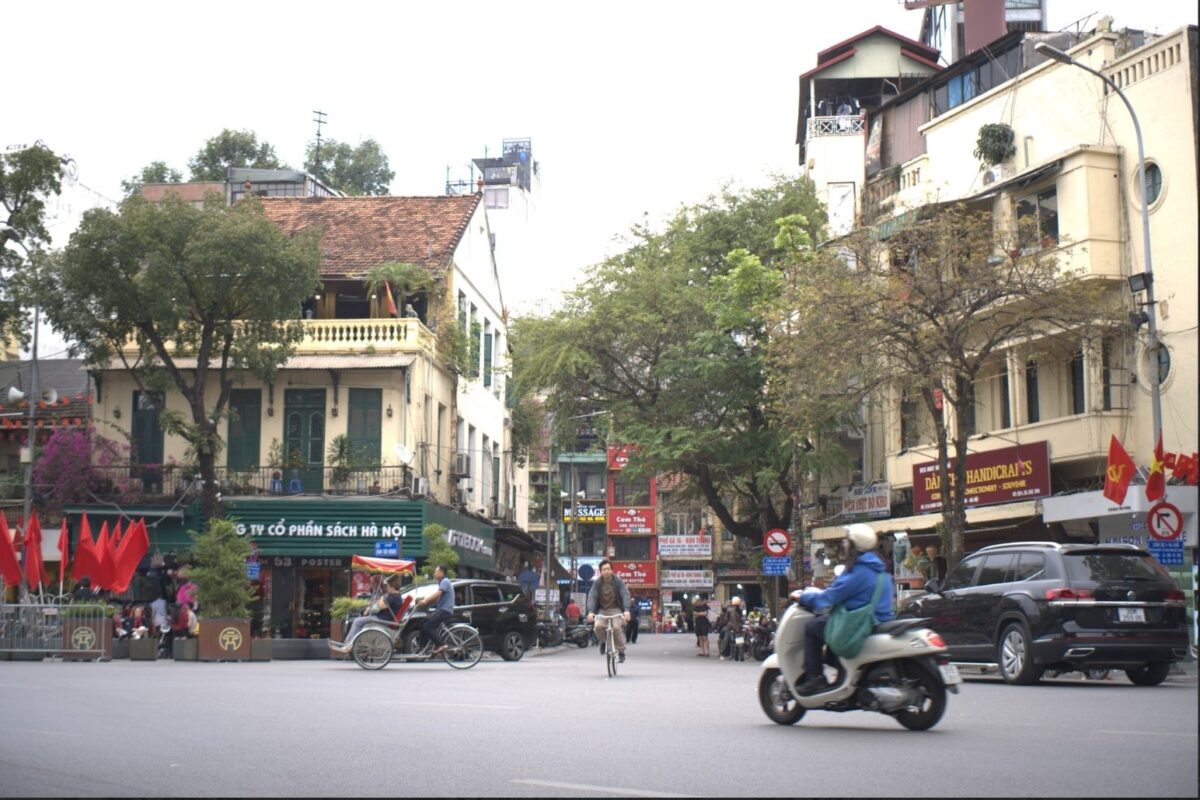
In cities like Hanoi, this morning ritual feels like an essential part of the capital, where people enjoy pauses of life more than the hustle of Saigon. Let’s explore a few cultural stories about Vietnamese iced tea to understand how this cheap cold drink blends perfectly into daily life.
Why is Vietnamese Iced Tea More Popular than Hot Tea?
Vietnam is a tropical country located near the equator, which means the weather is hot for most of the year. While visitors may enjoy walking under golden sunlight, locals often cover themselves carefully to protect their skin from intense heat. In such a climate, hot drinks are not always the first choice. That is where ‘trà đá’ becomes essential. A simple glass of iced tea can cool your body almost instantly. It is affordable, refreshing, and available on nearly every street corner.
Vietnam is also an agricultural country with fertile land suitable for growing tea plants. Regions such as Thai Nguyen are famous for their tea cultivation. Thanks to this abundance, tea is accessible and inexpensive, making iced tea a natural part of everyday life rather than a luxury.
Where to Enjoy Vietnamese Iced Tea?
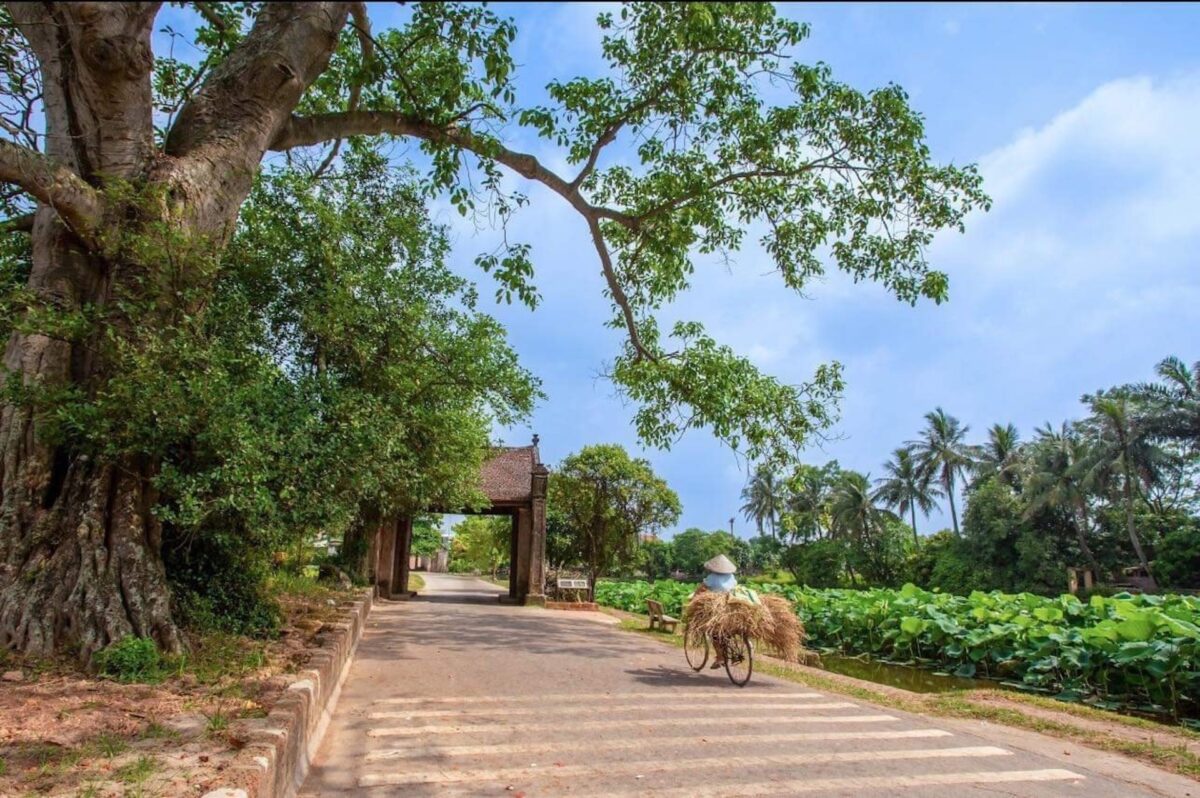
The beauty of Vietnamese iced tea is that you can find it everywhere. From busy cities to quiet countryside roads, a glass is never far away. A medium plastic cup from a random street vendor may cost only around 3,000 VND, which makes it one of the most affordable drinks in the country.
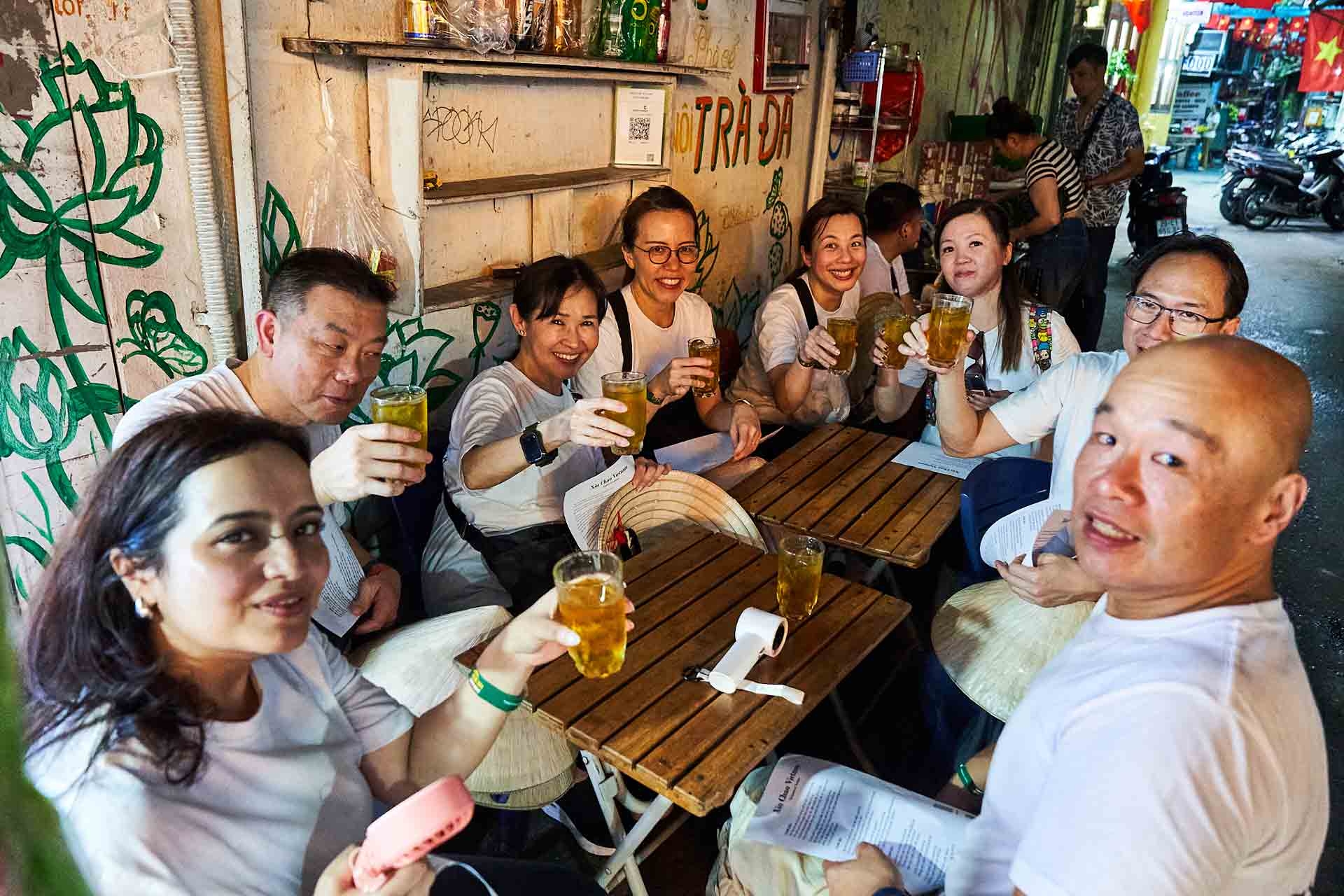
In many local restaurants and small eateries, iced tea is often served as a complimentary welcome drink. It arrives before the food, sometimes even before you place your order. For many Vietnamese people, including myself, iced tea is not just something to drink when thirsty. It is something to sip while chatting, waiting, thinking, or simply watching life pass by.
How to Make Vietnamese Iced Tea
Making Vietnamese iced tea is more simple than you can imagine. If you are using fresh herbs or loose tea leaves, you rinse them gently first. Then you brew the tea in hot water and allow it to steep until the flavor deepens. After that, you let it cool slightly before pouring it over a cup of ice.
Some people like to add a slice of lime or ginger to brighten the aroma. Others may add a bit of sugar. In parts of southern Vietnam, especially around Ho Chi Minh City, people sometimes sweeten their tea with condensed milk, creating a creamier version.
Types of Vietnamese Iced Tea
The diversity of herbs used for iced tea is one of the reasons I personally enjoy it even more than coffee. Depending on the aroma, flavor, and price, you can choose from several types:
1. Green Tea
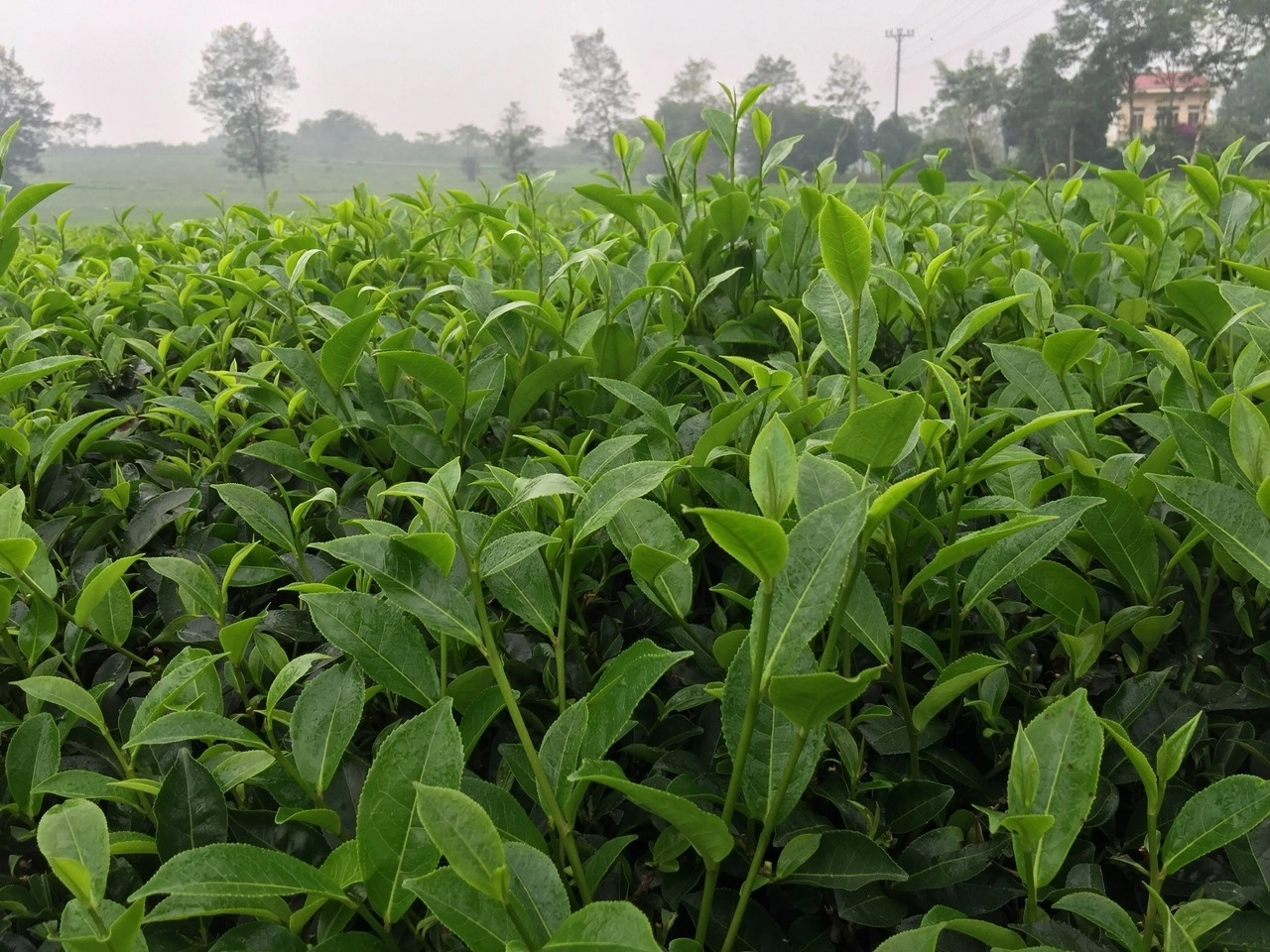
The most common choice in Vietnam, green tea is affordable, easy to grow and simple to find at any market. Its taste is slightly bitter and plain at first sip, yet that bitterness carries a refreshing clarity that gently awakens your senses.
2. Jasmine Tea
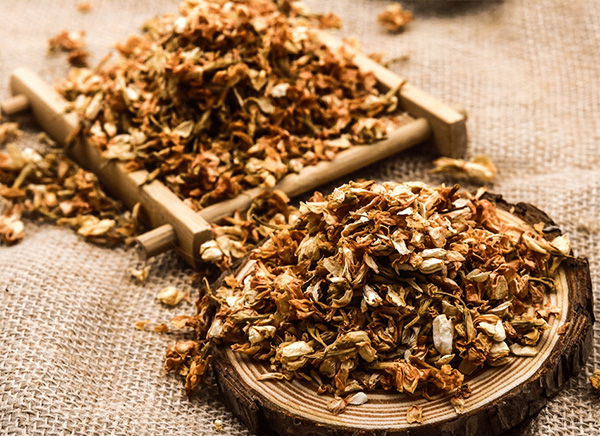
If green tea is straightforward, jasmine tea is poetic. The herb is famous for its memorable and floral aroma. Its taste begins with a mild bitterness, then melts into a soft sweetness as it flows down your throat.
3. Oolong Tea
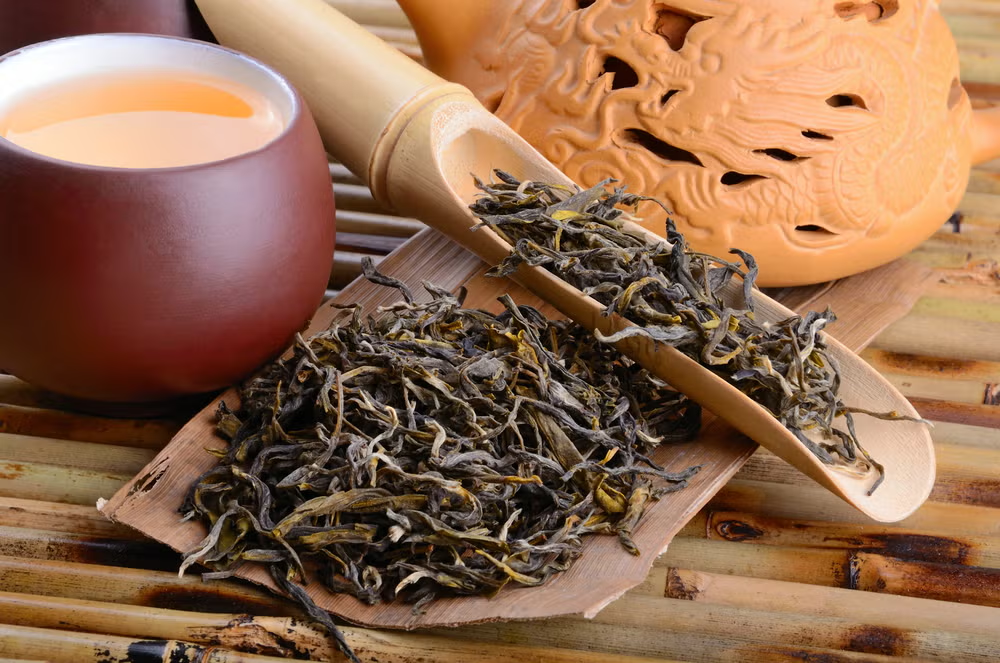
Oolong tea sits somewhere between green and black tea, offering a more complex character. When poured over ice, oolong reveals layers of flavor that unfold slowly, sometimes creamy, sometimes slightly roasted, sometimes carrying a hint of fruit. It feels mature and balanced, not overwhelming like jasmine.
4. Adenosma Caeruleum Tea
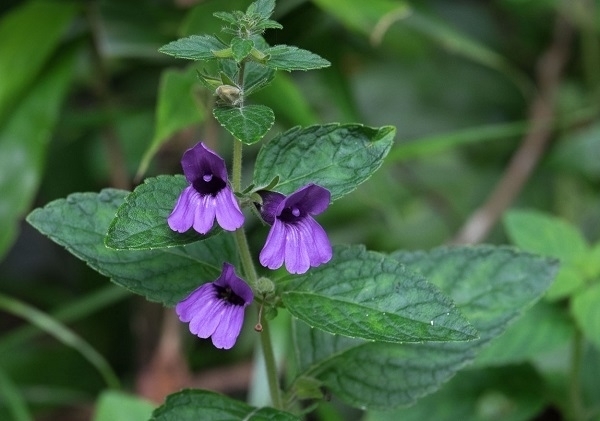
Known locally as “nhân trần,” this herbal tea carries the scent of fields after summer rain. Unlike traditional tea leaves, it comes from a medicinal herb widely used in Vietnamese households. The taste is earthy and slightly bitter, yet incredibly cooling. Many people drink it not only for refreshment but also for its believed health benefits, especially during hot seasons.
5. Lotus Tea:
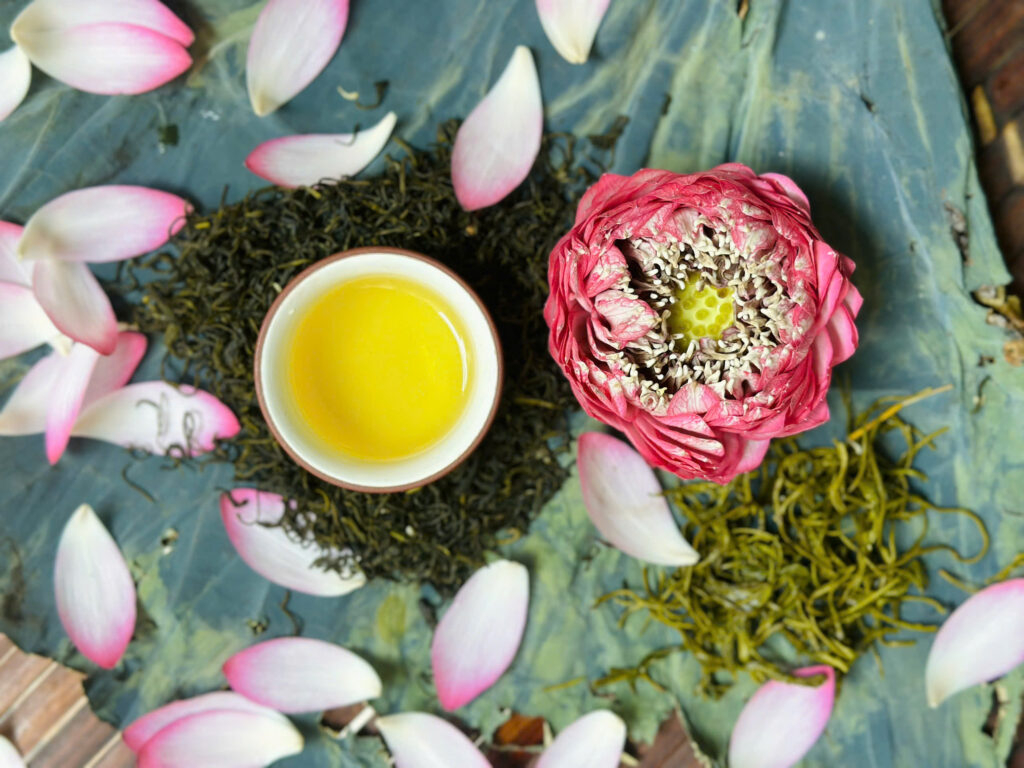
Lotus tea is deeply connected to Vietnamese culture. The fragrance is subtle but unforgettable, evoking images of calm lakes at dawn. When served iced, lotus tea tastes gentle, with a light sweetness that seems to bloom in your mouth.
Each type of Vietnamese iced tea tells its own story through scent and flavor. Whether you prefer something bold or delicate, there is always a glass waiting to match your mood.
Hear More Stories about Cultural Identities in Vietnam
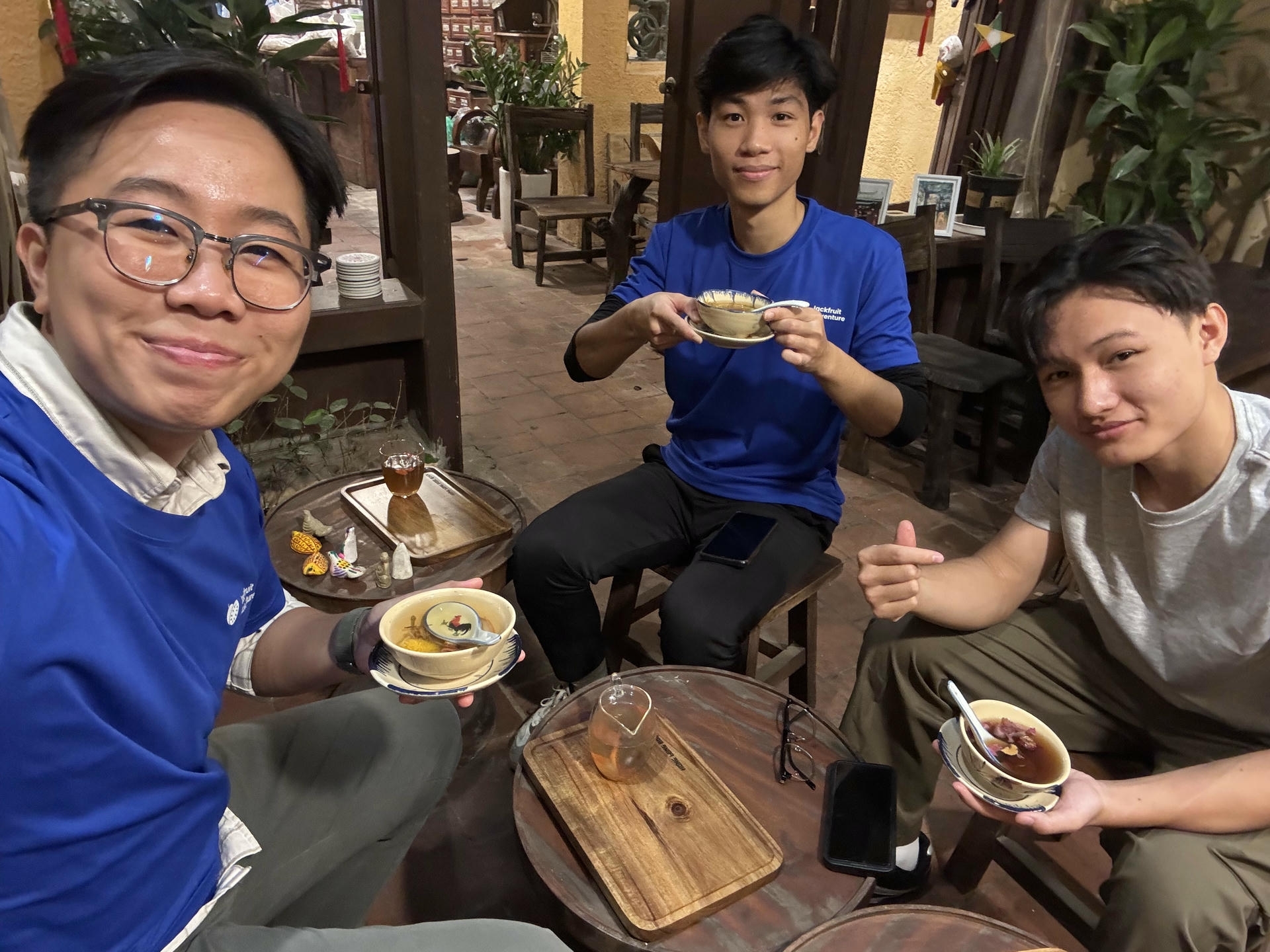
Cultural tourism is growing in Vietnam, yet cultural experiences are not found only in ancient temples or famous landmarks. They also live quietly in small alleyways and local street corners. Sometimes, that identity begins with something as humble as a simple glass of iced tea. Vietnamese iced tea reflects the way people move through life with a calmness. Even as the country develops at an incredibly fast pace, people still find ways to cherish slow moments, especially in the early hours of the morning.
We invite you to discover the rhythm of local daily life woven into our city tours in Saigon and Hanoi. Book a tour with us and uncover the quiet rituals that shape Vietnam’s identity.