

Table of Contents
If you have ever met Vietnamese people, chances are high that many of them share the same last name: Nguyen. This is not a modern trend or coincidence. The popularity of the Nguyen surname has deep historical roots that stretch back hundreds of years. Not only in Vietnam, but also among Vietnamese communities around the world, Nguyen remains incredibly common.
In this article, we will explore how and why the Nguyen surname became so widespread.
How Common Is the Nguyen Surname?
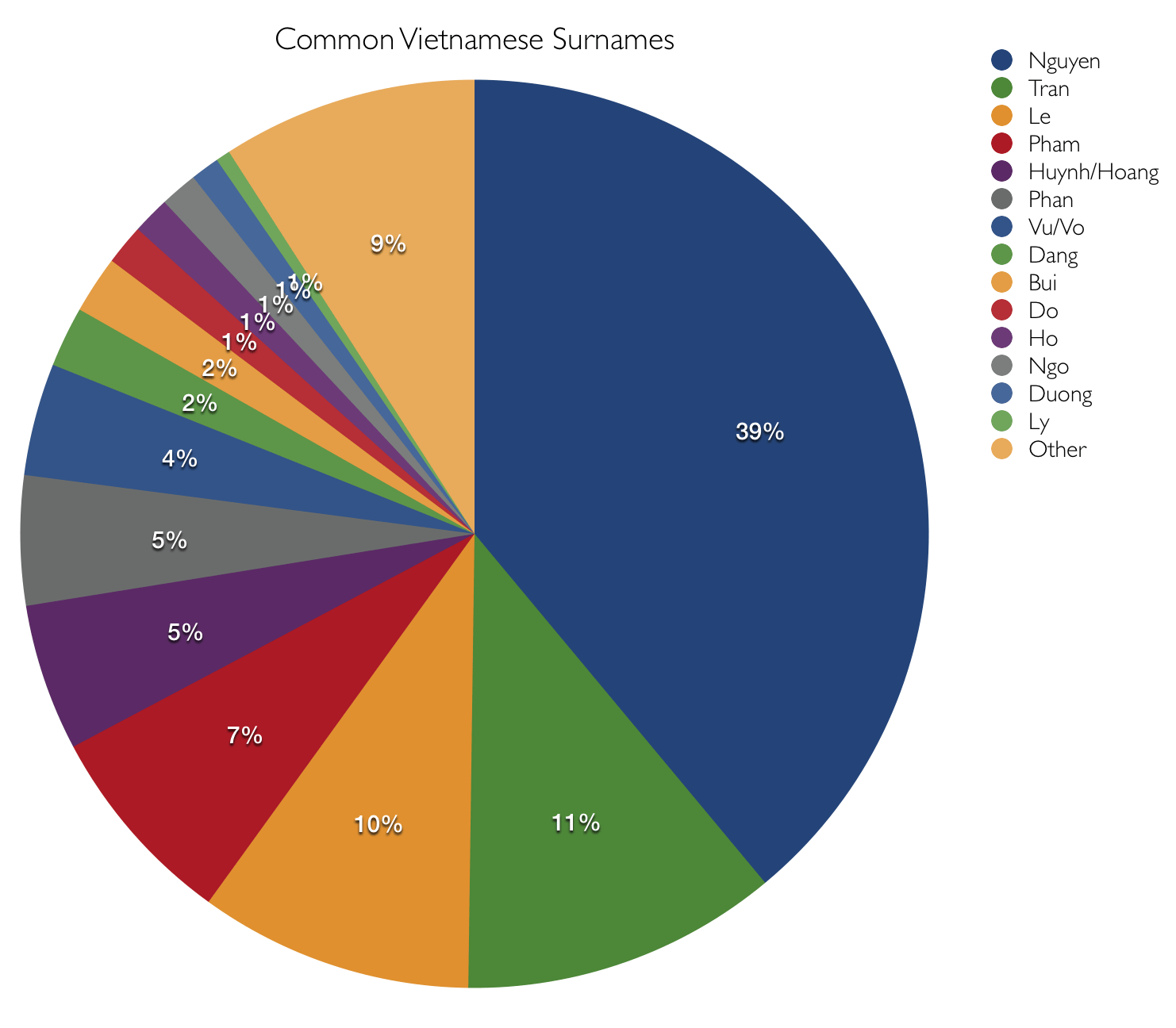
(Source: The News Lens)
According to surveys conducted in Vietnam, Nguyen has long been the most common surname in the country. In 2019, more than 40 percent of the population was recorded as having the Nguyen surname. By 2023, that number had decreased to around 30 percent, but Nguyen still remained the most dominant family name nationwide.
On a global scale, the surname is equally impressive. Data from Forebears, a digital directory that tracks the history and distribution of surnames worldwide, ranks Nguyen as the 16th most common surname in the world. This makes Nguyen not just a Vietnamese phenomenon, but a global one.
The Origin of the Nguyen Surname
Chinese Cultural Influence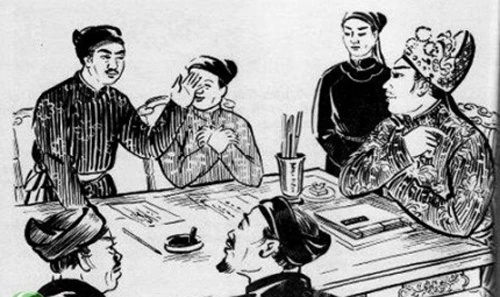
The origin of the Nguyen surname in Vietnam is not purely based on traditional Vietnamese naming customs. Instead, it was heavily influenced by Chinese history and migration.
Between the years 420 and 589, China experienced widespread political instability and warfare. During this period, many Chinese people fled south to seek refuge in Vietnam. A significant number of these immigrants carried the surname Nguyễn. Over time, they settled, intermarried, and assimilated with the local population, forming an early foundation for the Nguyen surname in Vietnam.
Another major wave of migration occurred between 907 and 960, during another period of chaos in China. Once again, refugees moved south, and many of them bore the Nguyen surname. These repeated migrations gradually increased the presence of Nguyen families in Vietnam.
The Role of Vietnamese History in the Spread of the Nguyen Surname
Surname Changes During the Feudal Period
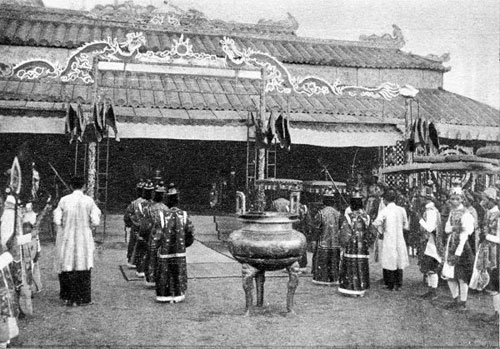
Vietnamese royal history also played a major role. In 1232, the Tran dynasty came to power after overthrowing the Ly dynasty. Members of the defeated Ly family were forced to change their surnames to Nguyen. Historians still debate why Nguyen was chosen, but this decision alone caused a sharp rise in the number of people with that surname.
Later, in 1592, the ruling Mac dynasty was defeated. To avoid persecution and execution, many Mac family members changed their surnames to Nguyen. This practice of adopting Nguyen as a way to survive political transitions became increasingly common.
In 1802, Vietnam experienced another major power struggle between the Trinh and Nguyen families. When the Nguyen family emerged victorious and established the final Vietnamese dynasty, many members of the defeated Trinh family adopted the Nguyen surname to avoid punishment or death.
The Nguyen Surname During the Colonial Period

The spread of the Nguyen surname continued into the 19th century during French colonial rule. After Vietnam fell under French control, the colonial government conducted the first large-scale census. During this process, officials discovered that many people from lower social classes did not have formal surnames.
To solve this problem, the French administration assigned surnames to those individuals. Since the Nguyen dynasty was the last ruling dynasty of Vietnam, the surname Nguyen was chosen. This decision caused the Nguyen surname to expand on an unprecedented scale and cemented its dominance in Vietnamese society.
How English Speakers Can Pronounce Nguyen

The Simplest Way to Pronounce “Nguyễn”
The Vietnamese spelling “Nguyễn” can look intimidating at first, but don’t worry, it’s not as hard as it seems.
If you want an easy, widely accepted option, you can simply say “Win”. This pronunciation is very common and generally understood, even by many Vietnamese people. It’s short, clear, and surprisingly close to the original sound.
Getting Closer to the Original Pronunciation
If you’d like to be a bit more accurate, it helps to understand the “ng” sound at the beginning. This sound isn’t silent. It’s similar to the sound at the end of the word “running.”
Try this: say “running” and hold the final “ng” sound. Notice how your tongue sits toward the back of your mouth. Now, keep your tongue in that position and gently say “win.” When you blend the sounds together smoothly, it comes out closer to “Ngwin,” spoken as one syllable.
A very common mistake is saying “new yen.” That happens because English speakers often try to pronounce every letter separately. In Vietnamese, though, “ng” is a single sound, and the rest of the name flows together rather than breaking into separate syllables.
Stay Tune for More Interesting Vietnamese Facts

We have already taken a deep dive into why the Nguyen surname is so widespread in Vietnam, and as you can see, it carries a rich history that stretches back centuries. If you are curious to learn more about Vietnam and its people, stay tuned with Jackfruit Adventure. We regularly share stories, insights, and discussions about Vietnamese culture, history, and the topics everyone is talking about.
We at Jackfruit Adventure also host Saigon cycling tours, where we share local stories, authentic culture, and hidden corners of Ho Chi Minh City, all explored on two wheels. Book a tour with us and see all Vietnamese interesting facts through an adventurous lens.