

Table of Contents
How to organize corporate events successfully starts with nine steps: set a clear goal, understand your team, choose the right destination, build a realistic timeline, select purpose-fit activities, plan logistics, add local culture, communicate early, and end with reflection.
A great corporate event should look professional, but it should also help people connect, communicate, and remember the experience long after it is over. This guide explains how to organize corporate events in a practical way, from planning the first brief to creating a meaningful experience for your team.
Whether you are planning a retreat, team-building day, CSR program, leadership offsite, incentive trip, or annual celebration, your event needs clear goals, smooth logistics, and activities that match your people. When done right, corporate events can boost teamwork, strengthen company culture, and create shared memories across departments.
At Jackfruit Adventure, we believe the best corporate events combine purpose, movement, culture, and real human connection. Instead of repeating generic activities, companies can create experiences that match their team’s goals and the place they are visiting. This is why understanding how to organize corporate events with intention is so important for companies that want more than a standard day out.
If you are planning an event in Vietnam, our corporate event services in Vietnam cover everything from team building to multi-day retreats, CSR activities, cultural experiences, outdoor challenges, and custom group programs.
Why Knowing How to Organize Corporate Events Matters
Corporate events are about more than booking a venue and choosing activities. A good event should answer a bigger question: what do you want employees to feel, learn, or experience by the end of the day?
When companies understand how to organize corporate events properly, they can avoid common problems like unclear schedules, low engagement, activities that do not fit the group, weak communication, and events that feel disconnected from company culture.
Corporate events give employees a reason to participate. They help people move beyond daily tasks and interact with colleagues in a more natural setting. For international companies, a corporate event in Vietnam can also become a way to introduce teams to local culture, food, neighborhoods, and community stories. Learning how to organize corporate events in a local context can make the experience feel more relevant, authentic, and memorable for every participant.
1. Define the Main Goal of the Event
The first step in how to organize corporate events is to define the purpose clearly. Before choosing a venue, activity, or schedule, ask what the company wants to achieve.
Some corporate events are designed to reward employees. Others are created to improve teamwork, welcome new hires, celebrate milestones, support leadership development, or build stronger connections after a busy year.
This step matters because the goal should guide every decision after that. If your goal is team bonding, you might choose active group games, city quests, or food missions. If you want social impact, a CSR experience could be a better fit. For strategic planning, a quieter retreat with reflection sessions and guided discussions may be more effective.
A clear goal also helps the organizer avoid random activities. The event should not feel like a list of games. It should feel like one connected experience with a reason behind it. That is the real foundation of how to organize corporate events that feel useful, smooth, and aligned with company culture.
2. Understand Your Team Before Choosing Activities
A common mistake in planning corporate events is choosing activities before understanding who will join. What works for one team might not work for another.
When learning how to organize corporate events, you need to think about group size, age range, fitness level, department mix, language needs, company culture, and comfort level. A young sales team might like a fast-paced Amazing Race-style event. A leadership team may prefer a strategic challenge with time for reflection. A multinational team could enjoy cultural discovery and food-based activities.
This step matters because people participate better when the activity feels suitable for them. If the activity is too physical, some people may feel excluded. If it is too slow, energetic teams may lose interest. If the instructions are unclear, international teams may struggle before the activity even begins.
Jackfruit Adventure offers team-building activities in Vietnam that can be tailored to different group sizes, locations, and team goals.
3. Choose the Right Destination and Format
A major part of how to organize corporate events successfully is choosing a destination that supports the event’s purpose. The place should make the event feel stronger, not distract from it.
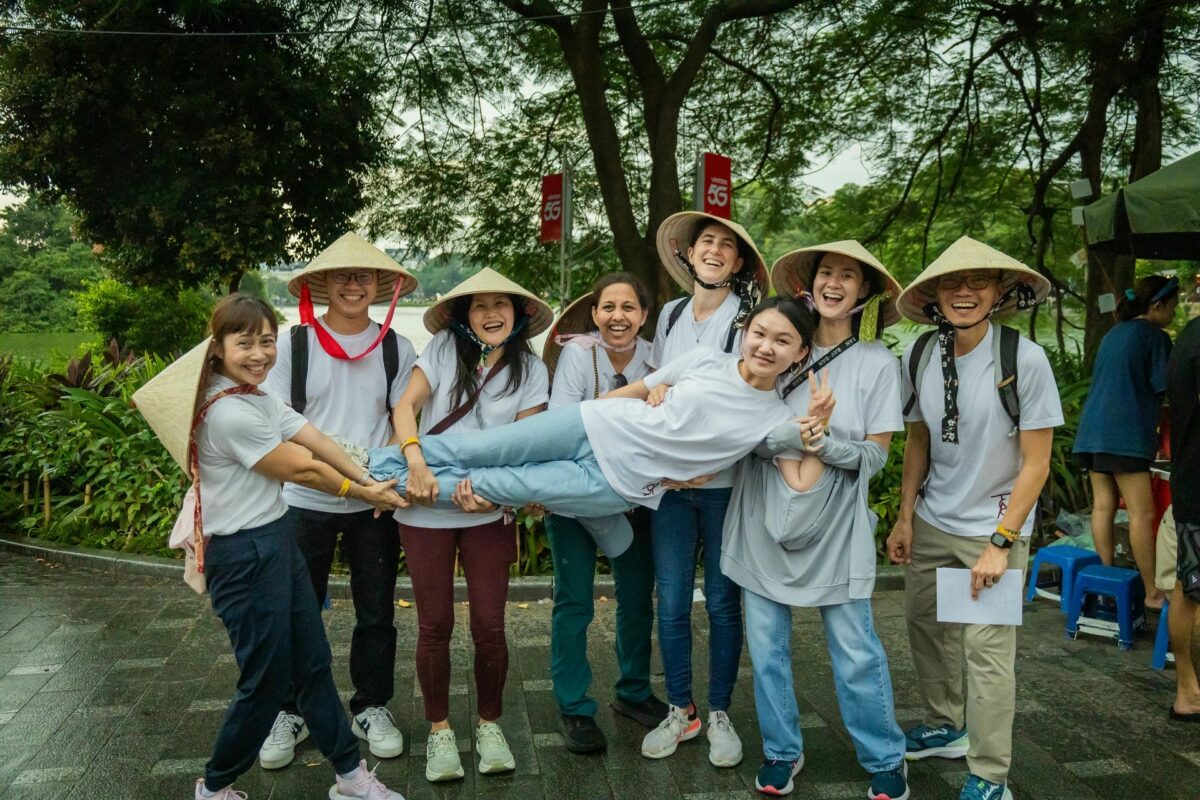
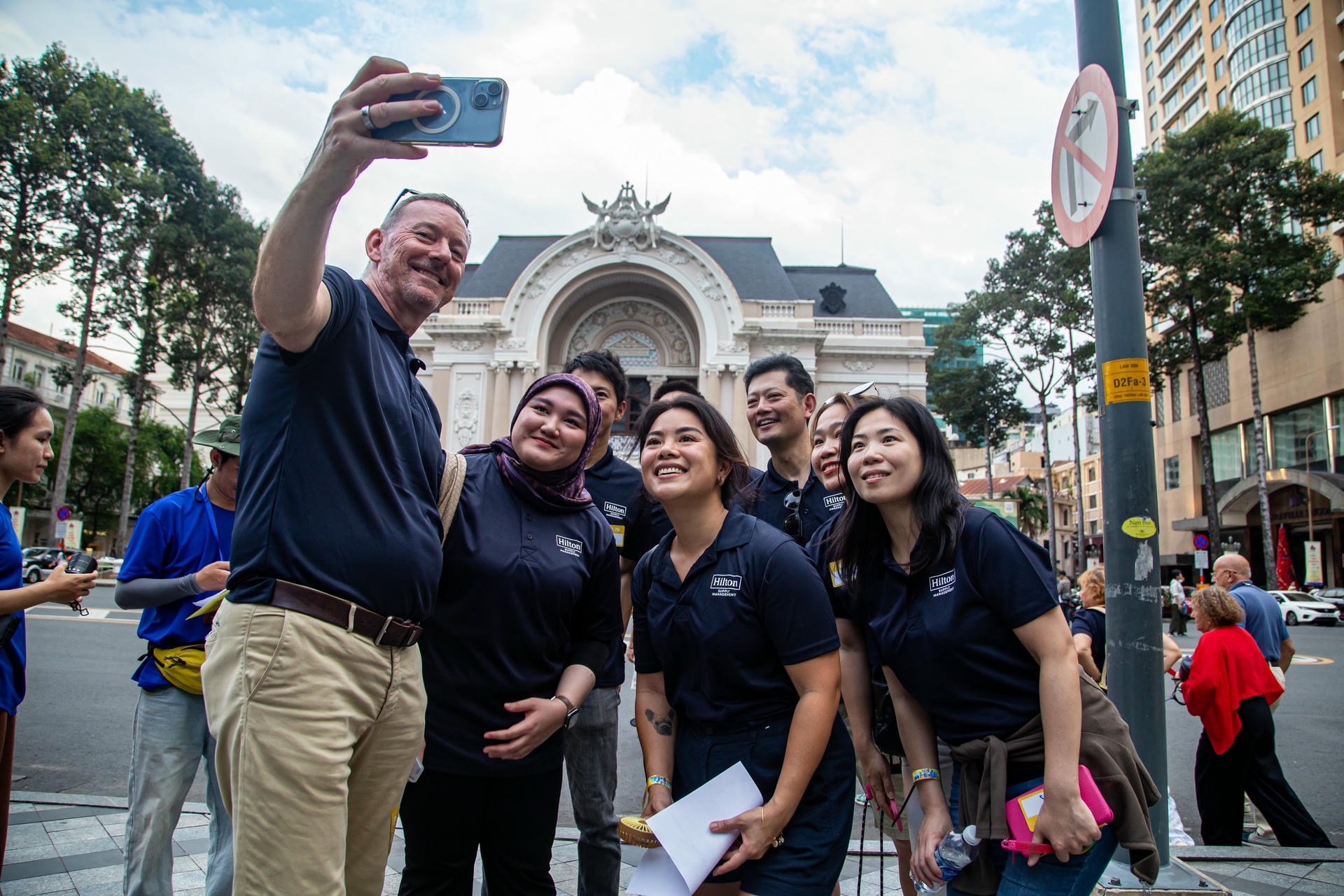
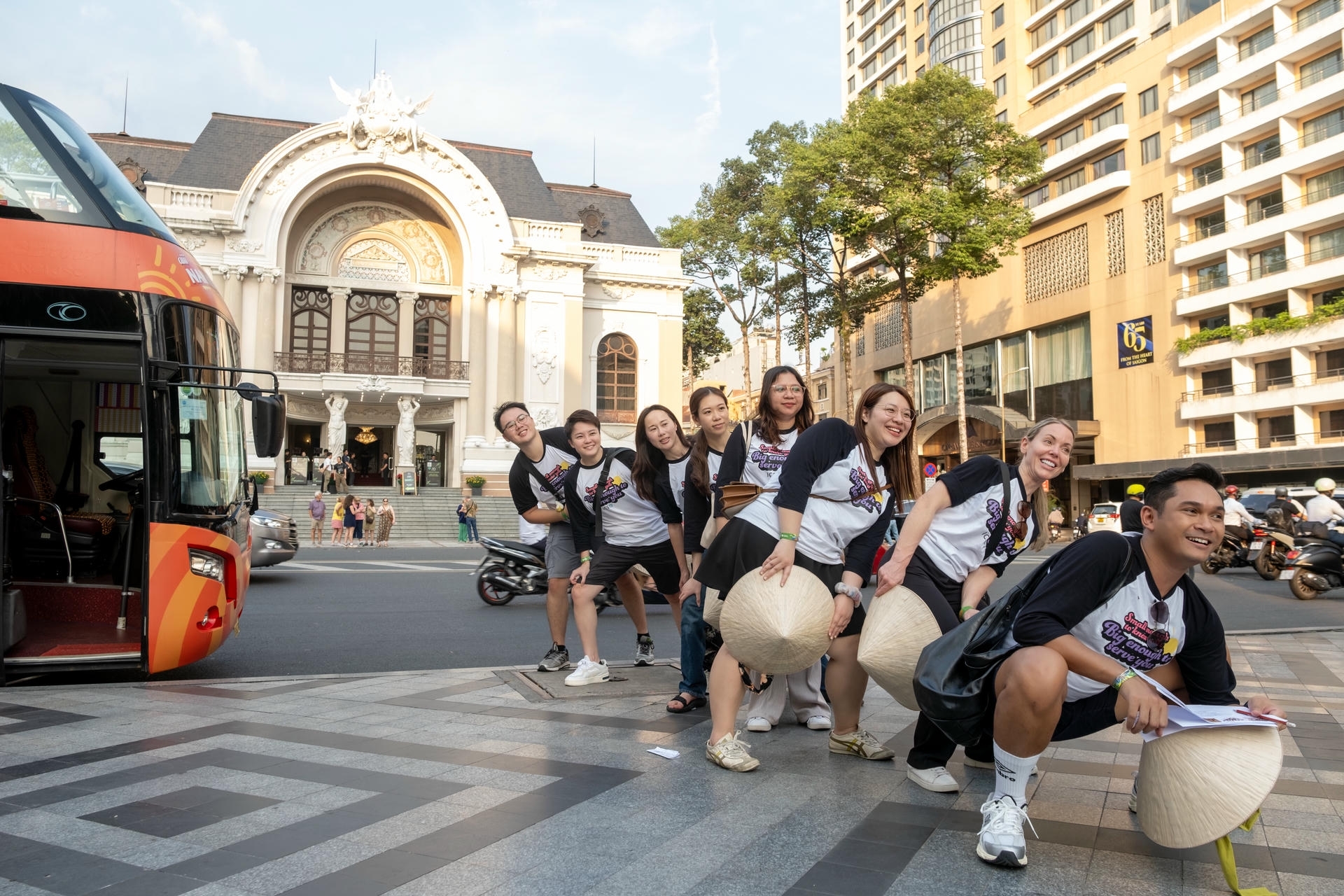
Vietnam offers many strong options for corporate groups. Ho Chi Minh City is ideal for city quests, cultural discovery, food missions, CSR activities, and MICE programs. Hanoi works well for historical exploration, Old Quarter discovery, cultural learning, and walking challenges. Da Nang and Hoi An are strong choices for company retreats, beach activities, cycling routes, and relaxed offsite programs. Ha Giang, Da Lat, Vung Tau, Hai Phong, or the Mekong Delta can work well for teams that want deeper local experiences. For planners learning how to organize corporate events in Vietnam, the best destination is not always the most famous one, but the one that matches the team’s energy, purpose, and schedule.
The format matters as much as the destination. A high-energy sales team may enjoy an outdoor Amazing Race-style challenge in Ho Chi Minh City. A leadership team may prefer a quieter retreat format in Da Nang, Hoi An, or Da Lat. A multinational group may respond better to cultural discovery in Hanoi or a food-based mission in local markets.
Insider detail: in Vietnam, location flow can make or break the event. For walking or market-based activities, it is better to design the first mission close to the drop-off point because groups often need the first 10–15 minutes to adjust, form roles, and understand the pace. If the first checkpoint is too far away, teams can lose energy before the real activity begins. This is why how to organize corporate events should always include route planning, movement flow, and realistic timing, not just venue selection.
Ho Chi Minh City is also recognized as a strong MICE destination, with Vietnam’s official tourism resources highlighting its role in meetings, incentives, conferences, and exhibitions. For more details, see our guide to Ho Chi Minh City as a MICE tourism hub.
4. Build a Clear Event Timeline
If you want to know how to organize corporate events smoothly, the timeline is one of the most important parts. A good timeline keeps the event professional and helps employees feel comfortable because they know what to expect.
A basic event timeline might include arrival, welcome briefing, warm-up activity, main challenge, break, second activity, reflection, awards, and closing. For a full-day event, add meal times, transport, backup plans, and buffer time between locations. This is a practical part of how to organize corporate events because even strong activities can feel messy without clear timing.
The warm-up is not just a tradition. It helps people understand their team roles before the main challenge starts. Without it, many groups spend the first part of the real activity figuring out who leads, who tracks time, who takes photos, and who communicates with the facilitator.
Buffer time is also important in Vietnam because traffic, weather, walking distance, and group movement can change quickly. A schedule that looks perfect on paper can feel rushed on the ground if there is no room for water breaks, photos, restroom stops, or small delays.
When planning a corporate event, remember the schedule should be structured but not too packed. Teams need time to move around, talk, take photos, and enjoy the experience. If the event feels rushed, it can become stressful, even if the activities are good. Knowing how to organize corporate events well means building enough space for people to enjoy the program, not just complete it.
5. Select Activities That Match the Event Purpose
Activities are at the heart of most corporate events. But the best activities are not always the loudest or most competitive. They are the ones that fit the event’s goal.
For team connection, choose bonding games, group missions, or shared challenges. For leadership, choose problem-solving tasks and decision-making activities. To build company culture, turn your values into team challenges. For social responsibility, choose CSR activities that connect teamwork with a real community purpose.
This step matters because employees can quickly feel when an activity is random. If the company wants better communication, the activity should require listening and coordination. If the company wants stronger trust, the activity should create moments where people depend on each other. If the company wants social impact, the activity should connect the team’s effort to something meaningful.
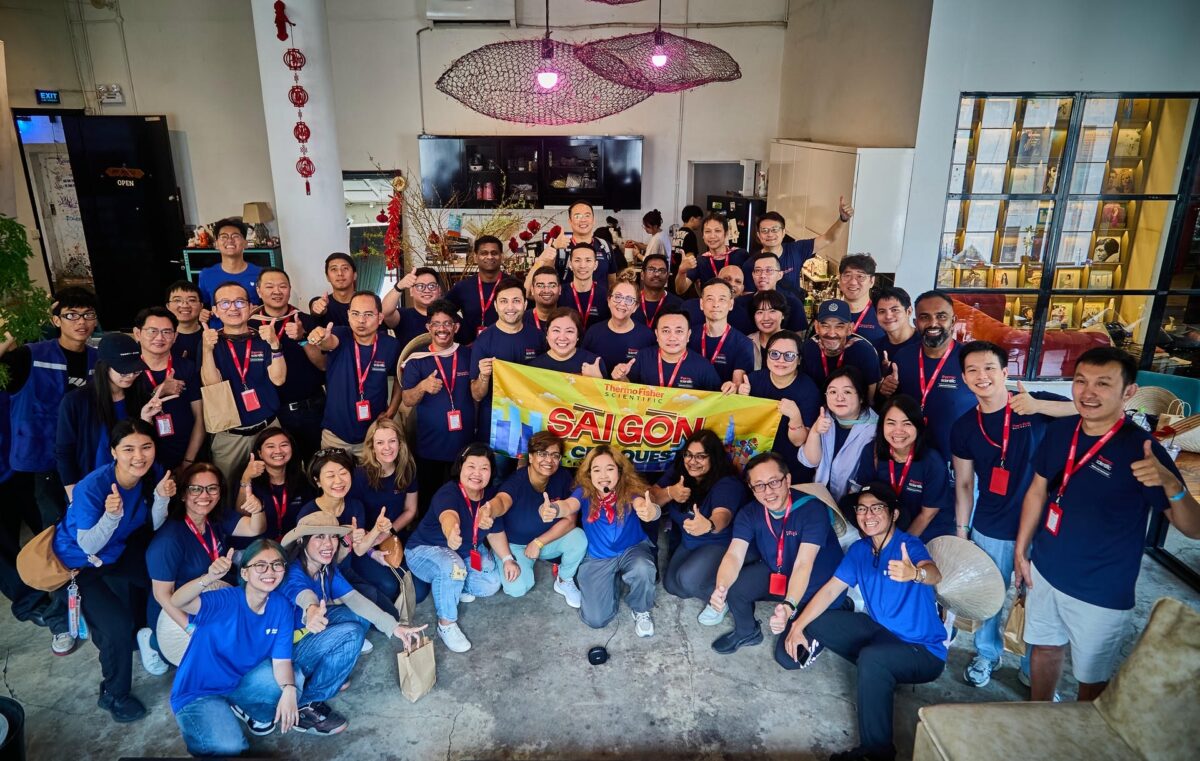
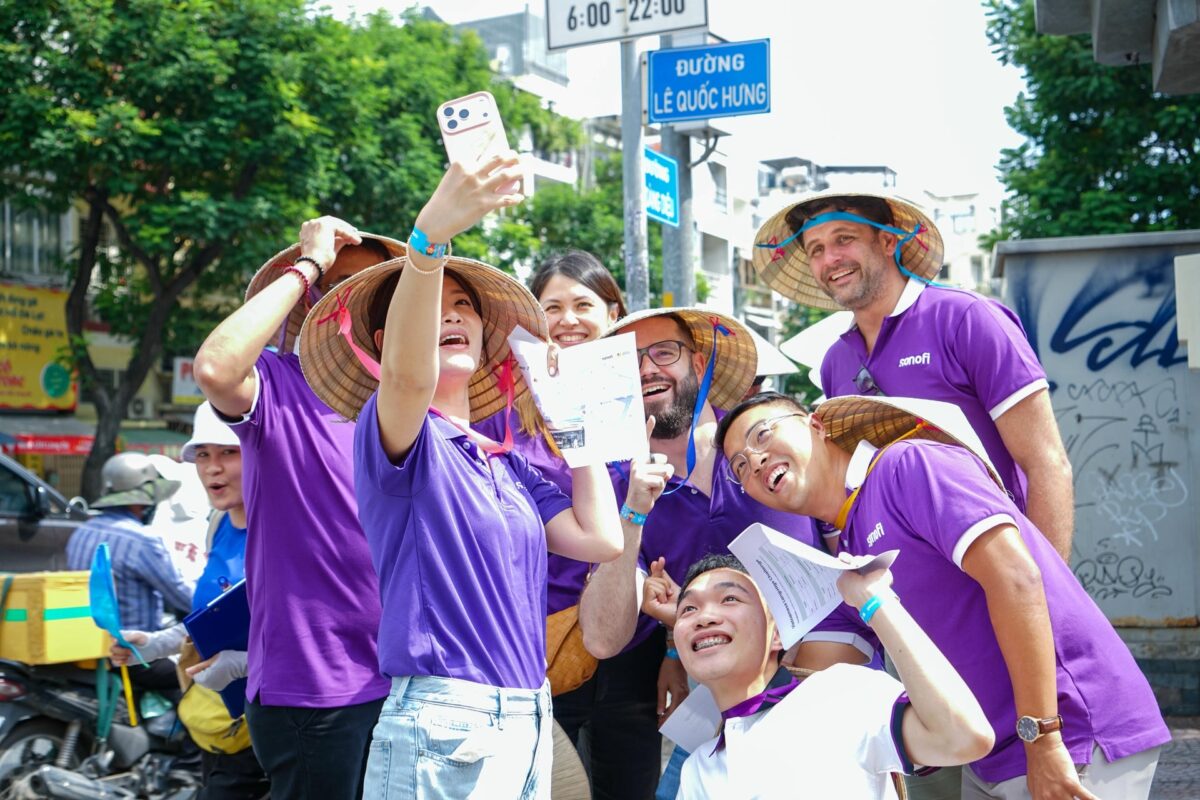
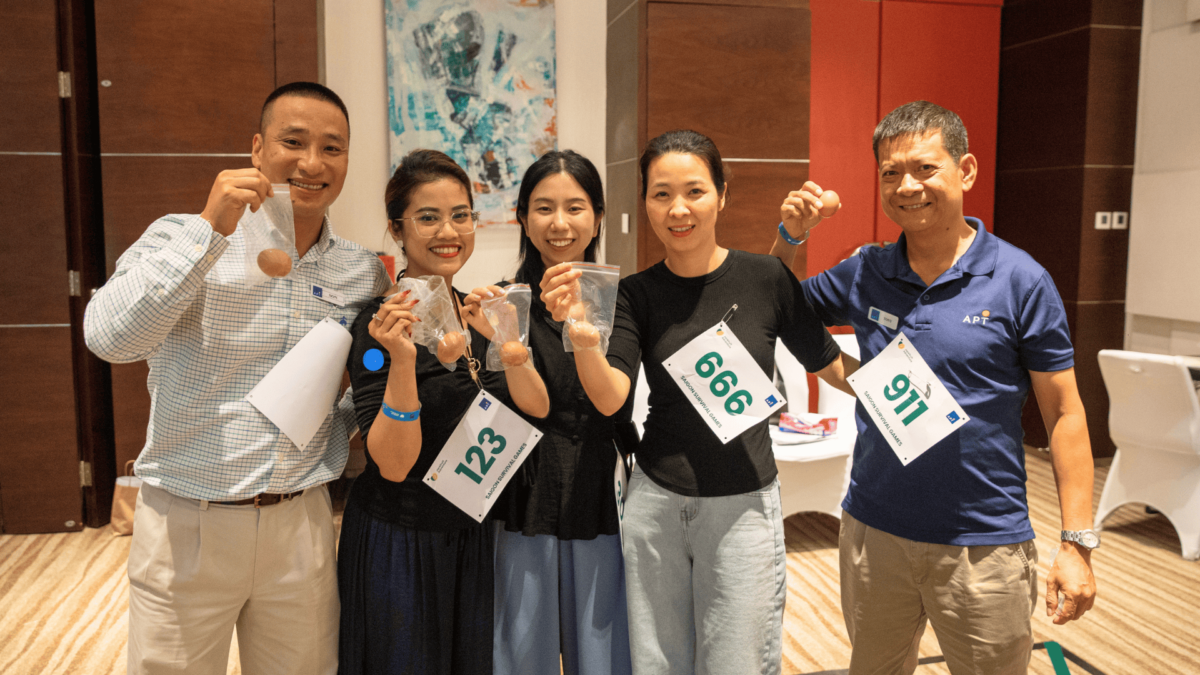
A Real Team-Building Moment in Ho Chi Minh City
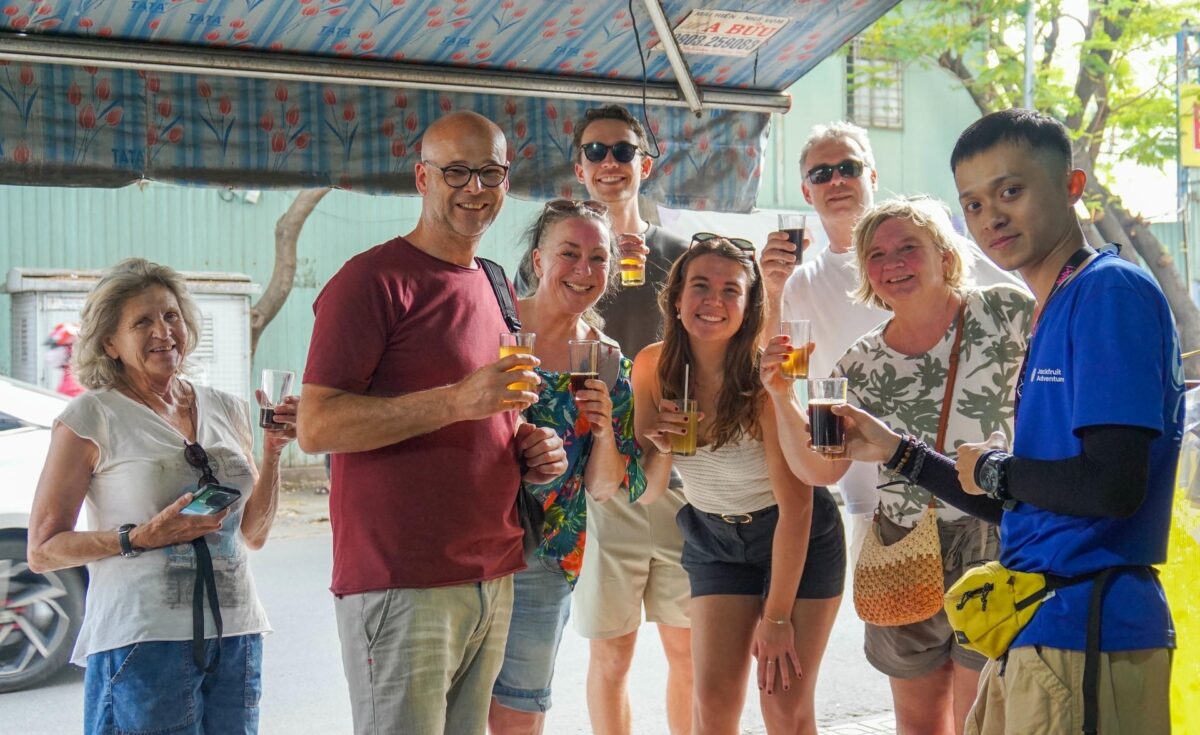
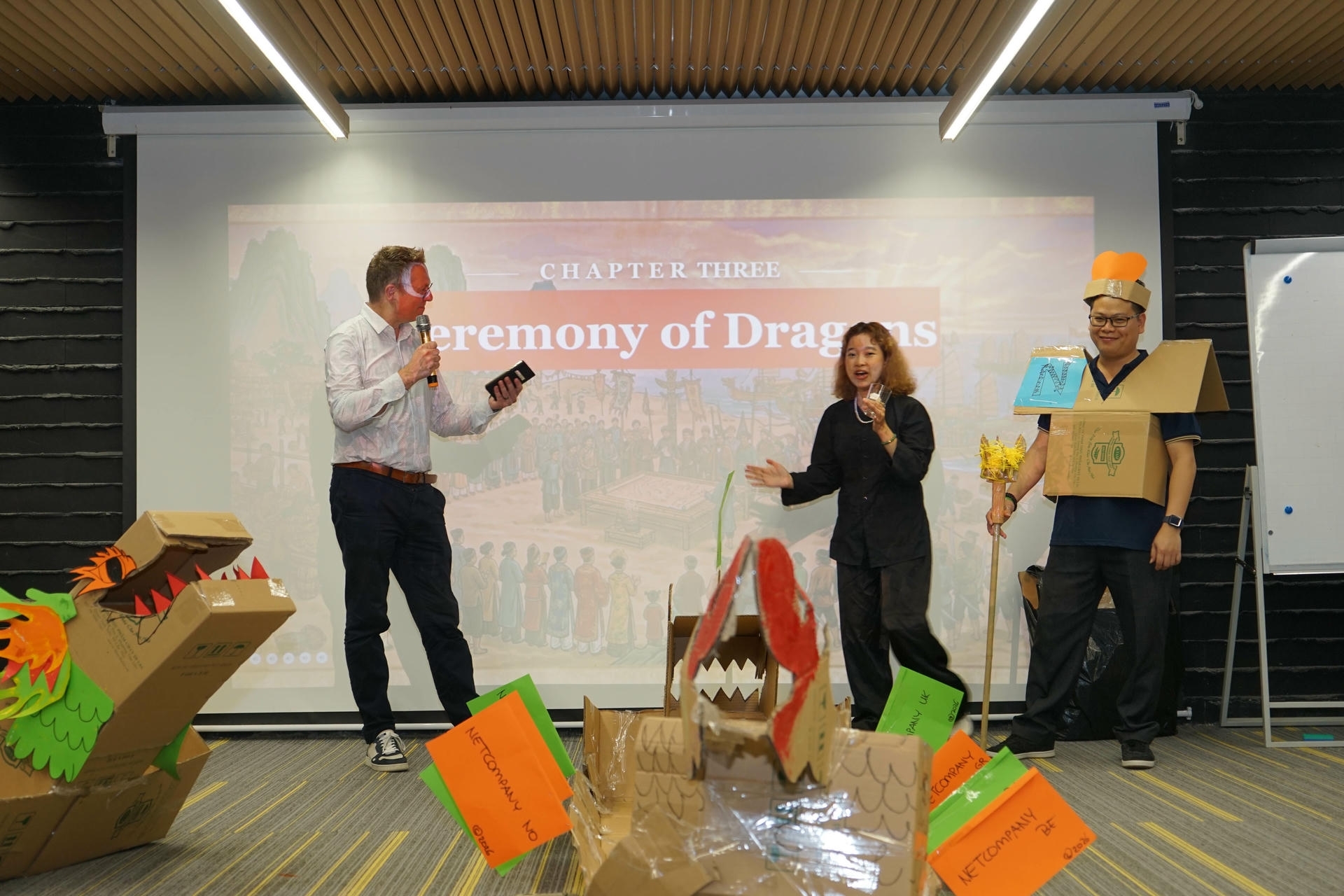
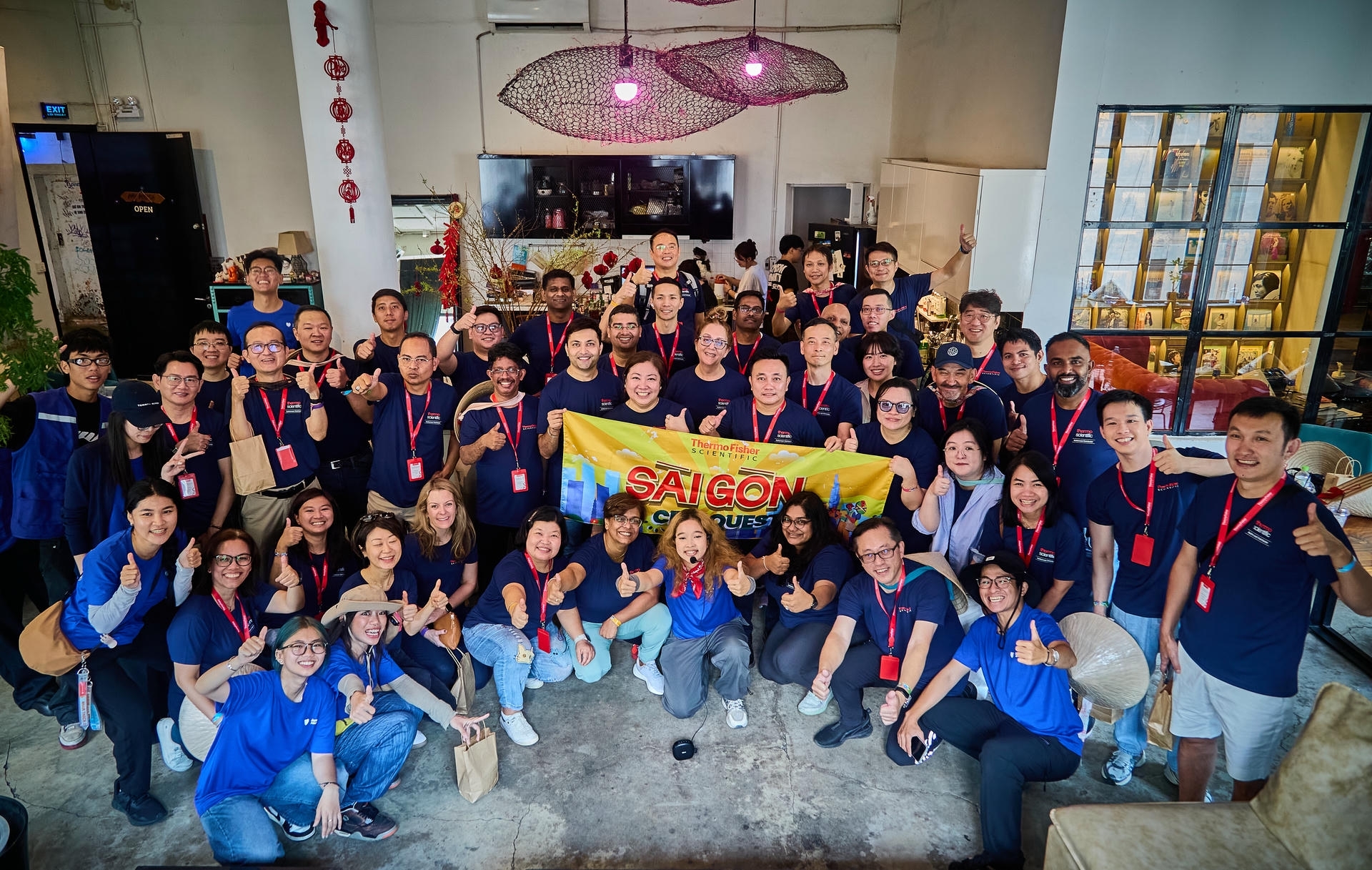
In one public Jackfruit Adventure success story, Siemon Vietnam joined a team-building day in Ho Chi Minh City that combined local discovery, teamwork, and social impact. The experience began in a hidden French-era apartment with a local-style coffee tasting, giving the team a relaxed way to settle in before the main challenge.
That small opening mattered. Before asking people to race, solve missions, or make decisions together, the program first gave them time to connect as people. It created the kind of warm start that helps a corporate event feel less forced and more human.
Moments like this show why corporate events should not only focus on activities. The setup, pacing, and local details can shape how comfortable people feel, how quickly they participate, and how naturally they connect.
6. Plan Logistics Carefully
To understand how to organize corporate events well, you also need to pay close attention to logistics. Even the most creative event can fall apart if transport, timing, meals, safety, weather, equipment, language support, and venue access are not planned properly.
For outdoor events in Vietnam, companies should consider heat, rain, traffic, walking distance, and rest stops. For international teams, clear instructions and English-speaking facilitators may be important. For large groups, registration, grouping, and movement between stations must be carefully planned.
This step matters because logistics affect the emotional experience of the event. If transport is late, teams start stressed. If instructions are confusing, people lose confidence. If there are no water breaks during a hot outdoor activity, the energy drops. Good logistics make the event feel easy, even when the program itself is active and challenging.
That is why many companies choose to work with local event partners. A local team can help with destination knowledge, route planning, vendor coordination, weather backup, and on-the-ground support.
7. Add Local Culture to Make the Event Memorable
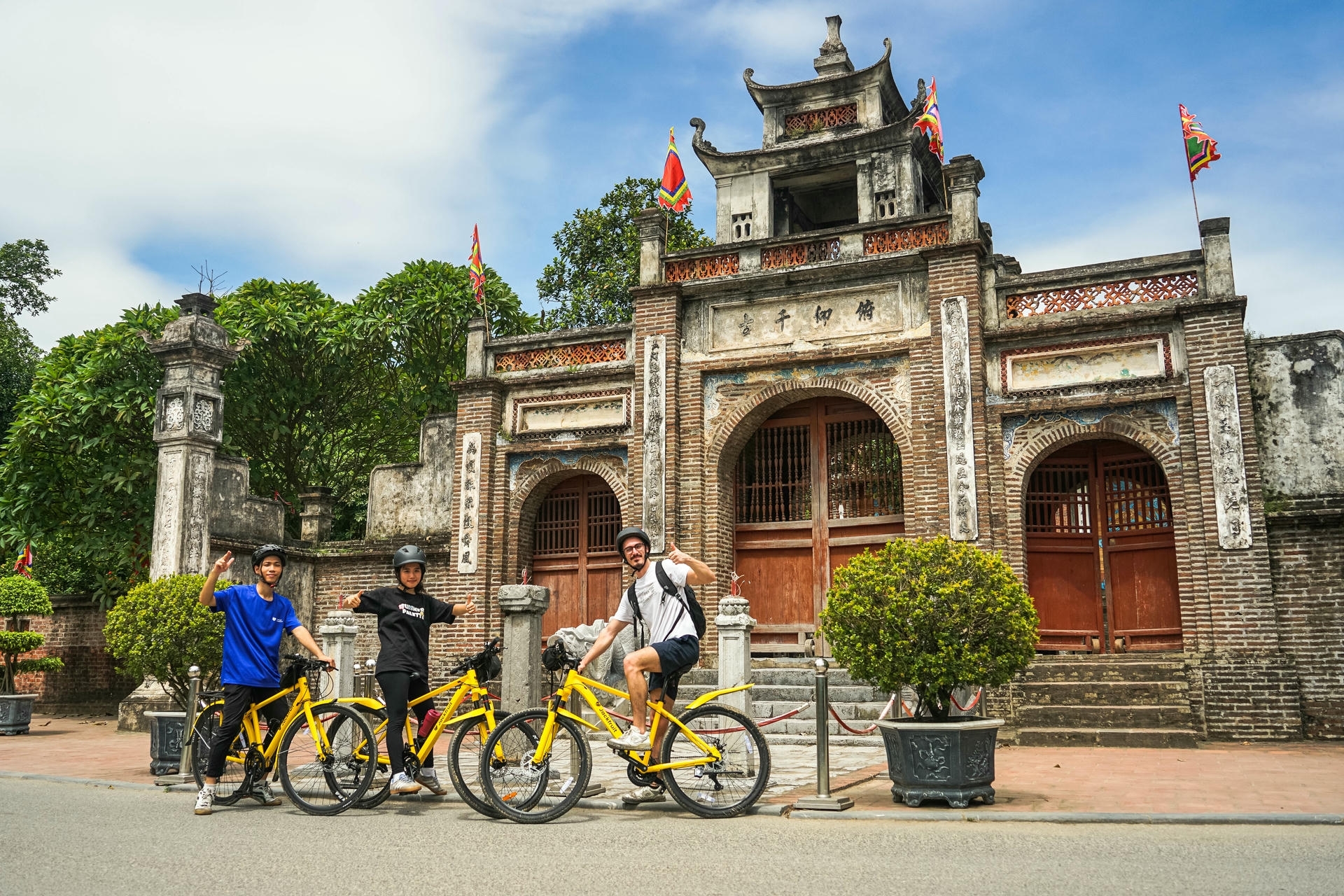
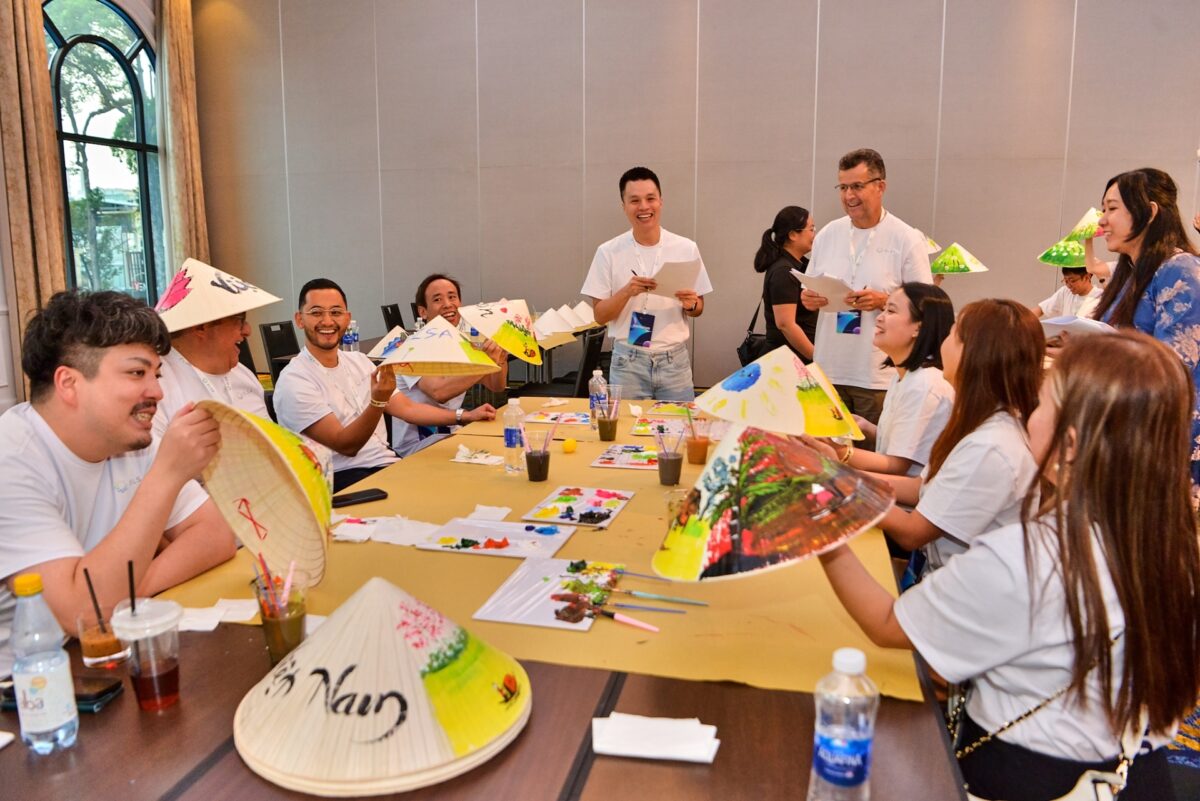
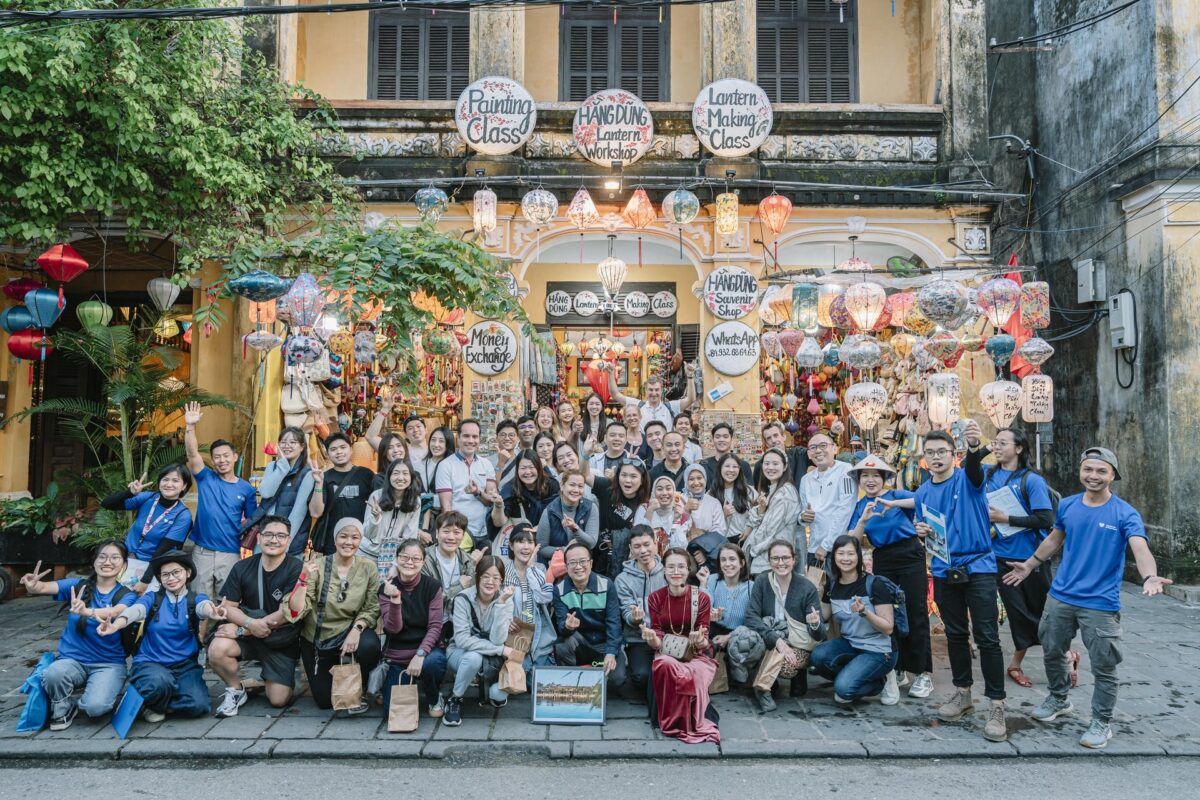
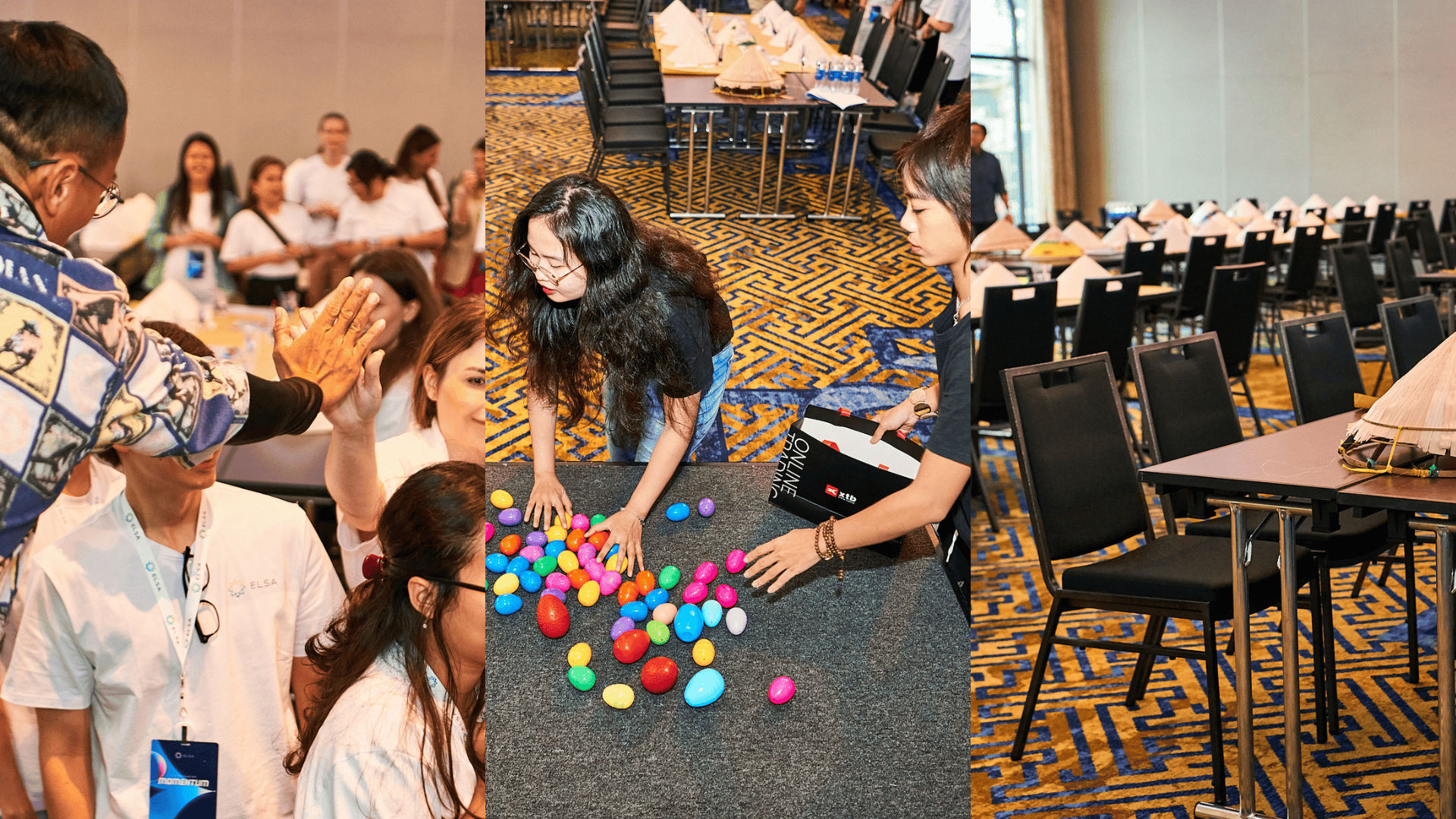
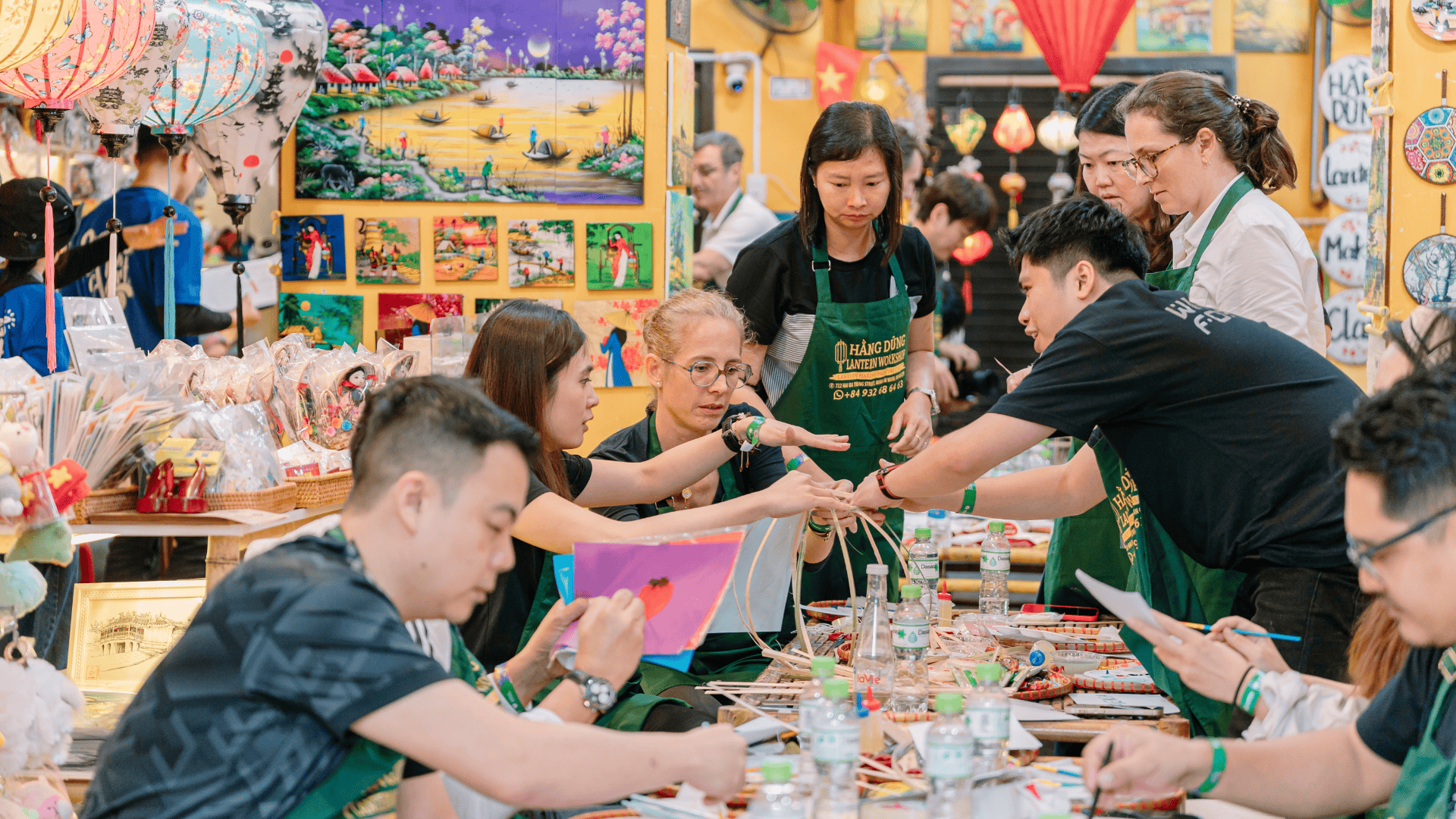
One of the best ways to make a corporate event better is to connect it to the destination. In Vietnam, this could mean local food, markets, historic streets, craft activities, community partners, cycling routes, or cultural puzzle challenges. For companies learning how to organize corporate events with more local meaning, the destination should become part of the experience, not just the background.
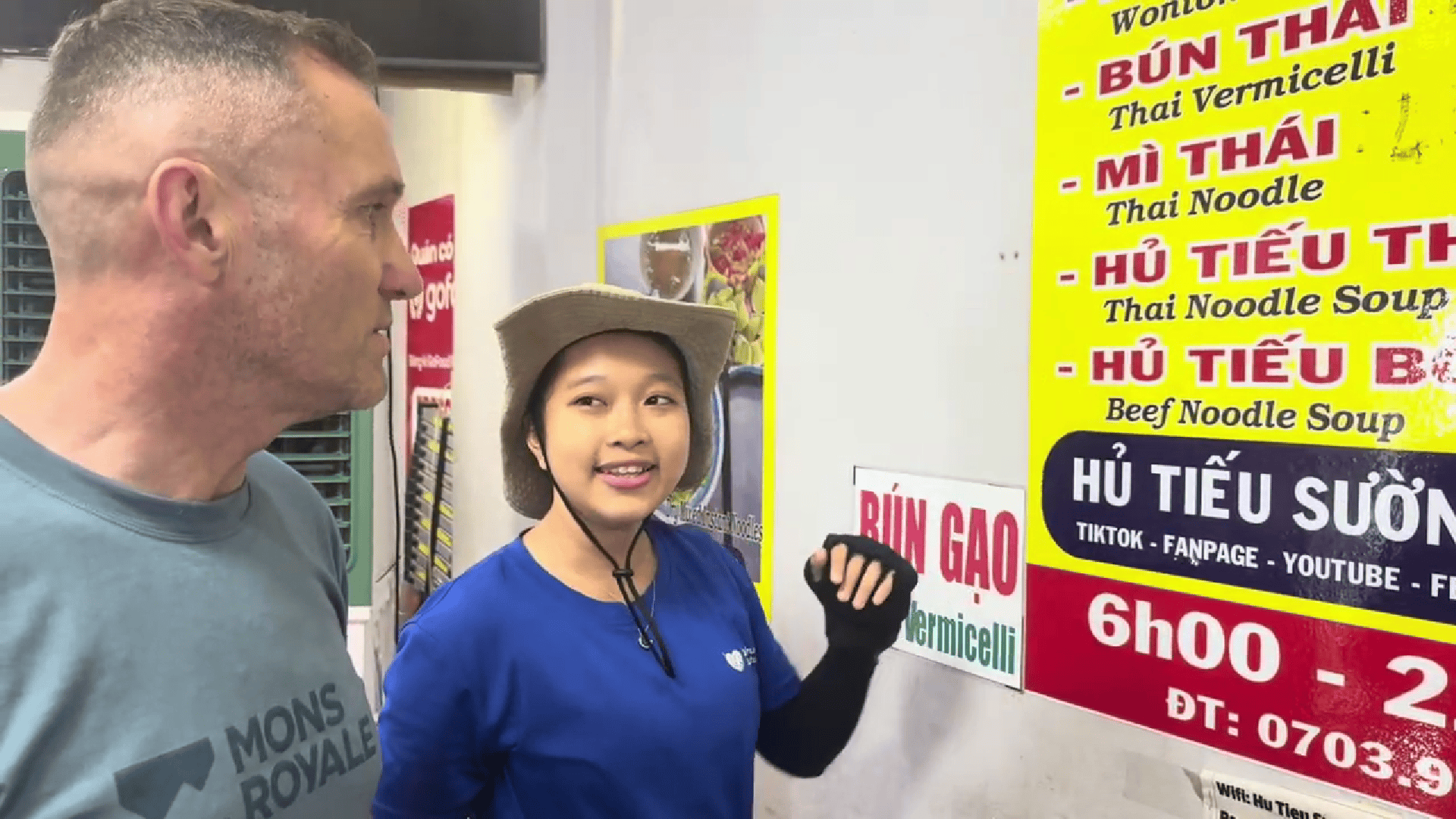
This matters because local culture gives the team a shared story. People may forget a generic hotel activity, but they are more likely to remember solving clues in a market, learning a basic Vietnamese phrase, cycling through a neighborhood, tasting local coffee, or making something with a local artisan.
A strong example of how to organize corporate events in Vietnam is to move beyond the hotel ballroom and let employees experience the city or countryside in a more active way. This makes the event more memorable and gives teams a shared story to bring back to work. When planners understand how to organize corporate events around place, people, and purpose, the program feels more authentic and easier to remember.
8. Prepare Communication Before the Event
One overlooked part of how to organize corporate events is pre-event communication. Good communication helps employees feel prepared and excited before they arrive.
Before the event, send a clear message with the date, time, meeting point, dress code, activity style, transport details, and anything they need to bring. Keep your message friendly and simple. Employees do not need a long document, just enough information to arrive prepared.
For outdoor or active events, mention comfortable clothes, shoes, sun protection, and water. If your event includes CSR or cultural activities, briefly explain the meaning behind them. This helps employees see the event as more than just a game. It becomes part of a bigger team story.
This step matters because uncertainty creates hesitation. When people know what to expect, they arrive more relaxed and more willing to participate. Clear communication also reduces repeated questions for HR, admin teams, and managers before the event.
9. End with Reflection and Follow-Up
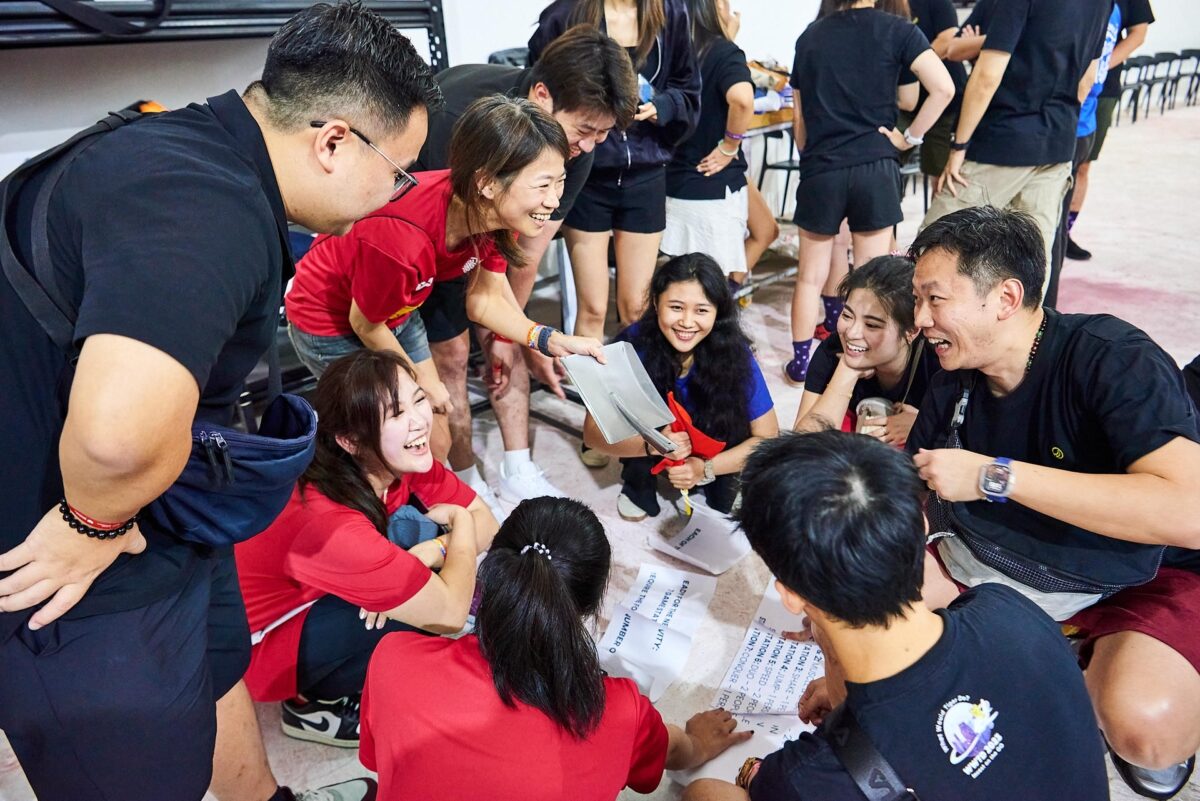
A strong closing helps turn a corporate event into lasting value. After the main activities, give teams time to reflect on what they learned, who helped them, and how the experience connects to their work.
You can do this with a short sharing circle, an awards session, a team photo, or a closing message from a manager. After the event, send a recap email with photos, key moments, and thanks for everyone who joined.
This final step matters because the best lessons often appear after the activity ends. Reflection helps employees connect the experience back to communication, leadership, teamwork, creativity, or company values. A follow-up message keeps the momentum going and reminds people that the event had a purpose.
When companies know how to organize corporate events from start to finish, they can create experiences that feel professional, meaningful, and truly human.
Common Mistakes to Avoid When Organizing Corporate Events
Even experienced teams can make small mistakes when planning corporate events. One common mistake is picking activities just because they look fun, without checking if they fit the group. Another is packing too much into the schedule, leaving no time for rest or real connection.
Companies should also avoid unclear instructions, weak facilitation, poor backup plans, and activities that feel too generic. A corporate event should feel designed for your team, not copied from a template.
Another mistake is treating the destination as only a backdrop. In Vietnam, the place itself can become part of the experience. Local neighborhoods, food stories, markets, craft traditions, and community partners can make the event feel more memorable and more connected to the country.
Jackfruit Adventure customizes programs based on company goals, group size, location, and preferred energy level. This helps create events that feel more relevant and memorable.