

Table of Contents
An eco tour is a trip built around protecting the place you’re visiting, not just seeing it — small groups, local guides, and a share of your money staying in the community rather than leaving with a tour bus company.
In Vietnam, and especially in a city as dense as Saigon, that idea gets tested fast: with plenty of operators using the word “eco” loosely, it’s worth knowing what actually qualifies before you hand over your money. Here’s how to tell them apart, along with six real tour options worth booking once you know what to look for.
What Does “Eco Tour” Actually Mean?
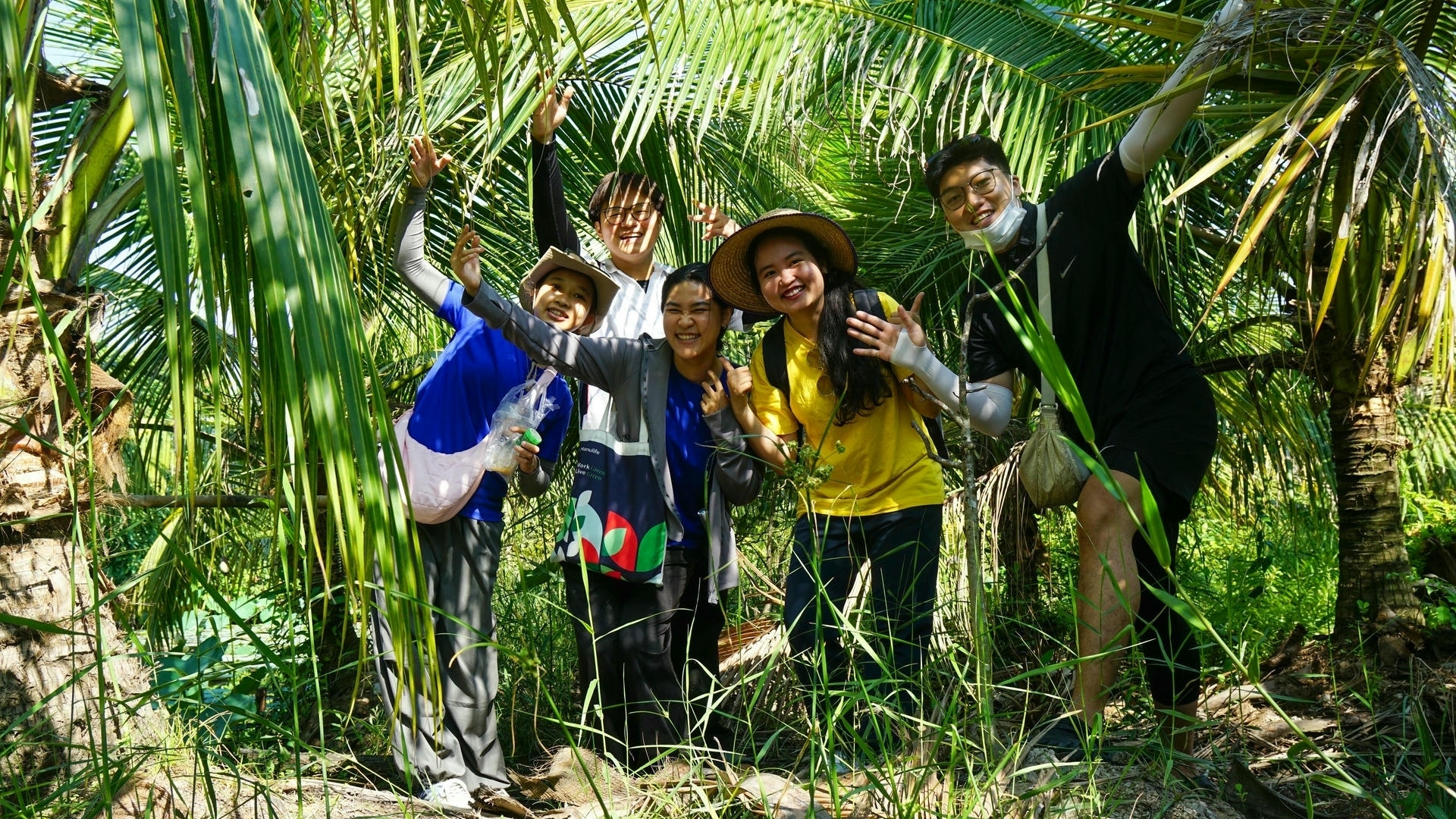
An eco tour is responsible travel to natural or local areas that protects the environment and supports the well-being of the people who live there, not just a trip with a green logo on it. The most widely used definition comes from The International Ecotourism Society (TIES), a nonprofit that’s been setting ecotourism standards since 1990.
TIES breaks it down into three core principles, and honestly, they’re a useful checklist for any traveler trying to spot the real thing:
- Conservation: minimizing negative impact and putting money back into protecting the environment.
- Community: channeling economic benefit directly to local people, not outside investors
- Education: building awareness of local culture and environment for both travelers and hosts
How Is an Eco Tour Different From Mass Tourism?
The gap between the two isn’t about how “green” the marketing looks; it’s about scale, money, and impact.
| Criteria | Mass Tourism | Eco Tour |
|---|---|---|
| Scale | Large groups, heavy infrastructure | Small groups, low-impact accommodation |
| Goal | Comfort and entertainment | Depth, learning, and conservation |
| Economics | Profit often flows to large corporations | Revenue stays with local communities |
| Impact | Risk of overcrowding, pollution, degradation | Protects landscapes and wildlife |
A 40-person bus tour and a 6-person e-bike ride can visit the exact same street. Only one of them fits through the alley, stops long enough to actually talk to the vendor, and doesn’t leave a diesel cloud behind, which is really just one example of how choosing lower-impact ways to get around changes the whole shape of a trip, not just the carbon math.
The Benefits of Taking an Eco Tour
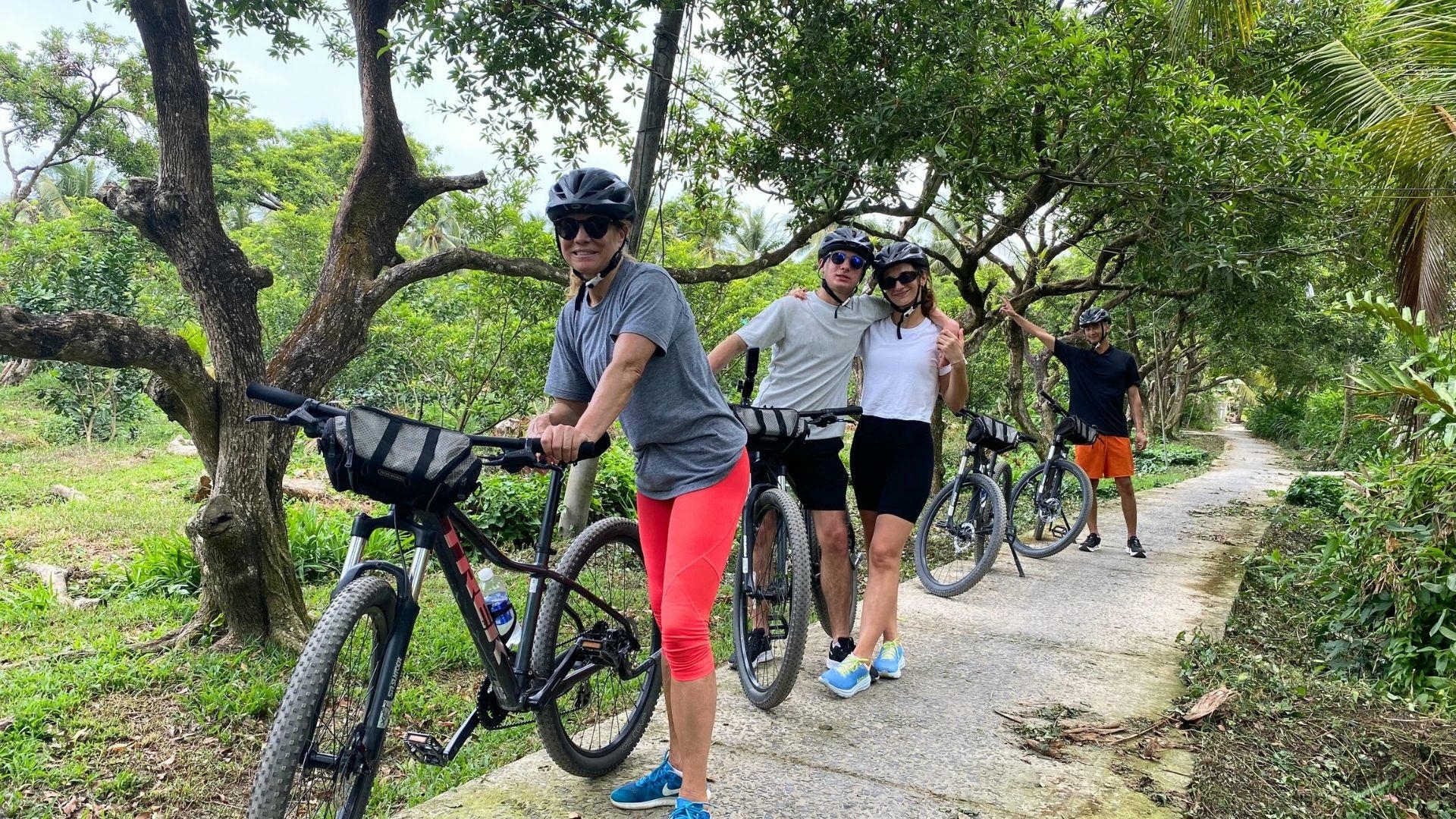
For nature. Money from a genuine eco tour tends to fund conservation directly — reforestation, wildlife protection, keeping a landscape from being paved over. Some tours go further, building in hands-on work like tree planting or water source cleanups, so travelers help fund the recovery and take part in it.
For local communities. Local guides get steady work, vendors get regular customers, craftspeople get a market for what they make instead of competing with imported souvenirs. When a community can earn a living from its own traditions, there’s a real incentive to keep them alive rather than let them fade.
For travelers. I’ve guided people who came in expecting a checklist of sights and left talking about the woman who sold them breakfast, not the landmark they photographed. That’s usually the actual takeaway — a realer, calmer way to see a place, minus the crowd-dodging. You also end up absorbing more than you’d expect about local plants, wildlife, and the environmental pressures a place is actually facing — the kind of context that’s easy to skip on a standard sightseeing trip, and that has a way of sticking with people long after the trip ends. If this kind of travel appeals to you, it’s worth browsing where to travel in Vietnam this summer for more ideas beyond Saigon.
Greenwashing: How to Tell a Real Eco Tour From a Marketing Label
Plenty of companies put “eco” in their name and change nothing about how they operate. This is greenwashing, and it’s common enough in tourism generally that it’s worth a few minutes of checking before you book.
The most common patterns to watch for:
- Vague language with nothing behind it. “Eco-friendly” and “sustainable” aren’t regulated terms. Anyone can use them. If a company can’t tell you specifically what they do, the word is decoration, not description.
- One green detail standing in for the whole operation. A company highlights a single eco-action: reusable bottles, a tree planted per booking, while the trip’s real footprint (fuel, group size, waste) goes unmentioned. One good habit doesn’t make an eco tour.
- Silence where transparency should be. A genuinely responsible operator is happy to explain group size, where guides are from, and what happens to waste. Vague or defensive answers are a clear signal.
- Any wildlife riding, performing, or close-contact photo op. No gray area here. Elephant rides and animal “sanctuaries” that let you pose with wildlife are entertainment dressed up as conservation.
A quick test before you book: Ask the operator one question: how many people are typically in a group, and are the guides local? A company with nothing to hide answers in a sentence. One that’s greenwashing replies with a paragraph about its mission and no actual number.
Saigon Eco Tour: Why It Matters Here

Saigon isn’t short on traffic, and it isn’t short on tour buses either — both crowd out the same narrow streets that make the city interesting in the first place. A smaller, quieter way of moving through it solves a real problem, not just a marketing one.
The scale is easy to underestimate: Ho Chi Minh City has more than 7.3 million registered motorbikes and over 630,000 cars, which by 2024 accounted for an estimated 97.8% of the city’s traffic-related carbon monoxide and 69.2% of nitrogen oxide emissions. A handful of e-motorbikes or bicycles is a rounding error by comparison.
For travelers, Saigon eco tours mean more time actually in a neighborhood instead of stuck behind a bus. For the city, fewer large vehicles idling through residential alleys. And for the vendors and guides along the route, a small group visiting regularly tends to matter more than a large one passing through once.
6 Types of Saigon Eco Tours Worth Booking
“Eco tour” covers more ground here than just city cycling, so it’s worth knowing what’s actually out there before you pick one.
1. Mangrove & Wetland Exploration
Where: Can Gio Biosphere Reserve, southeast of the city, or Tan Lap Floating Village further west.
The eco tour experience centers on navigating dense, brackish waterways by wooden rowboat, speedboat, or canoe, learning how heavily deforested areas have been restored, and spotting wildlife like monkeys, bats, and crocodiles along the way.
Most Can Gio day trips depart around 8:00 AM and run a full 8 hours, with group pricing typically landing between $40 and $55 per person, lunch and transport included. It’s also one of the more credible entries on this list. Can Gio is a genuine UNESCO Biosphere Reserve, spanning over 75,000 hectares and more than 150 plant species, which gives it real conservation weight rather than a self-applied label.
One thing worth watching for: some operators let guests hand-feed the wild monkeys along the route, which sits uncomfortably close to the “no close-contact wildlife interaction” line from the greenwashing checklist above, worth asking about directly before booking.
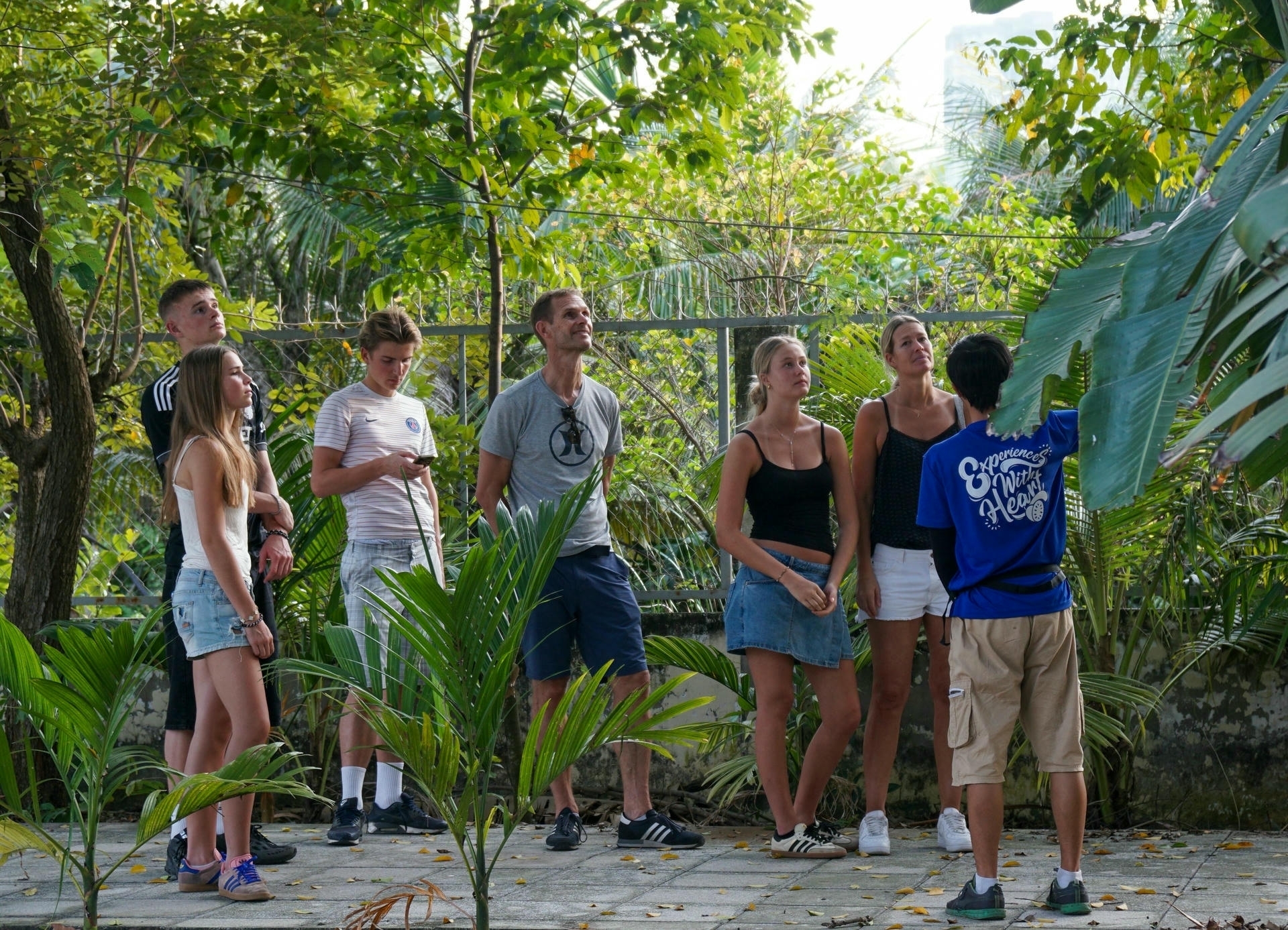
2. Jungle Trekking & Wildlife Conservation
Where: Nam Cat Tien National Park, roughly 150–170 km (3.5–4 hours) northeast of the city.
This is the most active, land-based option on the list: deep forest hikes, spotting centuries-old trees, and (with the better operators) a stop at an ethical bear or primate rescue center rather than any kind of animal entertainment. Most trips include an overnight stay at a jungle eco-lodge and a night safari.
A standard 2-day, 1-night trip departs from Saigon early in the morning and runs $166–268 per person in a group, or around $240 for a private version. Nam Cat Tien also happens to be the strongest proof-of-conservation entry here: it’s a UNESCO Biosphere Reserve with an actual bear and primate rescue center on-site, taking in animals from illegal trade rather than putting them on display.
Worth noting for balance: a few recent visitor reports mention litter left uncollected near some of the park’s waterfalls, a reminder that a certification or reserve status doesn’t automatically mean flawless day-to-day upkeep.
3. Sustainable Agritourism & Village Life
Where: Ben Tre or Tien Giang, in the Mekong Delta.
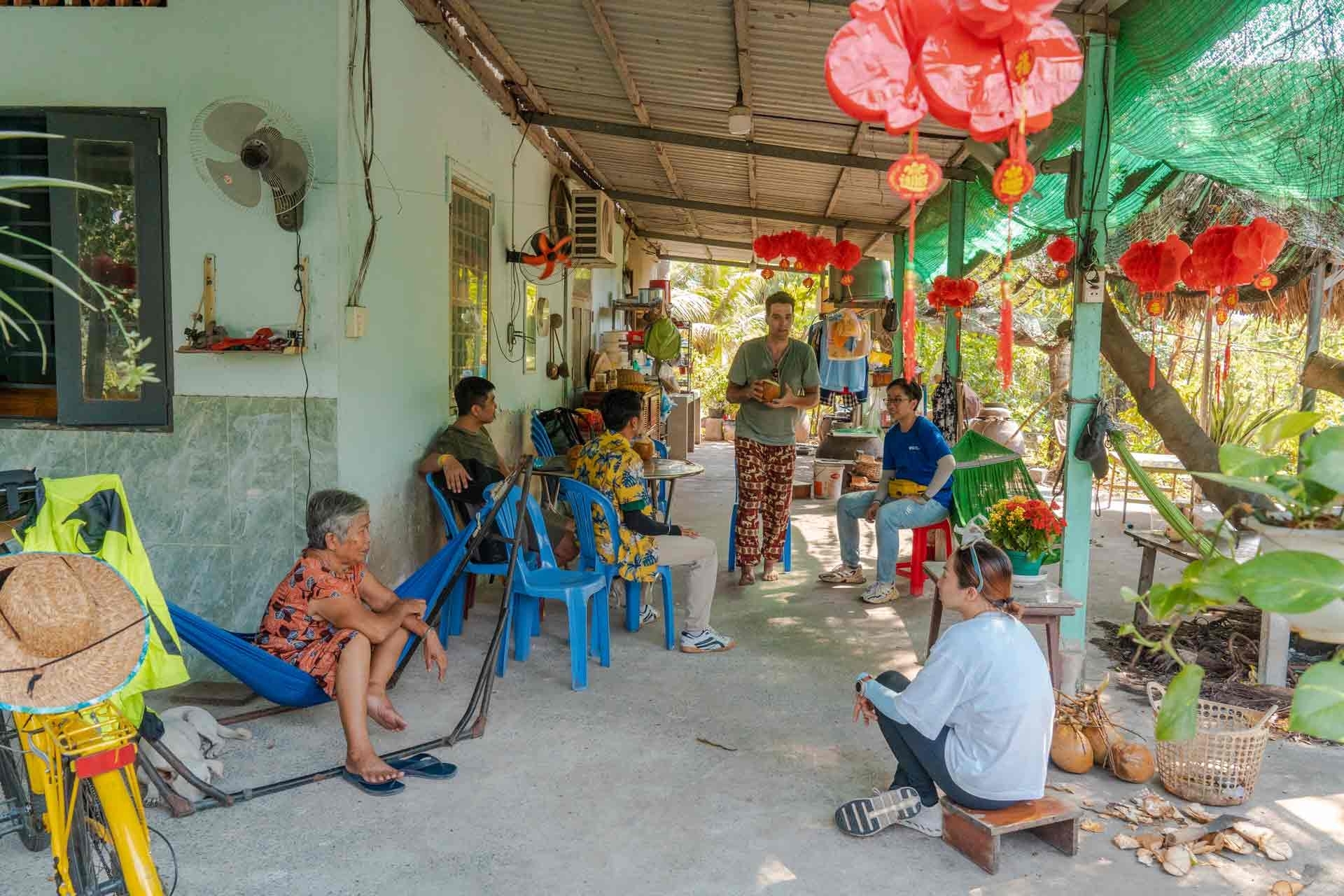
Instead of a diesel-heavy cruise boat, this is bicycles down narrow village paths, traditional sampans through small canals, and stops with local families to learn crafts like cacao farming, mat weaving, or coconut processing.
Most trips depart Saigon around 7:30–8:00 AM and run 8–10 hours door to door, with group pricing anywhere from $20 to $60 per person depending on group size and inclusions. This is also the category where it pays to ask sharp questions before booking. Be sure to ask exactly how much time you’ll actually spend on a bike or sampan. If they give you a vague answer, assume you’ll be on a motorboat for most of the trip. The reality is that plenty of Mekong Delta tours still move most of the route by large motorboat and only swap to a sampan or bicycle for one short, photogenic stretch. If the “eco tour” part of the day is 15 minutes long, it’s worth knowing that going in.
4. Active Water Adventures (SUP & Kayaking)
Where: Thanh Da Island, inside city limits, or longer kayaking routes down the Dong Nai River for those who want more distance.
This is the zero-emission option for a physical challenge: paddleboarding or kayaking quietly through narrow river inlets and green patches that larger boats can’t reach, with a close-up view of river life and water hyacinth patches along the way.
Saigon SUP tours start from around $15 per person, and a half-day session, including instruction, the paddle itself, and cleanup, typically runs 2 to 3 hours. It’s also the most convenient entry on this list: no highway drive required, just a short trip across the river to Binh Thanh.
5. Cycling & Countryside Excursions
Where: The agricultural belts of Hoc Mon and Binh Quoi, or the quieter countryside around the Cu Chi Tunnels.
This is trading the tour bus for a bicycle seat — pedaling through rubber plantations, rice paddies, and small organic farms on the city’s fringe, out of the exhaust fumes of the center.
Most departures are early, around 7:15–7:30 AM, covering 20 to 30 km before wrapping up by early afternoon. Pricing for this category varies more than the others depending on distance and whether Cu Chi Tunnels is included; it’s worth comparing a couple of operators rather than assuming a fixed rate. This is also the format we specialize in at Jackfruit Adventure, focusing on low-impact, deep-dive cycling paths through Saigon cycling tours.
6. Saigon Eco Tour – Electric Tours
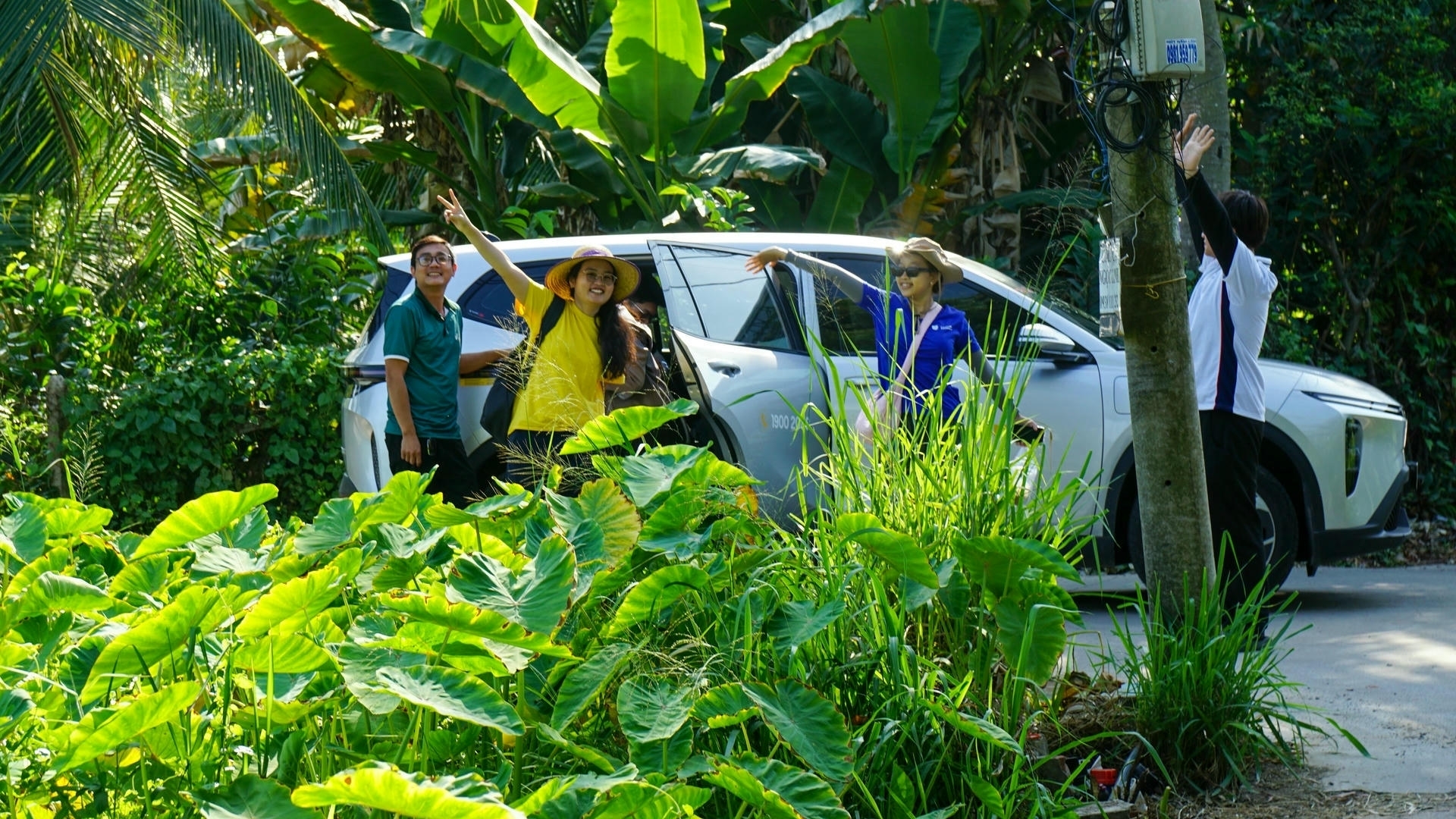
Where: The same alleys, markets, and residential lanes as a city cycling tour — inside Saigon proper.
The same small-group format as cycling, but by e-motorbike or e-car instead of a bicycle. Shortest option overall, usually 2–4 hours, and the easiest to fit around a tight schedule.
Not everyone wants to pedal through Saigon’s heat, and that’s fine — it doesn’t have to be a dealbreaker for doing this properly. For travelers who’d rather skip the physical effort, or who are traveling with kids or older family members, Jackfruit Adventure’s Saigon electric tours cover the same neighborhoods and stops as a bike tour, with the same low-impact, small-group approach, just without the pedaling.
Whichever type you’re drawn to, it’s worth running the operator through the greenwashing checklist above before you book; the format doesn’t guarantee the substance behind it.
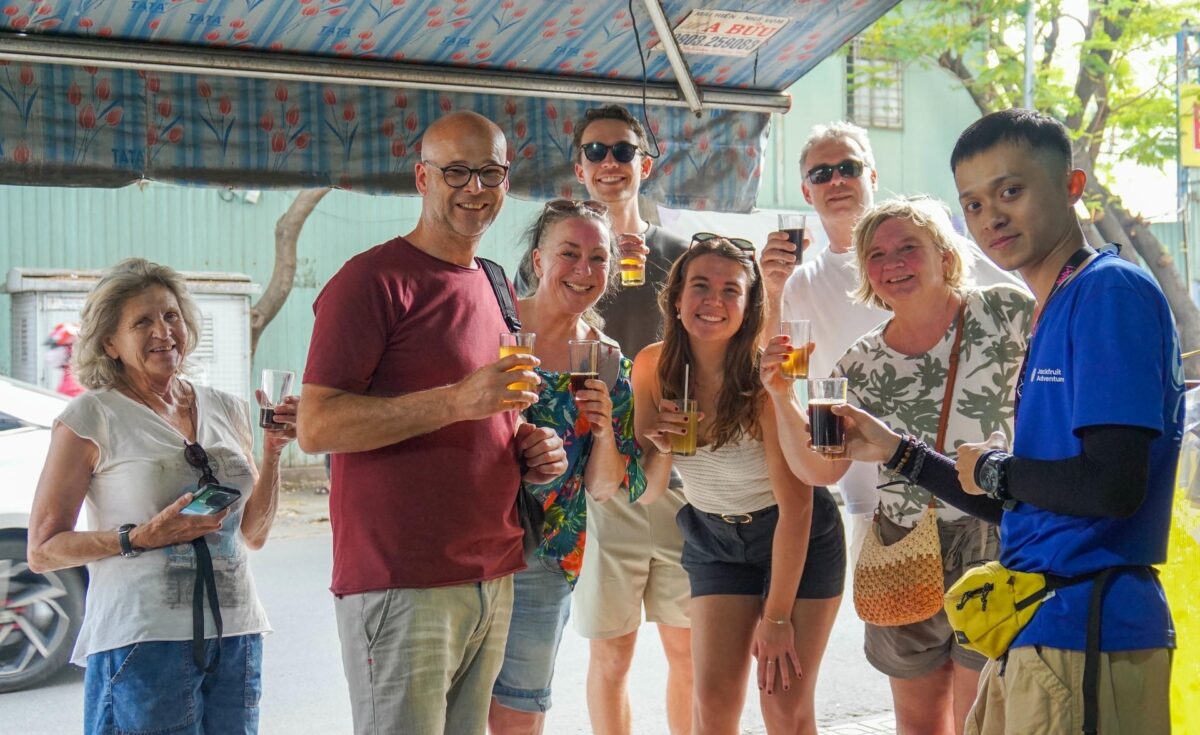
Pro Tip: Bring sun protection, closed shoes, and a bit of cash for street food stops — some of the best parts of the ride happen off the itinerary, at a stall a guide has been stopping at for years. If you’re visiting between April and August, it’s worth a quick read on how to survive summer in Vietnam before you book — the heat is real, but it’s manageable with the right prep.
FAQs About Eco Tours
The Bottom Line on Eco Tours
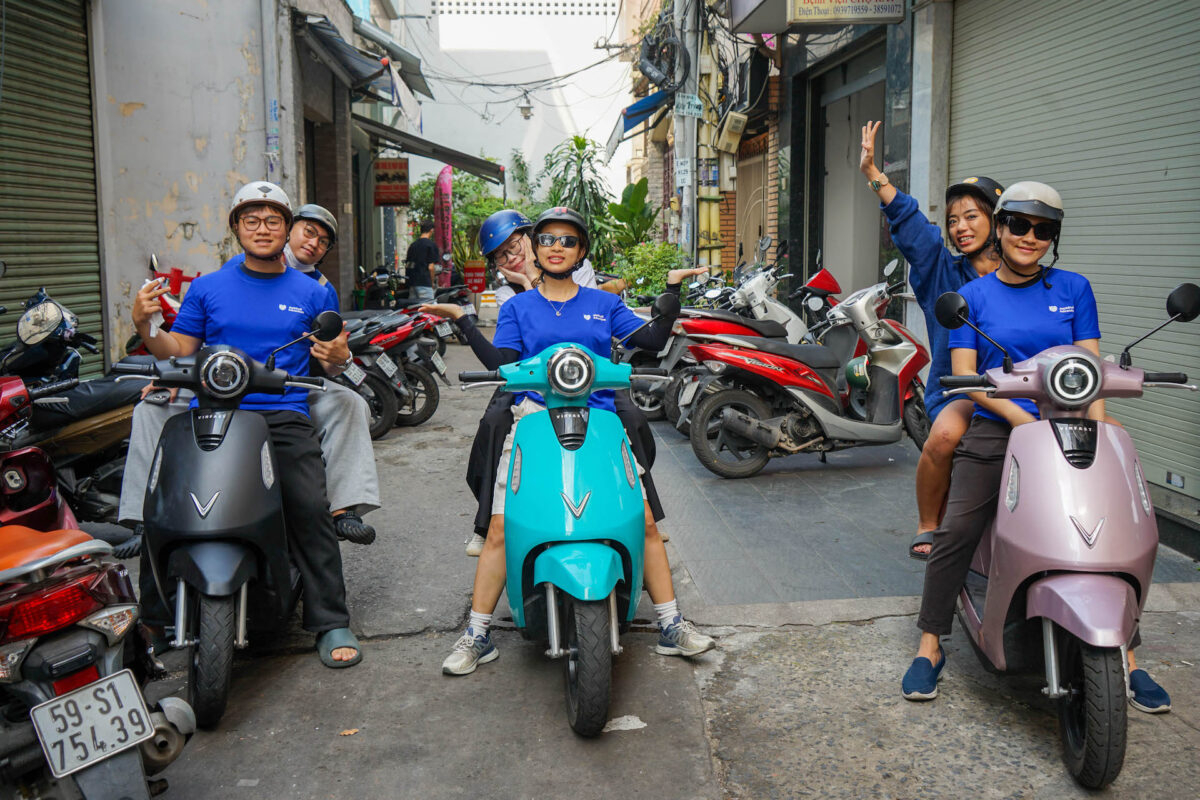
A real eco tour isn’t defined by a logo or a word in the company name. It’s defined by small groups, local guides, and money that actually stays in the community. In Saigon, that looks like riding through real alleys instead of past them, whether you’re on a bicycle or an e-motorbike. If you’re planning a visit, it’s worth booking with an operator that can answer the greenwashing questions above honestly.