

Table of Contents
Corporate event management in 2026 should start by asking what you want people to feel, learn, or do differently after the event. A typical dinner, speech, or generic game usually isn’t enough. Most teams benefit more from an event that includes a hands-on activity, something meaningful or local, and a short reflection that ties the experience back to their work.
For example, you might turn Ho Chi Minh City into a live city quest, organize a CSR challenge with a real community goal, learn Vietnamese calligraphy, cook meals for children, build a shared mural, solve survival missions, or plan a retreat that blends strategy with local exploration.
The best corporate event ideas don’t start with, “What game is popular right now?” They start with the team. Are people feeling tired, disconnected, newly merged, competitive, international, senior, hybrid, or celebrating a milestone? Once you know this, it’s much easier to design the right activity.
If you’re planning an event in Vietnam, Jackfruit Adventure’s Vietnam DMC services can help with local experience design, transportation, team building, event logistics, venue coordination, and destination planning. For more ideas, their guide to 15 corporate team-building activities shows how to design creative events centered on local culture, movement, CSR, problem-solving, and shared goals.
What problems should corporate event management solve in 2026?
Good corporate event management is about more than just logistics. It should motivate people to join in, make the experience accessible for different personalities and abilities, provide enough structure to prevent confusion, and leave the team with a memorable takeaway after the group photo. Define four things before choosing any activity: the event objective, the participant profile, the available time, and the meaning of success. A sales kickoff may need energy and competition. A newly merged team may need trust and conversation to build. A leadership retreat may need reflection. An international group in Vietnam may value culture and local context more than another hotel-based game.
This is also why you shouldn’t just copy an activity from another company. Google’s re:Work guide on team effectiveness points out that psychological safety, dependability, structure and clarity, meaning, and impact are all important for teams. These ideas help you decide whether an event truly supports your team, rather than just filling up the calendar.
Quick comparison: 6 corporate event management ideas for 2026
| Idea | Best for | Suggested duration | Main value |
|---|---|---|---|
| Local City Quest | Active, international, cross-functional teams | 2–4 hours | Exploration and problem-solving |
| CSR Impact Challenge | Purpose-led companies | Half day or full day | Shared purpose and community impact |
| Vietnamese Cultural Workshop | International and mixed-age groups | 90 minutes–3 hours | Culture and conversation |
| Cooking With Purpose | Teams wanting social impact | 3–6 hours | Teamwork and tangible contribution |
| Survival Story Challenge | Competitive and large groups | Half day or full day | Leadership and problem-solving |
| Wellness and Reflection Reset | High-stress or leadership teams | 30–90 minutes | Recovery, reflection and alignment |
1. Turn the city into a live game board
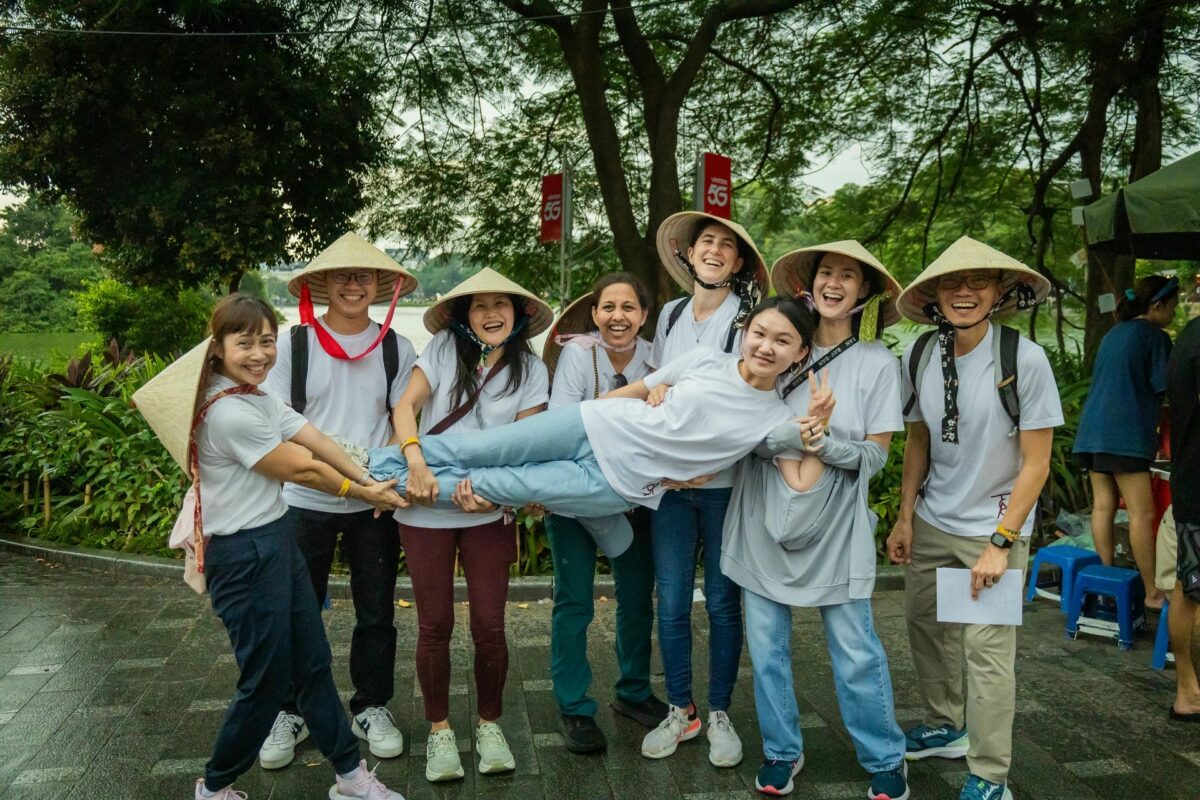
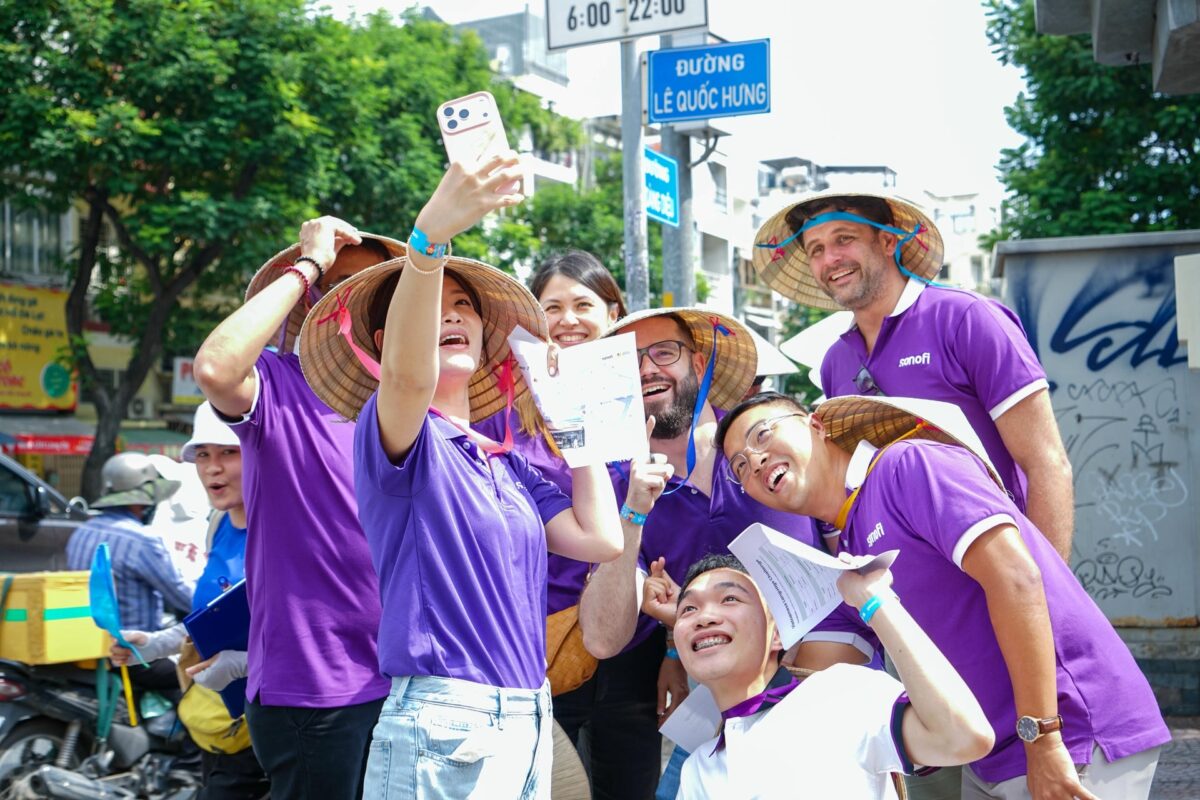
One of the strongest corporate event management ideas is to stop treating the destination as a backdrop and instead make it the activity itself. Teams receive clues, maps, local tasks, cultural questions, and checkpoints spread across a real neighborhood.
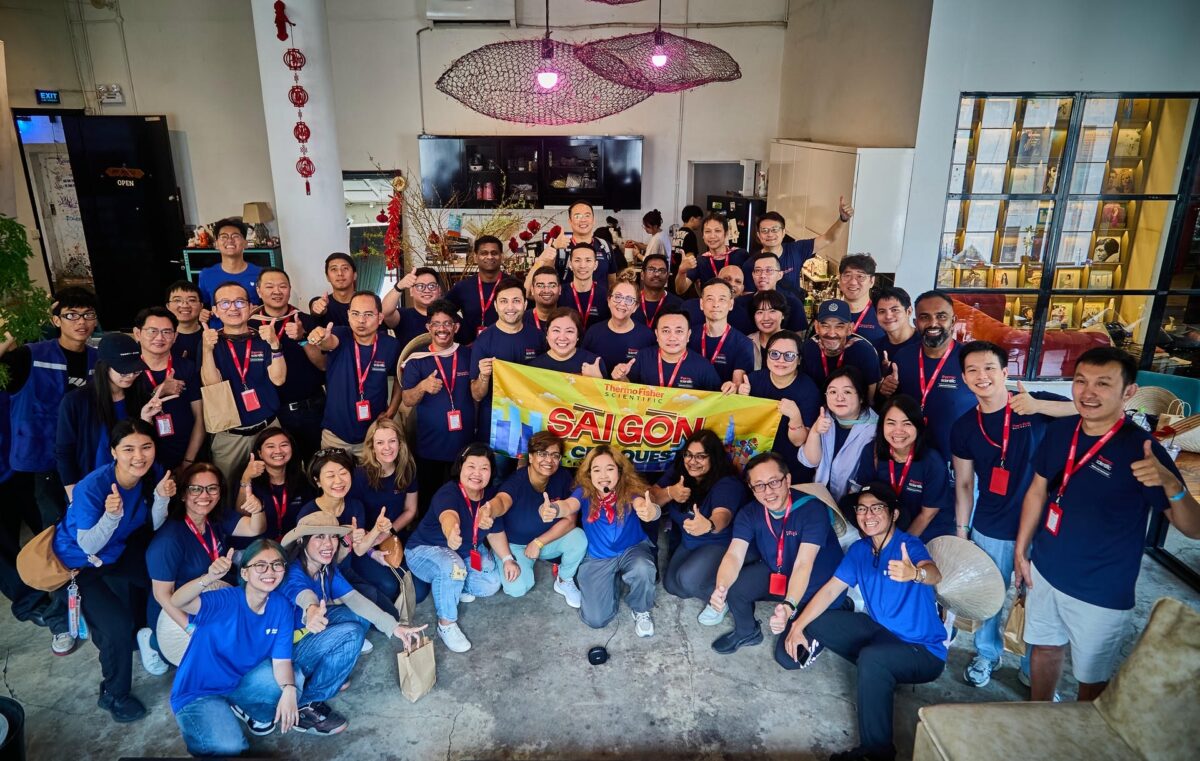
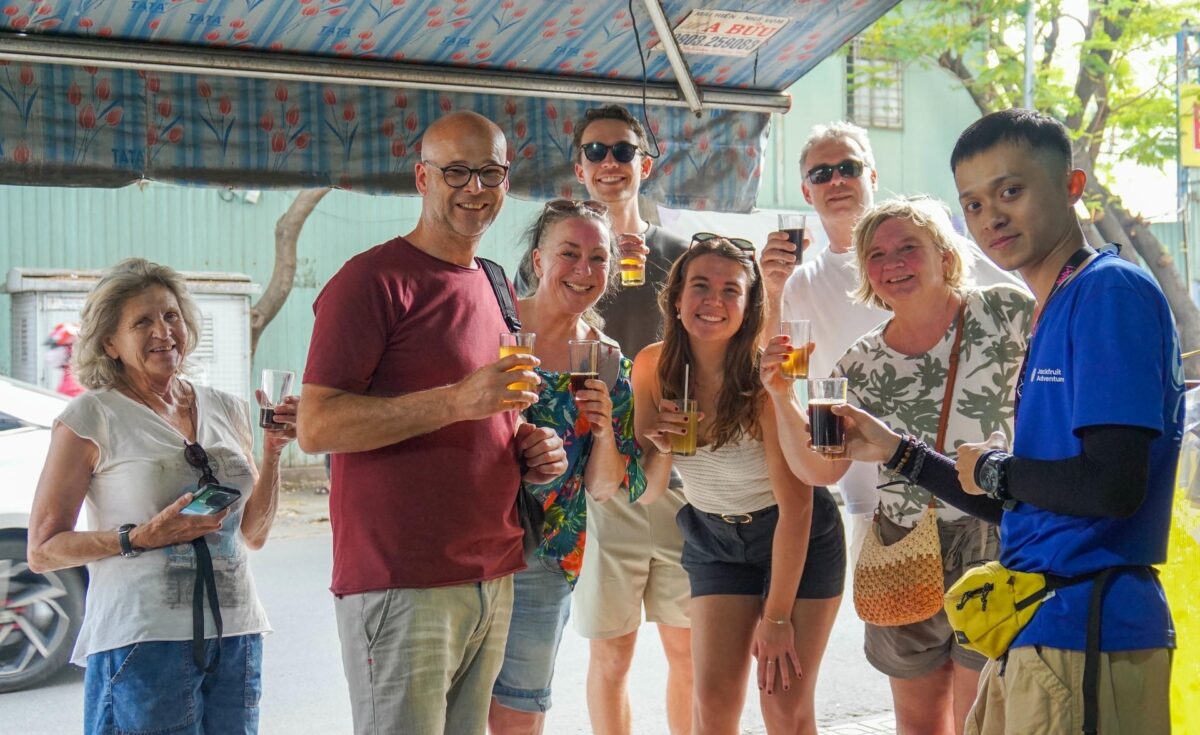
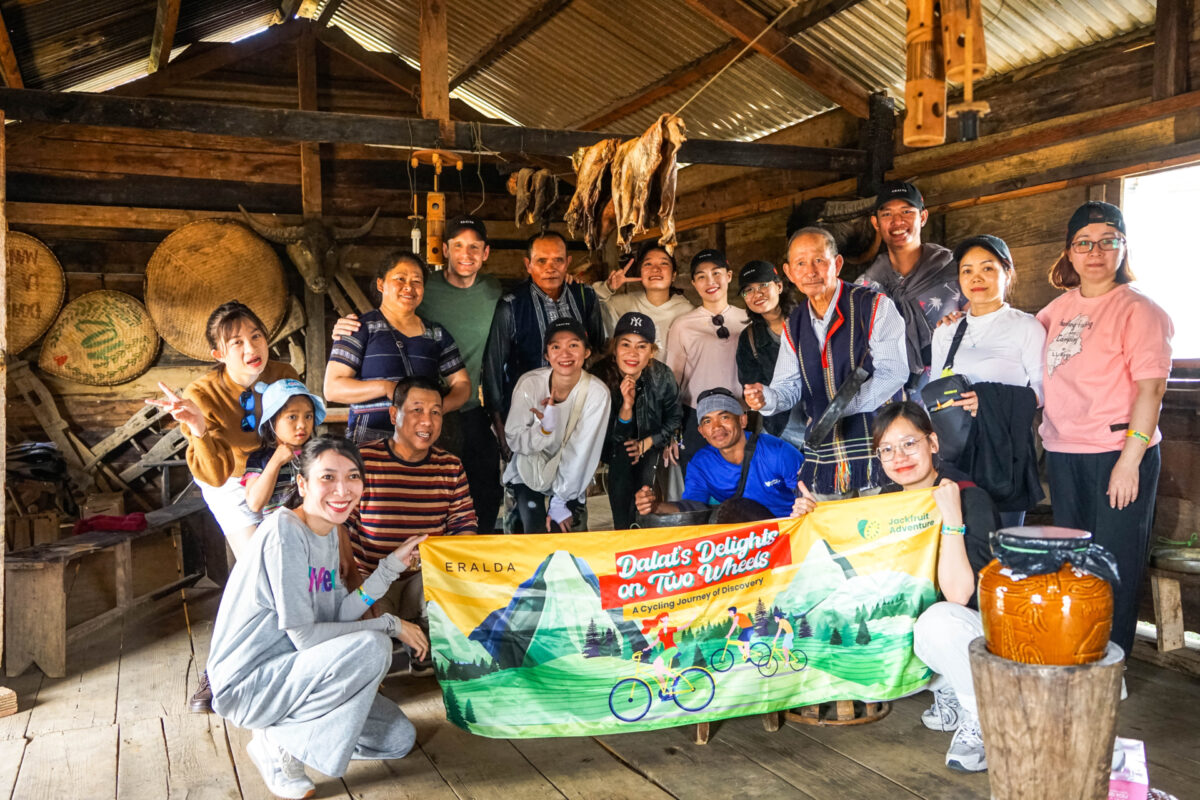
In Vietnam, a City Quest can take place through hidden alleys, traditional markets, historic streets, local cafés, or heritage districts. Jackfruit Adventure has used city-based missions and Amazing Race-style formats to combine movement, problem-solving, local discovery, and teamwork.
Insider detail: for groups larger than 50 people, do not release everyone from the same point at the same second. Stagger teams by five to ten minutes or create several starting checkpoints. This reduces congestion and makes the event feel like an adventure rather than a crowd-control exercise.
Best for: active, international, or cross-functional teams that enjoy movement, discovery, and collaborative problem-solving. It is especially effective when the destination itself should become part of the team experience.
For more formats, such as City Quest, Amazing Race, Local Food Mission, and Market Hunt, see Jackfruit’s guide to fun team-bonding games in Vietnam.
2. Build corporate event management around a CSR impact challenge
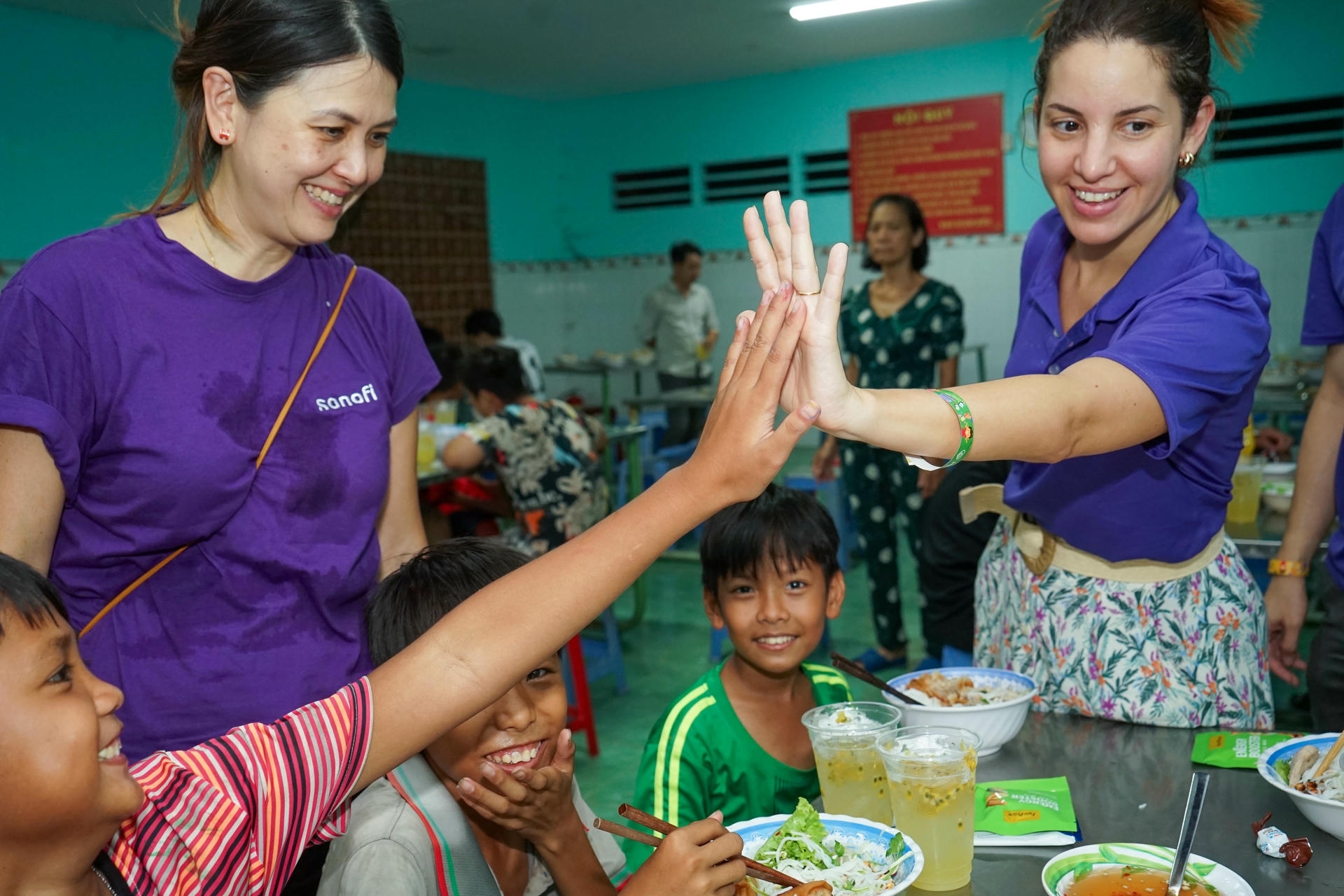
A CSR challenge works when the community purpose is real, and the team has an active role. Instead of writing a cheque and taking a photo, participants might cook meals, set up activity booths, build useful items, paint a community space, or complete missions in partnership with a local partner.
This gives corporate event management a clearer reason for existing. The team is not only competing; people are contributing to something together.
The management detail matters. Confirm what the community partner actually needs before designing the challenge. Decide who receives the output, who checks quality, how materials move, what happens if the group finishes early, and how the event closes without turning the community into a stage prop.
Best for: purpose-led companies, CSR programs, and teams that want a shared goal with visible community impact. It works particularly well when participants can contribute directly rather than simply observe or donate.
3. Replace generic crafts with local cultural creation
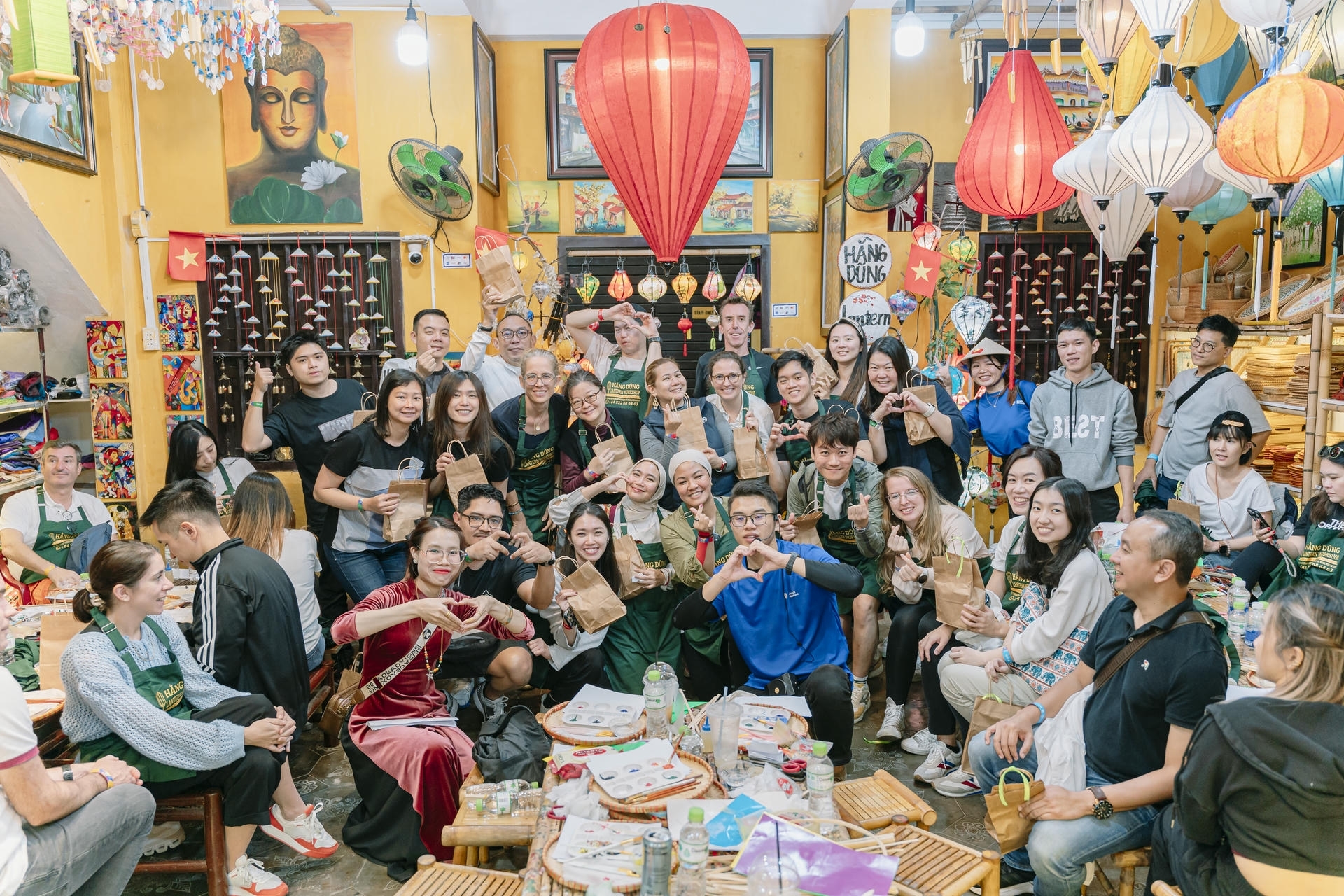
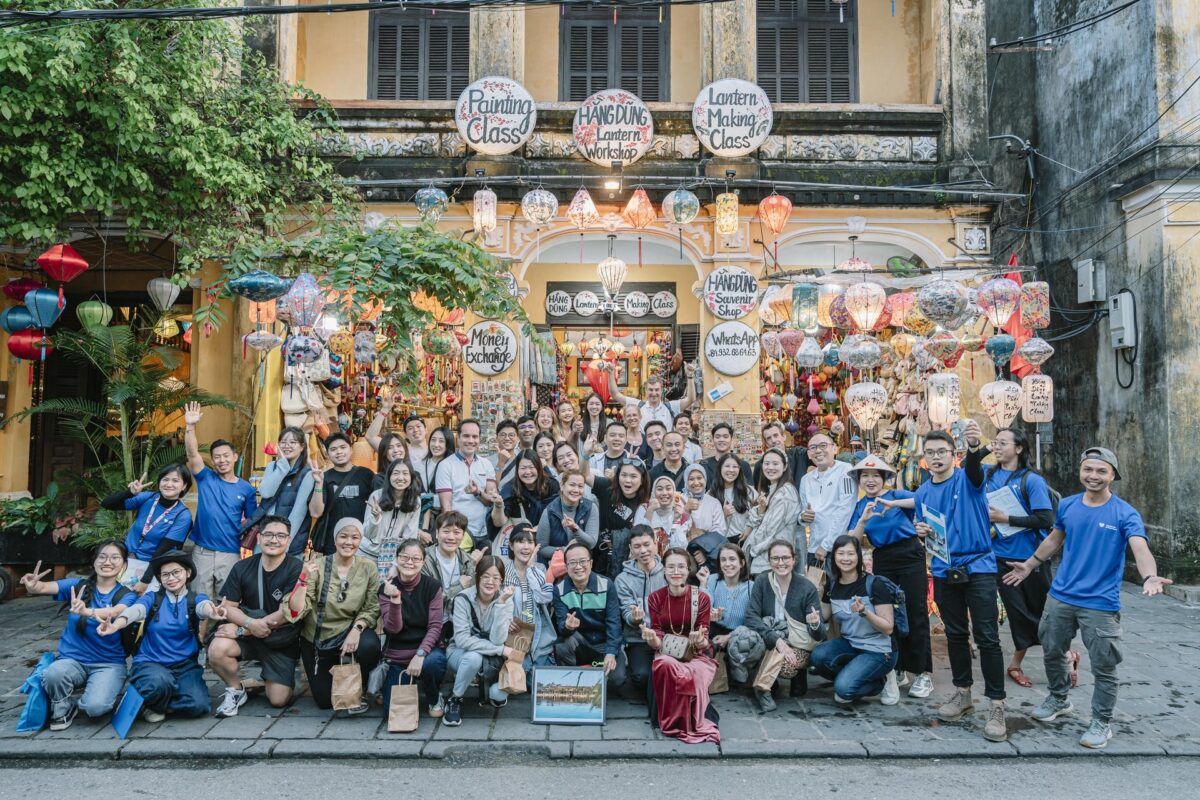
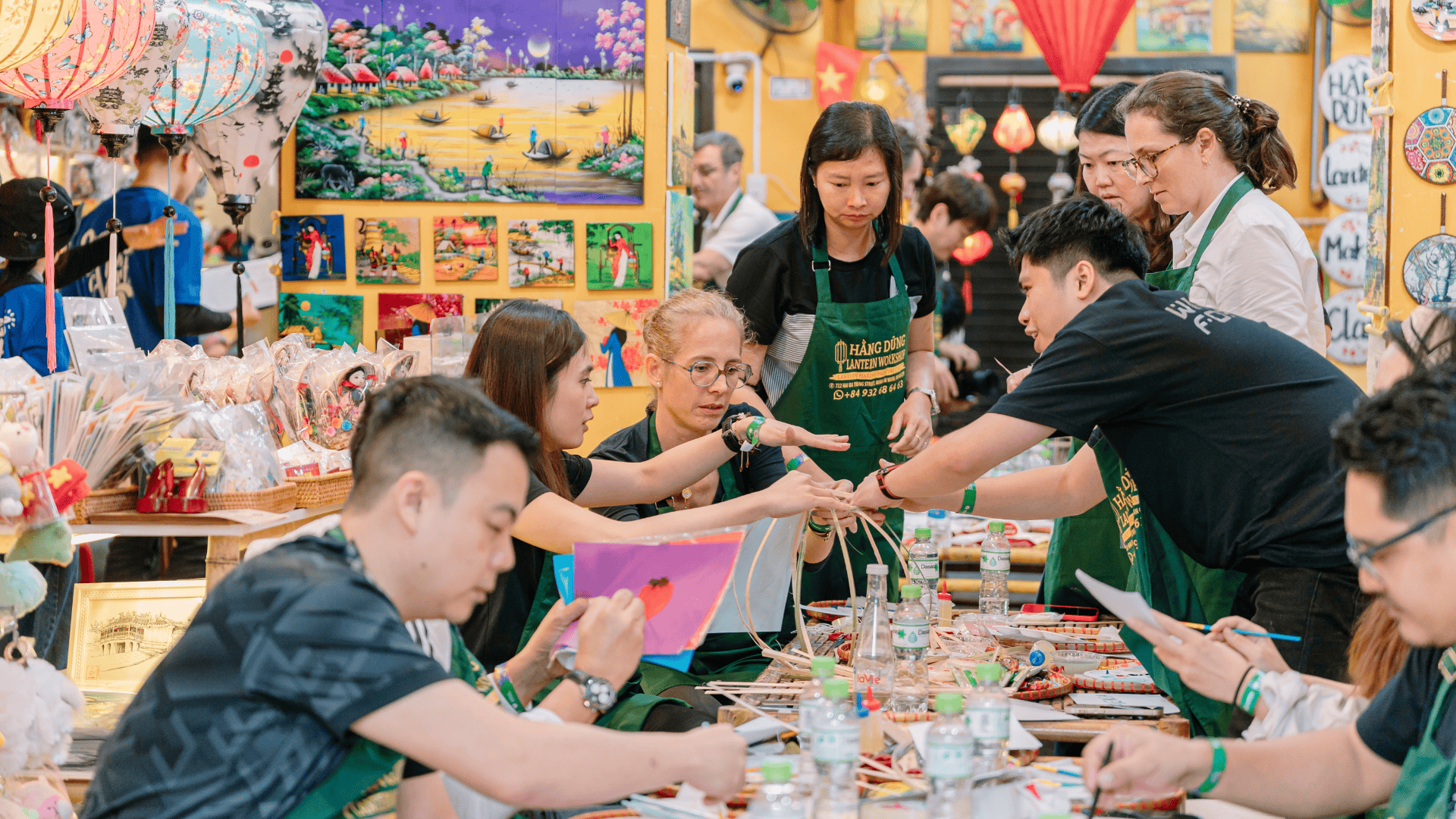
A creative workshop becomes more memorable when it is part of the destination. In Vietnam, that could mean artistic handwriting, lantern-making, traditional crafts, local ingredients, storytelling, or another activity connected to the place.
In corporate event management, the key is not simply to give everyone materials. Build a story around the workshop. What are people learning? Who is teaching them? Why does the craft matter locally? What will teams create together?
This format works particularly well for international teams because it creates natural conversation without forcing people into loud competition.
Best for: international teams, mixed-age groups, and participants who prefer creative interaction over intense competition. It is also a strong choice for groups that want to understand Vietnam through a hands-on local experience.
4. Turn cooking into a mission with purpose
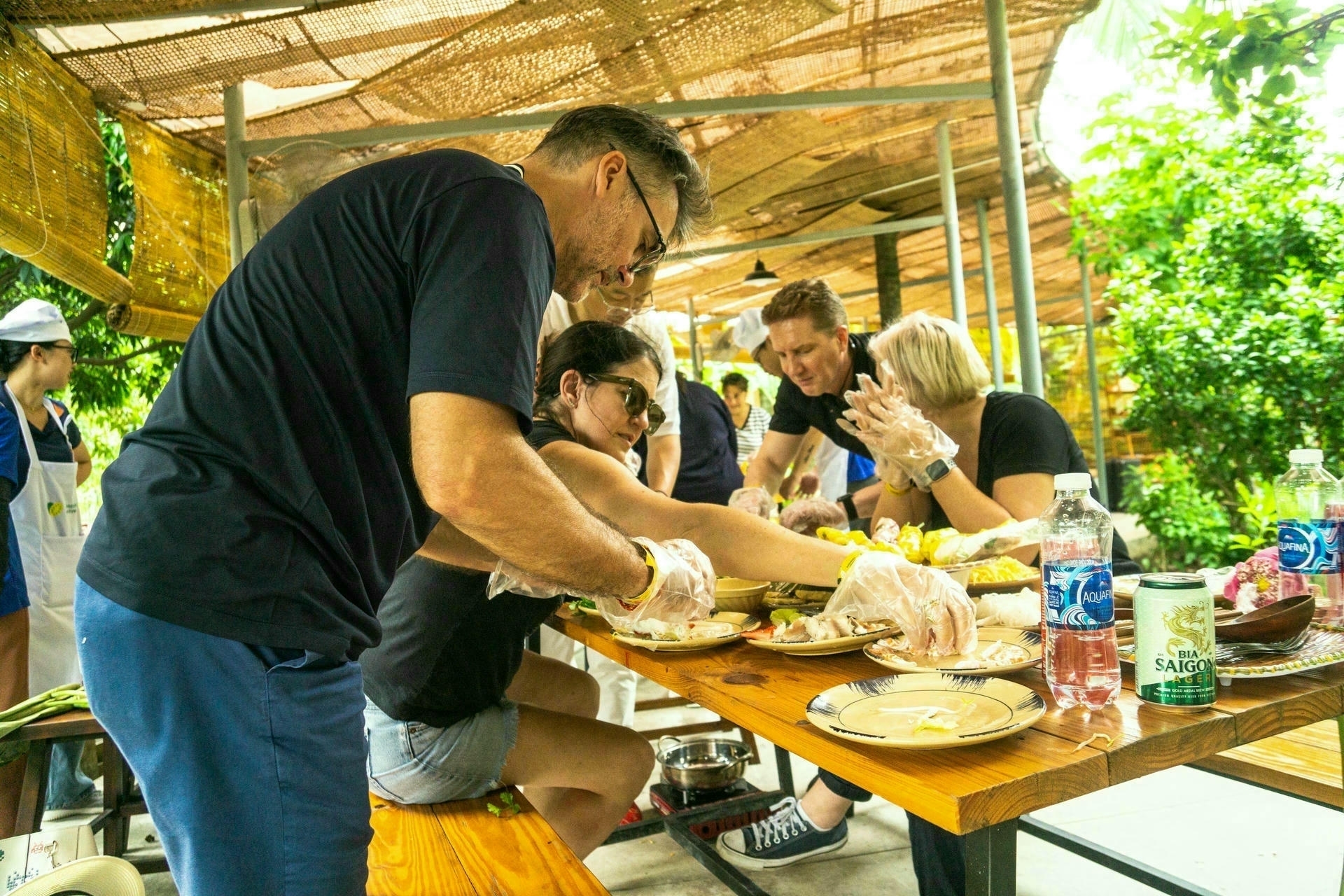
Cooking challenges are familiar, but the management concept becomes stronger when there is a meaningful destination for the food. Teams can plan, prepare, cook, package, and share meals while working toward a real community goal.
This turns an ordinary cooking class into a full corporate event management experience, involving role division, time management, hygiene, quality control, communication, and a final handover.
The activity also gives quieter participants meaningful roles. Not everyone needs to be the chef. Teams need planners, ingredient managers, cooks, packers, presenters, and people who keep the timing under control.
Best for: teams that want social impact, clear role-sharing, and a tangible result at the end of the activity. The format also suits mixed personalities because people can contribute through planning, cooking, packing, presenting, or time management.
5. Build a survival story instead of a collection of random games
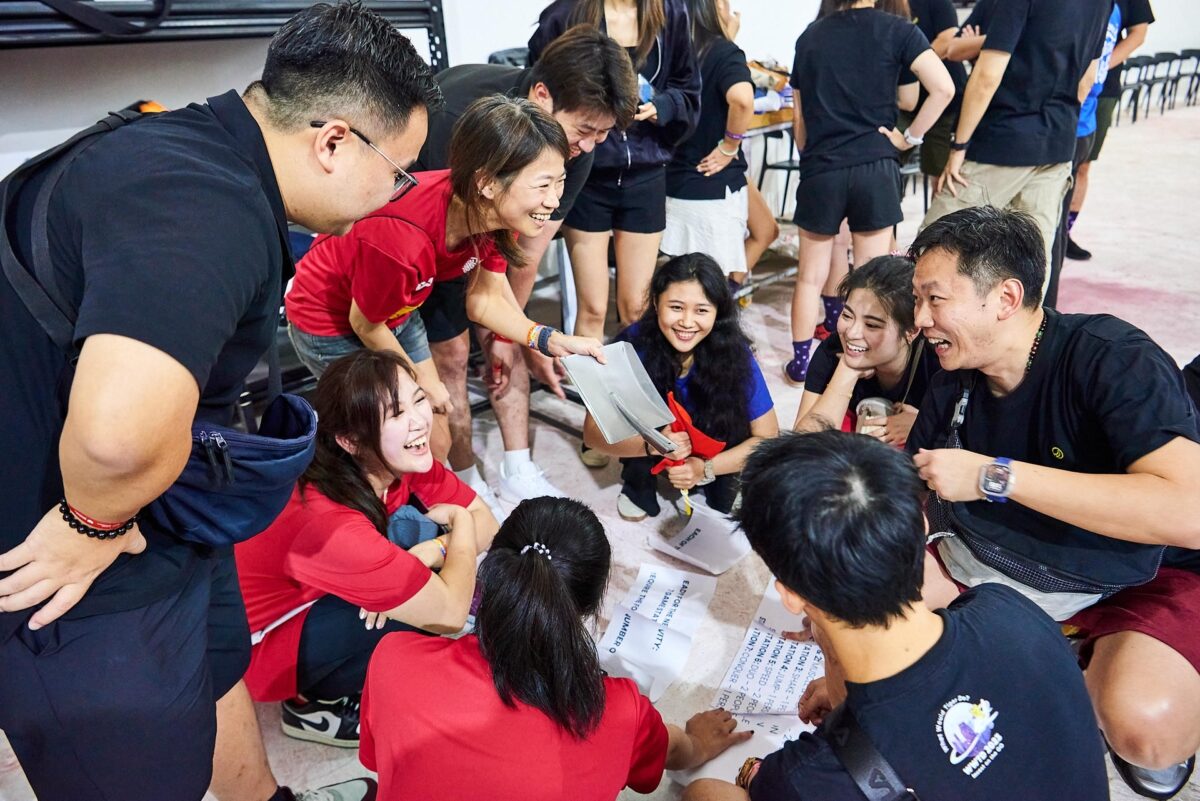
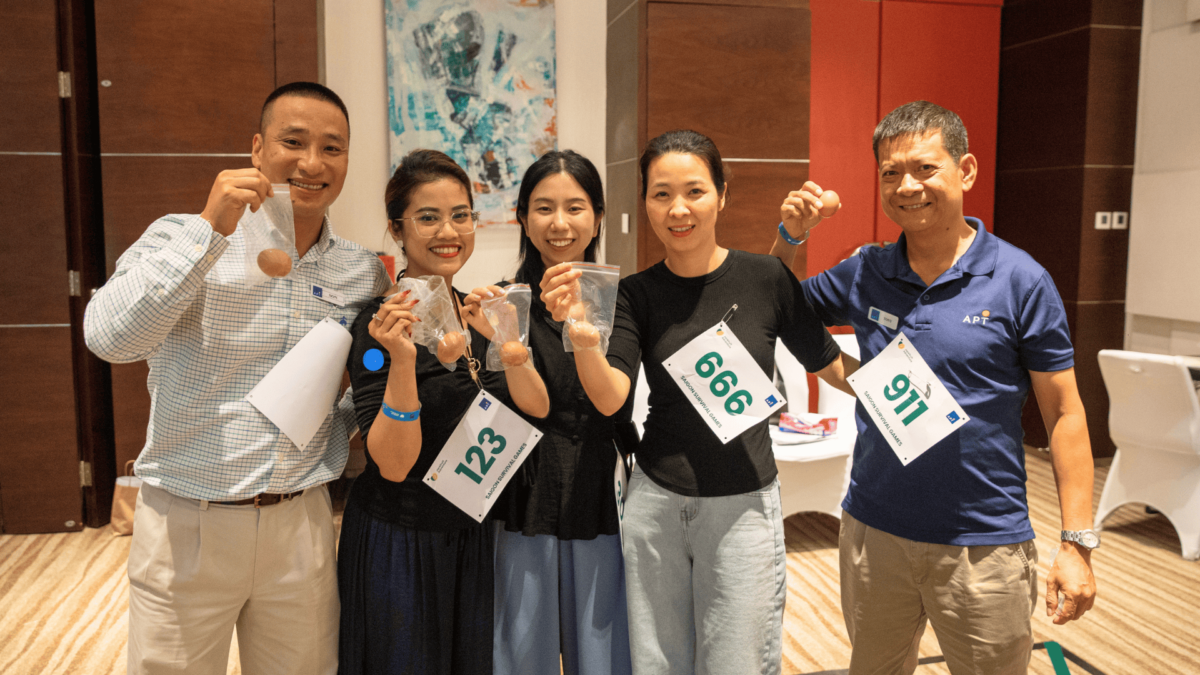
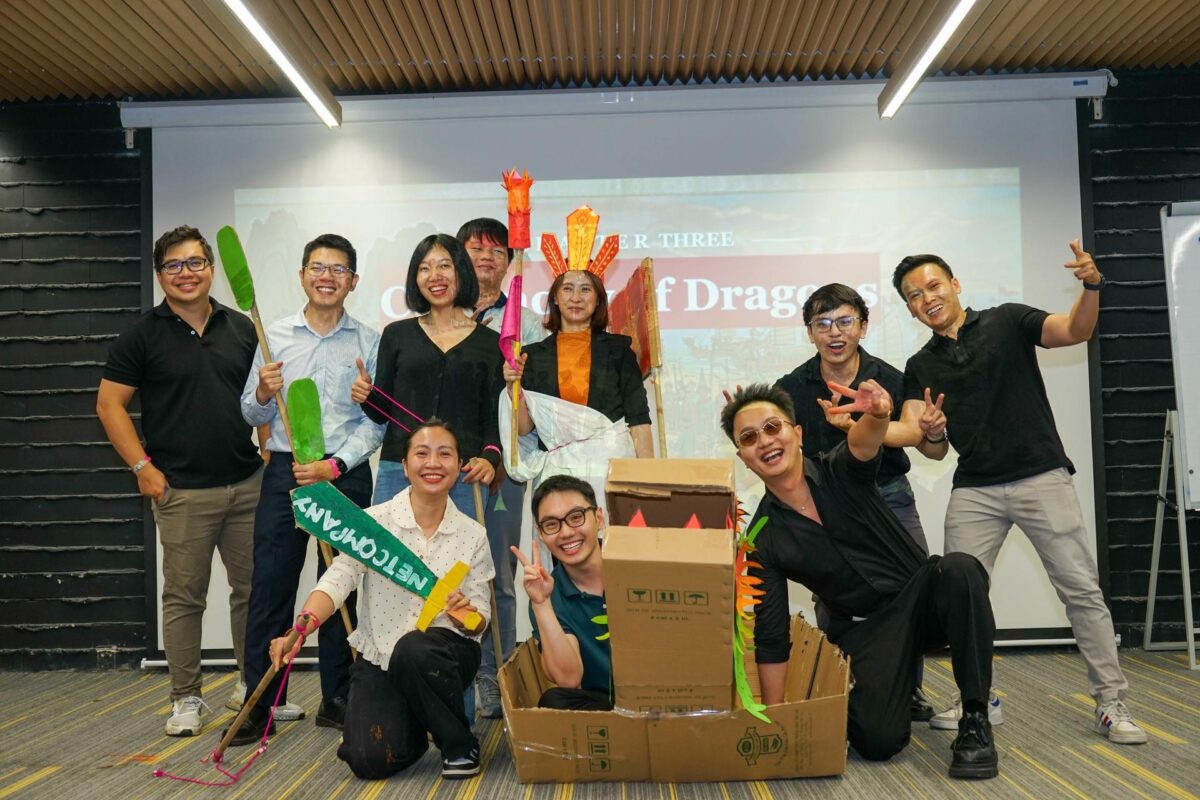
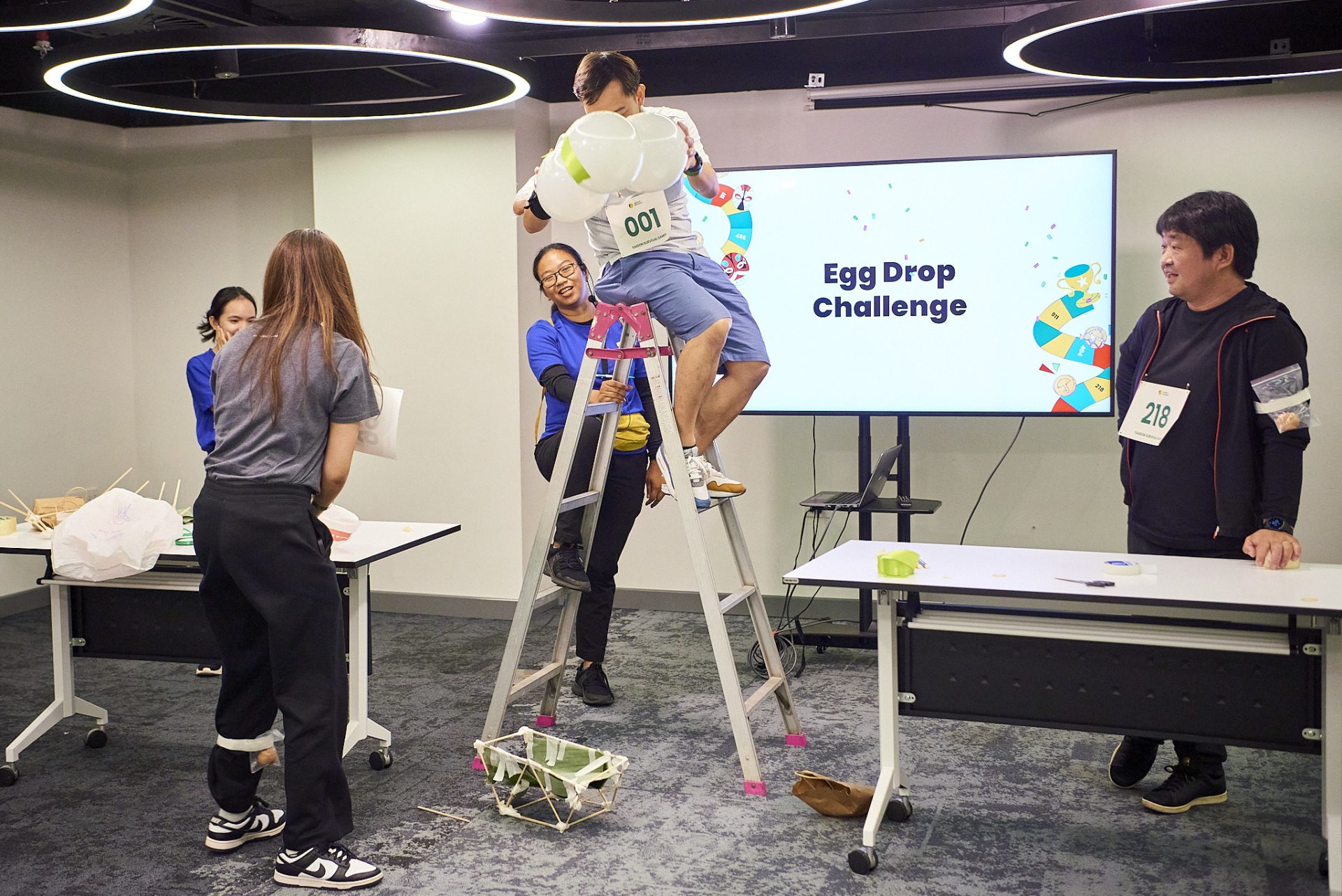
Many team events fail because each game feels disconnected from the next. A survival storyline solves that problem. Teams become tribes, receive limited resources, create identities, build shelters, decode messages, collect supplies, and complete several stages toward one final goal.
This is useful for corporate event management because a single narrative connects the entire day. Participants understand why they are moving from one activity to another, rather than feeling like they are simply completing a list of games.
Insider detail: teams of roughly 8 to 12 people often make role-sharing easier in a survival format. One person can lead, another can solve, others can build, communicate, carry resources, or manage time.
Best for: competitive teams, larger groups, and leadership programs that need collaboration under pressure. The shared storyline keeps several challenges connected and gives participants a clear reason for each stage of the day.
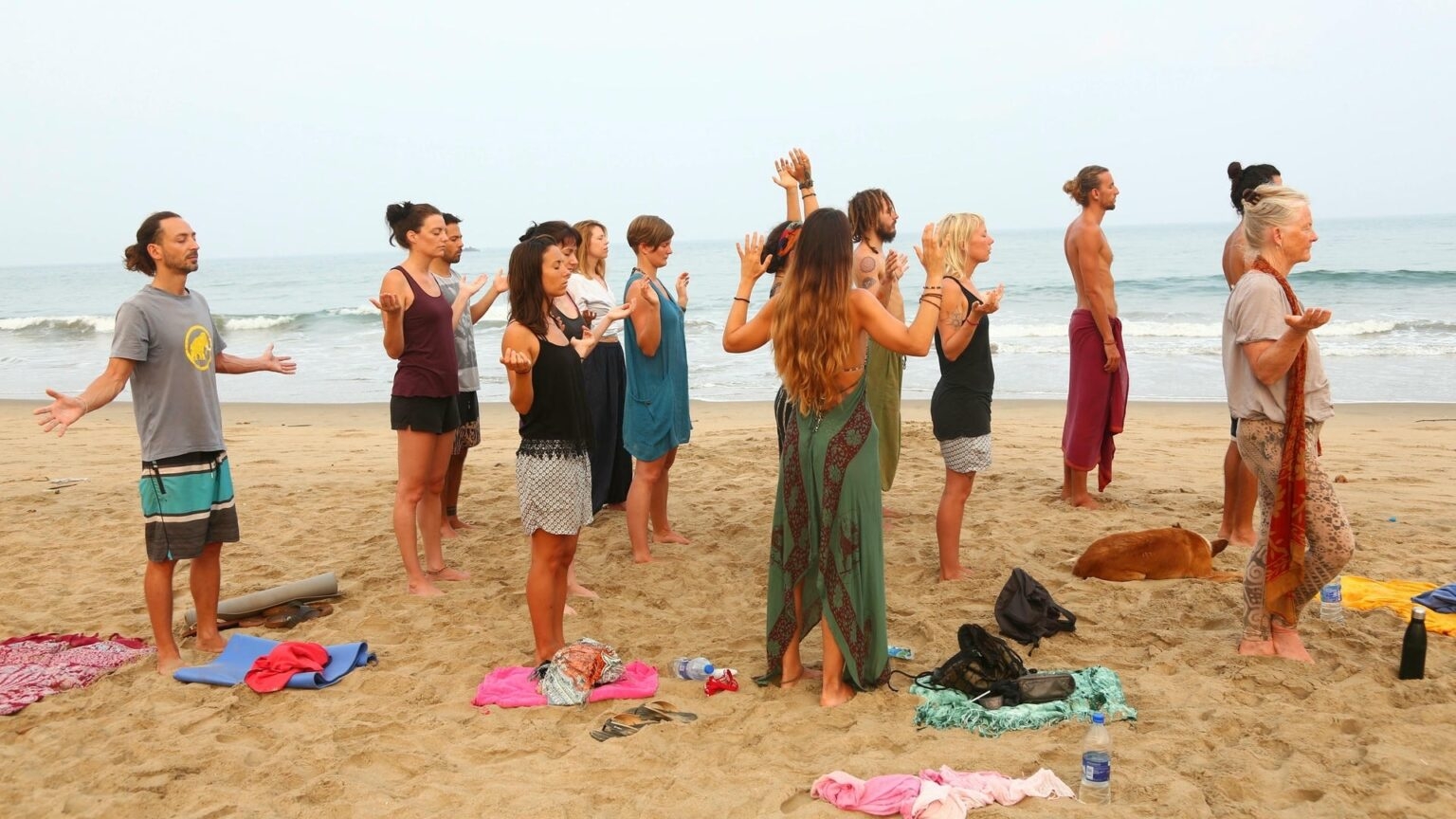
6. Add a wellness and reflection reset
If your team has been under pressure, they might not need a high-energy activity. Sometimes, they just need space. Good corporate event management means knowing when to help people recharge instead of pushing for more excitement. A walk, light movement, guided reflection, small-group conversation, journaling, or a closing wall where teams answer questions such as: What should we stop doing? What should we protect? What helped us move forward this year?
The activity itself may only take 30 to 90 minutes. That is not a weakness. Reflection is usually the closing layer after the main event rather than a replacement for the full program.
Best for: high-stress teams, leadership groups, or employees who need recovery and space to reconnect. It is especially useful as a closing layer after a demanding meeting, retreat, or high-energy team activity.
A practical corporate event management flow
The creative idea is only one part of corporate event management. The flow determines whether the event feels smooth or chaotic.
A practical half-day structure could look like this:
- 08:00–08:30:Arrival, registration, team colors, informal welcome
- 08:30–08:40: Briefing with only essential rules
- 08:40–11:15: Main creative activity
- 11:15–11:35: Reflection, story sharing, or community handover
- 11:35–12:00: Recognition, group photo, leadership close
Insider detail: do not spend 25 minutes explaining a game people have not started yet. Keep the main briefing short, show one example, assign a clear contact person to each team, and move people into the activity quickly. Additional instructions can be delivered at each station.
Companies needing destination planning, venues, transport, local experiences, or onsite coordination can also explore Jackfruit Adventure’s corporate event services in Vietnam.
Guest story: When a corporate event became a real city experience
Siemon Vietnam came to Jackfruit Adventure looking for more than another traditional team-building day. The team had grown, roles were shifting, hybrid work had limited meaningful interaction, and previous activities had often felt forced.
The answer was an Impact Race through Ho Chi Minh City. The experience began in a hidden French-era apartment with a local-style coffee tasting before the team moved on to a broader city-based challenge.
The lesson for corporate event management is simple: creativity does not always mean inventing something futuristic. Sometimes it means using the real city, the right moment of opening, local context, and a clear team purpose in a way that feels personal to the group.
Common mistakes in corporate event management
The first mistake is choosing the activity before defining the objective. A competitive sales team and a burned-out leadership group may need completely different experiences.
The second mistake is over-scheduling. A full day does not need twelve activities. People need transition time, water, food, conversation, transport buffers, and space to absorb the experience.
The third mistake is designing only for extroverts or highly active participants. Strong corporate event management ideas include different roles so people can lead, solve, build, create, communicate, observe, or support.
The fourth mistake is forgetting the ending. Awards alone are not always enough. Give the team a final question, a shared story, a visual memory, a commitment wall, or a leadership message that explains why the experience mattered.
Final thoughts: creative corporate event management is about fit, not novelty
The best corporate event management does not chase novelty for its own sake. A great event feels creative because the activity fits the people, the destination, the company objective, and the moment the team is currently going through.
In 2026, that could mean turning Vietnam into a live game board, creating a CSR mission with real purpose, slowing down over local coffee, cooking for a community partner, building one shared mural, producing 60-second team films, or letting employees choose between several experience paths.
The real job of corporate event management is to connect all the pieces: purpose, activity, people, place, timing, logistics, facilitation, and reflection. When those elements work together, the event stops feeling like a break from work and becomes a shared experience people can actually bring back to work.