

Table of Contents
The best corporate event space in Vietnam depends on your team goal: choose indoor venues for workshops and leadership sessions, outdoor spaces for active team bonding, hybrid formats for flexible programs, CSR-friendly locations for purpose-driven activities, and retreat destinations for deeper connection.
For companies planning team-building days, company retreats, CSR programs, incentive trips, or leadership offsites, Vietnam offers far more than hotel ballrooms. A team can solve clues through Hanoi’s Old Quarter, cycle through hidden neighborhoods in Ho Chi Minh City, run beach games in Da Nang, join cultural missions in Hoi An, or reset in the cooler highlands of Da Lat. The right corporate event space should make these experiences feel smooth, purposeful, and easy for people to join.
At Jackfruit Adventure, we design corporate events around movement, culture, teamwork, and purpose. The best starting point is not the venue itself, but the question behind it: what should your team feel, learn, and remember after the event? A well-planned corporate event space in Vietnam should support that purpose from the first briefing to the final reflection.
Why Corporate Event Space in Vietnam Matters for Team Building
The space you choose shapes how people behave. A formal indoor room supports focus, presentations, leadership alignment, and reflection. An outdoor route creates energy, movement, and natural conversation. A hybrid setup gives organizers the best of both worlds: structure when needed, freedom when the team needs to move. In this sense, a corporate event space is not just a location, but a tool that shapes how the team communicates and works together.
In Vietnam, this choice matters even more because each destination has a different rhythm. Ho Chi Minh City is fast, social, and ideal for city quests or food-based missions. Hanoi works well for cultural storytelling, walking challenges, and heritage discovery. Da Nang and Hoi An are strong for retreats, beach activities, and creative workshops. Da Lat brings a cooler climate and a calmer setting for reflection. Choosing the right corporate event space helps companies match the event mood with the destination’s natural strengths.
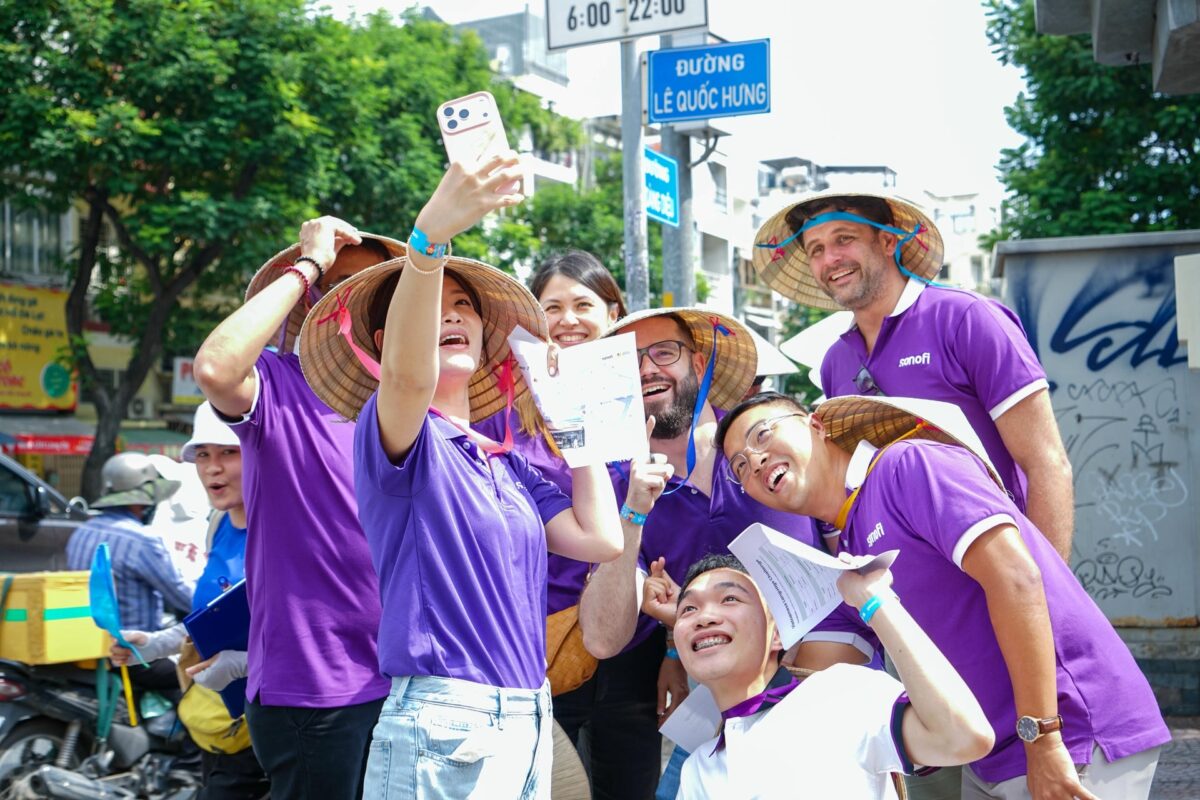
For example, a team that wants to improve communication may benefit from a city quest in Ho Chi Minh City or Hanoi, where members must observe, ask, decide, and move together. A leadership group may need a quieter hotel meeting room in Da Nang or a riverside villa near Hoi An. A company focused on social impact may prefer a CSR-friendly community space where teamwork is connected to a real local purpose.
Jackfruit Adventure delivers team-building and corporate programs across Vietnam, including Ho Chi Minh City, Hanoi, Da Nang, Hoi An, Da Lat, Ha Giang, Hai Phong, Vung Tau, and other locations based on group requirements. With the right corporate event space, each program can feel more organized, more engaging, and more connected to the team’s purpose.
1. Outdoor Event Spaces for High-Energy Teams
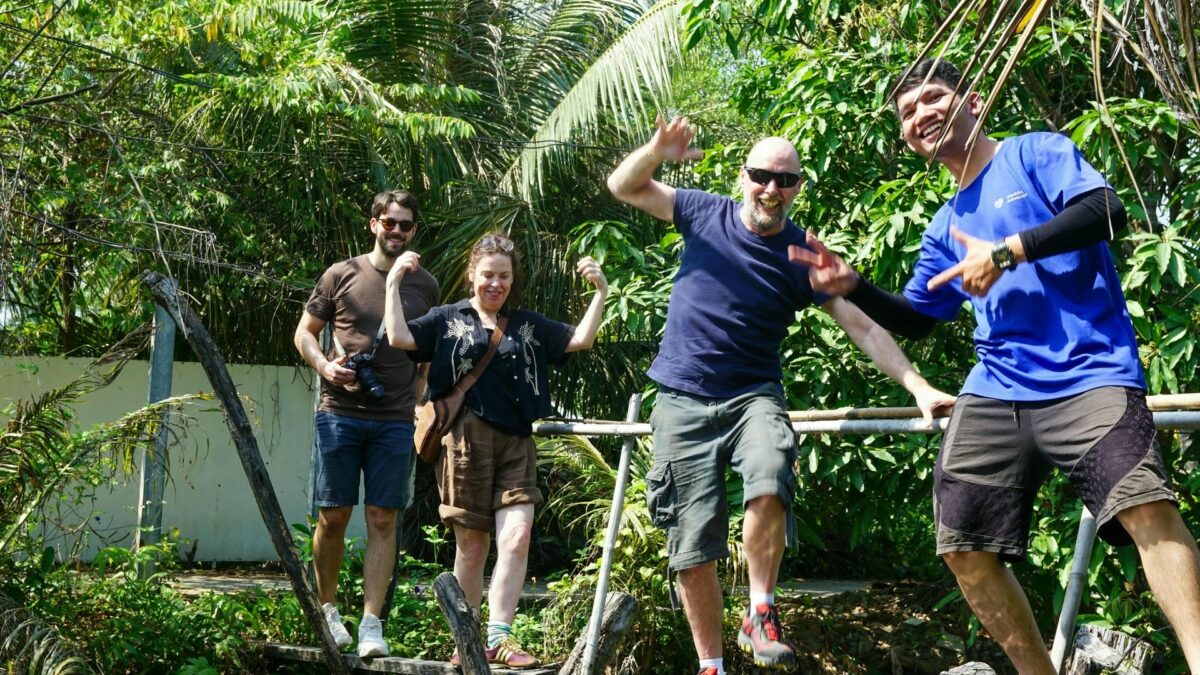
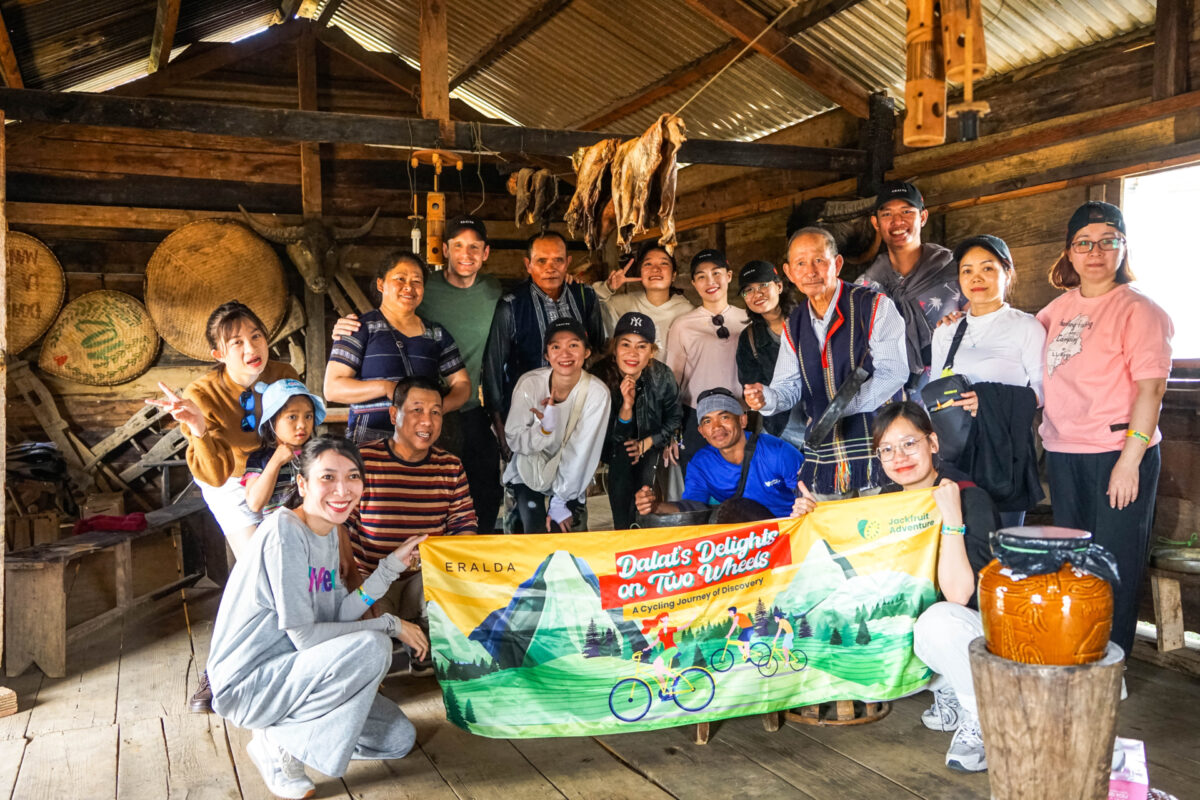
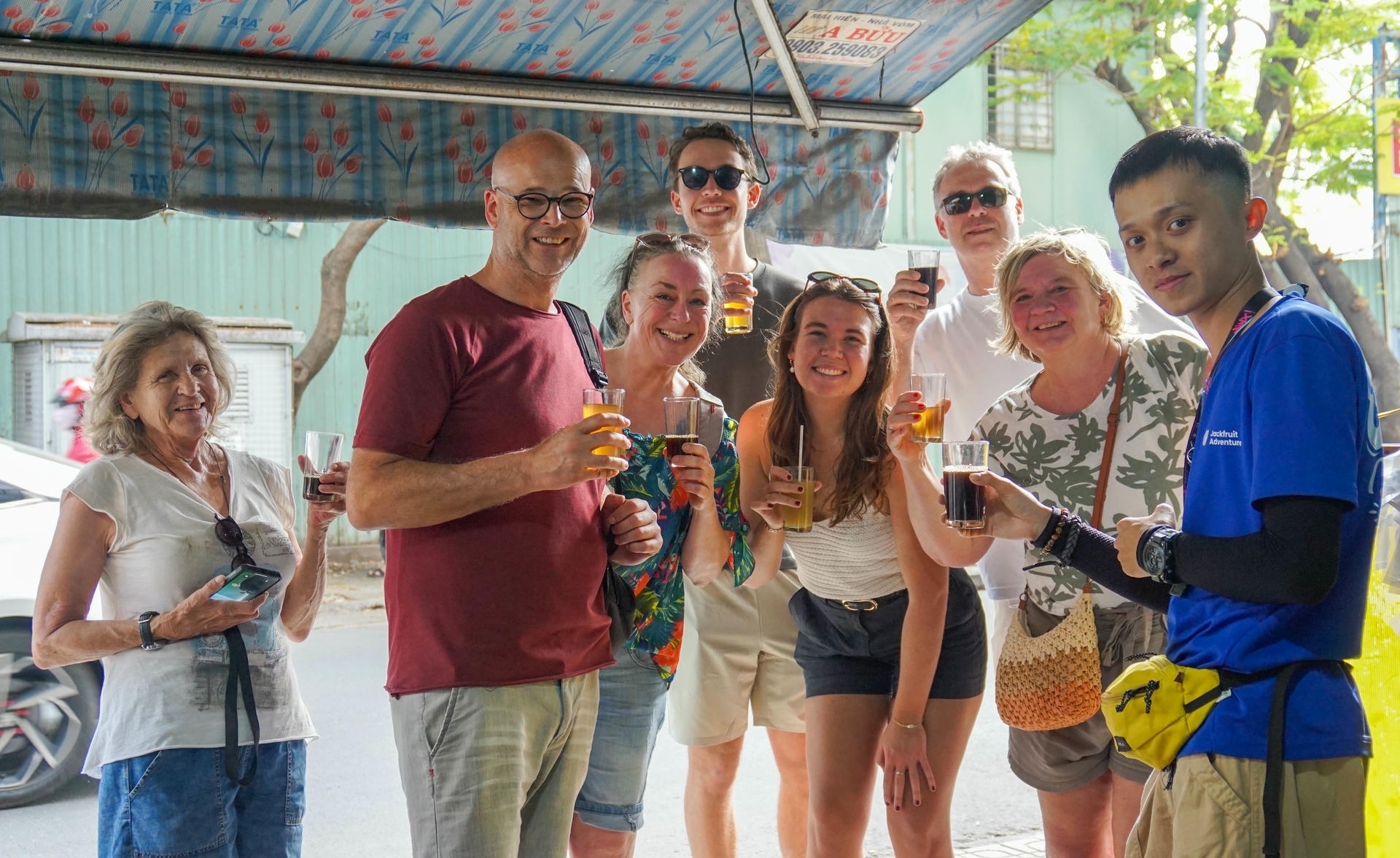
Outdoor spaces work best when your team needs movement, exploration, and active collaboration. Instead of sitting in one room, employees can walk, cycle, solve clues, complete missions, visit local areas, and discover the destination together.
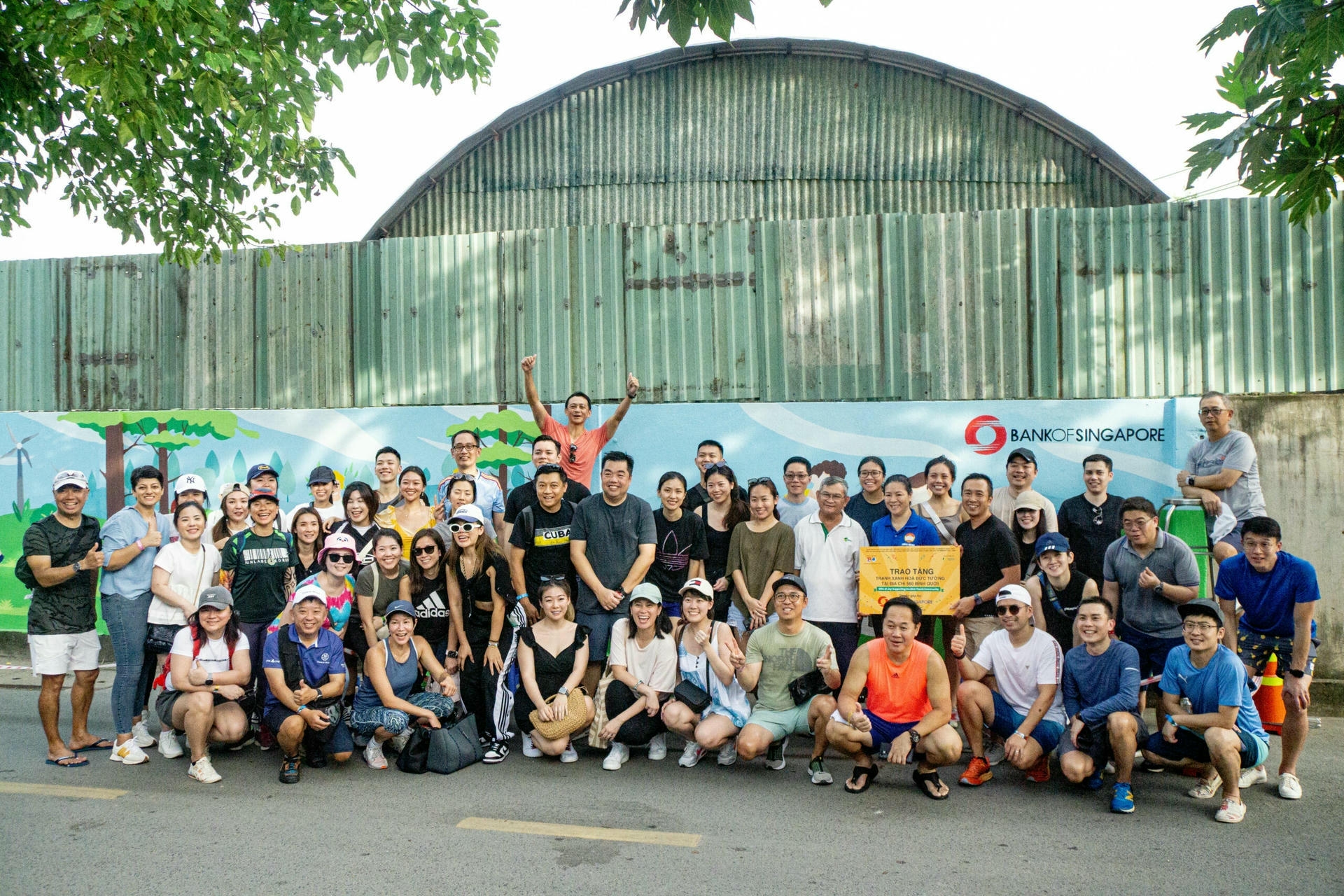
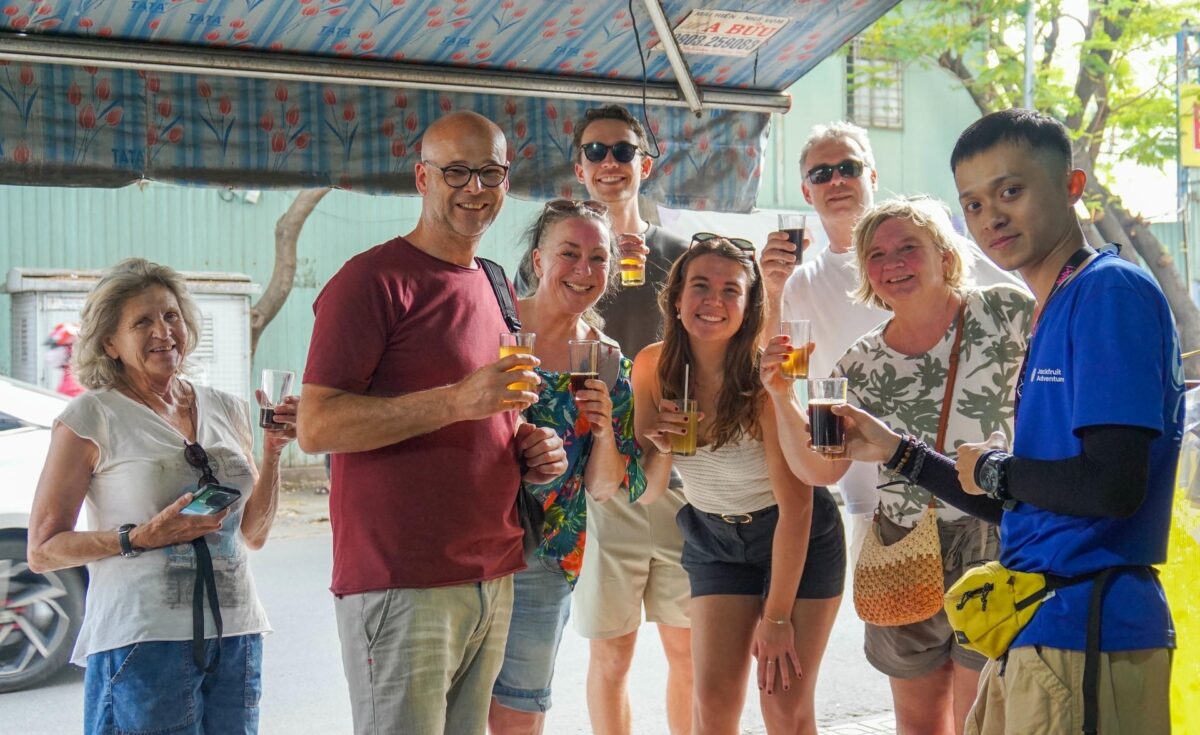
In Ho Chi Minh City, outdoor formats can include city quests around District 1, food missions near local markets, cycling routes through hidden neighborhoods, riverside activities around Thanh Da or Binh Quoi, and CSR-style challenges in community-friendly areas.
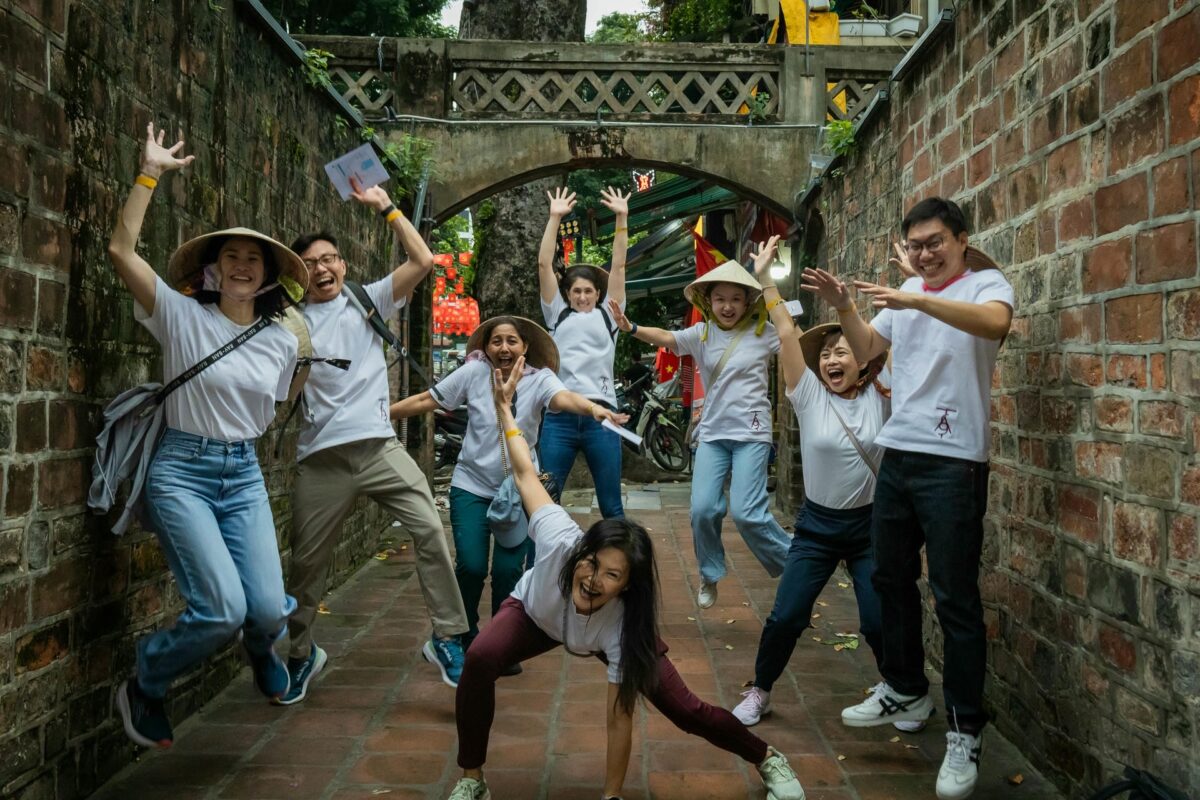
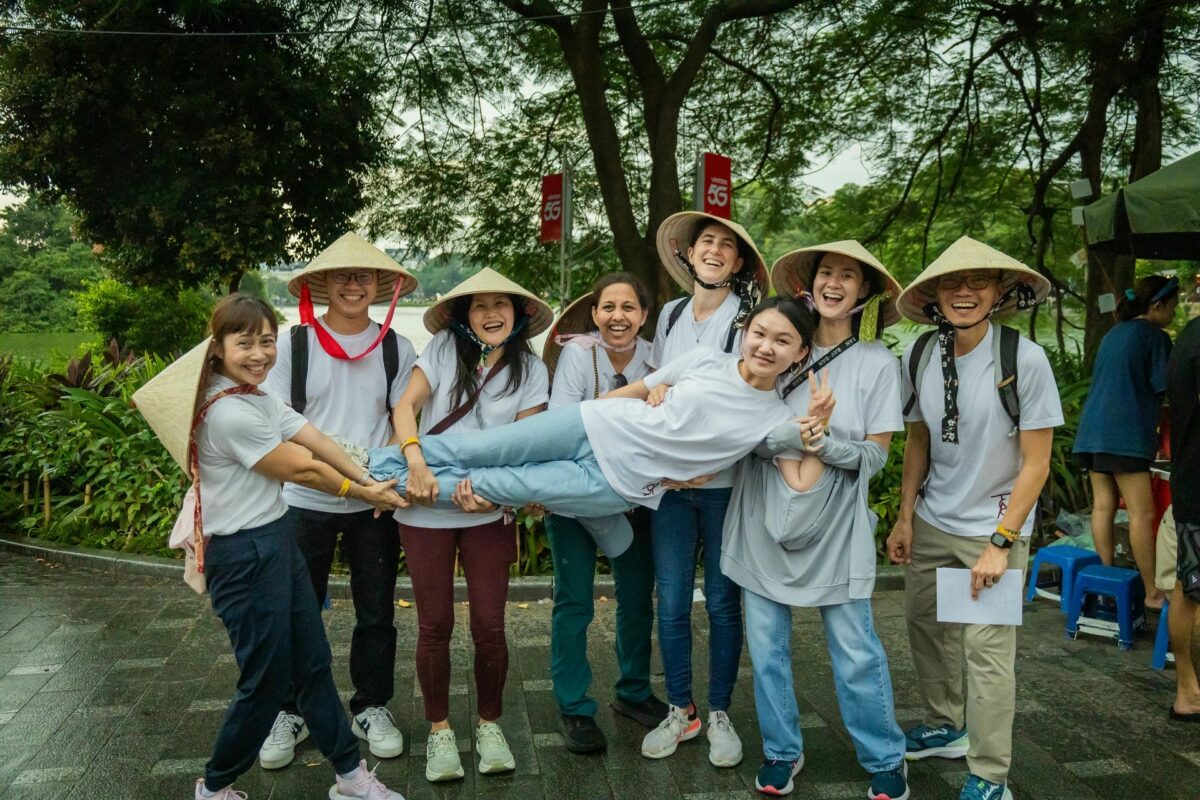
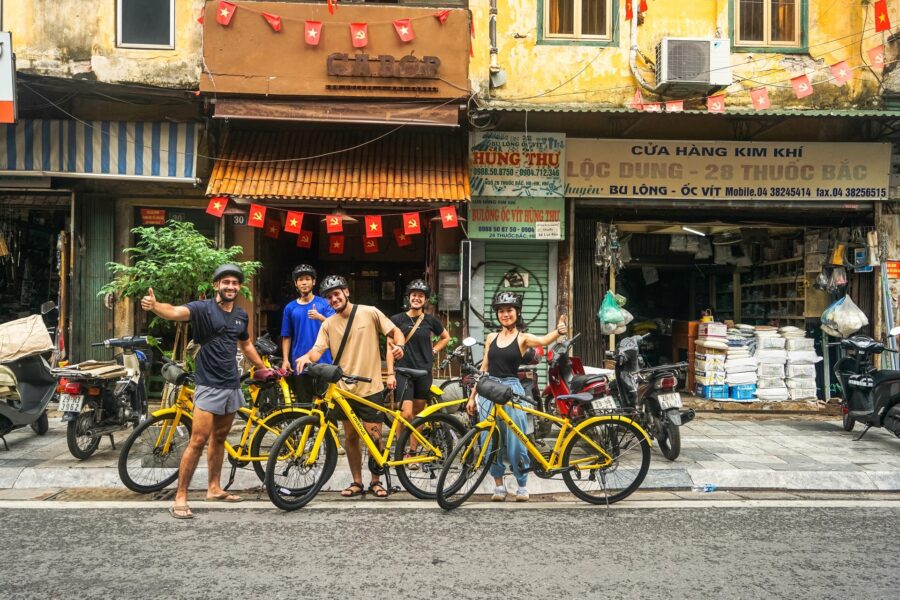
In Hanoi, strong outdoor options include the Old Quarter, Hoan Kiem Lake, craft streets, local markets, and heritage routes where teams can complete cultural puzzles or observation missions.
In Da Nang and Hoi An, outdoor programs can use My Khe Beach, riverside paths, Hoi An Ancient Town, Cam Thanh coconut village, cycling routes, and open retreat areas.
Insider detail: For outdoor team activities in Vietnam, morning sessions from around 7:30–10:30 usually feel more comfortable. Late afternoon sessions after 15:30 can work well for city discovery or beach activities, especially when paired with dinner or an awards session. Midday outdoor programs should be avoided when possible because heat, traffic, and fatigue can reduce engagement.
Best for:
- City quest challenges
- Amazing Race-style games
- Outdoor CSR activities
- Cycling or walking discovery games
- Beach team building
- Market hunts
- Cultural puzzle races
2. Indoor Venues for Focused Team Activities
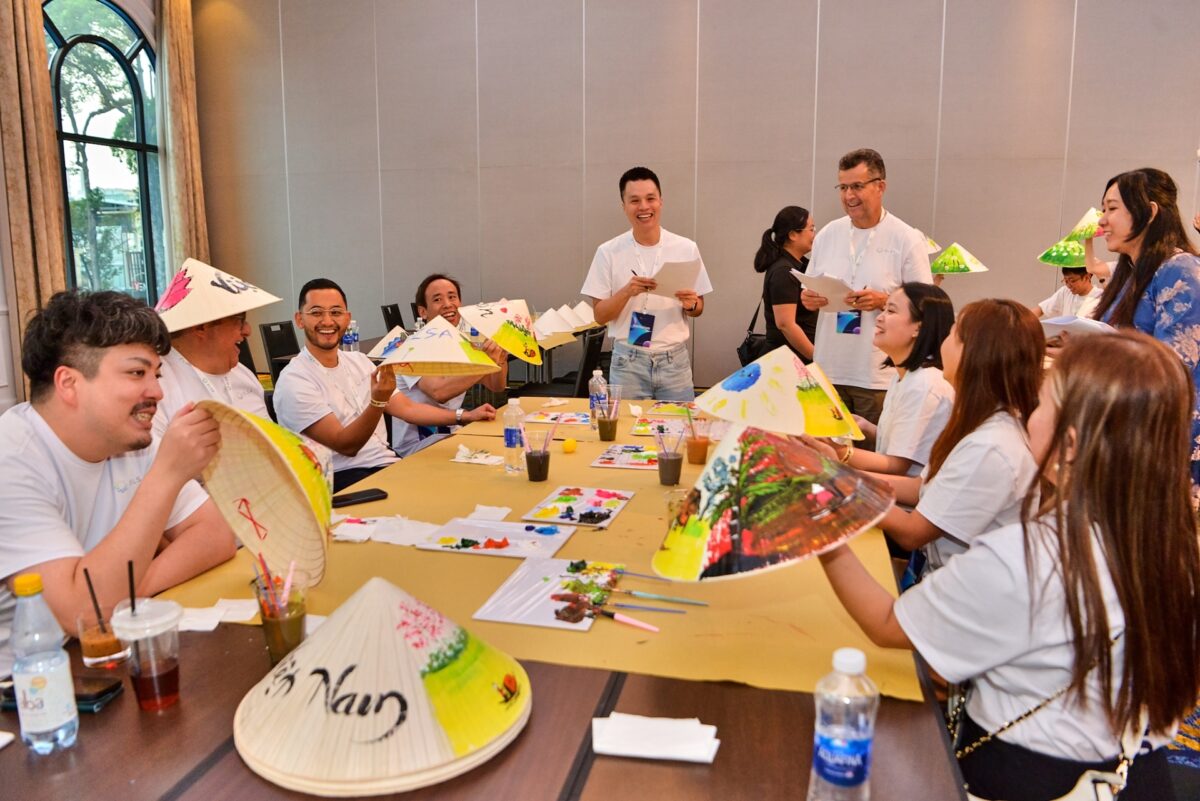
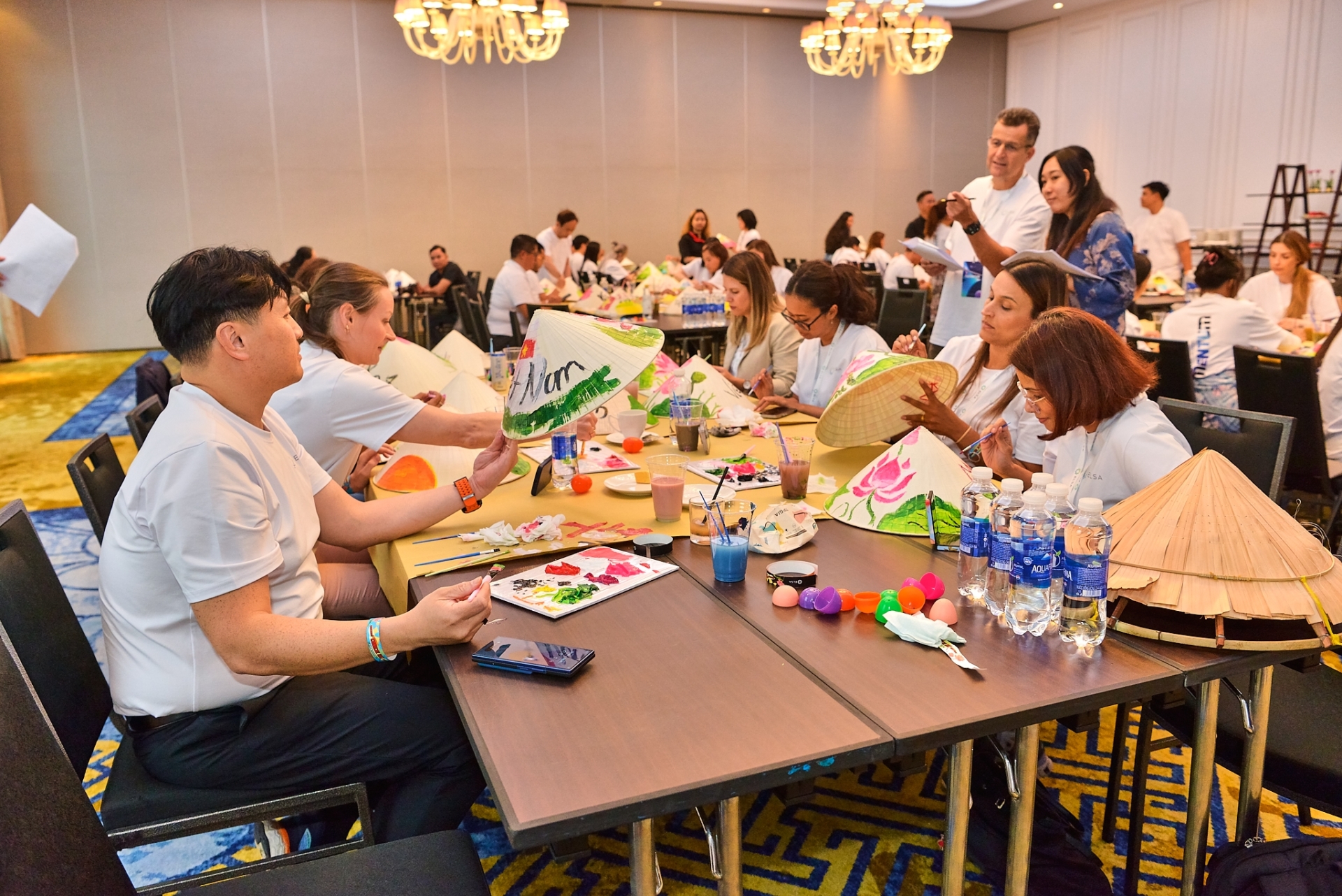
Indoor venues give companies more control over timing, weather, sound, seating, AV setup, presentations, and meal service. They are useful for teams that need a structured agenda, lower physical activity, or a professional setting for leadership and strategy.
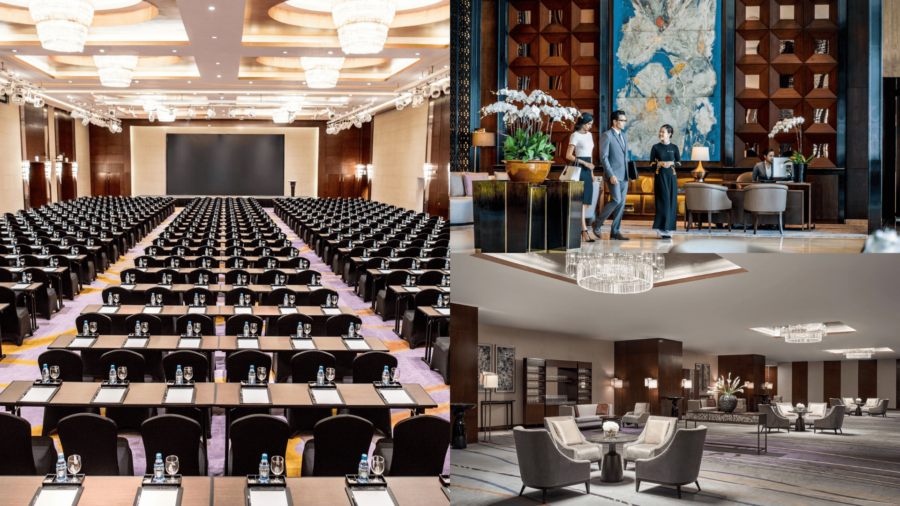
In Ho Chi Minh City, indoor options include hotel ballrooms, meeting rooms, restaurants, private dining rooms, creative studios, co-working spaces, and conference areas. For example, Sheraton Saigon Grand Opera Hotel on Dong Khoi Street is suitable for larger corporate functions because it has multiple meeting rooms and extensive event space.
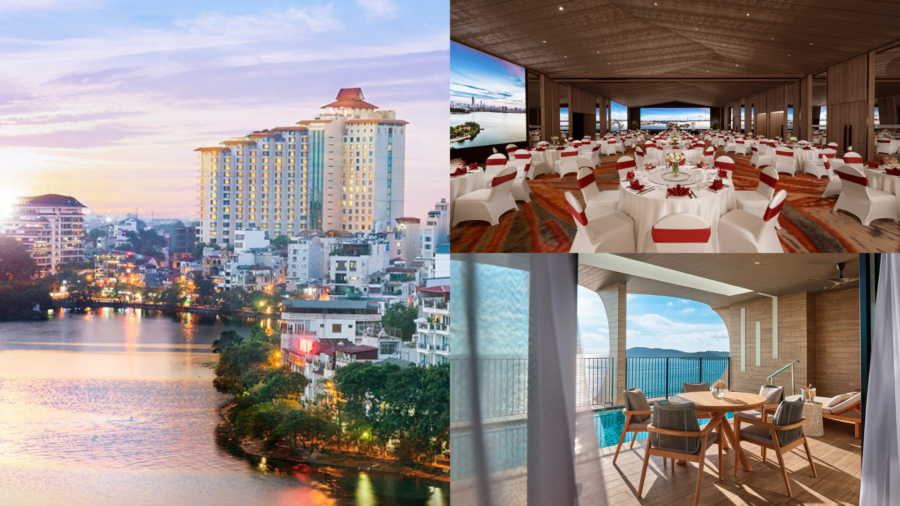
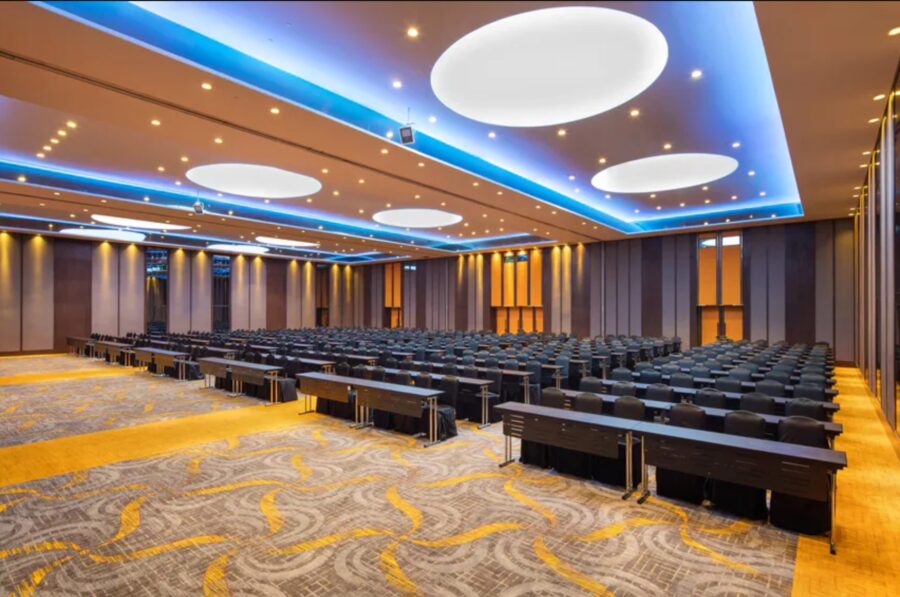
In Hanoi, InterContinental Hanoi Landmark72 is a strong example for executive-level events, conferences, and large indoor sessions because of its conference center, ballroom, foyer, and modern AV setup.
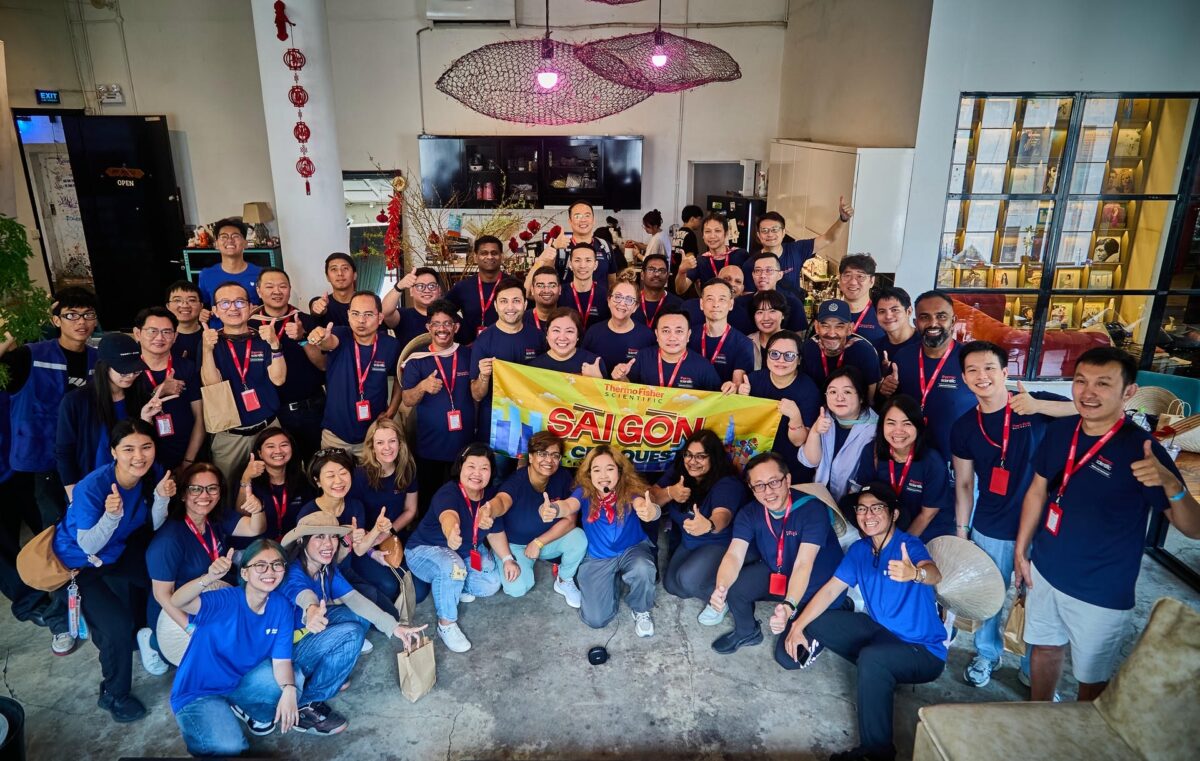
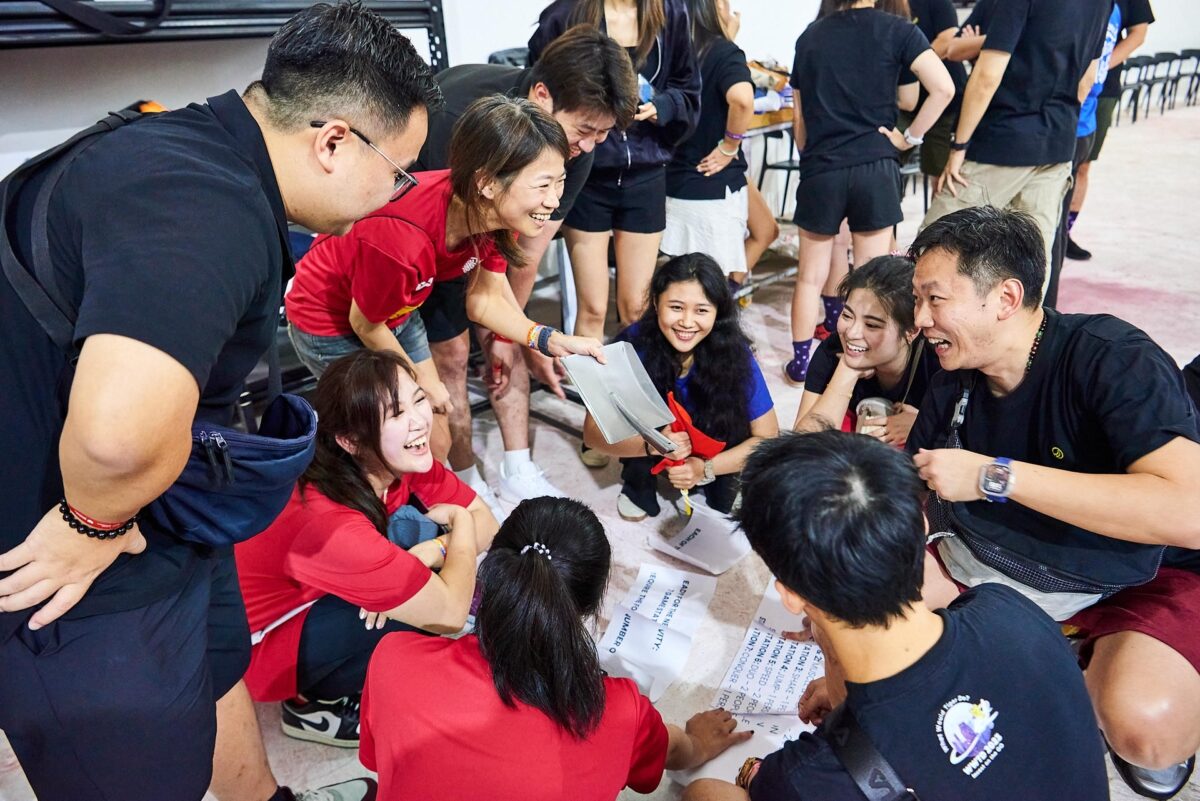
Indoor formats are especially useful for leadership workshops, company values sessions, creative build challenges, cooking activities, reflection circles, and awards ceremonies.
Insider detail: Indoor does not have to mean boring. A good indoor setup should still include movement, table rotation, small-group missions, visual materials, and a clear closing activity. If the room feels too similar to the office, participants may treat the event like another meeting.
Best for:
- Leadership workshops
- Indoor team-building games
- Company values challenges
- Cooking team challenges
- Creative problem-solving games
- Reflection sessions
- Awards and closing activities
3. Hybrid Spaces for Flexible Programs
Hybrid formats combine indoor and outdoor areas. This is often the safest choice when a company wants energy, movement, and exploration but still needs a controlled place for briefing, meals, reflection, or presentations.
A Ho Chi Minh City program can begin with an indoor welcome session, continue with a city quest or CSR challenge, and return indoors for awards and reflection. A Hanoi team can start with a short briefing before walking through the Old Quarter for cultural missions. In Da Nang or Hoi An, a group can use a resort meeting room in the morning, then move into beach games, lantern-making, cycling, or local discovery in the afternoon.
Insider detail: Hybrid is especially useful during Vietnam’s rainy season. If the outdoor section is affected by rain, the facilitator can shorten the route, move to a covered area, or switch to indoor missions without losing the whole program.
Best locations for hybrid formats:
- Ho Chi Minh City
- Hanoi
- Da Nang
- Hoi An
- Da Lat
- Vung Tau
- Hai Phong
- Retreat destinations across Vietnam

4. Corporate Event Space in Ho Chi Minh City
Ho Chi Minh City is ideal for companies that want a dynamic, urban, and social event. The city works well for team building, MICE programs, CSR activities, food missions, cycling routes, and city-based bonding games.
For companies planning a corporate event space in Vietnam with a MICE angle, it is also useful to understand how the country is positioning business events and destination experiences. You can refer to this official Vietnam tourism update on MICE tourism for broader context on Vietnam’s business event potential.
Outdoor options can include local neighborhoods, historic streets, markets, riverside routes, and cycling paths planned around safety and group flow. Indoor options can include hotels, restaurants, private venues, creative meeting rooms, and conference spaces.
Jackfruit Adventure has facilitated team-building activities and corporate experiences in Ho Chi Minh City, including CSR programs, local discovery, cycling, food-based activities, and custom team challenges.
For large-scale corporate functions, Sheraton Saigon Grand Opera Hotel is a useful reference point because it offers a central location, multiple meeting rooms, and flexible event space. For more local and movement-based programs, Jackfruit Adventure can design routes around hidden alleys, local food stops, riverside areas, or community-based activities.
Insider detail: For corporate groups in Ho Chi Minh City, traffic planning is part of venue planning. A beautiful venue can still create stress if the group must cross the city during peak traffic. For smoother flow, keep the briefing, activity route, meal, and closing session within a realistic travel radius.
5. Corporate Event Space in Hanoi
Hanoi is a strong destination for culture, history, walking discovery, and authentic local experiences. The city is especially effective for teams that want storytelling, observation, and connection with place.
Outdoor programs can use the Old Quarter, Hoan Kiem Lake, markets, craft streets, and historical areas for clue-based missions or cultural puzzle races. Indoor options include hotels, restaurants, craft spaces, meeting venues, and workshop-friendly locations.
InterContinental Hanoi Landmark72 works well for larger or executive-level indoor programs, while Old Quarter routes are better for teams that want discovery, local interaction, and movement.
For international teams, Hanoi can be especially memorable because the city allows employees to learn about Vietnam while working together. A well-designed program can move from a short briefing to a walking challenge, then end with a reflection circle or shared meal.
Read our blog to plan a meaningful event in Hanoi: Plan team building in Hanoi with Jackfruit Adventure
6. Corporate Event Space in Da Nang and Hoi An
Da Nang and Hoi An are ideal for companies seeking a retreat atmosphere. This region works well for leadership offsites, company retreats, beach team building, CSR programs, wellness events, and cultural activities.
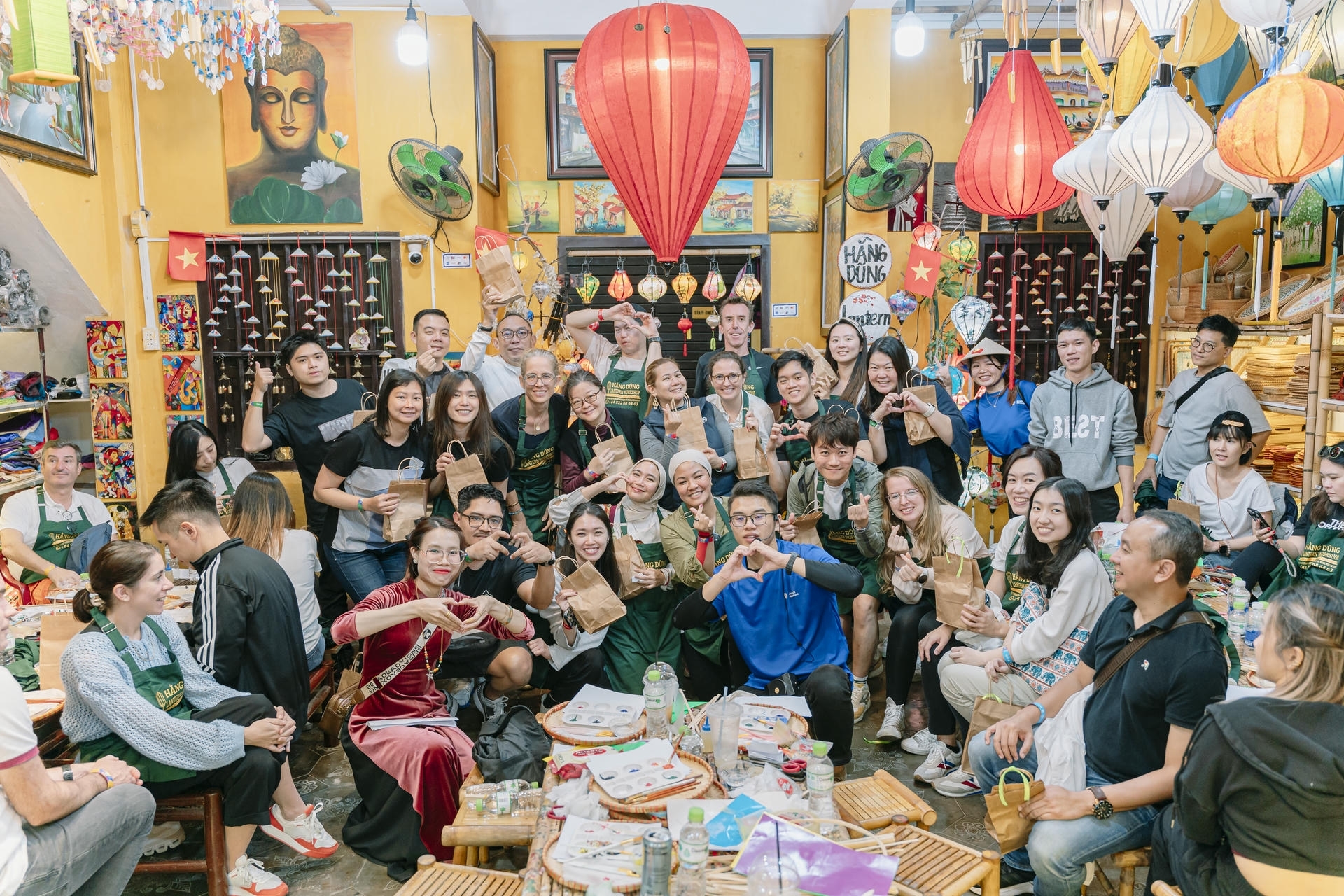
Da Nang is convenient because of its airport, hotels, beaches, and resort infrastructure. Hoi An adds cultural depth through lantern-making, local crafts, food discovery, heritage streets, and riverside settings.
Outdoor locations can include My Khe Beach, riverside routes, coconut groves, cycling paths, Hoi An Ancient Town, and open resort areas. Indoor options can include beachfront resorts, riverside villas, hotel meeting rooms, boutique event spaces, and convention venues such as Ariyana Convention Centre Danang for larger groups.
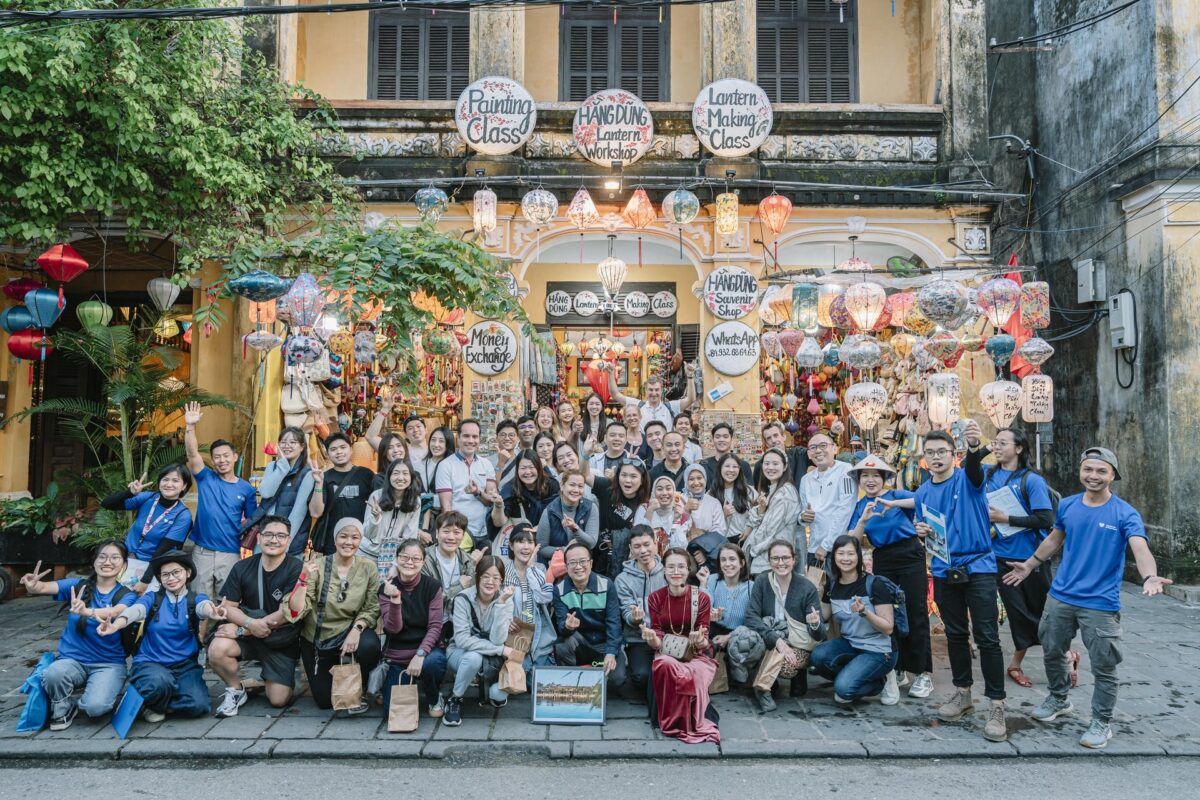
Insider example: One regional company retreat in Da Nang and Hoi An brought together more than 40 employees from Asia and Europe. Instead of using a standard icebreaker, the program became a cultural race through Hoi An Ancient Town, with teams using maps, bilingual clues, market interactions, and heritage checkpoints to build cross-cultural connection.
Read our guide: Explore company retreats in Da Nang and Hoi An.
7. CSR-Friendly Spaces for Social Impact
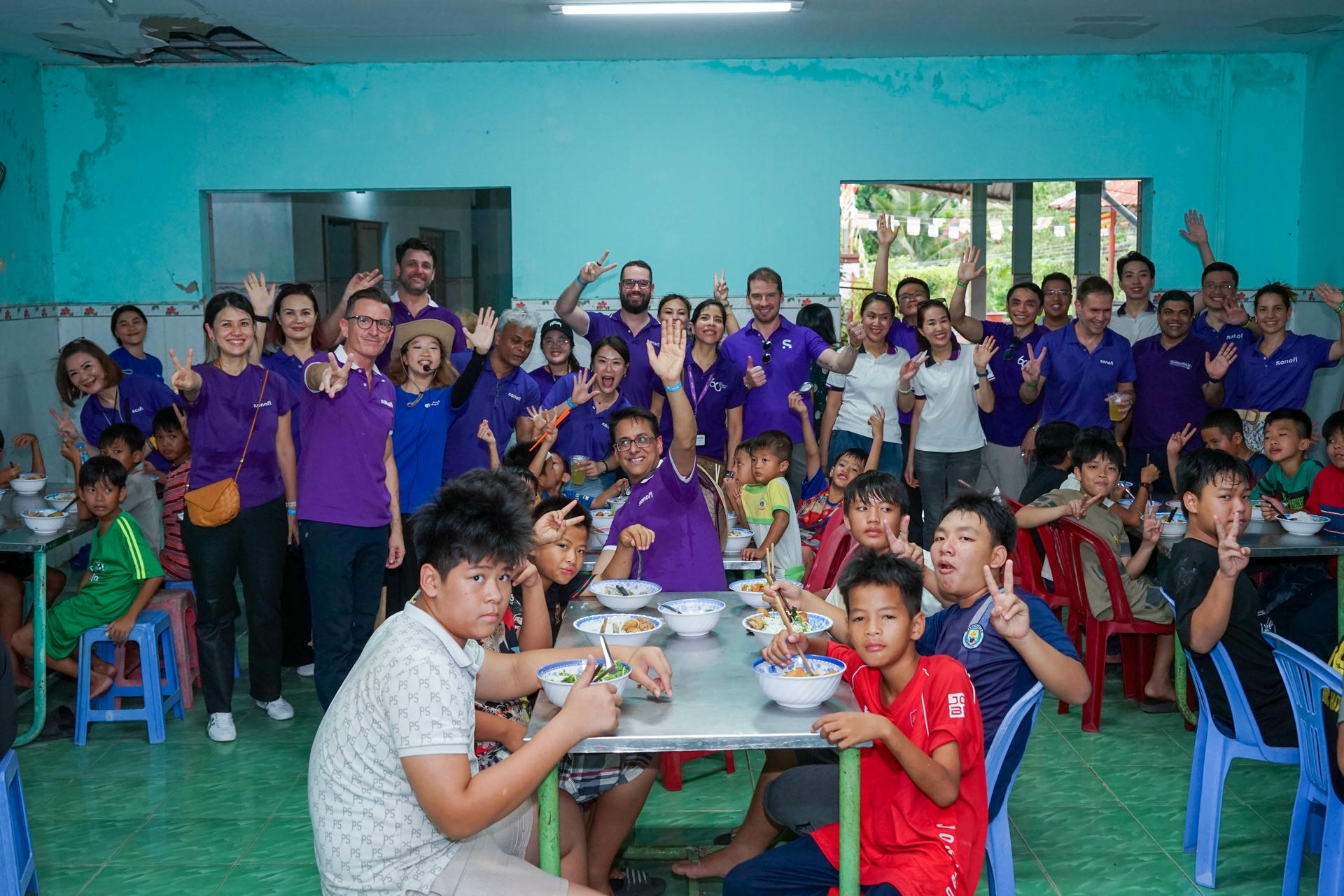
A CSR-friendly venue should support both teamwork and purpose. Rather than only offering games, this format connects employees with local needs, community partners, giving projects, or environmental action.
CSR programs can happen indoors, outdoors, or across multiple activity stations. Teams may assemble useful items, prepare care packages, cook together, join a giving race, support a local partner, or take part in an environmental activity.
The key is respect. The location should be safe, well-organized, and appropriate for the community involved. The activity should feel meaningful, not performative.
Insider detail: For CSR events in Vietnam, the best venue is not always the most beautiful one. It is the place that allows smooth logistics, respectful interaction, clear storage of materials, easy transport access, and enough time for teams to understand why the activity matters.
Explore Jackfruit Adventure’s CSR event programs.
8. Spaces for Large Corporate Groups
Large-group events require more than size. They need flow.
When choosing a corporate event space in Vietnam for a large team, the organizer should look beyond capacity and consider how people will arrive, move, listen, rest, and rotate through each activity zone.
Companies should consider arrival, registration, team division, sound, shade, water stations, restrooms, transport access, emergency plans, and clear movement between activity zones.
Ho Chi Minh City works well for large groups because it has many indoor and outdoor venue options. Da Nang and Hoi An are strong for retreat-style large groups. Hanoi can work well for walking-based cultural discovery. Vung Tau, Da Lat, Hai Phong, and Ha Giang can support custom formats depending on the group profile and schedule.
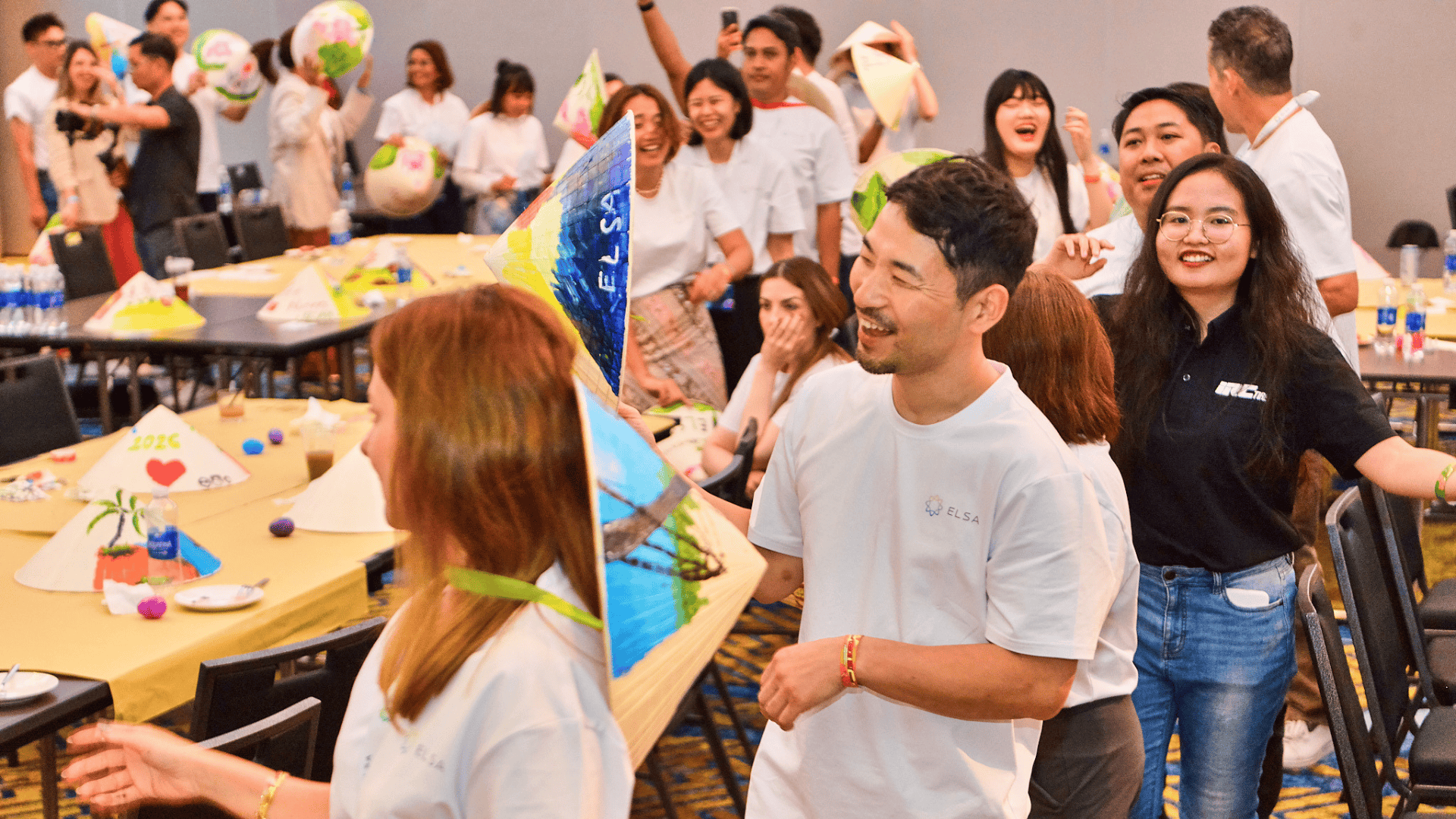
For large teams, rotating stations are often more effective than one big activity. Smaller groups move through different challenges, which helps reduce waiting time and keeps people engaged.
If the group has more than 80–100 people, venue layout becomes as important as the activity concept. A program can lose energy quickly if teams spend too much time waiting, walking too far between zones, or struggling to hear instructions.
9. Spaces for Company Retreats
A company retreat needs a setting where participants can slow down, reconnect, and think beyond daily work. Unlike a short team-building session, a retreat may include bonding activities, meals, workshops, reflection, informal conversations, and leadership alignment.
Da Nang and Hoi An are strong for coastal retreats. Da Lat works well for cooler weather and a calm highland atmosphere. Ha Giang is suitable for teams seeking nature, perspective, and deeper shared experiences. Vung Tau can be a convenient coastal option from Ho Chi Minh City. Hanoi and Ho Chi Minh City can work for shorter offsites or MICE-style programs.
The ideal retreat venue should match the team’s energy. Leadership groups may need quiet meeting rooms, privacy, and a slower schedule. Younger teams may prefer outdoor games, food missions, cycling, or beach challenges. Multinational teams may benefit from cultural discovery and storytelling.
For retreats, do not overfill the agenda. The most valuable moments often happen between activities: during meals, transfers, coffee breaks, and informal conversations. A good retreat venue should create space for those moments, not only host the official program.

How to Choose the Right Venue in Vietnam
Before choosing a venue, ask these questions.
These questions help companies choose a corporate event space in Vietnam that feels practical, purposeful, and suitable for the group’s size, energy level, and event goal.
1. What is the main goal of the event?
Choose a venue that supports your primary objective, whether it is bonding, leadership development, CSR, celebration, or reinforcing company culture.
Why it matters: If the goal is leadership alignment, a noisy outdoor route may not allow enough reflection. If the goal is energy and connection, a formal ballroom may feel too passive unless the activity design adds movement.
2. How active is your team?
Outdoor spaces are ideal for energetic groups. Indoor venues are better for low-physical-activity teams, mixed-age groups, or formal sessions.
Why it matters: The wrong physical level can affect participation. If the activity is too intense, some people may disengage. If it is too static, younger or more active teams may lose energy.
3. What destination fits the event story?
Ho Chi Minh City and Hanoi are strong for city-based experiences. Da Nang, Hoi An, Da Lat, Ha Giang, Vung Tau, and Hai Phong are better for retreats or custom programs.
Why it matters: Destination affects mood. A Hanoi program can feel cultural and historical. A Da Nang program can feel open and retreat-like. A Ho Chi Minh City program can feel energetic and social.
4. How many people will join?
Large teams require space, sound, registration flow, water points, team rotation, and backup plans. Smaller teams can use more intimate venues and deeper discussion formats.
Why it matters: Group size changes everything. A venue that works beautifully for 30 people may feel chaotic for 150 if there are narrow entrances, limited restrooms, or no clear team movement plan.
5. What backup plan do you need?
In Vietnam, weather, traffic, heat, and timing are essential planning factors.
Why it matters: During the rainy season, afternoon showers can interrupt outdoor programs quickly. Any outdoor program should have a covered backup area, shortened route option, indoor mission set, or flexible schedule. Without this, the second half of the event can lose momentum.
6. Does the space support the story of the event?
The best venue does more than provide convenience. It helps employees connect with each other, the company goal, and the destination.
Why it matters: People remember events that feel intentional. A CSR activity in a community space, a cultural race through Hoi An, or a reflection session in a calm retreat venue gives the program meaning beyond the activity itself.
FAQ: Corporate Event Space
Plan Your Corporate Event Space in Vietnam With Jackfruit Adventure
Choosing the right venue becomes easier when you start with the purpose of the event. A strong space should support teamwork, comfort, movement, culture, and meaningful connection.
Jackfruit Adventure helps companies design corporate events across Vietnam, from indoor team-building games and CSR programs to outdoor city quests, company retreats, and custom group experiences. Whether your team is planning in Ho Chi Minh City, Hanoi, Da Nang, Hoi An, Da Lat, Ha Giang, Hai Phong, Vung Tau, or another destination, the program can be shaped around your people and goals.
If your company wants a corporate event that feels organized, purposeful, and memorable, Jackfruit Adventure can help design the experience from start to finish.