

Table of Contents
There are some kinds of paper that simply hold ink. And then there is Dó paper, which seems to hold time itself. I first heard about Dó paper in fragments. In old books about the Ly and Tran dynasties. In footnotes about royal decrees. In stories of Dong Ho paintings that survived floods, wars, and wandering centuries.
The more I read, the more I felt that this was not just paper. It was a quiet witness to everything we once were. And I began to realize that Dó paper was not only preserving history, it was quite a revolution of Vietnam’s printing culture. Today, I want to tell you how something so thin could carry the weight of an entire era of words.
The Paper That Holds Time
History tells us that Dó paper appeared in Thang Long around the thirteenth century, when writing and printing culture flourished under the Ly dynasty. Buddhism was spreading, scriptures needed to be copied, and the court needed to archive its decrees. At that time, there was no other material quite like it. Strong yet supple. Tear resistant. Resistant to insects. Capable of carrying words without letting the ink bleed into chaos.
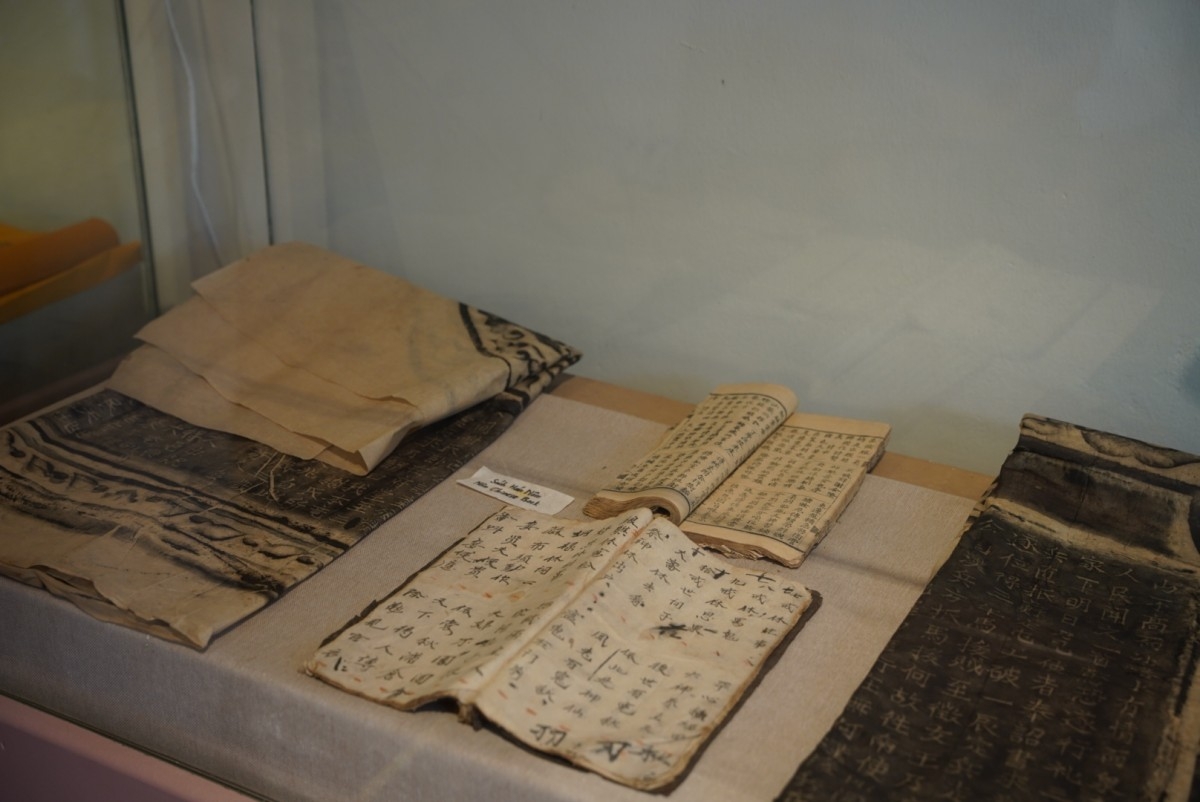
King Ly Cao Tong even chose Yen Thai Dó paper as tribute to the Song dynasty – a glorious Chinese empire at that time. When people speak of Dong Ho paintings or Hang Trong paintings, when they imagine royal decrees sealed in vermilion ink, they are often, without realizing it, imagining Dó paper.
Among the paper documents preserved in national archives today, the oldest often turn out to be written on Dó paper. That feels less like coincidence and more like destiny.
As Thin as Morning Dew, As Strong as Memory
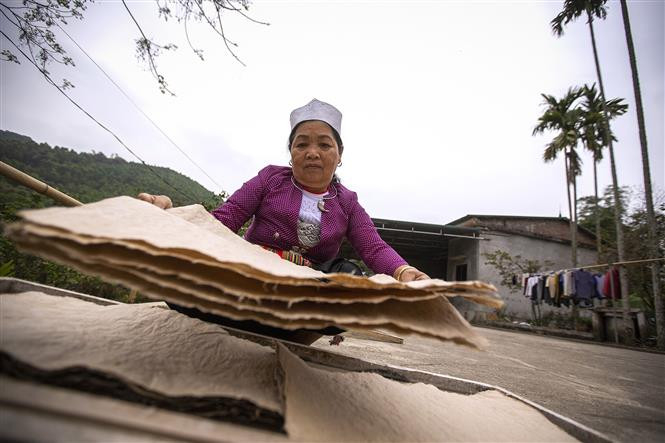
Dó paper is made from the bark of the Do tree, Rhamnoneuron balansae, a tree that grows quietly in the northern mountains. When I traveled north and asked about it, the elders did not begin with scientific names. They spoke about soaking the bark in lime for months, about pounding fibers by hand, about lifting fragile sheets from water with movements so careful they felt like prayer.
Because the bark is soaked in lime for such a long time, the paper does not turn acidic. It does not slowly eat itself from within. That is why family genealogies written on Dó paper are still intact in wooden chests. That is why royal decrees from centuries ago can still be unfolded without breaking apart.
It is strange to hold a sheet of Dó paper. It is as thin as morning dew, so light that a breath of wind can make it tremble. Yet it outlives generations. Some say it can last five hundred years. I have seen documents older than any living person in the village, their surface still firm, still softly textured, still ready to receive ink.
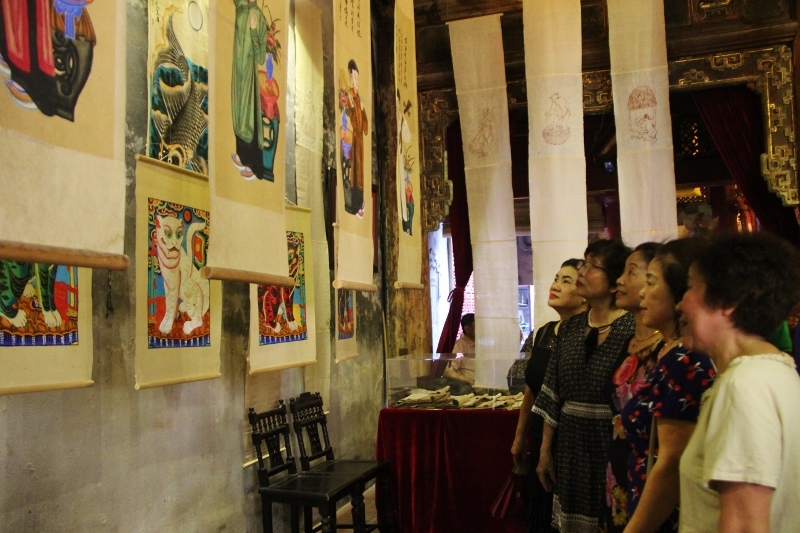
The paper absorbs color easily. It welcomes ink, holds it gently, and keeps it from spreading too far. It breathes with the air, absorbing and releasing moisture. Perhaps that is why paintings like The Mouse Wedding or Carp Gazing at the Moon still glow quietly on their surfaces. The paper lives with the climate, and somehow, it survives.
The Village That Remembers
When I went to An Coc village in Phu Xuyen district, often called the birthplace of traditional Dó paper making. The villagers told me they no longer know exactly when their ancestors began making Dó paper. They only know the names carried in oral memory. Thai Luan, said to have passed on the craft at the end of the first century. Another founder who learned the technique during a diplomatic mission to China and brought it back, later teaching people in Nghia Do and Yen Thai.

In the courtyard of an old house, one craftsman let me touch a freshly dried sheet. He smiled and said that extraordinary products often come from ordinary people. His hands were stained from years of bark and lime water. There was nothing grand about the space. No museum lights. No display cases. Just water, fiber, sunlight, and patience.
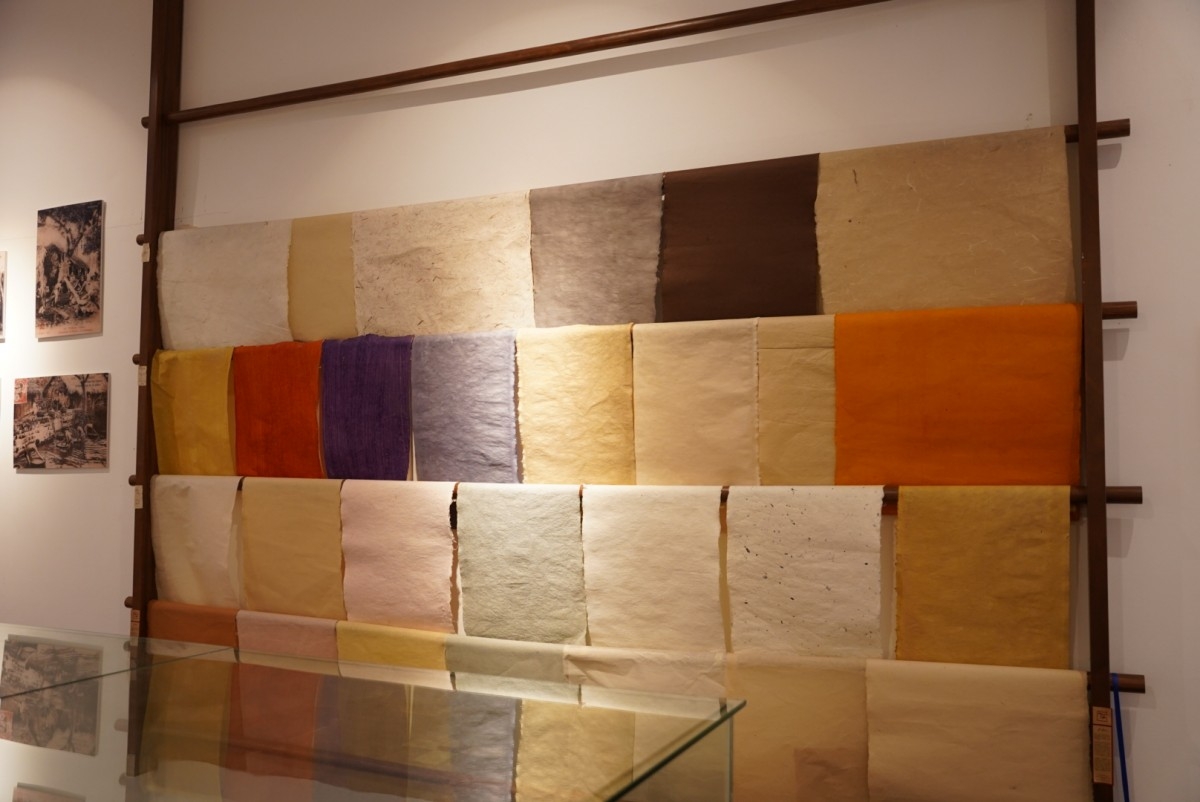
I realized then that Dó paper is not only about durability. It is about memory. About how a nation chooses to record itself. Our ancestors trusted this paper with royal decrees, with sacred scriptures, with folk humor and village dreams painted in bright colors. They trusted it to outlast them.
Witness the Enduring Legacy of Vietnamese Traditions
When I think of Dó paper now, I think of the quiet strength in something so thin. I think of words written carefully, believing they would be read by eyes not yet born. In the rush of modern life, do we still have a moment to pause and cherish the beautiful work our ancestors created? Is there still room for these traditions to live alongside modernization?
I may not know the answer, but I know I can help keep the echo of Dó paper alive and share its importance with the younger generation. If you’re also the ones who love the majesty of historical stories along your adventure, Jackfruit city tours will surely lead you to the places of faded culture to relive it again.