

Table of Contents
For many travelers, visiting a Vietnamese market is one of the most memorable experiences in Vietnam. I still remember the first time I brought a friend from abroad to my neighborhood market. She stood at the entrance for almost a full minute, just blinking. To me it was an ordinary Tuesday morning. To her it looked like the whole street had exploded into fish, flowers, and flip flops all at once.
I grew up going to markets like this, so honestly I forget how strange it can look to someone seeing it for the first time. But every time I take a visitor along, I get reminded all over again. In case you don’t know which market to start your journey in Ho Chi Minh city, check out these 7 colorful local fresh markets. So here are five things that tend to catch foreigners off guard at a Vietnamese market, and why none of them are anything to worry about.
1. The Chaos Is Part of the Experience
The first thing people notice is that nothing seems to follow a system. One stall sells shrimp, the next sells roses, and right after that someone is selling t-shirts off a plastic rack. There is no map, no directory, no signs telling you where the vegetable section ends and the noodle section begins.
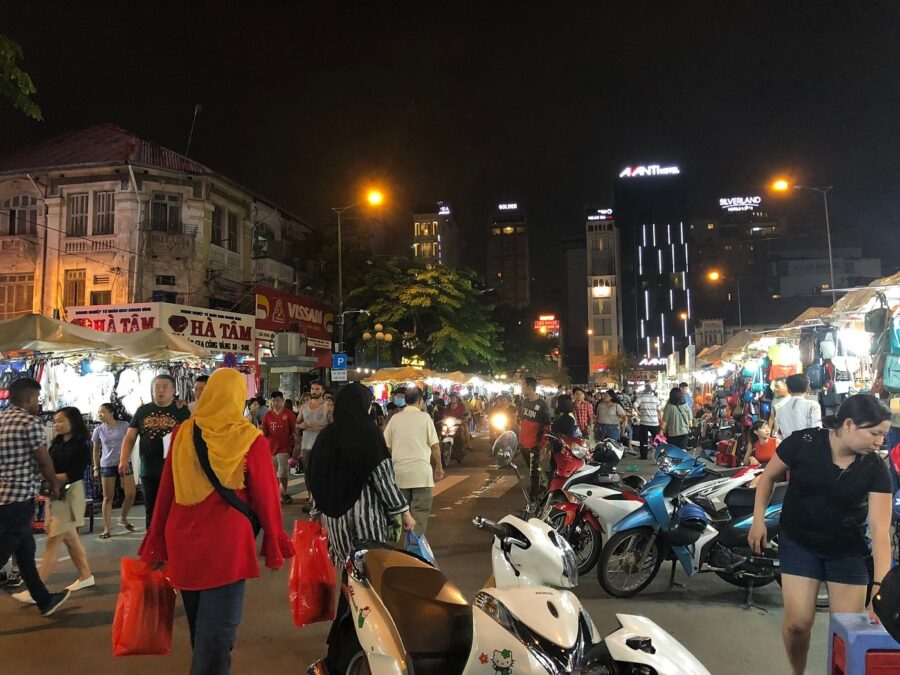
I used to think this was just how things were until I saw a tourist genuinely panic trying to find ‘the exit’. There isn’t really an exit. There are just openings. What looks like chaos to a visitor is actually just decades of habit. Every vendor has had their spot for years, sometimes longer than I’ve been alive, and the local shoppers know exactly where to go without thinking twice.
Once you stop looking for logic and just start wandering, it actually becomes kind of fun. I’ve found some of my favorite little food stalls purely by accident, just by turning down a row I’d never walked before.
2. Bargaining Is Part of the Experience
This one surprises people every single time. Prices at a lot of stalls, especially for clothes, bags, and souvenirs, are not fixed. The first number a vendor gives you is basically an opening bid.
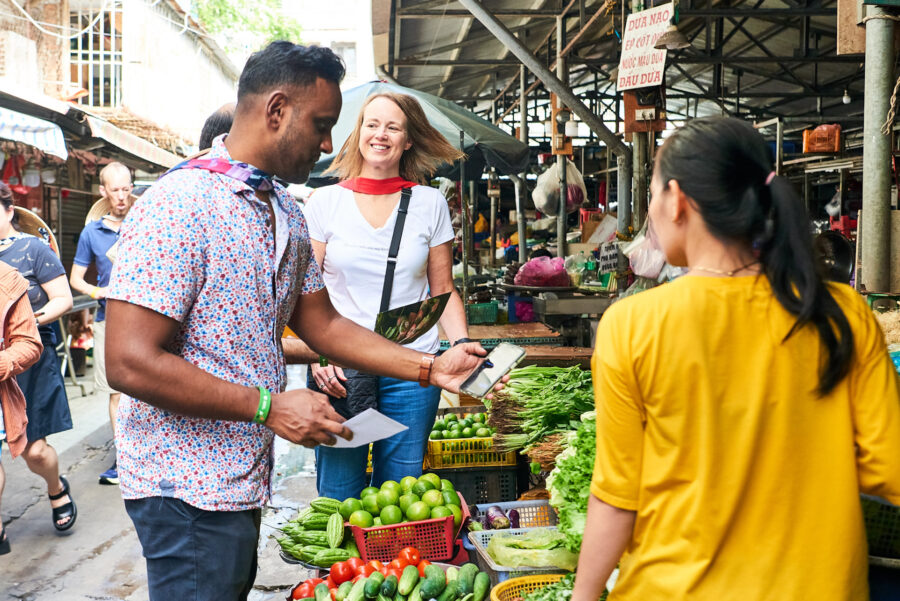
A lot of foreigners feel awkward about this. They worry it’s rude, or that they’ll offend someone by pushing back on a price. From where I stand, it’s the opposite. Bargaining is just part of the conversation. Nobody takes it personally. I think Tan Dinh Market is a great place to experience Vietnam’s bargaining culture, as prices there are often quoted a little higher at first, especially for visitors.
My own rule of thumb, learned from years of watching my aunt do it, is that it was never really about squeezing out the lowest possible price. It’s more like a little back and forth dance until both sides land somewhere fair. Smile, joke a bit, don’t be aggressive about it, and you’ll usually walk away with a good price and a decent chat too.
3. Fresh Food Looks Very Different
If you are used to supermarkets where everything is packaged, labeled, and neatly arranged, a Vietnamese wet market will look like a different planet. Vegetables sit in baskets on the ground. Fish and crabs are often still alive in tanks or buckets right up until someone buys them. Meat gets sold in the morning and it’s usually gone by early afternoon, no refrigerated aisle required.
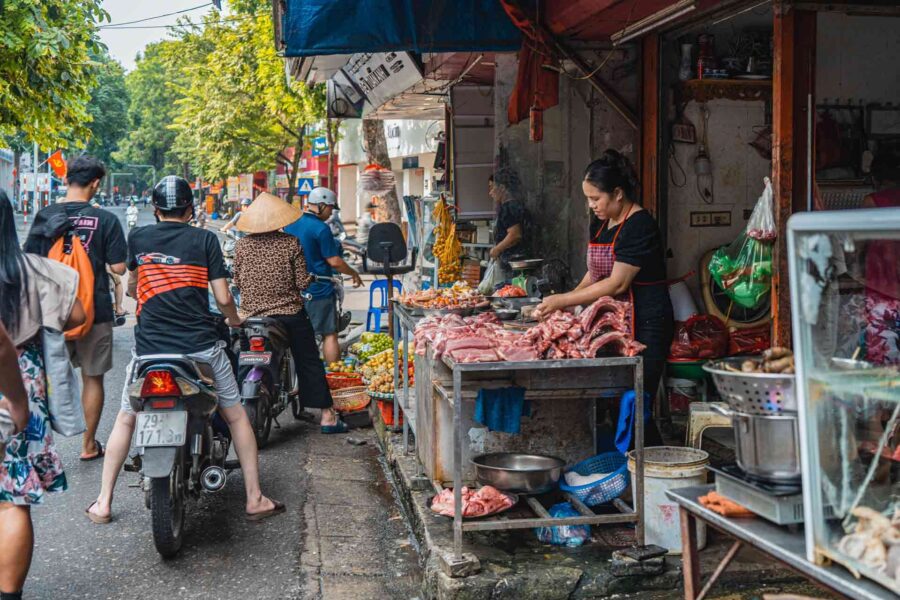
It looks unfamiliar if you’re not used to it, but there’s a reason behind it. A lot of Vietnamese households still shop daily rather than doing one big weekly haul. Freshness matters more than convenience.
Honestly, the thing I always point out to foreign friends is how fast everything moves. Whatever’s out on display in the morning is usually not what’s there by lunch. That turnover is the whole point. Ba Chieu market is the top of mind when thinking of fresh food or particularly fresh seafood, there you can see swimming shrimps and fishes as long passing through stalls within.
4. Personal Space Basically Doesn’t Exist
Vietnamese markets are busy, lively places. People squeeze past each other, vendors call out to customers, and everyone is moving in every direction. It’s completely normal for someone to stand close to you or brush past you while walking through a narrow aisle.
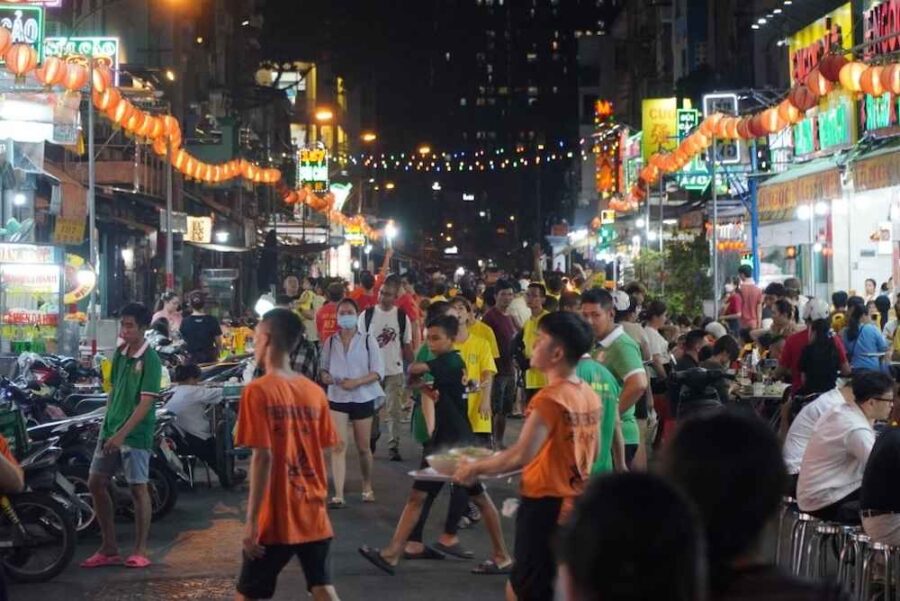
If you’re from a country where personal space is a bigger deal, it might feel a little overwhelming at first. But don’t take it personally as it’s simply part of how local markets work. No one is trying to be rude or intrusive, there’s just not much room and everyone is focused on keeping things moving.
One thing you should be mindful of is your belongings. Like in any crowded market around the world, busy areas can attract pickpockets. Keep your phone, wallet, and passport somewhere secure, avoid leaving valuables in easy-to-reach pockets, and keep your bag zipped and close to your body.
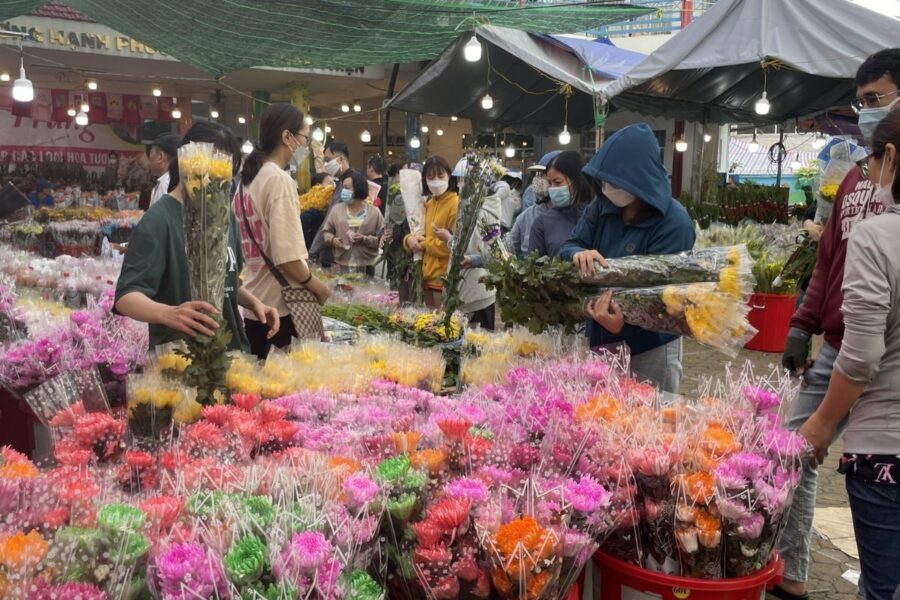
Once you get used to the lively atmosphere, you’ll find that Vietnamese markets are one of the best places to experience local life.
5. The Market Isn’t Only About Shopping
This is the one that takes people the longest to notice, and honestly it’s my favorite part. A Vietnamese market isn’t just a place to buy things. It’s where daily life unfolds, where conversations happen naturally, and where people come as much to see familiar faces as they do to shop.
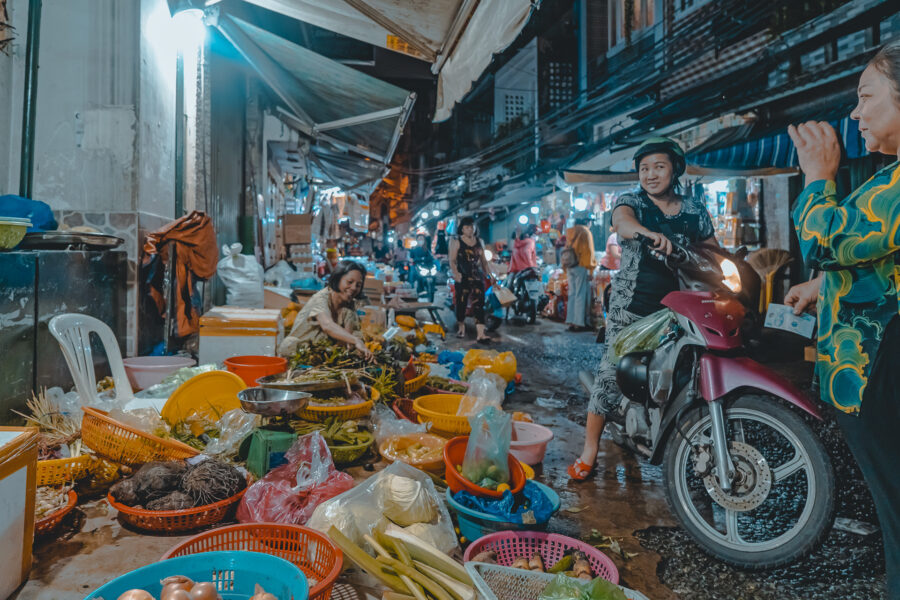
Vietnamese markets are just as much about socializing as they are about shopping. Vendors remember their regulars, neighbors stop mid-errand to catch up, and many older locals come as much for the company as they do for the shopping. You’ll notice this most in small neighborhood markets or those tucked away in narrow alleys, where communities feel closer.
Visitors usually come in thinking about what they’ll buy. Locals are thinking about who they’ll run into. That difference in mindset is honestly the whole culture right there. Some of my best memories aren’t even about the shopping at all, they’re about sitting on a tiny plastic stool with a coffee, watching the morning happen around me.
How to Actually Enjoy Your First Visit
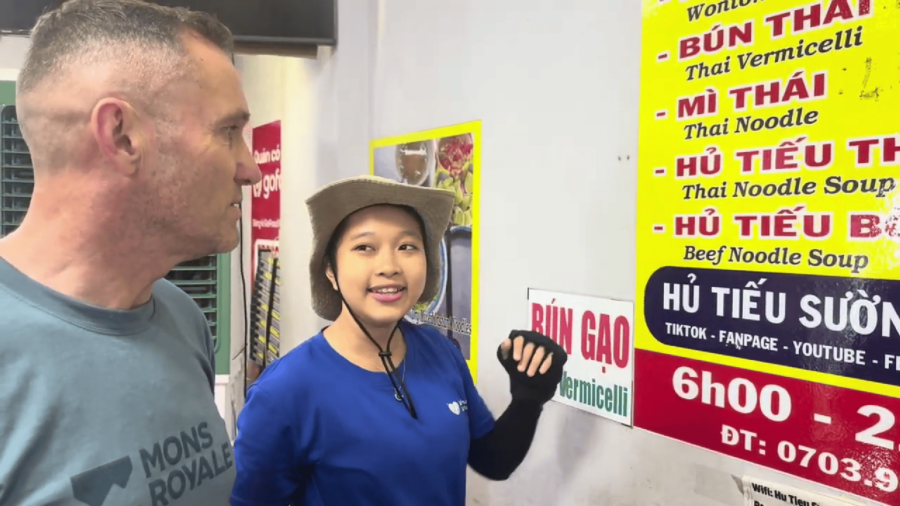
Go in with curiosity instead of a checklist. Bring cash, learn a handful of basic phrases, and don’t rush. A market isn’t meant to be conquered in twenty minutes. Here are some handy phrases that are easy to follow with when you’re in the middle of Vietnamese market:
- Xin chào (sin chow) – Hello
- Bao nhiêu tiền? (bao nyew tien) – How much is this?
- Đắt quá (dat qwah) – That’s too expensive (your bargaining opener)
- Giảm giá được không? (zam za duoc khong) – Can you lower the price?
- Cảm ơn (gam un) – Thank you
- Không, cảm ơn (khong, gam un) – No, thank you (handy for when a vendor’s pushing something you don’t want)
- Cái này là gì? (kai nay la zee) – What is this? (great for unfamiliar produce)
- Xin lỗi (sin loy) – Excuse me / sorry (for squeezing past people)
- Ngon quá (ngon qwah) – Delicious! (say this at a food stall and you’ll make someone’s day)
If you can, go with a local. These markets grew organically long before anyone tried to formalize them with rules or layout, so there genuinely isn’t a ‘correct’ way to move through one. A Vietnamese friend can save you a lot of guesswork and probably introduce you to their favorite vendor along the way.
Most of all, remember that this place wasn’t built for tourists. It’s a living part of daily life here, and that’s exactly what makes it worth experiencing.
Why You’ll Never Forget a Vietnamese Market
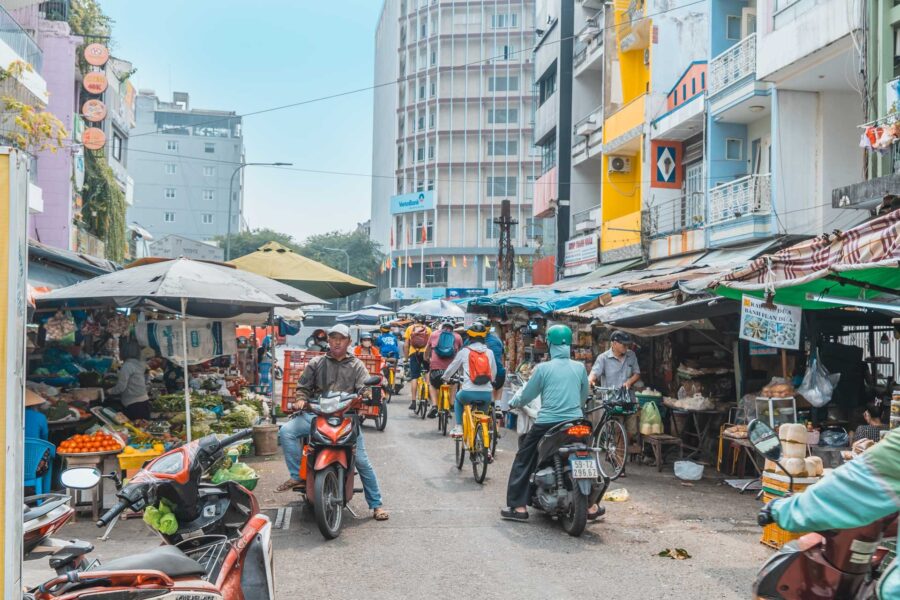
A Vietnamese market can feel like a completely different world for first time visitors. The noise, bargaining culture, the fresh food on open display, the crowding, the sense that everyone already knows everyone. But those same things are what make it unforgettable once you settle into it.
Some of the best travel memories come from letting go of your usual comfort zone and just moving at the pace of daily life somewhere else. I can’t think of a better place to do that than a wet market in Vietnam like the ones I grew up in.
If Vietnamese markets still feel a little overwhelming or unfamiliar, why not explore one with Jackfruit Adventure? Our Vietnam city tours take you beyond the tourist hotspots to some of Vietnam’s liveliest markets, as well as hidden local gems where everyday life quietly unfolds. Along the way, we’ll help you understand the customs, introduce you to local vendors, and share the little cultural insights that turn every interaction into a meaningful glimpse of daily life in Vietnam.
Vietnamese Market FAQ for Foreign Visitors
– Ask the price, then counter with something noticeably lower – not insultingly low, just a starting point for a back-and-forth.
– Smile and keep it light. It should feel like a friendly exchange, not a confrontation.
– The goal isn’t to squeeze out the absolute lowest number – it’s to land somewhere fair for both sides.
– If a vendor won’t budge, it’s fine to walk away politely. There’s often a similar stall nearby.
– Food and fresh produce prices are usually less negotiable than souvenirs.
– Choose stalls with a steady stream of local customers – high turnover usually means fresher ingredients.
– Watch food being cooked in front of you rather than sitting out for a while.
– Start with smaller portions if it’s your first time trying a new stall, to see how your stomach reacts.
– Bottled or boiled water only; skip ice if you’re being extra cautious in more rural markets.
– Keep your phone, wallet, and passport in a secure, zipped compartment; not in an easy-access pocket.
– Wear bags across your body rather than over one shoulder.
– Stay aware in the busiest, narrowest aisles, where pickpocketing risk is highest simply due to crowd density.
– Avoid flashing large amounts of cash when paying.