

Table of Contents
In the heart of bustling Saigon, old residential complexes still stand quietly, like small bridges connecting the present with the past. Surrounded by traffic, new buildings, and the constant rhythm of city life, these aging structures carry memories of another Saigon, one that many people today only know through stories.
This place is called Cu Xa Do Thanh, or Do Thanh Residential Area. Built decades ago, it was once a modern housing project for civil servants and working families, designed with simple architecture, shaded walkways, and close-knit living spaces. Though the place has faded its color by time, the memory in it will never be gone but a mark of nostalgic Saigon in the 90s.
In this article, I’m taking you into a journey of time witnessing the establishment, the growth and finally the current appearance of the resilient Cu Xa Do Thanh in Ho Chi Minh city.
How to Get There
If you are starting from District 1, reaching Cu Xa Do Thanh is fairly simple. The distance is only about 2 kilometers. You can take a short taxi or ride a hailing trip through Dien Bien Phu Street toward District 3. From landmarks like Ben Thanh Market, the trip usually takes around 10 minutes depending on traffic.
The Early Days of Cu Xa Do Thanh
The history of Cu Xa Do Thanh goes back decades. In 1937, the population of Saigon, not yet including Cholon, was around 160,000 people, and nearly 70 percent of them lived in thatched huts. Living conditions in many neighborhoods were difficult, especially in crowded areas.
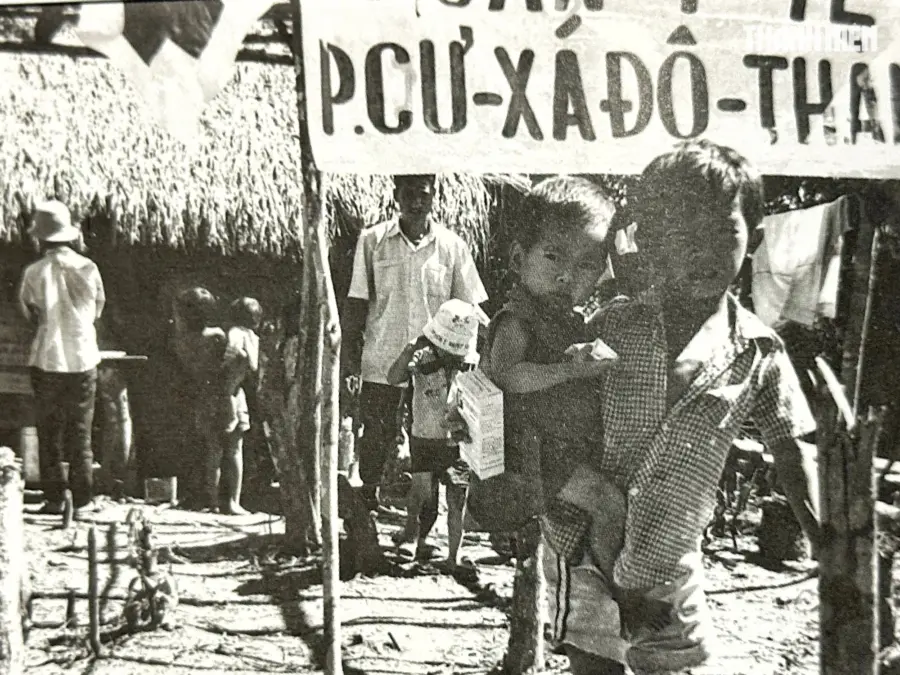
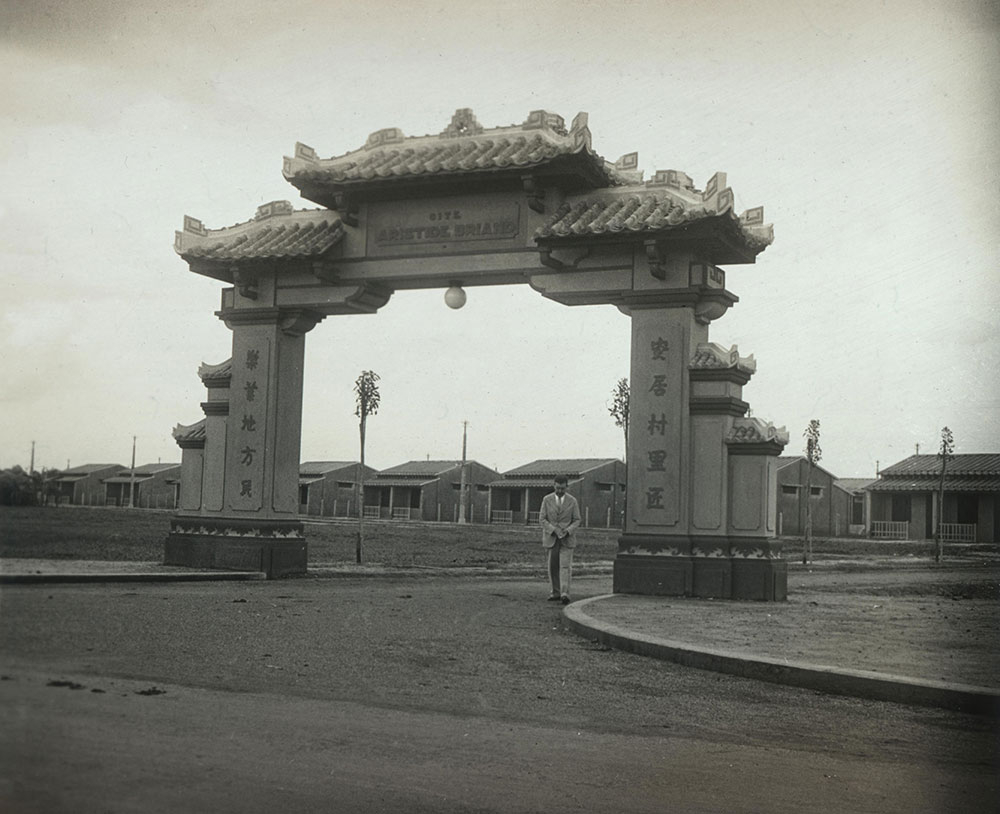
To address this situation, the French administration built a housing complex for workers. In December 1937, the first phase of the project was completed with 32 small houses. The complex was named Cité Aristide Briand. At that time, the word “Cité” referred to a residential area, while Aristide Briand was the name of a French politician and Nobel Peace Prize laureate.
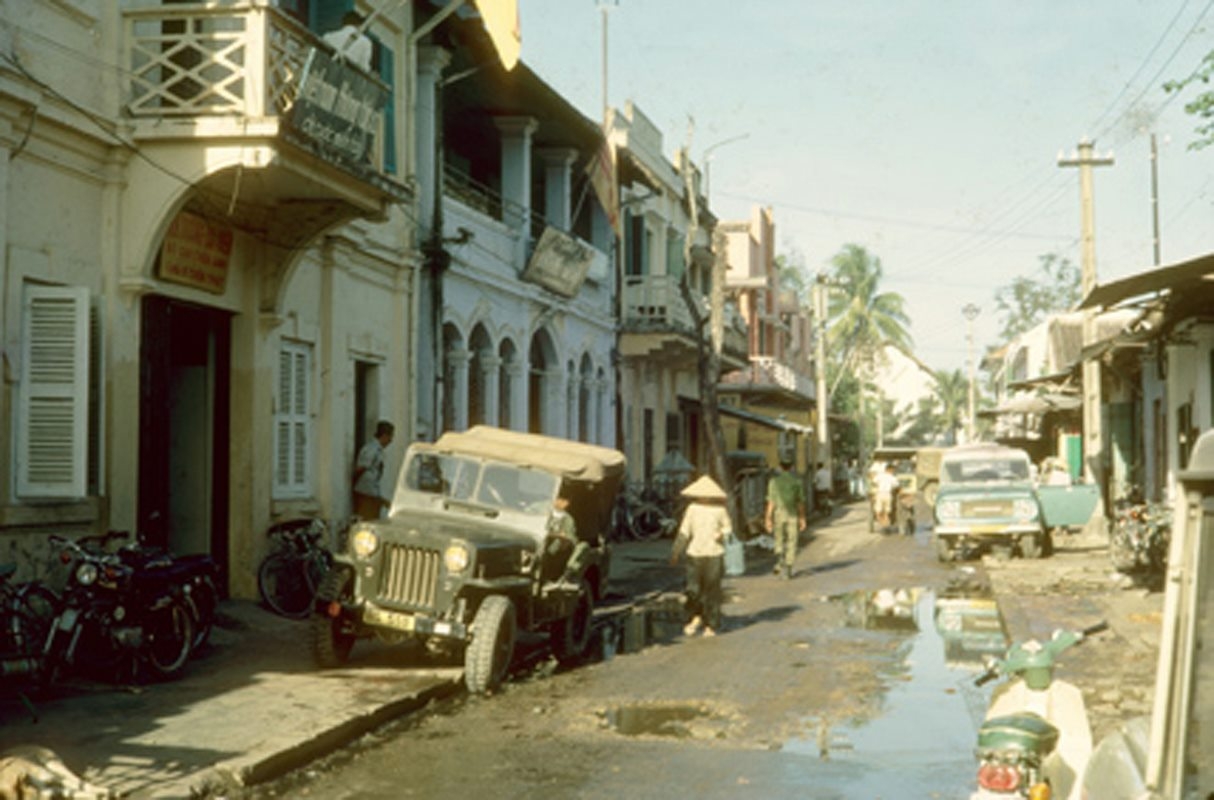
Later, the term “cư xá” became commonly used in Vietnamese to describe public housing areas made up of houses with similar structures. In earlier years, the area was surrounded by open land and banana plantations. The houses were modest and simple compared to modern standards. Residents included civil servants, military personnel, and low income workers, all living together in a small community.
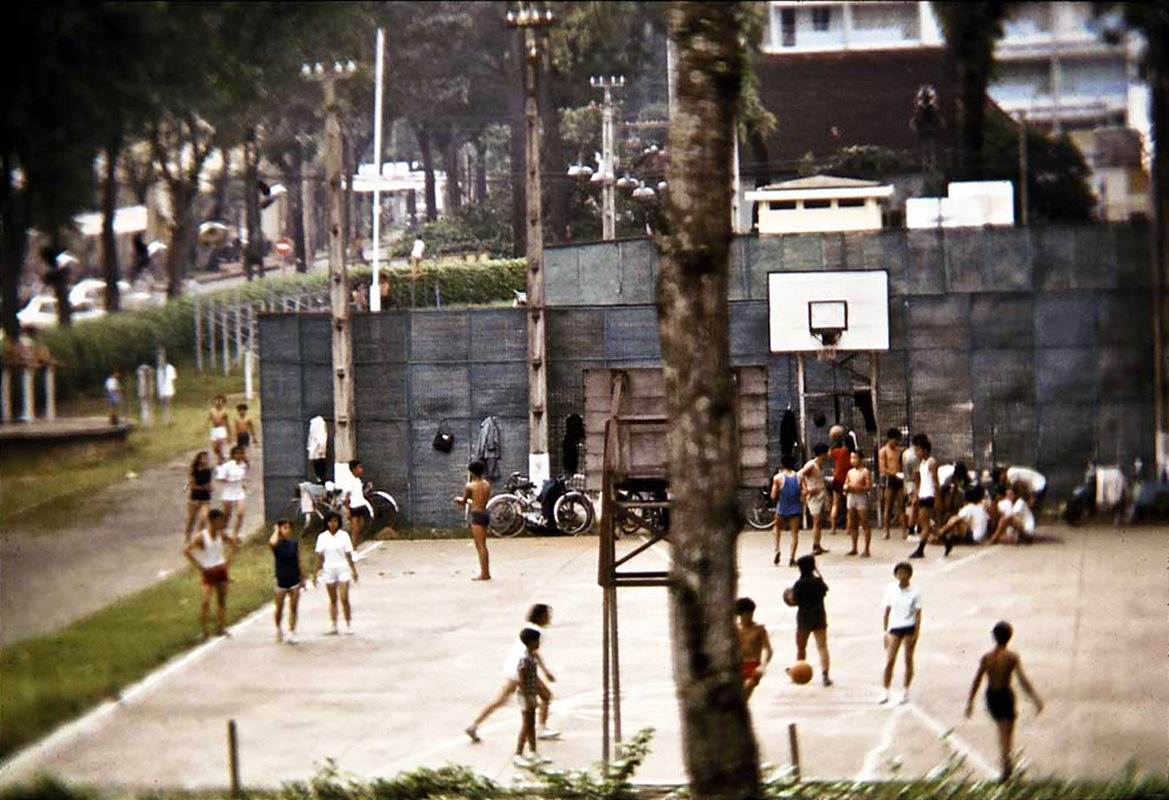
Eventually, the complex expanded to include 125 houses. After 1954, it was renamed the Cu Xa Do Thanh. Even with its new name, the neighborhood still retained the atmosphere of a quiet residential settlement rather than a busy urban district.
A Place Where Saigon’s Hustle Can’t Reach
At one time, the residential area had a size and population almost equal to a ward in present day Ho Chi Minh City. Anyone passing along Dien Bien Phu Street toward Nguyen Hien Street in District 3 may have noticed the red tiled gate of the Cu Xa Do Thanh, a structure that has quietly endured the passing decades.
Stepping through that gate feels noticeably different from the busy streets outside. The atmosphere becomes calmer and more relaxed. Along the internal roads, rows of tall oil trees stretch upward, their wide canopies casting shade over the old buildings. Small gardens and greenery appear here and there, adding to the peaceful environment.
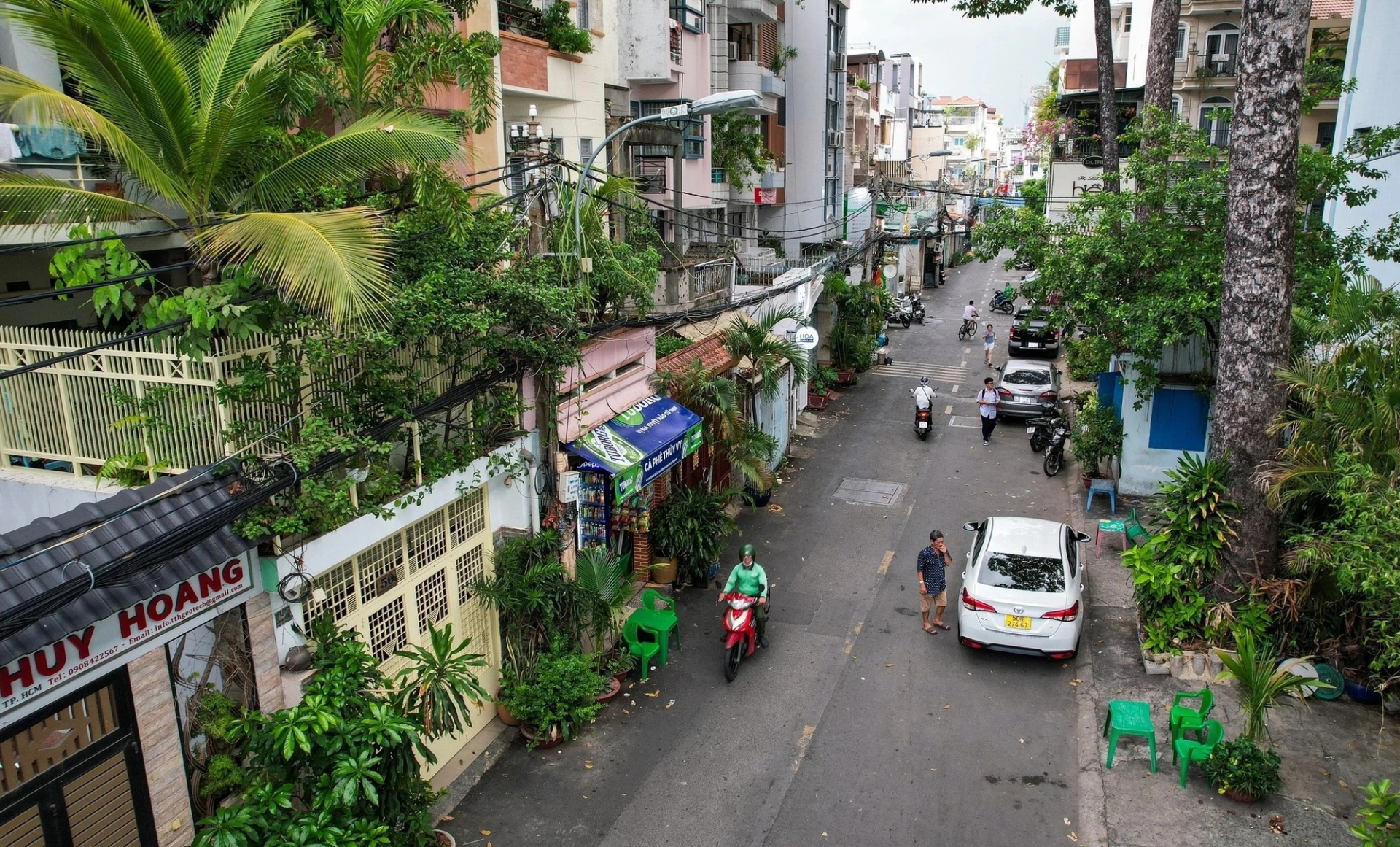
Simple coffee stalls line the streets. In the early morning, residents sit on small plastic chairs, slowly sipping coffee. Some talk with neighbors while others focus on a quiet chess match. The scene feels unhurried, offering a small contrast to the fast pace of the surrounding city.
Walking through the narrow lanes of the residential area almost feels like entering another part of Saigon, one where time moves more slowly. Small eateries operate under the shade of trees, serving familiar local dishes to longtime residents and curious visitors alike.
A Neighborhood That Still Holds Its Memories
Today, Cu Xa Do Thanh has changed. Newer buildings have appeared and the neighborhood has become more modern and spacious. Yet the tall trees, some nearly a century old, still stand among the newer structures, quietly preserving traces of the past.
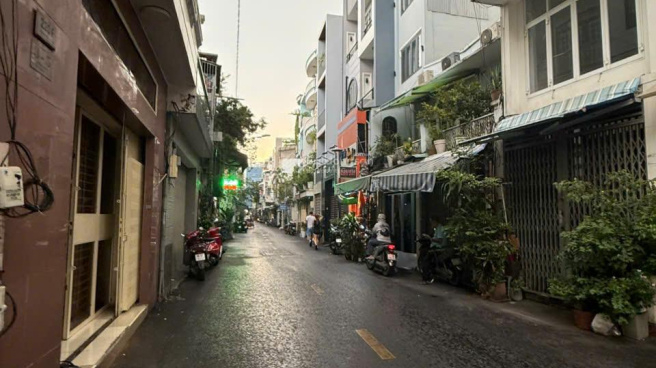
For many longtime residents, the streets and alleys here hold memories accumulated over decades. The neighborhood has changed, but fragments of earlier times remain visible in its architecture, its trees, and its daily routines. Amid the rapid development of Ho Chi Minh City, places like Cu Xa Do Thanh offer a reminder of the city’s layered history.
Unleash Memorable Sites in Saigon with Jackfruit Adventure
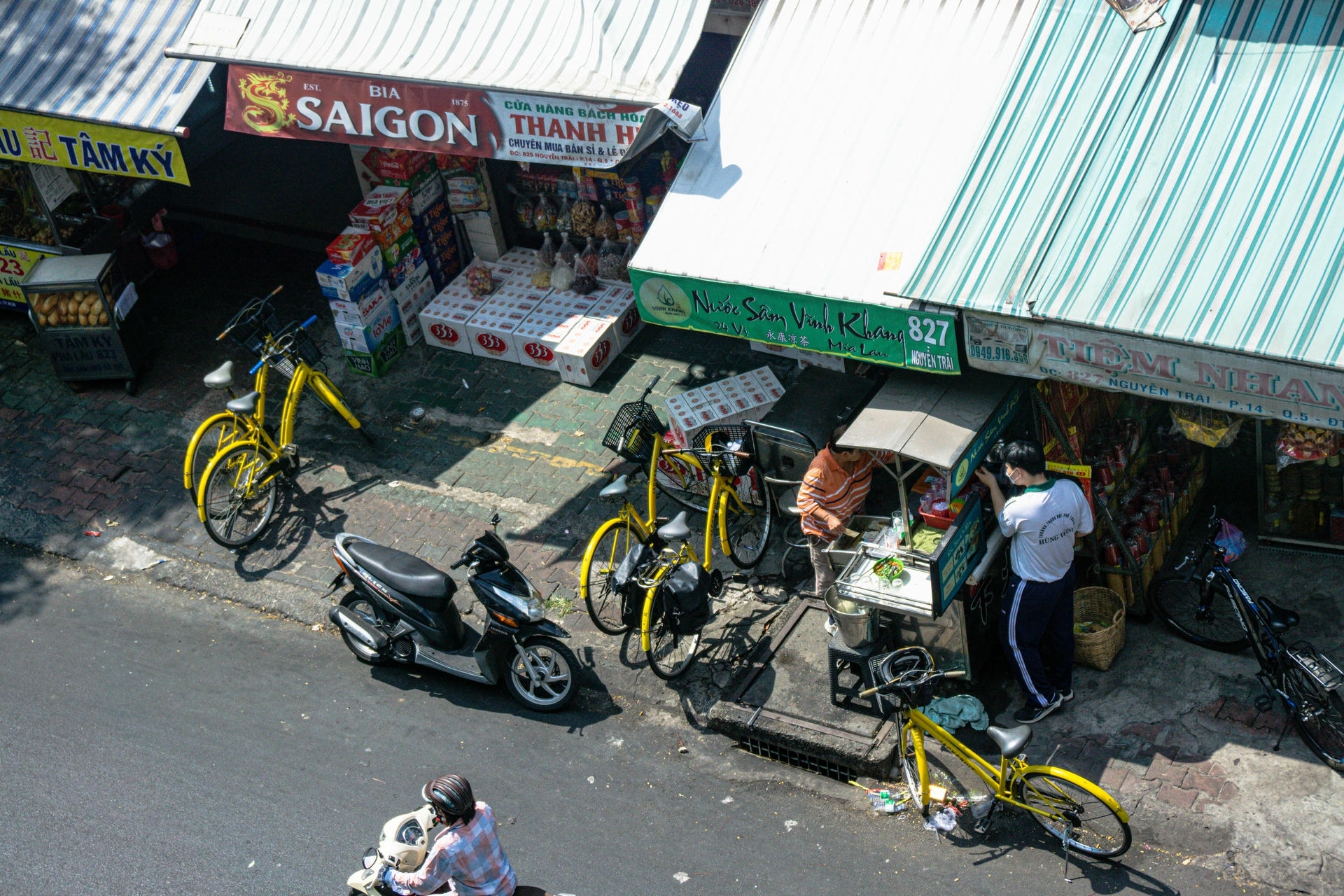
No matter how much the city grows and changes, the old gate of Cu Xa Do Thanh and its century-old trees still stand quietly, like gentle guardians of a forgotten Saigon. Beneath their shade, time seems to slow, holding memories of a city that once was. For many younger visitors, these peaceful streets offer a rare pause from the restless pace of modern Saigon. Here, life moves a little softer, inviting you to wander, observe, and feel a different side of the city.
Though rich in stories, places like Cu Xa Do Thanh are often overlooked when people think of Saigon’s famous landmarks. But sometimes the most meaningful journeys lie beyond the well-known paths.
If you’re searching for those hidden corners and untold stories, our Saigon city tours are made just for that. Come wander with us, slow down the pace, and rediscover the quiet history within one of Vietnam’s busiest cities.