

Table of Contents
Vietnamese street food is often talked about as one of the most famous cuisines in Asia. But it’s not only about food, visitors also wonder about little things such as tiny plastic stools in bright reds and blues, low tables barely reaching your knees. These Vietnamese plastic chairs might seem unimportant, even cheap. But they have become a part of Vietnamese culture.
So how did something so simple become such a familiar image across the country? Let’s take a look at the history behind Vietnamese plastic chairs to see how it roots into our daily life.
Vietnamese Plastic Chairs is Here for A Reason
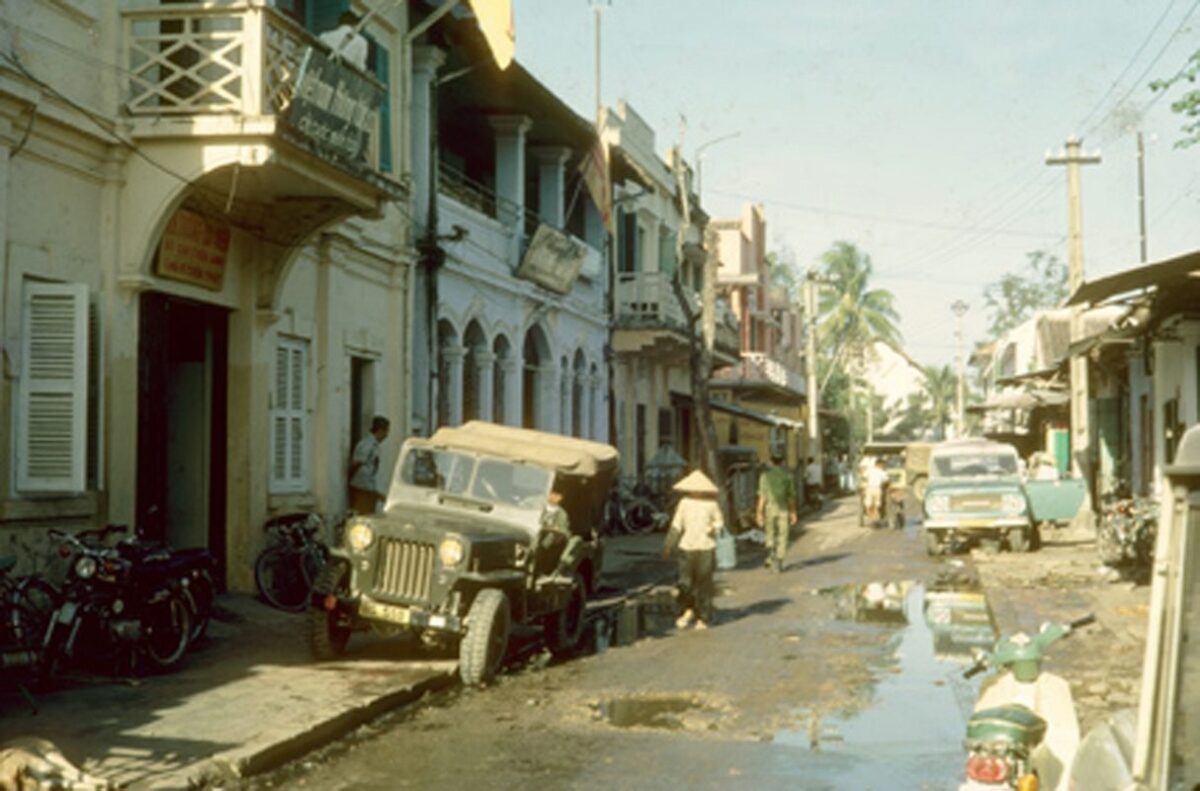
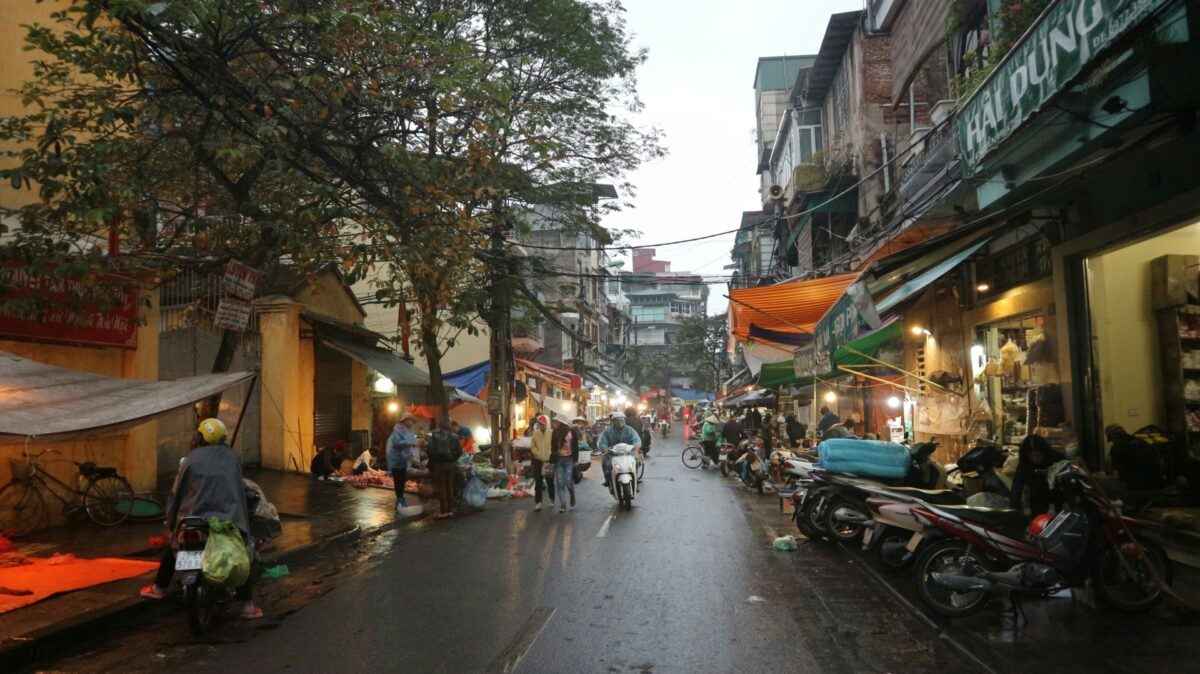
To understand the stools, you have to understand the sidewalks. In Vietnam, sidewalks are not just for walking. At any time, they serve both as a pedestrian and ‘trading’ area. Small food vendors appear almost magically. It is mostly a food corner or a small-scale accessories shop and of course, a pile of plastic chairs and low tables.
It Is Not About Height
At first glance, many visitors assume one simple explanation. These tiny Vietnamese plastic chairs appear because people are small. It sounds logical but the truth doesn’t end there. Yes, older generations of Vietnamese experienced high rates of stunting due to malnutrition, especially during difficult decades of war and economic hardship. The average height was much lower than it is today.
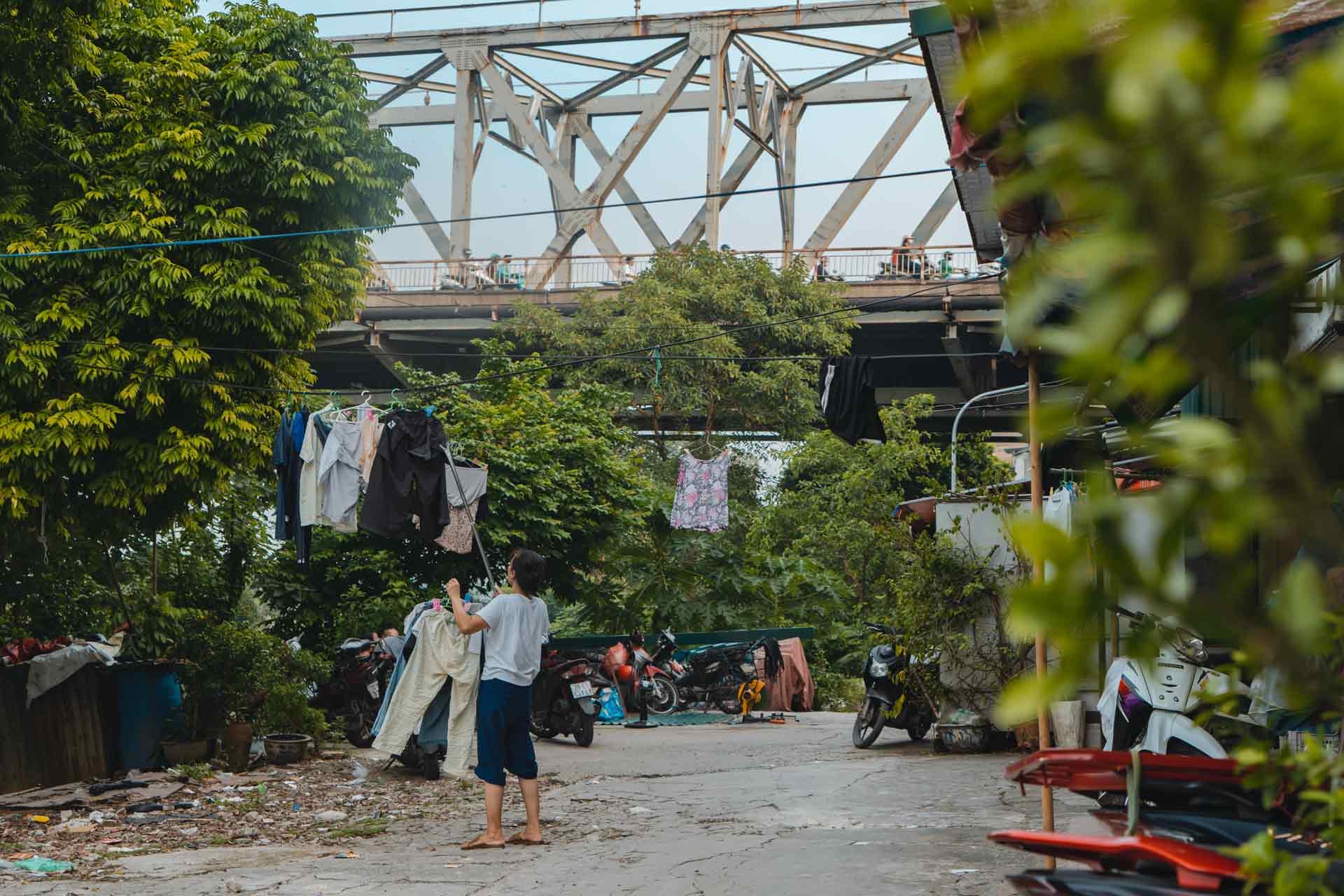
But walk around any city now and you will see that young Vietnamese are much taller than their parents and grandparents. Access to better nutrition and more consistent sources of protein has changed that. However, the tiny stools stay despite its inconvenience compared to facilities in modern day.
It Is The Hustle of Vietnamese Economy
It came from the Subsidy Era in Vietnam in 1976, where the whole economy was run by the government only. From around 1976 onward, the economy was centrally run by the government. Farms were collectivized. Factories were government managed. Private business, at least officially, did not really exist. It was not an environment that encouraged entrepreneurship. It was an environment focused on control and distribution. However, people had to find a way to earn a little extra for their living on the side.
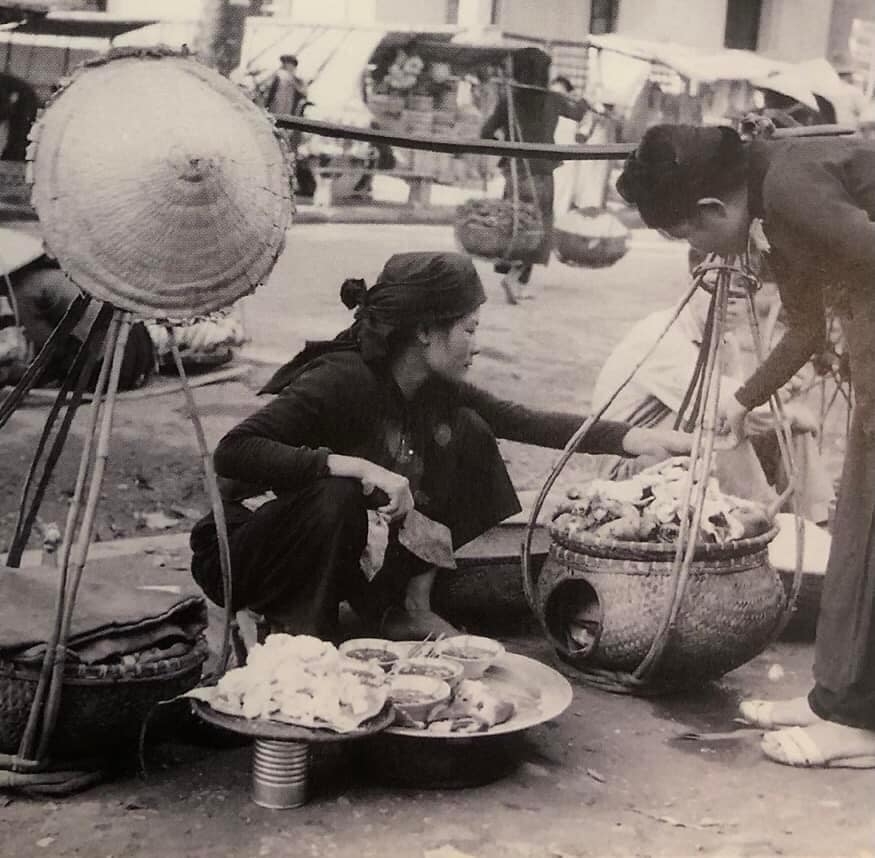
During those years, many families survived through informal trade. Small, quiet, unofficial businesses such as selling bowls of soup at lunch. These were flexible ‘restaurants’, constantly appearing and disappearing. If things felt uncertain, vendors packed up quickly. In that atmosphere, investing in heavy furniture or anything fixed to one place simply did not make sense. You needed tools that could move as fast as you did. And there we got, the birth of Vietnamese plastic chairs and table with a little light bulb to form a running street ‘restaurants’.
Vietnamese Plastic Chairs as A Part of Local Daily Life
Over time, Vietnam grew over the hardest ‘anti-business’ time to join the global economy. Several private entrepreneurship started to rise and took over the domestic economy. This should be the end of unofficial street restaurants, instead it stayed quietly in the background.
Street vendors today still know that a sidewalk is never fully theirs. Urban order management teams can ask them to clear the area at any time and the requirement normally comes with a fine. A setup that disappears in three minutes is genius, and nothing disappears faster than a stack of plastic stools. The trading culture continues thriving within the growth of the country as an intangible heritage of Vietnam.
The Evolution of Vietnamese Plastic Chairs
Before Plastic, There Was the Ground
Long before the bright little plastic stools showed up on every sidewalk, people in Vietnam were perfectly comfortable sitting right on the ground. Sitting low, sometimes cross legged or squatting, is known as ngồi bệt. It is a posture deeply rooted in Vietnam everyday life.
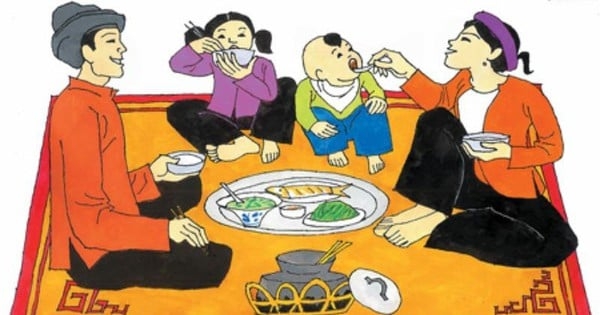
Things started to shift during the French colonial period, especially in cities like Hanoi and Saigon. The ground was renovated with structured and rigid pavement, then sitting directly on it was no longer as comfortable.
But people did not suddenly want to sit high up in formal chairs. They still preferred being close to the ground, so they adapted. Small wooden stools became the in between solution.
The Era of Small Wooden Stools
Before the 1990s, street vendors and households relied on small wooden or bamboo stools called ‘ghế đẩu’. These were handcrafted, simple, and perfectly designed for low seating. They felt natural because they matched a habit that was already there.
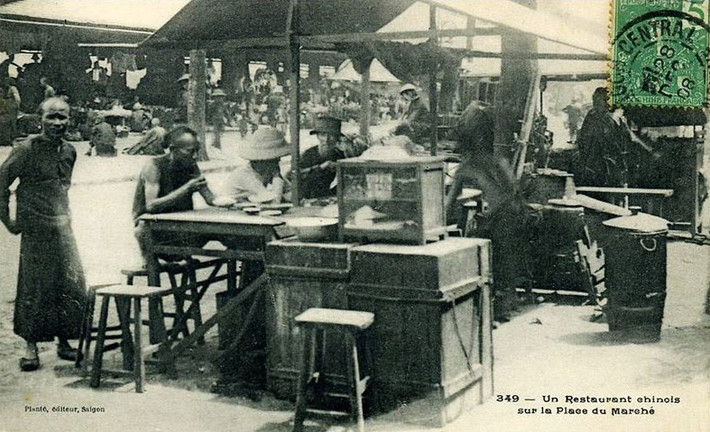
This was also during a difficult period – Subsidy Era. Resources were limited and tightly managed. At times, even fabric was distributed by the government so people could sew their own clothes. In that kind of environment, furniture was rarely fancy. Small wooden stools made sense because they were easy to build and easy to repair.
The Plastic Revolution of the 1990s
Vietnamese plastic chairs did not become widespread until the early 1990s, after economic reforms opened the country and markets became more dynamic. And once plastic arrived, it changed everything.
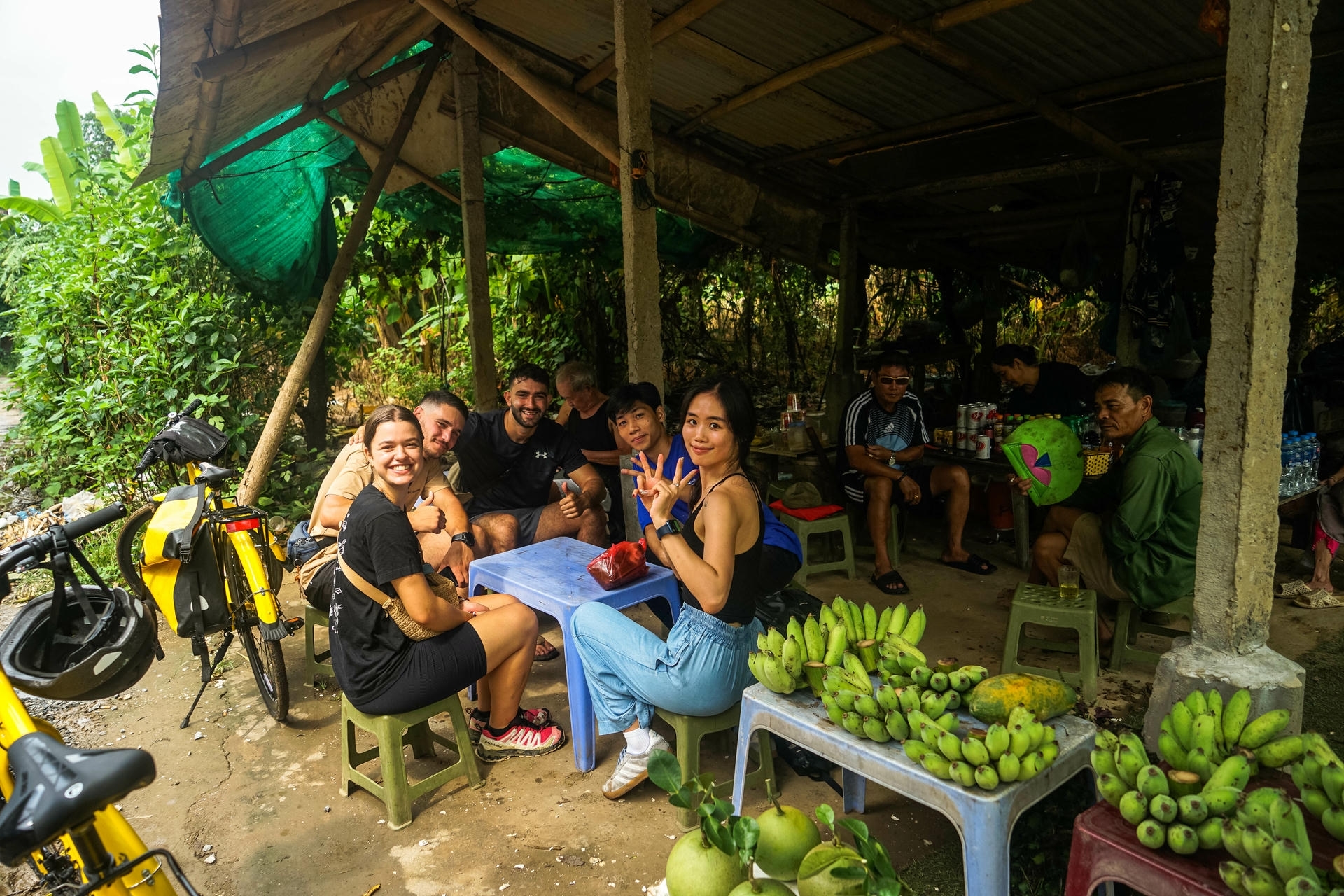
Plastic chairs were lighter than wood. They were waterproof. They could be stacked high without taking much space. They were cheap to produce in large numbers. A vendor could carry a dozen on the back of a motorbike. Rain was no longer a problem, while setup and pack up took minutes. For a country where street food depends on speed, flexibility, and the ability to set up anywhere, this was such a revolution.
Unfold More Unseen Vietnamese Heritage with Jackfruit Adventure
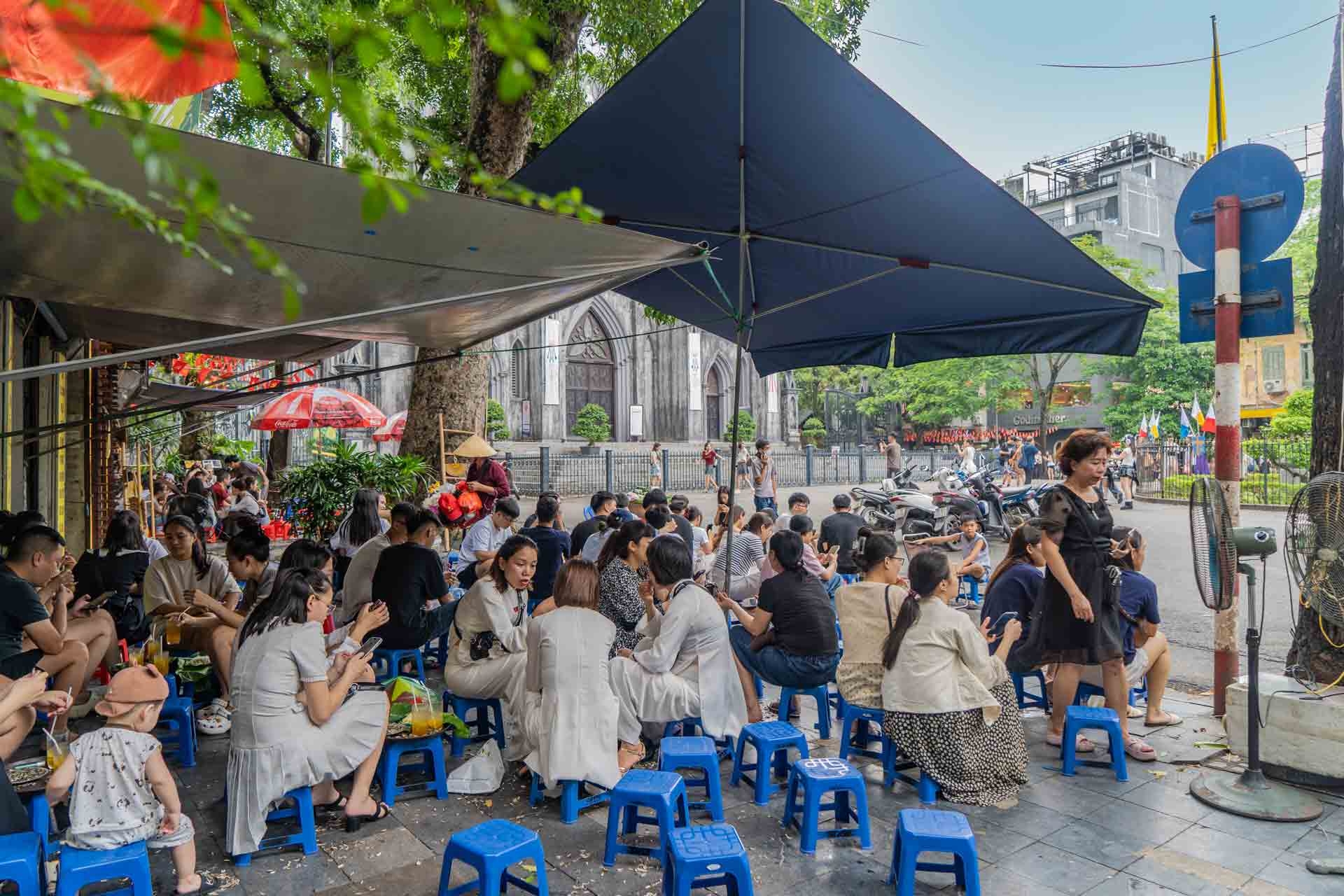
Today, Vietnam has skyscrapers, shopping malls, and modern cafes. Yet the tiny plastic stools remain. They survive not because of height, and not because of poverty, but because they blend perfectly into the needs of Vietnamese street life. So when you see those low plastic stools lining a busy street, they are not random. They are a reflection of a time when flexibility meant survival.
The Vietnamese plastic chairs seem small and quirky, they did carry a long history of how the Vietnamese people developed through the toughest time of war. Do these stories of the unseen heritage interest you? We, Jackfruit Adventure, run adventurous & cultural tours inside the city myths. Check out our Saigon city tours to find what could be your next amazing experience in Vietnam.