

Table of Contents
I remember the silence of 11:55 PM last Tet. The air in Hanoi was thick with the scent of burning incense and the faint, sulfurous hint of distant fireworks. My father sat rigidly on the edge of the wooden sofa, his eyes darting toward the front door. We weren’t just waiting for the clock to strike midnight; we were waiting for a specific person. In Vietnam, the transition into the Lunar New Year isn’t just a temporal shift – it’s a spiritual doorway. And the person who walks through that door first determines the fate of the entire household.
This is the essence of xong dat cultural significance. It is a tradition that blends astrology, hope, and community into a single, pivotal moment. As a local, I grew up understanding that the first footstep across our threshold after the stroke of midnight carries the weight of 365 days of fortune or misfortune.
If you’ve ever wandered through the Old Quarter during Tet, you’ve felt that electric anticipation. It’s a time when every gesture matters, but none matter more than the first guest. Today, I want to take you behind the closed doors of a Vietnamese home to explain why the xong dat cultural practice remains the beating heart of our New Year celebrations.
What Does “Xông Đất” Actually Mean?
The phrase xông đất translates loosely to “first-footing” – the act of being the first person to enter a household on the first day of the Lunar New Year.
But translation barely scratches the surface.
In xong dat cultural belief, the very first person who crosses the threshold of a home on Mùng Một (the first day of Tết) carries the energy of the entire year on their shoulders. If that person is lucky, kind-hearted, and of good character – the family will flourish. If they carry bad fortune, conflict, or negative energy – well, the year ahead might be a rough one.
It’s not just symbolism. For many Vietnamese families, this is treated as a real, consequential event. My grandmother used to say: “Chọn người xông đất như chọn hướng đi cả năm” – “Choosing the xông đất person is like choosing the direction for the whole year.”
Where Did It Come From?
The origins of xong dat cultural practice are intertwined with Vietnam’s agrarian past. For farming communities, the new year wasn’t just a calendar reset – it was the opening of a new agricultural cycle. Everything depended on weather, harvest, and luck.
Early Vietnamese communities believed that the spiritual atmosphere of the first hours of a new year was uniquely permeable. The boundary between the ordinary world and the spirit world was thin. Whatever energy entered the home first would set the tone for the months ahead.
Over centuries, this evolved into a structured ritual. Families began choosing their first visitor rather than leaving it to chance.
The Art of Choosing: Who Gets to “Xong Dat”?
You might think the first visitor is just a random neighbor popping in for a drink. In reality, the xong dat cultural tradition involves meticulous planning. Choosing a xông đất person is not random. Families consider several factors:
- Zodiac compatibility is the big one. The chosen person’s zodiac sign must be compatible with the homeowner’s sign and with the zodiac year being entered. For example, in the Year of the Dragon, someone born under the Dragon, Monkey, or Rat signs might be considered favorable.
- Personal fortune and temperament matter enormously. Families look for someone who is known to be lucky – someone whose businesses thrive, whose family is healthy, who carries what Vietnamese people call “vận tốt” (good fortune). A person who recently experienced loss, divorce, or serious misfortune would not typically be asked.
- Character and energy. The xong dat cultural system also prizes people who are joyful, generous, and kind. It’s believed that these qualities “stick” to the home they enter first.
- Age and life stage. Young children are sometimes chosen for their purity and fresh energy. Elderly people who have lived long, healthy lives are also considered auspicious. Middle-aged people dealing with major life turbulence might be gently passed over, no offense intended.
The Ritual Itself: What Happens When You Arrive
If you’ve been chosen as the xông đất person, here’s how it typically unfolds.
You arrive in the very first hours of Mùng Một, ideally before 9 AM, though some families prefer shortly after midnight when the new year officially begins. You come bearing gifts: fruit (especially the five-fruit tray items), bánh chưng, flowers, or simply a red envelope (lì xì).
At the door, you offer greetings – “Chúc mừng năm mới!” = and enter the home. The act of physically crossing the threshold is the moment the ritual is complete. You’re now the first energy of the new year inside this space.
From there, it becomes a warm, celebratory visit. Tea is served. Candied fruits come out. Children receive lì xì. The family’s altar has been freshly prepared, incense is burning, and the whole home smells of new flowers and sticky rice.
The xong dat cultural visit usually lasts 30 to 60 minutes. You don’t overstay – you leave on a high note, with laughter and good wishes trailing behind you out the door.
Whenever I participate in a xong dat cultural moment, I feel a profound sense of responsibility. You aren’t just a guest; you are the guardian of your friend’s future. It’s a beautiful way to strengthen community bonds.
What If No Suitable Person Can Be Found?
This is a real dilemma that many families face – and they handle it in clever ways.
Self-Xông Đất
Some families will have the head of the household step outside just before midnight on New Year’s Eve, then re-enter the home at exactly midnight to serve as their own xông đất person. It’s a workaround, and most people acknowledge it as such – but it’s accepted.
Asking a Monk or Spiritual Figure
In deeply religious families, a local monk or respected elder might be invited. Their spiritual merit is considered so high that zodiac compatibility becomes secondary.
Strategic Timing
Some families simply keep their doors closed until a favorable person can arrive – which brings me back to my uncle refusing to leave his bedroom. He wasn’t being dramatic. He was waiting for the neighbor he’d arranged to come at 8 AM to show up first. When that neighbor finally knocked, the whole household exhaled.
Why Xong Dat Cultural Traditions Still Matter Today
I’ve had friends – educated, urban, tech-savvy friends – tell me they don’t believe in xông đất. Then Tết arrives, and suddenly they’re texting me: “Are you free Mùng Một morning? We’d love for you to come by.”
That’s the thing about deep cultural traditions. They don’t need to pass a logic test to be meaningful.
The xong dat cultural practice endures because it gives structure to hope. It’s a way of saying: we care so much about this family’s future that we’re going to be intentional about how it begins. We’re going to invite good energy in through our front door. We’re going to choose optimism – and put a face and a name on it.
In an uncertain world, that’s not superstition. That’s wisdom.
And xông đất doesn’t exist in isolation – it’s part of a broader belief system around the first days of Tết. If you want to understand why the timing of this ritual matters so deeply, it helps to know why Vietnamese people treat the opening days of the new year as uniquely sacred. You can learn more in our guide on Why Do the First 3 Days of Tết Matter the Most in Vietnamese Belief? – it gives essential context for everything the xông đất tradition is built on.
The Social Function of Xông Đất
There’s also a community dimension that often goes unnoticed. Being asked to xông đất someone’s home is one of the most affirming things that can happen in a Vietnamese neighborhood. It says: we trust you. We respect you. We see you as someone whose presence makes our lives better.
And for the person asked, accepting that role comes with a kind of joyful responsibility. You show up with your best self – not just for one family, but as a representative of all the good things the new year might hold.
I’ve never taken that lightly.
What to Avoid
In the realm of xong dat cultural etiquette, there are several things we avoid to ensure we don’t “spill” the luck.
- Mourning: Someone who has recently lost a family member should not perform xong dat.
- Conflict: If you’ve had a recent argument with the host, you are definitely not the one for the job.
- Pregnancy: Traditionally, pregnant women avoid being the first visitor as it was thought to bring “variable” luck (though this is fading in modern urban circles).
Understanding these nuances is what makes the xong dat cultural experience so rich. It’s a delicate dance of respect and cosmic alignment.
Frequently Asked Questions About “Xong Dat”
❓ Does the guest have to be a man?
Traditionally, the head of the household (often male) would seek a male guest for the xong dat cultural visit, as patriarchal traditions were strong. However, today, women who are successful, healthy, and have “good signs” are frequently invited to be the first visitors.
❓ What if an “unlucky” person accidentally enters first?
Don’t panic! While the xong dat cultural tradition is taken seriously, the Vietnamese are also very pragmatic. We have “cleansing” rituals, such as burning pomelo skin or saying specific prayers, to reset the energy.
❓ Can a foreigner be a “Xong Dat” visitor?
Absolutely! If you are a guest in Vietnam and a local friend asks you to stop by just after midnight, it’s a sign of immense love. Your “Western” luck or “traveler’s energy” might be exactly what they want for their xong dat cultural start to the year.
A Note on Respectful Travel During Tết
Tết is not a performance. It’s a living, breathing family holiday – the Vietnamese equivalent of Christmas, Thanksgiving, and New Year’s all at once.
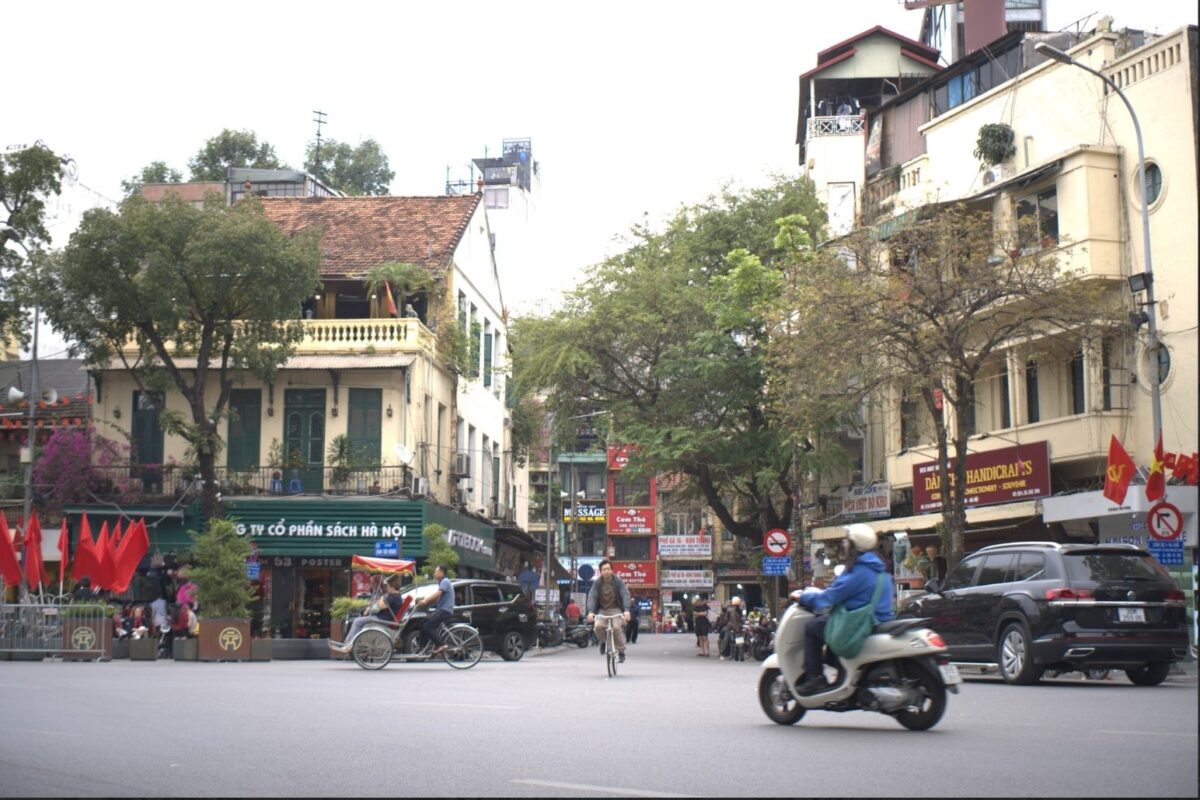
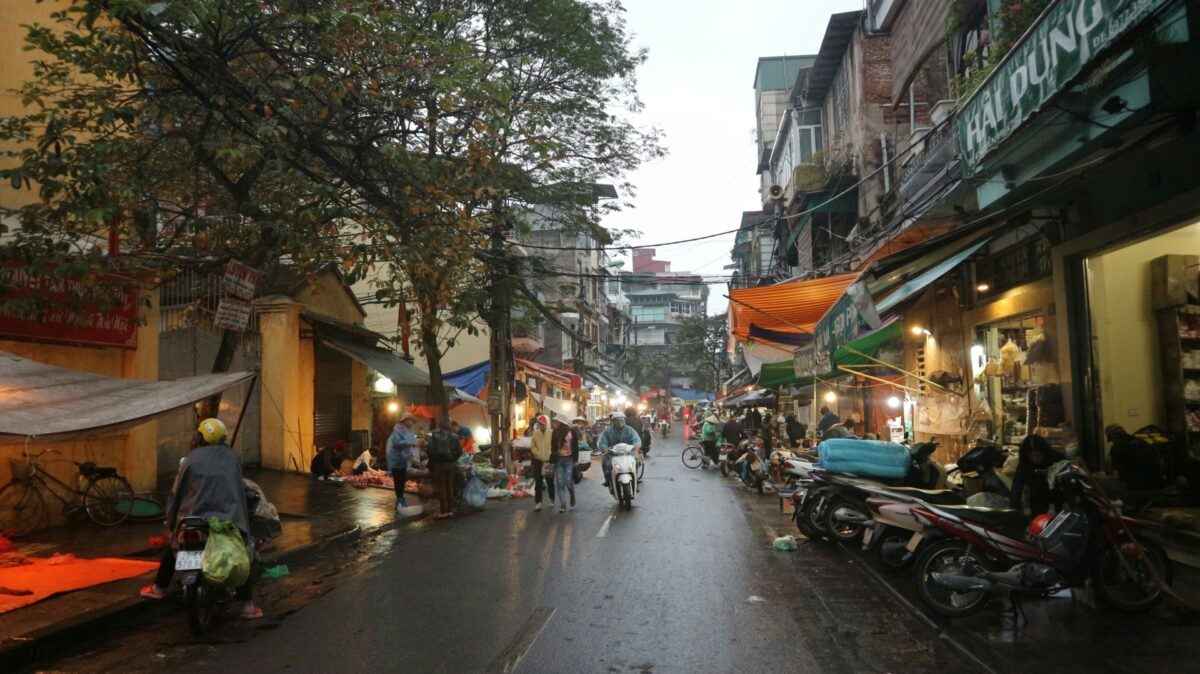
Travelers who approach it with genuine curiosity and respect almost always describe it as one of the most moving experiences of their lives. The streets of Hanoi’s Old Quarter before Tết – lined with peach blossoms and kumquat trees, buzzing with last-minute shopping and the smell of sticky rice cooking – are unlike anything else on earth.
But experiencing it well means understanding the rules. The xong dat cultural tradition is one of those rules. Know it. Respect it. And if you’re lucky enough to be invited to participate, embrace it fully.
A Tradition of Hope
The xong dat cultural tradition is, at its heart, one of the most beautifully human things I know. It’s a community saying: we believe that beginnings matter. We believe that who we welcome into our lives – and when – shapes what comes next.
Growing up in Hanoi, I absorbed this not from books but from watching my grandmother peer out the window on New Year’s morning, waiting to see who would arrive first. From feeling the whole household relax when the right person walked through the door. From understanding, slowly over years, that tradition isn’t just about the past – it’s about how we choose to step into the future.
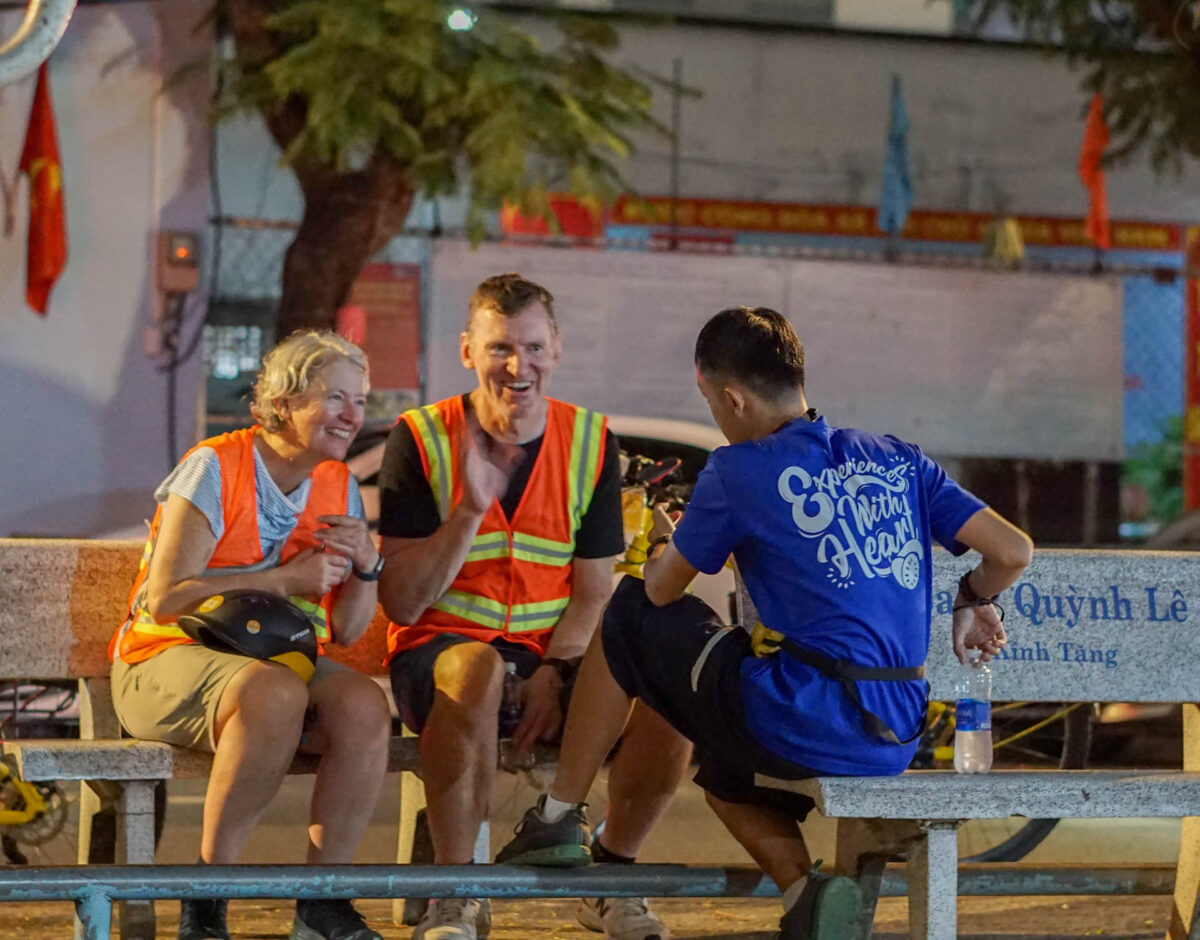
If you’re planning a visit to Vietnam around Tết, I’d encourage you to explore local culture beyond the surface. Jackfruit Adventure’s Cycling Tours are a wonderful way to go deeper – guided by locals who can share not just the what of traditions like xông đất, but the why and the feeling behind them.