

Table of Contents
When it comes to honoring traditions, few cultures do it as wholeheartedly as the Vietnamese. And there’s no better time to witness this deep respect for heritage than during Tet, the biggest celebration of the year. Tet has meaningful rituals passed down through generations. From the elderly to the youngest children, everyone eagerly takes part in Tet customs that have shaped Vietnamese identity for centuries.
So, what traditions instantly come to mind when locals think of Tet? Let’s break down the Tet customs with me to see how they’re celebrated and why they matter so much.
Top 8 Timeless Tet Customs in Vietnam
1. Wrapping Banh Chung and Banh Tet
Tet customs in Vietnam
One of the most beautiful Tet customs for Vietnamese people is wrapping Banh Chung, the square glutinous rice cake, and Banh Tet, the round one. To many families, including mine, Lunar New Year’s Eve would feel incomplete without these cakes resting on the ancestral altar.
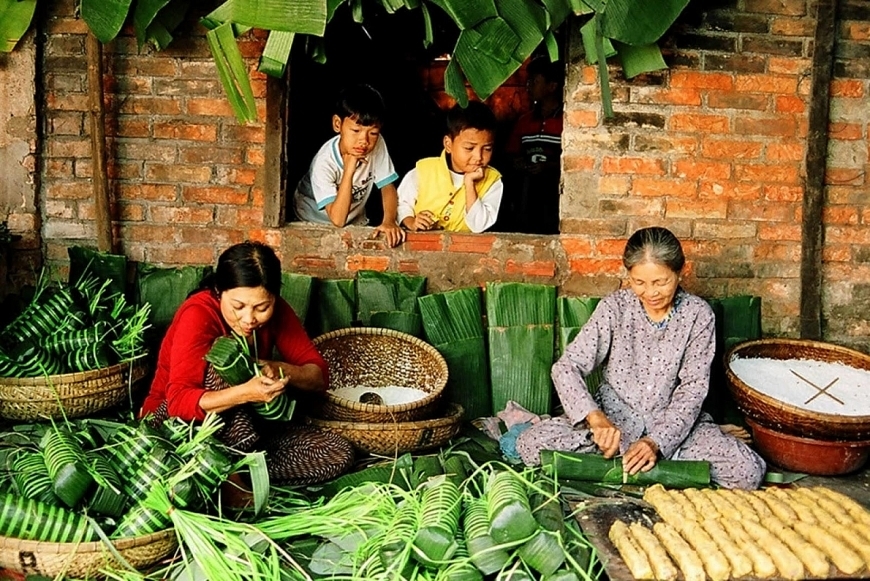
For me, the magic begins days before Tet officially arrives. As the weather turns cooler and the house fills with the scent of soaked glutinous rice and marinated pork, my family gathers late into the night. We sit together on small stools, cutting banana leaves, washing mung beans, seasoning meat, and carefully wrapping each cake by hand. I still remember how my fingers would feel sticky from the rice while my grandparents patiently showed me how to fold the leaves tightly so the cake would hold its perfect shape.
Once everything is wrapped, we place the cakes into a huge pot over a burning firewood stove. The fire crackles through the night while we take turns watching it. Those long hours are never boring. We talk, joke, share old stories, and sometimes simply sit quietly, enjoying the warmth. I always feel that those nights are not just about cooking. They are about connection. The fire seems to hold our laughter, our memories, and our love.
2. Decorating Homes with Flower and Charms
Tet customs in Vietnam
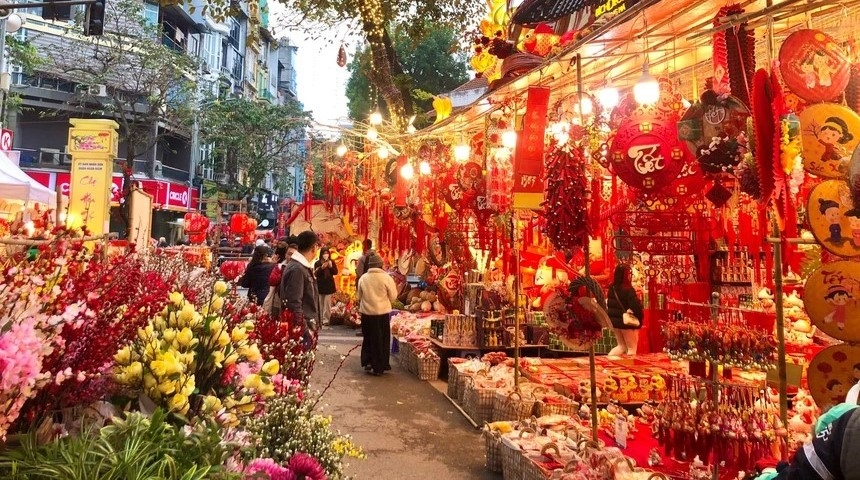
As Tet approaches, the markets become brighter and more alive than ever. I love walking through the crowded flower markets, where colors seem to burst from every corner.
In the north, families often decorate their homes with pink peach blossoms. In central and southern provinces, people prefer yellow apricot blossoms and golden chrysanthemums. Many families also choose kumquat trees heavy with tiny orange fruits, or pots of marigolds to place in front of their homes.
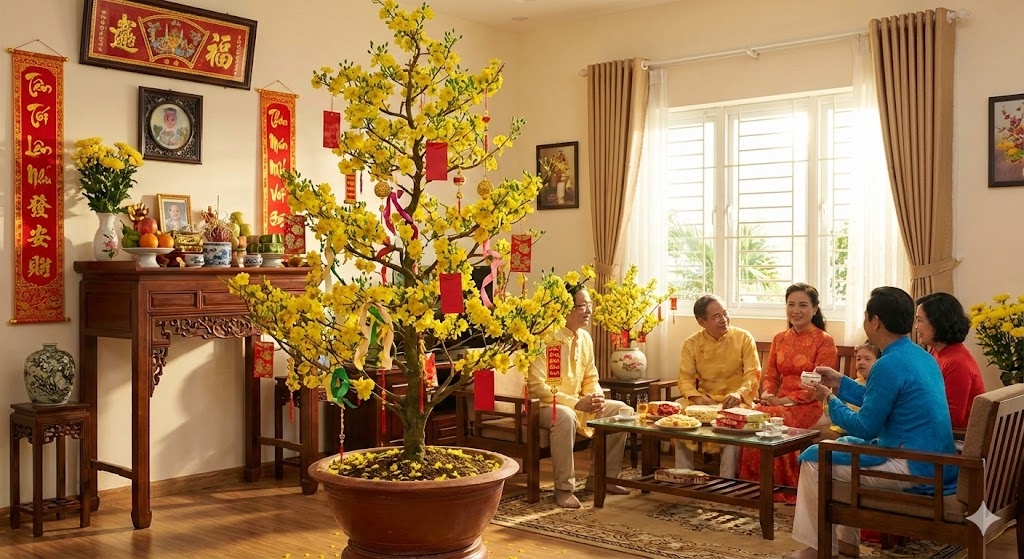
Growing up, I always felt that once the flowers arrived, Tet had officially stepped into our house. The fragrance of flowers mixed with incense smoke creates a feeling I cannot describe with words. It feels hopeful. It feels like a fresh beginning. We carefully arrange everything to make the house look as “Tet” as possible, believing that a beautiful home will attract good luck and blessings for the year ahead.
3. The Big Family Reunion Meal
Tet customs in Vietnam
Tet is the rare time when the entire extended family gathers under one roof. Cousins I have not seen all year suddenly appear. The house becomes louder, warmer, and somehow smaller in the best way.
We gather at our ancestor’s house for a grand meal prepared with love and tradition. The table is full of familiar dishes that only appear during Tet. But more than the food, it is the conversations that matter. Elders share stories from their youth and offer advice for the year ahead. The younger generation listens respectfully and gives wishes of good health and longevity.
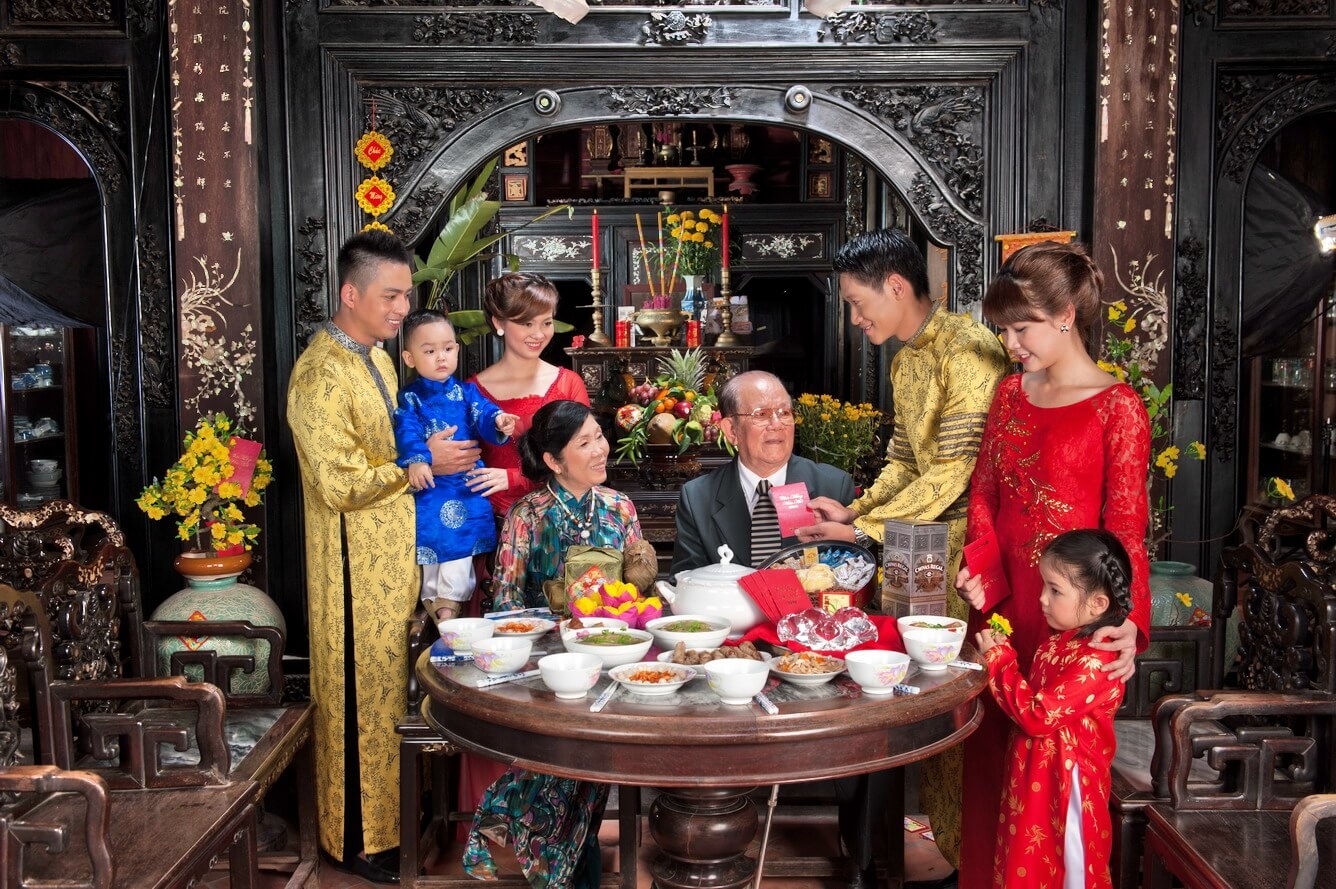
I always feel that Tet has a gentle way of healing. Conflicts from the past year seem smaller. People choose forgiveness over pride. Sitting together, laughing over shared memories, I realize how precious these moments are. Tet reminds me that family is our strongest root.
4. ‘Li Xi’ – Lucky Money
Tet customs in Vietnam
As a child, nothing made my heart race faster than receiving Li xi, the lucky red envelope. Even now, I still smile when I see children eagerly lining up to greet elders.
Li xi is a small amount of money placed inside a red envelope and given with blessings. The amount does not truly matter. What matters is the wish for good fortune, happiness, and growth. I remember holding those envelopes tightly, feeling both excitement and gratitude. It was never just about the money. It was about feeling loved and remembered.
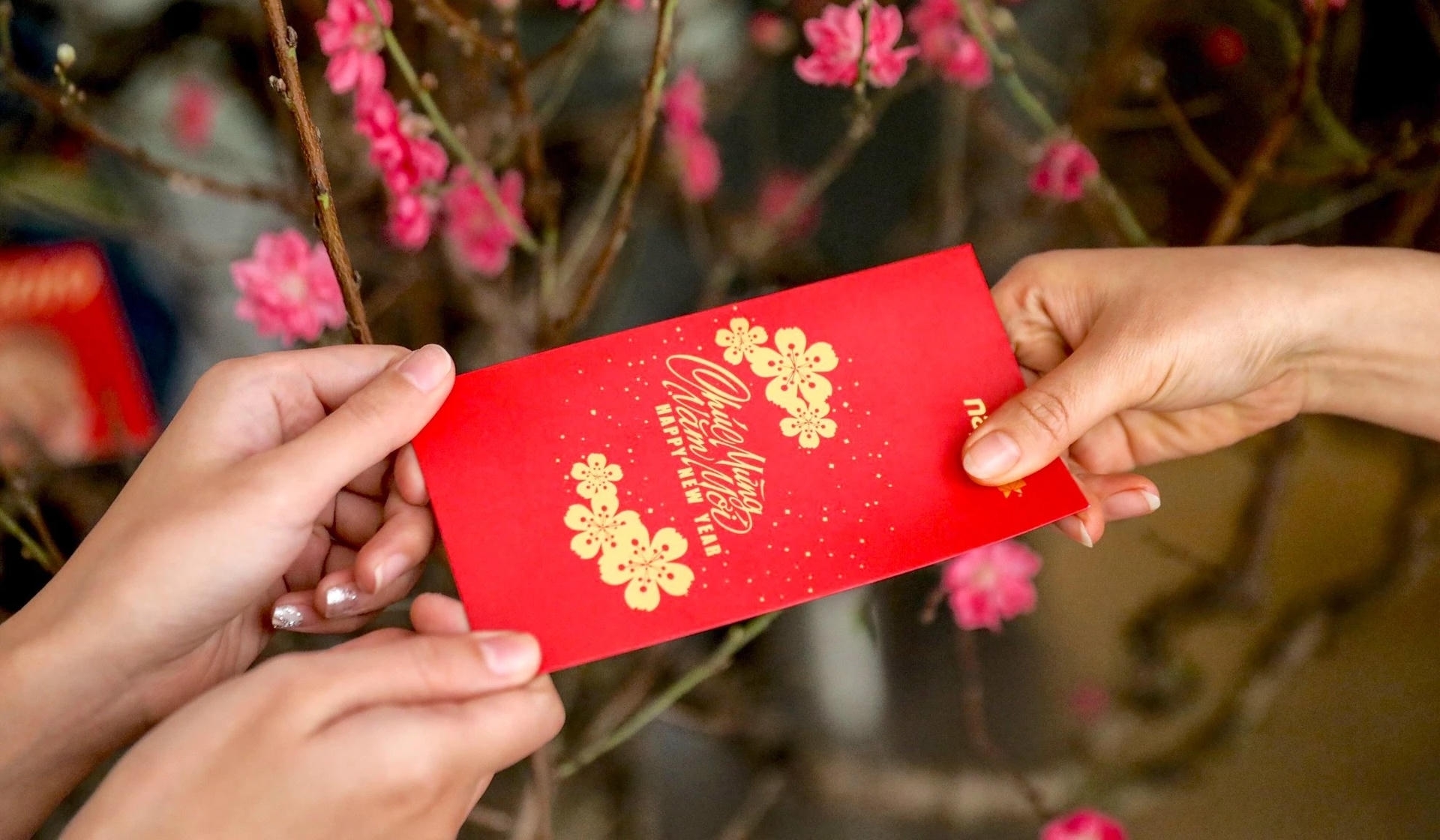
Today, when I give Li xi to younger relatives, I understand the joy from the other side. There is something deeply satisfying about passing on blessings and watching children’s faces light up.
5. The Five Fruit Tray
Tet customs in Vietnam
Another meaningful Tet custom is arranging a five fruit tray on the family altar. This offering represents respect and gratitude to our ancestors.
In the north, the tray often includes bananas, pomelos, peaches, kumquats, and persimmons. In the south, families may choose custard apples, coconuts, papayas, mangoes, and figs. Each fruit carries symbolic meaning and heartfelt wishes. Southern families often choose fruits that sound like the phrase meaning “just enough to spend,” expressing hopes for prosperity and stability.
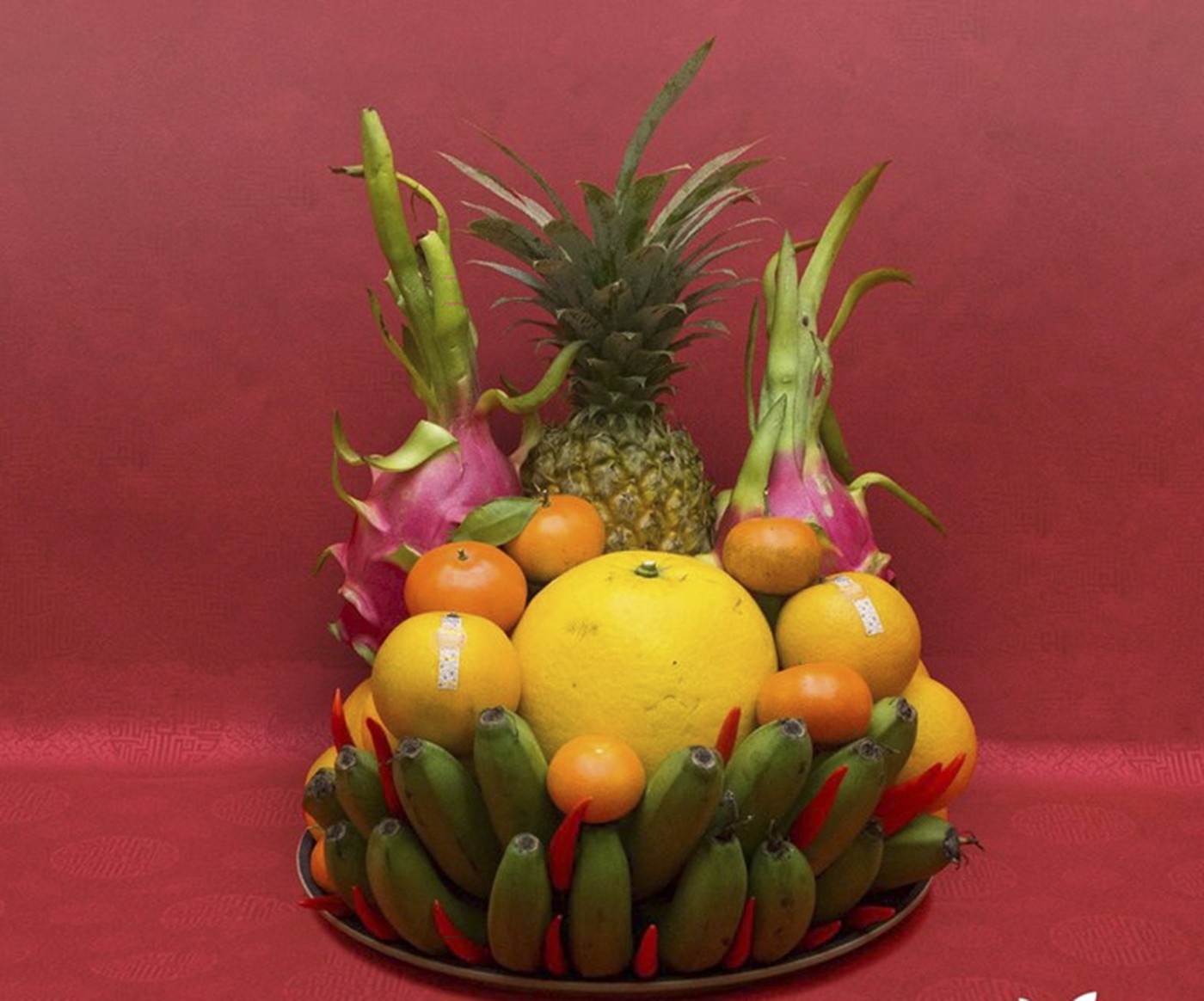
When I look at the five fruit tray, beautifully arranged and glowing under soft candlelight, I feel a quiet sense of connection to those who came before us. It is our way of inviting them to celebrate with us, to share our happiness, and to bless our new beginnings.
The Three Sacred Phases of Tet
Vietnamese people organize Tet into three meaningful periods.
6. Tat Nien: Year End Celebration
Tet customs in Vietnam
Tat Nien takes place in the days before New Year’s Eve. Families prepare a special feast to offer to their ancestors and gather in the afternoon or evening for a year end celebration. The house is full of activity as everyone cooks, cleans, and arranges the altar together.
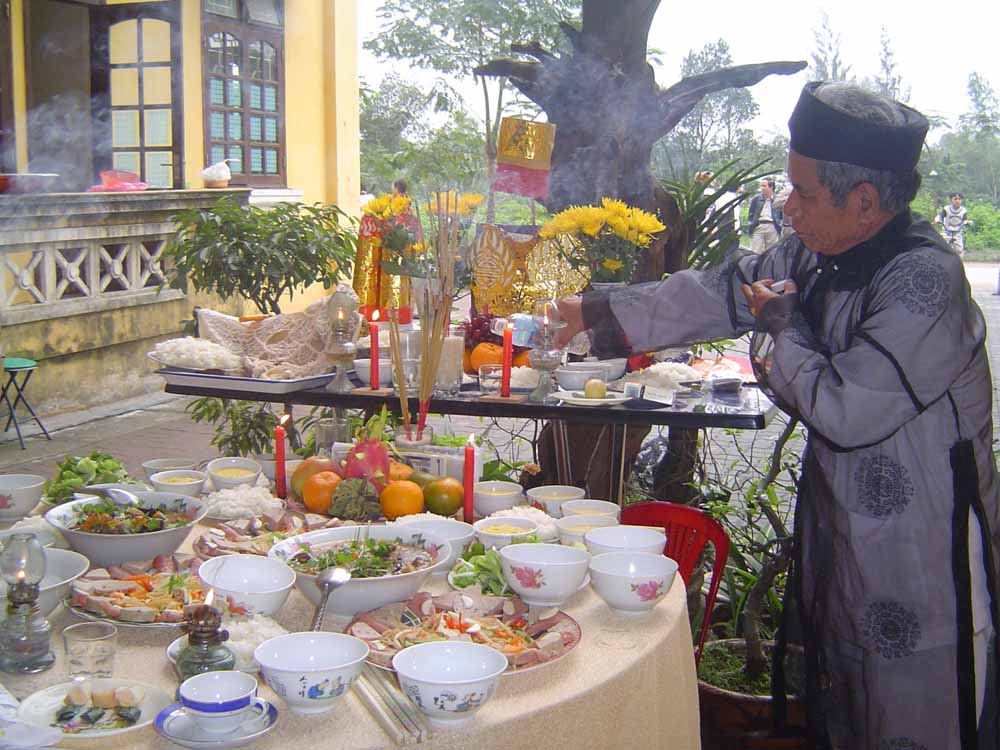
Even though everything feels busy, the atmosphere is warm and joyful. Relatives and friends are invited to share food and conversation, and there is a quiet sense of anticipation in the air. For me, this time always feels exciting, as if the whole family is waiting together to meet up to help prepare the celebration together and enjoy every close moment of it.
7. Giao Thua: The transition from old to new year
Tet customs in Vietnam
Giao Thua is the sacred moment at midnight on New Year’s Eve. It marks the transition between the old year and the new one, and many believe it is when the Kitchen God returns from heaven. Families light incense, pray, and invite their ancestors to celebrate the new year with them.
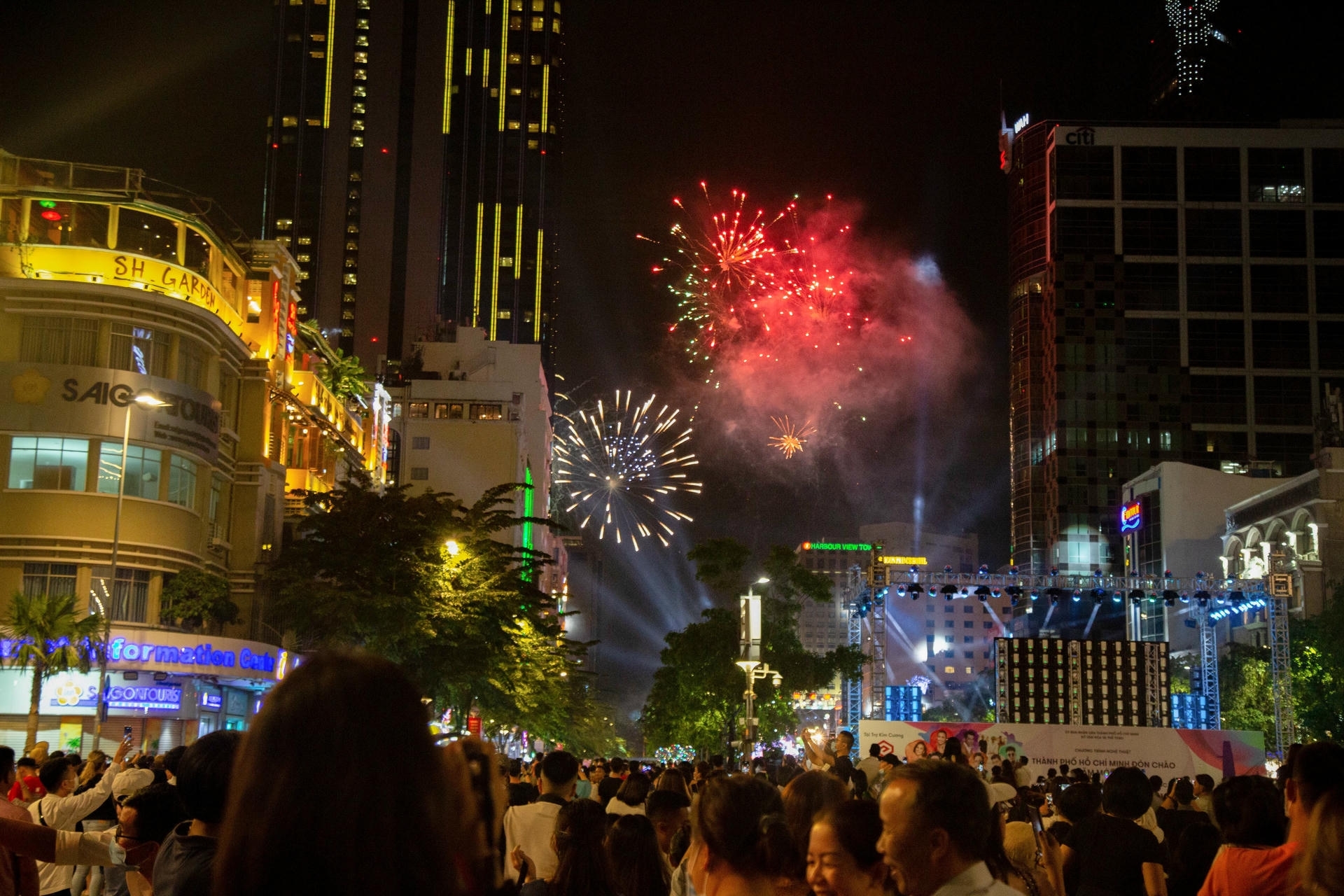
As the clock strikes twelve, fireworks will continuously light up the sky. The air fills with incense smoke, laughter, and whispered prayers. In that moment, I always feel a deep sense of renewal and excitement, as if all the worries of the past year disappear and fresh hopes take over my life.
8. Xong Dat: First guest of the year
Tet customs in Vietnam
The final phase is Xong Dat, the first visit of the new year. According to tradition, the first person to enter the house will influence the family’s fortune for the entire year. Because of this belief, homeowners carefully choose someone with good character and positive energy to visit first.
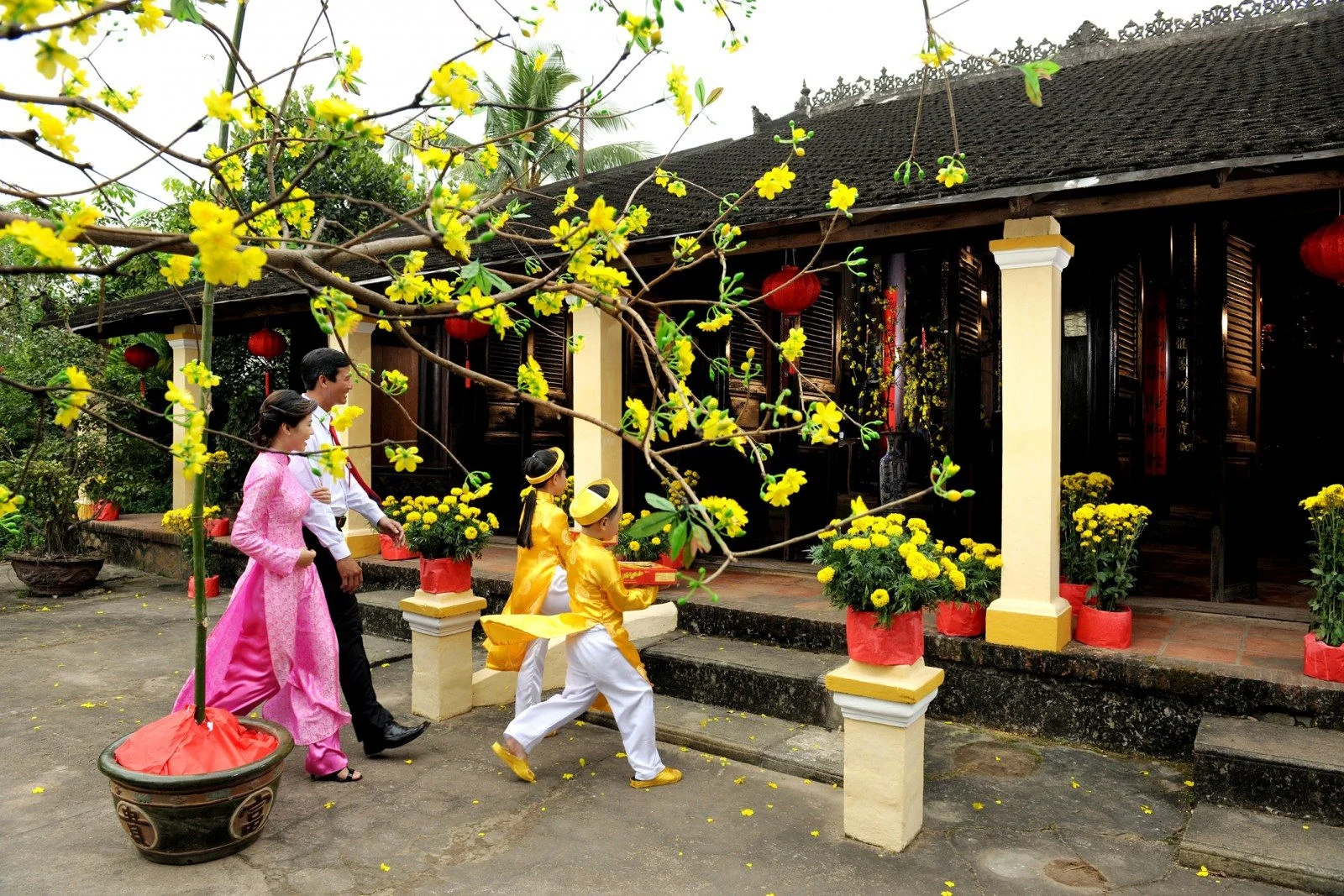
This guest usually arrives on the morning of the first day, bringing fruit, sweets, and lucky money for the children. The visit only lasts a few minutes, but it carries great meaning. That first step through the door symbolizes prosperity, happiness, and a bright beginning for the year ahead.
Come See Local Customs with Your Own Eyes
These dedicated Tet customs are what we have honored for generations, continue to celebrate today, and will preserve for the future during the Tet Festival. While the world constantly changes and new stories unfold every day, our traditions remain deeply rooted in the hearts of the Vietnamese people. This is what makes me love my country, a place where modern life moves quickly, yet beautiful rituals stand still in time. And these are not just stories you read about on a page but moments you can witness, feel, and experience firsthand.
Come ride with Jackfruit Adventure on the vehicle of your choice and explore the local culture through our immersive Saigon city tours. We’ll guide you through the living history of Vietnam, proudly sharing the cultural heritage that makes our nation so special.