

A Vietnam road trip reveals the country at its best, from mountain passes and coastal highways to the Mekong Delta. Here are 6 unforgettable routes to explore.
A Vietnam road trip changes the way you see the country. When most people think about Vietnam, they picture a handful of famous destinations. But once you’re out on the road, the journey becomes much bigger than the places marked on your itinerary.
Within a few days, you can go from winding mountain passes in the north to long coastal roads in central Vietnam, then end up among the rivers and fruit orchards of the Mekong Delta. According to the official tourism website of Vietnam National Authority of Tourism, road travel remains one of the best ways to experience the country’s changing landscapes, regional cultures, and local food culture from north to south.
If you’re looking for route ideas, these are six Vietnam road trips that travelers keep talking about long after they’ve returned home.
Why a Vietnam Road Trip Feels Different from Any Other Journey

One thing that separates a Vietnam road trip from road travel elsewhere in Asia is how connected the road feels to daily life.
You don’t spend hours driving through empty highways with nothing to see except traffic signs. A few kilometers outside a city, you’ll pass fruit stalls set up beside the road, mechanics repairing motorbikes with their shop doors open, and families gathering outside as the day cools down. In the morning, small noodle shops are already busy before sunrise. By late afternoon, plastic chairs begin appearing on sidewalks as people stop for coffee or a quick chat on their way home.
The scenery changes quickly too. A mountain road in the north feels completely different from a coastal route in central Vietnam, and the further south you travel, the more the landscape begins to shift again. Even the food served at roadside stops changes from region to region.
That’s what makes road travel here so enjoyable. You’re not just getting from one destination to another. A lot of the experience happens in between.
Scenic Roads You Should Experience in Vietnam
1. Ha Giang Loop: Vietnam’s Most Unforgettable Mountain Road
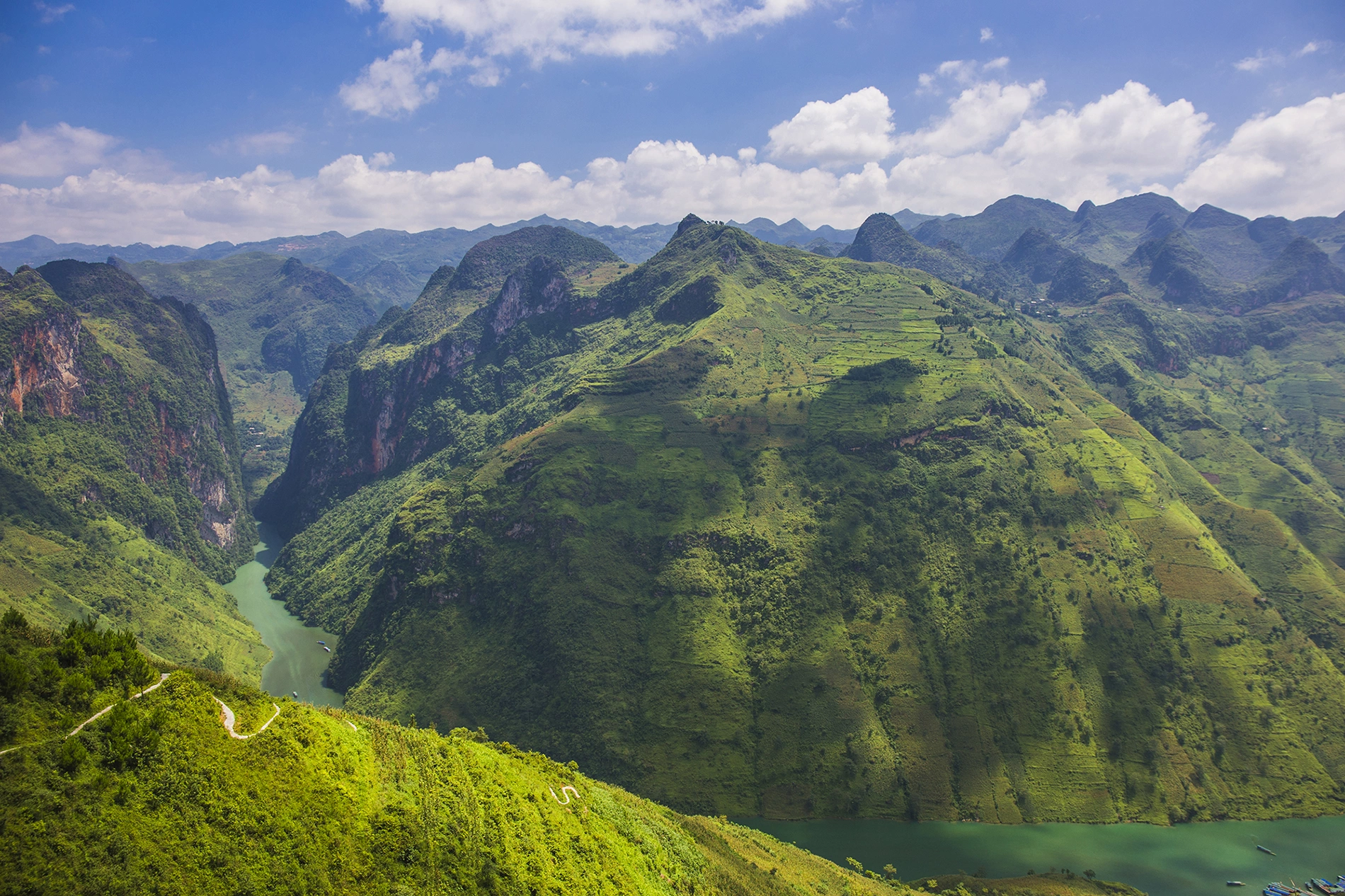

I remember arriving in Hà Giang and immediately realizing that the photos I’d seen online hadn’t given me a real sense of the place.
The mountains weren’t just beautiful; they felt enormous. Some roads seemed to cling to the edge of cliffs, while entire villages appeared in valleys that looked completely hidden until the last moment. There were stretches where I drove for twenty minutes without seeing another traveler, then suddenly came across a small market buzzing with activity.
Mornings tend to be my favorite time to ride here. Shop owners are pulling up their shutters, children are on their way to school, and the roads are still quiet before tour groups start moving around. On cooler days, low clouds drift between the mountains and linger above the valleys. It’s the kind of scenery that makes you pull over more often than you planned, even when you tell yourself you’ll stop at the next viewpoint instead.
Of course, the famous viewpoints deserve their reputation. Mã Pí Lèng Pass and the emerald-green Nho Quế River remain some of the most spectacular landscapes in Vietnam. But after several trips to Hà Giang, I find myself remembering smaller moments just as clearly.
One afternoon, heavy rain forced me to pull over at a tiny tea shop beside the road. I ended up sitting there for nearly an hour while the owner quietly refilled everyone’s cups and the rain hammered against the metal roof outside. Nothing particularly remarkable happened, yet it’s still one of the memories that comes back to me whenever I think about Hà Giang.
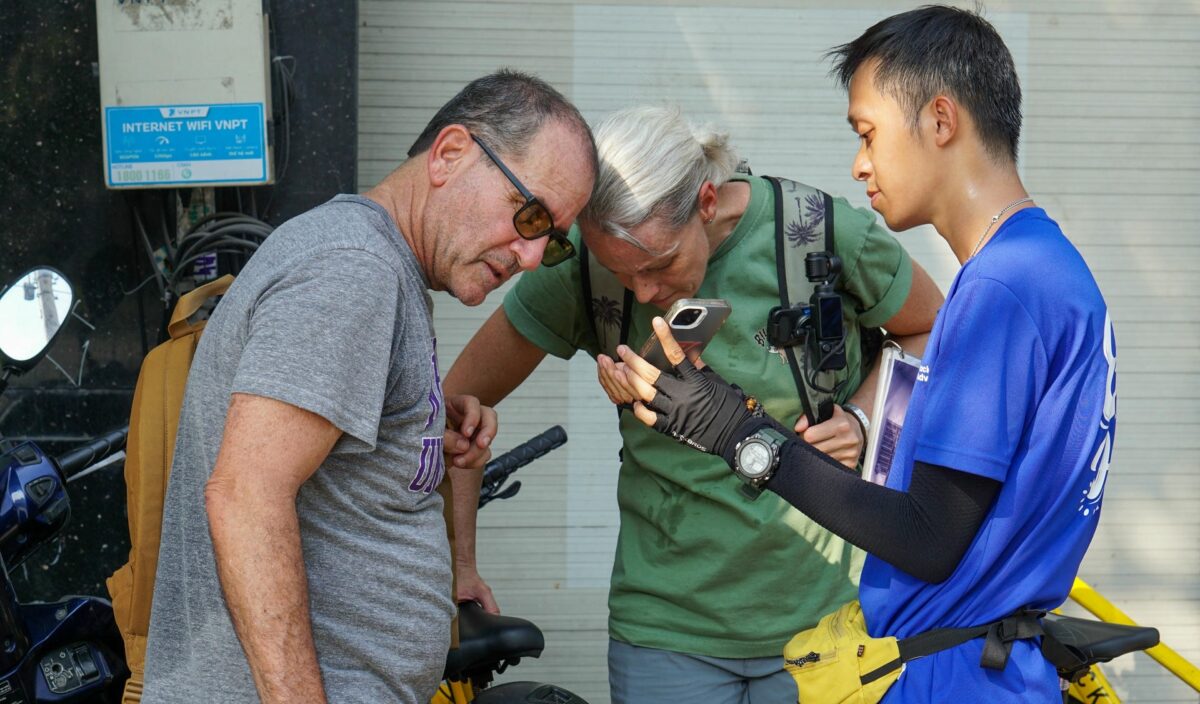
If you’re planning to ride the loop yourself, having an insider guide to explore Hà Giang Loop on motorbike can make a huge difference. The roads are only part of the experience. Understanding the local culture, knowing where to stop, and learning when to slow down often turns a beautiful trip into a memorable one.
2. Cao Bang and Ban Gioc Waterfall: Northern Vietnam at Its Quietest
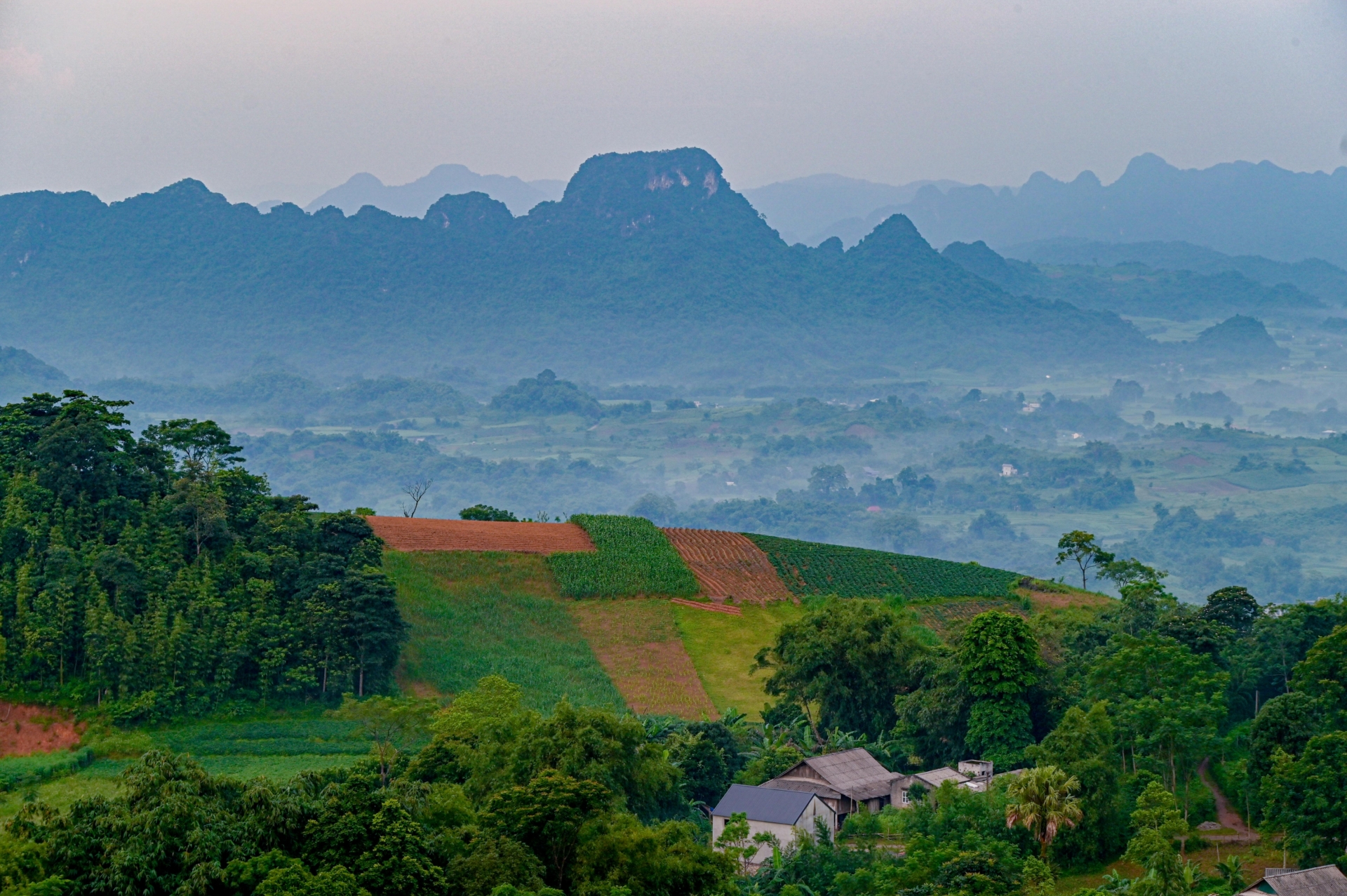
Cao Bằng feels different from Hà Giang almost immediately.
The mountains are still there, but the atmosphere is calmer. Roads wind through rice fields and small villages at an unhurried pace, and there are long stretches where the loudest sound might be the wind moving through the trees.
The drive toward Bản Giốc Waterfall is one of those routes where you naturally find yourself stopping more often than expected. Not because there’s a famous viewpoint every few kilometers, but because the landscape keeps giving you small reasons to pause. A river reflecting the mountains after a rainstorm. A herd of water buffalo crossing the road. A roadside stall selling fresh sugarcane juice on a hot afternoon.
I remember spending nearly twenty minutes at one viewpoint without taking a single photo. There wasn’t anything dramatic happening. The scenery was simply peaceful enough that leaving felt unnecessary.
That sense of calm is what stays with many travelers long after they leave Cao Bằng. Unlike destinations that impress through scale or excitement, this part of northern Vietnam leaves an impression through its quietness. The roads are beautiful, but it’s the slower pace of life around them that makes the journey feel special.
3. Hai Van Pass: The Coastal Drive Everyone Talks About
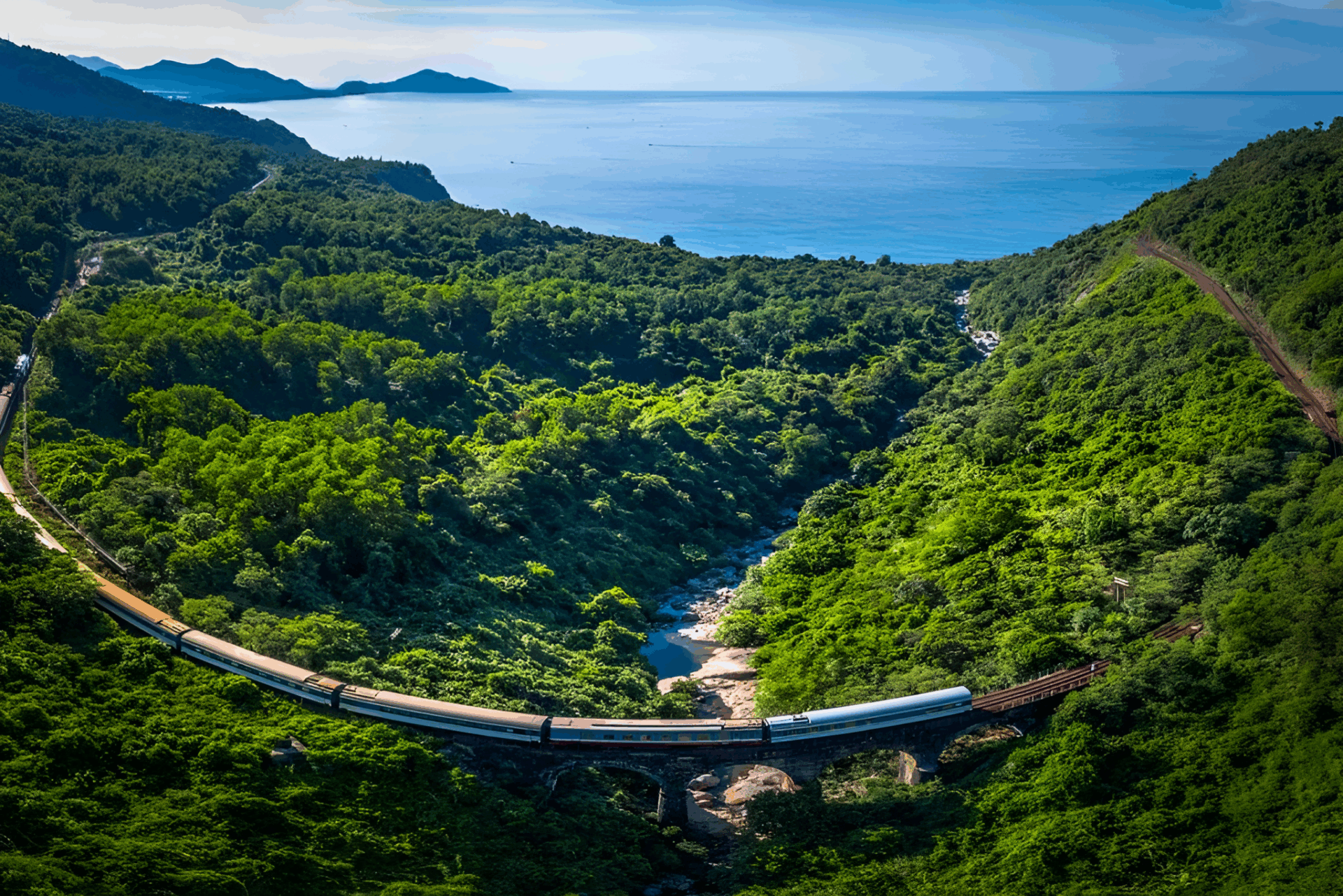
Some roads become famous because they’re convenient. Hải Vân Pass became famous because people genuinely enjoy driving it.
Stretching between Huế and Đà Nẵng, this mountain pass has attracted travelers for decades. The road twists along the coastline, climbing high enough to reveal sweeping views of the sea before disappearing back into the hills. Even if you’ve seen photos beforehand, the real thing usually feels much larger than expected.
The weather can change quickly here too. I’ve driven the pass under bright blue skies and returned a few months later to find the mountains wrapped in thick fog. Both experiences felt completely different, yet equally memorable.
Along the route, there are plenty of places where people naturally stop. Some pull over to take photos. Others stay longer with a coffee in hand, watching trains move along the coast below. On quieter days, you can hear little more than the wind and the occasional motorbike passing by.
What makes Hải Vân Pass special isn’t just the scenery. It’s the feeling of having nowhere else you need to be for a while. For an hour or two, the road itself becomes the destination.
If you’re planning to spend time around central Vietnam after the pass, it’s worth exploring a few nearby destinations as well. Many travelers continue north to visit the Complex of Hué Monuments, a UNESCO World Heritage Site that offers a deeper look into Vietnam’s imperial history. For many travelers, the Hải Vân Pass stretch alone makes a Vietnam road trip worth the journey.
4. Da Lat to Nha Trang: From Pine Forests to the Sea

Few routes in Vietnam change as dramatically as the drive from Đà Lạt to Nha Trang.
The journey begins in the cool mountain air of Đà Lạt, where pine-covered hills, flower farms, and quiet roads create an atmosphere that feels very different from the rest of the country. For many travelers, it’s easy to forget they’re still in Vietnam until they start descending toward the coast.
As the road winds downhill, the landscape gradually shifts. The forests become less dense. The temperature rises. Small towns appear more frequently along the roadside. After several hours, glimpses of the sea begin appearing in the distance.
I remember making this drive with no particular rush to arrive. Every so often, we’d stop at a roadside café or pull over at a viewpoint simply because the scenery looked different from what we’d seen thirty minutes earlier. It felt less like traveling between two destinations and more like watching an entire region slowly transform.
By the time you reach Nha Trang, the contrast is impossible to miss. The cool mountain air has been replaced by warm coastal breezes, and the pine forests are now beaches stretching toward the horizon.
It’s one of those drives that reminds you how much variety can fit into a relatively short distance. In a single day, you experience two completely different sides of Vietnam, connected by a road that’s just as memorable as either destination.
5. Bau Trang: Vietnam’s Unexpected Desert Road
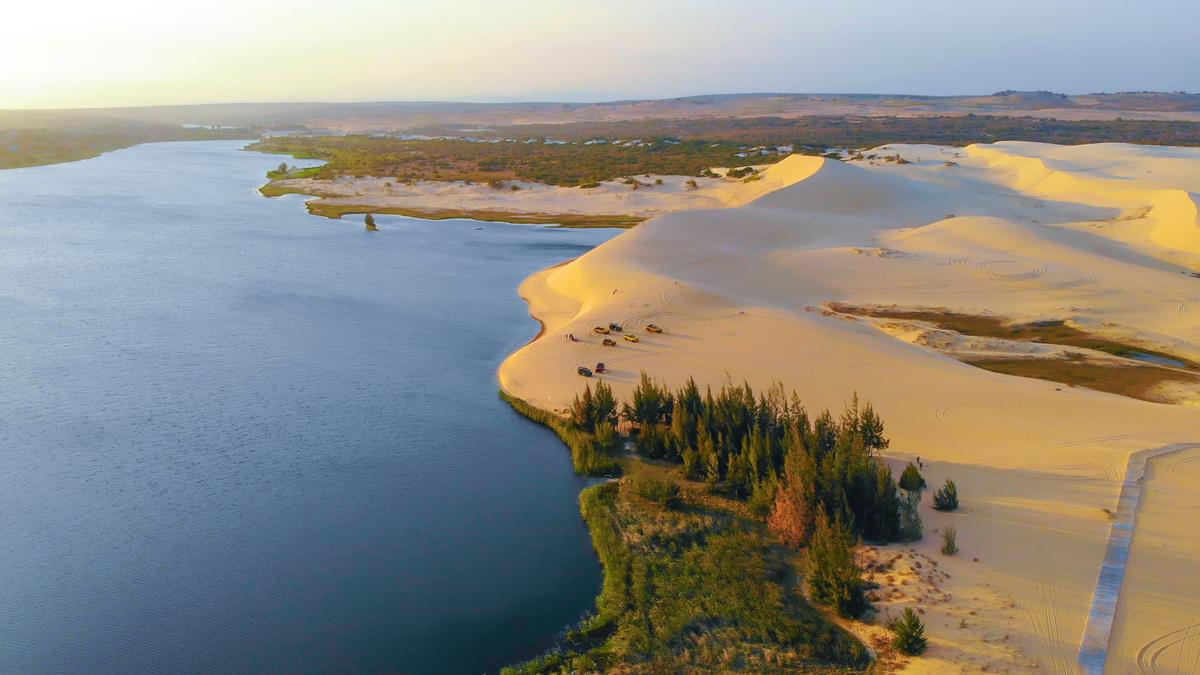
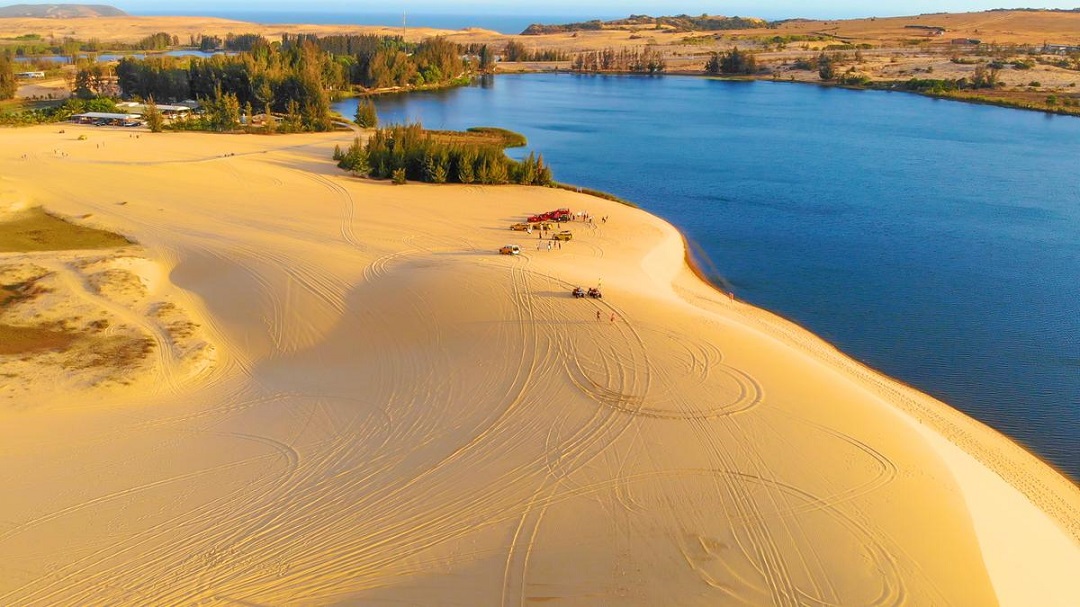
Bàu Trắng was probably the last landscape I expected to find on a Vietnam road trip.
After hours of passing fishing villages, dragon fruit farms, and coastal scenery, the dunes appear almost out of nowhere. Suddenly the view changes completely. The sand stretches across the landscape, shaped by the wind into soft ridges, while the road cuts straight through the middle.
I remember pulling over more than once, partly to take photos and partly because it felt hard to believe this was still Vietnam. It’s a stretch of road that feels completely different from anywhere else in the country.
It’s a strange contrast, and that’s exactly why so many people remember it.
The route is particularly beautiful in the early morning or late afternoon when the light softens and the dunes begin changing color. During those hours, photographers often stop along the roadside looking for the perfect angle, while travelers slow down simply to take in the view.
Despite its growing popularity, the area still feels surprisingly open compared to some of Vietnam’s better-known destinations. There are moments when you can stand beside the road and see very few people around, something that’s becoming increasingly rare in many parts of the country.
Bàu Trắng may not be the longest road trip on this list of Vienam road trip, but it’s certainly one of the most distinctive. Even travelers who have spent weeks exploring Vietnam are often surprised to find a landscape like this hidden along the south-central coast.
6. Mekong Delta Road Trip: Where the Journey Slows Down
The Mekong Delta is unlike any other stop on a Vietnam road trip.
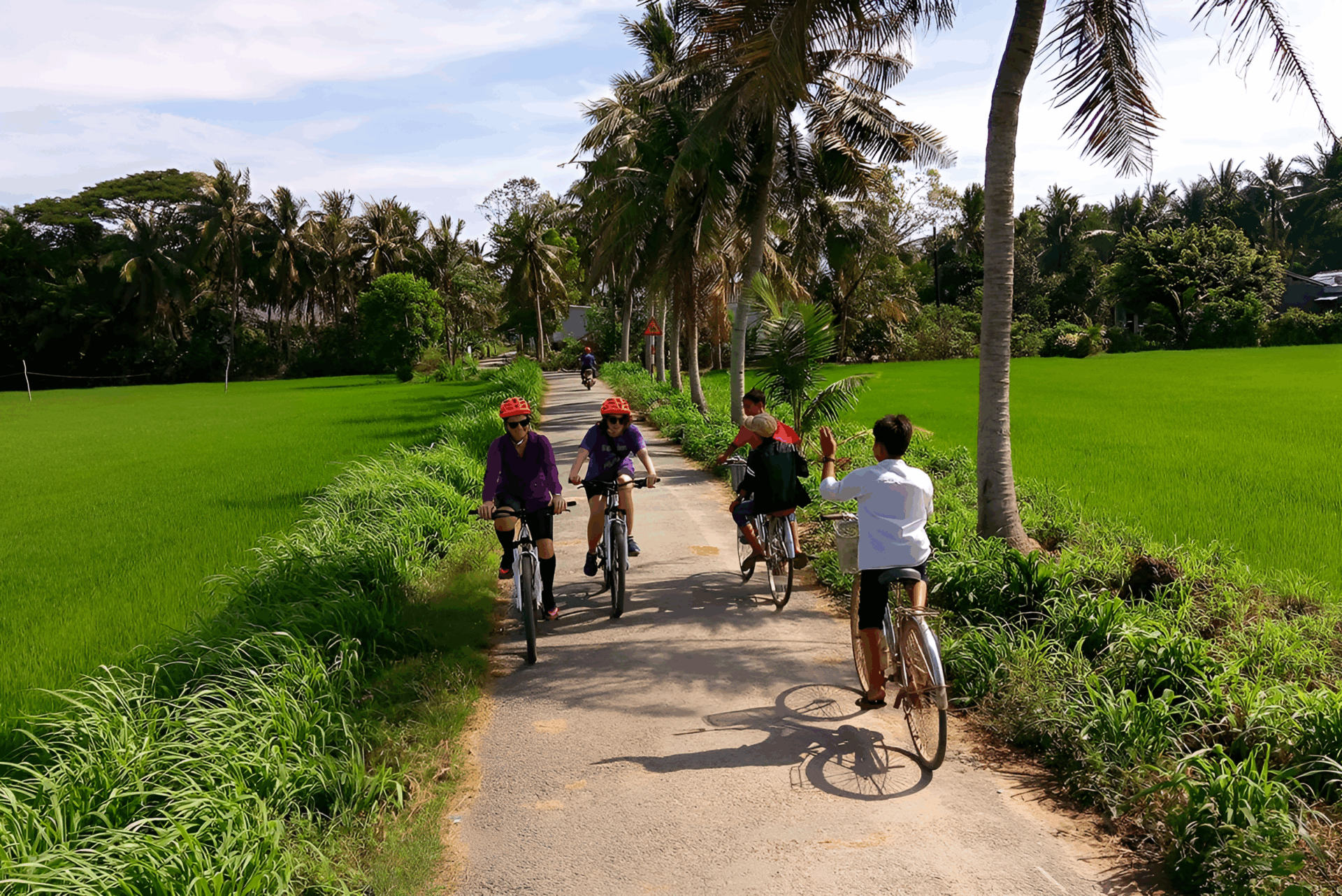
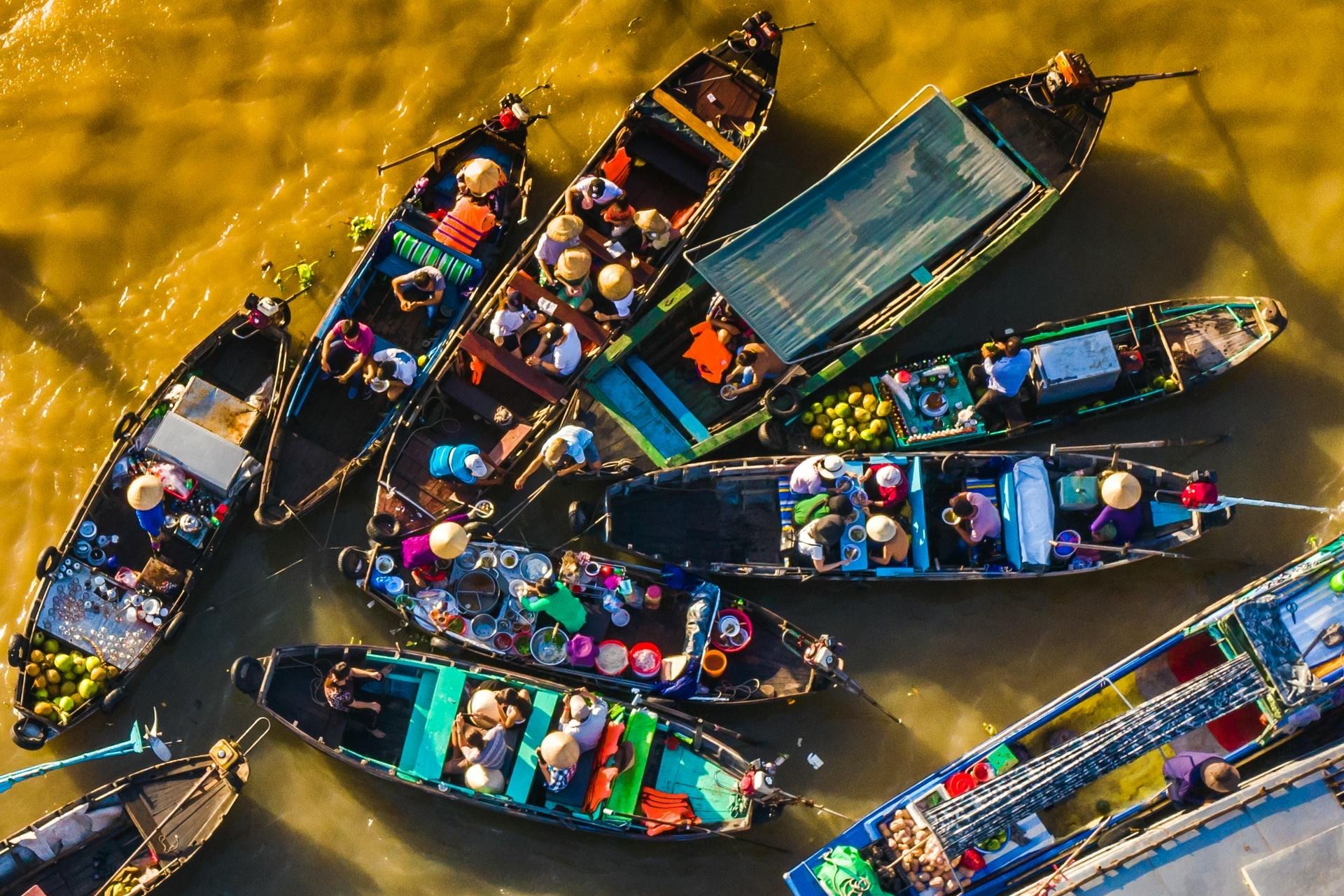
Up north, many road trips are defined by mountain passes and dramatic viewpoints. Here, the landscape moves at a gentler pace. Roads follow rivers instead of ridgelines, and much of daily life revolves around the waterways that connect towns, villages, and farms throughout the region. One thing I noticed during my first trip through the Delta was how often people seemed to be outside. Farmers worked in orchards beside the road. Small boats moved steadily along narrow canals. Roadside cafés filled with locals escaping the afternoon heat. Life felt less rushed, even in the busier towns.
The roads themselves are easy to drive, which leaves more time to pay attention to what’s happening around you. A family-run coconut candy workshop. A local market spilling onto the sidewalk. Children waving as they cycle home from school. None of these moments are major attractions, but together they create a picture of the Delta that feels far more memorable than any single landmark.
It’s also a region that naturally rewards slower travel. Many visitors arrive planning a quick stop and end up staying longer than expected. The atmosphere encourages it.
That’s one reason cycling has become such a popular way to explore the area. Moving at a slower pace allows you to follow quiet village roads, cross small bridges, and discover parts of the Mekong Delta that are easy to miss from a car window. If that sounds appealing, exploring the Mekong Delta by bicycle offers a very different perspective on the region.
For travelers looking beyond Vietnam’s famous mountain roads and coastal highways, the Mekong Delta provides a completely different kind of Vietnam road trip experience.
Choosing the Right Vehicle for Your Vietnam Road Trip
The vehicle you choose shapes the entire feel of your Vietnam road trip.
Motorbike: Feeling Every Part of the Journey
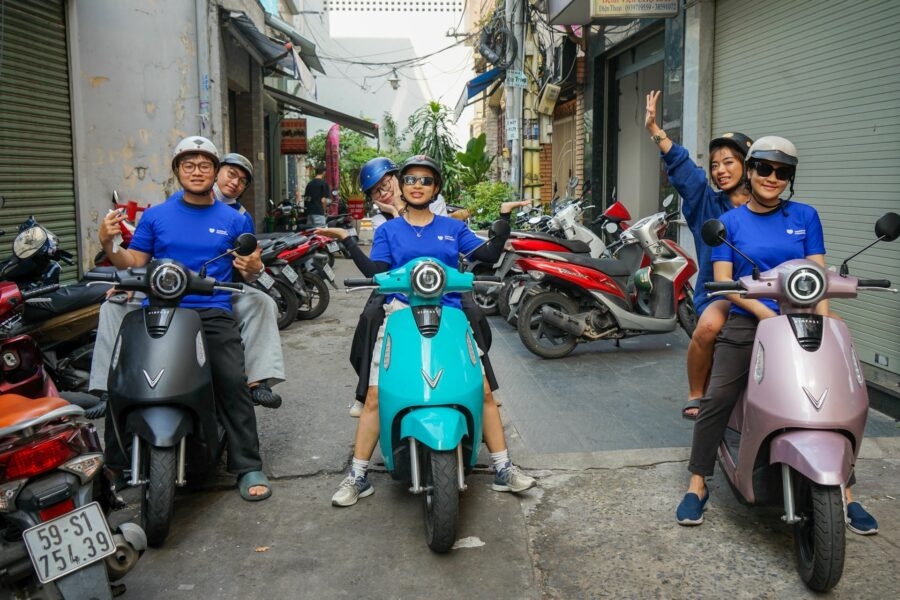
For many travelers, a Vietnam road trip naturally means traveling by motorbike. And honestly, nothing makes you feel closer to the road itself. You notice cold mountain air the moment you climb into higher elevations, smell roadside barbecue drifting through small towns at night, and feel sudden rainstorms arriving before you even see the clouds overhead.
On routes like the Hà Giang Loop or Hải Vân Pass, the journey becomes physical in a way that’s hard to describe until you experience it yourself. The road stops feeling separate from you.
Car: Comfort for Longer Vietnam Road Trips
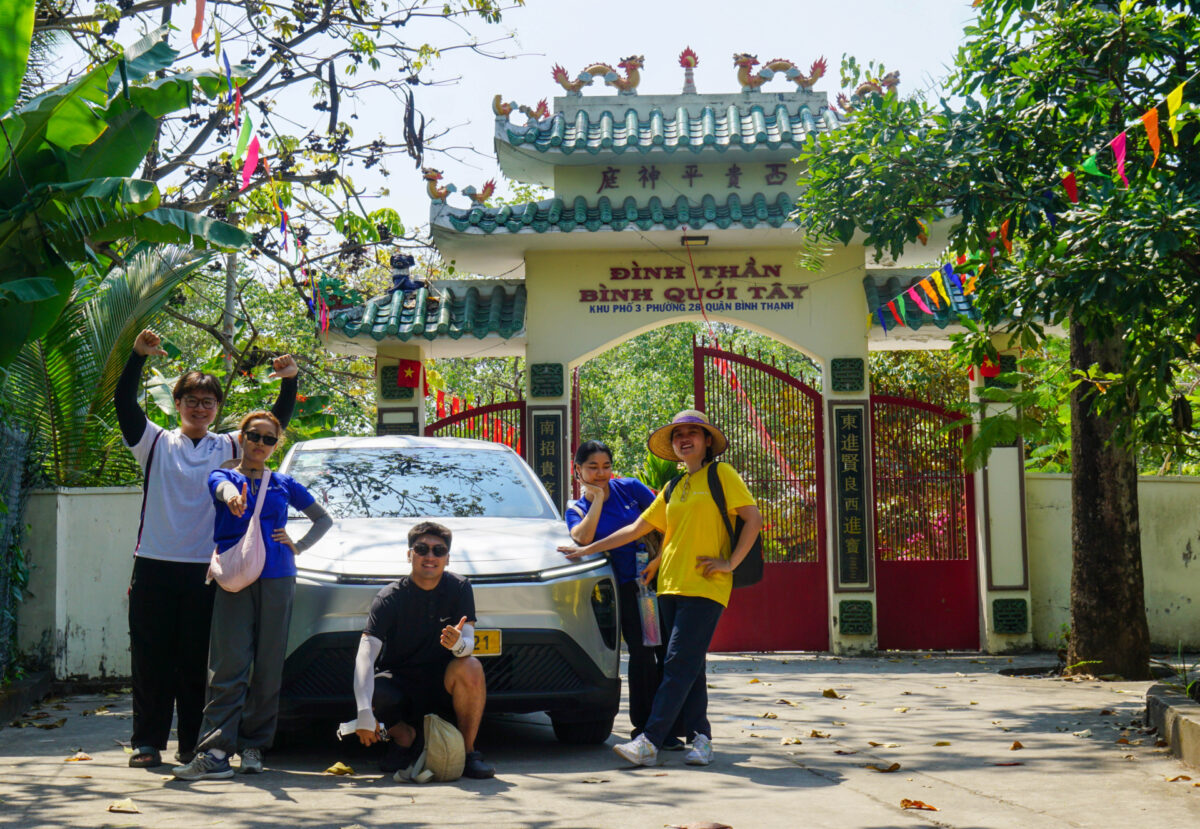
Traveling Vietnam by car creates a completely different rhythm. The experience feels calmer, especially for longer journeys stretching from north to south.
You can comfortably cover greater distances while still stopping whenever something catches your attention – a roadside coffee shop hidden in the mountains, a quiet fishing village near the coast, or a small local market glowing beneath the afternoon heat. For families or travelers wanting a slower pace overall, driving by car often makes the journey feel more relaxed and flexible, especially during Vietnam’s unpredictable rainy season.
Bicycle: Seeing Vietnam at Street Level
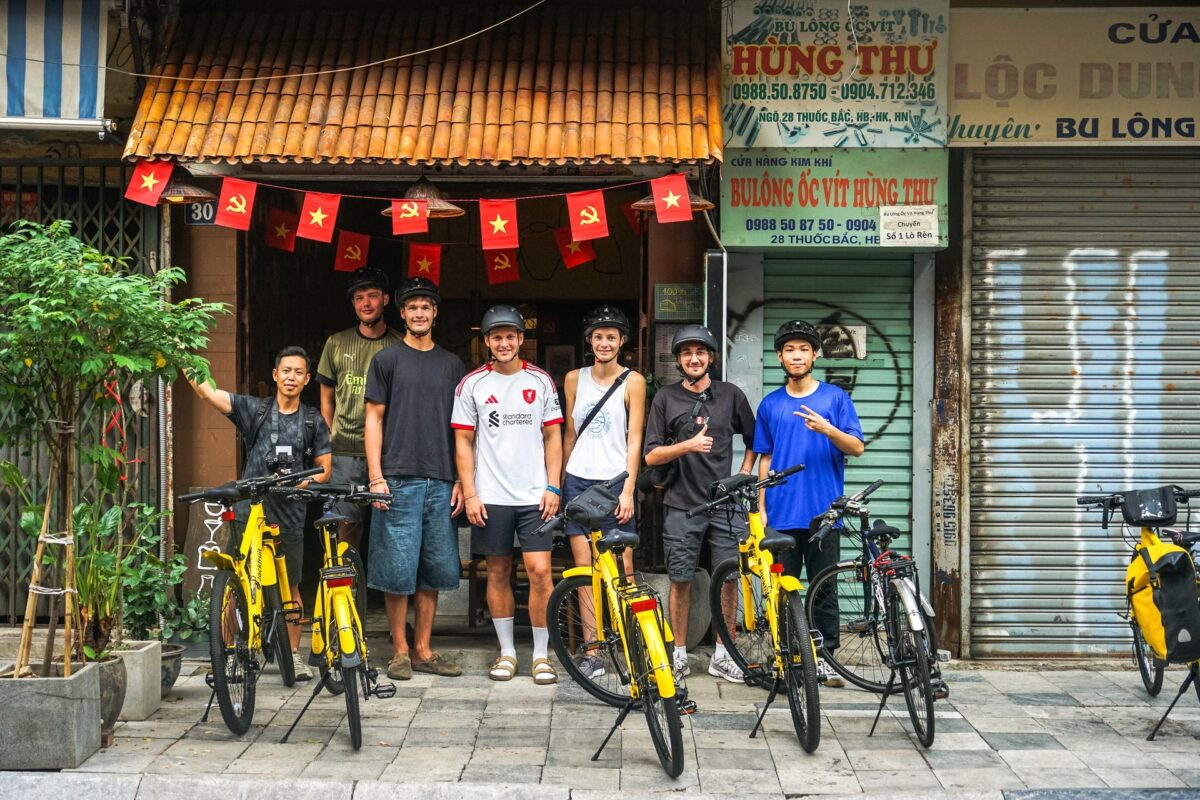
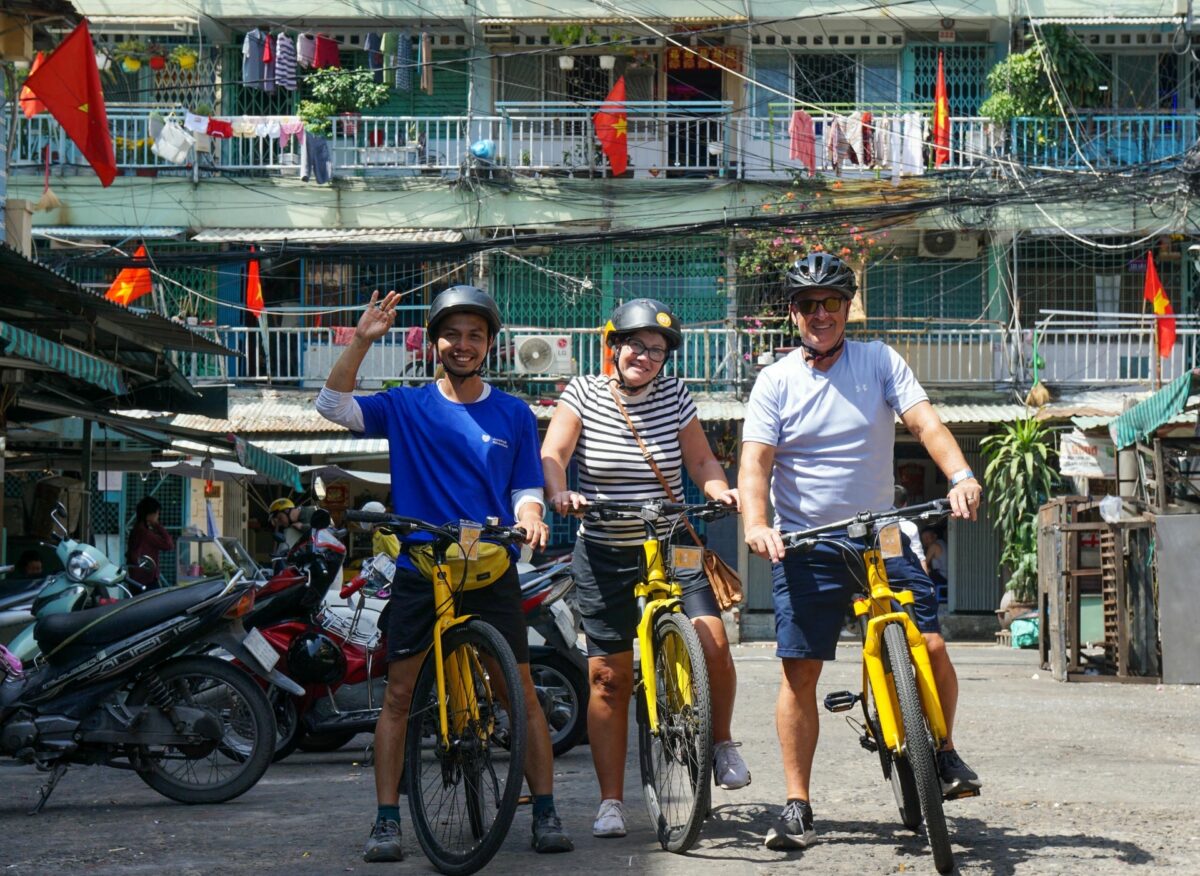
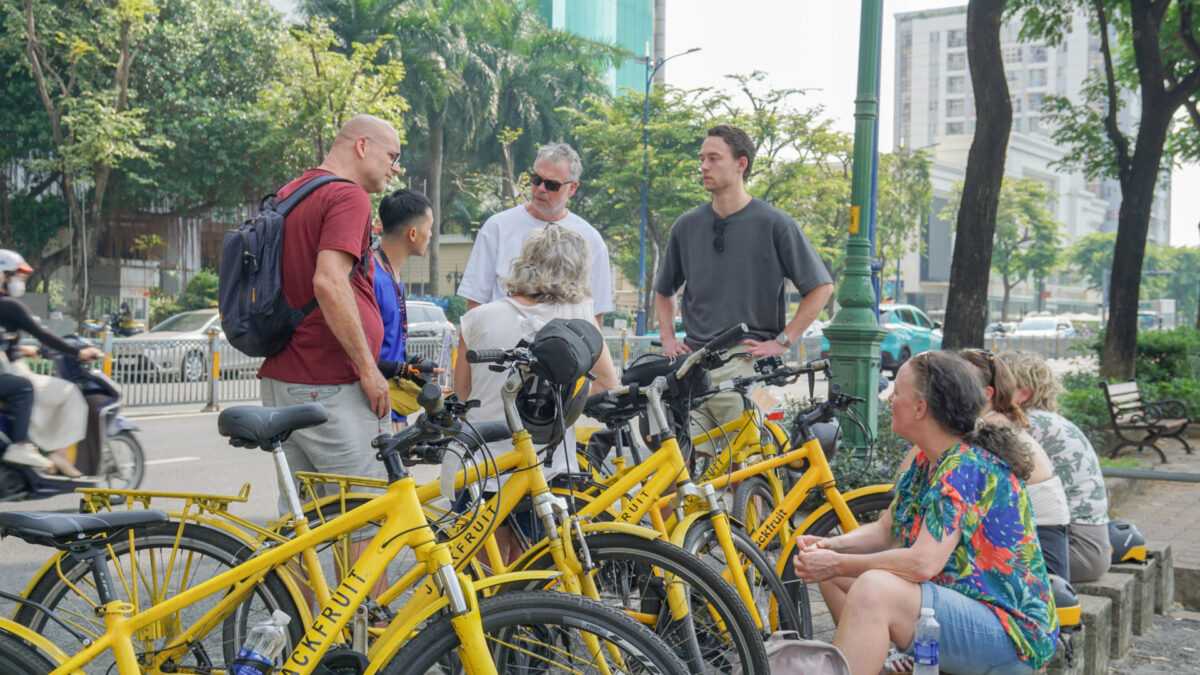
But honestly, some of my favorite memories in Vietnam haven’t happened on highways at all. They happened while cycling quietly through local neighborhoods in Saigon and Hanoi.
Exploring by bicycle changes the pace of everything. After a while, I stopped focusing on where I was going and started paying more attention to what was happening around me. A woman watering plants from her balcony. A vendor setting up for the morning market. Someone sitting outside with a coffee and watching the street wake up.
Those small scenes became part of the journey too. Looking back, many of my favorite memories didn’t come from the places I planned to visit, but from the moments in between – a wrong turn, an unexpected coffee stop, or a neighborhood that made me stay a little longer than intended.
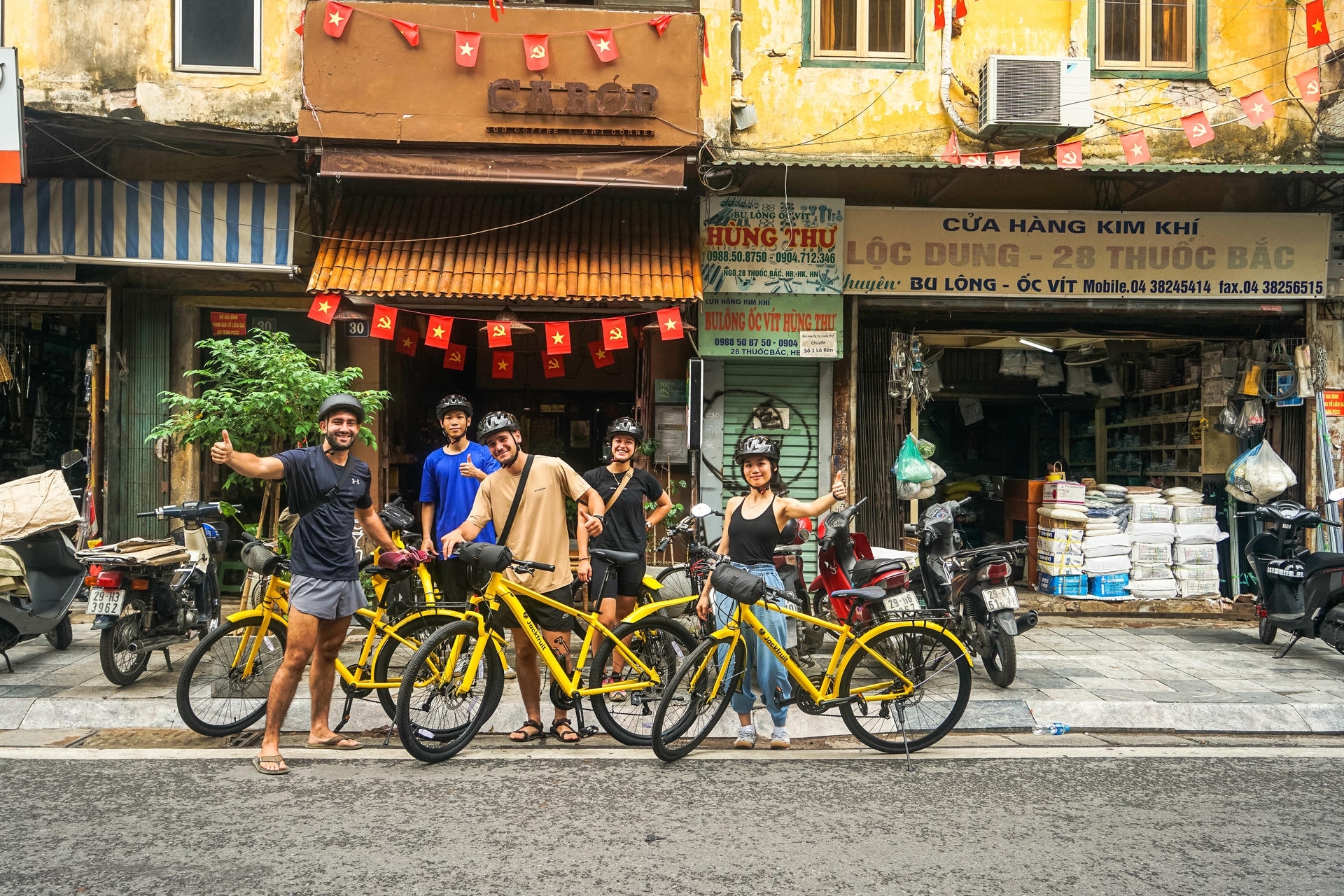
See more: Hanoi Bike Tour: Discover the City Like Never Before
Discover Vietnam Beyond the Main Roads with Jackfruit Adventure
Ask me about these routes a few years from now and I’ll probably forget some of the exact distances. I’ll still remember the bowl of noodles I ate in a town I can’t pronounce, the café where I stopped because it started raining, and the road that made me pull over just to look around for a few minutes.
Sometimes that’s a mountain village hidden deep in Hà Giang. Sometimes it’s a quiet stretch of coastline near Hải Vân Pass. Other times, it’s a conversation with a local shop owner in the Mekong Delta or a roadside coffee stop that unexpectedly turns into the highlight of the day.
That’s what makes a Vietnam road trip so memorable. The destinations matter, of course, but many of the stories you’ll remember later happen somewhere in between.
At Jackfruit Adventure, that’s the approach we try to bring into every experience. Whether you’re joining a Vietnam cycling tour, looking for cycling routes beyond Ho Chi Minh City, or simply curious about experiencing unexpected Joy of Vietnam Cycling Tours, the goal is never just to move from one place to another. It’s to slow down, stay curious, and discover the small moments that often become the most memorable part of a trip.
And much like the best Vietnam road trips, those are often the experiences that stay with you long after the journey ends.