

Table of Contents
When is the rainy season in Vietnam? The answer is not as simple as most travelers expect. Due to its long geography stretching over 1,600 kilometers, Vietnam experiences very different weather patterns between the north, central, and south at the same time of year.
These variations are shaped by the monsoon system, which affects each region differently and at different times. Understanding how the monsoon works is key to planning a smoother trip and choosing the right destinations for your travel dates.
In reality, the monsoon season in Vietnam is often misunderstood. Let’s discover the truths behind the monsoon season in Vietnam and what you need to prepare if you’re planning to visit Vietnam in the near future.
What Is the Monsoon Season in Vietnam?
A monsoon is a seasonal wind system that causes changes in rainfall and weather patterns throughout the year. The word “monsoon” refers to the shift in wind direction that brings either moist or dry air depending on the season.
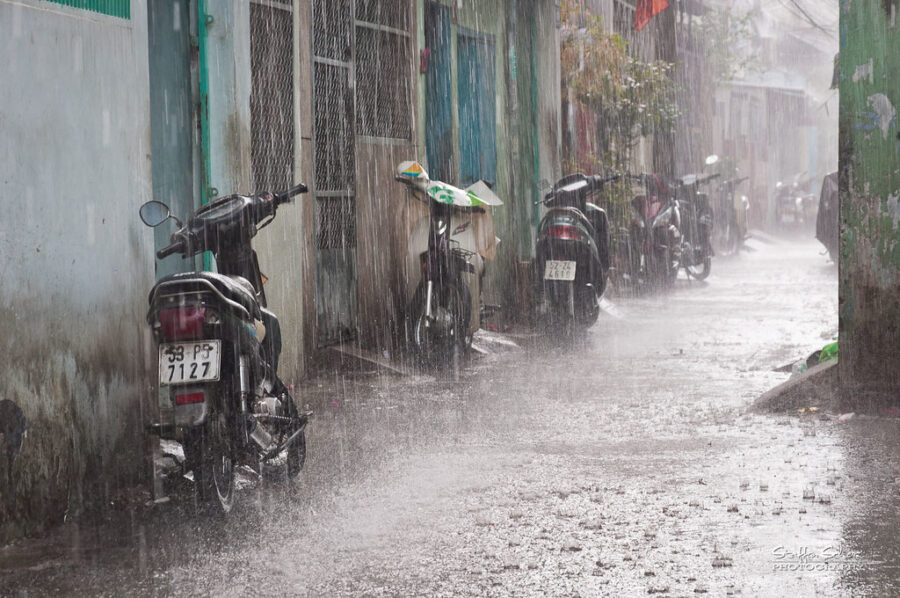
The monsoon in Vietnamese is commonly called “gió mùa”, which translates to “seasonal winds”. Vietnam is influenced by two main monsoon systems. The Southwest Monsoon typically arrives during the warmer months and brings moisture from the sea, resulting in increased rainfall across much of the country. The Northeast Monsoon arrives during the cooler months and brings colder, drier air from the north.
Together, these seasonal weather systems create what many people recognize as Vietnam’s two primary seasons: the dry season and the rainy season.
When Is the Monsoon Season in Vietnam?
One of the biggest misconceptions about monsoon Vietnam weather is that the entire country experiences the same rainy season. In reality, each region follows its own pattern.
This means there is no single “best” or “worst” time to visit Vietnam. Instead, the ideal travel period depends on which destinations you plan to explore.
Understanding regional differences is the key to planning a successful trip.
Northern Vietnam During the Monsoon Season
Northern Vietnam includes destinations such as Hanoi, Ha Long Bay, Ninh Binh, and Sapa. The rainy season typically lasts from May to October, with the heaviest rainfall between July and September. During this period, temperatures are warm and humid, often exceeding 30°C.
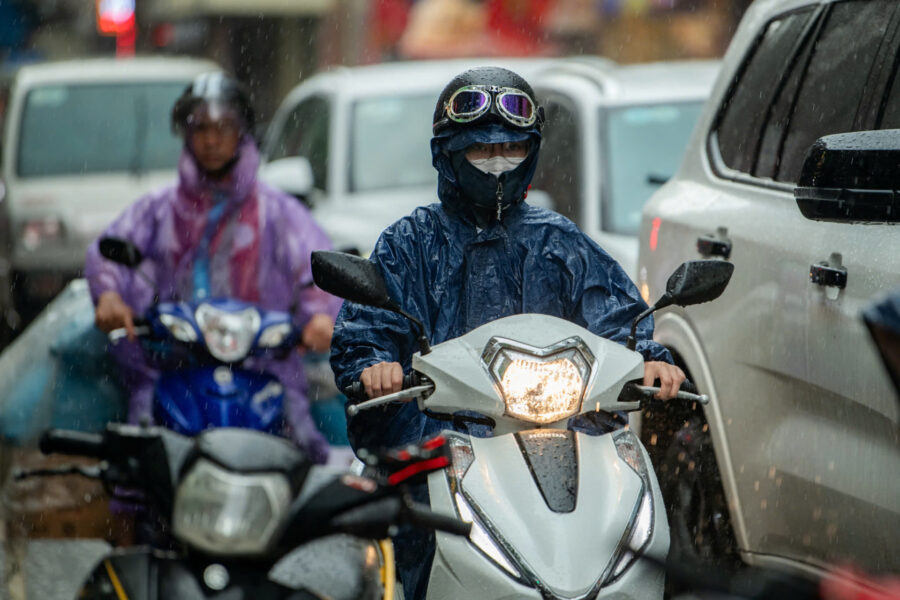
Summer storms are common, and coastal areas like Ha Long Bay can occasionally be affected by tropical storms or typhoons, which may disrupt cruise schedules.
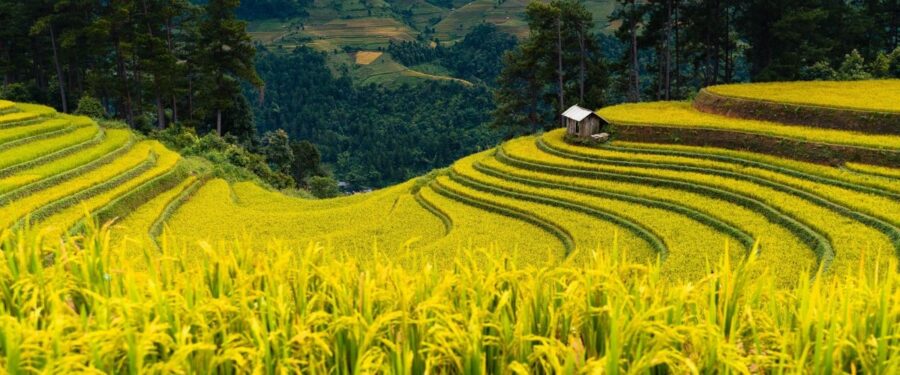
Despite the rain, this is also one of the most scenic times of the year. Rice terraces in Sapa turn a vivid green, waterfalls are at their fullest, and the countryside feels especially lush and alive.
From November to April, the region becomes cooler and drier, with winter temperatures in mountainous areas sometimes dropping below 10°C.
Central Vietnam During the Monsoon Season
Central Vietnam follows a different monsoon pattern compared to the north and south. Destinations such as Da Nang, Hoi An, and Hue typically experience their monsoon season later in the year, usually from September to December.
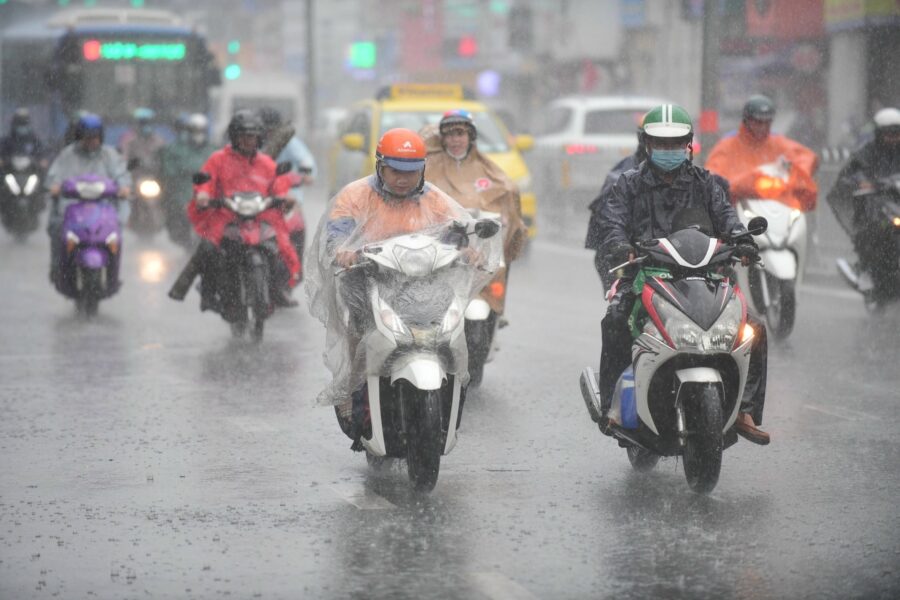
October and November are often the peak of the monsoon season in this region, bringing heavy rainfall or even a hurricane that can occasionally cause flooding in low-lying areas, particularly around Hue and Hoi An.
In contrast, central Vietnam enjoys its best weather from February to August, with long stretches of sunshine that make it ideal for beaches, outdoor activities, and sightseeing. This seasonal difference means that while one part of Vietnam is in the monsoon season, another may be experiencing perfect travel conditions.
Southern Vietnam During the Monsoon Season
Southern Vietnam includes Ho Chi Minh City, the Mekong Delta, and Phu Quoc Island. The monsoon season typically lasts from May to November, but rainfall in this region often surprises first-time visitors.
Rather than continuous rain, showers usually arrive in the afternoon or evening. These downpours can be heavy but are often short-lived, clearing within 30 minutes to a few hours. Many mornings remain sunny and suitable for sightseeing and outdoor activities.
Because of this pattern, weather forecasts showing rain throughout the day can be misleading. In places like Ho Chi Minh City, it is still common to experience several hours of dry weather even during the monsoon season.
From December to April, southern Vietnam enters its dry season, with lower humidity and more stable weather conditions. This period is generally considered the most popular time to visit.
How the Monsoon Shapes Nature in Vietnam
While many travelers focus on the challenges of rain, the monsoon plays a vital role in shaping Vietnam’s landscapes and ecosystems. Seasonal rainfall nourishes rice fields, replenishes rivers, and sustains forests and farming communities across the country.
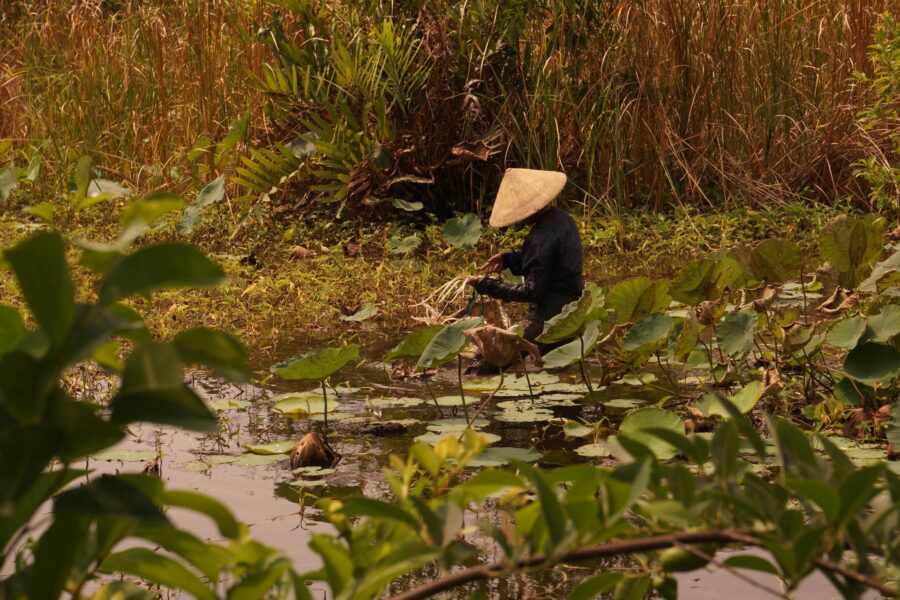
This cycle is responsible for much of Vietnam’s natural beauty. Terraced rice fields in the northern mountains become lush and vibrant, waterfalls flow more strongly, and tropical forests thrive with dense greenery. Many of the country’s most iconic landscapes are directly shaped by the monsoon season.
Without the monsoon, Vietnam would not have its rich agricultural output, including rice, coffee, fruits, and vegetables that depend on fertile, rain-fed land.
For nature lovers and photographers, the monsoon season often reveals Vietnam at its most vivid and atmospheric.
How the Monsoon Affects Daily Life in Vietnam
For locals, the monsoon is simply a normal part of everyday life. In many cities, people carry lightweight raincoats on motorbikes year-round, as afternoon showers can arrive suddenly and pass just as quickly.
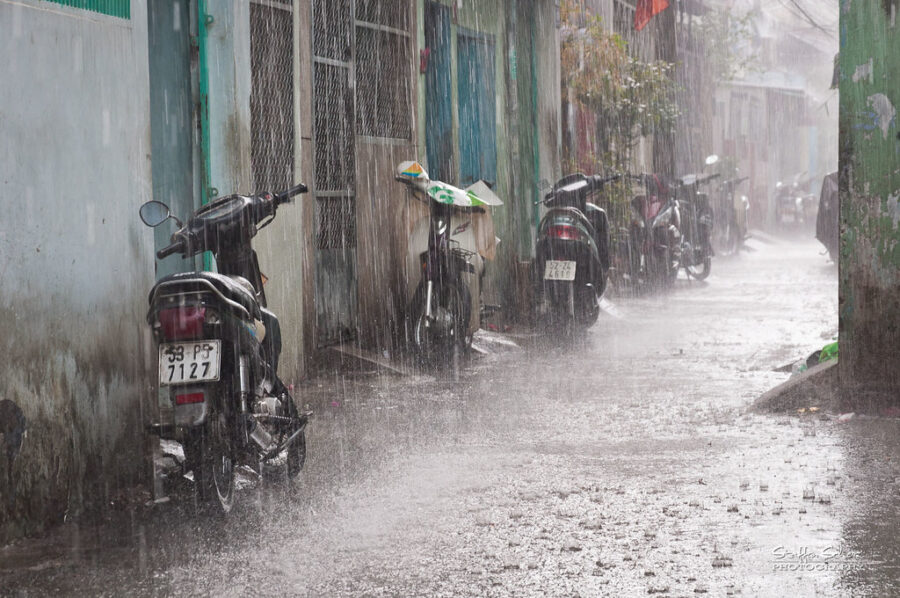
Agriculture and fishing are closely tied to seasonal rainfall patterns. Farmers adjust planting and harvesting schedules around the monsoon, while fishermen monitor weather conditions before going out to sea. Daily routines and business activities are naturally adapted to changing weather conditions.
Although heavy storms can occasionally cause flooding or transportation delays in some areas, Vietnam is well adapted to monsoon weather, and daily life continues with little disruption in most cases.
Is the Monsoon Season a Problem for Travel in Vietnam?
I’d say that’s not really. The monsoon season brings more frequent rain, but it is usually short and does not stop most travel activities.
It can actually be a good time to visit when it’s raining, with fewer crowds, greener landscapes, and lower travel costs. With flexible planning, travelers can still enjoy Vietnam comfortably.
Travel Tips for Visiting Vietnam During the Monsoon Season
1. Check regional weather conditions
Vietnam has a highly varied climate, so conditions can differ significantly between regions. Always research the specific weather of your destination rather than relying on general national forecasts.
2. Pack light, quick-dry clothing and rain protection
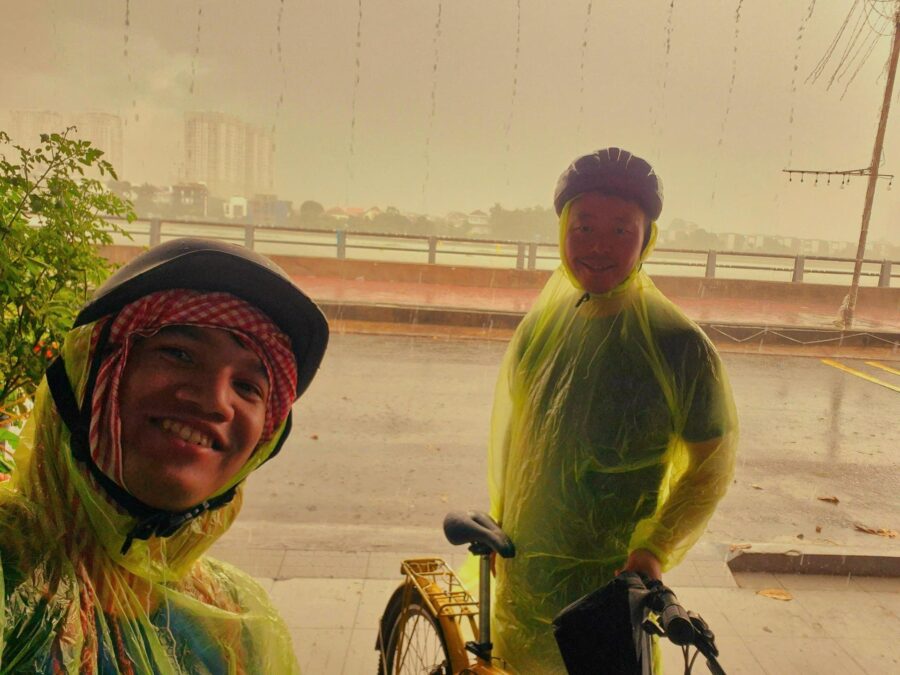
Choose breathable clothing that dries quickly and bring a compact rain jacket or poncho. Waterproof bags or covers for phones, cameras, and important documents are also highly recommended.
3. Keep your itinerary flexible
Weather can change quickly during the monsoon season, especially in coastal areas. Leaving room for adjustments helps you avoid disruptions and make the most of your trip.
4. Plan outdoor activities in the morning
Rainfall is often more frequent in the afternoon or evening, so scheduling sightseeing or outdoor experiences earlier in the day can help you avoid heavy showers.
5. Embrace the rainy season experience
Rain is a natural part of Vietnam’s tropical climate and often adds a unique atmosphere to the journey, from refreshed landscapes to quieter travel moments.
Traveling Vietnam in the Monsoon Season
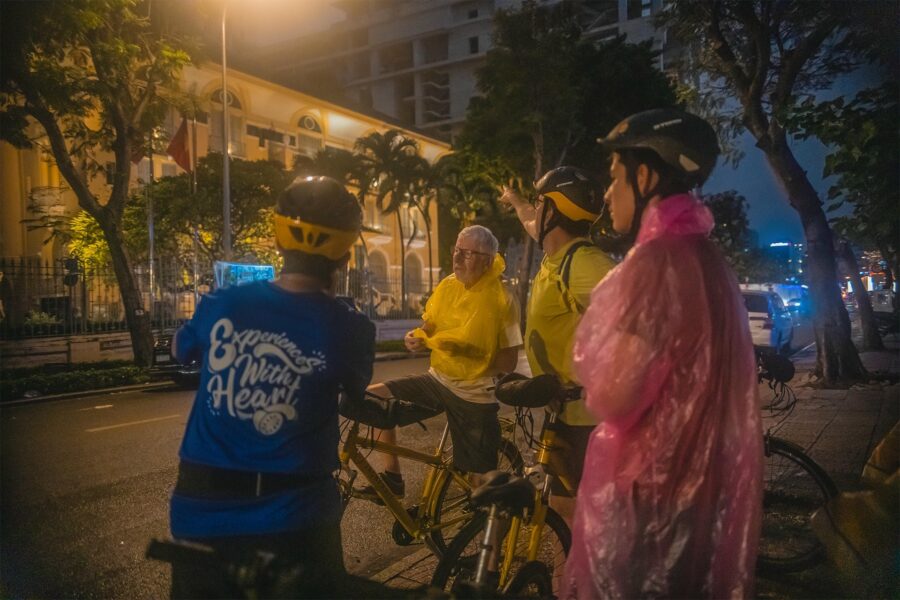
The monsoon season in Vietnam is not something that should discourage travel. Instead, it is part of the natural rhythm that shapes the country’s landscapes, culture, and daily life.
Because weather conditions vary greatly between northern, central, and southern regions, understanding the monsoon helps travelers plan more effectively and choose the right destinations at the right time. With a bit of flexibility, traveling during this season can still be highly rewarding, often offering greener scenery, fewer crowds, and a more local experience.
Travel planning that takes the monsoon into account can help ensure comfortable experiences in Vietnam. If you are planning city tours in Vietnam during this season, having local support from us, Jackfruit Adventure, can make it easier to adjust to changing weather such as sudden rain or intense heat. With flexible timing and local experience, it is still possible to enjoy each destination and create memorable travel experiences in any season.