

Vietnam doesn’t have an official Vietnam digital nomad visa yet, but remote workers still have practical visa options. Here’s what to know before moving to Vietnam in 2026.
A lot of people are surprised to learn that Vietnam doesn’t actually have a digital nomad visa yet. Considering how popular the country has become with remote workers, you’d expect one to exist by now. That hasn’t stopped people from coming, though. Over the past few years, Vietnam has become a popular base for freelancers, entrepreneurs, and remote employees who use existing visa options, most commonly the Vietnam e-visa, to stay in the country legally. Spend a little time here and you’ll quickly understand why so many remote workers end up extending their stay. Life is relatively affordable, the internet is reliable, cafés are everywhere, and settling into a daily routine doesn’t take long.
Does Vietnam have a Digital Nomad Visa?
Right now, Vietnam does not officially have a dedicated Vietnam digital nomad visa.
Unlike countries such as Thailand, Indonesia, or Malaysia, Vietnam has not yet launched a visa category specifically designed for remote workers or freelancers. However, that hasn’t stopped thousands of digital nomads from living and working remotely throughout the country each year.
Instead, most remote workers in Vietnam currently use other visa options, especially the Vietnam e-visa.
According to the official Vietnam Immigration Portal, Vietnam currently offers e-visas for citizens of many countries, allowing stays of up to 90 days with either single-entry or multiple-entry options.
And honestly, for many digital nomads, that flexibility is already enough for medium-term stays in cities like Ho Chi Minh City, Hanoi, or Da Nang.
Still, it’s important to understand that visa policies in Vietnam can change quite frequently. Before making long-term plans, always check the latest requirements directly through official government sources instead of relying only on older blog posts or Facebook groups.
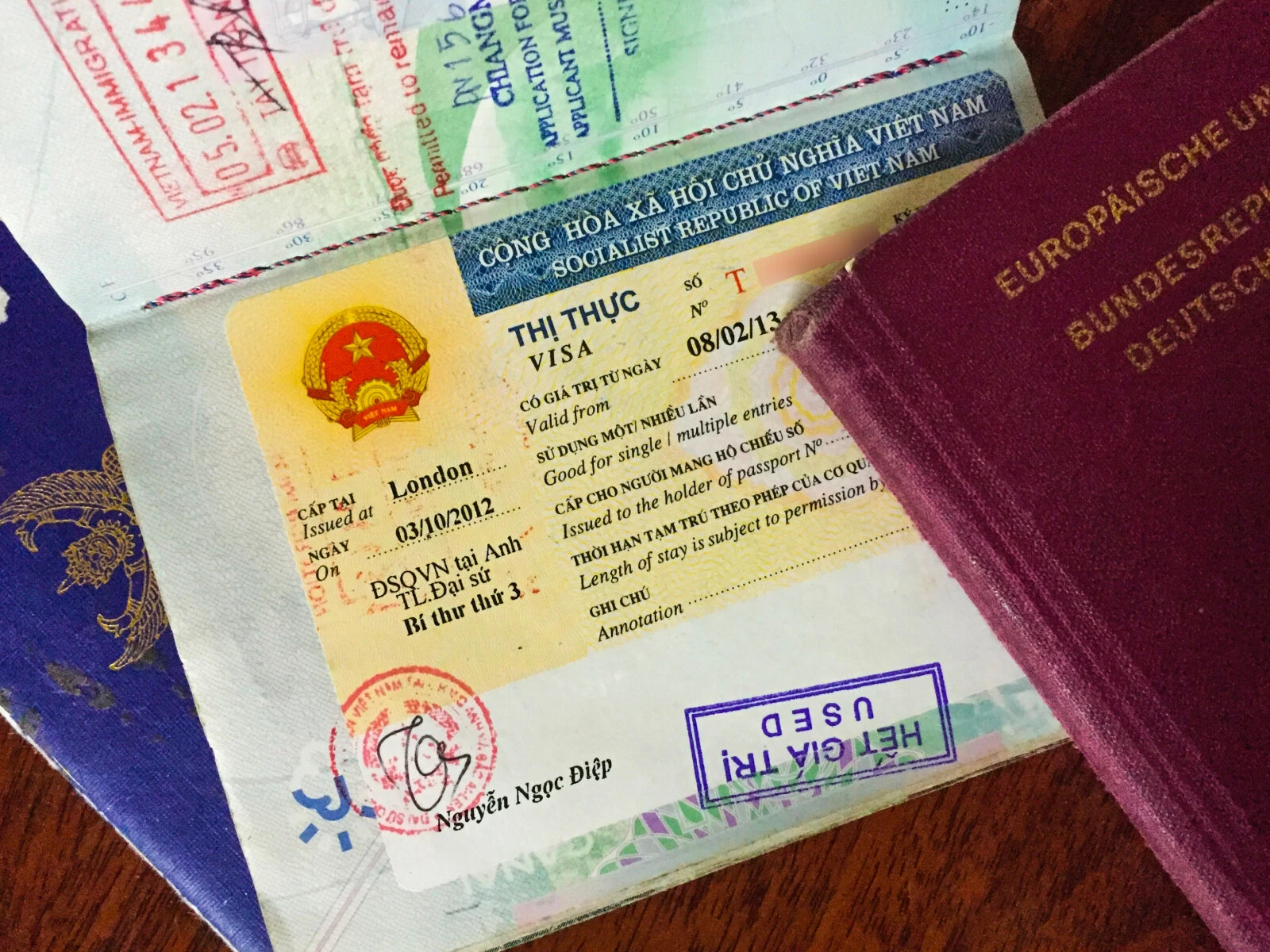
What Visa Options Do Digital Nomads Use in Vietnam?
Even without an official Vietnam digital nomad visa, remote workers still commonly use several visa pathways to stay legally in the country.
Visa Exemptions: The Simplest Entry for Short-Term Remote Workers
For some nationalities, Vietnam offers visa exemption programs that allow travelers to enter without applying for a visa beforehand.
The exact duration depends on your passport, but many travelers use these exemptions for shorter stays while testing whether Vietnam fits their lifestyle before committing to longer-term plans. For digital nomads who simply want a temporary base in Hanoi, Ho Chi Minh City, or Da Nang, this can sometimes be the easiest starting point.
And honestly, this is how many remote workers first fall into the rhythm of living here.
A few weeks turn into longer café routines. Weekend trips slowly become normal life. Suddenly, Vietnam stops feeling like a temporary stop and starts feeling surprisingly comfortable.
Still, visa exemptions work best for shorter stays rather than long-term residency planning. If you’re hoping to remain in Vietnam for several months while working remotely, most digital nomads eventually transition toward the e-visa system instead.
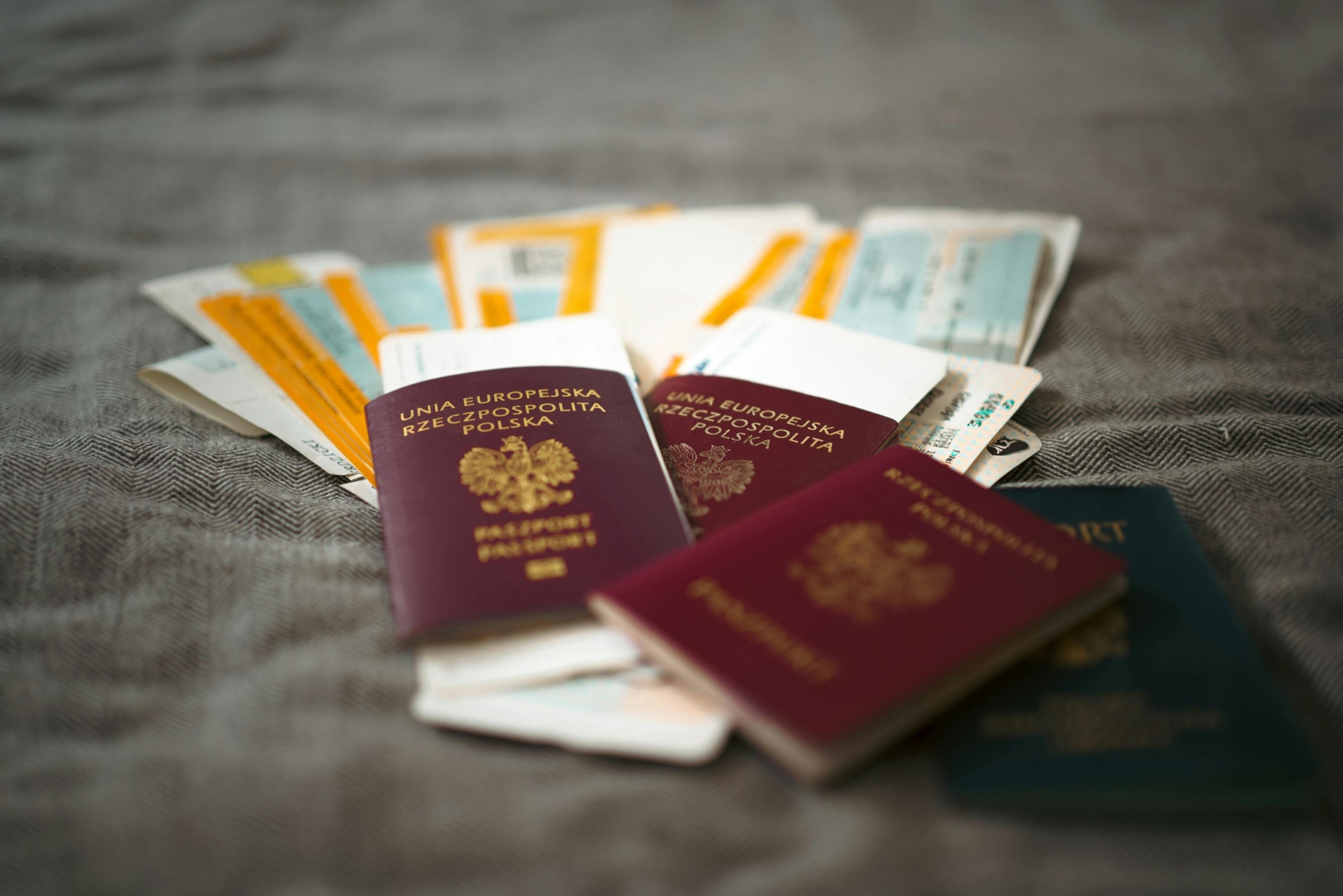
Vietnam E-Visa: The Most Common Option for Digital Nomads
Right now, the Vietnam e-visa is probably the closest thing the country has to a practical Vietnam digital nomad visa.
According to the official Vietnam Immigration Portal, eligible travelers can currently apply online for an e-visa allowing stays of up to 90 days, with both single-entry and multiple-entry options available.
And honestly, for many remote workers, that flexibility is already enough.
Three months in Vietnam can feel surprisingly long once daily routines settle in. You find your regular coffee shop. Your favorite phở stall downstairs. The quiet coworking space hidden above an old apartment building where afternoons slowly disappear beside the sound of rain hitting the windows.
The application process itself is relatively straightforward compared to many long-term visa systems in Asia. Most applicants simply upload passport documents, photos, travel information, and payment online before receiving approval electronically.
That simplicity is one reason Vietnam has quietly become so popular among freelancers, remote employees, online business owners, and creative workers moving through Southeast Asia.
Because unlike some destinations where visa systems feel complicated from the beginning, Vietnam’s e-visa often allows people to settle in quickly and figure things out later.
Investor Visa (DT Visas): The Long-Term Path for Entrepreneurs
For digital nomads planning to build something more permanent in Vietnam, the Investor Visa – usually called the DT visa – becomes a completely different category altogether.
Unlike the e-visa, the DT visa is designed for foreigners who establish or invest in businesses inside Vietnam. According to Vietnam’s immigration framework, investor visas are divided into four categories: DT1, DT2, DT3, and DT4, depending on investment size and business sector.
The larger the investment, the longer the potential residency period.
For example:
- DT1 applies to major investors contributing over VND 100 billion or investing in priority sectors encouraged by the Vietnamese government.
- DT2 applies to investments from VND 50 billion to under VND 100 billion.
- DT3 covers investments from VND 3 billion to under VND 50 billion.
- DT4 applies to smaller investments below VND 3 billion.
Depending on the category, DT visas may remain valid from one to five years and can also support temporary residence card applications for longer stays.
And honestly, this is often the moment when Vietnam stops feeling like a “digital nomad destination” and starts becoming something more rooted.
I’ve met remote workers who originally arrived with only a laptop and short-term plans, then slowly opened cafés, creative studios, travel businesses, or tech startups after realizing they wanted to stay longer. Vietnam has a way of making temporary ideas become long-term projects surprisingly quickly.
Of course, the DT visa is far more complex than simply applying for an e-visa online. It usually requires company registration, proof of investment capital, legal documentation, and ongoing compliance with Vietnamese business regulations.
But for entrepreneurs genuinely planning to build a business presence here, it can become one of the most stable long-term residency pathways currently available.
Vietnam Talent Visa: A Possible Future Path for Skilled Professionals
One of the newer conversations happening around the Vietnam digital nomad visa topic involves talent-focused residency programs.
Vietnam has increasingly shown interest in attracting highly skilled foreign professionals in sectors like technology, innovation, AI, finance, and digital industries as part of the country’s broader economic development plans. Some reports and immigration discussions have referred to emerging “talent visa” directions connected to these goals, although the framework is still evolving and not yet widely standardized like traditional visa categories.
And honestly, this reflects something larger happening across Vietnam right now.
The country is changing quickly.
Startup culture is growing. International companies are expanding into cities like Ho Chi Minh City and Da Nang. Tech communities, coworking spaces, and entrepreneurial networks feel larger every year.
So while Vietnam may not yet offer a fully official digital nomad visa in the same way some neighboring countries do, it’s clear the country is gradually exploring longer-term pathways for foreign talent, investors, entrepreneurs, and remote professionals who want to contribute more permanently.
For now though, most digital nomads still rely primarily on the e-visa system while watching closely for future immigration developments.
Best Cities for Vietnam Digital Nomad Visa Holders
Ho Chi Minh City
For most people researching a Vietnam digital nomad visa, Ho Chi Minh City is the natural first stop and it’s easy to see why. Finding an apartment is relatively easy, coworking spaces are everywhere, and reliable Wi-Fi is rarely hard to find. After a while, though, many remote workers realize they spend nearly as much time exploring the local café scene as they do working. In fact, learning how to enjoy Vietnamese coffee in Ho Chi Minh City often becomes an experience in itself.
What surprised me was how quickly the city became familiar. After a few weeks, I found myself returning to the same coffee shops, recognizing street vendors near my apartment, and taking the same shortcuts through alleyways on the way home. Beneath the traffic and constant movement, there’s a surprisingly local side of Saigon that many visitors never notice.
Hanoi
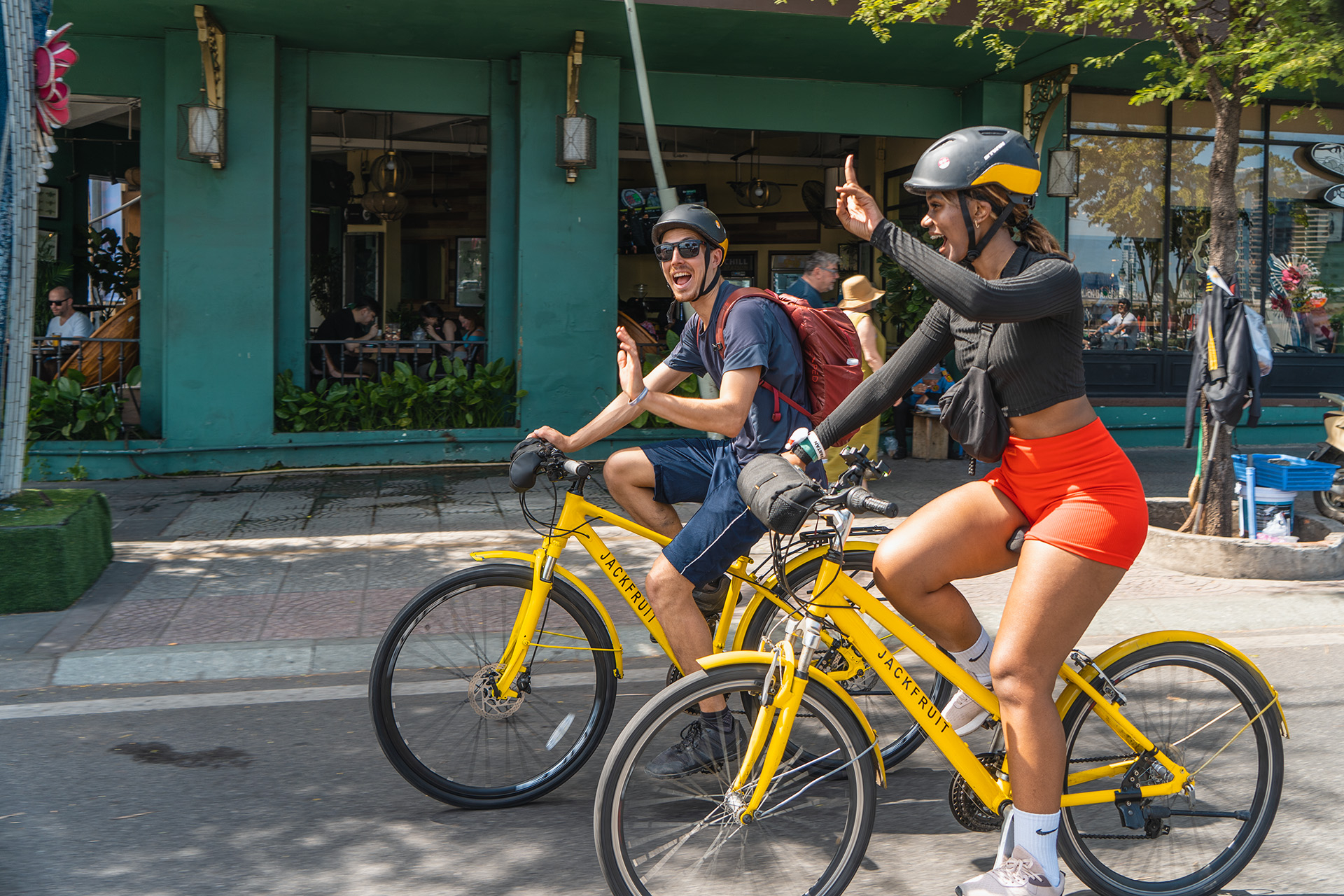
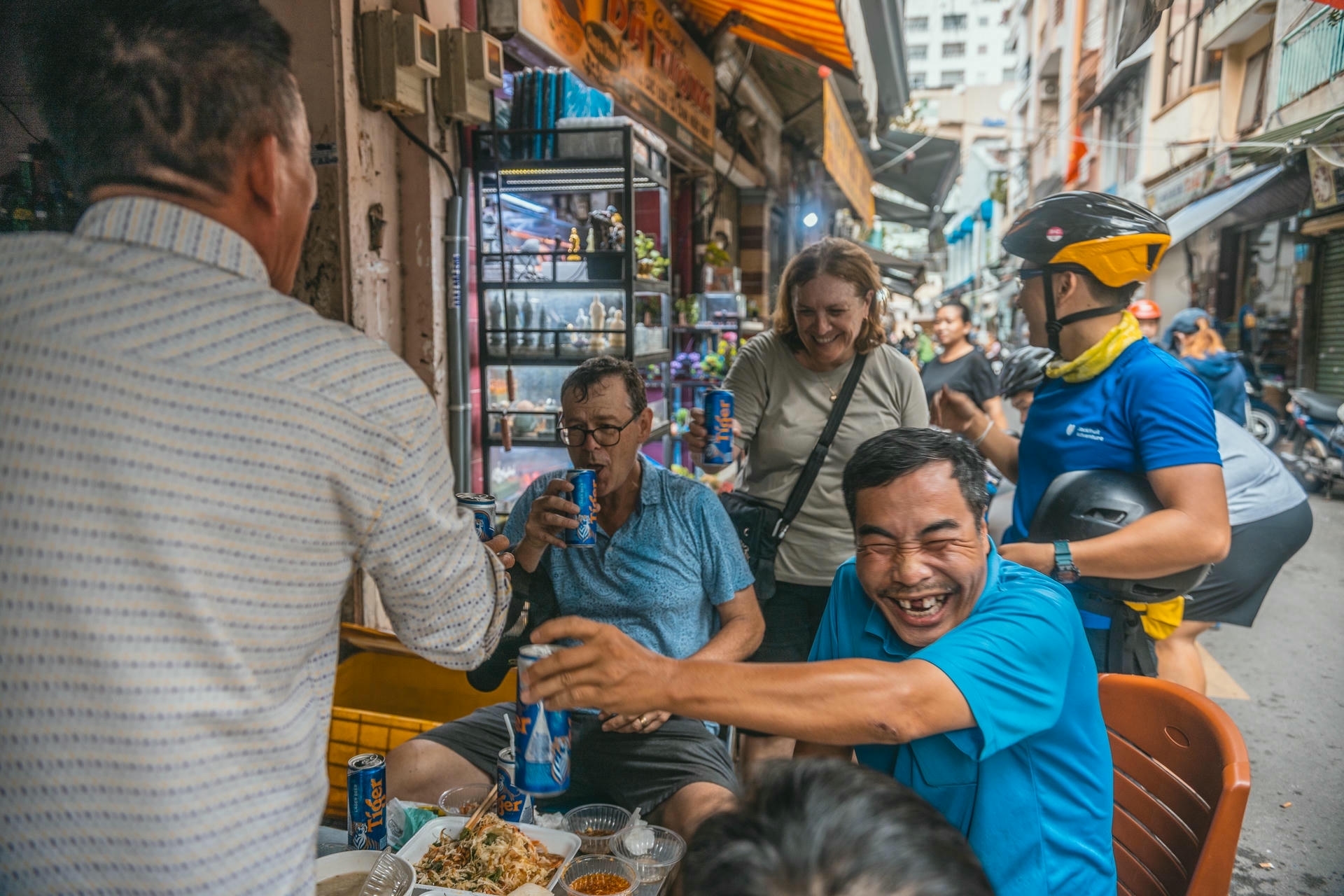
For remote workers researching a Vietnam digital nomad visa, Hanoi often appeals for very different reasons than Ho Chi Minh City.
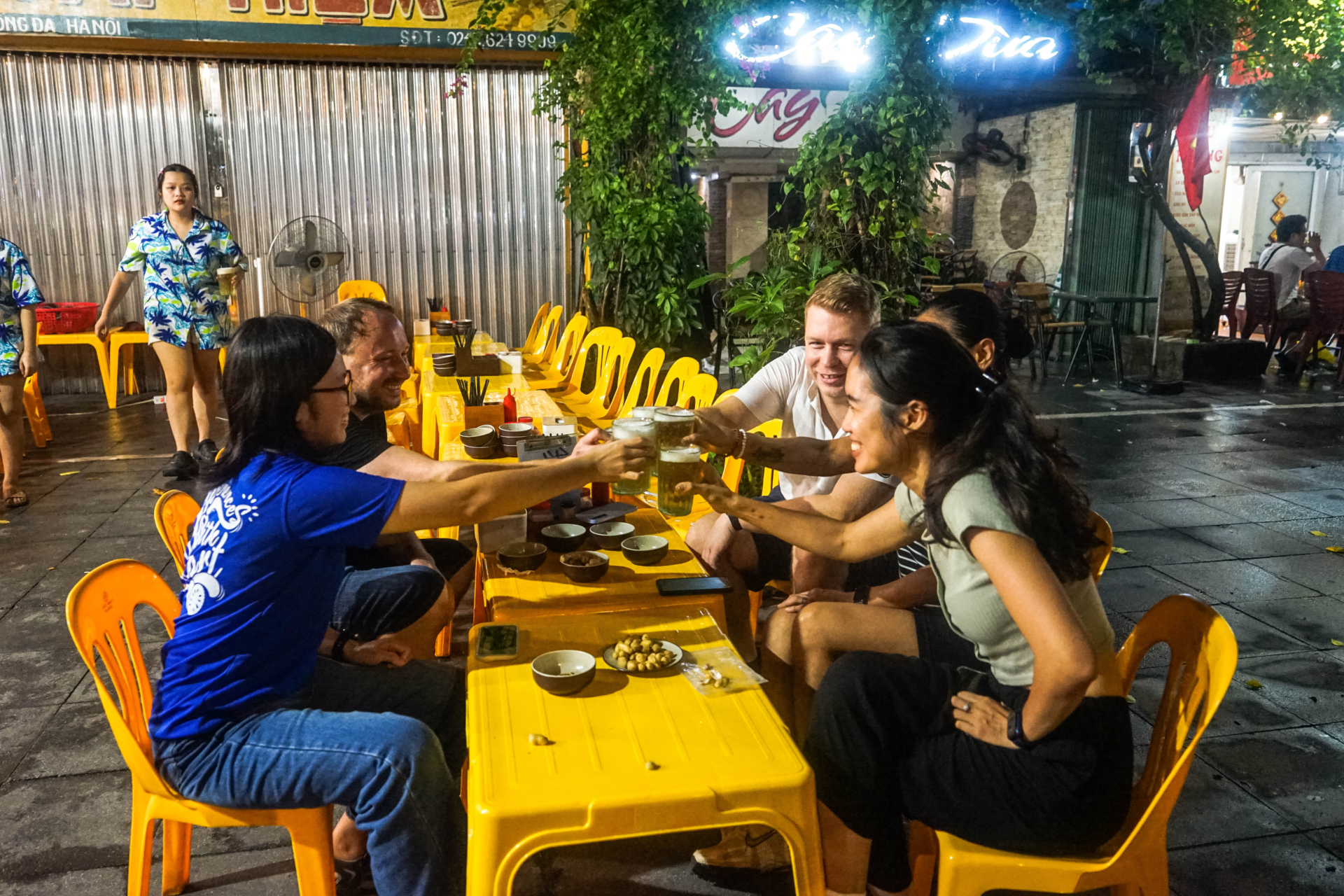
The pace feels different from Ho Chi Minh City, and daily life often happens in smaller, quieter spaces. One moment you’re working inside a peaceful café hidden at the end of an alley, and a few minutes later you’re back among busy streets filled with scooters, food stalls, and people gathering on low plastic stools. For remote workers who enjoy slower routines and a strong café culture, Hanoi can be an easy place to settle into.
Explore Hanoi Like a Local → Join a Cycling Tour with Jackfruit
Da Nang
For many long-term remote workers, Da Nang offers the best balance overall.
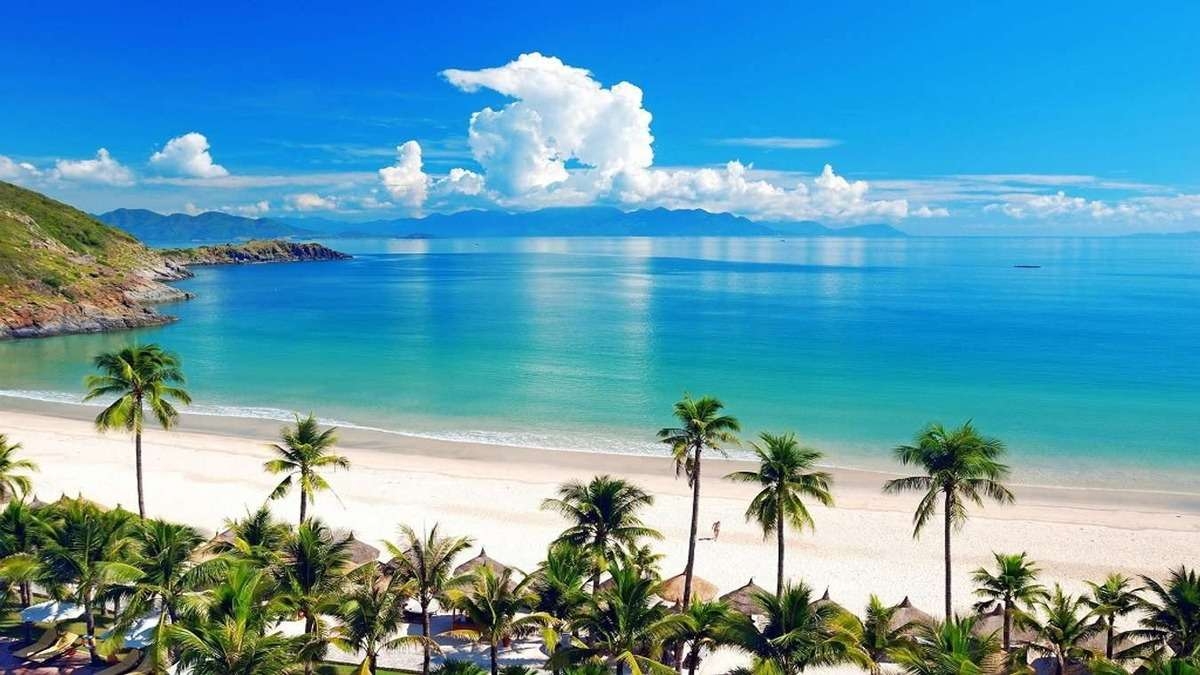
The city combines beaches, modern infrastructure, lower living costs, coworking spaces, and a calmer pace of life than Vietnam’s two largest cities. Many digital nomads choose Da Nang specifically because it feels easier to maintain healthier routines here while still enjoying Vietnam’s energy and affordability.
And honestly, waking up near the beach before starting work never gets old.
15 Things to Do in Da Nang for a Perfect Weekend Getaway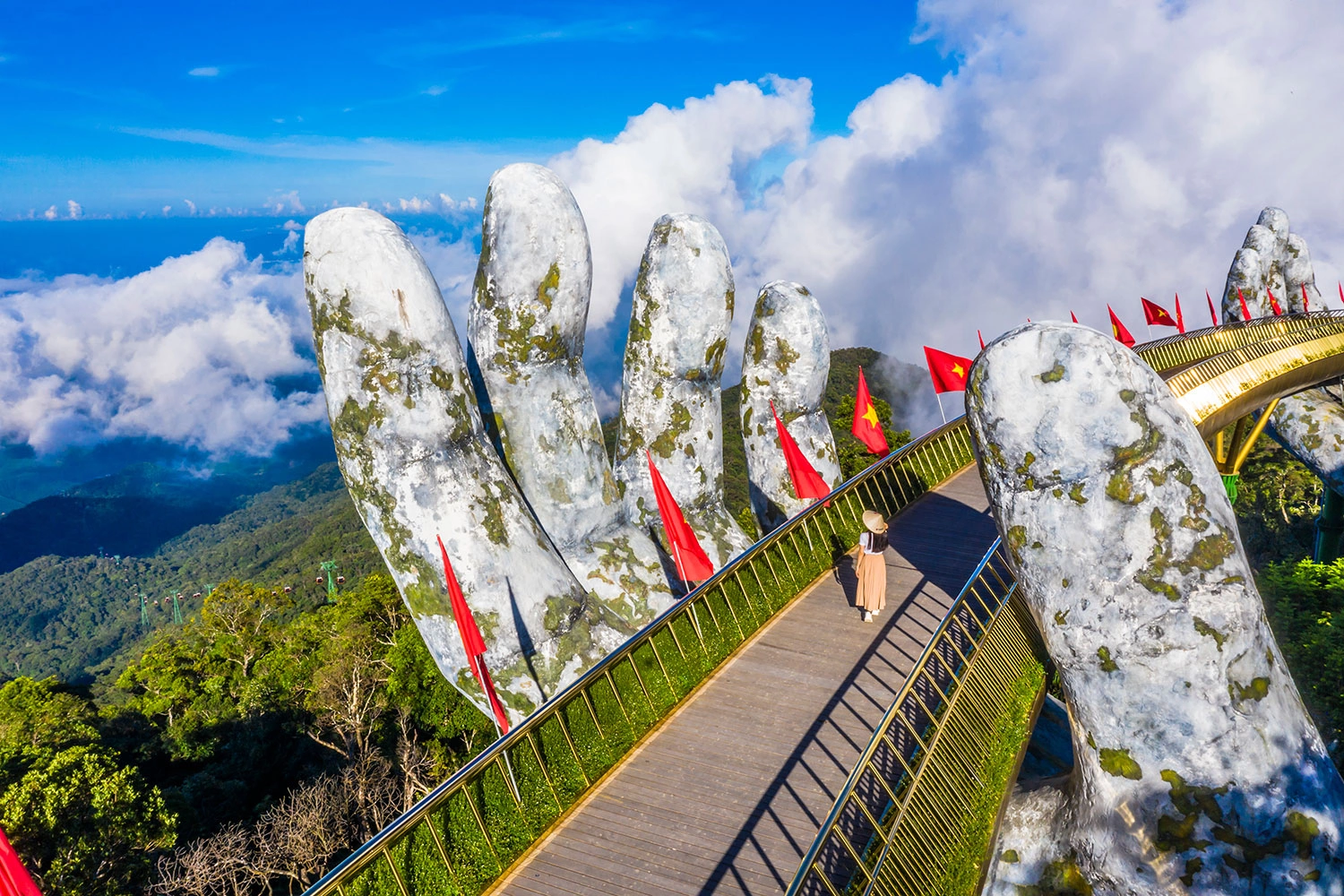
Cost of Living for Digital Nomads in Vietnam
One of the biggest reasons people begin researching a Vietnam digital nomad visa is cost of living.
Compared to many Western countries – and even compared to other parts of Asia – Vietnam can feel surprisingly affordable while still offering an excellent quality of life.
While costs vary between cities and lifestyles, resources such as Numbeo’s cost of living data for Vietnam can provide a useful benchmark for housing, transportation, and everyday expenses.
Accommodation, local food, transportation, coffee, and coworking memberships often cost significantly less than in cities like Singapore, Seoul, London, or Sydney. For remote workers earning foreign income, this can make daily life feel much more flexible financially.
But honestly, what makes Vietnam appealing isn’t only the affordability itself.
It’s how enjoyable everyday life still feels within that budget.
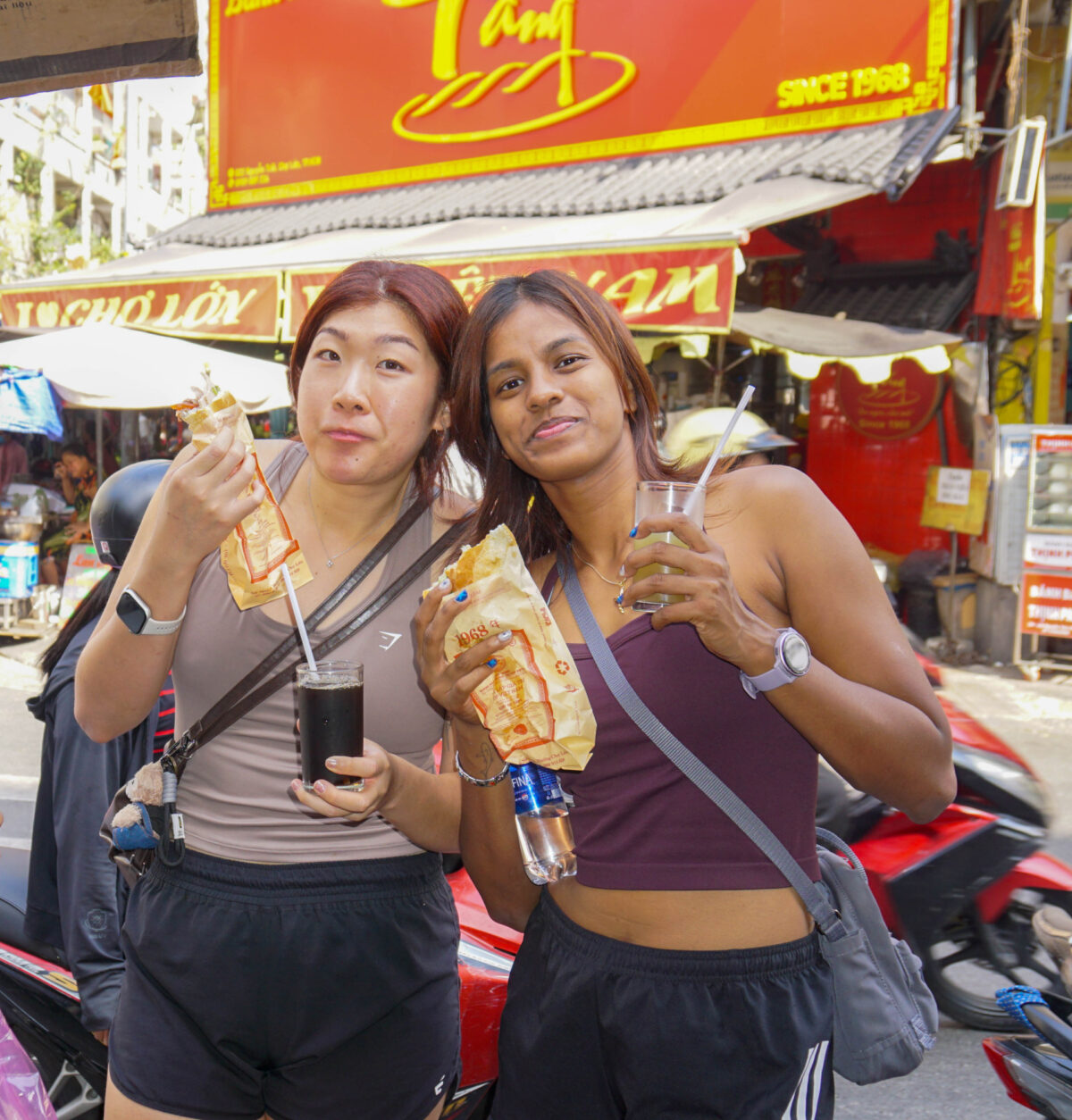
A normal workday here can include strong Vietnamese coffee in the morning, fresh local meals throughout the day, affordable transportation across the city, and evenings spent exploring night markets or hidden food streets without constantly worrying about expenses.
Internet and Coworking Spaces in Vietnam
One thing many first-time visitors underestimate, especially those who arrived on a Vietnam digital nomad visa workaround is how good the remote work infrastructure has actually become.
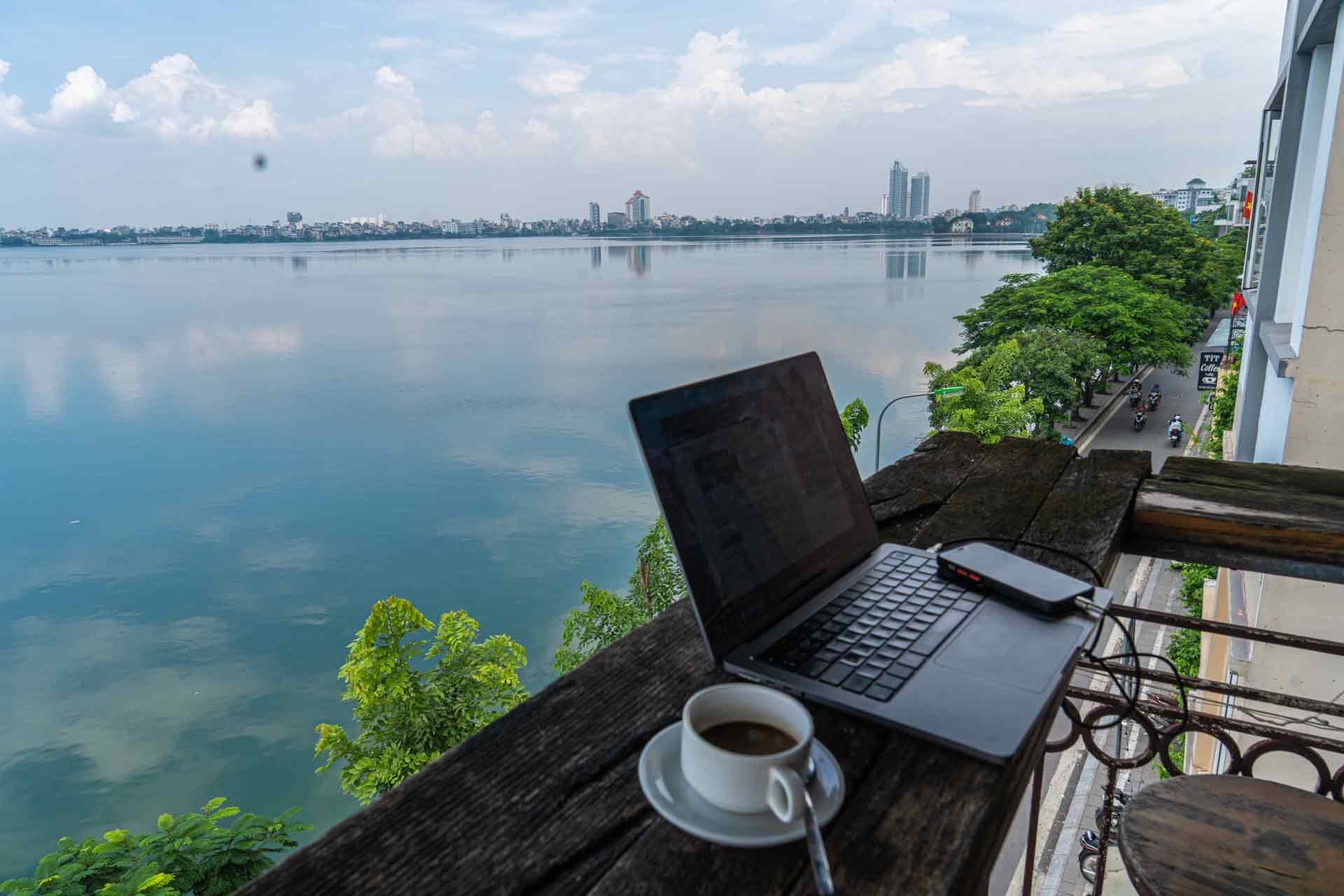
Wi-Fi is widely available throughout major cities, especially in cafés, apartment buildings, and coworking spaces. In fact, café culture itself plays a huge role in why so many digital nomads enjoy living here.
Vietnamese cafés naturally encourage people to stay for long periods, making them ideal for remote work sessions.
Coworking culture has also expanded rapidly in cities like Ho Chi Minh City, Hanoi, and Da Nang, where remote workers, startup founders, and freelancers gather regularly. Many spaces offer modern facilities, networking events, meeting rooms, and flexible memberships for travelers staying short or medium-term.
Things to Know Before Living in Vietnam as a Digital Nomad
Even after sorting out a Vietnam digital nomad visa option and finding a place to stay, adjusting to daily life here still takes some time.
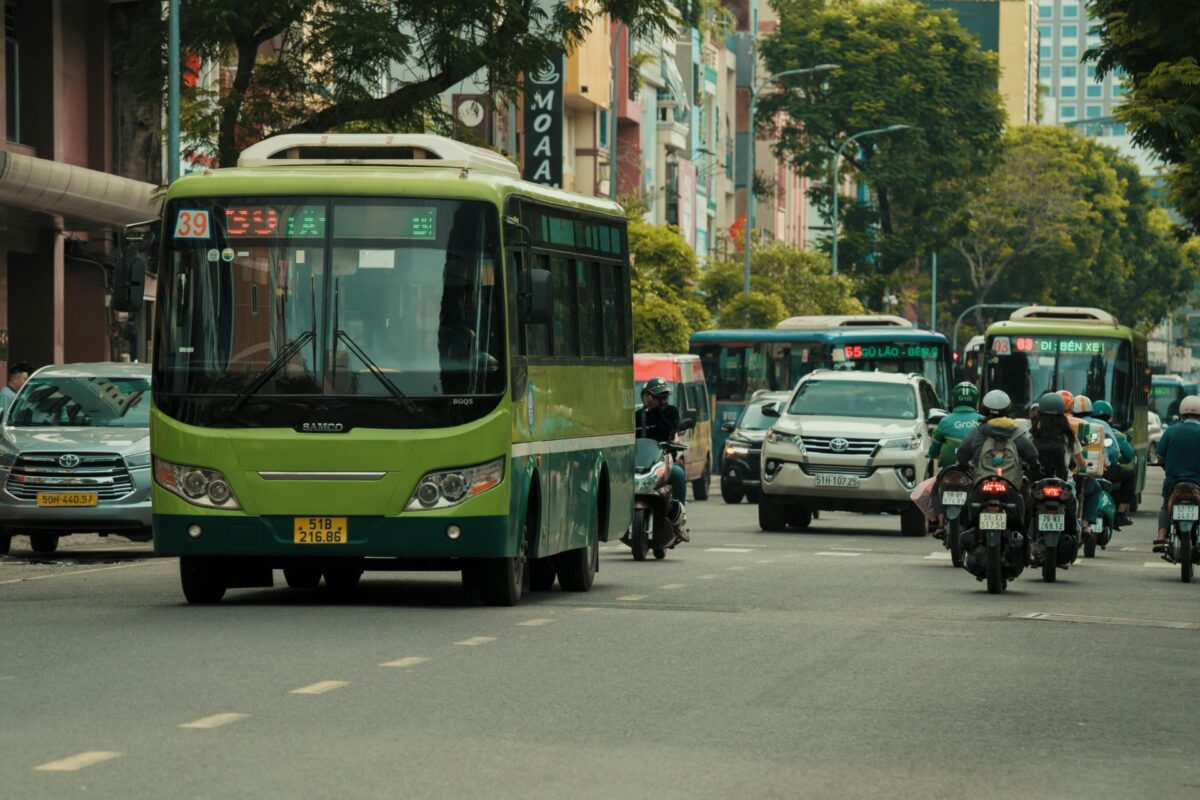
Traffic feels chaotic at first. Sidewalks rarely function the way foreigners expect them to. Weather changes quickly depending on the season and region. Administrative processes can sometimes feel confusing if you don’t speak Vietnamese.
But honestly, many remote workers eventually realize those imperfections are also part of what makes Vietnam memorable.
Life here rarely feels sterile or overly polished.
Instead, it feels deeply human, energetic, and unpredictable in ways that slowly become charming over time.