

Table of Contents
Most people who book a cooking class in Saigon come back happy. But a smaller number spend three hours watching a chef cook, stir one pot, and leave with a recipe card they never open again.
The difference isn’t luck. It’s knowing what to look for before you book.
This guide doesn’t push you toward a specific venue. It helps you figure out whether a cooking class is right for you, compare class types, costs, and key questions to ask before booking.
Already know you want one and need the venue list? Jump straight to our full Saigon cooking class guide with honest reviews of 7 classes we’ve personally looked into.
Is a Cooking Class in Saigon Actually Worth It?
Honest answer: it depends on what you’re after.
| Worth It If… | Skip It If… | |
| Your Goal | You want to understand Vietnamese food, not just eat it. The “why” behind the broth and herbs, rather than just the “how.” | You just want to eat incredible food. Saigon already offers world-class dishes on every corner without you lifting a finger. |
| Time Frame | You have at least half a day (3–4 hours) to spare and don’t want to feel rushed. | You only have one day in Saigon. Your time is better spent on a whirlwind street food tour of the city. |
| Cooking Habits | You’re the kind of person who actually cooks at home and wants to replicate authentic flavors in your own kitchen later. | You don’t enjoy kitchen work. There is no need to spend three hours standing and chopping if it feels like a chore. |
| Social Vibe | You are a solo traveler or a couple looking for an interactive, social experience with others. | You are looking for a relaxing, low-effort afternoon. These classes are engaging and intensive, not a “spa day.” |
What Most Travelers Get Wrong About Cooking Classes in Saigon
- They assume all classes are the same: They’re not. The real difference isn’t price, it’s how the class is run. Some are fully hands-on, with your own station from the start. Others are mostly demonstrations. Before booking, check if you’ll be cooking your own dishes or just watching. That detail changes everything.
- They choose based on price alone: A higher price doesn’t always mean a better experience. Professional schools cost more for structure and facilities. Home-style classes are simpler, often more personal, and sometimes more authentic. It depends on what you’re looking for.
- They skip the market visit: A lot of travelers skip classes that include a wet market tour because they figure they’ve already seen a market. That’s a different thing entirely. Going to a market with a cooking instructor is a completely different experience from wandering through one on your own. They know which vendor has the freshest rau răm that week, why one pile of herbs costs three times more than the one next to it, and what’s actually in season. That context changes how you cook.
- They mention dietary needs too late: This is the most avoidable mistake. Fish sauce goes into almost everything in Vietnamese cooking, including dishes where you’d never expect it. Shrimp paste appears in broths and sauces that seem entirely vegetarian. If you’re vegetarian, vegan, Muslim, or have any food allergies, contact the school before you book. Give them a day or two at minimum. The schools that handle this well, and several do, need advance notice to prepare a menu that actually works, not just one where the meat has been removed.
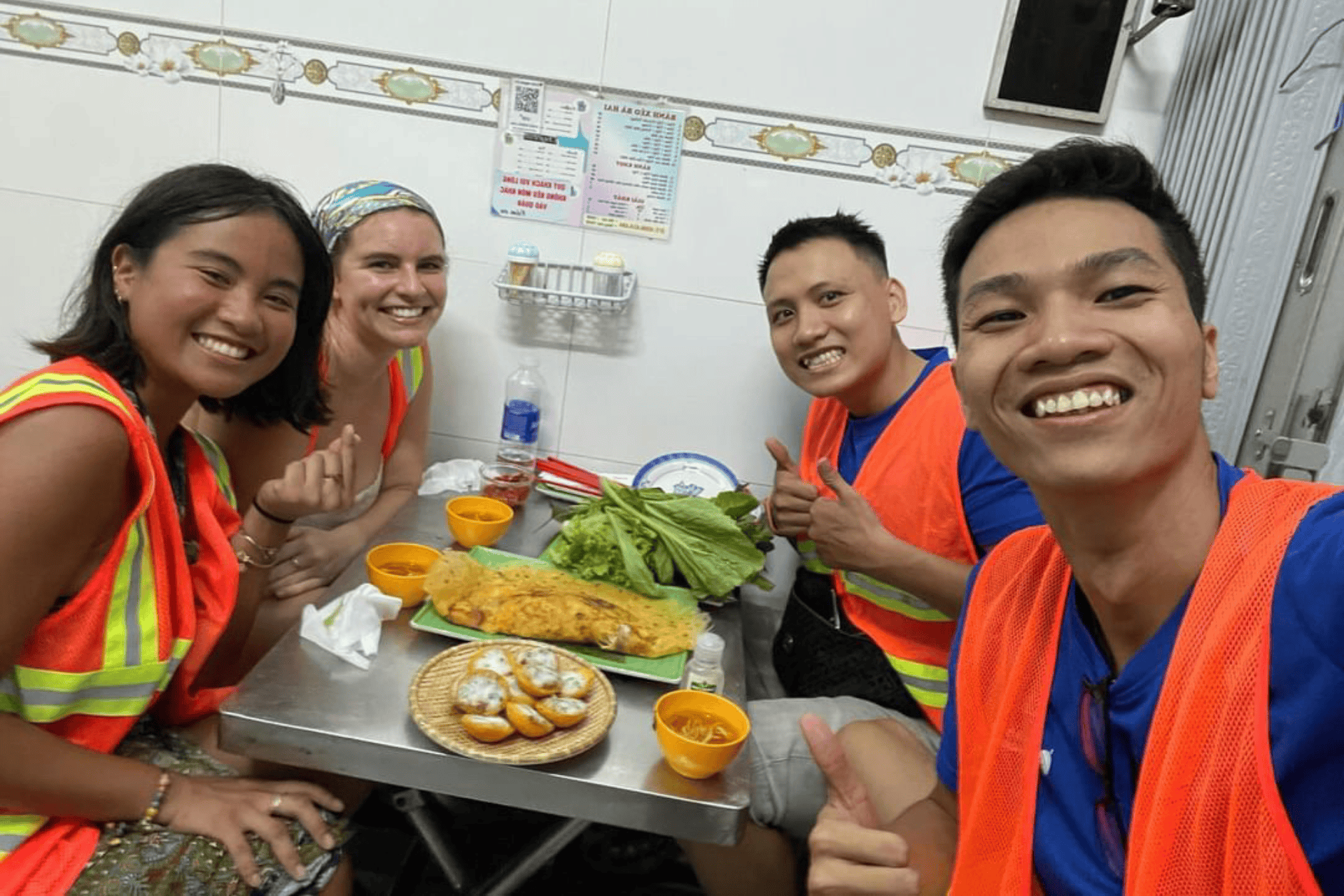
Types of Cooking Classes in Saigon, and Who Each One Is For
1. Market-tour cooking classes
This is the most common format and usually the best starting point for first-time visitors.
- Best for: First-time visitors who want cultural context alongside practical cooking skills.
- Duration: 3–4 hours
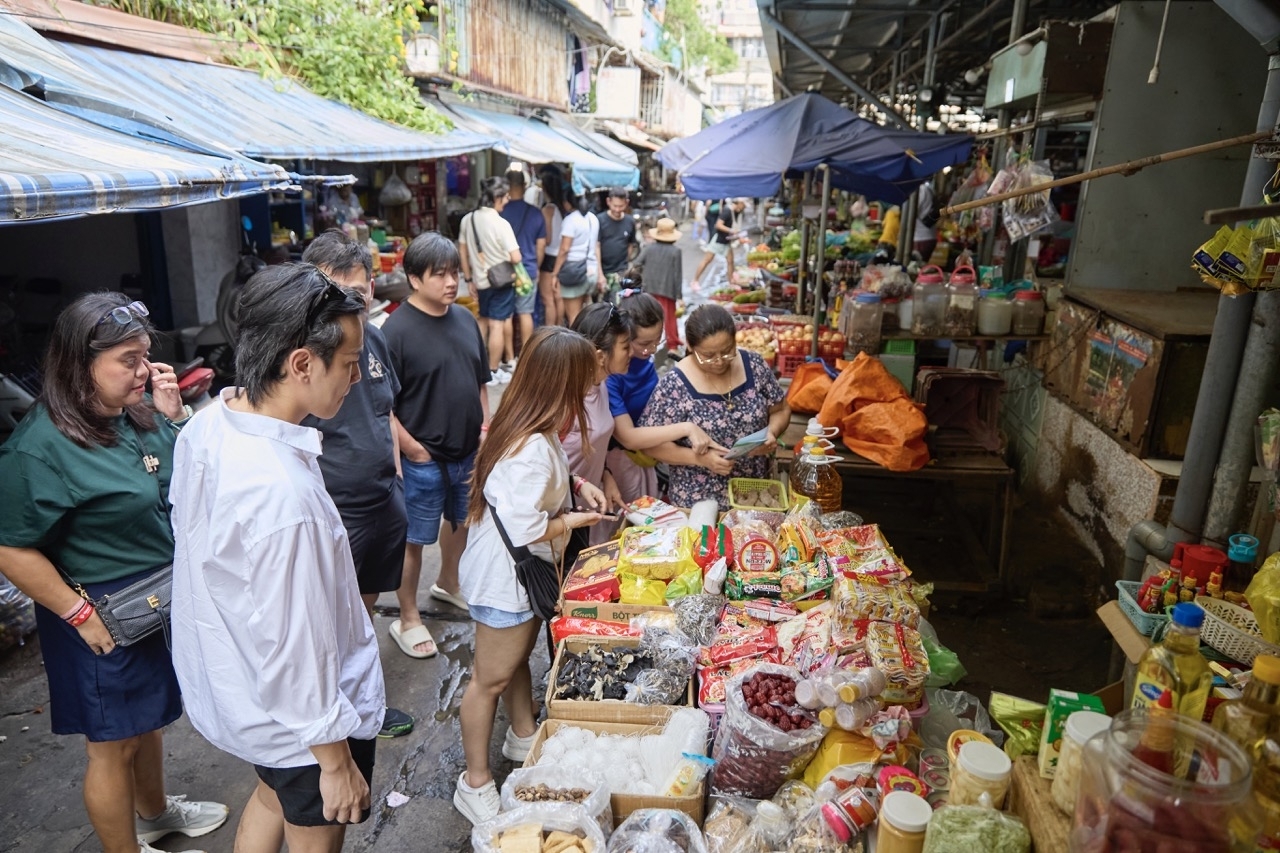
You meet at a wet market, ideally a local one like Tân Định market or Xóm Chiếu, spend 45 minutes to an hour shopping for ingredients with your instructor, then head to the kitchen to cook 3–4 dishes before sitting down to eat them together.
The market segment is what makes this format worth it. A good instructor turns a grocery run into a lesson in how Vietnamese people think about food: which ingredients are non-negotiable, which can be substituted, and what “fresh” actually means here.
2. Homestyle cooking classes
- Best for: Travelers who want warmth, authenticity, and a window into everyday Vietnamese life. Also ideal for solo travelers and couples.
- Duration: 2.5–3.5 hours
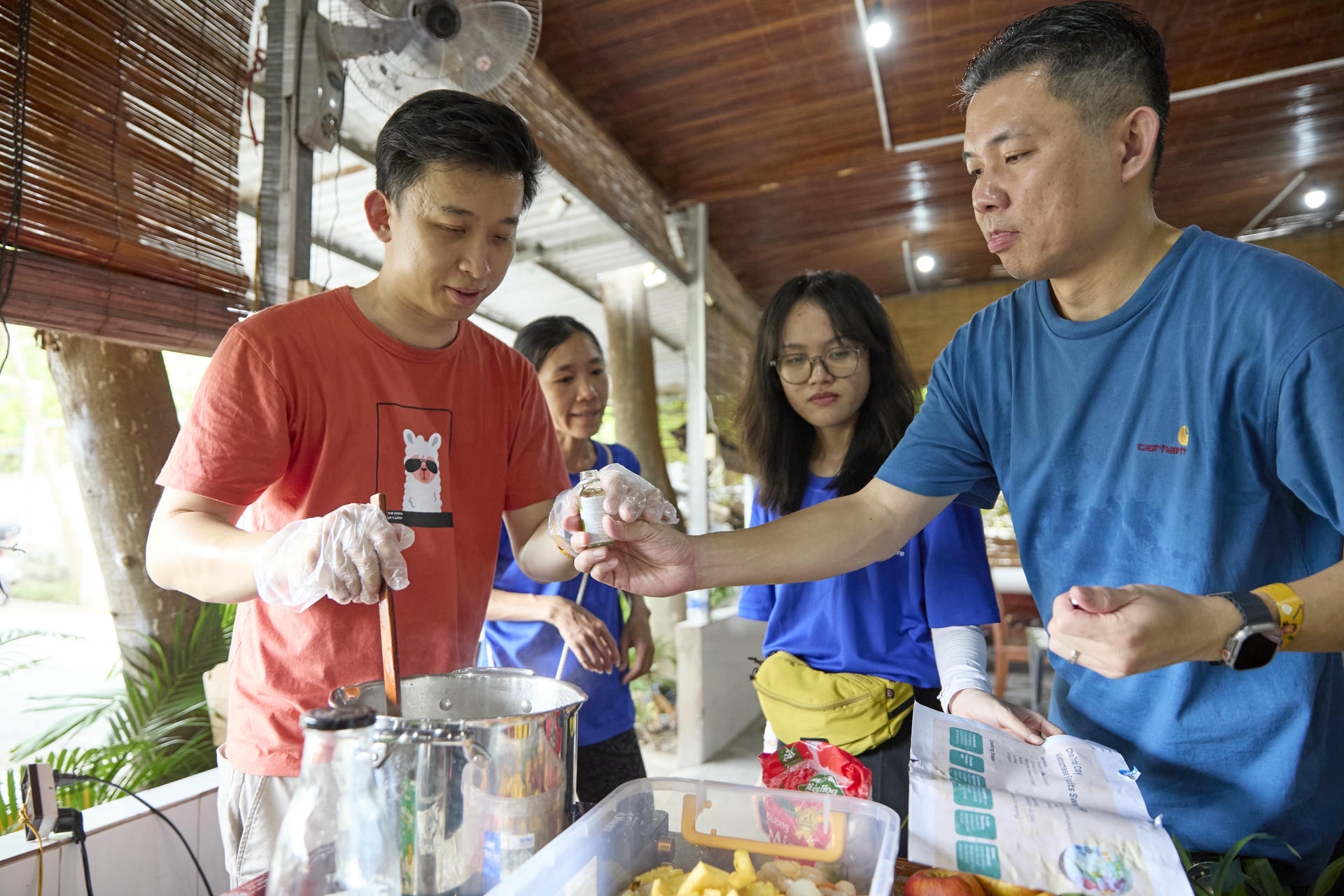
These are typically hosted by locals in their own home kitchens, sometimes a compact apartment kitchen, sometimes a larger family home. The instructor is often a home cook rather than a professional chef, and that’s exactly the point.
What you learn here isn’t restaurant food. It’s Cơm Tấm (broken rice), Cá Kho Tộ (braised fish in a clay pot), Canh Chua (sour soup),… the dishes Vietnamese families eat on a weekday evening. You won’t find these on most tourist menus, which is precisely why they’re worth learning.
3. Premium culinary schools
- Best for: Travelers who want professional technique, structured instruction, and a polished environment. Also good for groups or corporate bookings.
- Duration: 1.5–4 hours, depending on format
These structured, MSG-free schools provide professional chefs and individual stations in a clean, organized environment. While you trade the personal feel of a home kitchen for a more rigid format, you gain transferable skills, mastering knife work, wok control, and the logic of balancing nước chấm from scratch.
Tight on time? Opt for a 90-minute express session. These focus on mastering a single dish, offering a deep dive that fits even the busiest itineraries.
4. Farm-to-table classes
These take you outside the city entirely, about 45 minutes to an hour from District 1, depending on traffic, to a working farm where you pick your own ingredients before cooking them.
- Best for: Families, travelers who want to escape the city, and anyone who wants to understand the full journey from soil to plate.
- Duration: 5–6 hours, including transport
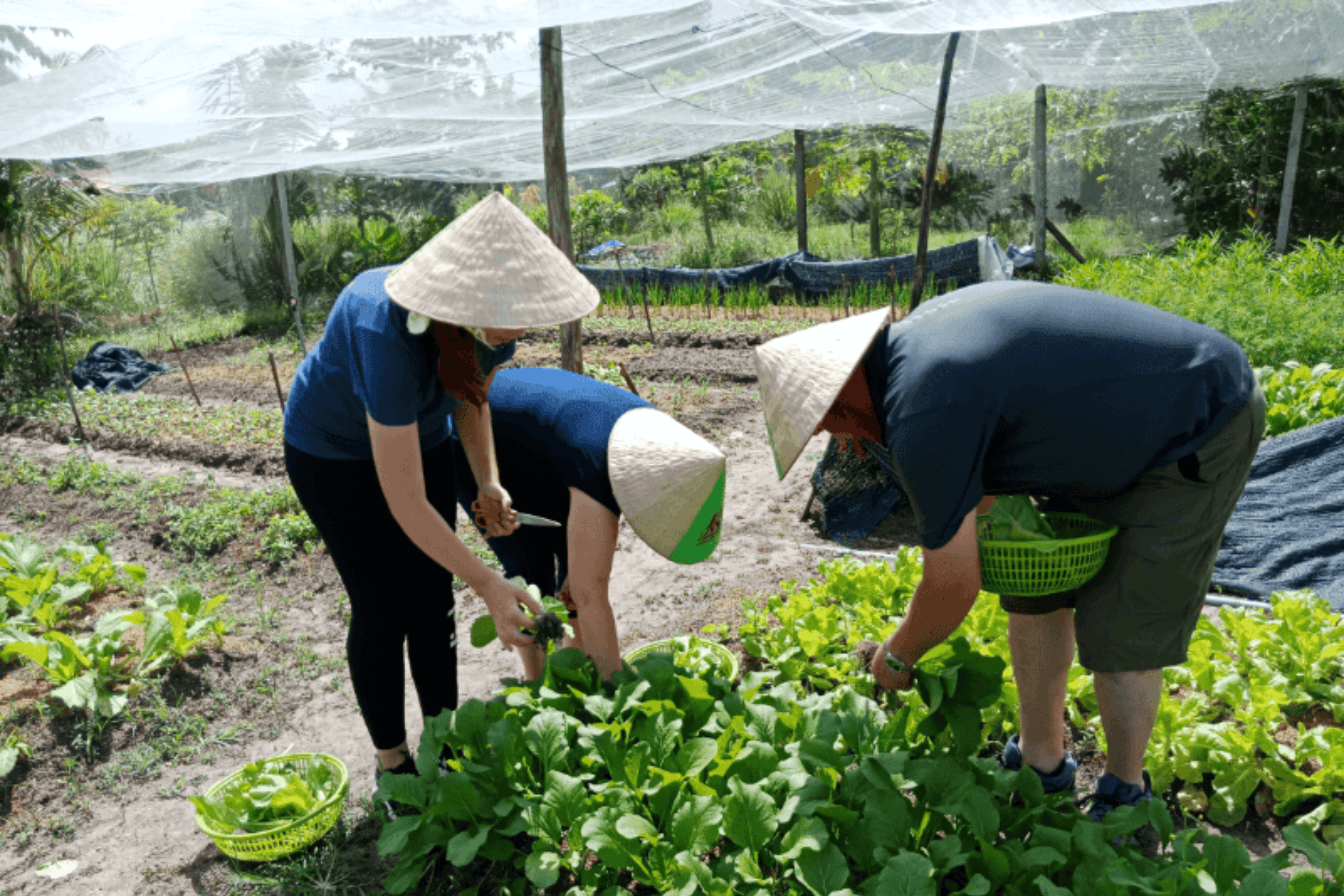
You’ll spend time in actual crop fields, learn when rice is ready to harvest, and collect vegetables and herbs that go directly into your dishes. For anyone who’s spent the previous few days entirely in the city, the change of pace is striking. These classes tend to run a full day, and that day moves slowly in a good way.
5. Single-dish and specialty workshops
These are short, focused sessions built around mastering one specific thing: phở broth, bánh mì, fresh spring rolls, or Vietnamese egg coffee.
- Best for: Repeat visitors, travelers with limited time, or anyone with a specific dish obsession.
- Duration: 1–2 hours
Don’t underestimate these. A dedicated phở workshop that spends 90 minutes on broth alone will teach you more about that one dish than a general class covering four dishes in three hours. If you have a specific Vietnamese dish you’ve always wanted to learn, or if you’re a returning visitor who already took a full class on your last trip, this format is genuinely worth considering.
So Which Type of Cooking Class Should You Actually Pick?
For specific venues in each category, with addresses, current prices, menu details, and honest notes on who each class actually suits, read the full breakdown: Saigon Cooking Class: 8 Experiences Worth Trying
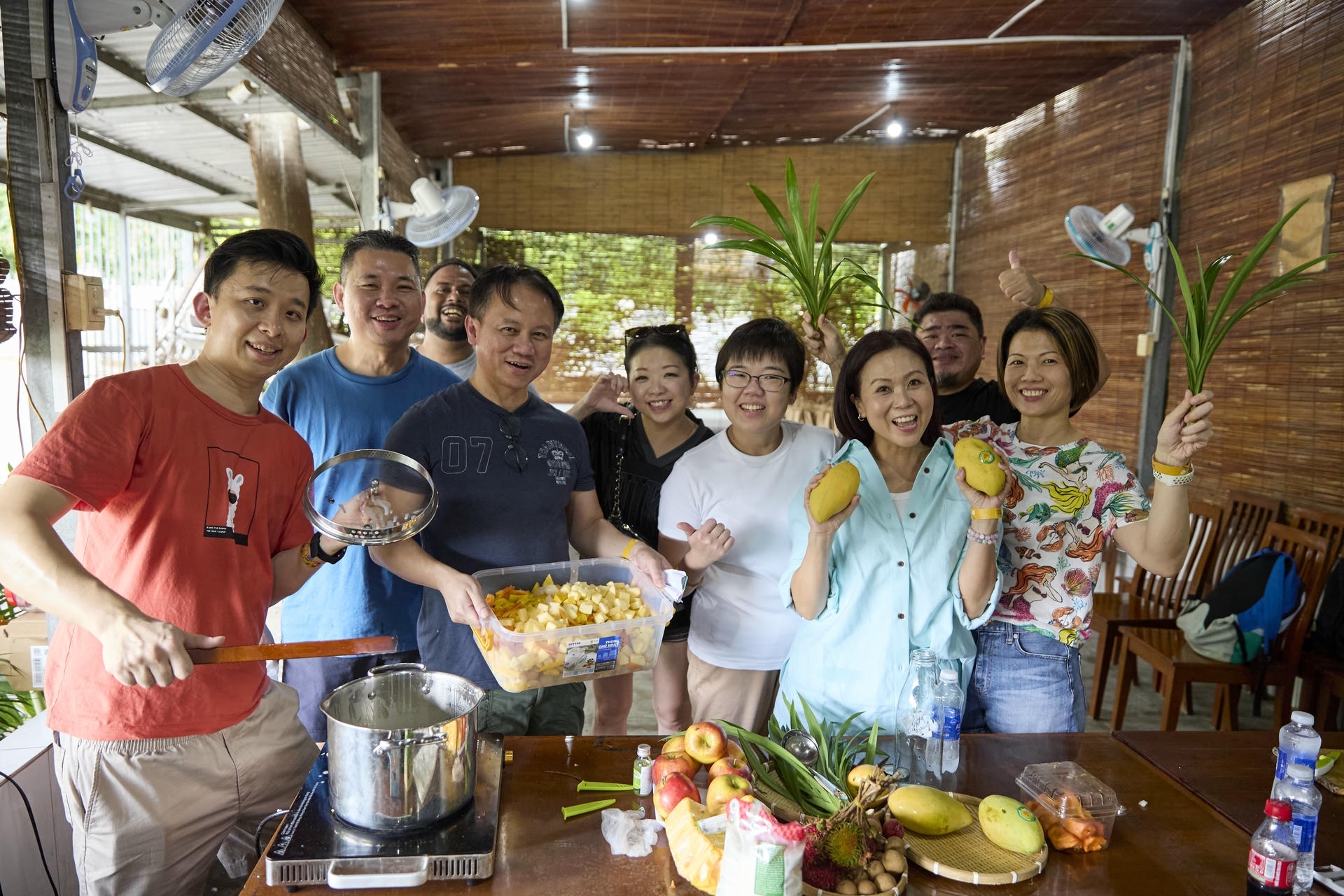
How to Choose the Right Cooking Class in Saigon: A Practical Checklist
Before you book anything, run through these questions.
- Hands-on or demonstration? This is the most important question. Look for “private cooking station” in the description. If you can’t find it, ask before booking. Watching someone cook is interesting; cooking yourself is the whole point.
- How many people are in the class? Under 12 is acceptable. Under 8 is good. Anything over 15, and the instructor can’t give you meaningful attention, it becomes more of a show than a class.
- Is the menu fixed or flexible? If you don’t have dietary restrictions, a fixed menu is fine. If you’re vegetarian, vegan, halal, or have a food allergy, confirm flexibility before booking, and then actually tell them when you book, not when you arrive.
- Does it include a market visit? If you want the full cultural context, yes. If you have two hours and just want to cook, a kitchen-only class makes more sense. Both are valid, just know which one you’re signing up for.
- Morning or afternoon? Morning, if you have the option. Markets are at their freshest before 10 am, the kitchen energy is better, and you eat a proper lunch rather than a late afternoon meal that ruins dinner.
- One thing worth saying directly: a higher price doesn’t automatically mean a better class. A $40 home kitchen class can be more memorable and more educational than a $85 premium school class. It just depends on what you’re looking for. Be honest about your goal before you open your wallet.
So… What’s Next After Cooking?
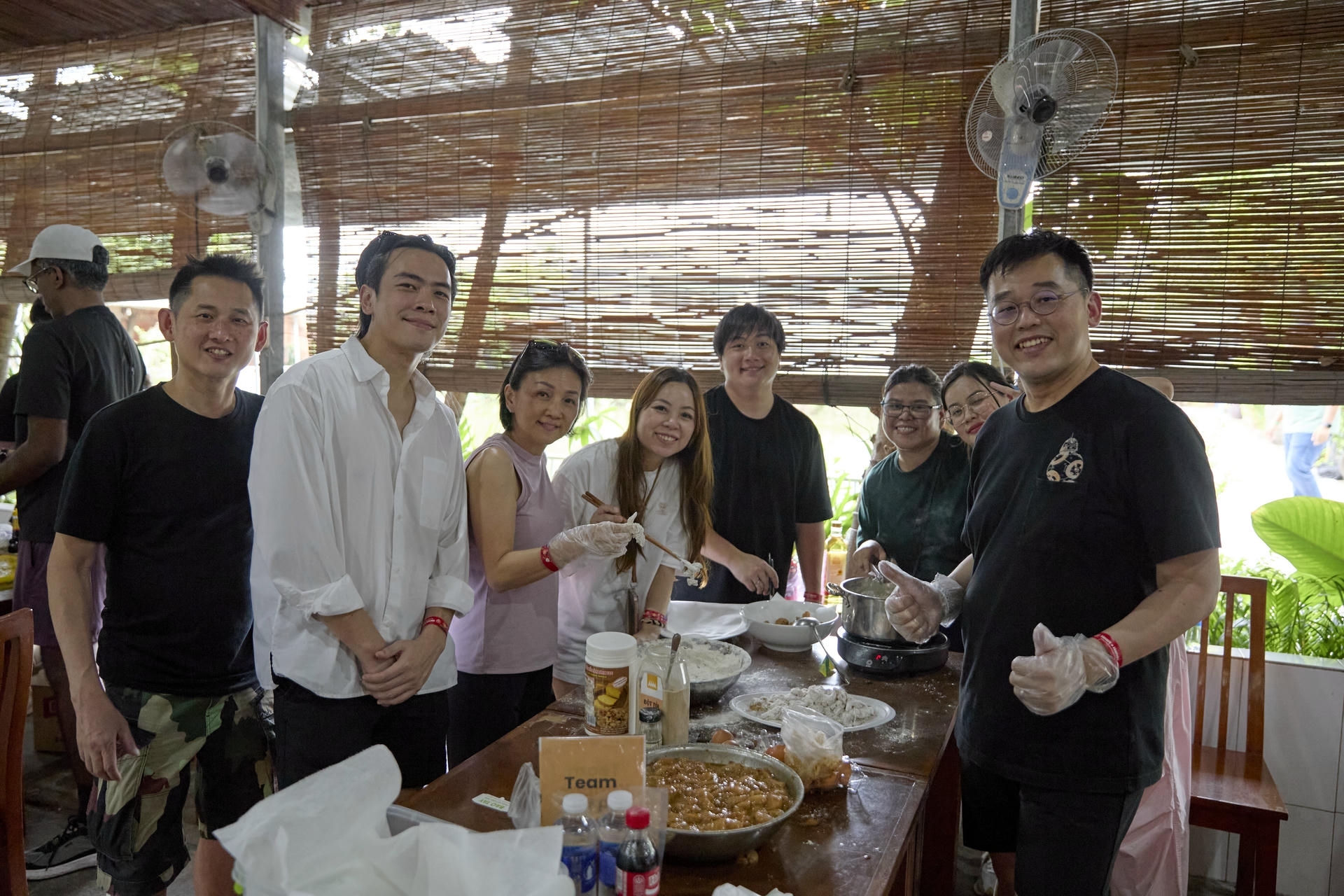
So now you can cook a decent phở. Nice.
But if you’re not ready to leave the adventure at the kitchen door, why not turn those new skills into something truly impactful? If learning to cook was about the food, our Heart & Hands event is about the soul.
Take your team beyond the typical classroom and into the heart of the community. From navigating bustling local markets to gather ingredients, to cooking and sharing meals with children at a local orphanage, this is where “cooking” becomes “caring.” Whether you’re preparing a nutritious feast, painting a classroom, or leading an arts workshop, you’re not just making a dish, you’re making a difference.
Ready to cook, build, and share?