

Table of Contents
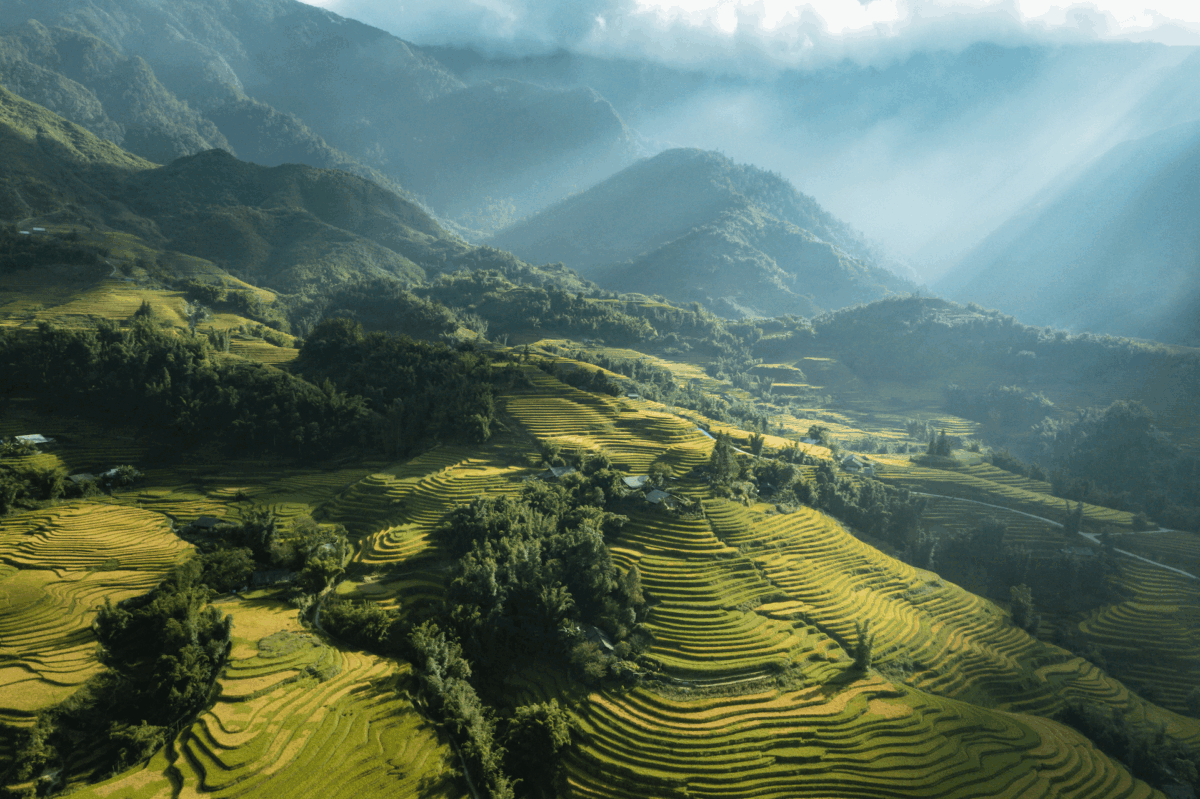
I’ll never forget the moment I watched a traveler trudge through the misty hills of Sapa wearing heavy raw denim and a thick leather jacket. It was the middle of August. By the time he stumbled into the village, he didn’t look like an adventurer – he looked like someone who’d been through a car wash. The non-refreshing kind. As someone who’s spent years moving between the chaotic streets of Hanoi and the breezy coastline of Da Nang, I’ve seen every packing mistake in the book.
Figuring out what to wear in Vietnam isn’t just a style question – it’s genuinely about survival. The humidity alone will humble you if you show up unprepared. On top of that, Vietnam is a country that values modesty, and how you dress actually matters to the people you’ll meet along the way. Then there’s the geography to consider: Vietnam stretches over 1,600 kilometers from top to bottom, and what to wear in Vietnam’s north versus its south can feel like packing for two completely different planets.
So if you’re standing over an empty suitcase right now, take a breath. Think of this as your insider’s guide – written by someone who’s sweated through the wrong outfit more than once – on how to pack smart, stay comfortable, and walk into every temple, beach, and street market without a second thought.
Why Vietnam’s Climate Makes Packing Complicated
Vietnam is a long, narrow country – nearly 1,650 kilometers from top to bottom. That shape means we don’t have one climate. We have three or four, depending on who you ask. What works perfectly in Hoi An in March might get you soaked in Hanoi or sunburned in Phu Quoc.
Before we get into the actual clothes, here’s a quick orientation:
- Northern Vietnam (Hanoi, Sapa, Ha Long Bay): Four proper seasons. Winters (November–March) can drop to 10–15°C in Hanoi and even colder in Sapa. Summers are brutal – humid, 39°C but feels like 42°C some days.
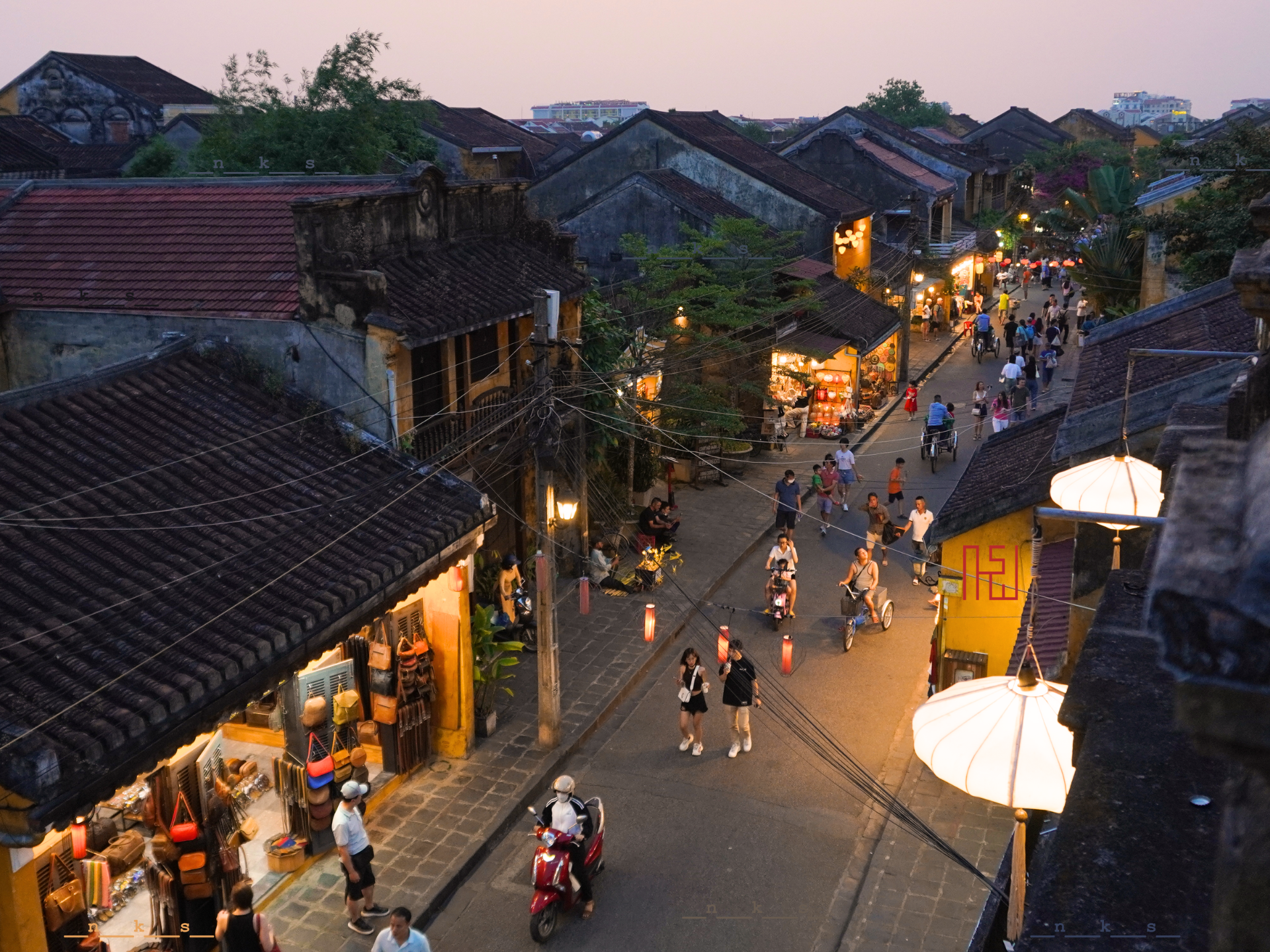
- Central Vietnam (Hue, Da Nang, Hoi An): Hot and dry from February to August, then heavy rain from September to November.
- Southern Vietnam (Ho Chi Minh City, Mekong Delta, Phu Quoc): Two seasons – dry and wet. Hot year-round, usually between 28–35°C.
Once you understand this, figuring out what to wear in Vietnam becomes a lot less stressful.
What to Wear in Vietnam: The Non-Negotiables
Regardless of where you’re going or what month you’re traveling, there are a few items every visitor – and every local commuter, for that matter – keeps in rotation.
1. Lightweight, Breathable Fabrics
Cotton and linen are your best friends here. Avoid synthetic fabrics if you can – they trap heat and smell bad after a single afternoon of motorbike traffic. Natural fabrics breathe, they dry quickly after a sudden rain shower, and they don’t cling to your skin when the humidity hits 90%.
What to avoid: Denim is heavy, takes forever to dry, and offers zero ventilation. Save the jeans for the air-conditioned café, not for a day of temple-hopping.
2. Layers – Yes, Even in the South
Air conditioning in Vietnam is aggressive. Restaurants, long-distance buses, overnight trains – they’re all cranked to temperatures that feel more like Scandinavia than Southeast Asia. A thin cardigan or light scarf shoved in your day bag will save you more than once. This is a tip most travel blogs skip, but as someone who’s taken the Hanoi–Saigon sleeper train a dozen times, I can confirm: bring a layer.
3. Shoes You Can Slip On and Off
You will remove your shoes constantly in Vietnam – at temples, at many traditional homestays, sometimes even at local restaurants. Lace-up boots look great in photos but are a social nightmare here. Sandals, slip-on sneakers, or lightweight loafers make daily life flow much more smoothly.
What to Wear in Vietnam by Region
1. Northern Vietnam: Hanoi, Sapa, Ha Long Bay
Hanoi has real winters. When I was growing up, January meant layering up with a down jacket for the morning commute. Tourists often underestimate this.
Winter (November–March):
- A light down jacket or padded vest
- Long-sleeve shirts and thin knitwear
- Trousers or leggings – not shorts
- Closed-toe shoes
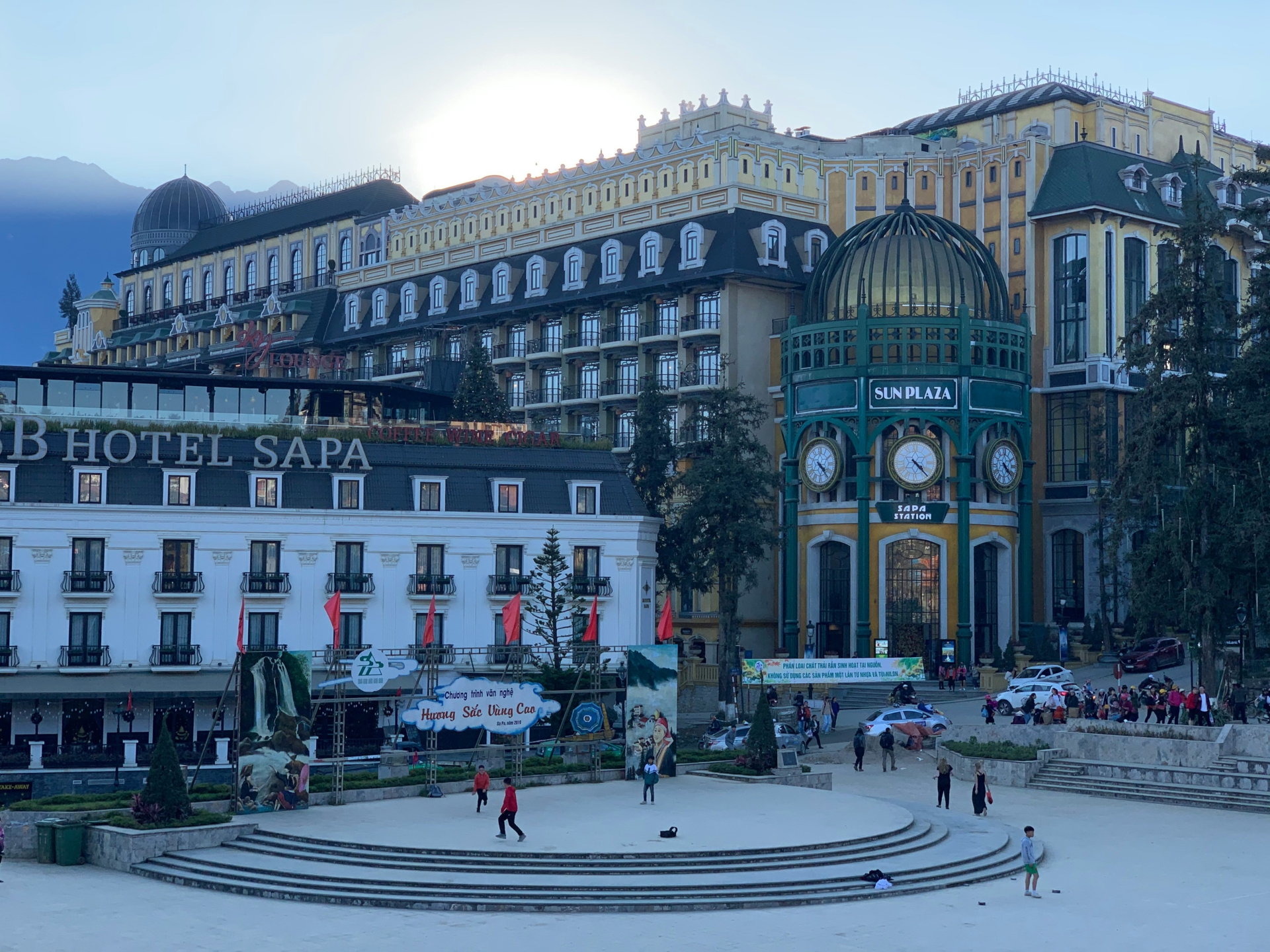
If you’re heading up to Sapa for trekking in winter, treat it like a European autumn trip. Temperatures at night can drop to 5°C. Thermals, a proper jacket, waterproof trekking boots – don’t mess around.
Summer (May–September): Knowing what to wear in Vietnam during Hanoi’s summer is simple: as little as socially acceptable. Loose linen shirts, breathable shorts or wide-leg trousers, sandals. The heat here is sticky and heavy – the kind that makes you feel like you’re walking through a warm wet towel.
And if you’re planning to explore the city on those scorching days, it’s worth reading up on What to Avoid When Joining a Hanoi City Tour on the Hottest Days before you head out, a few simple decisions can make or break your afternoon.
2. Central Vietnam: Hue, Da Nang, Hoi An
Central Vietnam is where I’d argue the packing question gets most interesting. Hoi An in particular has such a strong tailoring culture – you can have custom clothes made in 24–48 hours for almost nothing. Many travelers arrive with half a bag and leave with a full wardrobe.
Dry season (February–August):
- Light sundresses or linen shirts
- Shorts or flowy trousers
- A hat – the UV here is intense and unforgiving
- Reef-safe sunscreen (protect the beaches)
Wet season (September–November): This is when knowing what to wear in Vietnam’s central region really matters. Typhoon season is real. Pack a compact rain poncho – the kind that folds into a tiny pouch. Waterproof sandals beat flip-flops that become ice skates on wet marble temple floors.
3. Southern Vietnam: Ho Chi Minh City, Mekong Delta, Phu Quoc
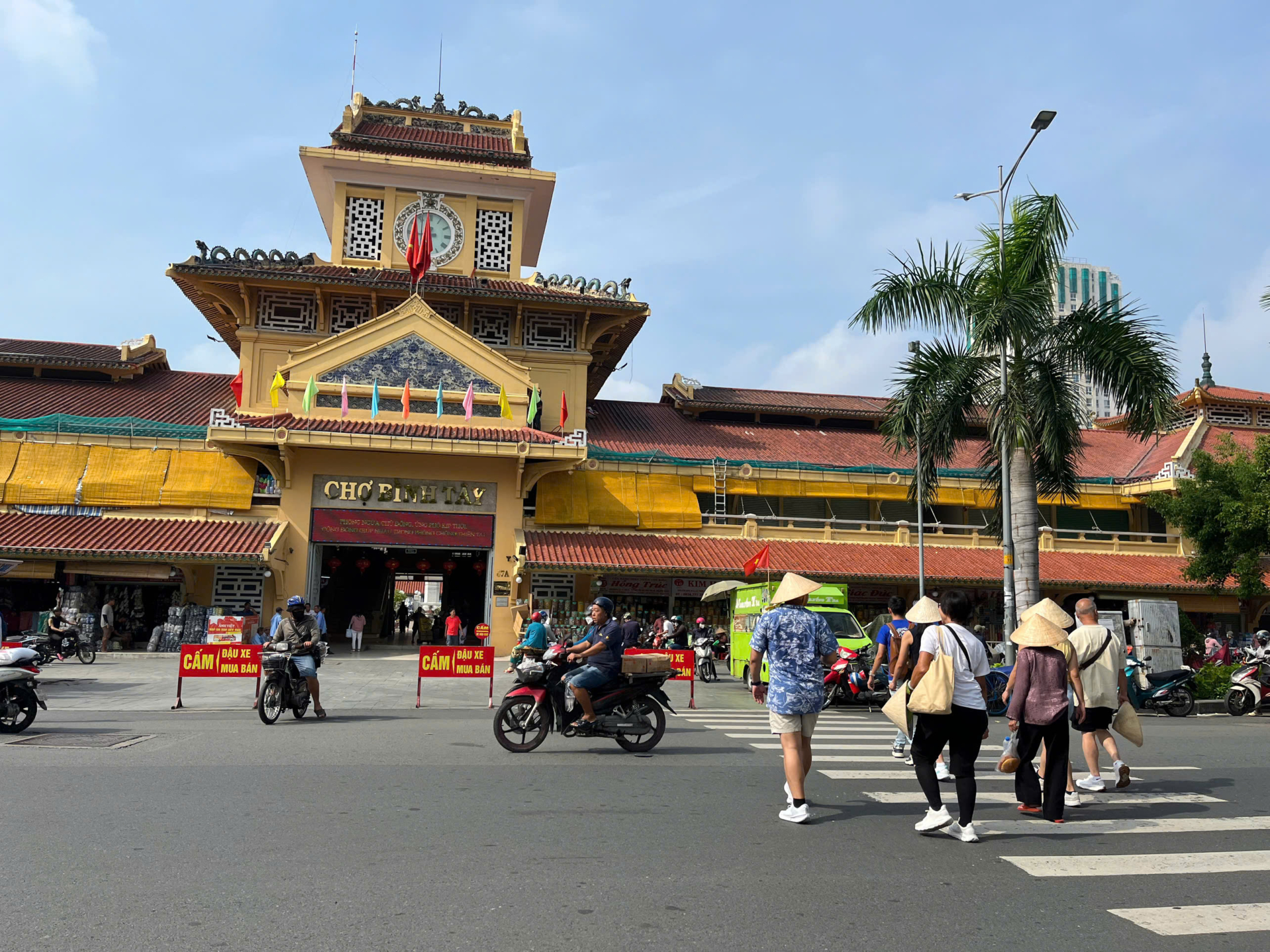
The south is where the tropical postcard image lives: palm trees, motorbike chaos, street food smoke, and year-round heat. Knowing what to wear in Vietnam’s south is about one thing – staying cool without looking like you forgot to get dressed.
Dry season (December–April):
- Linen or cotton shorts and shirts
- Lightweight dresses
- Sunglasses (non-negotiable)
- Breathable walking shoes or sandals
Wet season (May–November): Rain here is theatrical – afternoon downpours that last 30 minutes and then vanish. A quick-dry outfit and a rain poncho in your bag is all you need. Don’t bother with an umbrella unless you want to lose it on a motorbike.
What to Wear in Vietnam for Temple and Pagoda Visits
This is where a lot of tourists get it wrong – and where I’ve seen people turned away at the gate or handed a shame-saronge by the entrance guard.
Vietnam is a country with hundreds of active temples, pagodas, and sacred sites. The dress code is not negotiable.
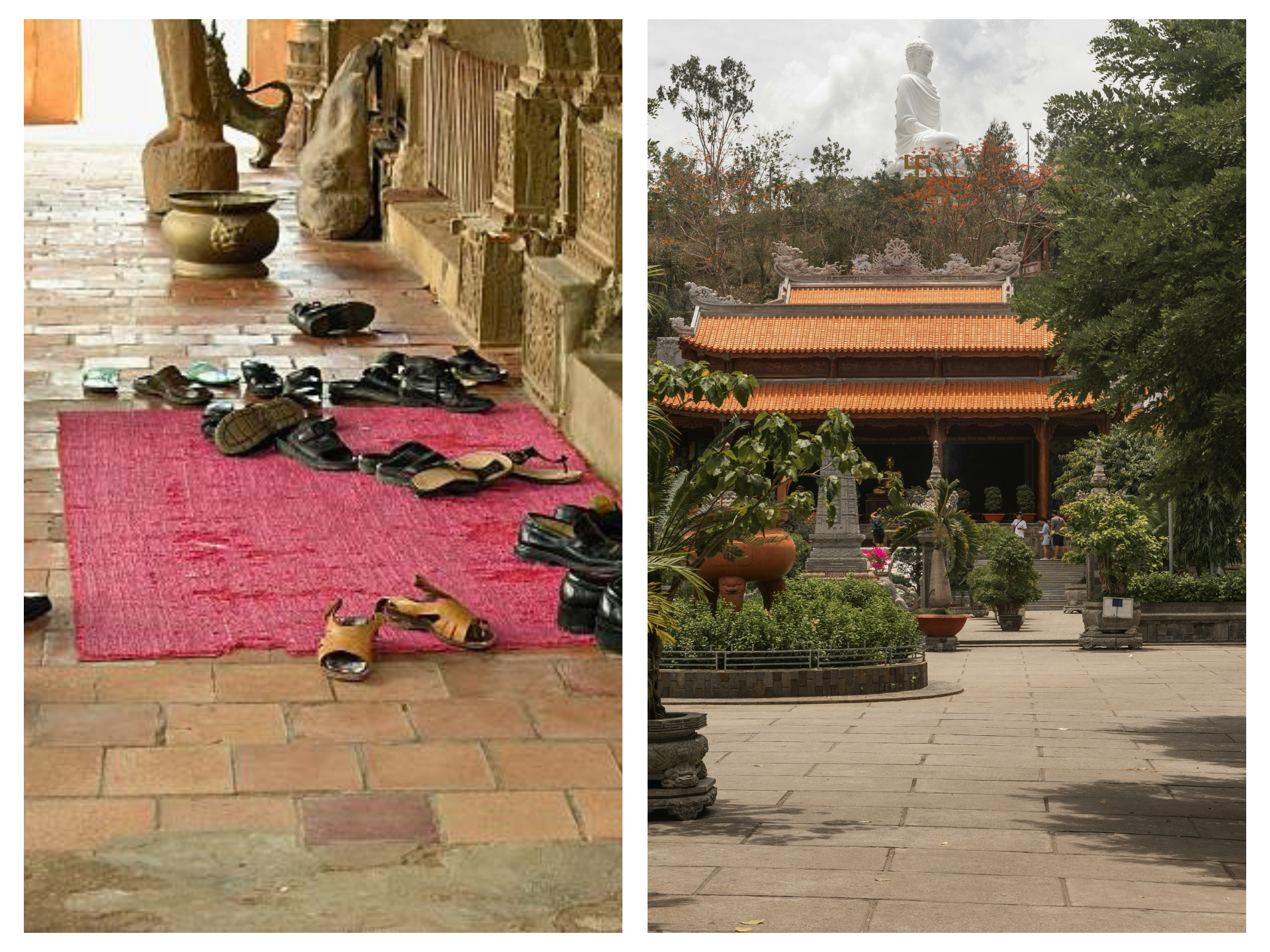
The basic rules:
- Cover your shoulders – no sleeveless tops, no spaghetti straps
- Cover your knees – no short shorts or mini skirts
- Remove shoes before entering
My honest advice: Pack at least one outfit specifically for this. A loose linen shirt that covers your shoulders + trousers or a midi skirt covers you for nearly every situation. This combo also doubles as your nicest restaurant outfit, so it’s genuinely versatile.
Many sites sell or lend wrap skirts at the entrance, but they’re often low quality and a bit awkward to manage. Coming prepared shows respect – and as a local, I genuinely appreciate when visitors make that effort.
The Rainy Season Strategy
Rain in Vietnam doesn’t really do subtle things. It doesn’t drizzle. It commits – a full, dramatic downpour that floods the streets for an hour, and then, just like that, the sun is back out like nothing happened. That heavy plastic raincoat you’re thinking of packing from home? Leave it. You won’t be protecting yourself from the rain so much as trapping yourself inside a personal sauna.
Do what the locals do instead. At virtually any street corner, you can pick up a poncho for around 10,000 VND, that’s about $0.40 USD. These things are genuinely well-designed: roomy enough to cover you, your backpack, and somehow still leave room for your dignity. Locals use them on motorbikes all the time, and they work just as well on foot.
When thinking about what to wear in Vietnam during the rainy season, the word you want to anchor your whole mindset around is quick-dry. Synthetic shorts that shed water and sandals that can survive a puddle without falling apart are your best allies. Cotton sounds comfortable until it’s soaked through and clinging to your legs for the next three hours. Choose fabrics that move on from the rain as fast as the weather does.
What to Wear in Vietnam: Practical Packing List
Here’s a stripped-down list I’d give any friend coming to visit, based on a 2-week trip:
Tops:
- 3–4 lightweight linen or cotton shirts (mix of short and long sleeve)
- 1–2 dressier tops for nicer restaurants or evenings out
- 1 thin cardigan or light jacket for air conditioning
Bottoms:
- 2 pairs of lightweight trousers or wide-leg pants (temple-friendly)
- 1–2 pairs of shorts
- 1 midi skirt or dress (women) – elegant and temple-appropriate
Footwear:
- 1 pair of comfortable walking sandals
- 1 pair of slip-on sneakers or light flats
- Flip-flops for beach or casual days
Accessories:
- Wide-brim hat or cap
- Sunglasses
- Lightweight scarf (doubles as temple cover-up and air-con blanket)
- Compact rain poncho
A Note on Shopping for Clothes in Vietnam
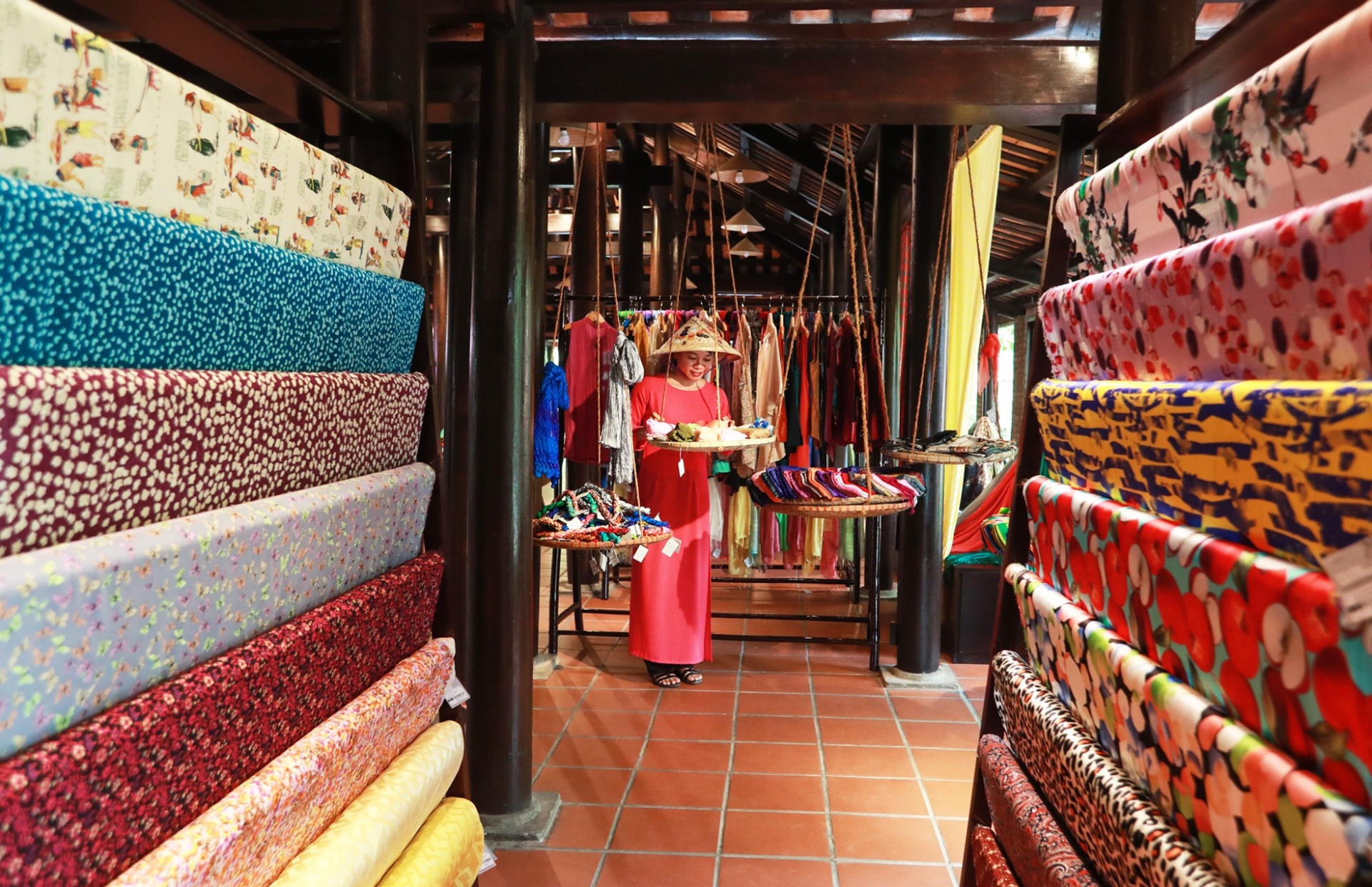
Here’s something I love telling visitors: you don’t need to pack everything when preparing what to wear in Vietnam. Vietnam has extraordinary options for buying clothes locally, and often at prices that make your home country feel criminal.
- Hoi An is famous for its tailors – skilled craftspeople who can replicate a photo or design you bring to them within 48 hours. Budget travelers and fashion lovers alike make pilgrimages here just for custom clothing.
- Ben Thanh Market (Ho Chi Minh City) and Dong Xuan Market (Hanoi) are packed with affordable everyday wear – think lightweight linen sets, traditional ao dai dresses, and locally designed streetwear.
If you’re unsure about what to wear in Vietnam or if you packed wrong, just buy something when you land. The prices are kind.
A Final Local Word
At the end of the day, the people of Vietnam are incredibly welcoming. We won’t judge you if your outfit isn’t perfect, but we truly appreciate it when travelers dress thoughtfully. It shows you’ve taken the time to understand our climate and our customs.
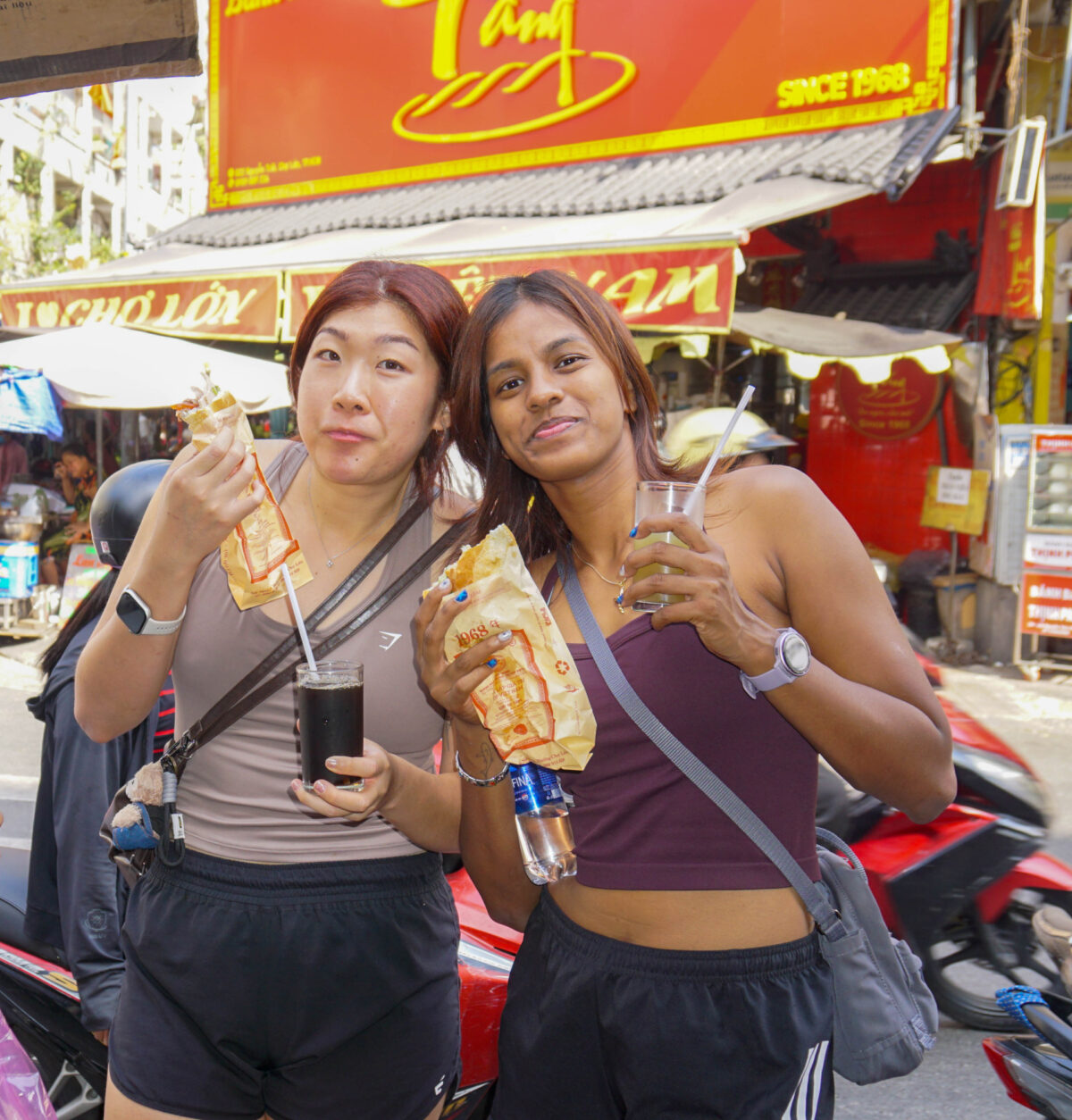
If you’re still feeling unsure about what to wear in Vietnam, just remember the “Three L’s”: Linen, Layers, and Low-key. Keep it simple, keep it light, and you’ll be far more focused on the delicious Banh Mi in your hand than the sweat on your back.
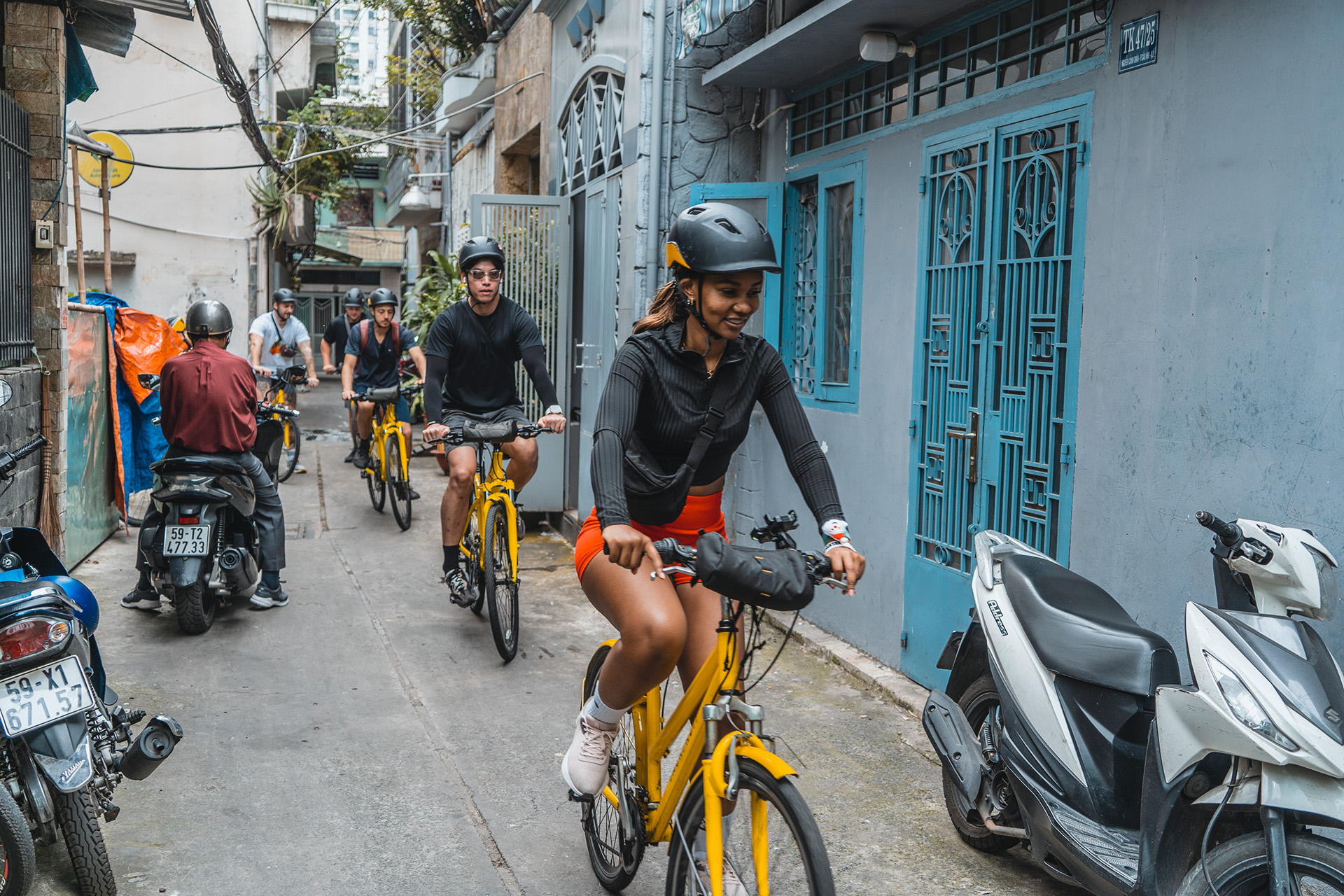
Planning to get around on two wheels? Lightweight, breathable clothes aren’t just nice to have, they’re essential. See exactly how to prepare in our Vietnam Cycling Tours guide, where we break down what to expect and how to make the most of every ride.