

Table of Contents
I still remember the first time a foreign friend visited me in Hanoi. She stepped off the bus from the airport, wide-eyed and slightly pale, and said, “I almost got hit by three motorbikes just crossing the street”. I laughed – not because it wasn’t scary, but because I had completely forgotten that crossing the road here is an art form we locals learn before we can ride a bicycle.
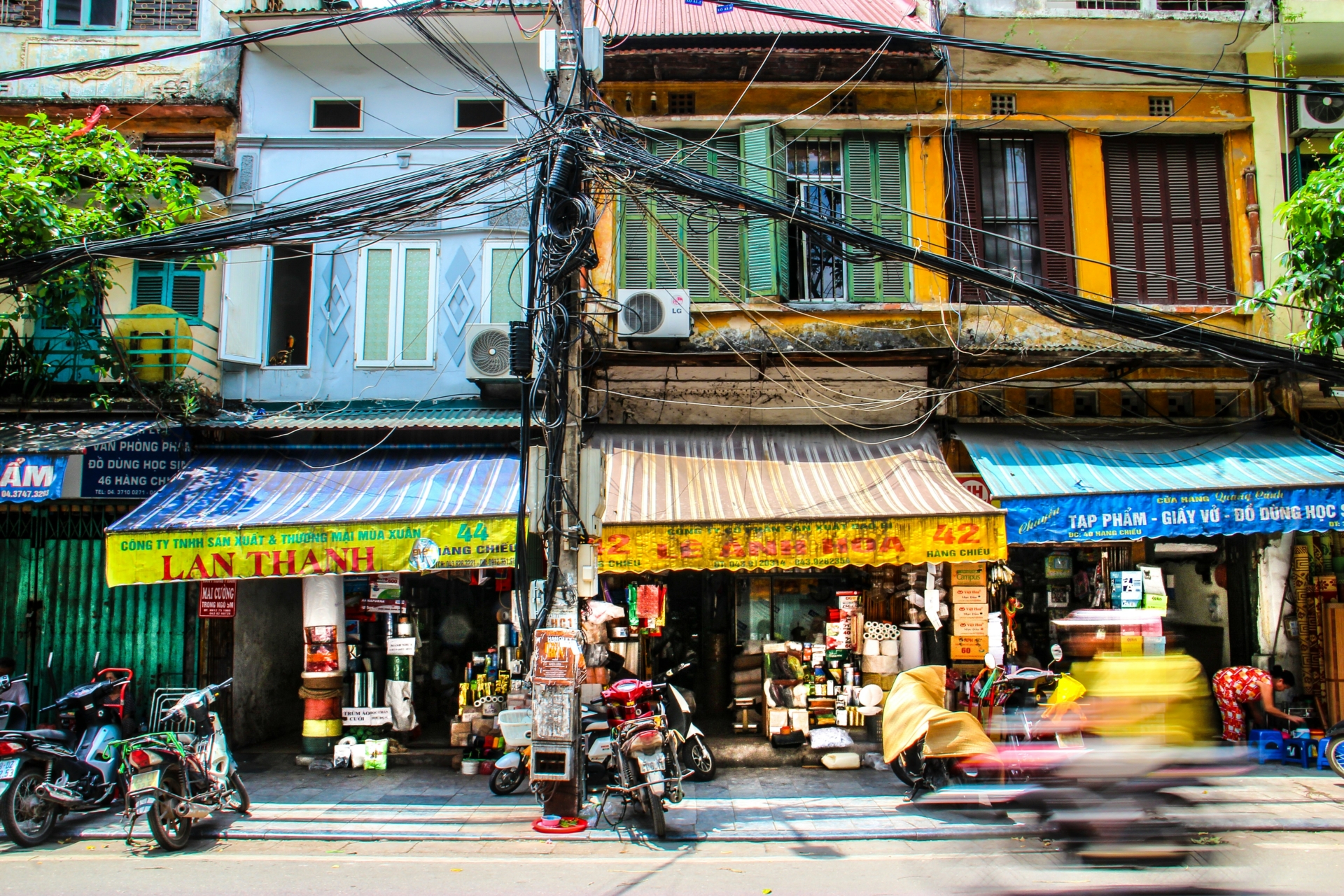
That moment made me realize: culture shock in Vietnam is very real, and it hits hard – even when you’ve done your research. I’ve lived here my whole life, and watching travelers navigate my country has taught me just as much about Vietnam as any history book. So I decided to write this guide from my perspective – a local’s honest take on the 11 biggest culture shock in Vietnam moments that catch almost every visitor off guard.
Whether you’re planning your first trip to anywhere in my lovely country, this is the insider knowledge you need. Keep reading, I promise it’ll save you from more than a few awkward moments.
1. Crossing the Road Is a Survival Skill
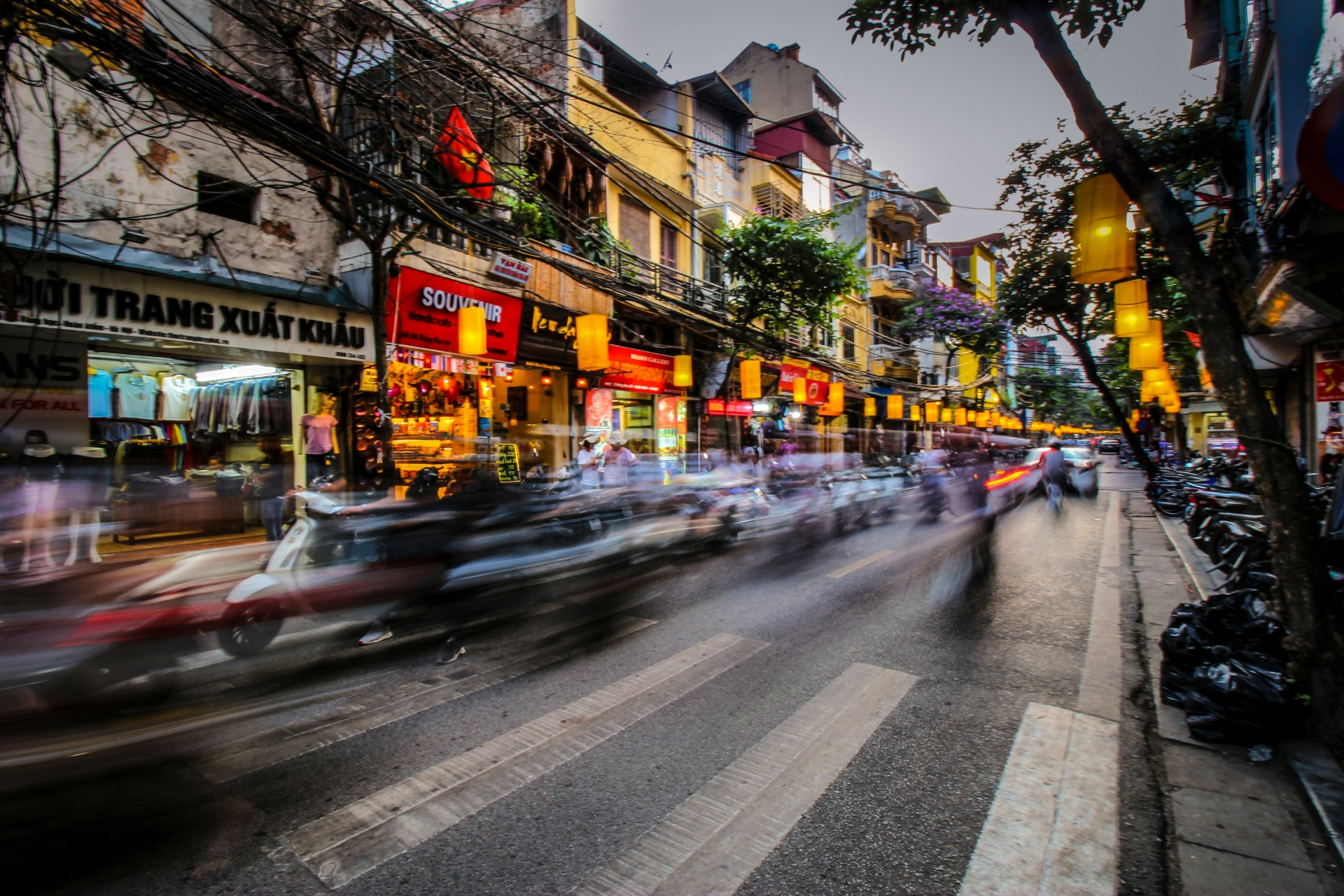
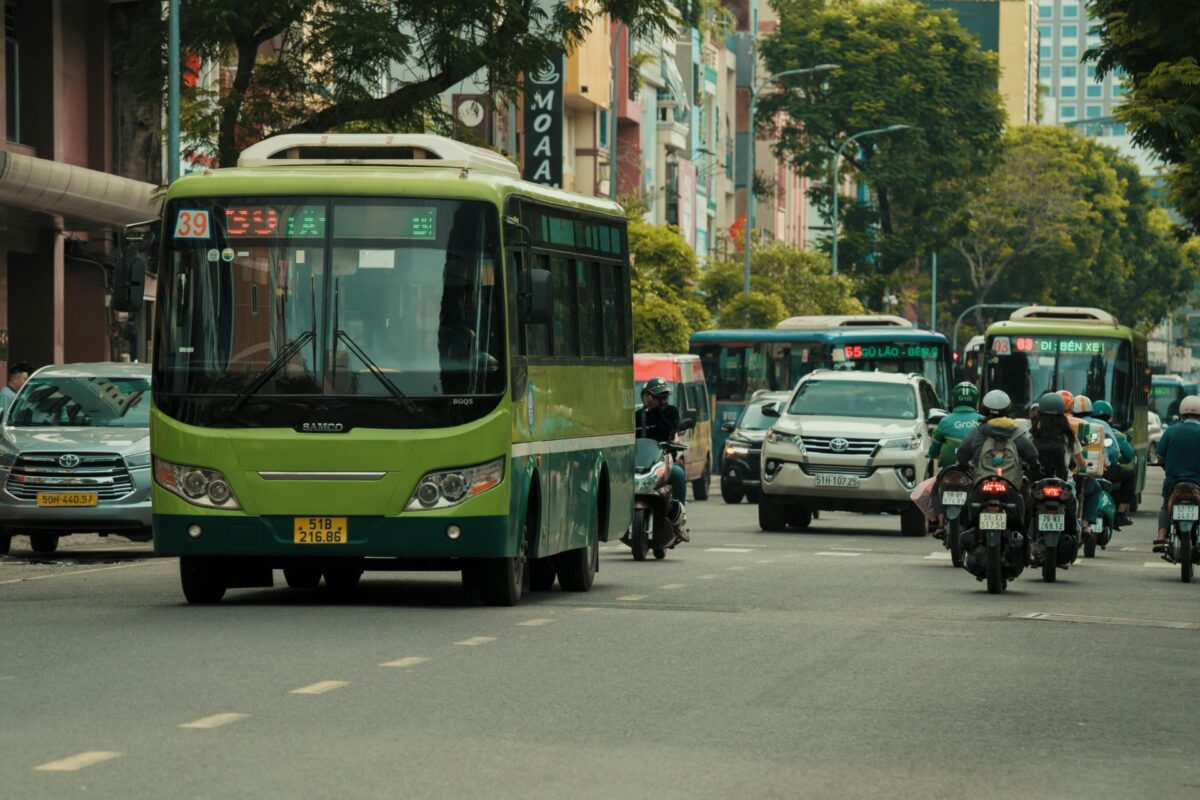
Let’s start with the one that almost gave my friend a heart attack. The culture shock in Vietnam that everyone talks about first is the traffic – specifically, the motorbike chaos.
There are no neat gaps in traffic for you to dash through. The trick? Walk slowly, steadily, and don’t stop. The motorbikes will flow around you like water around a rock. They’re watching you – they just need you to be predictable.
Local tip: Follow a local if you can. We’ve been doing this since childhood. Shadow us across the street and you’ll be fine.
2. Silence at the Table Means You’re Eating – Not Being Rude
Back home, silence at dinner feels uncomfortable. But one of the quieter culture shock in Vietnam experiences is how meals work here. In Vietnamese culture, eating is about the food. Loud slurping, quick bites, and focused chewing are all signs of appreciation – not bad manners.
Don’t feel offended if your host barely looks up from their bowl. They’re showing you that the meal is delicious. The highest compliment to a Vietnamese cook isn’t a verbal “wow” – it’s an empty plate.
3. Age Determines Everything in a Conversation
This one trips up almost every visitor. In Vietnam, before you can even say hello properly, you need to figure out whether the person you’re speaking to is older or younger than you – because that changes the word you use for “I” and “you.”
This is one of the most fascinating aspects of culture shock in Vietnam from a linguistic standpoint. We have different pronouns depending on age relationships: anh (older brother), chị (older sister), em (younger person), cô (aunt-aged woman), chú (uncle-aged man), and more.
Getting it wrong is rarely offensive – people appreciate the effort – but getting it right earns immediate respect.
4. Smiling Doesn’t Always Mean “Yes”
In Vietnam, a smile can mean many things: agreement, embarrassment, discomfort, or simply politeness. This is a common culture shock in Vietnam that leads to genuine miscommunication.
If you ask a local for directions and they smile and nod, it doesn’t always mean they know the answer. Sometimes it means they don’t want to disappoint you by saying “I don’t know.” This isn’t dishonesty – it’s a culturally deep desire to avoid causing someone else discomfort.
My advice: ask follow-up questions gently. “Are you sure? I don’t mind asking someone else” opens a polite exit for them.
5. Haggling Is Expected – Not Offensive
Markets here are not like supermarkets with fixed prices. At Ben Thanh Market in Ho Chi Minh City or Dong Xuan Market in Hanoi, the first price you’re quoted is almost always a starting point for negotiation.
This surprises many visitors who feel awkward bargaining. But from a local’s perspective, accepting the first price without negotiating is actually strange – it suggests you either have too much money or don’t know how things work. Bargaining is part of the social ritual.
How to do it: Start by offering about 50–60% of the asking price, then meet somewhere in the middle. Stay friendly and smile throughout. If the vendor looks genuinely upset, you may have gone too low.
This particular culture shock in Vietnam often turns into one of travelers’ favorite memories once they get the hang of it.
Pro-Tip: Always smile when bargaining. If you’re grumpy, the price goes up. If you’re friendly and use a few Vietnamese words, you’ll get the “local-ish” price.
6. Pho Is Eaten at 6 AM – and That’s Perfectly Normal
I genuinely love watching the expression on visitors’ faces when I suggest pho for breakfast. Soup for breakfast? At 6 in the morning?
Yes. Absolutely yes.
One of the most delightful culture shock in Vietnam moments for food lovers is discovering that our most iconic dish is a breakfast food. The best pho shops open before sunrise and often sell out by mid-morning. The broth has been simmering overnight – it’s at its peak flavor in the early hours.
If you sleep in and miss the breakfast rush, you’ll often find the soup thinner and the shop emptier. Rise early, follow the steam, and order like a local.
If you’re heading to the capital, bookmark this: The Best Pho In Hanoi – A Full Guide To Pho Hanoi.
7. Pointing with Your Finger Is Considered Rude
This one catches people completely off guard. In Vietnam, pointing directly at someone with your index finger is considered disrespectful – especially toward elders or authority figures.
Instead, locals use an open hand, palm facing slightly downward, to indicate direction or point to something. This is a small but meaningful culture shock in Vietnam that can affect how people perceive you, especially in more rural or traditional settings.
The same goes for beckoning someone – don’t curl your finger upward (like you might in Western countries). Use your whole hand, palm facing down, and wave it downward toward yourself.
8. You Will Be Asked Very Personal Questions – Immediately
One of the most unexpected culture shocks in Vietnam for Western visitors is how quickly conversations get personal. Within minutes of meeting someone, you might be asked:
- How old are you?
- Are you married?
- Do you have children?
- How much money do you make?
- Why are you so thin / why are you so heavy?
These are not considered rude here. In Vietnamese culture, these questions are a way of showing interest and establishing connection. Knowing your age helps us figure out the correct pronouns (see point 3). Asking about family shows we care about your life.
You’re not obligated to answer everything – but responding with humor rather than offense will take you far.
9. Shoes Come Off at the Door – Always
Walk into a Vietnamese home and you’ll notice a line of shoes neatly arranged outside the front door. Remove yours before entering. This is non-negotiable in most Vietnamese households and is one of those culture shock moments in Vietnam where the rule is clear: if there are shoes at the door, yours belong there too.
This practice keeps the home clean and is also a sign of respect – you’re leaving the outside world at the threshold.
Some traditional temples and pagodas also require bare feet. Watch what others are doing and follow their lead.
10. The Concept of “Saving Face” Shapes Everything
Perhaps the deepest and most significant culture shock in Vietnam for long-term visitors is understanding the concept of mặt – face. Causing someone public embarrassment, even unintentionally, is considered a serious social harm here.
This means:
- Disagreements are often handled privately, not publicly.
- Criticism is delivered indirectly, through hints and suggestions.
- Being loudly corrected in front of others is extremely uncomfortable for Vietnamese people.
If you’re working with Vietnamese colleagues or spending extended time with a host family, being aware of face-saving dynamics will help you build far stronger relationships.
11. Everything Moves at Full Speed – Especially Business
The final culture shock in Vietnam on my list is the pace of daily life. Vietnam is a country on the move. Business decisions can happen fast. Markets open before dawn, like flower markets in Hanoi. Deals are sealed over coffee in 20 minutes.
But this also coexists with a deep appreciation for sitting still. Locals will spend an hour on a plastic stool drinking cà phê trứng (egg coffee) and watching the street. The pace isn’t frantic – it’s alive. There’s a rhythm here that takes a little time to feel, but once you do, you’ll find it hard to leave.
Decode Every Culture Shock in Vietnam with Jackfruit Tours
From the floral-clad ninjas to the tiny stools that test your flexibility, culture shock in Vietnam is part of the adventure. It’s a country that challenges your perspectives and rewards your curiosity with unparalleled warmth and flavor.
Don’t let the “different-ness” intimidate you. Embrace the noise, drink the iced beer, and take that steady walk across the street. You’ll find that beneath the chaotic surface is a culture of incredible resilience, humor, and hospitality.
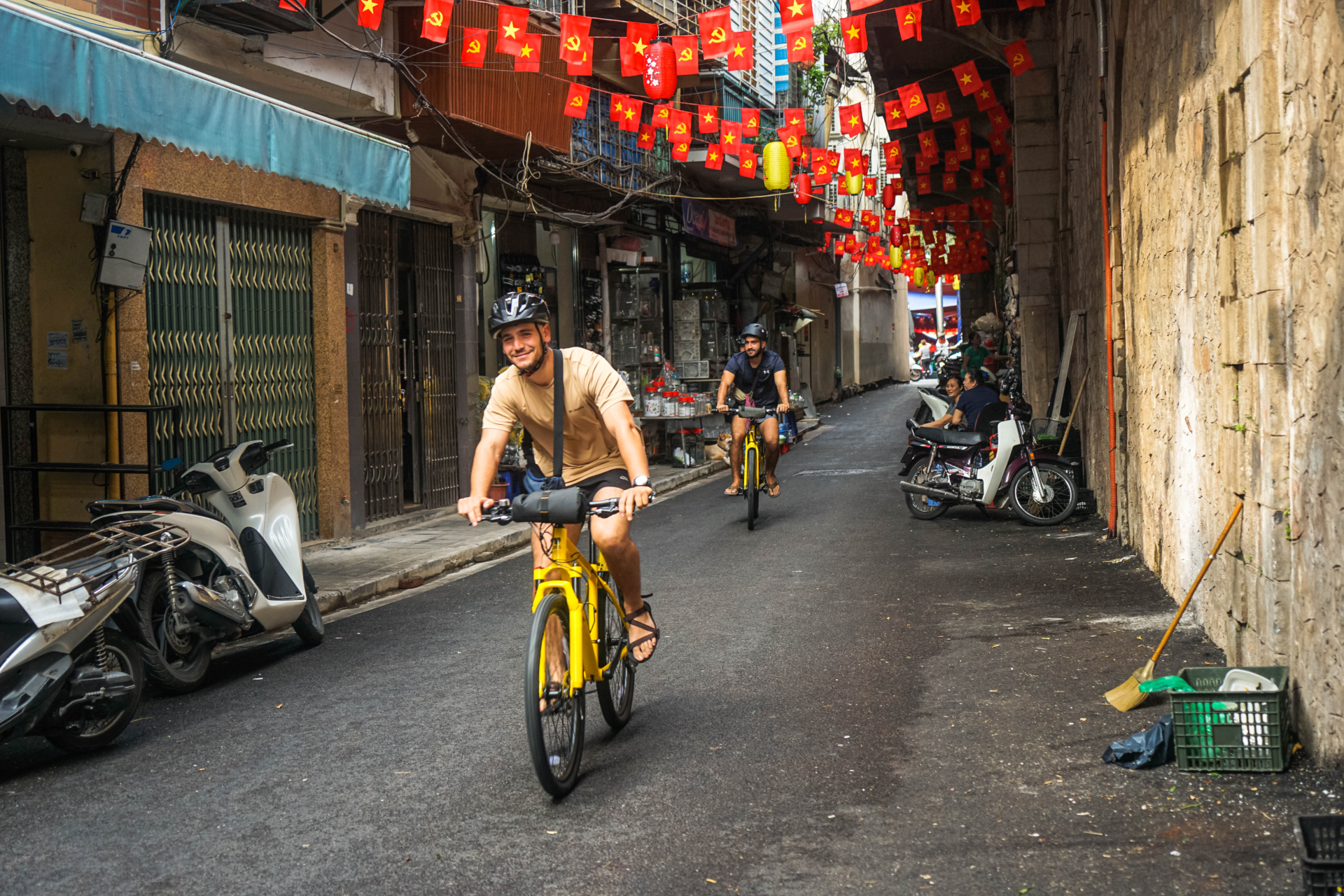
If you want to experience these contrasts firsthand – with a local guide who can help you navigate the nuances – join our Vietnam Cycling Tour!