

Table of Contents
If you’re dreaming of a trip packed with flavor, colour, culture, and a bit of thrill, then the South of Vietnam will be your perfect destination. This vibrant region is full of surprises, from the lively chaos of Saigon to the peaceful areas of the Mekong Delta, or from sunny beaches in Phu Quoc to the highland charm of Da Lat. Believe me, there are so many unforgettable things to do in Southern Vietnam.
What makes the South of Vietnam stand out is its comforting atmosphere and the way tradition and modern life coexist harmoniously. You might find yourself slurping noodles at a roadside stall one moment and later sipping craft coffee in a local cafe. In this blog, we’ll show you 20 fantastic ideas for you to “spice up” your journey and get ready to explore interesting things to do in Southern Vietnam!
Where is Southern Vietnam?
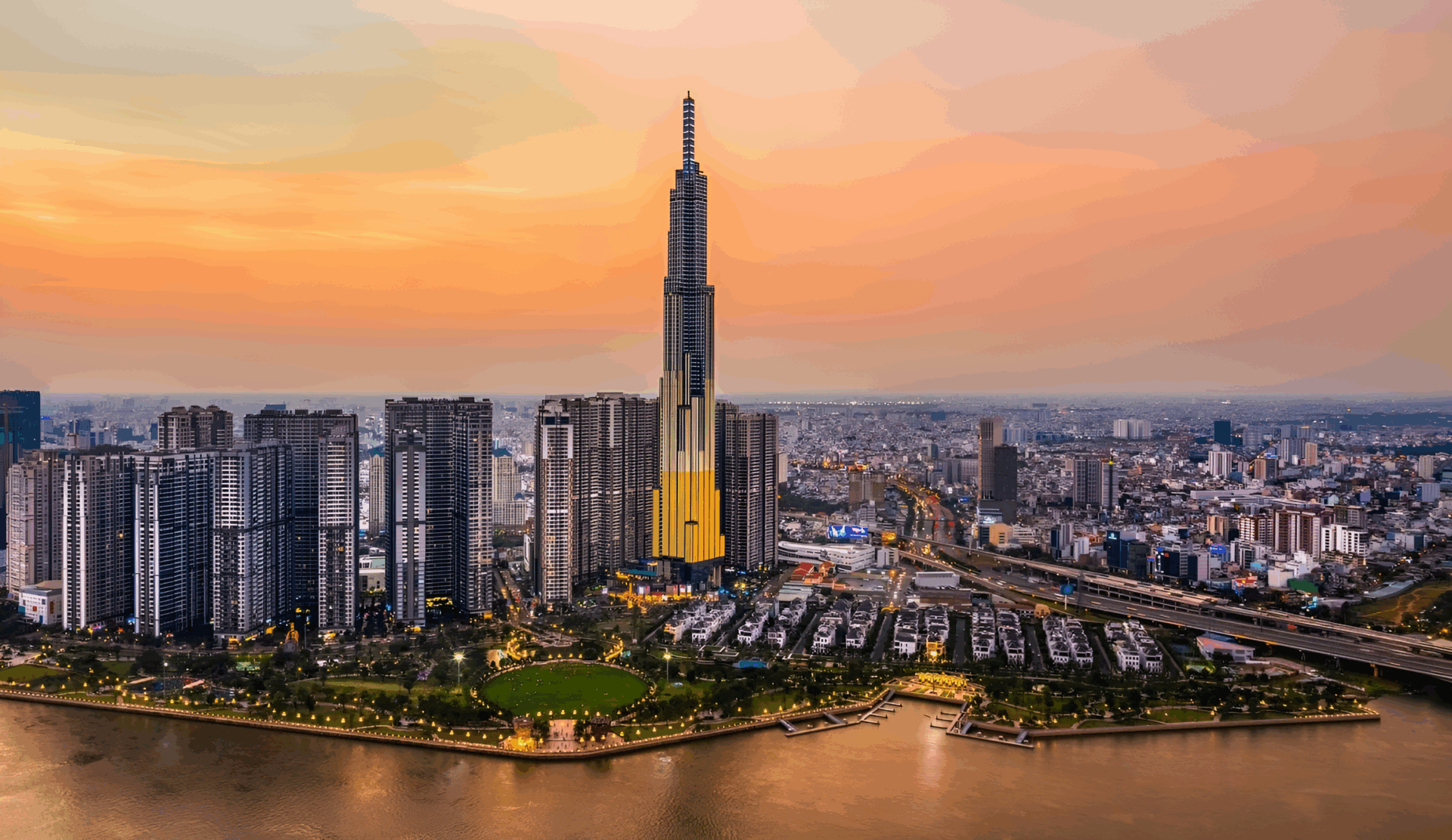
Southern Vietnam spans the bottom third of the country, starting just south of the Central Highlands and reaching all the way to the far end of the Mekong Delta. This region is famous for its warm, tropical climate, relaxed atmosphere, welcoming people, and a unique blend of bustling city life and scenic natural landscapes. Southern Vietnam includes the vibrant Ho Chi Minh City, the coastal and inland provinces of the Southeast, and the lush, river-fed Mekong Delta.
Southern Vietnam is made up of three main areas:
- Ho Chi Minh City (Saigon): The heart of the south and the country’s largest city. It’s fast-paced, modern, and buzzing with life—perfect for those who love street food, history, nightlife, and city exploration.
- The Southeast: This area includes provinces like Ba Ria–Vung Tau, Binh Duong, and Dong Nai. It’s a mix of industrial zones, beach towns like Vung Tau, and rural countryside perfect for short getaways and local experiences.
- The Mekong Delta: A lush, river-laced region famous for its floating markets, coconut groves, rice paddies, and peaceful village life. Provinces like Can Tho, Ben Tre, Soc Trang, Tra Vinh, and An Giang offer a slower pace and a glimpse into the soul of rural Vietnam.
Climate in Southern Vietnam
Southern Vietnam has a tropical monsoon climate with two main seasons:
- Dry season (December to April): Sunny, hot, and relatively dry. This is the most popular time to visit and avoid sudden rain, especially for beach trips, cycling tours, and outdoor adventures.
- Rainy season (May to November): Marked by frequent afternoon downpours, and occasional flooding in low-lying areas like the Mekong Delta – these can be intense but usually don’t last long.
What makes Southern Vietnam different?
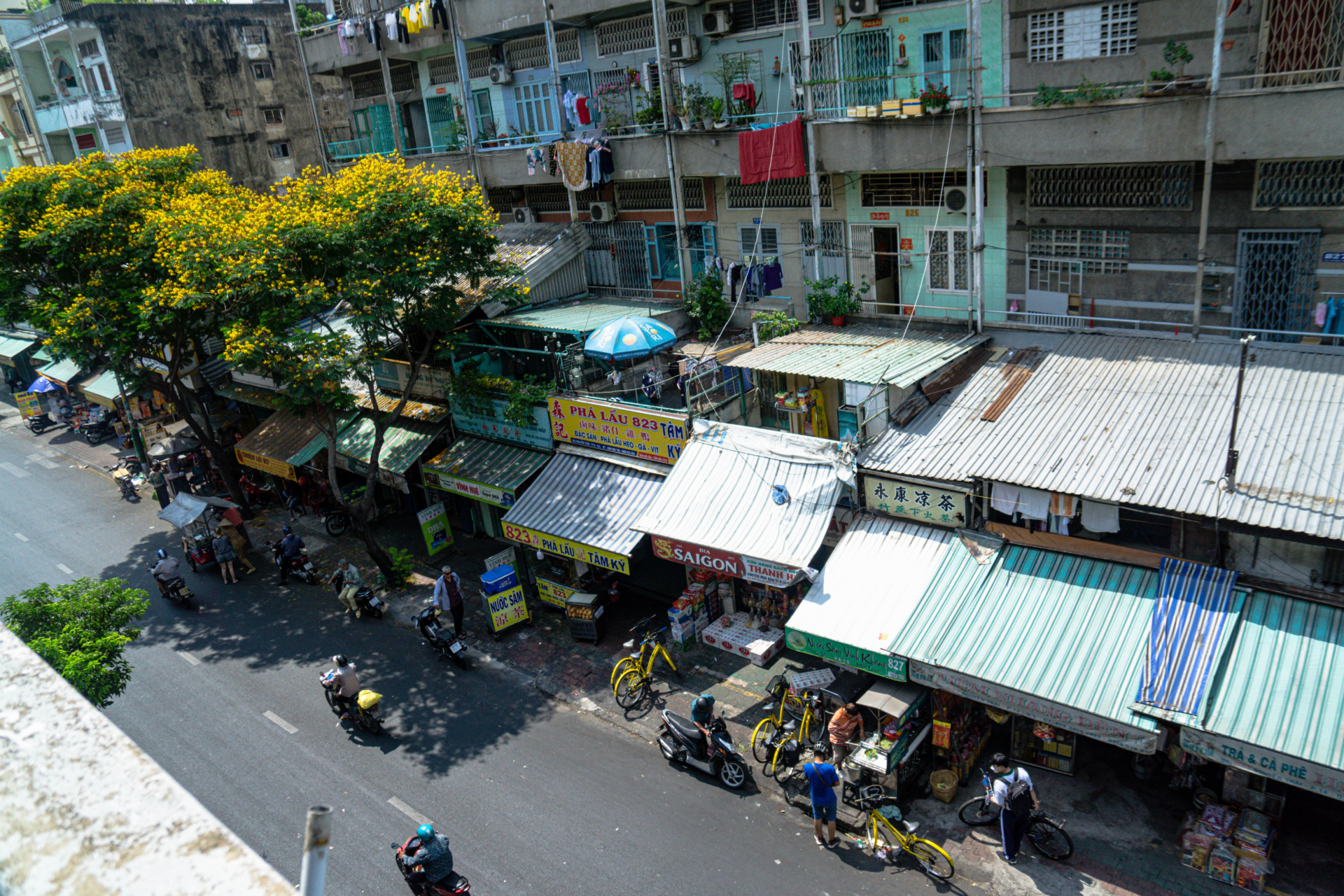
Southern Vietnam is a vibrant and diverse region and it is famous for the tropical climate, fertile rice paddy fields, verdant countryside and dynamic urban centres. Southern Vietnam is also home to Ho Chi Minh City, the country’s primary economic hub, where contemporary skyscrapers stand alongside ancient French colonial buildings and bustling street markets.
Southern Vietnam offers a vibrant, sun-drenched contrast to the country’s northern regions, shaped by its flat terrain, fertile river systems, and tropical climate. Southern locals are famously friendly and easygoing, their laid-back nature reflected in casual conversations and spontaneous acts of kindness.
Amid the bustling pace of urban centres and the authenticity of everyday local life, Southern Vietnam is an ideal destination for budget travellers seeking depth, culture, and discovery. All these vibrant differences highlight differences from South to North Vietnam: geographically, culturally, and in spirit – making the journey between the two not just a change in landscape, but a whole cultural shift.
If you’re travelling on a budget, Southern Vietnam is a dream come true, since there are tons of exciting and affordable things to do in Southern Vietnam that won’t break the bank. From mouthwatering street food priced under $2 to comfortable guesthouses and homestays for under $20 a night, your money goes a long way.
Memorable Things to do in Southern Vietnam that You Can’t Miss
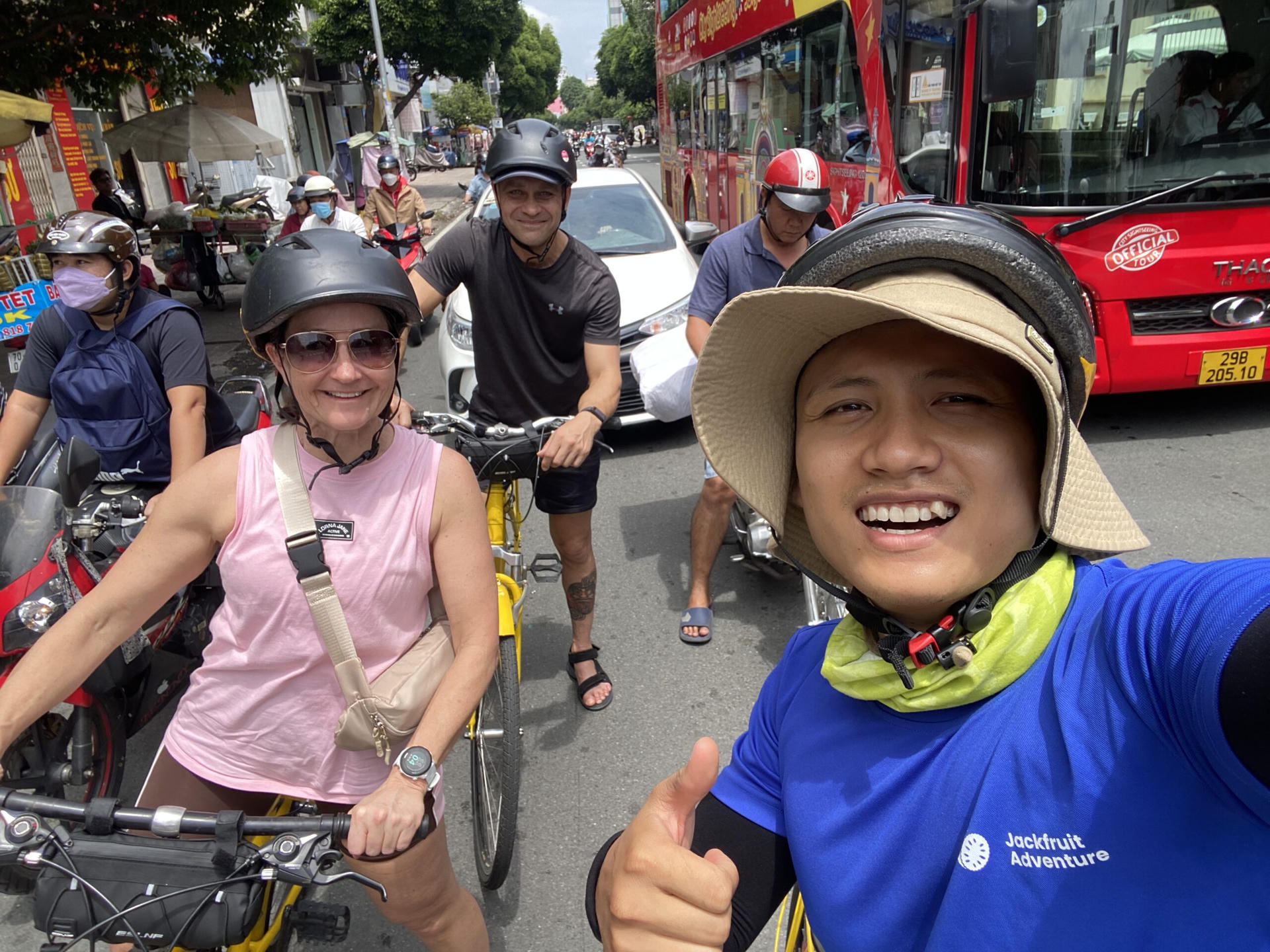
1. Discover Local Life and Hidden Gems in Ho Chi Minh City
2. Taste exotic fruits at local markets in District 1
District 1 is known for its historic sites and famous buildings, but it’s also home to some of the city’s best fresh markets. In the early mornings, wet or fresh local markets in the city center are where the real local flavor shines.
You can try stepping into traditional markets like Ben Thanh Market, Tan Dinh Market, Thai Binh Market and any nearby wet market early in the morning to see how locals shop for their daily produce. Just remember, it’s best to get there before 9am, and you’ll be surrounded by a rainbow of tropical fruits such as juicy longans, star apples, mangosteen, jackfruit, rambutan, dragon fruit and of course, the infamous durian.
Here, the seller will either cut a piece for you to taste or prepare the fruit in a plastic cup so you can enjoy it more easily. Tourists often indulge in tasty street food, so trying exotic fruits is another experience that’s well worth trying.
3. Wander through the alleyways of District 4
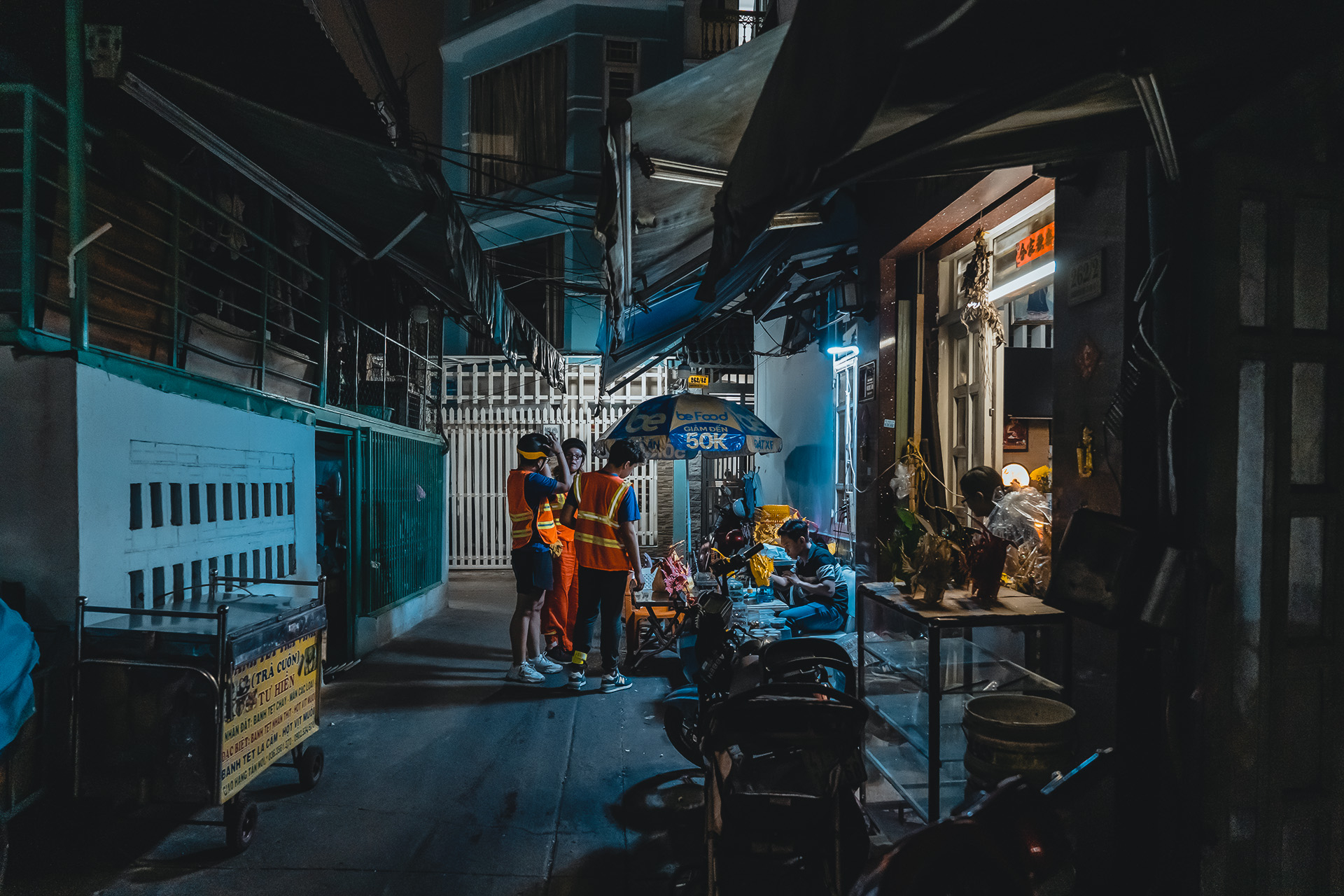
If Saigon had a heartbeat, you’d feel it in District 4. District 4 isn’t polished or picture-perfect—and that’s exactly why it’s so fascinating. Just across the canal from the dazzling high-rises of District 1, this compact neighborhood is a world of its own. It’s often overlooked by tourists, but ask any Saigon local, and they’ll tell you: this is where the city’s heartbeat truly lives.
This area is a maze of narrow alleyways where families live, cook, and chat right outside their doors. Walking through here gives you a glimpse into real Saigon life: kids playing in the street, street food sizzling on makeshift grills, and neighbors calling out to each other.
4. Watch the city from a rooftop bar in District 7
Looking for a different view of the city? Just head to peaceful boulevards in District 7, where you can escape the chaos and chill out with a cocktail. This area feels like a different world—cleaner, greener, and more relaxed.
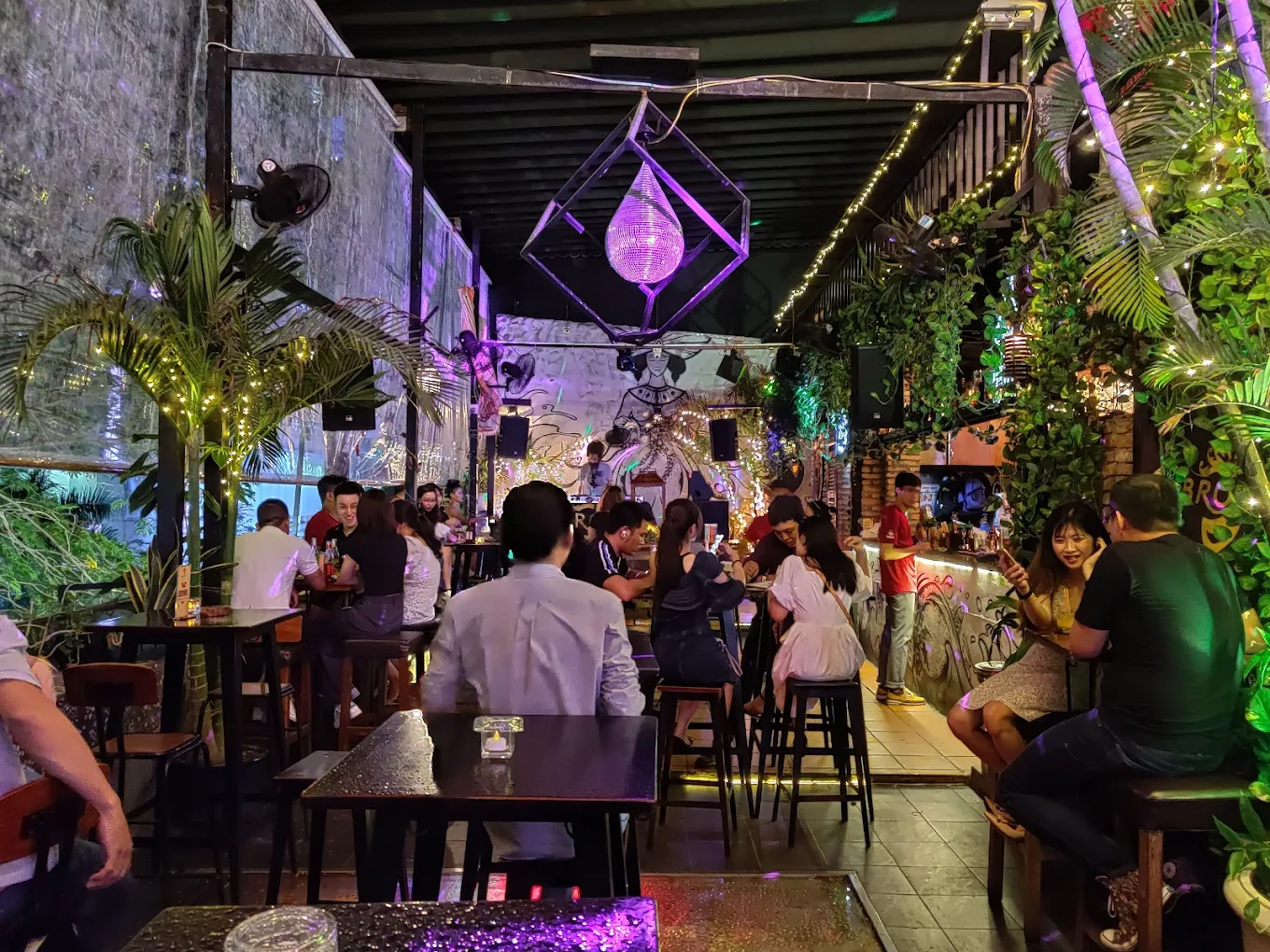
I suggest grabbing a drink at a rooftop bar in Phu My Hung Residential area and watch the sunset over quiet parks, modern villas, and the glow of the skyline in the distance. It’s the perfect spot to recharge after a day of exploring and see how Saigon balances the new and old. Some of the rooftop bars that you can try are Chill Skybar, EON 51, Broma Not A Bar- these places are highly recommended by the locals.
5. Get lost in Cho Lon (Saigon’s Chinatown) in District 5
If you’re curious about the lively cultural history of the city center, Ho Chi Minh City’s Chinatown in District 5—is where history and daily life blend into something truly special. This vibrant area has been home to the Chinese-Vietnamese community for centuries, and walking through its streets feels like stepping into a different rhythm of the city
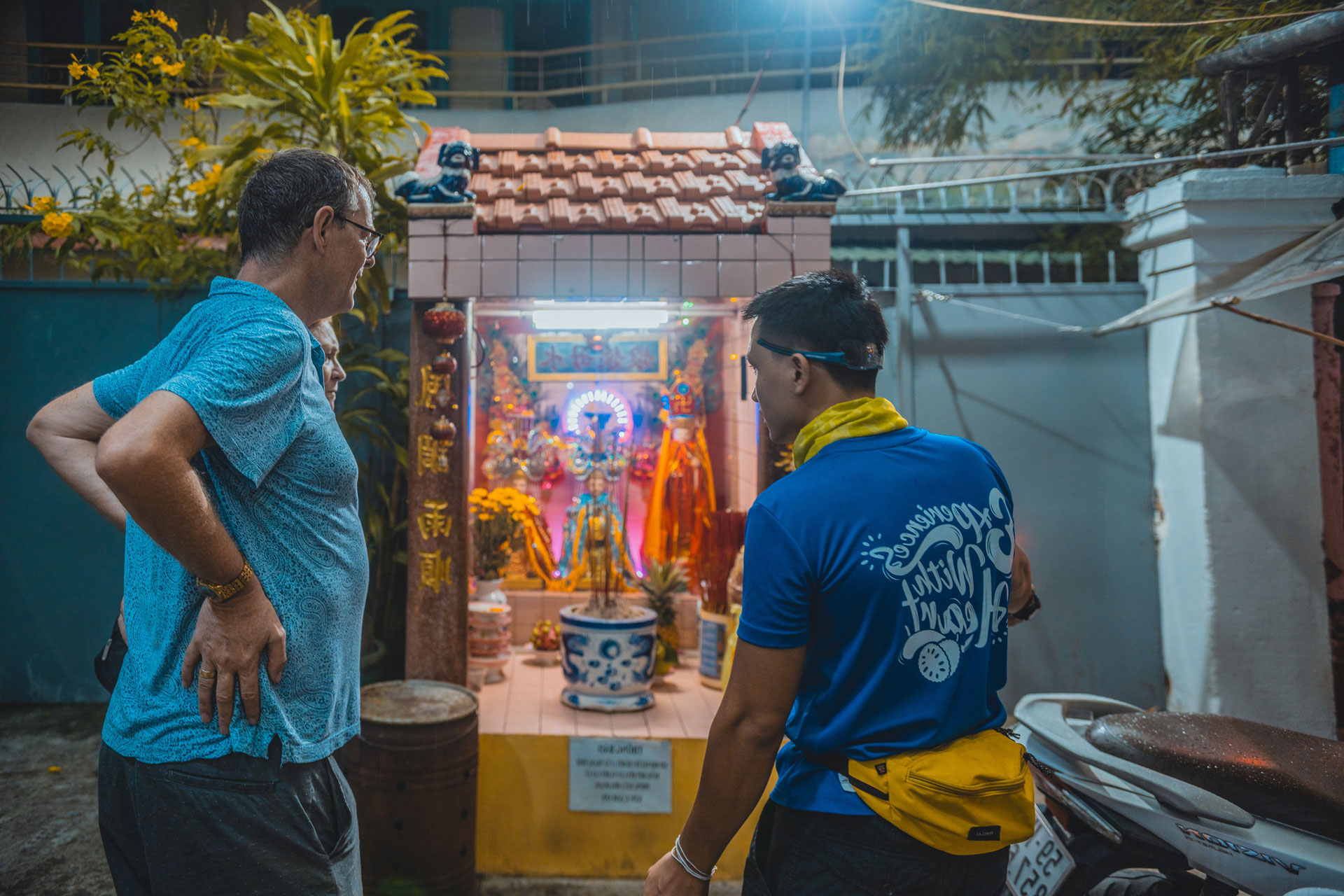
One of the most exhilarating things to do in Southern Vietnam is to simply wander these streets with open eyes and an open mind. First, you can visit the legendary Binh Tay Market that has been rebuilt, but still bustling with trading activities—everything from fresh produce to household goods. Then, make your way to Thien Hau Temple, a centuries-old shrine honoring the sea goddess Mazu. Once you step inside, the atmosphere is thick with incense smoke curling around hundreds of hanging spirals, while quiet prayers and monks are chanting sutras under the ornate, dragon-carved roof.
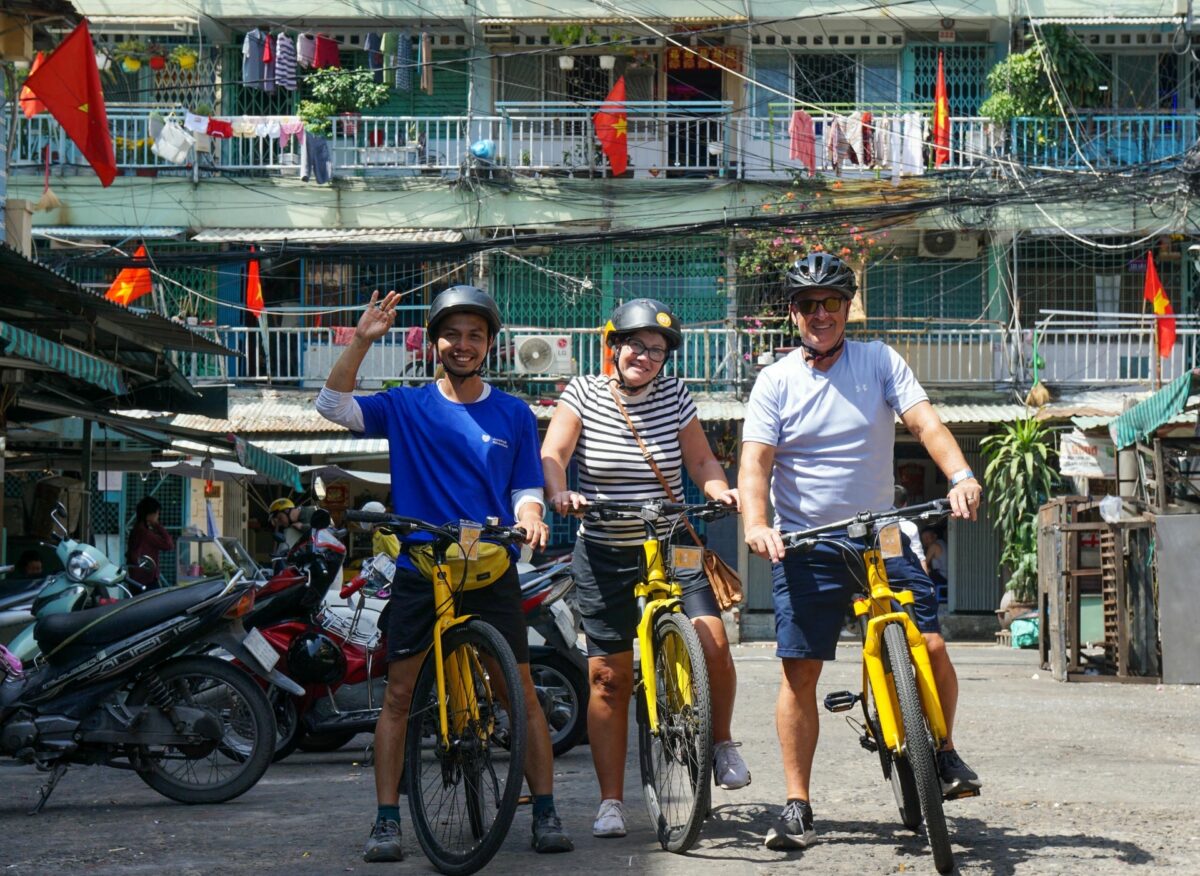
For those who want to dive deeper into this historical maze, check out the Trails of Quach Dam cycling tour by Jackfruit Adventure. Our guided cycling experience will take you off the beaten path and into the hidden alleyways, ancient temples, and forgotten colonial corners of District 5. You’ll follow the legacy of Quach Dam, a once-famous Chinese-Vietnamese tycoon who helped shape Cho Lon’s economic and cultural landscape.
6. Embrace Local Life and Outdoor Thrills in Đà Lạt
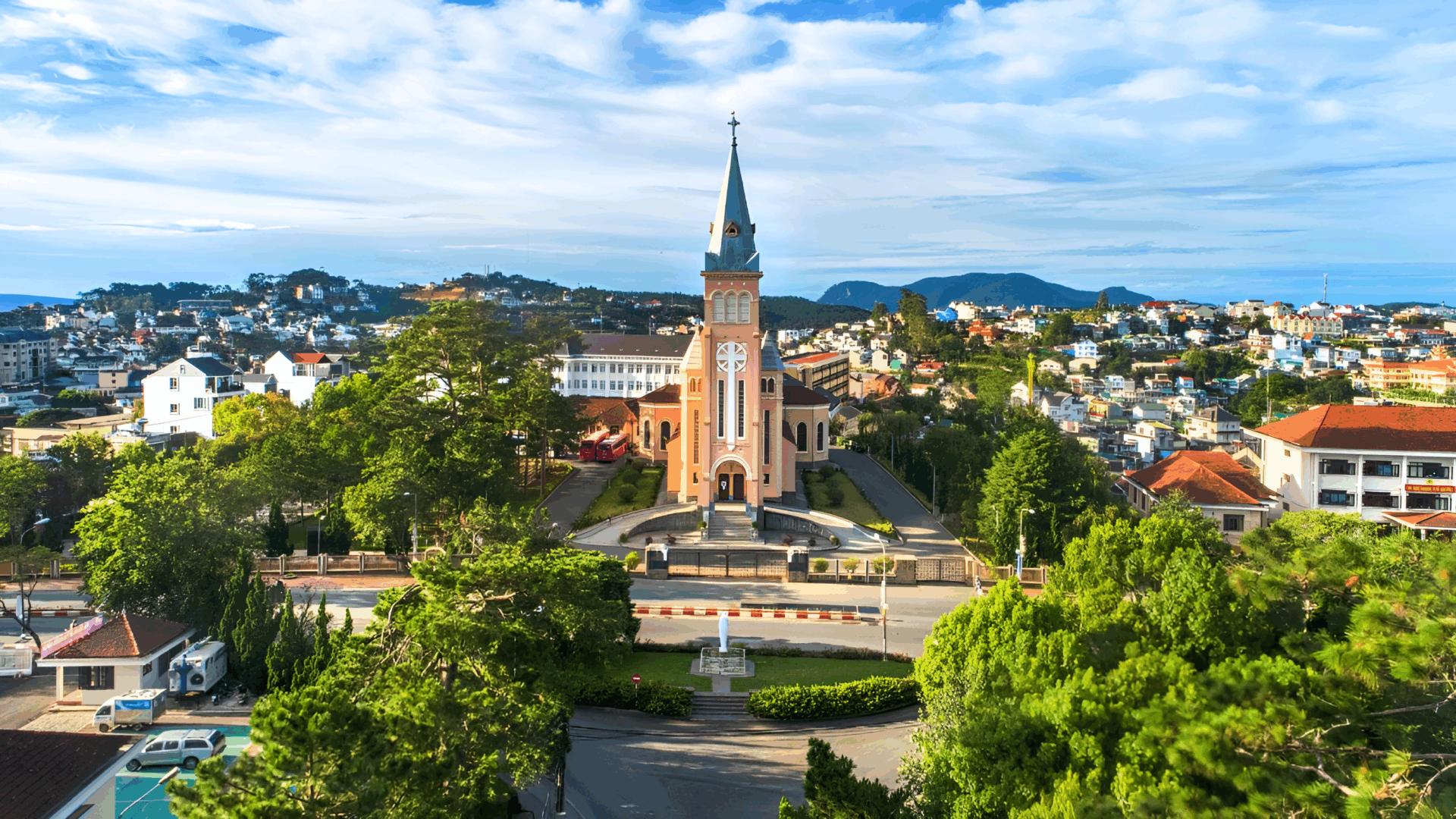
Da Lat was once a French colonial retreat, and you can still feel that legacy in its beautiful old villas scattered throughout the hills. Some are now museums or cafes, while others remain quietly tucked into pine forests, giving the city its nickname: Little Paris.
As the sun sets and the temperature drops, Da Lat Night Market lights up the city center with energy and mouth watering aromas. Locals and visitors gather to shop, eat, and soak in the mountain air. You’ll find everything from fresh strawberries and warm sweet potatoes to cozy wool sweaters and handmade crafts. But the real star is the street food – don’t miss Banh Trang Nuong (Da Lat’s famous grilled rice paper) and a hot cup of soy milk to keep your hands warm.
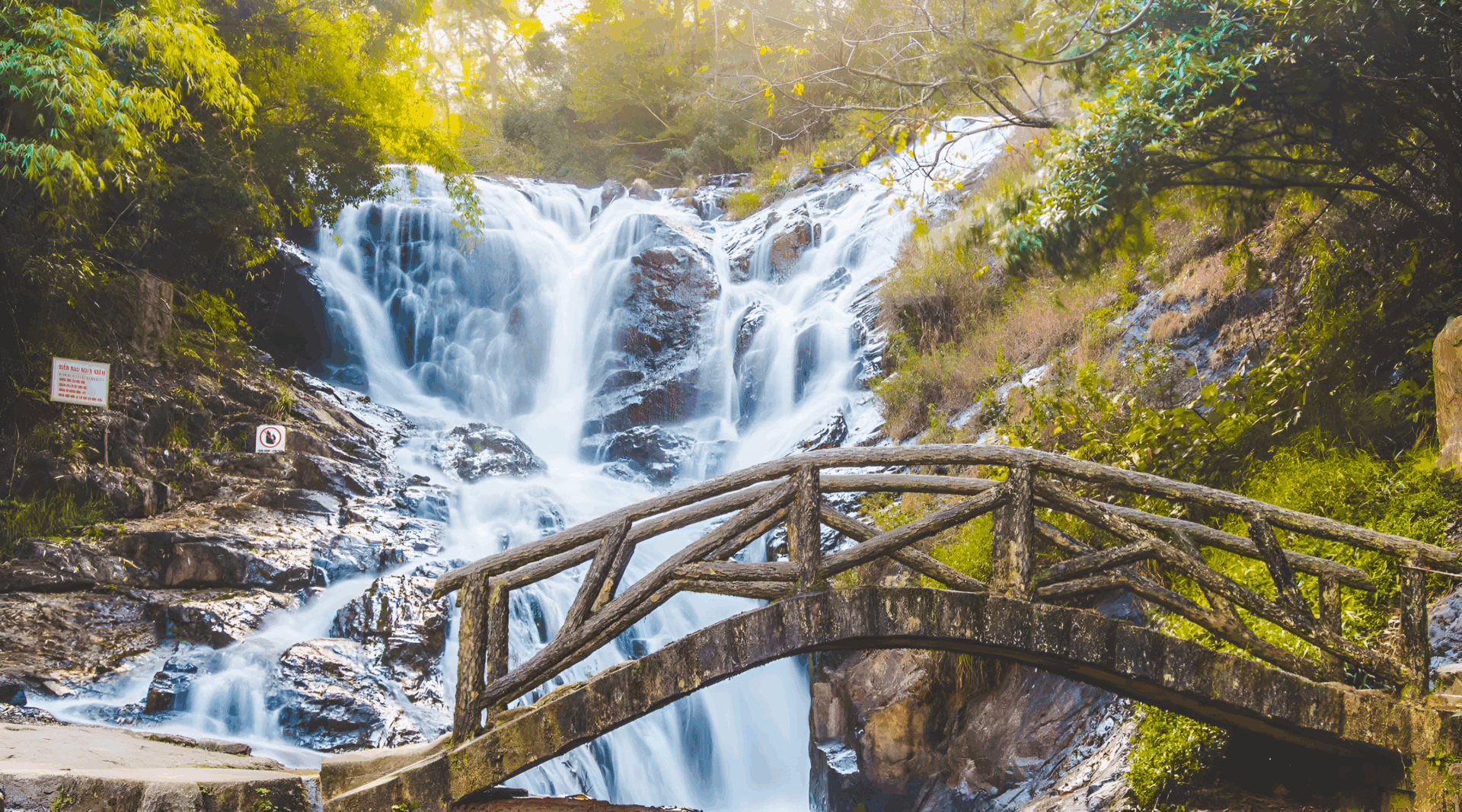
For thrill-seekers, canyoning at Datanla Waterfall is an absolute must. It’s not just hiking or sightseeing—it’s a full-on adventure as you’ll rappel down waterfalls, slide through natural rock chutes, and jump into clear jungle pools. It’s challenging, but fully guided and safety-checked, so even beginners can try.
7. Along the Coast and Explore Local Life in Vũng Tàu
Vung Tau is a paradise for seafood lovers. The city’s long coastline is dotted with local seafood restaurants where you can dig into crab, oysters, mussels, clams, squid, and more—grilled, steamed, or stir-fried with garlic, butter and chili.
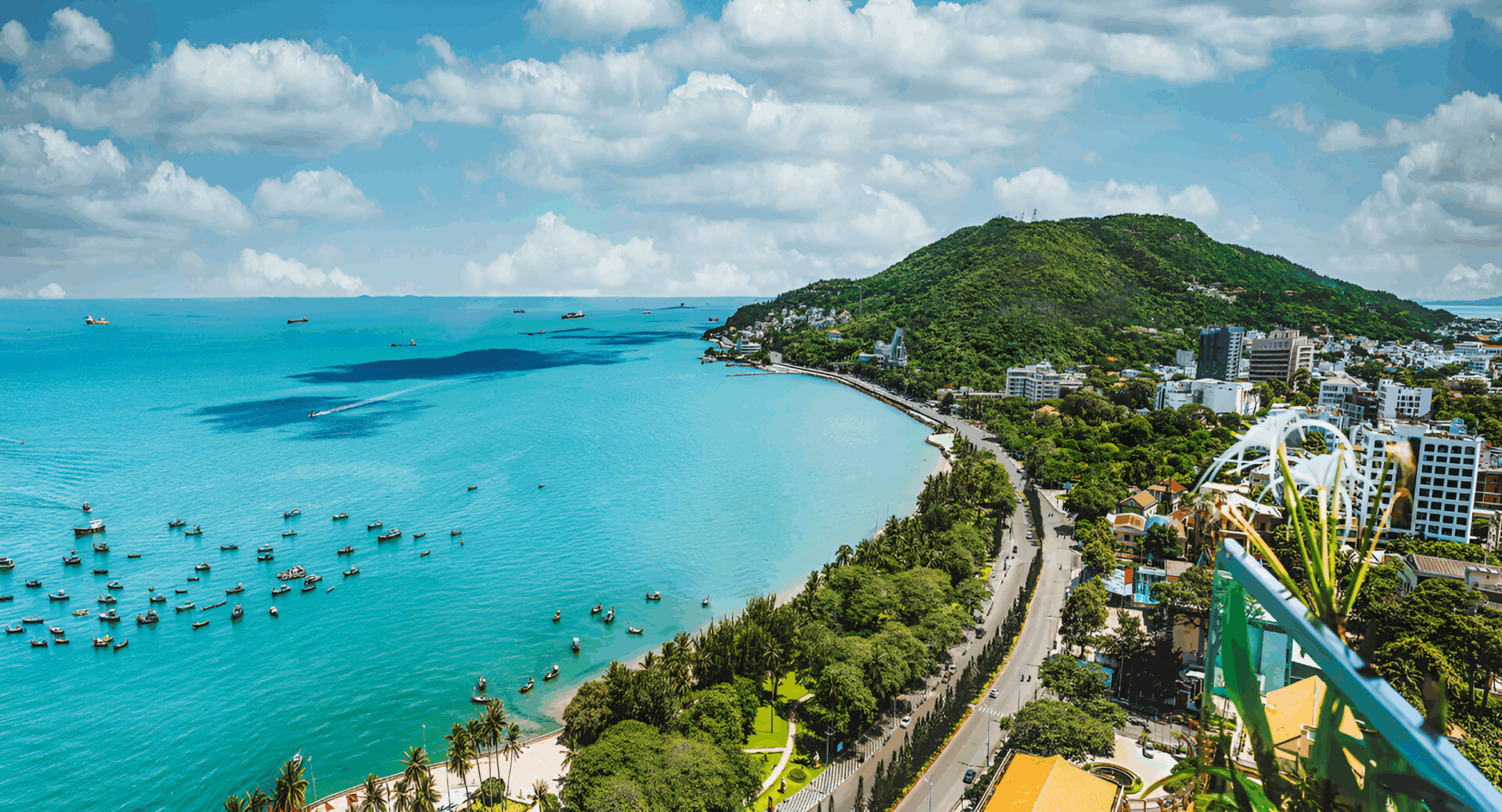
If you’re in the mood for panoramic views and a little escape from the beach crowd, taking the Ho May Park cable car up to Nui Lon (Big Mountain) is a must-do experience. The ride itself is half the fun—it glides over the city and gives you sweeping views of Vung Tau’s beaches, the harbor, and distant hills.
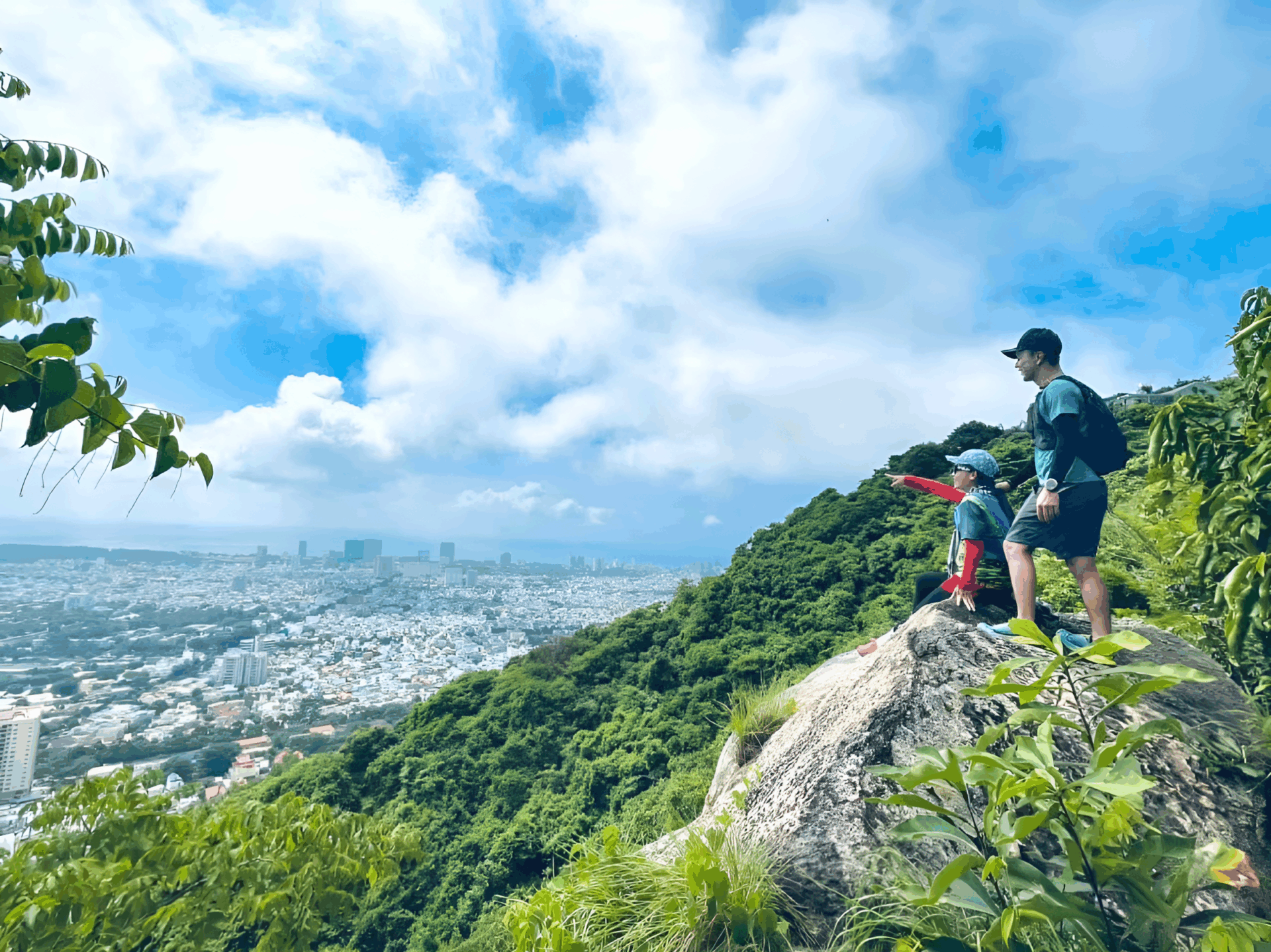
At the top, you’ll find Ho May Park, an unexpected mix of attractions. There’s a peaceful temple, a mini zoo, flower gardens, and even a small amusement park with roller coasters and bumper cars—great if you’re traveling with kids or just want a bit of quirky fun. If you’re ticking off memorable things to do in Southern Vietnam, a cable car ride like this—with city, sea, and mountain all in one—is pretty unforgettable.
Vung Tau is super chill, but a few local tips can help you make the most of your time here. First, if your schedule allows, try to visit on weekdays—the town is a favourite weekend escape for people living in Ho Chi Minh City, so it gets pretty busy from Friday evening through Sunday. If you aim for peace, plan a midweek trip to enjoy the beaches and restaurants with fewer crowds.
8. Explore the Authentic Lifestyle and Secret Treasures of Mũi Né
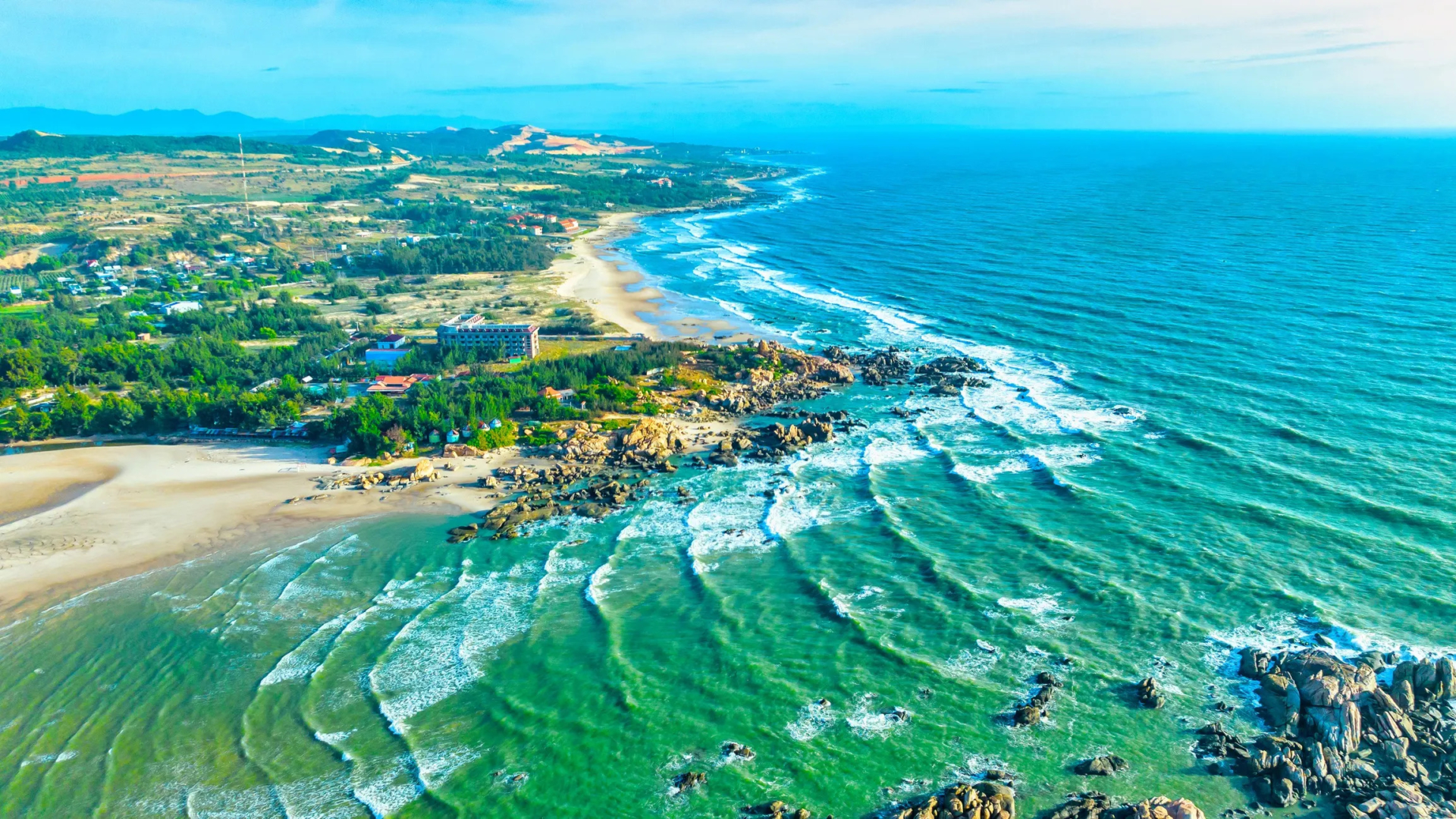
One of the most iconic activities in Mui Ne, and easily one of the most unique things to do in Southern Vietnam, is sandboarding on the Red Sand Dunes. Located about 20 minutes from the center of Mui Ne, these rolling red hills stretch across the horizon, especially captivating at sunrise or sunset when the sand takes on a golden-orange glow.
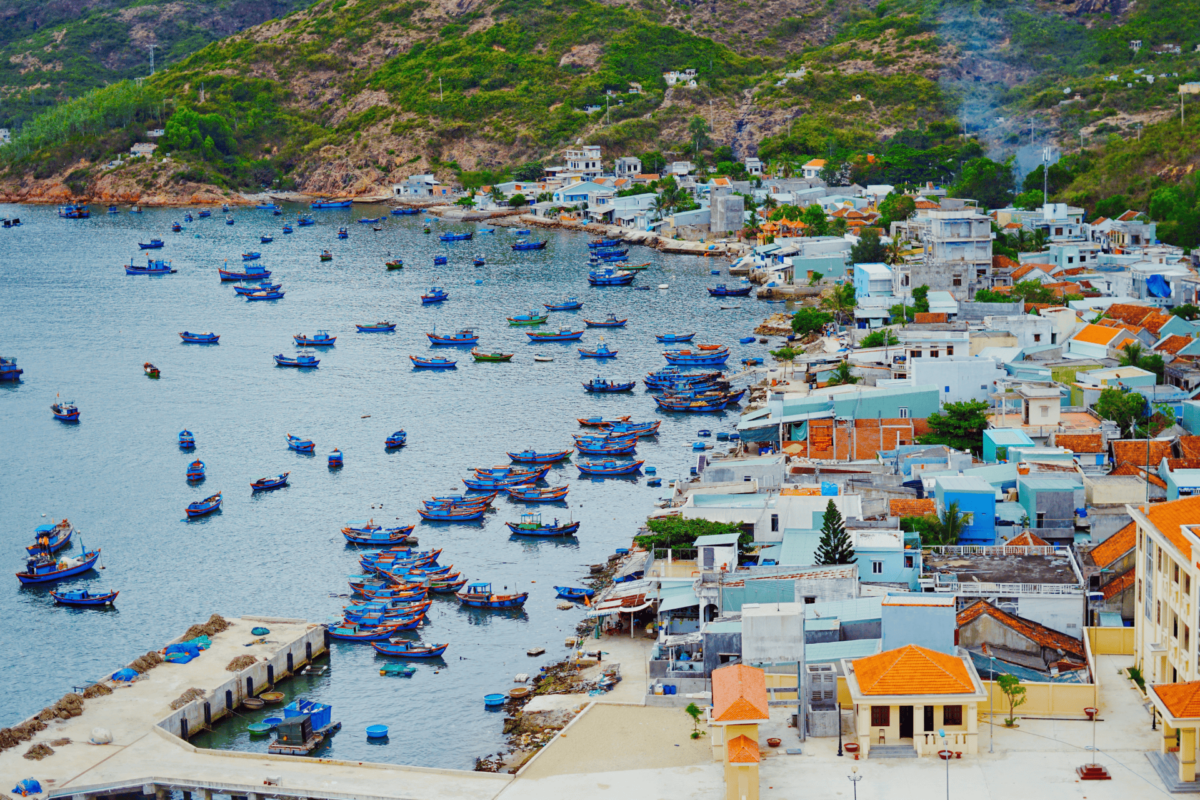
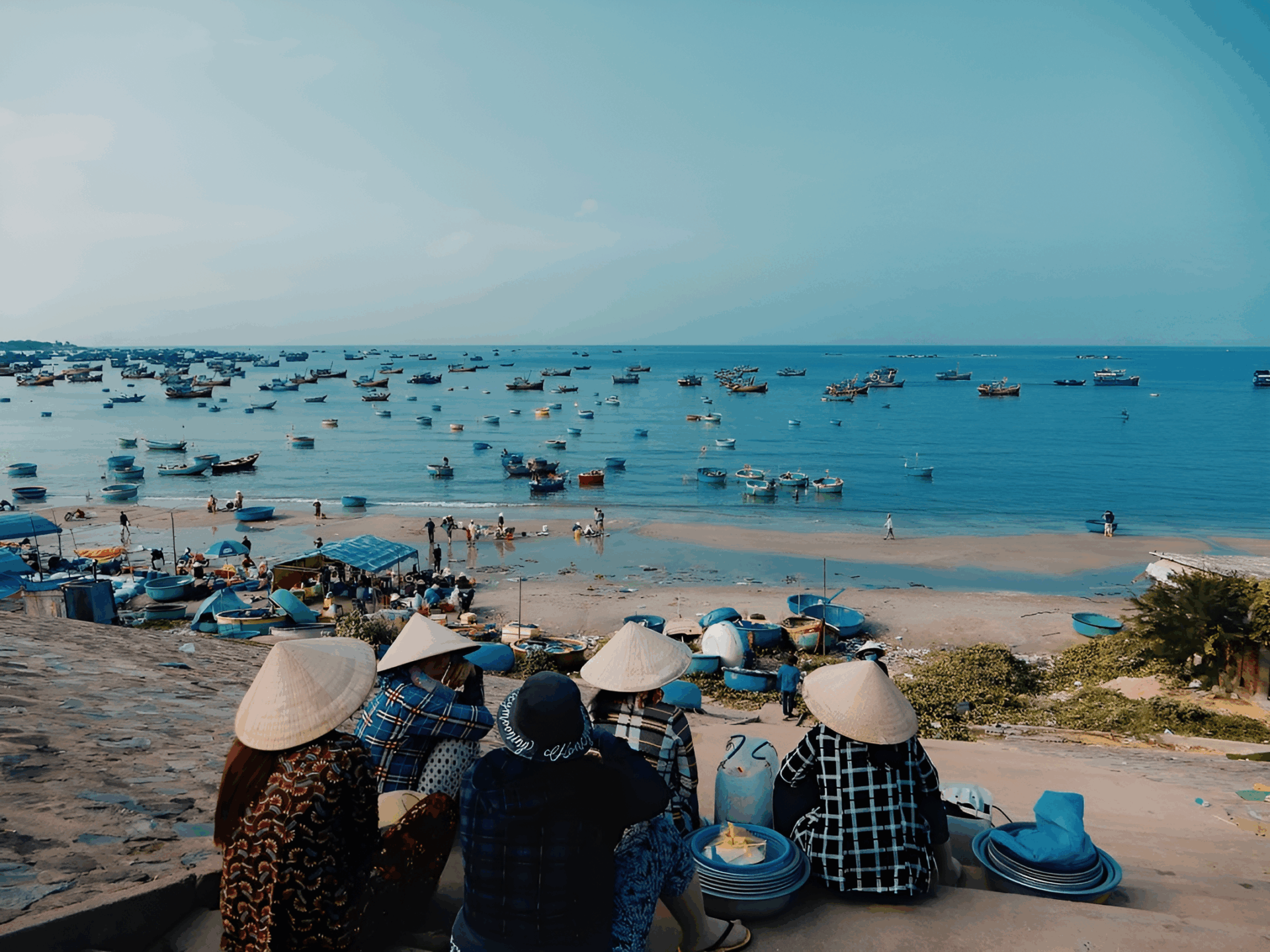
A trip to Mui Ne wouldn’t be complete without a walk through its traditional fishing village, which still retains its rustic charm despite the growing tourism scene. While many travellers are drawn to beaches and resorts, this stop offers something raw and real – an unfiltered look at how local fishermen and their families live and work. Get there early: sunrise is when the action happens. You’ll see dozens of round “basket boats” floating on the water, colourful and picturesque against the golden morning light. Fishermen haul in their catch: shrimp, squid, crabs, and fish right onto the beach.
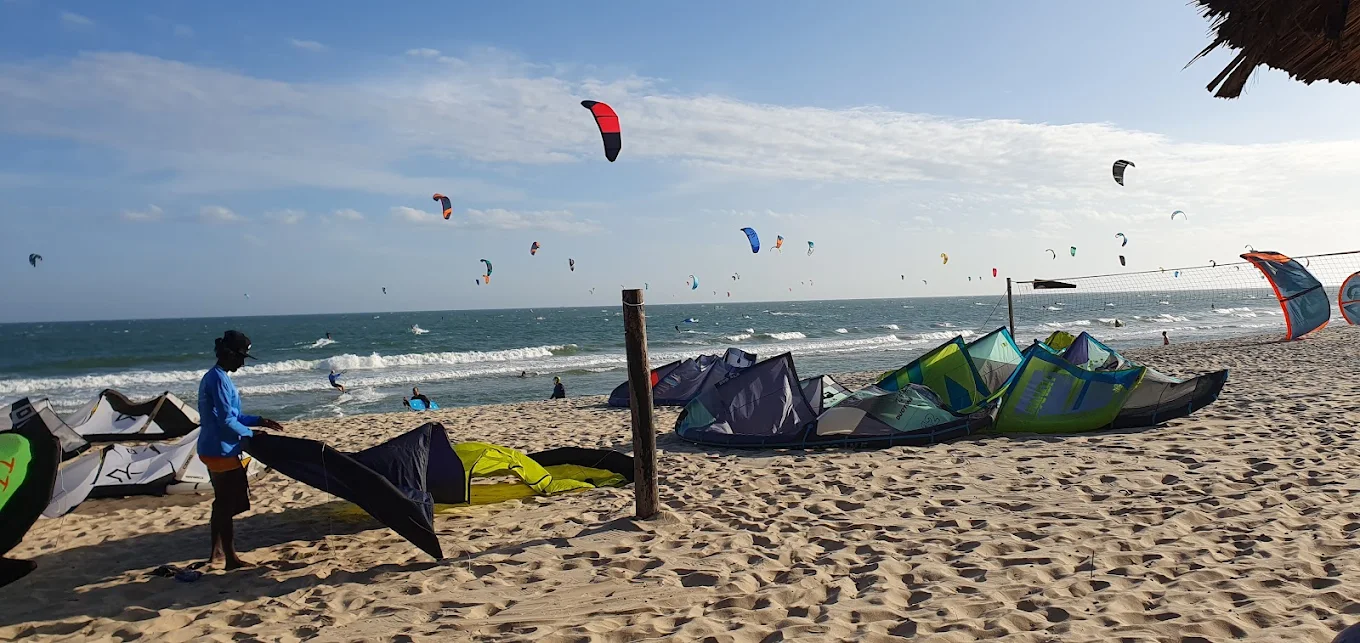
Mui Ne’s kitesurfing and windsurfing scene offers the perfect blend of natural beauty, thrilling activity, and cultural immersion for anyone seeking adventurous and memorable things to do in Southern Vietnam. As you’ll already know, Mui Ne is a coastal town famous for its reliable winds and beautiful beaches. Additionally, Mui Ne’s unique geography creates ideal conditions almost year-round, making it a top destination for water sports lovers.
If you’re planning to visit the sand dunes or the fishing village, try to go early in the morning or late afternoon to avoid the harsh midday sun and get better lighting for photos. Another consideration is that the weather is often hot and dry, so pack light, breathable clothing, sunscreen, and a hat. Flip-flops are great, but bring sneakers or sandals with grip if you’re visiting the dunes or Fairy Stream.
9. Embark on an exciting tropical adventure in Phú Quốc Island
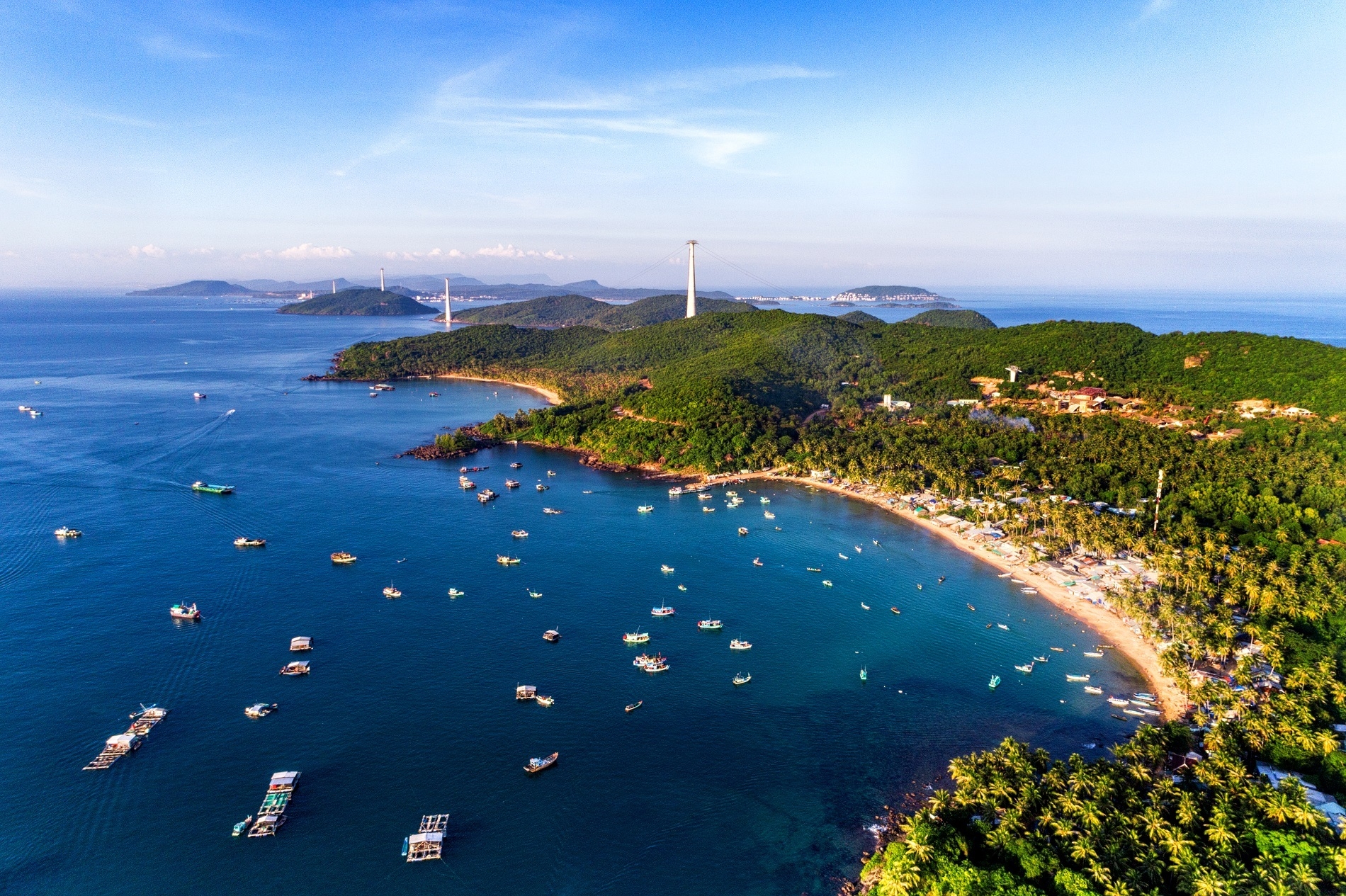
One of the absolute highlights of visiting Phu Quoc is snorkelling around the An Thoi archipelago, a collection of small, idyllic islands just off the southern coast. The waters here are famously transparent, making it easy to spot vibrant coral reefs and an array of colourful marine life. For travellers seeking immersive nature encounters, snorkelling around the An Thoi archipelago ranks among the top things to do in Southern Vietnam.
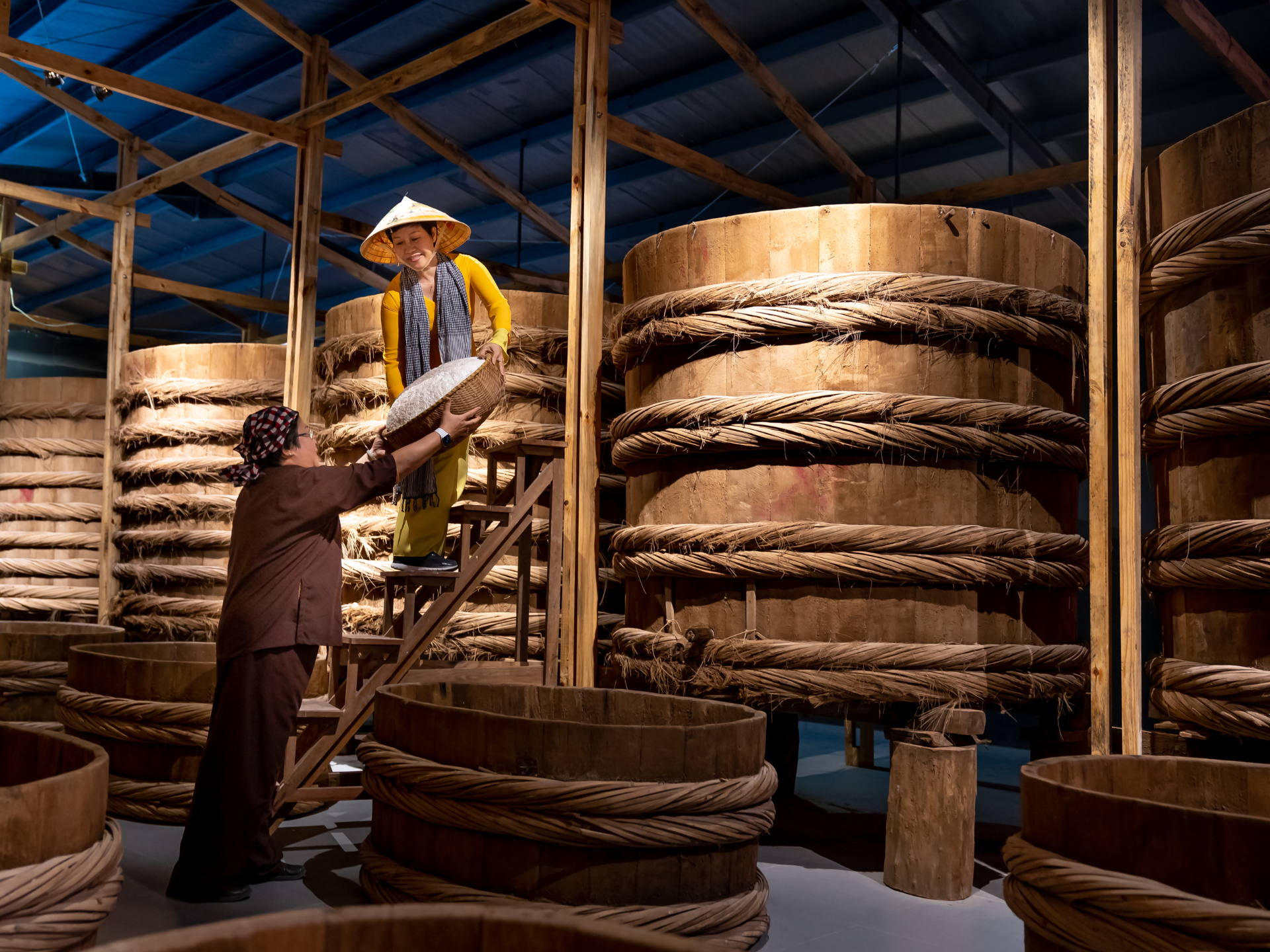
Phu Quoc is renowned for producing some of the finest fish sauce, nuoc mam, an essential ingredient in Vietnamese cuisine. What sets Phu Quoc fish sauce apart is its purity, traditional fermentation process, and rich umami flavour that elevates everything from dipping sauces to stir-fries. For travellers seeking culturally rich and sensory experiences, visiting a local fish sauce factory is one of the most authentic things to do in Southern Vietnam. Many factories welcome visitors and offer tastings, so you can try different grades and take home authentic bottles as souvenirs. This visit is one of the most authentic things to do in Southern Vietnam, connecting you deeply with the island’s heritage and culinary identity.
Sao Beach is your go-to spot after a slice of paradise. Often hailed as the most beautiful beach on Phu Quoc, it boasts powdery white sand, clear turquoise waters, and gently swaying palm trees.
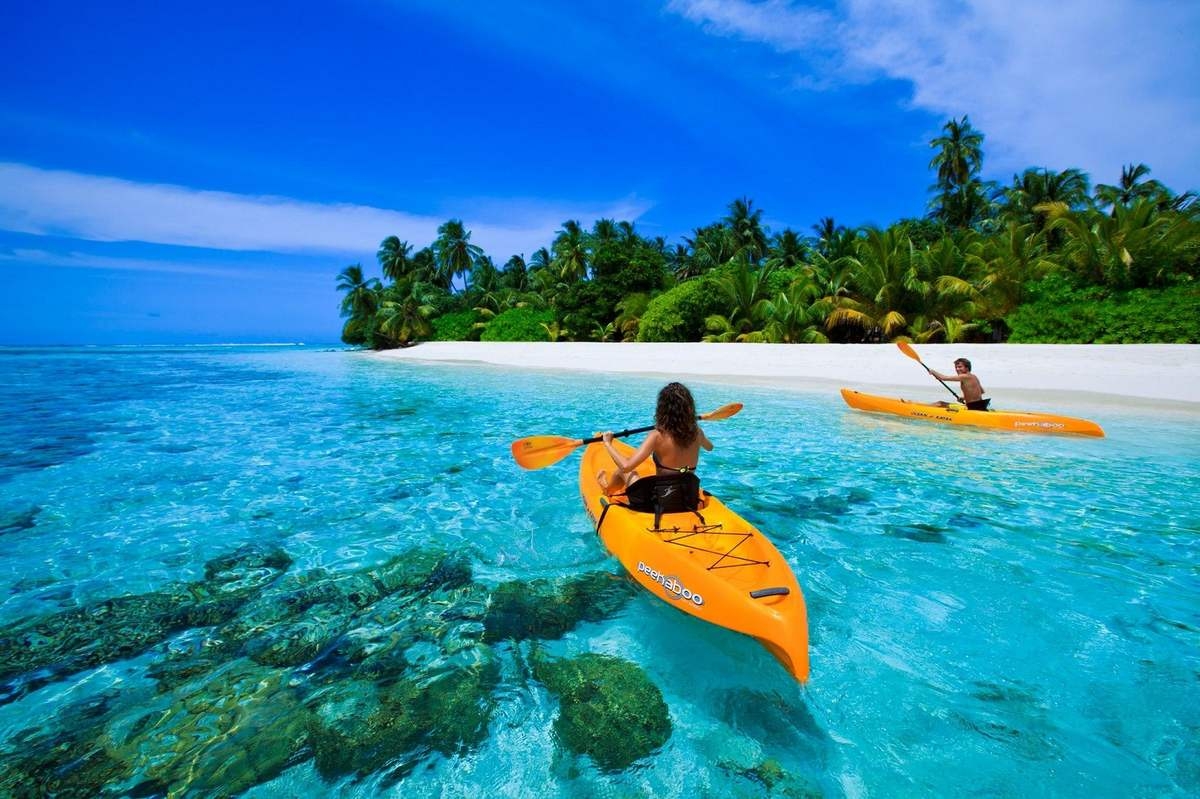
There are several beachfront cafes and small eateries where you can sip fresh coconut water or enjoy seafood dishes while soaking in the views. The calm waters are ideal for swimming, especially for families and those who want to take it easy. Don’t miss the stunning sunsets here: they paint the sky with fiery hues and create magical moments perfect for your travel album or just quiet reflection. Visiting Sao Beach is one of the must-try things to do in Southern Vietnam for any beach lover.
Phu Quoc is getting more popular, but it retains a laid-back island feel if you know where to go. To avoid crowds, visit spots like Sao Beach early in the morning or late afternoon. Lastly, plan your visit between November and April when the weather is dry and perfect for outdoor adventures. These insider tips will help you enjoy the best things to do in Southern Vietnam while on this beautiful island.
10. Follow the Footsteps of Pilgrims in Tây Ninh
Ba Den Mountain is the highest peak in Southern Vietnam and a primary spiritual site. Pilgrims and travellers flock here year-round, but the real buzz happens during the Ba Den Mountain Festival, especially around Tet (Vietnamese Lunar New Year) and on full moon days. You can hike up the mountain for an immersive, challenging trek through lush jungle paths or take the convenient cable car for spectacular panoramic views.
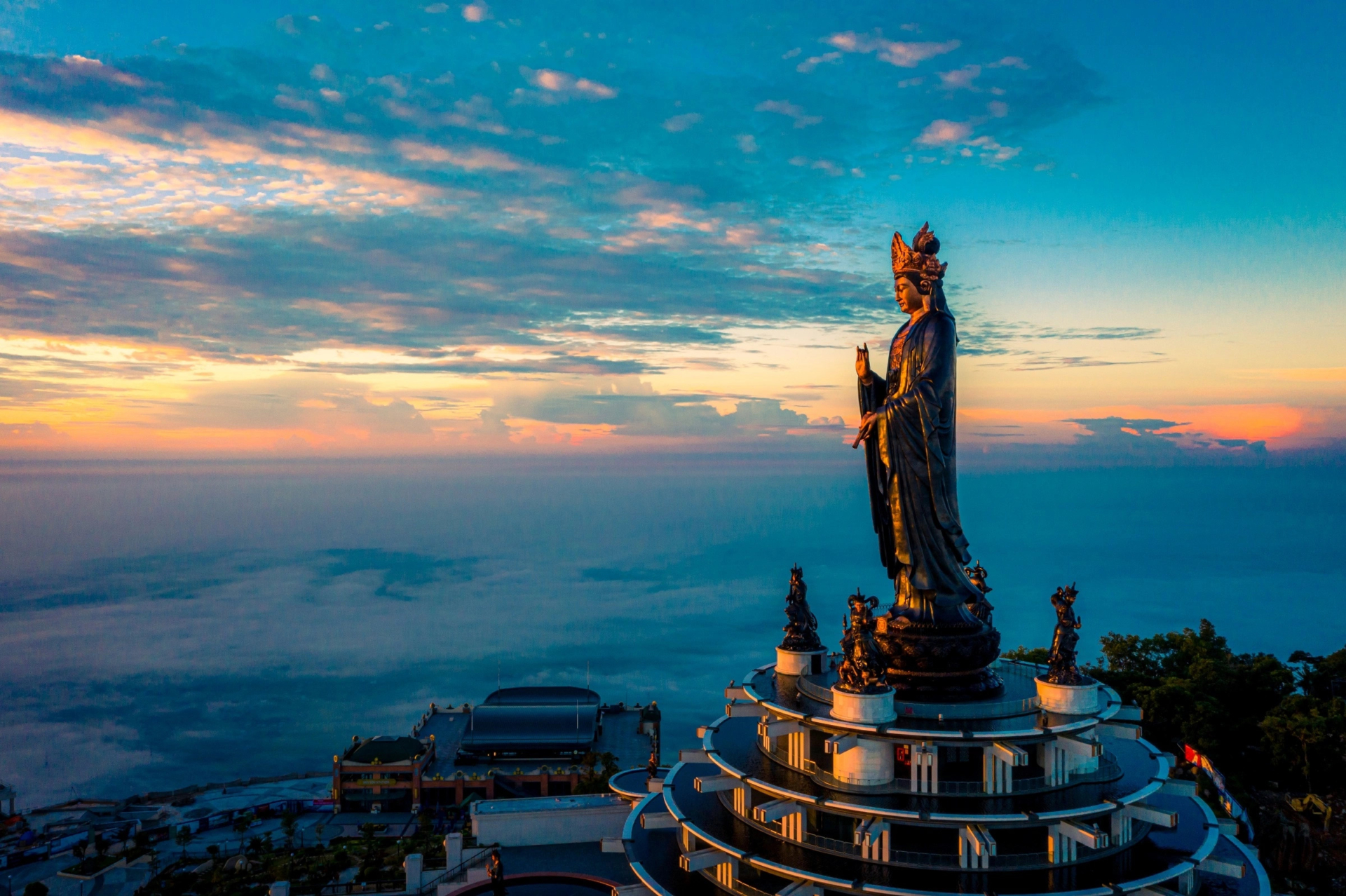
During festival times, the mountain has abundant processions, traditional folk music, temple rituals, and colorful local fresh markets selling local food and handicrafts. It’s a sensory feast that perfectly captures the region’s spiritual heart.
Just a short ride from Ba Den Mountain lies the dazzling Cao Dai Holy See Temple, the spiritual heart of the Cao Dai religion, founded in southern Vietnam in the 1920s. An interesting fact about Cao Dai Holy See Temple is that this place harmoniously blends elements of these religions: Buddhism, Taoism, Confucianism, Christianity, and even Islam – an ambitious spiritual fusion reflected in the temple’s extraordinary design.
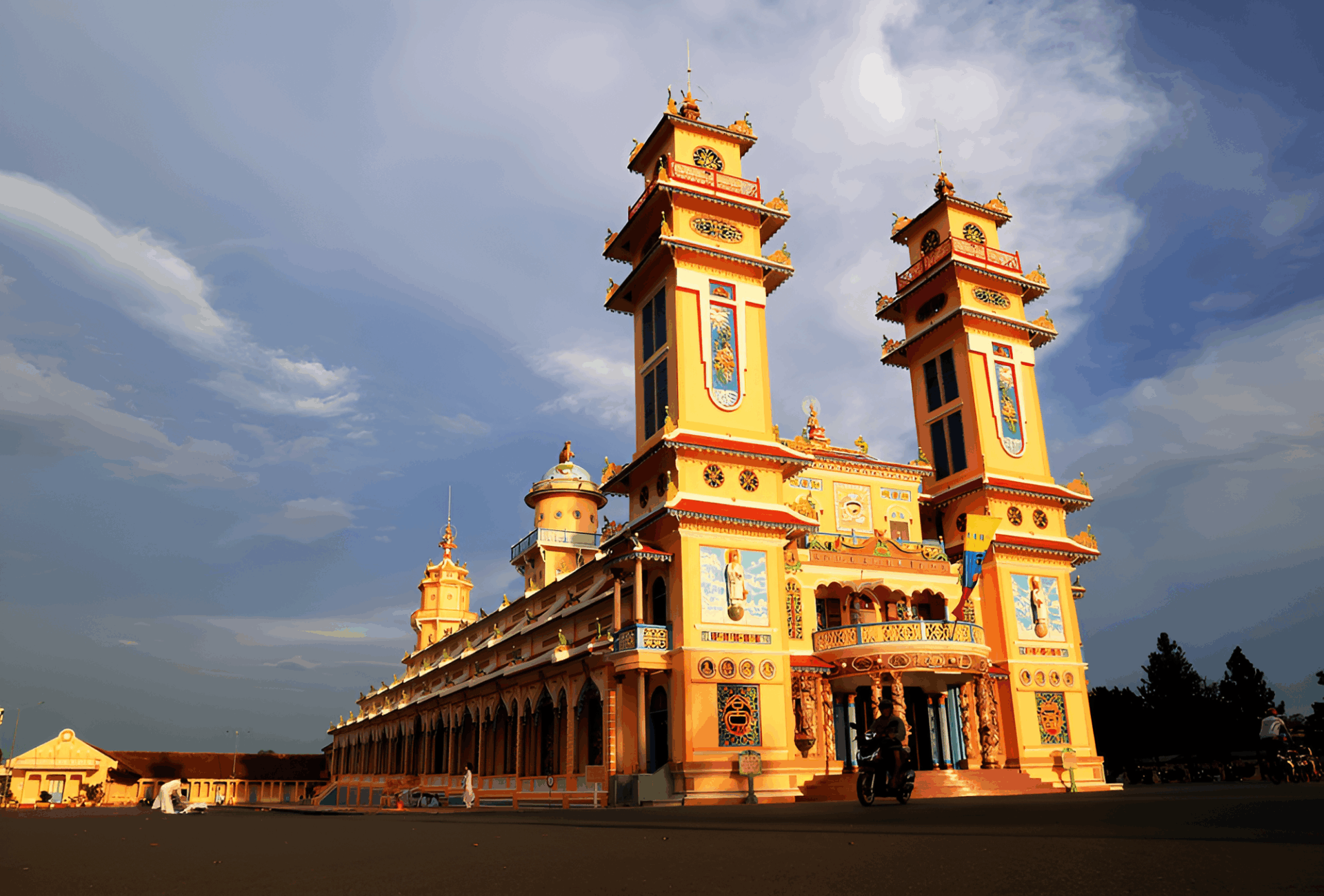
Visitors can join the daily noon ceremony to witness Cao Dai followers chanting and praying in elaborate costumes; an unforgettable spiritual performance full of symbolism and tradition. Exploring the temple grounds offers profound insight into one of Vietnam’s most fascinating religions, making it a key highlight among things to do in Southern Vietnam.
For a break from the spiritual sites, head over to Dau Tieng Lake, one of the largest man-made lakes in Vietnam. The peaceful lake is perfect for a leisurely boat ride, where you can soak in the tranquil natural scenery and observe local fishermen going about their daily routines. The surrounding area is also great for picnics, birdwatching, or simply enjoying the fresh air. A boat trip here offers a refreshing contrast to the mountain pilgrimage and adds an outdoor adventure element to your Tay Ninh visit.
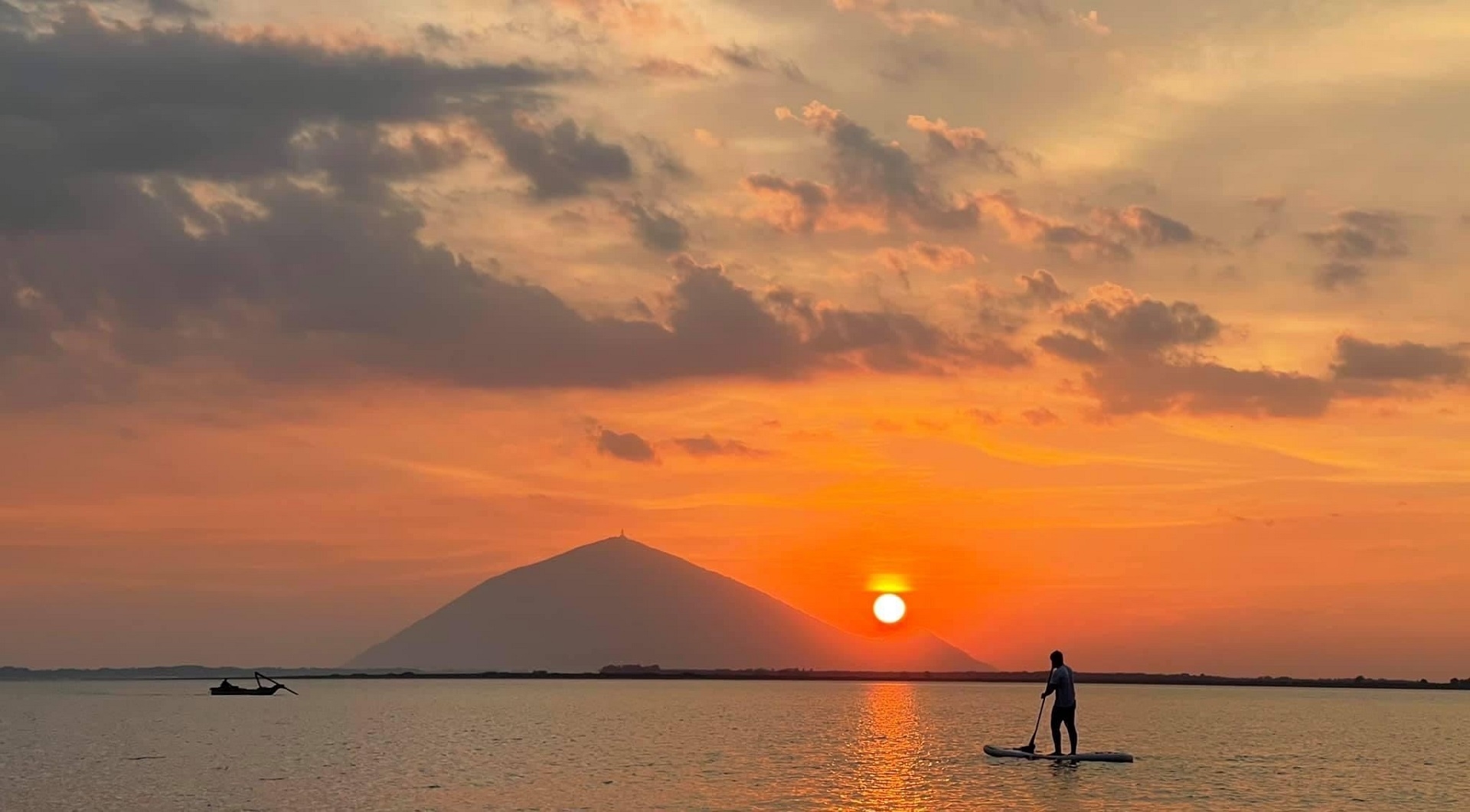
When visiting Tay Ninh, timing your trip around the Ba Den Mountain Festival can be extremely crucial, as this spot always fills with tourists and locals. If you prefer a quieter visit, weekdays outside festival times provide a more peaceful atmosphere. Next, wearing comfortable shoes and light, breathable clothing is necessary for hiking Ba Den Mountain or walking around the temple grounds. Following these tips will help you enjoy the rich and diverse things to do in Southern Vietnam that Tay Ninh has to offer.
11. Drift through coconut canals and the quiet charm of BếnTre
For nature lovers and slow travellers, pedalling through coconut groves is one of the most enriching things to do in Southern Vietnam. It is a tranquil yet immersive way to experience the rhythms of Mekong Delta life. As you pedal through this lush, green landscape, the towering coconut palms create a natural canopy overhead, filtering the tropical sun and filling the air with the scent of fresh foliage and ripening fruit.
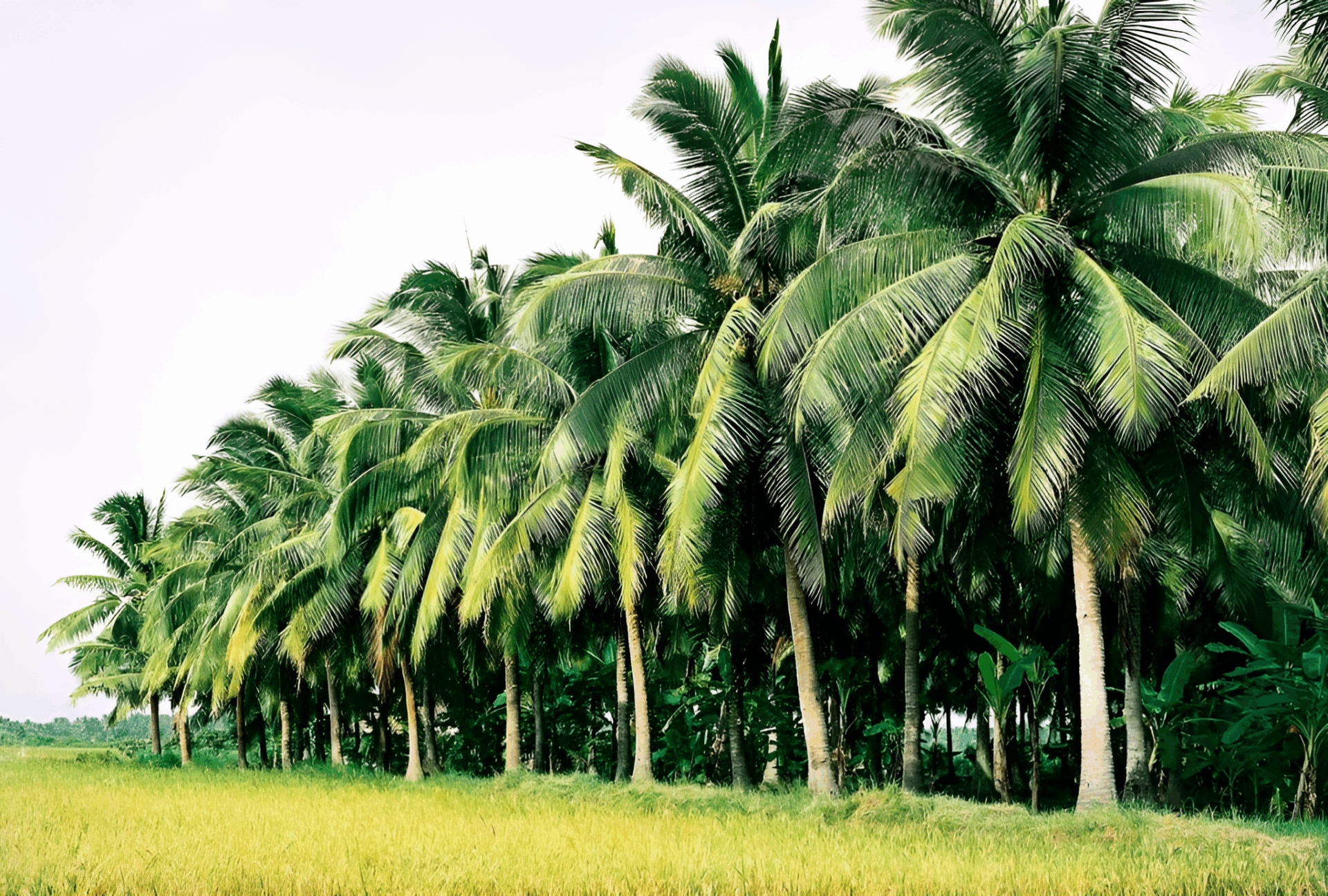
Few experiences capture the heart of Bến Tre like cycling through its vast coconut groves, where shady paths meander through a labyrinth of palm trees, fruit orchards, and sleepy canals. Here, you can rent a bicycle from a local homestay or eco-lodge and set out early in the morning, when the air is fresh and filled with birdsong.
No trip to Bến Tre is complete without a visit to one of its many traditional craft villages, where generations of artisans have honed their skills making products from natural materials like coconut, bamboo, and sedge. These villages offer a hands-on look at the region’s sustainable lifestyle and deep-rooted craftsmanship – an essential experience among the things to do in Southern Vietnam.
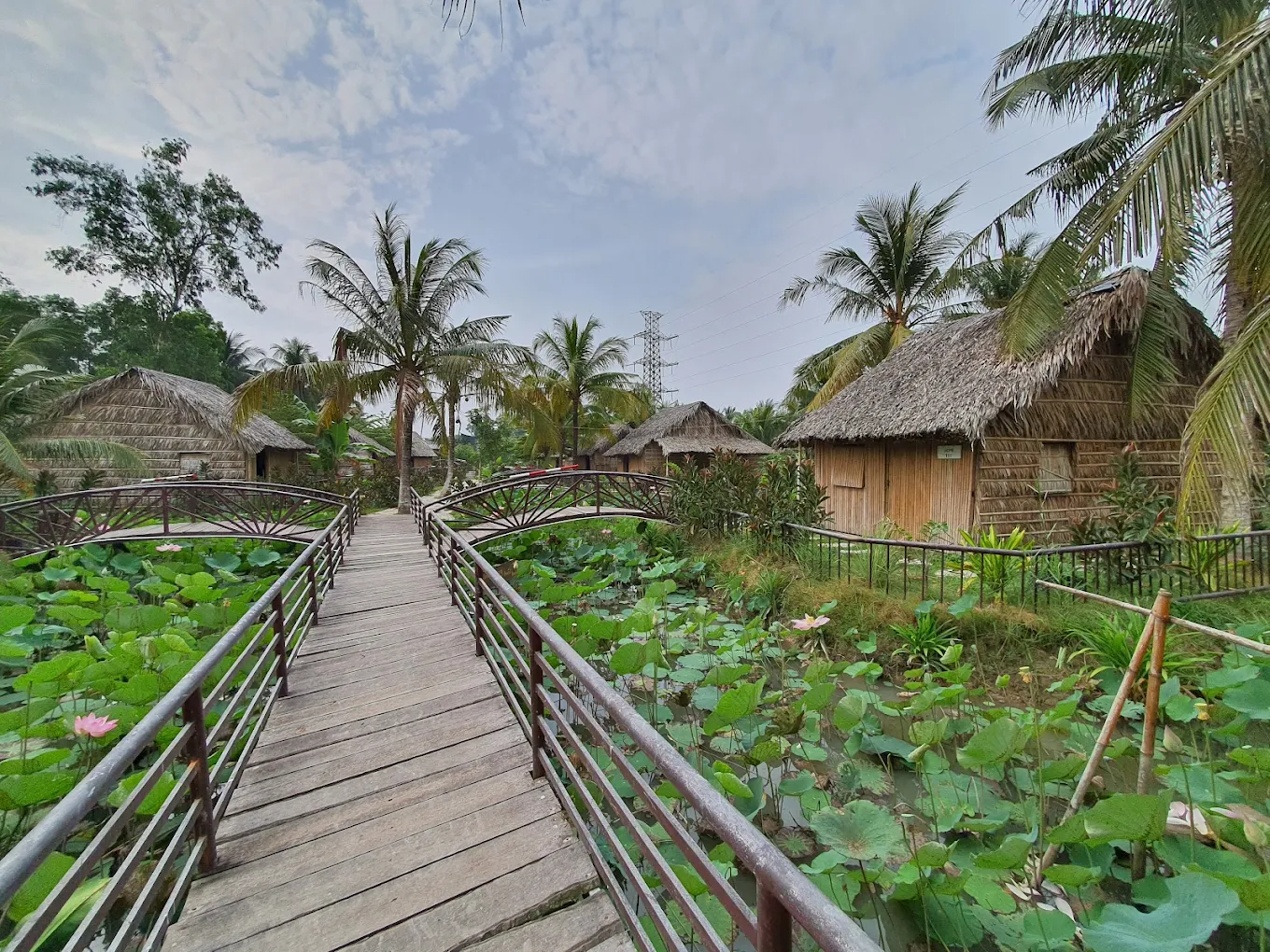
Many workshops welcome visitors to participate, making it a great chance to learn by doing and support local livelihoods. You can even purchase local produce directly from artisans as souvenirs for loved ones and friends.
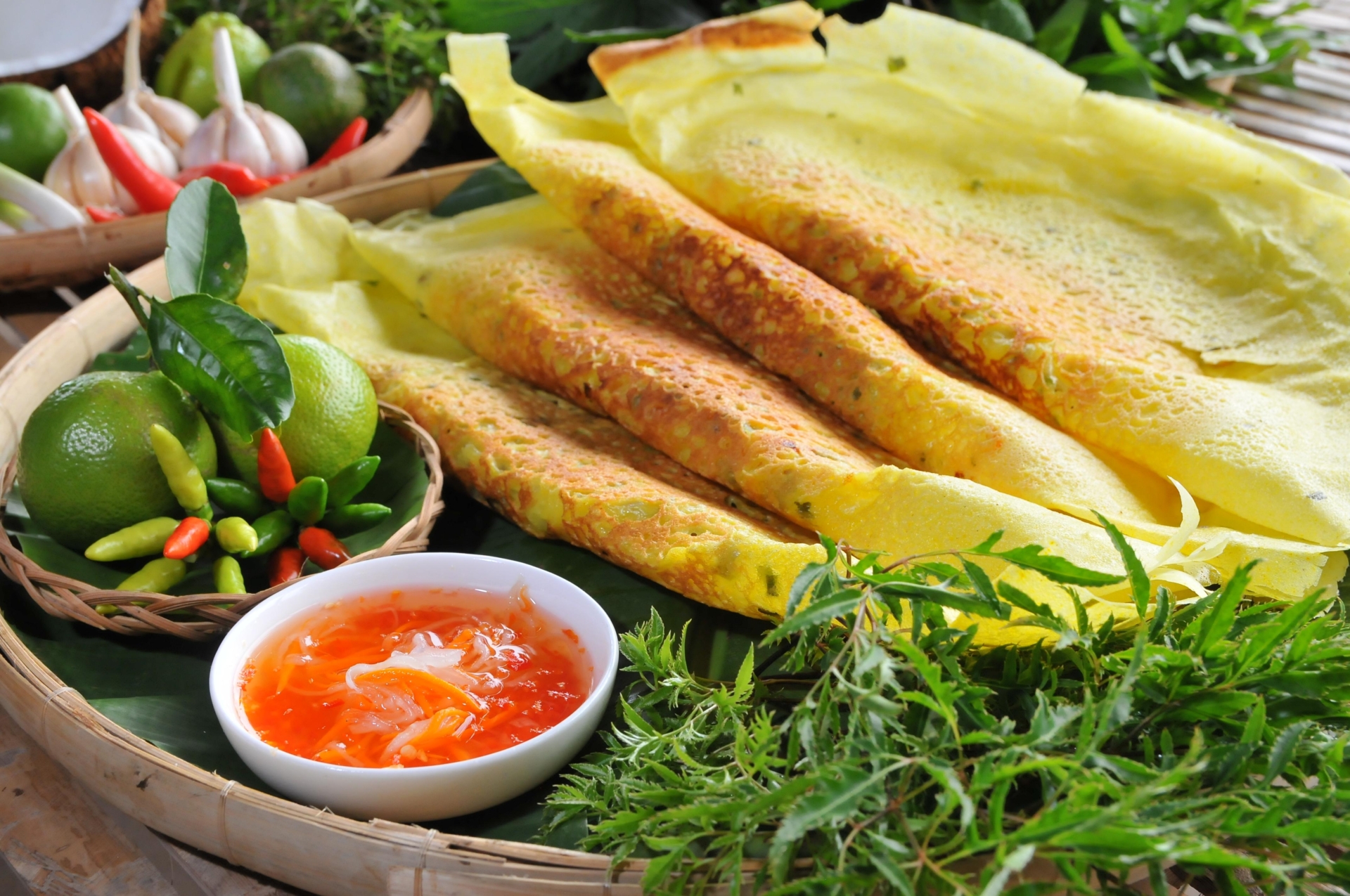
The cuisine of Bến Tre is deeply rooted in the fertile offerings of the Mekong Delta, where coconut is a key ingredient in countless local recipes. A must-try culinary delight is Bánh Xèo Cốt Dừa, a savoury pancake made with creamy, rich coconut milk batter. Don’t miss the chance to try cơm dừa: rice steamed inside a coconut, infusing every grain with a creamy, tropical flavour.
To make the most of your journey in Ben Tre, consider a few local tips that will enhance your travel experience. Early mornings and late afternoons are ideal for outdoor adventures like cycling or cruising the canals, thanks to cooler temperatures and beautiful lighting. Since many parts of the province are still quite conventional, remember to carry cash in small bills, as local shops and services often don’t accept credit cards. Don’t forget to pack insect repellent, sunscreen, and a wide-brimmed hat, especially if you’re exploring coconut groves or wetlands!
12. Witness Khmer Traditions Come Alive in Sóc Trăng
Among the most fascinating things to do in Southern Vietnam is to visit the Bat Pagoda. This centuries-old Khmer Buddhist temple is just a few kilometres from Sóc Trăng city centre and has gained a reputation for its spiritual significance and unusual wildlife.
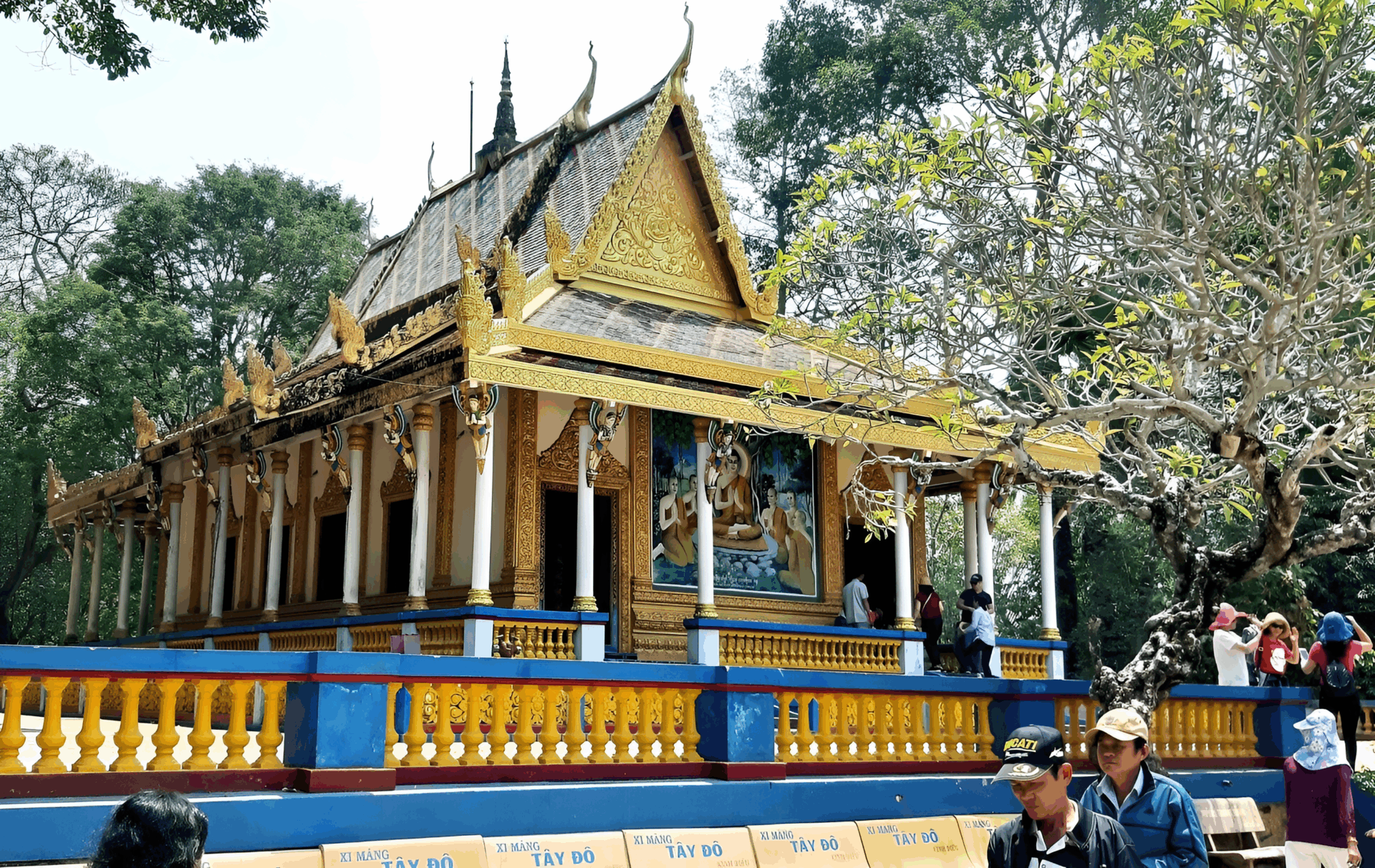
The temple’s ornate Khmer-style architecture, with its gilded roofs and carved serpents, reflects the rich cultural heritage of the local Khmer community. But what makes it outstanding is the colony of giant fruit bats that roost in the ancient trees surrounding the pagoda. With wingspans reaching over a meter, these bats hang peacefully during the day and take to the skies at dusk – a surreal and mesmerising sight.
Participating in a local festival is one of the most immersive things to do in Southern Vietnam, and Soc Trang is the ideal place to witness Khmer traditions in full celebration. The highlight of the year is Ok Om Bok, the Khmer Moon Worship Festival, usually held in October or November. This traditional festival is a tribute to the moon deity for a bountiful harvest and is celebrated with offerings of popped rice, folk games, and vibrant street parades.
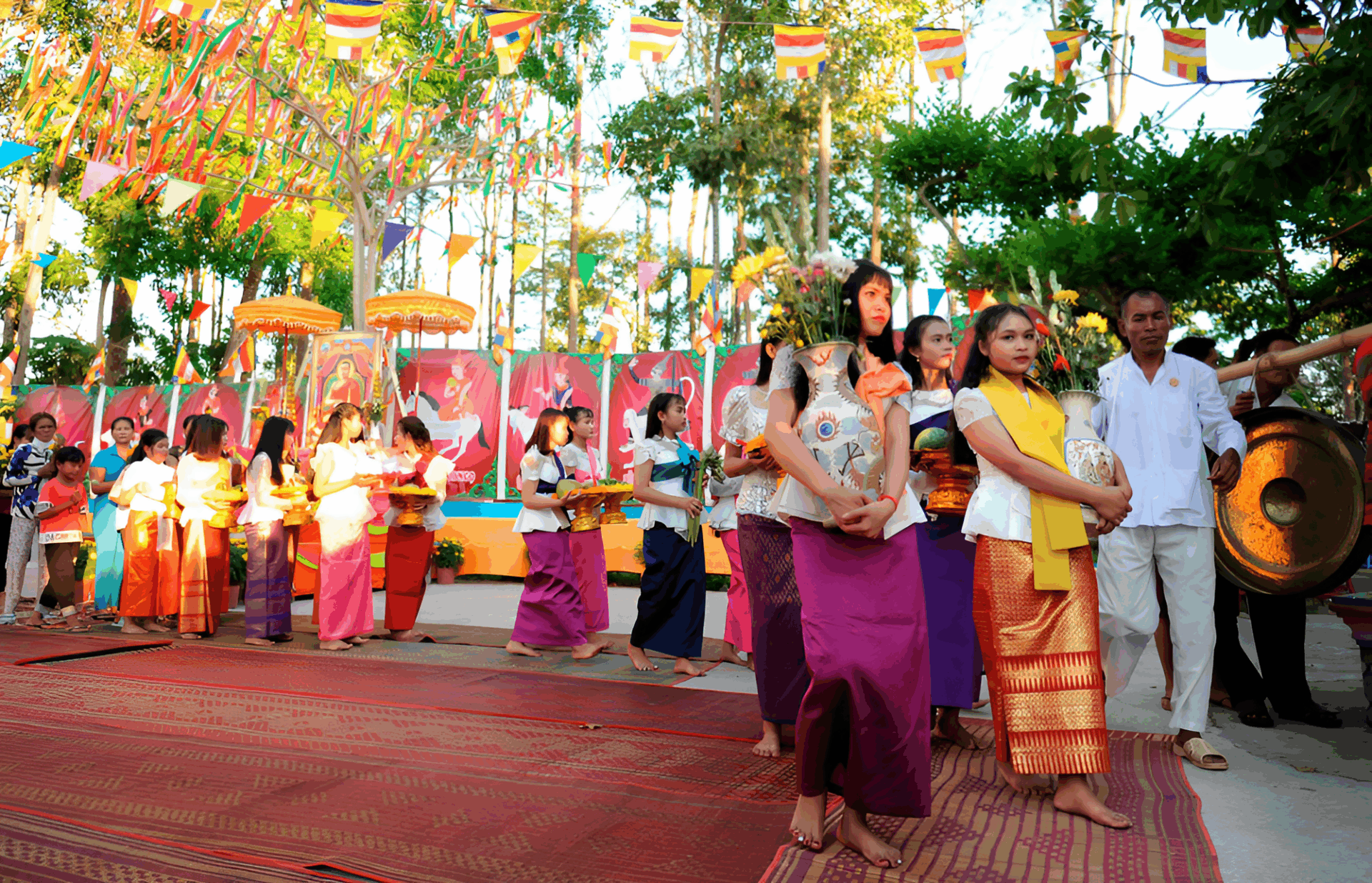
Visitors are welcome to join the festivities, watch traditional Apsara dances, taste festival foods, and experience the deep communal spirit that defines Khmer culture – this is one of the most memorable things to do in Southern Vietnam.
If you love food as a gateway to culture, tasting Pia Cake is a deliciously unique experience and one of the tastiest things to do in Southern Vietnam. Soc Trang is the birthplace of this iconic pastry, which combines influences from Chinese, Vietnamese, and Khmer culinary traditions.
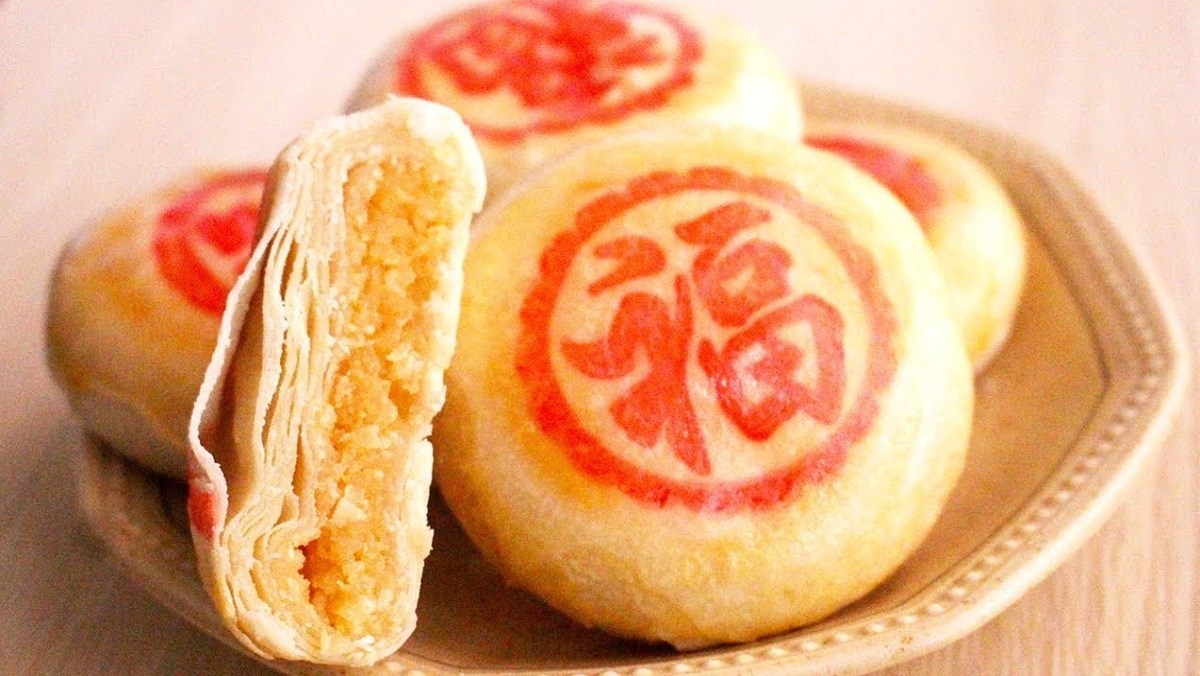
Pia Cake is a flaky, round cake with layers of soft dough filled with combinations of durian, mung bean, salted egg yolk, and even taro. While durian can be an acquired taste, locals swear by its creamy, rich flavour. You can visit well-known family-run bakeries such as Tan Hue Vien or Kim Sa, where artisans handcraft pastries daily using time-honoured methods.
When visiting Soc Trang, remember to dress modestly, especially when visiting temples and attending festivals. Additionally, to avoid the intense heat of the midday sun, plan outdoor activities for early morning or late afternoon. If you have plenty of time during your trip, do not forget to participate in the glowing and colourful Ok Om Bok festival and the exciting boat races, both among the most memorable things to do in Southern Vietnam.
13. Discover the graceful heritage of Bạc Liêu
Begin your journey into Bac Lieu’s past by diving into the captivating story of the famous Bac Lieu Dandy. Bac Lieu Dandy’s real name is Tran Trinh Huy. He was a legendary figure from the early 20th century, renowned for his extravagant lifestyle and flamboyant personality, such as driving imported cars or burning cash to light his cigarettes. According to legend, Bac Lieu Dandy’s lavish spending earned him admiration and notoriety throughout southern Vietnam.
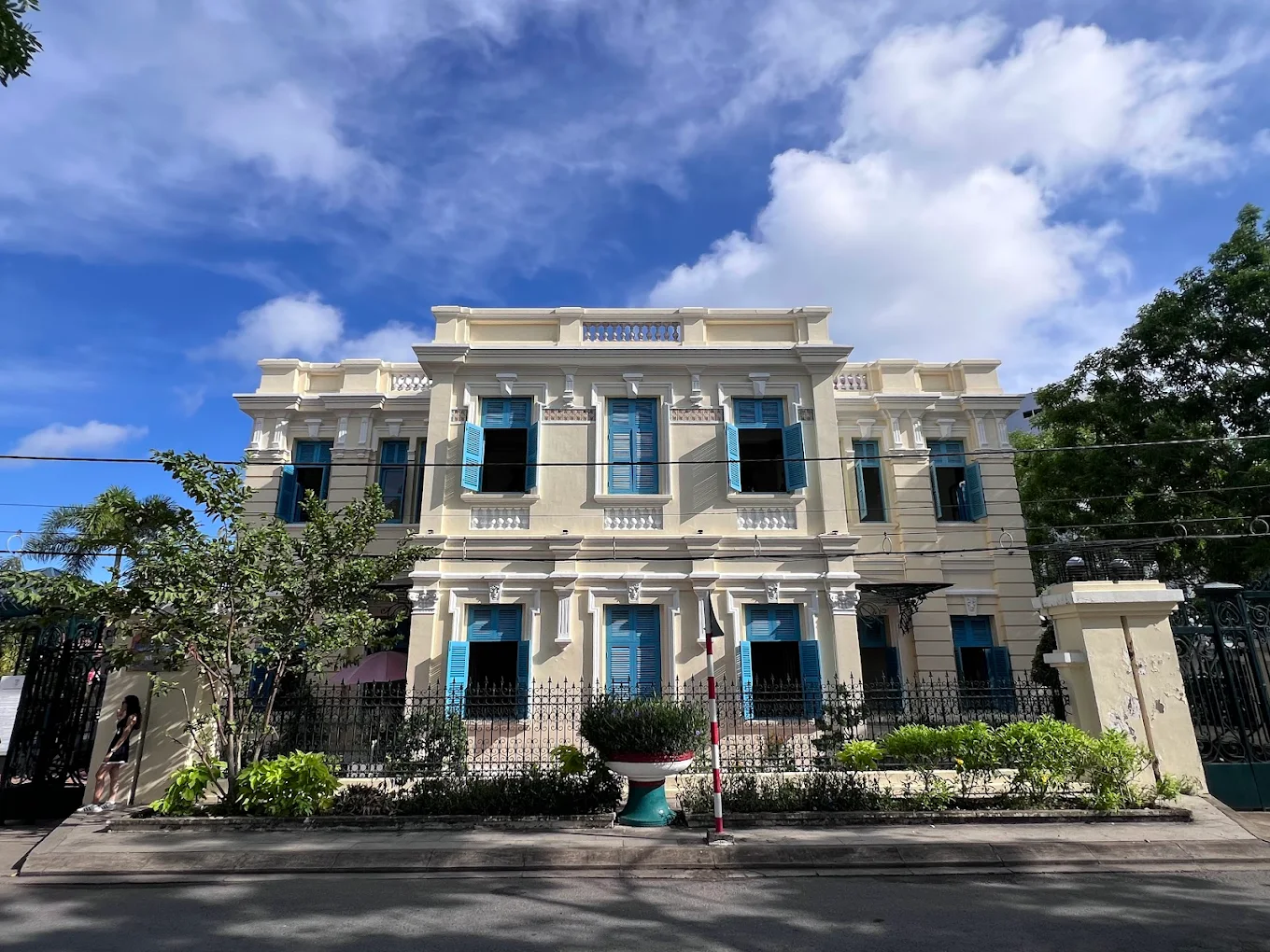
Today, his mansion in Bac Lieu town is a striking monument to this flamboyant lifestyle. Inside, you’ll find a rare collection of personal items: silk suits, French wine glasses, and vintage photographs that offer a candid glimpse into a time when French elegance merged with southern Vietnamese prestige.
Music is deeply woven into Bac Lieu’s cultural identity, with Don Ca Tai Tu at its core. This traditional musical form, originating in Southern Vietnam, blends scholarly court music with the improvisational freedom of folk traditions. Recognised by UNESCO as an Intangible Cultural Heritage in 2013, Don Ca Tai Tu embodies the emotional depth and artistic refinement of the Mekong Delta people.
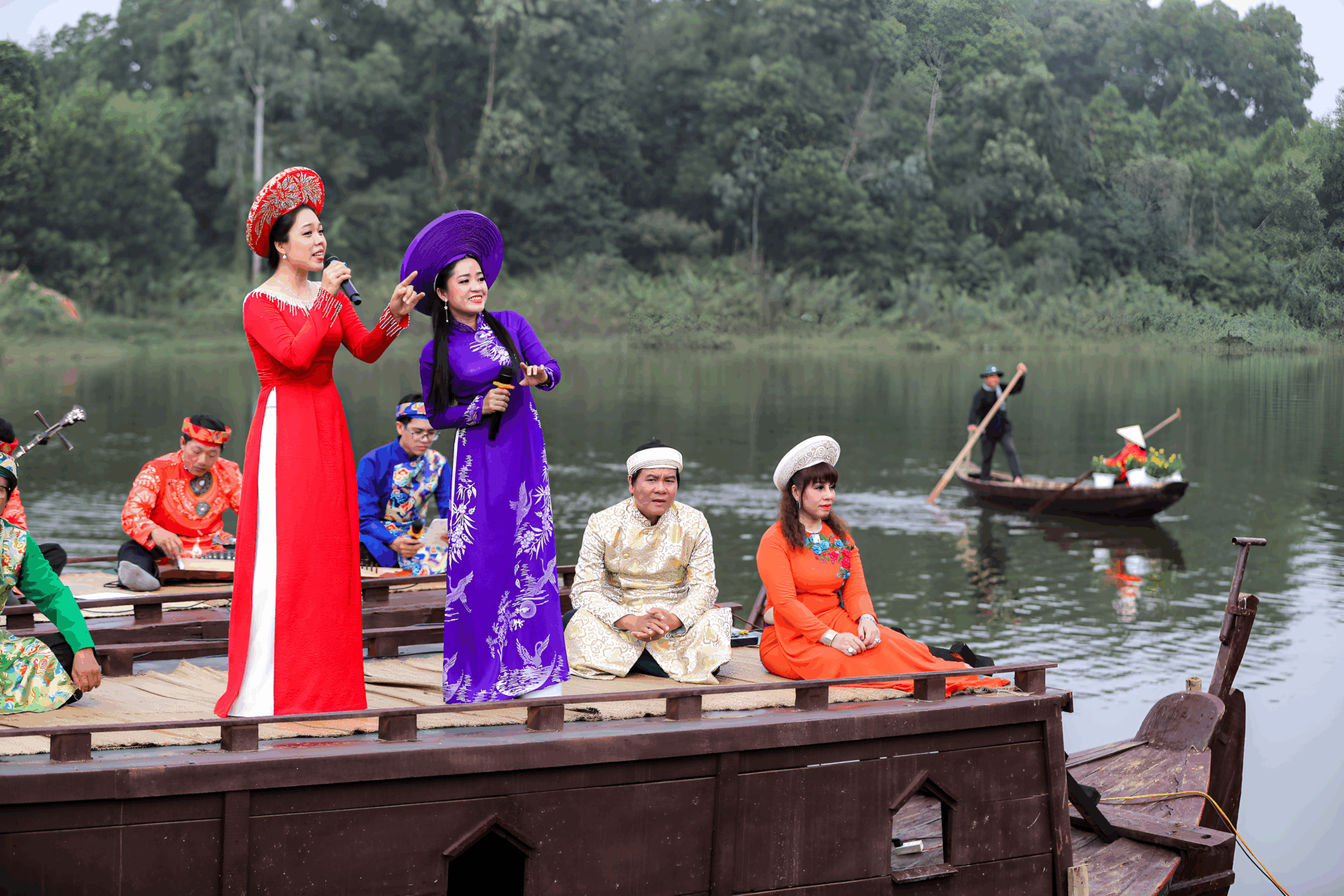
In Bạc Liêu, you’ll often find these performances held in cultural houses or under the soft glow of lanterns in local temples. Musicians will perform in Ao Dai, play traditional stringed instruments, and each note will pluck at your heartstrings. A notable feature about Don Ca Tai Tu is that the lyrics are rich in metaphor, representing themes of love, history, nature, and fate.
If you’re seeking tranquillity, a visit to the coastal haven of Quan Âm Phật Đài Pagoda (one of Bac Lieu’s most sacred and visually stunning spiritual landmarks) is a perfect option. Situated where land meets sea, this Buddhist temple is revered for its serene energy and majestic architecture.
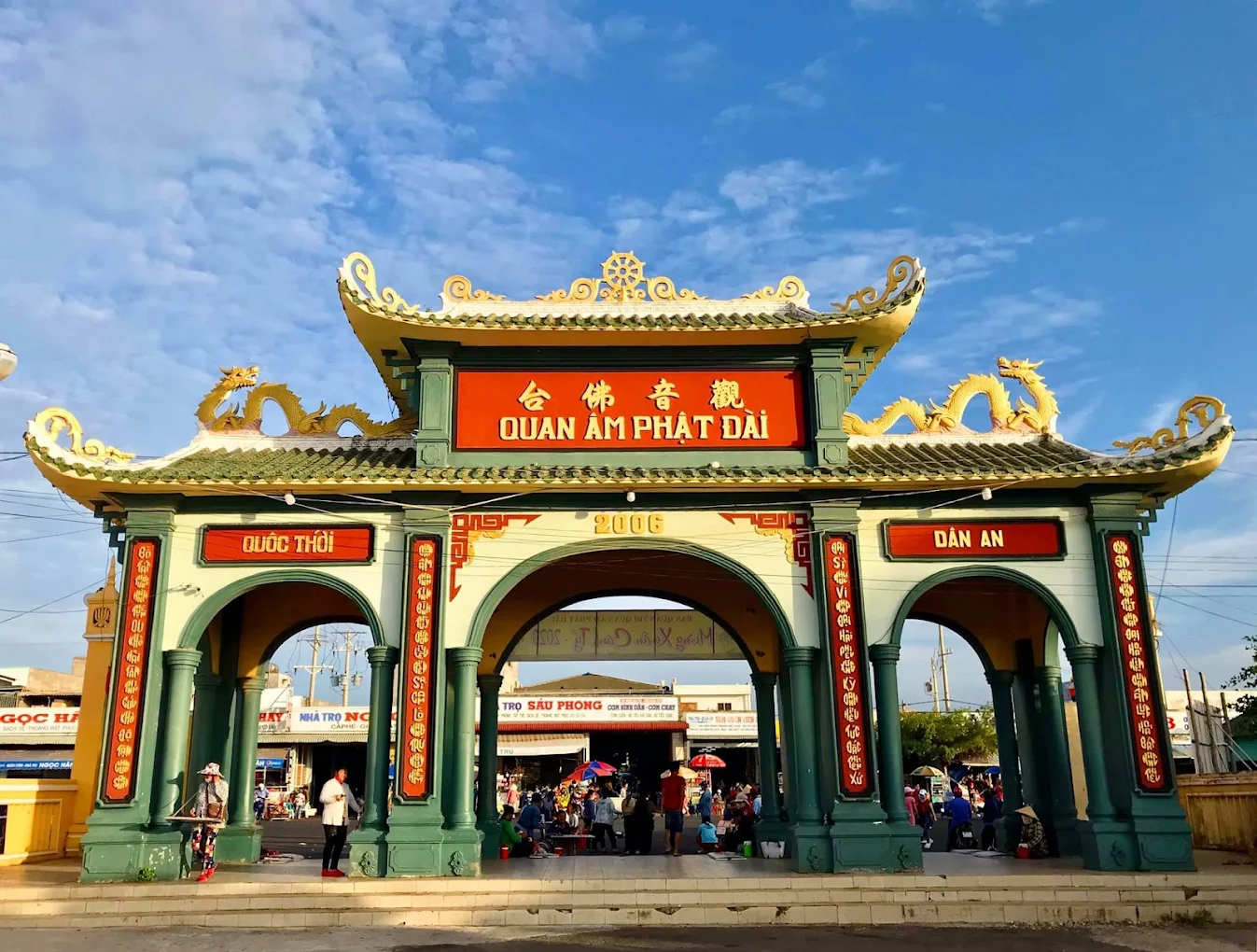
As you stroll through the temple grounds, the scent of wood blends gently with the salty sea air, creating a soothing, meditative ambience. The experience becomes even more profound during Buddhist holidays, when inhabitants from across the Delta arrive with offerings of flowers and fruit.
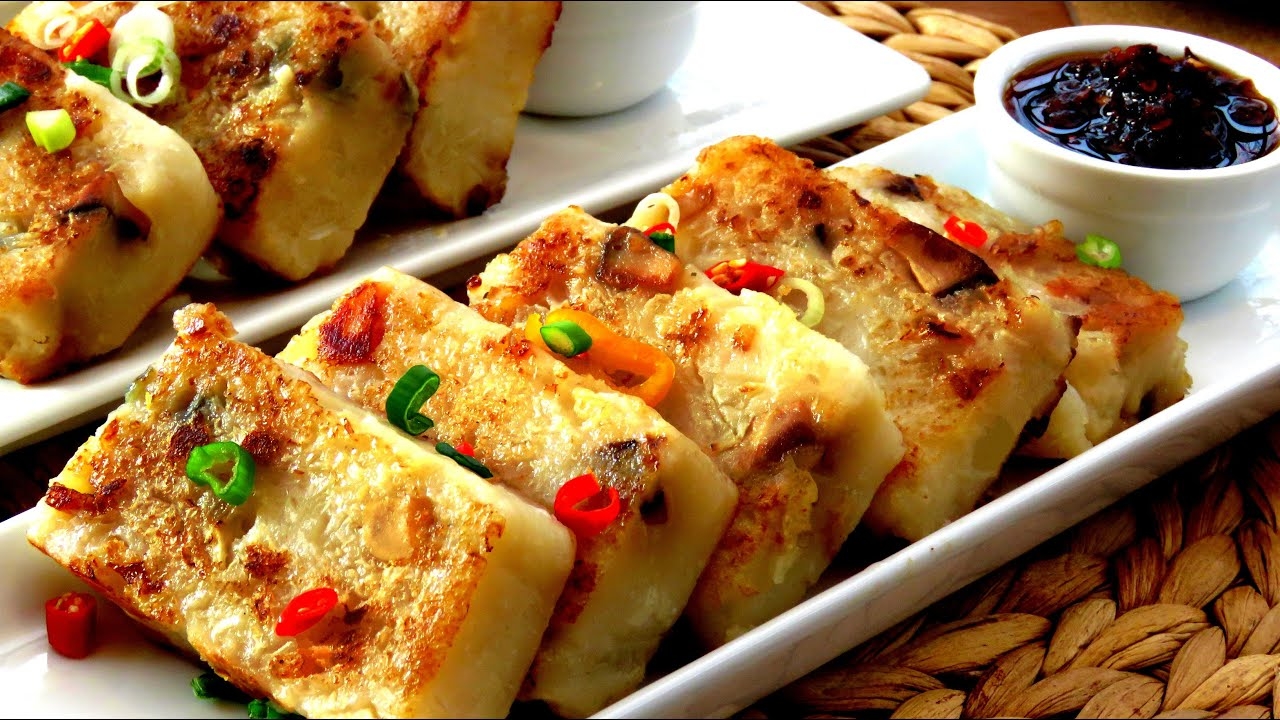
Bac Lieu’s cuisine is a delicious reflection of its coastal geography and diverse cultural roots. Specifically, the flavours here are bold yet balanced, often featuring fresh herbs, seafood, and local pungent spices. One of the must-try dishes is Bun Bo Cay Bac Lieu, a spicy beef noodle soup unique to the region. Its rich, chilli-laden broth and tender beef slices create a comforting yet fiery combination that awakens the senses. Another standout dish is Banh Cu Cai (radish cake)- a savoury snack with crisp edges and a soft centre.
For the most memorable experience, consider staying in a homestay with a local family. You’ll enjoy home-cooked meals, participate in daily routines, and connect on a deeper level with the rhythms of everyday life in Bạc Liêu. Also, public transportation in Bac Lieu is still limited, especially if you want to explore rural villages or the scenic coastline; renting a motorbike or hiring a local driver can give you the flexibility to go at your own pace. Believe me, these authentic moments are some of the best things to do in southern Vietnam for travellers seeking genuine cultural immersion.
14. Savouring Hu Tieu while cruising the Mekong River in Cần Thơ
The Cai Rang Floating Market is often described as the Mekong Delta’s busiest and most authentic floating market — an actual sensory explosion and a cornerstone of things to do in Southern Vietnam. To catch this bustling scene at its peak, set your alarm before dawn and aim to arrive by 5:00 or 6:00 AM.
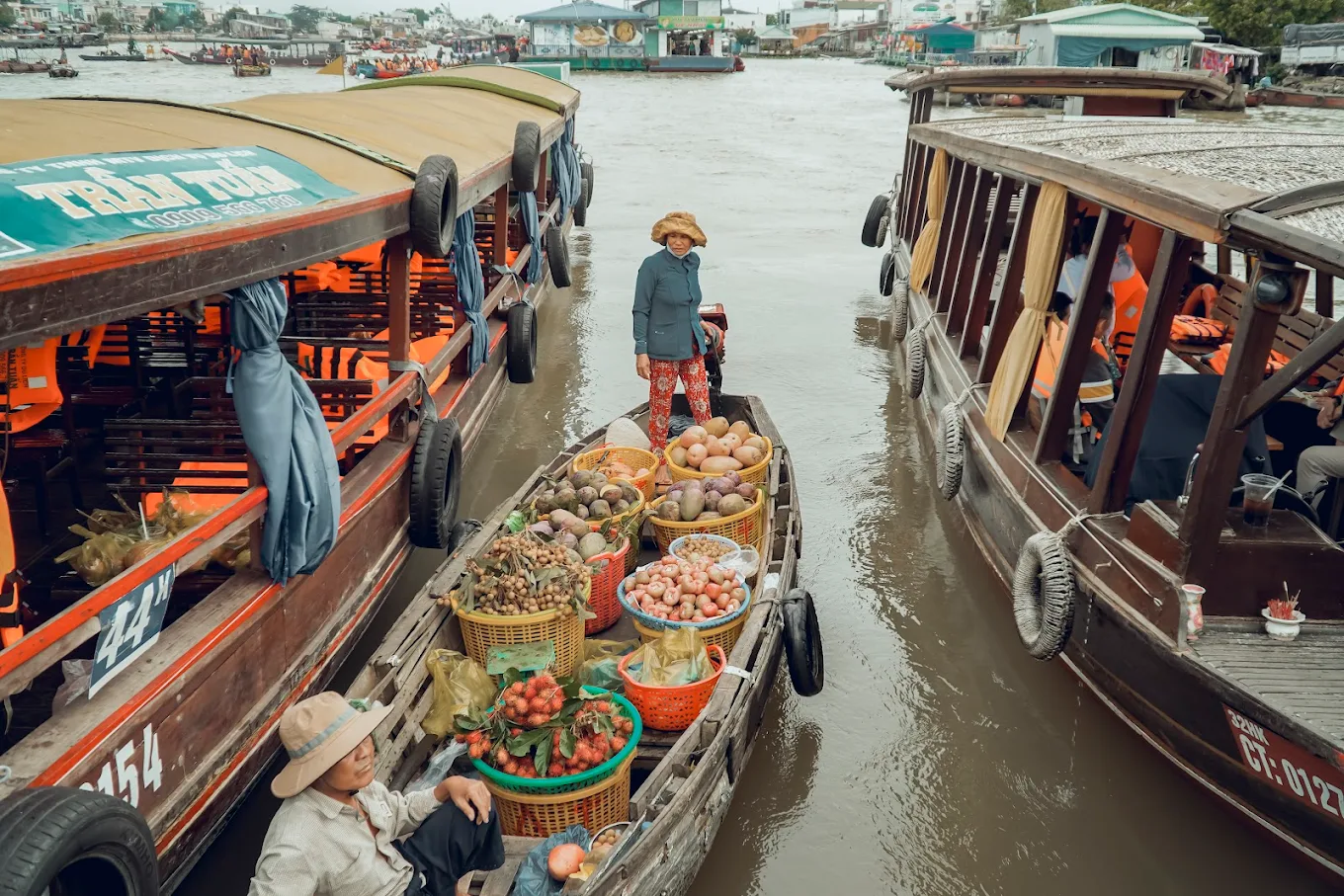
You should board a small boat with a local guide who expertly manoeuvres through the maze of vessels, giving you an intimate view of the river commerce. Along the way, you’ll see how locals live and trade harmoniously with the water: families loading their day’s supplies, children playing on the banks, fishermen casting nets, and sellers preparing traditional snacks on board.
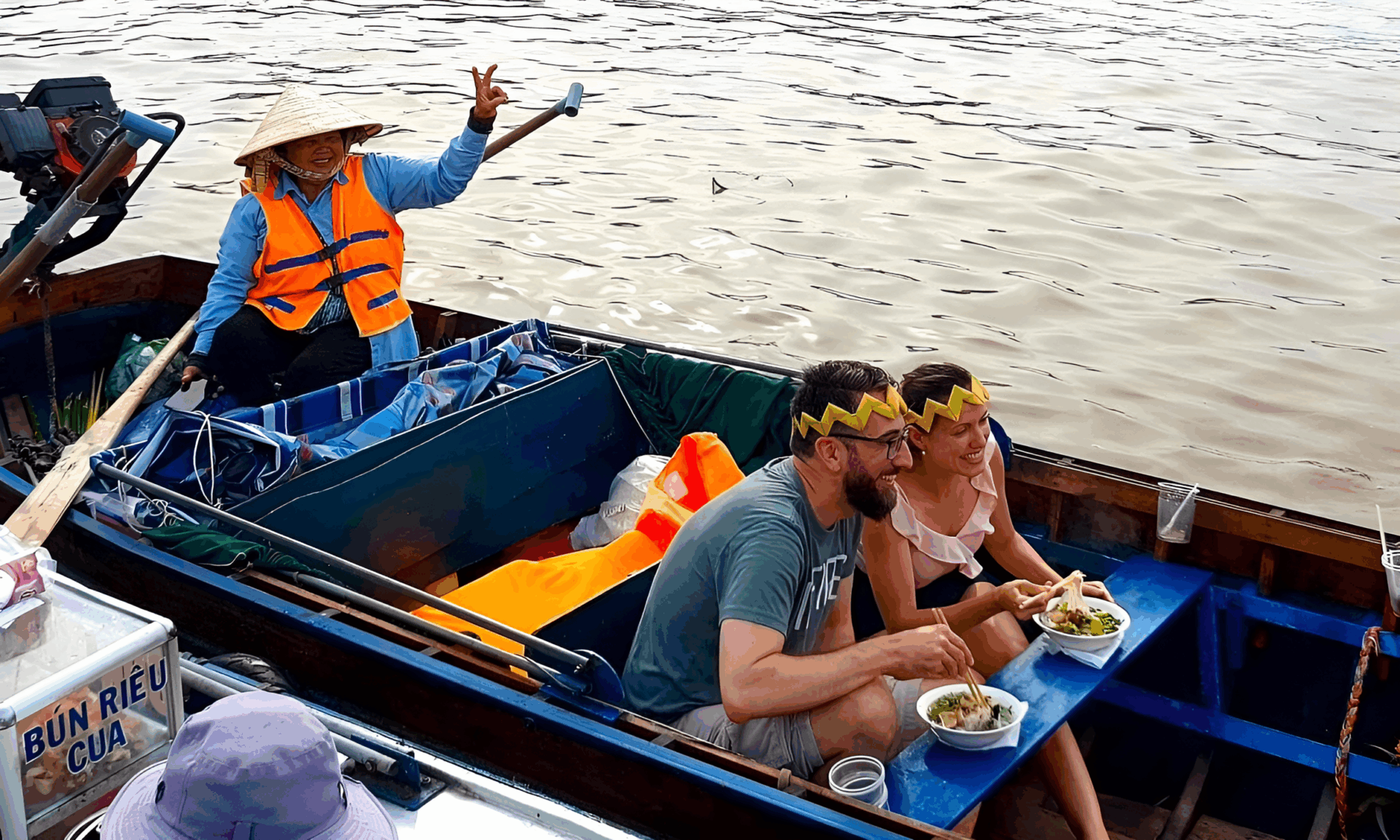
Don’t miss the chance to try a steaming bowl of Hu Tieu or Pho right on the boat – one of the most fantastic things to do in Southern Vietnam is slurping noodles while floating through the market, surrounded by the chatter and splash of river life, all creating memories that will last forever.
When the sun begins its slow descent, the Ninh Kieu Wharf transforms into the social heart of Can Tho. Stretching along the banks of the Hau River, this long promenade is where locals and travellers gather to unwind after the day’s heat.
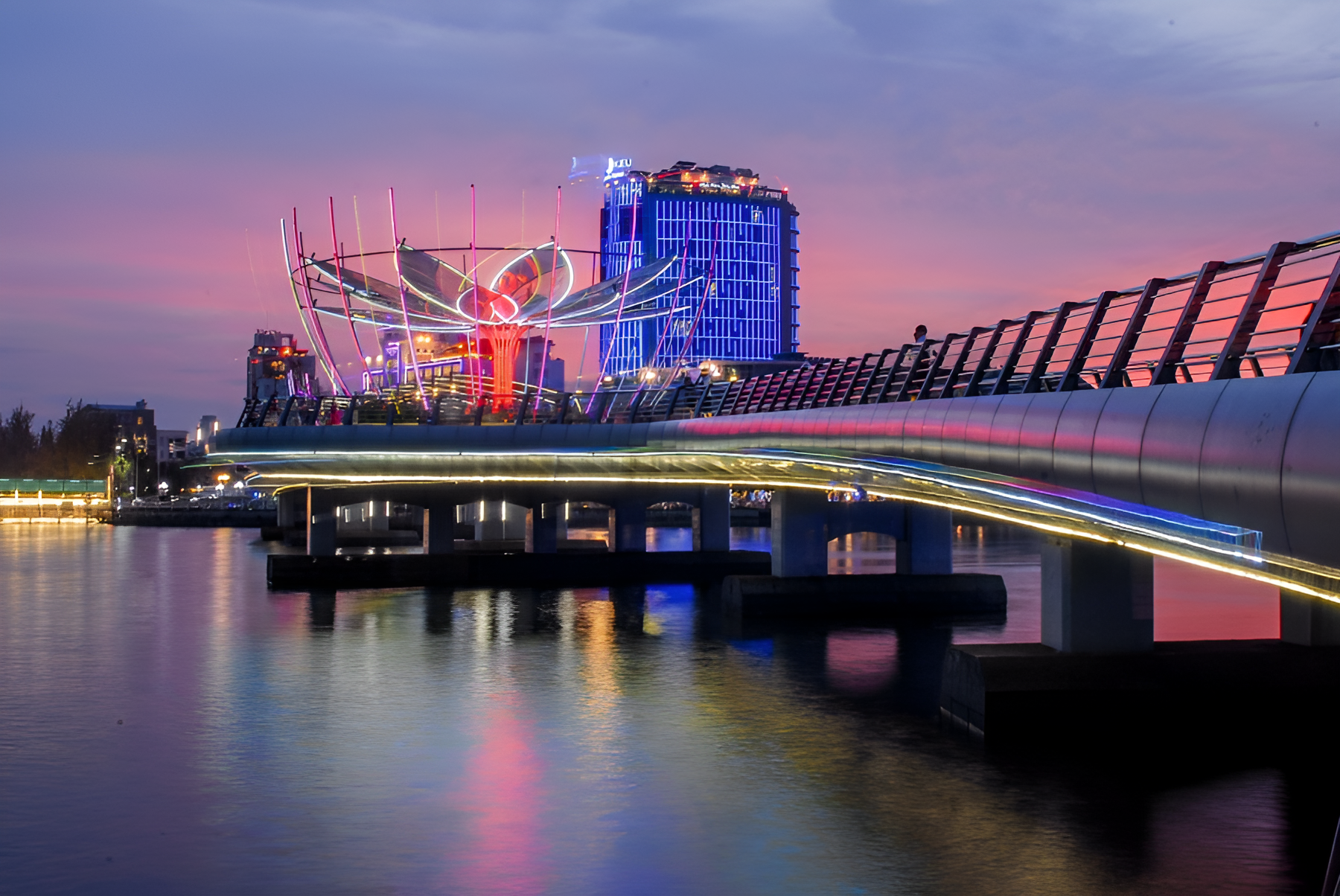
This is one of the most serene and picturesque things to do in Southern Vietnam, as it offers a glimpse into local life as day turns into night. For the best experience, start your evening with a stroll along the well-maintained riverwalk.
Located just 6 kilometres from the city centre, the Bình Thủy Ancient House stands the test of time, representing a testament to the fusion of Vietnamese and French colonial architecture in the Mekong Delta. Built in the 1870s by a wealthy merchant family, this elegant mansion invites visitors to return to a bygone era of prosperity and cultural blending.
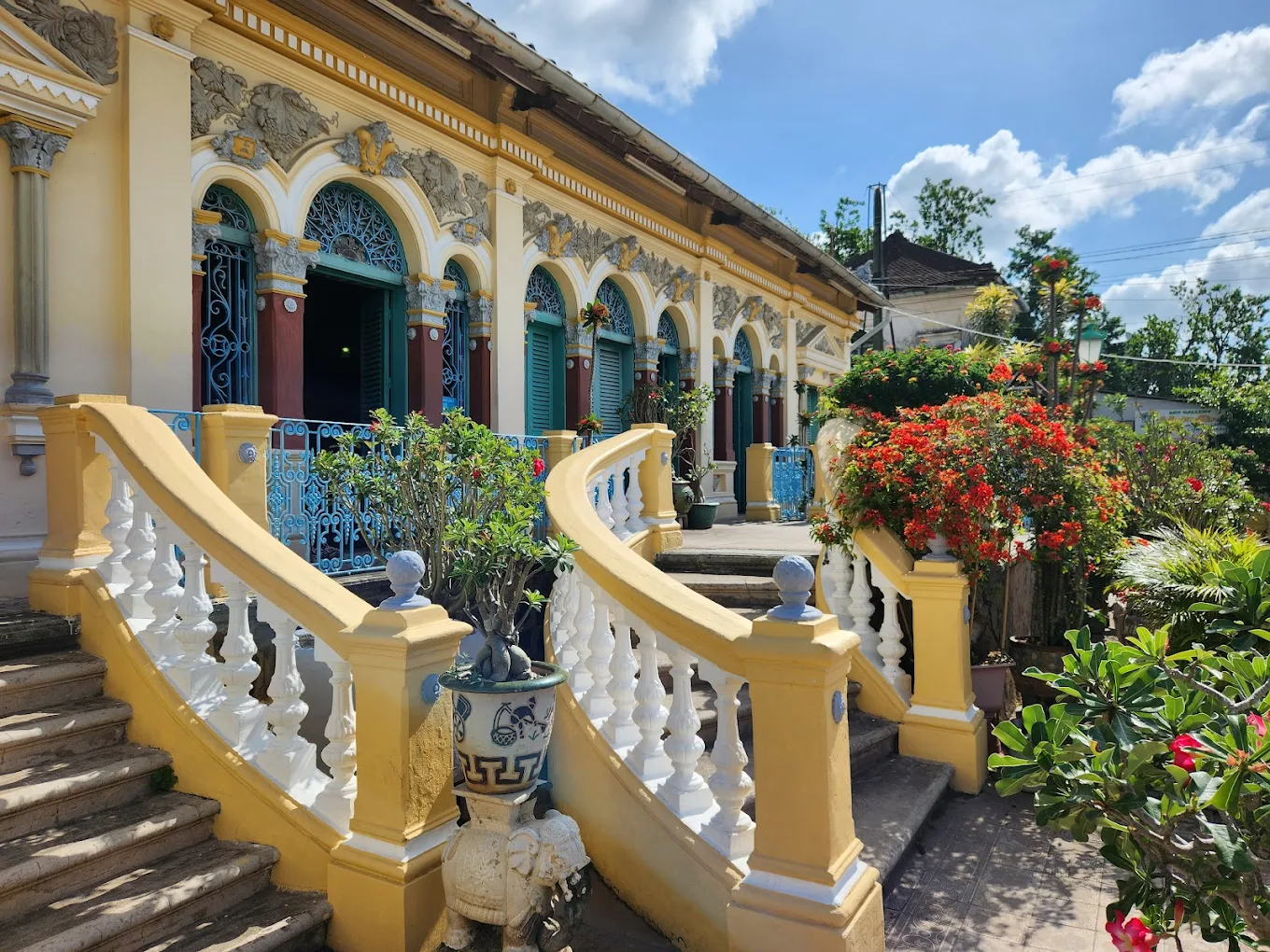
From the outside, the Binh Thuy Ancient House impresses visitors with its tall white columns, intricate woodwork, and shuttered windows that reflect both European and traditional Vietnamese styles. Your visit here offers more than just a photo opportunity; it’s a window into the social history of the Mekong Delta’s elite class, their lifestyle, and the region’s architectural heritage — a distinct and rewarding thing to do in Southern Vietnam.
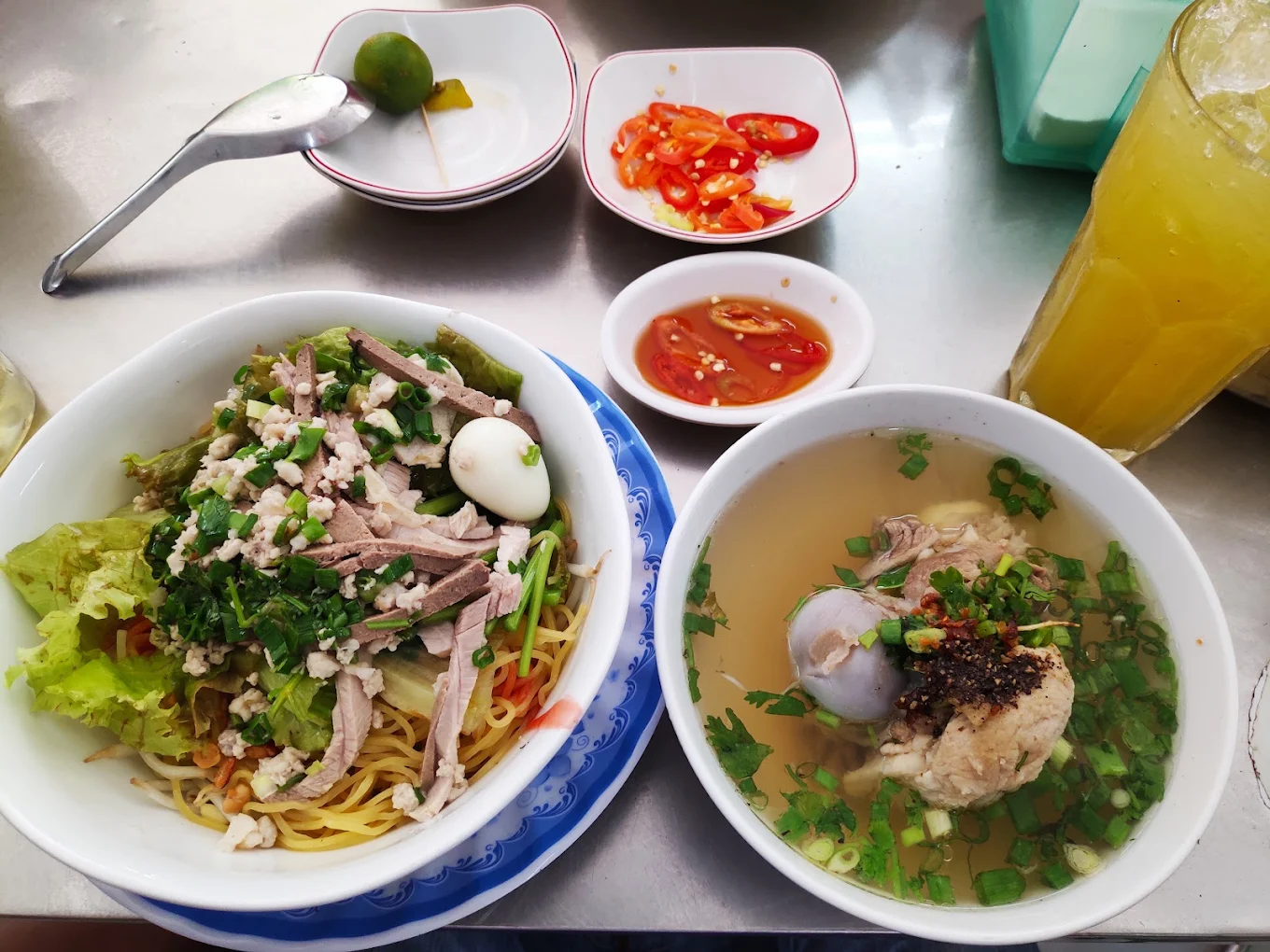
Can Tho is a culinary treasure trove and one of the top things to do in Southern Vietnam, offering an array of flavours that beautifully reflect the richness of the Mekong Delta. The city is especially famous for Hu Tieu, a delicious and versatile noodle soup with many variations—the clear broth style with pork and shrimp or the dry version served with a savoury dipping sauce.
Here are a few tips for a smoother trip to Can Tho. First and foremost, plan your visit to the floating markets early in the morning, as this is when the market is at its liveliest and the atmosphere is serene. Bringing cash in small denominations is essential, as many vendors do not accept cards, especially on boats and in local markets. Next, to protect yourself from the tropical climate, remember to pack sunscreen, a wide-brimmed hat, and insect repellent. For accommodations, consider staying in a riverside homestay or eco-lodge, which offers a more authentic experience than city hotels.
15. Discover the wild beauty at Vietnam’s southern edge in Cà Mau
Standing at Vietnam’s southernmost point is special. Cape Ca Mau (Mui Ca Mau) is symbolic and scenic – this is where mainland Vietnam reaches its final tip, touching the East Sea and the Gulf of Thailand. Moreover, Cape Ca Mau is where land, river, and sea converge, and it’s marked by a symbolic national milestone that travellers love to photograph.
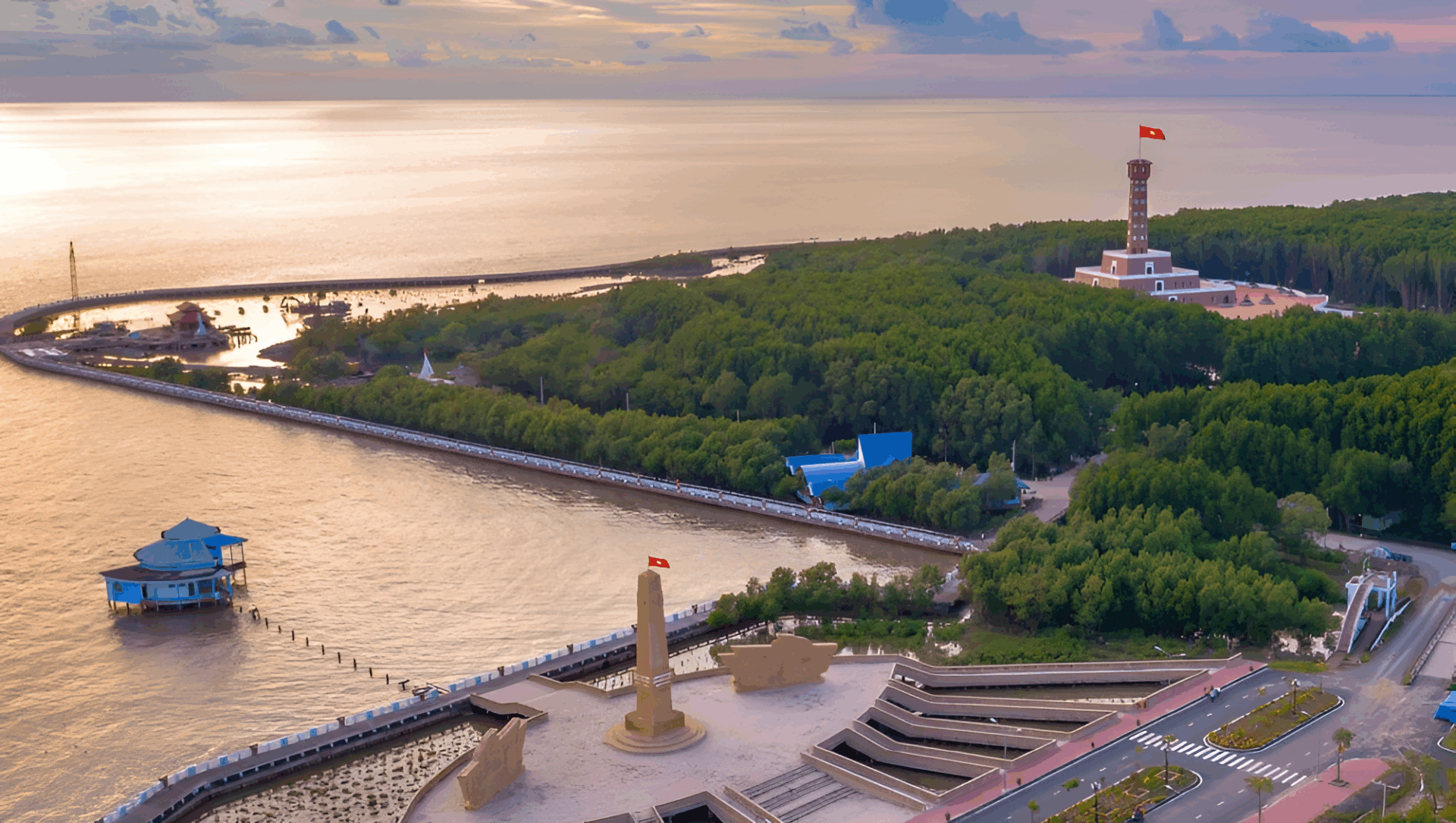
When reaching Cape Ca Mau, try walking along the raised wooden pathways through dense mangroves, climbing the observation tower for panoramic coast views, and taking a boat ride through the waterways to truly absorb the area’s natural serenity. The surrounding Ca Mau Cape National Park is a UNESCO-recognised biosphere reserve rich with birdlife, crabs, and ancient mangrove roots.
For nature lovers, U Minh Ha National Park is a dream come true. To be more specific, it is a renowned biodiverse wetland home to cajeput forests, hidden waterways, and a rich variety of wildlife, from birds and snakes to freshwater fish and bees. If you want to travel to U Minh Ha National Park, it’s best to visit in the dry season (from December to May), when it is most accessible.
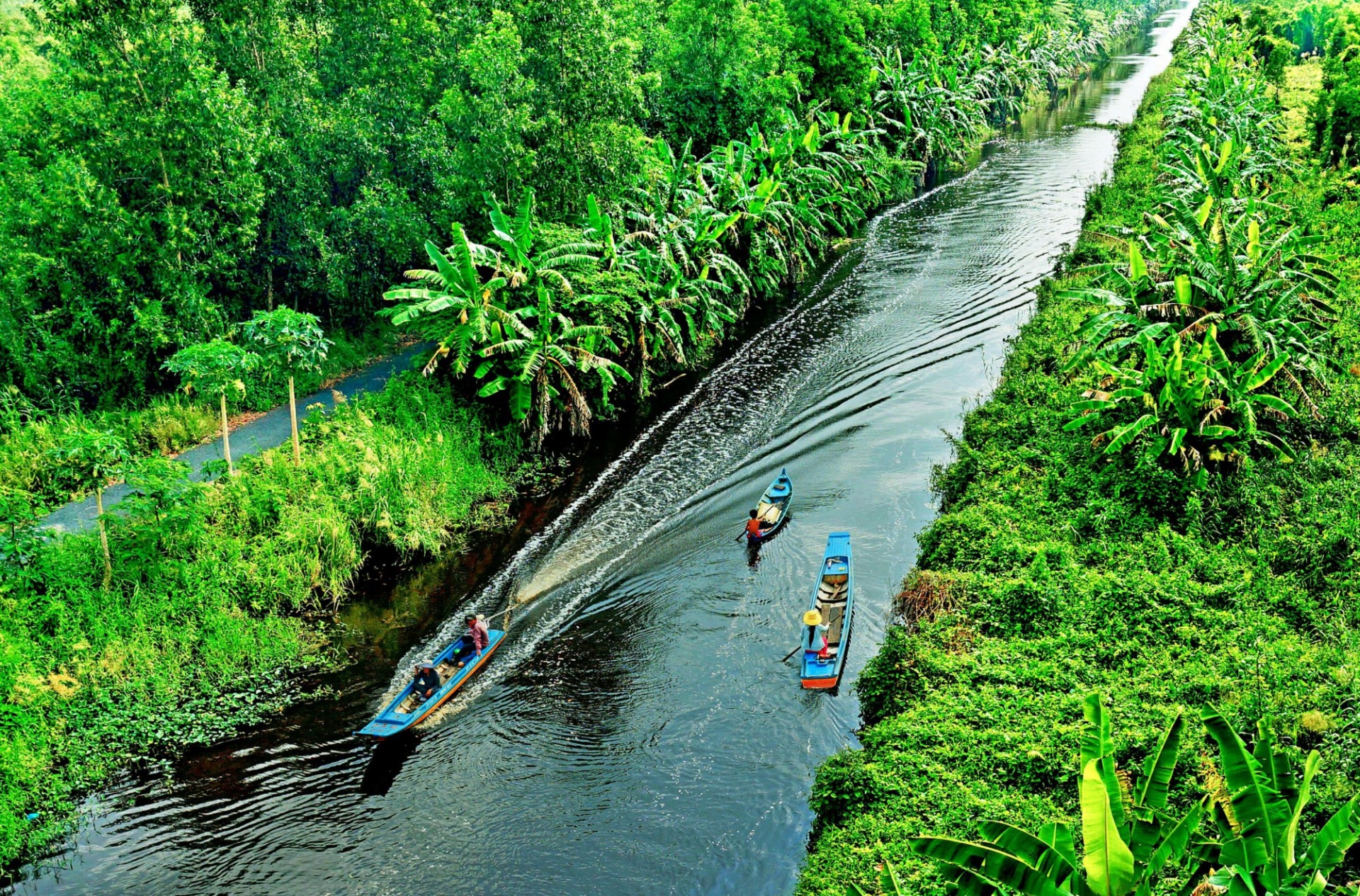
You can simply take a boat tour through the flooded forest, learn about local beekeeping techniques, and climb a watchtower to spot birds and observe the forest canopy. It’s quiet, peaceful, and wildly different from Vietnam’s more commercialised parks. Also, this is one of the most peaceful things to do in Southern Vietnam—far from the noise and crowds.
The best time to visit Ca Mau is during the dry season, from December to April, when the weather is more predictable and boat rides are smoother. Getting to Ca Mau by bus from Ho Chi Minh City takes about 8 to 9 hours, or you can take a domestic flight to the local airport if you prefer to save time.
It’s advisable to dress modestly, especially if you’re attending festivals or visiting temples. Lastly, if you’re planning to explore places like U Minh Ha National Park or Hon Khoai Island, hiring a local guide is highly recommended — they’ll help you navigate tricky routes and share insights you won’t find online.
How Many Days Should You Spend in Southern Vietnam?
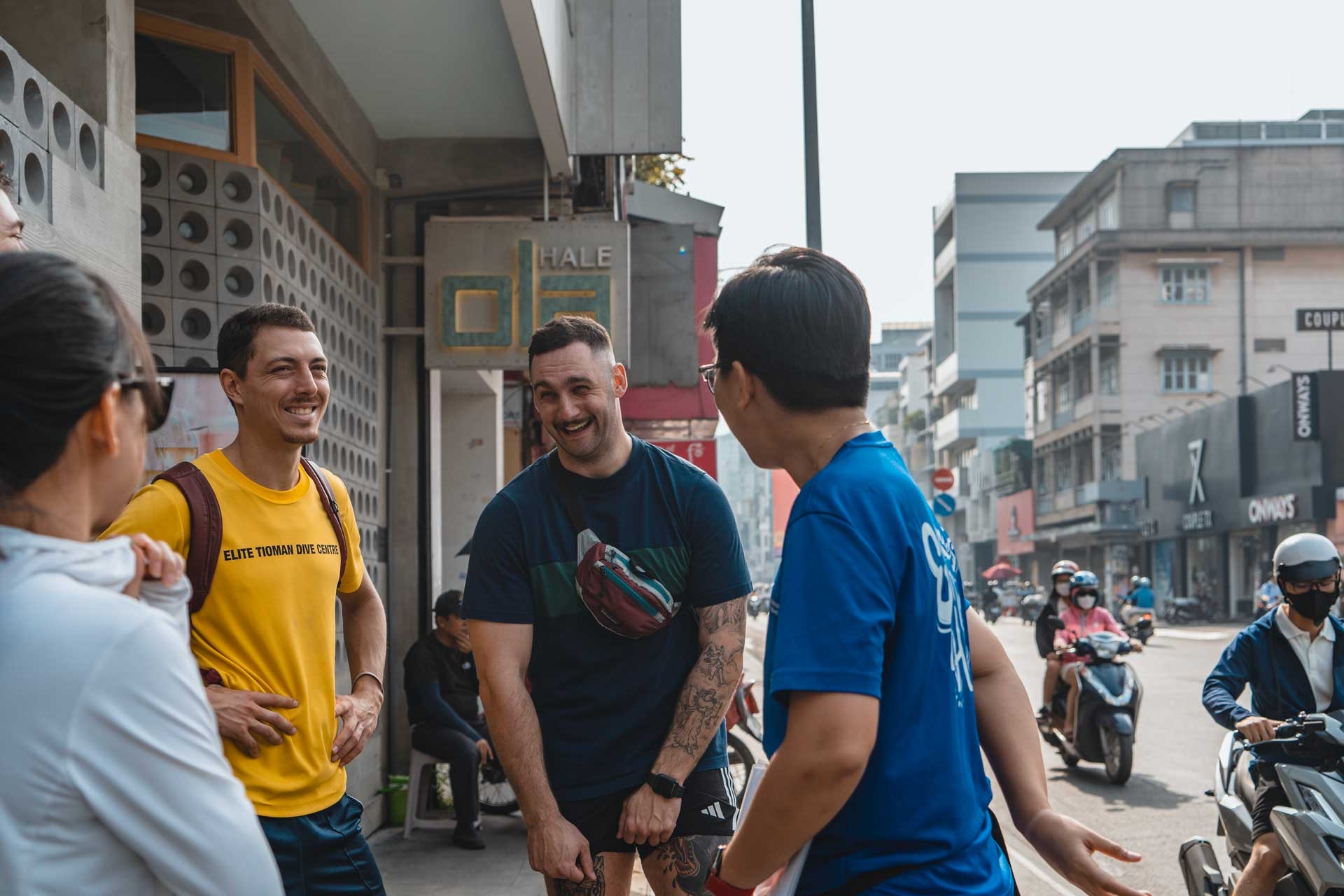
Whether you’re planning a quick weekend escape or a slow, immersive travel experience, Southern Vietnam has plenty to offer — from buzzing city streets and coffee culture to floating markets and countryside bike rides. Let’s break it down by how much time you have and help you choose the best things to do in Southern Vietnam for your trip.
1–2 Days: Short-Term Travelling
If you’re on a layover, a tight schedule, or just passing through, stick to the highlights of Ho Chi Minh City (HCMC). It’s fast-paced, exciting, and packed with must-see spots.
Perfect for: Business travellers, stopover visitors, quick backpackers.
Top things to do in Southern Vietnam (HCMC only):
- Visit the War Remnants Museum, Notre-Dame Cathedral, and Ben Thanh Market.
- Hop on a street food tour or take a motorbike night ride through the city.
- Dive into the café scene from vintage coffee shops to rooftop brews.
3–4 Days: City Life with a Taste of Culture
Got a long weekend? This is the perfect amount of time to experience the heart of Southern Vietnam — city vibes and a quick escape.
Perfect for: First-time travellers, solo adventurers, digital nomads on break.
Here’s what you can do:
- Day 1–2: Wander central HCMC, visit museums, enjoy rooftop bars, and sample street eats.
- Day 3: Take a day trip to the Cu Chi Tunnels or the edge of the Mekong Delta.
- Day 4: Go market strolling, do some café hopping, or hop on a guided street food tour
5–6 Days: Add Some Countryside Charm
Now we’re getting into more relaxing territory. If you’ve got nearly a week, you can combine urban excitement with peaceful countryside escapes.
Perfect for: Couples, foodies, culture lovers, weekend escape seekers.
Suggested itinerary:
- Days 1–3: Dive into HCMC and nearby gems (like District 7, Chinatown).
- Days 4–6: Visit Ben Tre or Can Tho for the floating markets, sampan rides, and rural calm.
Note: Join a Vietnam cycling tour for authentic local encounters and hidden village routes.
10+ Days: For a Deep Exploration
Southern Vietnam opens up in the most magical way when you slow down. This is your chance to explore more deeply and connect with local life.
Perfect for: Slow travellers, photographers, cycling lovers, nature fans.
Best things to do in Southern Vietnam:
- HCMC (2 days): Dive into street life, food, and culture.
- Mekong Delta (3 days): Visit Chau Doc, Soc Trang, or go on a boat trip.
- Da Lat or Phu Quoc (3–4 days): Choose alpine charm or island vibes.
Practical Tips for Exploring Southern Vietnam
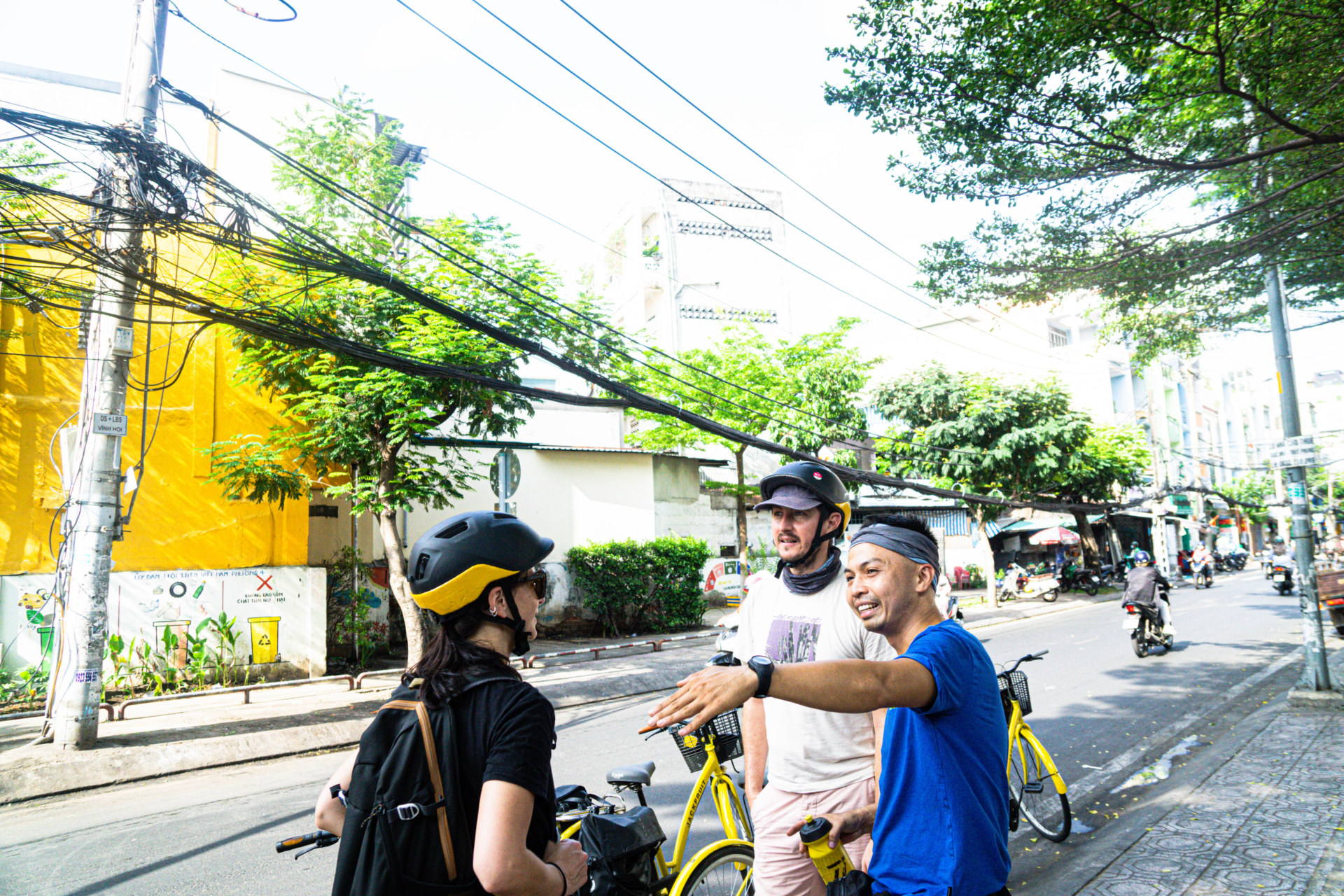
Once you’ve started planning all the incredible things to do in Southern Vietnam, it’s time to prepare for the more practical side of travel. Here’s everything you need to know to make your adventure smoother, safer, and a lot more fun.
1. Getting Around: Buses, Motorbikes & Ride-Hailing Apps
Transportation in the South is super varied, depending on your destination and the amount of time that you have. Below are some suggested transportation options:
-
Local buses: Budget-friendly for getting around and traveling to nearby cities like Can Tho, Vung Tau, or Da Lat – just check schedules in advance.
-
Motorbikes: A great way to explore smaller towns and hidden spots; wear a helmet, ride carefully, and carry an international license.
-
Ride-hailing apps: Grab, Gojek, and Be make city travel easy, from booking rides to ordering food straight to your hotel.
2. What to Pack for The Trip?
Climate in the South is tropical, hot, and sometimes wet, so packing wisely will make a huge difference when you’re out exploring all those amazing things to do in Southern Vietnam. Here’s what you should pack for your trip:
- Hat: The sun is intense, especially in the middle of the day.
- Raincoat: Showers can come out of nowhere, especially during rainy season (May to November).
- Refillable water bottle: Staying hydrated is essential, especially when cycling, walking, or on a boat trip.
- Sunscreen: Get one with high SPF — the UV index here doesn’t mess around.
- Bug spray or mosquito repellent: Crucial for sunset hours, especially near rivers, jungles, and rural areas.
*Bonus tip: Wear breathable or quick-drying clothes and comfy shoes — you’ll be moving around a lot!
Scams to Watch Out For
Southern Vietnam is generally safe, but as with any destination, it helps to stay alert so you can focus on enjoying all the things to do in Southern Vietnam — not dealing with travel hiccups. Here are a few common scams to avoid:
- Fake taxis: Stick to reputable companies (such as Vinasun or Mai Linh) or use ride apps. Avoid taxis with vague branding or no meter.
- Overcharging spots: Don’t be shy about bargaining — it’s normal here!
- Rental deposit issues: Double-check the condition of the motorbikes before leaving the shop.
- “Too friendly” locals: Avoid overly friendly strangers offering unsolicited help.
Cycling Through Southern Vietnam with Jackfruit Adventure!
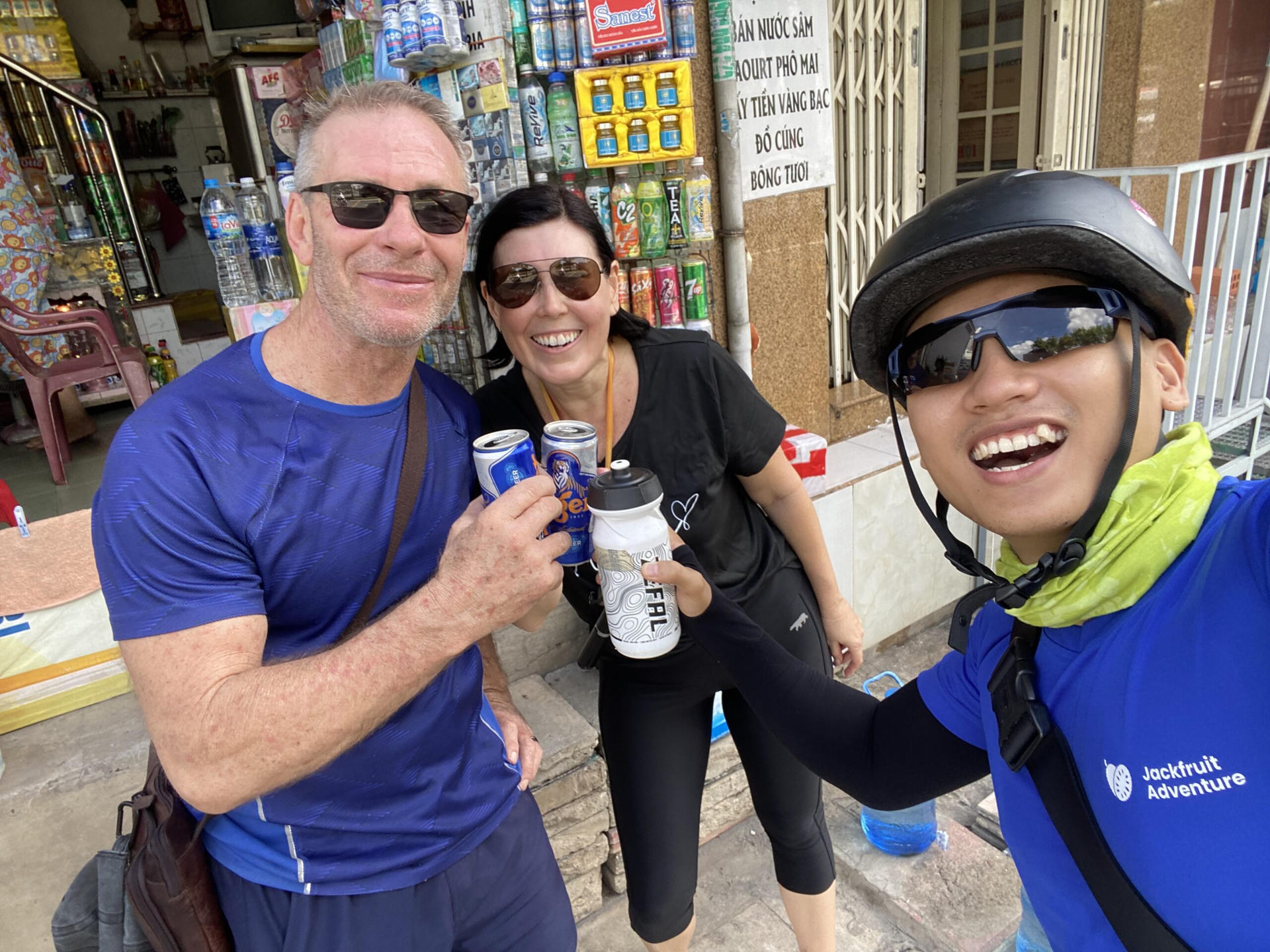
So there you have it: A wide range of awesome things to do in Southern Vietnam, from cruising the Mekong Delta to chasing sunsets on the dunes of Mui Ne Beach. Whether you’re a foodie, a nature lover, or just here for the good vibes, the South will stick with you long after your trip ends.
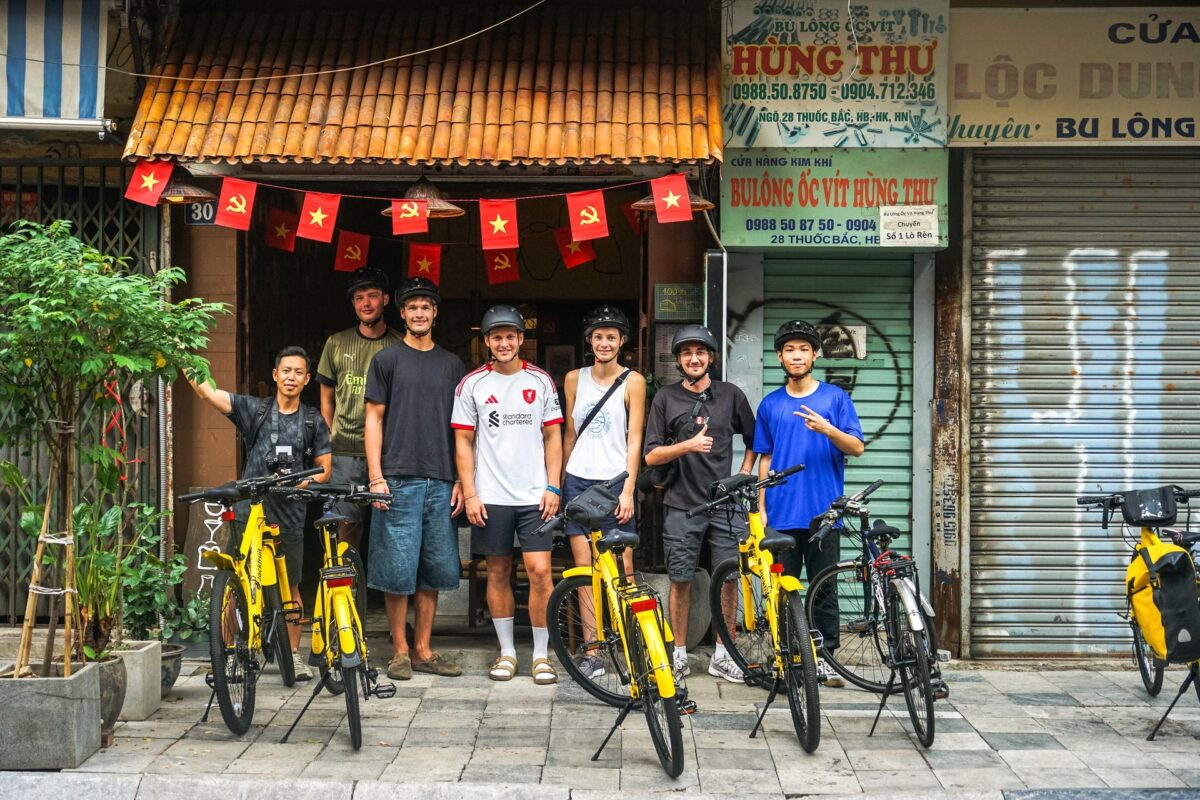
If you’re looking for a fun, local way to explore it all, check out Jackfruit Adventure’s cycling tours in Ho Chi Minh City! When it comes to things to do in Southern Vietnam, cycling with us is one of the most authentic and immersive ways to experience the region. Our tours take you beyond the touristy spots and into the heart of locals’ everyday life.
Whether you’re a casual tourist or a seasoned cyclist, we have routes and an itinerary that fit your travel vibe. We’ll take you off the tourist trail: through alleyways, markets, and hidden gems you’d never find on your own, giving you a fresh and meaningful take on the best things to do in Southern Vietnam. Are you ready to ride with us?